PORTER NOVELLI
PORTER NOVELLI
GREG WALDRON
Introduction
Program Implementation
Performance Management System
Development
Evaluation
PORTER NOVELLI 1972
Jack Porter and Bill Novelli
Global PR, marketing and
communication firm(NEW YORK).
CEO Jillian Janaczek
Est. Employees 1.0-5.0K
Porter Novelli's
mission is to help
clients manage their
narratives and maintain
trust with stakeholders
through innovative and
strategic
communications.
MISSIO
N Porter Novelli's
vision is to
leverage smart
data and
authenticity to
drive
transformational
change and unlock
value for clients in
a fast-paced
cultural
landscape.
VISION
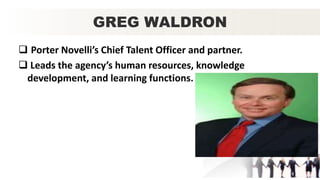
GREG WALDRON
 Porter Novelli’s Chief Talent Officer and partner.
 Leads the agency’s human resources, knowledge
development, and learning functions.
CASE STUDY
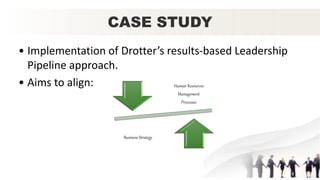
• Implementation of Drotter’s results-based Leadership
Pipeline approach.
• Aims to align: Human Resources
Management
Processes
Business Strategy
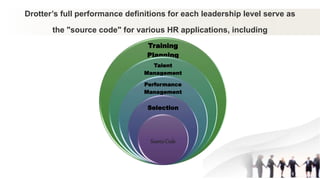
Drotter’s full performance definitions for each leadership level serve as
the "source code" for various HR applications, including
Source
Code
Selection
Talent
Manage
ment
Training
Planning
Performa
nce
Managem
ent
Training
Planning
Talent
Management
Performance
Management
Selection
SourceCode
“Leadership Pipeline Model”
Drotter’s results-based Leadership Pipeline
approach given by Ram Charan, Stephen
Drotter, and James Noel.
The model focuses on results-based
performance and systematic development to
ensure a steady flow of capable leaders who
achieve business goals.
Business Diagnosis And Assessment
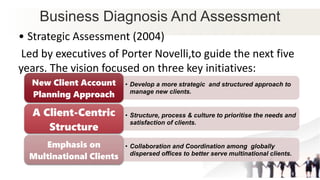
• Strategic Assessment (2004)
Led by executives of Porter Novelli,to guide the next five
years. The vision focused on three key initiatives:
• Develop a more strategic and structured approach to
manage new clients.
New Client Account
Planning Approach
• Structure, process & culture to prioritise the needs and
satisfaction of clients.
A Client-Centric
Structure
• Collaboration and Coordination among globally
dispersed offices to better serve multinational clients.
Emphasis on
Multinational Clients
Strategic Needs & Employee Engagement
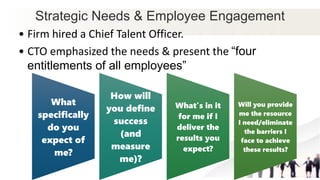
• Firm hired a Chief Talent Officer.
• CTO emphasized the needs & present the “four
entitlements of all employees”
What
specifically
do you
expect of
me?
How will
you define
success
(and
measure
me)?
What’s in it
for me if I
deliver the
results you
expect?
Will you provide
me the resource
I need/eliminate
the barriers I
face to achieve
these results?
Current Challenges
The firm’s existing performance management system
was complex and ineffective, lacking a leadership
competency model and alignment across HR processes.
The CTO identified gaps in performance management,
selection, and training, and proposed using Stephen
Drotter’s Leadership Pipeline to address these issues.
Management Interviews
• Summarize discussions:
i. Better alignment of HR processes with business
strategy.
ii. Increased collaboration across offices.
iii.Clearer role expectations and performance
definitions.
iv.Stronger links between performance and
rewards.
Vision 2004 Outputs
1. New client account planning method.
2. Management training in this methodology.
3. Focus on acquiring and growing large, complex client
relationships.
4. Interdependent operations across the global network.
5. Project management structure for initiatives and
implementation.
Business Results & Climate Measurement
• The strategic vision assumed strong business
growth over the planning period.
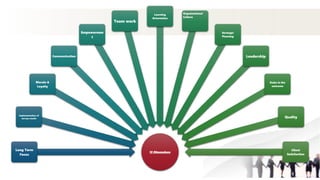
• The company conducted a biannual staff climate
survey assessed thirteen dimensions crucial to
organizational health and performance:
13 Dimensions
Long Term
Focus
Implementation of
survey results
Morale &
Loyalty
Communication
Empowermen
t
Team work
Learning
Orientation
Organizational
Culture
Strategic
Planning
Leadership
Stake in the
outcome
Quality
Client
Satisfaction
Feedback and Recommendations
 Align HR processes with the business strategy.
 Define roles and performance expectations.
 Revise performance management systems to
support.
 Improve selection practices.
Align training programs with the company’s career
structure and priorities.
Program Design Considerations
Focus on work, role, and organization analysis before HR
applications.
 Use work results instead of competencies for performance
management.
 Address vertical distribution of work in the organization.
 Define management and leadership results as measurable
outcomes.
Ensure flexibility and relevance of the Leadership Pipeline
model for a professional services firm.
The Leadership Pipeline model isn't limited to big companies.
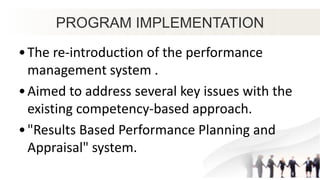
PROGRAM IMPLEMENTATION
•The re-introduction of the performance
management system .
•Aimed to address several key issues with the
existing competency-based approach.
•"Results Based Performance Planning and
Appraisal" system.
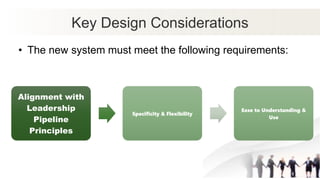
Key Design Considerations
• The new system must meet the following requirements:
Alignment with
Leadership
Pipeline
Principles
Specificity & Flexibility
Ease to Understanding &
Use
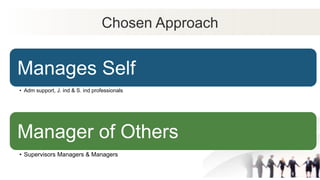
Chosen Approach
Manages Self
• Adm support, J. ind & S. ind professionals
Manager of Others
• Supervisors Managers & Managers
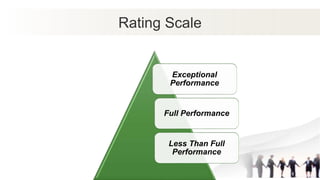
Rating Scale
Exceptional
Performance
Full Performance
Less Than Full
Performance
Conclusion
The new Results Based Performance
Planning and Appraisal system
successfully addressed.
Continuous feedback and updates.

NEW PORTER NOVELLI.pptx.....................

  • 1.
  • 2.
    PORTER NOVELLI GREG WALDRON Introduction ProgramImplementation Performance Management System Development Evaluation
  • 3.
    PORTER NOVELLI 1972 JackPorter and Bill Novelli Global PR, marketing and communication firm(NEW YORK). CEO Jillian Janaczek Est. Employees 1.0-5.0K
  • 4.
    Porter Novelli's mission isto help clients manage their narratives and maintain trust with stakeholders through innovative and strategic communications. MISSIO N Porter Novelli's vision is to leverage smart data and authenticity to drive transformational change and unlock value for clients in a fast-paced cultural landscape. VISION
  • 5.
    GREG WALDRON  PorterNovelli’s Chief Talent Officer and partner.  Leads the agency’s human resources, knowledge development, and learning functions.
  • 6.
    CASE STUDY • Implementationof Drotter’s results-based Leadership Pipeline approach. • Aims to align: Human Resources Management Processes Business Strategy
  • 7.
    Drotter’s full performancedefinitions for each leadership level serve as the "source code" for various HR applications, including Source Code Selection Talent Manage ment Training Planning Performa nce Managem ent Training Planning Talent Management Performance Management Selection SourceCode
  • 8.
    “Leadership Pipeline Model” Drotter’sresults-based Leadership Pipeline approach given by Ram Charan, Stephen Drotter, and James Noel. The model focuses on results-based performance and systematic development to ensure a steady flow of capable leaders who achieve business goals.
  • 9.
    Business Diagnosis AndAssessment • Strategic Assessment (2004) Led by executives of Porter Novelli,to guide the next five years. The vision focused on three key initiatives: • Develop a more strategic and structured approach to manage new clients. New Client Account Planning Approach • Structure, process & culture to prioritise the needs and satisfaction of clients. A Client-Centric Structure • Collaboration and Coordination among globally dispersed offices to better serve multinational clients. Emphasis on Multinational Clients
  • 10.
    Strategic Needs &Employee Engagement • Firm hired a Chief Talent Officer. • CTO emphasized the needs & present the “four entitlements of all employees” What specifically do you expect of me? How will you define success (and measure me)? What’s in it for me if I deliver the results you expect? Will you provide me the resource I need/eliminate the barriers I face to achieve these results?
  • 11.
    Current Challenges The firm’sexisting performance management system was complex and ineffective, lacking a leadership competency model and alignment across HR processes. The CTO identified gaps in performance management, selection, and training, and proposed using Stephen Drotter’s Leadership Pipeline to address these issues.
  • 12.
    Management Interviews • Summarizediscussions: i. Better alignment of HR processes with business strategy. ii. Increased collaboration across offices. iii.Clearer role expectations and performance definitions. iv.Stronger links between performance and rewards.
  • 13.
    Vision 2004 Outputs 1.New client account planning method. 2. Management training in this methodology. 3. Focus on acquiring and growing large, complex client relationships. 4. Interdependent operations across the global network. 5. Project management structure for initiatives and implementation.
  • 14.
    Business Results &Climate Measurement • The strategic vision assumed strong business growth over the planning period. • The company conducted a biannual staff climate survey assessed thirteen dimensions crucial to organizational health and performance:
  • 15.
    13 Dimensions Long Term Focus Implementationof survey results Morale & Loyalty Communication Empowermen t Team work Learning Orientation Organizational Culture Strategic Planning Leadership Stake in the outcome Quality Client Satisfaction
  • 16.
    Feedback and Recommendations Align HR processes with the business strategy.  Define roles and performance expectations.  Revise performance management systems to support.  Improve selection practices. Align training programs with the company’s career structure and priorities.
  • 17.
    Program Design Considerations Focuson work, role, and organization analysis before HR applications.  Use work results instead of competencies for performance management.  Address vertical distribution of work in the organization.  Define management and leadership results as measurable outcomes. Ensure flexibility and relevance of the Leadership Pipeline model for a professional services firm. The Leadership Pipeline model isn't limited to big companies.
  • 18.
    PROGRAM IMPLEMENTATION •The re-introductionof the performance management system . •Aimed to address several key issues with the existing competency-based approach. •"Results Based Performance Planning and Appraisal" system.
  • 19.
    Key Design Considerations •The new system must meet the following requirements: Alignment with Leadership Pipeline Principles Specificity & Flexibility Ease to Understanding & Use
  • 20.
    Chosen Approach Manages Self •Adm support, J. ind & S. ind professionals Manager of Others • Supervisors Managers & Managers
  • 21.
  • 22.
    Conclusion The new ResultsBased Performance Planning and Appraisal system successfully addressed. Continuous feedback and updates.