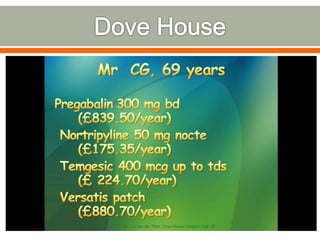
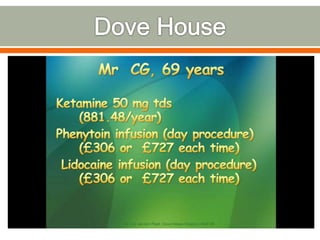
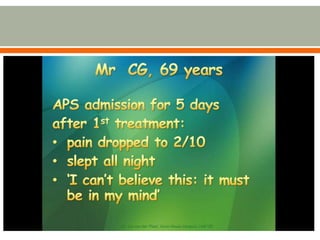
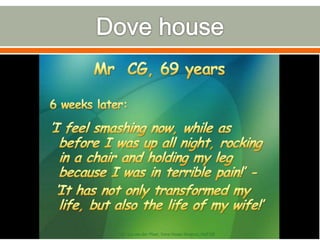
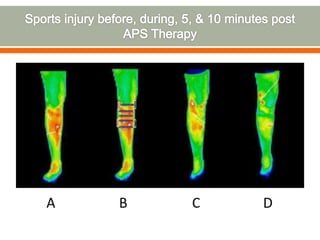
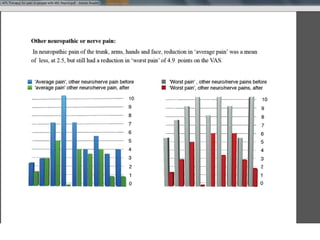
 
Current best practice
& innovation
 ”…Having had neuropathic pain for nearly all my
life I am not the person I should have liked to
have been…It is truly the loneliest place there is,
when you are trying to smile through gritted
teeth at well meaning people who have
absolutely no idea what you are going through.
Going off to their busy lives while I and
thousands of others go and lie down and miss
out on so much living…”
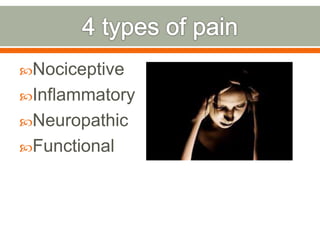
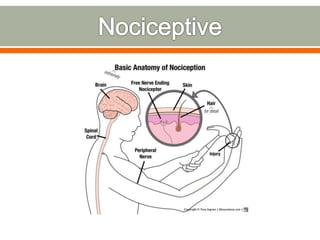
Nociceptive
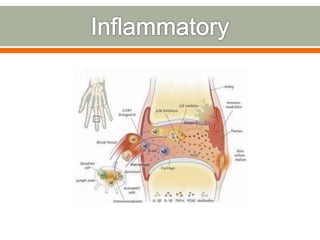
Inflammatory
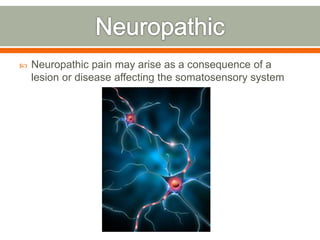
Neuropathic
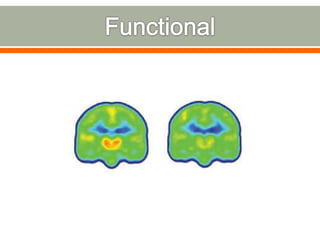
Functional
 Neuropathic pain may arise as a consequence of a
lesion or disease affecting the somatosensory system
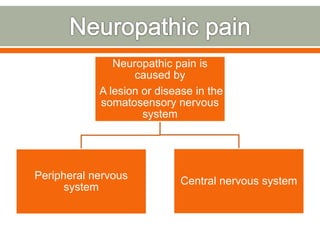
Neuropathic pain is
caused by
A lesion or disease in the
somatosensory nervous
system
Peripheral nervous
system
Central nervous system
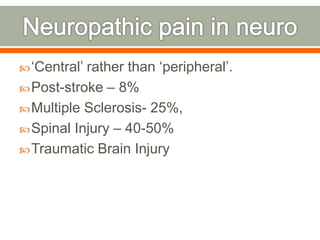
‘Central’ rather than ‘peripheral’.
Post-stroke – 8%
Multiple Sclerosis- 25%,
Spinal Injury – 40-50%
Traumatic Brain Injury
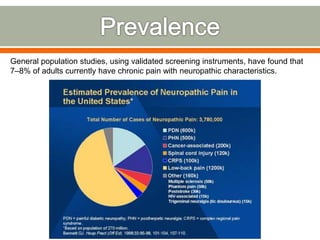
General population studies, using validated screening instruments, have found that
7–8% of adults currently have chronic pain with neuropathic characteristics.
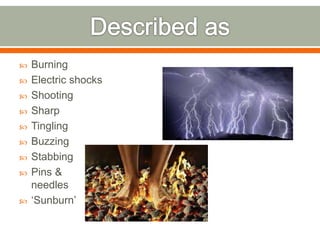
 Burning
 Electric shocks
 Shooting
 Sharp
 Tingling
 Buzzing
 Stabbing
 Pins &
needles
 ‘Sunburn’
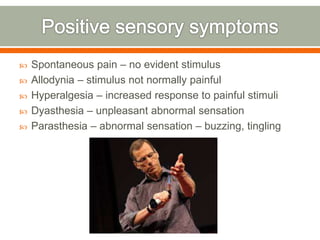
 Spontaneous pain – no evident stimulus
 Allodynia – stimulus not normally painful
 Hyperalgesia – increased response to painful stimuli
 Dyasthesia – unpleasant abnormal sensation
 Parasthesia – abnormal sensation – buzzing, tingling
 Hypoasthesia – diminished sensitivity to touch & pain
 Anasthesia – total loss of sensation
 Hypoalgesia – diminished pain with painful stimuli
 Analgesia – absence of pain in response to painful
stimuli
IASP Factsheet – Mechanisms of Neuropathic pain
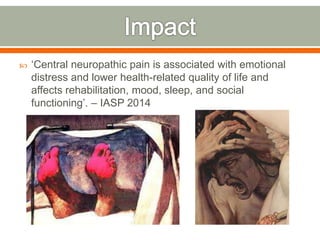
 ‘Central neuropathic pain is associated with emotional
distress and lower health-related quality of life and
affects rehabilitation, mood, sleep, and social
functioning’. – IASP 2014
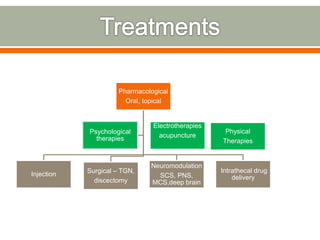
Pharmacological
Oral, topical
Injection Surgical – TGN,
discectomy
Neuromodulation
SCS, PNS,
MCS,deep brain
Intrathecal drug
delivery
Psychological
therapies
Electrotherapies
acupuncture
Physical
Therapies
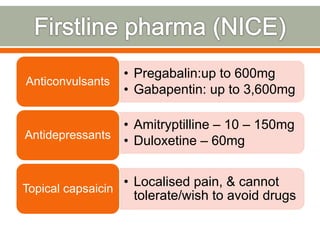
• Pregabalin:up to 600mg
• Gabapentin: up to 3,600mg
Anticonvulsants
• Amitryptilline – 10 – 150mg
• Duloxetine – 60mgAntidepressants
• Localised pain, & cannot
tolerate/wish to avoid drugs
Topical capsaicin
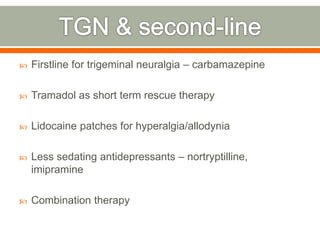
 Firstline for trigeminal neuralgia – carbamazepine
 Tramadol as short term rescue therapy
 Lidocaine patches for hyperalgia/allodynia
 Less sedating antidepressants – nortryptilline,
imipramine
 Combination therapy
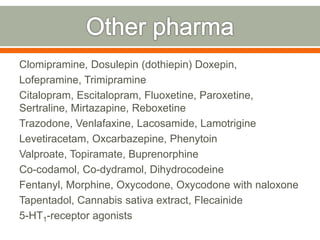
Clomipramine, Dosulepin (dothiepin) Doxepin,
Lofepramine, Trimipramine
Citalopram, Escitalopram, Fluoxetine, Paroxetine,
Sertraline, Mirtazapine, Reboxetine
Trazodone, Venlafaxine, Lacosamide, Lamotrigine
Levetiracetam, Oxcarbazepine, Phenytoin
Valproate, Topiramate, Buprenorphine
Co-codamol, Co-dydramol, Dihydrocodeine
Fentanyl, Morphine, Oxycodone, Oxycodone with naloxone
Tapentadol, Cannabis sativa extract, Flecainide
5-HT1-receptor agonists
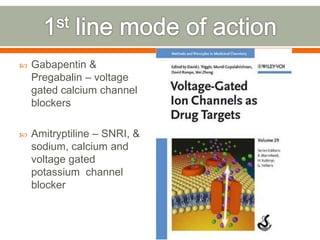
 Gabapentin &
Pregabalin – voltage
gated calcium channel
blockers
 Amitryptiline – SNRI, &
sodium, calcium and
voltage gated
potassium channel
blocker
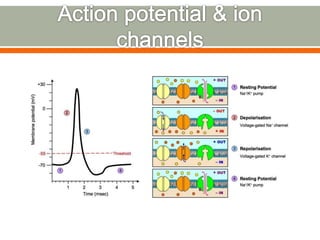
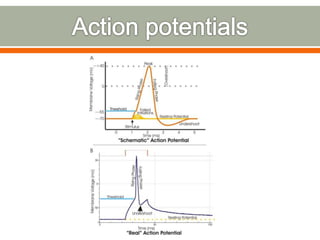
 All sensation takes place by nerve transmission
 Nerve transmission relies on action potentials
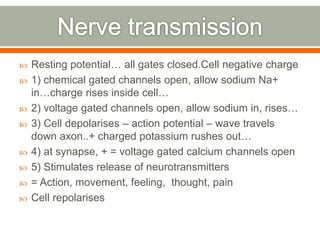
 Resting potential… all gates closed.Cell negative charge
 1) chemical gated channels open, allow sodium Na+
in…charge rises inside cell…
 2) voltage gated channels open, allow sodium in, rises…
 3) Cell depolarises – action potential – wave travels
down axon..+ charged potassium rushes out…
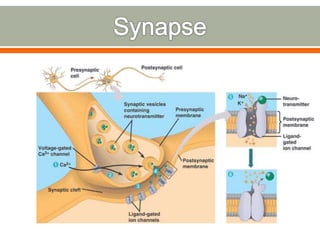
 4) at synapse, + = voltage gated calcium channels open
 5) Stimulates release of neurotransmitters
 = Action, movement, feeling, thought, pain
 Cell repolarises
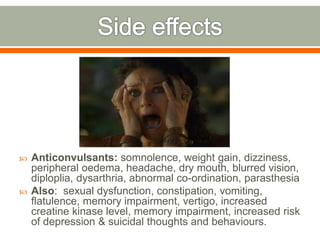
 Anticonvulsants: somnolence, weight gain, dizziness,
peripheral oedema, headache, dry mouth, blurred vision,
diploplia, dysarthria, abnormal co-ordination, parasthesia
 Also: sexual dysfunction, constipation, vomiting,
flatulence, memory impairment, vertigo, increased
creatine kinase level, memory impairment, increased risk
of depression & suicidal thoughts and behaviours.
 common : dry mouth, constipation, dizziness, blurred
vision, urinary retention, drowsiness, palpitations,
orthostatic hypertension, sweating.
 Also linked to: cognitive disorders, confusion, gait
disturbance, falls
 Recent research shows causative link to dementia in
long term use ( 2 years low dose)
Cumulative Use of Strong Anticholinergics and Incident Dementia A Prospective Cohort Study
Shelly L. Gray,et al JAMA Intern Med. Published online January 26, 2015. doi:10.1001/jamainternmed.2014.7663
Electrotherapy –
TENS
Psychological therapies –
CBT
Mindfulness
Self-hypnosis
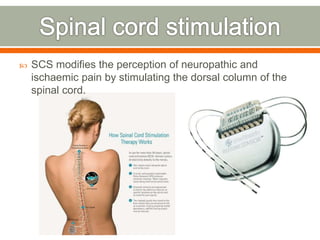
 SCS modifies the perception of neuropathic and
ischaemic pain by stimulating the dorsal column of the
spinal cord.
 Effectiveness: evidence for Failed Back Surgery Syndrome
(FBSS) and Chronic Regional Pain Syndrome (CRPS)
 >18 yrs
 failed back surgery syndrome
 complex regional pain syndrome
 neuropathic pain
 chronic pain measuring >5/10 on VAS for 6 months +
 have tried and not responded to conservative treatments
 stop/reduce excessive medication, pain mg’ment strategies
 be able to manage the technical demands of the equipment.
 Successful trial demonstrating 50% pain relief
 pain that will not benefit from spinal cord stimulation
 (widespread pain syndromes)
 anatomical problems eg spinal deformity, extensive spinal
metalwork,scar tissue in the epidural space
 active infective illness
 chronic medical condition ( eg MS, COPD)
 psychiatric illnesses
 very high or very low BMI
 use alcohol, prescription drugs, and/or recreational drugs
excessively
 allergy to nickel or any other components of the implantable
device.
 Effective in 5-7/10 cases
 Evidence in Failed back surgery syndrome & CRPS
 2010; £14,500 per patient NHS (East Midlands
Specialised commissioning group)
 Private: 2015; Spire Roding, East London, £23,000
 Problem of adaptation/tolerance
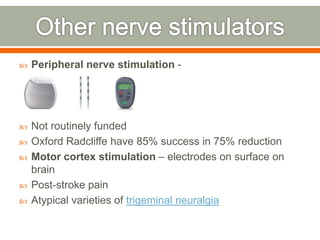
 Peripheral nerve stimulation -
 Not routinely funded
 Oxford Radcliffe have 85% success in 75% reduction
 Motor cortex stimulation – electrodes on surface on
brain
 Post-stroke pain
 Atypical varieties of trigeminal neuralgia
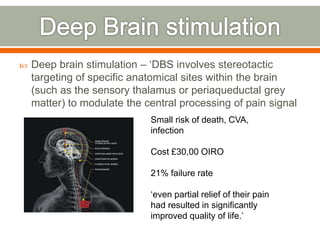
 Deep brain stimulation – ‘DBS involves stereotactic
targeting of specific anatomical sites within the brain
(such as the sensory thalamus or periaqueductal grey
matter) to modulate the central processing of pain signal
Small risk of death, CVA,
infection
Cost £30,00 OIRO
21% failure rate
‘even partial relief of their pain
had resulted in significantly
improved quality of life.’
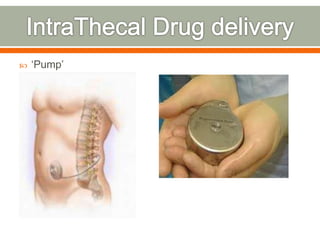
 ‘Pump’
 The technique of intrathecal drug delivery (ITDD) is
based on the principle that effective analgesia can be
achieved by the action of some drugs at the dorsal horn
and adequate concentrations cannot be achieved by
systemic administration, or only by high systemic doses.
Delivery of the drug by the intrathecal route is a means
of achieving these enhanced therapeutic effects. The
smaller doses needed for intrathecal administration also
allow a reduction in side effects compared to systemic
administration. -- British Pain Society 2008
 2009: NHS £12,771 per patient – East Midlands
Specialised Commissioning group
•
•
•
•
•

•
•
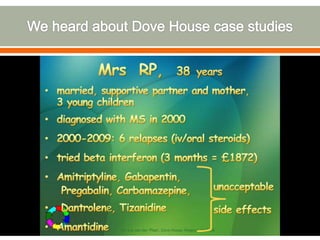
Dr. Lia van der Plaat, Dove
House Hospice, Hull UK
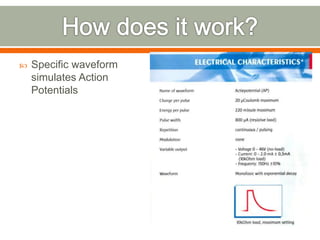
 Specific waveform
simulates Action
Potentials
 Does not block channels
 ?Restores effective nerve transmission
 Enhanced removal of waste products
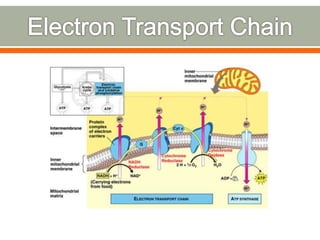
 Boosts production of ATP = speeds injury repair & body’s
own healing mechanisms
 Cellular repair and regeneration enhanced
 Faster wound and injury healing
 Improved recovery time after exercise
 Pain relief
 Better quality of sleep
 Enhanced energy
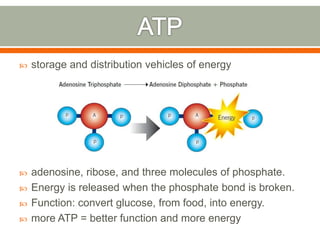
 storage and distribution vehicles of energy
 adenosine, ribose, and three molecules of phosphate.
 Energy is released when the phosphate bond is broken.
 Function: convert glucose, from food, into energy.
 more ATP = better function and more energy
 Melatonin: significantly raised sedative, anxiolytic,local
vasodilation & anticoagulation, limitation of tissue damage at sites of
inflammation due to the effects on prostaglandins and free oxygen radicals.
 Leukine enkephalin: progressively increased
 Effective analgesic due to interaction with opioid receptors as well as
inhibition of substance P (the neurotransmitter responsible for pain
transmission). • Limitation of tissue damage at sites of inflammation and/or
hypoxia. • Increase in pulse rate and systemic blood pressure, associated
with peripheral vasodilation, which results in better perfusion at the affected
areas. -
 Beta-endorphins: significantly decreased
 Cortisol: unchanged but uninhibited
 Neurohormonal Consequences of APS TherapyProf. Dr.
J.M.C. Oosthuizen MBCHB; DMEDSCI University of the
Free State;Prof. Dr. E.H. de Wet MBCHB; MMED; MD
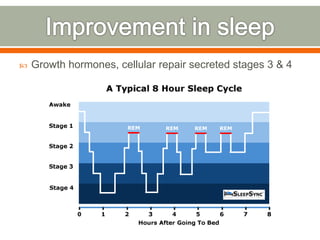
 Growth hormones, cellular repair secreted stages 3 & 4
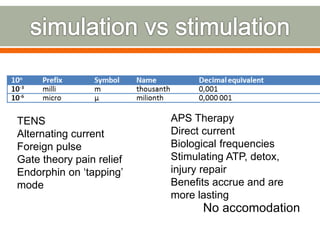
TENS
Alternating current
Foreign pulse
Gate theory pain relief
Endorphin on ‘tapping’
mode
APS Therapy
Direct current
Biological frequencies
Stimulating ATP, detox,
injury repair
Benefits accrue and are
more lasting
No accomodation
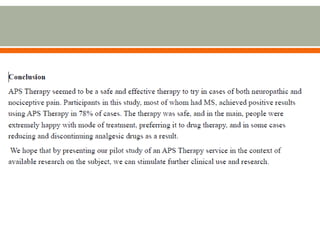
 An assessment of APS Therapy on 285 Patients with Chronic Pain in 2002
reported a mean average VAPS was 6.8 before treatment and 3.3 after
treatment in the over 50s, and 6.3 and 2.2 respectively in the under 50s. Out of
the 285 patients,44 (15%) ended with a ‘0’ VAPS and 199 (69%) with a score of
5 or less. (1)
 A trial of APS Therapy in patients awaiting or having neurosurgery for intractable
spinal pain concluded that the number of patients treated was too low to reach a
statistical conclusion, but that the trend was very promising and they
recommended that patients waiting for destructive surgery should first be put on
a thorough trial of APS Therapy.(2)
 In a 1999 randomized, patient blinded, placebo-controlled study, on 76 patients
with chronic osteoporotic back pain, reported pretreatment baseline VAPS value
average of of 57.79, and post- treatment value after the sixth treatment of 9.7
(p= 0,0001); 6 patients maintained benefits 6 months post treatment.(3)
 A study in 1999 on APS Therapy compared with TENS in 99 patients with
osteoarthritis of the knee did not find a significant difference between the two
treatment groups given just 6 treatments over a 2 week period. The authors did
note, however, that the APS group showed a significant improvement in
measures of knee flexion and swelling, which persisted even 1 month after the
last treatment. (4)
 1) Papendorp DH van. (2002). Assessment of Pain Relief on
285 patients with chronic pain. Biomedical
Research 2002; 26: 249-253.
 2) Du Preez, J. Neurosurgical Pain Conditions University of
Pretoria
 3) Odendaal & Joubert APS Therapy- a new way of teating
chronic backabacke, a pilot study South African Journal of
Anaesthesiology and Analgesia.1999; 5 1
 4) Berger, P. Matzner, L Study on 99 patients with
osteoarthritis (OA) of the knee to investigate the effectiveness
of low frequency electrical currents on mobility and pain:
Action Potential Simulation therapy (APS) current compared
with transcutaneous electrical nerve stimulation (TENS) and
placebo.South Africa Journal of Anaesthesiology and
Analgesia
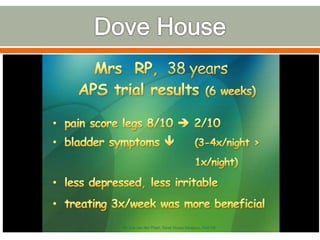
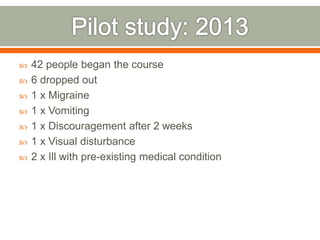
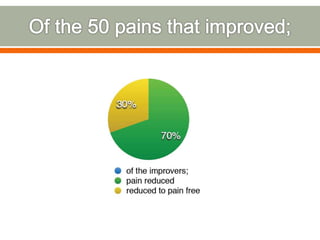
 42 people began the course
 6 dropped out
 1 x Migraine
 1 x Vomiting
 1 x Discouragement after 2 weeks
 1 x Visual disturbance
 2 x Ill with pre-existing medical condition
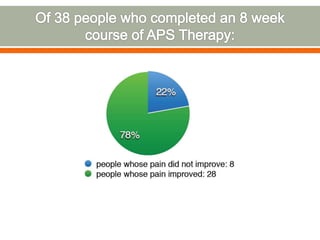
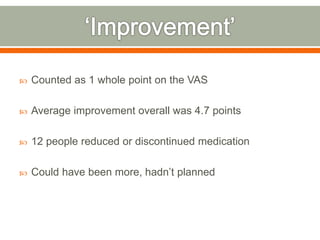
 Counted as 1 whole point on the VAS
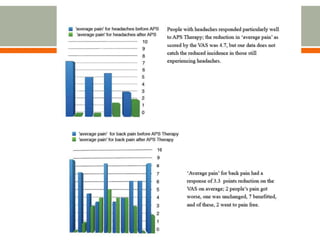
 Average improvement overall was 4.7 points
 12 people reduced or discontinued medication
 Could have been more, hadn’t planned
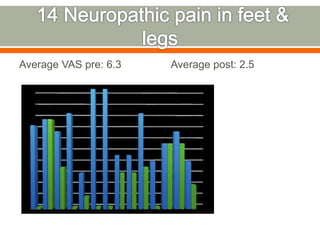
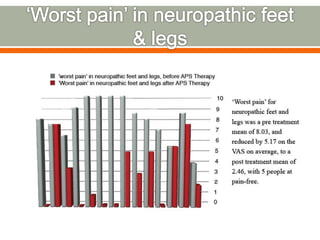
Average VAS pre: 6.3 Average post: 2.5
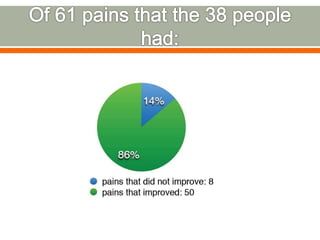
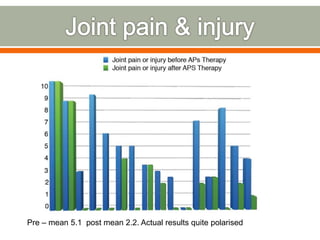
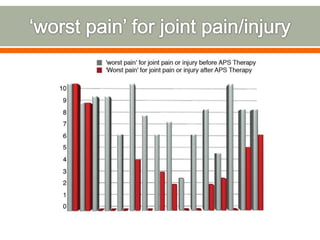
Pre – mean 5.1 post mean 2.2. Actual results quite polarised
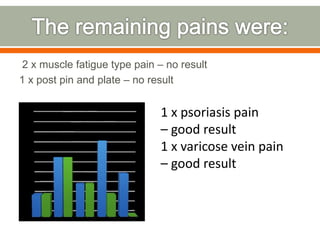
2 x muscle fatigue type pain – no result
1 x post pin and plate – no result
1 x psoriasis pain
– good result
1 x varicose vein pain
– good result
 Increase in energy, reduction in fatigue x 4
 Reduction in swollen legs & ankles x 2
 Alleviation of life-long insomnia x 2
 Cessation of recurrent UTIs x 2
 Improvement in circulation & discolouration
 Reduction of ‘fatty lump’ on hip
 Disappearance of swollen glands on neck
 Cessation of ‘fluid on skull’ sensation
 Reduction in dizziness & improved cognitive function
 ““I’ve not felt like this since I was about 15! For two thirds of
my life, I’ve been in some kind of pain, with lack of energy, not
sleeping properly, having to plan essential things that I need
to do, and then struggling to get them done, and frequently
cancelling appointments because I’ve not been well enough to
make them. Now, it’s my fourth week, and I’ve been active
every day for the past 2 weeks. For instance, 3 weeks ago,
my mum came to visit, and we walked everywhere, and then I
had to spend Monday in bed. 2 weeks ago, a friend came to
visit, we did the same walking, but the next day I was just up
and active at 6/7 am. Now I’m sleeping well at night, and
nothing is such an effort any more. I want to bottle it and give
it to everyone I know!”
www.painfreepotential.co.uk
01908 799870
miranda@painfreepotential.co.uk
Beds & Northants MS Therapy Centre
www.APSTherapy.com is HQ in Holland
Training monthly in Bedford, at your base
or individually using conferencing software
Thankyou very much

Neuro pain 60 mins

  • 1.
      Current bestpractice & innovation
  • 3.
     ”…Having hadneuropathic pain for nearly all my life I am not the person I should have liked to have been…It is truly the loneliest place there is, when you are trying to smile through gritted teeth at well meaning people who have absolutely no idea what you are going through. Going off to their busy lives while I and thousands of others go and lie down and miss out on so much living…”
  • 4.
  • 8.
     Neuropathic painmay arise as a consequence of a lesion or disease affecting the somatosensory system
  • 9.
    Neuropathic pain is causedby A lesion or disease in the somatosensory nervous system Peripheral nervous system Central nervous system
  • 10.
    ‘Central’ rather than‘peripheral’. Post-stroke – 8% Multiple Sclerosis- 25%, Spinal Injury – 40-50% Traumatic Brain Injury
  • 11.
    General population studies,using validated screening instruments, have found that 7–8% of adults currently have chronic pain with neuropathic characteristics.
  • 12.
     Burning  Electricshocks  Shooting  Sharp  Tingling  Buzzing  Stabbing  Pins & needles  ‘Sunburn’
  • 13.
     Spontaneous pain– no evident stimulus  Allodynia – stimulus not normally painful  Hyperalgesia – increased response to painful stimuli  Dyasthesia – unpleasant abnormal sensation  Parasthesia – abnormal sensation – buzzing, tingling
  • 14.
     Hypoasthesia –diminished sensitivity to touch & pain  Anasthesia – total loss of sensation  Hypoalgesia – diminished pain with painful stimuli  Analgesia – absence of pain in response to painful stimuli
  • 15.
    IASP Factsheet –Mechanisms of Neuropathic pain
  • 16.
     ‘Central neuropathicpain is associated with emotional distress and lower health-related quality of life and affects rehabilitation, mood, sleep, and social functioning’. – IASP 2014
  • 17.
    Pharmacological Oral, topical Injection Surgical– TGN, discectomy Neuromodulation SCS, PNS, MCS,deep brain Intrathecal drug delivery Psychological therapies Electrotherapies acupuncture Physical Therapies
  • 18.
    • Pregabalin:up to600mg • Gabapentin: up to 3,600mg Anticonvulsants • Amitryptilline – 10 – 150mg • Duloxetine – 60mgAntidepressants • Localised pain, & cannot tolerate/wish to avoid drugs Topical capsaicin
  • 19.
     Firstline fortrigeminal neuralgia – carbamazepine  Tramadol as short term rescue therapy  Lidocaine patches for hyperalgia/allodynia  Less sedating antidepressants – nortryptilline, imipramine  Combination therapy
  • 20.
    Clomipramine, Dosulepin (dothiepin)Doxepin, Lofepramine, Trimipramine Citalopram, Escitalopram, Fluoxetine, Paroxetine, Sertraline, Mirtazapine, Reboxetine Trazodone, Venlafaxine, Lacosamide, Lamotrigine Levetiracetam, Oxcarbazepine, Phenytoin Valproate, Topiramate, Buprenorphine Co-codamol, Co-dydramol, Dihydrocodeine Fentanyl, Morphine, Oxycodone, Oxycodone with naloxone Tapentadol, Cannabis sativa extract, Flecainide 5-HT1-receptor agonists
  • 21.
     Gabapentin & Pregabalin– voltage gated calcium channel blockers  Amitryptiline – SNRI, & sodium, calcium and voltage gated potassium channel blocker
  • 25.
     All sensationtakes place by nerve transmission  Nerve transmission relies on action potentials
  • 26.
     Resting potential…all gates closed.Cell negative charge  1) chemical gated channels open, allow sodium Na+ in…charge rises inside cell…  2) voltage gated channels open, allow sodium in, rises…  3) Cell depolarises – action potential – wave travels down axon..+ charged potassium rushes out…  4) at synapse, + = voltage gated calcium channels open  5) Stimulates release of neurotransmitters  = Action, movement, feeling, thought, pain  Cell repolarises
  • 28.
     Anticonvulsants: somnolence,weight gain, dizziness, peripheral oedema, headache, dry mouth, blurred vision, diploplia, dysarthria, abnormal co-ordination, parasthesia  Also: sexual dysfunction, constipation, vomiting, flatulence, memory impairment, vertigo, increased creatine kinase level, memory impairment, increased risk of depression & suicidal thoughts and behaviours.
  • 29.
     common :dry mouth, constipation, dizziness, blurred vision, urinary retention, drowsiness, palpitations, orthostatic hypertension, sweating.  Also linked to: cognitive disorders, confusion, gait disturbance, falls  Recent research shows causative link to dementia in long term use ( 2 years low dose) Cumulative Use of Strong Anticholinergics and Incident Dementia A Prospective Cohort Study Shelly L. Gray,et al JAMA Intern Med. Published online January 26, 2015. doi:10.1001/jamainternmed.2014.7663
  • 30.
    Electrotherapy – TENS Psychological therapies– CBT Mindfulness Self-hypnosis
  • 31.
     SCS modifiesthe perception of neuropathic and ischaemic pain by stimulating the dorsal column of the spinal cord.
  • 32.
     Effectiveness: evidencefor Failed Back Surgery Syndrome (FBSS) and Chronic Regional Pain Syndrome (CRPS)  >18 yrs  failed back surgery syndrome  complex regional pain syndrome  neuropathic pain  chronic pain measuring >5/10 on VAS for 6 months +  have tried and not responded to conservative treatments  stop/reduce excessive medication, pain mg’ment strategies  be able to manage the technical demands of the equipment.  Successful trial demonstrating 50% pain relief
  • 33.
     pain thatwill not benefit from spinal cord stimulation  (widespread pain syndromes)  anatomical problems eg spinal deformity, extensive spinal metalwork,scar tissue in the epidural space  active infective illness  chronic medical condition ( eg MS, COPD)  psychiatric illnesses  very high or very low BMI  use alcohol, prescription drugs, and/or recreational drugs excessively  allergy to nickel or any other components of the implantable device.
  • 34.
     Effective in5-7/10 cases  Evidence in Failed back surgery syndrome & CRPS  2010; £14,500 per patient NHS (East Midlands Specialised commissioning group)  Private: 2015; Spire Roding, East London, £23,000  Problem of adaptation/tolerance
  • 35.
     Peripheral nervestimulation -  Not routinely funded  Oxford Radcliffe have 85% success in 75% reduction  Motor cortex stimulation – electrodes on surface on brain  Post-stroke pain  Atypical varieties of trigeminal neuralgia
  • 36.
     Deep brainstimulation – ‘DBS involves stereotactic targeting of specific anatomical sites within the brain (such as the sensory thalamus or periaqueductal grey matter) to modulate the central processing of pain signal Small risk of death, CVA, infection Cost £30,00 OIRO 21% failure rate ‘even partial relief of their pain had resulted in significantly improved quality of life.’
  • 37.
  • 38.
     The techniqueof intrathecal drug delivery (ITDD) is based on the principle that effective analgesia can be achieved by the action of some drugs at the dorsal horn and adequate concentrations cannot be achieved by systemic administration, or only by high systemic doses. Delivery of the drug by the intrathecal route is a means of achieving these enhanced therapeutic effects. The smaller doses needed for intrathecal administration also allow a reduction in side effects compared to systemic administration. -- British Pain Society 2008  2009: NHS £12,771 per patient – East Midlands Specialised Commissioning group
  • 40.
    • • • • •  • • Dr. Lia vander Plaat, Dove House Hospice, Hull UK
  • 51.
  • 52.
     Does notblock channels  ?Restores effective nerve transmission  Enhanced removal of waste products  Boosts production of ATP = speeds injury repair & body’s own healing mechanisms  Cellular repair and regeneration enhanced  Faster wound and injury healing  Improved recovery time after exercise  Pain relief  Better quality of sleep  Enhanced energy
  • 55.
     storage anddistribution vehicles of energy  adenosine, ribose, and three molecules of phosphate.  Energy is released when the phosphate bond is broken.  Function: convert glucose, from food, into energy.  more ATP = better function and more energy
  • 56.
     Melatonin: significantlyraised sedative, anxiolytic,local vasodilation & anticoagulation, limitation of tissue damage at sites of inflammation due to the effects on prostaglandins and free oxygen radicals.  Leukine enkephalin: progressively increased  Effective analgesic due to interaction with opioid receptors as well as inhibition of substance P (the neurotransmitter responsible for pain transmission). • Limitation of tissue damage at sites of inflammation and/or hypoxia. • Increase in pulse rate and systemic blood pressure, associated with peripheral vasodilation, which results in better perfusion at the affected areas. -
  • 57.
     Beta-endorphins: significantlydecreased  Cortisol: unchanged but uninhibited  Neurohormonal Consequences of APS TherapyProf. Dr. J.M.C. Oosthuizen MBCHB; DMEDSCI University of the Free State;Prof. Dr. E.H. de Wet MBCHB; MMED; MD
  • 58.
     Growth hormones,cellular repair secreted stages 3 & 4
  • 59.
    TENS Alternating current Foreign pulse Gatetheory pain relief Endorphin on ‘tapping’ mode APS Therapy Direct current Biological frequencies Stimulating ATP, detox, injury repair Benefits accrue and are more lasting No accomodation
  • 60.
     An assessmentof APS Therapy on 285 Patients with Chronic Pain in 2002 reported a mean average VAPS was 6.8 before treatment and 3.3 after treatment in the over 50s, and 6.3 and 2.2 respectively in the under 50s. Out of the 285 patients,44 (15%) ended with a ‘0’ VAPS and 199 (69%) with a score of 5 or less. (1)  A trial of APS Therapy in patients awaiting or having neurosurgery for intractable spinal pain concluded that the number of patients treated was too low to reach a statistical conclusion, but that the trend was very promising and they recommended that patients waiting for destructive surgery should first be put on a thorough trial of APS Therapy.(2)  In a 1999 randomized, patient blinded, placebo-controlled study, on 76 patients with chronic osteoporotic back pain, reported pretreatment baseline VAPS value average of of 57.79, and post- treatment value after the sixth treatment of 9.7 (p= 0,0001); 6 patients maintained benefits 6 months post treatment.(3)  A study in 1999 on APS Therapy compared with TENS in 99 patients with osteoarthritis of the knee did not find a significant difference between the two treatment groups given just 6 treatments over a 2 week period. The authors did note, however, that the APS group showed a significant improvement in measures of knee flexion and swelling, which persisted even 1 month after the last treatment. (4)
  • 61.
     1) PapendorpDH van. (2002). Assessment of Pain Relief on 285 patients with chronic pain. Biomedical Research 2002; 26: 249-253.  2) Du Preez, J. Neurosurgical Pain Conditions University of Pretoria  3) Odendaal & Joubert APS Therapy- a new way of teating chronic backabacke, a pilot study South African Journal of Anaesthesiology and Analgesia.1999; 5 1  4) Berger, P. Matzner, L Study on 99 patients with osteoarthritis (OA) of the knee to investigate the effectiveness of low frequency electrical currents on mobility and pain: Action Potential Simulation therapy (APS) current compared with transcutaneous electrical nerve stimulation (TENS) and placebo.South Africa Journal of Anaesthesiology and Analgesia
  • 62.
     42 peoplebegan the course  6 dropped out  1 x Migraine  1 x Vomiting  1 x Discouragement after 2 weeks  1 x Visual disturbance  2 x Ill with pre-existing medical condition
  • 66.
     Counted as1 whole point on the VAS  Average improvement overall was 4.7 points  12 people reduced or discontinued medication  Could have been more, hadn’t planned
  • 67.
    Average VAS pre:6.3 Average post: 2.5
  • 70.
    Pre – mean5.1 post mean 2.2. Actual results quite polarised
  • 73.
    2 x musclefatigue type pain – no result 1 x post pin and plate – no result 1 x psoriasis pain – good result 1 x varicose vein pain – good result
  • 74.
     Increase inenergy, reduction in fatigue x 4  Reduction in swollen legs & ankles x 2  Alleviation of life-long insomnia x 2  Cessation of recurrent UTIs x 2  Improvement in circulation & discolouration  Reduction of ‘fatty lump’ on hip  Disappearance of swollen glands on neck  Cessation of ‘fluid on skull’ sensation  Reduction in dizziness & improved cognitive function
  • 77.
     ““I’ve notfelt like this since I was about 15! For two thirds of my life, I’ve been in some kind of pain, with lack of energy, not sleeping properly, having to plan essential things that I need to do, and then struggling to get them done, and frequently cancelling appointments because I’ve not been well enough to make them. Now, it’s my fourth week, and I’ve been active every day for the past 2 weeks. For instance, 3 weeks ago, my mum came to visit, and we walked everywhere, and then I had to spend Monday in bed. 2 weeks ago, a friend came to visit, we did the same walking, but the next day I was just up and active at 6/7 am. Now I’m sleeping well at night, and nothing is such an effort any more. I want to bottle it and give it to everyone I know!”
  • 78.
    www.painfreepotential.co.uk 01908 799870 miranda@painfreepotential.co.uk Beds &Northants MS Therapy Centre www.APSTherapy.com is HQ in Holland Training monthly in Bedford, at your base or individually using conferencing software Thankyou very much

Editor's Notes

  • #18 If drugs don’t work, refer to pain team – md team – patchy – thirdline - intervention
  • #19 If first is not tolerated/effective, switch to each different one.
  • #22 Voltage gated sodium, potassium and calcium channels are key area for research in pain, especially neuropathic pain – pharmaceuticals & implantables/electrical
  • #55 By simulating the electron transport chain, production of ATP is boosted
  • #71 ‘Average pain’ scores for joint pain or injury had a pre treatment mean of 5.1 and fell 2.9 points on the VAS to a mean of 2.2 . Actual results were quite polarised, with 4 people having no response, and 7 going to pain free.