Downloaded 34 times
![1. ¯ÖÆü»Öê ¯Öéšü êú ‰ú¯Ö¸ü ×ÖµÖŸÖ Ã£ÖÖÖ ¯Ö¸ü †¯ÖÖÖ ¸üÖê»Ö Ö´²Ö¸ü ×»Ö×Ö‹ …
2. ‡ÃÖ ¯ÖÏ¿Ö-¯Ö¡Ö ´Öë ÃÖÖšü (60) ²ÖÆãü×¾Öú»¯ÖßµÖ ¯ÖÏ¿Ö Æïü, וÖÖ´Öë ÃÖê ˆ´´Öߤü¾ÖÖ¸ü úÖê
×úÃÖß ³Öß ¯Ö“ÖÖÃÖ (50) ¯ÖÏ¿Ö úÖ ˆ¢Ö¸ü ¤êüÖÖ ÆüÖêÖÖ … ˆ´´Öߤü¾ÖÖ¸ü «üÖ¸üÖ ¯Ö“ÖÖÃÖ ÃÖê
†×¬Öú ¯ÖÏ¿ÖÖë úÖ ˆ¢Ö¸ü ¤êüÖê ¯Ö¸ü ˆ´´Öߤü¾ÖÖ¸ü «üÖ¸üÖ ×¤üµÖê ÖµÖê ¯ÖÏ£Ö´Ö ¯Ö“ÖÖÃÖ ¯ÖÏ¿ÖÖë
úÖ ´Ö滵ÖÖÓúÖ ×úµÖÖ •ÖÖµÖêÖÖ …
3. ¯Ö¸üßÖÖ ¯ÖÏÖ¸ü´³Ö ÆüÖêÖê ¯Ö¸ü, ¯ÖÏ¿Ö-¯ÖãÛßÖúÖ †Ö¯ÖúÖê ¤êü ¤üß •ÖÖµÖêÖß … ¯ÖÆü»Öê ¯ÖÖÑ“Ö
×´ÖÖ™ü †Ö¯ÖúÖê ¯ÖÏ¿Ö-¯ÖãÛßÖúÖ ÖÖê»ÖÖê ŸÖ£ÖÖ ˆÃÖúß ×Ö´Ö×»Ö×ÖŸÖ •ÖÖÑ“Ö êú
×»Ö‹ פüµÖê •ÖÖµÖëÖê, וÖÃÖúß •ÖÖÑ“Ö †Ö¯ÖúÖê †¾Ö¿µÖ ú¸üÖß Æîü :
(i) ¯ÖÏ¿Ö-¯ÖãÛßÖúÖ ÖÖê»ÖÖê êú ×»Ö‹ ˆÃÖêú ú¾Ö¸ü ¯Öê•Ö ¯Ö¸ü »ÖÖß úÖÖ•Ö úß
ÃÖᯙ úÖê ±úÖ›Íü »Öë … Öã»Öß Æãü‡Ô µÖÖ ×²ÖÖÖ Ã™üßú¸ü-ÃÖᯙ úß ¯ÖãÛßÖúÖ
þÖßúÖ¸ü Ö ú¸ëü …
(ii) ú¾Ö¸ü ¯Öéšü ¯Ö¸ü ”û¯Öê ×Ö¤ìü¿ÖÖÖãÃÖÖ¸ü ¯ÖÏ¿Ö-¯ÖãÛßÖúÖ êú ¯Öéšü ŸÖ£ÖÖ ¯ÖÏ¿ÖÖë
úß ÃÖÓµÖÖ úÖê †“”ûß ŸÖ¸üÆü “Öîú ú¸ü »Öë ×ú µÖê ¯Öæ¸êü Æïü … ¤üÖêÂÖ¯ÖæÖÔ
¯ÖãÛßÖúÖ ×•ÖÖ´Öë ¯Öéšü/¯ÖÏ¿Ö ú´Ö ÆüÖë µÖÖ ¤ãü²ÖÖ¸üÖ †Ö ÖµÖê ÆüÖë µÖÖ ÃÖß׸üµÖ»Ö
´Öë Ö ÆüÖë †£ÖÖÔŸÖ ×úÃÖß ³Öß ¯ÖÏúÖ¸ü úß ¡Öã×™ü¯ÖæÖÔ ¯ÖãÛßÖúÖ Ã¾ÖßúÖ¸ü Ö
ú¸ëü ŸÖ£ÖÖ ˆÃÖß ÃÖ´ÖµÖ ˆÃÖê »ÖÖî™üÖú¸ü ˆÃÖêú ãÖÖÖ ¯Ö¸ü ¤æüÃÖ¸üß ÃÖÆüß
¯ÖÏ¿Ö-¯ÖãÛßÖúÖ »Öê »Öë … ‡ÃÖêú ×»Ö‹ †Ö¯ÖúÖê ¯ÖÖÑ“Ö ×´ÖÖ™ü פüµÖê •ÖÖµÖëÖê …
ˆÃÖêú ²ÖÖ¤ü Ö ŸÖÖê †Ö¯Öúß ¯ÖÏ¿Ö-¯ÖãÛßÖúÖ ¾ÖÖ¯ÖÃÖ »Öß •ÖÖµÖêÖß †Öî¸ü Ö
Æüß †Ö¯ÖúÖê †×ŸÖ׸üŒŸÖ ÃÖ´ÖµÖ ×¤üµÖÖ •ÖÖµÖêÖÖ …
(iii) ‡ÃÖ •ÖÖÑ“Ö êú ²ÖÖ¤ü ¯ÖÏ¿Ö-¯ÖãÛßÖúÖ úÖ úÖê›ü OMR ¯Ö¡Öú ¯Ö¸ü †Ó×úŸÖ
ú¸ëü †Öî¸ü OMR ¯Ö¡Öú úß Îú´Ö ÃÖÓµÖÖ ‡ÃÖ ¯ÖÏ¿Ö-¯ÖãÛßÖúÖ ¯Ö¸ü †Ó×úŸÖ
ú¸ü ¤ëü …
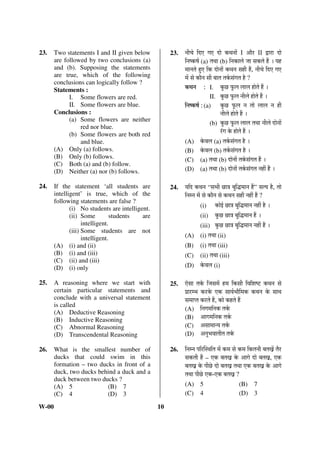
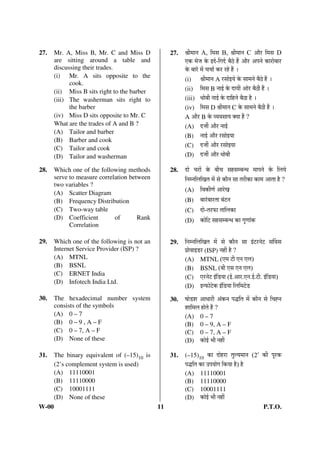
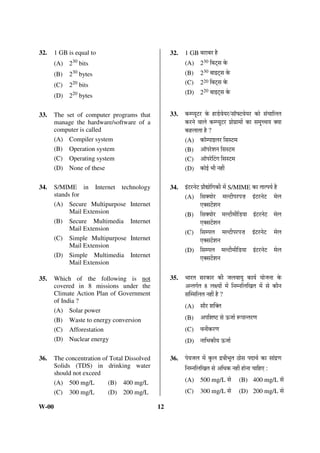
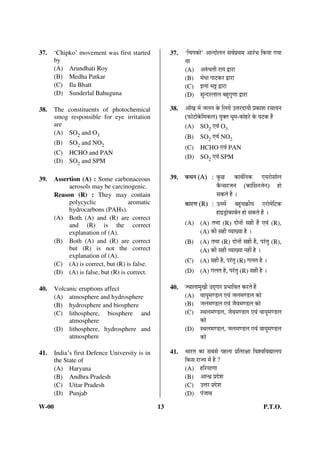
4. ¯ÖÏŸµÖêú ¯ÖÏ¿Ö êú ×»Ö‹ “ÖÖ¸ü ˆ¢Ö¸ü ×¾Öú»¯Ö (A), (B), (C) ŸÖ£ÖÖ (D) פüµÖê ÖµÖê
Æïü … †Ö¯ÖúÖê ÃÖÆüß ˆ¢Ö¸ü êú ¤üß‘ÖÔ¾Öé¢Ö úÖê ¯ÖêÖ ÃÖê ³Ö¸üú¸ü úÖ»ÖÖ ú¸üÖÖ Æîü •ÖîÃÖÖ
×ú Öß“Öê פüÖÖµÖÖ ÖµÖÖ Æîü …
ˆ¤üÖÆü¸üÖ :
•Ö²Ö×ú (C) ÃÖÆüß ˆ¢Ö¸ü Æîü …
5. ¯ÖÏ¿Ö-¯Ö¡Ö I †Öî¸ü ¯ÖÏ¿Ö-¯Ö¡Ö II êú ×»Ö‹ ‹ú Æüß ˆ¢Ö¸ü ¯Ö¡Öú Æîü •ÖÖê ‡ÃÖ ¯ÖÏ¿Ö
¯ÖãÛßÖúÖ êú †¤ü¸ü פüµÖÖ ÖµÖÖ Æîü … ¯ÖÏ¿ÖÖë êú ˆ¢Ö¸ü êú¾Ö»Ö ˆ¢Ö¸ü-¯Ö¡Öú ¯Ö¸ü Æüß
†Ó×úŸÖ ú¸üÖê Æïü … µÖפü †Ö¯Ö ˆ¢Ö¸ü ¯Ö¡Öú ¯Ö¸ü פüµÖê ÖµÖê ¤üß‘ÖÔ¾Öé¢Ö êú †»ÖÖ¾ÖÖ ×úÃÖß
†µÖ ãÖÖÖ ¯Ö¸ü ˆ¢Ö¸ü דÖÅÖÖÓ×úŸÖ ú¸ŸÖê Æïü, ŸÖÖê ˆÃÖúÖ ´Ö滵ÖÖÓúÖ ÖÆüà ÆüÖêÖÖ …
6. †¤ü¸ü פüµÖê ÖµÖê ×Ö¤ìü¿ÖÖë úÖê ¬µÖÖÖ¯Öæ¾ÖÔú ¯ÖœÍëü …
7. ú““ÖÖ úÖ´Ö (Rough Work) ‡ÃÖ ¯ÖãÛßÖúÖ êú †ÛŸÖ´Ö ¯Öéšü ¯Ö¸ü ú¸ëü …
8. µÖפü †Ö¯Ö ˆ¢Ö¸ü-¯ÖãÛßÖúÖ ¯Ö¸ü †¯ÖÖÖ ÖÖ´Ö µÖÖ ‹êÃÖÖ úÖê‡Ô ³Öß ×Ö¿ÖÖÖ ×•ÖÃÖÃÖê
†Ö¯Öúß ¯ÖÆü“ÖÖÖ ÆüÖê ÃÖêú, ×úÃÖß ³Öß ³ÖÖÖ ¯Ö¸ü ¤ü¿ÖÖÔŸÖê µÖÖ †Ó×úŸÖ ú¸üŸÖê Æïü ŸÖÖê
¯Ö¸üßÖÖ êú ×»ÖµÖê †µÖÖêµÖ ‘ÖÖê×ÂÖŸÖ ú¸ü פüµÖê •ÖÖµÖëÖê …
9. †Ö¯ÖúÖê ¯Ö¸üßÖÖ ÃÖ´ÖÖ¯ŸÖ ÆüÖêÖê ¯Ö¸ü ¯ÖÏ¿Ö-¯ÖãÛßÖúÖ ‹¾ÖÓ OMR ˆ¢Ö¸ü-¯Ö¡Öú
×Ö¸üßÖú ´ÖÆüÖê¤üµÖ úÖê »ÖÖî™üÖÖÖ †Ö¾Ö¿µÖú Æîü †Öî¸ü ¯Ö¸üßÖÖ ÃÖ´ÖÖÛ¯ŸÖ êú ²ÖÖ¤ü ˆÃÖê
†¯ÖÖê ÃÖÖ£Ö ¯Ö¸üßÖÖ ³Ö¾ÖÖ ÃÖê ²ÖÖÆü¸ü Ö »Öêú¸ü •ÖÖµÖë …
10. êú¾Ö»Ö Öß»Öê/úÖ»Öê ²ÖÖ»Ö ¯¾ÖÖ‡Õ™ü ¯ÖêÖ úÖ Æüß ‡ÃŸÖê´ÖÖ»Ö ú¸ëü …
11. ×úÃÖß ³Öß ¯ÖÏúÖ¸ü úÖ ÃÖÓÖÖú (îú»Öãú»Öê™ü¸ü) µÖÖ »ÖÖÖ ™êü²Ö»Ö †Öפü úÖ
¯ÖϵÖÖêÖ ¾ÖÙ•ÖŸÖ Æîü …
12. Ö»ÖŸÖ ˆ¢Ö¸üÖë êú ×»Ö‹ úÖê‡Ô †Óú úÖ™êü ÖÆüà •ÖÖ‹ÑÖê …
1. Write your roll number in the space provided on the top of
this page.
2. This paper consists of sixty (60) multiple-choice type of
questions, out of which the candidate would be required to
answer any fifty (50) questions. In the event of the candidate
attempting more than fifty questions, the first fifty questions
attempted by the Candidate would be evaluated.
3. At the commencement of examination, the question booklet
will be given to you. In the first 5 minutes, you are requested
to open the booklet and compulsorily examine it as below :
(i) To have access to the Question Booklet, tear off the paper
seal on the edge of this cover page. Do not accept a booklet
without sticker-seal and do not accept an open booklet.
(ii) Tally the number of pages and number of questions in
the booklet with the information printed on the cover
page. Faulty booklets due to pages/questions missing
or duplicate or not in serial order or any other
discrepancy should be got replaced immediately by a
correct booklet from the invigilator within the period
of 5 minutes. Afterwards, neither the Question Booklet
will be replaced nor any extra time will be given.
(iii) After this verification is over, the Test Booklet Code
should be entered in the OMR Sheet and the OMR Sheet
Number should be entered on this Test Booklet.
4. Each item has four alternative responses marked (A), (B), (C)
and (D). You have to darken the oval as indicated below on the
correct response against each item.
Example :
where (C) is the correct response.
5. Your responses to the items are to be indicated in the Answer
Sheet given inside this Booklet, which is common for
Paper I and Paper II. If you mark at any place other than in
the ovals in the Answer Sheet, it will not be evaluated.
6. Read instructions given inside carefully.
7. Rough Work is to be done in the end of this booklet.
8. If you write your name or put any mark on any part of the
Answer Sheet, except for the space allotted for the relevant
entries, which may disclose your identity, you will render
yourself liable to disqualification.
9. You have to return the test question booklet and OMR Answer
sheet to the invigilators at the end of the examination
compulsorily and must not carry it with you outside the
Examination Hall.
10. Use only Blue/Black Ball point pen.
11. Use of any calculator or log table etc., is prohibited.
12. There is no negative marks for incorrect answers.
W-00 P.T.O.
Signature and Name of Invigilator
OMR Sheet No. : ............................................
(To be filled by the Candidate)
Roll No.
(In words)
1. (Signature) __________________________
(Name) ____________________________
2. (Signature) __________________________
(Name) ____________________________
Roll No.________________________________
PAPER-I
Test Booklet Code [Maximum Marks : 100Time : 1 1
/4
hours]
Number of Pages in this Booklet : 20 Number of Questions in this Booklet : 60
Instructions for the Candidates ¯Ö¸üßÖÖÙ£ÖµÖÖë êú ×»Ö‹ ×Ö¤ìü¿Ö
(In figures as per admission card)
A B C D
A B C D
W
D 0 0 1 0
UGC-NET-DEC-2010](https://image.slidesharecdn.com/net-dec-2010-paper-i-130429063634-phpapp02/85/NET-DEC-2010-PAPER-I-SET-W-1-320.jpg)
![1. ¯ÖÆü»Öê ¯Öéšü êú ‰ú¯Ö¸ü ×ÖµÖŸÖ Ã£ÖÖÖ ¯Ö¸ü †¯ÖÖÖ ¸üÖê»Ö Ö´²Ö¸ü ×»Ö×Ö‹ …
2. ‡ÃÖ ¯ÖÏ¿Ö-¯Ö¡Ö ´Öë ÃÖÖšü (60) ²ÖÆãü×¾Öú»¯ÖßµÖ ¯ÖÏ¿Ö Æïü, וÖÖ´Öë ÃÖê ˆ´´Öߤü¾ÖÖ¸ü úÖê
×úÃÖß ³Öß ¯Ö“ÖÖÃÖ (50) ¯ÖÏ¿Ö úÖ ˆ¢Ö¸ü ¤êüÖÖ ÆüÖêÖÖ … ˆ´´Öߤü¾ÖÖ¸ü «üÖ¸üÖ ¯Ö“ÖÖÃÖ ÃÖê
†×¬Öú ¯ÖÏ¿ÖÖë úÖ ˆ¢Ö¸ü ¤êüÖê ¯Ö¸ü ˆ´´Öߤü¾ÖÖ¸ü «üÖ¸üÖ ×¤üµÖê ÖµÖê ¯ÖÏ£Ö´Ö ¯Ö“ÖÖÃÖ ¯ÖÏ¿ÖÖë
úÖ ´Ö滵ÖÖÓúÖ ×úµÖÖ •ÖÖµÖêÖÖ …
3. ¯Ö¸üßÖÖ ¯ÖÏÖ¸ü´³Ö ÆüÖêÖê ¯Ö¸ü, ¯ÖÏ¿Ö-¯ÖãÛßÖúÖ †Ö¯ÖúÖê ¤êü ¤üß •ÖÖµÖêÖß … ¯ÖÆü»Öê ¯ÖÖÑ“Ö
×´ÖÖ™ü †Ö¯ÖúÖê ¯ÖÏ¿Ö-¯ÖãÛßÖúÖ ÖÖê»ÖÖê ŸÖ£ÖÖ ˆÃÖúß ×Ö´Ö×»Ö×ÖŸÖ •ÖÖÑ“Ö êú
×»Ö‹ פüµÖê •ÖÖµÖëÖê, וÖÃÖúß •ÖÖÑ“Ö †Ö¯ÖúÖê †¾Ö¿µÖ ú¸üÖß Æîü :
(i) ¯ÖÏ¿Ö-¯ÖãÛßÖúÖ ÖÖê»ÖÖê êú ×»Ö‹ ˆÃÖêú ú¾Ö¸ü ¯Öê•Ö ¯Ö¸ü »ÖÖß úÖÖ•Ö úß
ÃÖᯙ úÖê ±úÖ›Íü »Öë … Öã»Öß Æãü‡Ô µÖÖ ×²ÖÖÖ Ã™üßú¸ü-ÃÖᯙ úß ¯ÖãÛßÖúÖ
þÖßúÖ¸ü Ö ú¸ëü …
(ii) ú¾Ö¸ü ¯Öéšü ¯Ö¸ü ”û¯Öê ×Ö¤ìü¿ÖÖÖãÃÖÖ¸ü ¯ÖÏ¿Ö-¯ÖãÛßÖúÖ êú ¯Öéšü ŸÖ£ÖÖ ¯ÖÏ¿ÖÖë
úß ÃÖÓµÖÖ úÖê †“”ûß ŸÖ¸üÆü “Öîú ú¸ü »Öë ×ú µÖê ¯Öæ¸êü Æïü … ¤üÖêÂÖ¯ÖæÖÔ
¯ÖãÛßÖúÖ ×•ÖÖ´Öë ¯Öéšü/¯ÖÏ¿Ö ú´Ö ÆüÖë µÖÖ ¤ãü²ÖÖ¸üÖ †Ö ÖµÖê ÆüÖë µÖÖ ÃÖß׸üµÖ»Ö
´Öë Ö ÆüÖë †£ÖÖÔŸÖ ×úÃÖß ³Öß ¯ÖÏúÖ¸ü úß ¡Öã×™ü¯ÖæÖÔ ¯ÖãÛßÖúÖ Ã¾ÖßúÖ¸ü Ö
ú¸ëü ŸÖ£ÖÖ ˆÃÖß ÃÖ´ÖµÖ ˆÃÖê »ÖÖî™üÖú¸ü ˆÃÖêú ãÖÖÖ ¯Ö¸ü ¤æüÃÖ¸üß ÃÖÆüß
¯ÖÏ¿Ö-¯ÖãÛßÖúÖ »Öê »Öë … ‡ÃÖêú ×»Ö‹ †Ö¯ÖúÖê ¯ÖÖÑ“Ö ×´ÖÖ™ü פüµÖê •ÖÖµÖëÖê …
ˆÃÖêú ²ÖÖ¤ü Ö ŸÖÖê †Ö¯Öúß ¯ÖÏ¿Ö-¯ÖãÛßÖúÖ ¾ÖÖ¯ÖÃÖ »Öß •ÖÖµÖêÖß †Öî¸ü Ö
Æüß †Ö¯ÖúÖê †×ŸÖ׸üŒŸÖ ÃÖ´ÖµÖ ×¤üµÖÖ •ÖÖµÖêÖÖ …
(iii) ‡ÃÖ •ÖÖÑ“Ö êú ²ÖÖ¤ü ¯ÖÏ¿Ö-¯ÖãÛßÖúÖ úÖ úÖê›ü OMR ¯Ö¡Öú ¯Ö¸ü †Ó×úŸÖ
ú¸ëü †Öî¸ü OMR ¯Ö¡Öú úß Îú´Ö ÃÖÓµÖÖ ‡ÃÖ ¯ÖÏ¿Ö-¯ÖãÛßÖúÖ ¯Ö¸ü †Ó×úŸÖ
ú¸ü ¤ëü …
4. ¯ÖÏŸµÖêú ¯ÖÏ¿Ö êú ×»Ö‹ “ÖÖ¸ü ˆ¢Ö¸ü ×¾Öú»¯Ö (A), (B), (C) ŸÖ£ÖÖ (D) פüµÖê ÖµÖê
Æïü … †Ö¯ÖúÖê ÃÖÆüß ˆ¢Ö¸ü êú ¤üß‘ÖÔ¾Öé¢Ö úÖê ¯ÖêÖ ÃÖê ³Ö¸üú¸ü úÖ»ÖÖ ú¸üÖÖ Æîü •ÖîÃÖÖ
×ú Öß“Öê פüÖÖµÖÖ ÖµÖÖ Æîü …
ˆ¤üÖÆü¸üÖ :
•Ö²Ö×ú (C) ÃÖÆüß ˆ¢Ö¸ü Æîü …
5. ¯ÖÏ¿Ö-¯Ö¡Ö I †Öî¸ü ¯ÖÏ¿Ö-¯Ö¡Ö II êú ×»Ö‹ ‹ú Æüß ˆ¢Ö¸ü ¯Ö¡Öú Æîü •ÖÖê ‡ÃÖ ¯ÖÏ¿Ö
¯ÖãÛßÖúÖ êú †¤ü¸ü פüµÖÖ ÖµÖÖ Æîü … ¯ÖÏ¿ÖÖë êú ˆ¢Ö¸ü êú¾Ö»Ö ˆ¢Ö¸ü-¯Ö¡Öú ¯Ö¸ü Æüß
†Ó×úŸÖ ú¸üÖê Æïü … µÖפü †Ö¯Ö ˆ¢Ö¸ü ¯Ö¡Öú ¯Ö¸ü פüµÖê ÖµÖê ¤üß‘ÖÔ¾Öé¢Ö êú †»ÖÖ¾ÖÖ ×úÃÖß
†µÖ ãÖÖÖ ¯Ö¸ü ˆ¢Ö¸ü דÖÅÖÖÓ×úŸÖ ú¸ŸÖê Æïü, ŸÖÖê ˆÃÖúÖ ´Ö滵ÖÖÓúÖ ÖÆüà ÆüÖêÖÖ …
6. †¤ü¸ü פüµÖê ÖµÖê ×Ö¤ìü¿ÖÖë úÖê ¬µÖÖÖ¯Öæ¾ÖÔú ¯ÖœÍëü …
7. ú““ÖÖ úÖ´Ö (Rough Work) ‡ÃÖ ¯ÖãÛßÖúÖ êú †ÛŸÖ´Ö ¯Öéšü ¯Ö¸ü ú¸ëü …
8. µÖפü †Ö¯Ö ˆ¢Ö¸ü-¯ÖãÛßÖúÖ ¯Ö¸ü †¯ÖÖÖ ÖÖ´Ö µÖÖ ‹êÃÖÖ úÖê‡Ô ³Öß ×Ö¿ÖÖÖ ×•ÖÃÖÃÖê
†Ö¯Öúß ¯ÖÆü“ÖÖÖ ÆüÖê ÃÖêú, ×úÃÖß ³Öß ³ÖÖÖ ¯Ö¸ü ¤ü¿ÖÖÔŸÖê µÖÖ †Ó×úŸÖ ú¸üŸÖê Æïü ŸÖÖê
¯Ö¸üßÖÖ êú ×»ÖµÖê †µÖÖêµÖ ‘ÖÖê×ÂÖŸÖ ú¸ü פüµÖê •ÖÖµÖëÖê …
9. †Ö¯ÖúÖê ¯Ö¸üßÖÖ ÃÖ´ÖÖ¯ŸÖ ÆüÖêÖê ¯Ö¸ü ¯ÖÏ¿Ö-¯ÖãÛßÖúÖ ‹¾ÖÓ OMR ˆ¢Ö¸ü-¯Ö¡Öú
×Ö¸üßÖú ´ÖÆüÖê¤üµÖ úÖê »ÖÖî™üÖÖÖ †Ö¾Ö¿µÖú Æîü †Öî¸ü ¯Ö¸üßÖÖ ÃÖ´ÖÖÛ¯ŸÖ êú ²ÖÖ¤ü ˆÃÖê
†¯ÖÖê ÃÖÖ£Ö ¯Ö¸üßÖÖ ³Ö¾ÖÖ ÃÖê ²ÖÖÆü¸ü Ö »Öêú¸ü •ÖÖµÖë …
10. êú¾Ö»Ö Öß»Öê/úÖ»Öê ²ÖÖ»Ö ¯¾ÖÖ‡Õ™ü ¯ÖêÖ úÖ Æüß ‡ÃŸÖê´ÖÖ»Ö ú¸ëü …
11. ×úÃÖß ³Öß ¯ÖÏúÖ¸ü úÖ ÃÖÓÖÖú (îú»Öãú»Öê™ü¸ü) µÖÖ »ÖÖÖ ™êü²Ö»Ö †Öפü úÖ
¯ÖϵÖÖêÖ ¾ÖÙ•ÖŸÖ Æîü …
12. Ö»ÖŸÖ ˆ¢Ö¸üÖë êú ×»Ö‹ úÖê‡Ô †Óú úÖ™êü ÖÆüà •ÖÖ‹ÑÖê …
1. Write your roll number in the space provided on the top of
this page.
2. This paper consists of sixty (60) multiple-choice type of
questions, out of which the candidate would be required to
answer any fifty (50) questions. In the event of the candidate
attempting more than fifty questions, the first fifty questions
attempted by the Candidate would be evaluated.
3. At the commencement of examination, the question booklet
will be given to you. In the first 5 minutes, you are requested
to open the booklet and compulsorily examine it as below :
(i) To have access to the Question Booklet, tear off the paper
seal on the edge of this cover page. Do not accept a booklet
without sticker-seal and do not accept an open booklet.
(ii) Tally the number of pages and number of questions in
the booklet with the information printed on the cover
page. Faulty booklets due to pages/questions missing
or duplicate or not in serial order or any other
discrepancy should be got replaced immediately by a
correct booklet from the invigilator within the period
of 5 minutes. Afterwards, neither the Question Booklet
will be replaced nor any extra time will be given.
(iii) After this verification is over, the Test Booklet Code
should be entered in the OMR Sheet and the OMR Sheet
Number should be entered on this Test Booklet.
4. Each item has four alternative responses marked (A), (B), (C)
and (D). You have to darken the oval as indicated below on the
correct response against each item.
Example :
where (C) is the correct response.
5. Your responses to the items are to be indicated in the Answer
Sheet given inside this Booklet, which is common for
Paper I and Paper II. If you mark at any place other than in
the ovals in the Answer Sheet, it will not be evaluated.
6. Read instructions given inside carefully.
7. Rough Work is to be done in the end of this booklet.
8. If you write your name or put any mark on any part of the
Answer Sheet, except for the space allotted for the relevant
entries, which may disclose your identity, you will render
yourself liable to disqualification.
9. You have to return the test question booklet and OMR Answer
sheet to the invigilators at the end of the examination
compulsorily and must not carry it with you outside the
Examination Hall.
10. Use only Blue/Black Ball point pen.
11. Use of any calculator or log table etc., is prohibited.
12. There is no negative marks for incorrect answers.
W-00 P.T.O.
Signature and Name of Invigilator
OMR Sheet No. : ............................................
(To be filled by the Candidate)
Roll No.
(In words)
1. (Signature) __________________________
(Name) ____________________________
2. (Signature) __________________________
(Name) ____________________________
Roll No.________________________________
PAPER-I
Test Booklet Code [Maximum Marks : 100Time : 1 1
/4
hours]
Number of Pages in this Booklet : 20 Number of Questions in this Booklet : 60
Instructions for the Candidates ¯Ö¸üßÖÖÙ£ÖµÖÖë êú ×»Ö‹ ×Ö¤ìü¿Ö
(In figures as per admission card)
A B C D
A B C D
W
D 0 0 1 0
UGC-NET-DEC-2010](https://image.slidesharecdn.com/net-dec-2010-paper-i-130429063634-phpapp02/75/NET-DEC-2010-PAPER-I-SET-W-1-2048.jpg)
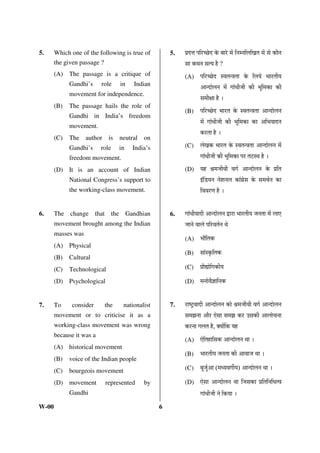
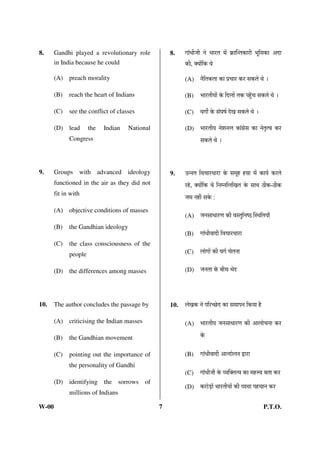
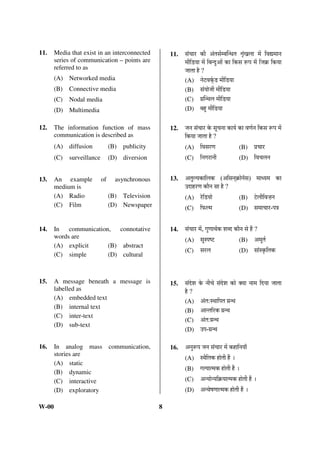
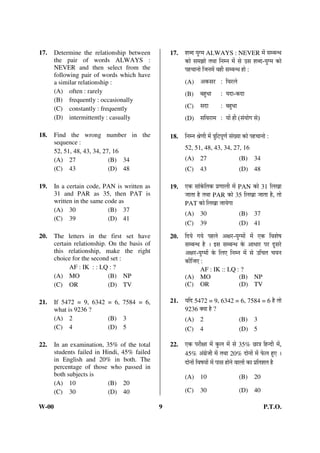
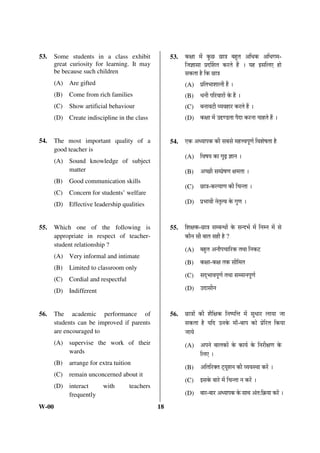
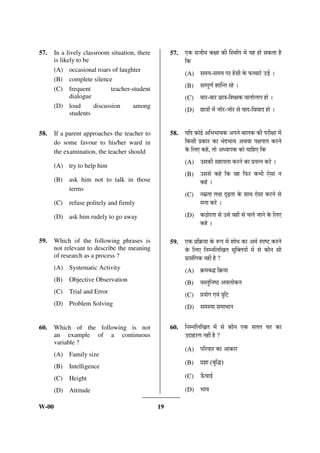

1. The document provides instructions for taking an exam with multiple choice questions. It details that the exam consists of 60 questions but candidates only need to answer 50. 2. The instructions emphasize verifying the exam booklet upon receiving it to check for issues like missing pages or questions. Candidates are told to raise any issues within 5 minutes to receive a replacement. 3. Candidates are to mark their answers on the provided answer sheet by darkening the appropriate oval for each question instead of writing anywhere else, and are warned that writing anywhere identifying like their name will disqualify them.


