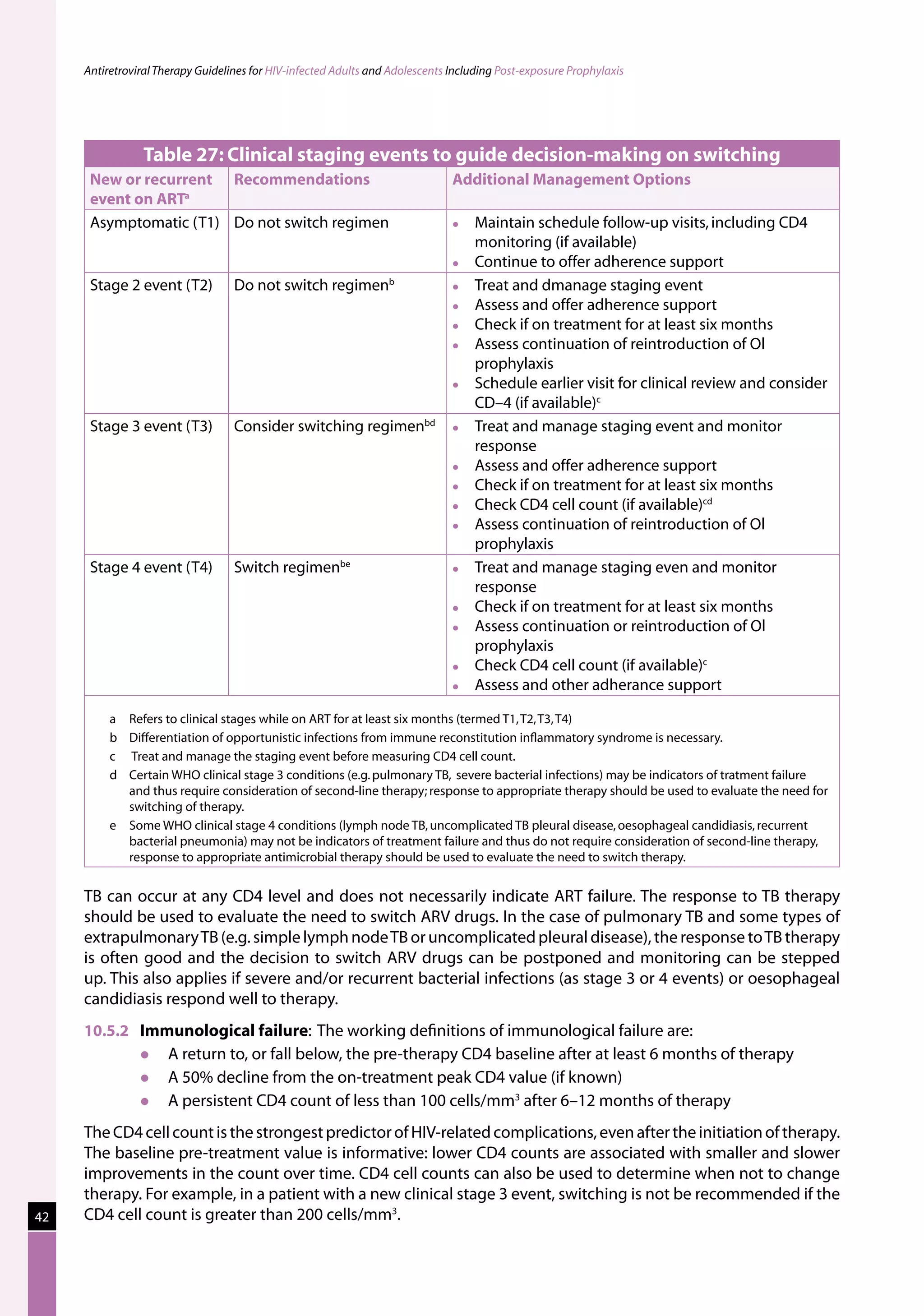
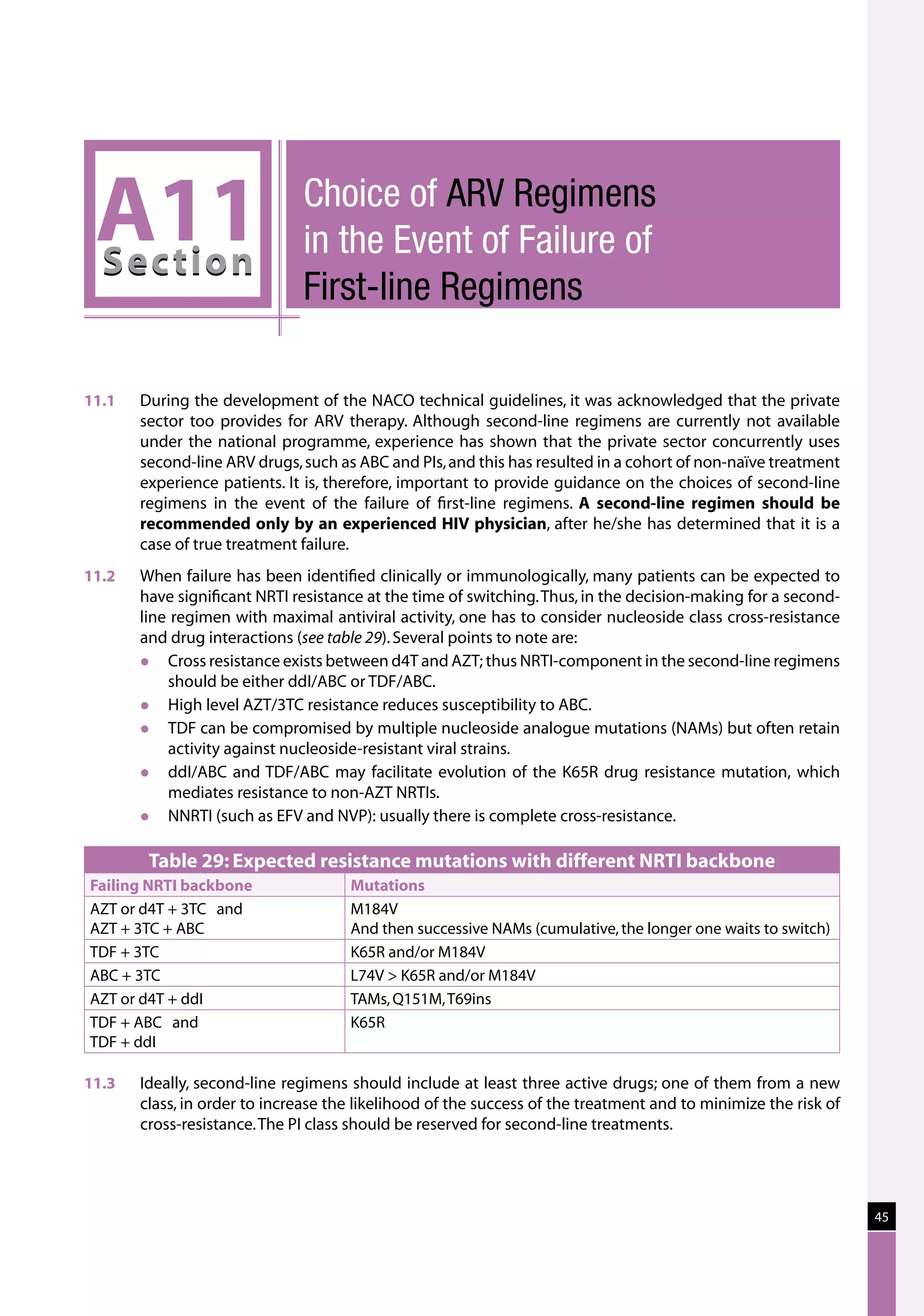
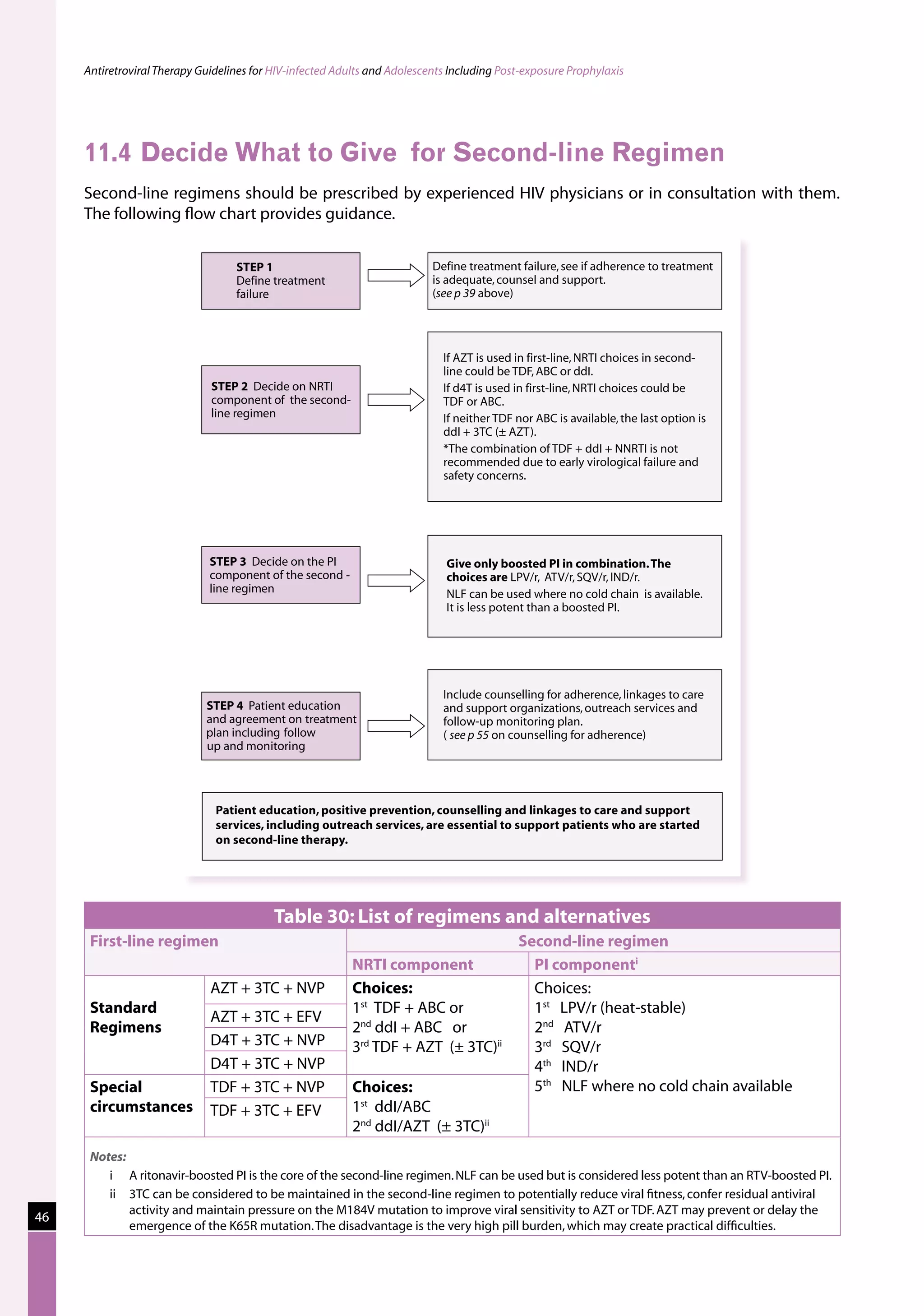
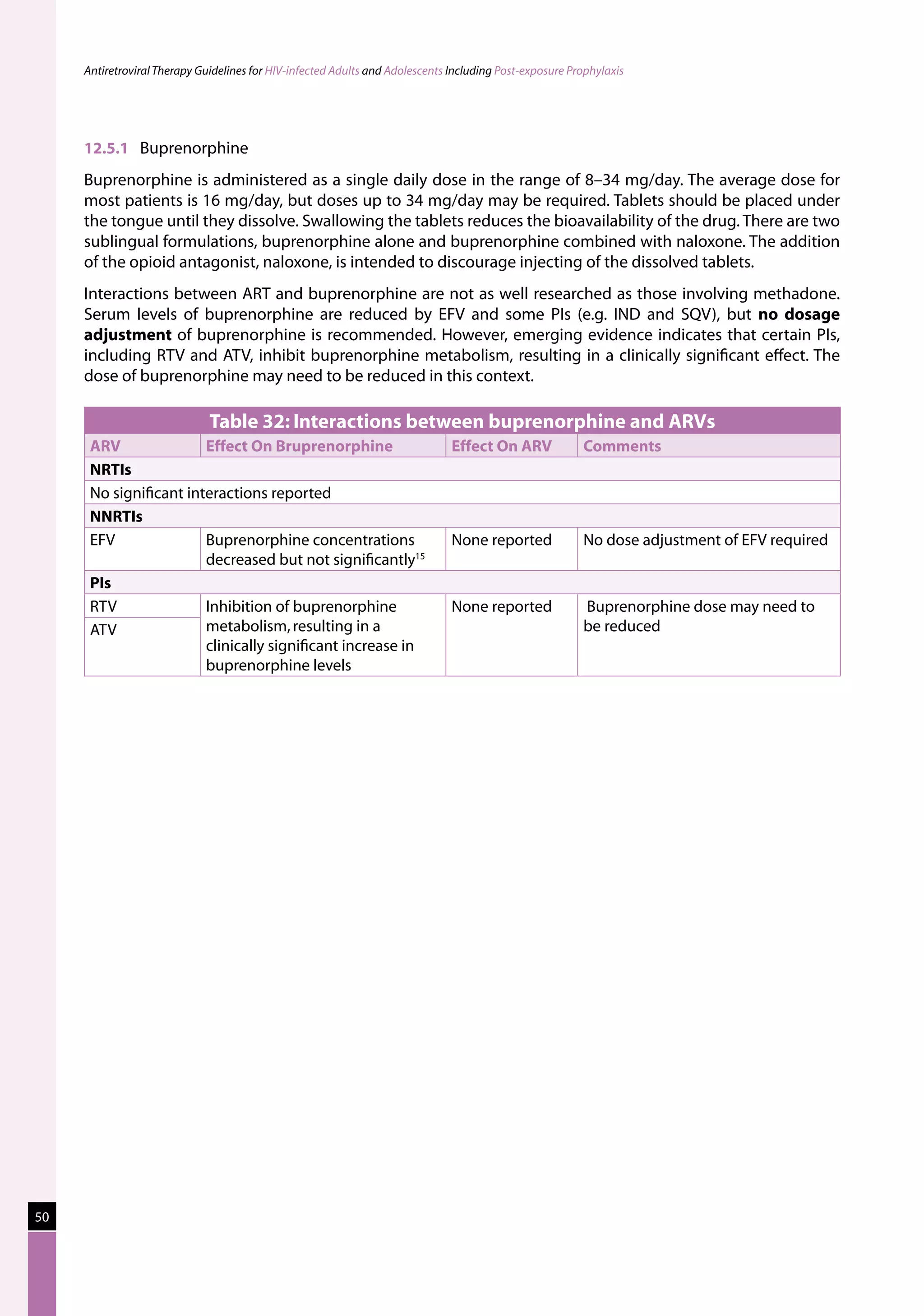
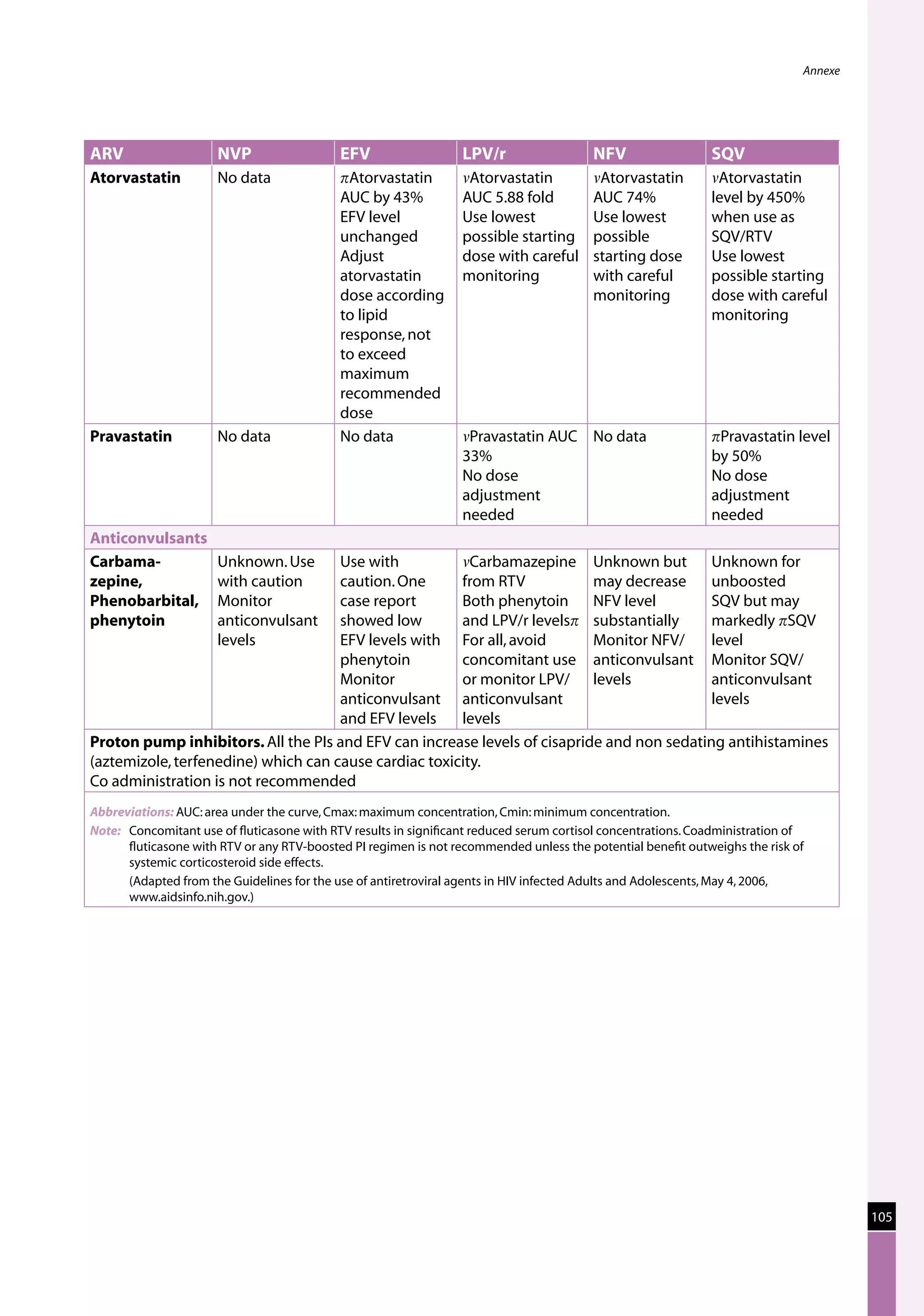
Antiretroviral Therapy Guidelines for
                                                                                                                HIV-Infected Adults and Adolescents
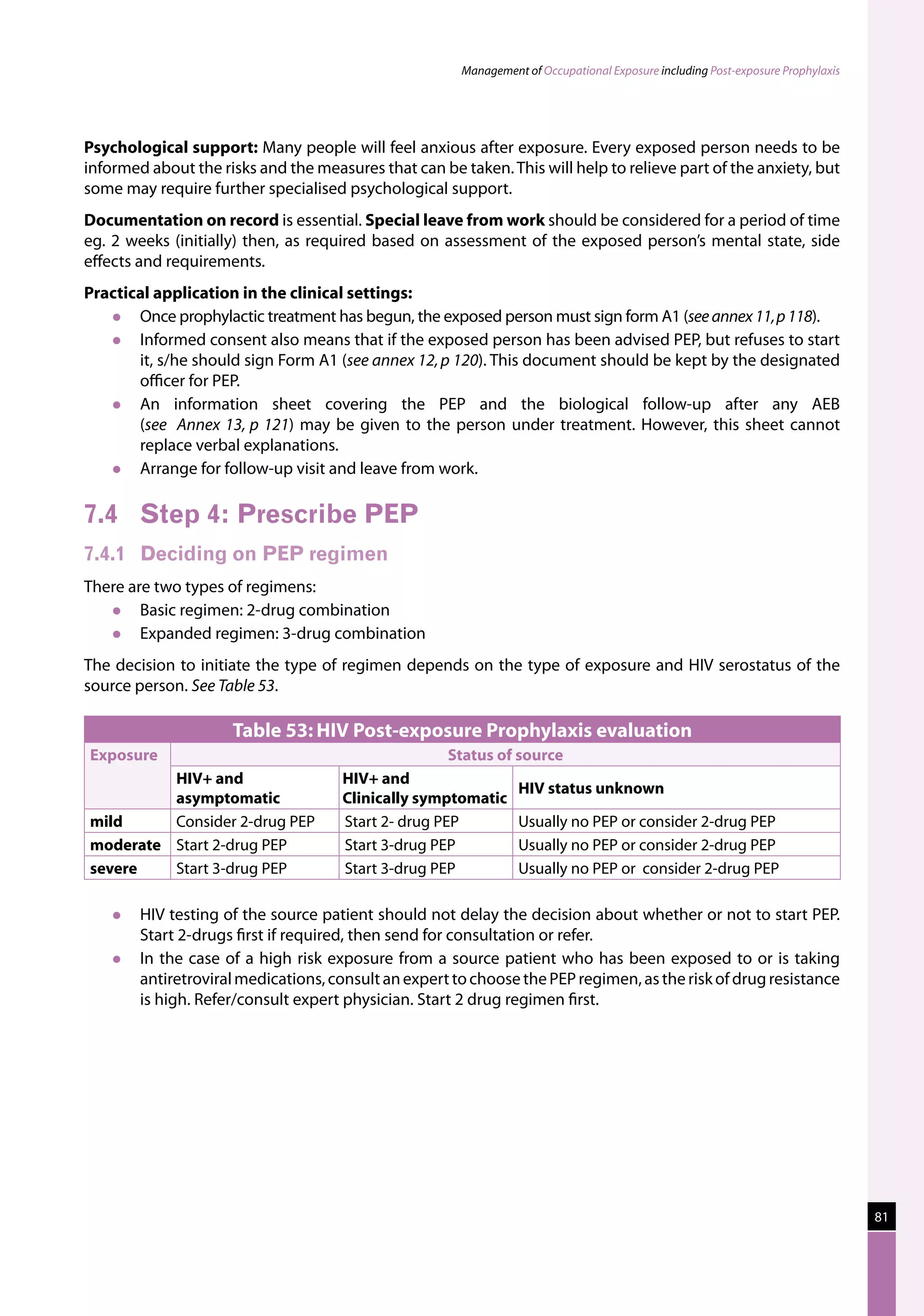
                                                                                                                Including Post-exposure Prophylaxis


Antiretroviral Therapy Guidelines for HIV-Infected Adults and Adolescents Including Post-exposure Prophylaxis


                                                                                                                             May 2007


                                                                                                                          NACO
                                                                                                                 Ministry of Health & Family Welfare
                                                                                                                        Government of India
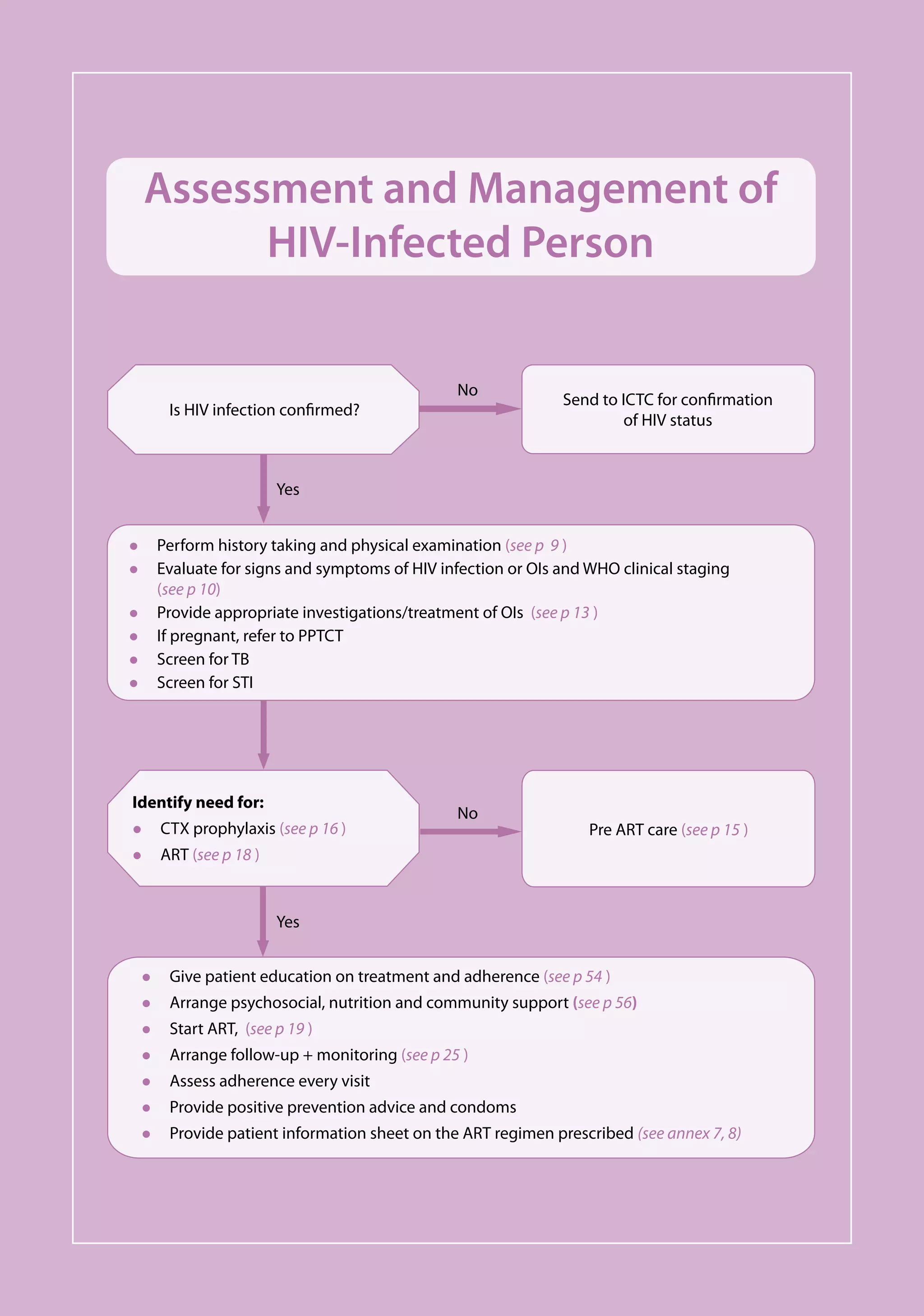
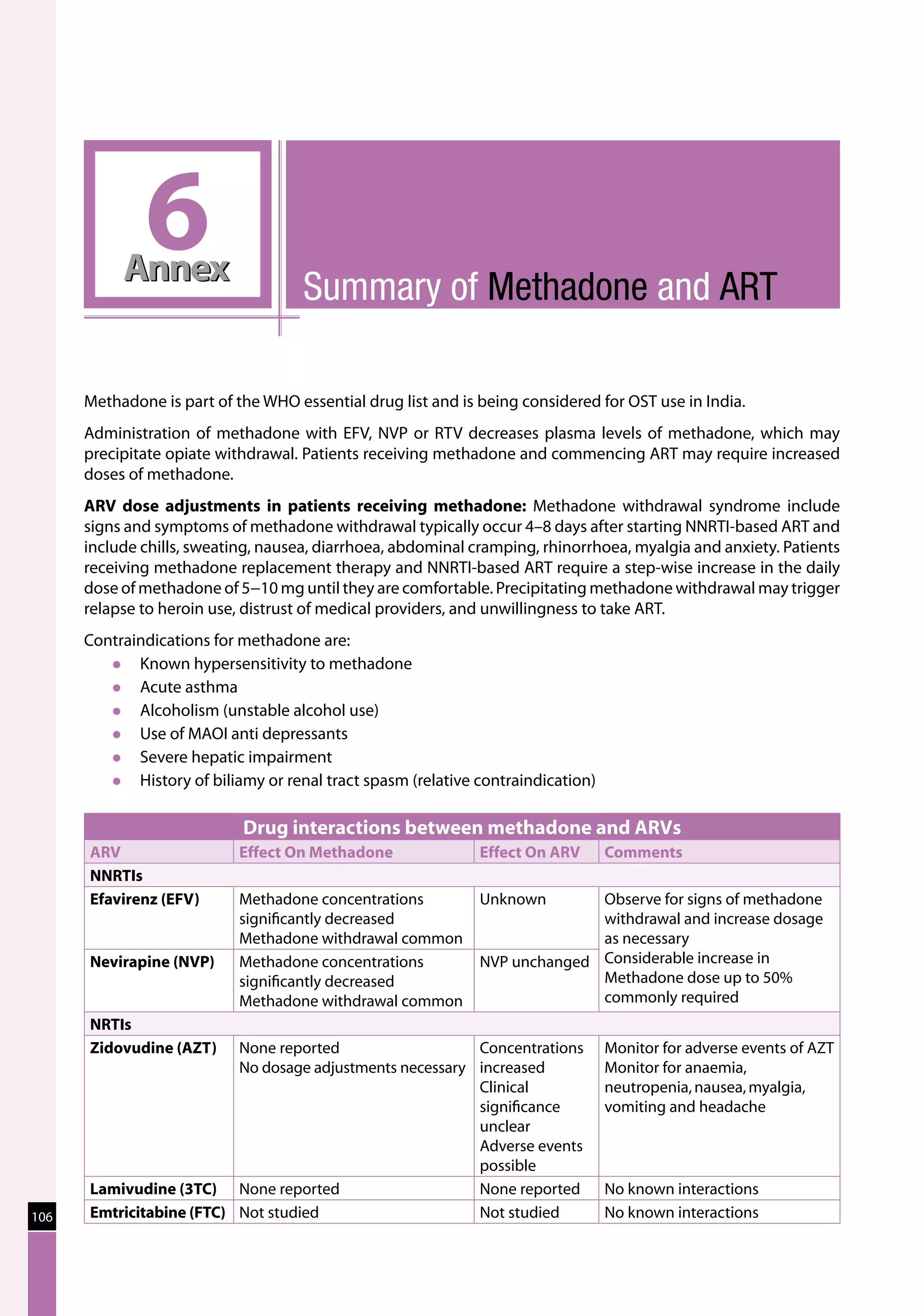
Assessment and Management of
          HIV-infected Person


                                                 No
                                                                Send to ICTC for confirmation
         Is HIV infection confirmed?
                                                                         of HIV status


                          Yes


       Perform history taking and physical examination (see p 9 )
       Evaluate for signs and symptoms of HIV infection or OIs and WHO clinical staging
        (see p 10)
       Provide appropriate investigations/treatment of OIs (see p 13 )
       If pregnant, refer to PPTCT
       Screen for TB
       Screen for STI


Identify need for:
                                                 No
       CTX prophylaxis (see p 16 )                                 Pre ART care (see p 15 )
       ART (see p 18 )


                          Yes


        Give patient education on treatment and adherence (see p 54 )
        Arrange psychosocial, nutrition and community support (see p 56)
        Start ART, (see p 19 )
        Arrange follow-up + monitoring (see p 25 )
        Assess adherence every visit
        Provide positive prevention advice and condoms
        Provide patient information sheet on the ART regimen prescribed (see annex 7, 8)
Antiretroviral Therapy Guidelines for
HIV-infected Adults and Adolescents
Including Post-exposure Prophylaxis


                     May 2007


                NACO
        National AIDS Control organisation
       Ministry of Health and Family Welfare
                Government of India


                   with support from
            CDC . Clinton Foundation . WHO
ta b l e o f
ta                                                    b                          l                          e                                                o                           f

Acronyms and Abbreviations
Introduction.................................................................................................................................................................................... 1
Objectives of the Guidelines. ................................................................................................................................................ 3
Section A - Management of Antiretroviral Therapy of Adults and Adolescents. ....................................... 5
	    A1 	              Diagnosis of HIV Infection in Adults and Adolescents.............................................................................. 7
	 A2	                  Assessment of Adults and Adolescents with HIV Infection and
		                     pre-ART Care and Follow-up ............................................................................................................................. 9
	    A3	               Prophylaxis of Opportunistic Infections......................................................................................................16
	    A4	               ART in Adults and Adolescents.......................................................................................................................18
	    A5	               Routine Monitoring of Patients on ART.......................................................................................................25
	    A6	               ART in Pregnant Women, PPTCT and Previous Exposure to NVP........................................................27
	    A7	               Considerations for Co-infection with Tuberculosis and HIV ................................................................30
	    A8	               What to Expect in the First six Months of Therapy . ................................................................................33
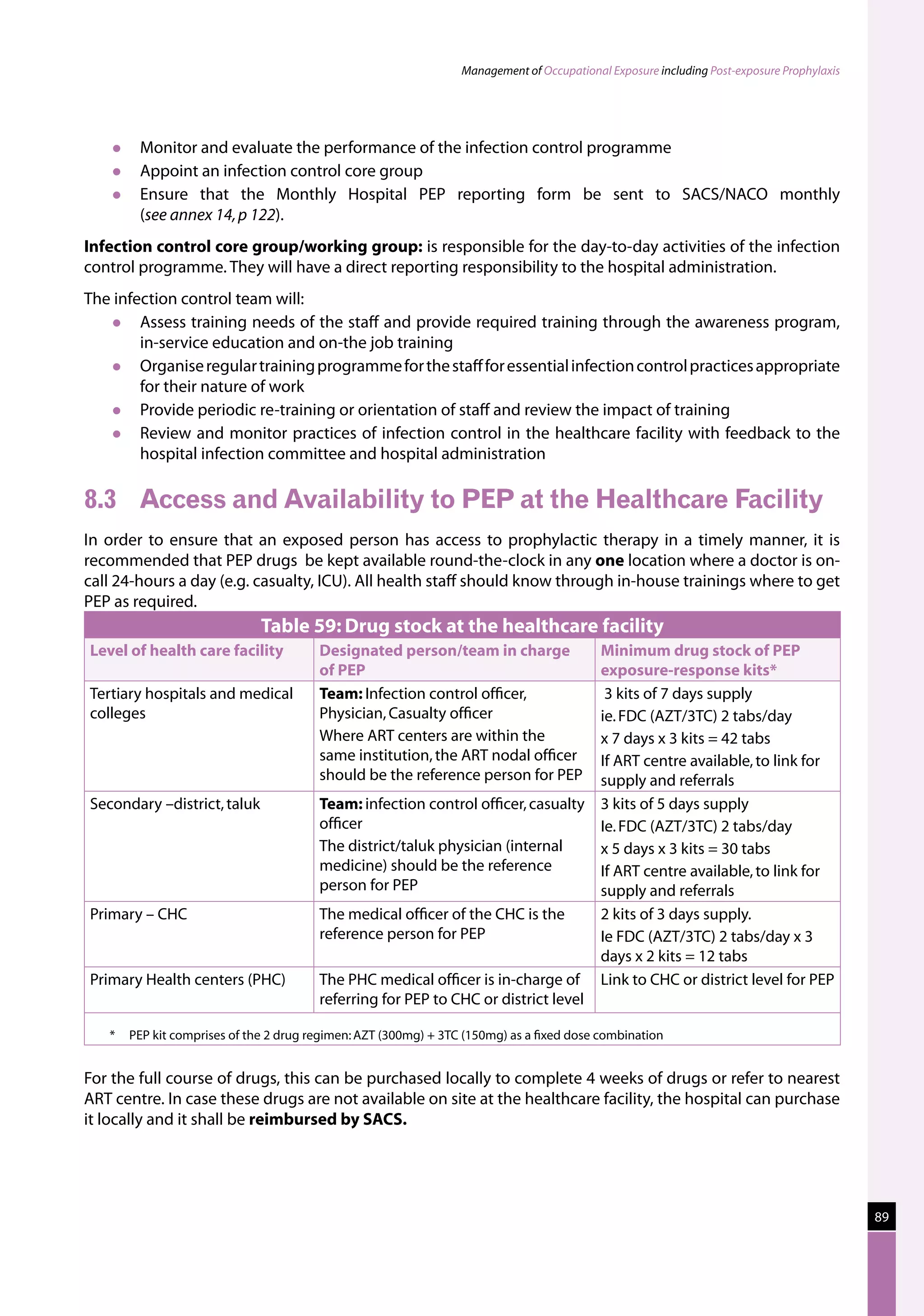
	    A9	               Antiretroviral Drug Toxicity...............................................................................................................................36
	 A10	                 ARV Treatment Failure and When to Switch...............................................................................................39
	 A11	                 Choice of ARV Regimens in the Event of Failure of First-line Regimens...........................................45
	 A12	                 Considerations for ART in IDUs or PLHA under Substitution Programmes.....................................47
	 A13	                 HIV and Hepatitis Co-infection........................................................................................................................51
	 A14	                 Considerations for ART in Adolescents........................................................................................................53
	 A15	                 Adherence to ART................................................................................................................................................54
	 A16	                 Nutritional Aspects of HIV.................................................................................................................................56
	 A17	                 Palliative Care in HIV............................................................................................................................................60
	 A18	                 NACO Standardized Reporting and Recording System.........................................................................66
                                                                       .
Section B - Management of Occupational Exposure including Post-exposure Prophylaxis.............67
	    B1	               Definitions..............................................................................................................................................................70
	    B2	               Principles of Providing PEP...............................................................................................................................71
	    B3	               Who is at Risk?.......................................................................................................................................................72
CONTENTS
C O                                            N                          T                         E N                                                 T                         S

	 B4	                 What is the Average Risk of Acquiring HIV, Hep B or Hep C Infection after
		                    an Occupational Exposure?..............................................................................................................................73
	      B5	            Practices that Influence Risk and How to Reduce Risk (Occupational Exposure).........................74
	      B6	            Preventing Exposure to and Transmission of HIV and other Viruses.................................................75
	      B7	            Management of the Exposed Person............................................................................................................77
	 B8	                 Implementation of PEP in the Healthcare facility : Operationalizing the PEP Programme
		                    to Ensure Access to PEP Drugs Round-the- clock.....................................................................................88
Section C - Annexes..................................................................................................................................................... 91
    A
    	 nnex 1 	 WHO Criteria for HIV-Related Clinical Events in HIV-infected
    		         Adults and Adolescents.....................................................................................................................................93
    A
    	 nnex 2	         ARV Drug Combinations and Strategies not to be used........................................................................97
    A
    	 nnex 3	         Dosages of Antiretroviral Drugs for Adults and Adolescents...............................................................98
    A
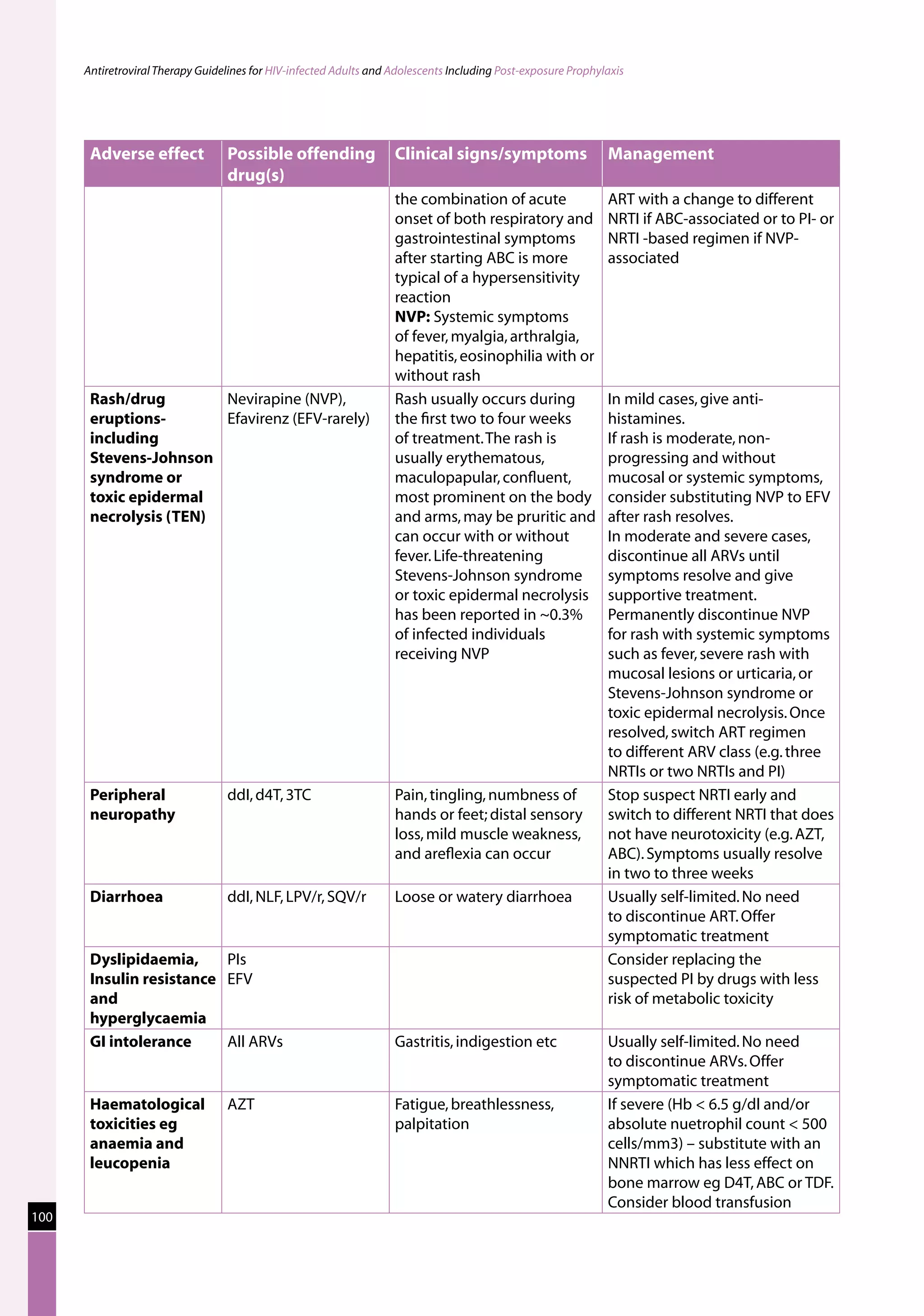
    	 nnex 4	         Clinical signs and Symptoms and Management of Adverse Effects of
    		                Antiretroviral Drugs.............................................................................................................................................99
    A
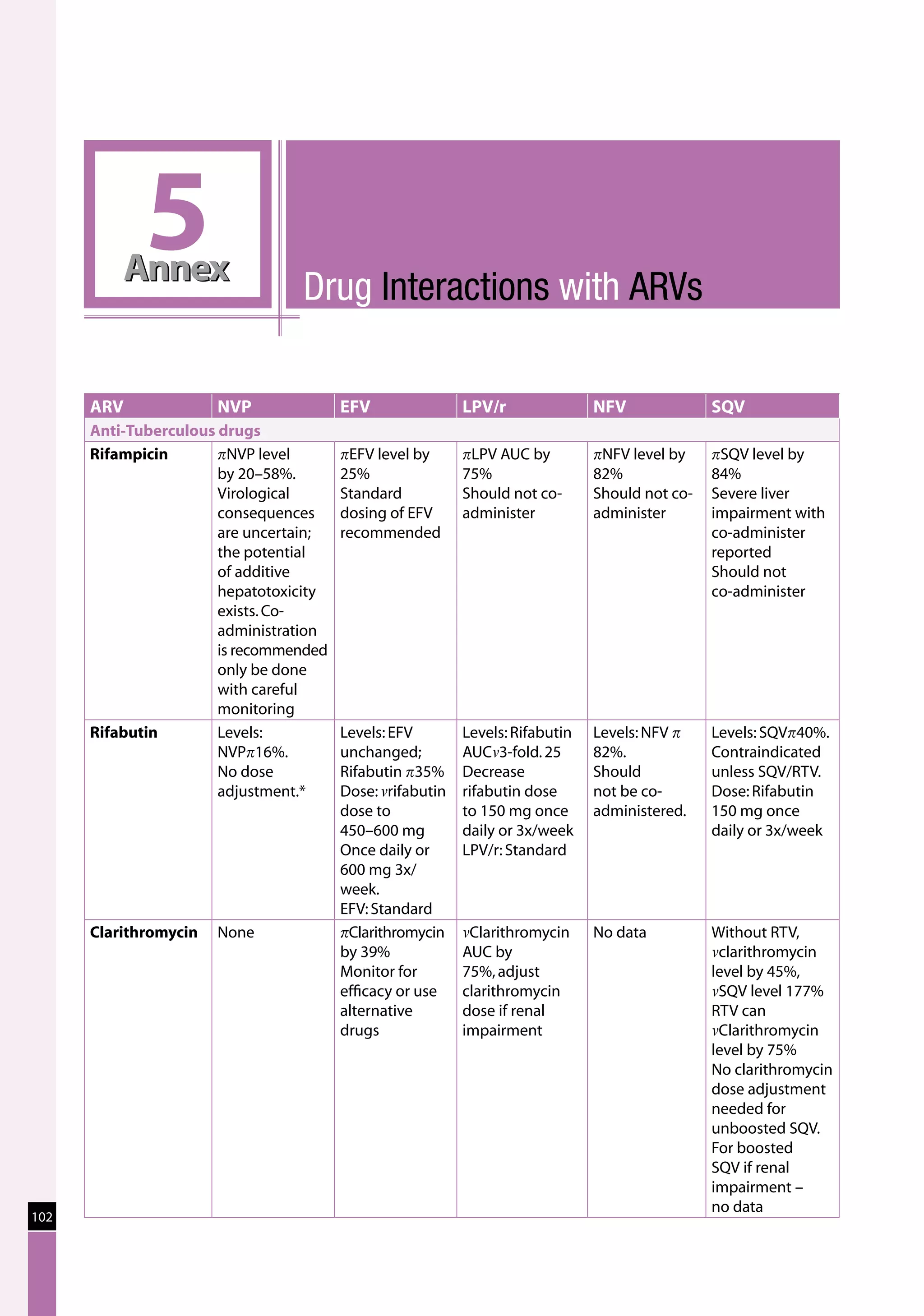
    	 nnex 5 	 Drug Interactions with ARVs......................................................................................................................... 102
    	 nnex 6.	 Summary of Methadone and ART............................................................................................................... 106
    A
    A
    	 nnex 7 	 Patient Information Sheets : Treatment Education Cards................................................................... 108
    A
    	 nnex 8 	 Checklist for Adherence Counseling.......................................................................................................... 112
    A
    	 nnex 9 	 List of Barrier to Adherence and ways to Address them..................................................................... 115
    A
    	 nnex 10 	 Occupational Exposure Management- sample Flow chart................................................................ 116
    A
    	 nnex 11 	 Form A1: AEB - Medical Notification Form............................................................................................... 118
    A
    	 nnex 12 	 Form A2: PEP Informed Consent/Refusal Form...................................................................................... 120
    A
    	 nnex 13 	 Information Sheet for Health Care Providers on Post-exposure Prophylaxis
    		          (PEP)and Follow-up after an Accidental Exposure to Blood (AEB).................................................. 121
    A
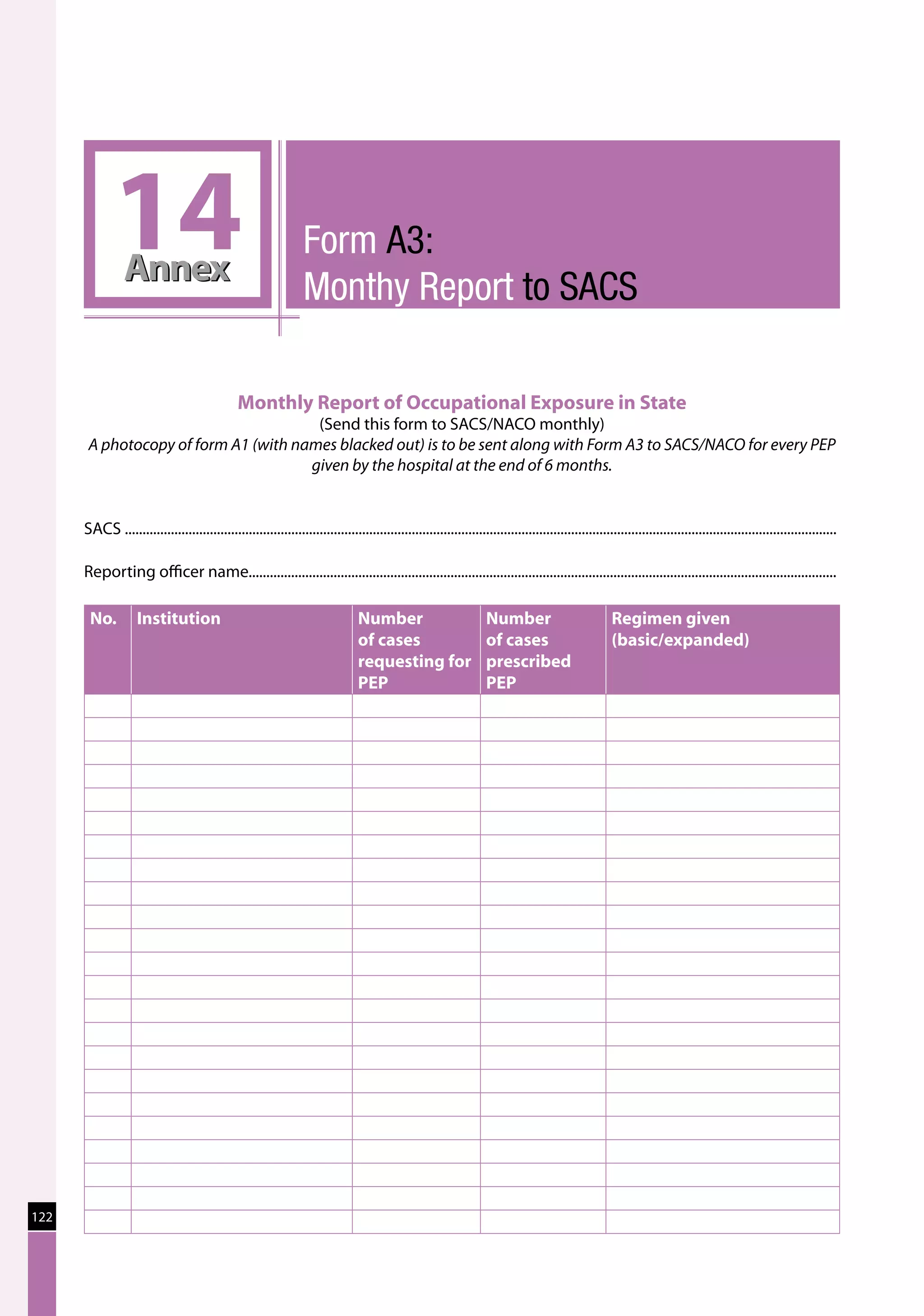
    	 nnex 14 	 Form A3: Monthly Report of Occupational Exposure in State.......................................................... 122
    A
    	 nnex 15 	 Risk Assessment Guide for the Source Patient....................................................................................... 123
List of Physicians for Advice on HIV/AIDS Clinical Management and PEP............................................... 124
Specific References................................................................................................................................................................. 125
ACR ONYMS AND ABBREVIATIONS
ACR ONYMS AND ABBREVIATIO NS

ABC     abacavir                              IFN   interferon
AEB     accidental exposure to blood          IND   indinavir
AFB     acid-fast bacilli                     IRS   immune reconstitution syndrome
AIDS    acquired immuno deficiency syndrome   NACO  National Aids Control Organization
ALT     alanine aminotransferase              NFV   nelfinavir
ART     antiretroviral therapy                NNRTI non-nucleoside reverse transcriptase
ARV     antiretroviral (drug)                       inhibitor
AST     aspartate aminotransferase            NRTI  nucleoside analogue reverse
                                                    transcriptase inhibitor
ATV     Atazanavir
                                              NVP   nevirapine
AZT     zidovudine (also known as zdv)
                                              OPIM  other potentially infectious material
bid     twice daily
                                              PCP   pneumocystis jiroveci (carinii)
CD4     T-lymphocyte cd4+
                                                    pneumonia
CII     Confederation of Indian Industry
                                              PCR   polymerase chain reaction
CNS     central nervous system
                                              PGL   persistent generalized
CPK     creatinine phosphokinase                    lymphadenopathy
CPT     cotrimoxazole preventive therapy      PI    protease inhibitor
CXR     chest X-ray                           PLHA  people living with hiv/aids
d4T     stavudine                             PMTCT prevention of mother-to-child
ddl     didanosine                                  transmission (of hiv)
DGHS    Director General of Health Services   PPTCT prevention of parent-to-child
EFV     efavirenz                                   transmission (of hiv)
FBC     full blood count                      /r    low-dose ritonavir
FDC     fixed-dose combination                RBV   ribavirin
FTC     emtricitabine                         RNA   ribonucleic acid
GI      gastro intestinal                     SACS  State Aids Control Society
HB      haemoglobin                           SQV   saquinavir
HBV     hepatitis B virus                     TB    tuberculosis
HCV     hepatitis C virus                     TDF   tenofovir disoproxil fumarate
HCP     health care personnel                 TLC   total lymphocyte count
HIV     human immunodeficiency virus          WHO   World Health Organization
HIVDR   hiv drug resistance
1
    Chapter                   Introduction

1.1	   Since the beginning of the human immunodeficiency virus (HIV) epidemic, more than 60 million
       people have been infected globally and as on December 2006, nearly 39 million people were living
       with HIV/AIDS worldwide. During the initial years, the major focus of attention was on prevention
       activities, followed by “care and support” of infected individuals, particularly those suffering from
       opportunistic infections (OIs). Over the past decade, there has been a tremendous increase in our
       understanding of molecular biology and the viral structure and pathogenesis of the disease. This
       knowledge has led to the development of a number of new antiretroviral drugs and treatment
       protocols. The demonstration of efficacy of these drugs in containing viral replication has changed
       the world’s outlook on HIV/AIDS from a “virtual death sentence” to a “chronic manageable disease”    .
       Although antiretroviral therapy (ART) does not cure HIV infection, the decrease in the viral load and
       the improvement in immunological status brought about by the use of these drugs have resulted
       in a marked decrease in the mortality and morbidity associated with the disease. Earlier, the high
       cost of the complicated treatment regimens and the absence of basic health infrastructure were
       repeatedly cited as potentially insurmountable barriers.
	      The “Call to Action” on HIV/AIDS at the UN General Assembly Special Session (June 2001) pushed
       forward a new global consensus on the need for ART. In April 1992 WHO released guidelines for the
       use of ART in resource-constrained settings, added 10 ARV drugs to its list of “essential medicines”
                                                                                                          ,
       and for the first time, through the WHO Prequalification Project, identified a number of generic
       manufacturers. In September 2003 WHO declared the lack of access to antiretroviral (ARV) treatment
       for HIV/AIDS a “global health emergency” An emergency plan was announced to scale up access to
                                                 .
       ARV treatment in order to cover at least three million people by the end of 2005. This joint WHO/
       UNAIDS announcement popularly came to be known as the “3 by 5” initiative. The WHO guidelines
       for “Antiretroviral Use in Resource-constrained Settings” have since been revised in December 2003
       and in August 2006. A subsequent amendment on the dose of stavudine (d4T) was issued by WHO
       in April 2007.
	      Phase II of the National AIDS Control Programme of the Government of India, initiated in 1999,
       had a component of “care and support” for HIV-infected persons, with an emphasis on universal
       precautions, management and prophylaxis of OIs, and provision of post-exposure prophylaxis (PEP)
       to health care providers. There has been a paradigm shift in the National AIDS Control Programme
       of India and, along with prevention and the improvement of the health care infrastructure for the
       delivery of care and support, treatment is now perceived as a critical component of a comprehensive
       programme to combat HIV/AIDS. The Government of India launched the free ART programme on 1
       April 2004, starting with eight tertiary-level government hospitals in the six high-prevalence states
       of Andhra Pradesh, Karnataka, Maharashtra, Tamil Nadu, Manipur and Nagaland, as well as the NCT of
       Delhi. In Phase I of the implementation of this programme, the subgroups of the people living with
       HIV/AIDS (PLHA) targeted on a priority basis were: (i) sero-positive mothers who have participated in
       the prevention of parent-to-child transmission (PPTCT) programme; (ii) sero-positive children below
       the age of 15 years; and (iii) people with AIDS who seek treatment in government hospitals. The ART
       centres are being scaled up in a phased manner and it is planned that free ART will be provided
Antiretroviral Therapy Guidelines for HIV-infected Adults and Adolescents Including Post-exposure Prophylaxis


               to 100,000 patients by the end of 2007 and 300,000 patients by 2011 in 250 centres across the
               country.
    	          The free ART programme has adopted the public health approach to administration and distribution
               of ART. This implies a comprehensive prevention, care and treatment programme, with a standardized,
               simplified combination of ART regimens, a regular secure supply of good-quality ARV drugs, and a
               robust monitoring and evaluation system. The public health approach for scaling up ART aims to
               provide care and treatment to as many people as possible, while working towards universal access
               to care and treatment.
    	          The selection of first-line regimens is determined on the basis of a number of considerations, such
               as potency, profile of side-effects, ability to keep future treatment options open, ease of adherence,
               cost, risk during pregnancy and potential of the development of resistant viral strains. The current
               global recommendation in all circumstances is a triple drug regimen.
    1.2	       The key goals of the national ART programme include:
                 To provide long-term ART to eligible patients
                 To monitor and report treatment outcomes on a quarterly basis
                 To attain individual drug adherence rates of 95% or more
                 To increase life span so that 50% of patients on ART are alive 3 years after starting the
                  treatment
                 To ensure that 50% of patients on ART are engaged in or can return to their previous employment
    1.3	       Eligibility for ART: The national programme offers ART to the following groups of persons.
                  All persons with HIV infection who are clinically eligible to receive ART
                  Those who are already on ART (outside the national programme) and want to enrol with the
                   national programme for the available ART regimens, after written informed consent
    	          Strengthening of linkages and referrals to the prevention of parent-to-child transmission (PPTCT)
               programme is being carried out so that women and children living with HIV/AIDS have greater
               access to treatment. The national programme will also link with other programmes, such as the
               Revised National Tuberculosis Control Programme (RNTCP), Reproductive and Child Health (RCH)
               Programme and National Rural Health Mission (NRHM).
Chapter
        2                      Objectives of the Guidelines

These guidelines are intended to assist physicians prescribing ART, as well as the teams in the ART centres,
with the practical issues regarding the treatment of HIV/AIDS. They contain recommendations to be used in
the framework of the national programme as well as in dealing with special cases, in view of the role of the
private sector in the provision of ART.
These guidelines were finalized in December 2003 and updated in August 2004 after national consultation
with clinicians and medical practitioners from the public and private sectors, technical experts from the
Director General of Health Services (DGHS), Government of India, WHO and other UN agencies, bilateral
donors, Confederation of Indian Industry (CII), pharmaceutical industries, Network of Positive People and
nongovernmental organizations (NGOs) involved in the care and treatment of PLHA. In December 2005, a
Technical Committee on ART was constituted at NACO and seven subgroups were formed to update the
guidelines on different aspects of ART. The present guidelines have been finalized after three meetings of
the ART technical subgroup and online consultations with national and international experts on ART. These
guidelines will continue to evolve according to the evidence and data available nationally as well as globally
and will be updated regularly.
These guidelines are part of a series of NACO guidelines:
      National ART guidelines, including PEP
      National guidelines on PEP
      National guidelines for PPTCT
      National guidelines for management of OIs
      National guidelines for care and treatment of children
A
A       Section


Management of
Antiretroviral Therapy
for Adults and Adolescents
A1
  Sec tion
                                  Diagnosis of HIV Infection in Adults
                                  and Adolescents

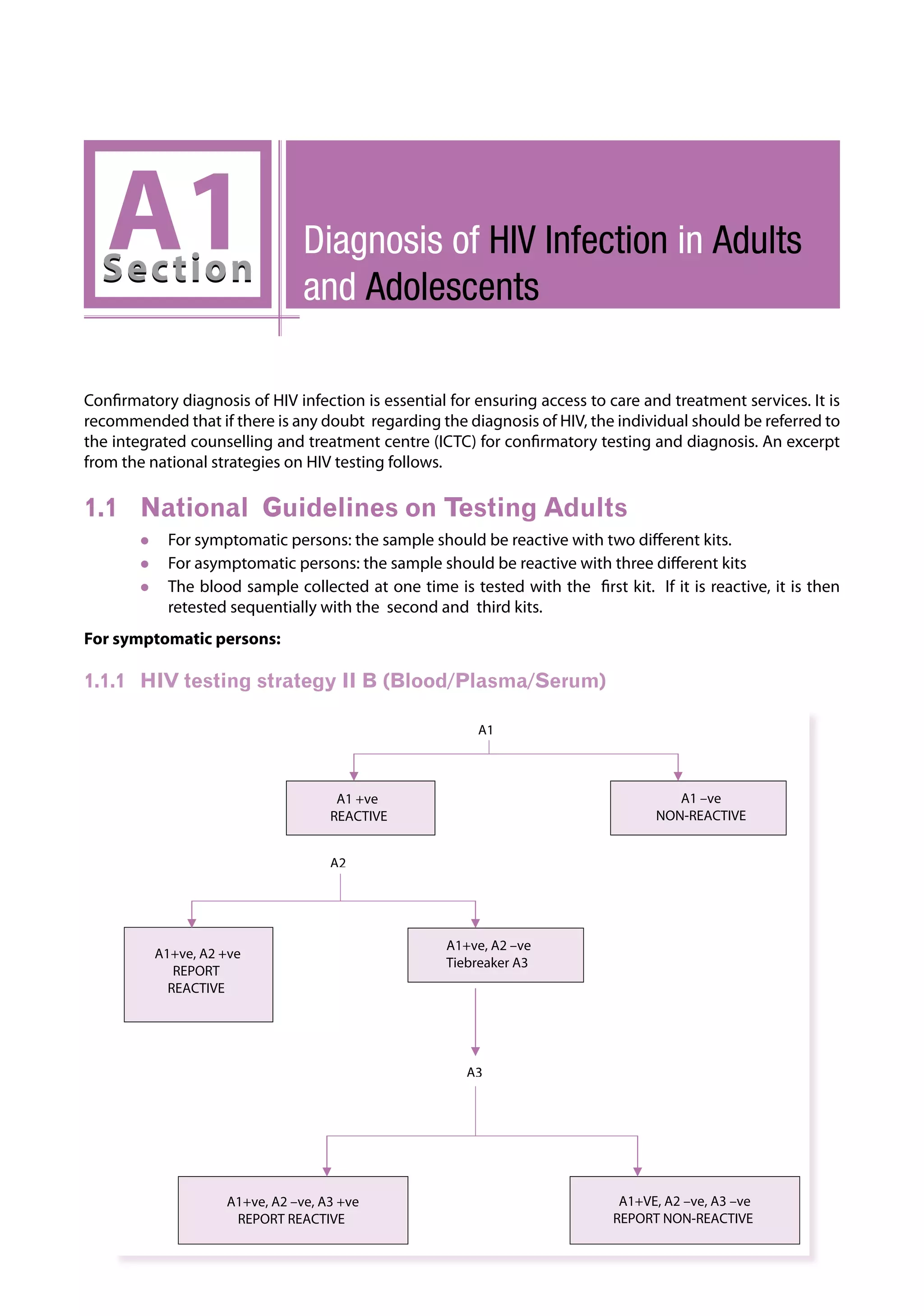
Confirmatory diagnosis of HIV infection is essential for ensuring access to care and treatment services. It is
recommended that if there is any doubt regarding the diagnosis of HIV, the individual should be referred to
the integrated counselling and treatment centre (ICTC) for confirmatory testing and diagnosis. An excerpt
from the national strategies on HIV testing follows.

1.1	 National  Guidelines on Testing Adults
             For symptomatic persons: the sample should be reactive with two different kits.
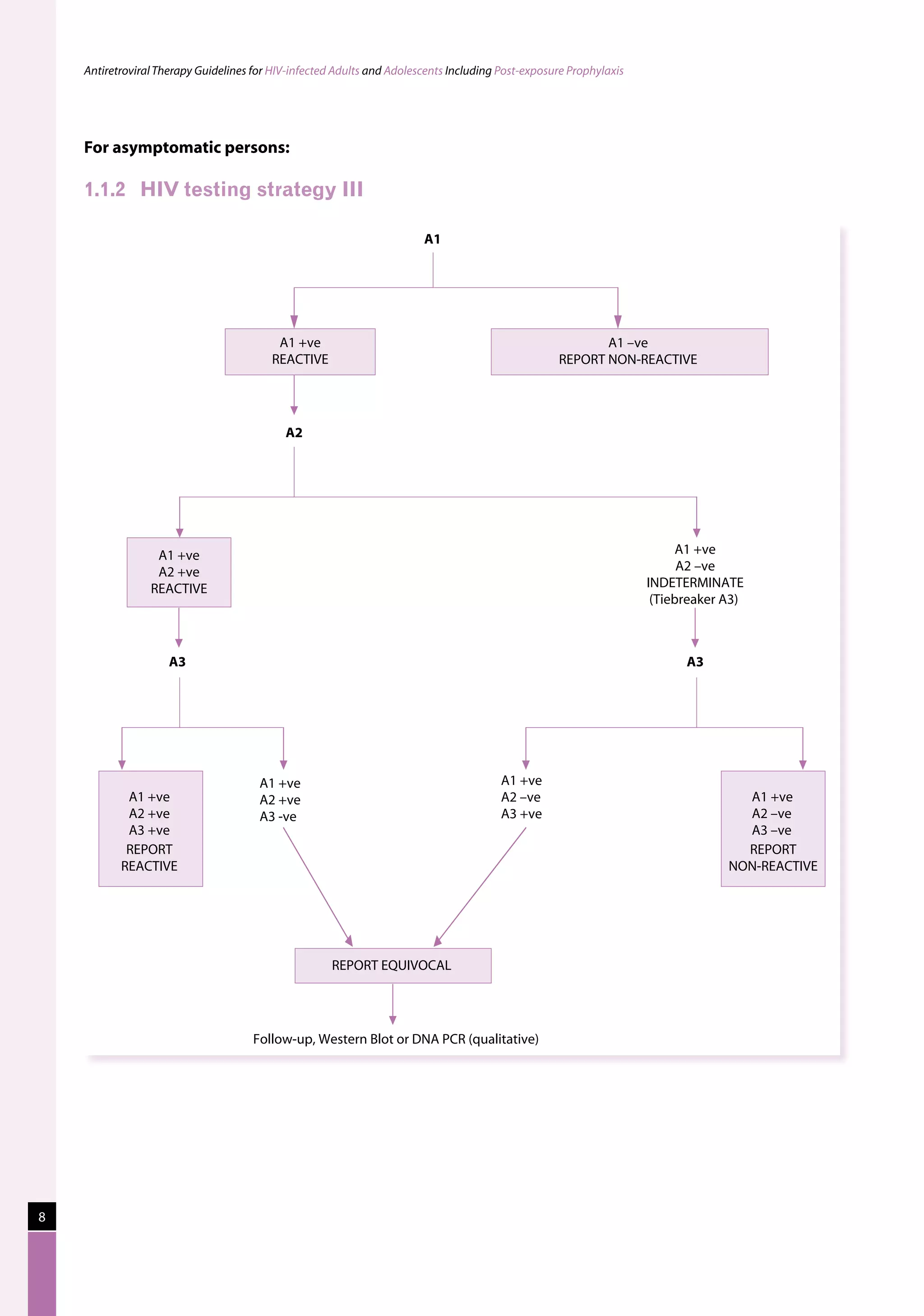
             For asymptomatic persons: the sample should be reactive with three different kits
             The blood sample collected at one time is tested with the first kit. If it is reactive, it is then
              retested sequentially with the second and third kits.
For symptomatic persons:

1.1.1	 hiv testing strategy ii b (blood/plasma/serum)

                                                           A1


                                       A1 +ve                                           A1 –ve
                                      REACTIVE                                       NON-REACTIVE


                                      A2


                                                      A1+ve, A2 –ve
            A1+ve, A2 +ve
                                                      Tiebreaker A3
               REPORT
              REACTIVE


                                                         A3


                      A1+ve, A2 –ve, A3 +ve                                    A1+VE, A2 –ve, A3 –ve
                       REPORT REACTIVE                                        REPORT NON-REACTIVE
Antiretroviral Therapy Guidelines for HIV-infected Adults and Adolescents Including Post-exposure Prophylaxis


    For asymptomatic persons:

    1.1.2	 Hiv testing strategy Iii

                                                                        A1


                                          A1 +ve                                                          A1 –ve
                                         REACTIVE                                                  REPORT NON-REACTIVE


                                            A2


                  A1 +ve                                                                                                  A1 +ve
                  A2 +ve                                                                                                  A2 –ve
                 REACTIVE                                                                                           INDETERMINATE
                                                                                                                     (Tiebreaker A3)


                     A3                                                                                                   A3


                                       A1 +ve                                           A1 +ve
            A1 +ve                     A2 +ve                                           A2 –ve                                     A1 +ve
            A2 +ve                     A3 -ve                                           A3 +ve                                     A2 –ve
            A3 +ve                                                                                                                 A3 –ve
            REPORT                                                                                                                 REPORT
           REACTIVE                                                                                                              NON-REACTIVE


                                                      REPORT EQUIVOCAL


                                      Follow-up, Western Blot or DNA PCR (qualitative)
A2
  Sec tion
                                 Assessment of Adults and
                                 Adolescents with HIV Infection
                                 and Pre-ART Care and Follow-up

2.1	 Clinical Assessment
At the beginning of HIV care and prior to starting ART, a clinical assessment should be performed to:
       Determine the clinical stage of HIV infection
       Identify history of past illnesses (especially those related to HIV)
       Identify current HIV-related illnesses that require treatment
       Determine the need for ART and OI prophylaxis
       Identify coexisting medical conditions and treatments that may influence the choice of therapy
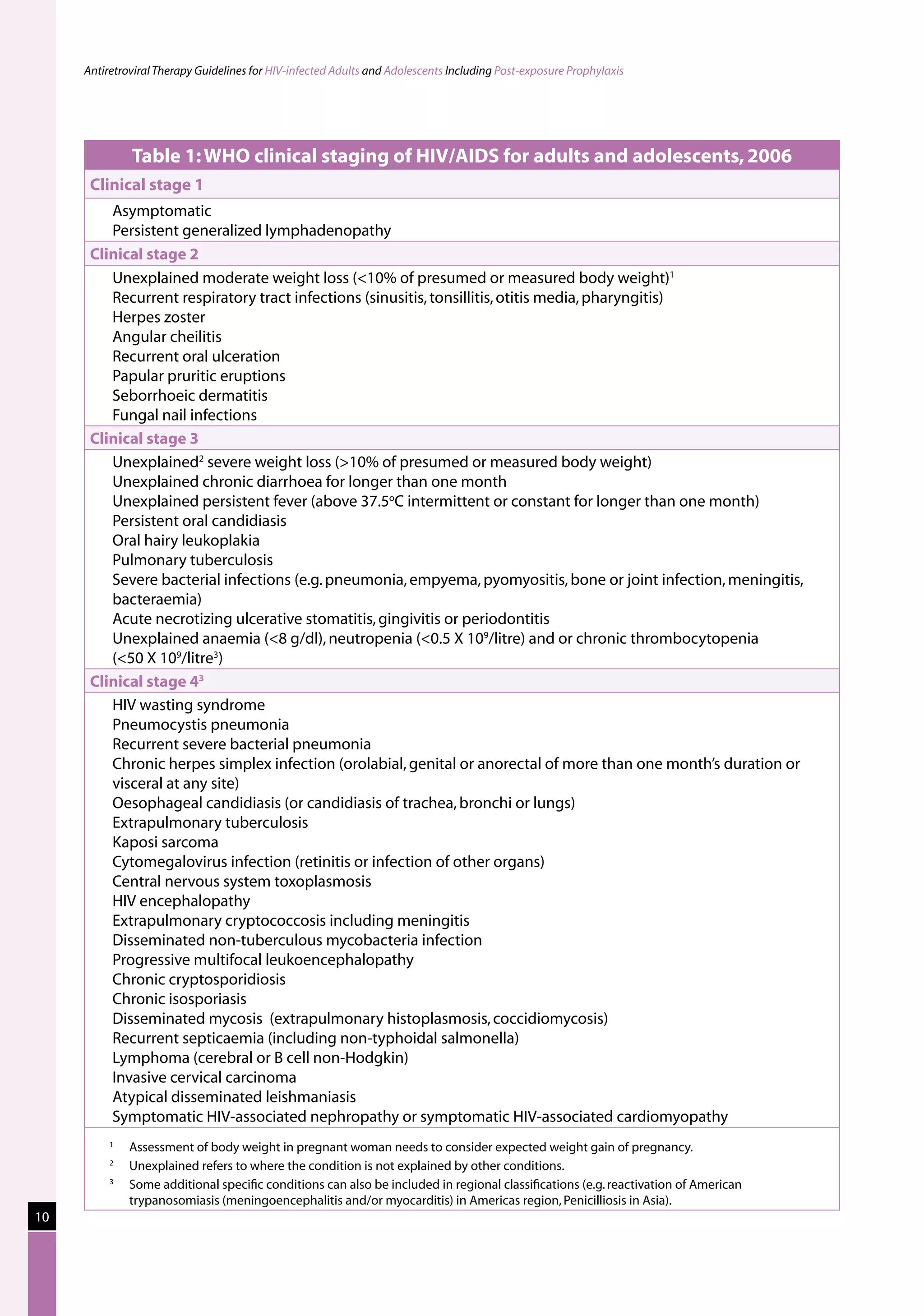
The recognition of HIV-related clinical events helps to determine the stage of a patient’s disease and decisions
on when to initiate OI prophylaxis and ART.
WHO stage 1, 2 and 3 conditions, with the exception of moderate anaemia, can be readily recognized
clinically. For WHO stage 4 conditions, where clinical diagnosis is not possible, definite diagnostic criteria are
recommended in the case of conditions such as lymphoma and cervical cancer (See Table 1).


2.2	 Medical History
Many individuals with HIV infection may have concurrent risk behaviours. It is important to elicit these risk
factors, which may influence how a person will be counselled and supported. These risk factors for HIV
infection include:
        Past or present use of injecting drugs
        Male or female sex worker
        Men who have sex with men (MSM)
        Present or past unprotected sex, in particular with female or male sex worker
        Past or present sexually transmitted infection (STI)
        Past or present recipient of blood or blood products
        Injections, tattoos, ear piercing or body piercing using non-sterile instruments

See Table 2 (p11)
Antiretroviral Therapy Guidelines for HIV-infected Adults and Adolescents Including Post-exposure Prophylaxis


               Table 1: WHO clinical staging of HIV/AIDS for adults and adolescents, 2006
      Clinical stage 1
         Asymptomatic
         Persistent generalized lymphadenopathy
      Clinical stage 2
         Unexplained moderate weight loss (10% of presumed or measured body weight)1
         Recurrent respiratory tract infections (sinusitis, tonsillitis, otitis media, pharyngitis)
         Herpes zoster
         Angular cheilitis
         Recurrent oral ulceration
         Papular pruritic eruptions
         Seborrhoeic dermatitis
         Fungal nail infections
      Clinical stage 3
         Unexplained2 severe weight loss (10% of presumed or measured body weight)
         Unexplained chronic diarrhoea for longer than one month
         Unexplained persistent fever (above 37.5oC intermittent or constant for longer than one month)
         Persistent oral candidiasis
         Oral hairy leukoplakia
         Pulmonary tuberculosis
         Severe bacterial infections (e.g. pneumonia, empyema, pyomyositis, bone or joint infection, meningitis,
         bacteraemia)
         Acute necrotizing ulcerative stomatitis, gingivitis or periodontitis
         Unexplained anaemia (8 g/dl), neutropenia (0.5 X 10⁹/litre) and or chronic thrombocytopenia
         (50 X 109/litre3)
      Clinical stage 43
         HIV wasting syndrome
         Pneumocystis pneumonia
         Recurrent severe bacterial pneumonia
         Chronic herpes simplex infection (orolabial, genital or anorectal of more than one month’s duration or
         visceral at any site)
         Oesophageal candidiasis (or candidiasis of trachea, bronchi or lungs)
         Extrapulmonary tuberculosis
         Kaposi sarcoma
         Cytomegalovirus infection (retinitis or infection of other organs)
         Central nervous system toxoplasmosis
         HIV encephalopathy
         Extrapulmonary cryptococcosis including meningitis
         Disseminated non-tuberculous mycobacteria infection
         Progressive multifocal leukoencephalopathy
         Chronic cryptosporidiosis
         Chronic isosporiasis
         Disseminated mycosis (extrapulmonary histoplasmosis, coccidiomycosis)
         Recurrent septicaemia (including non-typhoidal salmonella)
         Lymphoma (cerebral or B cell non-Hodgkin)
         Invasive cervical carcinoma
         Atypical disseminated leishmaniasis
         Symptomatic HIV-associated nephropathy or symptomatic HIV-associated cardiomyopathy
          1	
               Assessment of body weight in pregnant woman needs to consider expected weight gain of pregnancy.
          2	
               Unexplained refers to where the condition is not explained by other conditions.
          3	
               Some additional specific conditions can also be included in regional classifications (e.g. reactivation of American
               trypanosomiasis (meningoencephalitis and/or myocarditis) in Americas region, Penicilliosis in Asia).
10
Management of Antiretroviral Therapy for Adults and Adolescents


                                  Table 2: Medical history checklist
HIV testing                                      HIV risks (can have multiple factors)
  Ever tested for HIV in the past?                Unprotected sexual contact
  Date and place of first HIV test                Injecting drug use
  Reason for the test                             Men having sex with men
  Documentation of the result                     Occupational exposure
  Date of last negative HIV test result           Perinatal transmission
  Previous CD4 cell counts (if available)         Recipient of blood products
  Previous viral load (if available)              Unknown
                                                   Partner’s HIV status being positive
System review                                    Past history of HIV-related illnesses
  Unexplained weight loss                         Oral candidiasis or candida oesophagitis
  Swollen lymph nodes                             Persistent diarrhoea
  Night sweats and fever                          Tuberculosis
  Unusual headaches or poor concentration         Varicella zoster (shingles)
  Changes in appetite                             Oral hairy leukoplakia
  Skin rashes                                     Pneumocystis jiroveci pneumonia (PCP)
  Sores or white spots in mouth                   Recurrent bacterial pneumonia
  Painful swallowing                              Cryptococcal meningitis
  Chest pain, cough or shortness of breath        Toxoplasmosis
  Stomach pain, vomiting or diarrhoea             Kaposi sarcoma
  Numbness or tingling in hands or feet           Disseminated Mycobacterium avium complex
  Muscular weakness and changes in vision          Cytomegalovirus (CMV) infection
                                                   Invasive cervical cancer
Tuberculosis history                             Sexually transmitted infections (STIs)
 Last chest X-ray                                 Genital ulcer or other lesion
 History of past TB                               Genital discharge (abnormal vaginal discharge in women)
 Treatment given (drugs and duration)             Lower abdominal pain
 History of exposure to TB
Gynaecological history                           General medical history
 Last PAP smear                                   Any other past medical condition, such as diabetes,
 Menstrual irregularities                          hypertension, coronary artery disease,hepatitis B,
 Pelvic pain or discharge                          hepatitis C, hyperlipidaemia
                                                   Mental health issues, e.g. depression
Pregnancy and contraception history              Vaccination history
  Previous pregnancies and terminations           BCG
  Children and HIV status of children (living     Hepatitis A vaccine
   and dead)                                       Hepatitis B vaccine
  Exposure to ARVs during pregnancy
  Drugs and duration of ART
  Contraception used
  Last menstrual period
Medication                                       Allergies
  Past use of drugs and reasons for               Known allergies to drugs or other substances or materials
   taking them
  Current use of drugs and reasons for
   taking them
  Current use of traditional/herbal remedies
  Opioid substitution therapy (OST)
ART history                                      Psychosocial history
  Current and past exposure to ARVs               Family history, e.g. other immediate family members with
  ARV use during pregnancy for PMTCT               known HIV infection
  Which drugs taken and for how long              Social history, e.g. marital status, education, occupation,                  11
                                                    source of income
Antiretroviral Therapy Guidelines for HIV-infected Adults and Adolescents Including Post-exposure Prophylaxis


                                                   Table 2: Medical history checklist
      Substance use                                                      Functional status
       Understanding of and readiness to                                 Financial and family support status
        commence ART                                                      Disclosure status, readiness to disclose
       Partner’s ART history (if HIV-positive)                           Availability of care and treatment supporter
       Alcohol, stimulant, opiate and other                              Able to work, go to school, do housework
        drug use                                                          Ambulatory but not able to work
       Smoking history                                                   Bed-ridden
                                                                          Amount of day-to-day care needed


     2.3	 Physical Examination
     It is essential to have a thorough physical examination for clinical staging and screening. Table 3 details the
     specific physical signs related to HIV/AIDS which should be screened.

                                              Table 3: Physical examination checklist
      Record vital signs, body weight, height and body mass index (BMI), temperature, blood pressure, pulse
      rate, respiratory rate
      Appearance               Unexplained moderate or severe weight loss, HIV wasting
                               Rapid weight loss is suggestive of active OI, especially if associated with fever
                               Gradual weight loss (not caused by malnutrition or other obvious illness) is
                                suggestive of HIV infection
                               “Track marks” and soft tissue infections which are common among IDUs
      Consider conditions  Malaria, tuberculosis, syphilis, gastrointestinal infections, bacterial pneumonia,
      other than HIV            pelvic inflammatory disease, viral hepatitis
      Skin                     Look for signs of HIV-related and other skin problems. These include diffuse dry
                                skin, typical lesions of PPE, especially on the legs, seborrhoeic dermatitis on face
                                and scalp
                               Look for herpes simplex and herpes zoster or scarring of previous herpes zoster
                                (especially multi-dermatome)
      Lymph nodes              Start with posterior cervical nodes
                               PGL (persistent glandular lymphadenopathy) typically presents as multiple
                                bilateral, soft, non-tender, mobile cervical nodes. Similar nodes may be found in
                                the armpits and groins
                               Tuberculous lymph nodes typically present as unilateral, painful, hard, enlarging
                                nodes, with constitutional symptoms such as fever, night sweats and weight loss
      Mouth                    Look for signs suggestive of HIV infection including white plaques on tongue,
                                cheeks and roof of mouth (oral candida), white stripped lesions on the side of the
                                tongue (OHL) and cracking at the corners of the mouth (angular cheilitis)
                               Difficulty in swallowing is commonly caused by oesophageal candida
       Chest                   The most common problems will be PCP and TB
                               Signs and symptoms are cough, shortness of breath, haemoptysis, weight loss,
                                fever, congestion or consolidation
                               Perform a chest X-ray, if symptomatic
      Abdomen                  Hepatosplenomegaly, masses and local tenderness
                               Jaundice may indicate viral hepatitis
      Ano-genital              Herpes simplex and other genital sores/lesions, vaginal or penile discharge
                               Perform PAP smear, if possible
      Neurological             Focus on visual fields and the signs of neuropathy (bilateral peripheral or localized
      examination               mono-neuropathies)
                               Assess focal neurological deficit
12
      Note:	 During each consultation, patient is to be clinically screened for TB (history and physical examination).
Management of Antiretroviral Therapy for Adults and Adolescents


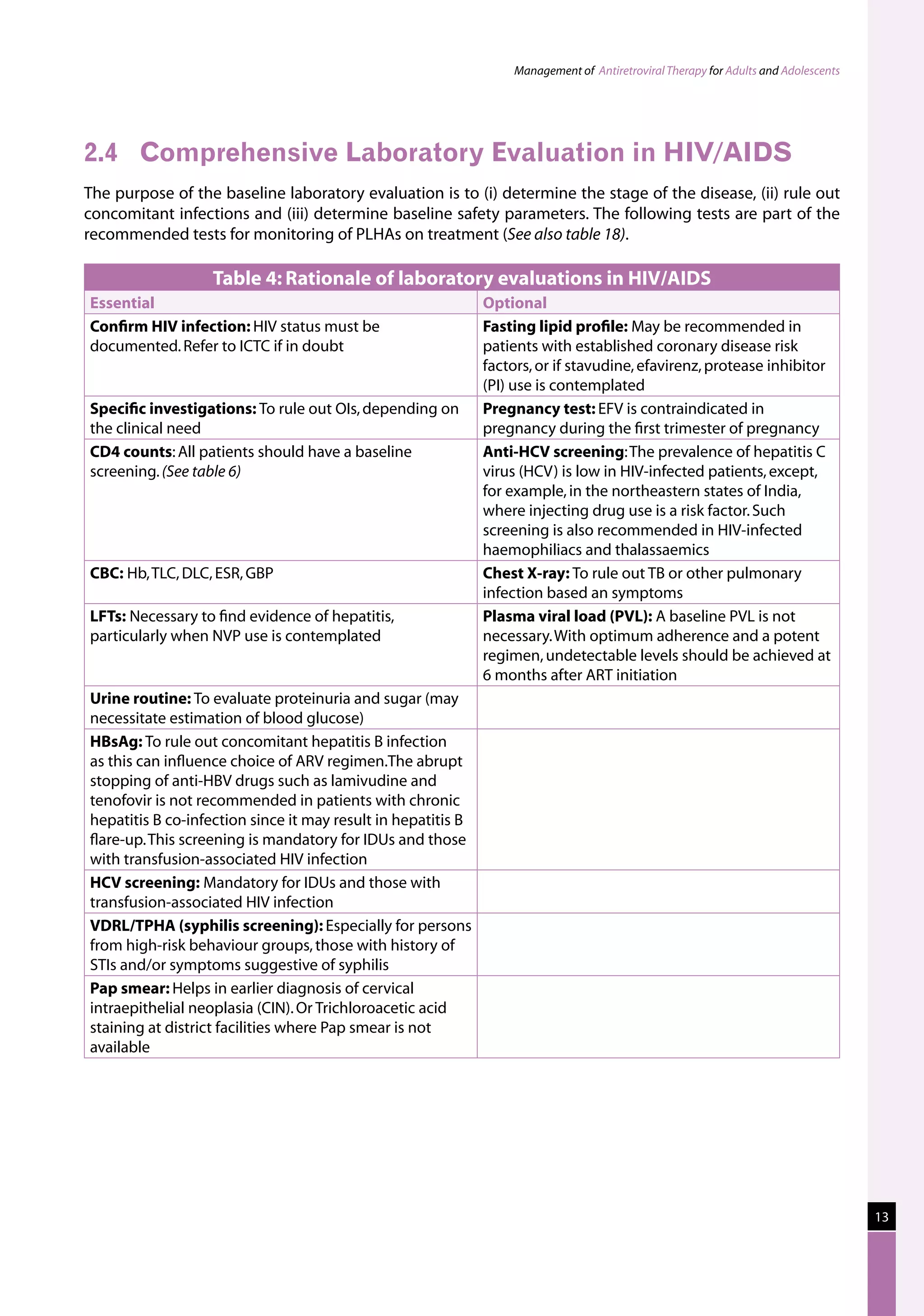
2.4	 Comprehensive Laboratory Evaluation in HIV/AIDS
The purpose of the baseline laboratory evaluation is to (i) determine the stage of the disease, (ii) rule out
concomitant infections and (iii) determine baseline safety parameters. The following tests are part of the
recommended tests for monitoring of PLHAs on treatment (See also table 18).

                  Table 4: Rationale of laboratory evaluations in HIV/AIDS
Essential                                                     Optional
Confirm HIV infection: HIV status must be                     Fasting lipid profile: May be recommended in
documented. Refer to ICTC if in doubt                         patients with established coronary disease risk
                                                              factors, or if stavudine, efavirenz, protease inhibitor
                                                              (PI) use is contemplated
Specific investigations: To rule out OIs, depending on        Pregnancy test: EFV is contraindicated in
the clinical need                                             pregnancy during the first trimester of pregnancy
CD4 counts: All patients should have a baseline               Anti-HCV screening: The prevalence of hepatitis C
screening. (See table 6)                                      virus (HCV) is low in HIV-infected patients, except,
                                                              for example, in the northeastern states of India,
                                                              where injecting drug use is a risk factor. Such
                                                              screening is also recommended in HIV-infected
                                                              haemophiliacs and thalassaemics
CBC: Hb, TLC, DLC, ESR, GBP                                   Chest X-ray: To rule out TB or other pulmonary
                                                              infection based an symptoms
LFTs: Necessary to find evidence of hepatitis,                Plasma viral load (PVL): A baseline PVL is not
particularly when NVP use is contemplated                     necessary. With optimum adherence and a potent
                                                              regimen, undetectable levels should be achieved at
                                                              6 months after ART initiation
Urine routine: To evaluate proteinuria and sugar (may
necessitate estimation of blood glucose)
HBsAg: To rule out concomitant hepatitis B infection
as this can influence choice of ARV regimen.The abrupt
stopping of anti-HBV drugs such as lamivudine and
tenofovir is not recommended in patients with chronic
hepatitis B co-infection since it may result in hepatitis B
flare-up. This screening is mandatory for IDUs and those
with transfusion-associated HIV infection
HCV screening: Mandatory for IDUs and those with
transfusion-associated HIV infection
VDRL/TPHA (syphilis screening): Especially for persons
from high-risk behaviour groups, those with history of
STIs and/or symptoms suggestive of syphilis
Pap smear: Helps in earlier diagnosis of cervical
intraepithelial neoplasia (CIN). Or Trichloroacetic acid
staining at district facilities where Pap smear is not
available


                                                                                                                                    13
Antiretroviral Therapy Guidelines for HIV-infected Adults and Adolescents Including Post-exposure Prophylaxis


     2.5	 Revised WHO Clinical Staging of HIV Disease for
          Adults and Adolescents, 2006
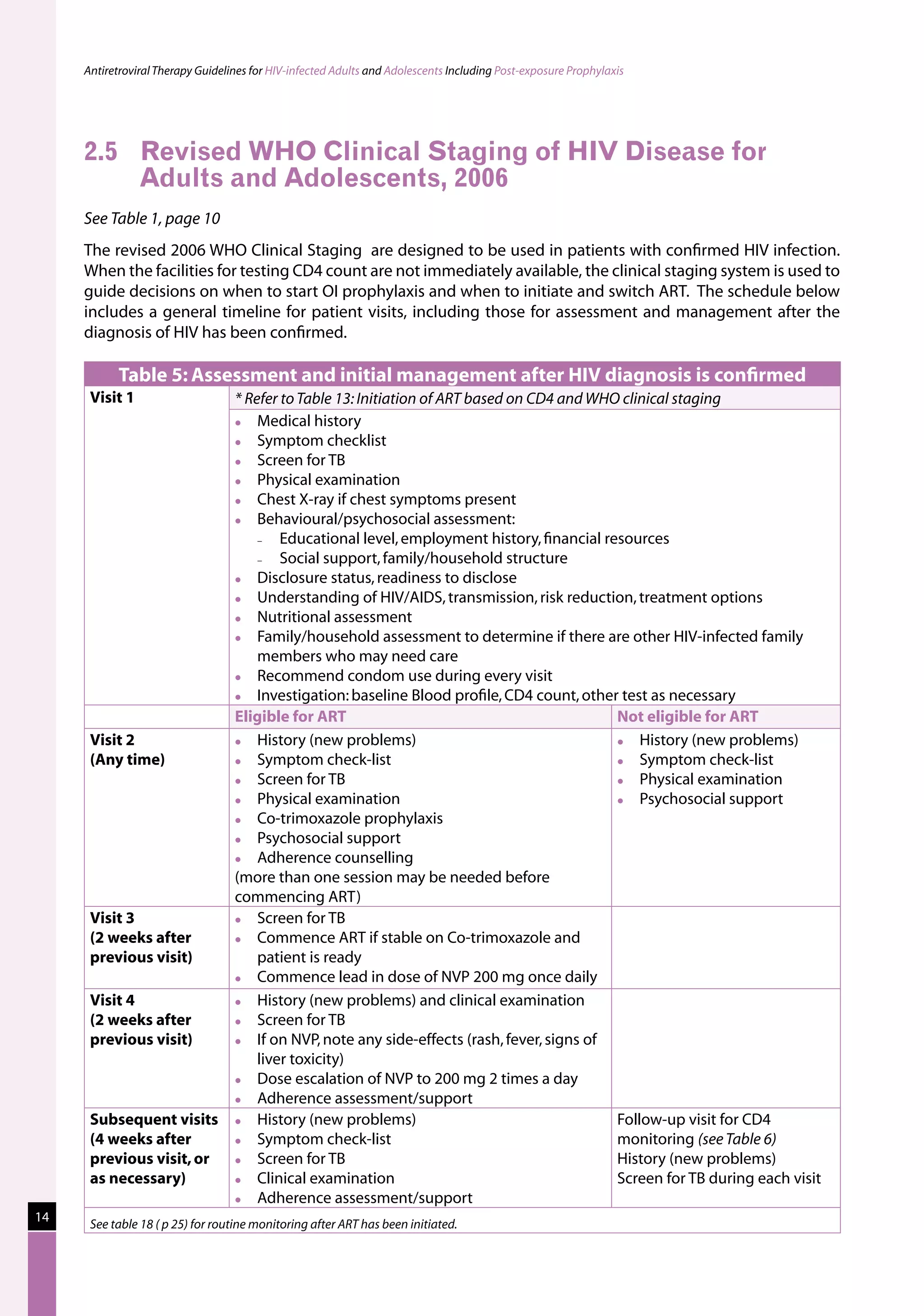
     See Table 1, page 10
     The revised 2006 WHO Clinical Staging are designed to be used in patients with confirmed HIV infection.
     When the facilities for testing CD4 count are not immediately available, the clinical staging system is used to
     guide decisions on when to start OI prophylaxis and when to initiate and switch ART. The schedule below
     includes a general timeline for patient visits, including those for assessment and management after the
     diagnosis of HIV has been confirmed.

           Table 5: Assessment and initial management after HIV diagnosis is confirmed
      Visit 1                      * Refer to Table 13: Initiation of ART based on CD4 and WHO clinical staging
                                      Medical history
                                      Symptom checklist
                                      Screen for TB
                                      Physical examination
                                      Chest X-ray if chest symptoms present
                                      Behavioural/psychosocial assessment:
                                       −	  Educational level, employment history, financial resources
                                       −	  Social support, family/household structure
                                      Disclosure status, readiness to disclose
                                      Understanding of HIV/AIDS, transmission, risk reduction, treatment options
                                      Nutritional assessment
                                      Family/household assessment to determine if there are other HIV-infected family
                                       members who may need care
                                      Recommend condom use during every visit
                                      Investigation: baseline Blood profile, CD4 count, other test as necessary
                                   Eligible for ART                                            Not eligible for ART
      Visit 2                         History (new problems)                                     History (new problems)
      (Any time)                      Symptom check-list                                         Symptom check-list
                                      Screen for TB                                              Physical examination
                                      Physical examination                                       Psychosocial support
                                      Co-trimoxazole prophylaxis
                                      Psychosocial support
                                      Adherence counselling
                                   (more than one session may be needed before
                                   commencing ART)
      Visit 3                         Screen for TB
      (2 weeks after                  Commence ART if stable on Co-trimoxazole and
      previous visit)                  patient is ready
                                      Commence lead in dose of NVP 200 mg once daily
      Visit 4                         History (new problems) and clinical examination
      (2 weeks after                  Screen for TB
      previous visit)                 If on NVP, note any side-effects (rash, fever, signs of
                                       liver toxicity)
                                      Dose escalation of NVP to 200 mg 2 times a day
                                      Adherence assessment/support
      Subsequent visits               History (new problems)                                  Follow-up visit for CD4
      (4 weeks after                  Symptom check-list                                      monitoring (see Table 6)
      previous visit, or              Screen for TB                                           History (new problems)
      as necessary)                   Clinical examination                                    Screen for TB during each visit
                                      Adherence assessment/support
14    See table 18 ( p 25) for routine monitoring after ART has been initiated.
Management of Antiretroviral Therapy for Adults and Adolescents


2.6	 Pre-ART Care
With the scaling up of treatment nationally, as well as increased awareness of HIV and access to
counselling and testing services, it is envisioned that there would be a decrease in the number of PLHA
requiring ART as many more would present in the earlier stages of the infection. The recent experience
of ART centres has shown that there is a need to emphasize good HIV (pre-ART) care and support so as
to maintain well-being.
Pre-ART care is defined as the period where an HIV positive person does not medically require the
initiation of ART. PLHA who do not need ART (or are not medically eligible for the initiation of ART) should
be counselled to maintain healthy/positive living and be linked to care and support services. The following
steps are recommended for monitoring patients who are not yet eligible for ART for the early detection of
OIs and initiation of ART before the CD4 count falls below 200 cells.
        Comprehensive medical history and physical examination (see Tables 2,3,4)
        Baseline laboratory tests for pre-ART care patients include:
         −    Baseline screening of CD4 to determine eligibility for starting ART (see Table 13)
         −    Baseline laboratory assessment, including CBC, ALT/AST, ALP, urinalysis
         −    For women: Annual PAP smear screening or acetic acid cervical screening at district health care
              facilities
         −    HBsAg and HCV screening for IDUs/those with transfusion-associated infections or elevated
              liver enzyme levels
         −    Any other relevant investigations (symptom-driven) and screening for TB at every visit
        Follow-up visit for pre-ART care and CD4 screening
        Educate patient to return to ART centre if unwell or new symptoms arise
        Other services for pre-ART care patients including family screening and testing/counselling of
         partners (couple counselling) and children, as well as follow-up of discordant couples and referral
         for care and support services
        Register patients in the NACO Pre-ART Register

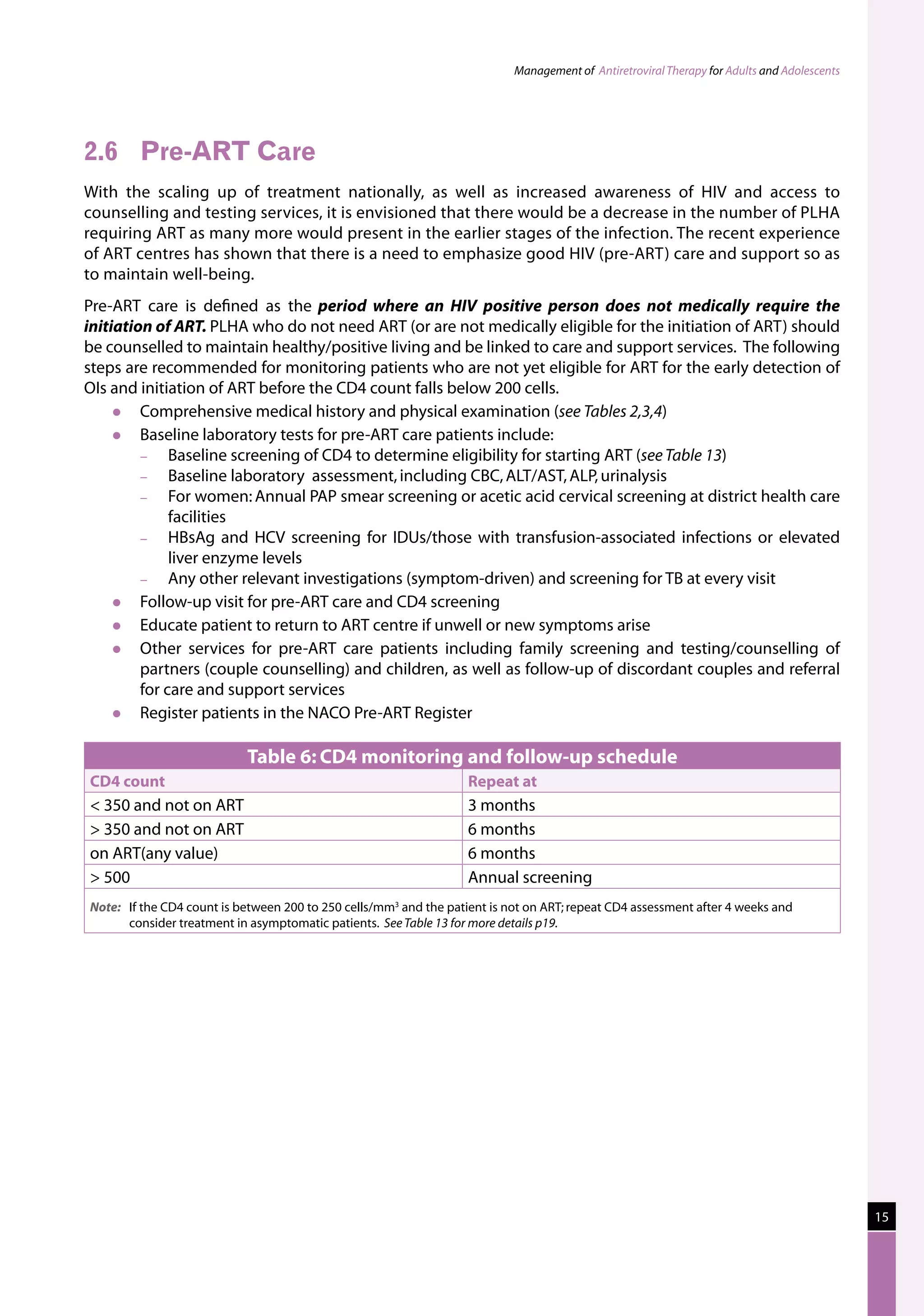
                            Table 6: CD4 monitoring and follow-up schedule
CD4 count                                                          Repeat at
 350 and not on ART                                               3 months
 350 and not on ART                                               6 months
on ART(any value)                                                  6 months
 500                                                              Annual screening
Note:	 If the CD4 count is between 200 to 250 cells/mm3 and the patient is not on ART; repeat CD4 assessment after 4 weeks and
       consider treatment in asymptomatic patients. See Table 13 for more details p19.


                                                                                                                                              15
A3
       Sec tion
                                            Prophylaxis of Opportunistic
                                            Infections

     3.1	 Co-trimoxazole Prophylaxis (CPT)
     Routine prophylaxis with co-trimoxazole is provided under the national programme. CPT is efficacious
     against several organisms, including Toxoplasma, PCP and several organisms causing diarrhoea in HIV-
     infected persons. Recent evidence has shown that CPT helps prevent morbidity and mortality in adults with
     both early and advanced HIV disease.
     Under the national programme, CPT may be initiated in the following scenarios:
           If CD4 is not available (or result pending): WHO clinical stage 3 and 4
           If CD4 is available:	 HIV infected adults with CD4 200 cells/mm3 or
     		                           CD4 350 cells/mm3 and if patient is symptomatic or
     		                           WHO clinical stage 3 or 4 irrespective of CD4.

     It is currently recommended that prophylaxis for OI be given as per the schedule below.

                       Table 7: Co-trimoxazole prophylaxis recommendations, 2006
     Commencing                      CD4 not available CD4 available
     primary CPT                     WHO clinical stage Any WHO clinical stage and CD4 200 cells/mm3 or
                                     3 or 4 (This         Any WHO clinical stage, CD4 350 cells/mm3 and if patient is
                                     includes all         symptomatic or
                                     patients with TB)    WHO stage 3 or 4 irrespective of CD4 count
     Commencing                      For all patients who have completed successful treatment for PCP until CD4 is 200
     secondary CPT
     Timing the initiation           Start co-trimoxazole prophylaxis first.
     of co-trimoxazole in            Start ART about two weeks later if the patient can tolerate co-trimoxazole and has
     relation to initiating          no symptoms of allergy (rash, hepatotoxicity)
     ART
                             Meanwhile, make use of the time for adherence and treatment preparation
     Dosage of               One double-strength tablet or two single-strength tablets once daily­–
     cotrimoxazole in adults total daily dose of 960 mg (800 mg SMZ + 160 mg TMP)
     and adolescents
     Cotrimoxazole for       Women who fulfil the criteria for CPT should continue on it throughout pregnancy.
     pregnant women          If a woman requires CPT during pregnancy, it should be started regardless of the
                                     stage of pregnancy
                                     Breastfeeding women should continue CPT where indicated
     Patients allergic               Dapsone 100 mg per day, if available
     to sulpha-based                 Co-trimoxazole desensitization may be attempted but not in patients with a
     medications                     previous severe reaction to CTX or other sulpha-containing drugs
     Monitoring                      No specific laboratory monitoring is required in patents receiving co-trimoxazole
16   Note: NACO provides CD4 assessment free of cost to all patients as per medical eligibility.
Management of Antiretroviral Therapy for Adults and Adolescents


                            Table 8: When to stop co-trimoxazole prophylaxis
When to stop prophylaxis    CD4 count not available                                 CD4 count available
(co-trimoxazole or dapsone) Continue prophylaxis                                    If CD4 count 200 for at least 6 months
in patients on ART          indefinitely until CD4 count can                        and
                            be taken                                                If patient is on ART for at least 6 months, is
                                                                                    asymptomatic and well
Notes:
   * 	 If CPT is started at CD4 levels between 200–350 cells/mm3: CD4 counts should have increased, patient is on ART for at least 6
       months, is asymptomatic and well; before CPT is stopped.

Some OIs may require secondary prophylaxis as detailed in table 9.

        Table 9: Recommended schedule for starting and stopping OI prophylaxis
Opportunistic                        Primary                 Drug of choice              Discontinue        Discontinue
infection                          prophylaxis                                             primary           secondary
                                 indicated when                                       prophylaxis when prophylaxis when
                                      CD4 is                                                CD4 is             CD4 is
PCP                                     200               TMP-SMX 1 DS od                             200
Toxoplasmosis                           100               TMP-SMX 1 DS od                             200
CMV retinitis                      Not indicated            Secondary: oral             Not applicable          100
                                                               ganciclovir
Cryptococcus                       Not indicated              Secondary:                 Not applicable                     100
meningitis                                                    fluconazole
Oral and oesophageal               Not indicated            Not applicable               Not applicable               Not indicated
candidiasis
Note:
       Start co-trimozaxole when CD4 count is less than 200 or WHO Clinical Stage 3 or 4, irrespective of CD4. This includes all HIV-TB
        co-infected patients
       Discontinue when two consecutive CD4 counts are more than the respective levels, the patient is on ART more than 6 months
        and adherence is good
       Reintroduce prophylaxis if CD4 count falls below 200 again
       Secondary prophylaxis is indicated to prevent recurrent OI


3.2 	 Co-trimoxazole desensitization
If the patient reports a history of hypersensitivity to sulpha-containing drugs, start him/her on a desensitization
regimen as an in-patient. Desensitization can be attempted two weeks after a non-severe (grade 3 or less)
co-trimoxazole reaction which has resulted in a temporary interruption in the use of the drug.
Co-trimoxazole desensitization has been shown to be successful and safe in approximately 70% of
patients with previous mild to moderate hypersensitivity.1,2,3 Desensitization should not be attempted in
individuals with a history of severe co-trimoxazole or other sulphonamide reaction. If a reaction occurs, the
desensitization regimen should be stopped. Once the patient recovers fully, dapsone at a dosage of 100 mg
per day may be tried. Some patients may be allergic to both co-trimoxazole and dapsone. There are no other
prophylaxis drug options in resource-limited settings.

                          Table 10: Protocol for co-trimoxazole desensitization
Step          Dosage
Day 1         80 mg SMX + 16 mg TMP			                                       (2 ml oral suspension)
Day 2         160 mg SMX + 32 mg TMP			                                      (4 ml oral suspension)
Day 3         240 mg SMX + 48 mg TMP			                                      (6 ml oral suspension)
Day 4         320 mg SMX + 64 mg TMP			                                      (8 ml oral suspension)
Day 5         One single-strength SMX-TMP tablet		                           (400 mg SMX + 80 mg TMP)
Day 6         Two single-strength SMX-TMP tablets
              or one double-strength tablet 			                              (800 mg SMZ + 160 mg TMP)                                           17
Reference: Guidelines on co-trimoxazole prophylaxis for HIV-related infections among children, adolescents and adults in resource-limited
settings: Recommendations for a public health approach. World Health Organization, 2006.
Note:	 Co-trimoxazole oral suspension contains 40 mg TMP + 200 mg SMX per 5 ml
A4
       Sec tion                      ART in Adults and Adolescents

     4.1	 ARV Drugs: Action and Use
     Antiretroviral agents are drugs which act at various stages of the life cycle of HIV in the body and work by
     interrupting the process of viral replication. Theoretically, ARV drugs can act in any of the following ways
     during different stages of viral replication:
        (i)	 Block binding of HIV to target cell (fusion inhibitors)
         (ii)	 Block viral RNA cleavage and one that inhibits reverse transcriptase (reverse transcriptase inhibitors)
        (iii)	 Block the enzyme, integrase, which helps in the incorporation of the proviral DNA into the host cell
               chromosome (integrase inhibitors)
         (iv)	 Block the RNA to prevent viral protein production
         (v)	 Block the enzyme protease (protease inhibitors)
         (vi)	 Inhibit the budding of virus from host cells
     The currently available agents target the virus mainly by inhibiting the enzymes reverse transcriptase (RT
     inhibitors) and protease (protease inhibitors), and preventing fusion of the virus with CD4 cells (fusion
     inhibitors). New classes of drugs are emerging.

                                      Table 11: Classes of drugs available
     Nucleoside reverse transcriptase      Non-nucleoside reverse                Protease inhibitors (PI)
     inhibitors (NRTI)                     transcriptase inhibitors (NNRTI)
     Zidovudine (AZT/ZDV)*                 Nevirapine* (NVP)                     Saquinavir* (SQV)
     Stavudine (d4T)*                      Efavirenz*(EFV)                       Ritonavir* (RTV)
     Lamivudine (3TC)*                     Delavirdine (DLV)                     Nelfinavir* (NFV)
     Didanosine (ddl)*                                                           Amprenavir (APV)
     Zalcitabine (ddC)*                    Fusion inhibitors (FI)	               Indinavir* (INV)
     Abacavir (ABC)*                       Enfuviritide (T-20)                   Lopinavir/Ritonavir (LPV)*
     Emtricitabine (FTC)                                                         Foseamprenavir (FPV)
     (NtRTI)                               Integrase Inhibitors (new)            Atazanavir (ATV)*
     Tenofavir (TDF)*                                                            Tipranavir (TPV)
                                           CCR5 Entry Inhibitor (new)
        *	 Available in India


18
Management of Antiretroviral Therapy for Adults and Adolescents


4.2	 Goals of Antiretroviral Therapy
The currently available ARV drugs cannot eradicate the HIV infection from the human body. This is because
a pool of latently infected CD4 cells is established during the earliest stages of acute HIV infection and
persists within the organs/cells and fluids (e.g., liver and lymphoid tissue) even with prolonged suppression
of plasma viraemia to 50 copies/ml by antiretroviral therapy. The goals of therapy are as follows.

                                             Table 12: Goals of ARV therapy
   Clinical goals: Prolongation of life and improvement in quality of life
   Virological goals: Greatest possible reduction in viral load for as long as possible
   Immunological goals: Immune reconstitution that is both quantitative and qualitative
   Therapeutic goals: Rational sequencing of drugs in a fashion that achieves clinical, virological and
    immunological goals while maintaining treatment options, limiting drug toxicity and facilitating adherence
   Reduction of HIV transmission in individiuals: Reduction of HIV transmission by suppression of viral load

In general, the clinical management of an HIV patient revolves around optimizing the treatment regimen,
reducing drug toxicity, reducing the pill burden and increasing adherence to the treatment.

4.3	 When to start ART in Adults and Adolescents
4.3.1.	 All persons registered for care and treatment at ART centres should have their full history taken
        and undergo clinical examination, including determining the clinical stage of HIV (see Table 1).
        The initiation of ART is based on the clinical stage and the CD4 count is used to guide treatment
        and follow-up. The lack of a CD4 result should not delay the initiation of ART if the patient is
        clinically eligible according to the WHO clinical staging, but a CD4 test should be done as soon
        as possible.
4.3.2	 All HIV-positive persons are eligible for CD4 testing for the purpose of screening for ART eligibility,
       under the national programme. Priority is given to the following groups.
          All HIV-positive persons in WHO clinical stages 3 and 4
          All persons tested HIV positive 6–8 years ago
          PLHA with a history of pulmonary TB and/or herpes zoster
          If the CD4 count assessed by a private laboratory is less than 350 cells/mm3
          HIV-infected partners of AIDS patients
          All pregnant HIV-positive women
          All HIV-positive children (15 years of age)

          Table 13: Initiation of ART based on CD4 count and WHO clinical staging
Classification of                              WHO clinical         CD4 test not available CD4 test available
HIV-associated clinical disease                stage                (or result pending)
Asymptomatic                                         1              Do not treat
                                                                                           Treat if CD4 200
Mild symptoms                                        2              Do not treat
Advanced symptoms                                    3              Treat                  Consider treatment if CD4 350
                                                                                           and initiate ART before CD4
                                                                                           drops below 200
Severe/advanced symptoms                                4           Treat                  Treat irrespective of CD4 count
Notes:
        Determining the clinical stage is part of the baseline assessment (first visit) on entry into the care and treatment programme.
         Clinical staging is used to guide decisions on initiating co-trimoxazole prophylaxis and ART when CD4 testing facilities are not
         immediately available (or the result is pending ).
                                                                                                                                                 19
Antiretroviral Therapy Guidelines for HIV-infected Adults and Adolescents Including Post-exposure Prophylaxis


              Offer ART to symptomatic patients if the CD4 count is 200–350 cells/mm3.
              Consider ART for asymptomatic patients with CD4 count between 200-350 cells/mm3 and monitor closely for new symptoms.
              If the CD4 count is 200–250 cells/mm3, physicians can consider repeating the CD4 test in 4 weeks in asymptomatic patients. This
               is to rule out the possibility of a 20% margin of error in laboratory results.
              Patients should start ART before the CD4 count drops below 200 cells/mm3.

     Starting ART by using CD4 guidance: The optimum time to start ART is before the patient becomes unwell
     or presents with the first OI. The progression of the disease is faster in patients who commence ART when
     the CD4 count falls below 200 cells/mm3 than in those who start ART before the count drops to this level.
     Patients should start ART before the CD4 count drops below 200 cells/mm3.
     The CD4 count should be assessed after stabilization of any concurrent illness because the absolute
     CD4 count can vary with illness. The CD4 count should be used as a supplement to clinical assessment for
     determining the stage of the disease in matters of decision-making. All HIV-confirmed persons should be
     referred to ART centres for registration into care and screening for medical eligibility for ART.


                      Do NOT delay ART initiation if the patient is clinically eligible according to the
                               WHO Clinical Staging criteria, in absence of a CD4 count


     4.3.3	 The total lymphocyte count is no longer used in the national ART programme as global evidence has
            shown that TLC is a poor parameter for deciding on the initiation of ART, especially in asymptomatic
            persons, and monitoring the response to ART.
     4.3.4	 Ensuring good adherence to the treatment is imperative for the success of the national programme
            as well as for the prevention of drug resistance. To achieve this, counselling must start from the first
            contact visit by the clinical team and should include preparing the patient for treatment and providing
            psychosocial support through an identified guardian/treatment buddy and through support
            networks. All patients should undergo at least two counselling sessions before the initiation of ART.
            The period of investigations should be utilized for counselling and treatment preparation. All efforts
            should be made to trace patients who have defaulted or are lost to follow-up. NGO and positive
            network linkages should be established by each ART centre for the respective locality.

     4.4	 Manage OIs Before Starting ART
     4.4.1	 Commencing ART in the presence of active OIs
     	          Do not start ART in the presence of an active OI. In general, OIs should be treated or stabilized
                before commencing ART. Mycobacterium Avium Complex (MAC) and progressive multifocal
                leukoencephalopathy (PML) are exceptions, in which commencing ART may be the preferred
                treatment, especially when specific MAC therapy is not available. For details on starting ART in
                patients with HIV-TB co-infection, see the section on the management of HIV-TB. Some conditions
                which may regress following the commencement of ART include candidiasis and cryptosporidiosis.
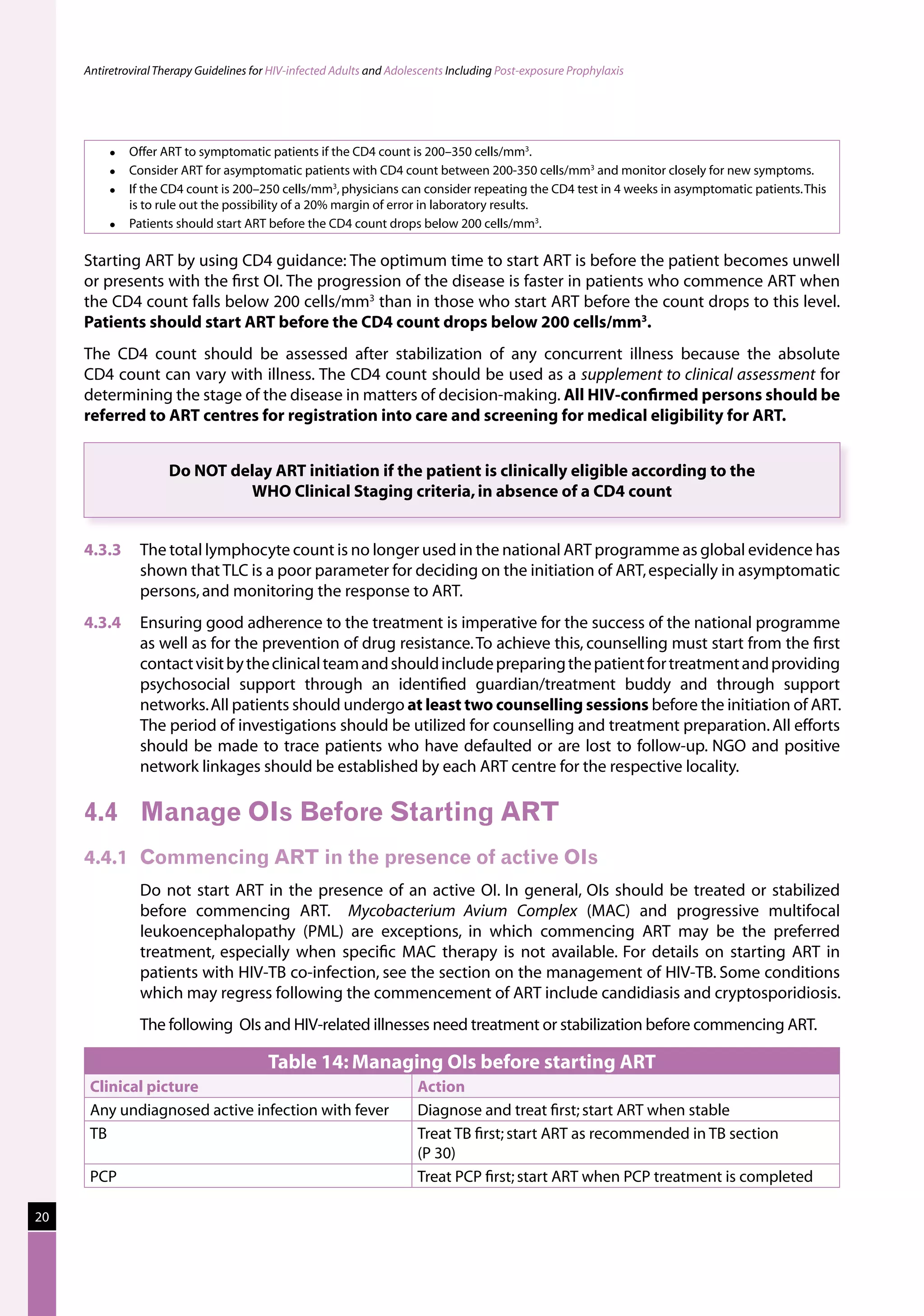
     	          The following OIs and HIV-related illnesses need treatment or stabilization before commencing ART.

                                          Table 14: Managing OIs before starting ART
         Clinical picture                                               Action
         Any undiagnosed active infection with fever                    Diagnose and treat first; start ART when stable
         TB                                                             Treat TB first; start ART as recommended in TB section
                                                                        (P 30)
         PCP                                                            Treat PCP first; start ART when PCP treatment is completed

20
Management of Antiretroviral Therapy for Adults and Adolescents


                           Table 14: Managing OIs before starting ART
Invasive fungal diseases:                        Treat esophageal candidiasis first; start ART as soon as the
oesophageal candidiasis, cryptococcal            patient can swallow comfortably
meningitis, penicilliosis, histoplasmosis        Treat cryptococcal meningitis, penicilliosis, histoplasmosis
                                                 first; start ART when patient is stabilized or OI treatment is
                                                 completed
Bacterial pneumonia                              Treat pneumonia first; start ART when treatment is
                                                 completed
Malaria                                          Treat malaria first; start ART when treatment is completed
Drug reaction                                    Do not start ART during an acute reaction
Acute diarrhoea which may reduce                 Diagnose and treat first; start ART when diarrhoea is
absorption of ART                                stabilized or controlled
Non-severe anaemia (Hb  8 g/litre)              Start ART if no other causes for anaemia are found (HIV is
                                                 often the cause of anaemia); avoid AZT
Skin conditions such as PPE and seborrhoeic      Start ART (ART may resolve these problems)
dermatitis, psoriasis, HIV-related exfoliative
dermatitis
Suspected MAC, cryptosporidiosis and             Start ART (ART may resolve these problems)
microsporidiosis
Cytomegalovirus infection                        Treat if drugs available; if not, start ART
Toxoplasmosis                                    Treat; start ART after 6 weeks of treatment and when patient
                                                 is stabilized


4.5	 Antiretroviral Therapy Regimens
4.5.1	 Currently, the national programme provides the following combinations for first-line regimens
       (i)	 Stavudine (30 mg) + Lamivudine (150 mg)
       (ii)	 Zidovudine (300 mg) + Lamivudine (150 mg)
       (iii)	 Stavudine (30 mg) + Lamivudine (150 mg) + Nevirapine (200 mg)
       (iv)	 Zidovudine (300 mg) + Lamivudine (150 mg) + Nevirapine (200 mg)
       (v)	 Efavirenz (600 mg)
       (vi)	 Nevirapine (200 mg)
Fixed-dose combinations (FDCs) are preferred because they are easy to use, have distribution advantages
(procurement and stock management), improve adherence to treatment and thus reduce the chances of
development of drug resistance. The current national experience shows that bid (twice a day) regimens of
FDCs are well tolerated and complied with. At present, second-line drug regimens are not available under
the national programme.

4.5.2	 Recommended choices of first-line regimens

                       Principles for selecting the first-line regimen
                       1. 	 Choose 3TC (lamivudine) in all regimens
                       2. 	 Choose one NRTI to combine with 3TC (AZT or d4T)
                       3. 	 Choose one NNRTI (NVP or EFV)


                                                                                                                                  21
Antiretroviral Therapy Guidelines for HIV-infected Adults and Adolescents Including Post-exposure Prophylaxis


                                                                                                        }
                  First choice: AZT + 3TC + NVP (for patients with Hb  8 g/dl)                                 Substitute NVP with
                                                                                                                EFV, for patients with
                  Second choice: d4T + 3TC + NVP                                                                TB or toxicity to NVP

     4.5.3	 Special considerations
               TDF + 3TC + (NVP or EFV): This combination is only for special situations, for example, when
               there is toxicity or other contraindications to AZT or d4T. Substituted with TDF.
               AZT + 3TC + TDF4: This is for individuals who are unable to tolerate NVP or EFV.
     	            These special combinations using TDF are provided on a case-to-case basis and decided upon by
                  an expert panel at the State AIDS Control Society (SACS). The panel consists of two physicians with
                  experience in ART, one representative from SACS and one from the positive network.

                             Table 15: Recommended first-line antiretroviral regimens
         Recommendation            Regimen                                Comments
         Preferred first-          AZT + 3TC + NVP                        AZT may cause anaemia, which requires Hb monitoring, but
         line regimen                                                     is preferred over d4T because of d4T toxicity (lipoatrophy,
                                                                          lactic acidosis, peripheral neuropathy)
                                                                          Patients who develop severe anaemia while on an AZT-
                                                                          based regimen should not be re-challenged with AZT. In
                                                                          such cases, the patient should receive either d4T or TDF in
                                                                          place of AZT
                                                                          For women with CD4  250 cells/mm3, monitor for
                                                                          hepatotoxicity closely if started on the NVP-based regimen
         Alternative first         AZT + 3TC + EFV                        EFV is substituted for NVP in cases of intolerance to the
         -line regimens                                                   latter or if patients are receiving rifampicin-containing anti-
                                                                          TB treatment
                                                                          EFV should not be used in patients with grade 4 or higher
                                                                          elevations of ALT
                                   D4T + 3TC + (NVP or EFV)               If the patients have anaemia, a d4T-based regimen should
                                                                          be prescribed
         Other options             TDF + 3TC + (NVP or EFV)               TDF is supplied on a case-to-case basis by SACS after
                                   or                                     evaluation by the SACS clinical expert panel
                                   AZT + 3TC + TDF

                                                          Table 16: Choice of NRTIs
         NRTI          Advantages                                                      Disadvantages
         3TC           Good safety profile, non-teratogenic                            Low genetic barrier to resistance
                       Once daily
                       Effective against hepatitis B
                       Widely available, including in FDCs
         FTC **        An alternative to 3TC                                           No added advantage over 3TC except as daily
                       Good safety profile                                             dose
                       Same efficacy as 3TC against HIV and                            Can be used as once-a-day dose in combination
                       hepatitis B and the same resistance profile                     with TDF and EFV. (i.e. reduced pill burden and
                                                                                       dosing schedule)
         TDF *         Good efficacy, safety profile                                   Renal dysfunction has been reported
                       Once daily regimens                                             Safety in pregnancy not established Adverse
                       Metabolic complications, such as lactic                         effects on foetal growth and bone density
                       acidosis and lipoatrophy, are less common                       reported
                       than with d4T                                                   Limited availability at SACS on case-to-case basis
22
Management of Antiretroviral Therapy for Adults and Adolescents


    AZT           Generally well tolerated                    Initial headache and nausea
                  Widely available, including in FDCs         Severe anaemia and neutropenia
                  Metabolic complications less common than    Haemoglobin monitoring recommended
                  with d4T
    ABC **        Good efficacy profile                       Severe hypersensitivity reaction in 2–5% of adults
                  Once daily
                  Causes the least lipodystrophy and lactic
                  acidosis
    D4T           Good efficacy profile and cheap             Most associated with lactic acidosis, lipoatrophy
                  No or limited laboratory monitoring         and peripheral neuropathy
                  Widely available in FDCs

      * 	 Shall be available on case-to-case basis
      **	 Not supplied by NACO at present


4.5.4	 Recommendations on stavudine (d4T) 30mg
	            (based on the WHO 2007 April amendment)
	            Previously, the preferred d4T dosing was weight-based. Dosing for patients 60 kg was recommended
             at 40 mg twice daily; dosing for patients 60 kg was recommended at 30 mg twice daily.
	            Based on review of available evidence, WHO recommends that 30 mg formulation of stavudine,
             dosed twice daily, should be used irrespective of the patient’s body weight in adults and
             adolescents. This recommendation is now the preferred dose when d4T is used as part of an ARV
             therapeutic regimen:
                All new patients with weight over 60 kg being prescribed d4T should be started on d4T30 mg.
                 No patients already receiving d4T 30 mg should be stepped up to d4T 40 mg.
                All patients receiving d4T 40 mg should be moved to d4T 30mg as soon as possible, even without
                 evidence of stavudine toxicity.

                                     Table 17: Starting an NVP-based regimen
                                      Starting nevirapine –based regimen
                                   Morning                      Evening
    Lead-in NVP dose for the first FDC
    2 weeks                        (AZT or d4T + 3TC) one pill  FDC (AZT or d4T +3TC) one pill
                                   +
                                   NVP one pill                 No NVP
                                   FDC                          FDC
    Escalate to full NVP dose
                                   (AZT or d4T + 3TC + NVP)     (AZT or d4T + 3TC + NVP)
    after 2 weeks
                                   one pill                     one pill

4.5.5	 The lead-in period for NVP dosing at 200 mg once daily for the first two weeks produces adequate
       NVP levels. Due to enzyme auto-induction, NVP levels decline over two weeks and an increase in the
       dosage to 200 bid is required to maintain adequate levels. Starting with the full NVP dosage without
       a lead-in period results in a very high serum concentration of the drug and increases the risk of
       hepatotoxicity and rash. If NVP is restarted after more than 14 days of treatment interruption (due
       to whatever reason, e.g. elevated liver enzymes), the lead-in dosing is again necessary.
	            PIs are not recommended in first-line regimen because their use in an initial treatment regimen
             essentially rules out second-line regimen options.


                                                                                                                                   23
Antiretroviral Therapy Guidelines for HIV-infected Adults and Adolescents Including Post-exposure Prophylaxis


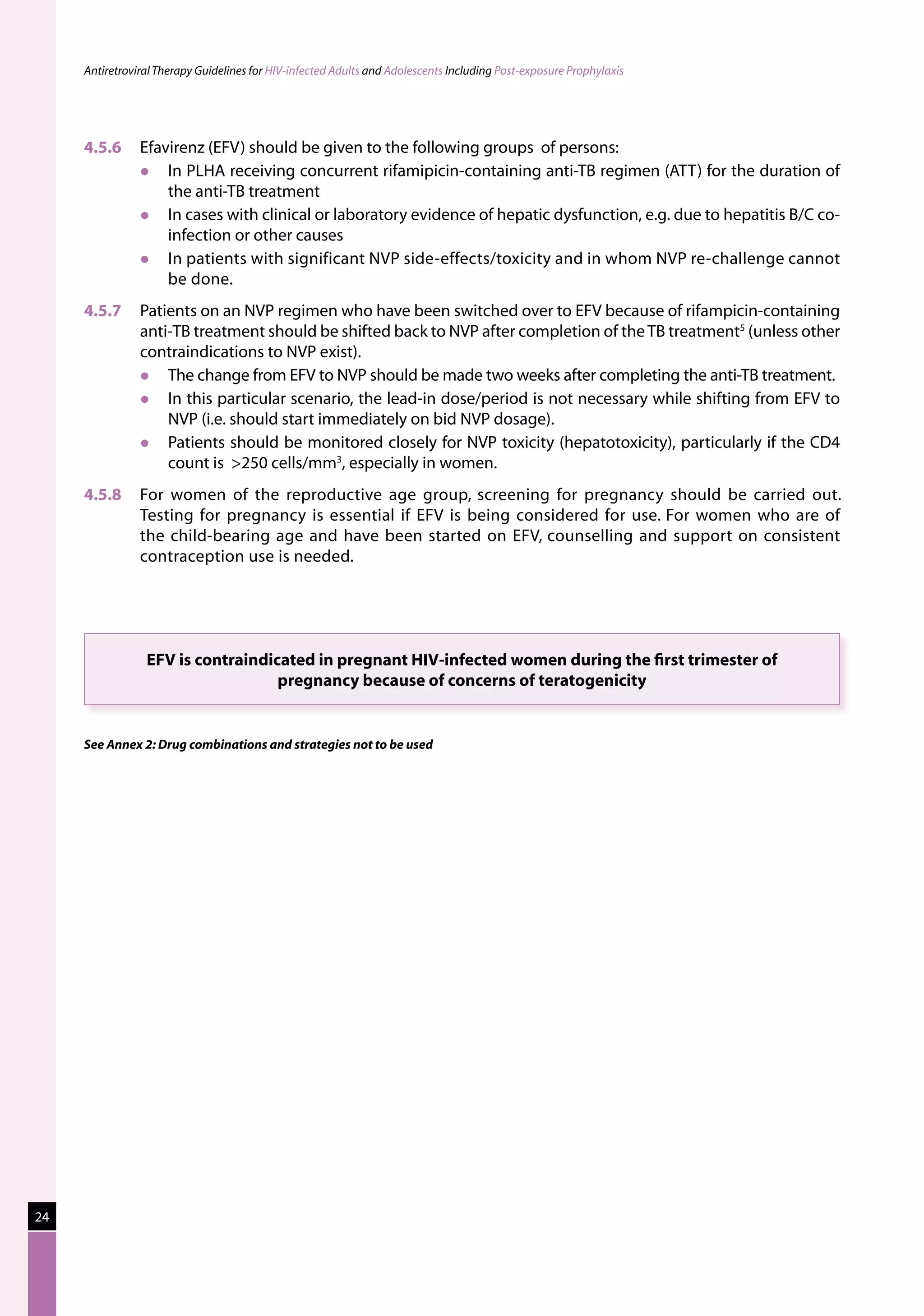
     4.5.6	 Efavirenz (EFV) should be given to the following groups of persons:
               In PLHA receiving concurrent rifamipicin-containing anti-TB regimen (ATT) for the duration of
                the anti-TB treatment
               In cases with clinical or laboratory evidence of hepatic dysfunction, e.g. due to hepatitis B/C co-
                infection or other causes
               In patients with significant NVP side-effects/toxicity and in whom NVP re-challenge cannot
                be done.
     4.5.7	 Patients on an NVP regimen who have been switched over to EFV because of rifampicin-containing
            anti-TB treatment should be shifted back to NVP after completion of the TB treatment5 (unless other
            contraindications to NVP exist).
               The change from EFV to NVP should be made two weeks after completing the anti-TB treatment.
               In this particular scenario, the lead-in dose/period is not necessary while shifting from EFV to
                NVP (i.e. should start immediately on bid NVP dosage).
               Patients should be monitored closely for NVP toxicity (hepatotoxicity), particularly if the CD4
                count is 250 cells/mm3, especially in women.
     4.5.8	 For women of the reproductive age group, screening for pregnancy should be carried out.
            Testing for pregnancy is essential if EFV is being considered for use. For women who are of
            the child-bearing age and have been started on EFV, counselling and support on consistent
            contraception use is needed.


                 EFV is contraindicated in pregnant HIV-infected women during the first trimester of
                                   pregnancy because of concerns of teratogenicity


     See Annex 2: Drug combinations and strategies not to be used


24
A5
  Sec tion
                                  Routine Monitoring of Patients
                                  on Art

5.1	    Follow-up and monitoring is essential in patients initiated on ART to track clinical progress and
        monitor wellbeing. The routine monitoring and follow-up schedule for patients on ART under the
        national programme is detailed in table 18.

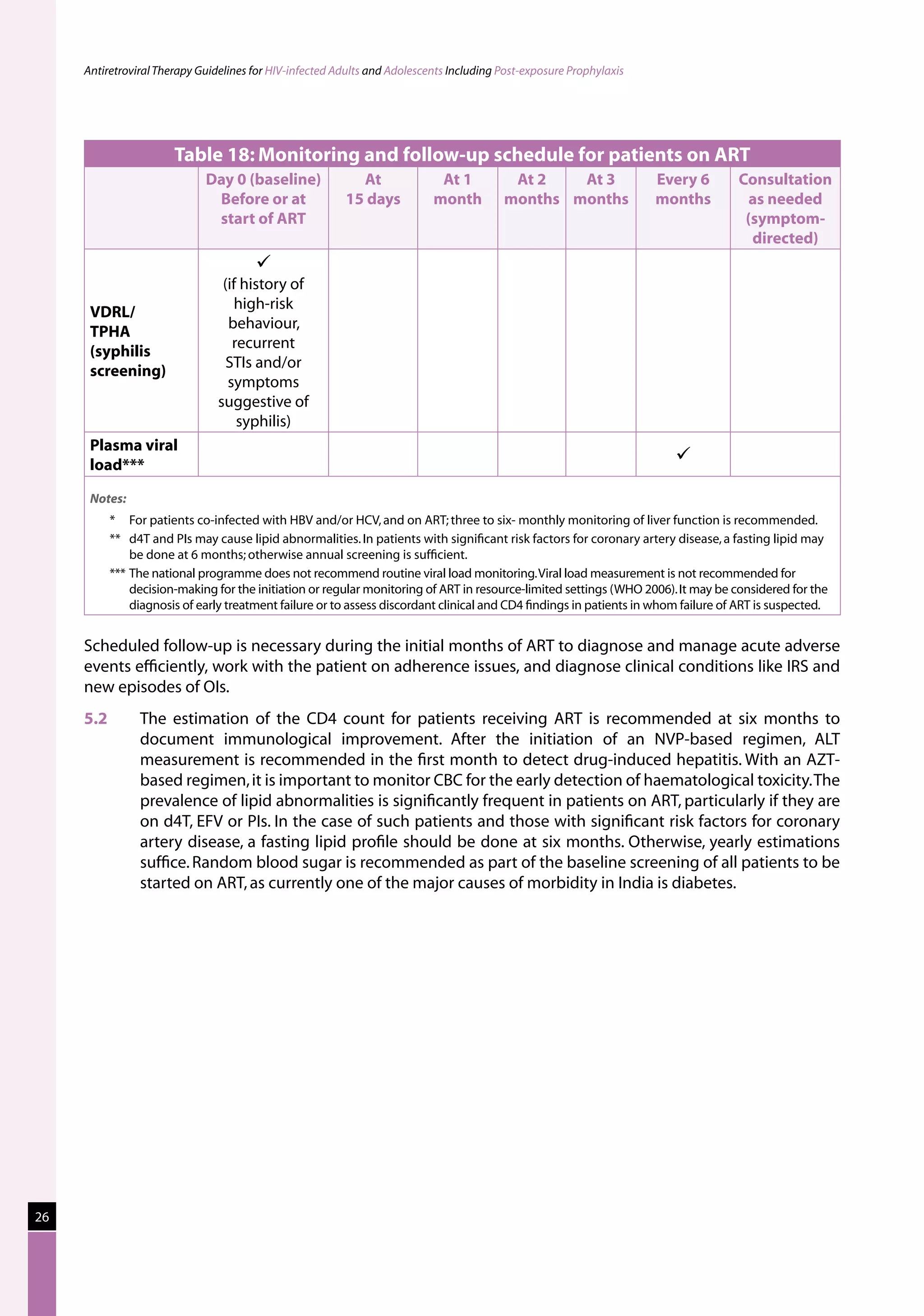
             Table 18: Monitoring and follow-up schedule for patients on ART
                  Day 0 (baseline)         At          At 1     At 2   At 3     Every 6      Consultation
                   Before or at          15 days      month    months months    months         as needed
                   start of ART                                                               (symptom-
                                                                                               directed)
Clinical and
adherence                 ü                 ü          ü         ü      ü          ü
counselling
Weight                    ü                 ü          ü         ü      ü          ü
                                                       ü
                                            ü
Hb                        ü                           (if on            ü          ü              ü
                                        (if on AZT)
                                                      AZT)
                                                       ü
                                            ü
ALT *                     ü                           (if on           ü*         ü*              ü
                                        (if on NVP)
                                                      NVP)
Random                                                                             ü
blood sugar
                          ü
                                                                                (if on PI)
CD4                       ü                                                        ü              ü
                                                                                   ü
Urinalysis                ü
                                                                               (if on TDF)
                          ü
                                                                                   ü
Lipid profile**    (only planning                                                                ü**
                                                                                (if on PI)
                       for PI)
Pregnancy
test for                  ü
women with         (if planning for                                                               ü
reproductive              EFV)
potential
                          ü
                  (if history of IDU,
HBV and HCV
                      transfusion-
screening
                         related
                    transmission)

                                                                                                            25
Antiretroviral Therapy Guidelines for HIV-infected Adults and Adolescents Including Post-exposure Prophylaxis


                       Table 18: Monitoring and follow-up schedule for patients on ART
                             Day 0 (baseline)              At               At 1          At 2   At 3                Every 6        Consultation
                              Before or at               15 days           month         months months               months           as needed
                              start of ART                                                                                           (symptom-
                                                                                                                                      directed)
                                       ü
                                 (if history of
                                   high-risk
      VDRL/
                                  behaviour,
      TPHA
                                   recurrent
      (syphilis
                                  STIs and/or
      screening)
                                  symptoms
                                suggestive of
                                    syphilis)
      Plasma viral
      load***
                                                                                                                        ü

      Notes:
          *	 For patients co-infected with HBV and/or HCV, and on ART; three to six- monthly monitoring of liver function is recommended.
          ** 	 d4T and PIs may cause lipid abnormalities. In patients with significant risk factors for coronary artery disease, a fasting lipid may
               be done at 6 months; otherwise annual screening is sufficient.
          *** 	The national programme does not recommend routine viral load monitoring. Viral load measurement is not recommended for
               decision-making for the initiation or regular monitoring of ART in resource-limited settings (WHO 2006). It may be considered for the
               diagnosis of early treatment failure or to assess discordant clinical and CD4 findings in patients in whom failure of ART is suspected.


     Scheduled follow-up is necessary during the initial months of ART to diagnose and manage acute adverse
     events efficiently, work with the patient on adherence issues, and diagnose clinical conditions like IRS and
     new episodes of OIs.
     5.2	       The estimation of the CD4 count for patients receiving ART is recommended at six months to
                document immunological improvement. After the initiation of an NVP-based regimen, ALT
                measurement is recommended in the first month to detect drug-induced hepatitis. With an AZT-
                based regimen, it is important to monitor CBC for the early detection of haematological toxicity. The
                prevalence of lipid abnormalities is significantly frequent in patients on ART, particularly if they are
                on d4T, EFV or PIs. In the case of such patients and those with significant risk factors for coronary
                artery disease, a fasting lipid profile should be done at six months. Otherwise, yearly estimations
                suffice. Random blood sugar is recommended as part of the baseline screening of all patients to be
                started on ART, as currently one of the major causes of morbidity in India is diabetes.


26
A6
  Sec tion
                                ART in Pregnant Women, PPTCT
                                and Previous Exposure to NVP

6.1	    Pregnancy is a special situation which provides a unique opportunity for the prevention of vertical
        transmission of HIV using various interventions. The risk of transmission of HIV from an infected
        mother is 14–32% if the child is not breastfed, and 25–48% if the child is breastfed. More than two-
        thirds of such transmission occurs during labour, when the baby is exposed to maternal genital
        fluids, and a significant proportion occurs through breastfeeding.
6.2	    The goals of management of HIV in pregnancy are dual: managing the mother’s HIV status and
        prevention of mother-to-child transmission (PMTCT). The indications for ART and drug selection
        in pregnancy are similar to those in non-pregnant women. However, in the selection of a drug
        regimen, the following points should be remembered.
           AZT should be included as one of the components of the regimen unless there are absolute
            contraindications for using it.
           EFV should be avoided in the first trimester of pregnancy (because of the risk of
            teratogenicity).
           When NVP is used and the mother’s CD4 count is 250/mm3, close monitoring of liver function
            is required.
When women who are already on ART become pregnant, the benefits and risks of ART in the first trimester
need to be considered. The benefits are a reduction in the risk of developing resistance and a decrease in
the risk to the mother. The risk of continuing ART consists of the potential for ARV fetal toxicity, particularly
during the first trimester of pregnancy. Good clinical management of HIV in pregnant women requires the
support of a multidisciplinary team, including antenatal specialists, paediatricians, counsellors, members of
the ART centre and community-based organizations (NGOs, positive network, etc.).
6.3	    All HIV-positive women should be referred to the ART centre for registration into care and
        screened for medical eligibility for ART once they have been diagnosed in the PPTCT programme.
        In the case of pregnant HIV-positive women, the CD4 count should be assessed as per the national
        guidelines.  These women should be jointly managed by the ART centre for the HIV/ART aspects and
        the antenatal team for obstetric concerns. Co-trimoxazole prophylaxis is indicated in HIV-positive
        pregnant women as per the guidelines for adults.
6.4	    The criteria for initiating ART in pregnant women are the same as for other adults.:
          WHO clinical stage 3 or 4 disease
          WHO clinical stage 1 or 2 disease and CD4 200 cells/mm3
          WHO stage 3 disease and CD4 350 cells/mm3
The initiation of ART helps prevent transmission of HIV to the newborn and also benefits the mother’s own
health. Once initiated, it should be continued postpartum.


                                                                                                                    27
Antiretroviral Therapy Guidelines for HIV-infected Adults and Adolescents Including Post-exposure Prophylaxis


                                      Table 19: When to start ART in pregnant women
      WHO stage                     CD4 testing not available                             CD4 testing available
                                    (or results pending)
      1                             Do not treat                                          Treat if CD4 200 cells/mm3
      2                             Do not treat
      3                             Treat                                                 Treat if CD4 350 cells/mm3
      4                             Treat                                                 Treat irrespective of CD4
      Note:	 Consider initiation of ART in asymptomatic HIV-infected pregnant women with CD4 250 cells/mm3 and initiate before CD4
             count drops below 200 cells/mm3.

     6.5	       The following are the first-line ART regimens for pregnant women requiring treatment for her own
                health:
                  AZT + 3TC + NVP
                  EFV can be used as a substitute for NVP if there are contraindications to NVP, such as hepatotoxicity
                   and rash. EFV should be used with caution as it is associated with the risk of foetal teratogenicity
                   during the first trimester of pregnancy. Women should be counselled thoroughly on exposure
                   and risk; and good paediatric follow-up is essential after the delivery of the infant.
     6.6	       NVP in women with CD4 count of 200–350 cells/mm3: There are data to show that women with a
                CD4 count of 250 cells/mm3 face a higher risk of severe hepatotoxicity when they are started on an
                NVP-based regimen. This happens most often in the first 6–12 weeks of therapy. It is recommended
                that such women should undergo the following:
                   Close observation over the first 12 weeks of therapy (every 2 weeks).
                   Baseline and regular monitoring of liver enzymes (at baseline and at 2, 4, 8 and 12 weeks,
                    followed by symptom-directed evaluation).
                   Patient education to encourage them to return if there are problems such as rash, abdominal
                    pain, jaundice and fever.
     If the liver enzymes increase to grade 3 or higher (ALT and/or AST 5.1 times the upper normal limit) without
     an alternative explanation, NVP should be permanently discontinued. If symptoms suggesting hepatic
     toxicity, including rash, develop in pregnant women, NVP should be discontinued immediately.
     For those with anaemia during pregnancy, the problem should be managed by conservative methods, such
     as giving ferrous folate, other oral preparations and blood transfusion (if required).
     The preferred NRTIs for use in pregnant women are AZT and 3TC. The combination of ddI and d4T should
     not be used because of associated increased toxicities in pregnant women. Studies have shown that TDF is
     associated with decreased foetal growth and bone demineralization.
     The preferred NNRTI is NVP, with which there has been extensive clinical experience globally. Its efficacy
     in reducing mother-to-child transmission has been proven. SQV/r and Nelfinavir (NLF) are the preferred
     PIs if the woman needs to take PIs. EFV may be considered after the first trimester.
     6.7	       The following are some other options for the treatment of pregnant women:
                  In pregnant women who are on a first-line EFV-based regimen, EFV should be substituted with
                   NVP in the first trimester. Women with higher CD4 cell counts should be monitored closely.
                  ART is recommended for postpartum breastfeeding women who meet the medical criteria for
                   the initiation of ART for their own health. The preferred regimen is AZT + 3TC + NVP.
                  Women who have previously received single-dose NVP for PPTCT should be considered eligible
                   for the first-line NNRTI-based regimens. Alternatives may be considered for women whose
                   exposure to single-dose NVP has been for less than six months and who require ART for their
                   own health – refer for expert opinion.
28
Management of Antiretroviral Therapy for Adults and Adolescents


6.8	    Interaction between ART and Hormonal Contraception
NVP, ritonavir (RTV), nelfinavir (NLF), Lopinavir/ritonavir (LPV/r) and Saquinavir/ritonavir (SQV/r) result in
reduced ethinyl oestradiol levels. Oestrogens are slightly increased by atazanavir (ATV), indinavir (IDV) and
efavirenz (EFV). Thus, women on ART should not use hormonal contraception or should use it with caution
and appropriate dose adjustment. They should consult a gynaecologist for expert opinion.
Studies have shown that medroxyprogresterone acetate (Depoprovera injectable) does not interact with
NVP, EFV or NLF. Hence it may be considered for use as a contraceptive. Intrauterine contraceptive devices
may be used with caution in HIV-infected women with close monitoring because of the risk of intrauterine
infection.
The consistent use of condoms is recommended for all HIV-infected women who are on ART. This is for the
prevention of secondary transmission of HIV from/to the partner, as well as the prevention of unplanned
pregnancy.
For complete overview, refer to National Guidelines on PPTCT


                                                                                                                                 29
A7
           Sec tion
                                                 Considerations for Co-infection of
                                                 Tuberculosis and HIV

     7.1	         HIV-TB co-infection is one of the most challenging issues in the effort to scale up ART since more than
                  60% of PLHA develop TB. Patients with TB merit special consideration because the co-management
                  of HIV and TB is complicated by drug interactions between rifampicin and NNRTIs and PIs; IRIS; pill
                  burden; adherence; and drug toxicity. Active TB is the commonest OI among HIV-infected individuals
                  and is also the leading cause of death in PLHA.
     	            The management of patients with HIV and TB poses many challenges, including patient acceptance
                  of both diagnoses. HIV-infected persons with TB often require ART and WHO recommends that ART
                  be given to:
                     all patients with extrapulmonary TB (stage 4), and
                     all those with pulmonary TB (stage 3) unless CD4 count is 350 cells/mm3.
     	            ART reduces the incidence and recurrence of TB, as well as the fatality rates. Co-trimozaxole
                  prophylaxis should be given to HIV–TB patients as per the guidelines.
     7.2	         When to start first-line ART in patients with active TB: If a patient with active TB is diagnosed with HIV
                  and requires ART, the first priority is to start TB treatment in accordance with the RNTCP guidelines.
                  ART may need to be started later, keeping in mind the pill burden, time needed for acceptance of the
                  diagnosis, counselling needs, drug interactions, toxicity and IRIS (see Table 20).

                         Table 20: Initiation of first-line ART in relation to anti-TB therapy
                                                        (Based on 2006 WHO guidelines)
         CD4 cell count                    Timing of ART in relation to initiation of TB                  ART recommendations
         (cells/mm3)                       treatment
         CD4  200                         Start ATT first                                                Recommend ARTii
                                           Start ART as soon as TB treatment is tolerated                 EFV-containing regimensiii
                                           (between 2 weeks and 2 months)i
         CD4 between 200–350               Start ATT first                                                Recommend ARTvi
                                           Start ART 8 weeks  after starting ATT
                                           (i.e. after completion of TB-intensive phase)
         CD4  350                         Start ATT first                                                Defer ARTv
                                           Re-evaluate patient for ART at 8 weeks and at
                                           end of TB treatment
         CD4 not available                 Start ART 2–8 weeks after ATT initiation                       Recommend ARTiv
         Notes:
            i)	 Timing of ART initiation is based on clinical judgement, in accordance with other signs of immunodeficiency and WHO clinical
                  stages. In the case of extrapulmonary TB, ART should be started as soon as TB treatment is tolerated, irrespective of the CD4  count.
            ii)	 ART should be started as soon as TB treatment is tolerated, particularly in patients with severe immunosuppression.
            iii)	 EFV-containing regimens include d4T/3TC/EFV and AZT/3TC/EFV.
            iv)	 ART should be started if other non-TB stage 3 or 4 events are present.
            v)	 For some types of TB that generally respond well to anti-TB therapy (i.e. lymph node TB, uncomplicated pleural effusion), or some
30                cases where uncomplicated pulmonary TB disease is responding well to TB treatment, consider deferring ART initiation.
Management of Antiretroviral Therapy for Adults and Adolescents


   vi)	 Rationale for ART recommendation during TB treatment  (References 6,7,8,9,10,11) :  
           HIV-infected patients with a CD4 count of 200–350 cells/mm3 are at an increased risk of developing active tuberculosis, even
            in regions with high-baseline TB prevalence
           HIV-infected patients with a CD4 count of 200–350 cells/mm3 and active tuberculosis are at a greater risk of AIDS and death
            than those without TB and with CD4 counts in the same range   
           In the absence of ART, TB therapy alone does not significantly increase the CD4 cell count. Nor does it significantly decrease
            the HIV viral load.  Thus, CD4 counts measured during active TB are likely to reflect the actual level of immunosuppression
           The use of HAART in patients with TB can lead to a sustained reduction in the HIV viral load. It can also facilitate
            immunological reconstitution, and decrease AIDS-defining illness and mortality.  This benefit is seen across different ranges
            of CD4 counts


7.3	    The level of EFV in the blood decreases in the presence of rifampicin. Recent data has shown that
        increasing the EFV dose from 600 mg/day to 800 mg/day in patients weighing less than 60 kg and
        receiving both EFV and rifampicin is not beneficial. Further clinical studies are being conducted in
        this area. In the meantime, the use of the standard 600 mg/day dose of EFV is recommended for
        patients receiving EFV and Rifampicin.
7.4	     IRIS may occur in up to one-third of patients who have been diagnosed with TB and who have
         started ART . It typically presents within three months of the initiation of ART but can occur as early
         as five days. Patients with TB-associated IRIS most commonly present with fever and worsening of
         pre-existing lymphadenopathy or respiratory disease. The symptoms are similar to the paradoxical
         reactions seen in immuno-competent patients on ATT, but occur more frequently. Most cases
         resolve without any intervention and ART can be safely continued. Serious reactions, such as
         tracheal compression caused by massive adenopathy or respiratory difficulty, may occur. Therapy
         may require the use of corticosteroids.
7.5	     There are two issues to be considered if TB is diagnosed in patients already receiving ART. The first is
         modification of ART (see Table 21).

  Table 21: ART recommendations for patients who develop TB within six months of
                   starting a first-line or second-line ART regimen
First-line or                       ART regimen at the time                Management options
second-line ART regimen             TB occurs
First-line ART                      (AZT or D4T) + 3TC + EFV               Continue with two NRTIs + EFV
                                    ( AZT or D4T)+ 3TC + NVP               Substitute NVP with EFVi,ii
                                                                           or
                                                                           Substitute with triple NRTI regimen
                                    AZT + 3TC + TDF                        Continue with triple NRTI regimen
Second-line ART                     Two NRTIs + PI                         Substitute or continue with LPV/r -  containing
                                                                           regimen and adjust the dose of RTViii
Notes:
   i)	 Shifting back to the original regimens once the rifampicin-containing regimen is completed is recommended. When substituting
         back from EFV to NVP, no lead-in dose is required.
   ii)	 EFV should not be used in the first trimester of pregnancy. In women of child-bearing age, the use of contraceptives should be
         ascertained.
   iii)	 Monitor closely for ALTs, particularly when PIs and rifampicin are being used concurrently.


The second issue is whether when a patient on ART presents with active TB, it can be said to constitute ART
failure. WHO recommends the following guiding principles in this context:
        If an episode of TB occurs within the first six months of the initiation of ART, it should not
         be considered as failure of the treatment, and the ART regimen should be adjusted for
         co-administration with rifamipicin-containing regimens.
        If an episode of TB develops more than six months after the initiation of ART, and data on the CD4
         count (and viral load), is available, the decision on whether the diagnosis of TB represents ART                                        31
Antiretroviral Therapy Guidelines for HIV-infected Adults and Adolescents Including Post-exposure Prophylaxis


                failure should be based on the CD4 count (and viral load, if available) data. The development of
                an episode of PTB after six months of ART, without other clinical and immunological evidence
                of disease progression, should NOT be regarded as representing ART failure. Extrapulmonary TB
                should be considered as indicative of ART failure, although simple lymph node TB or uncomplicated
                pleural disease may be less significant than disseminated TB. If the response to TB therapy is good,
                the decision on switching to a second-line regimen can be delayed until ATT has been completed.
                Close monitoring is needed and adherence support should be reinforced.
     7.6	       Second-line ART in Patients with TB
     	          There are significant drug interactions between PIs and rifampicin. This means that there are
                limited options for patients who develop TB while on PIs, or in whom TB indicates failure of the
                first-line regimen and who require PI-based therapy. Unboosted PI cannot be used with rifampicin-
                containing TB regimens because PI levels are subtherapeutic. If a patient needs to be switched to or
                is already on a PI-based regimen, 400 mg lopinavir/400mg ritonavir twice daily in combination can
                be considered, under close clinical and laboratory supervision for hepatotoxicity. Recommendations
                and precautions for the use of PI-based regimens in combination with rifampicin in women of child-
                bearing potential and pregnant women are the same as for other TB patients.
     7.7	       TB-HIV coordination is an integral component of HIV management. The coordination linkages
                encompass referral of TB suspects from counselling and testing centres to RNTCP, referral from
                RNTCP to ICTC for HIV testing, and referral and cross-referral of patients to/from ART centres to/from
                RNTCP for ATT and for HIV care and treatment.


     See Annex- 5: Common drug interactions with ARVs


32
A8
  Sec tion
                                What to Expect in the First Six
                                Months of Therapy

The first six months of ART are critical. Although clinical and immunological improvement is expected, it
is not always apparent and the drugs may have side-effects. Some patients may not respond as expected
or may even deteriorate clinically at first. Complications are the most common in the first few weeks after
the initiation of ART in patients with severe immunodeficiency. It takes time for HIV viral replication to be
controlled by ART and for the immune system to be strengthened. It also takes time for the reversal of the
catabolism associated with HIV infection, particularly in patients with HIV-associated wasting. As a patient
with advanced disease recovers immune function, there may be exacerbation of previously sub-clinical co-
existing infection (e.g. TB), resulting in an apparent worsening of the disease. This is NOT due to failure of
the therapy, but to the success of ART and the resulting immune reconstitution. It is important to allow for
sufficient time on therapy before judging the effectiveness of ART and considering the possibility of IRIS in
patients with worsening disease in the first few months of ART.

8.1	    CD4 recovery: In most patients, the CD4 cell count rises with the initiation of ART and immune
        recovery. However, this may be blunted if the baseline CD4 count is low. In general, the lower the
        baseline CD4 count is at the start of ART, the longer it will take for the count to increase with time. In
        some patients, the count may never exceed 200 cells/mm3 even with clinical improvement. In those
        who have achieved a substantial peak response, a subsequent progressive decline in the CD4 count
        in the absence of intercurrent illness indicates an immunological failure (determined by the trend of
        regular six-monthly CD4 counts).
8.2	    Early ARV toxicity: First-line drug toxicities fall into two categories. Early toxicity usually presents in
        the first few weeks to months of ART. Early and potentially severe toxicities such as hypersensitivity
        to NNRTIs (EFV and NVP) normally occurs within the first few weeks of therapy and AZT-related
        anaemia and neutropenia typically presents in the first few months of therapy (See section 9.0).
8.3	    Mortality on ART: While ART significantly decreases mortality; the risk of death is higher in the first
        six months than during the subsequent period on therapy, particularly when patients start ART with
        clinical stage 4 events, severe immunosuppression and very low CD4 counts.
8.4	    Immune reconstitution inflammatory syndrome: This is a spectrum of clinical signs and symptoms
        resulting from the body’s ability to mount an inflammatory response associated with immune
        recovery. Antiretroviral therapy partially restores immune defects caused by chronic HIV infection,
        including the restoration of protective pathogen-specific immune responses. The protective
        response sometimes causes (atypical) inflammatory manifestations to concurrent infective or
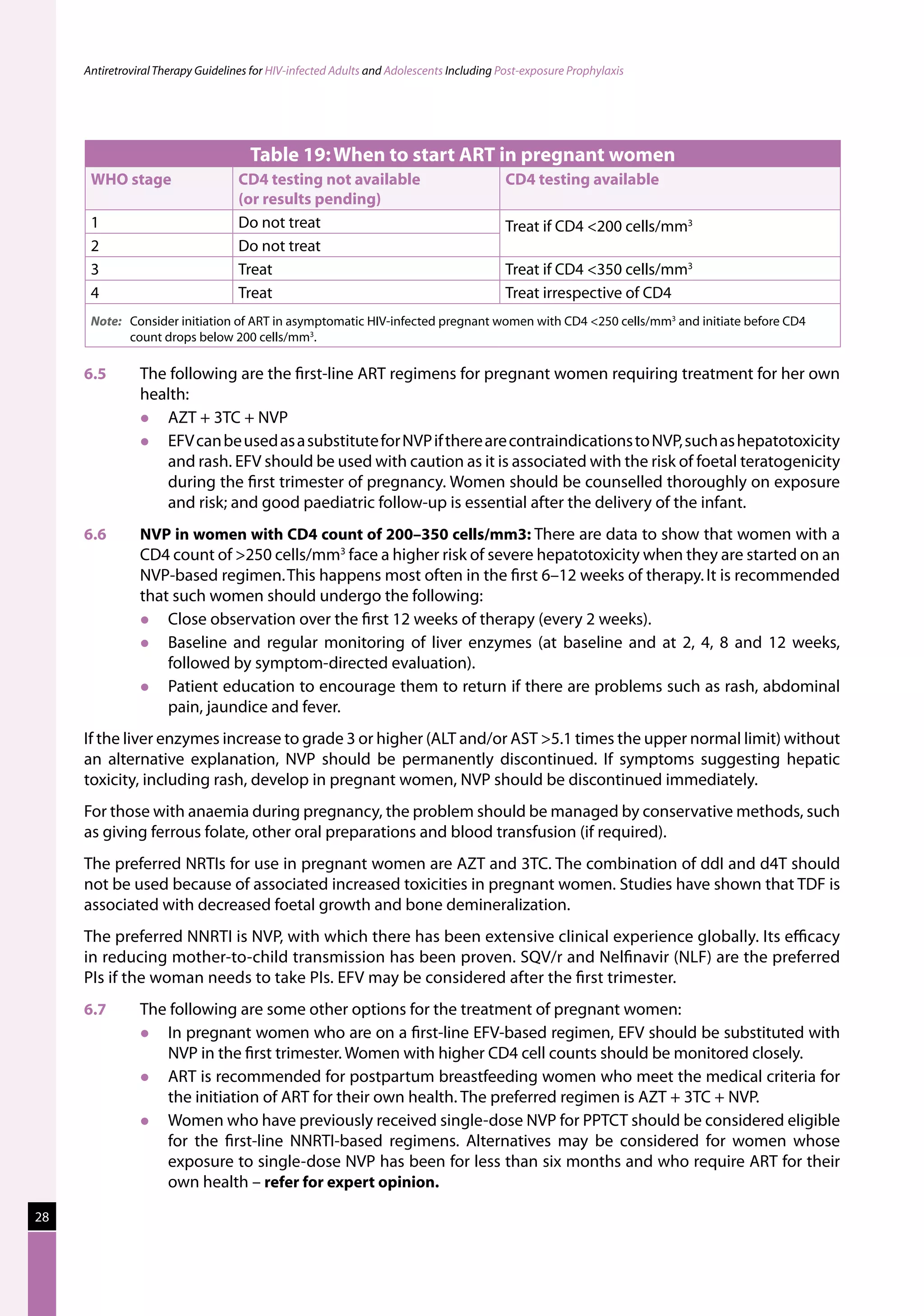
        non-infective conditions, e.g. TB, MAC or CMV. Clinically, IRIS manifests itself as the occurrence or
        worsening of clinical and/or laboratory parameters, despite a favourable CD4 count (and viral load).
        The temporal association between the commencement of HAART (or change from a previously
        failing regimen) and the development of an unusual clinical phenomenon often provides a strong
        clue to the diagnosis of IRIS.
Experience has shown IRIS can manifest itself in a variety of ways. In India, the agreed practical definition
of IRIS would be the “occurrence or manifestations of new OIs or existing OIs within six weeks to six
months after initiating ART; with an increase in CD4 count”     .                                                     33
Antiretroviral Therapy Guidelines for HIV-infected Adults and Adolescents Including Post-exposure Prophylaxis


     8.4.1	     The following points help in the diagnosis of IRIS:
                  Temporal association between the initiation of ART and the development of clinical phenomena
                   (mostly within 3 months).
                   −    Typically, IRIS occurs within 2–12 weeks of the initiation of ART, although it may present later
                        (usually between 6 weeks to  6 months)
                   −    The incidence of IRIS is estimated to be 10% among all patients in whom ART has been
                        initiated; and up to 25% among those who have started ART and who have a CD4 cell
                        count of below 50 cells/mm3
                  Unusual clinical manifestations in patients responding to ART include:
                   −    Unexpected localized disease, e.g. lymph nodes (appearance or enlargement and/or
                        suppuration), or involving liver or spleen
                   −    Exaggerated inflammatory reaction, e.g. severe fever, with exclusion of other causes
                   −    Painful lesions
                   −    Atypical inflammatory response in affected tissues, e.g. granulomas, suppuration, necrosis
                   −    Perivascular lymphocytic inflammatory cell infiltrate
                   −    Progression of organ dysfunction or enlargement of pre¬-existing lesions
                   −    Development or enlargement of cerebral space-occupying lesions after treatment for
                        cerebral cryptococcosis or toxoplasmosis
                   −    Progressive pneumonitis or the development of organizing pneumonia after treatment for
                        pulmonary MTB or PCP
                   −    Onset or worsening of uveitis/vitritis after the resolution of CMV retinitis
                   −    Fever and cytopenia after treatment for disseminated MAC
     8.4.2	     The identified risk factors for infectious IRIS are
                  An active or sub-clinical infection by opportunistic pathogens
                  The antigens of non-viable microorganisms (e.g. Cryptococus and CMV) are all possible targets
                   for an immunopathological response
                  A CD4 count of below 50/mm3 prior to the initiation of HAART
                  Being ART naïve
                  Starting ART in close proximity to the diagnosis and initiation of treatment for an OI ( should first
                   treat and stabilize the OI, then start ART)
     	          Non-infectious IRIS includes Guillain-Barre Syndrome, autoimmune thyroiditis and sarcoidosis. The
                differential diagnosis for IRIS includes active OI, ARV drug failure, ARV drug toxicity or failure of anti-
                microbial therapy if the patient is already on the treatment. Culturing the microorganism in body
                fluids may provide clues to an active OI, which would warrant antimicrobial therapy.

     8.4.3	Treatment of IRIS
     Treatment of IRIS should be referred to a tertiary setting/experienced HIV physician for management.
     There are no standard guidelines for the treatment of IRIS. There is very limited information on the effectiveness
     of various interventions for managing it and little evidence from randomized clinical trials. Most cases resolve
     without any additional treatment. Milder forms of IRIS resolve with continuing anti-infective therapy and
     HAART. In the majority of cases, HAART can be safely continued and need not be interrupted. In general, most
     clinicians prefer to continue ART if the CD4 count is below 100/mm3 or if the patient presents with IRIS months
     after the initiation of HAART.However, the discontinuation of ART should be considered if the inflammatory
     responses are considered life-threatening (e.g. intracranial IRIS leading to encephalitis, cerebritis, perilesional
     cerebral oedema and pulmonary IRIS with ARDS/acute respiratory distress syndrome), or are unresponsive
     to steroids. Discontinuation of the treatment should also be considered if the pathogens involved are not
     amenable to specific antimicrobials (e.g. Parvovirus B19, polyomavirus JC casuing PML/progressive multifocal
     leukoencephalopathy), or if ART toxicity is the main differential diagnosis (e.g. hepatitis).

34   Non-steroidal anti-inflammatory drugs (NSAIDs) are helpful in controlling inflammation and fever associated
     with IRIS. However, in severe IRIS, a short course of oral prednisolone is required to alleviate the symptoms. The
Management of Antiretroviral Therapy for Adults and Adolescents


dosage and duration of treatment required is variable and should be judged clinically. Severe disease requires at
least 1–2 mg of prednisolone per kg body weight. Thalidomide has also been tried effectively in some patients.

Suspect and diagnose IRIS

                        Unexpected deterioration in clinical condition with signs and
                      symptoms of inflammation/infection soon after commencing ART
                        (Typically 2–12 weeks, usually between 6 weeks to 6 months)


                                                      Suspect IRIS


                                               Reported IRIS events
                                         Cryptococcal	meningitis
                                         TB	meningitis	or	abscess
              CNS symptoms               Toxoplasmosis
                                         PML                                             Principles of management
                                         CMV                                             1.   Continue	ART	if
                                         Lymphoma                                             possible.
                                                                                         2.   Discontinue	ART	and
                                                Reported IRIS events                          prioritize	treatment	of
                                         Flare-up	of	hepatitis	B	or	C                         the	pathogen	in	patients
               Hepatobiliary                                                                  who	are	severely	ill.
                                         Visceral	leishmaniasis
                symptoms
                                         TB	abscess                                      3.   Treat	the specific
                                                                                              pathogen	in	order to
                                                                                              decrease the	antigen
                                                Reported IRIS events                          load.
                                         Disseminated TB                                 4.   Consider	corticosteroids
               Fever without
                                         Invasive fungal disease
              localizing signs                                                                in	moderate	to	severe
                                         MAC
                                         CMV                                                  cases	of IRIS
                                                                                              (prednisolone/
                                                                                              prednisone) at 0.5
                                               Reported IRIS events                           mg/kg/day orally	or IV
                                         Extrapulmonary TB                                    for	five	to ten	days	or
                   Focal                                                                      longer, depending	on
                                         MAC
                adenopathy                                                                    the	severity	of the
                                         Kaposi	sarcoma
                                         Histoplasmosis                                       inflammation.
                                                                                         5.   Aspirate and drain
                                                                                              lymph	nodes	and
                Respiratory                     Reported IRIS events                          abscesses (may	need to
              symptoms with              Pulmonary TB                                         be	repeated several
                worsening                Invasive fungal	pneumonia
                                                                                              times).
               CXR changes               PCP (if	not on cotrimoxazole)
                                                                                         6.   Perform emergency
                                                                                              surgical	decompression
                                                Reported IRIS events                          in	cases of	tracheal	or
                                         Herpes	zoster and	herpes	simplex                     intestinal	obstruction.
                                         HPV	infection	(warts)
                                         Molluscum contagiosum
              Mucocutaneous
                                         Kaposi	sarcoma
                conditions
                                         Psoriasis
                                         Eczema, folliculitis, PPE
                                         Leprosy
                                         Mucocutaneous	leishmaniasis


                                                Reported IRIS events
                                         Sarcoidosis
               Autoimmune                Graves	disease
                 diseases                Guillain–Barré	syndrome
                                         Reiter	syndrome
                                                                                                                                              35

         Note:	 Refer to NACO OI Guidelines, May 2007. (Chapter 10, p 71 for management of IRIS)
A9
       Sec tion                     Antiretroviral Drug Toxicity

     9.1	   ARV drugs are associated with a broad range of toxicity, ranging from low-grade intolerance, which
            may be self-limiting, to life-threatening side-effects. Differentiating between complications of HIV
            disease and ART toxicity is sometimes difficult.  Alternative explanations should be considered before
            it is concluded that the symptoms are related to ART toxicity. The factors to be considered include
            intercurrent illness (e.g. hepatitis A and malaria) and reactions to medications other than ARV drugs
            (e.g. Isoniazid-induced hepatitis or cotrimoxazole-induced rash). Most of the toxicity/side-effects can
            be adequately co-managed with efficient clinical monitoring at all levels of the health care system.
     9.2	   As a general principle, mild toxicities do not require the discontinuation of ART or drug substitution.
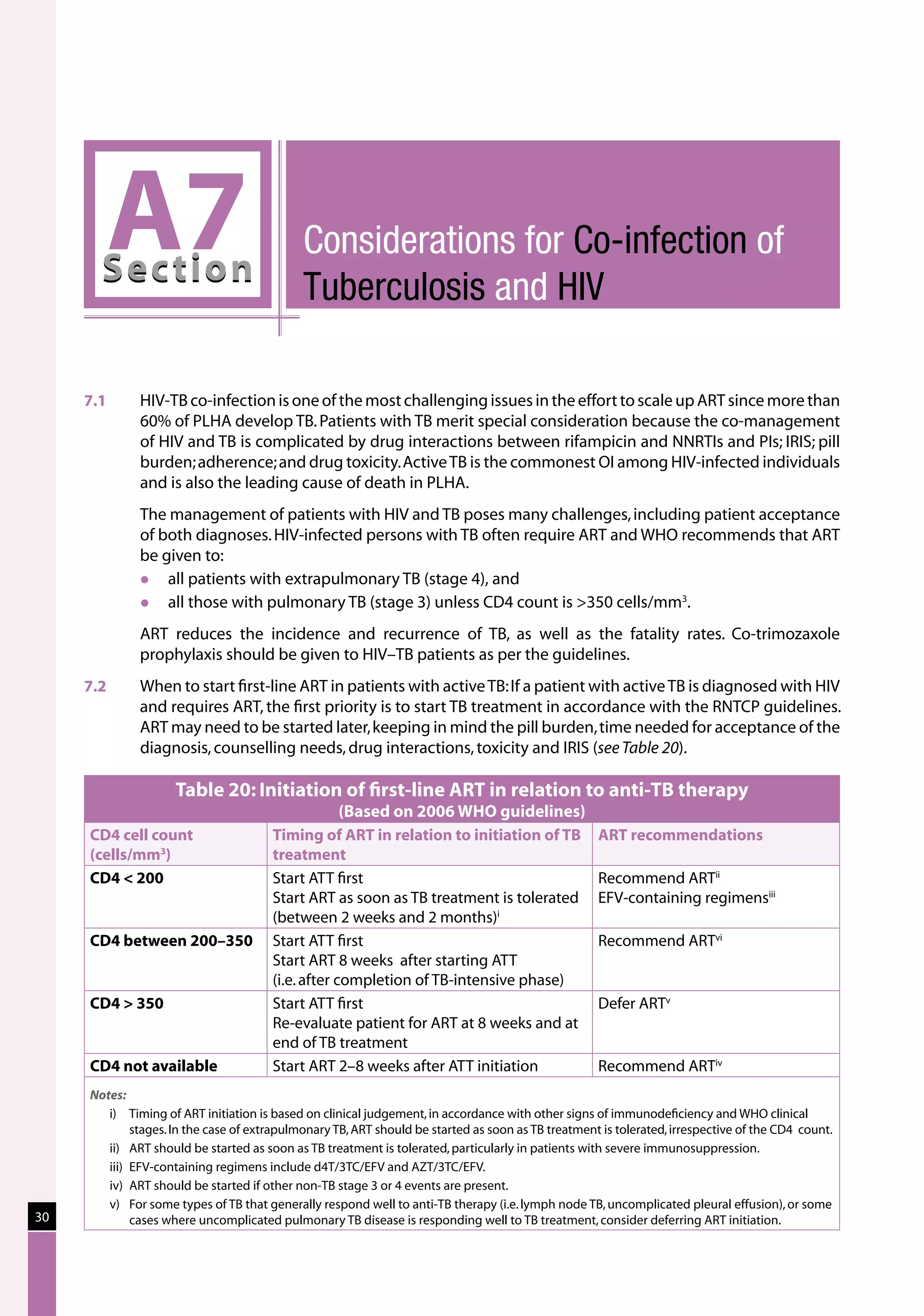
            Symptomatic treatment may be given. Moderate or severe toxicities may require substitution of the
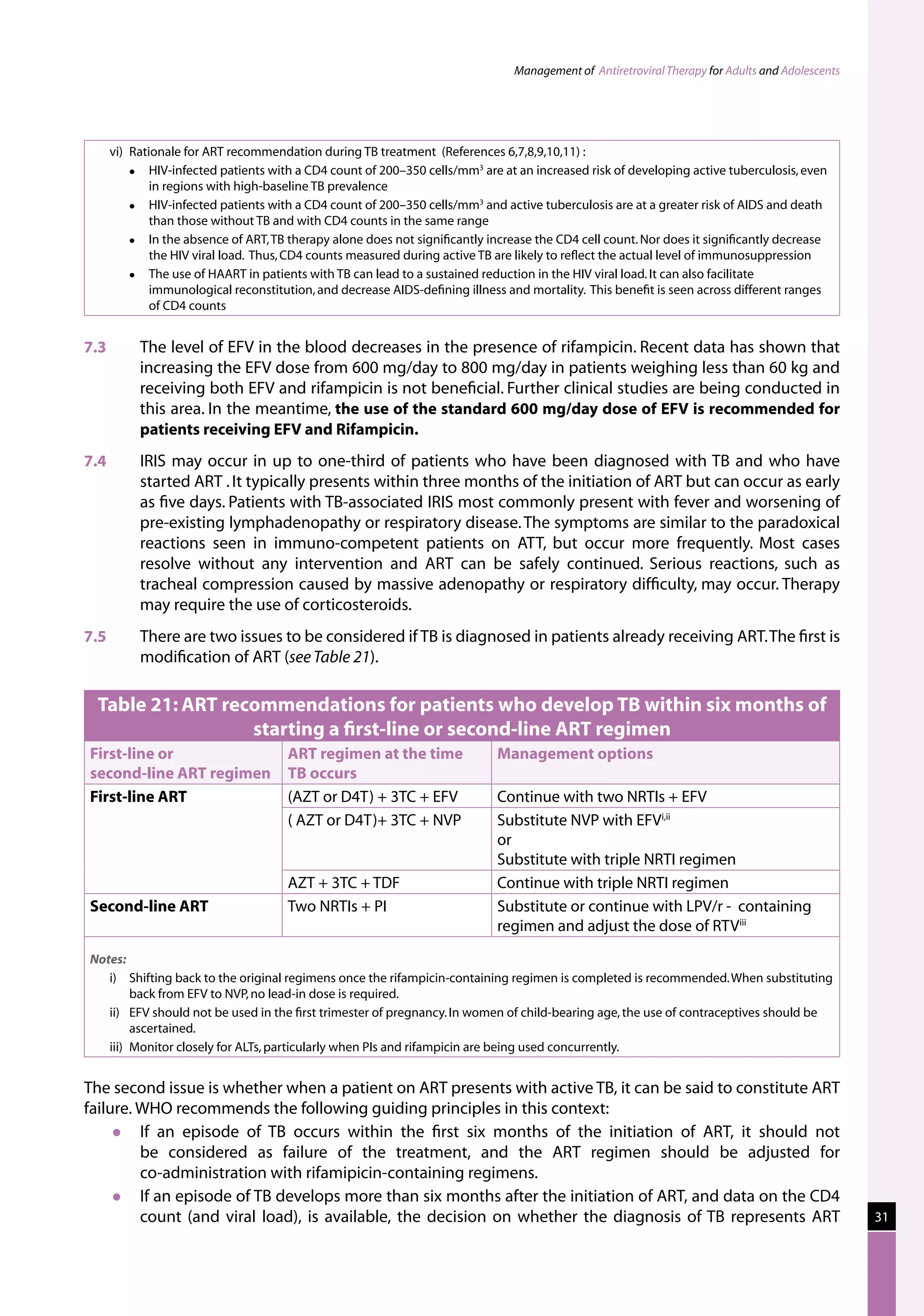
            drug with another of the same ARV class, but with a different toxicity profile. Severe life-threatening
            toxicity requires discontinuation of all ARV drugs until the patient is stabilized and the toxicity is
            resolved.
     9.3	   Regardless of severity, toxicities may affect adherence to therapy. A proactive approach is required
            to manage toxicity.
               Discuss potential side-effects of the ART regimen with the patient before initiation and during
                the early stages of treatment.
               Offer support during minor and major adverse events.
               Ensure that the patient is familiar with the signs and symptoms of toxicities that are serious
                and require immediate contact with the clinical team, especially in the case of NVP-associated
                Stevens–Johnson syndrome, hepatitis, lactic acidosis or ABC-associated hypersensitivity
                reaction.
     The side-effects of ARVs need to be differentiated from manifestations of a new OI and IRIS. The management
     of ART toxicities is based on clinical and laboratory monitoring.


36
Management of Antiretroviral Therapy for Adults and Adolescents


9.4	 What Toxicities to Expect after Commencing 	
     First-line ART

 Short term                                             Medium term                                                   Long term
Drowsiness         Nephrolithiasis               Lactic acidosis                               Osteopenia
    Hepatoxicity    Teratogenicity        Diabetes
Rash    Anaemia                                                                                               Cardiovascular disease
                          Hyperlipidaemia          Lipodystrophy
Nausea and vomiting                                                                                    Atherosclerosis
                                      Peripheral neuropathy
Confusion    Diarrhoea       Pancreatitis      Hair loss Skin and nail changes


                                  Table 22: Side-effects and common causes
Time                 Side-effects and toxicities                                                    Common causes
Short term           Gastrointestinal toxicities, including nausea, vomiting and                    AZT, TDF, PIs
(the first few       diarrhoea
weeks)               Rash                                                                           NVP
                     (Most rashes occur within the first                                            EFV
                     2–3 weeks.)                                                                    Abacavir
                                                                                                    PIs (rarely)
               Hepatotoxicity                                                                       NVP, EFV
               (More common in hepatitis B or C co-infection)                                       PIs
               Drowsiness, dizziness, confusion and vivid dreams                                    EFV
               (Normally self-resolving but can take weeks to months)
Medium term   Anaemia and neutropenia                                                               AZT
(the first few Sudden and acute bone marrow suppression can occur
months)        within the first weeks of therapy or present as a slow onset
               of progressive anaemia over months
               Hyperpigmentation of skin, nails and mucous membranes                                AZT
               Lactic acidosis                                                                      d4T, ddI, AZT
               (More common after the first few months,
               most commonly associated with d4T)
               Peripheral neuropathy                                                                d4T, ddI
               (More common after the first few months)
               Pancreatitis                                                                         ddI
               (Can occur at any time)
Long term      Lipodystrophy and lipoatrophy                                                        d4T, ddI, AZT
(after 6–18                                                                                         PIs
months)        Dyslipidaemia                                                                        d4T, EFV, PIs
               Diabetes                                                                             IDV
               Skin hair and nail abnormalities                                                     PIs, especially IDV
(See Annex 4: Clinical signs and symptoms and management of adverse effects of antiretroviral drugs)


                                                                                                                                                 37
Antiretroviral Therapy Guidelines for HIV-infected Adults and Adolescents Including Post-exposure Prophylaxis


     9.5 	 Substituting within a First-line Antiretroviral Drug
           Regimen due to Drug Toxicity
     A drug may need to be substituted to simplify the regimen so as to improve adherence, manage side-effects/
     toxicities and/or reduce the cost of the regimen. The commonest example of substitution for avoiding long-
     term toxicity is substituting from d4T and AZT to ABC or TDF.

          Table 23: Major toxicities caused by first-line ARV regimens and recommended
                                         drug substitutions
      Regimen                      Toxicity                                                                     Drug substitution
      D4T/3TC/NVP                    d4T-related neuropathy or pancreatitis                                      Substitute with AZT
                                     d4T-related lipoatrophy	                                                    Substitute with TDF or ABC
                                                                                                                   (if available)
                                      NVP-related severe hepatotoxicity	                                         Substitute with EFV
                                       	                                                                           (except in first trimester of
                                                                                                                   pregnancy)
                                      NVP-related severe rash (but not life-threatening)                         Substitute with  EFV
                                      NVP-related life-threatening rash (Stevens Johnson                         Substitute with PI or use
                                       syndrome)                                                                   “triple NRTI approach” which
                                                                                                                   reserves PI for second-line
                                                                                                                   treatment
      AZT/3TC/NVP                     AZT-related persistent GI intolerance or severe                            Substitute with d4T	
                                       haematological toxicity
                                      NVP-related severe hepatotoxicity	                                           Substitute with EFV (except
                                       	                                                                             in pregnancy. In this
                                       	                                                                             situation switch to NFV,	
                                                                                                                     LPV/r or ABC.)
                                      NVP-related severe rash (but not life-threatening)                           Substitute with EFV
                                      NVP-related life-threatening rash (Stevens–Johnson                           Substitute with PI or use
                                       syndrome)                                                                     “triple NRTI approach” which
                                                                                                                     reserves PI for second-line
                                                                                                                     treatment
      D4T/3TC/EFV                     d4T-related neuropathy or pancreatitis                                       Substitute with AZT
                                      d4T-related lipoatrophy                                                      Substitute with TDF or ABC
                                      EFV-related persistent CNS toxicity                                          Substitute with NVP
      AZT/3TC/EFV                     AZT-related persistent GI intolerance or severe                              Substitute with d4T	
                                       haematological toxicity
                                      EFV- related persistent CNS toxicity                                         Substitute with NVP
      Notes :
               The general principle is that single-drug substitution for toxicity should be made within the same ARV class. [e.g. substitution of
                d4T with AZT or TDF (for neuropathy), AZT with d4T or TDF (for anaemia), or  EFV with NVP (for CNS toxicity or in pregnancy)].
               Substituting d4T may not reverse lipodystrophy but may slow its progression. Besides AZT and TDF, ABC or ddI are acceptable
                alternatives but are not available in the national programme.
               If a life-threatening toxicity occurs, all ART should be stopped until the toxicity has resolved and a revised regimen commenced
                when the patient has recovered.


38
A10
 Sec tion
                                 Arv Treatment Failure and
                                 when to Switch

10.1	   The clinical goals of HIV treatment are optimally accomplished through consistent high-level
        adherence to HAART and sustained suppression of the viral load. However, as a result of the need for
        lifelong therapy and HIV’s prodigious replication rate and error-prone reverse transcriptase, varying
        amounts of drug resistance are common in individuals undergoing treatment. It is now well known
        that even with good adherence levels, resistance occurs. HIV drug resistance evolves naturally due
        to the selective pressure from drugs or from the immune system.
10.2	   Drug resistance occurs when HIV replication is not fully suppressed. This is frequently linked to non-
        adherence to ARV therapy.
       Resistant viruses can spread and affect ARV therapy. The transmission of ARV-resistant strains is of
        increasing concern in countries where ARV is widely used.
       Resistance can be contained. Its occurrence can be reduced or prevented by an appropriate and
        careful choice of treatment, intense support to ensure adherence, monitoring for resistance and
        reinforcing positive prevention with condom use.
10.3	   Failure to access care and discontinuation of or non-adherence to ART are the most important factors
        associated with the progression of HIV disease. Nationally, there is a need to define drug resistance
        qualitatively and quantitatively through surveillance and monitoring  conducted in accordance with
        international standards. Such studies have already been initiated by NACO and WHO. The outcome
        of these studies will be used to guide programmatic and treatment options.


    Prevention of the emergence of HIV drug resistance (HIV DR) is accorded a high priority and is a
                         crucial component of the National ART Programme


10.4	Identifying Treatment Failure
The decision on when to switch from first-line to second-line therapy is critical. If the decision is made too
early, the months or years of any potential survival benefit from an effective first-line therapy may be lost.
If the decision is made too late, the effectiveness of second-line therapy may be compromised and the
patient may be put at an additional risk of death. The time of switching drugs is dictated by the failure of
treatment, which can be measured in three ways: clinically, immunologically and virologically. However, the
definitions of these criteria represent different biological endpoints. It is not clear which criterion is optimal,
individually or together with others. There is a need for consensus and standardization on the different ways
of identifying failure. (WHO, 2006). In ALL cases, adherence counselling and clinical judgement must form a
part of the decision-making.


                                                                                                                      39
Antiretroviral Therapy Guidelines for HIV-infected Adults and Adolescents Including Post-exposure Prophylaxis


     10.4.1	            Determining ART failure

                                                                    Work with the patient to resolve issues causing non-adherence.
                           Does the patient adhere                  Continue the same first-line regimen, give OI prophylaxis if necessary and
                              properly to ART?                      follow closely.
                                                           No
                                                                    Reassess and determine need for second-line therapy. Start second-line
                                                                    regimen only after good adherence can be ensured.
                                Yes


                                  Patient has              No            Signs or symptoms of IRIS or OI
                                 been on ART
                             for at least 6 months                       Manage IRIS or OI, especially TB.
                                                                         (See p30)


                                Yes

                                                           No       Diagnose treatment failure if OI present
                                CD4 available                       and on ART  6 months with good
                                                                    adherence, if CD4 not available

                                Yes


                                CD4 indicating             No
                             failure of treatment                    Rule out other causes such as IRIS and
                                 (see Table 28)                      continue first-line ART.


                                Yes


                Prepare the patient for second-line regimen.
                The regimen is likely to be more complex.
                Make sure the patient understands the new
                drugs, how to take them and possible side-
                effects.
                Reinforce adherence.


              Notes:
                      Switching to second-line regimen is not an emergency. Review the patient’s OI prophylaxis management.
                       Patients on a failing regimen with WHO stage 2, 3, 4 disease or with a CD4 count  200 cells/mm3 need to restart
                       cotrimoxazole.
                      While a failing regimen may retain some anti-HIV activity; the longer the patient remains on a failing regimen,
                       the more resistance mutations accumulate, reducing the chances of success of the second-line regimen. The
                       decision to switch drugs is based on clinical, immunological or virological definitions of failure (presented
                       below) and the availability of second-line ARV drugs.


     10.4.2	 As mentioned earlier, antiretroviral treatment failure can be defined virologically, immunologically
             or clinically, and in most instances, one type of failure follows the other. There is a delay between
             virological and immunological failure, which increases the risk of exposing the HIV virus to a failing
             regime, leading to the development of further cross-resistance and compromising the efficacy of
             the second-line regimen.
     10.4.3	 The progression of clinical disease should be differentiated from IRIS, which is characterized by the
             appearance of signs and symptoms of an OI a few weeks after the initiation of HAART in the setting
             of advanced immunodeficiency. These symptoms are an inflammatory response to previously sub-
             clinical OI. It is also possible to have atypical presentations of some OIs.
     10.4.4	 The failure of treatment cannot be diagnosed on the basis of clinical criteria in the first six months
             of ART. Clinical events that occur before the first six months of therapy often represent IRIS and
             not failure.
40
Management of Antiretroviral Therapy for Adults and Adolescents


10.5	     The following definitions of Art failure are used:

         Table 25: Clinical, immunological and virological definitions of treatment
                          failure for first-line regimen (WHO, 2006)
Clinical failurei                       New or recurrent WHO stage 4 condition, after at least 6 months of ARTii, iii
Immunological failure4                    Fall of CD4 count to pre-therapy baseline (or below)
                                          50% fall from the on-treatment peak value (if known)
                                          Persistent CD4 levels below 100 cells/mm iii, v
Virological failure                     Plasma viral load  10,000 copies/mLvi
Notes:
   i)	 Current event must be differentiated from IRIS.
   ii)	 Certain WHO clinical stage 3 conditions (e.g. pulmonary TB, severe bacterial infections) may indicate treatment failure and thus
         requirsecond-line therapy to be considered.
   iii)	 Some WHO clinical stage 4 conditions (lymph node TB, uncomplicated TB pleural disease, oesophageal candidiasis, recurrent
         bacterial pneumonia) may not indicate treatment failure and thus second-line therapy need not be considered.
   iv)	 Without any concomitant infection causing transient CD4 cell count decrease.
   v)	 Some experts consider persistent CD4 cell counts of below 50/mm3 after 12 months of ART to be more appropriate.
   vi)	 The optimal viral load value at which ARV drugs should be switched has not been defined. However, values of more than 10,000
         copies/mL have been associated with subsequent clinical progression and an appreciable decline in the CD4 cell count.


10.5.1	 Clinical failure: There should be a reasonable trial of first-line therapy, lasting at least 6–12 months,
        before concluding that the ARV regimen is failing on the basis of clinical criteria. Adherence should
        be assessed and optimized, intercurrent OI treated and resolved, and IRIS excluded before drawing
        such a conclusion.
The development of a new or recurrent WHO stage 3 or 4 condition while on treatment (after the first six
months) is considered functional evidence of the progression of HIV disease. This is referred to as T staging,
where T refers to the staging event on treatment. The assumption is that with immune restoration on ART
and the subsequent progressive immunodeficiency with a failing ART regimen, the clinical events signaling
immune failure will be the same as those marking advanced and then severe immunodeficiency without
ART eg. WHO Clinical stage 3 and 4. Table 26 indicates how clinical staging on ART can be used as an indicator
of failure and may facilitate the decision on whether to switch therapy.

        Table 26: Clinical and CD4 cell count definitions of treatment failure in adults
                                        and adolescents
Clinical signs of treatment failure                                     CD4 cell criteria for treatment failure
  Occurrence of new OIs or malignancy signifying clinical disease       Return of CD4 count to pre-
   progression. This must be differentiated from IRIS, which can occur    therapy baseline or below, without
   in the first 3 months of ARTi                                          other concomitant infection
  IRIS does not signify treatment failure and the OI should be treated   to explain transient CD4 count
   as usual, without changes in the ART regimen                           decreaseiii
  Recurrence of previous OI  ii
                                                                         50% (2006 WHO guidelines)
  Onset or recurrence or WHO stage 3 conditions (including but not       fall from on-treatment CD4 peak
   restricted to HIV wasting, chronic diarrhoea of unknown aetiology,     level without other concomitant
   prolonged fever of unknown aetiology, recurrent invasive bacterial     infection to explain transient CD4
   infections, or recurrent/persistent mucosal candidiasis)               count decreaseiii
Notes:
   i	 IRIS is characterized by the appearance of signs and symptoms of OIs a few weeks after the start of HARRT in the setting of
         advanced immunodeficiency, as an inflammatory response to previously subclinical OI. This immunological reconstitution may
         also lead to the development of atypical presentations of some OIs.
   ii  	 The recurrence of TB may not represent HIV disease progression as re-infection can occur. Clinical evaluation is necessary.
   iii	 If the patient is asymptomatic and treatment failure is being defined by the CD4 count alone, consider taking a confirmatory CD4
         count, if resources permit.
                                                                                                                                                41
Antiretroviral Therapy Guidelines for HIV-infected Adults and Adolescents Including Post-exposure Prophylaxis


                Table 27: Clinical staging events to guide decision-making on switching
      New or recurrent Recommendations                                         Additional Management Options
      event on ARTa
      Asymptomatic (T1) Do not switch regimen                                     Maintain schedule follow-up visits, including CD4
                                                                                   monitoring (if available)
                                                                                  Continue to offer adherence support
      Stage 2 event (T2)           Do not switch regimen          b
                                                                                  Treat and dmanage staging event
                                                                                  Assess and offer adherence support
                                                                                  Check if on treatment for at least six months
                                                                                  Assess continuation of reintroduction of Ol
                                                                                   prophylaxis
                                                                                  Schedule earlier visit for clinical review and consider
                                                                                   CD–4 (if available)c
      Stage 3 event (T3)           Consider switching regimenbd                   Treat and manage staging event and monitor
                                                                                   response
                                                                                  Assess and offer adherence support
                                                                                  Check if on treatment for at least six months
                                                                                  Check CD4 cell count (if available)cd
                                                                                  Assess continuation of reintroduction of Ol
                                                                                   prophylaxis
      Stage 4 event (T4)           Switch regimenbe                               Treat and manage staging even and monitor
                                                                                   response
                                                                                  Check if on treatment for at least six months
                                                                                  Assess continuation or reintroduction of Ol
                                                                                   prophylaxis
                                                                                  Check CD4 cell count (if available)c
                                                                                  Assess and other adherance support

          a� Refers to clinical stages while on ART for at least six months (termed T1, T2, T3, T4)
          b� Differentiation of opportunistic infections from immune reconstitution inflammatory syndrome is necessary.
          c�  Treat and manage the staging event before measuring CD4 cell count.
          d� Certain WHO clinical stage 3 conditions (e.g. pulmonary TB,  severe bacterial infections) may be indicators of tratment failure
             and thus require consideration of second-line therapy; response to appropriate therapy should be used to evaluate the need for
             switching of therapy.
          e� Some WHO clinical stage 4 conditions (lymph node TB, uncomplicated TB pleural disease, oesophageal candidiasis, recurrent
             bacterial pneumonia) may not be indicators of treatment failure and thus do not require consideration of second-line therapy,
             response to appropriate antimicrobial therapy should be used to evaluate the need to switch therapy.


     TB can occur at any CD4 level and does not necessarily indicate ART failure. The response to TB therapy
     should be used to evaluate the need to switch ARV drugs. In the case of pulmonary TB and some types of
     extrapulmonary TB (e.g. simple lymph node TB or uncomplicated pleural disease), the response to TB therapy
     is often good and the decision to switch ARV drugs can be postponed and monitoring can be stepped
     up. This also applies if severe and/or recurrent bacterial infections (as stage 3 or 4 events) or oesophageal
     candidiasis respond well to therapy.
     10.5.2	 Immunological failure:  The working definitions of immunological failure are:
               A return to, or fall below, the pre-therapy CD4 baseline after at least 6 months of therapy
               A 50% decline from the on-treatment peak CD4 value (if known)
               A persistent CD4 count of less than 100 cells/mm3 after 6–12 months of therapy
     The CD4 cell count is the strongest predictor of HIV-related complications, even after the initiation of therapy.
     The baseline pre-treatment value is informative: lower CD4 counts are associated with smaller and slower
     improvements in the count over time. CD4 cell counts can also be used to determine when not to change
     therapy. For example, in a patient with a new clinical stage 3 event, switching is not be recommended if the
42   CD4 cell count is greater than 200 cells/mm3.
Management of Antiretroviral Therapy for Adults and Adolescents


10.5.3	 Virological failure: This is an incomplete suppression of the virus and is defined as a PVL value of
        more than 10,000 copies/mL (WHO 2006 guidelines) at six months after the initiation of ART. Viral
        rebound after being undetectable is also considered as virological failure. A low-level viral rebound
        (500–1000 copies/mL), termed blips, usually indicates a statistical variation in the determination
        of PVL and not  the need to alter therapy. The viral load remains the most sensitive indicator of ART
        failure. Recognizing early failure facilitates the decision to switch drugs before multiple resistance
        mutations develop to drugs of the first-line regimen.
In general, the clinical status, CD4 cell count and PVL (if available) can be used in an integrated fashion to
determine whether HIV disease is progressing while a patient is on ART; and whether a change should be
made from first-line to second-line therapy. Although the national programme does not have provision
for second-line drugs at present, guidance is essential, considering that patients may seek advice from the
private sector or buy drugs out-of-pocket. Table 27 provides guidance on deciding when to change the
treatment regimen on the basis of clinical status in relation to the CD4 count alone or to the CD4 count plus
viral load data. Clinical judgment is an important part of the decision-making process.

                           Table 28: Integrating clinical status, CD4 counts
                                  and viral load to guide switching
Treatment failure                 WHO stage                      WHO stage                    WHO stage                 WHO stage
criteria                                1                              2                           3                         4
CD4 failurei                Do not switch                  Do not switch                   Consider                  Recommend
(viral load testing         regimen. Follow                regimen. Follow                 switchingii to            switchingii to
not available)              patient for                    patient for evidence            second-line               second-line
                            development of                 of further clinical             regimen.                  regimen.
                            clinical signs or              progression. Repeat
                            symptoms. Repeat               CD4 in 3 months.
                            CD4 count in 3
                            months.
CD4 failure and             Consider switching to          Consider switching to           Recommend                 Recommend
virological failureiii      second-line regimen.           second-line regimen.            switching to              switching to
                                                                                           second-line               second-line
                                                                                           regimen.                  regimen.

Notes:
   i	 CD4 failure is defined as a fall to below the pre-treatment baseline value or a 50% drop from the on-treatment peak level or
        persistent levels below 100 cells/mm3.
   ii	 Switching from first-line to second-line regimen is not recommended until the first-line regimen has been given sufficient time
        to succeed. This should be a minimum of six months. Since only one second-line regimen is available in most circumstances,
        premature switching should be avoided.
   iii	 Virological failure is provisionally defined as a plasma HIV-1 RNA level  10,000 copies/mL after a minimum of six months of therapy.


                                                                                                                                                  43
Antiretroviral Therapy Guidelines for HIV-infected Adults and Adolescents Including Post-exposure Prophylaxis


     10.6	Managing Failure
     Identifying the cause of failure is important before deciding to modify the ART regimen. The following points
     need to be assessed.
         I. Adherence: A detailed assessment of adherence needs to be made. The reasons for non-adherence
              need to be explored. Unless these reasons are identified, a patient will also find it difficult to adhere
              to the second-line regimen.
         II. Drug-drug interactions: Assessing whether the patient is concomitantly taking medications which
              interfere with ARV activity is important. For example, many patients may not reveal that they take
              herbal treatments along with the prescribed ART regimen.
         III. Continuing high-risk behaviour: If a patient continues to engage in high-risk behaviour, super-
              infection with a drug resistant virus may lead to treatment failure.
     Once resistance is confirmed, an experienced referral HIV physician could design a second-line ART
     regimen, if it is accessible, affordable and available. However, with the current operational limitations
     of the national treatment programme, a patient suspected to have treatment failure should be
     managed as best as possible by the ART centre staff and linked NGOs/positive network. The effort
     should be to ensure non-transmission of the resistant virus (through positive prevention and safer
     sex), provide psychosocial support and counselling, offer palliative and home care when necessary,
     and provide prophylaxis and treatment of OI.


44
A11
 Sec tion
                               Choice of Arv Regimens
                               in the Event of Failure of
                               First-line Regimens

11.1	   During the development of the NACO technical guidelines, it was acknowledged that the private
        sector too provides for ARV therapy. Although second-line regimens are currently not available
        under the national programme, experience has shown that the private sector concurrently uses  
        second-line ARV drugs, such as ABC and PIs, and this has resulted in a cohort of non-naïve treatment
        experience patients. It is, therefore, important to provide guidance on the choices of second-line
        regimens in the event of the failure of first-line regimens. A second-line regimen should be
        recommended only by an experienced HIV physician, after he/she has determined that it is a
        case of true treatment failure.
11.2	   When failure has been identified clinically or immunologically, many patients can be expected to
        have significant NRTI resistance at the time of switching. Thus, in the decision-making for a second-
        line regimen with maximal antiviral activity, one has to consider nucleoside class cross-resistance
        and drug interactions (see table 29). Several points to note are:
           Cross resistance exists between d4T and AZT; thus NRTI-component in the second-line regimens
            should be either ddI/ABC or TDF/ABC.
           High level AZT/3TC resistance reduces susceptibility to ABC.
           TDF can be compromised by multiple nucleoside analogue mutations (NAMs) but often retain
            activity against nucleoside-resistant viral strains.
           ddI/ABC and TDF/ABC may facilitate evolution of the K65R drug resistance mutation, which
            mediates resistance to non-AZT NRTIs.
           NNRTI (such as EFV and NVP): usually there is complete cross-resistance.

         Table 29: Expected resistance mutations with different NRTI backbone
Failing NRTI backbone                 Mutations
AZT or d4T + 3TC   and                M184V
AZT + 3TC + ABC                       And then successive NAMs (cumulative, the longer one waits to switch)
TDF + 3TC                             K65R and/or M184V
ABC + 3TC                             L74V  K65R and/or M184V
AZT or d4T + ddI                      TAMs, Q151M, T69ins
TDF + ABC   and                       K65R
TDF + ddI

11.3	   Ideally, second-line regimens should include at least three active drugs; one of them from a new
        class, in order to increase the likelihood of the success of the treatment and to minimize the risk of
        cross-resistance. The PI class should be reserved for second-line treatments.


                                                                                                                 45
Antiretroviral Therapy Guidelines for HIV-infected Adults and Adolescents Including Post-exposure Prophylaxis


     11.4	Decide What to Give  for Second-line Regimen
     Second-line regimens should be prescribed by experienced HIV physicians or in consultation with them.
     The following flow chart provides guidance.


                                   STEP 1                                  Define treatment failure, see if adherence to treatment
                                   Define treatment                        is adequate, counsel and support.
                                   failure                                 (see p 39 above)


                                                                             If AZT is used in first-line, NRTI choices in second-
                                                                             line could be TDF, ABC or ddI.
                              STEP 2 Decide on NRTI                          If d4T is used in first-line, NRTI choices could be
                              component of the second-                       TDF or ABC.
                              line regimen                                   If neither TDF nor ABC is available, the last option is
                                                                             ddI + 3TC (± AZT).
                                                                             *The combination of TDF + ddI + NNRTI is not
                                                                             recommended due to early virological failure and
                                                                             safety concerns.


                              STEP 3 Decide on the PI                         Give only boosted PI in combination. The
                              component of the second -                       choices are LPV/r, ATV/r, SQV/r, IND/r.
                              line regimen                                    NLF can be used where no cold chain is available.
                                                                              It is less potent than a boosted PI.


                                                                             Include counselling for adherence, linkages to care
                             STEP 4 Patient education                        and support organizations, outreach services and
                             and agreement on treatment                      follow-up monitoring plan.
                             plan including follow                           ( see p 55 on counselling for adherence)
                             up and monitoring


                               Patient education, positive prevention, counselling and linkages to care and support
                               services, including outreach services, are essential to support patients who are started
                               on second-line therapy.


                                           Table 30: List of regimens and alternatives
      First-line regimen                                                                    Second-line regimen
                                                           NRTI component                     PI componenti
                              AZT + 3TC + NVP              Choices:                           Choices:
      Standard                                             1st  TDF + ABC or                  1st   LPV/r (heat-stable)
                              AZT + 3TC + EFV
      Regimens                                             2nd ddI + ABC   or                 2nd   ATV/r
                              D4T + 3TC + NVP              3rd TDF + AZT  (± 3TC)ii           3rd   SQV/r
                              D4T + 3TC + NVP                                                 4th   IND/r
      Special                 TDF + 3TC + NVP              Choices:                           5th   NLF where no cold chain available
      circumstances           TDF + 3TC + EFV              1st  ddI/ABC
                                                           2nd ddI/AZT  (± 3TC)ii
      Notes:
         i	 A ritonavir-boosted PI is the core of the second-line regimen. NLF can be used but is considered less potent than an RTV-boosted PI.
         ii	 3TC can be considered to be maintained in the second-line regimen to potentially reduce viral fitness, confer residual antiviral
             activity and maintain pressure on the M184V mutation to improve viral sensitivity to AZT or TDF. AZT may prevent or delay the
46
             emergence of the K65R mutation. The disadvantage is the very high pill burden, which may create practical difficulties.
A12
    Sec tion
                               Considerations for ART in
                               IDUs or PLHA under
                               Substitution Programmes

12.1 	Principles of Comprehensive Care for IDUs
The key components of comprehensive care for IDUs are:
      Assessment and management of physical and psychological co-morbidities, including viral hepatitis
       and psychiatric conditions (such as depression).
      Assessment of the patient’s treatment priorities, goals and readiness to start ART if it is medically
       indicated.
      Opioid substitution therapy (OST).
	      Since the clinical and CD4 criteria for initiating ART in substance-dependent patients are no different
       from other PLHAs, IDUs (current or previous) who are eligible for ART should receive care and
       treatment as per the national protocol.

12.2	Linkage between Harm-reduction programmes and
     ART centres
As HIV-infected IDUs have special needs with regard to drug use, ART should be given as part of a
comprehensive package of prevention (including harm reduction), care and support, and treatment. Harm-
reduction programmes have trained staff (social workers, counsellors and outreach workers), who are
experienced in reaching out to and communicating with IDUs, and have established credibility and trust. The
linkage between ART centres and harm reduction programmes should be established for the following:
       Outreach to potential clients for HIV testing and prevention of transmission of HIV.
       Support for ART adherence.
       Follow-up of patients who drop out of care or default on scheduled visits.
       Implementation of OST for suitable patients.
       Patient education and peer support.

12.3 	ART for HIV-infected IDUs
Substance-using PLHA (current or previous) who are medically eligible for ART should be given care and
treatment as per the national guidelines. Refer to the harm reduction programme if required.


                                                                                                                 47
Antiretroviral Therapy Guidelines for HIV-infected Adults and Adolescents Including Post-exposure Prophylaxis


                                   Table 31: Initiating ART in substance-using patients
      Initiating ART   The criteria for initiating ART in substance-using patients are the same as in the case of
                       other patients with HIV
                          Before starting ART, specific factors that may affect the timing of initiation and the
                           choice of ART should be considered: social instability, active use of illicit drugs and
                           the presence of co-morbidities, such as mental problems and co-infection with
                           hepatitis viruses
                          Unavailability of OST or active use of illicit drugs should not hinder access to ART for
                           those in need of treatment
                          Effective links between ART and harm-reduction programmes are essential.
                          Initiate ART once the patient has been adequately prepared and counseled for
                           treatment adherence
                          Spending adequate time on preparing patients for ART, and helping them understand
                           the treatment goals, need for adherence and lifelong nature of ART will maximize
                           treatment outcomes
      Choice of ART    National regimens can be chosen for the majority of IDUs.
                       The choice of specific ARV drugs depends on:
                          Co-morbidities (especially hepatitis B/C and psychiatric disorders).
                          Drug interactions (methadone)
                          Adherence.
      Preferred first- AZT + 3TC + EFV if liver dysfunction is noted
      line regimen     AZT + 3TC + NVP if patient is stable; monitor closely for hepatitis
                       With this combination, 3TC is the only drug with anti-HBV activity (thus, there is a higher
                       risk  of HBV resistance to 3TC)
      Choice of NNRTI Hepatitis C and B infections are extremely common in IDUs. Monitoring hepatotoxicity is
                       strongly recommended in IDUs receiving NNRTI-based ART, especially NVP
                       Efavirenz
                       EFV is preferred in patients with clinical and/or laboratory evidence of significant (grade
                       3 or 4) hepatic dysfunction. It should be used with caution in patients with depression or
                       other significant psychiatric conditions
                       Nevirapine
                       NVP is recommended in patients with no other significant co-morbidities, specifically,
                       those with no clinical signs of hepatic dysfunction or increase in hepatic transaminases
                       (grade 3 or 4). Use NVP under close clinical and laboratory (liver enzymes) monitoring
      Alternative      d4T + 3TC + (EFV or NVP)
      first-line       AZT may be replaced by d4T in any regimen in case of toxicity or other contraindications
      regimen          eg. anaemia
                       TDF + 3TC + (EFV or NVP) in special circumstances, for example, if the patient is intolerant
                       to d4T or AZT
      Second-line      The recommendations are the same as those for other patients with HIV
      regimen          (see p 45)
      Adherence        Given a good patient–clinical team relationship and adequate support, IDUs can adhere
                       to ART and have clinical outcomes comparable with those of HIV patients who do not use
                       drugs13,14
      Buprenorphine There is no significant drug interaction between the first-line ARV drugs and
                       buprenorphine
      Methadone        Methadone is not available as OST in India. WHO has included methadone as part of the
                       Essential Drug List. See Annex 6 for details on ART and methadone


48
Management of Antiretroviral Therapy for Adults and Adolescents


12.4 	Viral Hepatitis and Chronic Liver Disease
Co-infection with HCV is common among HIV-infected IDUs. Chronic, active hepatitis B and alcoholic liver
disease are also common. Hepatotoxicity associated with these conditions complicates the choice of
ART. The NRTIs associated with the greatest hepatotoxicity are AZT, ddI and d4T. Both the NNRTIs available
under the national programme can cause hepatotoxicity. Of these, NVP is more commonly associated with
severe hepatotoxicity and should be avoided if possible in all patients with chronic liver disease and liver
dysfunction. EFV can be administered in full doses in patients with liver insufficiency. PIs are also associated
with hepatotoxicity, and the dosing is complex in patients with hepatic insufficiency.
Drugs for treating hepatitis C, such as pegylated interferon (IFN) and ribavirin (RBV), are not currently provided
by the national programme. Newer drugs are being developed globally. Patients should be stabilized on
ART at a CD4 count of above 200 cells/mm3 before pegylated IFN and RBV are started. RBV increases AZT
levels, and patients should be closely monitored for hepatic toxicity, neutropenia and anaemia.
Causes of hepatic dysfunction other than viral hepatitis need to be considered. Alcohol use/dependency has
the same implication for treatment options and monitoring as does viral hepatitis. Where possible, the least
hepatotoxic ARV should be used and hepatic enzymes monitored in all patients with hepatic dysfunction.
See section A13, p 51

12.5 	Opioid Substitution Therapy
OST is the most effective treatment for opioid dependence, and results in substantially higher retention
rates, suppression of drug use and improved psychosocial functioning. Its use in the context of HIV
treatment has been associated with improved adherence to and outcomes of treatment. Detoxification
and abstinence-based programmes are unlikely to achieve similar levels of clinical effectiveness and may
prove counterproductive in the context of ART. If possible, stabilization of substance use with substitution
treatment is recommended prior to the commencement of ART.
The outcomes of OST in a structured programme include:
      Decreased heroin use and reduced chaotic drug-taking
      Decreased needle-sharing
      Stabilization of clients’ lives
      Improved quality of life and the chance to lead a productive life in the community
      Improved ability to commence and adhere to ART
OST programmes in India use buprenorphine sublingual tablets. Methadone and buprenorphine are both
included in the WHO Essential Drugs List.


                                                                                                                                  49
Antiretroviral Therapy Guidelines for HIV-infected Adults and Adolescents Including Post-exposure Prophylaxis


     12.5.1	 Buprenorphine
     Buprenorphine is administered as a single daily dose in the range of 8–34 mg/day. The average dose for
     most patients is 16 mg/day, but doses up to 34 mg/day may be required. Tablets should be placed under
     the tongue until they dissolve. Swallowing the tablets reduces the bioavailability of the drug. There are two
     sublingual formulations, buprenorphine alone and buprenorphine combined with naloxone. The addition
     of the opioid antagonist, naloxone, is intended to discourage injecting of the dissolved tablets.
     Interactions between ART and buprenorphine are not as well researched as those involving methadone.
     Serum levels of buprenorphine are reduced by EFV and some PIs (e.g. IND and SQV), but no dosage
     adjustment of buprenorphine is recommended. However, emerging evidence indicates that certain PIs,
     including RTV and ATV, inhibit buprenorphine metabolism, resulting in a clinically significant effect. The
     dose of buprenorphine may need to be reduced in this context.

                              Table 32: Interactions between buprenorphine and ARVs
      ARV               Effect On Bruprenorphine                               Effect On ARV             Comments
      NRTIs
      No significant interactions reported
      NNRTIs
      EFV               Buprenorphine concentrations                           None reported             No dose adjustment of EFV required
                        decreased but not significantly15
      PIs
      RTV               Inhibition of buprenorphine                            None reported             Buprenorphine dose may need to
      ATV               metabolism, resulting in a                                                       be reduced
                        clinically significant increase in
                        buprenorphine levels


50
A13
 Sec tion
                                 HIV and Hepatitis Co-infection

13.1	Hepatitis B Co-infection
As Hepatitis B is endemic in India, with varying geographical prevalence, HIV-infected persons especially
those with a history of blood transfusion and injecting drug use and a history suggestive of hepatitis will be
screened for baseline HBV/HCV status under the national programme. Vaccination may be considered for
those attending STI clinics and HIV-infected persons who are found to be HbsAg-negative.
HIV modifies the natural history of HBV infection: higher rates of progression to advanced liver disease occur
among persons with HIV/HBV co-infection. The presence of HIV infection is associated with greater rates of
progression to cirrhosis. The impact of HBV on the natural history of HIV is less known.

                        Table 33: Principles of ART in hepatitis B co-infection
Choice of        ARVs with anti-HBV activity such as 3TC (or FTC) should be included in the first-line ART
ART              regimen for HIV-infected patients who are HBsAg-positive (and HBeAg-positive, if known)
Preferred        AZT + 3TC + EFV if liver dysfunction is noted
first-line ART   AZT + 3TC + NVP if patient is stable; monitor closely for hepatitis
                 With this combination, 3TC is the only drug with anti-HBV activity (thus, there is a higher risk  
                 of HBV resistance to 3TC)
Alternatives     d4T + 3TC + (EFV or NVP)
                 AZT may be replaced by d4T in any regimen in case of toxicity or other contraindications eg
                 anaemia
                 TDF + 3TC + (EFV or NVP) if patient is intolerant to AZT or d4T   
                 Note: Both TDF and 3TC have activity against HBV
Choice of          EFV is the preferred NNRTI option if liver dysfunction is noted
NNRTI              NVP should be used with care and regular monitoring done in patients who have known
                    HIV/HBV co-infection and grade 1, 2 or 3 increase in ALT/AST
                   NVP is not recommended for patients with grade 4 or greater increase in ALT/AST
Second-line      3TC should be continued as part of the second-line ART following initial ART failure, even if it
regimen          was used in the first-line regimen
HBV                Ideally, 3TC should be used either with TDF or not at all, because HBV resistance to 3TC
resistance          develops quickly
                   HBV resistance to 3TC develops in 50% of patients after two years and in 90% after four
                    years of treatment if 3TC is the only active anti-HBV drug in the ART regimen
Therapy          HBV seroconversion (loss of HBeAg and development of HBeAg) occurs in
outcomes         11–22% of HBeAg-positive HIV-infected patients who are treated with 3TC for one year.
Hepatic            HBV flares on ART start soon after the initiation of ART as a manifestation of IRIS
flares             Discontinuation of 3TC may also result in hepatic flares


                                                                                                                      51
Antiretroviral Therapy Guidelines for HIV-infected Adults and Adolescents Including Post-exposure Prophylaxis


                                     Table 33: Principles of ART in hepatitis B co-infection
      FTC                  The rate of suppression of HBV and safety profile and resistance pattern with FTC are similar to
                           those with 3TC. FTC is not provided by the national ART programme.
      Notes:	Hepatic flares typically present as an unexpected increase in ALT/AST levels and symptoms of clinical hepatitis (fatigue, nausea,
             abdominal pain and jaundice) within 6–12 weeks of commencing ART. The flares may be difficult to distinguish from ART-
             induced hepatic toxicity. Drugs active against HBV should preferably be continued during a suspected flare. If it is not possible to
             distinguish a serious hepatitis B flare from grade 4 drug toxicity, ART should be stopped until the patient stabilizes.


     Choice of NNRTIs (NVP or EFV) in hepatitis co-infection: Patients who have hepatitis B or C and/or abnormal
     liver function at the start of therapy with NVP are at a greater risk of symptomatic events (at six weeks or
     more of NVP) and asymptomatic increases in AST or ALT. The risk of symptomatic hepatic events, regardless of
     severity, is the greatest in the first 6 weeks of therapy. However, hepatic events may occur at any time during
     the treatment. In some cases, patients present with non-specific, prodromal signs or symptoms of fatigue,
     malaise, anorexia, nausea, jaundice, liver tenderness or hepatomegaly, with or without initial abnormal serum
     transaminase levels. Serious psychiatric events have been reported in patients treated with EFV. These include
     severe depression (2.4%), suicidal ideation, aggressive behaviour, paranoid reactions and manic reactions.

     13.2	Hepatitis C Infection
     Co-infection with Hepatitis C increases the risk of hepatotoxicity with ART. However, the majority of patients
     with HCV are able to tolerate ART. Where there is a previous history of injecting drug use, HCV and HBV
     screening should be included in the baseline testing.
     The progression of liver disease is greater in the setting of HIV–HCV co-infection. However, as with HBV, the
     effect of HCV on HIV disease progression is uncertain.

                                       Table 34: Principles of ART in HCV co-infection
      HCV therapy     No ARV drugs are directly active against HCV. However, ART has been shown to delay the
                      progression of HCV liver disease in HCV–HIV co-infection
                      The only effective treatment consists of pegylated IFN and RBV, which are generally not
                      available widely
      HCV therapy     Clinical trial outcomes
      outcomes           HCV genotype 1: 15–28% sustained virological response rates
                         HCV genotypes 2 and 3: 60–70% virological response rates
      Side-effects of Up to 60% of individuals treated with IFN experience psychiatric problems, mostly
      IFN             commonly depression. Monitor mental health closely
      Timing of          Commence anti-HCV therapy before the CD4 count drops to levels where ART is required,
      HCV therapy         i.e. 200 cells/ mm3
      in relation to     If ART is required, the patient  should be stable on ART with a CD4 count 200 cells/mm3
      ART                 before anti-HCV therapy is considered, in order to get better anti-HCV response rates
                          after immune recovery
      Preferred          The choice of NRTI is the same as that for patients without HCV
      first-line ART     EFV is the preferred NNRTI where liver dysfunction is noted
      regimen            NVP should be used with care and regular monitoring in patients who have known
                          HIV–HBV/HCV co-infection and grade 1, 2 or 3 increase in ALT/AST
                         NVP is not recommended for patients with a grade 4 or higher increase in ALT/AST
      Drug               RBV and d4T/ddI: do not co-administer as there is a risk of pancreatitis/lactic acidosis/
      interactions        liver decompensation
                         RBV and AZT: monitor closely for anaemia
                         IFN and EFV: monitor closely for depression
      Hepatic flares Soon after initiation of ART, as part of IRIS
52    Notes:	It is recommended that HBV and HCV disease be co-managed with specialized departments (gastroenterology/hepatology). As
             prevention is the mainstay of HCV management, treatment should be made available to IDUs as a part of a package of services,  
             including harm reduction and substitution programmes.
A14
 Sec tion
                              Considerations for ART in
                              Adolescents

According to WHO, adolescence is the period between 10–19 years of age. During this period, healthy HIV-
infected adolescents pass through well-described stages of physical, psychological and sexual maturation
for which appropriate care and treatment are required. Physicians giving care and treatment to such
adolescents should consider the following issues:
       Disclosure
       Developmental delays
       Transition difficulties from childhood to adulthood which may influence choice of appropriate
        ART regimens
       Adherence issues
       Psychosocial support needs
       Physical and sexual issues
Refer to National Guidelines for HIV Care and Treatment in Infants and Children, NACO November 2006,
for more details.


                                                                                                           53
A15
      Sec tion
                                      Adherence to ART

     The most common cause of ART failure is poor adherence. Adherence should be assessed and routinely
     reinforced by everyone in the clinical team (physicians, counsellors, nurses, pharmacists, peer educators,
     NGO workers, etc) at each of the patient’s visits to the clinic. Studies indicate that 90–95% of the doses should
     be adhered to for optimal suppression. Lesser degrees of adherence are often associated with virological
     failure. Maintaining the optimum level of adherence is difficult.
     Factors associated with poor adherence include a poor patient–clinician relationship, high pill burden,
     forgetfulness, mental depression, lack of patient education, inability of patients to identify their medications,
     drug toxicity, cultural factors (e.g. religious fasting), beliefs about treatment and the impression of being too
     ill for treatment.

                   Table 35: Counselling for treatment preparation and adherence
     Step 1:	 Establish rapport and relationship of trust with the patient
             Provide necessary information and guidance
             Encourage peer participation and help identify treatment support persons
             Encourage disclosure
             Develop an individual treatment plan, fitting ART into the patient’s lifestyle/daily events and
              identifying treatment reminders
             Assess patient’s readiness for and commitment to ART. Readiness to commence ART may be
              assessed by:
              -	    past ability to attend clinic regularly and not miss appointments
              -	    past ability to take OI prophylaxis, such as cotrimoxazole
              -	    past ability to complete a full course of TB therapy
              -	    adequate understanding
             There should be strict adherence to treatment. Adherence to recommended regimens should be 
              95% to avoid development of ARV drug resistance. This means that missing  3 doses per month is
              associated with an increased risk of drug resistance and failure
             If patients have difficulty in adhering to regular doses, reinforce adherence counselling. List barriers to
              adherence and develop strategies to overcome these barriers. Enlist community outreach teams and
              peer support groups of PLHA, as appropriate
             Treatment is lifelong
             The timing of drug intake is critical (e.g. drugs taken twice daily must be taken every 12 hours + one
              hour)
             Missed doses can be taken up to 6 hours later in a twice-daily regimen. If  6 hours elapse, skip the
              dose and take next normal dose
             Dietary requirements with ARV drugs: Some drugs are taken with food, some on an empty stomach,
              and some require an increased intake of water
             The side-effects of the drugs have to be explained to and understood by the patient before
              commencing ART
             Give an information sheet to patients about the ART regimen they are taking. See Annex 7
             People on ART need to continue to use condoms regularly and practise safe injecting drug use
54
Management of Antiretroviral Therapy for Adults and Adolescents


              Table 35: Counselling for treatment preparation and adherence
        Other medications, including herbal/traditional products, may interact with ART. Patients need careful
         counselling about which medications are allowed and which are not with their ART
        Regular clinic attendance for monitoring of efficacy, side-effects and adherence is essential
        If patients cannot keep the appointment, they should call or a home visit should be made
Step 2:	 Counselling – in one or more individual sessions
        Help the patient explore his/her feelings. Many patients are preoccupied with problems related to
         family, job, relationships, etc. and cannot focus on strict adherence until negative feelings about these
         problems are sorted out
        Many have no private place to store their medicines and are not able to take them in privacy. Not
         wanting others to know their HIV status is by far the commonest reason for poor adherence by
         patients. Patients must be realistic about who to confide in about their HIV status and how to
         tell them
        Check for any financial difficulties the patient may be experiencing. Some patients may not follow up
         if they do not have money to travel to the centre, or their health may be affected by a poor diet. Help
         patients develop secondary support systems for themselves
Step 3:	 Solving practical problems and creating a treatment plan
        Where will the ARV drugs be stored?
        At what time will they be taken?
        How will the patient remember or who will remind him/her to take the medication if he/she forgets?
        What will the patient do if his/her normal routine is interrupted?
        A time should be agreed upon to meet or telephone the patient within a few days of starting ART to
         discuss any problems

                       Table 36: Checklist to assess treatment adherence
   Number of doses missed in the past 3 and 15 days
   Number of doses missed since the last visit
   Whether doses are taken at correct time (if not, ask about delay in hours/days)
   If correct dose is taken
   Reasons for missing/incorrect dosing/non-adherence
   Estimated proportion of doses taken using a visual analogue scale

The key to successful adherence is educating the patient before the initiation of therapy, supporting
ARV initiation as the patient first starts taking medications, and continuously monitoring and supporting
adherence. The reinforcement of the principles of adherence by treatment supporters (guardian), relatives,
friends and community support personnel is of great help. Providing PLHA with an information sheet on
the ART regimen they are taking will facilitate adherence and education. See Annexes 7 and 8.
Refer to HIV Counselling Training Modules for VCT, PPTCT and ART Counsellors, NACO 2006 for more details


                                                                                                                                   55
A16
         Sec tion
                                       Nutritional Aspects of HIV

     16.1	      In India, the HIV/AIDS epidemic is occurring in populations in which malnutrition is already endemic.
                Opportunistic infections and related syndromes, such as TB and diarrhoea, affect the nutritional
                status as well as physical factors such as appetite and weight.
     	          Barriers to good nutrition include the following:
                   Barriers related to information: provider barriers, client barriers, system barriers
                   Barriers related to food choices: economic, geographical, physical, time constraints
                   Barriers related to cooking and supplying: who will cook/supply
                   Cultural, social and religious barriers: vegetarians
                   Personal barriers: depression, loss of appetite, concurrent substance abuse, alcohol use
     	          Depending upon the stage of the disease, HIV/AIDS produces
                  Reduction in food intake
                  Difficulties related to digestion
                  Difficulties related to absorption
                  Altered metabolism of nutrients (e.g. metabolism of carbohydrates/lipids may be different
                   in HIV)
                  Altered body functions: inability to produce saliva, other juices
                  Improper utilization of fats
     16.2	      Increased Resting Energy Expenditure (REE) is Observed in HIV-infected Adults
                   Energy requirements are likely to increase by 10% to maintain body weight and physical activity
                    in asymptomatic HIV-infected adults, and maintain growth in asymptomatic children.
                   During symptomatic HIV, and subsequently during AIDS, energy requirements increase by
                    approximately 20–30% to maintain adult body weight.

                            Table 37: Relationship between HIV and malnutrition
         Effect of malnutrition on HIV                    Effect of good nutrition on HIV
         Increased mouth ulcers, sores, etc., which       Reduced complications of HIV (diarrhoea, fever, muscle
         facilitate transmission of infections            wasting, weight loss)
         Reduced immunity to OIs, TB, pneumonia, etc.     Stronger immune system (proteins, antioxidants, zinc,
                                                          selenium)
         Rapid progression from HIV infection to AIDS     Maintenance of required body weight, improving energy
                                                          level, productivity, sense of wellbeing
                                                          Supports the effective action of OI treatment and ART
                        Nutrition is an investment that has both physical and psychological benefits.


56
Management of Antiretroviral Therapy for Adults and Adolescents


Effect of nutrition on HIV/AIDS

                                                                              Remains active
                  Improved quality of life                                    and productive


                                                 Well nourished
                Optimal benefits                    person
                 from treatment                   living with
                                                   HIV/AIDS


                      Maintains good                                          Less illness and
                    appetite and stable                                       recovers more
                          weight                                                  quickly


16.3	   Nutritional counselling is necessary every time the PLHA visits the clinic. Give practical advice on
        nutrition to PLHA and their care-givers:
   (1)	 Simple steps on food handling and safety:
          Cook food thoroughly.
          Eat cooked food immediately.
          Store food carefully.
          Re-heat cooked food thoroughly.
          Avoid contact between raw and cooked food.
          Wash your hands thoroughly before and after cooking.
          Keep kitchen surface clean.
          Protect food from rodents, insects and animals.
          Use clean water.
   (2)	 Commonly available food items and their nutritional content (Table 37).
   (3)	 Recommendations on which food items to avoid:
          Raw eggs
          Food that has not been thoroughly cooked, especially meat and chicken
          Unboiled water or juices made with unboiled water
          Alcohol and coffee
          Stale food
   (4)	 Symptom-based nutritional care and support (Table 38)
   (5)	 Nutrition and ART, including food–drug interactions
Paying greater attention to diet and nutrition may enhance the acceptability and effectiveness of ART, as
well as adherence to it. Give counselling on correct nutrition and foods which can enhance the well-being
of PLHA. Food can affect the absorption metabolism, distribution and excretion of medication. Medication
too can affect the metabolism of food.
       High fat meals reduce the absorption of Indinavir (unboosted).
       High fat meals increase bioavailability of Tenofovir.
       Ritonavir causes changes in fat metabolism.
       The side-effects of medication may adversely affect the consumption and absorption of food, e.g.
        AZT causes nausea, anorexia and vomiting; didanosine causes vomiting, diarrhoea and dryness
                                                                                                                                57
        of mouth.
Antiretroviral Therapy Guidelines for HIV-infected Adults and Adolescents Including Post-exposure Prophylaxis


               The combination of certain medications and alcohol can produce side-effects, e.g. taking didanosine
                together with alcohol may result in pancreatitis.
               Take AZT with low-fat meals.
               Take didanosine on an empty stomach.
               Avoid alcohol with any medication.

                  Table 38: Commonly available food items and their nutritional content
      Item                              Nutritional value
      Cereals                           Carbohydrates, vitamin B
      Pulses                            Protein, vitamin B
      Nuts and oil seed                 Protein, energy, vitamin B
      Fats and oil                      Fat
      Fruits and vegetables             Vitamins C, A, carbohydrates, iron and pectin
      Roots and tubers                  Carbohydrates, carotene, calcium and fibre
      Milk and milk products            Protein, calcium, vitamin B
      Flesh foods, e.g. meat            Protein, vitamin B, calcium and iron
      Condiments and spices             Beta carotene and vitamin C
      Salt                              Helps maintain electrolyte balance
      Fibre                             Soluble Fibre
                                           Helps people who have loose stools
                                           Available in
                                            – fruit like apples, oranges, plums
                                            – vegetables like carrots, potatoes,
                                            – legumes and grains like kidney beans, soya, barley, oats, split peas
                                        Insoluble Fibre
                                           Adds bulk to stool
                                           Helps prevent constipation
                                        Found in whole grain cereals, brown rice, potatoes with skin, apples with skin, raisins,
                                        bananas
      Special effects:
        Garlic: contains Allicin, which has antibacterial, antiviral and antioxidant properties (2–3 cloves a day).
        Turmeric: contains polyphenol compounds that have antioxidant properties and ability to fight
         inflammation.

                                           Table 39: Symptom-based nutritional care
      Symptoms                                      Management
      Loss of appetite                               Eat small, frequent meals (5—6 meals/day)
                                                     Eat nutritious snacks
                                                     Drink plenty of liquids
                                                     Take walks before meals—the fresh air helps to stimulate appetite
                                                     Have family or friends assist with food preparation
                                                     Take light exercise and do light activity
                                                     Add flavour to drink and food
      Mouth ulcer                                    Avoid citrus fruits and acidic and spicy foods
                                                     Eat food at room temperature
                                                     Eat soft and moist food
                                                     Avoid caffeine and alcohol
      Candidiasis                                    Eat soft, cool and bland foods (like rice porridge, oat meal, mashed
                                                      vegetables, apple juice, milk)
58
Management of Antiretroviral Therapy for Adults and Adolescents


                           Table 39: Symptom-based nutritional care
                                      Add garlic (optional)
                                      Avoid sugar (glucose, cane sugar), yeast, caffeine, spicy food, carbonated
                                       drinks and alcohol
Nausea and vomiting                   Eat small, frequent meals
                                      Avoid an empty stomach as this makes the nausea worse.
                                      Eat bland food
                                      Avoid food with strong or unpleasant odours
                                      Drink plenty of liquids
                                      Rest and relax after meals
                                      Avoid lying down immediately after eating
                                      Avoid coffee and alcohol
Constipation                          Eat fibre-rich food and sprouted food
                                      Take light exercise and do light activity
                                      Drink plenty of water
                                      Take warm drinks
Anaemia                               Eat meat and fish
                                      Eat cereals like ragi and bajra
                                      Eat a variety of green leafy vegetables (radish greens, mint, paruppu
                                       keerai/ kulfa kan, cauliflower leaves and sundaikai). The best way for the
                                       body to utilize iron from plant sources is to combine food rich in iron
                                       with a food rich in vitamin C, like oranges, lemons, tomatoes and papaya.
                                      Take jaggery and dates between meals

                        Table 40: Managing side effects the role of diet
Side-effects                              Preferred diet
Neuropathy – tingling and numbness        More vitamin B12 (fish, liver, poultry, dairy products)

Gas, bloated feeling, discomfort          Drink plenty of water
                                          May take curd
                                          Avoid pulses and legumes
Constipation                              Drink plenty of water, high fibre, nuts, fruits, popcorn
Weakness, anaemia                         Iron-rich food (beans, peas, dry fruits, dates, liver);
                                          food rich in folic acid and vitamin B12 (fortified cereals, orange juice,
                                          fish, liver, dairy products)


                                                                                                                                   59
A17
      Sec tion
                                     Palliative Care in HIV

     17.1	   The Government of India has adopted WHO’s definition of palliative care, which is the active total care
             of patients whose disease is not responsive to curative treatment (Manual on Palliative Care, MOHFW,
             November 2005). Palliative care is an “approach that improves the quality of life of patients and their
             families facing the problems associated with life-threatening illness, through the prevention and
             relief of suffering by means of early identification and impeccable assessment and treatment of
             pain and other problems, physical, psychosocial and spiritual” Palliative care extends, if necessary, to
                                                                            .
             support in bereavement.


                     Relationship between disease–modifying, supportive and palliative care

               Diagnosis                                          Death


                Disease-modifying               Palliative care
                therapy

                              Supportive care
                                                                                       Bereavement support


     17.2	   Palliative care in HIV:
                 Is family and patient-centred
                 Optimizes the quality of life by active participation, prevention and treatment of suffering
                 Involves an inter-disciplinary team approach throughout the continuum of illness, placing
                  critical importance on the building of respectful and trusting relationships
                 Addresses physical, intellectual, emotional, social and spiritual needs
     The availability of ART and palliative care has made HIV a chronic, manageable disease for many. Apart from
     regular pain management, nutritional support and OI management, palliative care includes giving support
     for drug failure and severe toxicities due to ART.
     Special attention needs to be given to the following HIV-related conditions, which may present as terminal
     illness. These conditions can be managed with proper medical care and support.
        1.	 Severe oral and oesophageal candidiasis, leading to severe pain and weight loss
        2.	 Cryptococcal meningitis and Toxoplasma encephalitis.


60
Management of Antiretroviral Therapy for Adults and Adolescents


17.3	   The Main Components of Palliative Care Include
          Pain management.
          Symptom management
          Nutritional support
          Psychosocial support
          Spiritual support
          End-of-life care
          Bereavement counselling

17.3.1	Management of Pain
Step 1: Assess the patient for pain
          Determine the severity, site and nature of the pain (bone pain, mouth pain, shooting nerve pain,
           colicky pain, severe muscle spasms).
          If there is infection, prompt management of infection is the main step in controlling the pain
           (e.g. treating severe oral and oesophageal candidiasis with fluconazole relieves the pain).
          The severity of the pain can be graded with the help of the tools below.
GO BY WHAT THE PATIENT SAYS IS HURTING: Do not disregard the patient’s complaint of pain just because
there is no apparent physical cause.


                                   Pain can be assessed using the PQRST characteristics
                     P	 - Palliative factors     ‘What makes it better?’
                          Provocative factors    What makes it worse?’
                     Q	 - Quality                ‘What exactly is it like?’
                     R	 - Radiation              'Does it spread anywhere?'
                     S	 - Severity               ‘How severe is it?'
                                                 ‘How much does it affect your life?’
                     T	 - Temporal factors       ‘Is it there all the time or does it come and go?’
                                                 ‘Is it worse at any particular time of the day of night
                    PQRST Characteristics

                                               Pain Assement
                      Pain   Palliative Provocative Quality of Radiation Severity Temporal
                      site    factors     Factors     pain                         factors


                     Various scales for pain assessment are
                        Descriptive Scale                                     Percentage Scale
                        Numeric Scale                                         Coin Scale
                        Visual analogue Scale                                 Face Scale
                    The following format may be used for assessing pain in any given patient.


                    Pain intensity scale
                                                                                                                                                        61
Antiretroviral Therapy Guidelines for HIV-infected Adults and Adolescents Including Post-exposure Prophylaxis


     Step 2: Decide the treatment strategies for pain

                                              Table 41: Strategies for treatment of pain
      By mouth                                By the clock
        If possible, administer                Give painkillers at fixed time intervals (by clock or radio or sun).
         painkiller by mouth                    Start with a small dose, then titrate the dose against the patient’s pain, until the
         (rectal administration                  patient is comfortable.
         is an alternative—                     The next dose should be given before the effect of the previous one wears off.
         avoid intramuscular                    For breakthrough pain, give an extra “rescue” dose, in addition to the regular
         route).                                 schedule.
      By the analgesic ladder:
                                                                                              s
                                                                                         rease                           asing
                                                                               ts or inc                             ecre
                                                                        persis                              Pain
                                                                                                                 d
                                                                   Pain
                                                                              ecre
                                                                                      asing                            3
                                                                            d
                                                                       Pain
                                                    ses
                                                                                  2
                                            r increa                                                    Opioid for moderate
                                     ists o
                                pers                                  Opioid for mild                       to sever pain
                           Pain
                                            asing                    to moderate pain                     (oral morphine)
                                     d ecre
                                Pain                                     (codeine)
                                         1
                                  Non-opioid                      ± Non-opioid (aspirin
                           (aspirin or paracetamol                   or paracetamol                          ± Non-opioid
                                or ibuprofen)                         or ibuprofen)

                                         The right dose is the dose that relieves the patient’s pain.

     Step 3: 	Prescribe analgesics – use of opioid and non-opioid
     Give only one drug from the opioid and non-opioid groups at a time. The exception is if codeine cannot be
     given, use aspirin every four hours combined with paracetamol every four hours—overlap so one is given
     every two hours.

                                               Table 42: Use of analgesics in pain relief
                  Analgesics                           Starting dose in                Range                                Side effects/cautions
                                                       adults
                  Non-opioid
                  Paracetamol (also   2 tablets of 500 mg                              Only 1 tablet may be                 Do not exceed eight 500
                  lowers fever)       every 4–6 hours                                  required in elderly or very          mg tablets in 24 hours
                                      (skip dose at night                              ill, or when combined                (more can cause serious
                                      or give another                                  with opioid. Mild pain               liver toxicity)
                                      analgesic to keep                                might be controlled with
                                      total to 8 tablets)                              6 hourly dosing
             Aspirin (acetylsalicylic 600 mg (2 tablets                                                                     Avoid use if gastric
      STEP 1 acid)                    of 300 mg) every 4                                                                    problems. Stop if
             (also anti-inflammatory hours                                                                                   epigastric pain,
             and lowers fever)                                                                                              indigestion, black stools
                                                                                                                            petechiae or bleeding
                                                                                                                            Avoid if presence of any
                                                                                                                            bleeding
                  Ibuprofen (also anti-                400 mg every 6                                                       Max. 8 tablets per day
                  inflammatory, lowers                  hours
62                fever, for bone pain)
Management of Antiretroviral Therapy for Adults and Adolescents


       Opioid for mild to moderate pain (give in addition to aspirin or paracetamol)
       Codeine (if not         30 mg every 4 hours 30–60 mg every 4 to 8       Give laxative to avoid
STEP 2 available, consider                          hrs. Maximum daily dose constipation unless
       alternating aspirin and                      for pain 180–240 mg due diarrhoea
       paracetamol*)                                to constipation—switch
                                                    to morphine
       Opioid for moderate to severe pain
       Oral morphine 5 mg/5 2.5–5 mg every 4        According to need of       Give laxative to avoid
       ml or 50 mg/5 ml. Drop hours (dose can be patient and breathing.        constipation unless
STEP 3 into mouth. Can also    increased by 1.5     There is NO ceiling dose diarrhoea
       be given rectally (by   or doubled after
       syringe)                24 hours if pain
                               persists)


17.3.2 Give medications to control special pain problems
There are nerve injury pains and pains from special conditions which can be relieved by specific medications.
Provide specific treatment in combination with drugs from the analgesic ladder.


                       Table 43: Medications for special pain problems
Special pain problems                           Medication—adolescent/adult
For burning pains; abnormal sensation pains;    Low dose amitriptyline (25 mg at night or 12.5 mg twice daily;
severe, shooting pains with relatively little   some start 12.5 mg daily)—wait 2 weeks for response, then
pain in between; pins and needles               increase gradually to 50 mg at night or 25 mg twice daily
For muscle spasms in end-of-life care or        Diazepam 5 mg orally or rectally 2–3 times per day
paralyzed patient
Herpes zoster (or the shooting pain             Low dose amitriptyline
following it)                                   Early eruption: aciclovir if available; apply gentian violet if
Refer patients with ophthalmic zoster           ruptured vesicles
Gastrointestinal pain from colic only after     Codeine 30 mg every 4 hours or Hyoscine 10 mg three times
intestinal obstruction has been excluded (ie.   daily (can increase up to 40 mg three times daily)
vomiting, no stool and gas passing, visible
bowel movements)
Bone pain or renal colic or dysmenorrhoea       Ibuprofen (or other NSAID)
If pain from:                               When giving end-of-life care and referral not desired, can
   Swelling around tumour                  consider use of steroids under careful clinical supervision
   Severe esophageal ulceration and cannot
    swallow
   Nerve or spinal cord compression
   Persistent severe headache (likely from
    increased intracranial pressure)


17.3.3 Additional methods for pain control
Combine these with pain medications if patient agrees and it helps:
     Emotional support.
     Physical methods: Touch (stroking, massage, rocking, vibration). Ice or heat. Deep breathing
     Cognitive methods: distraction such as radio, music, imagining a pleasant scene.
     Prayer (with respect to patient’s practice).
     Traditional practices which are helpful and not harmful—get to know what can help in the local setting.                     63
Antiretroviral Therapy Guidelines for HIV-infected Adults and Adolescents Including Post-exposure Prophylaxis


     17.3.4	 Symptom Management

                  Table 44: Management of symptoms with medications and home care
      Symptoms Medications to give                                         Home care
      Nausea and Give Anti-emetic: metoclopromide (10 mg                    Eat small, frequent meals
      Vomiting:  every 8 hours).                                            Avoid an empty stomach as this makes the
                 Give only for a day at a time or haloperidol                nausea worse
                 (1–2 mg once daily) or chlorpromazine                      Eat bland foods
                 (25–50mg every 6–12 hours).                                Avoid foods with strong or unpleasant
                                                                             odours.
                                                                            Drink plenty of liquids.
                                                                            Rest and relax after and between meals.
                                                                            Avoid lying down immediately after eating.
                                                                            Avoid coffee and alcohol.
      Painful                If Candida: give fluconazole, nystatin or      Remove bits of food stuck in the mouth with
      mouth                   miconazole orally. Topical anesthetics can     cotton wool, gauze or soft cloth soaked in
      ulcers or               provide some relief. Pain medication may       salt water.
      pain on                 be required according to analgesic ladder  Rinse the mouth with diluted salt water (a
      swallowing:            For Aphthous ulcers: crush one 5 mg            finger pinch of salt or 1/2 teaspoon sodium
                              prednisone tablet and apply a few grains.      bicarbonate in a glass of water) after eating
                             Smelly mouth/breath (halitosis) from oral      and at bedtime.
                              cancer or other lesions: metronidazole        Mix 2 tablets of aspirin in water and rinse
                              400mg bd or chlorhexidine Gluconate 1%         the mouth up to 4 times a day.
                              10 ml qid mouthwash or hexetidine 0.1%  Soft diet to decrease discomfort such as rice
                              10 ml qid or Benzydamine 0.5% mouth            porridge, oat meals, depending on what the
                              wash or sodium bicarbonate mouthwash           sick person feels is helpful.
                              (1 tsp in 1 pint warm water)                  More textured foods and fluids may be
                             For Herpes simplex: 5 ml nystatin solution     swallowed more easily than fluids.
                              (500,000 U) + 2 tablets metronidazole + 1  Avoid extremely hot or cold or spicy foods.
                              capsule aciclovir (if available)—paint on
                              lesions.
      Hiccups:               First try maneuvers to control. If oral       Maneuvers to stop hiccups:
                              thrush, treat.                                Stimulate the throat:
                             If no response or recurrent:                  Quickly eat 2 heaped teaspoons sugar, or
                              metoclopromide (10 mg tablet, 1–2             Drink cold water or eat crushed ice, or Rub
                              tablets three or four times daily). OR -       with a clean cloth inside the top of the mouth
                              haloperidol (5 mg tablet: 1/4 to 1/2 tablets   (feel toward the back, where the top of the
                              once to three times daily).                    mouth is soft).
                             If patient has brain tumor, consider anti-    Interrupt the normal breathing by:
                              epileptic medication.                          – Hold breath or breathe into paper bag—
                                                                                 stop when you feel uncomfortable.
                                                                             – Pull knees to chest and lean forward
                                                                                 (compress the chest).
      Bed Sores:             All patients need skin care to avoid          For small sores, clean gently with salt water
                              pressure problems                              and allow to dry.
                             Check for signs of infection.                 Apply honey to bedsores that are not deep
                             For smelly tumours or ulcers, sprinkle         and leave the wound open to the air.
                              metronidazole powder —enough to cover  If painful, give painkillers such as
                              the area and keep dry.                         paracetamol or aspirin regularly.
                                                                            For deep or large sores, every day clean
                                                                             gently with diluted salt water, fill the bedsore
                                                                             area with pure honey and cover with a clean
                                                                             light dressing to encourage healing.
64
Management of Antiretroviral Therapy for Adults and Adolescents


17.4	End-of-life Care
“ How people die lives on the memory of those left behind”
The terminal phase is defined as the period when day-to-day deterioration, particularly of strength, appetite
and awareness are occurring. Is it difficult to predict when death will occur and it is better not to do so. The aim
of care at this stage should be to ensure the patient’s comfort holistically, and a peaceful and dignified death.
Provide psychosocial and spiritual support to the patient:
       Other patients active listening, counseling and social/emotional support
       Spiritual support is very important:
        −   Be prepared to discuss all matters if patient would like to.
        −   Learn to listen with empathy.
        −   Understand reactions to the losses in their life (the different stages of grief ).
        −   Be prepared to “absorb” some reactions, for example anger projected onto the health care provider
        −   Do not impose your own views.
        −   Share religious beliefs with the appropriate person (e.g. religious leader, spiritual counselor etc.)
            as required
       Empower the family to provide care: see table 45
        −   Help the family come to terms with the fact that the patient is leaving them soon: let family
            members be around to see and talk to the patient
        −   Deal with their anxieties and fears gently
        −   Give information and skills.

                          Table 45: Management of end-of-life care issues
Steps     Actions
Preparing  Encourage communication within family
for death  Discuss worrying issues such as custody of children, family support, future school fees, old
             quarrels, funeral costs
            Tell the patient that they are loved and will be remembered
            Talk about death if the patient wishes to (keep in mind cultural taboos if not in a close relationship)
            Make sure the patient gets help with feelings of guilt or regret
            Connect with spiritual counselor or pastoral care as patient wishes
Presence         Approach, be present with compassion
                 Outreach visit regularly with home-based care
                 Someone needs to hold hand, listen, converse with the patient and family. This could be a
                  volunteer, NGO worker, outreach worker, counselor etc
Caring           Provide comfort and physical contact by light touch, holding hands (if appropriate)
Comfort          Moisten lips, mouth, eyes
measures         Keep the patient clean and dry and prepare for incontinence of bowel and bladder
near the         Only give essential medications—pain relief, antidiarrhoeals, treat fever and pain
end of life       (eg paracetamol round-the-clock) etc
                 Control symptoms with medical treatment as needed to relieve suffering (including antibiotics
                  and anti-fungals, especially in HIV/AIDS)
                 Eating less is OK. Ensure hydration
                 Skin care/turning every 2 hours or more frequently to prevent bed sores
                 Make sure pain is controlled
Signs of         Decreased social interaction—sleeps more, acts confused, coma
imminent         Decreased food and fluid intake—no hunger or thirst
death            Changes in elimination—reduced urine and bowel movements, incontinence
                 Respiratory changes—irregular breathing, ”death rattle”
                 Circulatory changes—cold and grayish or purple extremities, decreased heart rate and blood pressure
Signs of         Breathing stops completely
death            Heart beat and pulse stop
                 Totally unresponsive to shaking, shouting
                 Eyes fixed in one direction, eyelids open or closed                                                                 65
                 Changes in skin tone—white to gray
A18
       Sec tion
                                           Naco Standardized Reporting and
                                           Recording System

     The National ART Programme is using a paper-based as well as computerized monitoring system consisting
     of registers, records and forms. The purpose of maintaining various registers and forms is to record relevant
     information in an easily retrievable manner and for different purposes. All centres are provided with a
     computer, a data manager and a broadband internet connection for this purpose. In the long term, NACO
     may shift to a fully electronic system, wherein ART data will be fed into the CMIS at the state, district
     or even ART center level. The standardized recording and reporting tools used for data collection and
     supervision includes:

      Care and Treatment Records
      1. Pre-ART Register
      2. ART Enrollment Register
      3. Patient Treatment Record
      4. Patient ID Card
      Drug Dispensing and Stock Management Registers
      5. Antiretroviral Drug Dispensing Register
      6. Antiretroviral Drug Stock Register
      Programme Performance Monitoring Reports
      7. Monthly ART Centre Report
      8. Quarterly ART Reports
           (Quarterly Antiretroviral Treatment Report Intersectoral Partners/NGOs/Private Hospitals and Quarterly
           Antiretroviral Treatment Report/Private Practitioners)
      9. Cohort Analysis Report
      Supervision, Quality Assurance and Feedback Forms
      10. ART Treatment Centre Appraisal Form
      11. ART Centres Supervisory Checklist
     Refer to the National Operational Guidelines for ART centers 2007 for more details


66
B   Section


Management of
Occupational Exposure
Including Post-exposure
Prophylaxis
B
  Sec tion
                               Management of Occupational
                               Exposure Including
                               Post-exposure Prophylaxis

Avoiding occupational blood exposures is the primary way to prevent transmission of HIV, hepatitis
B, and hepatitis C in health care settings. However, hepatitis B immunization and appropriate post-
exposure management are integral components of a complete program to prevent infection following
blood-borne exposure.
Appropriate post exposure management guidelines form an important element of work place safety.
These guidelines describe the risks of infection, the preventive measures and the procedures to follow after
occupational exposure.
This document is intended for medical doctors and is meant to assist in deciding when and how the post-
exposure prophylaxis should be applied.
These guidelines will address the following aspects of occupational exposure to blood :
      Who is at risk?
      What is the risk?
      What practices may influence this risk and how to minimise the risk?
      What is the role of antiretroviral agents in reducing this risk?
      Issues about safety of PEP drugs and their use in pregnancy
      Operational recommendations to develop a comprehensive programme for PEP implementation
       with 24 hour access to needed drugs
This guideline has been prepared after the recommendations from the Experts Group Meeting to revise
existing NACO guidelines, 3 Feb 2006. The recommendations are largely inspired by the guidelines
formulated by the US Public Health Services. The guidelines will be updated regularly based on current
evidence and global literature.
(CDC. Public Health Service guidelines for management of health-care worker exposures to HIV and
recommendations for post exposure prophylaxis. MMWR. September 30, 2005/54 (RR09);1–17).
B1
       Sec tion                      Definitions

     Occupational exposure refers to exposure to potential blood-borne infections (HIV, HBV and HCV) that
     occurs during performance of job duties.
     Non-occupational exposure refers to exposure to potential blood-borne infections (HIV, HBV, HCV) outside
     of the work setting.
     Post exposure prophylaxis (PEP) refers to the comprehensive management given to minimize the risk of
     infection following potential exposure to blood-borne pathogens (HIV, HBV, HCV). This includes counseling,
     risk assessment, relevant laboratory investigations based on informed consent of the source and exposed
     person, first aid and depending on the risk assessment, the provision of short term (4 weeks) of antiretroviral
     drugs, with follow up and support.
     The term “Health Care Personnel (HCP)” is defined as any persons, paid or unpaid; working in health-
     care settings who are potentially exposed to infectious materials (e.g. blood, tissue, and specific body fluids
     and medical supplies, equipment, or environmental surfaces contaminated with these substances). HCP
     include: emergency care providers, laboratory personnel, autopsy personnel, hospital employees, medical
     and nursing students and health care professionals of all levels. If required, PEP can also be given to public
     safety workers, including law enforcement personnel, prison staff, fire-fighters, workers in needle exchange
     programs and workers in international HIV programs.
     “Exposure” which may place an HCP at risk of blood-borne infection is defined as:
          a percutaneous injury (e.g. needle-stick or cut with a sharp instrument),
          contact with the mucous membranes of the eye or mouth,
          contact with non-intact skin (particularly when the exposed skin is chapped, abraided, or afflicted
           with dermatitis), or
          contact with intact skin when the duration of contact is prolonged (e.g. several minutes or more)
           with blood or other potentially infectious body fluids.4


70
B2
  Sec tion                     Principles of providing PEP

Non-discrimination: The decisions about whether to provide PEP should be based on clinical consideration
of risk only. Providers should give information, services and education without discrimination.
Confidentiality: The provision of information regarding PEP should be confidential including information
about HIV testing, PEP provision and the reasons for seeking PEP.
Informed consent: for taking PEP needs to be obtained as for any other medical procedure. This should
be written (see annex 3). Consent for HIV testing in context of HIV exposure and/or taking PEP , needs to be
done according to national counseling and testing guidelines.
In special situations where the individual has limited/no capacity to consent (eg children, or unconscious or
mentally ill adults), a proxy may be able to provide consent eg. parents/guardian/caretaker.


                                                                                                                71
B3
       Sec tion                     Who is at Risk?

     Professionals with frequent blood exposures:
           Interns and medical students
           Nursing staff and students
           Physicians
           Surgeons
           Emergency care providers
           Dentists
           Labour and delivery room personnel
           Laboratory technicians
           Health facility cleaning staff and clinical waste handlers

                                Table 46: Potentially infectious body fluids
     Exposure to body fluids considered ‘at risk’                   Exposure to body fluids considered ‘not at
                                                                    risk’
     Blood                                                          Tears
     Semen
     Vaginal secretions                                             sweat
                                                                                        unless these secretions
     Cerebrospinal fluid
                                                                    Urine and faeces    contain visible blood
     Synovial, pleural, peritoneal, pericardial fluid
     Amniotic fluid                                                 saliva
     Other body fluids contaminated with visible blood


     Any direct contact (i.e., contact without barrier protection) to concentrated virus in a research laboratory
     or production facility requires clinical evaluation. For human bites, clinical evaluation must include the
     possibility that both the person bitten and the person who inflicted the bite were exposed to blood-borne
     pathogens. Transmission of HIV infection after human bites has been rarely reported.


72
B4
  Sec tion
                                       What is the Average Risk of Acquiring
                                       HIV, Hep B or Hep C Infection after an
                                       Occupational Exposure?

The average risk of acquiring HIV infection after different types of occupational exposure is low compared
to risk of infection with HBV or HCV. In terms of occupational exposure the important routes are needle
stick exposure (0.3% risk for HIV, 9–30% for HBV and 1–10% for HCV) and mucous membrane exposure
(0.09% for HIV).


                            Table 47: HIV transmission risk of different routes
Exposure route                                                                                            HIV
Blood transfusion                                                                                         90–95%
Perinatal                                                                                                 20–40%
Sexual intercourse                                                                                     0.1 to 10%
Vaginal                                                                                                 0.05–0.1%
Anal                                                                                                  0.065–0.5%
Oral                                                                                                 0.005–0.01%
Injecting drugs use                                                                                         0.67%
Needle stick exposure                                                                                        0.3%
Mucous membrane splash to eye, oro-nasal                                                                    0.09%
Note:	 Needle-stick exposure for HBV is 9–30% and for HCV is 1–10%


       Figure 1: How needle stick injuries occur                                  Figure 2: Activities associated with
                                                                                         needle stick injuries
 Winged-shed                                         IV styles           Handling                                             Other
    needle                                              8%             transferring                                            4%
     13%                                                              specimens 5%
                                                      Phlehotermy                                                          Manipulating
                                                                        Inproperly
                                                       needle 4%                                                            needle in
                                                                      disposed sharp
                                                                                                                           patient 27%
 Hypodemic                                                Other            10%
   needle                                              hollow-bore     Disposal-
    29%                                                  needle         related
                                                           10%        causes 12%
                                                                                                                           IV ine-related
                                                                      Colision with                                          causes 8%
   Other                                                                  health
                                                                      care worker                                     Handliing/passing
 sharp 8%
                                                                       or sharp 8%                                     device during or
                                                         Suturo                                                         after use 10%
    Glass                                                needle         Cleanup
    17%                                                   15%             11%                                            Recapping 5%

 Figures 1 and 2 demonstrate how needle-stick injuries occur and the various activities associated with needle-stick injuries (CDC)


                                                                                                                                            73
B5
       Sec tion
                                    Practices that Influence Risk
                                    and How to Reduce Risk
                                    to Occupational Exposure

     Certain work practices increase the risk of needlestick injury such as:
            Recapping needles (Most important).
            Transferring a body fluid between containers.
            Failing to dispose of used needles properly in puncture-resistant sharps containers.
            Poor healthcare waste management practices
     How to protect oneself from needlestick/sharps injuries:
           Avoid the use of needles where safe and effective alternatives are available.
           Avoid recapping needles.
           Plan for safe handling and disposal of needles before using them.
           Promptly dispose of used needles in appropriate sharps disposal containers.
           Report all needle stick and sharps-related injuries promptly to ensure that you receive appropriate
            follow-up care.
           Participate in training related to infection prevention.
           Help your institute select and evaluate devices with safety features that reduce the risk of needle
            stick injury.
           Use devices with safety features provided by the institute (wherever possible).
           Record and monitor injuries with an injury register in each location of healthcare setting.


            Performing these activities in a rush increases the likelihood of an accidental exposure


74
B6
  Sec tion
                                Preventing Exposure to and
                                Transmission of Hiv and
                                other Viruses

Staff Information: All categories of HCP within the hospital should be informed about how to protect
themselves against HIV and other pathogens transmitted by blood or body fluids. The information must
be reinforced on a regular basis. All staff share an individual and collective responsibility in this regard.
The Medical Superintendent (MS)/Dean/Principal/In-charge of the Hospital must constitute a hospital
infection control committee which will conduct regular trainings and monitor hospital infection control
including universal precaution and post-exposure prophylaxis implementation and quality control. The MS
must ensure that the hospital has a written protocol and Standard Operational Procedures (SOP) to handle
occupational exposure and that these are disseminated to all relevant personnel/departments.
The Medical Superintendent of the hospital has the responsibility of informing all staff about:
     the universal precautions to be followed in health services (see table 48).
     use of personal protective equipment.
     other preventive measures to be taken against these viruses (including vaccination).
     SOPs to be followed in case of accidental exposure to blood and body fluids.

         All hospital staff must know whom to report for PEP in case of occupational exposure


Minimise the use of sharps/injections: All medical staff should try to minimize the use of invasive
interventions for example — to use oral drugs in place of injections wherever possible. Where the use of
sharps is indicated to try to use safer alternatives where practical and possible within the limitations of the
system.
Protection against hepatitis B and C: All HCP should be vaccinated against the hepatitis B virus. The
vaccination for Hepatitis B consists of 3 doses: initial, 1 month, and 6 months. Most (99%) seroconvert after
completing the full course. There is no vaccine or prophylaxis available against hepatitis C.

                                   Table 48: Universal precautions
Universal precautions are intended to prevent the exposure of health-care workers and patients to blood-
borne pathogens. These must be practised in regard to the blood and body fluids of all patients, regardless of
their infection status.
Universal precautions include:
 hand-washing before and after all medical procedures
 safe handling and immediate safe disposal of sharps: not recapping needles; using special containers for
  sharp disposals; using needle cutter/destroyers; using forceps instead of fingers for guiding sutures; using
  Vacutainers where possible
 safe decontamination of instruments;
 use of protective barriers whenever indicated to prevent direct contact with blood and body fluid such
  as gloves, masks, goggles, aprons, and boots. A HCP who has a cut or abrasion should cover the wound
  before providing care                                                                                           75
 safe disposal of contaminated waste
76
                                         Steps for managing occupational exposure

                0 hr 0 min              As soon as                                  Ideally within 2 hr, but                              6 months
                                        possible                                    certainly within 72 hr


     Timeline

                     Step1:                   Step 2:                 Step 3:            Step 4:                   Step 5:            Step 6:
                    Manage                  Establish             Counsel for PEP     Prescribe PEP              Laboratory         Follow up
                  exposure site           eligibility for                                                        evaluation        and monitor
                                               PEP                    Provide         Assess source                                 adherence
                      Wash                                        information on      patient’s ARV            Provide HIV pre-
                   wound and                                        HIV and PEP           status               test counselling   Record-keeping
                                         Exposure within
                  surrounding
                 skin with water            72 hours
                                                                  Obtain consent        Check for                   Check         Follow up visits
                    and soap                                         for PEP          pregnancy if              immunization         for clinical
                                         Assess exposed
                       OR                  individual                                exposed female               status for       assessment at
                     Irrigate                                       Offer special         HCP                     hepatitis B       2 weeks and
                  exposed eye                                     leave from work                                                    hepatitis B
                                         Assess exposure
                  immediately                                                         Explain side-            Offer HIV, HBV,     vaccination if
                                             source
                  with water or                                                      effects of ARVs              HBC test            needed
                  normal saline           Assess type of
                                                                                      Explain post-              Draw blood        HIV test at 3
                       OR                   exposure
                                                                                        exposure                  to include      and 6 months
                    Rinse the                                                          measures                   CBC, liver
                     mouth               Determine risk
                                                                                                                                                     Antiretroviral Therapy Guidelines for HIV-infected Adults and Adolescents Including Post-exposure Prophylaxis


                                                                                      against HBV              function tests,
                  thoroughly,            of transmission                                and HBC                pregnancy test,
                 using water or                                                                                 if applicable
                 saline and spit            Determine
                      again                eligibility for                                                       Provide HIV
                                                PEP                                                               post-test
                     Refer to                                                                                    counselling
                    physician


                See annex 10: Occupational exposure management- sample flow chart
B7
  Sec tion                          Management of the Exposed Person

7.1	 Step 1: Management of Exposure Site–First Aid
For skin—if the skin is broken after a needle-stick or sharp instrument:
       Immediately wash the wound and surrounding skin with water and soap, and rinse. Do not scrub.
       Do not use antiseptics or skin washes (bleach, chlorine, alcohol, betadine).
After a splash of blood or body fluids:
        To unbroken skin:
         −   Wash the area immediately
         −   Do not use antiseptics
        For the eye:
         −   Irrigate exposed eye immediately with water or normal saline
         −   Sit in a chair, tilt head back and ask a colleague to gently pour water or normal saline over
             the eye.
         −   If wearing contact lens, leave them in place while irrigating, as they form a barrier over the eye
             and will help protect it. Once the eye is cleaned, remove the contact lens and clean them in the
             normal manner. This will make them safe to wear again
         −   Do not use soap or disinfectant on the eye.
        For mouth:
         −   Spit fluid out immediately
         −   Rinse the mouth thoroughly, using water or saline and spit again. Repeat this process several
             times
         −   Do not use soap or disinfectant in the mouth
Consult the designated physician of the institution for management of the exposure immediately.

                                    Table 49: Summary of do’s and don’t
Do                                                         Do Not
Remove gloves, if appropriate                              Do not panic
Wash the exposed site thoroughly with running              Do not put the pricked finger in mouth
water
Irrigate with water or saline if eyes or mouth             Do not squeeze the wound to bleed it
have been exposed
Wash the skin with soap and water                          Do not use bleach, chlorine, alcohol, betadine, iodine or
                                                           other antiseptics/detergents on the wound
   ** 	 Do - Consult the designated physician immediately as per institutional guidelines for management of the occupational
        exposure **


                                                                                                                               77
Antiretroviral Therapy Guidelines for HIV-infected Adults and Adolescents Including Post-exposure Prophylaxis


     7.2	 Step 2: Establish eligibility for PEP
     The HIV sero-conversion rate of 0.3% after an AEB (for percutaneous exposure) is an average rate. The real
     risk of transmission depends on the amount of HIV transmitted (= amount of contaminated fluid and the
     viral load).
     A designated person/trained doctor must assess the risk of HIV and HBV transmission following an AEB. This
     evaluation must be made rapidly, so as to start any treatment as soon as possible after the accident (Ideally
     within 2 hours but certainly within 72 hours). This assessment must be made thoroughly (because not every
     AEB requires prophylactic treatment).
     The first dose of PEP should be administered within the first 72 hours of exposure and the risk evaluated as
     soon as possible. If the risk is insignificant, PEP could be discontinued, if already commenced.


                              PEP must be initiated as soon as possible, preferably within 2 hours


     Two main factors determine the risk of infection: the nature of exposure and the status of the source
     patient.

     7.2.1	 Assessing the nature of exposure and risk of transmission
     Three categories of exposure can be described based on the amount of blood/fluid involved and the
     entry port. These categories are intended to help in assessing the severity of the exposure but may not
     cover all possibilities.

                                                    Table 50: Categories of exposure
      Category           Definition and example
      Mild exposure :    mucous membrane/non-intact skin with small volumes
                         E.g. : a superficial wound (erosion of the epidermis) with a plain or low calibre needle,
                         or contact with the eyes or mucous membranes, subcutaneous injections following
                         small-bore needles
      Moderate exposure: mucous membrane/non intact skin with large volumes OR
                         percutaneous superficial exposure with solid needle
                         E.g. : a cut or needle stick injury penetrating gloves
      Severe exposure :  percutaneous with large volume e.g. :
                            an accident with a high calibre needle (18 G) visibly contaminated with blood;
                            a deep wound (haemorrhagic wound and/or very painful);
                            transmission of a significant volume of blood;
                            an accident with material that has previously been used intravenously or intra-arterially.
      The wearing of gloves during any of these accidents constitutes a protective factor.
      Note :	 In case of an AEB with material such as discarded sharps/needles, contaminated for over 48 hours, the risk of infection becomes
              negligible for HIV, but still remains significant for HBV. HBV survives longer than HIV outside the body.


     7.2.2	 Assessing the HIV status of the source of exposure
     PEP needs to be started as soon as possible after the exposure and within 72 hours. In animal studies,
     initiating PEP within 12, 24 or 36 hours of exposure was more effective than initiating PEP 48 hours or 72
     hours following exposure. PEP is not effective when given more than 72 hours after exposure. A baseline
     rapid HIV testing should be done before starting PEP.
     Initiation of PEP where indicated should not be delayed while waiting for the results of HIV testing of the
     source of exposure. Informed consent should be obtained before testing of the source as per national HIV
78   testing guidelines.
Management of Occupational Exposure including Post-exposure Prophylaxis


           Table 51: Categories of situations depending on results of the source
Source HIV Status          Definition of risk in source
HIV negative               Source is not HIV infected but consider HBV and HCV
Low risk                   HIV positive and clinically asymptomatic
High risk                  HIV positive and clinically symptomatic (see WHO clinical staging)
Unknown                    Status of the patient is unknown, and neither the patient nor his/her blood is available
                           for testing (e.g. injury during medical waste management the source patient might be
                           unknown). The risk assessment will be based only upon the exposure (HIV prevalence
                           in the locality can be considered)
Refer to annex 15: Risk assessment for the source person

HIV infection is not detected during the primary infection period by routine-use HIV tests. During the
“window period “, which lasts for approximately 6 weeks, the antibody level is still too low for detection – but
infected persons can still have a high viral load. This implies that a positive HIV test result can help in taking
the decision to start PEP, but a negative test result does not exclude HIV infection. In districts or some
population groups with a high HIV prevalence, a higher proportion of HIV-infected individuals are found in
the window period. In these situations, a negative result has even less value for decision-making on PEP.

7.2.3	 Assessment of the exposed individual
The exposed individual should have confidential counselling and assessment by an experience physician.
The exposed individual should be assessed for pre-existing HIV infection (see Step 5) intended for people
who are HIV negative at the time of their potential exposure to HIV. Exposed individuals who are known or
discovered to be HIV positive should not receive PEP. They should be offered counselling and information
on prevention of transmission and referred to clinical and laboratory assessment to determine eligibility
for antiretroviral therapy (ART). Besides the medical assessment, counselling (see Step 3) exposed HCP is
essential to allay fear and start PEP (if required) at the earliest.

7.3	 Step 3: Counseling for PEP
Exposed persons (clients) should receive appropriate information about what PEP is about and the risk and
benefits of PEP in order to provide informed consent. It should be clear that PEP is not mandatory.

                    Table 52: Key information to provide informed consent to
                              the client after occupational exposure
Key information to exposed person (client) Specific Details include
 The risk of acquiring HIV infection from  Ask client for understanding of HIV transmission risk after
  the specific exposure                      exposure
                                            The risk of getting HIV infection from a person known to
                                             be HIV positive is estimated to be
                                             - Sharps injury: 3 in 1000 exposures (0.3%)
                                             - Mucous membrane splash: 1 in 1000
                                                 exposures (0.1%)
                                             - the risk in increased with large exposure eg needle-
                                                 stick from hollow bore needles with visible blood, from
                                                 artery or vein and from source patients with high viral
                                                 load (usually very sick persons with OIs)
 What is known about PEP efficacy          Ask client’s understanding of PEP
                                            PEP is provided to prevent potential transmission of the
                                             HIV virus
                                            PEP is not 100% effective and should be given within 72
                                             hours (ideally as soon as possible, if eligible).                                       79
                                            Balance risk and benefits of PEP: PEP may prevent HIV
                                             transmission, versus possible risk of side effects
Antiretroviral Therapy Guidelines for HIV-infected Adults and Adolescents Including Post-exposure Prophylaxis


                             Table 52: Key information to provide informed consent to
                                       the client after occupational exposure
         Information about client’s risk of HIV                           Client’s possibility of prior HIV infection should be assessed
          infection based upon a risk assessment (if                       Counsel for HIV testing and follow-up psychosocial
          s/he has not had a recent HIV test)                               support – where possible rapid testing should be used
         The importance of being tested                                    based on national testing guidelines
          and receiving appropriate post-test                              Inform if the baseline HIV test is positive, then the PEP will
          counselling (although HIV testing can be                          be discontinued
          delayed if needed)                                               Arrange referral to ART centers for assessment if found HIV
         That PEP medicines will be discontinued if                        positive
          their initial (baseline) HIV test is positive
         Importance of adhering to medication                             Discuss dosing of the PEP medicine eg pill should be taken
          once started                                                      twice a day for 28 days, once in the morning and once in
         Duration of the course of medicine                                the evening
          (4 weeks)                                                        Depending on the nature and risk of exposure, 2 drugs or 3
                                                                            drugs may be used
                                                                           Side effects may be important with use of 3 drugs
                                                                           Expert opinion/consultation by phone or referral may be
                                                                            needed with a HIV specialist if 3rd drug is to be used
                                                                           Arrange for special leave from work (2 weeks initially)
         Common side effects that may be                                  Discuss possible side effects of the PEP medicines eg.
          experienced                                                       nausea, fatigue, headache (depending on which drugs
                                                                            given)
                                                                           Side effects often improve over time. It is often minor and
                                                                            do not need specialised supervision
                                                                           Symptomatic relief can also be given by using other drugs
         That they can stop at any time but will not                      Animal studies suggest that taking less than 4 weeks of
          get the benefit of PEP – if the source is HIV                     PEP does not work
          positive                                                         If client decides to stop at any time, s/he needs to contact
                                                                            the physician before stopping the medications
                                                                           Arrange for follow-up visit and decide further course of
                                                                            action/follow-up
         Prevention during the PEP period eg                              After any AEB, the exposed person should not have
          sexual intercourse and unplanned                                  unprotected sexual intercourse until it is confirmed, 3
          pregnancy                                                         months after the exposure, that s/he is not HIV infected.
                                                                           It is also advised to avoid pregnancy
                                                                           Use of condoms is essential
         If client is pregnant – she can still take PEP                   The PEP drugs used are safe for pregnancy
          during pregnancy                                                 If the client gets HIV during the pregnancy due to the
                                                                            exposure, the baby will have some risk of becoming HIV
                                                                            infected
         Safety of PEP if the client is breastfeeding                     The PEP drugs used are safe during breast-feeding
                                                                           May consider stopping breastfeeding if PEP is indicated.
         Educate client on the possible signs and                         Signs and symptoms of early HIV sero-conversation: fever,
          symptoms of early HIV sero-conversion                             rash, oral ulcers, pharyngitis, malaise, fatigue, joint pains,
                                                                            weight loss, myalgia, headache (similar to flu-like symptoms)
         Risk of acquiring Hepatitis B and C from                         Risk of Hepatitis B is 9–30% from a needle stick exposure
          a specific exposure and availability of                           – the client can be given vaccinations
          prophylaxis for this                                             Risk of Hepatitis is 1–10% after needle stick exposure–
                                                                            there is no vaccinations for this
      Note: Provider should correct misconceptions at all times during the counselling sessions

80
Management of Occupational Exposure including Post-exposure Prophylaxis


Psychological support: Many people will feel anxious after exposure. Every exposed person needs to be
informed about the risks and the measures that can be taken. This will help to relieve part of the anxiety, but
some may require further specialised psychological support.
Documentation on record is essential. Special leave from work should be considered for a period of time
eg. 2 weeks (initially) then, as required based on assessment of the exposed person’s mental state, side
effects and requirements.
Practical application in the clinical settings:
      Once prophylactic treatment has begun, the exposed person must sign form A1 (see annex 11, p 118).
      Informed consent also means that if the exposed person has been advised PEP, but refuses to start
       it, s/he should sign Form A1 (see annex 12, p 120). This document should be kept by the designated
       officer for PEP.
      An information sheet covering the PEP and the biological follow-up after any AEB
       (see Annex 13, p 121) may be given to the person under treatment. However, this sheet cannot
       replace verbal explanations.
      Arrange for follow-up visit and leave from work.

7.4	 Step 4: Prescribe PEP
7.4.1	 Deciding on PEP regimen
There are two types of regimens:
       Basic regimen: 2-drug combination
       Expanded regimen: 3-drug combination
The decision to initiate the type of regimen depends on the type of exposure and HIV serostatus of the
source person. See Table 53.

                     Table 53: HIV Post-exposure Prophylaxis evaluation
Exposure                                             Status of source
         HIV+ and                    HIV+ and
                                                               HIV status unknown
         asymptomatic                Clinically symptomatic
mild     Consider 2-drug PEP         Start 2- drug PEP         Usually no PEP or consider 2-drug PEP
moderate Start 2-drug PEP            Start 3-drug PEP          Usually no PEP or consider 2-drug PEP
severe   Start 3-drug PEP            Start 3-drug PEP          Usually no PEP or consider 2-drug PEP

       HIV testing of the source patient should not delay the decision about whether or not to start PEP.
        Start 2-drugs first if required, then send for consultation or refer.
       In the case of a high risk exposure from a source patient who has been exposed to or is taking
        antiretroviral medications, consult an expert to choose the PEP regimen, as the risk of drug resistance
        is high. Refer/consult expert physician. Start 2 drug regimen first.


                                                                                                                                 81
Antiretroviral Therapy Guidelines for HIV-infected Adults and Adolescents Including Post-exposure Prophylaxis


     7.4.2	 Expert opinion may be obtained for the following situations
     (Refer to list of HIV/PEP experts on www.nacoonline.org)
             Delay in reporting exposure ( 72 hours).
             Unknown source: use of PEP to be decided on case to case basis after considering the severity of exposure
              and the epidemiologic likelihood of HIV transmission. Do not delay PEP initiation if indicated.
             Known or suspected pregnancy: do not delay PEP if indicated.
             Breastfeeding issues in the exposed person: do not delay PEP if indicated. Consider stopping breast
              feeding if PEP is indicated.
             Source patient is on ART or possibly has HIV drug resistance : refer/consult as soon as possible.
             Major toxicity of PEP regimen: minor side effects may be managed symptomatically. Refer to expert
              if non-tolerance or non-adherence.
             Refer/consult if in doubt or complicated cases (eg major psychological problem).
     Various animal studies done over the years have provided encouraging evidence of post exposure
     chemoprophylactic efficacy. Studies have also shown that delaying initiation, shortening the duration
     or decreasing the antiretroviral dose of PEP, individually or in combination, decreased its prophylactic
     efficacy. In a retrospective case control study of HCP, it was demonstrated that use of Zidovudine as PEP was
     associated with a reduction in the risk of HIV infection by approximately 81%. Also the experience in HIV
     infected patients has shown that combination of different antiretroviral agents is superior to monotherapy
     regimen, so a combination of two or three drugs in PEP regimen should be more beneficial than a single
     drug. One needs to consider toxicity of a combination regimen vis-à-vis risk of transmission.


                              PEP must be initiated as soon as possible, preferably within 2 hours


82
Management of Occupational Exposure including Post-exposure Prophylaxis


7.4.3	 Initiate HIV chemoprophylaxis
Because post-exposure prophylaxis (PEP) has its greatest effect if begun within 2 hours of exposure, it is essential
to act immediately. There is little benefit if 72 hours later. The prophylaxis needs to be continued for 4 weeks.
        Report exposure immediately to appropriate authority.
        Fill in the medical form (see annex 11).
        Never delay start of therapy due to debate over regimen. Begin with basic 2-drug regimen, and
         once expert advice is obtained, change as required.
        The 3rd drug can be added after consultation with an expert.


                                      Table 54: Dosages of the drugs for PEP
Medication                         2-drug regimen                       3-drug regimen
Zidovudine (AZT)                   300 mg twice a day                   300 mg twice a day
Stavudine (d4T)                    30 mg twice a day                    30 mg twice a day
Lamivudine (3TC)                   150 mg twice a day                   150 mg twice a day
Protease Inhibitors                                                     1st choice :
                                                                           Lopinavir/ritonavir (LPV/r)
                                                                           400/100 mg twice a day or
                                                                           800/200 mg once daily with meals
                                                                        2nd choice : Nelfinavir (NLF)
                                                                           1250 mg twice a day or
                                                                           750 mg three times a day with empty stomach
                                                                        3rd choice : Indinavir (IND)
                                                                           800 mg every 8 hours and drink 8–10 glasses
                                                                           (³ 1.5 litres) of water daily
Note:	 If protease inhibitor is not available and the 3rd drug is indicated, one can consider using Efavirenz (EFV 600 mg once daily).
       Monitoring should be instituted for side effects of this drug eg CNS toxicity such as nightmares, insomnia etc.
   *	 Fixed Dose Combination (FDC) are preferred, if available. Ritonavir requires refrigeration.


                     Table 55: PEP regimens to be prescribed by health centers
                       Preferred                              Alternative
2-drug regimen         1 choice:
                        st
                                                              2nd choice:
(basic PEP regimen)    Zidovudine (AZT) + Lamivudine (3TC) Stavudine (d4T) + Lamivudine (3TC)
3-drug regimen (expanded PEP regimen) - consult expert opinion for starting 3rd drug eg LPV/r, NLF or IND
Not recommended        ddI + d4T combination
                       NNRTI such as Nevirapine should not be used in PEP
More information on alternative schedules is available in the latest update USPHS guidelines issued 30 September 2005. (http://www.
cdc.gov/mmwr/preview/mmwrhtml/rr5409a1.htm) or www.who.int


                                                                                                                                                83
Antiretroviral Therapy Guidelines for HIV-infected Adults and Adolescents Including Post-exposure Prophylaxis


     7.4.4	 Selection of the PEP regimen when the source patient is known to be on ART: The physician
            should consider the comparative risk represented by the exposure and information about the
            exposure source, including history of and response to antiretroviral therapy based on clinical
            response, CD4 cell counts, viral load measurements (if available), and current disease stage (WHO
            clinical staging and history). When the source person’s virus is known or suspected to be resistant to
            one or more of the drugs considered for the PEP regimen, the selection of drugs to which the source
            person’s virus is unlikely to be resistant is recommended. Refer for expert opinion.
     7.4.5	 If this information is not immediately available, initiation of PEP, if indicated, should not be
            delayed. Give the 2 drug (basic) regimen. Changes in the PEP regimen can be made after PEP
            has been started, as appropriate. Re-evaluation of the exposed person should be considered within
            72 hours post-exposure, especially as additional information about the exposure or source person
            becomes available.

     7.4.6	 Antiretroviral drugs during pregnancy
     If the exposed person is pregnant, the evaluation of risk of infection and need for PEP should be approached
     as with any other person who has had an HIV exposure. However, the decision to use any antiretroviral drug
     during pregnancy should involve discussion between the woman and her health-care provider (s) regarding
     the potential benefits and risks to her and her fetus.
     Data regarding the potential effects of antiretroviral drugs on the developing fetus or neonate are limited.
     There is a clear contraindication for Efavirenz (first 3 months of pregnancy) and Indinavir (pre natal).
     In conclusion, for a female HCP considering PEP, a pregnancy test is recommended if there is any chance
     that she may be pregnant. Pregnant HCP are recommended to begin the basic 2-drug regimen, and if a third
     drug is needed, Nelfinavir is the drug of choice.

     7.4.7	Side-effects and adherence to PEP
     Studies of HCP taking PEP have reported more side effects than PLHAs taking ART, most commonly nausea
     and fatigue. Possible side-effects occur mainly at the beginning of the treatment and include nausea,
     diarrhoea, muscular pain and headache. The person taking the treatment should be informed that these may
     occur and should be dissuaded from stopping the treatment as most side-effects are mild and transient,
     though possibly uncomfortable. Anaemia and/or leucopenia and/or thrombocytopenia may occur during
     the month of treatment. A complete blood count and liver function tests (transaminases) may be performed
     at the beginning of treatment (as baseline) and after 4 weeks.
     In practice and from HCP studies, many HCP did not complete the full course of PEP because of side effects.
     Side effects can be reduced by prescribing regimens that do not include a protease inhibitor (PI), by giving
     medications to reduce nausea and gastritis and by educating clients about how to reduce side effects eg.
     taking PEP medications with food. It is important that side effects should be explained before initiating PEP
     so that the symptoms are not confused with symptoms of seroconversion to HIV.
     Adherence information is essential with psychological support. More than 95% adherence is important in
     order to maximise the efficacy of the medication in PEP.


84
Management of Occupational Exposure including Post-exposure Prophylaxis


                     Table 56: Management of Minor ARV drug side effects
Signs or symptoms                Management at health facility

Nausea                           Take with food. If on AZT, reassure that this is common, usually self-limited.
                                 Treat symptomatically
Headache                         Give paracetamol. Assess for meningitis. If on AZT or EFV, reassure that this is
                                 common and usually self-limited. If persists more than 2 weeks, call for advice
                                 or refer
Diarrhoea                        Hydrate. Follow diarrhoea guidelines. Reassure patient that if due to ARV, this
                                 will improve in a few weeks. Follow up in 2 weeks. If not improved, call for
                                 advice or refer
Fatigue                          This commonly lasts 4 to 6 weeks especially when starting AZT. Give ‘sick leave’
                                 from work. If severe or longer than this, call for advice or refer
CNS side effects: Anxiety,       This may be due to EFV. Take EFV at night before sleeping; counsel and
nightmares, psychosis,           support (usually lasts  3 weeks). Initial difficult time can be managed with
depression                       amitriptyline at bedtime
                                 Call for advice or refer if severe depression or suicidal tendencies or
                                 psychosis (stop EFV)
Blue /black nails                Reassure. It is a non-threatening side effect, common with AZT
Rash                             If on EFV, assess carefully. Is it a dry or wet lesion? Call for advice. If generalised
                                 or peeling, stop drugs and refer for expert opinion
Fever                            Assess clinically for hepatitis or if this could be primary (acute) HIV infection or
                                 other non-HIV related infections eg concurrent common cold. Call for advice
                                 or refer
Jaundice or abdominal or         Stop drugs. Call for advice or refer
flank pain                       (Abdominal pain may be pancreatitis from d4T.) If jaundice or liver tenderness,
                                 send for ALT test and stop ARVs. Call for advice or refer
Pallor                           Measure Haemoglobin. Refer if sever pallor or symptoms of anaemia or very
                                 low haemoglobin (8 grams). This may be due to AZT
Tingling, numbers or             If new or worse on treatment, call for advice or refer. Patient on d4T/3TC
painful feet/legs                should have the d4T discontinued – substitute AZT if no anaemia (check
                                 haemoglobin)

7.4.8	 Amount of medication to dispense for PEP
All clients starting on PEP must take 4 weeks (28 days) of medication. In all cases, the first dose of PEP should
be offered as soon as possible, once the decision to give PEP is made. HIV testing or results of the source HIV
test can come later. As usage of PEP drugs is not frequent and the shelf life is 1 to 1.5 years, it is proposed that
starter packs for 7 days can be put in the emergency department with instructions to go to a designated
clinic/officer within 1–3 days for a complete risk assessment, HIV counselling and testing and dispensing of
the rest of the medications and management. At least 3 such kits are provided in the casualty department.
It is important to monitor and regularly follow-up the person once PEP is started (see step 6, p 87).


                                                                                                                                    85
Antiretroviral Therapy Guidelines for HIV-infected Adults and Adolescents Including Post-exposure Prophylaxis


     7.4.9.	 Hepatitis B
     All health staff should be vaccinated against hepatitis B. The vaccination for Hepatitis B consists of 3 doses:
     initial, 1 month, and 6 months. Sero-conversion after completing the full course is 99%.
     If the exposed person is unvaccinated or unclear vaccination status give complete hepatitis B vaccine series.


                                              Table 57: HBV vaccination after an AEB
      HBV vaccination status of exposed person                             Action after AEB
      Never vaccinated                                                     Give complete hepatitis B vaccine series
      Vaccinated, anti-HB-S not known                                      Give Hep B Vaccine Booster
      Vaccinated more than 5 years ago                                     Give Hep B Vaccine Booster
      Note:	 If available, testing for the antibody level (anti-HbS) is not necessary.
             Hep B vaccine should be given as soon as possible after exposure.
             Do not wait for anti-HbS results, if test is done.
             Adequate levels of serum Ab to HbSAg (i.e anti-HbS) is  10 IU/L	


     7.4.10 Hepatitis C
     There is presently no prophylaxis available against hepatitis C. There is no evidence that interferon, pegalated
     or not, with or without ribavirin is more effective when given at this time than when given at the time of
     disease. Post-exposure management for HCV is based on early identification of chronic HCV disease and
     referral to a specialist for management.

     7.5	 Step 5: Laboratory Evaluation
     The reason for HIV testing soon after an occupational exposure is to establish a “baseline” against which
     to compare future test results. If the HCP is HIV-negative at the baseline test, it is in principle possible to
     prove that subsequent infection identified by follow-up testing is related to the occupational exposure
     (depending on the timing of infection and consideration of other risks or exposures). When offered HIV
     testing, the exposed person should receive standard pre-test counselling according to the national HIV
     testing and counselling guidelines, and should give informed consent for testing. Confidentiality of the test
     result must be ensured.
     There are different reasons for possibly delaying HIV testing: the HCP may be unable to give informed consent
     immediately after the exposure due to anxiety, the exposure occurs outside working hours or in settings
     where HIV testing is not readily available. The HIV test may be done up to several days after the exposure,
     based on informed consent and with pre- and post-test counselling and ensuring confidentiality.
     Do not delay PEP if HIV testing is not available.

                              Table 58: Recommended baseline laboratory evaluation
      Timing                                    In persons taking PEP (standard regimen)                        In persons not taking PEP
      Baseline                                  HIV, HCV, anti-HBs*                                             HIV, HCV, anti-HBs *
      (within 8 days after AEB)                 Complete blood count
                                                Transaminases
          *	 HIV, HBV and HCV testing of exposed staff within 8 days of an AEB is required (baseline serostatus). Offer an HIV test in case of an
             AEB, as a positive HIV status may indicate the need to discontinue PEP. The decision on whether to test for HIV or not should be
             based on informed consent of the exposed person.


86
Management of Occupational Exposure including Post-exposure Prophylaxis


HIV RNA testing by polymerase chain reaction (PCR) during PEP has a very poor positive predictive value
and should be strongly discouraged.
Pregnancy testing should also be available, but its unavailability should not prevent the provision of PEP.
Other laboratory testing such as haemoglobin estimation should be available, especially when AZT is
used for PEP in areas where anaemia is common.
Testing for other blood-borne diseases such as syphilis, malaria and kala-azar may also be useful,
depending on the nature of risk, symptoms of the source patient, local prevalence and laboratory capacity.

7.6	 Step 6: Follow-up of an Exposed Person
Whether or not PEP prophylaxis has been started, follow up is indicated to monitor for possible infections
and provide psychological support.

7.6.1 Clinical follow-up
In addition, in the weeks following an AEB, the exposed person must be monitored for the eventual
appearance of signs indicating an HIV seroconversion: acute fever, generalised lymphadenopathy, cutaneous
eruption, pharyngitis, non-specific flu symptoms and ulcers of the mouth or genital area. These symptoms
appear in 50%-70% of individuals with an HIV primary (acute) infection and almost always within 3 to 6
weeks after exposure. When a primary (acute) infection is suspected, referral to an ART centre or for expert
opinion should be arranged rapidly.
An exposed person should be advised to use precautions (e.g., avoid blood or tissue donations, breastfeeding,
unprotected sexual relations or pregnancy) to prevent secondary transmission, especially during the first
6–12 weeks following exposure. Condom use is essential.
Adherence and side effect counseling should be provided and reinforced at every follow-up visit.
Psychological support and mental health counseling is often required.

7.6.2	 Laboratory follow-up
Follow-up HIV testing: exposed persons should have post-PEP HIV tests. Testing at the completion of PEP
may give an initial indication of seroconversion outcome if the available antibody test is very sensitive.
However, testing at 4–6 weeks may not be enough as use of PEP may prolong the time to seroconversion; and
there is not enough time to diagnose all persons who seroconvert. Therefore, testing at 3 months and
again at 6 months is recommended. Very few cases of seroconversion after 6 months has been reported.
Hence, no further testing is recommended if the HIV test at 6 months is negative.

                         Table 59: Recommended follow-up laboratory tests
Timing                                In persons taking PEP (standard regimen)                   In persons not taking PEP
Weeks 2 and 4                         Transaminases*                                             Clinical monitoring for hepatitis
                                      Complete blood count §
Week 6                                HIV-Ab                                                     HIV-Ab
Month 3                               HIV-Ab, anti-HCV, HBsAg                                    HIV-Ab, anti-HCV, HBsAg
                                      Transaminases*
Month 6                               HIV-Ab, anti-HCV, HBsAg                                    HIV-Ab, anti-HCV, HBsAg
                                      Transaminases*
   *	 Transaminases should be checked at week 2 and 4 to detect hepatitis in case the exposed person contracted HBV from the AEB.
   §	 For persons started on AZT-containing PEP regimens


                                                                                                                                              87
Implementation of PEP in the
        B8
       Sec tion
                                     Healthcare Facility: Operationalizing
                                     the PEP Programme to Ensure Access
                                     to PEP Drugs Round-the-clock

     8.1	 Responsibility of the Medical Superintendent of
          the Hospital
     As with all other functions of a healthcare facility, the ultimate responsibility for prevention and control of
     infection rests with the hospital administrator. The Medical Superintendent (MS)/Dean/Principal/In-charge
     of the Hospital must consitute a hospital infection control committee which will oversee and monitor
     hospital infection control including universal precaution and post-exposure prophylaxis implementation.
     The MS must ensure that the hospital has a written protocol to handle occupational exposure and that
     these are disseminated to all relevant personnel/departments and displayed at convenient/prominent
     locations within the hospital, for the information of staff. The Medical Superintendent of the hospital has
     the responsibility of informing all staff about:
            the universal precautions to be followed in health services
            use of personal protective equipment
            other preventive measures to be taken against these viruses (including vaccination) especially
             Hep B vaccine
            procedures to be followed in case of accidental exposure to blood and body fluids
     Each institution should designate a team of persons who has the authority to ensure that confidentiality of
     the HCP is maintained and the required care is given in any case of occupational exposure.

     8.2	 Role of the Infection Control Committee and Infection
          Control Core Group
     The infection control committee is established by the hospital administration and provides a forum for
     multidisciplinary input and cooperation, and information sharing. This committee should include the
     following representation from relevant departments: administration, medicine, other clinical departments,
     nursing staff, clinical microbiology, pharmacy, waste management/housekeeping services. The committee
     will report to the administration directly.
     The infection control committee is responsible for the development of policies for the prevention and
     control of infection and to oversee the implementation of the infection control program. This includes:
            Electing one member of the committee as chairperson (who will have direct access to the head of
             the hospital administration)
            Appoint an infection control practitioner as secretary (Health care provider trained in principles
             and practices of infection control eg physician, microbiologist or infection control nurse)
            Meet regularly – ideally monthly but minimum three times a year
            Develop for the hospital, the infection control manual/standard operating procedures, injury
             register etc.
88
Management of Occupational Exposure including Post-exposure Prophylaxis


       Monitor and evaluate the performance of the infection control programme
       Appoint an infection control core group
       Ensure that the Monthly Hospital PEP reporting form be sent to SACS/NACO monthly
        (see annex 14, p 122).
Infection control core group/working group: is responsible for the day-to-day activities of the infection
control programme. They will have a direct reporting responsibility to the hospital administration.
The infection control team will:
       Assess training needs of the staff and provide required training through the awareness program,
        in-service education and on-the job training
       Organise regular training programme for the staff for essential infection control practices appropriate
        for their nature of work
       Provide periodic re-training or orientation of staff and review the impact of training
       Review and monitor practices of infection control in the healthcare facility with feedback to the
        hospital infection committee and hospital administration

8.3	 Access and Availability to PEP at the Healthcare Facility
In order to ensure that an exposed person has access to prophylactic therapy in a timely manner, it is
recommended that PEP drugs be kept available round-the-clock in any one location where a doctor is on-
call 24-hours a day (e.g. casualty, ICU). All health staff should know through in-house trainings where to get
PEP as required.
                             Table 59: Drug stock at the healthcare facility
Level of health care facility          Designated person/team in charge           Minimum drug stock of PEP
                                       of PEP                                     exposure-response kits*
Tertiary hospitals and medical         Team: Infection control officer,            3 kits of 7 days supply
colleges                               Physician, Casualty officer                ie. FDC (AZT/3TC) 2 tabs/day
                                       Where ART centers are within the           x 7 days x 3 kits = 42 tabs
                                       same institution, the ART nodal officer    If ART centre available, to link for
                                       should be the reference person for PEP     supply and referrals
Secondary –district, taluk             Team: infection control officer, casualty 3 kits of 5 days supply
                                       officer                                    Ie. FDC (AZT/3TC) 2 tabs/day
                                       The district/taluk physician (internal     x 5 days x 3 kits = 30 tabs
                                       medicine) should be the reference          If ART centre available, to link for
                                       person for PEP                             supply and referrals
Primary – CHC                          The medical officer of the CHC is the      2 kits of 3 days supply.
                                       reference person for PEP                   Ie FDC (AZT/3TC) 2 tabs/day x 3
                                                                                  days x 2 kits = 12 tabs
Primary Health centers (PHC)           The PHC medical officer is in-charge of Link to CHC or district level for PEP
                                       referring for PEP to CHC or district level

   *	 PEP kit comprises of the 2 drug regimen: AZT (300mg) + 3TC (150mg) as a fixed dose combination


For the full course of drugs, this can be purchased locally to complete 4 weeks of drugs or refer to nearest
ART centre. In case these drugs are not available on site at the healthcare facility, the hospital can purchase
it locally and it shall be reimbursed by SACS.


                                                                                                                                          89
Antiretroviral Therapy Guidelines for HIV-infected Adults and Adolescents Including Post-exposure Prophylaxis


     The following are the minimum provisions of PEP in health care facilities:
            A minimum of 72 hours worth of 2 drugs in the basic regimen should be included in the HIV
             exposure-response kit
            Reporting/written consent forms (annex 11, 12, 14)
            Information sheet for the exposed person (annex 13)
            Maintain confidentiality
            Rapid HIV test kit to be used to test the source patient/exposed person should be available in the
             hospital or if not, referral to next level (eg from PHC to district hospital) should be possible.
            List of referral persons and nearest laboratory testing sites for HIV, HBV,HCV
            The names and contact details of at least 3 trained doctors for PEP should be displayed in the
             casualty of the hospital.
     District hospitals with PEP services should have extra stock to replenish the used kits. Ideally they also
     manage the expiry dates for example, if the PEP kit reaches 3 months prior to expiry, it should be exchanged
     so that the expiring ARVs can be used in time. If there is an ART centre available, it is recommended to link
     up with the ART centre to ensure referral and exchange linkages.
     Because of the complexity of selection of HIV PEP regimens, consultation with a HIV physician is strongly
     recommended. This can be especially important in management of a pregnant or breastfeeding worker or
     a worker who has been exposed to a heavily HIV treatment-experienced source.


90
CSection


ANNEXEs
1
     Annex
                                Presumptive and Definitive Criteria
                                for Recognising HIV-Related Clinical
                                Events in Adults and Adolescents

Clinical event            Clinical diagnosis                            Definitive diagnosis
Clinical Stage 1
Asymptomatic              No HIV related symptoms reported and no       Not applicable
                          signs on examination
Persistent generalized    Painless enlarged lymph nodes 1 cm,          Histology
lymphadenopathy           in two or more non-contiguous sites
(PGL)                     (excluding inguinal), in absence of known
                          cause and persisting for 3 months
Clinical Stage 2
Moderate unexplained      Reported unexplained weight loss. In          Documented weight loss 10% of
weight loss (10% of      pregnancy failure to gain weight              body weight
body weight)
Recurrent bacterial       Symptom complex, e.g. unilateral face pain Laboratory studies where available, e.g.
upper respiratory tract   with nasal discharge (sinusitis), painful     culture of suitable body fluid
infections (current       inflamed eardrum (otitis media), or tonsillo-
event plus one or         pharyngitis without features of viral
more in last six-month    infection (e.g. coryza, cough)
period)
Herpes zoster             Painful vesicular rash in dermatomal          Clinical diagnosis
                          distribution of a nerve supply does not
                          cross midline
Angular chelitis          Splits or cracks at the angle of the mouth    Clinical diagnosis
                          not due to iron or vitamin deficiency, and
                          usually respond to antifungal treatment
Recurrent oral            Aphthous ulceration, typically painful with   Clinical diagnosis
ulcerations (two or       a halo of inflammation and a yellow-grey
more episodes in last     pseudomembrane
six months)
Papular pruritic       Papular pruritic lesions, often with marked      Clinical diagnosis
eruption               post-inflammatory pigmentation
Seborrhoeic dermatitis Itchy scaly skin condition, particularly         Clinical diagnosis
                       affecting hairy areas (scalp, axillae, upper
                       trunk and groin)
Fungal nail infections Paronychia (painful red and swollen nail         Fungal culture of nail/nail plate
                       bed) or onycholysis (separation of the           material
                       nail from the nail bed) of the fingernails
                       (white discolouration—especially involving
                       proximal part of nail plate – with thickening
                       and separation of nail from nail bed)
Antiretroviral Therapy Guidelines for HIV-infected Adults and Adolescents Including Post-exposure Prophylaxis


      Clinical event                    Clinical diagnosis                                            Definitive diagnosis
      Clinical Stage 3
      Severe unexplained                Reported unexplained weight loss (10% of                     Documented loss of more than 10% of
      weight loss (more than            body weight or body mass index 18.5). In                     body weight
      10% of body weight)               pregnancy weight loss may be masked
      Unexplained chronic               Chronic diarrhoea (loose or watery stools                     Not required but confirmed if
      diarrhoea for longer              three or more times daily) reported for                       three or more stools observed and
      than one month                    longer than one month                                         documented as unformed, and two or
                                                                                                      more stool tests reveal no pathogens
      Unexplained persistent   Reports of fever or night sweats for more                              Documented fever 37.6. with
      fever                    than one month, either intermittent or                                 negative blood culture, negative Ziehl-
      (intermittent or         constant with reported lack of response to                             Nielsen (ZN) stain, negative malaria
      constant and lasting     antibiotics or antimalarials, without other                            slide, normal or unchanged chest X-ray
      for longer than one      obvious foci of disease reported or found                              (CXR) and no other obvious focus of
      month)                   on examination. Malaria must be excluded                               infection
                               in malarial areas
      Oral candidiasis         Persistent or recurring creamy white                                   Clinical diagnosis
                               curd-like plaques which can be scraped off
                               (pseudomembranous), or red patches on
                               tongue, palate or lining of mouth, usually
                               painful or tender (erythematous form)
      Oral hairy leukoplakia Fine white small linear or corrugated                                    Clinical diagnosis
                               lesions on lateral borders of the tongue,
                               which do not scrape off
      Pulmonary TB             Chronic symptoms: (lasting 2–3 weeks)                                 Isolation of M. tuberculosis on sputum
      (current)                cough, haemoptysis, shortness of breath,                               culture or histology of lung biopsy
                               chest pain, weight loss, fever, night sweats,                          (together with compatible symptoms)
                               PLUS either positive sputum smear
                               OR
                               Negative sputum smear AND compatible
                               chest radiograph (including but not
                               restricted to upper lobe infiltrates,
                               cavitation, pulmonary fibrosis and
                               shrinkage). No evidence of extrapulmonary
                               disease
      Severe bacterial         Fever accompanied by specific symptoms                                 Isolation of bacteria from appropriate
      infection (e.g.          or signs that localize infection, and                                  clinical specimens (i.e. usually sterile
      pneumonia, meningitis, response to appropriate antibiotic                                       sites)
      empyema, pyomyositis,
      bone or joint infection,
      bacteraemia, severe
      pelvic inflammatory
      disease )
      Acute necrotizing        Severe pain, ulcerated gingival papillae,                              Clinical diagnosis
      ulcerative gingivitis or loosening of teeth, spontaneous bleeding,
      necrotizing ulcerative bad odour, and rapid loss of bone and/or
      periodontitis            soft tissue
      Clinical Stage 4 
      HIV wasting syndrome Reported unexplained weight loss (10%                                     Documented weight loss 10% of
                               body weight), with obvious wasting or                                  body weight;
                               body mass index 18.5                                                  plus
                               PLUS EITHER                                                            two or more unformed stools negative
94                             unexplained chronic diarrhoea (loose or                                for pathogens
Annexe


Clinical event            Clinical diagnosis                               Definitive diagnosis
Clinical Stage 4
                        watery stools three or more times daily)           or
                        reported for longer than one month.                Documented temperature of
                        or                                                  37.6 oC or more with no other cause
                        Reports of fever or night sweats for more          of disease, negative blood culture,
                        than one month without other cause                 negative malaria slide and normal or
                        and lack of response to antibiotics or             unchanged CXR
                        antimalarials. Malaria must be excluded in
                        malarial areas
Pneumocystis            Dyspnoea on exertion or nonproductive              Cytology or immunofluorescent
pneumonia               cough of recent onset (within the past             microscopy of induced sputum or
                        3 months), tachypnoea and fever; AND               bronchoalveolar lavage (BAL), or
                        Chest x-ray evidence of diffuse bilateral          histology of lung tissue
                        interstitial infiltrates AND No evidence of a
                        bacterial pneumonia. Bilateral crepitations
                        on auscultation with or without reduced air
                        entry
Recurrent bacterial     Current episode plus one or more previous          Positive culture or antigen test of a
pneumonia               episodes in last 6 months. Acute onset             compatible organism
(this episode plus one (2 weeks) of symptoms (e.g. fever, cough,
or more episodes in     dyspnoea, and chest pain) PLUS new
last 6 months)          consolidation on clinical examination or
                        CXR. Response to antibiotics
Chronic herpes simplex Painful, progressive anogenital or orolabial        Positive culture or DNA (by PCR) of HSV
virus (HSV) infection   ulceration; lesions caused by recurrent            or compatible cytology/histology
(orolabial, genital or  HSV infection and reported for more than
anorectal) of more than one month. History of previous episodes.
one month duration      Visceral HSV requires definitive diagnosis
Oesophageal             Recent onset of retrosternal pain or               Macroscopic appearance at endoscopy
candidiasis             difficulty on swallowing (food and fluids)         or bronchoscopy, or by microscopy/
                        together with oral candidiasis                     histology
Extrapulmonary TB       Systemic illness (e.g. fever, night sweats,        M. tuberculosis isolation or compatible
                        weakness and weight loss). Other evidence          histology from appropriate site,
                        for extrapulmonary or disseminated TB              together with compatible symptoms/
                        varies by site: Pleural, pericardial, peritoneal   signs (if culture/histology is from
                        involvement, meningitis, mediastinal or            respiratory specimen then must other
                        abdominal lymphadenopathy, osteitis.               have evidence of extra pulmonary
                        Miliary TB diffuse uniformly distributed           disease)
                        small miliary shadows or micronodules on
                        CXR
                         Discrete cervical lymph node
                        M. tuberculosis infection is usually
                        considered a less severe form of extra
                        pulmonary tuberculosis
Kaposi’s sarcoma        Typical appearance in skin or oropharynx of        Macroscopic appearance at endoscopy
                        persistent, initially flat, patches with a pink    or bronchoscopy, or by histology
                        or blood-bruise colour, skin lesions that
                        usually develop into violaceous plaques or
                        nodules
CNS toxoplasmosis       Recent onset of a focal neurological               Positive serum toxoplasma antibody
                        abnormality or reduced level of                    AND (if available) single/multiple
                        consciousness AND response within 10               intracranial mass lesion on
                                                                                                                        95
                        days to specific therapy                           neuro-imaging
Antiretroviral Therapy Guidelines for HIV-infected Adults and Adolescents Including Post-exposure Prophylaxis


      Clinical event                    Clinical diagnosis                                            Definitive diagnosis
      Clinical Stage 4
      HIV encephalopathy                Clinical finding of disabling cognitive                       Diagnosis of exclusion: and (if
                                        and/or motor dysfunction interfering                          available) neuro-imaging (CT or MRI)
                                        with activities of daily living, progressing
                                        over weeks or months in the absence of a
                                        concurrent illness or condition other than
                                        HIV infection which might explain the
                                        findings
      Extrapulmonary                    Meningitis: usually sub acute, fever with                     Isolation of Cryptococcus neoformans
      cryptococcosis                    increasing severe headache, meningism,                        from extrapulmonary site or positive
      (including meningitis)            confusion, behavioural changes that                           cryptococcal antigen test (CRAG) on
                                        responds to cryptococcal therapy                              CSF/blood
      Disseminated                      No presumptive clinical diagnosis                             Diagnosed by finding atypical
      non-tuberculous                                                                                 mycobacterial species from stool,
      mycobacteria infection                                                                          blood, body fluid or other body tissue,
                                                                                                      excluding lung
      Progressive multi focal           No presumptive clinical diagnosis                             Progressive neurological disorder
      leukoencephalopathy                                                                             (cognitive dysfunction, gait/speech
      (PML)                                                                                           disorder, visual loss, limb weakness
      PML                                                                                             and cranial nerve palsies) together
                                                                                                      with hypodense white matter
                                                                                                      lesions on neuro-imaging or positive
                                                                                                      polyomavirus (JCV) PCR on CSF
      Cryptosporidiosis (with           No presumptive clinical diagnosis                             Cysts identified on modified ZN
      diarrhoea lasting more                                                                          microscopic examination of unformed
      than one month)                                                                                 stool
      Chronic isosporiasis              No presumptive clinical diagnosis                             Identification of Isospora
      Disseminated mycosis              No presumptive clinical diagnosis                             Histology, antigen detection or culture
      (coccidiomycosis,                                                                               from clinical specimen or blood culture
      histoplasmosis)
      Recurrent non-                    No presumptive clinical diagnosis                             Blood culture
      typhoid salmonella
      bacteraemia
      Lymphoma (cerebral                No presumptive clinical diagnosis                             Histology of relevant specimen or
      or B cell non-Hodgkin)                                                                          for CNS tumours neuroimaging
      or other solid HIV                                                                              techniques
      associated tumours
      Invasive cervical                 No presumptive clinical diagnosis                             Histology or cytology
      carcinoma
      Visceral leishmaniasis            No presumptive clinical diagnosis                             Diagnosed by histology (amastigotes
                                                                                                      visualized) or culture from any
                                                                                                      appropriate clinical specimen
      HIV-associated                    No presumptive clinical diagnosis                             Renal biopsy
      nephropathy
      HIV-associated                    No presumptive clinical diagnosis                             Cardiomegaly and evidence of poor
      cardiomyopathy                                                                                  left ventricular function confirmed by
                                                                                                      echocardiography
      Source:	Revised WHO Clinical Staging and Immunological Classification of HIV and case definition of HIV for surveillance, May 2006


96
2
     Annex
                              ARV Drug Combinations and
                              Strategies not to be used

Some antiretroviral regimens or components are not recommended for HIV-1 infected patients due
to sub-optimal antiviral potency, unacceptable toxicity, or pharmacological concerns. These are
summarized below:
ARV drug combinations not to use:
ARV combinations                               Reason not to use
Monotherapy or dual therapy to treat chronic   Rapid development of resistance
HIV infection
d4T + AZT                                      Antagonism (reduced levels of both drugs)
d4T + ddI                                      Overlapping toxicities (pancreatitis, hepatitis, lipoatrophy,
                                               peripheral neuropathy, lactic acidosis)
                                               Deaths reported in pregnant women
3TC + FTC                                      Interchangeable, but should not be used together
TDF + 3TC + ABC or TDF + 3TC + ddI             Select for K65R mutation and are associated with high
                                               incidence of early virological failure
TDF + ddI + any NNRTI                          High incidence of early virological failure
Unboosted PIs                                  Poor bioavailability and higher pill burden.

Antiretroviral strategies not recommended
1.	 Induction-maintenance: Initiation of three drug ART and then reducing it to a combination of two ARV
    drugs is not recommended.
2.	 Sequential adding of drugs: A third drug, especially NNRTI should not be added to an on-going two drug
    regimen, as it can lead to rapid selection of resistance.
3.	 Structured treatment interruptions: Any form of treatment interruptions is not recommended in clinical
    practice.


                                                                                                               97
3
          Annex
                                     Dosages of Antiretroviral Drugs for
                                     Adults and Adolescents

     Generic name                       Dose
     Nucleoside RTIs
     Abacavir (ABC)                     300 mg twice daily or 600 mg once daily
     Zidovudine (AZT)                   300 mg twice daily
     Emtricitabine (FTC)                200 mg once daily
     Didanosine (ddI)1                  60 kg: 400 mg once daily
     buffered tabs or enteric coated    60 kg: 250 mg once daily
     (EC) caps
     Lamivudine (3TC)                   150 mg twice daily or 300 mg once daily
     Stavudine (d4T)                    30 mg twice daily
     Nucleotide RTIs
     Tenofovir                          300 mg once daily
     Non-nucleoside RTIs
     Efavirenz (EFV)                    600 mg once daily
     Nevirapine (NVP)                   200 mg once daily for 14 days (lead-in dose); followed by 200 mg twice daily
     Proteases inhibitors
     Atazanavir/ritonavir (ATV/r)       300 mg/100 mg once daily
     Fos-amprenavir/ritonavir (FPV/r)   700mg/100 mg twice daily
     Indinavir/ritonavir (IDV/r)        800 mg/100 mg twice daily
     Lopinavir/ritonavir (LPV/r)2       Capsule                   Three capsules twice daily (ie 400/100mg
                                        Lopinavir 133 mg +        twice daily)
                                        ritonavir 33 mg           Four capsules twice daily when combined
                                                                  with EFV or NVP (533/133 mg twice daily)
                                        Tablet (heat stable       Treatment naïve patients
                                        formulation)              Two tablets twice daily irrespective of co-
                                        Lopinavir 200mg +         administration with EFV or NVP (400/100 mg
                                        ritonavir 50mg            twice daily)
                                                                  Treatment experienced patients
                                                                  Three tablets twice daily when combined with
                                                                  EFV or NVP (600/150 mg twice daily)
     Nelfinavir (NFV)                   1250 mg twice daily
     Saquinavir/ ritonavir (SQV/r)      1000/100 mg twice daily

     1 	 ddI dose should be adjusted when co-administered with tenofovir. If weight 60 kg, give ddI at 250 mg
         once daily. If weight 60 kg, give ddI at 200 mg once daily.
     2 	 See TB section for TB-specific dose modifications of lopinavir/r .

98
4
     Annex
                             Clinical signs and Symptoms and
                             Management of Adverse Effects of
                             Antiretroviral Drugs

Adverse effect    Possible offending       Clinical signs/symptoms         Management
                  drug(s)
Acute hepatitis   Nevirapine (NVP) and     Jaundice, liver enlargement,   If possible, monitor serum
                  PI/r;                    gastrointestinal symptoms,     transaminases and bilirubin.
                  Efavirenz (EFZ) less     fatigue, anorexia              If ALT  5 times the baseline
                  common;                                                 level, stop ARVs until symptoms
                  Uncommon with            NVP-associated hepatitis       resolve.
                  zidovudine (AZT),        may have hypersensitivity      NVP should be permanently
                  didanosine (ddI),        component (drug rash,          discontinued.
                  stavudine (d4T) (1%);   systemic symptoms,             Substitute the most likely
                                           eosinophilia)                  offending ARV drug
Acute             ddI, d4T                 Nausea, vomiting and           If possible, monitor serum
pancreatitis      Lamivudine (3TC)         abdominal pain                 pancreatic amylase, lipase. All
                  (infrequent)                                            ART should be stopped until
                                                                          symptoms resolve. Restart
                                                                          ART with change to different
                                                                          NRTI, preferably one without
                                                                          pancreatic toxicity (e.g. AZT, TDF,
                                                                          ABC)
Lactic acidosis   All nucleoside           Initial symptoms are           Discontinue all ART; symptoms
                  analogue reverse         variable: a clinical prodromal may continue or worsen after
                  transcriptase inhibitors syndrome may include           discontinuation of ART. Give
                  (NRTIs) particularly     generalized fatigue and        supportive therapy.
                  D4T and ddI              weakness, gastrointestinal     Resume ART with replacing the
                                           symptoms (nausea, vomiting, offending NRTI with either ABC,
                                           diarrhoea, abdominal pain,     TDF
                                           hepatomegaly, anorexia,
                                           and/or sudden unexplained
                                           weight loss), respiratory
                                           symptoms (tachypnoea and
                                           dyspnoea) or neurological
                                           symptoms (including motor
                                           weakness)
Hyper-            Abacavir (ABC)           ABC: Constellation of acute    Discontinue all ART until
sensitivity       Nevirapine (NVP)         onset of symptoms including: symptoms resolve. The reaction
reaction                                   fever, fatigue, myalgia,       progressively worsens with drug
                                           nausea/vomiting, diarrhoea, administration and can be fatal.
                                           abdominal pain, pharyngitis, Administer supportive therapy.
                                           cough, dyspnoea (with or       Do not rechallenge with ABC (or
                                           without rash). While these     NVP), as anaphylactic reactions
                                           symptoms overlap those of      and death have been reported.         99
                                           common infectious illnesses, Once symptoms resolve, restart
Antiretroviral Therapy Guidelines for HIV-infected Adults and Adolescents Including Post-exposure Prophylaxis


       Adverse effect             Possible offending                Clinical signs/symptoms                    Management
                                  drug(s)
                                                                    the combination of acute                   ART with a change to different
                                                                    onset of both respiratory and              NRTI if ABC-associated or to PI- or
                                                                    gastrointestinal symptoms                  NRTI -based regimen if NVP-
                                                                    after starting ABC is more                 associated
                                                                    typical of a hypersensitivity
                                                                    reaction
                                                                    NVP: Systemic symptoms
                                                                    of fever, myalgia, arthralgia,
                                                                    hepatitis, eosinophilia with or
                                                                    without rash
       Rash/drug        Nevirapine (NVP),                           Rash usually occurs during                 In mild cases, give anti-
       eruptions-       Efavirenz (EFV-rarely)                      the first two to four weeks                histamines.
       including                                                    of treatment. The rash is                  If rash is moderate, non-
       Stevens-Johnson                                              usually erythematous,                      progressing and without
       syndrome or                                                  maculopapular, confluent,                  mucosal or systemic symptoms,
       toxic epidermal                                              most prominent on the body                 consider substituting NVP to EFV
       necrolysis (TEN)                                             and arms, may be pruritic and              after rash resolves.
                                                                    can occur with or without                  In moderate and severe cases,
                                                                    fever. Life-threatening                    discontinue all ARVs until
                                                                    Stevens-Johnson syndrome                   symptoms resolve and give
                                                                    or toxic epidermal necrolysis              supportive treatment.
                                                                    has been reported in ~0.3%                 Permanently discontinue NVP
                                                                    of infected individuals                    for rash with systemic symptoms
                                                                    receiving NVP                              such as fever, severe rash with
                                                                                                               mucosal lesions or urticaria, or
                                                                                                               Stevens-Johnson syndrome or
                                                                                                               toxic epidermal necrolysis. Once
                                                                                                               resolved, switch ART regimen
                                                                                                               to different ARV class (e.g. three
                                                                                                               NRTIs or two NRTIs and PI)
       Peripheral                 ddI, d4T, 3TC                     Pain, tingling, numbness of                Stop suspect NRTI early and
       neuropathy                                                   hands or feet; distal sensory              switch to different NRTI that does
                                                                    loss, mild muscle weakness,                not have neurotoxicity (e.g. AZT,
                                                                    and areflexia can occur                    ABC). Symptoms usually resolve
                                                                                                               in two to three weeks
       Diarrhoea                  ddI, NLF, LPV/r, SQV/r            Loose or watery diarrhoea                  Usually self-limited. No need
                                                                                                               to discontinue ART. Offer
                                                                                                               symptomatic treatment
       Dyslipidaemia,     PIs                                                                                  Consider replacing the
       Insulin resistance EFV                                                                                  suspected PI by drugs with less
       and                                                                                                     risk of metabolic toxicity
       hyperglycaemia
       GI intolerance     All ARVs                                  Gastritis, indigestion etc                 Usually self-limited. No need
                                                                                                               to discontinue ARVs. Offer
                                                                                                               symptomatic treatment
       Haematological             AZT                               Fatigue, breathlessness,                   If severe (Hb  6.5 g/dl and/or
       toxicities eg                                                palpitation                                absolute nuetrophil count  500
       anaemia and                                                                                             cells/mm3) – substitute with an
       leucopenia                                                                                              NNRTI which has less effect on
                                                                                                               bone marrow eg D4T, ABC or TDF.
                                                                                                               Consider blood transfusion
100
Annexe


Adverse effect          Possible offending           Clinical signs/symptoms               Management
                        drug(s)
Lipoatrophy and         All NRTIs (particularly      Lipodystrophy syndrome:               Early replacement of the
Lipodystrophy           d4T)                         Dyslipidemia consisting of            suspected ARV drugs (eg D4T)
                                                     elevated total cholesterol,           with TDF or ABC. Consider
                                                     low high-density lipoprotein          aesthetic treatment and physical
                                                     (HDL) cholesterol and                 exercises
                                                     elevated triglycerides;
                                                     Insulin resistance with
                                                     hyperglycemia; Central
                                                     fat accumulation (visceral,
                                                     breast, neck) and local fat
                                                     accumulation (lipomas,
                                                     “buffalo hump”); Generalized
                                                     diminution of subcutaneous
                                                     fat mass (lipoatrophy).
                                                     Lipoatrophy includes loss of
                                                     subcutaneous fat in the face,
                                                     extremities and buttocks
Neuropsychiatric EFV                                 High rates of CNS effects             Usually self-limited. No need
changes                                              in the first 2–3 weeks                to discontinue unless severe
                                                     eg confusion, abnormal                psychosis
                                                     thinking, nightmares,
                                                     impaired concentration,               Counsel to take EFV at night
                                                     depersonalization, abnormal           before bedtime
                                                     dreams, dizziness, insomnia,
                                                     euphoria, hallucinations.
                                                     Severe depression has been
                                                     reported in 2.4%
Renal Toxicity          Indinavir (IND)              Acute flank pain, may have            Stop IND and hydrate, monitor
(nephrolithiasis)                                    systemic signs eg fever               renal functions and symptomatic
                                                                                           treatemtn. Consider substituting
                                                                                           with another PI
Renal Toxicity          TDF                          Features of Fanconi                   Discontinue TDF and give
(renal tubular                                       syndrome ie.                          supportive treatment. After
dysfunction)                                         Hypophosphataemia,                    resolution, replace with another
                                                     hypouricaemia, proteinuria,           ARV
                                                     normoglycaemic glycosuria.
                                                     Acute renal failure has been
                                                     reported. Risk factors—low
                                                     body weight and pre-existing
                                                     renal disease
Note:	 Discontinuing the offending agent would mean substituting with an alternative drug to ensure efficacy of HAART regimen.


                                                                                                                                          101
5
          Annex
                                 Drug Interactions with ARVs

      ARV              NVP              EFV                LPV/r               NFV              SQV
      Anti-Tuberculous drugs
      Rifampicin       oNVP level       oEFV level by      oLPV AUC by         oNFV level by    oSQV level by
                       by 20–58%.       25%                75%                 82%              84%
                       Virological      Standard           Should not co-      Should not co-   Severe liver
                       consequences     dosing of EFV      administer          administer       impairment with
                       are uncertain;   recommended                                             co-administer
                       the potential                                                            reported
                       of additive                                                              Should not
                       hepatotoxicity                                                           co-administer
                       exists. Co-
                       administration
                       is recommended
                       only be done
                       with careful
                       monitoring
      Rifabutin        Levels:          Levels: EFV        Levels: Rifabutin   Levels: NFV o    Levels: SQVo40%.
                       NVPo16%.         unchanged;         AUCm3-fold. 25      82%.             Contraindicated
                       No dose          Rifabutin o35%     Decrease            Should           unless SQV/RTV.
                       adjustment.*     Dose: mrifabutin   rifabutin dose      not be co-       Dose: Rifabutin
                                        dose to            to 150 mg once      administered.    150 mg once
                                        450–600 mg         daily or 3x/week                     daily or 3x/week
                                        Once daily or      LPV/r: Standard
                                        600 mg 3x/
                                        week.
                                        EFV: Standard
      Clarithromycin   None             oClarithromycin    mClarithromycin     No data          Without RTV,
                                        by 39%             AUC by                               mclarithromycin
                                        Monitor for        75%, adjust                          level by 45%,
                                        efficacy or use    clarithromycin                       mSQV level 177%
                                        alternative        dose if renal                        RTV can
                                        drugs              impairment                           mClarithromycin
                                                                                                level by 75%
                                                                                                No clarithromycin
                                                                                                dose adjustment
                                                                                                needed for
                                                                                                unboosted SQV.
                                                                                                For boosted
                                                                                                SQV if renal
                                                                                                impairment –
                                                                                                no data
102
Annexe


ARV              NVP               EFV               LPV/r              NFV              SQV
Antifungal
Ketoconazole     mKetoconazole     No significant    mLPV AUC           No dose          mSQV level by 3
                 level by 63%      changes in        mKetoconazole      adjustment       fold
                 mNVP level by     ketoconazole or   level 3-fold       necessary        No dose
                 15–30%            EFV levels        Do not exceed                       adjustment
                 Do not                              200mg/day                           necessary if given
                 recommend                           ketoconazole                        unboosted.
                 co-administer                                                           For RTV-boosted
                                                                                         SQV – no data
                                                                                         (RTV treatment
                                                                                         dose can increase
                                                                                         ketoconazole
                                                                                         level 3-fold)
Fluconazole      mNVP Cmax,        No data           No data            No data          No data
                 AUC, Cmin by
                 100%
                 No change in
                 fluconazole
                 level
                 Possible
                 increase
                 hepatotoxicity
                 with co-
                 administer
                 requiring
                 monitoring of
                 NVP toxicity
Itraconazole     No data           No data           mItraconazole      No data but      Bidirectional
                                                     level              potential for    interaction has
                                                     Do not exceed      bidirectional    been observed.
                                                     200mg/day          inhibition,      May need
                                                     itraconazole       monitor          to decrease
                                                                        toxicities       itraconazole
                                                                                         dose. Consider
                                                                                         monitor SQV
                                                                                         level (especially if
                                                                                         given unboosted
                                                                                         with RTV)
Oral contraceptives
Ethinyl          oEthinyl          oEthinyl          oEthinyl           olevels of       No data for
oestradiol       oestradiol by     oestradiol        oestradiol level   norethindrone    unboosted SQV.
                 20%.              by 37%. Use       by 42%             by 18%           RTV treatment
                 Use alternative   alternative       Use alternative    and ethinyl      dose can level of
                 or additional     or additional     or additional      oestradiol by    ethinyl oestradiol
                 methods           methods           methods            47%              by 41%
Anticonvulsants
Carbamazepine Use with             Unknown. Use      Many possible      Unknown, but     Unknown, but
Phenytoin        caution. One      with caution      interactions:      may decrease     may markedly
                 case report                         Carbamazepine      NFV levels       oSQV levels.
                 showed low EFV                      mlevels when co-   substantially.   Monitor
                 concentrations                      administered       Monitor          anticonvulsant
                 with                                with RTV. Use      anticonvulsant   levels and
                                                                                                                 103
                 phenytoin.                          with caution       levels and       consider
Antiretroviral Therapy Guidelines for HIV-infected Adults and Adolescents Including Post-exposure Prophylaxis


       ARV                      NVP                      EFV                      LPV/r                     NFV                SQV
                                                                                  Monitor            virological               obtaining SQV
                                                                                  anticonvulsant     response.                 level.
                                                                                  levels. Phenytoin:
                                                                                  o levels of
                                                                                  LPV, RTV,
                                                                                  ando levels of
                                                                                  phenytoin when
                                                                                  administered
                                                                                  together.
                                                                                  Avoid
                                                                                  concomitant use
                                                                                  or monitor LPV
                                                                                  level.
       Opiod Substitution Treatment (OST)
       Methadone        Levels: NVP     Levels:                                   Methadone AUC             NFV may            Methadone AUC
                        unchanged.      methadoneo                                o 53%. Opiate             decrease           o 20%. When
                        methadoneo      60%. Opiate                               withdrawal may            methadone          co-administered
                        significantly.  withdrawal                                occur. Monitor            levels, but        with SQV/RTV
                        Opiate          common,                                   and titrate dose if       opiate             400/400
                        withdrawal      increase                                  needed.                   withdrawal         mg BID.
                        common          methadone                                 May requirem              rarely occurs.     No adjustment
                        when this       dose often                                methadone dose.           Monitor and        for this PI
                        combination is necessary.                                                           titrate dose if    regimen,
                        used. Increased Titrate                                                             needed. May        but monitor
                        methadone       methadone                                                           require            and titrate to
                        dose often      dose to effect.                                                      methadone         methadone
                        necessary.                                                                          dose.              response as
                        Titrate                                                                                                necessary.
                        methadone
                        dose to effect.
       Buprenorphine Not studied        Buprenorphine                             No significant            No significant     No significant
                                        levels o50% nut                           interactions              interactions       interactions
                                        no withdrawals
                                        reported.
                                        No dose
                                        adjustment is
                                        recommended
       Lipid lowering agents
       Simvastatin,     No data         oSimvastatin                              Potential large           mSimvastatin       Potential largem
       Lovastatin                       level by 58%                              mstatin level             AUC by 505%        statin level
                                        EFV level                                 Avoid                     Potential largem   Avoid
                                        unchanged                                 concomitant use           lovastatin AUC     concomitant use
                                        Adjust                                                              Avoid
                                        simvastatin                                                         concomitant
                                        dose according                                                      use
                                        to lipid
                                        response, not
                                        to exceed the
                                        maximum
                                        recommended
                                        dose

104
Annexe


ARV                   NVP                   EFV                   LPV/r                   NFV                  SQV
Atorvastatin          No data               oAtorvastatin         mAtorvastatin           mAtorvastatin        mAtorvastatin
                                            AUC by 43%            AUC 5.88 fold           AUC 74%              level by 450%
                                            EFV level             Use lowest              Use lowest           when use as
                                            unchanged             possible starting       possible             SQV/RTV
                                            Adjust                dose with careful       starting dose        Use lowest
                                            atorvastatin          monitoring              with careful         possible starting
                                            dose according                                monitoring           dose with careful
                                            to lipid                                                           monitoring
                                            response, not
                                            to exceed
                                            maximum
                                            recommended
                                            dose
Pravastatin           No data               No data               mPravastatin AUC No data                     oPravastatin level
                                                                  33%                                          by 50%
                                                                  No dose                                      No dose
                                                                  adjustment                                   adjustment
                                                                  needed                                       needed
Anticonvulsants
Carbama-              Unknown. Use   Use with          mCarbamazepine Unknown but           Unknown for
zepine,               with caution   caution. One      from RTV            may decrease     unboosted
Phenobarbital,        Monitor        case report       Both phenytoin      NFV level        SQV but may
phenytoin             anticonvulsant showed low        and LPV/r levelso substantially      markedly oSQV
                      levels         EFV levels with For all, avoid        Monitor NFV/     level
                                     phenytoin         concomitant use anticonvulsant Monitor SQV/
                                     Monitor           or monitor LPV/ levels               anticonvulsant
                                     anticonvulsant anticonvulsant                          levels
                                     and EFV levels    levels
Proton pump inhibitors. All the PIs and EFV can increase levels of cisapride and non sedating antihistamines
(aztemizole, terfenedine) which can cause cardiac toxicity.
Co administration is not recommended
Abbreviations: AUC: area under the curve, Cmax: maximum concentration, Cmin: minimum concentration.
Note:	 Concomitant use of fluticasone with RTV results in significant reduced serum cortisol concentrations. Coadministration of
       fluticasone with RTV or any RTV-boosted PI regimen is not recommended unless the potential benefit outweighs the risk of
       systemic corticosteroid side effects.
       (Adapted from the Guidelines for the use of antiretroviral agents in HIV infected Adults and Adolescents, May 4, 2006,
       www.aidsinfo.nih.gov.)


                                                                                                                                        105
6
           Annex
                                     Summary of Methadone and ART

      Methadone is part of the WHO essential drug list and is being considered for OST use in India.
      Administration of methadone with EFV, NVP or RTV decreases plasma levels of methadone, which may
      precipitate opiate withdrawal. Patients receiving methadone and commencing ART may require increased
      doses of methadone.
      ARV dose adjustments in patients receiving methadone: Methadone withdrawal syndrome include
      signs and symptoms of methadone withdrawal typically occur 4–8 days after starting NNRTI-based ART and
      include chills, sweating, nausea, diarrhoea, abdominal cramping, rhinorrhoea, myalgia and anxiety. Patients
      receiving methadone replacement therapy and NNRTI-based ART require a step-wise increase in the daily
      dose of methadone of 5−10 mg until they are comfortable. Precipitating methadone withdrawal may trigger
      relapse to heroin use, distrust of medical providers, and unwillingness to take ART.
      Contraindications for methadone are:
            Known hypersensitivity to methadone
            Acute asthma
            Alcoholism (unstable alcohol use)
            Use of MAOI anti depressants
            Severe hepatic impairment
            History of biliamy or renal tract spasm (relative contraindication)

                             Drug interactions between methadone and ARVs
      ARV                   Effect On Methadone                Effect On ARV       Comments
      NNRTIs
      Efavirenz (EFV)       Methadone concentrations           Unknown       Observe for signs of methadone
                            significantly decreased                          withdrawal and increase dosage
                            Methadone withdrawal common                      as necessary
      Nevirapine (NVP)      Methadone concentrations           NVP unchanged Considerable increase in
                            significantly decreased                          Methadone dose up to 50%
                            Methadone withdrawal common                      commonly required
      NRTIs
      Zidovudine (AZT)    None reported                   Concentrations           Monitor for adverse events of AZT
                          No dosage adjustments necessary increased                Monitor for anaemia,
                                                          Clinical                 neutropenia, nausea, myalgia,
                                                          significance             vomiting and headache
                                                          unclear
                                                          Adverse events
                                                          possible
      Lamivudine (3TC) None reported                      None reported            No known interactions
106   Emtricitabine (FTC) Not studied                     Not studied              No known interactions
Annexe


                       Drug interactions between methadone and ARVs
ARV                 Effect On Methadone                 Effect On ARV     Comments
Tenofovir (TDF)     None reported                       None reported     No known interactions
Stavudine (d4T)     None reported                       Concentrations    No dose adjustment of d4T
                    No dosage adjustments necessary     decreased         required
Abacavir (ABC)      Methadone levels slightly           Concentrations    Risk of opiate withdrawal low
                    decreased                           decreased         Methadone dose adjustment
                    Risk of opiate withdrawal low                         might be needed
                    Dosage adjustments unlikely                           No dose adjustment of ABC
                    but some patients might require                       required
                    increase in methadone dose
Didanosine (ddI)    None reported                       Concentrations Avoid use of ddI buffered tablets
Buffered tablet     No dosage adjustments               significantly   Use EC capsule if available
Enteric-coated (EC) necessary                           decreased when
capsule                                                 buffered tablet
                                                        taken, but not
                                                        with EC capsule
PIs
Lopinavir/ritonavir Methadone levels decreased          None reported     Opiate withdrawal may occur
(LPV/r)                                                                   May require increase in
                                                                          methadone dose
Saquinavir (SQV)      Methadone slightly decreased   No change            No dose adjustment with this
                      when co-administered with SQV/                      PI regimen, but monitor and
                      RTV 400/400 BID                                     titrate to methadone response as
                                                                          necessary
Ritonavir (RTV)        Methadone levels decreased       None reported     Studies limited
                                                                          Observe for signs of methadone
                                                                          withdrawal
Nelfinavir (NFV)      May decrease methadone levels     No dose           Opiate withdrawal rarely occurs
                                                        adjustment        May require of methadone dose.
                                                        required


                      Interactions between methadone and other drugs
Drug               Indication       Effect On Methadone                  Comments
Rifampicin                          Significant decrease in methadone    Increase in methadone dose
                   Tuberculosis     levels                               required if withdrawal symptoms
                                    May induce methadone withdrawal      present
Sertraline         Antidepressant   Increase in methadone levels         Associated with cardiac rhythm
                                                                         disturbances, caution when used
                                                                         with methadone
Carbamaze-         Anticonvulsants Decrease in methadone levels and      Increase in methadone dose may
pine and                           may cause opioid withdrawal           be required
phenytoin
Fluconazole        Antifungal       Increase in methadone levels (35%) Clinical significance unknown

Physicians should discuss potential drug interactions with patients receiving methadone before initiating
ARV therapy. Report all prescribed ART-related drug changes for patients receiving methadone to the
patient's OST programme. Monitor for symptoms of withdrawal and/or excess sedation when ARV therapy
is initiated or changed.
                                                                                                                107
7
             Annex
                                              Patient Information Sheets:
                                              		 Treatment Education Cards
      (To be translated at state level)
      From: Adherence to Treatment for HIV: A Training Curriculum for Counselors, Engender Health 2006
      Source: 	 World Health Organization (WHO), 2005 March. Chronic HIV Care with ARV Therapy. Integrated Management of Adolscent and
                Adult Illnesses. Interim Guidelines for Health Workers at Health Center or Clinic at District Hospital Outpatient Draft. Rev. 1

      1. TREATMENT EDUCATION CARD: d4T-3TC-NVP
                                                              Now you are on ART
                                                                                                d4T-3TC-NVP
                                                                        Stavudine                Lamivudine                  Nevirapine
                                                 Day 1-14                                         Day 15 onwards
                                                 Morning: Staudine Lamivudine                     Morning: Staudine Lamivudine
                                                 Nevirapine                                       Nevirapine

                                                 Evening: Stavudine Lamivudine                    Evening: Stauvdine Lamivudine
                                                                                                  Nevirapine


        Remember that:
                 If you miss doses (even 2 doses in a month) DRUG RESISTANCE can develop. This is bad
                  for you and your community. (These drugs will stop working.)
                 Drugs must be taken twice daily, and miss no doses.
                 This is very important to maintain blood levels so ART can work.
                 If you forget a dose, do not take a double dose.
                 If you stop you will become ill within months or year.
                 Drugs MUST NOT be shared with family and friends.
                 If you find it difficult taking your pills twice daily, DISCUSS with health workers. ASK for
                  support from your Treatment supporter, family or friends.

      It is common to have side effects. They usually go away in 2–3 weeks.
       If you have:                                                          Do the following:
       Nausea                                                                Take the pill with food.
       Diarrhoea                                                             Keep drinking and eating

      If Nausea or diarrhoea persist or get worse, or you have any of the following, report to the
      health worker AT THE NEXT VISIT.
             Tingling, numb or painful feet or legs or hands.
             Arms, legs, buttock, and cheeks become THIN.
             Breasts, body, back of neck become FAT

        SEEK CARE URGENTLY IF:
              Severe abdominal pain
108           Yellow eyes along with high fever, headache running nose and body ache
              Skin rash, along with fever and ulcer in the mouth and lips..
Annexe


2. TREATMENT EDUCATION CARD: AZT-3TC-NVP
                                                    Now you are on ART

                                                                               AZT-3TC-NVP
                                                          Zidovudine            Lamivudine         Nevirapine
                                           Day 1- 14                            Day 15 onwards
                                           Morning: Zidovudine Lamivudine       Morning: Zidovudine Lamivudine
                                           Nevirapine                           Nevirapine

                                           Evening: Zidovudine Lamivudine       Evening: Zidovudine Lamivudine
                                                                                Nevirapine


  Remember that:
           If you miss doses (even 2 doses in a month) DRUG RESISTANCE can develop. This is bad
            for you and your community. (These drugs will stop working.)
           Drugs must be taken twice daily, and miss no doses.
           This is very important to maintain blood levels so ART can work.
           If you forget a dose, do not take a double dose.
           If you stop you will become ill within months or year.
           Drugs MUST NOT be shared with family and friends.
           If you find it difficult taking your pills twice daily, DISCUSS with health workers. ASK for
            support from your Treatment supporter, family or friends.

It is common to have side effects. They usually go away in 2–3 weeks. If you have them, do the following:
 If you have:                                                  Do the following:
 Nausea                                                        Take the pill with food.
 Diarrhoea                                                     Keep drinking and eating
 Muscle pain, fatigue                                          These will go away.

If Nausea or diarrhoea persist or get worse, report to the health worker AT THE NEXT VISIT.

  SEEK CARE URGENTLY IF:
        Severe abdominal pain
        Yellow eyes along with high fever, headache running nose and body ache
        Skin rash, along with fever and ulcer in the mouth and lips.
        Pale or do not have enough blood
        Fatigue and shortness of breath.


Note: Zidovudine, ZDV is also called AZT


                                                                                                                      109
Antiretroviral Therapy Guidelines for HIV-infected Adults and Adolescents Including Post-exposure Prophylaxis


      3. TREATMENT EDUCATION CARD: AZT-3TC-EFV
                                                                   Now you are on ART

                                                                                                         AZT-3TC-EFV
                                                                            Zidovudine                   Lamivudine       Efavirenz
                                                    Daily
                                                    Morning: Zidovudine Lamivudine


                                                    Evening: Zidovudine Lamivudine
                                                    Efavirenz


        Remember that:
                  If you miss doses (even 2 doses in a month) DRUG RESISTANCE can develop. This is bad
                   for you and your community. (These drugs will stop working.)
                  Drugs must be taken twice daily, and miss no doses.
                  This is very important to maintain blood levels so ART can work.
                  If you forget a dose, do not take a double dose.
                  If you stop you will become ill within months or year.
                  Drugs MUST NOT be shared with family and friends.
                  If you find it difficult taking your pills twice daily, DISCUSS with health workers. ASK for
                   support from your Treatment supporter, family or friends.

      It is common to have side effects. They usually go away in 2 weeks. If you have them, do the following:
       If you have:                                                                Do the following:
       Nausea                                                                      Take the pill with food.
       Diarrhoea                                                                   Keep drinking and eating
       EFV can cause brain effects such as                                         These side effects usually go away.
       sleepiness, dizziness, bad drams, or                                        Taking the efavirenz at night is important.
       problems with sleep or memory 	                                             Do not take efavirenz immediately after eating,
                                                                                   it is best when take before sleep
       Muscle pain, fatigue                                                        These will go away

      If nausea or diarrhoea persist or brain effects get worse, report to the health worker AT THE NEXT VISIT.

        SEEK CARE URGENTLY IF:
              Bizarre thoughts/confusion
              Yellow eyes with high fever, headache running nose and body ache
              Skin rash, along with fever and ulcer in the mouth and lips
              Pale or do not have enough blood
              Fatigue and shortness of breath
              Missed periods/possibility of pregnancy

      Note: Zidovudine, ZDV is also called AZT


110
Annexe


4. TREATMENT EDUCATION CARD: d4T-3TC-EFV
                                              Now you are on ART

                                                                         d4T-3TC-EFV
                                                     Stavudine           Lamivudine              Efavirenz
                                   Daily
                                   Morning: Stavudine Lamivudine


                                   Evening: Stavudine Lamivudine
                                   Efavirenz


 Remember that:
         If you miss doses (even 2 doses in a month) DRUG RESISTANCE can develop. This is bad
          for you and your community. (These drugs will stop working.)
         Drugs must be taken twice daily, and miss no doses.
         This is very important to maintain blood levels so ART can work.
         f you forget a dose, do not take a double dose.
         If you stop you will become ill within months or year.
         Drugs MUST NOT be shared with family and friends.
         If you find it difficult taking your pills twice daily, DISCUSS with health workers. ASK for
          support from your Treatment supporter, family or friends.

It is common to have side effects. They usually go away in 2 weeks. If you have them, do the following:
 If you have:                                            Do the following:
 Nausea                                                  Take the pill with food.
 Diarrhoea                                               Keep drinking and eating
 EFV can cause brain effects such as sleepiness,         These side effects usually go away.
 dizziness, bad dreams, or problems                      Taking efavirenz at night is important.
 with sleep or memory                                    Do not take efavirenz immediately after eating,
                                                         it is best when take before sleep.

If Nausea or diarrhoea persist or brain effects get worse, or you have any of the following,
report to the health worker AT THE NEXT VISIT.
       Tingling, numb or painful feet or legs or hands.
       Arms, legs, buttock, and cheeks become THIN.
       Breasts, body, back of neck become FAT

 SEEK CARE URGENTLY IF:
       Bizzare thoughts/confusion
       Yellow eyes with high fever, headache running nose and body ache
       Skin rash, along with fever and ulcer in the mouth and lips
       Severe abdominal pain
       Missed periods/possibility of pregnancy


                                                                                                                      111
8
          Annex
                                       Checklist for Adherence Counseling

      Reference: HIV Counselling Training Modules for VCT, PPTCT and ART Counsellors, NACO 2006

                                     ADHERENCE COUNSELLING CHECKLIST 1
                                               Counselling Session 1
      Name of the Client	
      Date of counselling session	
      Assess of patient
      Medical history
      Knowledge of HIV/AIDS
      Prior use of ART
      Determine the social support
      Disclosure—have they disclosed to anyone?
      Alcohol/drug use
      Mental state
      Review the health status
      Ols
      CD4/viral laod
      Review living conditions and employment
      Housing
      Employment/income
      Describe the treatment programme and importance of adherence
      Drug regimen—name/frequency/storage/deitary instructions/not to share pills
      What ART does—suppresses virus/improves immunity/lessens Ols/not a cure
      Cost
      Side-effects and what to do
      Follow-up
      Importance of adherence and consequences of non-adherence
      Discuss adherence promotion strategies
      Buddy reminder—discuss role of support person
      Pill diary
      Other reminder cues
      Identity barriers to adherence                     Yes                        No
      Poor communication
      Low literacy
      Inadequate understanding about HIV/AIDS
      Lack of social support
      Failure to disclose the HIV-positive status
      Alcohol and drug use
      Mental state
112
Annexe


                              ADHERENCE COUNSELLING CHECKLIST 2
                                        Counselling Session 2

Name of the Client
Date of counselling session
Review client's understanding of HIV/AIDS
What is HIV and AIDS?
What are opprtunistic infections?
What do they understand by CD4 counts/viral load?
What are the effects of treatment?
Review the treatment programme and importance of adherence
Drug regimen
Dummy pill demonstration
What ART does—improves immunity/lessens Ols/ART is not a cure?
Need for continued prevention—use of condoms
Side-effects and what to do
Follow-up
Importance of adherence and consequences of non-adherence
Review proposed adherence promotion strategies
Buddy reminder—discuss the role of a support person
Review all pill diary
Other reminder cues—HAART
Review barriers to adherence and the progress made so far
Poor communication skills
Low levels of literacy
Inadequate understanding about HIV/AIDS
Lack of social support
Failure to disclose the HIV-positive status
Alcohol and drug use
Mental state
Take the client's address and establish contact system with a treatment centre
Schedule the next counselling session and complete the appointment card


                                                                                          113
Antiretroviral Therapy Guidelines for HIV-infected Adults and Adolescents Including Post-exposure Prophylaxis


                                             ADHERENCE COUNSELLING CHECKLIST 3
                                                                  Counselling Session 3

       Name of the Client
       Date of counselling session
       Assess the client's understanding of the disease and readiness to start
       What is HIV disease?
       What are opprtunistic infections?
       What is meant by CD4 counts/viral load?
       What are the effects of treatment?
       What is their level of commitment of adherence
       Review the treatment programme and importance of adherence
       Drug regimen
       Dummy pill demonstration
       What ART does—improves immunity/lessens Ols/ART is not a cure?
       Need for continued prevention—condoms use
       Side-effects and what to do
       Follow-up
       Link between adherence and successful outcome
       Review proposed adherence promotion strategies
       Buddy reminder—discuss the role of a support person
       Review the pill diary
       Other reminder cues—HAART
       Fill the ART register, schedule the next appointment and complete the appointment card
       Refer to the Pharmacy/Chemist


114
9
     Annex
                               Barriers to Adherence and ways to
                               Address them

List of Barriers to adherence and ways to address them
1.	 Communication difficulties (language, cultural differences, patient attitudes regarding treatment
     efficacy, lack of comprehension about treatment plan or regimen)
	 (i)	 Discuss in an open and non-judgemental way
	 (ii)	 Provide patients with scientific basis for treatment
	 (iii)	 Repeat and paraphrase
	 (iv)	 Use counsellors who speak the same language and understand the cultural context of the patient
2.	 Literacy levels
	 (i)	 Verbal repetition of adherence message, treatment plan and regimen
	 (ii)	 Use patient literacy materials
	 (iii)	 Use dummy pills for demonstration
	 (iv)	 Review information with patient
3.	 Inadequate knowledge or awareness about HIV disease
	 (i)	 Provide patients with scientific information about HIV disease
	 (ii)	 Review Information with patients
	 (iii)	 Use examples
4.	 Inadequate understanding about effectiveness of medications
     −    Inform patients and bring change in attitudes and understanding of effectiveness of medications
5.	 Lack of social support
	 (i)	 Establish contact with PLHA support groups
	 (ii)	 Link with community health workers and home-based care services
	 (iii)	 Link with charitable institutions, faith-based organizations
6.	 Discomfort with disclosure of HIV status
	 (i)	 Counselling patient to support disclosure
	 (ii)	 Identify other support persons such as friends or peers if patient unable to disclose to the family.
7.	 Difficult life conditions (lack of income, housing, food, support for childcare)
	 (i)	 Establish contact with PLHA support groups
	 (ii)	 Link with community health workers and home-based care services
	 (iii)	 Link with charitable institutions, church programmes
8.	 Alcohol and drug use
	 (i)	 Counselling—emphasize link between alcohol, ARV drugs and liver damage
	 (ii)	 Family support
	 (iii)	 Peer group support programmes, church programmes
	 (iv)	 Medical consultation—de-addiction programmes
9.	 Depression and other psychiatric problems
     −    Refer to physician for treatment
10.	 Negative or judgemental attitude of providers
     −    Training of providers
                                                                                                               115
11.	 System barriers (drug stock-out, shortage of staff, health facility closed)
10Annex
                                      Occupational Exposure
                                      Management-sample Flow Chart

      Services provided                                  Day 0*    Day 3**       Week 4   Month 3 Month 6
      1. Immediate management steps
      	 First aid                                         X
      	 Reporting to designated PEP officer               X
      	 Risk assessment                                   X
      2. PEP discussion
      	 Discuss PEP                                       X
                      #

      	 Obtain informed consent                           X
      	 Give first dose of PEP medication if required     X
      3. Source assessment
      	 Consent for HIV test or information on HIV        X
         treatment history
      	 Rapid testing if available                        X
      	 Risk assessment—consider window period,           X
         population prevalence, risk behaviour
      4. PEP prescription
      	 PEP eligibility confirmation                      X
      	 Assess prior HIV risk                             X
      	  Dispense PEP medications                         X             X
      Adherence counselling                                         (if 3-day
      	 Side effect counselling                                  starter pack
      	 Informed consent for PEP                          X         given)
      	 Consider pregnancy                                X                       X
      	 Arrange special leave from duty                   X           X
         (2 weeks initially)                               X           X

      5. HIV testing and counselling
      	 Crisis counselling                                X
      	 HIV counselling and testing with informed         X            X          X        X          X
         consent (with further visit for results when             (if not done                     (If PEP
         available)##                                               on day 0)                      taken)
      	 Consider counselling/support for                               X
                                                           X                       X        X
         significant others
      	 Advice on prevention of transmission
                                                           X           X


116
Annexe


Services provided                                               Day 0*           Day 3**   Week 4   Month 3 Month 6
6. Laboratory testing
	 Other testing as appropriate, eg

   –	 Pregnancy test                                                X                        X
   –	 HBV and/or HCV antibody test                                  X                                 X        X
   –	 Haemoglobin                                                   X                        X
7. Follow up
	 Ongoing support                                                                    X      X        X        X
	 Referrals, as appropriate                                        X                 X      X        X        X
	 Symptom review                                                                     X      X        X
	 Occupational health and safety review                                              X
*	 On presentation – up to 72 hours
**	 If 3 day starter pack given (change time as per local protocol – 7 days or 14 days)
#	 If low risk exposure, or if PEP declined, offer services in points 3, 5 and 7 only
##	 HIV Testing at 6 weeks for seroconversion


                                                                                                                         117
11 Annex
                                                                  Form A1— AEB Medical
                                                                  Notification Form

                   Accidental Exposure to Blood—Medical Notification Form (revised 2006)
      (This is a confidential form to be filled in by the designated officer for PEP and to be used for medical
      referral purposes. This should be kept in file by the institute which manages the PEP.)
      Details of the Exposed Person	
      S.No……………………………
      Name: .................................................................... Age ............................ Gender: Male/Female ..........................................

      Details of the Exposure
      Date of exposure: ..........................................................................                          	 Time (exact): ..............................................................
      Place : ....................................................................................................................................................................................................
      Time (hours) since exposure:
      r  2 hours r between 2 and 24 hours r  24 hours r 72h r longer (specify): .................................
      Contact with: rblood 	                              r any other body fluid
      (specify): ...............................................................................................................................................................................................
      Type of contact : Needle-stick/Mucosal/Intact skin/Mucocutaneous/Others (specify):

      If the exposure involved a needle, specify: r hollow needle	                                                                  r plain needles                          Size of needle: .…......
      ..................................................................................................................................................................................................................
      ..................................................................................................................................................................................................................
      Description of the circumstances of the accident:
      ..................................................................................................................................................................................................................
      ..................................................................................................................................................................................................................
      Description of the wound:
      ..................................................................................................................................................................................................................
      ..................................................................................................................................................................................................................


118
Annexe


Information of the source person

Is the source person known?                                   			              r Yes            		            r No
If Yes, results of the medical/lab assessment (HIV status if available, HBV, HCV):
..................................................................................................................................................................................................................
..................................................................................................................................................................................................................

Steps taken after the exposure
First aid (specify) ...............................................................................................................................................................................
Prophylactic treatment: 	                              Advised				                                    r yes					 r no
		                       Prescribed				                                                               r yes					 r no
PEP regimen: Basic/Expanded (specify) ..................................................................................................................................
..................................................................................................................................................................................................................
HBV vaccination given: Yes/ No (specify) ................................................................................................................................
Investigations results (HIV-Ab baseline, HCV, HBsAg , Pregnancy test etc) ...............................................................
..................................................................................................................................................................................................................
PEP completed (4 weeks): Yes/ No (specify reason) ...........................................................................................................
Side effects to PEP drugs: ..............................................................................................................................................................
Other treatment/referrals given...................................................................................................................................................

Outcome of the exposed person
              At 3 months:                      HIV negative/positive Date of test ............................................................................................
              At 6 months:                      HIV negative/positive Date of test ............................................................................................
Others ...................................................................................................................................................................................................


Remarks:


Signature ....................................................... Place ....................................................... Date .......................................................
(ART nodal officer/Infection control officer/Physician responsible for exposed person)


                                                                                                                                                                                                                     119
12 Annex
                                                               Form A2—PEP Informed
                                                               Consent/Refusal Form

                                                              PEP Informed Consent/Refusal Form
      When PEP has been advised this form should be filled in and signed by the exposed person, and signed by
      the designated officer for PEP. This should be kept in the file with Form A1.


      Name: ...................................................................................................................................................................................................


      Date of birth: ..................................................................................................... Sex: ......................................................................


      Date of the accidental exposure: .....................................................


      I, the undersigned, ..........................................................................................................................................,  hereby   declare:	


             –	 That I have been informed of the recommendations with regard to prophylactic treatment after
                accidental exposure to HIV.
             –	 That I understand the risk of transmission after accidental exposure to blood.
             –	 That I have been informed of the effectiveness and the possible side- effects of this treatment.


      I have been offered prophylactic treatment, and:

      r I have decided not to take it.				
      r I agree to follow this prophylactic treatment for a period of 28 days and I agree to accept medical
             supervision for this.


      Date:.........................................


      Signature of the exposed person: ..............................................................................................................................................


      Signature of the designated officer: ..........................................................................................................................................
120
13
                                Information Sheet for Health Care
                                Providers on Post-exposure Prophylaxis
                                (Pep) and Follow-up after an Accidental
      Annex
                                Exposure to Blood (AEB)


This is to be given to the exposed person, for information only.
The doctor assessed that there is a risk of transmission of HIV infection as a result of this accidental exposure
and that you can start antiviral prophylaxis, if you agree.
1.	   You must understand that this preventive medication (PEP):
         Must be started, if possible, within 2 hours of the accidental exposure (within 72 hours at the
          latest) for maximum benefit
         Although there is strong evidence that PEP may prevent infection with HIV, but this preventive
          intervention is not 100% effective.
         May cause minor side-effects (as with any medication), especially digestive problems, headache,
          fatigue, malaise, muscle ache or joint ache
         Must be taken regularly in two doses per day for 4 weeks (28 days)
         Must be backed up by regular laboratory check-up
         Requires the use of condoms during the period of PEP treatment until the results of the HIV testing
          at 3 months are known
         Requires the use of efficient contraception during the period of treatment until the results of the
          HIV test at 6 months are known
         If you stop taking PEP at any time, you will not get the full benefit of the medication
         It is your choice whether or not to take PEP. You will be asked to sign a consent form.
2.	   The following is proposed as laboratory investigations and follow-up, if you agree:

 Timing              In persons taking PEP              In persons not         Follow-up dates
                     (standard regimen)                 taking PEP
 Baseline            HIV                                HIV
 (within 8 days      Hepatitis B and C                  Hepatitis B and C
 after AEB)          Complete blood count
                     Liver function test
 Week 2 and 4        Liver function test                clinical monitoring
                     Complete blood count               for hepatitis
 Week 6              HIV                                HIV
 Month 3             HIV                                HIV
                     Hepatitis B and C                  Hepatitis B and C
                     Liver function test
 Month 6             HIV                                HIV
                     Hepatitis B and C                  Hepatitis B and C
                     Liver function test


                                                                                                                    121
14 Annex
                                                                  Form A3:
                                                                  Monthy Report to SACS

                                                Monthly Report of Occupational Exposure in State
                                       (Send this form to SACS/NACO monthly)
       A photocopy of form A1 (with names blacked out) is to be sent along with Form A3 to SACS/NACO for every PEP
                                      given by the hospital at the end of 6 months.


      SACS .........................................................................................................................................................................................................

      Reporting officer name......................................................................................................................................................................

       No.          Institution                                                 Number                              Number                            Regimen given
                                                                                of cases                            of cases                          (basic/expanded)
                                                                                requesting for                      prescribed
                                                                                PEP                                 PEP


122
15
    Annex
                               Risk Assessment Guide for the
                               Source Patient

The following points need to be covered when questioning and examining the source patient.
These need take into consideration the local HIV epidemiology, clinical and cultural conditions.
There is no such thing as a “score” in this regard—it is up to the doctor to interpret the results
of the clinical assessment.
It is important that questioning be conducted in a way that reveals relevant events that may have occurred
several years ago:
1. 	 Family history: Have any family members recently been ill or died. What was the cause?
2. 	 Recent personal history of HIV acute infection symptoms (generally appear 3 to 6 weeks after
     infection): general lymphadenopathy (predominantly in the cervical and axillary areas); fever of
     unknown origin; muscular cramps, joint pain; skin rash, urticaria; oral and genital ulcers.
3. 	 Individual’s personal “risk history” of HIV
        Has the source person ever had a blood transfusion? If so, under which conditions?
        Has the source person had injections or surgical procedures (including any traditional scarification)
         with non-sterile/reusable clinical material?
        Is the source person an injecting drug user and does s/he possess injection material?
        Does the source person belong to a population group considered at risk? For example: sex worker,
         truck driver; migrant worker; soldier, men who have sex with men…
        Is the source person involved in high-risk sexual activities? Example: practising unsafe sex with
         multiple partners; already treated or undergoing treatment for a sexually transmitted disease;
         having sexual partners of a person in any of the above categories.
4. 	 Suspicion or actual presence of symptoms and/or HIV infection within the previous six months
     or more : tuberculosis; continuous or intermittent fever; chronic diarrhoea; weight loss; chronic cough
     lasting longer than a month; skin infections (severe and/or recurrent); oral thrush; night sweats.
5. 	 Clinical examination findings
        Cardinal signs: Kaposi sarcoma; Pneumocystis Jiroveci (carinii) pneumonia; cerebral toxoplasma;
         oesophageal candidiasis; cytomegalovirus retinitis.
        Characteristic signs: oral thrush; hairy leukoplakia of the tongue; Cryptococcal meningitis;
         pulmonary or extra-pulmonary tuberculosis; herpes zoster - particularly multi-dermatomal; severe
         prurigo; high-grade B-cell extranodal lymphoma.
        Associated signs: weight loss (recent, unexplained) of more than 10% of initial body weight; fever
         (continuous or intermittent) for longer than a month; diarrhoea (continuous or intermittent) for
         longer than a month; ulcers (genital or perianal) for more than a month; cough lasting longer than
         a month;
     	 neurological complaints or findings; generalised lymphadenopathy (extra-inguinal lymphatic
         areas);
     	 reactions to drugs (not previously observed); skin infections (severe and/or recurrent): e.g. warts,
         dermatophytes, folliculitis. lymphopenia (known).
6. 	 Past history of any long term medical treatment (eg anti-TB treatment, antiretroviral therapy)              123
Antiretroviral Therapy Guidelines for HIV-infected Adults and Adolescents Including Post-exposure Prophylaxis


                                         List of Physicians for Advice
                                  on HIV/AIDS Clinical Management and PEP
      No. Name of the Contact person                            E-Mail                                         Mobile no. Other contact
          centre                                                                                                          numbers
        1 NACO                     Dr. B B Rewari               drbbrewari@yahoo.com                           09811267610

        2 GHTM,                    Dr. S. Rajasekaran           Rajasekaran.S@GHTM.com                         09444013672
          Tambaram

        3 CMC, Vellore             Dr. Dilip Mathai    dilipmathaiidtrc@yahoo.co.in                            09443336984 0416-2282089
                                   Dr. O. C Abraham    or
                                   Dr. Anand Zachariah med1@cmcvellore.ac.in

        4 K. E. M. Medical Dr. A. R. Pazare                     arpazare@hotmail.com                           09820572212
          College
          Hospital,
          Mumbai

        5 Sir JJ Hospital,         Dr Alaka Despande alakadeshpande@rediffmail.com 09869168886 022-23703696
          Mumbai

        6 BJ Medical               Dr. Bipin K. Amin            bipin_dr@yahoo.com                             09879208979
          College,
          Ahmedabad

        7 BJ Medical               Dr. A L Kakrani              kakrani@hotmail.com                            09422004669 020-26128000
          College, Pune                                                                                                    - ext 312 (O)
                                                                                                                           020-26120718 (Fax)

        8 King George              Dr. A. K. Tripathi           tripathiak2005@hotmail.com                     09415115599
          Medical
          University,
          Lucknow

        9 BHU, Varanasi            Dr. Shyam Sundar             drshyamsundar@hotmail.com                      09415228390

      10 School of                 Dr. S. K. Guha               drskguha@vsnl.net                              09831234802  033-2241-4900/
         Tropical                                               or                                                          4065/4429 (O)
         Medicine,                                              drskguha@rediffmail.com
         Kolkata

      11 PGI,                      Dr. Ajay Wanchu              awanchu@yahoo.com                                      -     0172-2756678
         Chandigarh                                                                                                          0172-2756979

      12 JN Hospital,              Dr. K. Priyokumar            artjnh@rediffmail.com                          09436029192
         Imphal                                                 or
                                                                dr_priyokumar@rediffmail.com

      13 WHO, India                Dr. Po-Lin Chan              chanpl@searo.who.int                                     -   011-42595600 (O)
                                   (for queries on                                                                           011-23382252 (Fax)
                                   guidelines for
                                   adults/children/
                                   PPTCT/PEP)

      *	 This list will be updated regularly. Refer to www.nacoonline.org

124
SPECIFIC REFERENCES
SPECIFIC
                                                                                                         Annexe


References

1.	 Carr A, Penny R, Cooper DA. Efficacy and safety       9.	 Whalen et al. Impact of pulmonary tuberculosis
    of rechallenge with low-dose trimethoprim-                on survival of HIV infected adults: a prospective
    sulphamethoxazole in previously hypersensitive            epidemiologic study in Uganda AIDS. 2000;
    HIV-infected patients. AIDS, 1993, 7: 65–71               14:1219–1228

2.	 Absar N, Dameshvar H, Beall G. Desensitization        10.	 Morris et al. Human immunodeficiency virus-
    to trimethoprim/sulphamethoxazole in HIV-                  1 RNA levels and CD4 lymphocyte counts,
    infected patients. Journal of Allergy and Clinical         during treatment for active tuberculosis,
    Immunology, 1994, 93: 1001–1005                            in South African patients. J Infect Dis 2003
                                                               187(12):1967–71
3.	 Gompels NM et al. Desensitization to
    cotrimoxazole in HIv-infected patients:is pathc       11.	 Kalou et al. Changes in HIV RNA viral load,
    testing a useful predictor of reaction? Journal of         CD4+ T-cell counts, and levels of immune
    Infection, 1999, 38: 111–115                               activation markers associated with anti-
                                                               tuberculosis therapy and cotrimoxazole
4.	 DART Virology Group and Trial Team. Virological            prophylaxis among HIV-infected tuberculosis
    response to a triple nucleoside/nucleotide                 patients in Abidjan, Cote d’Ivoire. J Med Virol.
    analogue reginen over 48 weeks in HIV-1                    2005;75(2): 202–8
    infected adults in Africa. AIDS 2006, 20:1391–9
                                                          12.	 Dean et al. Treatment of tuberculosis in HIV-
5. 	 N.Kumarasamy, Kartik K. Venkatesh, Bella                  infected persons in the era of highly active
     Devaleenal, Vidhya Palanivel, Anitha J. Cecelia,          antiretroviral therapy. AIDS. 2002; 16: 75–83
     Sundaram Muthu, Tokugha Yepthomi, Kenneth
     H. Mayer , Timothy Flanigan. Safety of switching     13.	 Wood E, Hogg RS, Yip B, et al. Rates of
     to NVP based HAART at elevated CD4 counts                 antiretroviral resistance among HIV-infected
     in a resource constrained setting. JAIDS 2007.            patients with and without a history of injecting
     (In press)                                                drug use. AIDS 2005;19: 1189–95

6.	 Antonucci et al. Risk factors for tuberculosis        14.	 Wood E, Montaner JS, Yip B, et al. Adherence
    in HIV-infected persons. A prospective cohort              to antiretroviral therapy and CD4 T-Cell count
    study. The Gruppo Italiano di Studio Tubercolosi           responses among HIV-infected injection drug
    e AIDS (GISTA). JAMA. 1995 Jul 12;274(2): 143–8            users. Antiviral Therapy 2004;9(2): 229–35

7.	 Badri et al. Effect of highly active antiretroviral   15. 	McCance-Katz EF, Pade P, Friedland G et al.
    therapy on incidence of tuberculosis in South              Efavirenz decreases buprenorphine exposure,
    Africa: a cohort study. Lancet 2002; 359:                  but is not associated with opiate withdrawal
    2059–64                                                    in opioid dependent individuals. Abstract 653.
                                                               Program and Abstracts, 12th Conference on
8.	 Badri et al. Association between tuberculosis and          Retroviruses and Opportunistic Infections, 22-
    HIV disease progression in a high tuberculosis             25 February, Boston, Mass, United States, 2005
    prevalence area. Int J Tuberc Lung Dis. 2001 5(3)
    225–32
                                                                                                                  125
Antiretroviral Therapy Guidelines for
                                                                                                                HIV-Infected Adults and Adolescents
                                                                                                                Including Post-exposure Prophylaxis


Antiretroviral Therapy Guidelines for HIV-Infected Adults and Adolescents Including Post-exposure Prophylaxis


                                                                                                                             May 2007


                                                                                                                          NACO
                                                                                                                 Ministry of Health  Family Welfare
                                                                                                                        Government of India

Naco guidelines for hiv aids management

  • 1.
    Antiretroviral Therapy Guidelinesfor HIV-Infected Adults and Adolescents Including Post-exposure Prophylaxis Antiretroviral Therapy Guidelines for HIV-Infected Adults and Adolescents Including Post-exposure Prophylaxis May 2007 NACO Ministry of Health & Family Welfare Government of India
  • 2.
    Assessment and Managementof HIV-infected Person No Send to ICTC for confirmation Is HIV infection confirmed? of HIV status Yes  Perform history taking and physical examination (see p 9 )  Evaluate for signs and symptoms of HIV infection or OIs and WHO clinical staging (see p 10)  Provide appropriate investigations/treatment of OIs (see p 13 )  If pregnant, refer to PPTCT  Screen for TB  Screen for STI Identify need for: No  CTX prophylaxis (see p 16 ) Pre ART care (see p 15 )  ART (see p 18 ) Yes  Give patient education on treatment and adherence (see p 54 )  Arrange psychosocial, nutrition and community support (see p 56)  Start ART, (see p 19 )  Arrange follow-up + monitoring (see p 25 )  Assess adherence every visit  Provide positive prevention advice and condoms  Provide patient information sheet on the ART regimen prescribed (see annex 7, 8)
  • 3.
    Antiretroviral Therapy Guidelinesfor HIV-infected Adults and Adolescents Including Post-exposure Prophylaxis May 2007 NACO National AIDS Control organisation Ministry of Health and Family Welfare Government of India with support from CDC . Clinton Foundation . WHO
  • 6.
    ta b le o f ta b l e o f Acronyms and Abbreviations Introduction.................................................................................................................................................................................... 1 Objectives of the Guidelines. ................................................................................................................................................ 3 Section A - Management of Antiretroviral Therapy of Adults and Adolescents. ....................................... 5 A1 Diagnosis of HIV Infection in Adults and Adolescents.............................................................................. 7 A2 Assessment of Adults and Adolescents with HIV Infection and pre-ART Care and Follow-up ............................................................................................................................. 9 A3 Prophylaxis of Opportunistic Infections......................................................................................................16 A4 ART in Adults and Adolescents.......................................................................................................................18 A5 Routine Monitoring of Patients on ART.......................................................................................................25 A6 ART in Pregnant Women, PPTCT and Previous Exposure to NVP........................................................27 A7 Considerations for Co-infection with Tuberculosis and HIV ................................................................30 A8 What to Expect in the First six Months of Therapy . ................................................................................33 A9 Antiretroviral Drug Toxicity...............................................................................................................................36 A10 ARV Treatment Failure and When to Switch...............................................................................................39 A11 Choice of ARV Regimens in the Event of Failure of First-line Regimens...........................................45 A12 Considerations for ART in IDUs or PLHA under Substitution Programmes.....................................47 A13 HIV and Hepatitis Co-infection........................................................................................................................51 A14 Considerations for ART in Adolescents........................................................................................................53 A15 Adherence to ART................................................................................................................................................54 A16 Nutritional Aspects of HIV.................................................................................................................................56 A17 Palliative Care in HIV............................................................................................................................................60 A18 NACO Standardized Reporting and Recording System.........................................................................66 . Section B - Management of Occupational Exposure including Post-exposure Prophylaxis.............67 B1 Definitions..............................................................................................................................................................70 B2 Principles of Providing PEP...............................................................................................................................71 B3 Who is at Risk?.......................................................................................................................................................72
  • 7.
    CONTENTS C O N T E N T S B4 What is the Average Risk of Acquiring HIV, Hep B or Hep C Infection after an Occupational Exposure?..............................................................................................................................73 B5 Practices that Influence Risk and How to Reduce Risk (Occupational Exposure).........................74 B6 Preventing Exposure to and Transmission of HIV and other Viruses.................................................75 B7 Management of the Exposed Person............................................................................................................77 B8 Implementation of PEP in the Healthcare facility : Operationalizing the PEP Programme to Ensure Access to PEP Drugs Round-the- clock.....................................................................................88 Section C - Annexes..................................................................................................................................................... 91 A nnex 1 WHO Criteria for HIV-Related Clinical Events in HIV-infected Adults and Adolescents.....................................................................................................................................93 A nnex 2 ARV Drug Combinations and Strategies not to be used........................................................................97 A nnex 3 Dosages of Antiretroviral Drugs for Adults and Adolescents...............................................................98 A nnex 4 Clinical signs and Symptoms and Management of Adverse Effects of Antiretroviral Drugs.............................................................................................................................................99 A nnex 5 Drug Interactions with ARVs......................................................................................................................... 102 nnex 6. Summary of Methadone and ART............................................................................................................... 106 A A nnex 7 Patient Information Sheets : Treatment Education Cards................................................................... 108 A nnex 8 Checklist for Adherence Counseling.......................................................................................................... 112 A nnex 9 List of Barrier to Adherence and ways to Address them..................................................................... 115 A nnex 10 Occupational Exposure Management- sample Flow chart................................................................ 116 A nnex 11 Form A1: AEB - Medical Notification Form............................................................................................... 118 A nnex 12 Form A2: PEP Informed Consent/Refusal Form...................................................................................... 120 A nnex 13 Information Sheet for Health Care Providers on Post-exposure Prophylaxis (PEP)and Follow-up after an Accidental Exposure to Blood (AEB).................................................. 121 A nnex 14 Form A3: Monthly Report of Occupational Exposure in State.......................................................... 122 A nnex 15 Risk Assessment Guide for the Source Patient....................................................................................... 123 List of Physicians for Advice on HIV/AIDS Clinical Management and PEP............................................... 124 Specific References................................................................................................................................................................. 125
  • 8.
    ACR ONYMS ANDABBREVIATIONS ACR ONYMS AND ABBREVIATIO NS ABC abacavir IFN interferon AEB accidental exposure to blood IND indinavir AFB acid-fast bacilli IRS immune reconstitution syndrome AIDS acquired immuno deficiency syndrome NACO National Aids Control Organization ALT alanine aminotransferase NFV nelfinavir ART antiretroviral therapy NNRTI non-nucleoside reverse transcriptase ARV antiretroviral (drug) inhibitor AST aspartate aminotransferase NRTI nucleoside analogue reverse transcriptase inhibitor ATV Atazanavir NVP nevirapine AZT zidovudine (also known as zdv) OPIM other potentially infectious material bid twice daily PCP pneumocystis jiroveci (carinii) CD4 T-lymphocyte cd4+ pneumonia CII Confederation of Indian Industry PCR polymerase chain reaction CNS central nervous system PGL persistent generalized CPK creatinine phosphokinase lymphadenopathy CPT cotrimoxazole preventive therapy PI protease inhibitor CXR chest X-ray PLHA people living with hiv/aids d4T stavudine PMTCT prevention of mother-to-child ddl didanosine transmission (of hiv) DGHS Director General of Health Services PPTCT prevention of parent-to-child EFV efavirenz transmission (of hiv) FBC full blood count /r low-dose ritonavir FDC fixed-dose combination RBV ribavirin FTC emtricitabine RNA ribonucleic acid GI gastro intestinal SACS State Aids Control Society HB haemoglobin SQV saquinavir HBV hepatitis B virus TB tuberculosis HCV hepatitis C virus TDF tenofovir disoproxil fumarate HCP health care personnel TLC total lymphocyte count HIV human immunodeficiency virus WHO World Health Organization HIVDR hiv drug resistance
  • 9.
    1 Chapter Introduction 1.1 Since the beginning of the human immunodeficiency virus (HIV) epidemic, more than 60 million people have been infected globally and as on December 2006, nearly 39 million people were living with HIV/AIDS worldwide. During the initial years, the major focus of attention was on prevention activities, followed by “care and support” of infected individuals, particularly those suffering from opportunistic infections (OIs). Over the past decade, there has been a tremendous increase in our understanding of molecular biology and the viral structure and pathogenesis of the disease. This knowledge has led to the development of a number of new antiretroviral drugs and treatment protocols. The demonstration of efficacy of these drugs in containing viral replication has changed the world’s outlook on HIV/AIDS from a “virtual death sentence” to a “chronic manageable disease” . Although antiretroviral therapy (ART) does not cure HIV infection, the decrease in the viral load and the improvement in immunological status brought about by the use of these drugs have resulted in a marked decrease in the mortality and morbidity associated with the disease. Earlier, the high cost of the complicated treatment regimens and the absence of basic health infrastructure were repeatedly cited as potentially insurmountable barriers. The “Call to Action” on HIV/AIDS at the UN General Assembly Special Session (June 2001) pushed forward a new global consensus on the need for ART. In April 1992 WHO released guidelines for the use of ART in resource-constrained settings, added 10 ARV drugs to its list of “essential medicines” , and for the first time, through the WHO Prequalification Project, identified a number of generic manufacturers. In September 2003 WHO declared the lack of access to antiretroviral (ARV) treatment for HIV/AIDS a “global health emergency” An emergency plan was announced to scale up access to . ARV treatment in order to cover at least three million people by the end of 2005. This joint WHO/ UNAIDS announcement popularly came to be known as the “3 by 5” initiative. The WHO guidelines for “Antiretroviral Use in Resource-constrained Settings” have since been revised in December 2003 and in August 2006. A subsequent amendment on the dose of stavudine (d4T) was issued by WHO in April 2007. Phase II of the National AIDS Control Programme of the Government of India, initiated in 1999, had a component of “care and support” for HIV-infected persons, with an emphasis on universal precautions, management and prophylaxis of OIs, and provision of post-exposure prophylaxis (PEP) to health care providers. There has been a paradigm shift in the National AIDS Control Programme of India and, along with prevention and the improvement of the health care infrastructure for the delivery of care and support, treatment is now perceived as a critical component of a comprehensive programme to combat HIV/AIDS. The Government of India launched the free ART programme on 1 April 2004, starting with eight tertiary-level government hospitals in the six high-prevalence states of Andhra Pradesh, Karnataka, Maharashtra, Tamil Nadu, Manipur and Nagaland, as well as the NCT of Delhi. In Phase I of the implementation of this programme, the subgroups of the people living with HIV/AIDS (PLHA) targeted on a priority basis were: (i) sero-positive mothers who have participated in the prevention of parent-to-child transmission (PPTCT) programme; (ii) sero-positive children below the age of 15 years; and (iii) people with AIDS who seek treatment in government hospitals. The ART centres are being scaled up in a phased manner and it is planned that free ART will be provided
  • 10.
    Antiretroviral Therapy Guidelinesfor HIV-infected Adults and Adolescents Including Post-exposure Prophylaxis to 100,000 patients by the end of 2007 and 300,000 patients by 2011 in 250 centres across the country. The free ART programme has adopted the public health approach to administration and distribution of ART. This implies a comprehensive prevention, care and treatment programme, with a standardized, simplified combination of ART regimens, a regular secure supply of good-quality ARV drugs, and a robust monitoring and evaluation system. The public health approach for scaling up ART aims to provide care and treatment to as many people as possible, while working towards universal access to care and treatment. The selection of first-line regimens is determined on the basis of a number of considerations, such as potency, profile of side-effects, ability to keep future treatment options open, ease of adherence, cost, risk during pregnancy and potential of the development of resistant viral strains. The current global recommendation in all circumstances is a triple drug regimen. 1.2 The key goals of the national ART programme include:  To provide long-term ART to eligible patients  To monitor and report treatment outcomes on a quarterly basis  To attain individual drug adherence rates of 95% or more  To increase life span so that 50% of patients on ART are alive 3 years after starting the treatment  To ensure that 50% of patients on ART are engaged in or can return to their previous employment 1.3 Eligibility for ART: The national programme offers ART to the following groups of persons.  All persons with HIV infection who are clinically eligible to receive ART  Those who are already on ART (outside the national programme) and want to enrol with the national programme for the available ART regimens, after written informed consent Strengthening of linkages and referrals to the prevention of parent-to-child transmission (PPTCT) programme is being carried out so that women and children living with HIV/AIDS have greater access to treatment. The national programme will also link with other programmes, such as the Revised National Tuberculosis Control Programme (RNTCP), Reproductive and Child Health (RCH) Programme and National Rural Health Mission (NRHM).
  • 11.
    Chapter 2 Objectives of the Guidelines These guidelines are intended to assist physicians prescribing ART, as well as the teams in the ART centres, with the practical issues regarding the treatment of HIV/AIDS. They contain recommendations to be used in the framework of the national programme as well as in dealing with special cases, in view of the role of the private sector in the provision of ART. These guidelines were finalized in December 2003 and updated in August 2004 after national consultation with clinicians and medical practitioners from the public and private sectors, technical experts from the Director General of Health Services (DGHS), Government of India, WHO and other UN agencies, bilateral donors, Confederation of Indian Industry (CII), pharmaceutical industries, Network of Positive People and nongovernmental organizations (NGOs) involved in the care and treatment of PLHA. In December 2005, a Technical Committee on ART was constituted at NACO and seven subgroups were formed to update the guidelines on different aspects of ART. The present guidelines have been finalized after three meetings of the ART technical subgroup and online consultations with national and international experts on ART. These guidelines will continue to evolve according to the evidence and data available nationally as well as globally and will be updated regularly. These guidelines are part of a series of NACO guidelines:  National ART guidelines, including PEP  National guidelines on PEP  National guidelines for PPTCT  National guidelines for management of OIs  National guidelines for care and treatment of children
  • 12.
  • 13.
    A Section Management of Antiretroviral Therapy for Adults and Adolescents
  • 15.
    A1 Section Diagnosis of HIV Infection in Adults and Adolescents Confirmatory diagnosis of HIV infection is essential for ensuring access to care and treatment services. It is recommended that if there is any doubt regarding the diagnosis of HIV, the individual should be referred to the integrated counselling and treatment centre (ICTC) for confirmatory testing and diagnosis. An excerpt from the national strategies on HIV testing follows. 1.1 National Guidelines on Testing Adults  For symptomatic persons: the sample should be reactive with two different kits.  For asymptomatic persons: the sample should be reactive with three different kits  The blood sample collected at one time is tested with the first kit. If it is reactive, it is then retested sequentially with the second and third kits. For symptomatic persons: 1.1.1 hiv testing strategy ii b (blood/plasma/serum) A1 A1 +ve A1 –ve REACTIVE NON-REACTIVE A2 A1+ve, A2 –ve A1+ve, A2 +ve Tiebreaker A3 REPORT REACTIVE A3 A1+ve, A2 –ve, A3 +ve A1+VE, A2 –ve, A3 –ve REPORT REACTIVE REPORT NON-REACTIVE
  • 16.
    Antiretroviral Therapy Guidelinesfor HIV-infected Adults and Adolescents Including Post-exposure Prophylaxis For asymptomatic persons: 1.1.2 Hiv testing strategy Iii A1 A1 +ve A1 –ve REACTIVE REPORT NON-REACTIVE A2 A1 +ve A1 +ve A2 +ve A2 –ve REACTIVE INDETERMINATE (Tiebreaker A3) A3 A3 A1 +ve A1 +ve A1 +ve A2 +ve A2 –ve A1 +ve A2 +ve A3 -ve A3 +ve A2 –ve A3 +ve A3 –ve REPORT REPORT REACTIVE NON-REACTIVE REPORT EQUIVOCAL Follow-up, Western Blot or DNA PCR (qualitative)
  • 17.
    A2 Section Assessment of Adults and Adolescents with HIV Infection and Pre-ART Care and Follow-up 2.1 Clinical Assessment At the beginning of HIV care and prior to starting ART, a clinical assessment should be performed to:  Determine the clinical stage of HIV infection  Identify history of past illnesses (especially those related to HIV)  Identify current HIV-related illnesses that require treatment  Determine the need for ART and OI prophylaxis  Identify coexisting medical conditions and treatments that may influence the choice of therapy The recognition of HIV-related clinical events helps to determine the stage of a patient’s disease and decisions on when to initiate OI prophylaxis and ART. WHO stage 1, 2 and 3 conditions, with the exception of moderate anaemia, can be readily recognized clinically. For WHO stage 4 conditions, where clinical diagnosis is not possible, definite diagnostic criteria are recommended in the case of conditions such as lymphoma and cervical cancer (See Table 1). 2.2 Medical History Many individuals with HIV infection may have concurrent risk behaviours. It is important to elicit these risk factors, which may influence how a person will be counselled and supported. These risk factors for HIV infection include:  Past or present use of injecting drugs  Male or female sex worker  Men who have sex with men (MSM)  Present or past unprotected sex, in particular with female or male sex worker  Past or present sexually transmitted infection (STI)  Past or present recipient of blood or blood products  Injections, tattoos, ear piercing or body piercing using non-sterile instruments See Table 2 (p11)
  • 18.
    Antiretroviral Therapy Guidelinesfor HIV-infected Adults and Adolescents Including Post-exposure Prophylaxis Table 1: WHO clinical staging of HIV/AIDS for adults and adolescents, 2006 Clinical stage 1 Asymptomatic Persistent generalized lymphadenopathy Clinical stage 2 Unexplained moderate weight loss (10% of presumed or measured body weight)1 Recurrent respiratory tract infections (sinusitis, tonsillitis, otitis media, pharyngitis) Herpes zoster Angular cheilitis Recurrent oral ulceration Papular pruritic eruptions Seborrhoeic dermatitis Fungal nail infections Clinical stage 3 Unexplained2 severe weight loss (10% of presumed or measured body weight) Unexplained chronic diarrhoea for longer than one month Unexplained persistent fever (above 37.5oC intermittent or constant for longer than one month) Persistent oral candidiasis Oral hairy leukoplakia Pulmonary tuberculosis Severe bacterial infections (e.g. pneumonia, empyema, pyomyositis, bone or joint infection, meningitis, bacteraemia) Acute necrotizing ulcerative stomatitis, gingivitis or periodontitis Unexplained anaemia (8 g/dl), neutropenia (0.5 X 10⁹/litre) and or chronic thrombocytopenia (50 X 109/litre3) Clinical stage 43 HIV wasting syndrome Pneumocystis pneumonia Recurrent severe bacterial pneumonia Chronic herpes simplex infection (orolabial, genital or anorectal of more than one month’s duration or visceral at any site) Oesophageal candidiasis (or candidiasis of trachea, bronchi or lungs) Extrapulmonary tuberculosis Kaposi sarcoma Cytomegalovirus infection (retinitis or infection of other organs) Central nervous system toxoplasmosis HIV encephalopathy Extrapulmonary cryptococcosis including meningitis Disseminated non-tuberculous mycobacteria infection Progressive multifocal leukoencephalopathy Chronic cryptosporidiosis Chronic isosporiasis Disseminated mycosis (extrapulmonary histoplasmosis, coccidiomycosis) Recurrent septicaemia (including non-typhoidal salmonella) Lymphoma (cerebral or B cell non-Hodgkin) Invasive cervical carcinoma Atypical disseminated leishmaniasis Symptomatic HIV-associated nephropathy or symptomatic HIV-associated cardiomyopathy 1 Assessment of body weight in pregnant woman needs to consider expected weight gain of pregnancy. 2 Unexplained refers to where the condition is not explained by other conditions. 3 Some additional specific conditions can also be included in regional classifications (e.g. reactivation of American trypanosomiasis (meningoencephalitis and/or myocarditis) in Americas region, Penicilliosis in Asia). 10
  • 19.
    Management of AntiretroviralTherapy for Adults and Adolescents Table 2: Medical history checklist HIV testing HIV risks (can have multiple factors)  Ever tested for HIV in the past?  Unprotected sexual contact  Date and place of first HIV test  Injecting drug use  Reason for the test  Men having sex with men  Documentation of the result  Occupational exposure  Date of last negative HIV test result  Perinatal transmission  Previous CD4 cell counts (if available)  Recipient of blood products  Previous viral load (if available)  Unknown  Partner’s HIV status being positive System review Past history of HIV-related illnesses  Unexplained weight loss  Oral candidiasis or candida oesophagitis  Swollen lymph nodes  Persistent diarrhoea  Night sweats and fever  Tuberculosis  Unusual headaches or poor concentration  Varicella zoster (shingles)  Changes in appetite  Oral hairy leukoplakia  Skin rashes  Pneumocystis jiroveci pneumonia (PCP)  Sores or white spots in mouth  Recurrent bacterial pneumonia  Painful swallowing  Cryptococcal meningitis  Chest pain, cough or shortness of breath  Toxoplasmosis  Stomach pain, vomiting or diarrhoea  Kaposi sarcoma  Numbness or tingling in hands or feet  Disseminated Mycobacterium avium complex  Muscular weakness and changes in vision Cytomegalovirus (CMV) infection  Invasive cervical cancer Tuberculosis history Sexually transmitted infections (STIs)  Last chest X-ray  Genital ulcer or other lesion  History of past TB  Genital discharge (abnormal vaginal discharge in women)  Treatment given (drugs and duration)  Lower abdominal pain  History of exposure to TB Gynaecological history General medical history  Last PAP smear  Any other past medical condition, such as diabetes,  Menstrual irregularities hypertension, coronary artery disease,hepatitis B,  Pelvic pain or discharge hepatitis C, hyperlipidaemia  Mental health issues, e.g. depression Pregnancy and contraception history Vaccination history  Previous pregnancies and terminations  BCG  Children and HIV status of children (living  Hepatitis A vaccine and dead)  Hepatitis B vaccine  Exposure to ARVs during pregnancy  Drugs and duration of ART  Contraception used  Last menstrual period Medication Allergies  Past use of drugs and reasons for  Known allergies to drugs or other substances or materials taking them  Current use of drugs and reasons for taking them  Current use of traditional/herbal remedies  Opioid substitution therapy (OST) ART history Psychosocial history  Current and past exposure to ARVs  Family history, e.g. other immediate family members with  ARV use during pregnancy for PMTCT known HIV infection  Which drugs taken and for how long  Social history, e.g. marital status, education, occupation, 11 source of income
  • 20.
    Antiretroviral Therapy Guidelinesfor HIV-infected Adults and Adolescents Including Post-exposure Prophylaxis Table 2: Medical history checklist Substance use Functional status  Understanding of and readiness to  Financial and family support status commence ART  Disclosure status, readiness to disclose  Partner’s ART history (if HIV-positive)  Availability of care and treatment supporter  Alcohol, stimulant, opiate and other  Able to work, go to school, do housework drug use  Ambulatory but not able to work  Smoking history  Bed-ridden  Amount of day-to-day care needed 2.3 Physical Examination It is essential to have a thorough physical examination for clinical staging and screening. Table 3 details the specific physical signs related to HIV/AIDS which should be screened. Table 3: Physical examination checklist Record vital signs, body weight, height and body mass index (BMI), temperature, blood pressure, pulse rate, respiratory rate Appearance  Unexplained moderate or severe weight loss, HIV wasting  Rapid weight loss is suggestive of active OI, especially if associated with fever  Gradual weight loss (not caused by malnutrition or other obvious illness) is suggestive of HIV infection  “Track marks” and soft tissue infections which are common among IDUs Consider conditions  Malaria, tuberculosis, syphilis, gastrointestinal infections, bacterial pneumonia, other than HIV pelvic inflammatory disease, viral hepatitis Skin  Look for signs of HIV-related and other skin problems. These include diffuse dry skin, typical lesions of PPE, especially on the legs, seborrhoeic dermatitis on face and scalp  Look for herpes simplex and herpes zoster or scarring of previous herpes zoster (especially multi-dermatome) Lymph nodes  Start with posterior cervical nodes  PGL (persistent glandular lymphadenopathy) typically presents as multiple bilateral, soft, non-tender, mobile cervical nodes. Similar nodes may be found in the armpits and groins  Tuberculous lymph nodes typically present as unilateral, painful, hard, enlarging nodes, with constitutional symptoms such as fever, night sweats and weight loss Mouth  Look for signs suggestive of HIV infection including white plaques on tongue, cheeks and roof of mouth (oral candida), white stripped lesions on the side of the tongue (OHL) and cracking at the corners of the mouth (angular cheilitis)  Difficulty in swallowing is commonly caused by oesophageal candida Chest  The most common problems will be PCP and TB  Signs and symptoms are cough, shortness of breath, haemoptysis, weight loss, fever, congestion or consolidation  Perform a chest X-ray, if symptomatic Abdomen  Hepatosplenomegaly, masses and local tenderness  Jaundice may indicate viral hepatitis Ano-genital  Herpes simplex and other genital sores/lesions, vaginal or penile discharge  Perform PAP smear, if possible Neurological  Focus on visual fields and the signs of neuropathy (bilateral peripheral or localized examination mono-neuropathies)  Assess focal neurological deficit 12 Note: During each consultation, patient is to be clinically screened for TB (history and physical examination).
  • 21.
    Management of AntiretroviralTherapy for Adults and Adolescents 2.4 Comprehensive Laboratory Evaluation in HIV/AIDS The purpose of the baseline laboratory evaluation is to (i) determine the stage of the disease, (ii) rule out concomitant infections and (iii) determine baseline safety parameters. The following tests are part of the recommended tests for monitoring of PLHAs on treatment (See also table 18). Table 4: Rationale of laboratory evaluations in HIV/AIDS Essential Optional Confirm HIV infection: HIV status must be Fasting lipid profile: May be recommended in documented. Refer to ICTC if in doubt patients with established coronary disease risk factors, or if stavudine, efavirenz, protease inhibitor (PI) use is contemplated Specific investigations: To rule out OIs, depending on Pregnancy test: EFV is contraindicated in the clinical need pregnancy during the first trimester of pregnancy CD4 counts: All patients should have a baseline Anti-HCV screening: The prevalence of hepatitis C screening. (See table 6) virus (HCV) is low in HIV-infected patients, except, for example, in the northeastern states of India, where injecting drug use is a risk factor. Such screening is also recommended in HIV-infected haemophiliacs and thalassaemics CBC: Hb, TLC, DLC, ESR, GBP Chest X-ray: To rule out TB or other pulmonary infection based an symptoms LFTs: Necessary to find evidence of hepatitis, Plasma viral load (PVL): A baseline PVL is not particularly when NVP use is contemplated necessary. With optimum adherence and a potent regimen, undetectable levels should be achieved at 6 months after ART initiation Urine routine: To evaluate proteinuria and sugar (may necessitate estimation of blood glucose) HBsAg: To rule out concomitant hepatitis B infection as this can influence choice of ARV regimen.The abrupt stopping of anti-HBV drugs such as lamivudine and tenofovir is not recommended in patients with chronic hepatitis B co-infection since it may result in hepatitis B flare-up. This screening is mandatory for IDUs and those with transfusion-associated HIV infection HCV screening: Mandatory for IDUs and those with transfusion-associated HIV infection VDRL/TPHA (syphilis screening): Especially for persons from high-risk behaviour groups, those with history of STIs and/or symptoms suggestive of syphilis Pap smear: Helps in earlier diagnosis of cervical intraepithelial neoplasia (CIN). Or Trichloroacetic acid staining at district facilities where Pap smear is not available 13
  • 22.
    Antiretroviral Therapy Guidelinesfor HIV-infected Adults and Adolescents Including Post-exposure Prophylaxis 2.5 Revised WHO Clinical Staging of HIV Disease for Adults and Adolescents, 2006 See Table 1, page 10 The revised 2006 WHO Clinical Staging are designed to be used in patients with confirmed HIV infection. When the facilities for testing CD4 count are not immediately available, the clinical staging system is used to guide decisions on when to start OI prophylaxis and when to initiate and switch ART. The schedule below includes a general timeline for patient visits, including those for assessment and management after the diagnosis of HIV has been confirmed. Table 5: Assessment and initial management after HIV diagnosis is confirmed Visit 1 * Refer to Table 13: Initiation of ART based on CD4 and WHO clinical staging  Medical history  Symptom checklist  Screen for TB  Physical examination  Chest X-ray if chest symptoms present  Behavioural/psychosocial assessment: − Educational level, employment history, financial resources − Social support, family/household structure  Disclosure status, readiness to disclose  Understanding of HIV/AIDS, transmission, risk reduction, treatment options  Nutritional assessment  Family/household assessment to determine if there are other HIV-infected family members who may need care  Recommend condom use during every visit  Investigation: baseline Blood profile, CD4 count, other test as necessary Eligible for ART Not eligible for ART Visit 2  History (new problems)  History (new problems) (Any time)  Symptom check-list  Symptom check-list  Screen for TB  Physical examination  Physical examination  Psychosocial support  Co-trimoxazole prophylaxis  Psychosocial support  Adherence counselling (more than one session may be needed before commencing ART) Visit 3  Screen for TB (2 weeks after  Commence ART if stable on Co-trimoxazole and previous visit) patient is ready  Commence lead in dose of NVP 200 mg once daily Visit 4  History (new problems) and clinical examination (2 weeks after  Screen for TB previous visit)  If on NVP, note any side-effects (rash, fever, signs of liver toxicity)  Dose escalation of NVP to 200 mg 2 times a day  Adherence assessment/support Subsequent visits  History (new problems) Follow-up visit for CD4 (4 weeks after  Symptom check-list monitoring (see Table 6) previous visit, or  Screen for TB History (new problems) as necessary)  Clinical examination Screen for TB during each visit  Adherence assessment/support 14 See table 18 ( p 25) for routine monitoring after ART has been initiated.
  • 23.
    Management of AntiretroviralTherapy for Adults and Adolescents 2.6 Pre-ART Care With the scaling up of treatment nationally, as well as increased awareness of HIV and access to counselling and testing services, it is envisioned that there would be a decrease in the number of PLHA requiring ART as many more would present in the earlier stages of the infection. The recent experience of ART centres has shown that there is a need to emphasize good HIV (pre-ART) care and support so as to maintain well-being. Pre-ART care is defined as the period where an HIV positive person does not medically require the initiation of ART. PLHA who do not need ART (or are not medically eligible for the initiation of ART) should be counselled to maintain healthy/positive living and be linked to care and support services. The following steps are recommended for monitoring patients who are not yet eligible for ART for the early detection of OIs and initiation of ART before the CD4 count falls below 200 cells.  Comprehensive medical history and physical examination (see Tables 2,3,4)  Baseline laboratory tests for pre-ART care patients include: − Baseline screening of CD4 to determine eligibility for starting ART (see Table 13) − Baseline laboratory assessment, including CBC, ALT/AST, ALP, urinalysis − For women: Annual PAP smear screening or acetic acid cervical screening at district health care facilities − HBsAg and HCV screening for IDUs/those with transfusion-associated infections or elevated liver enzyme levels − Any other relevant investigations (symptom-driven) and screening for TB at every visit  Follow-up visit for pre-ART care and CD4 screening  Educate patient to return to ART centre if unwell or new symptoms arise  Other services for pre-ART care patients including family screening and testing/counselling of partners (couple counselling) and children, as well as follow-up of discordant couples and referral for care and support services  Register patients in the NACO Pre-ART Register Table 6: CD4 monitoring and follow-up schedule CD4 count Repeat at 350 and not on ART 3 months 350 and not on ART 6 months on ART(any value) 6 months 500 Annual screening Note: If the CD4 count is between 200 to 250 cells/mm3 and the patient is not on ART; repeat CD4 assessment after 4 weeks and consider treatment in asymptomatic patients. See Table 13 for more details p19. 15
  • 24.
    A3 Sec tion Prophylaxis of Opportunistic Infections 3.1 Co-trimoxazole Prophylaxis (CPT) Routine prophylaxis with co-trimoxazole is provided under the national programme. CPT is efficacious against several organisms, including Toxoplasma, PCP and several organisms causing diarrhoea in HIV- infected persons. Recent evidence has shown that CPT helps prevent morbidity and mortality in adults with both early and advanced HIV disease. Under the national programme, CPT may be initiated in the following scenarios:  If CD4 is not available (or result pending): WHO clinical stage 3 and 4  If CD4 is available: HIV infected adults with CD4 200 cells/mm3 or CD4 350 cells/mm3 and if patient is symptomatic or WHO clinical stage 3 or 4 irrespective of CD4. It is currently recommended that prophylaxis for OI be given as per the schedule below. Table 7: Co-trimoxazole prophylaxis recommendations, 2006 Commencing CD4 not available CD4 available primary CPT WHO clinical stage Any WHO clinical stage and CD4 200 cells/mm3 or 3 or 4 (This Any WHO clinical stage, CD4 350 cells/mm3 and if patient is includes all symptomatic or patients with TB) WHO stage 3 or 4 irrespective of CD4 count Commencing For all patients who have completed successful treatment for PCP until CD4 is 200 secondary CPT Timing the initiation Start co-trimoxazole prophylaxis first. of co-trimoxazole in Start ART about two weeks later if the patient can tolerate co-trimoxazole and has relation to initiating no symptoms of allergy (rash, hepatotoxicity) ART Meanwhile, make use of the time for adherence and treatment preparation Dosage of One double-strength tablet or two single-strength tablets once daily­– cotrimoxazole in adults total daily dose of 960 mg (800 mg SMZ + 160 mg TMP) and adolescents Cotrimoxazole for Women who fulfil the criteria for CPT should continue on it throughout pregnancy. pregnant women If a woman requires CPT during pregnancy, it should be started regardless of the stage of pregnancy Breastfeeding women should continue CPT where indicated Patients allergic Dapsone 100 mg per day, if available to sulpha-based Co-trimoxazole desensitization may be attempted but not in patients with a medications previous severe reaction to CTX or other sulpha-containing drugs Monitoring No specific laboratory monitoring is required in patents receiving co-trimoxazole 16 Note: NACO provides CD4 assessment free of cost to all patients as per medical eligibility.
  • 25.
    Management of AntiretroviralTherapy for Adults and Adolescents Table 8: When to stop co-trimoxazole prophylaxis When to stop prophylaxis CD4 count not available CD4 count available (co-trimoxazole or dapsone) Continue prophylaxis If CD4 count 200 for at least 6 months in patients on ART indefinitely until CD4 count can and be taken If patient is on ART for at least 6 months, is asymptomatic and well Notes: * If CPT is started at CD4 levels between 200–350 cells/mm3: CD4 counts should have increased, patient is on ART for at least 6 months, is asymptomatic and well; before CPT is stopped. Some OIs may require secondary prophylaxis as detailed in table 9. Table 9: Recommended schedule for starting and stopping OI prophylaxis Opportunistic Primary Drug of choice Discontinue Discontinue infection prophylaxis primary secondary indicated when prophylaxis when prophylaxis when CD4 is CD4 is CD4 is PCP 200 TMP-SMX 1 DS od 200 Toxoplasmosis 100 TMP-SMX 1 DS od 200 CMV retinitis Not indicated Secondary: oral Not applicable 100 ganciclovir Cryptococcus Not indicated Secondary: Not applicable 100 meningitis fluconazole Oral and oesophageal Not indicated Not applicable Not applicable Not indicated candidiasis Note:  Start co-trimozaxole when CD4 count is less than 200 or WHO Clinical Stage 3 or 4, irrespective of CD4. This includes all HIV-TB co-infected patients  Discontinue when two consecutive CD4 counts are more than the respective levels, the patient is on ART more than 6 months and adherence is good  Reintroduce prophylaxis if CD4 count falls below 200 again  Secondary prophylaxis is indicated to prevent recurrent OI 3.2 Co-trimoxazole desensitization If the patient reports a history of hypersensitivity to sulpha-containing drugs, start him/her on a desensitization regimen as an in-patient. Desensitization can be attempted two weeks after a non-severe (grade 3 or less) co-trimoxazole reaction which has resulted in a temporary interruption in the use of the drug. Co-trimoxazole desensitization has been shown to be successful and safe in approximately 70% of patients with previous mild to moderate hypersensitivity.1,2,3 Desensitization should not be attempted in individuals with a history of severe co-trimoxazole or other sulphonamide reaction. If a reaction occurs, the desensitization regimen should be stopped. Once the patient recovers fully, dapsone at a dosage of 100 mg per day may be tried. Some patients may be allergic to both co-trimoxazole and dapsone. There are no other prophylaxis drug options in resource-limited settings. Table 10: Protocol for co-trimoxazole desensitization Step Dosage Day 1 80 mg SMX + 16 mg TMP (2 ml oral suspension) Day 2 160 mg SMX + 32 mg TMP (4 ml oral suspension) Day 3 240 mg SMX + 48 mg TMP (6 ml oral suspension) Day 4 320 mg SMX + 64 mg TMP (8 ml oral suspension) Day 5 One single-strength SMX-TMP tablet (400 mg SMX + 80 mg TMP) Day 6 Two single-strength SMX-TMP tablets or one double-strength tablet (800 mg SMZ + 160 mg TMP) 17 Reference: Guidelines on co-trimoxazole prophylaxis for HIV-related infections among children, adolescents and adults in resource-limited settings: Recommendations for a public health approach. World Health Organization, 2006. Note: Co-trimoxazole oral suspension contains 40 mg TMP + 200 mg SMX per 5 ml
  • 26.
    A4 Sec tion ART in Adults and Adolescents 4.1 ARV Drugs: Action and Use Antiretroviral agents are drugs which act at various stages of the life cycle of HIV in the body and work by interrupting the process of viral replication. Theoretically, ARV drugs can act in any of the following ways during different stages of viral replication: (i) Block binding of HIV to target cell (fusion inhibitors) (ii) Block viral RNA cleavage and one that inhibits reverse transcriptase (reverse transcriptase inhibitors) (iii) Block the enzyme, integrase, which helps in the incorporation of the proviral DNA into the host cell chromosome (integrase inhibitors) (iv) Block the RNA to prevent viral protein production (v) Block the enzyme protease (protease inhibitors) (vi) Inhibit the budding of virus from host cells The currently available agents target the virus mainly by inhibiting the enzymes reverse transcriptase (RT inhibitors) and protease (protease inhibitors), and preventing fusion of the virus with CD4 cells (fusion inhibitors). New classes of drugs are emerging. Table 11: Classes of drugs available Nucleoside reverse transcriptase Non-nucleoside reverse Protease inhibitors (PI) inhibitors (NRTI) transcriptase inhibitors (NNRTI) Zidovudine (AZT/ZDV)* Nevirapine* (NVP) Saquinavir* (SQV) Stavudine (d4T)* Efavirenz*(EFV) Ritonavir* (RTV) Lamivudine (3TC)* Delavirdine (DLV) Nelfinavir* (NFV) Didanosine (ddl)* Amprenavir (APV) Zalcitabine (ddC)* Fusion inhibitors (FI) Indinavir* (INV) Abacavir (ABC)* Enfuviritide (T-20) Lopinavir/Ritonavir (LPV)* Emtricitabine (FTC) Foseamprenavir (FPV) (NtRTI) Integrase Inhibitors (new) Atazanavir (ATV)* Tenofavir (TDF)* Tipranavir (TPV) CCR5 Entry Inhibitor (new) * Available in India 18
  • 27.
    Management of AntiretroviralTherapy for Adults and Adolescents 4.2 Goals of Antiretroviral Therapy The currently available ARV drugs cannot eradicate the HIV infection from the human body. This is because a pool of latently infected CD4 cells is established during the earliest stages of acute HIV infection and persists within the organs/cells and fluids (e.g., liver and lymphoid tissue) even with prolonged suppression of plasma viraemia to 50 copies/ml by antiretroviral therapy. The goals of therapy are as follows. Table 12: Goals of ARV therapy  Clinical goals: Prolongation of life and improvement in quality of life  Virological goals: Greatest possible reduction in viral load for as long as possible  Immunological goals: Immune reconstitution that is both quantitative and qualitative  Therapeutic goals: Rational sequencing of drugs in a fashion that achieves clinical, virological and immunological goals while maintaining treatment options, limiting drug toxicity and facilitating adherence  Reduction of HIV transmission in individiuals: Reduction of HIV transmission by suppression of viral load In general, the clinical management of an HIV patient revolves around optimizing the treatment regimen, reducing drug toxicity, reducing the pill burden and increasing adherence to the treatment. 4.3 When to start ART in Adults and Adolescents 4.3.1. All persons registered for care and treatment at ART centres should have their full history taken and undergo clinical examination, including determining the clinical stage of HIV (see Table 1). The initiation of ART is based on the clinical stage and the CD4 count is used to guide treatment and follow-up. The lack of a CD4 result should not delay the initiation of ART if the patient is clinically eligible according to the WHO clinical staging, but a CD4 test should be done as soon as possible. 4.3.2 All HIV-positive persons are eligible for CD4 testing for the purpose of screening for ART eligibility, under the national programme. Priority is given to the following groups.  All HIV-positive persons in WHO clinical stages 3 and 4  All persons tested HIV positive 6–8 years ago  PLHA with a history of pulmonary TB and/or herpes zoster  If the CD4 count assessed by a private laboratory is less than 350 cells/mm3  HIV-infected partners of AIDS patients  All pregnant HIV-positive women  All HIV-positive children (15 years of age) Table 13: Initiation of ART based on CD4 count and WHO clinical staging Classification of WHO clinical CD4 test not available CD4 test available HIV-associated clinical disease stage (or result pending) Asymptomatic 1 Do not treat Treat if CD4 200 Mild symptoms 2 Do not treat Advanced symptoms 3 Treat Consider treatment if CD4 350 and initiate ART before CD4 drops below 200 Severe/advanced symptoms 4 Treat Treat irrespective of CD4 count Notes:  Determining the clinical stage is part of the baseline assessment (first visit) on entry into the care and treatment programme. Clinical staging is used to guide decisions on initiating co-trimoxazole prophylaxis and ART when CD4 testing facilities are not immediately available (or the result is pending ). 19
  • 28.
    Antiretroviral Therapy Guidelinesfor HIV-infected Adults and Adolescents Including Post-exposure Prophylaxis  Offer ART to symptomatic patients if the CD4 count is 200–350 cells/mm3.  Consider ART for asymptomatic patients with CD4 count between 200-350 cells/mm3 and monitor closely for new symptoms.  If the CD4 count is 200–250 cells/mm3, physicians can consider repeating the CD4 test in 4 weeks in asymptomatic patients. This is to rule out the possibility of a 20% margin of error in laboratory results.  Patients should start ART before the CD4 count drops below 200 cells/mm3. Starting ART by using CD4 guidance: The optimum time to start ART is before the patient becomes unwell or presents with the first OI. The progression of the disease is faster in patients who commence ART when the CD4 count falls below 200 cells/mm3 than in those who start ART before the count drops to this level. Patients should start ART before the CD4 count drops below 200 cells/mm3. The CD4 count should be assessed after stabilization of any concurrent illness because the absolute CD4 count can vary with illness. The CD4 count should be used as a supplement to clinical assessment for determining the stage of the disease in matters of decision-making. All HIV-confirmed persons should be referred to ART centres for registration into care and screening for medical eligibility for ART. Do NOT delay ART initiation if the patient is clinically eligible according to the WHO Clinical Staging criteria, in absence of a CD4 count 4.3.3 The total lymphocyte count is no longer used in the national ART programme as global evidence has shown that TLC is a poor parameter for deciding on the initiation of ART, especially in asymptomatic persons, and monitoring the response to ART. 4.3.4 Ensuring good adherence to the treatment is imperative for the success of the national programme as well as for the prevention of drug resistance. To achieve this, counselling must start from the first contact visit by the clinical team and should include preparing the patient for treatment and providing psychosocial support through an identified guardian/treatment buddy and through support networks. All patients should undergo at least two counselling sessions before the initiation of ART. The period of investigations should be utilized for counselling and treatment preparation. All efforts should be made to trace patients who have defaulted or are lost to follow-up. NGO and positive network linkages should be established by each ART centre for the respective locality. 4.4 Manage OIs Before Starting ART 4.4.1 Commencing ART in the presence of active OIs Do not start ART in the presence of an active OI. In general, OIs should be treated or stabilized before commencing ART. Mycobacterium Avium Complex (MAC) and progressive multifocal leukoencephalopathy (PML) are exceptions, in which commencing ART may be the preferred treatment, especially when specific MAC therapy is not available. For details on starting ART in patients with HIV-TB co-infection, see the section on the management of HIV-TB. Some conditions which may regress following the commencement of ART include candidiasis and cryptosporidiosis. The following OIs and HIV-related illnesses need treatment or stabilization before commencing ART. Table 14: Managing OIs before starting ART Clinical picture Action Any undiagnosed active infection with fever Diagnose and treat first; start ART when stable TB Treat TB first; start ART as recommended in TB section (P 30) PCP Treat PCP first; start ART when PCP treatment is completed 20
  • 29.
    Management of AntiretroviralTherapy for Adults and Adolescents Table 14: Managing OIs before starting ART Invasive fungal diseases: Treat esophageal candidiasis first; start ART as soon as the oesophageal candidiasis, cryptococcal patient can swallow comfortably meningitis, penicilliosis, histoplasmosis Treat cryptococcal meningitis, penicilliosis, histoplasmosis first; start ART when patient is stabilized or OI treatment is completed Bacterial pneumonia Treat pneumonia first; start ART when treatment is completed Malaria Treat malaria first; start ART when treatment is completed Drug reaction Do not start ART during an acute reaction Acute diarrhoea which may reduce Diagnose and treat first; start ART when diarrhoea is absorption of ART stabilized or controlled Non-severe anaemia (Hb 8 g/litre) Start ART if no other causes for anaemia are found (HIV is often the cause of anaemia); avoid AZT Skin conditions such as PPE and seborrhoeic Start ART (ART may resolve these problems) dermatitis, psoriasis, HIV-related exfoliative dermatitis Suspected MAC, cryptosporidiosis and Start ART (ART may resolve these problems) microsporidiosis Cytomegalovirus infection Treat if drugs available; if not, start ART Toxoplasmosis Treat; start ART after 6 weeks of treatment and when patient is stabilized 4.5 Antiretroviral Therapy Regimens 4.5.1 Currently, the national programme provides the following combinations for first-line regimens (i) Stavudine (30 mg) + Lamivudine (150 mg) (ii) Zidovudine (300 mg) + Lamivudine (150 mg) (iii) Stavudine (30 mg) + Lamivudine (150 mg) + Nevirapine (200 mg) (iv) Zidovudine (300 mg) + Lamivudine (150 mg) + Nevirapine (200 mg) (v) Efavirenz (600 mg) (vi) Nevirapine (200 mg) Fixed-dose combinations (FDCs) are preferred because they are easy to use, have distribution advantages (procurement and stock management), improve adherence to treatment and thus reduce the chances of development of drug resistance. The current national experience shows that bid (twice a day) regimens of FDCs are well tolerated and complied with. At present, second-line drug regimens are not available under the national programme. 4.5.2 Recommended choices of first-line regimens Principles for selecting the first-line regimen 1. Choose 3TC (lamivudine) in all regimens 2. Choose one NRTI to combine with 3TC (AZT or d4T) 3. Choose one NNRTI (NVP or EFV) 21
  • 30.
    Antiretroviral Therapy Guidelinesfor HIV-infected Adults and Adolescents Including Post-exposure Prophylaxis } First choice: AZT + 3TC + NVP (for patients with Hb 8 g/dl) Substitute NVP with EFV, for patients with Second choice: d4T + 3TC + NVP TB or toxicity to NVP 4.5.3 Special considerations  TDF + 3TC + (NVP or EFV): This combination is only for special situations, for example, when there is toxicity or other contraindications to AZT or d4T. Substituted with TDF.  AZT + 3TC + TDF4: This is for individuals who are unable to tolerate NVP or EFV. These special combinations using TDF are provided on a case-to-case basis and decided upon by an expert panel at the State AIDS Control Society (SACS). The panel consists of two physicians with experience in ART, one representative from SACS and one from the positive network. Table 15: Recommended first-line antiretroviral regimens Recommendation Regimen Comments Preferred first- AZT + 3TC + NVP AZT may cause anaemia, which requires Hb monitoring, but line regimen is preferred over d4T because of d4T toxicity (lipoatrophy, lactic acidosis, peripheral neuropathy) Patients who develop severe anaemia while on an AZT- based regimen should not be re-challenged with AZT. In such cases, the patient should receive either d4T or TDF in place of AZT For women with CD4 250 cells/mm3, monitor for hepatotoxicity closely if started on the NVP-based regimen Alternative first AZT + 3TC + EFV EFV is substituted for NVP in cases of intolerance to the -line regimens latter or if patients are receiving rifampicin-containing anti- TB treatment EFV should not be used in patients with grade 4 or higher elevations of ALT D4T + 3TC + (NVP or EFV) If the patients have anaemia, a d4T-based regimen should be prescribed Other options TDF + 3TC + (NVP or EFV) TDF is supplied on a case-to-case basis by SACS after or evaluation by the SACS clinical expert panel AZT + 3TC + TDF Table 16: Choice of NRTIs NRTI Advantages Disadvantages 3TC Good safety profile, non-teratogenic Low genetic barrier to resistance Once daily Effective against hepatitis B Widely available, including in FDCs FTC ** An alternative to 3TC No added advantage over 3TC except as daily Good safety profile dose Same efficacy as 3TC against HIV and Can be used as once-a-day dose in combination hepatitis B and the same resistance profile with TDF and EFV. (i.e. reduced pill burden and dosing schedule) TDF * Good efficacy, safety profile Renal dysfunction has been reported Once daily regimens Safety in pregnancy not established Adverse Metabolic complications, such as lactic effects on foetal growth and bone density acidosis and lipoatrophy, are less common reported than with d4T Limited availability at SACS on case-to-case basis 22
  • 31.
    Management of AntiretroviralTherapy for Adults and Adolescents AZT Generally well tolerated Initial headache and nausea Widely available, including in FDCs Severe anaemia and neutropenia Metabolic complications less common than Haemoglobin monitoring recommended with d4T ABC ** Good efficacy profile Severe hypersensitivity reaction in 2–5% of adults Once daily Causes the least lipodystrophy and lactic acidosis D4T Good efficacy profile and cheap Most associated with lactic acidosis, lipoatrophy No or limited laboratory monitoring and peripheral neuropathy Widely available in FDCs * Shall be available on case-to-case basis ** Not supplied by NACO at present 4.5.4 Recommendations on stavudine (d4T) 30mg (based on the WHO 2007 April amendment) Previously, the preferred d4T dosing was weight-based. Dosing for patients 60 kg was recommended at 40 mg twice daily; dosing for patients 60 kg was recommended at 30 mg twice daily. Based on review of available evidence, WHO recommends that 30 mg formulation of stavudine, dosed twice daily, should be used irrespective of the patient’s body weight in adults and adolescents. This recommendation is now the preferred dose when d4T is used as part of an ARV therapeutic regimen:  All new patients with weight over 60 kg being prescribed d4T should be started on d4T30 mg. No patients already receiving d4T 30 mg should be stepped up to d4T 40 mg.  All patients receiving d4T 40 mg should be moved to d4T 30mg as soon as possible, even without evidence of stavudine toxicity. Table 17: Starting an NVP-based regimen Starting nevirapine –based regimen Morning Evening Lead-in NVP dose for the first FDC 2 weeks (AZT or d4T + 3TC) one pill FDC (AZT or d4T +3TC) one pill + NVP one pill No NVP FDC FDC Escalate to full NVP dose (AZT or d4T + 3TC + NVP) (AZT or d4T + 3TC + NVP) after 2 weeks one pill one pill 4.5.5 The lead-in period for NVP dosing at 200 mg once daily for the first two weeks produces adequate NVP levels. Due to enzyme auto-induction, NVP levels decline over two weeks and an increase in the dosage to 200 bid is required to maintain adequate levels. Starting with the full NVP dosage without a lead-in period results in a very high serum concentration of the drug and increases the risk of hepatotoxicity and rash. If NVP is restarted after more than 14 days of treatment interruption (due to whatever reason, e.g. elevated liver enzymes), the lead-in dosing is again necessary. PIs are not recommended in first-line regimen because their use in an initial treatment regimen essentially rules out second-line regimen options. 23
  • 32.
    Antiretroviral Therapy Guidelinesfor HIV-infected Adults and Adolescents Including Post-exposure Prophylaxis 4.5.6 Efavirenz (EFV) should be given to the following groups of persons:  In PLHA receiving concurrent rifamipicin-containing anti-TB regimen (ATT) for the duration of the anti-TB treatment  In cases with clinical or laboratory evidence of hepatic dysfunction, e.g. due to hepatitis B/C co- infection or other causes  In patients with significant NVP side-effects/toxicity and in whom NVP re-challenge cannot be done. 4.5.7 Patients on an NVP regimen who have been switched over to EFV because of rifampicin-containing anti-TB treatment should be shifted back to NVP after completion of the TB treatment5 (unless other contraindications to NVP exist).  The change from EFV to NVP should be made two weeks after completing the anti-TB treatment.  In this particular scenario, the lead-in dose/period is not necessary while shifting from EFV to NVP (i.e. should start immediately on bid NVP dosage).  Patients should be monitored closely for NVP toxicity (hepatotoxicity), particularly if the CD4 count is 250 cells/mm3, especially in women. 4.5.8 For women of the reproductive age group, screening for pregnancy should be carried out. Testing for pregnancy is essential if EFV is being considered for use. For women who are of the child-bearing age and have been started on EFV, counselling and support on consistent contraception use is needed. EFV is contraindicated in pregnant HIV-infected women during the first trimester of pregnancy because of concerns of teratogenicity See Annex 2: Drug combinations and strategies not to be used 24
  • 33.
    A5 Section Routine Monitoring of Patients on Art 5.1 Follow-up and monitoring is essential in patients initiated on ART to track clinical progress and monitor wellbeing. The routine monitoring and follow-up schedule for patients on ART under the national programme is detailed in table 18. Table 18: Monitoring and follow-up schedule for patients on ART Day 0 (baseline) At At 1 At 2 At 3 Every 6 Consultation Before or at 15 days month months months months as needed start of ART (symptom- directed) Clinical and adherence ü ü ü ü ü ü counselling Weight ü ü ü ü ü ü ü ü Hb ü (if on ü ü ü (if on AZT) AZT) ü ü ALT * ü (if on ü* ü* ü (if on NVP) NVP) Random ü blood sugar ü (if on PI) CD4 ü ü ü ü Urinalysis ü (if on TDF) ü ü Lipid profile** (only planning ü** (if on PI) for PI) Pregnancy test for ü women with (if planning for ü reproductive EFV) potential ü (if history of IDU, HBV and HCV transfusion- screening related transmission) 25
  • 34.
    Antiretroviral Therapy Guidelinesfor HIV-infected Adults and Adolescents Including Post-exposure Prophylaxis Table 18: Monitoring and follow-up schedule for patients on ART Day 0 (baseline) At At 1 At 2 At 3 Every 6 Consultation Before or at 15 days month months months months as needed start of ART (symptom- directed) ü (if history of high-risk VDRL/ behaviour, TPHA recurrent (syphilis STIs and/or screening) symptoms suggestive of syphilis) Plasma viral load*** ü Notes: * For patients co-infected with HBV and/or HCV, and on ART; three to six- monthly monitoring of liver function is recommended. ** d4T and PIs may cause lipid abnormalities. In patients with significant risk factors for coronary artery disease, a fasting lipid may be done at 6 months; otherwise annual screening is sufficient. *** The national programme does not recommend routine viral load monitoring. Viral load measurement is not recommended for decision-making for the initiation or regular monitoring of ART in resource-limited settings (WHO 2006). It may be considered for the diagnosis of early treatment failure or to assess discordant clinical and CD4 findings in patients in whom failure of ART is suspected. Scheduled follow-up is necessary during the initial months of ART to diagnose and manage acute adverse events efficiently, work with the patient on adherence issues, and diagnose clinical conditions like IRS and new episodes of OIs. 5.2 The estimation of the CD4 count for patients receiving ART is recommended at six months to document immunological improvement. After the initiation of an NVP-based regimen, ALT measurement is recommended in the first month to detect drug-induced hepatitis. With an AZT- based regimen, it is important to monitor CBC for the early detection of haematological toxicity. The prevalence of lipid abnormalities is significantly frequent in patients on ART, particularly if they are on d4T, EFV or PIs. In the case of such patients and those with significant risk factors for coronary artery disease, a fasting lipid profile should be done at six months. Otherwise, yearly estimations suffice. Random blood sugar is recommended as part of the baseline screening of all patients to be started on ART, as currently one of the major causes of morbidity in India is diabetes. 26
  • 35.
    A6 Section ART in Pregnant Women, PPTCT and Previous Exposure to NVP 6.1 Pregnancy is a special situation which provides a unique opportunity for the prevention of vertical transmission of HIV using various interventions. The risk of transmission of HIV from an infected mother is 14–32% if the child is not breastfed, and 25–48% if the child is breastfed. More than two- thirds of such transmission occurs during labour, when the baby is exposed to maternal genital fluids, and a significant proportion occurs through breastfeeding. 6.2 The goals of management of HIV in pregnancy are dual: managing the mother’s HIV status and prevention of mother-to-child transmission (PMTCT). The indications for ART and drug selection in pregnancy are similar to those in non-pregnant women. However, in the selection of a drug regimen, the following points should be remembered.  AZT should be included as one of the components of the regimen unless there are absolute contraindications for using it.  EFV should be avoided in the first trimester of pregnancy (because of the risk of teratogenicity).  When NVP is used and the mother’s CD4 count is 250/mm3, close monitoring of liver function is required. When women who are already on ART become pregnant, the benefits and risks of ART in the first trimester need to be considered. The benefits are a reduction in the risk of developing resistance and a decrease in the risk to the mother. The risk of continuing ART consists of the potential for ARV fetal toxicity, particularly during the first trimester of pregnancy. Good clinical management of HIV in pregnant women requires the support of a multidisciplinary team, including antenatal specialists, paediatricians, counsellors, members of the ART centre and community-based organizations (NGOs, positive network, etc.). 6.3 All HIV-positive women should be referred to the ART centre for registration into care and screened for medical eligibility for ART once they have been diagnosed in the PPTCT programme. In the case of pregnant HIV-positive women, the CD4 count should be assessed as per the national guidelines. These women should be jointly managed by the ART centre for the HIV/ART aspects and the antenatal team for obstetric concerns. Co-trimoxazole prophylaxis is indicated in HIV-positive pregnant women as per the guidelines for adults. 6.4 The criteria for initiating ART in pregnant women are the same as for other adults.:  WHO clinical stage 3 or 4 disease  WHO clinical stage 1 or 2 disease and CD4 200 cells/mm3  WHO stage 3 disease and CD4 350 cells/mm3 The initiation of ART helps prevent transmission of HIV to the newborn and also benefits the mother’s own health. Once initiated, it should be continued postpartum. 27
  • 36.
    Antiretroviral Therapy Guidelinesfor HIV-infected Adults and Adolescents Including Post-exposure Prophylaxis Table 19: When to start ART in pregnant women WHO stage CD4 testing not available CD4 testing available (or results pending) 1 Do not treat Treat if CD4 200 cells/mm3 2 Do not treat 3 Treat Treat if CD4 350 cells/mm3 4 Treat Treat irrespective of CD4 Note: Consider initiation of ART in asymptomatic HIV-infected pregnant women with CD4 250 cells/mm3 and initiate before CD4 count drops below 200 cells/mm3. 6.5 The following are the first-line ART regimens for pregnant women requiring treatment for her own health:  AZT + 3TC + NVP  EFV can be used as a substitute for NVP if there are contraindications to NVP, such as hepatotoxicity and rash. EFV should be used with caution as it is associated with the risk of foetal teratogenicity during the first trimester of pregnancy. Women should be counselled thoroughly on exposure and risk; and good paediatric follow-up is essential after the delivery of the infant. 6.6 NVP in women with CD4 count of 200–350 cells/mm3: There are data to show that women with a CD4 count of 250 cells/mm3 face a higher risk of severe hepatotoxicity when they are started on an NVP-based regimen. This happens most often in the first 6–12 weeks of therapy. It is recommended that such women should undergo the following:  Close observation over the first 12 weeks of therapy (every 2 weeks).  Baseline and regular monitoring of liver enzymes (at baseline and at 2, 4, 8 and 12 weeks, followed by symptom-directed evaluation).  Patient education to encourage them to return if there are problems such as rash, abdominal pain, jaundice and fever. If the liver enzymes increase to grade 3 or higher (ALT and/or AST 5.1 times the upper normal limit) without an alternative explanation, NVP should be permanently discontinued. If symptoms suggesting hepatic toxicity, including rash, develop in pregnant women, NVP should be discontinued immediately. For those with anaemia during pregnancy, the problem should be managed by conservative methods, such as giving ferrous folate, other oral preparations and blood transfusion (if required). The preferred NRTIs for use in pregnant women are AZT and 3TC. The combination of ddI and d4T should not be used because of associated increased toxicities in pregnant women. Studies have shown that TDF is associated with decreased foetal growth and bone demineralization. The preferred NNRTI is NVP, with which there has been extensive clinical experience globally. Its efficacy in reducing mother-to-child transmission has been proven. SQV/r and Nelfinavir (NLF) are the preferred PIs if the woman needs to take PIs. EFV may be considered after the first trimester. 6.7 The following are some other options for the treatment of pregnant women:  In pregnant women who are on a first-line EFV-based regimen, EFV should be substituted with NVP in the first trimester. Women with higher CD4 cell counts should be monitored closely.  ART is recommended for postpartum breastfeeding women who meet the medical criteria for the initiation of ART for their own health. The preferred regimen is AZT + 3TC + NVP.  Women who have previously received single-dose NVP for PPTCT should be considered eligible for the first-line NNRTI-based regimens. Alternatives may be considered for women whose exposure to single-dose NVP has been for less than six months and who require ART for their own health – refer for expert opinion. 28
  • 37.
    Management of AntiretroviralTherapy for Adults and Adolescents 6.8 Interaction between ART and Hormonal Contraception NVP, ritonavir (RTV), nelfinavir (NLF), Lopinavir/ritonavir (LPV/r) and Saquinavir/ritonavir (SQV/r) result in reduced ethinyl oestradiol levels. Oestrogens are slightly increased by atazanavir (ATV), indinavir (IDV) and efavirenz (EFV). Thus, women on ART should not use hormonal contraception or should use it with caution and appropriate dose adjustment. They should consult a gynaecologist for expert opinion. Studies have shown that medroxyprogresterone acetate (Depoprovera injectable) does not interact with NVP, EFV or NLF. Hence it may be considered for use as a contraceptive. Intrauterine contraceptive devices may be used with caution in HIV-infected women with close monitoring because of the risk of intrauterine infection. The consistent use of condoms is recommended for all HIV-infected women who are on ART. This is for the prevention of secondary transmission of HIV from/to the partner, as well as the prevention of unplanned pregnancy. For complete overview, refer to National Guidelines on PPTCT 29
  • 38.
    A7 Sec tion Considerations for Co-infection of Tuberculosis and HIV 7.1 HIV-TB co-infection is one of the most challenging issues in the effort to scale up ART since more than 60% of PLHA develop TB. Patients with TB merit special consideration because the co-management of HIV and TB is complicated by drug interactions between rifampicin and NNRTIs and PIs; IRIS; pill burden; adherence; and drug toxicity. Active TB is the commonest OI among HIV-infected individuals and is also the leading cause of death in PLHA. The management of patients with HIV and TB poses many challenges, including patient acceptance of both diagnoses. HIV-infected persons with TB often require ART and WHO recommends that ART be given to:  all patients with extrapulmonary TB (stage 4), and  all those with pulmonary TB (stage 3) unless CD4 count is 350 cells/mm3. ART reduces the incidence and recurrence of TB, as well as the fatality rates. Co-trimozaxole prophylaxis should be given to HIV–TB patients as per the guidelines. 7.2 When to start first-line ART in patients with active TB: If a patient with active TB is diagnosed with HIV and requires ART, the first priority is to start TB treatment in accordance with the RNTCP guidelines. ART may need to be started later, keeping in mind the pill burden, time needed for acceptance of the diagnosis, counselling needs, drug interactions, toxicity and IRIS (see Table 20). Table 20: Initiation of first-line ART in relation to anti-TB therapy (Based on 2006 WHO guidelines) CD4 cell count Timing of ART in relation to initiation of TB ART recommendations (cells/mm3) treatment CD4 200 Start ATT first Recommend ARTii Start ART as soon as TB treatment is tolerated EFV-containing regimensiii (between 2 weeks and 2 months)i CD4 between 200–350 Start ATT first Recommend ARTvi Start ART 8 weeks after starting ATT (i.e. after completion of TB-intensive phase) CD4 350 Start ATT first Defer ARTv Re-evaluate patient for ART at 8 weeks and at end of TB treatment CD4 not available Start ART 2–8 weeks after ATT initiation Recommend ARTiv Notes: i) Timing of ART initiation is based on clinical judgement, in accordance with other signs of immunodeficiency and WHO clinical stages. In the case of extrapulmonary TB, ART should be started as soon as TB treatment is tolerated, irrespective of the CD4 count. ii) ART should be started as soon as TB treatment is tolerated, particularly in patients with severe immunosuppression. iii) EFV-containing regimens include d4T/3TC/EFV and AZT/3TC/EFV. iv) ART should be started if other non-TB stage 3 or 4 events are present. v) For some types of TB that generally respond well to anti-TB therapy (i.e. lymph node TB, uncomplicated pleural effusion), or some 30 cases where uncomplicated pulmonary TB disease is responding well to TB treatment, consider deferring ART initiation.
  • 39.
    Management of AntiretroviralTherapy for Adults and Adolescents vi) Rationale for ART recommendation during TB treatment (References 6,7,8,9,10,11) :  HIV-infected patients with a CD4 count of 200–350 cells/mm3 are at an increased risk of developing active tuberculosis, even in regions with high-baseline TB prevalence  HIV-infected patients with a CD4 count of 200–350 cells/mm3 and active tuberculosis are at a greater risk of AIDS and death than those without TB and with CD4 counts in the same range  In the absence of ART, TB therapy alone does not significantly increase the CD4 cell count. Nor does it significantly decrease the HIV viral load. Thus, CD4 counts measured during active TB are likely to reflect the actual level of immunosuppression  The use of HAART in patients with TB can lead to a sustained reduction in the HIV viral load. It can also facilitate immunological reconstitution, and decrease AIDS-defining illness and mortality. This benefit is seen across different ranges of CD4 counts 7.3 The level of EFV in the blood decreases in the presence of rifampicin. Recent data has shown that increasing the EFV dose from 600 mg/day to 800 mg/day in patients weighing less than 60 kg and receiving both EFV and rifampicin is not beneficial. Further clinical studies are being conducted in this area. In the meantime, the use of the standard 600 mg/day dose of EFV is recommended for patients receiving EFV and Rifampicin. 7.4 IRIS may occur in up to one-third of patients who have been diagnosed with TB and who have started ART . It typically presents within three months of the initiation of ART but can occur as early as five days. Patients with TB-associated IRIS most commonly present with fever and worsening of pre-existing lymphadenopathy or respiratory disease. The symptoms are similar to the paradoxical reactions seen in immuno-competent patients on ATT, but occur more frequently. Most cases resolve without any intervention and ART can be safely continued. Serious reactions, such as tracheal compression caused by massive adenopathy or respiratory difficulty, may occur. Therapy may require the use of corticosteroids. 7.5 There are two issues to be considered if TB is diagnosed in patients already receiving ART. The first is modification of ART (see Table 21). Table 21: ART recommendations for patients who develop TB within six months of starting a first-line or second-line ART regimen First-line or ART regimen at the time Management options second-line ART regimen TB occurs First-line ART (AZT or D4T) + 3TC + EFV Continue with two NRTIs + EFV ( AZT or D4T)+ 3TC + NVP Substitute NVP with EFVi,ii or Substitute with triple NRTI regimen AZT + 3TC + TDF Continue with triple NRTI regimen Second-line ART Two NRTIs + PI Substitute or continue with LPV/r - containing regimen and adjust the dose of RTViii Notes: i) Shifting back to the original regimens once the rifampicin-containing regimen is completed is recommended. When substituting back from EFV to NVP, no lead-in dose is required. ii) EFV should not be used in the first trimester of pregnancy. In women of child-bearing age, the use of contraceptives should be ascertained. iii) Monitor closely for ALTs, particularly when PIs and rifampicin are being used concurrently. The second issue is whether when a patient on ART presents with active TB, it can be said to constitute ART failure. WHO recommends the following guiding principles in this context:  If an episode of TB occurs within the first six months of the initiation of ART, it should not be considered as failure of the treatment, and the ART regimen should be adjusted for co-administration with rifamipicin-containing regimens.  If an episode of TB develops more than six months after the initiation of ART, and data on the CD4 count (and viral load), is available, the decision on whether the diagnosis of TB represents ART 31
  • 40.
    Antiretroviral Therapy Guidelinesfor HIV-infected Adults and Adolescents Including Post-exposure Prophylaxis failure should be based on the CD4 count (and viral load, if available) data. The development of an episode of PTB after six months of ART, without other clinical and immunological evidence of disease progression, should NOT be regarded as representing ART failure. Extrapulmonary TB should be considered as indicative of ART failure, although simple lymph node TB or uncomplicated pleural disease may be less significant than disseminated TB. If the response to TB therapy is good, the decision on switching to a second-line regimen can be delayed until ATT has been completed. Close monitoring is needed and adherence support should be reinforced. 7.6 Second-line ART in Patients with TB There are significant drug interactions between PIs and rifampicin. This means that there are limited options for patients who develop TB while on PIs, or in whom TB indicates failure of the first-line regimen and who require PI-based therapy. Unboosted PI cannot be used with rifampicin- containing TB regimens because PI levels are subtherapeutic. If a patient needs to be switched to or is already on a PI-based regimen, 400 mg lopinavir/400mg ritonavir twice daily in combination can be considered, under close clinical and laboratory supervision for hepatotoxicity. Recommendations and precautions for the use of PI-based regimens in combination with rifampicin in women of child- bearing potential and pregnant women are the same as for other TB patients. 7.7 TB-HIV coordination is an integral component of HIV management. The coordination linkages encompass referral of TB suspects from counselling and testing centres to RNTCP, referral from RNTCP to ICTC for HIV testing, and referral and cross-referral of patients to/from ART centres to/from RNTCP for ATT and for HIV care and treatment. See Annex- 5: Common drug interactions with ARVs 32
  • 41.
    A8 Section What to Expect in the First Six Months of Therapy The first six months of ART are critical. Although clinical and immunological improvement is expected, it is not always apparent and the drugs may have side-effects. Some patients may not respond as expected or may even deteriorate clinically at first. Complications are the most common in the first few weeks after the initiation of ART in patients with severe immunodeficiency. It takes time for HIV viral replication to be controlled by ART and for the immune system to be strengthened. It also takes time for the reversal of the catabolism associated with HIV infection, particularly in patients with HIV-associated wasting. As a patient with advanced disease recovers immune function, there may be exacerbation of previously sub-clinical co- existing infection (e.g. TB), resulting in an apparent worsening of the disease. This is NOT due to failure of the therapy, but to the success of ART and the resulting immune reconstitution. It is important to allow for sufficient time on therapy before judging the effectiveness of ART and considering the possibility of IRIS in patients with worsening disease in the first few months of ART. 8.1 CD4 recovery: In most patients, the CD4 cell count rises with the initiation of ART and immune recovery. However, this may be blunted if the baseline CD4 count is low. In general, the lower the baseline CD4 count is at the start of ART, the longer it will take for the count to increase with time. In some patients, the count may never exceed 200 cells/mm3 even with clinical improvement. In those who have achieved a substantial peak response, a subsequent progressive decline in the CD4 count in the absence of intercurrent illness indicates an immunological failure (determined by the trend of regular six-monthly CD4 counts). 8.2 Early ARV toxicity: First-line drug toxicities fall into two categories. Early toxicity usually presents in the first few weeks to months of ART. Early and potentially severe toxicities such as hypersensitivity to NNRTIs (EFV and NVP) normally occurs within the first few weeks of therapy and AZT-related anaemia and neutropenia typically presents in the first few months of therapy (See section 9.0). 8.3 Mortality on ART: While ART significantly decreases mortality; the risk of death is higher in the first six months than during the subsequent period on therapy, particularly when patients start ART with clinical stage 4 events, severe immunosuppression and very low CD4 counts. 8.4 Immune reconstitution inflammatory syndrome: This is a spectrum of clinical signs and symptoms resulting from the body’s ability to mount an inflammatory response associated with immune recovery. Antiretroviral therapy partially restores immune defects caused by chronic HIV infection, including the restoration of protective pathogen-specific immune responses. The protective response sometimes causes (atypical) inflammatory manifestations to concurrent infective or non-infective conditions, e.g. TB, MAC or CMV. Clinically, IRIS manifests itself as the occurrence or worsening of clinical and/or laboratory parameters, despite a favourable CD4 count (and viral load). The temporal association between the commencement of HAART (or change from a previously failing regimen) and the development of an unusual clinical phenomenon often provides a strong clue to the diagnosis of IRIS. Experience has shown IRIS can manifest itself in a variety of ways. In India, the agreed practical definition of IRIS would be the “occurrence or manifestations of new OIs or existing OIs within six weeks to six months after initiating ART; with an increase in CD4 count” . 33
  • 42.
    Antiretroviral Therapy Guidelinesfor HIV-infected Adults and Adolescents Including Post-exposure Prophylaxis 8.4.1 The following points help in the diagnosis of IRIS:  Temporal association between the initiation of ART and the development of clinical phenomena (mostly within 3 months). − Typically, IRIS occurs within 2–12 weeks of the initiation of ART, although it may present later (usually between 6 weeks to 6 months) − The incidence of IRIS is estimated to be 10% among all patients in whom ART has been initiated; and up to 25% among those who have started ART and who have a CD4 cell count of below 50 cells/mm3  Unusual clinical manifestations in patients responding to ART include: − Unexpected localized disease, e.g. lymph nodes (appearance or enlargement and/or suppuration), or involving liver or spleen − Exaggerated inflammatory reaction, e.g. severe fever, with exclusion of other causes − Painful lesions − Atypical inflammatory response in affected tissues, e.g. granulomas, suppuration, necrosis − Perivascular lymphocytic inflammatory cell infiltrate − Progression of organ dysfunction or enlargement of pre¬-existing lesions − Development or enlargement of cerebral space-occupying lesions after treatment for cerebral cryptococcosis or toxoplasmosis − Progressive pneumonitis or the development of organizing pneumonia after treatment for pulmonary MTB or PCP − Onset or worsening of uveitis/vitritis after the resolution of CMV retinitis − Fever and cytopenia after treatment for disseminated MAC 8.4.2 The identified risk factors for infectious IRIS are  An active or sub-clinical infection by opportunistic pathogens  The antigens of non-viable microorganisms (e.g. Cryptococus and CMV) are all possible targets for an immunopathological response  A CD4 count of below 50/mm3 prior to the initiation of HAART  Being ART naïve  Starting ART in close proximity to the diagnosis and initiation of treatment for an OI ( should first treat and stabilize the OI, then start ART) Non-infectious IRIS includes Guillain-Barre Syndrome, autoimmune thyroiditis and sarcoidosis. The differential diagnosis for IRIS includes active OI, ARV drug failure, ARV drug toxicity or failure of anti- microbial therapy if the patient is already on the treatment. Culturing the microorganism in body fluids may provide clues to an active OI, which would warrant antimicrobial therapy. 8.4.3 Treatment of IRIS Treatment of IRIS should be referred to a tertiary setting/experienced HIV physician for management. There are no standard guidelines for the treatment of IRIS. There is very limited information on the effectiveness of various interventions for managing it and little evidence from randomized clinical trials. Most cases resolve without any additional treatment. Milder forms of IRIS resolve with continuing anti-infective therapy and HAART. In the majority of cases, HAART can be safely continued and need not be interrupted. In general, most clinicians prefer to continue ART if the CD4 count is below 100/mm3 or if the patient presents with IRIS months after the initiation of HAART.However, the discontinuation of ART should be considered if the inflammatory responses are considered life-threatening (e.g. intracranial IRIS leading to encephalitis, cerebritis, perilesional cerebral oedema and pulmonary IRIS with ARDS/acute respiratory distress syndrome), or are unresponsive to steroids. Discontinuation of the treatment should also be considered if the pathogens involved are not amenable to specific antimicrobials (e.g. Parvovirus B19, polyomavirus JC casuing PML/progressive multifocal leukoencephalopathy), or if ART toxicity is the main differential diagnosis (e.g. hepatitis). 34 Non-steroidal anti-inflammatory drugs (NSAIDs) are helpful in controlling inflammation and fever associated with IRIS. However, in severe IRIS, a short course of oral prednisolone is required to alleviate the symptoms. The
  • 43.
    Management of AntiretroviralTherapy for Adults and Adolescents dosage and duration of treatment required is variable and should be judged clinically. Severe disease requires at least 1–2 mg of prednisolone per kg body weight. Thalidomide has also been tried effectively in some patients. Suspect and diagnose IRIS Unexpected deterioration in clinical condition with signs and symptoms of inflammation/infection soon after commencing ART (Typically 2–12 weeks, usually between 6 weeks to 6 months) Suspect IRIS Reported IRIS events Cryptococcal meningitis TB meningitis or abscess CNS symptoms Toxoplasmosis PML Principles of management CMV 1. Continue ART if Lymphoma possible. 2. Discontinue ART and Reported IRIS events prioritize treatment of Flare-up of hepatitis B or C the pathogen in patients Hepatobiliary who are severely ill. Visceral leishmaniasis symptoms TB abscess 3. Treat the specific pathogen in order to decrease the antigen Reported IRIS events load. Disseminated TB 4. Consider corticosteroids Fever without Invasive fungal disease localizing signs in moderate to severe MAC CMV cases of IRIS (prednisolone/ prednisone) at 0.5 Reported IRIS events mg/kg/day orally or IV Extrapulmonary TB for five to ten days or Focal longer, depending on MAC adenopathy the severity of the Kaposi sarcoma Histoplasmosis inflammation. 5. Aspirate and drain lymph nodes and Respiratory Reported IRIS events abscesses (may need to symptoms with Pulmonary TB be repeated several worsening Invasive fungal pneumonia times). CXR changes PCP (if not on cotrimoxazole) 6. Perform emergency surgical decompression Reported IRIS events in cases of tracheal or Herpes zoster and herpes simplex intestinal obstruction. HPV infection (warts) Molluscum contagiosum Mucocutaneous Kaposi sarcoma conditions Psoriasis Eczema, folliculitis, PPE Leprosy Mucocutaneous leishmaniasis Reported IRIS events Sarcoidosis Autoimmune Graves disease diseases Guillain–Barré syndrome Reiter syndrome 35 Note: Refer to NACO OI Guidelines, May 2007. (Chapter 10, p 71 for management of IRIS)
  • 44.
    A9 Sec tion Antiretroviral Drug Toxicity 9.1 ARV drugs are associated with a broad range of toxicity, ranging from low-grade intolerance, which may be self-limiting, to life-threatening side-effects. Differentiating between complications of HIV disease and ART toxicity is sometimes difficult. Alternative explanations should be considered before it is concluded that the symptoms are related to ART toxicity. The factors to be considered include intercurrent illness (e.g. hepatitis A and malaria) and reactions to medications other than ARV drugs (e.g. Isoniazid-induced hepatitis or cotrimoxazole-induced rash). Most of the toxicity/side-effects can be adequately co-managed with efficient clinical monitoring at all levels of the health care system. 9.2 As a general principle, mild toxicities do not require the discontinuation of ART or drug substitution. Symptomatic treatment may be given. Moderate or severe toxicities may require substitution of the drug with another of the same ARV class, but with a different toxicity profile. Severe life-threatening toxicity requires discontinuation of all ARV drugs until the patient is stabilized and the toxicity is resolved. 9.3 Regardless of severity, toxicities may affect adherence to therapy. A proactive approach is required to manage toxicity.  Discuss potential side-effects of the ART regimen with the patient before initiation and during the early stages of treatment.  Offer support during minor and major adverse events.  Ensure that the patient is familiar with the signs and symptoms of toxicities that are serious and require immediate contact with the clinical team, especially in the case of NVP-associated Stevens–Johnson syndrome, hepatitis, lactic acidosis or ABC-associated hypersensitivity reaction. The side-effects of ARVs need to be differentiated from manifestations of a new OI and IRIS. The management of ART toxicities is based on clinical and laboratory monitoring. 36
  • 45.
    Management of AntiretroviralTherapy for Adults and Adolescents 9.4 What Toxicities to Expect after Commencing First-line ART Short term Medium term Long term Drowsiness Nephrolithiasis Lactic acidosis Osteopenia Hepatoxicity Teratogenicity Diabetes Rash Anaemia Cardiovascular disease Hyperlipidaemia Lipodystrophy Nausea and vomiting Atherosclerosis Peripheral neuropathy Confusion Diarrhoea Pancreatitis Hair loss Skin and nail changes Table 22: Side-effects and common causes Time Side-effects and toxicities Common causes Short term Gastrointestinal toxicities, including nausea, vomiting and AZT, TDF, PIs (the first few diarrhoea weeks) Rash NVP (Most rashes occur within the first EFV 2–3 weeks.) Abacavir PIs (rarely) Hepatotoxicity NVP, EFV (More common in hepatitis B or C co-infection) PIs Drowsiness, dizziness, confusion and vivid dreams EFV (Normally self-resolving but can take weeks to months) Medium term Anaemia and neutropenia AZT (the first few Sudden and acute bone marrow suppression can occur months) within the first weeks of therapy or present as a slow onset of progressive anaemia over months Hyperpigmentation of skin, nails and mucous membranes AZT Lactic acidosis d4T, ddI, AZT (More common after the first few months, most commonly associated with d4T) Peripheral neuropathy d4T, ddI (More common after the first few months) Pancreatitis ddI (Can occur at any time) Long term Lipodystrophy and lipoatrophy d4T, ddI, AZT (after 6–18 PIs months) Dyslipidaemia d4T, EFV, PIs Diabetes IDV Skin hair and nail abnormalities PIs, especially IDV (See Annex 4: Clinical signs and symptoms and management of adverse effects of antiretroviral drugs) 37
  • 46.
    Antiretroviral Therapy Guidelinesfor HIV-infected Adults and Adolescents Including Post-exposure Prophylaxis 9.5 Substituting within a First-line Antiretroviral Drug Regimen due to Drug Toxicity A drug may need to be substituted to simplify the regimen so as to improve adherence, manage side-effects/ toxicities and/or reduce the cost of the regimen. The commonest example of substitution for avoiding long- term toxicity is substituting from d4T and AZT to ABC or TDF. Table 23: Major toxicities caused by first-line ARV regimens and recommended drug substitutions Regimen Toxicity Drug substitution D4T/3TC/NVP  d4T-related neuropathy or pancreatitis  Substitute with AZT  d4T-related lipoatrophy  Substitute with TDF or ABC (if available)  NVP-related severe hepatotoxicity  Substitute with EFV (except in first trimester of pregnancy)  NVP-related severe rash (but not life-threatening)  Substitute with EFV  NVP-related life-threatening rash (Stevens Johnson  Substitute with PI or use syndrome) “triple NRTI approach” which reserves PI for second-line treatment AZT/3TC/NVP  AZT-related persistent GI intolerance or severe  Substitute with d4T haematological toxicity  NVP-related severe hepatotoxicity  Substitute with EFV (except in pregnancy. In this situation switch to NFV, LPV/r or ABC.)  NVP-related severe rash (but not life-threatening)  Substitute with EFV  NVP-related life-threatening rash (Stevens–Johnson  Substitute with PI or use syndrome) “triple NRTI approach” which reserves PI for second-line treatment D4T/3TC/EFV  d4T-related neuropathy or pancreatitis  Substitute with AZT  d4T-related lipoatrophy  Substitute with TDF or ABC  EFV-related persistent CNS toxicity  Substitute with NVP AZT/3TC/EFV  AZT-related persistent GI intolerance or severe  Substitute with d4T haematological toxicity  EFV- related persistent CNS toxicity  Substitute with NVP Notes :  The general principle is that single-drug substitution for toxicity should be made within the same ARV class. [e.g. substitution of d4T with AZT or TDF (for neuropathy), AZT with d4T or TDF (for anaemia), or EFV with NVP (for CNS toxicity or in pregnancy)].  Substituting d4T may not reverse lipodystrophy but may slow its progression. Besides AZT and TDF, ABC or ddI are acceptable alternatives but are not available in the national programme.  If a life-threatening toxicity occurs, all ART should be stopped until the toxicity has resolved and a revised regimen commenced when the patient has recovered. 38
  • 47.
    A10 Sec tion Arv Treatment Failure and when to Switch 10.1 The clinical goals of HIV treatment are optimally accomplished through consistent high-level adherence to HAART and sustained suppression of the viral load. However, as a result of the need for lifelong therapy and HIV’s prodigious replication rate and error-prone reverse transcriptase, varying amounts of drug resistance are common in individuals undergoing treatment. It is now well known that even with good adherence levels, resistance occurs. HIV drug resistance evolves naturally due to the selective pressure from drugs or from the immune system. 10.2 Drug resistance occurs when HIV replication is not fully suppressed. This is frequently linked to non- adherence to ARV therapy.  Resistant viruses can spread and affect ARV therapy. The transmission of ARV-resistant strains is of increasing concern in countries where ARV is widely used.  Resistance can be contained. Its occurrence can be reduced or prevented by an appropriate and careful choice of treatment, intense support to ensure adherence, monitoring for resistance and reinforcing positive prevention with condom use. 10.3 Failure to access care and discontinuation of or non-adherence to ART are the most important factors associated with the progression of HIV disease. Nationally, there is a need to define drug resistance qualitatively and quantitatively through surveillance and monitoring conducted in accordance with international standards. Such studies have already been initiated by NACO and WHO. The outcome of these studies will be used to guide programmatic and treatment options. Prevention of the emergence of HIV drug resistance (HIV DR) is accorded a high priority and is a crucial component of the National ART Programme 10.4 Identifying Treatment Failure The decision on when to switch from first-line to second-line therapy is critical. If the decision is made too early, the months or years of any potential survival benefit from an effective first-line therapy may be lost. If the decision is made too late, the effectiveness of second-line therapy may be compromised and the patient may be put at an additional risk of death. The time of switching drugs is dictated by the failure of treatment, which can be measured in three ways: clinically, immunologically and virologically. However, the definitions of these criteria represent different biological endpoints. It is not clear which criterion is optimal, individually or together with others. There is a need for consensus and standardization on the different ways of identifying failure. (WHO, 2006). In ALL cases, adherence counselling and clinical judgement must form a part of the decision-making. 39
  • 48.
    Antiretroviral Therapy Guidelinesfor HIV-infected Adults and Adolescents Including Post-exposure Prophylaxis 10.4.1 Determining ART failure Work with the patient to resolve issues causing non-adherence. Does the patient adhere Continue the same first-line regimen, give OI prophylaxis if necessary and properly to ART? follow closely. No Reassess and determine need for second-line therapy. Start second-line regimen only after good adherence can be ensured. Yes Patient has No Signs or symptoms of IRIS or OI been on ART for at least 6 months Manage IRIS or OI, especially TB. (See p30) Yes No Diagnose treatment failure if OI present CD4 available and on ART 6 months with good adherence, if CD4 not available Yes CD4 indicating No failure of treatment Rule out other causes such as IRIS and (see Table 28) continue first-line ART. Yes Prepare the patient for second-line regimen. The regimen is likely to be more complex. Make sure the patient understands the new drugs, how to take them and possible side- effects. Reinforce adherence. Notes:  Switching to second-line regimen is not an emergency. Review the patient’s OI prophylaxis management. Patients on a failing regimen with WHO stage 2, 3, 4 disease or with a CD4 count 200 cells/mm3 need to restart cotrimoxazole.  While a failing regimen may retain some anti-HIV activity; the longer the patient remains on a failing regimen, the more resistance mutations accumulate, reducing the chances of success of the second-line regimen. The decision to switch drugs is based on clinical, immunological or virological definitions of failure (presented below) and the availability of second-line ARV drugs. 10.4.2 As mentioned earlier, antiretroviral treatment failure can be defined virologically, immunologically or clinically, and in most instances, one type of failure follows the other. There is a delay between virological and immunological failure, which increases the risk of exposing the HIV virus to a failing regime, leading to the development of further cross-resistance and compromising the efficacy of the second-line regimen. 10.4.3 The progression of clinical disease should be differentiated from IRIS, which is characterized by the appearance of signs and symptoms of an OI a few weeks after the initiation of HAART in the setting of advanced immunodeficiency. These symptoms are an inflammatory response to previously sub- clinical OI. It is also possible to have atypical presentations of some OIs. 10.4.4 The failure of treatment cannot be diagnosed on the basis of clinical criteria in the first six months of ART. Clinical events that occur before the first six months of therapy often represent IRIS and not failure. 40
  • 49.
    Management of AntiretroviralTherapy for Adults and Adolescents 10.5 The following definitions of Art failure are used: Table 25: Clinical, immunological and virological definitions of treatment failure for first-line regimen (WHO, 2006) Clinical failurei New or recurrent WHO stage 4 condition, after at least 6 months of ARTii, iii Immunological failure4  Fall of CD4 count to pre-therapy baseline (or below)  50% fall from the on-treatment peak value (if known)  Persistent CD4 levels below 100 cells/mm iii, v Virological failure Plasma viral load 10,000 copies/mLvi Notes: i) Current event must be differentiated from IRIS. ii) Certain WHO clinical stage 3 conditions (e.g. pulmonary TB, severe bacterial infections) may indicate treatment failure and thus requirsecond-line therapy to be considered. iii) Some WHO clinical stage 4 conditions (lymph node TB, uncomplicated TB pleural disease, oesophageal candidiasis, recurrent bacterial pneumonia) may not indicate treatment failure and thus second-line therapy need not be considered. iv) Without any concomitant infection causing transient CD4 cell count decrease. v) Some experts consider persistent CD4 cell counts of below 50/mm3 after 12 months of ART to be more appropriate. vi) The optimal viral load value at which ARV drugs should be switched has not been defined. However, values of more than 10,000 copies/mL have been associated with subsequent clinical progression and an appreciable decline in the CD4 cell count. 10.5.1 Clinical failure: There should be a reasonable trial of first-line therapy, lasting at least 6–12 months, before concluding that the ARV regimen is failing on the basis of clinical criteria. Adherence should be assessed and optimized, intercurrent OI treated and resolved, and IRIS excluded before drawing such a conclusion. The development of a new or recurrent WHO stage 3 or 4 condition while on treatment (after the first six months) is considered functional evidence of the progression of HIV disease. This is referred to as T staging, where T refers to the staging event on treatment. The assumption is that with immune restoration on ART and the subsequent progressive immunodeficiency with a failing ART regimen, the clinical events signaling immune failure will be the same as those marking advanced and then severe immunodeficiency without ART eg. WHO Clinical stage 3 and 4. Table 26 indicates how clinical staging on ART can be used as an indicator of failure and may facilitate the decision on whether to switch therapy. Table 26: Clinical and CD4 cell count definitions of treatment failure in adults and adolescents Clinical signs of treatment failure CD4 cell criteria for treatment failure  Occurrence of new OIs or malignancy signifying clinical disease  Return of CD4 count to pre- progression. This must be differentiated from IRIS, which can occur therapy baseline or below, without in the first 3 months of ARTi other concomitant infection  IRIS does not signify treatment failure and the OI should be treated to explain transient CD4 count as usual, without changes in the ART regimen decreaseiii  Recurrence of previous OI ii  50% (2006 WHO guidelines)  Onset or recurrence or WHO stage 3 conditions (including but not fall from on-treatment CD4 peak restricted to HIV wasting, chronic diarrhoea of unknown aetiology, level without other concomitant prolonged fever of unknown aetiology, recurrent invasive bacterial infection to explain transient CD4 infections, or recurrent/persistent mucosal candidiasis) count decreaseiii Notes: i IRIS is characterized by the appearance of signs and symptoms of OIs a few weeks after the start of HARRT in the setting of advanced immunodeficiency, as an inflammatory response to previously subclinical OI. This immunological reconstitution may also lead to the development of atypical presentations of some OIs. ii The recurrence of TB may not represent HIV disease progression as re-infection can occur. Clinical evaluation is necessary. iii If the patient is asymptomatic and treatment failure is being defined by the CD4 count alone, consider taking a confirmatory CD4 count, if resources permit. 41
  • 50.
    Antiretroviral Therapy Guidelinesfor HIV-infected Adults and Adolescents Including Post-exposure Prophylaxis Table 27: Clinical staging events to guide decision-making on switching New or recurrent Recommendations Additional Management Options event on ARTa Asymptomatic (T1) Do not switch regimen  Maintain schedule follow-up visits, including CD4 monitoring (if available)  Continue to offer adherence support Stage 2 event (T2) Do not switch regimen b  Treat and dmanage staging event  Assess and offer adherence support  Check if on treatment for at least six months  Assess continuation of reintroduction of Ol prophylaxis  Schedule earlier visit for clinical review and consider CD–4 (if available)c Stage 3 event (T3) Consider switching regimenbd  Treat and manage staging event and monitor response  Assess and offer adherence support  Check if on treatment for at least six months  Check CD4 cell count (if available)cd  Assess continuation of reintroduction of Ol prophylaxis Stage 4 event (T4) Switch regimenbe  Treat and manage staging even and monitor response  Check if on treatment for at least six months  Assess continuation or reintroduction of Ol prophylaxis  Check CD4 cell count (if available)c  Assess and other adherance support a� Refers to clinical stages while on ART for at least six months (termed T1, T2, T3, T4) b� Differentiation of opportunistic infections from immune reconstitution inflammatory syndrome is necessary. c� Treat and manage the staging event before measuring CD4 cell count. d� Certain WHO clinical stage 3 conditions (e.g. pulmonary TB, severe bacterial infections) may be indicators of tratment failure and thus require consideration of second-line therapy; response to appropriate therapy should be used to evaluate the need for switching of therapy. e� Some WHO clinical stage 4 conditions (lymph node TB, uncomplicated TB pleural disease, oesophageal candidiasis, recurrent bacterial pneumonia) may not be indicators of treatment failure and thus do not require consideration of second-line therapy, response to appropriate antimicrobial therapy should be used to evaluate the need to switch therapy. TB can occur at any CD4 level and does not necessarily indicate ART failure. The response to TB therapy should be used to evaluate the need to switch ARV drugs. In the case of pulmonary TB and some types of extrapulmonary TB (e.g. simple lymph node TB or uncomplicated pleural disease), the response to TB therapy is often good and the decision to switch ARV drugs can be postponed and monitoring can be stepped up. This also applies if severe and/or recurrent bacterial infections (as stage 3 or 4 events) or oesophageal candidiasis respond well to therapy. 10.5.2 Immunological failure: The working definitions of immunological failure are:  A return to, or fall below, the pre-therapy CD4 baseline after at least 6 months of therapy  A 50% decline from the on-treatment peak CD4 value (if known)  A persistent CD4 count of less than 100 cells/mm3 after 6–12 months of therapy The CD4 cell count is the strongest predictor of HIV-related complications, even after the initiation of therapy. The baseline pre-treatment value is informative: lower CD4 counts are associated with smaller and slower improvements in the count over time. CD4 cell counts can also be used to determine when not to change therapy. For example, in a patient with a new clinical stage 3 event, switching is not be recommended if the 42 CD4 cell count is greater than 200 cells/mm3.
  • 51.
    Management of AntiretroviralTherapy for Adults and Adolescents 10.5.3 Virological failure: This is an incomplete suppression of the virus and is defined as a PVL value of more than 10,000 copies/mL (WHO 2006 guidelines) at six months after the initiation of ART. Viral rebound after being undetectable is also considered as virological failure. A low-level viral rebound (500–1000 copies/mL), termed blips, usually indicates a statistical variation in the determination of PVL and not the need to alter therapy. The viral load remains the most sensitive indicator of ART failure. Recognizing early failure facilitates the decision to switch drugs before multiple resistance mutations develop to drugs of the first-line regimen. In general, the clinical status, CD4 cell count and PVL (if available) can be used in an integrated fashion to determine whether HIV disease is progressing while a patient is on ART; and whether a change should be made from first-line to second-line therapy. Although the national programme does not have provision for second-line drugs at present, guidance is essential, considering that patients may seek advice from the private sector or buy drugs out-of-pocket. Table 27 provides guidance on deciding when to change the treatment regimen on the basis of clinical status in relation to the CD4 count alone or to the CD4 count plus viral load data. Clinical judgment is an important part of the decision-making process. Table 28: Integrating clinical status, CD4 counts and viral load to guide switching Treatment failure WHO stage WHO stage WHO stage WHO stage criteria 1 2 3 4 CD4 failurei Do not switch Do not switch Consider Recommend (viral load testing regimen. Follow regimen. Follow switchingii to switchingii to not available) patient for patient for evidence second-line second-line development of of further clinical regimen. regimen. clinical signs or progression. Repeat symptoms. Repeat CD4 in 3 months. CD4 count in 3 months. CD4 failure and Consider switching to Consider switching to Recommend Recommend virological failureiii second-line regimen. second-line regimen. switching to switching to second-line second-line regimen. regimen. Notes: i CD4 failure is defined as a fall to below the pre-treatment baseline value or a 50% drop from the on-treatment peak level or persistent levels below 100 cells/mm3. ii Switching from first-line to second-line regimen is not recommended until the first-line regimen has been given sufficient time to succeed. This should be a minimum of six months. Since only one second-line regimen is available in most circumstances, premature switching should be avoided. iii Virological failure is provisionally defined as a plasma HIV-1 RNA level 10,000 copies/mL after a minimum of six months of therapy. 43
  • 52.
    Antiretroviral Therapy Guidelinesfor HIV-infected Adults and Adolescents Including Post-exposure Prophylaxis 10.6 Managing Failure Identifying the cause of failure is important before deciding to modify the ART regimen. The following points need to be assessed. I. Adherence: A detailed assessment of adherence needs to be made. The reasons for non-adherence need to be explored. Unless these reasons are identified, a patient will also find it difficult to adhere to the second-line regimen. II. Drug-drug interactions: Assessing whether the patient is concomitantly taking medications which interfere with ARV activity is important. For example, many patients may not reveal that they take herbal treatments along with the prescribed ART regimen. III. Continuing high-risk behaviour: If a patient continues to engage in high-risk behaviour, super- infection with a drug resistant virus may lead to treatment failure. Once resistance is confirmed, an experienced referral HIV physician could design a second-line ART regimen, if it is accessible, affordable and available. However, with the current operational limitations of the national treatment programme, a patient suspected to have treatment failure should be managed as best as possible by the ART centre staff and linked NGOs/positive network. The effort should be to ensure non-transmission of the resistant virus (through positive prevention and safer sex), provide psychosocial support and counselling, offer palliative and home care when necessary, and provide prophylaxis and treatment of OI. 44
  • 53.
    A11 Sec tion Choice of Arv Regimens in the Event of Failure of First-line Regimens 11.1 During the development of the NACO technical guidelines, it was acknowledged that the private sector too provides for ARV therapy. Although second-line regimens are currently not available under the national programme, experience has shown that the private sector concurrently uses second-line ARV drugs, such as ABC and PIs, and this has resulted in a cohort of non-naïve treatment experience patients. It is, therefore, important to provide guidance on the choices of second-line regimens in the event of the failure of first-line regimens. A second-line regimen should be recommended only by an experienced HIV physician, after he/she has determined that it is a case of true treatment failure. 11.2 When failure has been identified clinically or immunologically, many patients can be expected to have significant NRTI resistance at the time of switching. Thus, in the decision-making for a second- line regimen with maximal antiviral activity, one has to consider nucleoside class cross-resistance and drug interactions (see table 29). Several points to note are:  Cross resistance exists between d4T and AZT; thus NRTI-component in the second-line regimens should be either ddI/ABC or TDF/ABC.  High level AZT/3TC resistance reduces susceptibility to ABC.  TDF can be compromised by multiple nucleoside analogue mutations (NAMs) but often retain activity against nucleoside-resistant viral strains.  ddI/ABC and TDF/ABC may facilitate evolution of the K65R drug resistance mutation, which mediates resistance to non-AZT NRTIs.  NNRTI (such as EFV and NVP): usually there is complete cross-resistance. Table 29: Expected resistance mutations with different NRTI backbone Failing NRTI backbone Mutations AZT or d4T + 3TC and M184V AZT + 3TC + ABC And then successive NAMs (cumulative, the longer one waits to switch) TDF + 3TC K65R and/or M184V ABC + 3TC L74V K65R and/or M184V AZT or d4T + ddI TAMs, Q151M, T69ins TDF + ABC and K65R TDF + ddI 11.3 Ideally, second-line regimens should include at least three active drugs; one of them from a new class, in order to increase the likelihood of the success of the treatment and to minimize the risk of cross-resistance. The PI class should be reserved for second-line treatments. 45
  • 54.
    Antiretroviral Therapy Guidelinesfor HIV-infected Adults and Adolescents Including Post-exposure Prophylaxis 11.4 Decide What to Give for Second-line Regimen Second-line regimens should be prescribed by experienced HIV physicians or in consultation with them. The following flow chart provides guidance. STEP 1 Define treatment failure, see if adherence to treatment Define treatment is adequate, counsel and support. failure (see p 39 above) If AZT is used in first-line, NRTI choices in second- line could be TDF, ABC or ddI. STEP 2 Decide on NRTI If d4T is used in first-line, NRTI choices could be component of the second- TDF or ABC. line regimen If neither TDF nor ABC is available, the last option is ddI + 3TC (± AZT). *The combination of TDF + ddI + NNRTI is not recommended due to early virological failure and safety concerns. STEP 3 Decide on the PI Give only boosted PI in combination. The component of the second - choices are LPV/r, ATV/r, SQV/r, IND/r. line regimen NLF can be used where no cold chain is available. It is less potent than a boosted PI. Include counselling for adherence, linkages to care STEP 4 Patient education and support organizations, outreach services and and agreement on treatment follow-up monitoring plan. plan including follow ( see p 55 on counselling for adherence) up and monitoring Patient education, positive prevention, counselling and linkages to care and support services, including outreach services, are essential to support patients who are started on second-line therapy. Table 30: List of regimens and alternatives First-line regimen Second-line regimen NRTI component PI componenti AZT + 3TC + NVP Choices: Choices: Standard 1st TDF + ABC or 1st LPV/r (heat-stable) AZT + 3TC + EFV Regimens 2nd ddI + ABC or 2nd ATV/r D4T + 3TC + NVP 3rd TDF + AZT (± 3TC)ii 3rd SQV/r D4T + 3TC + NVP 4th IND/r Special TDF + 3TC + NVP Choices: 5th NLF where no cold chain available circumstances TDF + 3TC + EFV 1st ddI/ABC 2nd ddI/AZT (± 3TC)ii Notes: i A ritonavir-boosted PI is the core of the second-line regimen. NLF can be used but is considered less potent than an RTV-boosted PI. ii 3TC can be considered to be maintained in the second-line regimen to potentially reduce viral fitness, confer residual antiviral activity and maintain pressure on the M184V mutation to improve viral sensitivity to AZT or TDF. AZT may prevent or delay the 46 emergence of the K65R mutation. The disadvantage is the very high pill burden, which may create practical difficulties.
  • 55.
    A12 Sec tion Considerations for ART in IDUs or PLHA under Substitution Programmes 12.1 Principles of Comprehensive Care for IDUs The key components of comprehensive care for IDUs are:  Assessment and management of physical and psychological co-morbidities, including viral hepatitis and psychiatric conditions (such as depression).  Assessment of the patient’s treatment priorities, goals and readiness to start ART if it is medically indicated.  Opioid substitution therapy (OST). Since the clinical and CD4 criteria for initiating ART in substance-dependent patients are no different from other PLHAs, IDUs (current or previous) who are eligible for ART should receive care and treatment as per the national protocol. 12.2 Linkage between Harm-reduction programmes and ART centres As HIV-infected IDUs have special needs with regard to drug use, ART should be given as part of a comprehensive package of prevention (including harm reduction), care and support, and treatment. Harm- reduction programmes have trained staff (social workers, counsellors and outreach workers), who are experienced in reaching out to and communicating with IDUs, and have established credibility and trust. The linkage between ART centres and harm reduction programmes should be established for the following:  Outreach to potential clients for HIV testing and prevention of transmission of HIV.  Support for ART adherence.  Follow-up of patients who drop out of care or default on scheduled visits.  Implementation of OST for suitable patients.  Patient education and peer support. 12.3 ART for HIV-infected IDUs Substance-using PLHA (current or previous) who are medically eligible for ART should be given care and treatment as per the national guidelines. Refer to the harm reduction programme if required. 47
  • 56.
    Antiretroviral Therapy Guidelinesfor HIV-infected Adults and Adolescents Including Post-exposure Prophylaxis Table 31: Initiating ART in substance-using patients Initiating ART The criteria for initiating ART in substance-using patients are the same as in the case of other patients with HIV  Before starting ART, specific factors that may affect the timing of initiation and the choice of ART should be considered: social instability, active use of illicit drugs and the presence of co-morbidities, such as mental problems and co-infection with hepatitis viruses  Unavailability of OST or active use of illicit drugs should not hinder access to ART for those in need of treatment  Effective links between ART and harm-reduction programmes are essential.  Initiate ART once the patient has been adequately prepared and counseled for treatment adherence  Spending adequate time on preparing patients for ART, and helping them understand the treatment goals, need for adherence and lifelong nature of ART will maximize treatment outcomes Choice of ART National regimens can be chosen for the majority of IDUs. The choice of specific ARV drugs depends on:  Co-morbidities (especially hepatitis B/C and psychiatric disorders).  Drug interactions (methadone)  Adherence. Preferred first- AZT + 3TC + EFV if liver dysfunction is noted line regimen AZT + 3TC + NVP if patient is stable; monitor closely for hepatitis With this combination, 3TC is the only drug with anti-HBV activity (thus, there is a higher risk of HBV resistance to 3TC) Choice of NNRTI Hepatitis C and B infections are extremely common in IDUs. Monitoring hepatotoxicity is strongly recommended in IDUs receiving NNRTI-based ART, especially NVP Efavirenz EFV is preferred in patients with clinical and/or laboratory evidence of significant (grade 3 or 4) hepatic dysfunction. It should be used with caution in patients with depression or other significant psychiatric conditions Nevirapine NVP is recommended in patients with no other significant co-morbidities, specifically, those with no clinical signs of hepatic dysfunction or increase in hepatic transaminases (grade 3 or 4). Use NVP under close clinical and laboratory (liver enzymes) monitoring Alternative d4T + 3TC + (EFV or NVP) first-line AZT may be replaced by d4T in any regimen in case of toxicity or other contraindications regimen eg. anaemia TDF + 3TC + (EFV or NVP) in special circumstances, for example, if the patient is intolerant to d4T or AZT Second-line The recommendations are the same as those for other patients with HIV regimen (see p 45) Adherence Given a good patient–clinical team relationship and adequate support, IDUs can adhere to ART and have clinical outcomes comparable with those of HIV patients who do not use drugs13,14 Buprenorphine There is no significant drug interaction between the first-line ARV drugs and buprenorphine Methadone Methadone is not available as OST in India. WHO has included methadone as part of the Essential Drug List. See Annex 6 for details on ART and methadone 48
  • 57.
    Management of AntiretroviralTherapy for Adults and Adolescents 12.4 Viral Hepatitis and Chronic Liver Disease Co-infection with HCV is common among HIV-infected IDUs. Chronic, active hepatitis B and alcoholic liver disease are also common. Hepatotoxicity associated with these conditions complicates the choice of ART. The NRTIs associated with the greatest hepatotoxicity are AZT, ddI and d4T. Both the NNRTIs available under the national programme can cause hepatotoxicity. Of these, NVP is more commonly associated with severe hepatotoxicity and should be avoided if possible in all patients with chronic liver disease and liver dysfunction. EFV can be administered in full doses in patients with liver insufficiency. PIs are also associated with hepatotoxicity, and the dosing is complex in patients with hepatic insufficiency. Drugs for treating hepatitis C, such as pegylated interferon (IFN) and ribavirin (RBV), are not currently provided by the national programme. Newer drugs are being developed globally. Patients should be stabilized on ART at a CD4 count of above 200 cells/mm3 before pegylated IFN and RBV are started. RBV increases AZT levels, and patients should be closely monitored for hepatic toxicity, neutropenia and anaemia. Causes of hepatic dysfunction other than viral hepatitis need to be considered. Alcohol use/dependency has the same implication for treatment options and monitoring as does viral hepatitis. Where possible, the least hepatotoxic ARV should be used and hepatic enzymes monitored in all patients with hepatic dysfunction. See section A13, p 51 12.5 Opioid Substitution Therapy OST is the most effective treatment for opioid dependence, and results in substantially higher retention rates, suppression of drug use and improved psychosocial functioning. Its use in the context of HIV treatment has been associated with improved adherence to and outcomes of treatment. Detoxification and abstinence-based programmes are unlikely to achieve similar levels of clinical effectiveness and may prove counterproductive in the context of ART. If possible, stabilization of substance use with substitution treatment is recommended prior to the commencement of ART. The outcomes of OST in a structured programme include:  Decreased heroin use and reduced chaotic drug-taking  Decreased needle-sharing  Stabilization of clients’ lives  Improved quality of life and the chance to lead a productive life in the community  Improved ability to commence and adhere to ART OST programmes in India use buprenorphine sublingual tablets. Methadone and buprenorphine are both included in the WHO Essential Drugs List. 49
  • 58.
    Antiretroviral Therapy Guidelinesfor HIV-infected Adults and Adolescents Including Post-exposure Prophylaxis 12.5.1 Buprenorphine Buprenorphine is administered as a single daily dose in the range of 8–34 mg/day. The average dose for most patients is 16 mg/day, but doses up to 34 mg/day may be required. Tablets should be placed under the tongue until they dissolve. Swallowing the tablets reduces the bioavailability of the drug. There are two sublingual formulations, buprenorphine alone and buprenorphine combined with naloxone. The addition of the opioid antagonist, naloxone, is intended to discourage injecting of the dissolved tablets. Interactions between ART and buprenorphine are not as well researched as those involving methadone. Serum levels of buprenorphine are reduced by EFV and some PIs (e.g. IND and SQV), but no dosage adjustment of buprenorphine is recommended. However, emerging evidence indicates that certain PIs, including RTV and ATV, inhibit buprenorphine metabolism, resulting in a clinically significant effect. The dose of buprenorphine may need to be reduced in this context. Table 32: Interactions between buprenorphine and ARVs ARV Effect On Bruprenorphine Effect On ARV Comments NRTIs No significant interactions reported NNRTIs EFV Buprenorphine concentrations None reported No dose adjustment of EFV required decreased but not significantly15 PIs RTV Inhibition of buprenorphine None reported Buprenorphine dose may need to ATV metabolism, resulting in a be reduced clinically significant increase in buprenorphine levels 50
  • 59.
    A13 Sec tion HIV and Hepatitis Co-infection 13.1 Hepatitis B Co-infection As Hepatitis B is endemic in India, with varying geographical prevalence, HIV-infected persons especially those with a history of blood transfusion and injecting drug use and a history suggestive of hepatitis will be screened for baseline HBV/HCV status under the national programme. Vaccination may be considered for those attending STI clinics and HIV-infected persons who are found to be HbsAg-negative. HIV modifies the natural history of HBV infection: higher rates of progression to advanced liver disease occur among persons with HIV/HBV co-infection. The presence of HIV infection is associated with greater rates of progression to cirrhosis. The impact of HBV on the natural history of HIV is less known. Table 33: Principles of ART in hepatitis B co-infection Choice of ARVs with anti-HBV activity such as 3TC (or FTC) should be included in the first-line ART ART regimen for HIV-infected patients who are HBsAg-positive (and HBeAg-positive, if known) Preferred AZT + 3TC + EFV if liver dysfunction is noted first-line ART AZT + 3TC + NVP if patient is stable; monitor closely for hepatitis With this combination, 3TC is the only drug with anti-HBV activity (thus, there is a higher risk of HBV resistance to 3TC) Alternatives d4T + 3TC + (EFV or NVP) AZT may be replaced by d4T in any regimen in case of toxicity or other contraindications eg anaemia TDF + 3TC + (EFV or NVP) if patient is intolerant to AZT or d4T Note: Both TDF and 3TC have activity against HBV Choice of  EFV is the preferred NNRTI option if liver dysfunction is noted NNRTI  NVP should be used with care and regular monitoring done in patients who have known HIV/HBV co-infection and grade 1, 2 or 3 increase in ALT/AST  NVP is not recommended for patients with grade 4 or greater increase in ALT/AST Second-line 3TC should be continued as part of the second-line ART following initial ART failure, even if it regimen was used in the first-line regimen HBV  Ideally, 3TC should be used either with TDF or not at all, because HBV resistance to 3TC resistance develops quickly  HBV resistance to 3TC develops in 50% of patients after two years and in 90% after four years of treatment if 3TC is the only active anti-HBV drug in the ART regimen Therapy HBV seroconversion (loss of HBeAg and development of HBeAg) occurs in outcomes 11–22% of HBeAg-positive HIV-infected patients who are treated with 3TC for one year. Hepatic  HBV flares on ART start soon after the initiation of ART as a manifestation of IRIS flares  Discontinuation of 3TC may also result in hepatic flares 51
  • 60.
    Antiretroviral Therapy Guidelinesfor HIV-infected Adults and Adolescents Including Post-exposure Prophylaxis Table 33: Principles of ART in hepatitis B co-infection FTC The rate of suppression of HBV and safety profile and resistance pattern with FTC are similar to those with 3TC. FTC is not provided by the national ART programme. Notes: Hepatic flares typically present as an unexpected increase in ALT/AST levels and symptoms of clinical hepatitis (fatigue, nausea, abdominal pain and jaundice) within 6–12 weeks of commencing ART. The flares may be difficult to distinguish from ART- induced hepatic toxicity. Drugs active against HBV should preferably be continued during a suspected flare. If it is not possible to distinguish a serious hepatitis B flare from grade 4 drug toxicity, ART should be stopped until the patient stabilizes. Choice of NNRTIs (NVP or EFV) in hepatitis co-infection: Patients who have hepatitis B or C and/or abnormal liver function at the start of therapy with NVP are at a greater risk of symptomatic events (at six weeks or more of NVP) and asymptomatic increases in AST or ALT. The risk of symptomatic hepatic events, regardless of severity, is the greatest in the first 6 weeks of therapy. However, hepatic events may occur at any time during the treatment. In some cases, patients present with non-specific, prodromal signs or symptoms of fatigue, malaise, anorexia, nausea, jaundice, liver tenderness or hepatomegaly, with or without initial abnormal serum transaminase levels. Serious psychiatric events have been reported in patients treated with EFV. These include severe depression (2.4%), suicidal ideation, aggressive behaviour, paranoid reactions and manic reactions. 13.2 Hepatitis C Infection Co-infection with Hepatitis C increases the risk of hepatotoxicity with ART. However, the majority of patients with HCV are able to tolerate ART. Where there is a previous history of injecting drug use, HCV and HBV screening should be included in the baseline testing. The progression of liver disease is greater in the setting of HIV–HCV co-infection. However, as with HBV, the effect of HCV on HIV disease progression is uncertain. Table 34: Principles of ART in HCV co-infection HCV therapy No ARV drugs are directly active against HCV. However, ART has been shown to delay the progression of HCV liver disease in HCV–HIV co-infection The only effective treatment consists of pegylated IFN and RBV, which are generally not available widely HCV therapy Clinical trial outcomes outcomes  HCV genotype 1: 15–28% sustained virological response rates  HCV genotypes 2 and 3: 60–70% virological response rates Side-effects of Up to 60% of individuals treated with IFN experience psychiatric problems, mostly IFN commonly depression. Monitor mental health closely Timing of  Commence anti-HCV therapy before the CD4 count drops to levels where ART is required, HCV therapy i.e. 200 cells/ mm3 in relation to  If ART is required, the patient should be stable on ART with a CD4 count 200 cells/mm3 ART before anti-HCV therapy is considered, in order to get better anti-HCV response rates after immune recovery Preferred  The choice of NRTI is the same as that for patients without HCV first-line ART  EFV is the preferred NNRTI where liver dysfunction is noted regimen  NVP should be used with care and regular monitoring in patients who have known HIV–HBV/HCV co-infection and grade 1, 2 or 3 increase in ALT/AST  NVP is not recommended for patients with a grade 4 or higher increase in ALT/AST Drug  RBV and d4T/ddI: do not co-administer as there is a risk of pancreatitis/lactic acidosis/ interactions liver decompensation  RBV and AZT: monitor closely for anaemia  IFN and EFV: monitor closely for depression Hepatic flares Soon after initiation of ART, as part of IRIS 52 Notes: It is recommended that HBV and HCV disease be co-managed with specialized departments (gastroenterology/hepatology). As prevention is the mainstay of HCV management, treatment should be made available to IDUs as a part of a package of services, including harm reduction and substitution programmes.
  • 61.
    A14 Sec tion Considerations for ART in Adolescents According to WHO, adolescence is the period between 10–19 years of age. During this period, healthy HIV- infected adolescents pass through well-described stages of physical, psychological and sexual maturation for which appropriate care and treatment are required. Physicians giving care and treatment to such adolescents should consider the following issues:  Disclosure  Developmental delays  Transition difficulties from childhood to adulthood which may influence choice of appropriate ART regimens  Adherence issues  Psychosocial support needs  Physical and sexual issues Refer to National Guidelines for HIV Care and Treatment in Infants and Children, NACO November 2006, for more details. 53
  • 62.
    A15 Sec tion Adherence to ART The most common cause of ART failure is poor adherence. Adherence should be assessed and routinely reinforced by everyone in the clinical team (physicians, counsellors, nurses, pharmacists, peer educators, NGO workers, etc) at each of the patient’s visits to the clinic. Studies indicate that 90–95% of the doses should be adhered to for optimal suppression. Lesser degrees of adherence are often associated with virological failure. Maintaining the optimum level of adherence is difficult. Factors associated with poor adherence include a poor patient–clinician relationship, high pill burden, forgetfulness, mental depression, lack of patient education, inability of patients to identify their medications, drug toxicity, cultural factors (e.g. religious fasting), beliefs about treatment and the impression of being too ill for treatment. Table 35: Counselling for treatment preparation and adherence Step 1: Establish rapport and relationship of trust with the patient  Provide necessary information and guidance  Encourage peer participation and help identify treatment support persons  Encourage disclosure  Develop an individual treatment plan, fitting ART into the patient’s lifestyle/daily events and identifying treatment reminders  Assess patient’s readiness for and commitment to ART. Readiness to commence ART may be assessed by: - past ability to attend clinic regularly and not miss appointments - past ability to take OI prophylaxis, such as cotrimoxazole - past ability to complete a full course of TB therapy - adequate understanding  There should be strict adherence to treatment. Adherence to recommended regimens should be 95% to avoid development of ARV drug resistance. This means that missing 3 doses per month is associated with an increased risk of drug resistance and failure  If patients have difficulty in adhering to regular doses, reinforce adherence counselling. List barriers to adherence and develop strategies to overcome these barriers. Enlist community outreach teams and peer support groups of PLHA, as appropriate  Treatment is lifelong  The timing of drug intake is critical (e.g. drugs taken twice daily must be taken every 12 hours + one hour)  Missed doses can be taken up to 6 hours later in a twice-daily regimen. If 6 hours elapse, skip the dose and take next normal dose  Dietary requirements with ARV drugs: Some drugs are taken with food, some on an empty stomach, and some require an increased intake of water  The side-effects of the drugs have to be explained to and understood by the patient before commencing ART  Give an information sheet to patients about the ART regimen they are taking. See Annex 7  People on ART need to continue to use condoms regularly and practise safe injecting drug use 54
  • 63.
    Management of AntiretroviralTherapy for Adults and Adolescents Table 35: Counselling for treatment preparation and adherence  Other medications, including herbal/traditional products, may interact with ART. Patients need careful counselling about which medications are allowed and which are not with their ART  Regular clinic attendance for monitoring of efficacy, side-effects and adherence is essential  If patients cannot keep the appointment, they should call or a home visit should be made Step 2: Counselling – in one or more individual sessions  Help the patient explore his/her feelings. Many patients are preoccupied with problems related to family, job, relationships, etc. and cannot focus on strict adherence until negative feelings about these problems are sorted out  Many have no private place to store their medicines and are not able to take them in privacy. Not wanting others to know their HIV status is by far the commonest reason for poor adherence by patients. Patients must be realistic about who to confide in about their HIV status and how to tell them  Check for any financial difficulties the patient may be experiencing. Some patients may not follow up if they do not have money to travel to the centre, or their health may be affected by a poor diet. Help patients develop secondary support systems for themselves Step 3: Solving practical problems and creating a treatment plan  Where will the ARV drugs be stored?  At what time will they be taken?  How will the patient remember or who will remind him/her to take the medication if he/she forgets?  What will the patient do if his/her normal routine is interrupted?  A time should be agreed upon to meet or telephone the patient within a few days of starting ART to discuss any problems Table 36: Checklist to assess treatment adherence  Number of doses missed in the past 3 and 15 days  Number of doses missed since the last visit  Whether doses are taken at correct time (if not, ask about delay in hours/days)  If correct dose is taken  Reasons for missing/incorrect dosing/non-adherence  Estimated proportion of doses taken using a visual analogue scale The key to successful adherence is educating the patient before the initiation of therapy, supporting ARV initiation as the patient first starts taking medications, and continuously monitoring and supporting adherence. The reinforcement of the principles of adherence by treatment supporters (guardian), relatives, friends and community support personnel is of great help. Providing PLHA with an information sheet on the ART regimen they are taking will facilitate adherence and education. See Annexes 7 and 8. Refer to HIV Counselling Training Modules for VCT, PPTCT and ART Counsellors, NACO 2006 for more details 55
  • 64.
    A16 Sec tion Nutritional Aspects of HIV 16.1 In India, the HIV/AIDS epidemic is occurring in populations in which malnutrition is already endemic. Opportunistic infections and related syndromes, such as TB and diarrhoea, affect the nutritional status as well as physical factors such as appetite and weight. Barriers to good nutrition include the following:  Barriers related to information: provider barriers, client barriers, system barriers  Barriers related to food choices: economic, geographical, physical, time constraints  Barriers related to cooking and supplying: who will cook/supply  Cultural, social and religious barriers: vegetarians  Personal barriers: depression, loss of appetite, concurrent substance abuse, alcohol use Depending upon the stage of the disease, HIV/AIDS produces  Reduction in food intake  Difficulties related to digestion  Difficulties related to absorption  Altered metabolism of nutrients (e.g. metabolism of carbohydrates/lipids may be different in HIV)  Altered body functions: inability to produce saliva, other juices  Improper utilization of fats 16.2 Increased Resting Energy Expenditure (REE) is Observed in HIV-infected Adults  Energy requirements are likely to increase by 10% to maintain body weight and physical activity in asymptomatic HIV-infected adults, and maintain growth in asymptomatic children.  During symptomatic HIV, and subsequently during AIDS, energy requirements increase by approximately 20–30% to maintain adult body weight. Table 37: Relationship between HIV and malnutrition Effect of malnutrition on HIV Effect of good nutrition on HIV Increased mouth ulcers, sores, etc., which Reduced complications of HIV (diarrhoea, fever, muscle facilitate transmission of infections wasting, weight loss) Reduced immunity to OIs, TB, pneumonia, etc. Stronger immune system (proteins, antioxidants, zinc, selenium) Rapid progression from HIV infection to AIDS Maintenance of required body weight, improving energy level, productivity, sense of wellbeing Supports the effective action of OI treatment and ART Nutrition is an investment that has both physical and psychological benefits. 56
  • 65.
    Management of AntiretroviralTherapy for Adults and Adolescents Effect of nutrition on HIV/AIDS Remains active Improved quality of life and productive Well nourished Optimal benefits person from treatment living with HIV/AIDS Maintains good Less illness and appetite and stable recovers more weight quickly 16.3 Nutritional counselling is necessary every time the PLHA visits the clinic. Give practical advice on nutrition to PLHA and their care-givers: (1) Simple steps on food handling and safety:  Cook food thoroughly.  Eat cooked food immediately.  Store food carefully.  Re-heat cooked food thoroughly.  Avoid contact between raw and cooked food.  Wash your hands thoroughly before and after cooking.  Keep kitchen surface clean.  Protect food from rodents, insects and animals.  Use clean water. (2) Commonly available food items and their nutritional content (Table 37). (3) Recommendations on which food items to avoid:  Raw eggs  Food that has not been thoroughly cooked, especially meat and chicken  Unboiled water or juices made with unboiled water  Alcohol and coffee  Stale food (4) Symptom-based nutritional care and support (Table 38) (5) Nutrition and ART, including food–drug interactions Paying greater attention to diet and nutrition may enhance the acceptability and effectiveness of ART, as well as adherence to it. Give counselling on correct nutrition and foods which can enhance the well-being of PLHA. Food can affect the absorption metabolism, distribution and excretion of medication. Medication too can affect the metabolism of food.  High fat meals reduce the absorption of Indinavir (unboosted).  High fat meals increase bioavailability of Tenofovir.  Ritonavir causes changes in fat metabolism.  The side-effects of medication may adversely affect the consumption and absorption of food, e.g. AZT causes nausea, anorexia and vomiting; didanosine causes vomiting, diarrhoea and dryness 57 of mouth.
  • 66.
    Antiretroviral Therapy Guidelinesfor HIV-infected Adults and Adolescents Including Post-exposure Prophylaxis  The combination of certain medications and alcohol can produce side-effects, e.g. taking didanosine together with alcohol may result in pancreatitis.  Take AZT with low-fat meals.  Take didanosine on an empty stomach.  Avoid alcohol with any medication. Table 38: Commonly available food items and their nutritional content Item Nutritional value Cereals Carbohydrates, vitamin B Pulses Protein, vitamin B Nuts and oil seed Protein, energy, vitamin B Fats and oil Fat Fruits and vegetables Vitamins C, A, carbohydrates, iron and pectin Roots and tubers Carbohydrates, carotene, calcium and fibre Milk and milk products Protein, calcium, vitamin B Flesh foods, e.g. meat Protein, vitamin B, calcium and iron Condiments and spices Beta carotene and vitamin C Salt Helps maintain electrolyte balance Fibre Soluble Fibre  Helps people who have loose stools  Available in – fruit like apples, oranges, plums – vegetables like carrots, potatoes, – legumes and grains like kidney beans, soya, barley, oats, split peas Insoluble Fibre  Adds bulk to stool  Helps prevent constipation Found in whole grain cereals, brown rice, potatoes with skin, apples with skin, raisins, bananas Special effects:  Garlic: contains Allicin, which has antibacterial, antiviral and antioxidant properties (2–3 cloves a day).  Turmeric: contains polyphenol compounds that have antioxidant properties and ability to fight inflammation. Table 39: Symptom-based nutritional care Symptoms Management Loss of appetite  Eat small, frequent meals (5—6 meals/day)  Eat nutritious snacks  Drink plenty of liquids  Take walks before meals—the fresh air helps to stimulate appetite  Have family or friends assist with food preparation  Take light exercise and do light activity  Add flavour to drink and food Mouth ulcer  Avoid citrus fruits and acidic and spicy foods  Eat food at room temperature  Eat soft and moist food  Avoid caffeine and alcohol Candidiasis  Eat soft, cool and bland foods (like rice porridge, oat meal, mashed vegetables, apple juice, milk) 58
  • 67.
    Management of AntiretroviralTherapy for Adults and Adolescents Table 39: Symptom-based nutritional care  Add garlic (optional)  Avoid sugar (glucose, cane sugar), yeast, caffeine, spicy food, carbonated drinks and alcohol Nausea and vomiting  Eat small, frequent meals  Avoid an empty stomach as this makes the nausea worse.  Eat bland food  Avoid food with strong or unpleasant odours  Drink plenty of liquids  Rest and relax after meals  Avoid lying down immediately after eating  Avoid coffee and alcohol Constipation  Eat fibre-rich food and sprouted food  Take light exercise and do light activity  Drink plenty of water  Take warm drinks Anaemia  Eat meat and fish  Eat cereals like ragi and bajra  Eat a variety of green leafy vegetables (radish greens, mint, paruppu keerai/ kulfa kan, cauliflower leaves and sundaikai). The best way for the body to utilize iron from plant sources is to combine food rich in iron with a food rich in vitamin C, like oranges, lemons, tomatoes and papaya.  Take jaggery and dates between meals Table 40: Managing side effects the role of diet Side-effects Preferred diet Neuropathy – tingling and numbness More vitamin B12 (fish, liver, poultry, dairy products) Gas, bloated feeling, discomfort Drink plenty of water May take curd Avoid pulses and legumes Constipation Drink plenty of water, high fibre, nuts, fruits, popcorn Weakness, anaemia Iron-rich food (beans, peas, dry fruits, dates, liver); food rich in folic acid and vitamin B12 (fortified cereals, orange juice, fish, liver, dairy products) 59
  • 68.
    A17 Sec tion Palliative Care in HIV 17.1 The Government of India has adopted WHO’s definition of palliative care, which is the active total care of patients whose disease is not responsive to curative treatment (Manual on Palliative Care, MOHFW, November 2005). Palliative care is an “approach that improves the quality of life of patients and their families facing the problems associated with life-threatening illness, through the prevention and relief of suffering by means of early identification and impeccable assessment and treatment of pain and other problems, physical, psychosocial and spiritual” Palliative care extends, if necessary, to . support in bereavement. Relationship between disease–modifying, supportive and palliative care Diagnosis Death Disease-modifying Palliative care therapy Supportive care Bereavement support 17.2 Palliative care in HIV:  Is family and patient-centred  Optimizes the quality of life by active participation, prevention and treatment of suffering  Involves an inter-disciplinary team approach throughout the continuum of illness, placing critical importance on the building of respectful and trusting relationships  Addresses physical, intellectual, emotional, social and spiritual needs The availability of ART and palliative care has made HIV a chronic, manageable disease for many. Apart from regular pain management, nutritional support and OI management, palliative care includes giving support for drug failure and severe toxicities due to ART. Special attention needs to be given to the following HIV-related conditions, which may present as terminal illness. These conditions can be managed with proper medical care and support. 1. Severe oral and oesophageal candidiasis, leading to severe pain and weight loss 2. Cryptococcal meningitis and Toxoplasma encephalitis. 60
  • 69.
    Management of AntiretroviralTherapy for Adults and Adolescents 17.3 The Main Components of Palliative Care Include  Pain management.  Symptom management  Nutritional support  Psychosocial support  Spiritual support  End-of-life care  Bereavement counselling 17.3.1 Management of Pain Step 1: Assess the patient for pain  Determine the severity, site and nature of the pain (bone pain, mouth pain, shooting nerve pain, colicky pain, severe muscle spasms).  If there is infection, prompt management of infection is the main step in controlling the pain (e.g. treating severe oral and oesophageal candidiasis with fluconazole relieves the pain).  The severity of the pain can be graded with the help of the tools below. GO BY WHAT THE PATIENT SAYS IS HURTING: Do not disregard the patient’s complaint of pain just because there is no apparent physical cause. Pain can be assessed using the PQRST characteristics P - Palliative factors ‘What makes it better?’ Provocative factors What makes it worse?’ Q - Quality ‘What exactly is it like?’ R - Radiation 'Does it spread anywhere?' S - Severity ‘How severe is it?' ‘How much does it affect your life?’ T - Temporal factors ‘Is it there all the time or does it come and go?’ ‘Is it worse at any particular time of the day of night PQRST Characteristics Pain Assement Pain Palliative Provocative Quality of Radiation Severity Temporal site factors Factors pain factors Various scales for pain assessment are  Descriptive Scale  Percentage Scale  Numeric Scale  Coin Scale  Visual analogue Scale  Face Scale The following format may be used for assessing pain in any given patient. Pain intensity scale 61
  • 70.
    Antiretroviral Therapy Guidelinesfor HIV-infected Adults and Adolescents Including Post-exposure Prophylaxis Step 2: Decide the treatment strategies for pain Table 41: Strategies for treatment of pain By mouth By the clock  If possible, administer  Give painkillers at fixed time intervals (by clock or radio or sun). painkiller by mouth  Start with a small dose, then titrate the dose against the patient’s pain, until the (rectal administration patient is comfortable. is an alternative—  The next dose should be given before the effect of the previous one wears off. avoid intramuscular  For breakthrough pain, give an extra “rescue” dose, in addition to the regular route). schedule. By the analgesic ladder: s rease asing ts or inc ecre persis Pain d Pain ecre asing 3 d Pain ses 2 r increa Opioid for moderate ists o pers Opioid for mild to sever pain Pain asing to moderate pain (oral morphine) d ecre Pain (codeine) 1 Non-opioid ± Non-opioid (aspirin (aspirin or paracetamol or paracetamol ± Non-opioid or ibuprofen) or ibuprofen) The right dose is the dose that relieves the patient’s pain. Step 3: Prescribe analgesics – use of opioid and non-opioid Give only one drug from the opioid and non-opioid groups at a time. The exception is if codeine cannot be given, use aspirin every four hours combined with paracetamol every four hours—overlap so one is given every two hours. Table 42: Use of analgesics in pain relief Analgesics Starting dose in Range Side effects/cautions adults Non-opioid Paracetamol (also 2 tablets of 500 mg Only 1 tablet may be Do not exceed eight 500 lowers fever) every 4–6 hours required in elderly or very mg tablets in 24 hours (skip dose at night ill, or when combined (more can cause serious or give another with opioid. Mild pain liver toxicity) analgesic to keep might be controlled with total to 8 tablets) 6 hourly dosing Aspirin (acetylsalicylic 600 mg (2 tablets Avoid use if gastric STEP 1 acid) of 300 mg) every 4 problems. Stop if (also anti-inflammatory hours epigastric pain, and lowers fever) indigestion, black stools petechiae or bleeding Avoid if presence of any bleeding Ibuprofen (also anti- 400 mg every 6 Max. 8 tablets per day inflammatory, lowers hours 62 fever, for bone pain)
  • 71.
    Management of AntiretroviralTherapy for Adults and Adolescents Opioid for mild to moderate pain (give in addition to aspirin or paracetamol) Codeine (if not 30 mg every 4 hours 30–60 mg every 4 to 8 Give laxative to avoid STEP 2 available, consider hrs. Maximum daily dose constipation unless alternating aspirin and for pain 180–240 mg due diarrhoea paracetamol*) to constipation—switch to morphine Opioid for moderate to severe pain Oral morphine 5 mg/5 2.5–5 mg every 4 According to need of Give laxative to avoid ml or 50 mg/5 ml. Drop hours (dose can be patient and breathing. constipation unless STEP 3 into mouth. Can also increased by 1.5 There is NO ceiling dose diarrhoea be given rectally (by or doubled after syringe) 24 hours if pain persists) 17.3.2 Give medications to control special pain problems There are nerve injury pains and pains from special conditions which can be relieved by specific medications. Provide specific treatment in combination with drugs from the analgesic ladder. Table 43: Medications for special pain problems Special pain problems Medication—adolescent/adult For burning pains; abnormal sensation pains; Low dose amitriptyline (25 mg at night or 12.5 mg twice daily; severe, shooting pains with relatively little some start 12.5 mg daily)—wait 2 weeks for response, then pain in between; pins and needles increase gradually to 50 mg at night or 25 mg twice daily For muscle spasms in end-of-life care or Diazepam 5 mg orally or rectally 2–3 times per day paralyzed patient Herpes zoster (or the shooting pain Low dose amitriptyline following it) Early eruption: aciclovir if available; apply gentian violet if Refer patients with ophthalmic zoster ruptured vesicles Gastrointestinal pain from colic only after Codeine 30 mg every 4 hours or Hyoscine 10 mg three times intestinal obstruction has been excluded (ie. daily (can increase up to 40 mg three times daily) vomiting, no stool and gas passing, visible bowel movements) Bone pain or renal colic or dysmenorrhoea Ibuprofen (or other NSAID) If pain from: When giving end-of-life care and referral not desired, can  Swelling around tumour consider use of steroids under careful clinical supervision  Severe esophageal ulceration and cannot swallow  Nerve or spinal cord compression  Persistent severe headache (likely from increased intracranial pressure) 17.3.3 Additional methods for pain control Combine these with pain medications if patient agrees and it helps:  Emotional support.  Physical methods: Touch (stroking, massage, rocking, vibration). Ice or heat. Deep breathing  Cognitive methods: distraction such as radio, music, imagining a pleasant scene.  Prayer (with respect to patient’s practice).  Traditional practices which are helpful and not harmful—get to know what can help in the local setting. 63
  • 72.
    Antiretroviral Therapy Guidelinesfor HIV-infected Adults and Adolescents Including Post-exposure Prophylaxis 17.3.4 Symptom Management Table 44: Management of symptoms with medications and home care Symptoms Medications to give Home care Nausea and Give Anti-emetic: metoclopromide (10 mg  Eat small, frequent meals Vomiting: every 8 hours).  Avoid an empty stomach as this makes the Give only for a day at a time or haloperidol nausea worse (1–2 mg once daily) or chlorpromazine  Eat bland foods (25–50mg every 6–12 hours).  Avoid foods with strong or unpleasant odours.  Drink plenty of liquids.  Rest and relax after and between meals.  Avoid lying down immediately after eating.  Avoid coffee and alcohol. Painful  If Candida: give fluconazole, nystatin or  Remove bits of food stuck in the mouth with mouth miconazole orally. Topical anesthetics can cotton wool, gauze or soft cloth soaked in ulcers or provide some relief. Pain medication may salt water. pain on be required according to analgesic ladder  Rinse the mouth with diluted salt water (a swallowing:  For Aphthous ulcers: crush one 5 mg finger pinch of salt or 1/2 teaspoon sodium prednisone tablet and apply a few grains. bicarbonate in a glass of water) after eating  Smelly mouth/breath (halitosis) from oral and at bedtime. cancer or other lesions: metronidazole  Mix 2 tablets of aspirin in water and rinse 400mg bd or chlorhexidine Gluconate 1% the mouth up to 4 times a day. 10 ml qid mouthwash or hexetidine 0.1%  Soft diet to decrease discomfort such as rice 10 ml qid or Benzydamine 0.5% mouth porridge, oat meals, depending on what the wash or sodium bicarbonate mouthwash sick person feels is helpful. (1 tsp in 1 pint warm water)  More textured foods and fluids may be  For Herpes simplex: 5 ml nystatin solution swallowed more easily than fluids. (500,000 U) + 2 tablets metronidazole + 1  Avoid extremely hot or cold or spicy foods. capsule aciclovir (if available)—paint on lesions. Hiccups:  First try maneuvers to control. If oral  Maneuvers to stop hiccups: thrush, treat.  Stimulate the throat:  If no response or recurrent:  Quickly eat 2 heaped teaspoons sugar, or metoclopromide (10 mg tablet, 1–2  Drink cold water or eat crushed ice, or Rub tablets three or four times daily). OR - with a clean cloth inside the top of the mouth haloperidol (5 mg tablet: 1/4 to 1/2 tablets (feel toward the back, where the top of the once to three times daily). mouth is soft).  If patient has brain tumor, consider anti-  Interrupt the normal breathing by: epileptic medication. – Hold breath or breathe into paper bag— stop when you feel uncomfortable. – Pull knees to chest and lean forward (compress the chest). Bed Sores:  All patients need skin care to avoid  For small sores, clean gently with salt water pressure problems and allow to dry.  Check for signs of infection.  Apply honey to bedsores that are not deep  For smelly tumours or ulcers, sprinkle and leave the wound open to the air. metronidazole powder —enough to cover  If painful, give painkillers such as the area and keep dry. paracetamol or aspirin regularly.  For deep or large sores, every day clean gently with diluted salt water, fill the bedsore area with pure honey and cover with a clean light dressing to encourage healing. 64
  • 73.
    Management of AntiretroviralTherapy for Adults and Adolescents 17.4 End-of-life Care “ How people die lives on the memory of those left behind” The terminal phase is defined as the period when day-to-day deterioration, particularly of strength, appetite and awareness are occurring. Is it difficult to predict when death will occur and it is better not to do so. The aim of care at this stage should be to ensure the patient’s comfort holistically, and a peaceful and dignified death. Provide psychosocial and spiritual support to the patient:  Other patients active listening, counseling and social/emotional support  Spiritual support is very important: − Be prepared to discuss all matters if patient would like to. − Learn to listen with empathy. − Understand reactions to the losses in their life (the different stages of grief ). − Be prepared to “absorb” some reactions, for example anger projected onto the health care provider − Do not impose your own views. − Share religious beliefs with the appropriate person (e.g. religious leader, spiritual counselor etc.) as required  Empower the family to provide care: see table 45 − Help the family come to terms with the fact that the patient is leaving them soon: let family members be around to see and talk to the patient − Deal with their anxieties and fears gently − Give information and skills. Table 45: Management of end-of-life care issues Steps Actions Preparing  Encourage communication within family for death  Discuss worrying issues such as custody of children, family support, future school fees, old quarrels, funeral costs  Tell the patient that they are loved and will be remembered  Talk about death if the patient wishes to (keep in mind cultural taboos if not in a close relationship)  Make sure the patient gets help with feelings of guilt or regret  Connect with spiritual counselor or pastoral care as patient wishes Presence  Approach, be present with compassion  Outreach visit regularly with home-based care  Someone needs to hold hand, listen, converse with the patient and family. This could be a volunteer, NGO worker, outreach worker, counselor etc Caring  Provide comfort and physical contact by light touch, holding hands (if appropriate) Comfort  Moisten lips, mouth, eyes measures  Keep the patient clean and dry and prepare for incontinence of bowel and bladder near the  Only give essential medications—pain relief, antidiarrhoeals, treat fever and pain end of life (eg paracetamol round-the-clock) etc  Control symptoms with medical treatment as needed to relieve suffering (including antibiotics and anti-fungals, especially in HIV/AIDS)  Eating less is OK. Ensure hydration  Skin care/turning every 2 hours or more frequently to prevent bed sores  Make sure pain is controlled Signs of  Decreased social interaction—sleeps more, acts confused, coma imminent  Decreased food and fluid intake—no hunger or thirst death  Changes in elimination—reduced urine and bowel movements, incontinence  Respiratory changes—irregular breathing, ”death rattle”  Circulatory changes—cold and grayish or purple extremities, decreased heart rate and blood pressure Signs of  Breathing stops completely death  Heart beat and pulse stop  Totally unresponsive to shaking, shouting  Eyes fixed in one direction, eyelids open or closed 65  Changes in skin tone—white to gray
  • 74.
    A18 Sec tion Naco Standardized Reporting and Recording System The National ART Programme is using a paper-based as well as computerized monitoring system consisting of registers, records and forms. The purpose of maintaining various registers and forms is to record relevant information in an easily retrievable manner and for different purposes. All centres are provided with a computer, a data manager and a broadband internet connection for this purpose. In the long term, NACO may shift to a fully electronic system, wherein ART data will be fed into the CMIS at the state, district or even ART center level. The standardized recording and reporting tools used for data collection and supervision includes: Care and Treatment Records 1. Pre-ART Register 2. ART Enrollment Register 3. Patient Treatment Record 4. Patient ID Card Drug Dispensing and Stock Management Registers 5. Antiretroviral Drug Dispensing Register 6. Antiretroviral Drug Stock Register Programme Performance Monitoring Reports 7. Monthly ART Centre Report 8. Quarterly ART Reports (Quarterly Antiretroviral Treatment Report Intersectoral Partners/NGOs/Private Hospitals and Quarterly Antiretroviral Treatment Report/Private Practitioners) 9. Cohort Analysis Report Supervision, Quality Assurance and Feedback Forms 10. ART Treatment Centre Appraisal Form 11. ART Centres Supervisory Checklist Refer to the National Operational Guidelines for ART centers 2007 for more details 66
  • 75.
    B Section Management of Occupational Exposure Including Post-exposure Prophylaxis
  • 77.
    B Section Management of Occupational Exposure Including Post-exposure Prophylaxis Avoiding occupational blood exposures is the primary way to prevent transmission of HIV, hepatitis B, and hepatitis C in health care settings. However, hepatitis B immunization and appropriate post- exposure management are integral components of a complete program to prevent infection following blood-borne exposure. Appropriate post exposure management guidelines form an important element of work place safety. These guidelines describe the risks of infection, the preventive measures and the procedures to follow after occupational exposure. This document is intended for medical doctors and is meant to assist in deciding when and how the post- exposure prophylaxis should be applied. These guidelines will address the following aspects of occupational exposure to blood :  Who is at risk?  What is the risk?  What practices may influence this risk and how to minimise the risk?  What is the role of antiretroviral agents in reducing this risk?  Issues about safety of PEP drugs and their use in pregnancy  Operational recommendations to develop a comprehensive programme for PEP implementation with 24 hour access to needed drugs This guideline has been prepared after the recommendations from the Experts Group Meeting to revise existing NACO guidelines, 3 Feb 2006. The recommendations are largely inspired by the guidelines formulated by the US Public Health Services. The guidelines will be updated regularly based on current evidence and global literature. (CDC. Public Health Service guidelines for management of health-care worker exposures to HIV and recommendations for post exposure prophylaxis. MMWR. September 30, 2005/54 (RR09);1–17).
  • 78.
    B1 Sec tion Definitions Occupational exposure refers to exposure to potential blood-borne infections (HIV, HBV and HCV) that occurs during performance of job duties. Non-occupational exposure refers to exposure to potential blood-borne infections (HIV, HBV, HCV) outside of the work setting. Post exposure prophylaxis (PEP) refers to the comprehensive management given to minimize the risk of infection following potential exposure to blood-borne pathogens (HIV, HBV, HCV). This includes counseling, risk assessment, relevant laboratory investigations based on informed consent of the source and exposed person, first aid and depending on the risk assessment, the provision of short term (4 weeks) of antiretroviral drugs, with follow up and support. The term “Health Care Personnel (HCP)” is defined as any persons, paid or unpaid; working in health- care settings who are potentially exposed to infectious materials (e.g. blood, tissue, and specific body fluids and medical supplies, equipment, or environmental surfaces contaminated with these substances). HCP include: emergency care providers, laboratory personnel, autopsy personnel, hospital employees, medical and nursing students and health care professionals of all levels. If required, PEP can also be given to public safety workers, including law enforcement personnel, prison staff, fire-fighters, workers in needle exchange programs and workers in international HIV programs. “Exposure” which may place an HCP at risk of blood-borne infection is defined as:  a percutaneous injury (e.g. needle-stick or cut with a sharp instrument),  contact with the mucous membranes of the eye or mouth,  contact with non-intact skin (particularly when the exposed skin is chapped, abraided, or afflicted with dermatitis), or  contact with intact skin when the duration of contact is prolonged (e.g. several minutes or more) with blood or other potentially infectious body fluids.4 70
  • 79.
    B2 Section Principles of providing PEP Non-discrimination: The decisions about whether to provide PEP should be based on clinical consideration of risk only. Providers should give information, services and education without discrimination. Confidentiality: The provision of information regarding PEP should be confidential including information about HIV testing, PEP provision and the reasons for seeking PEP. Informed consent: for taking PEP needs to be obtained as for any other medical procedure. This should be written (see annex 3). Consent for HIV testing in context of HIV exposure and/or taking PEP , needs to be done according to national counseling and testing guidelines. In special situations where the individual has limited/no capacity to consent (eg children, or unconscious or mentally ill adults), a proxy may be able to provide consent eg. parents/guardian/caretaker. 71
  • 80.
    B3 Sec tion Who is at Risk? Professionals with frequent blood exposures:  Interns and medical students  Nursing staff and students  Physicians  Surgeons  Emergency care providers  Dentists  Labour and delivery room personnel  Laboratory technicians  Health facility cleaning staff and clinical waste handlers Table 46: Potentially infectious body fluids Exposure to body fluids considered ‘at risk’ Exposure to body fluids considered ‘not at risk’ Blood Tears Semen Vaginal secretions sweat unless these secretions Cerebrospinal fluid Urine and faeces contain visible blood Synovial, pleural, peritoneal, pericardial fluid Amniotic fluid saliva Other body fluids contaminated with visible blood Any direct contact (i.e., contact without barrier protection) to concentrated virus in a research laboratory or production facility requires clinical evaluation. For human bites, clinical evaluation must include the possibility that both the person bitten and the person who inflicted the bite were exposed to blood-borne pathogens. Transmission of HIV infection after human bites has been rarely reported. 72
  • 81.
    B4 Section What is the Average Risk of Acquiring HIV, Hep B or Hep C Infection after an Occupational Exposure? The average risk of acquiring HIV infection after different types of occupational exposure is low compared to risk of infection with HBV or HCV. In terms of occupational exposure the important routes are needle stick exposure (0.3% risk for HIV, 9–30% for HBV and 1–10% for HCV) and mucous membrane exposure (0.09% for HIV). Table 47: HIV transmission risk of different routes Exposure route HIV Blood transfusion 90–95% Perinatal 20–40% Sexual intercourse 0.1 to 10% Vaginal 0.05–0.1% Anal 0.065–0.5% Oral 0.005–0.01% Injecting drugs use 0.67% Needle stick exposure 0.3% Mucous membrane splash to eye, oro-nasal 0.09% Note: Needle-stick exposure for HBV is 9–30% and for HCV is 1–10% Figure 1: How needle stick injuries occur Figure 2: Activities associated with needle stick injuries Winged-shed IV styles Handling Other needle 8% transferring 4% 13% specimens 5% Phlehotermy Manipulating Inproperly needle 4% needle in disposed sharp patient 27% Hypodemic Other 10% needle hollow-bore Disposal- 29% needle related 10% causes 12% IV ine-related Colision with causes 8% Other health care worker Handliing/passing sharp 8% or sharp 8% device during or Suturo after use 10% Glass needle Cleanup 17% 15% 11% Recapping 5% Figures 1 and 2 demonstrate how needle-stick injuries occur and the various activities associated with needle-stick injuries (CDC) 73
  • 82.
    B5 Sec tion Practices that Influence Risk and How to Reduce Risk to Occupational Exposure Certain work practices increase the risk of needlestick injury such as:  Recapping needles (Most important).  Transferring a body fluid between containers.  Failing to dispose of used needles properly in puncture-resistant sharps containers.  Poor healthcare waste management practices How to protect oneself from needlestick/sharps injuries:  Avoid the use of needles where safe and effective alternatives are available.  Avoid recapping needles.  Plan for safe handling and disposal of needles before using them.  Promptly dispose of used needles in appropriate sharps disposal containers.  Report all needle stick and sharps-related injuries promptly to ensure that you receive appropriate follow-up care.  Participate in training related to infection prevention.  Help your institute select and evaluate devices with safety features that reduce the risk of needle stick injury.  Use devices with safety features provided by the institute (wherever possible).  Record and monitor injuries with an injury register in each location of healthcare setting. Performing these activities in a rush increases the likelihood of an accidental exposure 74
  • 83.
    B6 Section Preventing Exposure to and Transmission of Hiv and other Viruses Staff Information: All categories of HCP within the hospital should be informed about how to protect themselves against HIV and other pathogens transmitted by blood or body fluids. The information must be reinforced on a regular basis. All staff share an individual and collective responsibility in this regard. The Medical Superintendent (MS)/Dean/Principal/In-charge of the Hospital must constitute a hospital infection control committee which will conduct regular trainings and monitor hospital infection control including universal precaution and post-exposure prophylaxis implementation and quality control. The MS must ensure that the hospital has a written protocol and Standard Operational Procedures (SOP) to handle occupational exposure and that these are disseminated to all relevant personnel/departments. The Medical Superintendent of the hospital has the responsibility of informing all staff about:  the universal precautions to be followed in health services (see table 48).  use of personal protective equipment.  other preventive measures to be taken against these viruses (including vaccination).  SOPs to be followed in case of accidental exposure to blood and body fluids. All hospital staff must know whom to report for PEP in case of occupational exposure Minimise the use of sharps/injections: All medical staff should try to minimize the use of invasive interventions for example — to use oral drugs in place of injections wherever possible. Where the use of sharps is indicated to try to use safer alternatives where practical and possible within the limitations of the system. Protection against hepatitis B and C: All HCP should be vaccinated against the hepatitis B virus. The vaccination for Hepatitis B consists of 3 doses: initial, 1 month, and 6 months. Most (99%) seroconvert after completing the full course. There is no vaccine or prophylaxis available against hepatitis C. Table 48: Universal precautions Universal precautions are intended to prevent the exposure of health-care workers and patients to blood- borne pathogens. These must be practised in regard to the blood and body fluids of all patients, regardless of their infection status. Universal precautions include:  hand-washing before and after all medical procedures  safe handling and immediate safe disposal of sharps: not recapping needles; using special containers for sharp disposals; using needle cutter/destroyers; using forceps instead of fingers for guiding sutures; using Vacutainers where possible  safe decontamination of instruments;  use of protective barriers whenever indicated to prevent direct contact with blood and body fluid such as gloves, masks, goggles, aprons, and boots. A HCP who has a cut or abrasion should cover the wound before providing care 75  safe disposal of contaminated waste
  • 84.
    76 Steps for managing occupational exposure 0 hr 0 min As soon as Ideally within 2 hr, but 6 months possible certainly within 72 hr Timeline Step1: Step 2: Step 3: Step 4: Step 5: Step 6: Manage Establish Counsel for PEP Prescribe PEP Laboratory Follow up exposure site eligibility for evaluation and monitor PEP Provide Assess source adherence Wash information on patient’s ARV Provide HIV pre- wound and HIV and PEP status test counselling Record-keeping Exposure within surrounding skin with water 72 hours Obtain consent Check for Check Follow up visits and soap for PEP pregnancy if immunization for clinical Assess exposed OR individual exposed female status for assessment at Irrigate Offer special HCP hepatitis B 2 weeks and exposed eye leave from work hepatitis B Assess exposure immediately Explain side- Offer HIV, HBV, vaccination if source with water or effects of ARVs HBC test needed normal saline Assess type of Explain post- Draw blood HIV test at 3 OR exposure exposure to include and 6 months Rinse the measures CBC, liver mouth Determine risk Antiretroviral Therapy Guidelines for HIV-infected Adults and Adolescents Including Post-exposure Prophylaxis against HBV function tests, thoroughly, of transmission and HBC pregnancy test, using water or if applicable saline and spit Determine again eligibility for Provide HIV PEP post-test Refer to counselling physician See annex 10: Occupational exposure management- sample flow chart
  • 85.
    B7 Section Management of the Exposed Person 7.1 Step 1: Management of Exposure Site–First Aid For skin—if the skin is broken after a needle-stick or sharp instrument:  Immediately wash the wound and surrounding skin with water and soap, and rinse. Do not scrub.  Do not use antiseptics or skin washes (bleach, chlorine, alcohol, betadine). After a splash of blood or body fluids:  To unbroken skin: − Wash the area immediately − Do not use antiseptics  For the eye: − Irrigate exposed eye immediately with water or normal saline − Sit in a chair, tilt head back and ask a colleague to gently pour water or normal saline over the eye. − If wearing contact lens, leave them in place while irrigating, as they form a barrier over the eye and will help protect it. Once the eye is cleaned, remove the contact lens and clean them in the normal manner. This will make them safe to wear again − Do not use soap or disinfectant on the eye.  For mouth: − Spit fluid out immediately − Rinse the mouth thoroughly, using water or saline and spit again. Repeat this process several times − Do not use soap or disinfectant in the mouth Consult the designated physician of the institution for management of the exposure immediately. Table 49: Summary of do’s and don’t Do Do Not Remove gloves, if appropriate Do not panic Wash the exposed site thoroughly with running Do not put the pricked finger in mouth water Irrigate with water or saline if eyes or mouth Do not squeeze the wound to bleed it have been exposed Wash the skin with soap and water Do not use bleach, chlorine, alcohol, betadine, iodine or other antiseptics/detergents on the wound ** Do - Consult the designated physician immediately as per institutional guidelines for management of the occupational exposure ** 77
  • 86.
    Antiretroviral Therapy Guidelinesfor HIV-infected Adults and Adolescents Including Post-exposure Prophylaxis 7.2 Step 2: Establish eligibility for PEP The HIV sero-conversion rate of 0.3% after an AEB (for percutaneous exposure) is an average rate. The real risk of transmission depends on the amount of HIV transmitted (= amount of contaminated fluid and the viral load). A designated person/trained doctor must assess the risk of HIV and HBV transmission following an AEB. This evaluation must be made rapidly, so as to start any treatment as soon as possible after the accident (Ideally within 2 hours but certainly within 72 hours). This assessment must be made thoroughly (because not every AEB requires prophylactic treatment). The first dose of PEP should be administered within the first 72 hours of exposure and the risk evaluated as soon as possible. If the risk is insignificant, PEP could be discontinued, if already commenced. PEP must be initiated as soon as possible, preferably within 2 hours Two main factors determine the risk of infection: the nature of exposure and the status of the source patient. 7.2.1 Assessing the nature of exposure and risk of transmission Three categories of exposure can be described based on the amount of blood/fluid involved and the entry port. These categories are intended to help in assessing the severity of the exposure but may not cover all possibilities. Table 50: Categories of exposure Category Definition and example Mild exposure : mucous membrane/non-intact skin with small volumes E.g. : a superficial wound (erosion of the epidermis) with a plain or low calibre needle, or contact with the eyes or mucous membranes, subcutaneous injections following small-bore needles Moderate exposure: mucous membrane/non intact skin with large volumes OR percutaneous superficial exposure with solid needle E.g. : a cut or needle stick injury penetrating gloves Severe exposure : percutaneous with large volume e.g. :  an accident with a high calibre needle (18 G) visibly contaminated with blood;  a deep wound (haemorrhagic wound and/or very painful);  transmission of a significant volume of blood;  an accident with material that has previously been used intravenously or intra-arterially. The wearing of gloves during any of these accidents constitutes a protective factor. Note : In case of an AEB with material such as discarded sharps/needles, contaminated for over 48 hours, the risk of infection becomes negligible for HIV, but still remains significant for HBV. HBV survives longer than HIV outside the body. 7.2.2 Assessing the HIV status of the source of exposure PEP needs to be started as soon as possible after the exposure and within 72 hours. In animal studies, initiating PEP within 12, 24 or 36 hours of exposure was more effective than initiating PEP 48 hours or 72 hours following exposure. PEP is not effective when given more than 72 hours after exposure. A baseline rapid HIV testing should be done before starting PEP. Initiation of PEP where indicated should not be delayed while waiting for the results of HIV testing of the source of exposure. Informed consent should be obtained before testing of the source as per national HIV 78 testing guidelines.
  • 87.
    Management of OccupationalExposure including Post-exposure Prophylaxis Table 51: Categories of situations depending on results of the source Source HIV Status Definition of risk in source HIV negative Source is not HIV infected but consider HBV and HCV Low risk HIV positive and clinically asymptomatic High risk HIV positive and clinically symptomatic (see WHO clinical staging) Unknown Status of the patient is unknown, and neither the patient nor his/her blood is available for testing (e.g. injury during medical waste management the source patient might be unknown). The risk assessment will be based only upon the exposure (HIV prevalence in the locality can be considered) Refer to annex 15: Risk assessment for the source person HIV infection is not detected during the primary infection period by routine-use HIV tests. During the “window period “, which lasts for approximately 6 weeks, the antibody level is still too low for detection – but infected persons can still have a high viral load. This implies that a positive HIV test result can help in taking the decision to start PEP, but a negative test result does not exclude HIV infection. In districts or some population groups with a high HIV prevalence, a higher proportion of HIV-infected individuals are found in the window period. In these situations, a negative result has even less value for decision-making on PEP. 7.2.3 Assessment of the exposed individual The exposed individual should have confidential counselling and assessment by an experience physician. The exposed individual should be assessed for pre-existing HIV infection (see Step 5) intended for people who are HIV negative at the time of their potential exposure to HIV. Exposed individuals who are known or discovered to be HIV positive should not receive PEP. They should be offered counselling and information on prevention of transmission and referred to clinical and laboratory assessment to determine eligibility for antiretroviral therapy (ART). Besides the medical assessment, counselling (see Step 3) exposed HCP is essential to allay fear and start PEP (if required) at the earliest. 7.3 Step 3: Counseling for PEP Exposed persons (clients) should receive appropriate information about what PEP is about and the risk and benefits of PEP in order to provide informed consent. It should be clear that PEP is not mandatory. Table 52: Key information to provide informed consent to the client after occupational exposure Key information to exposed person (client) Specific Details include  The risk of acquiring HIV infection from  Ask client for understanding of HIV transmission risk after the specific exposure exposure  The risk of getting HIV infection from a person known to be HIV positive is estimated to be - Sharps injury: 3 in 1000 exposures (0.3%) - Mucous membrane splash: 1 in 1000 exposures (0.1%) - the risk in increased with large exposure eg needle- stick from hollow bore needles with visible blood, from artery or vein and from source patients with high viral load (usually very sick persons with OIs)  What is known about PEP efficacy  Ask client’s understanding of PEP  PEP is provided to prevent potential transmission of the HIV virus  PEP is not 100% effective and should be given within 72 hours (ideally as soon as possible, if eligible). 79  Balance risk and benefits of PEP: PEP may prevent HIV transmission, versus possible risk of side effects
  • 88.
    Antiretroviral Therapy Guidelinesfor HIV-infected Adults and Adolescents Including Post-exposure Prophylaxis Table 52: Key information to provide informed consent to the client after occupational exposure  Information about client’s risk of HIV  Client’s possibility of prior HIV infection should be assessed infection based upon a risk assessment (if  Counsel for HIV testing and follow-up psychosocial s/he has not had a recent HIV test) support – where possible rapid testing should be used  The importance of being tested based on national testing guidelines and receiving appropriate post-test  Inform if the baseline HIV test is positive, then the PEP will counselling (although HIV testing can be be discontinued delayed if needed)  Arrange referral to ART centers for assessment if found HIV  That PEP medicines will be discontinued if positive their initial (baseline) HIV test is positive  Importance of adhering to medication  Discuss dosing of the PEP medicine eg pill should be taken once started twice a day for 28 days, once in the morning and once in  Duration of the course of medicine the evening (4 weeks)  Depending on the nature and risk of exposure, 2 drugs or 3 drugs may be used  Side effects may be important with use of 3 drugs  Expert opinion/consultation by phone or referral may be needed with a HIV specialist if 3rd drug is to be used  Arrange for special leave from work (2 weeks initially)  Common side effects that may be  Discuss possible side effects of the PEP medicines eg. experienced nausea, fatigue, headache (depending on which drugs given)  Side effects often improve over time. It is often minor and do not need specialised supervision  Symptomatic relief can also be given by using other drugs  That they can stop at any time but will not  Animal studies suggest that taking less than 4 weeks of get the benefit of PEP – if the source is HIV PEP does not work positive  If client decides to stop at any time, s/he needs to contact the physician before stopping the medications  Arrange for follow-up visit and decide further course of action/follow-up  Prevention during the PEP period eg  After any AEB, the exposed person should not have sexual intercourse and unplanned unprotected sexual intercourse until it is confirmed, 3 pregnancy months after the exposure, that s/he is not HIV infected.  It is also advised to avoid pregnancy  Use of condoms is essential  If client is pregnant – she can still take PEP  The PEP drugs used are safe for pregnancy during pregnancy  If the client gets HIV during the pregnancy due to the exposure, the baby will have some risk of becoming HIV infected  Safety of PEP if the client is breastfeeding  The PEP drugs used are safe during breast-feeding  May consider stopping breastfeeding if PEP is indicated.  Educate client on the possible signs and  Signs and symptoms of early HIV sero-conversation: fever, symptoms of early HIV sero-conversion rash, oral ulcers, pharyngitis, malaise, fatigue, joint pains, weight loss, myalgia, headache (similar to flu-like symptoms)  Risk of acquiring Hepatitis B and C from  Risk of Hepatitis B is 9–30% from a needle stick exposure a specific exposure and availability of – the client can be given vaccinations prophylaxis for this  Risk of Hepatitis is 1–10% after needle stick exposure– there is no vaccinations for this Note: Provider should correct misconceptions at all times during the counselling sessions 80
  • 89.
    Management of OccupationalExposure including Post-exposure Prophylaxis Psychological support: Many people will feel anxious after exposure. Every exposed person needs to be informed about the risks and the measures that can be taken. This will help to relieve part of the anxiety, but some may require further specialised psychological support. Documentation on record is essential. Special leave from work should be considered for a period of time eg. 2 weeks (initially) then, as required based on assessment of the exposed person’s mental state, side effects and requirements. Practical application in the clinical settings:  Once prophylactic treatment has begun, the exposed person must sign form A1 (see annex 11, p 118).  Informed consent also means that if the exposed person has been advised PEP, but refuses to start it, s/he should sign Form A1 (see annex 12, p 120). This document should be kept by the designated officer for PEP.  An information sheet covering the PEP and the biological follow-up after any AEB (see Annex 13, p 121) may be given to the person under treatment. However, this sheet cannot replace verbal explanations.  Arrange for follow-up visit and leave from work. 7.4 Step 4: Prescribe PEP 7.4.1 Deciding on PEP regimen There are two types of regimens:  Basic regimen: 2-drug combination  Expanded regimen: 3-drug combination The decision to initiate the type of regimen depends on the type of exposure and HIV serostatus of the source person. See Table 53. Table 53: HIV Post-exposure Prophylaxis evaluation Exposure Status of source HIV+ and HIV+ and HIV status unknown asymptomatic Clinically symptomatic mild Consider 2-drug PEP Start 2- drug PEP Usually no PEP or consider 2-drug PEP moderate Start 2-drug PEP Start 3-drug PEP Usually no PEP or consider 2-drug PEP severe Start 3-drug PEP Start 3-drug PEP Usually no PEP or consider 2-drug PEP  HIV testing of the source patient should not delay the decision about whether or not to start PEP. Start 2-drugs first if required, then send for consultation or refer.  In the case of a high risk exposure from a source patient who has been exposed to or is taking antiretroviral medications, consult an expert to choose the PEP regimen, as the risk of drug resistance is high. Refer/consult expert physician. Start 2 drug regimen first. 81
  • 90.
    Antiretroviral Therapy Guidelinesfor HIV-infected Adults and Adolescents Including Post-exposure Prophylaxis 7.4.2 Expert opinion may be obtained for the following situations (Refer to list of HIV/PEP experts on www.nacoonline.org)  Delay in reporting exposure ( 72 hours).  Unknown source: use of PEP to be decided on case to case basis after considering the severity of exposure and the epidemiologic likelihood of HIV transmission. Do not delay PEP initiation if indicated.  Known or suspected pregnancy: do not delay PEP if indicated.  Breastfeeding issues in the exposed person: do not delay PEP if indicated. Consider stopping breast feeding if PEP is indicated.  Source patient is on ART or possibly has HIV drug resistance : refer/consult as soon as possible.  Major toxicity of PEP regimen: minor side effects may be managed symptomatically. Refer to expert if non-tolerance or non-adherence.  Refer/consult if in doubt or complicated cases (eg major psychological problem). Various animal studies done over the years have provided encouraging evidence of post exposure chemoprophylactic efficacy. Studies have also shown that delaying initiation, shortening the duration or decreasing the antiretroviral dose of PEP, individually or in combination, decreased its prophylactic efficacy. In a retrospective case control study of HCP, it was demonstrated that use of Zidovudine as PEP was associated with a reduction in the risk of HIV infection by approximately 81%. Also the experience in HIV infected patients has shown that combination of different antiretroviral agents is superior to monotherapy regimen, so a combination of two or three drugs in PEP regimen should be more beneficial than a single drug. One needs to consider toxicity of a combination regimen vis-à-vis risk of transmission. PEP must be initiated as soon as possible, preferably within 2 hours 82
  • 91.
    Management of OccupationalExposure including Post-exposure Prophylaxis 7.4.3 Initiate HIV chemoprophylaxis Because post-exposure prophylaxis (PEP) has its greatest effect if begun within 2 hours of exposure, it is essential to act immediately. There is little benefit if 72 hours later. The prophylaxis needs to be continued for 4 weeks.  Report exposure immediately to appropriate authority.  Fill in the medical form (see annex 11).  Never delay start of therapy due to debate over regimen. Begin with basic 2-drug regimen, and once expert advice is obtained, change as required.  The 3rd drug can be added after consultation with an expert. Table 54: Dosages of the drugs for PEP Medication 2-drug regimen 3-drug regimen Zidovudine (AZT) 300 mg twice a day 300 mg twice a day Stavudine (d4T) 30 mg twice a day 30 mg twice a day Lamivudine (3TC) 150 mg twice a day 150 mg twice a day Protease Inhibitors 1st choice : Lopinavir/ritonavir (LPV/r) 400/100 mg twice a day or 800/200 mg once daily with meals 2nd choice : Nelfinavir (NLF) 1250 mg twice a day or 750 mg three times a day with empty stomach 3rd choice : Indinavir (IND) 800 mg every 8 hours and drink 8–10 glasses (³ 1.5 litres) of water daily Note: If protease inhibitor is not available and the 3rd drug is indicated, one can consider using Efavirenz (EFV 600 mg once daily). Monitoring should be instituted for side effects of this drug eg CNS toxicity such as nightmares, insomnia etc. * Fixed Dose Combination (FDC) are preferred, if available. Ritonavir requires refrigeration. Table 55: PEP regimens to be prescribed by health centers Preferred Alternative 2-drug regimen 1 choice: st 2nd choice: (basic PEP regimen) Zidovudine (AZT) + Lamivudine (3TC) Stavudine (d4T) + Lamivudine (3TC) 3-drug regimen (expanded PEP regimen) - consult expert opinion for starting 3rd drug eg LPV/r, NLF or IND Not recommended ddI + d4T combination NNRTI such as Nevirapine should not be used in PEP More information on alternative schedules is available in the latest update USPHS guidelines issued 30 September 2005. (http://www. cdc.gov/mmwr/preview/mmwrhtml/rr5409a1.htm) or www.who.int 83
  • 92.
    Antiretroviral Therapy Guidelinesfor HIV-infected Adults and Adolescents Including Post-exposure Prophylaxis 7.4.4 Selection of the PEP regimen when the source patient is known to be on ART: The physician should consider the comparative risk represented by the exposure and information about the exposure source, including history of and response to antiretroviral therapy based on clinical response, CD4 cell counts, viral load measurements (if available), and current disease stage (WHO clinical staging and history). When the source person’s virus is known or suspected to be resistant to one or more of the drugs considered for the PEP regimen, the selection of drugs to which the source person’s virus is unlikely to be resistant is recommended. Refer for expert opinion. 7.4.5 If this information is not immediately available, initiation of PEP, if indicated, should not be delayed. Give the 2 drug (basic) regimen. Changes in the PEP regimen can be made after PEP has been started, as appropriate. Re-evaluation of the exposed person should be considered within 72 hours post-exposure, especially as additional information about the exposure or source person becomes available. 7.4.6 Antiretroviral drugs during pregnancy If the exposed person is pregnant, the evaluation of risk of infection and need for PEP should be approached as with any other person who has had an HIV exposure. However, the decision to use any antiretroviral drug during pregnancy should involve discussion between the woman and her health-care provider (s) regarding the potential benefits and risks to her and her fetus. Data regarding the potential effects of antiretroviral drugs on the developing fetus or neonate are limited. There is a clear contraindication for Efavirenz (first 3 months of pregnancy) and Indinavir (pre natal). In conclusion, for a female HCP considering PEP, a pregnancy test is recommended if there is any chance that she may be pregnant. Pregnant HCP are recommended to begin the basic 2-drug regimen, and if a third drug is needed, Nelfinavir is the drug of choice. 7.4.7 Side-effects and adherence to PEP Studies of HCP taking PEP have reported more side effects than PLHAs taking ART, most commonly nausea and fatigue. Possible side-effects occur mainly at the beginning of the treatment and include nausea, diarrhoea, muscular pain and headache. The person taking the treatment should be informed that these may occur and should be dissuaded from stopping the treatment as most side-effects are mild and transient, though possibly uncomfortable. Anaemia and/or leucopenia and/or thrombocytopenia may occur during the month of treatment. A complete blood count and liver function tests (transaminases) may be performed at the beginning of treatment (as baseline) and after 4 weeks. In practice and from HCP studies, many HCP did not complete the full course of PEP because of side effects. Side effects can be reduced by prescribing regimens that do not include a protease inhibitor (PI), by giving medications to reduce nausea and gastritis and by educating clients about how to reduce side effects eg. taking PEP medications with food. It is important that side effects should be explained before initiating PEP so that the symptoms are not confused with symptoms of seroconversion to HIV. Adherence information is essential with psychological support. More than 95% adherence is important in order to maximise the efficacy of the medication in PEP. 84
  • 93.
    Management of OccupationalExposure including Post-exposure Prophylaxis Table 56: Management of Minor ARV drug side effects Signs or symptoms Management at health facility Nausea Take with food. If on AZT, reassure that this is common, usually self-limited. Treat symptomatically Headache Give paracetamol. Assess for meningitis. If on AZT or EFV, reassure that this is common and usually self-limited. If persists more than 2 weeks, call for advice or refer Diarrhoea Hydrate. Follow diarrhoea guidelines. Reassure patient that if due to ARV, this will improve in a few weeks. Follow up in 2 weeks. If not improved, call for advice or refer Fatigue This commonly lasts 4 to 6 weeks especially when starting AZT. Give ‘sick leave’ from work. If severe or longer than this, call for advice or refer CNS side effects: Anxiety, This may be due to EFV. Take EFV at night before sleeping; counsel and nightmares, psychosis, support (usually lasts 3 weeks). Initial difficult time can be managed with depression amitriptyline at bedtime Call for advice or refer if severe depression or suicidal tendencies or psychosis (stop EFV) Blue /black nails Reassure. It is a non-threatening side effect, common with AZT Rash If on EFV, assess carefully. Is it a dry or wet lesion? Call for advice. If generalised or peeling, stop drugs and refer for expert opinion Fever Assess clinically for hepatitis or if this could be primary (acute) HIV infection or other non-HIV related infections eg concurrent common cold. Call for advice or refer Jaundice or abdominal or Stop drugs. Call for advice or refer flank pain (Abdominal pain may be pancreatitis from d4T.) If jaundice or liver tenderness, send for ALT test and stop ARVs. Call for advice or refer Pallor Measure Haemoglobin. Refer if sever pallor or symptoms of anaemia or very low haemoglobin (8 grams). This may be due to AZT Tingling, numbers or If new or worse on treatment, call for advice or refer. Patient on d4T/3TC painful feet/legs should have the d4T discontinued – substitute AZT if no anaemia (check haemoglobin) 7.4.8 Amount of medication to dispense for PEP All clients starting on PEP must take 4 weeks (28 days) of medication. In all cases, the first dose of PEP should be offered as soon as possible, once the decision to give PEP is made. HIV testing or results of the source HIV test can come later. As usage of PEP drugs is not frequent and the shelf life is 1 to 1.5 years, it is proposed that starter packs for 7 days can be put in the emergency department with instructions to go to a designated clinic/officer within 1–3 days for a complete risk assessment, HIV counselling and testing and dispensing of the rest of the medications and management. At least 3 such kits are provided in the casualty department. It is important to monitor and regularly follow-up the person once PEP is started (see step 6, p 87). 85
  • 94.
    Antiretroviral Therapy Guidelinesfor HIV-infected Adults and Adolescents Including Post-exposure Prophylaxis 7.4.9. Hepatitis B All health staff should be vaccinated against hepatitis B. The vaccination for Hepatitis B consists of 3 doses: initial, 1 month, and 6 months. Sero-conversion after completing the full course is 99%. If the exposed person is unvaccinated or unclear vaccination status give complete hepatitis B vaccine series. Table 57: HBV vaccination after an AEB HBV vaccination status of exposed person Action after AEB Never vaccinated Give complete hepatitis B vaccine series Vaccinated, anti-HB-S not known Give Hep B Vaccine Booster Vaccinated more than 5 years ago Give Hep B Vaccine Booster Note: If available, testing for the antibody level (anti-HbS) is not necessary. Hep B vaccine should be given as soon as possible after exposure. Do not wait for anti-HbS results, if test is done. Adequate levels of serum Ab to HbSAg (i.e anti-HbS) is 10 IU/L 7.4.10 Hepatitis C There is presently no prophylaxis available against hepatitis C. There is no evidence that interferon, pegalated or not, with or without ribavirin is more effective when given at this time than when given at the time of disease. Post-exposure management for HCV is based on early identification of chronic HCV disease and referral to a specialist for management. 7.5 Step 5: Laboratory Evaluation The reason for HIV testing soon after an occupational exposure is to establish a “baseline” against which to compare future test results. If the HCP is HIV-negative at the baseline test, it is in principle possible to prove that subsequent infection identified by follow-up testing is related to the occupational exposure (depending on the timing of infection and consideration of other risks or exposures). When offered HIV testing, the exposed person should receive standard pre-test counselling according to the national HIV testing and counselling guidelines, and should give informed consent for testing. Confidentiality of the test result must be ensured. There are different reasons for possibly delaying HIV testing: the HCP may be unable to give informed consent immediately after the exposure due to anxiety, the exposure occurs outside working hours or in settings where HIV testing is not readily available. The HIV test may be done up to several days after the exposure, based on informed consent and with pre- and post-test counselling and ensuring confidentiality. Do not delay PEP if HIV testing is not available. Table 58: Recommended baseline laboratory evaluation Timing In persons taking PEP (standard regimen) In persons not taking PEP Baseline HIV, HCV, anti-HBs* HIV, HCV, anti-HBs * (within 8 days after AEB) Complete blood count Transaminases * HIV, HBV and HCV testing of exposed staff within 8 days of an AEB is required (baseline serostatus). Offer an HIV test in case of an AEB, as a positive HIV status may indicate the need to discontinue PEP. The decision on whether to test for HIV or not should be based on informed consent of the exposed person. 86
  • 95.
    Management of OccupationalExposure including Post-exposure Prophylaxis HIV RNA testing by polymerase chain reaction (PCR) during PEP has a very poor positive predictive value and should be strongly discouraged. Pregnancy testing should also be available, but its unavailability should not prevent the provision of PEP. Other laboratory testing such as haemoglobin estimation should be available, especially when AZT is used for PEP in areas where anaemia is common. Testing for other blood-borne diseases such as syphilis, malaria and kala-azar may also be useful, depending on the nature of risk, symptoms of the source patient, local prevalence and laboratory capacity. 7.6 Step 6: Follow-up of an Exposed Person Whether or not PEP prophylaxis has been started, follow up is indicated to monitor for possible infections and provide psychological support. 7.6.1 Clinical follow-up In addition, in the weeks following an AEB, the exposed person must be monitored for the eventual appearance of signs indicating an HIV seroconversion: acute fever, generalised lymphadenopathy, cutaneous eruption, pharyngitis, non-specific flu symptoms and ulcers of the mouth or genital area. These symptoms appear in 50%-70% of individuals with an HIV primary (acute) infection and almost always within 3 to 6 weeks after exposure. When a primary (acute) infection is suspected, referral to an ART centre or for expert opinion should be arranged rapidly. An exposed person should be advised to use precautions (e.g., avoid blood or tissue donations, breastfeeding, unprotected sexual relations or pregnancy) to prevent secondary transmission, especially during the first 6–12 weeks following exposure. Condom use is essential. Adherence and side effect counseling should be provided and reinforced at every follow-up visit. Psychological support and mental health counseling is often required. 7.6.2 Laboratory follow-up Follow-up HIV testing: exposed persons should have post-PEP HIV tests. Testing at the completion of PEP may give an initial indication of seroconversion outcome if the available antibody test is very sensitive. However, testing at 4–6 weeks may not be enough as use of PEP may prolong the time to seroconversion; and there is not enough time to diagnose all persons who seroconvert. Therefore, testing at 3 months and again at 6 months is recommended. Very few cases of seroconversion after 6 months has been reported. Hence, no further testing is recommended if the HIV test at 6 months is negative. Table 59: Recommended follow-up laboratory tests Timing In persons taking PEP (standard regimen) In persons not taking PEP Weeks 2 and 4 Transaminases* Clinical monitoring for hepatitis Complete blood count § Week 6 HIV-Ab HIV-Ab Month 3 HIV-Ab, anti-HCV, HBsAg HIV-Ab, anti-HCV, HBsAg Transaminases* Month 6 HIV-Ab, anti-HCV, HBsAg HIV-Ab, anti-HCV, HBsAg Transaminases* * Transaminases should be checked at week 2 and 4 to detect hepatitis in case the exposed person contracted HBV from the AEB. § For persons started on AZT-containing PEP regimens 87
  • 96.
    Implementation of PEPin the B8 Sec tion Healthcare Facility: Operationalizing the PEP Programme to Ensure Access to PEP Drugs Round-the-clock 8.1 Responsibility of the Medical Superintendent of the Hospital As with all other functions of a healthcare facility, the ultimate responsibility for prevention and control of infection rests with the hospital administrator. The Medical Superintendent (MS)/Dean/Principal/In-charge of the Hospital must consitute a hospital infection control committee which will oversee and monitor hospital infection control including universal precaution and post-exposure prophylaxis implementation. The MS must ensure that the hospital has a written protocol to handle occupational exposure and that these are disseminated to all relevant personnel/departments and displayed at convenient/prominent locations within the hospital, for the information of staff. The Medical Superintendent of the hospital has the responsibility of informing all staff about:  the universal precautions to be followed in health services  use of personal protective equipment  other preventive measures to be taken against these viruses (including vaccination) especially Hep B vaccine  procedures to be followed in case of accidental exposure to blood and body fluids Each institution should designate a team of persons who has the authority to ensure that confidentiality of the HCP is maintained and the required care is given in any case of occupational exposure. 8.2 Role of the Infection Control Committee and Infection Control Core Group The infection control committee is established by the hospital administration and provides a forum for multidisciplinary input and cooperation, and information sharing. This committee should include the following representation from relevant departments: administration, medicine, other clinical departments, nursing staff, clinical microbiology, pharmacy, waste management/housekeeping services. The committee will report to the administration directly. The infection control committee is responsible for the development of policies for the prevention and control of infection and to oversee the implementation of the infection control program. This includes:  Electing one member of the committee as chairperson (who will have direct access to the head of the hospital administration)  Appoint an infection control practitioner as secretary (Health care provider trained in principles and practices of infection control eg physician, microbiologist or infection control nurse)  Meet regularly – ideally monthly but minimum three times a year  Develop for the hospital, the infection control manual/standard operating procedures, injury register etc. 88
  • 97.
    Management of OccupationalExposure including Post-exposure Prophylaxis  Monitor and evaluate the performance of the infection control programme  Appoint an infection control core group  Ensure that the Monthly Hospital PEP reporting form be sent to SACS/NACO monthly (see annex 14, p 122). Infection control core group/working group: is responsible for the day-to-day activities of the infection control programme. They will have a direct reporting responsibility to the hospital administration. The infection control team will:  Assess training needs of the staff and provide required training through the awareness program, in-service education and on-the job training  Organise regular training programme for the staff for essential infection control practices appropriate for their nature of work  Provide periodic re-training or orientation of staff and review the impact of training  Review and monitor practices of infection control in the healthcare facility with feedback to the hospital infection committee and hospital administration 8.3 Access and Availability to PEP at the Healthcare Facility In order to ensure that an exposed person has access to prophylactic therapy in a timely manner, it is recommended that PEP drugs be kept available round-the-clock in any one location where a doctor is on- call 24-hours a day (e.g. casualty, ICU). All health staff should know through in-house trainings where to get PEP as required. Table 59: Drug stock at the healthcare facility Level of health care facility Designated person/team in charge Minimum drug stock of PEP of PEP exposure-response kits* Tertiary hospitals and medical Team: Infection control officer, 3 kits of 7 days supply colleges Physician, Casualty officer ie. FDC (AZT/3TC) 2 tabs/day Where ART centers are within the x 7 days x 3 kits = 42 tabs same institution, the ART nodal officer If ART centre available, to link for should be the reference person for PEP supply and referrals Secondary –district, taluk Team: infection control officer, casualty 3 kits of 5 days supply officer Ie. FDC (AZT/3TC) 2 tabs/day The district/taluk physician (internal x 5 days x 3 kits = 30 tabs medicine) should be the reference If ART centre available, to link for person for PEP supply and referrals Primary – CHC The medical officer of the CHC is the 2 kits of 3 days supply. reference person for PEP Ie FDC (AZT/3TC) 2 tabs/day x 3 days x 2 kits = 12 tabs Primary Health centers (PHC) The PHC medical officer is in-charge of Link to CHC or district level for PEP referring for PEP to CHC or district level * PEP kit comprises of the 2 drug regimen: AZT (300mg) + 3TC (150mg) as a fixed dose combination For the full course of drugs, this can be purchased locally to complete 4 weeks of drugs or refer to nearest ART centre. In case these drugs are not available on site at the healthcare facility, the hospital can purchase it locally and it shall be reimbursed by SACS. 89
  • 98.
    Antiretroviral Therapy Guidelinesfor HIV-infected Adults and Adolescents Including Post-exposure Prophylaxis The following are the minimum provisions of PEP in health care facilities:  A minimum of 72 hours worth of 2 drugs in the basic regimen should be included in the HIV exposure-response kit  Reporting/written consent forms (annex 11, 12, 14)  Information sheet for the exposed person (annex 13)  Maintain confidentiality  Rapid HIV test kit to be used to test the source patient/exposed person should be available in the hospital or if not, referral to next level (eg from PHC to district hospital) should be possible.  List of referral persons and nearest laboratory testing sites for HIV, HBV,HCV  The names and contact details of at least 3 trained doctors for PEP should be displayed in the casualty of the hospital. District hospitals with PEP services should have extra stock to replenish the used kits. Ideally they also manage the expiry dates for example, if the PEP kit reaches 3 months prior to expiry, it should be exchanged so that the expiring ARVs can be used in time. If there is an ART centre available, it is recommended to link up with the ART centre to ensure referral and exchange linkages. Because of the complexity of selection of HIV PEP regimens, consultation with a HIV physician is strongly recommended. This can be especially important in management of a pregnant or breastfeeding worker or a worker who has been exposed to a heavily HIV treatment-experienced source. 90
  • 99.
  • 101.
    1 Annex Presumptive and Definitive Criteria for Recognising HIV-Related Clinical Events in Adults and Adolescents Clinical event Clinical diagnosis Definitive diagnosis Clinical Stage 1 Asymptomatic No HIV related symptoms reported and no Not applicable signs on examination Persistent generalized Painless enlarged lymph nodes 1 cm, Histology lymphadenopathy in two or more non-contiguous sites (PGL) (excluding inguinal), in absence of known cause and persisting for 3 months Clinical Stage 2 Moderate unexplained Reported unexplained weight loss. In Documented weight loss 10% of weight loss (10% of pregnancy failure to gain weight body weight body weight) Recurrent bacterial Symptom complex, e.g. unilateral face pain Laboratory studies where available, e.g. upper respiratory tract with nasal discharge (sinusitis), painful culture of suitable body fluid infections (current inflamed eardrum (otitis media), or tonsillo- event plus one or pharyngitis without features of viral more in last six-month infection (e.g. coryza, cough) period) Herpes zoster Painful vesicular rash in dermatomal Clinical diagnosis distribution of a nerve supply does not cross midline Angular chelitis Splits or cracks at the angle of the mouth Clinical diagnosis not due to iron or vitamin deficiency, and usually respond to antifungal treatment Recurrent oral Aphthous ulceration, typically painful with Clinical diagnosis ulcerations (two or a halo of inflammation and a yellow-grey more episodes in last pseudomembrane six months) Papular pruritic Papular pruritic lesions, often with marked Clinical diagnosis eruption post-inflammatory pigmentation Seborrhoeic dermatitis Itchy scaly skin condition, particularly Clinical diagnosis affecting hairy areas (scalp, axillae, upper trunk and groin) Fungal nail infections Paronychia (painful red and swollen nail Fungal culture of nail/nail plate bed) or onycholysis (separation of the material nail from the nail bed) of the fingernails (white discolouration—especially involving proximal part of nail plate – with thickening and separation of nail from nail bed)
  • 102.
    Antiretroviral Therapy Guidelinesfor HIV-infected Adults and Adolescents Including Post-exposure Prophylaxis Clinical event Clinical diagnosis Definitive diagnosis Clinical Stage 3 Severe unexplained Reported unexplained weight loss (10% of Documented loss of more than 10% of weight loss (more than body weight or body mass index 18.5). In body weight 10% of body weight) pregnancy weight loss may be masked Unexplained chronic Chronic diarrhoea (loose or watery stools Not required but confirmed if diarrhoea for longer three or more times daily) reported for three or more stools observed and than one month longer than one month documented as unformed, and two or more stool tests reveal no pathogens Unexplained persistent Reports of fever or night sweats for more Documented fever 37.6. with fever than one month, either intermittent or negative blood culture, negative Ziehl- (intermittent or constant with reported lack of response to Nielsen (ZN) stain, negative malaria constant and lasting antibiotics or antimalarials, without other slide, normal or unchanged chest X-ray for longer than one obvious foci of disease reported or found (CXR) and no other obvious focus of month) on examination. Malaria must be excluded infection in malarial areas Oral candidiasis Persistent or recurring creamy white Clinical diagnosis curd-like plaques which can be scraped off (pseudomembranous), or red patches on tongue, palate or lining of mouth, usually painful or tender (erythematous form) Oral hairy leukoplakia Fine white small linear or corrugated Clinical diagnosis lesions on lateral borders of the tongue, which do not scrape off Pulmonary TB Chronic symptoms: (lasting 2–3 weeks) Isolation of M. tuberculosis on sputum (current) cough, haemoptysis, shortness of breath, culture or histology of lung biopsy chest pain, weight loss, fever, night sweats, (together with compatible symptoms) PLUS either positive sputum smear OR Negative sputum smear AND compatible chest radiograph (including but not restricted to upper lobe infiltrates, cavitation, pulmonary fibrosis and shrinkage). No evidence of extrapulmonary disease Severe bacterial Fever accompanied by specific symptoms Isolation of bacteria from appropriate infection (e.g. or signs that localize infection, and clinical specimens (i.e. usually sterile pneumonia, meningitis, response to appropriate antibiotic sites) empyema, pyomyositis, bone or joint infection, bacteraemia, severe pelvic inflammatory disease ) Acute necrotizing Severe pain, ulcerated gingival papillae, Clinical diagnosis ulcerative gingivitis or loosening of teeth, spontaneous bleeding, necrotizing ulcerative bad odour, and rapid loss of bone and/or periodontitis soft tissue Clinical Stage 4  HIV wasting syndrome Reported unexplained weight loss (10% Documented weight loss 10% of body weight), with obvious wasting or body weight; body mass index 18.5 plus PLUS EITHER two or more unformed stools negative 94 unexplained chronic diarrhoea (loose or for pathogens
  • 103.
    Annexe Clinical event Clinical diagnosis Definitive diagnosis Clinical Stage 4 watery stools three or more times daily) or reported for longer than one month. Documented temperature of or 37.6 oC or more with no other cause Reports of fever or night sweats for more of disease, negative blood culture, than one month without other cause negative malaria slide and normal or and lack of response to antibiotics or unchanged CXR antimalarials. Malaria must be excluded in malarial areas Pneumocystis Dyspnoea on exertion or nonproductive Cytology or immunofluorescent pneumonia cough of recent onset (within the past microscopy of induced sputum or 3 months), tachypnoea and fever; AND bronchoalveolar lavage (BAL), or Chest x-ray evidence of diffuse bilateral histology of lung tissue interstitial infiltrates AND No evidence of a bacterial pneumonia. Bilateral crepitations on auscultation with or without reduced air entry Recurrent bacterial Current episode plus one or more previous Positive culture or antigen test of a pneumonia episodes in last 6 months. Acute onset compatible organism (this episode plus one (2 weeks) of symptoms (e.g. fever, cough, or more episodes in dyspnoea, and chest pain) PLUS new last 6 months) consolidation on clinical examination or CXR. Response to antibiotics Chronic herpes simplex Painful, progressive anogenital or orolabial Positive culture or DNA (by PCR) of HSV virus (HSV) infection ulceration; lesions caused by recurrent or compatible cytology/histology (orolabial, genital or HSV infection and reported for more than anorectal) of more than one month. History of previous episodes. one month duration Visceral HSV requires definitive diagnosis Oesophageal Recent onset of retrosternal pain or Macroscopic appearance at endoscopy candidiasis difficulty on swallowing (food and fluids) or bronchoscopy, or by microscopy/ together with oral candidiasis histology Extrapulmonary TB Systemic illness (e.g. fever, night sweats, M. tuberculosis isolation or compatible weakness and weight loss). Other evidence histology from appropriate site, for extrapulmonary or disseminated TB together with compatible symptoms/ varies by site: Pleural, pericardial, peritoneal signs (if culture/histology is from involvement, meningitis, mediastinal or respiratory specimen then must other abdominal lymphadenopathy, osteitis. have evidence of extra pulmonary Miliary TB diffuse uniformly distributed disease) small miliary shadows or micronodules on CXR Discrete cervical lymph node M. tuberculosis infection is usually considered a less severe form of extra pulmonary tuberculosis Kaposi’s sarcoma Typical appearance in skin or oropharynx of Macroscopic appearance at endoscopy persistent, initially flat, patches with a pink or bronchoscopy, or by histology or blood-bruise colour, skin lesions that usually develop into violaceous plaques or nodules CNS toxoplasmosis Recent onset of a focal neurological Positive serum toxoplasma antibody abnormality or reduced level of AND (if available) single/multiple consciousness AND response within 10 intracranial mass lesion on 95 days to specific therapy neuro-imaging
  • 104.
    Antiretroviral Therapy Guidelinesfor HIV-infected Adults and Adolescents Including Post-exposure Prophylaxis Clinical event Clinical diagnosis Definitive diagnosis Clinical Stage 4 HIV encephalopathy Clinical finding of disabling cognitive Diagnosis of exclusion: and (if and/or motor dysfunction interfering available) neuro-imaging (CT or MRI) with activities of daily living, progressing over weeks or months in the absence of a concurrent illness or condition other than HIV infection which might explain the findings Extrapulmonary Meningitis: usually sub acute, fever with Isolation of Cryptococcus neoformans cryptococcosis increasing severe headache, meningism, from extrapulmonary site or positive (including meningitis) confusion, behavioural changes that cryptococcal antigen test (CRAG) on responds to cryptococcal therapy CSF/blood Disseminated No presumptive clinical diagnosis Diagnosed by finding atypical non-tuberculous mycobacterial species from stool, mycobacteria infection blood, body fluid or other body tissue, excluding lung Progressive multi focal No presumptive clinical diagnosis Progressive neurological disorder leukoencephalopathy (cognitive dysfunction, gait/speech (PML) disorder, visual loss, limb weakness PML and cranial nerve palsies) together with hypodense white matter lesions on neuro-imaging or positive polyomavirus (JCV) PCR on CSF Cryptosporidiosis (with No presumptive clinical diagnosis Cysts identified on modified ZN diarrhoea lasting more microscopic examination of unformed than one month) stool Chronic isosporiasis No presumptive clinical diagnosis Identification of Isospora Disseminated mycosis No presumptive clinical diagnosis Histology, antigen detection or culture (coccidiomycosis, from clinical specimen or blood culture histoplasmosis) Recurrent non- No presumptive clinical diagnosis Blood culture typhoid salmonella bacteraemia Lymphoma (cerebral No presumptive clinical diagnosis Histology of relevant specimen or or B cell non-Hodgkin) for CNS tumours neuroimaging or other solid HIV techniques associated tumours Invasive cervical No presumptive clinical diagnosis Histology or cytology carcinoma Visceral leishmaniasis No presumptive clinical diagnosis Diagnosed by histology (amastigotes visualized) or culture from any appropriate clinical specimen HIV-associated No presumptive clinical diagnosis Renal biopsy nephropathy HIV-associated No presumptive clinical diagnosis Cardiomegaly and evidence of poor cardiomyopathy left ventricular function confirmed by echocardiography Source: Revised WHO Clinical Staging and Immunological Classification of HIV and case definition of HIV for surveillance, May 2006 96
  • 105.
    2 Annex ARV Drug Combinations and Strategies not to be used Some antiretroviral regimens or components are not recommended for HIV-1 infected patients due to sub-optimal antiviral potency, unacceptable toxicity, or pharmacological concerns. These are summarized below: ARV drug combinations not to use: ARV combinations Reason not to use Monotherapy or dual therapy to treat chronic Rapid development of resistance HIV infection d4T + AZT Antagonism (reduced levels of both drugs) d4T + ddI Overlapping toxicities (pancreatitis, hepatitis, lipoatrophy, peripheral neuropathy, lactic acidosis) Deaths reported in pregnant women 3TC + FTC Interchangeable, but should not be used together TDF + 3TC + ABC or TDF + 3TC + ddI Select for K65R mutation and are associated with high incidence of early virological failure TDF + ddI + any NNRTI High incidence of early virological failure Unboosted PIs Poor bioavailability and higher pill burden. Antiretroviral strategies not recommended 1. Induction-maintenance: Initiation of three drug ART and then reducing it to a combination of two ARV drugs is not recommended. 2. Sequential adding of drugs: A third drug, especially NNRTI should not be added to an on-going two drug regimen, as it can lead to rapid selection of resistance. 3. Structured treatment interruptions: Any form of treatment interruptions is not recommended in clinical practice. 97
  • 106.
    3 Annex Dosages of Antiretroviral Drugs for Adults and Adolescents Generic name Dose Nucleoside RTIs Abacavir (ABC) 300 mg twice daily or 600 mg once daily Zidovudine (AZT) 300 mg twice daily Emtricitabine (FTC) 200 mg once daily Didanosine (ddI)1 60 kg: 400 mg once daily buffered tabs or enteric coated 60 kg: 250 mg once daily (EC) caps Lamivudine (3TC) 150 mg twice daily or 300 mg once daily Stavudine (d4T) 30 mg twice daily Nucleotide RTIs Tenofovir 300 mg once daily Non-nucleoside RTIs Efavirenz (EFV) 600 mg once daily Nevirapine (NVP) 200 mg once daily for 14 days (lead-in dose); followed by 200 mg twice daily Proteases inhibitors Atazanavir/ritonavir (ATV/r) 300 mg/100 mg once daily Fos-amprenavir/ritonavir (FPV/r) 700mg/100 mg twice daily Indinavir/ritonavir (IDV/r) 800 mg/100 mg twice daily Lopinavir/ritonavir (LPV/r)2 Capsule Three capsules twice daily (ie 400/100mg Lopinavir 133 mg + twice daily) ritonavir 33 mg Four capsules twice daily when combined with EFV or NVP (533/133 mg twice daily) Tablet (heat stable Treatment naïve patients formulation) Two tablets twice daily irrespective of co- Lopinavir 200mg + administration with EFV or NVP (400/100 mg ritonavir 50mg twice daily) Treatment experienced patients Three tablets twice daily when combined with EFV or NVP (600/150 mg twice daily) Nelfinavir (NFV) 1250 mg twice daily Saquinavir/ ritonavir (SQV/r) 1000/100 mg twice daily 1 ddI dose should be adjusted when co-administered with tenofovir. If weight 60 kg, give ddI at 250 mg once daily. If weight 60 kg, give ddI at 200 mg once daily. 2 See TB section for TB-specific dose modifications of lopinavir/r . 98
  • 107.
    4 Annex Clinical signs and Symptoms and Management of Adverse Effects of Antiretroviral Drugs Adverse effect Possible offending Clinical signs/symptoms Management drug(s) Acute hepatitis Nevirapine (NVP) and Jaundice, liver enlargement, If possible, monitor serum PI/r; gastrointestinal symptoms, transaminases and bilirubin. Efavirenz (EFZ) less fatigue, anorexia If ALT 5 times the baseline common; level, stop ARVs until symptoms Uncommon with NVP-associated hepatitis resolve. zidovudine (AZT), may have hypersensitivity NVP should be permanently didanosine (ddI), component (drug rash, discontinued. stavudine (d4T) (1%); systemic symptoms, Substitute the most likely eosinophilia) offending ARV drug Acute ddI, d4T Nausea, vomiting and If possible, monitor serum pancreatitis Lamivudine (3TC) abdominal pain pancreatic amylase, lipase. All (infrequent) ART should be stopped until symptoms resolve. Restart ART with change to different NRTI, preferably one without pancreatic toxicity (e.g. AZT, TDF, ABC) Lactic acidosis All nucleoside Initial symptoms are Discontinue all ART; symptoms analogue reverse variable: a clinical prodromal may continue or worsen after transcriptase inhibitors syndrome may include discontinuation of ART. Give (NRTIs) particularly generalized fatigue and supportive therapy. D4T and ddI weakness, gastrointestinal Resume ART with replacing the symptoms (nausea, vomiting, offending NRTI with either ABC, diarrhoea, abdominal pain, TDF hepatomegaly, anorexia, and/or sudden unexplained weight loss), respiratory symptoms (tachypnoea and dyspnoea) or neurological symptoms (including motor weakness) Hyper- Abacavir (ABC) ABC: Constellation of acute Discontinue all ART until sensitivity Nevirapine (NVP) onset of symptoms including: symptoms resolve. The reaction reaction fever, fatigue, myalgia, progressively worsens with drug nausea/vomiting, diarrhoea, administration and can be fatal. abdominal pain, pharyngitis, Administer supportive therapy. cough, dyspnoea (with or Do not rechallenge with ABC (or without rash). While these NVP), as anaphylactic reactions symptoms overlap those of and death have been reported. 99 common infectious illnesses, Once symptoms resolve, restart
  • 108.
    Antiretroviral Therapy Guidelinesfor HIV-infected Adults and Adolescents Including Post-exposure Prophylaxis Adverse effect Possible offending Clinical signs/symptoms Management drug(s) the combination of acute ART with a change to different onset of both respiratory and NRTI if ABC-associated or to PI- or gastrointestinal symptoms NRTI -based regimen if NVP- after starting ABC is more associated typical of a hypersensitivity reaction NVP: Systemic symptoms of fever, myalgia, arthralgia, hepatitis, eosinophilia with or without rash Rash/drug Nevirapine (NVP), Rash usually occurs during In mild cases, give anti- eruptions- Efavirenz (EFV-rarely) the first two to four weeks histamines. including of treatment. The rash is If rash is moderate, non- Stevens-Johnson usually erythematous, progressing and without syndrome or maculopapular, confluent, mucosal or systemic symptoms, toxic epidermal most prominent on the body consider substituting NVP to EFV necrolysis (TEN) and arms, may be pruritic and after rash resolves. can occur with or without In moderate and severe cases, fever. Life-threatening discontinue all ARVs until Stevens-Johnson syndrome symptoms resolve and give or toxic epidermal necrolysis supportive treatment. has been reported in ~0.3% Permanently discontinue NVP of infected individuals for rash with systemic symptoms receiving NVP such as fever, severe rash with mucosal lesions or urticaria, or Stevens-Johnson syndrome or toxic epidermal necrolysis. Once resolved, switch ART regimen to different ARV class (e.g. three NRTIs or two NRTIs and PI) Peripheral ddI, d4T, 3TC Pain, tingling, numbness of Stop suspect NRTI early and neuropathy hands or feet; distal sensory switch to different NRTI that does loss, mild muscle weakness, not have neurotoxicity (e.g. AZT, and areflexia can occur ABC). Symptoms usually resolve in two to three weeks Diarrhoea ddI, NLF, LPV/r, SQV/r Loose or watery diarrhoea Usually self-limited. No need to discontinue ART. Offer symptomatic treatment Dyslipidaemia, PIs Consider replacing the Insulin resistance EFV suspected PI by drugs with less and risk of metabolic toxicity hyperglycaemia GI intolerance All ARVs Gastritis, indigestion etc Usually self-limited. No need to discontinue ARVs. Offer symptomatic treatment Haematological AZT Fatigue, breathlessness, If severe (Hb 6.5 g/dl and/or toxicities eg palpitation absolute nuetrophil count 500 anaemia and cells/mm3) – substitute with an leucopenia NNRTI which has less effect on bone marrow eg D4T, ABC or TDF. Consider blood transfusion 100
  • 109.
    Annexe Adverse effect Possible offending Clinical signs/symptoms Management drug(s) Lipoatrophy and All NRTIs (particularly Lipodystrophy syndrome: Early replacement of the Lipodystrophy d4T) Dyslipidemia consisting of suspected ARV drugs (eg D4T) elevated total cholesterol, with TDF or ABC. Consider low high-density lipoprotein aesthetic treatment and physical (HDL) cholesterol and exercises elevated triglycerides; Insulin resistance with hyperglycemia; Central fat accumulation (visceral, breast, neck) and local fat accumulation (lipomas, “buffalo hump”); Generalized diminution of subcutaneous fat mass (lipoatrophy). Lipoatrophy includes loss of subcutaneous fat in the face, extremities and buttocks Neuropsychiatric EFV High rates of CNS effects Usually self-limited. No need changes in the first 2–3 weeks to discontinue unless severe eg confusion, abnormal psychosis thinking, nightmares, impaired concentration, Counsel to take EFV at night depersonalization, abnormal before bedtime dreams, dizziness, insomnia, euphoria, hallucinations. Severe depression has been reported in 2.4% Renal Toxicity Indinavir (IND) Acute flank pain, may have Stop IND and hydrate, monitor (nephrolithiasis) systemic signs eg fever renal functions and symptomatic treatemtn. Consider substituting with another PI Renal Toxicity TDF Features of Fanconi Discontinue TDF and give (renal tubular syndrome ie. supportive treatment. After dysfunction) Hypophosphataemia, resolution, replace with another hypouricaemia, proteinuria, ARV normoglycaemic glycosuria. Acute renal failure has been reported. Risk factors—low body weight and pre-existing renal disease Note: Discontinuing the offending agent would mean substituting with an alternative drug to ensure efficacy of HAART regimen. 101
  • 110.
    5 Annex Drug Interactions with ARVs ARV NVP EFV LPV/r NFV SQV Anti-Tuberculous drugs Rifampicin oNVP level oEFV level by oLPV AUC by oNFV level by oSQV level by by 20–58%. 25% 75% 82% 84% Virological Standard Should not co- Should not co- Severe liver consequences dosing of EFV administer administer impairment with are uncertain; recommended co-administer the potential reported of additive Should not hepatotoxicity co-administer exists. Co- administration is recommended only be done with careful monitoring Rifabutin Levels: Levels: EFV Levels: Rifabutin Levels: NFV o Levels: SQVo40%. NVPo16%. unchanged; AUCm3-fold. 25 82%. Contraindicated No dose Rifabutin o35% Decrease Should unless SQV/RTV. adjustment.* Dose: mrifabutin rifabutin dose not be co- Dose: Rifabutin dose to to 150 mg once administered. 150 mg once 450–600 mg daily or 3x/week daily or 3x/week Once daily or LPV/r: Standard 600 mg 3x/ week. EFV: Standard Clarithromycin None oClarithromycin mClarithromycin No data Without RTV, by 39% AUC by mclarithromycin Monitor for 75%, adjust level by 45%, efficacy or use clarithromycin mSQV level 177% alternative dose if renal RTV can drugs impairment mClarithromycin level by 75% No clarithromycin dose adjustment needed for unboosted SQV. For boosted SQV if renal impairment – no data 102
  • 111.
    Annexe ARV NVP EFV LPV/r NFV SQV Antifungal Ketoconazole mKetoconazole No significant mLPV AUC No dose mSQV level by 3 level by 63% changes in mKetoconazole adjustment fold mNVP level by ketoconazole or level 3-fold necessary No dose 15–30% EFV levels Do not exceed adjustment Do not 200mg/day necessary if given recommend ketoconazole unboosted. co-administer For RTV-boosted SQV – no data (RTV treatment dose can increase ketoconazole level 3-fold) Fluconazole mNVP Cmax, No data No data No data No data AUC, Cmin by 100% No change in fluconazole level Possible increase hepatotoxicity with co- administer requiring monitoring of NVP toxicity Itraconazole No data No data mItraconazole No data but Bidirectional level potential for interaction has Do not exceed bidirectional been observed. 200mg/day inhibition, May need itraconazole monitor to decrease toxicities itraconazole dose. Consider monitor SQV level (especially if given unboosted with RTV) Oral contraceptives Ethinyl oEthinyl oEthinyl oEthinyl olevels of No data for oestradiol oestradiol by oestradiol oestradiol level norethindrone unboosted SQV. 20%. by 37%. Use by 42% by 18% RTV treatment Use alternative alternative Use alternative and ethinyl dose can level of or additional or additional or additional oestradiol by ethinyl oestradiol methods methods methods 47% by 41% Anticonvulsants Carbamazepine Use with Unknown. Use Many possible Unknown, but Unknown, but Phenytoin caution. One with caution interactions: may decrease may markedly case report Carbamazepine NFV levels oSQV levels. showed low EFV mlevels when co- substantially. Monitor concentrations administered Monitor anticonvulsant with with RTV. Use anticonvulsant levels and 103 phenytoin. with caution levels and consider
  • 112.
    Antiretroviral Therapy Guidelinesfor HIV-infected Adults and Adolescents Including Post-exposure Prophylaxis ARV NVP EFV LPV/r NFV SQV Monitor virological obtaining SQV anticonvulsant response. level. levels. Phenytoin: o levels of LPV, RTV, ando levels of phenytoin when administered together. Avoid concomitant use or monitor LPV level. Opiod Substitution Treatment (OST) Methadone Levels: NVP Levels: Methadone AUC NFV may Methadone AUC unchanged. methadoneo o 53%. Opiate decrease o 20%. When methadoneo 60%. Opiate withdrawal may methadone co-administered significantly. withdrawal occur. Monitor levels, but with SQV/RTV Opiate common, and titrate dose if opiate 400/400 withdrawal increase needed. withdrawal mg BID. common methadone May requirem rarely occurs. No adjustment when this dose often methadone dose. Monitor and for this PI combination is necessary. titrate dose if regimen, used. Increased Titrate needed. May but monitor methadone methadone require and titrate to dose often dose to effect. methadone methadone necessary. dose. response as Titrate necessary. methadone dose to effect. Buprenorphine Not studied Buprenorphine No significant No significant No significant levels o50% nut interactions interactions interactions no withdrawals reported. No dose adjustment is recommended Lipid lowering agents Simvastatin, No data oSimvastatin Potential large mSimvastatin Potential largem Lovastatin level by 58% mstatin level AUC by 505% statin level EFV level Avoid Potential largem Avoid unchanged concomitant use lovastatin AUC concomitant use Adjust Avoid simvastatin concomitant dose according use to lipid response, not to exceed the maximum recommended dose 104
  • 113.
    Annexe ARV NVP EFV LPV/r NFV SQV Atorvastatin No data oAtorvastatin mAtorvastatin mAtorvastatin mAtorvastatin AUC by 43% AUC 5.88 fold AUC 74% level by 450% EFV level Use lowest Use lowest when use as unchanged possible starting possible SQV/RTV Adjust dose with careful starting dose Use lowest atorvastatin monitoring with careful possible starting dose according monitoring dose with careful to lipid monitoring response, not to exceed maximum recommended dose Pravastatin No data No data mPravastatin AUC No data oPravastatin level 33% by 50% No dose No dose adjustment adjustment needed needed Anticonvulsants Carbama- Unknown. Use Use with mCarbamazepine Unknown but Unknown for zepine, with caution caution. One from RTV may decrease unboosted Phenobarbital, Monitor case report Both phenytoin NFV level SQV but may phenytoin anticonvulsant showed low and LPV/r levelso substantially markedly oSQV levels EFV levels with For all, avoid Monitor NFV/ level phenytoin concomitant use anticonvulsant Monitor SQV/ Monitor or monitor LPV/ levels anticonvulsant anticonvulsant anticonvulsant levels and EFV levels levels Proton pump inhibitors. All the PIs and EFV can increase levels of cisapride and non sedating antihistamines (aztemizole, terfenedine) which can cause cardiac toxicity. Co administration is not recommended Abbreviations: AUC: area under the curve, Cmax: maximum concentration, Cmin: minimum concentration. Note: Concomitant use of fluticasone with RTV results in significant reduced serum cortisol concentrations. Coadministration of fluticasone with RTV or any RTV-boosted PI regimen is not recommended unless the potential benefit outweighs the risk of systemic corticosteroid side effects. (Adapted from the Guidelines for the use of antiretroviral agents in HIV infected Adults and Adolescents, May 4, 2006, www.aidsinfo.nih.gov.) 105
  • 114.
    6 Annex Summary of Methadone and ART Methadone is part of the WHO essential drug list and is being considered for OST use in India. Administration of methadone with EFV, NVP or RTV decreases plasma levels of methadone, which may precipitate opiate withdrawal. Patients receiving methadone and commencing ART may require increased doses of methadone. ARV dose adjustments in patients receiving methadone: Methadone withdrawal syndrome include signs and symptoms of methadone withdrawal typically occur 4–8 days after starting NNRTI-based ART and include chills, sweating, nausea, diarrhoea, abdominal cramping, rhinorrhoea, myalgia and anxiety. Patients receiving methadone replacement therapy and NNRTI-based ART require a step-wise increase in the daily dose of methadone of 5−10 mg until they are comfortable. Precipitating methadone withdrawal may trigger relapse to heroin use, distrust of medical providers, and unwillingness to take ART. Contraindications for methadone are:  Known hypersensitivity to methadone  Acute asthma  Alcoholism (unstable alcohol use)  Use of MAOI anti depressants  Severe hepatic impairment  History of biliamy or renal tract spasm (relative contraindication) Drug interactions between methadone and ARVs ARV Effect On Methadone Effect On ARV Comments NNRTIs Efavirenz (EFV) Methadone concentrations Unknown Observe for signs of methadone significantly decreased withdrawal and increase dosage Methadone withdrawal common as necessary Nevirapine (NVP) Methadone concentrations NVP unchanged Considerable increase in significantly decreased Methadone dose up to 50% Methadone withdrawal common commonly required NRTIs Zidovudine (AZT) None reported Concentrations Monitor for adverse events of AZT No dosage adjustments necessary increased Monitor for anaemia, Clinical neutropenia, nausea, myalgia, significance vomiting and headache unclear Adverse events possible Lamivudine (3TC) None reported None reported No known interactions 106 Emtricitabine (FTC) Not studied Not studied No known interactions
  • 115.
    Annexe Drug interactions between methadone and ARVs ARV Effect On Methadone Effect On ARV Comments Tenofovir (TDF) None reported None reported No known interactions Stavudine (d4T) None reported Concentrations No dose adjustment of d4T No dosage adjustments necessary decreased required Abacavir (ABC) Methadone levels slightly Concentrations Risk of opiate withdrawal low decreased decreased Methadone dose adjustment Risk of opiate withdrawal low might be needed Dosage adjustments unlikely No dose adjustment of ABC but some patients might require required increase in methadone dose Didanosine (ddI) None reported Concentrations Avoid use of ddI buffered tablets Buffered tablet No dosage adjustments significantly Use EC capsule if available Enteric-coated (EC) necessary decreased when capsule buffered tablet taken, but not with EC capsule PIs Lopinavir/ritonavir Methadone levels decreased None reported Opiate withdrawal may occur (LPV/r) May require increase in methadone dose Saquinavir (SQV) Methadone slightly decreased No change No dose adjustment with this when co-administered with SQV/ PI regimen, but monitor and RTV 400/400 BID titrate to methadone response as necessary Ritonavir (RTV) Methadone levels decreased None reported Studies limited Observe for signs of methadone withdrawal Nelfinavir (NFV) May decrease methadone levels No dose Opiate withdrawal rarely occurs adjustment May require of methadone dose. required Interactions between methadone and other drugs Drug Indication Effect On Methadone Comments Rifampicin Significant decrease in methadone Increase in methadone dose Tuberculosis levels required if withdrawal symptoms May induce methadone withdrawal present Sertraline Antidepressant Increase in methadone levels Associated with cardiac rhythm disturbances, caution when used with methadone Carbamaze- Anticonvulsants Decrease in methadone levels and Increase in methadone dose may pine and may cause opioid withdrawal be required phenytoin Fluconazole Antifungal Increase in methadone levels (35%) Clinical significance unknown Physicians should discuss potential drug interactions with patients receiving methadone before initiating ARV therapy. Report all prescribed ART-related drug changes for patients receiving methadone to the patient's OST programme. Monitor for symptoms of withdrawal and/or excess sedation when ARV therapy is initiated or changed. 107
  • 116.
    7 Annex Patient Information Sheets: Treatment Education Cards (To be translated at state level) From: Adherence to Treatment for HIV: A Training Curriculum for Counselors, Engender Health 2006 Source: World Health Organization (WHO), 2005 March. Chronic HIV Care with ARV Therapy. Integrated Management of Adolscent and Adult Illnesses. Interim Guidelines for Health Workers at Health Center or Clinic at District Hospital Outpatient Draft. Rev. 1 1. TREATMENT EDUCATION CARD: d4T-3TC-NVP Now you are on ART d4T-3TC-NVP Stavudine Lamivudine Nevirapine Day 1-14 Day 15 onwards Morning: Staudine Lamivudine Morning: Staudine Lamivudine Nevirapine Nevirapine Evening: Stavudine Lamivudine Evening: Stauvdine Lamivudine Nevirapine Remember that:  If you miss doses (even 2 doses in a month) DRUG RESISTANCE can develop. This is bad for you and your community. (These drugs will stop working.)  Drugs must be taken twice daily, and miss no doses.  This is very important to maintain blood levels so ART can work.  If you forget a dose, do not take a double dose.  If you stop you will become ill within months or year.  Drugs MUST NOT be shared with family and friends.  If you find it difficult taking your pills twice daily, DISCUSS with health workers. ASK for support from your Treatment supporter, family or friends. It is common to have side effects. They usually go away in 2–3 weeks. If you have: Do the following: Nausea Take the pill with food. Diarrhoea Keep drinking and eating If Nausea or diarrhoea persist or get worse, or you have any of the following, report to the health worker AT THE NEXT VISIT.  Tingling, numb or painful feet or legs or hands.  Arms, legs, buttock, and cheeks become THIN.  Breasts, body, back of neck become FAT SEEK CARE URGENTLY IF:  Severe abdominal pain 108  Yellow eyes along with high fever, headache running nose and body ache  Skin rash, along with fever and ulcer in the mouth and lips..
  • 117.
    Annexe 2. TREATMENT EDUCATIONCARD: AZT-3TC-NVP Now you are on ART AZT-3TC-NVP Zidovudine Lamivudine Nevirapine Day 1- 14 Day 15 onwards Morning: Zidovudine Lamivudine Morning: Zidovudine Lamivudine Nevirapine Nevirapine Evening: Zidovudine Lamivudine Evening: Zidovudine Lamivudine Nevirapine Remember that:  If you miss doses (even 2 doses in a month) DRUG RESISTANCE can develop. This is bad for you and your community. (These drugs will stop working.)  Drugs must be taken twice daily, and miss no doses.  This is very important to maintain blood levels so ART can work.  If you forget a dose, do not take a double dose.  If you stop you will become ill within months or year.  Drugs MUST NOT be shared with family and friends.  If you find it difficult taking your pills twice daily, DISCUSS with health workers. ASK for support from your Treatment supporter, family or friends. It is common to have side effects. They usually go away in 2–3 weeks. If you have them, do the following: If you have: Do the following: Nausea Take the pill with food. Diarrhoea Keep drinking and eating Muscle pain, fatigue These will go away. If Nausea or diarrhoea persist or get worse, report to the health worker AT THE NEXT VISIT. SEEK CARE URGENTLY IF:  Severe abdominal pain  Yellow eyes along with high fever, headache running nose and body ache  Skin rash, along with fever and ulcer in the mouth and lips.  Pale or do not have enough blood  Fatigue and shortness of breath. Note: Zidovudine, ZDV is also called AZT 109
  • 118.
    Antiretroviral Therapy Guidelinesfor HIV-infected Adults and Adolescents Including Post-exposure Prophylaxis 3. TREATMENT EDUCATION CARD: AZT-3TC-EFV Now you are on ART AZT-3TC-EFV Zidovudine Lamivudine Efavirenz Daily Morning: Zidovudine Lamivudine Evening: Zidovudine Lamivudine Efavirenz Remember that:  If you miss doses (even 2 doses in a month) DRUG RESISTANCE can develop. This is bad for you and your community. (These drugs will stop working.)  Drugs must be taken twice daily, and miss no doses.  This is very important to maintain blood levels so ART can work.  If you forget a dose, do not take a double dose.  If you stop you will become ill within months or year.  Drugs MUST NOT be shared with family and friends.  If you find it difficult taking your pills twice daily, DISCUSS with health workers. ASK for support from your Treatment supporter, family or friends. It is common to have side effects. They usually go away in 2 weeks. If you have them, do the following: If you have: Do the following: Nausea Take the pill with food. Diarrhoea Keep drinking and eating EFV can cause brain effects such as These side effects usually go away. sleepiness, dizziness, bad drams, or Taking the efavirenz at night is important. problems with sleep or memory Do not take efavirenz immediately after eating, it is best when take before sleep Muscle pain, fatigue These will go away If nausea or diarrhoea persist or brain effects get worse, report to the health worker AT THE NEXT VISIT. SEEK CARE URGENTLY IF:  Bizarre thoughts/confusion  Yellow eyes with high fever, headache running nose and body ache  Skin rash, along with fever and ulcer in the mouth and lips  Pale or do not have enough blood  Fatigue and shortness of breath  Missed periods/possibility of pregnancy Note: Zidovudine, ZDV is also called AZT 110
  • 119.
    Annexe 4. TREATMENT EDUCATIONCARD: d4T-3TC-EFV Now you are on ART d4T-3TC-EFV Stavudine Lamivudine Efavirenz Daily Morning: Stavudine Lamivudine Evening: Stavudine Lamivudine Efavirenz Remember that:  If you miss doses (even 2 doses in a month) DRUG RESISTANCE can develop. This is bad for you and your community. (These drugs will stop working.)  Drugs must be taken twice daily, and miss no doses.  This is very important to maintain blood levels so ART can work.  f you forget a dose, do not take a double dose.  If you stop you will become ill within months or year.  Drugs MUST NOT be shared with family and friends.  If you find it difficult taking your pills twice daily, DISCUSS with health workers. ASK for support from your Treatment supporter, family or friends. It is common to have side effects. They usually go away in 2 weeks. If you have them, do the following: If you have: Do the following: Nausea Take the pill with food. Diarrhoea Keep drinking and eating EFV can cause brain effects such as sleepiness, These side effects usually go away. dizziness, bad dreams, or problems Taking efavirenz at night is important. with sleep or memory Do not take efavirenz immediately after eating, it is best when take before sleep. If Nausea or diarrhoea persist or brain effects get worse, or you have any of the following, report to the health worker AT THE NEXT VISIT.  Tingling, numb or painful feet or legs or hands.  Arms, legs, buttock, and cheeks become THIN.  Breasts, body, back of neck become FAT SEEK CARE URGENTLY IF:  Bizzare thoughts/confusion  Yellow eyes with high fever, headache running nose and body ache  Skin rash, along with fever and ulcer in the mouth and lips  Severe abdominal pain  Missed periods/possibility of pregnancy 111
  • 120.
    8 Annex Checklist for Adherence Counseling Reference: HIV Counselling Training Modules for VCT, PPTCT and ART Counsellors, NACO 2006 ADHERENCE COUNSELLING CHECKLIST 1 Counselling Session 1 Name of the Client Date of counselling session Assess of patient Medical history Knowledge of HIV/AIDS Prior use of ART Determine the social support Disclosure—have they disclosed to anyone? Alcohol/drug use Mental state Review the health status Ols CD4/viral laod Review living conditions and employment Housing Employment/income Describe the treatment programme and importance of adherence Drug regimen—name/frequency/storage/deitary instructions/not to share pills What ART does—suppresses virus/improves immunity/lessens Ols/not a cure Cost Side-effects and what to do Follow-up Importance of adherence and consequences of non-adherence Discuss adherence promotion strategies Buddy reminder—discuss role of support person Pill diary Other reminder cues Identity barriers to adherence Yes No Poor communication Low literacy Inadequate understanding about HIV/AIDS Lack of social support Failure to disclose the HIV-positive status Alcohol and drug use Mental state 112
  • 121.
    Annexe ADHERENCE COUNSELLING CHECKLIST 2 Counselling Session 2 Name of the Client Date of counselling session Review client's understanding of HIV/AIDS What is HIV and AIDS? What are opprtunistic infections? What do they understand by CD4 counts/viral load? What are the effects of treatment? Review the treatment programme and importance of adherence Drug regimen Dummy pill demonstration What ART does—improves immunity/lessens Ols/ART is not a cure? Need for continued prevention—use of condoms Side-effects and what to do Follow-up Importance of adherence and consequences of non-adherence Review proposed adherence promotion strategies Buddy reminder—discuss the role of a support person Review all pill diary Other reminder cues—HAART Review barriers to adherence and the progress made so far Poor communication skills Low levels of literacy Inadequate understanding about HIV/AIDS Lack of social support Failure to disclose the HIV-positive status Alcohol and drug use Mental state Take the client's address and establish contact system with a treatment centre Schedule the next counselling session and complete the appointment card 113
  • 122.
    Antiretroviral Therapy Guidelinesfor HIV-infected Adults and Adolescents Including Post-exposure Prophylaxis ADHERENCE COUNSELLING CHECKLIST 3 Counselling Session 3 Name of the Client Date of counselling session Assess the client's understanding of the disease and readiness to start What is HIV disease? What are opprtunistic infections? What is meant by CD4 counts/viral load? What are the effects of treatment? What is their level of commitment of adherence Review the treatment programme and importance of adherence Drug regimen Dummy pill demonstration What ART does—improves immunity/lessens Ols/ART is not a cure? Need for continued prevention—condoms use Side-effects and what to do Follow-up Link between adherence and successful outcome Review proposed adherence promotion strategies Buddy reminder—discuss the role of a support person Review the pill diary Other reminder cues—HAART Fill the ART register, schedule the next appointment and complete the appointment card Refer to the Pharmacy/Chemist 114
  • 123.
    9 Annex Barriers to Adherence and ways to Address them List of Barriers to adherence and ways to address them 1. Communication difficulties (language, cultural differences, patient attitudes regarding treatment efficacy, lack of comprehension about treatment plan or regimen) (i) Discuss in an open and non-judgemental way (ii) Provide patients with scientific basis for treatment (iii) Repeat and paraphrase (iv) Use counsellors who speak the same language and understand the cultural context of the patient 2. Literacy levels (i) Verbal repetition of adherence message, treatment plan and regimen (ii) Use patient literacy materials (iii) Use dummy pills for demonstration (iv) Review information with patient 3. Inadequate knowledge or awareness about HIV disease (i) Provide patients with scientific information about HIV disease (ii) Review Information with patients (iii) Use examples 4. Inadequate understanding about effectiveness of medications − Inform patients and bring change in attitudes and understanding of effectiveness of medications 5. Lack of social support (i) Establish contact with PLHA support groups (ii) Link with community health workers and home-based care services (iii) Link with charitable institutions, faith-based organizations 6. Discomfort with disclosure of HIV status (i) Counselling patient to support disclosure (ii) Identify other support persons such as friends or peers if patient unable to disclose to the family. 7. Difficult life conditions (lack of income, housing, food, support for childcare) (i) Establish contact with PLHA support groups (ii) Link with community health workers and home-based care services (iii) Link with charitable institutions, church programmes 8. Alcohol and drug use (i) Counselling—emphasize link between alcohol, ARV drugs and liver damage (ii) Family support (iii) Peer group support programmes, church programmes (iv) Medical consultation—de-addiction programmes 9. Depression and other psychiatric problems − Refer to physician for treatment 10. Negative or judgemental attitude of providers − Training of providers 115 11. System barriers (drug stock-out, shortage of staff, health facility closed)
  • 124.
    10Annex Occupational Exposure Management-sample Flow Chart Services provided Day 0* Day 3** Week 4 Month 3 Month 6 1. Immediate management steps  First aid X  Reporting to designated PEP officer X  Risk assessment X 2. PEP discussion  Discuss PEP X #  Obtain informed consent X  Give first dose of PEP medication if required X 3. Source assessment  Consent for HIV test or information on HIV X treatment history  Rapid testing if available X  Risk assessment—consider window period, X population prevalence, risk behaviour 4. PEP prescription  PEP eligibility confirmation X  Assess prior HIV risk X  Dispense PEP medications X X Adherence counselling (if 3-day  Side effect counselling starter pack  Informed consent for PEP X given)  Consider pregnancy X X  Arrange special leave from duty X X (2 weeks initially) X X 5. HIV testing and counselling  Crisis counselling X  HIV counselling and testing with informed X X X X X consent (with further visit for results when (if not done (If PEP available)## on day 0) taken)  Consider counselling/support for X X X X significant others  Advice on prevention of transmission X X 116
  • 125.
    Annexe Services provided Day 0* Day 3** Week 4 Month 3 Month 6 6. Laboratory testing  Other testing as appropriate, eg – Pregnancy test X X – HBV and/or HCV antibody test X X X – Haemoglobin X X 7. Follow up  Ongoing support X X X X  Referrals, as appropriate X X X X X  Symptom review X X X  Occupational health and safety review X * On presentation – up to 72 hours ** If 3 day starter pack given (change time as per local protocol – 7 days or 14 days) # If low risk exposure, or if PEP declined, offer services in points 3, 5 and 7 only ## HIV Testing at 6 weeks for seroconversion 117
  • 126.
    11 Annex Form A1— AEB Medical Notification Form Accidental Exposure to Blood—Medical Notification Form (revised 2006) (This is a confidential form to be filled in by the designated officer for PEP and to be used for medical referral purposes. This should be kept in file by the institute which manages the PEP.) Details of the Exposed Person S.No…………………………… Name: .................................................................... Age ............................ Gender: Male/Female .......................................... Details of the Exposure Date of exposure: .......................................................................... Time (exact): .............................................................. Place : .................................................................................................................................................................................................... Time (hours) since exposure: r 2 hours r between 2 and 24 hours r 24 hours r 72h r longer (specify): ................................. Contact with: rblood r any other body fluid (specify): ............................................................................................................................................................................................... Type of contact : Needle-stick/Mucosal/Intact skin/Mucocutaneous/Others (specify): If the exposure involved a needle, specify: r hollow needle r plain needles Size of needle: .…...... .................................................................................................................................................................................................................. .................................................................................................................................................................................................................. Description of the circumstances of the accident: .................................................................................................................................................................................................................. .................................................................................................................................................................................................................. Description of the wound: .................................................................................................................................................................................................................. .................................................................................................................................................................................................................. 118
  • 127.
    Annexe Information of thesource person Is the source person known? r Yes r No If Yes, results of the medical/lab assessment (HIV status if available, HBV, HCV): .................................................................................................................................................................................................................. .................................................................................................................................................................................................................. Steps taken after the exposure First aid (specify) ............................................................................................................................................................................... Prophylactic treatment: Advised r yes r no Prescribed r yes r no PEP regimen: Basic/Expanded (specify) .................................................................................................................................. .................................................................................................................................................................................................................. HBV vaccination given: Yes/ No (specify) ................................................................................................................................ Investigations results (HIV-Ab baseline, HCV, HBsAg , Pregnancy test etc) ............................................................... .................................................................................................................................................................................................................. PEP completed (4 weeks): Yes/ No (specify reason) ........................................................................................................... Side effects to PEP drugs: .............................................................................................................................................................. Other treatment/referrals given................................................................................................................................................... Outcome of the exposed person At 3 months: HIV negative/positive Date of test ............................................................................................ At 6 months: HIV negative/positive Date of test ............................................................................................ Others ................................................................................................................................................................................................... Remarks: Signature ....................................................... Place ....................................................... Date ....................................................... (ART nodal officer/Infection control officer/Physician responsible for exposed person) 119
  • 128.
    12 Annex Form A2—PEP Informed Consent/Refusal Form PEP Informed Consent/Refusal Form When PEP has been advised this form should be filled in and signed by the exposed person, and signed by the designated officer for PEP. This should be kept in the file with Form A1. Name: ................................................................................................................................................................................................... Date of birth: ..................................................................................................... Sex: ...................................................................... Date of the accidental exposure: ..................................................... I, the undersigned, ..........................................................................................................................................,  hereby   declare: – That I have been informed of the recommendations with regard to prophylactic treatment after accidental exposure to HIV. – That I understand the risk of transmission after accidental exposure to blood. – That I have been informed of the effectiveness and the possible side- effects of this treatment. I have been offered prophylactic treatment, and: r I have decided not to take it. r I agree to follow this prophylactic treatment for a period of 28 days and I agree to accept medical supervision for this. Date:......................................... Signature of the exposed person: .............................................................................................................................................. Signature of the designated officer: .......................................................................................................................................... 120
  • 129.
    13 Information Sheet for Health Care Providers on Post-exposure Prophylaxis (Pep) and Follow-up after an Accidental Annex Exposure to Blood (AEB) This is to be given to the exposed person, for information only. The doctor assessed that there is a risk of transmission of HIV infection as a result of this accidental exposure and that you can start antiviral prophylaxis, if you agree. 1. You must understand that this preventive medication (PEP):  Must be started, if possible, within 2 hours of the accidental exposure (within 72 hours at the latest) for maximum benefit  Although there is strong evidence that PEP may prevent infection with HIV, but this preventive intervention is not 100% effective.  May cause minor side-effects (as with any medication), especially digestive problems, headache, fatigue, malaise, muscle ache or joint ache  Must be taken regularly in two doses per day for 4 weeks (28 days)  Must be backed up by regular laboratory check-up  Requires the use of condoms during the period of PEP treatment until the results of the HIV testing at 3 months are known  Requires the use of efficient contraception during the period of treatment until the results of the HIV test at 6 months are known  If you stop taking PEP at any time, you will not get the full benefit of the medication  It is your choice whether or not to take PEP. You will be asked to sign a consent form. 2. The following is proposed as laboratory investigations and follow-up, if you agree: Timing In persons taking PEP In persons not Follow-up dates (standard regimen) taking PEP Baseline HIV HIV (within 8 days Hepatitis B and C Hepatitis B and C after AEB) Complete blood count Liver function test Week 2 and 4 Liver function test clinical monitoring Complete blood count for hepatitis Week 6 HIV HIV Month 3 HIV HIV Hepatitis B and C Hepatitis B and C Liver function test Month 6 HIV HIV Hepatitis B and C Hepatitis B and C Liver function test 121
  • 130.
    14 Annex Form A3: Monthy Report to SACS Monthly Report of Occupational Exposure in State (Send this form to SACS/NACO monthly) A photocopy of form A1 (with names blacked out) is to be sent along with Form A3 to SACS/NACO for every PEP given by the hospital at the end of 6 months. SACS ......................................................................................................................................................................................................... Reporting officer name...................................................................................................................................................................... No. Institution Number Number Regimen given of cases of cases (basic/expanded) requesting for prescribed PEP PEP 122
  • 131.
    15 Annex Risk Assessment Guide for the Source Patient The following points need to be covered when questioning and examining the source patient. These need take into consideration the local HIV epidemiology, clinical and cultural conditions. There is no such thing as a “score” in this regard—it is up to the doctor to interpret the results of the clinical assessment. It is important that questioning be conducted in a way that reveals relevant events that may have occurred several years ago: 1. Family history: Have any family members recently been ill or died. What was the cause? 2. Recent personal history of HIV acute infection symptoms (generally appear 3 to 6 weeks after infection): general lymphadenopathy (predominantly in the cervical and axillary areas); fever of unknown origin; muscular cramps, joint pain; skin rash, urticaria; oral and genital ulcers. 3. Individual’s personal “risk history” of HIV  Has the source person ever had a blood transfusion? If so, under which conditions?  Has the source person had injections or surgical procedures (including any traditional scarification) with non-sterile/reusable clinical material?  Is the source person an injecting drug user and does s/he possess injection material?  Does the source person belong to a population group considered at risk? For example: sex worker, truck driver; migrant worker; soldier, men who have sex with men…  Is the source person involved in high-risk sexual activities? Example: practising unsafe sex with multiple partners; already treated or undergoing treatment for a sexually transmitted disease; having sexual partners of a person in any of the above categories. 4. Suspicion or actual presence of symptoms and/or HIV infection within the previous six months or more : tuberculosis; continuous or intermittent fever; chronic diarrhoea; weight loss; chronic cough lasting longer than a month; skin infections (severe and/or recurrent); oral thrush; night sweats. 5. Clinical examination findings  Cardinal signs: Kaposi sarcoma; Pneumocystis Jiroveci (carinii) pneumonia; cerebral toxoplasma; oesophageal candidiasis; cytomegalovirus retinitis.  Characteristic signs: oral thrush; hairy leukoplakia of the tongue; Cryptococcal meningitis; pulmonary or extra-pulmonary tuberculosis; herpes zoster - particularly multi-dermatomal; severe prurigo; high-grade B-cell extranodal lymphoma.  Associated signs: weight loss (recent, unexplained) of more than 10% of initial body weight; fever (continuous or intermittent) for longer than a month; diarrhoea (continuous or intermittent) for longer than a month; ulcers (genital or perianal) for more than a month; cough lasting longer than a month; neurological complaints or findings; generalised lymphadenopathy (extra-inguinal lymphatic areas); reactions to drugs (not previously observed); skin infections (severe and/or recurrent): e.g. warts, dermatophytes, folliculitis. lymphopenia (known). 6. Past history of any long term medical treatment (eg anti-TB treatment, antiretroviral therapy) 123
  • 132.
    Antiretroviral Therapy Guidelinesfor HIV-infected Adults and Adolescents Including Post-exposure Prophylaxis List of Physicians for Advice on HIV/AIDS Clinical Management and PEP No. Name of the Contact person E-Mail Mobile no. Other contact centre numbers 1 NACO Dr. B B Rewari drbbrewari@yahoo.com 09811267610 2 GHTM, Dr. S. Rajasekaran Rajasekaran.S@GHTM.com 09444013672 Tambaram 3 CMC, Vellore Dr. Dilip Mathai dilipmathaiidtrc@yahoo.co.in 09443336984 0416-2282089 Dr. O. C Abraham or Dr. Anand Zachariah med1@cmcvellore.ac.in 4 K. E. M. Medical Dr. A. R. Pazare arpazare@hotmail.com 09820572212 College Hospital, Mumbai 5 Sir JJ Hospital, Dr Alaka Despande alakadeshpande@rediffmail.com 09869168886 022-23703696 Mumbai 6 BJ Medical Dr. Bipin K. Amin bipin_dr@yahoo.com 09879208979 College, Ahmedabad 7 BJ Medical Dr. A L Kakrani kakrani@hotmail.com 09422004669 020-26128000 College, Pune - ext 312 (O) 020-26120718 (Fax) 8 King George Dr. A. K. Tripathi tripathiak2005@hotmail.com 09415115599 Medical University, Lucknow 9 BHU, Varanasi Dr. Shyam Sundar drshyamsundar@hotmail.com 09415228390 10 School of Dr. S. K. Guha drskguha@vsnl.net 09831234802  033-2241-4900/ Tropical or 4065/4429 (O) Medicine, drskguha@rediffmail.com Kolkata 11 PGI, Dr. Ajay Wanchu awanchu@yahoo.com - 0172-2756678 Chandigarh 0172-2756979 12 JN Hospital, Dr. K. Priyokumar artjnh@rediffmail.com 09436029192 Imphal or dr_priyokumar@rediffmail.com 13 WHO, India Dr. Po-Lin Chan chanpl@searo.who.int    - 011-42595600 (O) (for queries on 011-23382252 (Fax) guidelines for adults/children/ PPTCT/PEP) * This list will be updated regularly. Refer to www.nacoonline.org 124
  • 133.
    SPECIFIC REFERENCES SPECIFIC Annexe References 1. Carr A, Penny R, Cooper DA. Efficacy and safety 9. Whalen et al. Impact of pulmonary tuberculosis of rechallenge with low-dose trimethoprim- on survival of HIV infected adults: a prospective sulphamethoxazole in previously hypersensitive epidemiologic study in Uganda AIDS. 2000; HIV-infected patients. AIDS, 1993, 7: 65–71 14:1219–1228 2. Absar N, Dameshvar H, Beall G. Desensitization 10. Morris et al. Human immunodeficiency virus- to trimethoprim/sulphamethoxazole in HIV- 1 RNA levels and CD4 lymphocyte counts, infected patients. Journal of Allergy and Clinical during treatment for active tuberculosis, Immunology, 1994, 93: 1001–1005 in South African patients. J Infect Dis 2003 187(12):1967–71 3. Gompels NM et al. Desensitization to cotrimoxazole in HIv-infected patients:is pathc 11. Kalou et al. Changes in HIV RNA viral load, testing a useful predictor of reaction? Journal of CD4+ T-cell counts, and levels of immune Infection, 1999, 38: 111–115 activation markers associated with anti- tuberculosis therapy and cotrimoxazole 4. DART Virology Group and Trial Team. Virological prophylaxis among HIV-infected tuberculosis response to a triple nucleoside/nucleotide patients in Abidjan, Cote d’Ivoire. J Med Virol. analogue reginen over 48 weeks in HIV-1 2005;75(2): 202–8 infected adults in Africa. AIDS 2006, 20:1391–9 12. Dean et al. Treatment of tuberculosis in HIV- 5. N.Kumarasamy, Kartik K. Venkatesh, Bella infected persons in the era of highly active Devaleenal, Vidhya Palanivel, Anitha J. Cecelia, antiretroviral therapy. AIDS. 2002; 16: 75–83 Sundaram Muthu, Tokugha Yepthomi, Kenneth H. Mayer , Timothy Flanigan. Safety of switching 13. Wood E, Hogg RS, Yip B, et al. Rates of to NVP based HAART at elevated CD4 counts antiretroviral resistance among HIV-infected in a resource constrained setting. JAIDS 2007. patients with and without a history of injecting (In press) drug use. AIDS 2005;19: 1189–95 6. Antonucci et al. Risk factors for tuberculosis 14. Wood E, Montaner JS, Yip B, et al. Adherence in HIV-infected persons. A prospective cohort to antiretroviral therapy and CD4 T-Cell count study. The Gruppo Italiano di Studio Tubercolosi responses among HIV-infected injection drug e AIDS (GISTA). JAMA. 1995 Jul 12;274(2): 143–8 users. Antiviral Therapy 2004;9(2): 229–35 7. Badri et al. Effect of highly active antiretroviral 15. McCance-Katz EF, Pade P, Friedland G et al. therapy on incidence of tuberculosis in South Efavirenz decreases buprenorphine exposure, Africa: a cohort study. Lancet 2002; 359: but is not associated with opiate withdrawal 2059–64 in opioid dependent individuals. Abstract 653. Program and Abstracts, 12th Conference on 8. Badri et al. Association between tuberculosis and Retroviruses and Opportunistic Infections, 22- HIV disease progression in a high tuberculosis 25 February, Boston, Mass, United States, 2005 prevalence area. Int J Tuberc Lung Dis. 2001 5(3) 225–32 125
  • 136.
    Antiretroviral Therapy Guidelinesfor HIV-Infected Adults and Adolescents Including Post-exposure Prophylaxis Antiretroviral Therapy Guidelines for HIV-Infected Adults and Adolescents Including Post-exposure Prophylaxis May 2007 NACO Ministry of Health Family Welfare Government of India