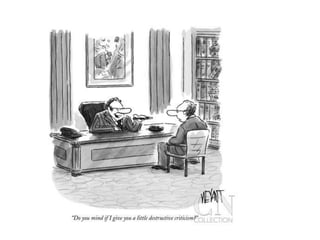
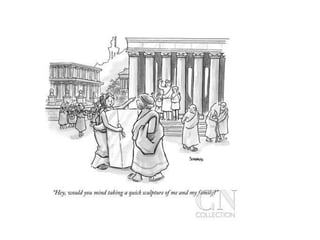
Do you mind if I …… ? 
Вы не против, если я …. ? 
Вы не возражаете, если я ….? 
asking for permission
Asking for Permission 
When we ask for permission politely, we can use 
would you mind if I + past or do you mind if I + 
present: 
• Do you mind if I sit here? 
• Would you mind if I turned on this light?
GIVING A PERMISSION 
Do you mind if I sit here? 
• Sure, go ahead. 
• Sure. No problem. 
• No, I don’t. Please feel free. 
• No, I don’t. Fine! Feel free! 
• No, I don’t. That's fine by me. 
• Sure. Be my guest. 
• No, I don’t. Please do. 
• Well, I don't see why not. 
• Sure. Help yourself.
Structures Used when Asking for 
Permission 
Can I + verb - VERY INFORMAL 
# Can I go out tonight? 
# Can he have dinner with us? 
NOTE: The use of "Can I do something?" is very 
informal, and considered incorrect by many. 
However, it is used in everyday informal speech
Structures Used when Asking for 
Permission 
May I + verb 
# May we go out with our friends tonight? 
NOTE: In modern society, this form has become 
a little more formal and is often replaced with 
other forms such as "Can I..." and "Could I ..." 
Many argue that "Can I ..." is incorrect because 
it refers to ability. However, this form is quite 
common in everyday situations.
Structures Used when Asking for 
Permission 
Could I please + verb 
# Could I please go with Tom to the movie? 
# Could we please go on trip this weekend? 
Do you think I could + verb 
# Do you think I could use your cell phone? 
# Do you think I could borrow your car?
Structures Used when Asking for 
Permission 
Would it be possible for me + infinitive 
# Would it be possible for me to use your computer 
for a few minutes? 
# Would it be possible for me to study in this room? 
Would you mind if I + verb in past 
# Would you mind if I stayed a few more minutes? 
# Would you mind if I took a five minute break?
Structures Used when Asking for 
Permission 
• Is it okay if I use this ? 
• Is it all right if I leave early ? 
• Is it a problem if I leave early? 
• Would it be all right if I borrowed your lawn 
mower?
GIVING A PERMISSION 
Answers for questions on slides 13-17. 
• Sure, go ahead. 
• Sure. No problem. 
• Yes, please feel free. 
• Yes, fine! Feel free! 
• Yes, that's fine by me. 
• Sure. Be my guest. 
• Yes, please do. 
• Well, I don't see why not.
REFUSING A PERMISSION 
• I'd rather you didn't. / Yes, I do mind, actually. 
• No, I'm afraid it's not allowed. 
• Unfortunately, I have to say no. 
• I'm afraid that's not possible. 
• No, please don’t. 
• I'm afraid, but you can't do this. 
• I’m sorry but ….. .
Examples 
Son: Dad, can I go out tonight? 
Father: It's a school night! I'm afraid that's not 
possible. 
Son: Dad, all my friends are going to the game! 
Father: I'm sorry son. Your grades haven't been 
the best recently. I'm going to have to say no. 
Son: Ah, Dad, come on! Let me go! 
Father: Sorry son, no is no.
Examples 
Jack: Hi Sam, do you think I could use your 
cellphone for a moment? 
Sam: Sure, no problem. Here you are. 
Jack: Thanks buddy. It will only be a minute or 
two. 
Sam: Take your time. No rush. 
Jack: Thanks!
Examples 
Harry needs to make a call but his phone battery 
is flat. He’s with his friend Bill. 
Harry: ‘Oh no, my phone’s dead. Is it OK if I use 
yours? To phone Carol.’ 
Bill: ‘Yeah sure. Go ahead. How are you and 
Carol getting on?’ 
Harry: ‘Cheers. Not bad, not bad at all.’
Examples 
Paul needs to ask his boss for permission to leave 
work early the next day: 
Paul ‘Mr Clark.’ 
Mr Clark ‘Hi Paul, is everything OK?’ 
Paul ‘Yes thanks. It’s just, do you mind if I leave 
early tomorrow? I need to take my sister to the 
airport.’ 
Mr Clark ‘No, of course not. That’s fine. 
Paul ‘Thanks.’
Asking someone to do something 
We use the phrases would you mind + -ing 
form, and do you mind + -ing form to ask 
people politely to do things. Would you mind is 
more polite and more common: 
• Would you mind being quiet for a minute? 
• Would you mind (not) opening the window, 
please? 
• Do you mind turning down the volume a little, 
please?

Mind

  • 1.
    Do you mindif I …… ? Вы не против, если я …. ? Вы не возражаете, если я ….? asking for permission
  • 2.
    Asking for Permission When we ask for permission politely, we can use would you mind if I + past or do you mind if I + present: • Do you mind if I sit here? • Would you mind if I turned on this light?
  • 12.
    GIVING A PERMISSION Do you mind if I sit here? • Sure, go ahead. • Sure. No problem. • No, I don’t. Please feel free. • No, I don’t. Fine! Feel free! • No, I don’t. That's fine by me. • Sure. Be my guest. • No, I don’t. Please do. • Well, I don't see why not. • Sure. Help yourself.
  • 13.
    Structures Used whenAsking for Permission Can I + verb - VERY INFORMAL # Can I go out tonight? # Can he have dinner with us? NOTE: The use of "Can I do something?" is very informal, and considered incorrect by many. However, it is used in everyday informal speech
  • 14.
    Structures Used whenAsking for Permission May I + verb # May we go out with our friends tonight? NOTE: In modern society, this form has become a little more formal and is often replaced with other forms such as "Can I..." and "Could I ..." Many argue that "Can I ..." is incorrect because it refers to ability. However, this form is quite common in everyday situations.
  • 15.
    Structures Used whenAsking for Permission Could I please + verb # Could I please go with Tom to the movie? # Could we please go on trip this weekend? Do you think I could + verb # Do you think I could use your cell phone? # Do you think I could borrow your car?
  • 16.
    Structures Used whenAsking for Permission Would it be possible for me + infinitive # Would it be possible for me to use your computer for a few minutes? # Would it be possible for me to study in this room? Would you mind if I + verb in past # Would you mind if I stayed a few more minutes? # Would you mind if I took a five minute break?
  • 17.
    Structures Used whenAsking for Permission • Is it okay if I use this ? • Is it all right if I leave early ? • Is it a problem if I leave early? • Would it be all right if I borrowed your lawn mower?
  • 18.
    GIVING A PERMISSION Answers for questions on slides 13-17. • Sure, go ahead. • Sure. No problem. • Yes, please feel free. • Yes, fine! Feel free! • Yes, that's fine by me. • Sure. Be my guest. • Yes, please do. • Well, I don't see why not.
  • 19.
    REFUSING A PERMISSION • I'd rather you didn't. / Yes, I do mind, actually. • No, I'm afraid it's not allowed. • Unfortunately, I have to say no. • I'm afraid that's not possible. • No, please don’t. • I'm afraid, but you can't do this. • I’m sorry but ….. .
  • 20.
    Examples Son: Dad,can I go out tonight? Father: It's a school night! I'm afraid that's not possible. Son: Dad, all my friends are going to the game! Father: I'm sorry son. Your grades haven't been the best recently. I'm going to have to say no. Son: Ah, Dad, come on! Let me go! Father: Sorry son, no is no.
  • 21.
    Examples Jack: HiSam, do you think I could use your cellphone for a moment? Sam: Sure, no problem. Here you are. Jack: Thanks buddy. It will only be a minute or two. Sam: Take your time. No rush. Jack: Thanks!
  • 22.
    Examples Harry needsto make a call but his phone battery is flat. He’s with his friend Bill. Harry: ‘Oh no, my phone’s dead. Is it OK if I use yours? To phone Carol.’ Bill: ‘Yeah sure. Go ahead. How are you and Carol getting on?’ Harry: ‘Cheers. Not bad, not bad at all.’
  • 23.
    Examples Paul needsto ask his boss for permission to leave work early the next day: Paul ‘Mr Clark.’ Mr Clark ‘Hi Paul, is everything OK?’ Paul ‘Yes thanks. It’s just, do you mind if I leave early tomorrow? I need to take my sister to the airport.’ Mr Clark ‘No, of course not. That’s fine. Paul ‘Thanks.’
  • 24.
    Asking someone todo something We use the phrases would you mind + -ing form, and do you mind + -ing form to ask people politely to do things. Would you mind is more polite and more common: • Would you mind being quiet for a minute? • Would you mind (not) opening the window, please? • Do you mind turning down the volume a little, please?