




Pasadena, California
ImagescourtesyofShutterstock
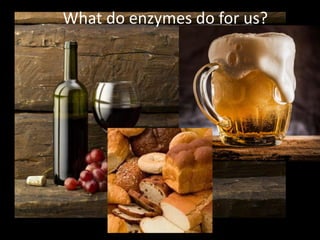
What do enzymes do for us?
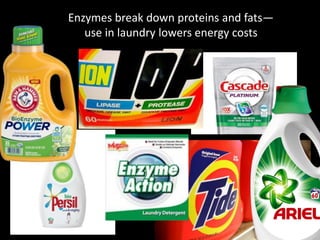
Enzymes break down proteins and fats—
use in laundry lowers energy costs
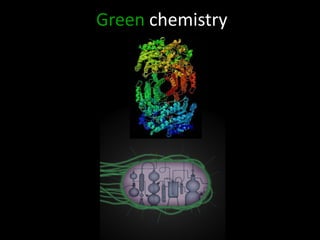
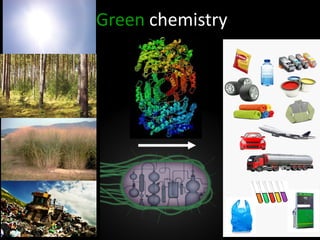
Green chemistry
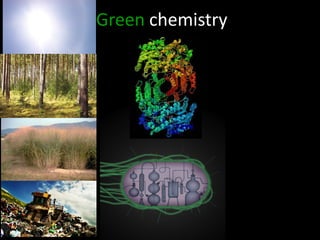
Green chemistry
Green chemistry
Fe
O
S
Cys
+
Fe
C
S
Cys
RR
AATAGCCGTTATTTCCGGATGTGCATAGCTGATTTGACCCATCCGGTACAC
CAATDACAAATCCCGATTTGATCGTGTGCGCGACATGTCTTCCGGCGACA
CATGTGTCTCTCACTCCGAGAGATCGGTTAGAGTCTCGGTTAACCACACG
TCCCGGATATATTTAATTGGCCGGAGAGTCTCCCGCGCGACATAAGGAGT
CCTCGTTTCGAGATACGTACGGCATGGTGACACCAGTTGCCCTCTGATTC
CCGGAGCCTCTTTGAAAACGTCGGGACAAATCCCGATTTGATCGTGTGCG
CGACATGTCTTCCGGCGACACATGTGTCTCTCACTCCGAGAGATCGGTTA
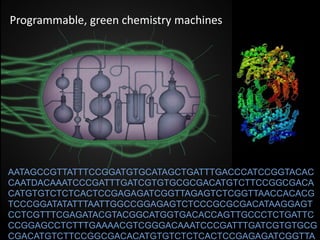
Programmable, green chemistry machines
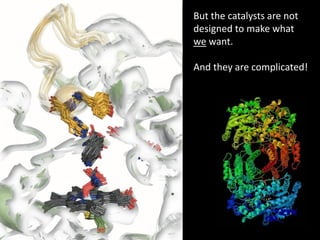
But the catalysts are not
designed to make what
we want.
And they are complicated!
AATAGCCGTTATTTCCGGATGTGCAT
AGCTGATTTGACCCATCCGGTACAC
CAATDACAAATCCCGATTTGATCGTG
TGCGCGACATGTCTTCCGGCGACAC
ATGTGTCTCTCACTCCGAGAGATCG
GTTAGAGTCTCGGTTAACCACACGT
CCCGGATATATTTAATTGGCCGGAGA
GTCTCCCGCGCGACATAAGGAGTCC
TCGTTTCGAGATACGTACGGCATGGT
GACACCAGTTGCCCTCTGATTCCCG
GAGCCTCTTTGAAAACGTCGAGTCG
AATCGAAGTTCGAACCCCGGATCGG
GTCCACCAACTTAGAGATGTGTGTG
CGCTGACTCAGTCATTTTGACCCATC
CGGTACACCAATGGGTCGGACAAAT
CCCGATTTGATCGTGTGCGCGACAT
GTCTTCCGGCGACACATGTGTCTCT
CACTCCGAGAGATCGGTTAGAGTCT
CGGTTAACCACACGTCCCGGATATAT
TTAATTGGCCGGAGAGTCTCCAATAG
CCGTTATTTCCGGATGTGCATAGCTG
ATTTGACCCATCCGGTACACCAATGG
GTCGGACAAATCCCGATTTGATCGT
GTGCGCGACATGTCTTCCGGCGACA
CATGTGTCTCTCACTCCGAGAGATC
AATAGCCGTTATTTCCGGATGTGCAT
AGCTGATTTGACCCATCCGGTACAC
CAATDACAAATCCCGATTTGATCGTG
TGCGCGACATGTCTTCCGGCGACAC
ATGTGTCTCTCACTCCGAGAGATCG
GTTAGAGTCTCGGTTAACCACACGT
CCCGGATATATTTAATTGGCCGGAGA
GTCTCCCGCGCGACATAAGGAGTCC
TCGTTTCGAGATACGTACGGCATGGT
GACACCAGTTGCCCTCTGATTCCCG
GAGCCTCTTTGAAAACGTCGAGTCG
AATCGAAGTTCGAACCCCGGATCGG
GTCCACCAACTTAGAGATGTGTGTG
CGCTGACTCAGTCATTTTGACCCATC
CGGTACACCAATGGGTCGGACAAAT
CCCGATTTGATCGTGTGCGCGACAT
GTCTTCCGGCGACACATGTGTCTCT
CACTCCGAGAGATCGGTTAGAGTCT
CGGTTAACCACACGTCCCGGATATAT
TTAATTGGCCGGAGAGTCTCCAATAG
CCGTTATTTCCGGATGTGCATAGCTG
ATTTGACCCATCCGGTACACCAATGG
GTCGGACAAATCCCGATTTGATCGT
GTGCGCGACATGTCTTCCGGCGACA
CATGTGTCTCTCACTCCGAGAGATC
MTIKEMPQPKTFGELKNL...
KETSPIPQPKTFGPLGNL...
KQASAIPQPKTYGPLKNL...
WRRRGIPGPLGYPLVGSF...
WIRKGVKGPRGLPFLGVI...
FIRKGIKGPRGFPGIGML...
WIRKGVKGPRGFPFFGVI...
WMRKGIKGPRGLPFFGII...
WMRKGVKGPRGRPFVGVL...
WRRRGVVGPMGFPVLGVF...
REKIGLSGPEPHWFLGNL...
REKIGLTGPEPHWFMGNL...
RSSIGIPGPPVHWLWGNL...
KVSKYPKGPLPLPFIGNI...
...
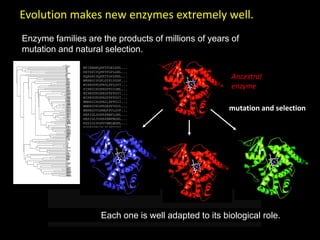
Enzyme families are the products of millions of years of
mutation and natural selection.
mutation and selection
Ancestral
enzyme
Evolution makes new enzymes extremely well.
Each one is well adapted to its biological role.
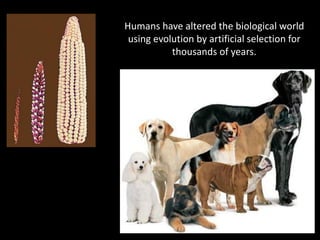
Humans have altered the biological world
using evolution by artificial selection for
thousands of years.
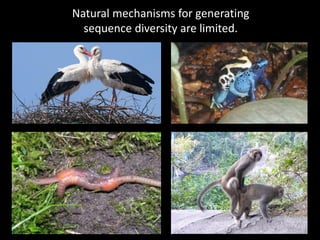
Natural mechanisms for generating
sequence diversity are limited.
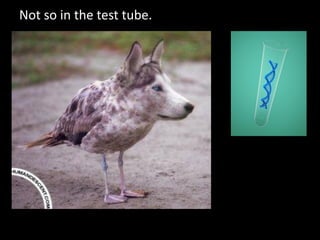
Not so in the test tube.
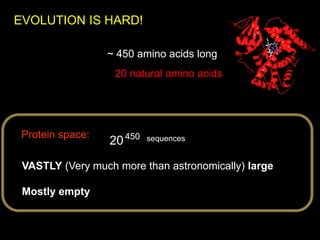
Protein space:
VASTLY (Very much more than astronomically) large
Mostly empty
sequences20450
20 natural amino acids
EVOLUTION IS HARD!
~ 450 amino acids long
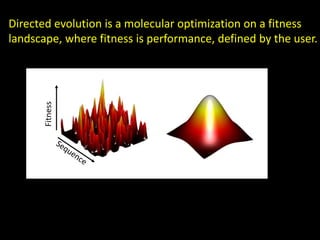
Directed evolution is a molecular optimization on a fitness
landscape, where fitness is performance, defined by the user.
Fitness
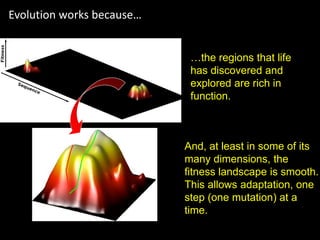
Evolution works because…
?
…the regions that life
has discovered and
explored are rich in
function.
And, at least in some of its
many dimensions, the
fitness landscape is smooth.
This allows adaptation, one
step (one mutation) at a
time.
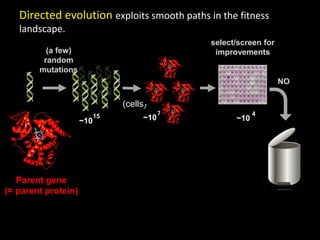
select/screen for
improvements
(cells)
~10
(a few)
random
mutations
4
~10 ~10
715
NO
Parent gene
(= parent protein)
Directed evolution exploits smooth paths in the fitness
landscape.
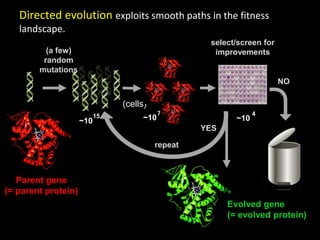
select/screen for
improvements
YES
repeat
(cells)
~10
(a few)
random
mutations
4
~10 ~10
715
NO
Parent gene
(= parent protein)
Evolved gene
(= evolved protein)
Directed evolution exploits smooth paths in the fitness
landscape.
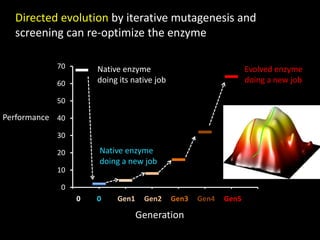
Performance
Generation
0
10
20
30
40
50
60
70
0 1 2 3 4 5 6 7
0 0 Gen1 Gen2 Gen3 Gen4 Gen5
Directed evolution by iterative mutagenesis and
screening can re-optimize the enzyme
Evolved enzyme
doing a new job
Native enzyme
doing its native job
Native enzyme
doing a new job
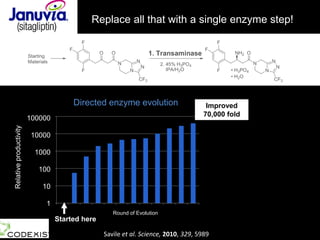
Diabetes affects 422 million people
(5.9%) of the world’s population in 2014.5
Sit
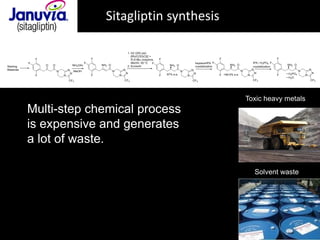
Sitagliptin synthesis
Solvent waste
Multi-step chemical process
is expensive and generates
a lot of waste.
Toxic heavy metals
Sit
Relativeproductivity
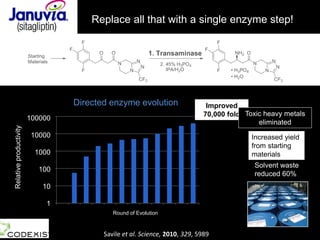
Directed enzyme evolution
Savile et al. Science, 2010, 329, 5989
Replace all that with a single enzyme step!
Round of Evolution
1
10
100
1000
10000
100000
1 2 3 4 5 6 7 8 9 10 11 12
100000
10000
1000
100
10
1
Improved
70,000 fold
Started here
Sit
Relativeproductivity
Solvent waste
reduced 60%
Increased yield
from starting
materials
Directed enzyme evolution
Replace all that with a single enzyme step!
Round of Evolution
1
10
100
1000
10000
100000
1 2 3 4 5 6 7 8 9 10 11 12
100000
10000
1000
100
10
1
Improved
70,000 fold Toxic heavy metals
eliminated
Savile et al. Science, 2010, 329, 5989
Sit
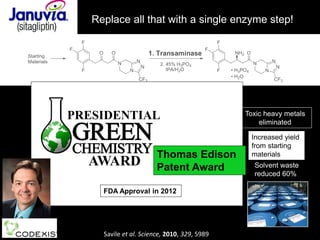
Replace all that with a single enzyme step!
FDA Approval in 2012
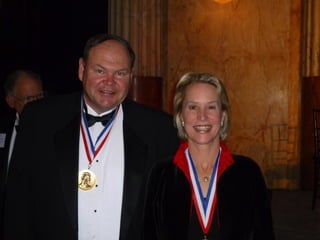
AWARD
Thomas Edison
Patent Award
Toxic heavy metals
eliminated
Solvent waste
reduced 60%
Increased yield
from starting
materials
Savile et al. Science, 2010, 329, 5989
PRESIDENTIAL
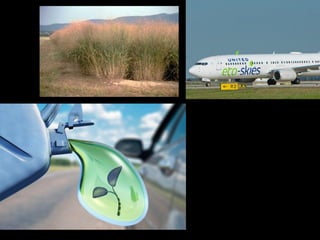
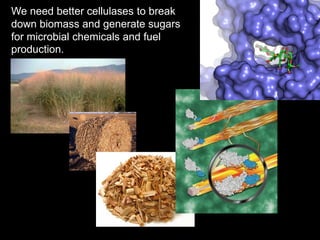
We need better cellulases to break
down biomass and generate sugars
for microbial chemicals and fuel
production.
MTIKEMPQPKTFGELKNL...
KETSPIPQPKTFGPLGNL...
KQASAIPQPKTYGPLKNL...
WRRRGIPGPLGYPLVGSF...
WIRKGVKGPRGLPFLGVI...
FIRKGIKGPRGFPGIGML...
WIRKGVKGPRGFPFFGVI...
WMRKGIKGPRGLPFFGII...
WMRKGVKGPRGRPFVGVL...
WRRRGVVGPMGFPVLGVF...
REKIGLSGPEPHWFLGNL...
REKIGLTGPEPHWFMGNL...
RSSIGIPGPPVHWLWGNL...
KVSKYPKGPLPLPFIGNI...
...
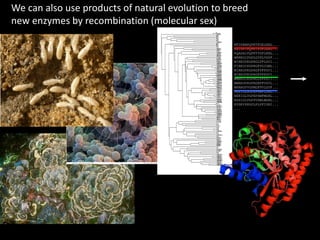
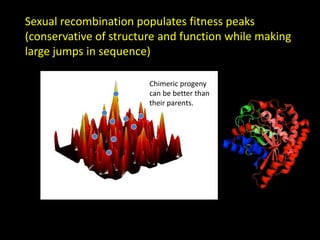
We can also use products of natural evolution to breed
new enzymes by recombination (molecular sex)
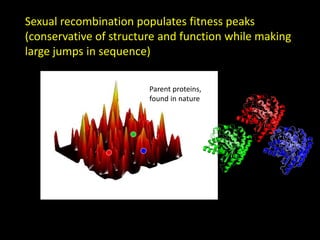
Sexual recombination populates fitness peaks
(conservative of structure and function while making
large jumps in sequence)
Parent proteins,
found in nature
Chimeric progeny
can be better than
their parents.
Sexual recombination populates fitness peaks
(conservative of structure and function while making
large jumps in sequence)
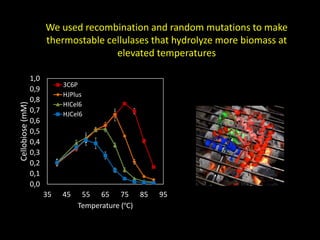
We used recombination and random mutations to make
thermostable cellulases that hydrolyze more biomass at
elevated temperatures
0,0
0,1
0,2
0,3
0,4
0,5
0,6
0,7
0,8
0,9
1,0
35 45 55 65 75 85 95
Cellobiose(mM)
Temperature (ºC)
3C6P
HJPlus
HICel6
HJCel6
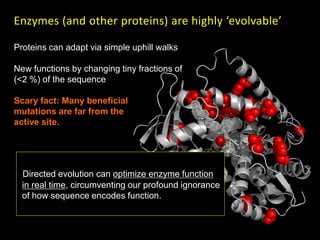
Enzymes (and other proteins) are highly ‘evolvable’
Proteins can adapt via simple uphill walks
New functions by changing tiny fractions of
(<2 %) of the sequence
Scary fact: Many beneficial
mutations are far from the
active site.
Directed evolution can optimize enzyme function
in real time, circumventing our profound ignorance
of how sequence encodes function.
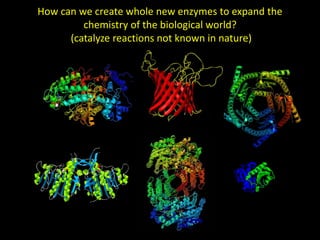
How can we create whole new enzymes to expand the
chemistry of the biological world?
(catalyze reactions not known in nature)
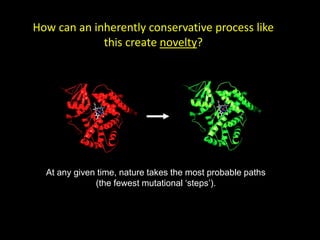
How can an inherently conservative process like
this create novelty?
At any given time, nature takes the most probable paths
(the fewest mutational ‘steps’).
(Molecular)
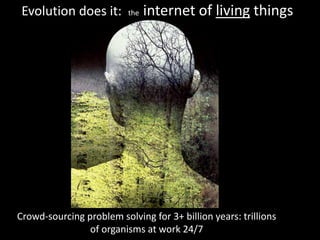
Evolution does it: the internet of living things
Crowd-sourcing problem solving for 3+ billion years: trillions
of organisms at work 24/7
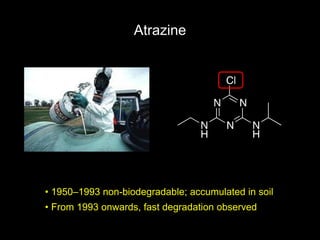
Atrazine
• 1950–1993 non-biodegradable; accumulated in soil
• From 1993 onwards, fast degradation observed
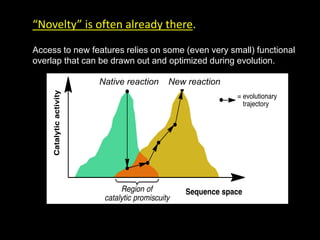
“Novelty” is often already there.
Access to new features relies on some (even very small) functional
overlap that can be drawn out and optimized during evolution.
Native reaction New reaction
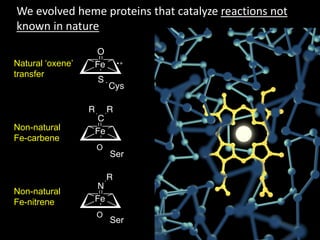
Natural ‘oxene’
transfer
Non-natural
Fe-carbene
Non-natural
Fe-nitrene
We evolved heme proteins that catalyze reactions not
known in nature
Ser
Ser
O
O
Heme enzyme
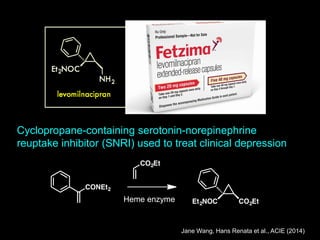
Cyclopropane-containing serotonin-norepinephrine
reuptake inhibitor (SNRI) used to treat clinical depression
Jane Wang, Hans Renata et al., ACIE (2014)
Second most
abundant element
in the Earth’s crust
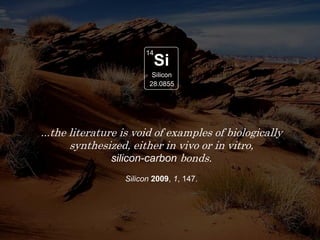
Si
14
28.0855
Silicon
...the literature is void of examples of biologically
synthesized, either in vivo or in vitro,
silicon-carbon bonds.
Silicon 2009, 1, 147.
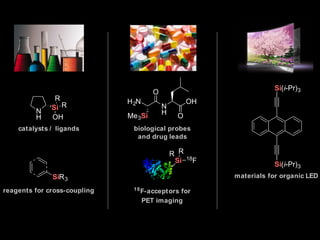
N
H
Si
OH
R
R
catalysts / ligands
SiR3
reagents for cross-coupling
Si
18
F-acceptors for
PET imaging
Si(i-Pr)3
Si(i-Pr)3
materials for organic LED
biological probes
and drug leads
O
N
H
H2N
Me3Si O
OH
18F
RR
3
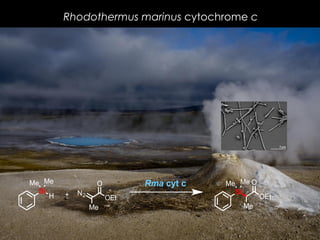
Rhodothermus marinus cytochrome c
Si
H
MeMe
N2
Me
O
OEt
Me
O
OEt
Si
MeMeRma cyt c
+
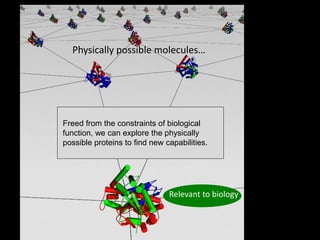
Physically possible molecules…
Relevant to biology
Freed from the constraints of biological
function, we can explore the physically
possible proteins to find new capabilities.
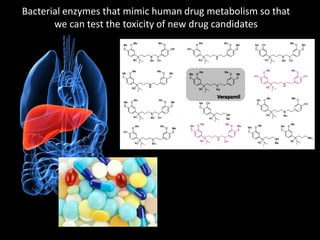
Bacterial enzymes that mimic human drug metabolism so that
we can test the toxicity of new drug candidates
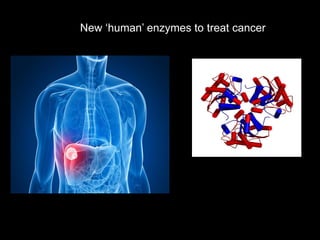
New ‘human’ enzymes to treat cancer
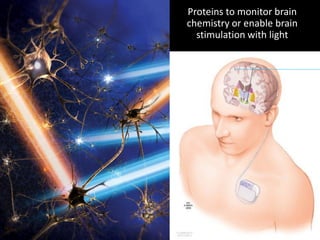
Proteins to monitor brain
chemistry or enable brain
stimulation with light
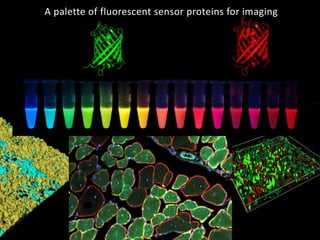
A palette of fluorescent sensor proteins for imaging
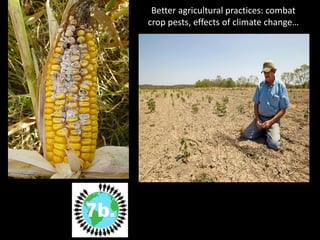
Better agricultural practices: combat
crop pests, effects of climate change…
Fe
O
S
Cys
+
Fe
C
S
Cys
RR
AATAGCCGTTATTTCCGGATGTGCATAGCTGATTTGACCCATCCGGTACAC
CAATDACAAATCCCGATTTGATCGTGTGCGCGACATGTCTTCCGGCGACA
CATGTGTCTCTCACTCCGAGAGATCGGTTAGAGTCTCGGTTAACCACACG
TCCCGGATATATTTAATTGGCCGGAGAGTCTCCCGCGCGACATAAGGAGT
CCTCGTTTCGAGATACGTACGGCATGGTGACACCAGTTGCCCTCTGATTC
CCGGAGCCTCTTTGAAAACGTCGGGACAAATCCCGATTTGATCGTGTGCG
CGACATGTCTTCCGGCGACACATGTGTCTCTCACTCCGAGAGATCGGTTA
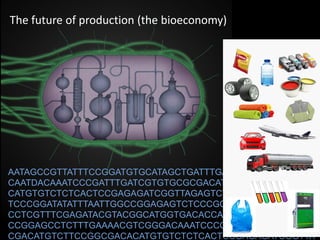
The future of production (the bioeconomy)
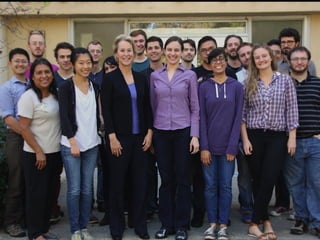
Millennium Technology Prize Winner Frances Arnold 25.5.2016

Millennium Technology Prize Winner Frances Arnold 25.5.2016