Learning and Teaching Styles
In Engineering Education
Methodology I
Franco Guzmán
Ángela Cahuas
Megan Arias
“Sequential and Global
Learners”
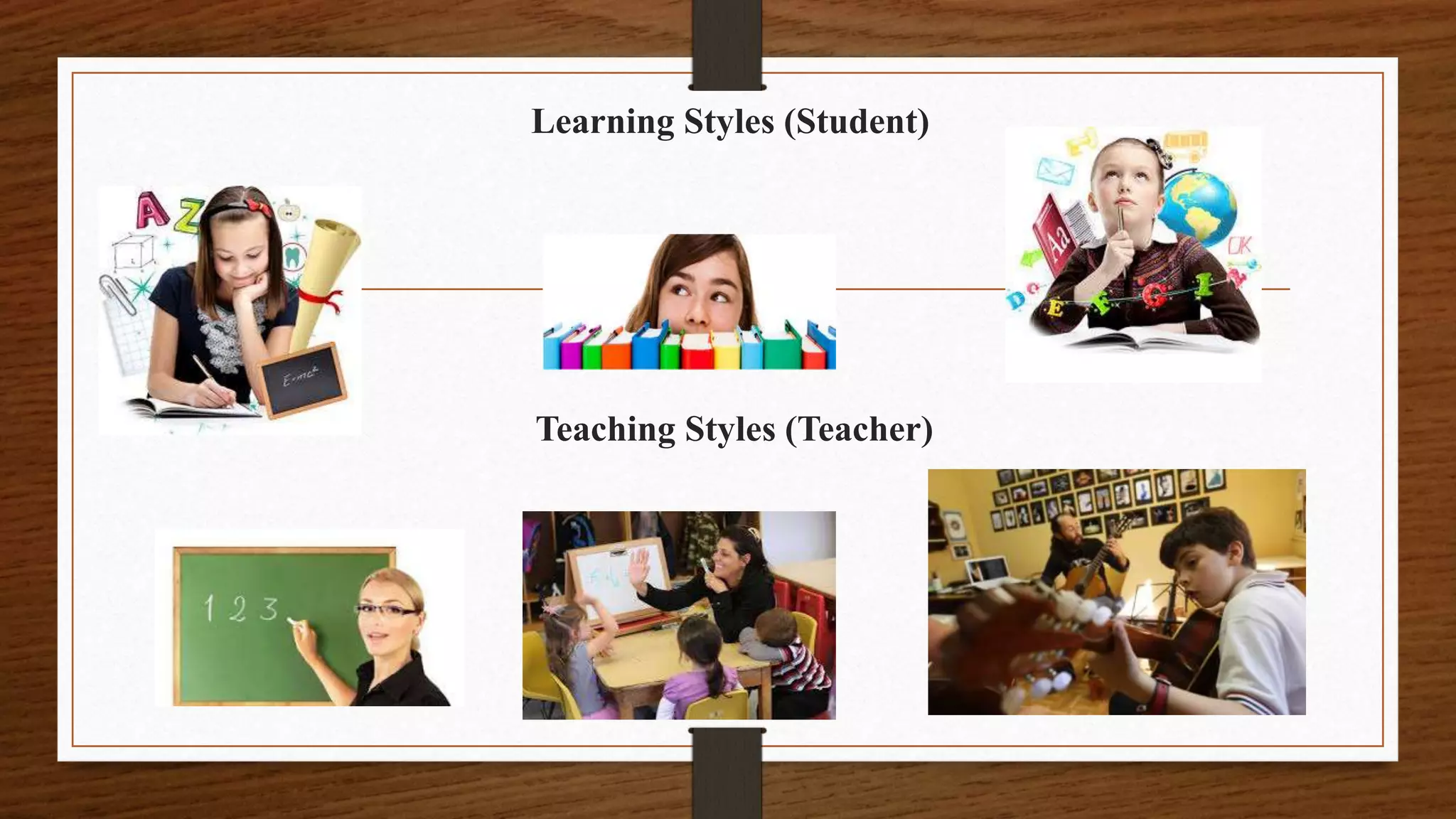
Learning Styles (Student)
Teaching Styles (Teacher)
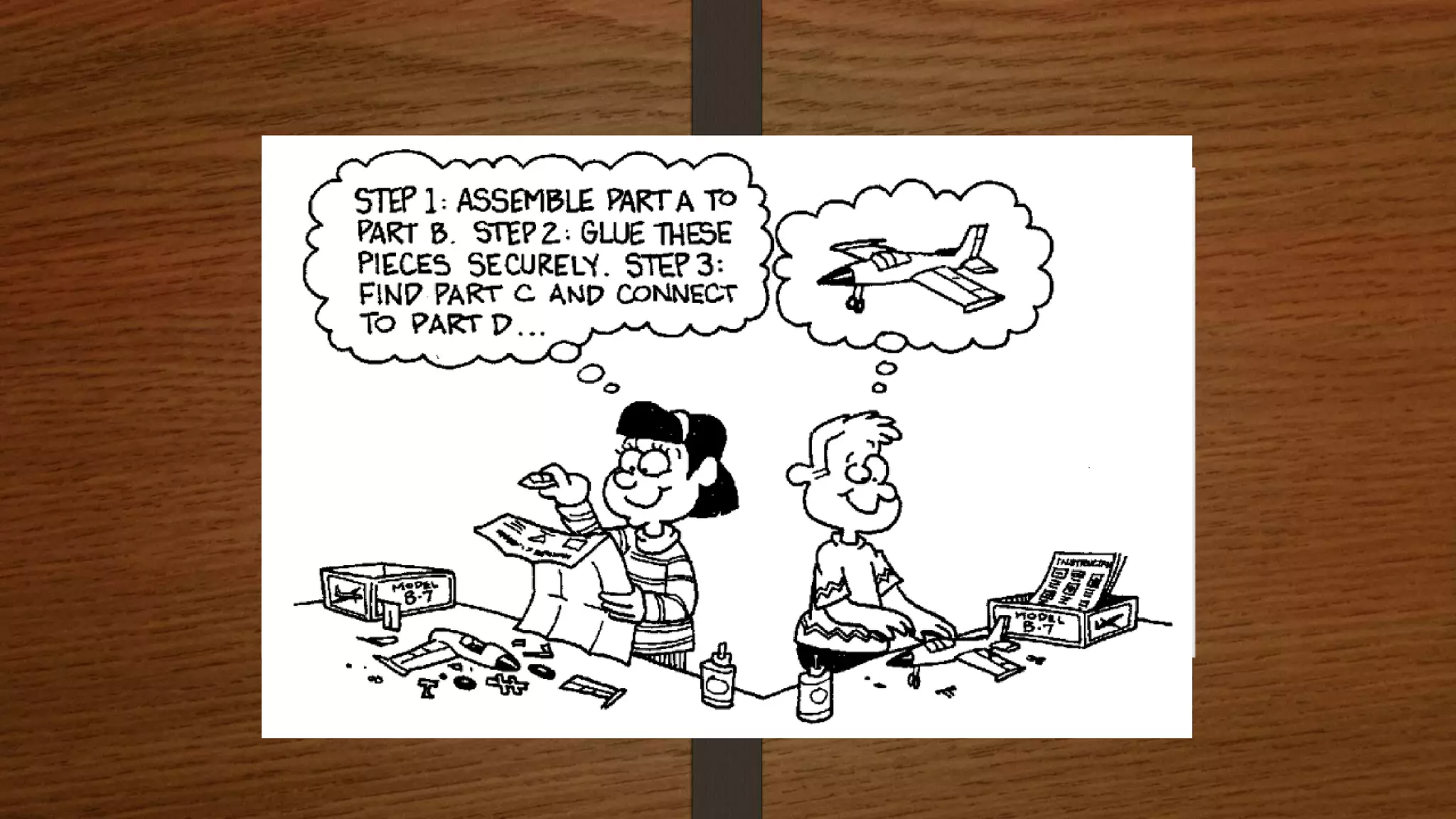
-Sequential:/sɪˈkwen.ʃəl/
Following a particular order: The publishers claim that the book
constitutes “the firs sequential exposition of events and thus of the
history of the revolution”.
- Global:ˈɡləʊb(ə)l/
adjective1.relating to the whole world; worldwide."the downturn in the
global economy“.
2.relating to or encompassing the whole of something, or of a group
of things.
"give students a global picture of what is involved in the task.
• They learn in a logical order according to the clock and calendar.
• They may be lost for day or weeks
• May not understand material fully .
Advantages and disadvantages of sequential
learners.
Advantages and disadvantages of global
learners
• They intuitive leaps
• They solve big problems quickly
• They are unable to explain how came up with solution
• The School is difficult
• They feel out of step.
How these learners learn best…
• Sequential learners:
• Material is presented in a steady progression of complexity and difficult.
• Global learners:
• Complex and dificult
• Big picture or goal
• Freedom to devise
• Assign creativity exercises problem
Techniques/Strategies
Sequential.
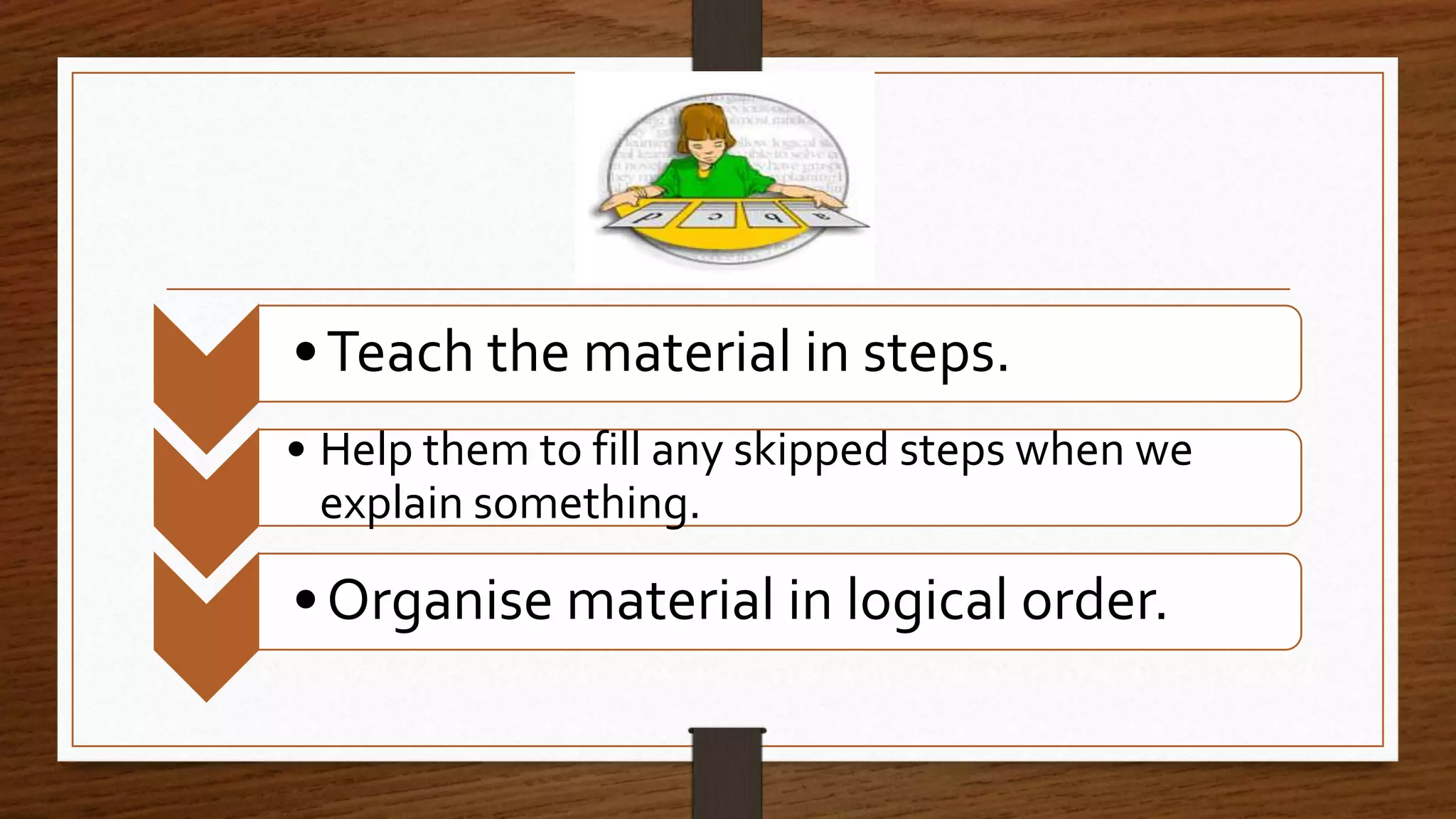
•Teach the material in steps.
• Help them to fill any skipped steps when we
explain something.
•Organise material in logical order.
Techniques/Strategies
Global
• the big picture explained in order to understand.
• Instead of spending a short time on every subject each
sesión, it might be more productive to cover individual
subjects in large bloks.
• Try to relate the subject to things they already know
Examples of activities.
Sequential.
Grammar.
•Step 1: rewrite this 10 verbs in past
tense.
•Step 2: fill the gaps with the verbs
before.
Step 1: present to past.
• Go
• Visit
• Cook
• Have
• Buy
• Send
• Invite
• Invite
• Take
• Take
Went
Visited
Cooked
Had
Bought
Sent
Invited
Invited
Took
Took
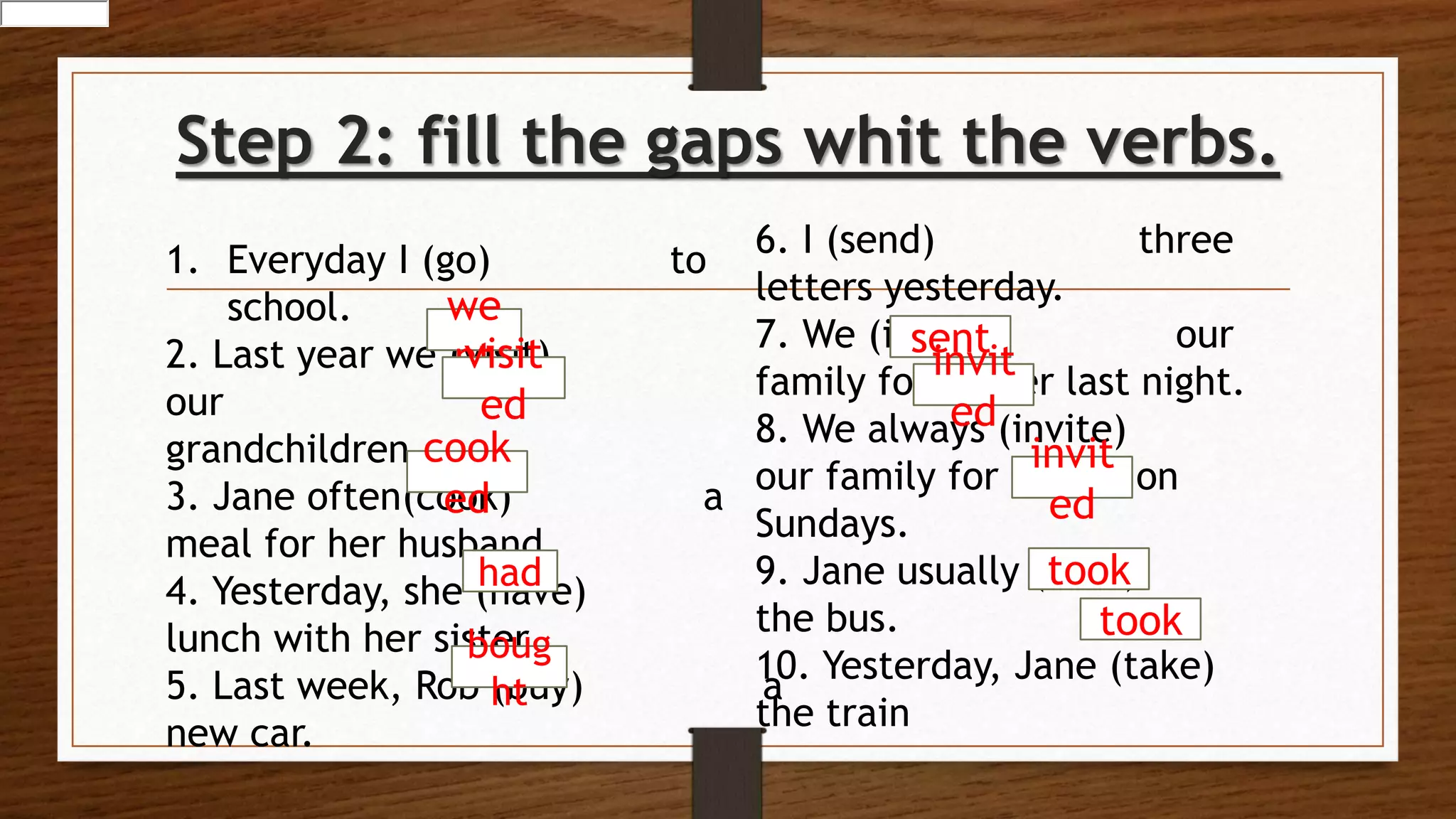
Step 2: fill the gaps whit the verbs.
1. Everyday I (go) to
school.
2. Last year we (visit)
our
grandchildren.
3. Jane often(cook) a
meal for her husband.
4. Yesterday, she (have)
lunch with her sister.
5. Last week, Rob (buy) a
new car.
we
ntvisit
ed
cook
ed
had
boug
ht
6. I (send) three
letters yesterday.
7. We (invite) our
family for dinner last night.
8. We always (invite)
our family for dinner on
Sundays.
9. Jane usually (take)
the bus.
10. Yesterday, Jane (take)
the train
sent
invit
ed
invit
ed
took
took
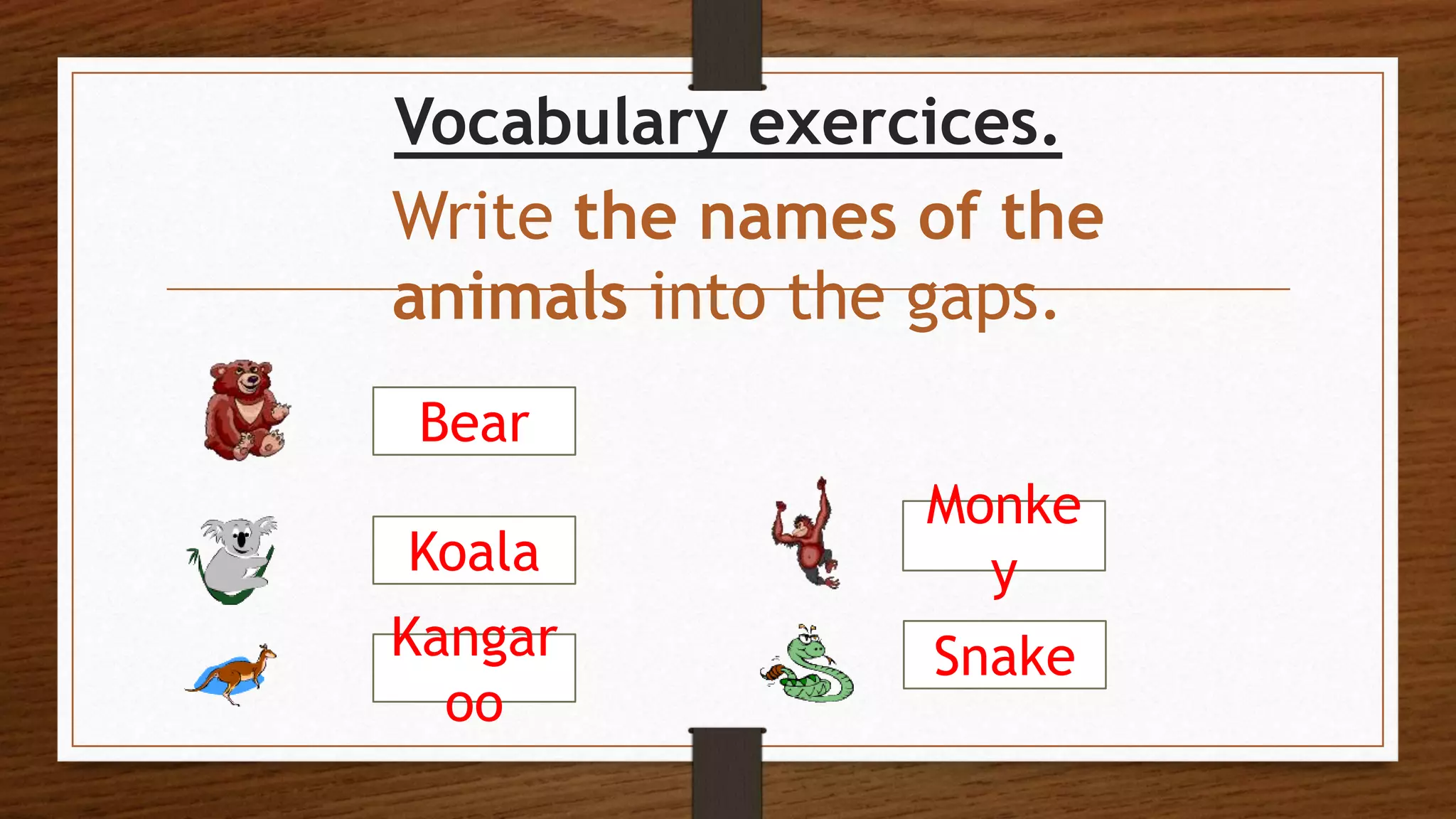
Vocabulary exercices.
Write the names of the
animals into the gaps.
Bear
Koala
Kangar
oo
Snake
Monke
y
Examples of activities.
Global.
Grammar.
• As a teachers we can start
with a theme in
particular, example
“holidays” we can speak
about this topic with the
students in general terms,
then the exercices will
be: write your last family
holidays with the learn in
Holida
ys!
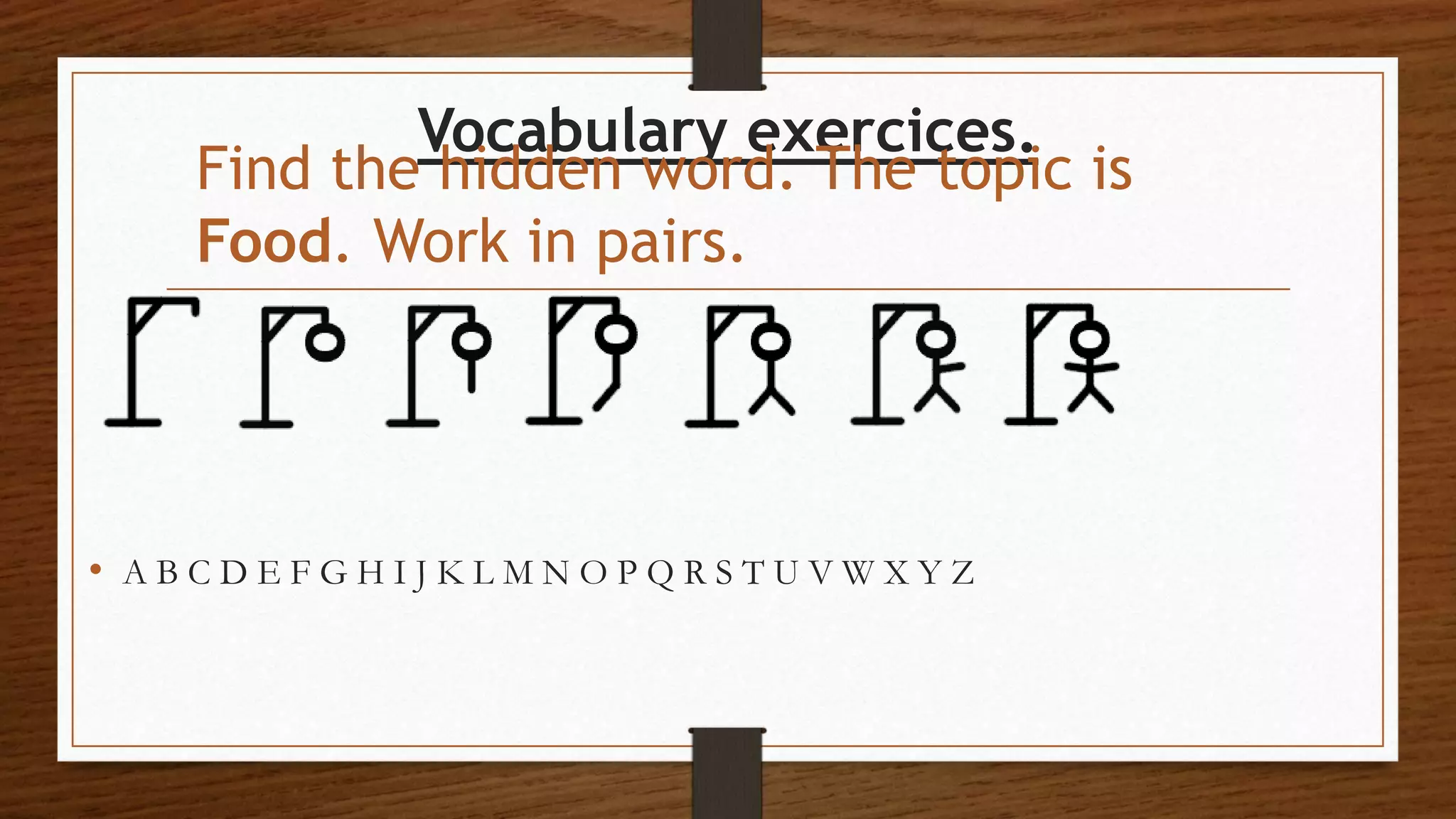
Vocabulary exercices.
Find the hidden word. The topic is
Food. Work in pairs.
• A B C D E F G H I J K L M N O P Q R S T U V W X Y Z
Method

Method

  • 1.
    Learning and TeachingStyles In Engineering Education Methodology I Franco Guzmán Ángela Cahuas Megan Arias
  • 2.
  • 3.
  • 4.
    -Sequential:/sɪˈkwen.ʃəl/ Following a particularorder: The publishers claim that the book constitutes “the firs sequential exposition of events and thus of the history of the revolution”. - Global:ˈɡləʊb(ə)l/ adjective1.relating to the whole world; worldwide."the downturn in the global economy“. 2.relating to or encompassing the whole of something, or of a group of things. "give students a global picture of what is involved in the task.
  • 5.
    • They learnin a logical order according to the clock and calendar. • They may be lost for day or weeks • May not understand material fully . Advantages and disadvantages of sequential learners.
  • 6.
    Advantages and disadvantagesof global learners • They intuitive leaps • They solve big problems quickly • They are unable to explain how came up with solution • The School is difficult • They feel out of step.
  • 7.
    How these learnerslearn best… • Sequential learners: • Material is presented in a steady progression of complexity and difficult. • Global learners: • Complex and dificult • Big picture or goal • Freedom to devise • Assign creativity exercises problem
  • 8.
  • 9.
    •Teach the materialin steps. • Help them to fill any skipped steps when we explain something. •Organise material in logical order.
  • 10.
  • 11.
    • the bigpicture explained in order to understand. • Instead of spending a short time on every subject each sesión, it might be more productive to cover individual subjects in large bloks. • Try to relate the subject to things they already know
  • 12.
  • 13.
    Grammar. •Step 1: rewritethis 10 verbs in past tense. •Step 2: fill the gaps with the verbs before.
  • 14.
    Step 1: presentto past. • Go • Visit • Cook • Have • Buy • Send • Invite • Invite • Take • Take Went Visited Cooked Had Bought Sent Invited Invited Took Took
  • 15.
    Step 2: fillthe gaps whit the verbs. 1. Everyday I (go) to school. 2. Last year we (visit) our grandchildren. 3. Jane often(cook) a meal for her husband. 4. Yesterday, she (have) lunch with her sister. 5. Last week, Rob (buy) a new car. we ntvisit ed cook ed had boug ht 6. I (send) three letters yesterday. 7. We (invite) our family for dinner last night. 8. We always (invite) our family for dinner on Sundays. 9. Jane usually (take) the bus. 10. Yesterday, Jane (take) the train sent invit ed invit ed took took
  • 16.
    Vocabulary exercices. Write thenames of the animals into the gaps. Bear Koala Kangar oo Snake Monke y
  • 17.
  • 18.
    Grammar. • As ateachers we can start with a theme in particular, example “holidays” we can speak about this topic with the students in general terms, then the exercices will be: write your last family holidays with the learn in Holida ys!
  • 19.
    Vocabulary exercices. Find thehidden word. The topic is Food. Work in pairs. • A B C D E F G H I J K L M N O P Q R S T U V W X Y Z