Medical Gases
Made By:
- Mustafa Kasem 201902021
- Momen Ahmed 201900588
- Mahmoud Abdelmonem 201902003
- Mark Naseem 201902600
- Zainab Mahmoud 202003984
- Ranem Maged 201901158
- Ahmed Mustafa 201902501
Table of contents
• What are medical gases ?
• Medical gases Identification
• Equipment used
• Uses of medical gases
• Safety and handling
• Distribution system
• Storage
Role of pharmacists ?!!
As a medicinal product Cylinder stock
Pipeline system
Supervision, and ordering Expiry checking and storage
What are medical gases ?
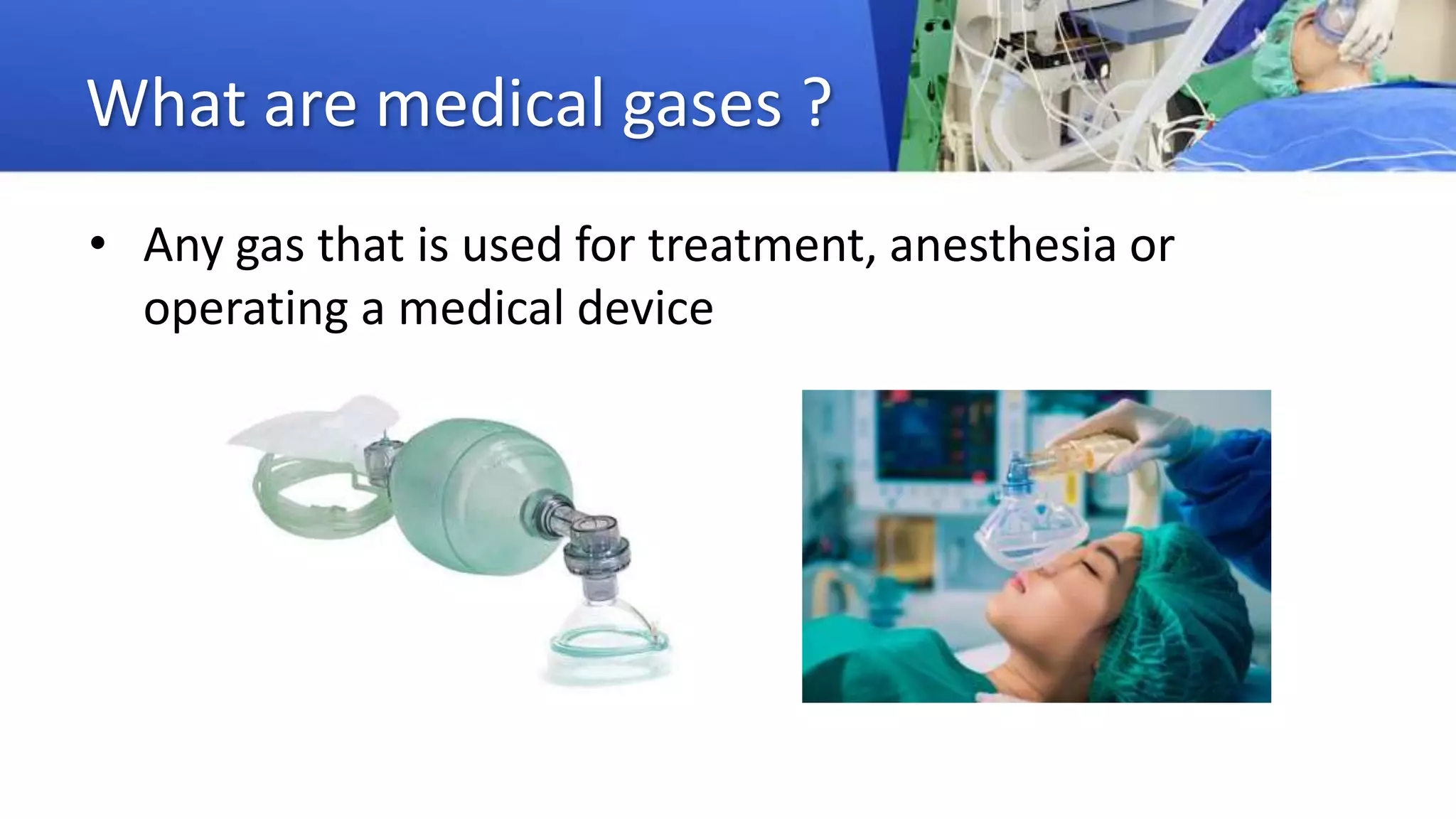
• Any gas that is used for treatment, anesthesia or
operating a medical device
What are medical gases ?
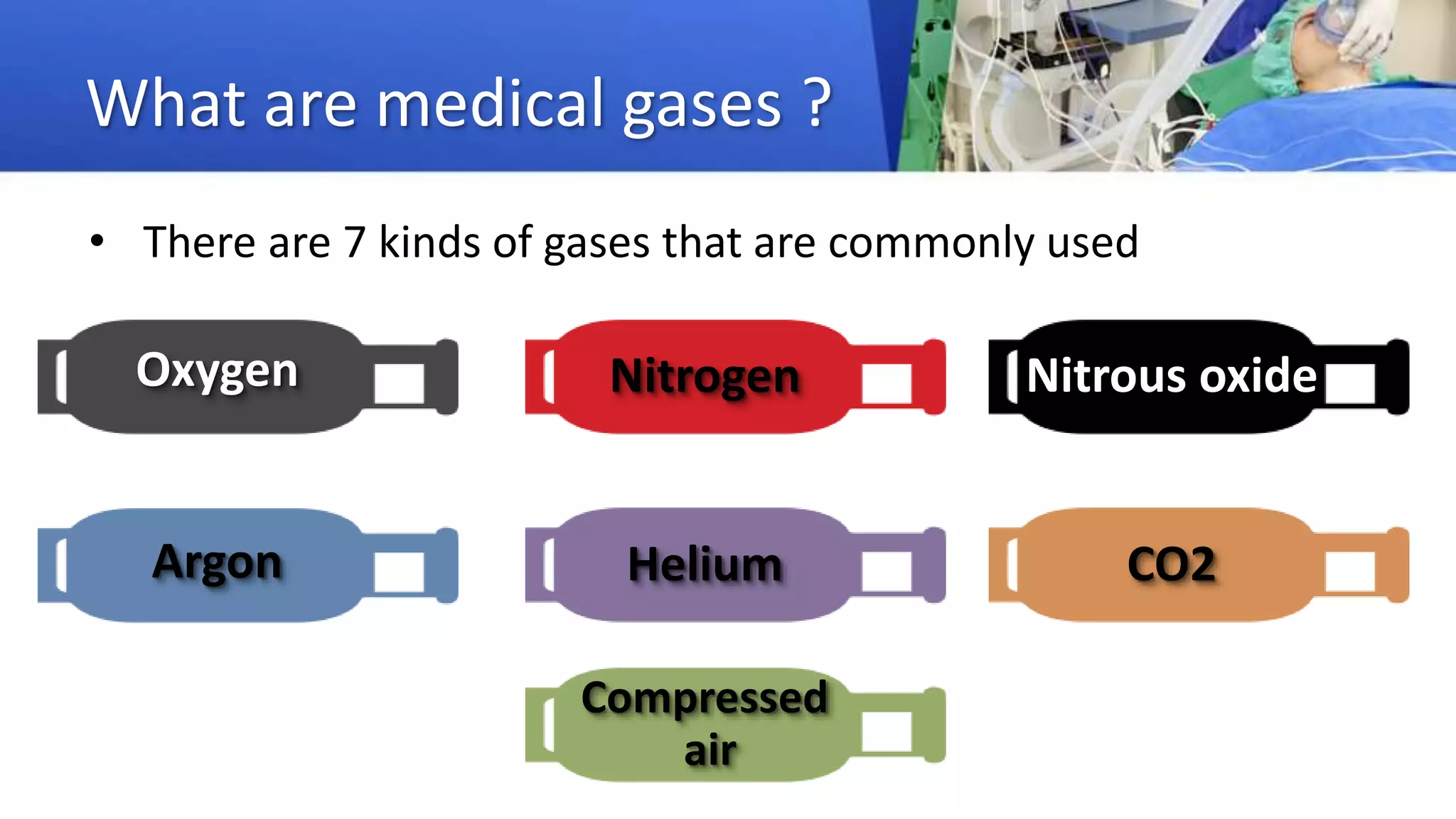
• There are 7 kinds of gases that are commonly used
Oxygen Nitrogen Nitrous oxide
Argon Helium CO2
Compressed
air
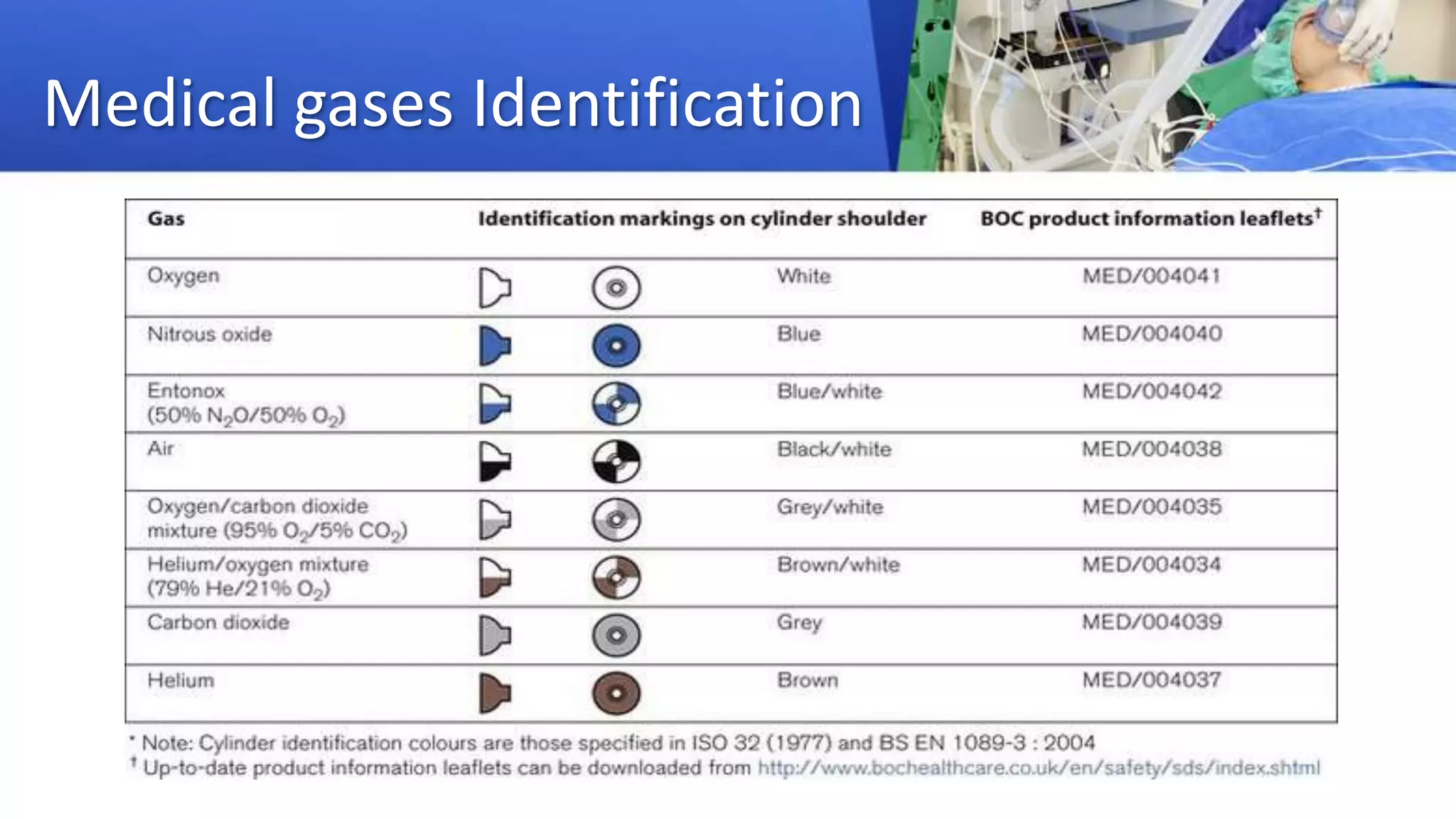
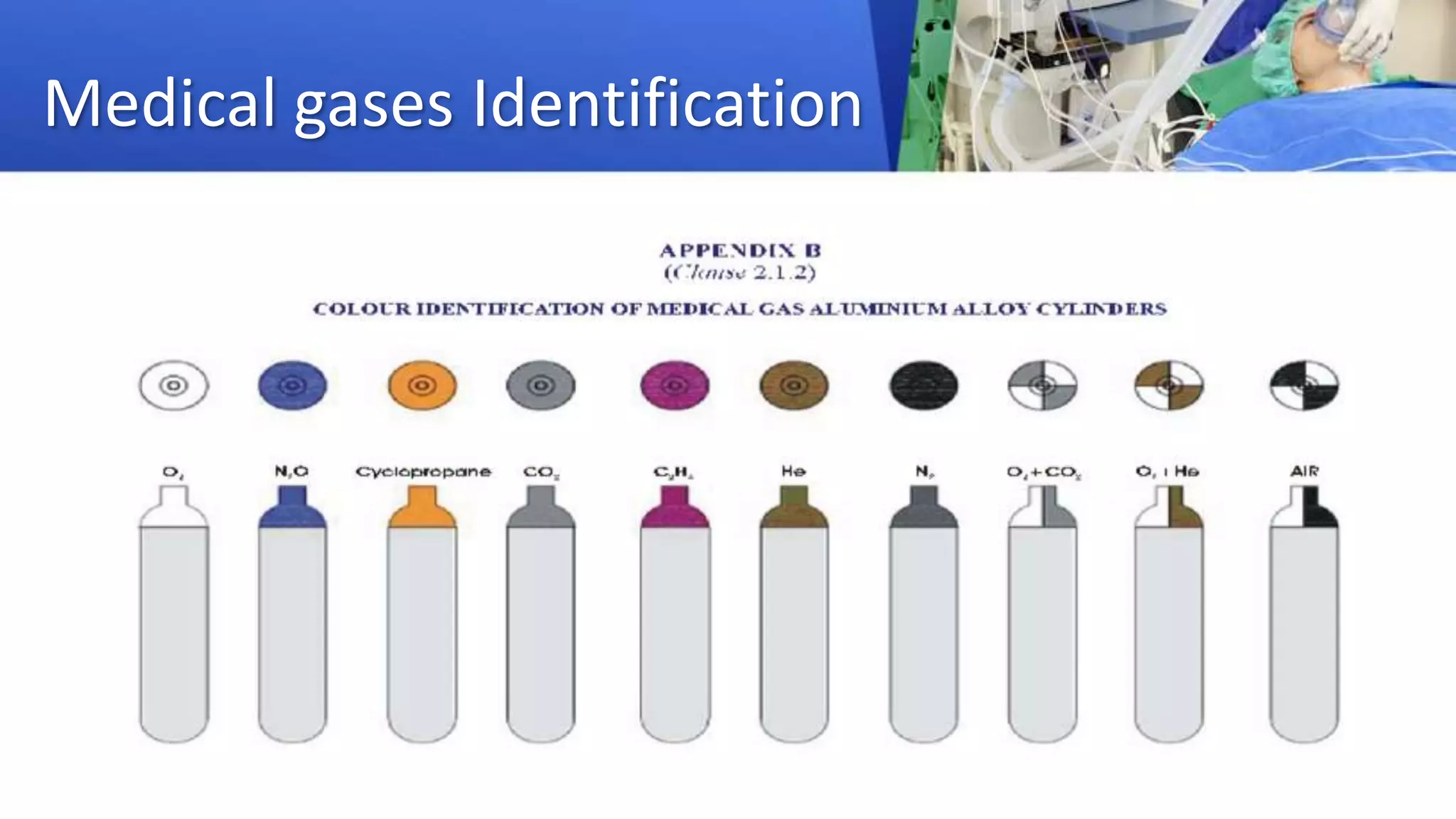
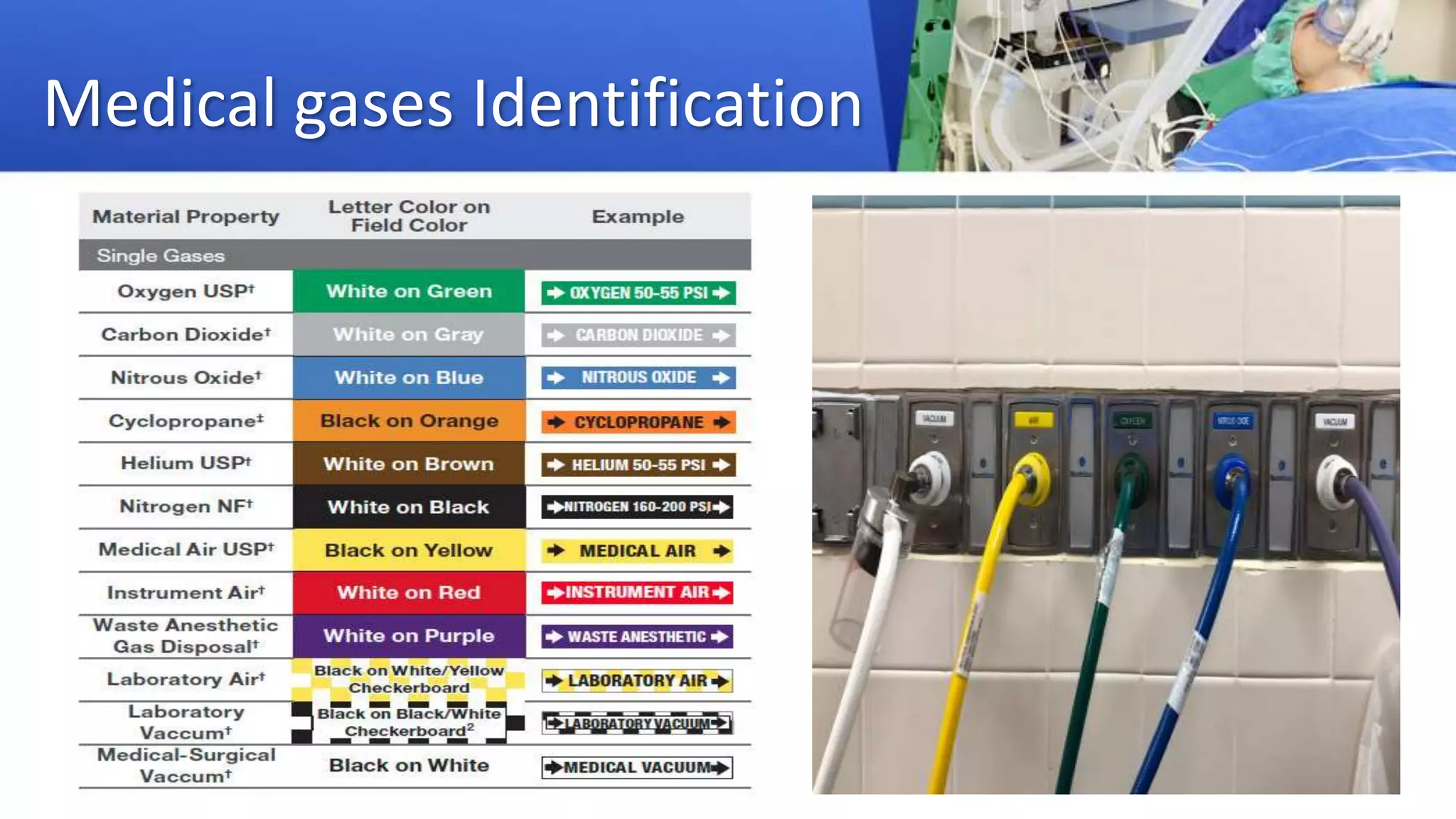
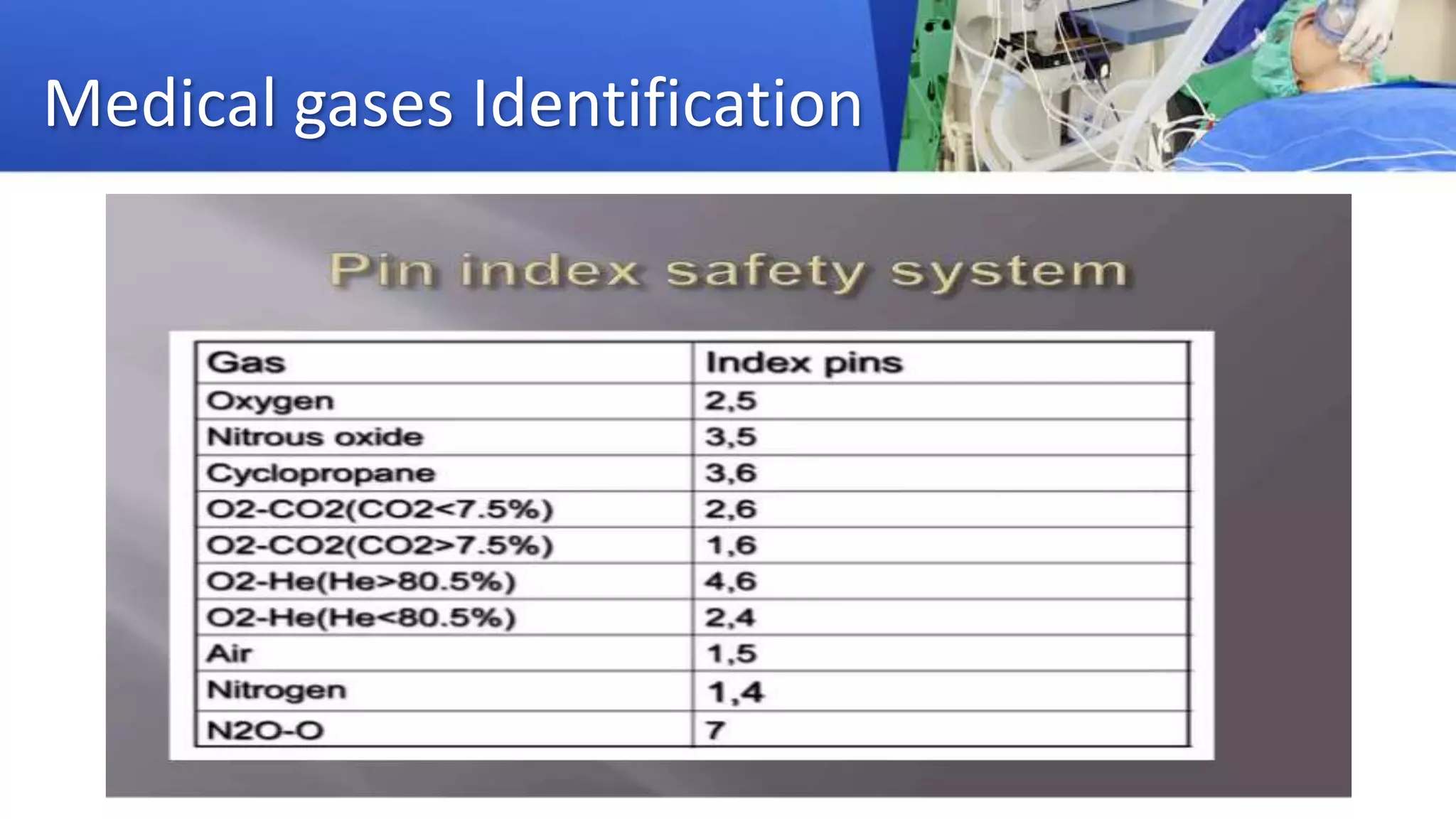
Medical gases Identification
Equipment used
Equipment used
1- Medical gas regulator “Oxygen regulator”
• intended for the administration of high level oxygen to
patients to improve their conditions
• Should be opened slowly “to avoid burning out of oxygen
cylinder”
Equipment used
Equipment used
2- Medical gas pipeline system “MGPS”
• Key element for every hospital
• provides vital medical gases for patient ventilation and
various clinical applications
Equipment used
3- Cylinder manifolds
• A cylinder manifold is a group of gas cylinders, commonly
used to supply gases via a pipeline
• Cylinders are grouped into a primary and a secondary
bundle
• When the gas of primary manifold is totally consumed,
secondary manifold takes the upper hand to provide gas
allowing the primary manifolds cylinders to be exchanged
Equipment used
4- Oxygen therapy equipment
a) Nasal cannulae
• Deliver 24-30% oxygen
• Flow rate 1-4L/min (4L will dry the nose, 2L is more
comfortable)
• Used in non-acute situations or if only mildly hypoxic
Equipment used
4- Oxygen therapy equipment
b) Non-rebreather mask
• Delivers 85-90% oxygen
• Flow rate 15L/min
• Has a bag on mask with valves to stop almost all rebreathing of
expired air
• Used for acutely unwell patients
- Note that saturations should be maintained at 94-98%, not 100%.
- Do not keep patients on 15L/min for longer than necessary as
over-oxygenating for prolonged periods can be harmful
Equipment used
4- Oxygen therapy equipment
c) Non-invasive ventilation (CPAP/BiPAP)
• CPAP (continuous positive airways pressure)
- High pressure air/oxygen with a tight-fitting mask
- Positive pressure all the time to help keep airways open (split
them)
- Used in acute pulmonary oedema and sleep apnoea
Equipment used
4- Oxygen therapy equipment
c) Non-invasive ventilation (CPAP/BiPAP)
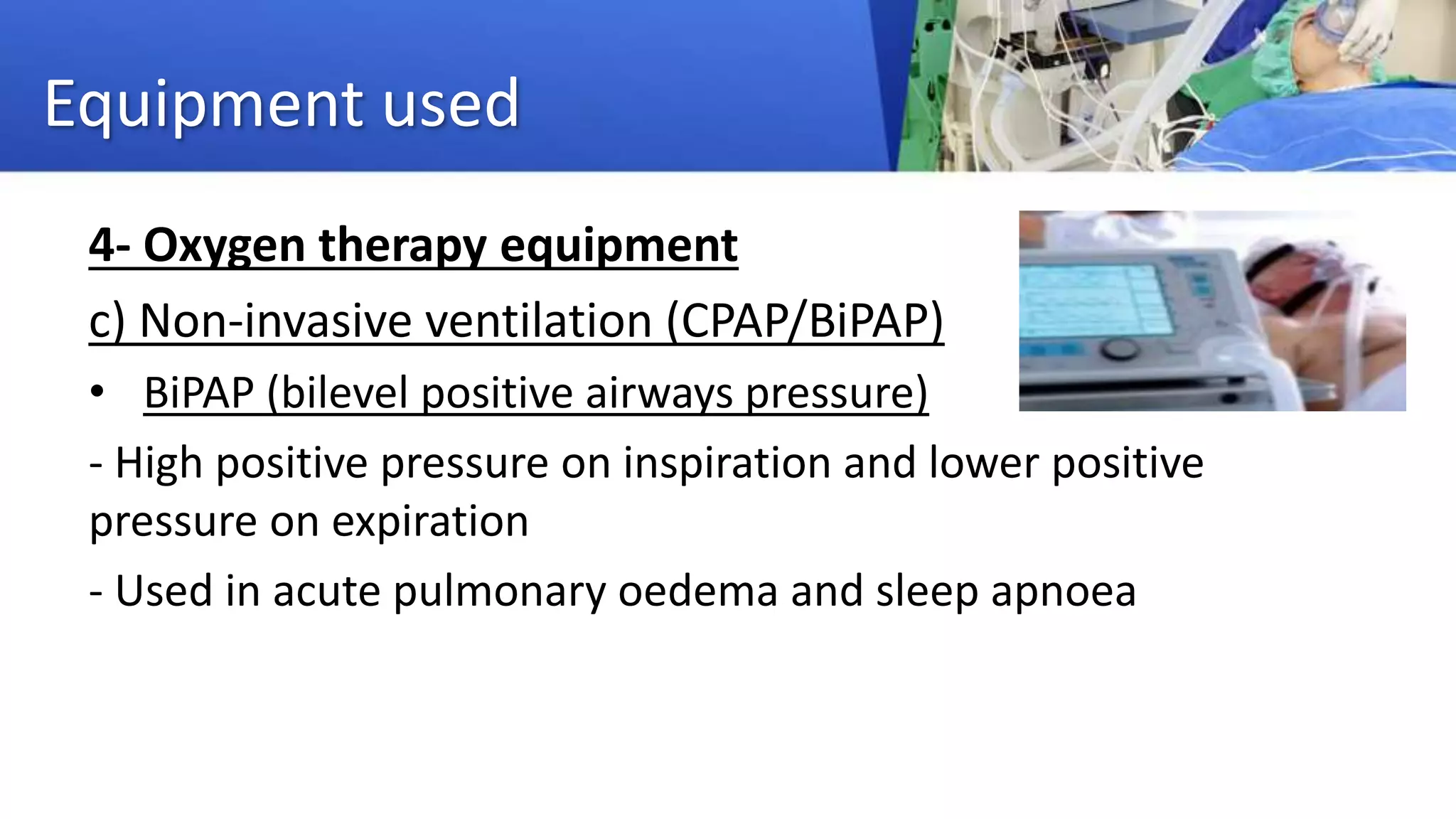
• BiPAP (bilevel positive airways pressure)
- High positive pressure on inspiration and lower positive
pressure on expiration
- Used in acute pulmonary oedema and sleep apnoea
Equipment used
4- Oxygen therapy equipment
d) Simple Mask
• Fits over the mouth and nose of the patient and contains
exhalation ports
• Flow rate: 6-10 L/min
• flow rate should never be set below 6 L/min because this can
result in the patient rebreathing their exhaled carbon dioxide
Equipment used
4- Oxygen therapy equipment
d) Simple Mask
• Advantages: provide moderate oxygen concentrations
• Disadvantages: must be removed when eating, and they may
feel confining for some patients who feel claustrophobic with
the mask on
Equipment used
4- Oxygen therapy equipment
e) Venturi Mask
• For patients who require a specific amount of
supplemental oxygen to avoid complications, such as
those with chronic obstructive pulmonary disease (COPD)
• Flow rate: The flow rate depends on the adaptor and
does not correspond to the flow meter
Equipment used
4- Oxygen therapy equipment
e) Venturi Mask
• Advantage: A specific amount of oxygen is delivered to
patients whose breathing status may be affected by high
levels of oxygen
• Disadvantages:
- Risk of suffocation if the gas flow is interrupted
- The bag should never totally deflate
- The patient should never be left alone unless the one-way
valves on the exhalation ports are removed
Uses of medical gases
• It is important to divide what are medical gases, such as
oxygen and nitrous oxide, supplied to patients in gaseous
form, and gases used as medical devices, for medical care
units, as facilitators or adjuncts.
• The difference is that only medicinal gases considered as
drugs exert their action by pharmacological, immunological or
metabolic means.
Uses of medical gases
1) Nitrogen (medical liquid nitrogen):
• Nitrogen is a colorless, odorless, non-toxic, non-flammable gas. It’s
a medical gas used for the cryosurgical removal of some cancers
and skin lesions.
• It is in liquid form and at very low temperatures, so it is also used
to store and freeze tissues, cells and blood at cryogenic
temperatures to prevent oxidation of samples.
• For example, the pharmaceutical industry uses this medicinal gas in
the manufacture of medicines.
• Gaseous nitrogen, the largest component of our atmosphere, is
used in medicine mainly to propel surgical tools.
Uses of medical gases
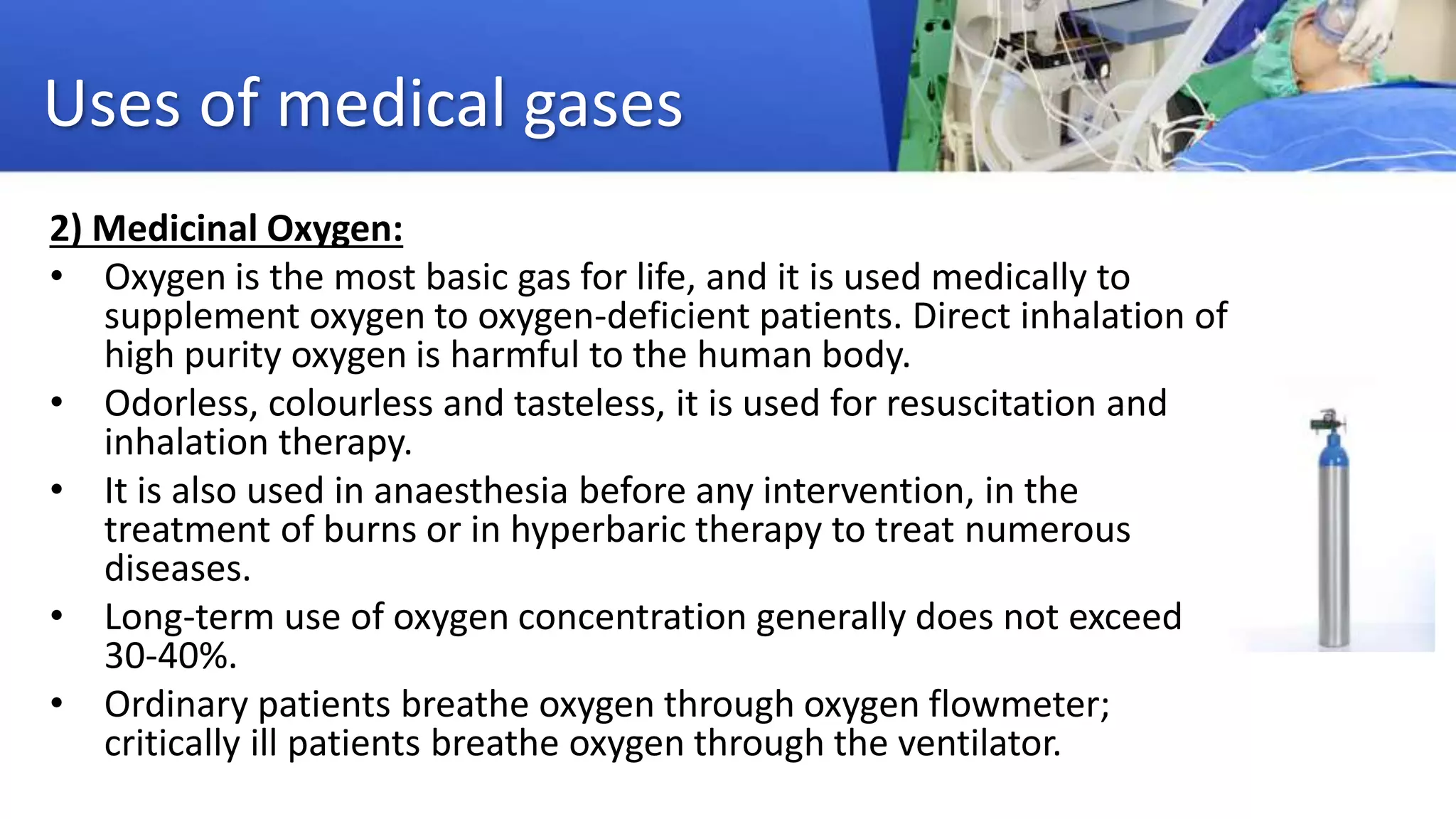
2) Medicinal Oxygen:
• Oxygen is the most basic gas for life, and it is used medically to
supplement oxygen to oxygen-deficient patients. Direct inhalation of
high purity oxygen is harmful to the human body.
• Odorless, colourless and tasteless, it is used for resuscitation and
inhalation therapy.
• It is also used in anaesthesia before any intervention, in the
treatment of burns or in hyperbaric therapy to treat numerous
diseases.
• Long-term use of oxygen concentration generally does not exceed
30-40%.
• Ordinary patients breathe oxygen through oxygen flowmeter;
critically ill patients breathe oxygen through the ventilator.
Uses of medical gases
3) Carbon dioxide:
• Medically, carbon dioxide is used to inflate the
abdominal cavity and colon for laparoscopy and
colonoscopy. In addition, it is also used for
laboratory culture of bacteria (anaerobic bacteria).
• Carbon dioxide can be made into dry is used for
cryotherapy to treat cataracts and vascular diseases.
Uses of medical gases
4) Nitrous oxide:
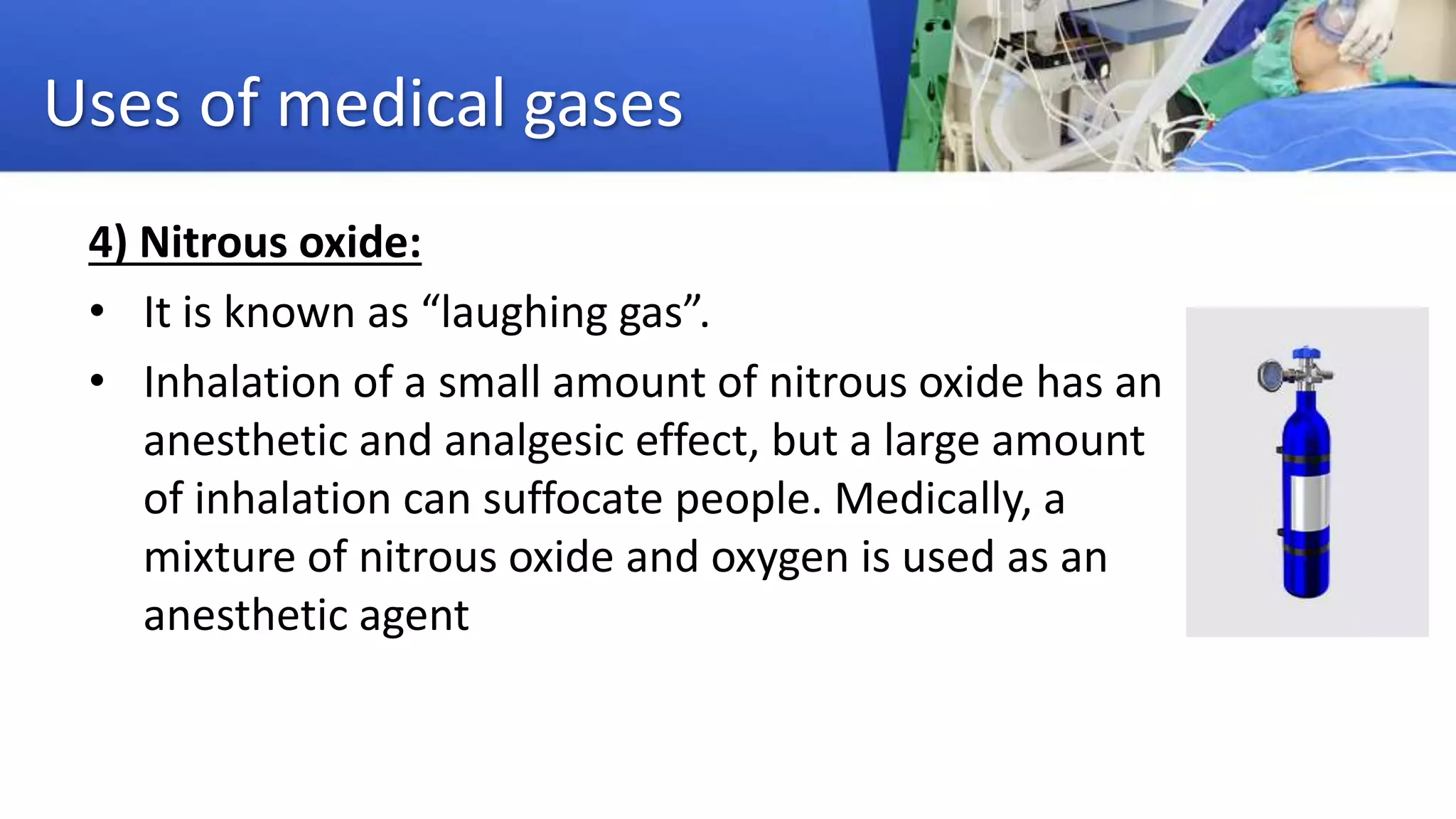
• It is known as “laughing gas”.
• Inhalation of a small amount of nitrous oxide has an
anesthetic and analgesic effect, but a large amount
of inhalation can suffocate people. Medically, a
mixture of nitrous oxide and oxygen is used as an
anesthetic agent
Uses of medical gases
5) Medicinal air:
• Mainly used in ICU and NICU areas because it
allows for the mobilisation of compressed air
driven respirations, or as a diluent for
administered O2, since O2 in concentrations of
100% is toxic to the body.
• Compressed air is used to deliver power to oral
surgical instruments, orthopedic instruments,
and ventilators.
Uses of medical gases
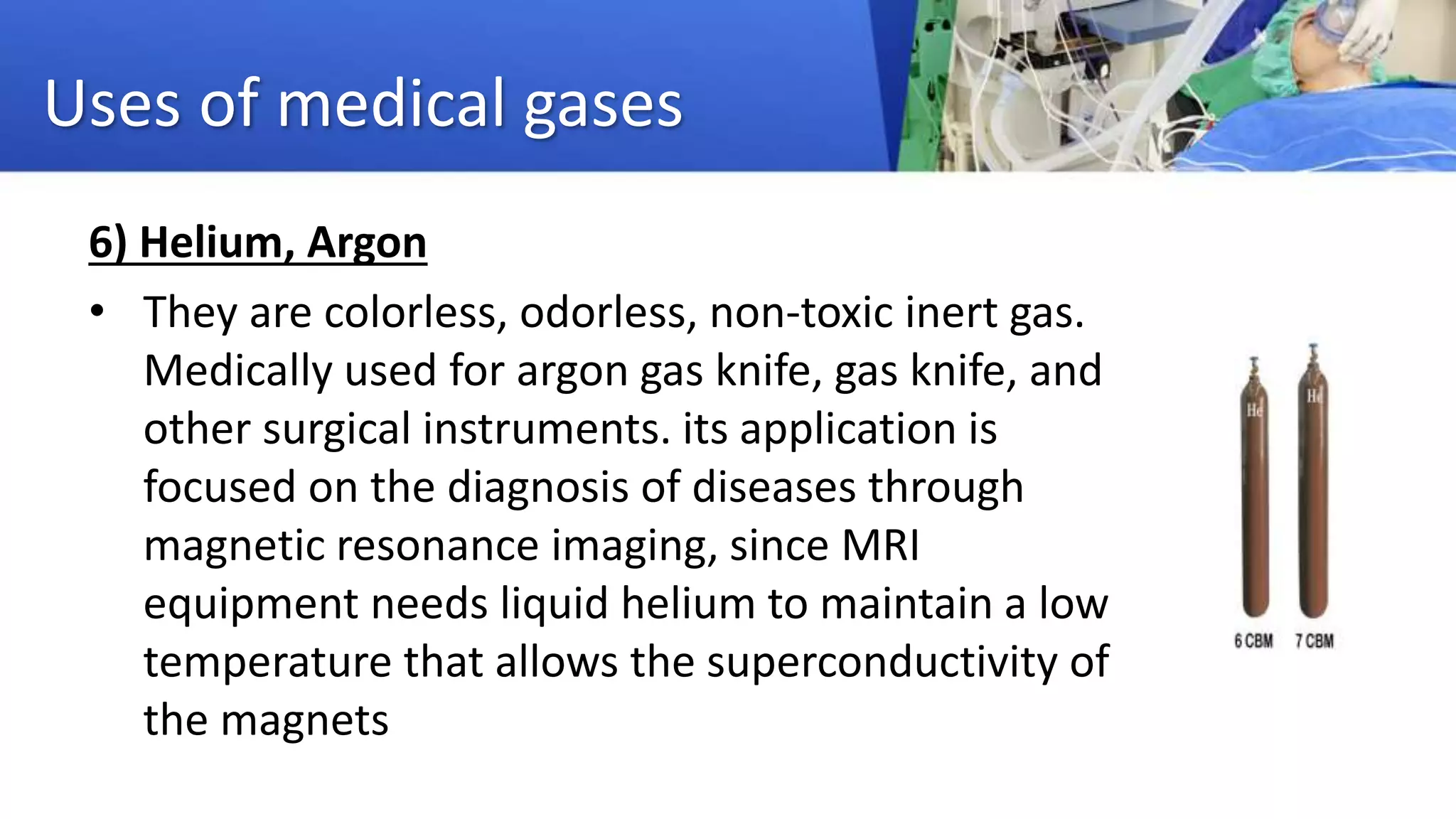
6) Helium, Argon
• They are colorless, odorless, non-toxic inert gas.
Medically used for argon gas knife, gas knife, and
other surgical instruments. its application is
focused on the diagnosis of diseases through
magnetic resonance imaging, since MRI
equipment needs liquid helium to maintain a low
temperature that allows the superconductivity of
the magnets
Safety and handling
Safety and handling
• Medical gas cylinders are very heavy and contain contents
that are under a large amount of pressure. This means that
improper handling is likely to cause a serious accident.
• Additionally, different gases can also present unique risks.
Medical oxygen, for example, is extremely flammable and
must be kept away from combustible materials and heat
sources. Other medical gases may cause asphyxiation,
embolism, poisoning..
Safety and handling
Keep in a safe
position
(either in a stand or
clamped vertically)
Keep free of
sources of ignition
Never knock
violently or allow
to fall
Safety and handling
Keep free of oil
and grease
Do not use force
when opening or
closing valves
Check cylinder for
unique barcode
Safety and handling
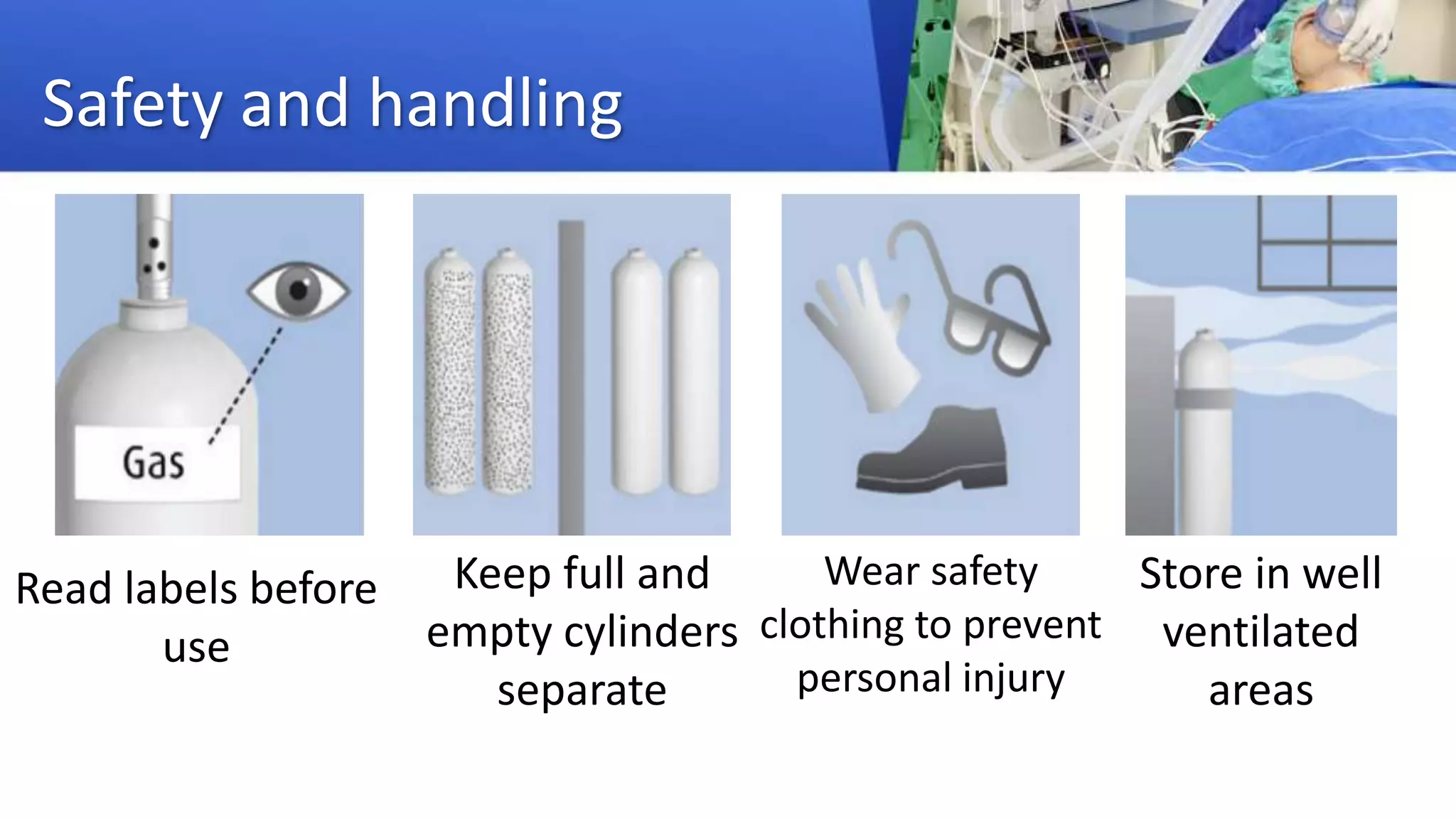
Read labels before
use
Keep full and
empty cylinders
separate
Wear safety
clothing to prevent
personal injury
Store in well
ventilated
areas
Safety and handling
• Just prior to connecting the equipment, momentary
opening of the cylinder valve blows away any dust or
particles. This is known as “snuffing” or “Cracking.
Safety and handling
• Always be aware of your cylinder; listen for sounds of
leaking gas and inspect regularly for signs of damage
• Check for leaks: By a hissing noise OR by using a little soapy
water which will produce bubbles if there is a leak
• Report a leak as soon as possible
Safety and handling
• During use: The pressure should be checked regularly to
ensure that there is sufficient gas remaining.
• After use: The valve should be closed immediately
Distribution system
Distribution system
• Medical Gas Pipeline System (MGPS) is installed to provide a
safe, convenient and cost-effective system for provision of
medical gases to the clinical and nursing staff at the point-of-use
for patients. It reduces the problems associated with the use of
gas cylinders such as safety, storage and
• The pipeline distribution system is an integral part of all medical
Gas Management Systems. It serves to bring all required medical
gases and vacuum to areas where they are needed. Without a
properly designed, installed, and maintained distribution system,
the security of the whole hospital can be at risk.
Distribution system
Distribution system
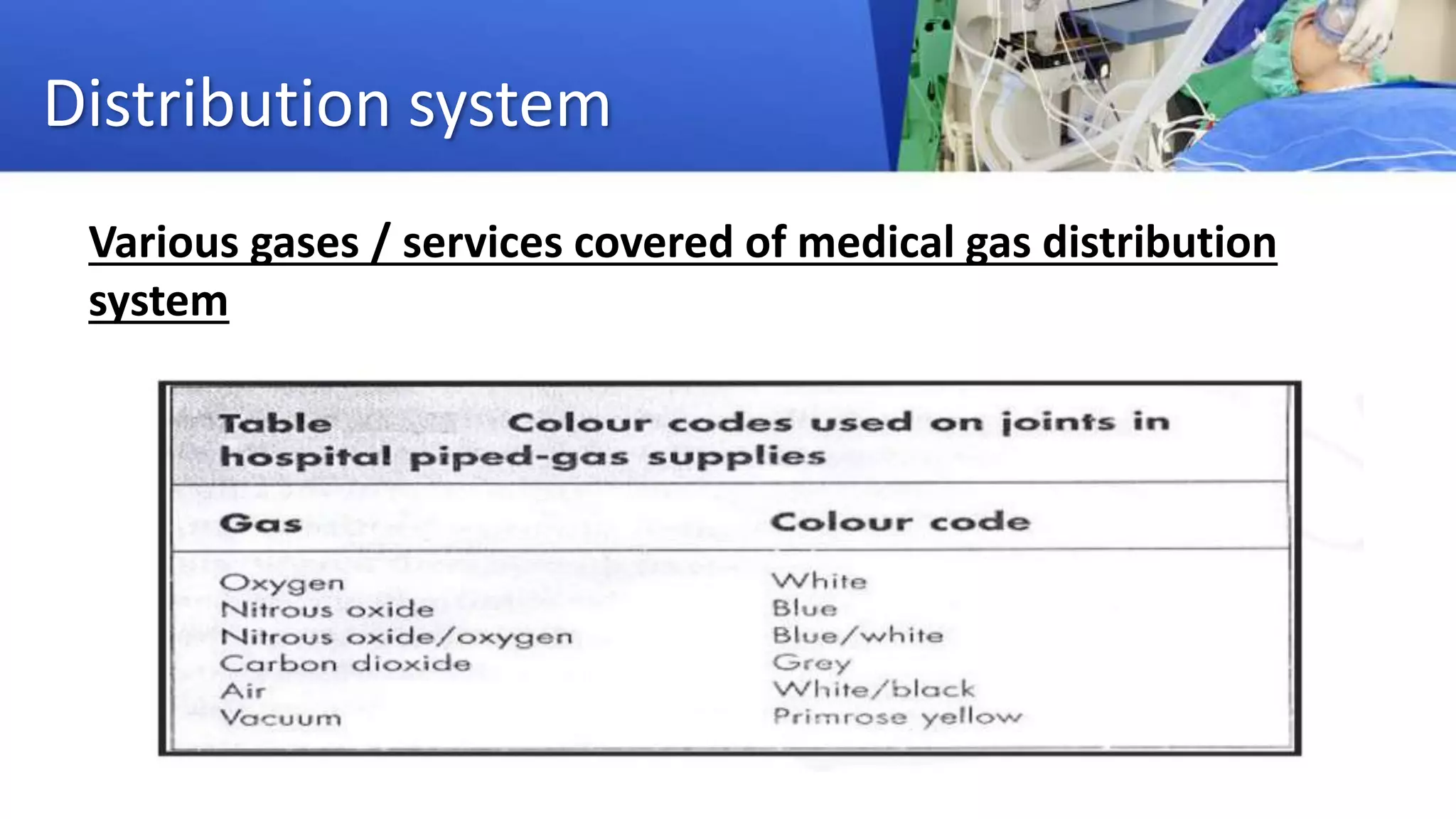
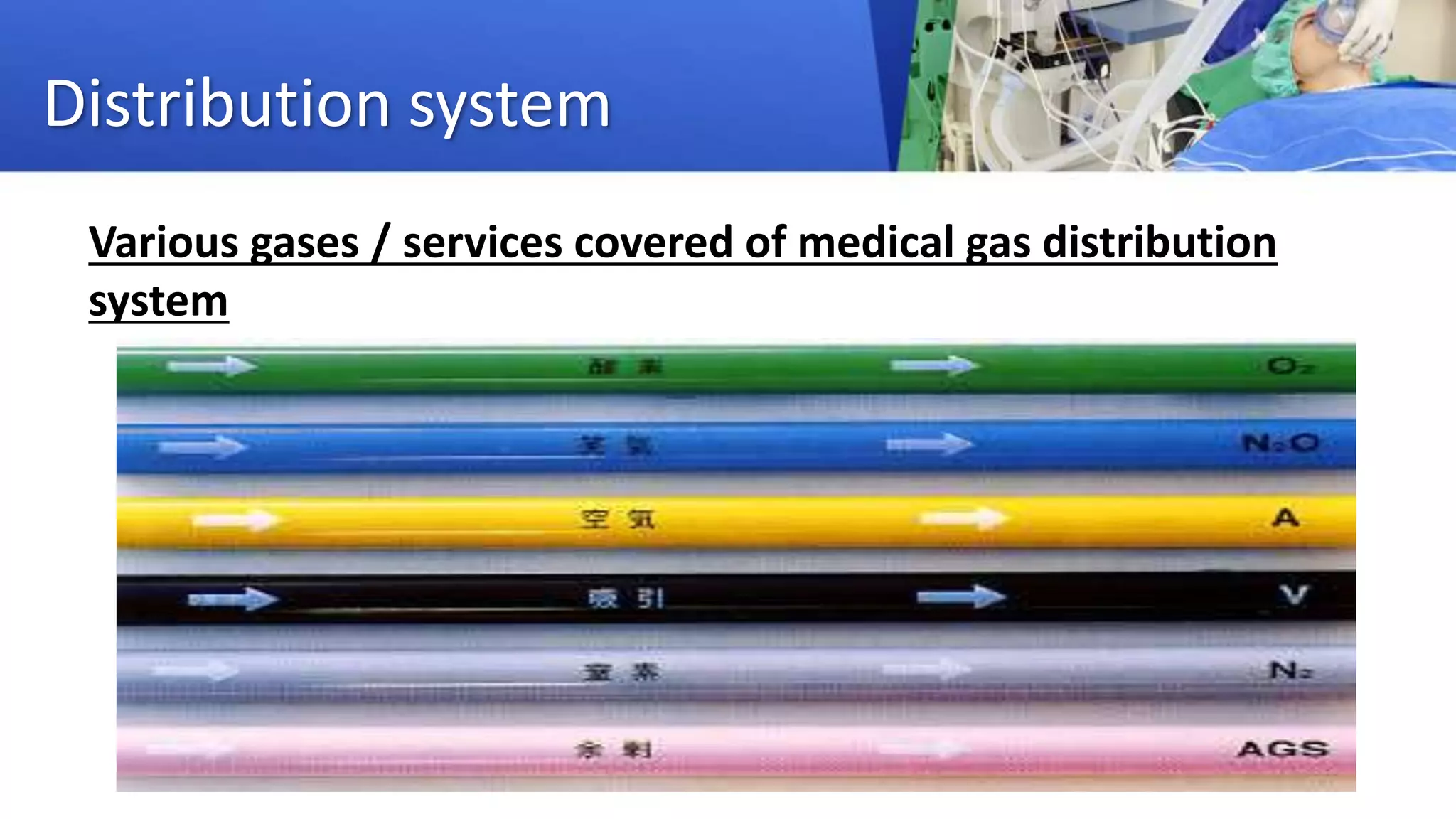
Various gases / services covered of medical gas distribution
system
• Oxygen
• Nitrous oxide
• Anesthesia gas
• Medical air
• Nitrogen
• Surgical Air
• Carbon dioxide
• Mixed gas
Distribution system
Various gases / services covered of medical gas distribution
system
Distribution system
Various gases / services covered of medical gas distribution
system
Distribution system
Compressed Air Plants
• Compressed Air Plants are used to provide Compressed
Medical grade Air under in bulk quantity at constant
pressure through a piped system for use inside a hospital.
Distribution system
Vacuum Plants
• Vacuum plants provide bulk vacuum through a piped
system for providing vacuum at patient locations and in
operation theatres for running medical equipment.
Distribution system
AGSS/ WAGD Plants
• AGSS / WAGD plant system also called gas scavenging
system is required for disposal of waste anesthetic gases
from inside the operation theatres to outside atmosphere.
Distribution system
Adapters
• Adaptors are devices used to quick-connect the medical
gas supply at gas or vacuum outlets to the patient using
compatible media.
Distribution system
Flow meters
• Flow meter is an instrument used to measure the flow rate
of the incoming medical gas supply at user end.
Distribution system
Zonal Valve Box
• Zonal valve boxes are required to cut-off the supply of gasses
inside hospital premises when required. PES supplies single
and multiple zone valves boxes which are NFPA 99 compliant.
These have competitive features such as:
Distribution system
Medical Gas Colour LCD Touch Screen Area Alarms
Distribution system
Medical Gas Colour LCD Touch Screen Area Alarms
• Identification of gas and alarm conditions via 5.7" Colour LCD
• Touch screen operation
• User defined password based activation
• Audio- visual indications
• Adjustable settings
Storage
Storage
• Medical gases are stored in specialized cylinders. Cylinders
should be stored, handled, and used in accordance with a
strict code of practice prepared by the British Standards
Institution (BS 1319) to minimize any risks associated with
their use
• In most hospitals rather than cylinders, a pipe system is
employed
Storage
• Medical gas cylinders need to be stored in cool dry conditions
to avoid rusting and damage to the paint
• Care is required to ensure that there is no confusion between
full and empty cylinders. This may be achieved by the use of
disposable shrink seals and marking empty cylinders clearly
Storage
Oxygen storage
• Medical oxygen can either be stored in cylinders or in vacuum
insulated evaporators (VIE). Oxygen cylinders have a black body and
white shoulders and contain gaseous oxygen at a pressure of 13,700
kPa at room temperature. Oxygen cylinders may be made of a
variety of materials, but typically molybdenum steel is used to allow
for higher filling pressures although it is heavy and less portable.
Aluminium cylinders are 25_40% lighter and suitable for use in MRI
scanners. Cylinders are hydraulic and endoscopically tested on a
regular basis (10 years for steel cylinders) with the date of the next
test indicated by a plastic ring around the neck of the cylinder
Storage
Nitrous oxide storage
• Nitrous oxide is stored in blue cylinders at a gauge pressure of
4400 kPa in both liquid and vapour forms. As the cylinder
empties, a constant pressure of 4400 kPa is maintained by
evaporation of liquid until it is all depleted.
Storage
Entonox storage
• Entonox is stored in cylinders with a blue body and blue/white
quarter shoulders, at 13,700 kPa in its gaseous form.
• Note careful storage of Entonoxis essential because of the risk
of separation of the nitrous oxide and oxygen below its
pseudocritical temperature. Pseudocritical temperature refers
to the temperature at which a mixture of gases will separate
out into its constituent parts. Entonox separates into nitrous
oxide and oxygen at 5.5C at 117 bar, 7C at 137 bar (cylinder
pressure) and 30C at 4 bar
Storage
Carbon dioxide
• Its liquid form at a pressure of 5000 kPa with a filling ratio of
0.76
Storage
Heliox
• Heliox is a mixture of 21% oxygen + 79% helium and produced
by fractional distillation of natural gas. Heliox is stored in
cylinders with a black body and white/brown quarter
shoulders at a pressure of 13,700 kPa in its gaseous form
References
References
• https://tediselmedical.com/en/the-use-of-medical-gases-in hospitals/
• https://www.chthealthcare.com/blog/5-common-med-gas
• https://www.amcaremed.com/knowledge/types-uses-medical-gases/
• https://www.sps.nhs.uk/articles/pharmacy-responsibilities-and-medical-gases-
oxygen-and-the-covid-19-pandemic/
• https://oxfordmedicaleducation.com/prescribing/oxygen-delivery/
Medical gases.pptx

Medical gases.pptx

  • 2.
    Medical Gases Made By: -Mustafa Kasem 201902021 - Momen Ahmed 201900588 - Mahmoud Abdelmonem 201902003 - Mark Naseem 201902600 - Zainab Mahmoud 202003984 - Ranem Maged 201901158 - Ahmed Mustafa 201902501
  • 3.
    Table of contents •What are medical gases ? • Medical gases Identification • Equipment used • Uses of medical gases • Safety and handling • Distribution system • Storage
  • 4.
    Role of pharmacists?!! As a medicinal product Cylinder stock Pipeline system Supervision, and ordering Expiry checking and storage
  • 5.
  • 6.
    What are medicalgases ? • Any gas that is used for treatment, anesthesia or operating a medical device
  • 7.
    What are medicalgases ? • There are 7 kinds of gases that are commonly used Oxygen Nitrogen Nitrous oxide Argon Helium CO2 Compressed air
  • 8.
  • 9.
  • 10.
  • 11.
  • 12.
  • 13.
  • 14.
  • 15.
    Equipment used 1- Medicalgas regulator “Oxygen regulator” • intended for the administration of high level oxygen to patients to improve their conditions • Should be opened slowly “to avoid burning out of oxygen cylinder”
  • 16.
  • 17.
    Equipment used 2- Medicalgas pipeline system “MGPS” • Key element for every hospital • provides vital medical gases for patient ventilation and various clinical applications
  • 18.
    Equipment used 3- Cylindermanifolds • A cylinder manifold is a group of gas cylinders, commonly used to supply gases via a pipeline • Cylinders are grouped into a primary and a secondary bundle • When the gas of primary manifold is totally consumed, secondary manifold takes the upper hand to provide gas allowing the primary manifolds cylinders to be exchanged
  • 19.
    Equipment used 4- Oxygentherapy equipment a) Nasal cannulae • Deliver 24-30% oxygen • Flow rate 1-4L/min (4L will dry the nose, 2L is more comfortable) • Used in non-acute situations or if only mildly hypoxic
  • 20.
    Equipment used 4- Oxygentherapy equipment b) Non-rebreather mask • Delivers 85-90% oxygen • Flow rate 15L/min • Has a bag on mask with valves to stop almost all rebreathing of expired air • Used for acutely unwell patients - Note that saturations should be maintained at 94-98%, not 100%. - Do not keep patients on 15L/min for longer than necessary as over-oxygenating for prolonged periods can be harmful
  • 21.
    Equipment used 4- Oxygentherapy equipment c) Non-invasive ventilation (CPAP/BiPAP) • CPAP (continuous positive airways pressure) - High pressure air/oxygen with a tight-fitting mask - Positive pressure all the time to help keep airways open (split them) - Used in acute pulmonary oedema and sleep apnoea
  • 22.
    Equipment used 4- Oxygentherapy equipment c) Non-invasive ventilation (CPAP/BiPAP) • BiPAP (bilevel positive airways pressure) - High positive pressure on inspiration and lower positive pressure on expiration - Used in acute pulmonary oedema and sleep apnoea
  • 23.
    Equipment used 4- Oxygentherapy equipment d) Simple Mask • Fits over the mouth and nose of the patient and contains exhalation ports • Flow rate: 6-10 L/min • flow rate should never be set below 6 L/min because this can result in the patient rebreathing their exhaled carbon dioxide
  • 24.
    Equipment used 4- Oxygentherapy equipment d) Simple Mask • Advantages: provide moderate oxygen concentrations • Disadvantages: must be removed when eating, and they may feel confining for some patients who feel claustrophobic with the mask on
  • 25.
    Equipment used 4- Oxygentherapy equipment e) Venturi Mask • For patients who require a specific amount of supplemental oxygen to avoid complications, such as those with chronic obstructive pulmonary disease (COPD) • Flow rate: The flow rate depends on the adaptor and does not correspond to the flow meter
  • 26.
    Equipment used 4- Oxygentherapy equipment e) Venturi Mask • Advantage: A specific amount of oxygen is delivered to patients whose breathing status may be affected by high levels of oxygen • Disadvantages: - Risk of suffocation if the gas flow is interrupted - The bag should never totally deflate - The patient should never be left alone unless the one-way valves on the exhalation ports are removed
  • 27.
  • 28.
    Uses of medicalgases • It is important to divide what are medical gases, such as oxygen and nitrous oxide, supplied to patients in gaseous form, and gases used as medical devices, for medical care units, as facilitators or adjuncts. • The difference is that only medicinal gases considered as drugs exert their action by pharmacological, immunological or metabolic means.
  • 29.
    Uses of medicalgases 1) Nitrogen (medical liquid nitrogen): • Nitrogen is a colorless, odorless, non-toxic, non-flammable gas. It’s a medical gas used for the cryosurgical removal of some cancers and skin lesions. • It is in liquid form and at very low temperatures, so it is also used to store and freeze tissues, cells and blood at cryogenic temperatures to prevent oxidation of samples. • For example, the pharmaceutical industry uses this medicinal gas in the manufacture of medicines. • Gaseous nitrogen, the largest component of our atmosphere, is used in medicine mainly to propel surgical tools.
  • 30.
    Uses of medicalgases 2) Medicinal Oxygen: • Oxygen is the most basic gas for life, and it is used medically to supplement oxygen to oxygen-deficient patients. Direct inhalation of high purity oxygen is harmful to the human body. • Odorless, colourless and tasteless, it is used for resuscitation and inhalation therapy. • It is also used in anaesthesia before any intervention, in the treatment of burns or in hyperbaric therapy to treat numerous diseases. • Long-term use of oxygen concentration generally does not exceed 30-40%. • Ordinary patients breathe oxygen through oxygen flowmeter; critically ill patients breathe oxygen through the ventilator.
  • 31.
    Uses of medicalgases 3) Carbon dioxide: • Medically, carbon dioxide is used to inflate the abdominal cavity and colon for laparoscopy and colonoscopy. In addition, it is also used for laboratory culture of bacteria (anaerobic bacteria). • Carbon dioxide can be made into dry is used for cryotherapy to treat cataracts and vascular diseases.
  • 32.
    Uses of medicalgases 4) Nitrous oxide: • It is known as “laughing gas”. • Inhalation of a small amount of nitrous oxide has an anesthetic and analgesic effect, but a large amount of inhalation can suffocate people. Medically, a mixture of nitrous oxide and oxygen is used as an anesthetic agent
  • 33.
    Uses of medicalgases 5) Medicinal air: • Mainly used in ICU and NICU areas because it allows for the mobilisation of compressed air driven respirations, or as a diluent for administered O2, since O2 in concentrations of 100% is toxic to the body. • Compressed air is used to deliver power to oral surgical instruments, orthopedic instruments, and ventilators.
  • 34.
    Uses of medicalgases 6) Helium, Argon • They are colorless, odorless, non-toxic inert gas. Medically used for argon gas knife, gas knife, and other surgical instruments. its application is focused on the diagnosis of diseases through magnetic resonance imaging, since MRI equipment needs liquid helium to maintain a low temperature that allows the superconductivity of the magnets
  • 35.
  • 36.
    Safety and handling •Medical gas cylinders are very heavy and contain contents that are under a large amount of pressure. This means that improper handling is likely to cause a serious accident. • Additionally, different gases can also present unique risks. Medical oxygen, for example, is extremely flammable and must be kept away from combustible materials and heat sources. Other medical gases may cause asphyxiation, embolism, poisoning..
  • 37.
    Safety and handling Keepin a safe position (either in a stand or clamped vertically) Keep free of sources of ignition Never knock violently or allow to fall
  • 38.
    Safety and handling Keepfree of oil and grease Do not use force when opening or closing valves Check cylinder for unique barcode
  • 39.
    Safety and handling Readlabels before use Keep full and empty cylinders separate Wear safety clothing to prevent personal injury Store in well ventilated areas
  • 40.
    Safety and handling •Just prior to connecting the equipment, momentary opening of the cylinder valve blows away any dust or particles. This is known as “snuffing” or “Cracking.
  • 41.
    Safety and handling •Always be aware of your cylinder; listen for sounds of leaking gas and inspect regularly for signs of damage • Check for leaks: By a hissing noise OR by using a little soapy water which will produce bubbles if there is a leak • Report a leak as soon as possible
  • 42.
    Safety and handling •During use: The pressure should be checked regularly to ensure that there is sufficient gas remaining. • After use: The valve should be closed immediately
  • 43.
  • 44.
    Distribution system • MedicalGas Pipeline System (MGPS) is installed to provide a safe, convenient and cost-effective system for provision of medical gases to the clinical and nursing staff at the point-of-use for patients. It reduces the problems associated with the use of gas cylinders such as safety, storage and • The pipeline distribution system is an integral part of all medical Gas Management Systems. It serves to bring all required medical gases and vacuum to areas where they are needed. Without a properly designed, installed, and maintained distribution system, the security of the whole hospital can be at risk.
  • 45.
  • 46.
    Distribution system Various gases/ services covered of medical gas distribution system • Oxygen • Nitrous oxide • Anesthesia gas • Medical air • Nitrogen • Surgical Air • Carbon dioxide • Mixed gas
  • 47.
    Distribution system Various gases/ services covered of medical gas distribution system
  • 48.
    Distribution system Various gases/ services covered of medical gas distribution system
  • 49.
    Distribution system Compressed AirPlants • Compressed Air Plants are used to provide Compressed Medical grade Air under in bulk quantity at constant pressure through a piped system for use inside a hospital.
  • 50.
    Distribution system Vacuum Plants •Vacuum plants provide bulk vacuum through a piped system for providing vacuum at patient locations and in operation theatres for running medical equipment.
  • 51.
    Distribution system AGSS/ WAGDPlants • AGSS / WAGD plant system also called gas scavenging system is required for disposal of waste anesthetic gases from inside the operation theatres to outside atmosphere.
  • 52.
    Distribution system Adapters • Adaptorsare devices used to quick-connect the medical gas supply at gas or vacuum outlets to the patient using compatible media.
  • 53.
    Distribution system Flow meters •Flow meter is an instrument used to measure the flow rate of the incoming medical gas supply at user end.
  • 54.
    Distribution system Zonal ValveBox • Zonal valve boxes are required to cut-off the supply of gasses inside hospital premises when required. PES supplies single and multiple zone valves boxes which are NFPA 99 compliant. These have competitive features such as:
  • 55.
    Distribution system Medical GasColour LCD Touch Screen Area Alarms
  • 56.
    Distribution system Medical GasColour LCD Touch Screen Area Alarms • Identification of gas and alarm conditions via 5.7" Colour LCD • Touch screen operation • User defined password based activation • Audio- visual indications • Adjustable settings
  • 57.
  • 58.
    Storage • Medical gasesare stored in specialized cylinders. Cylinders should be stored, handled, and used in accordance with a strict code of practice prepared by the British Standards Institution (BS 1319) to minimize any risks associated with their use • In most hospitals rather than cylinders, a pipe system is employed
  • 59.
    Storage • Medical gascylinders need to be stored in cool dry conditions to avoid rusting and damage to the paint • Care is required to ensure that there is no confusion between full and empty cylinders. This may be achieved by the use of disposable shrink seals and marking empty cylinders clearly
  • 60.
    Storage Oxygen storage • Medicaloxygen can either be stored in cylinders or in vacuum insulated evaporators (VIE). Oxygen cylinders have a black body and white shoulders and contain gaseous oxygen at a pressure of 13,700 kPa at room temperature. Oxygen cylinders may be made of a variety of materials, but typically molybdenum steel is used to allow for higher filling pressures although it is heavy and less portable. Aluminium cylinders are 25_40% lighter and suitable for use in MRI scanners. Cylinders are hydraulic and endoscopically tested on a regular basis (10 years for steel cylinders) with the date of the next test indicated by a plastic ring around the neck of the cylinder
  • 61.
    Storage Nitrous oxide storage •Nitrous oxide is stored in blue cylinders at a gauge pressure of 4400 kPa in both liquid and vapour forms. As the cylinder empties, a constant pressure of 4400 kPa is maintained by evaporation of liquid until it is all depleted.
  • 62.
    Storage Entonox storage • Entonoxis stored in cylinders with a blue body and blue/white quarter shoulders, at 13,700 kPa in its gaseous form. • Note careful storage of Entonoxis essential because of the risk of separation of the nitrous oxide and oxygen below its pseudocritical temperature. Pseudocritical temperature refers to the temperature at which a mixture of gases will separate out into its constituent parts. Entonox separates into nitrous oxide and oxygen at 5.5C at 117 bar, 7C at 137 bar (cylinder pressure) and 30C at 4 bar
  • 63.
    Storage Carbon dioxide • Itsliquid form at a pressure of 5000 kPa with a filling ratio of 0.76
  • 64.
    Storage Heliox • Heliox isa mixture of 21% oxygen + 79% helium and produced by fractional distillation of natural gas. Heliox is stored in cylinders with a black body and white/brown quarter shoulders at a pressure of 13,700 kPa in its gaseous form
  • 65.
  • 66.
    References • https://tediselmedical.com/en/the-use-of-medical-gases-in hospitals/ •https://www.chthealthcare.com/blog/5-common-med-gas • https://www.amcaremed.com/knowledge/types-uses-medical-gases/ • https://www.sps.nhs.uk/articles/pharmacy-responsibilities-and-medical-gases- oxygen-and-the-covid-19-pandemic/ • https://oxfordmedicaleducation.com/prescribing/oxygen-delivery/