By Anisah Kalam 12A3
A radio commercial is a form of advertising via
the medium of radio. Airtime is purchased from
a station or network in exchange for airing the
commercials.
Radio advertising is based on the idea of creating an
audio-only environment. A typical radio spot features
a professional voice-over artist reading or narrating a
descriptive copy with background music. Important
information may be repeated several times over the
course of the spot, such as contact phone numbers,
addresses, website URLs, or a geographical
reference.
The method of radio advertising can be an excellent way to portray your
marketing message out to the public. The main purpose of radio
advertising is to make money for the radio stations. Commercial radio
stations, as the name suggests, are funded by the sale of advertising,
promotions and sponsorship. There are three national services (INRs Classic FM, Virgin Radio and Talk Sport), fifteen 'regional' services
(IRRs - generally covering three major cities) and more than 240 local
services (ILRs).
 Radio can bring a companies advertising to life, giving
their company an identity, and reinforce their brand.
 Radio advertising is cheaper and cost-effective than
television advertising.
 You can target your advertising to a specific audience.
Different radio stations have different formats, from
news/talk to oldies to rock. Decide who you are trying
to reach (teenagers, families, urban men, suburban
moms), and then choose the radio format that reaches
your audience.
• One of the biggest disadvantages of radio advertising is
the lack of visual stimulation. All that radio advertising
is able to offer is audio, like voices and music.
• Another one of the biggest disadvantages of radio
advertising is that listeners generally dislike
advertisements. When listening to a radio
station, many listeners change the station during
advertisement breaks. They would usually rather listen
to the main program, such as music or a talk show.
Advertisements that radio listeners don't hear are
ineffective.

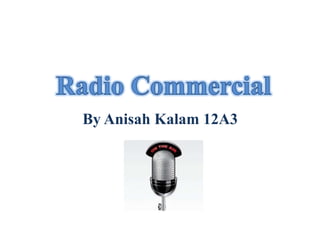
Radio Commercial

  • 1.
  • 2.
    A radio commercialis a form of advertising via the medium of radio. Airtime is purchased from a station or network in exchange for airing the commercials.
  • 3.
    Radio advertising isbased on the idea of creating an audio-only environment. A typical radio spot features a professional voice-over artist reading or narrating a descriptive copy with background music. Important information may be repeated several times over the course of the spot, such as contact phone numbers, addresses, website URLs, or a geographical reference.
  • 4.
    The method ofradio advertising can be an excellent way to portray your marketing message out to the public. The main purpose of radio advertising is to make money for the radio stations. Commercial radio stations, as the name suggests, are funded by the sale of advertising, promotions and sponsorship. There are three national services (INRs Classic FM, Virgin Radio and Talk Sport), fifteen 'regional' services (IRRs - generally covering three major cities) and more than 240 local services (ILRs).
  • 5.
     Radio canbring a companies advertising to life, giving their company an identity, and reinforce their brand.  Radio advertising is cheaper and cost-effective than television advertising.  You can target your advertising to a specific audience. Different radio stations have different formats, from news/talk to oldies to rock. Decide who you are trying to reach (teenagers, families, urban men, suburban moms), and then choose the radio format that reaches your audience.
  • 6.
    • One ofthe biggest disadvantages of radio advertising is the lack of visual stimulation. All that radio advertising is able to offer is audio, like voices and music. • Another one of the biggest disadvantages of radio advertising is that listeners generally dislike advertisements. When listening to a radio station, many listeners change the station during advertisement breaks. They would usually rather listen to the main program, such as music or a talk show. Advertisements that radio listeners don't hear are ineffective.