Management
overview of
Lung cancers
Presenter:
Dr. Sachin. S,
Junior Resident,
Dept. of Radiotherapy &
Radiation Medicine,
IMS, BHU
1
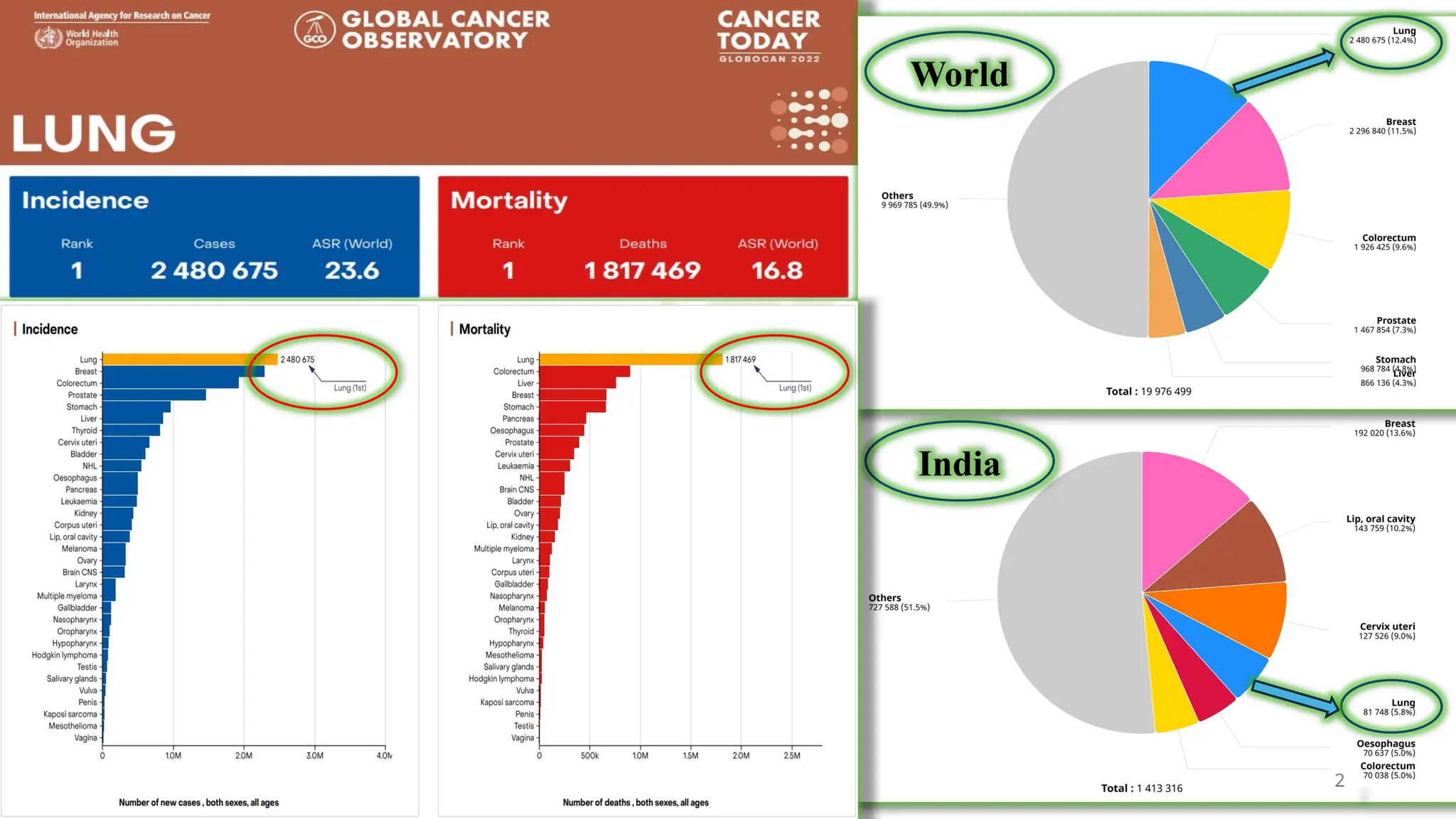
2
World
India
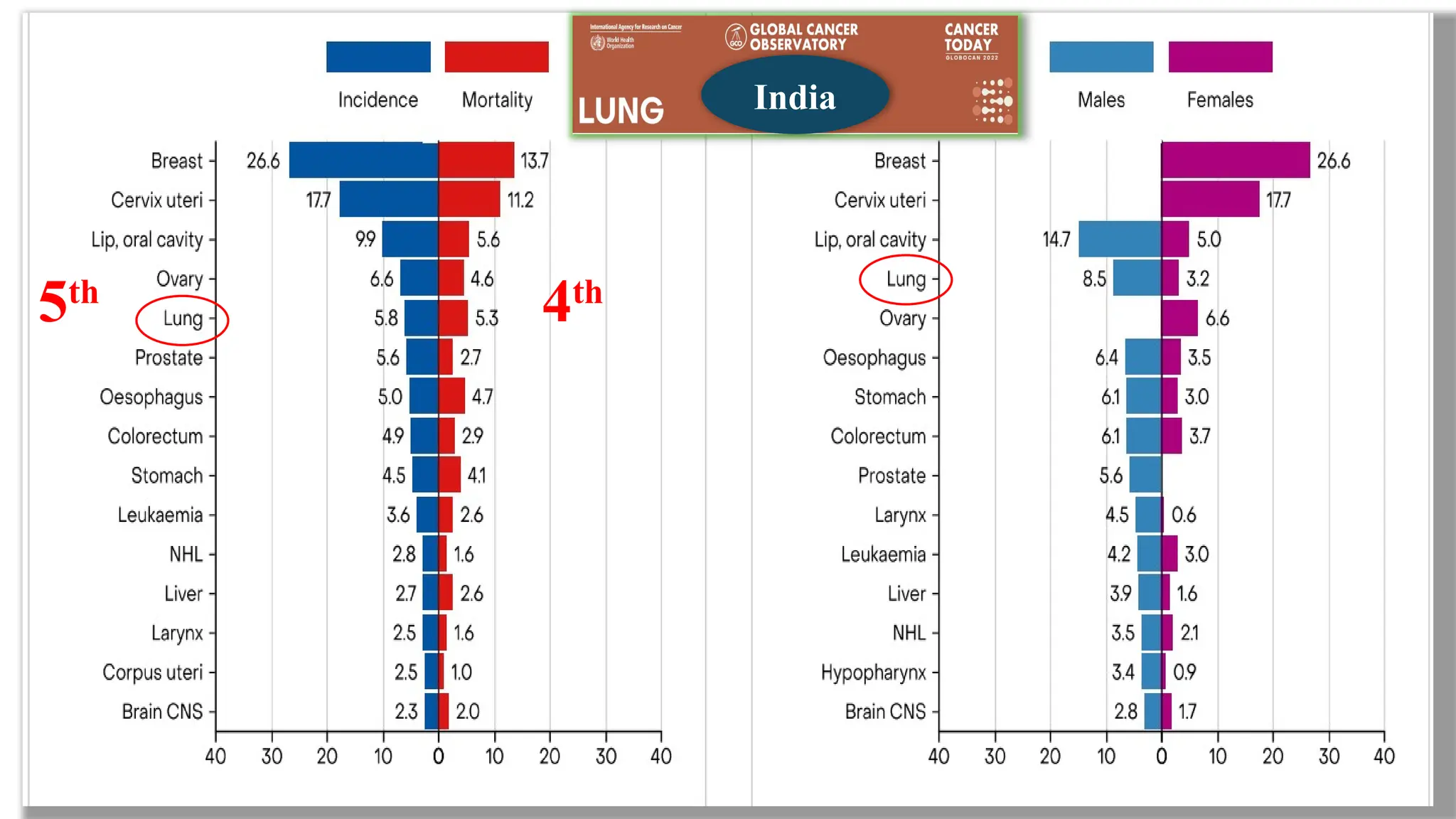
3
5th
4th
India
4
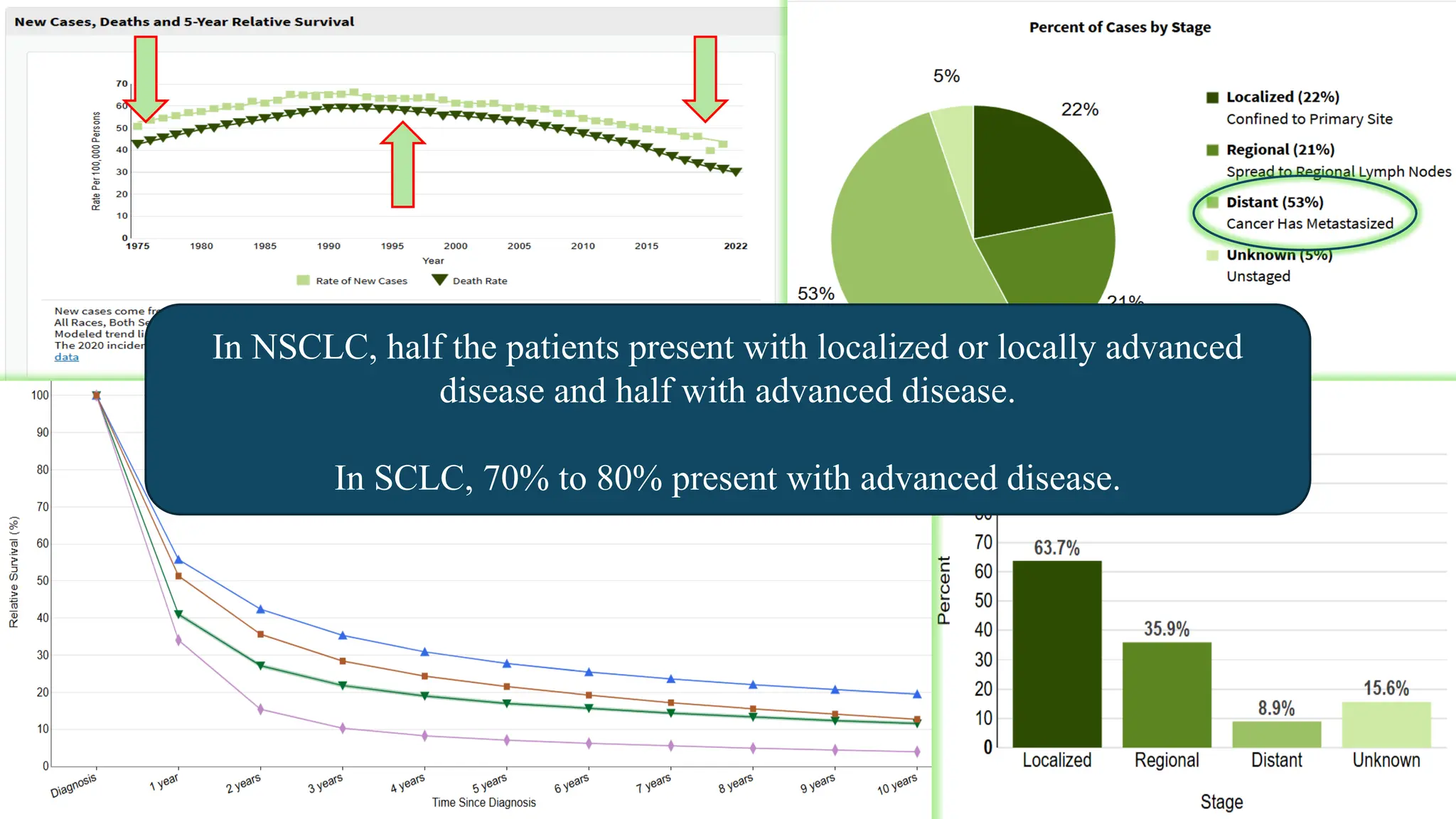
In NSCLC, half the patients present with localized or locally advanced
disease and half with advanced disease.
In SCLC, 70% to 80% present with advanced disease.
5
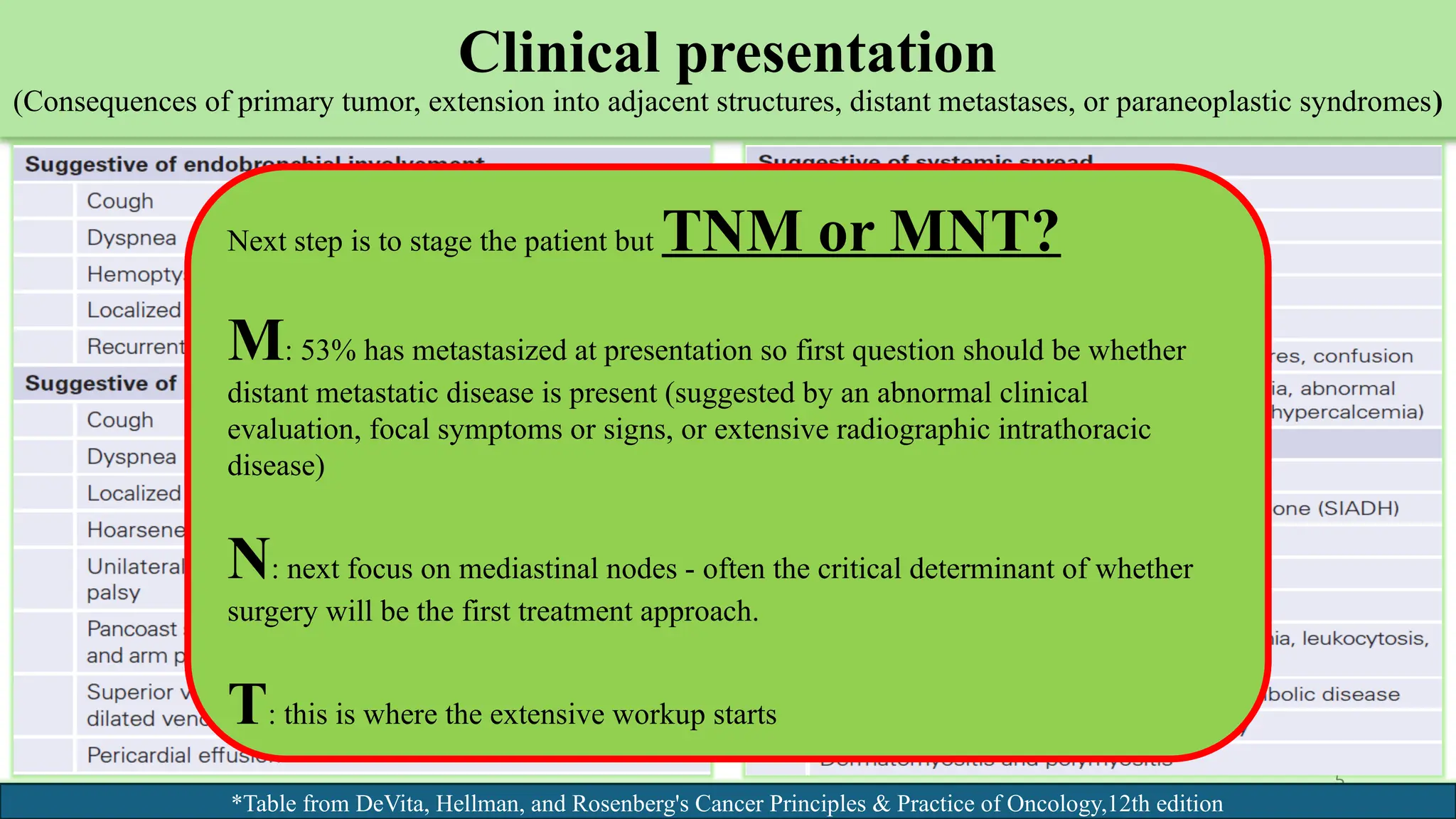
Clinical presentation
(Consequences of primary tumor, extension into adjacent structures, distant metastases, or paraneoplastic syndromes)
*Table from DeVita, Hellman, and Rosenberg's Cancer Principles & Practice of Oncology,12th edition
Next step is to stage the patient but TNM or MNT?
M: 53% has metastasized at presentation so first question should be whether
distant metastatic disease is present (suggested by an abnormal clinical
evaluation, focal symptoms or signs, or extensive radiographic intrathoracic
disease)
N: next focus on mediastinal nodes - often the critical determinant of whether
surgery will be the first treatment approach.
T: this is where the extensive workup starts
6
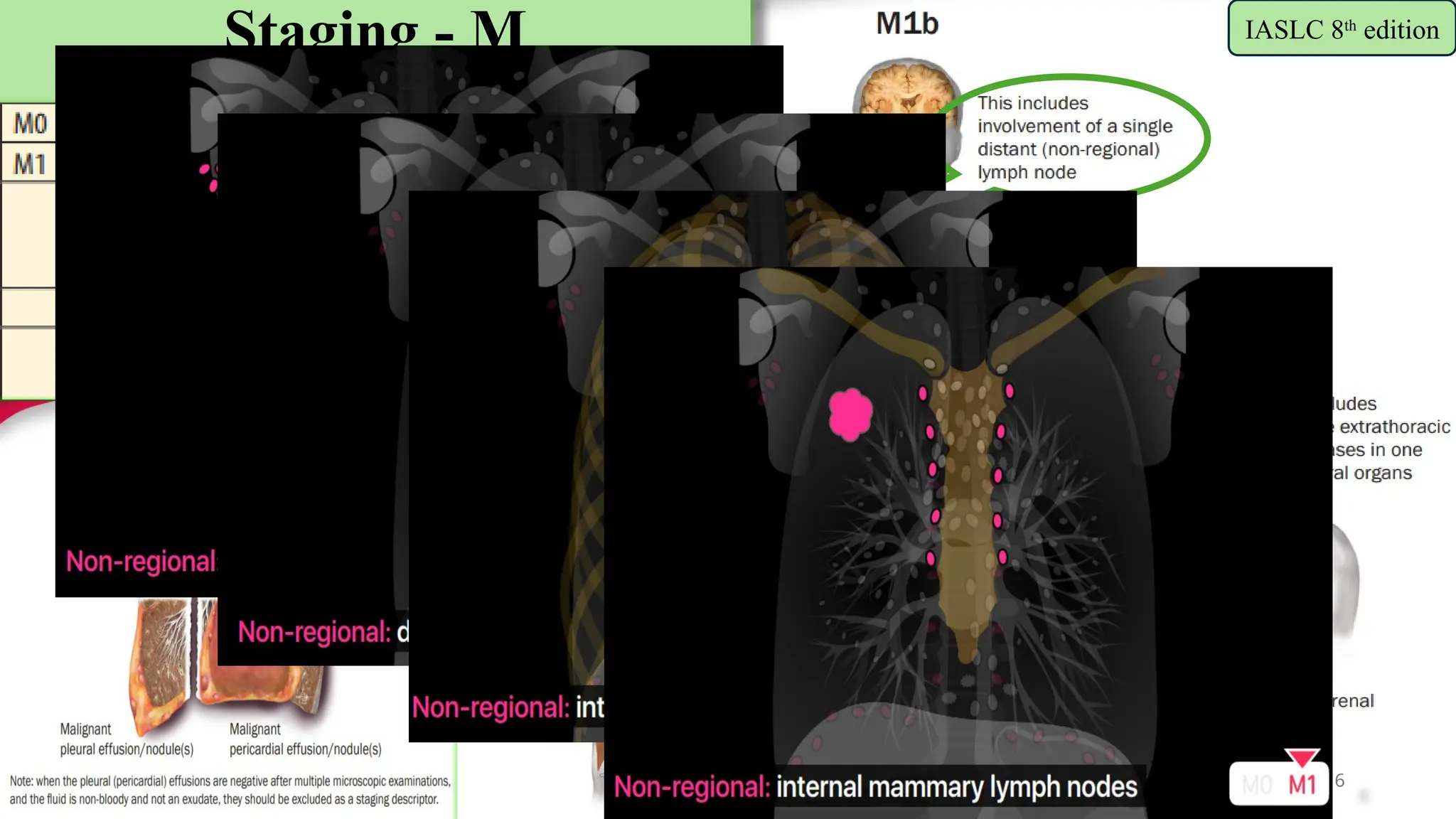
Staging - M
(distant metastasis)
IASLC 8th
edition
7
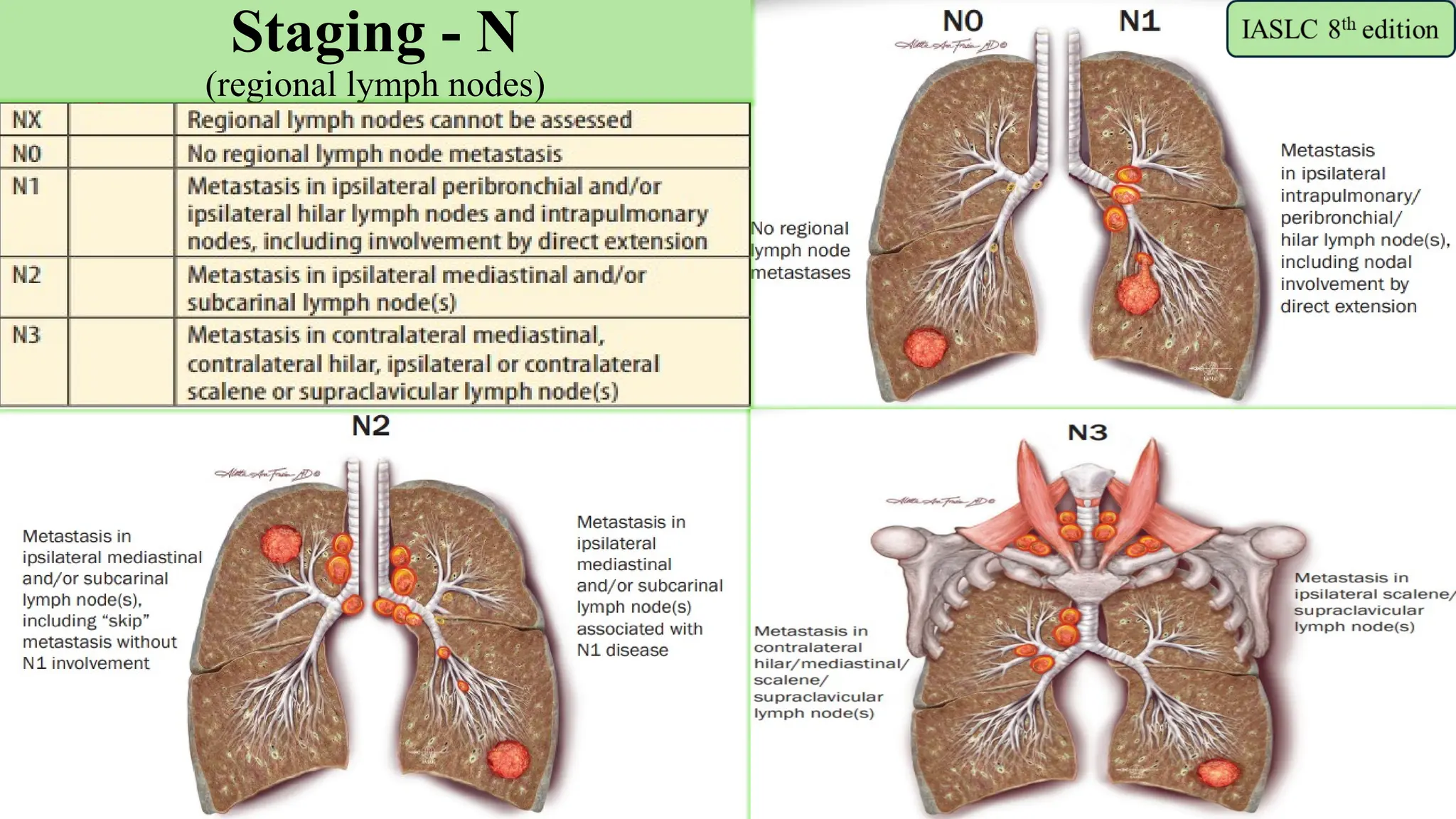
Staging - N
(regional lymph nodes)
8
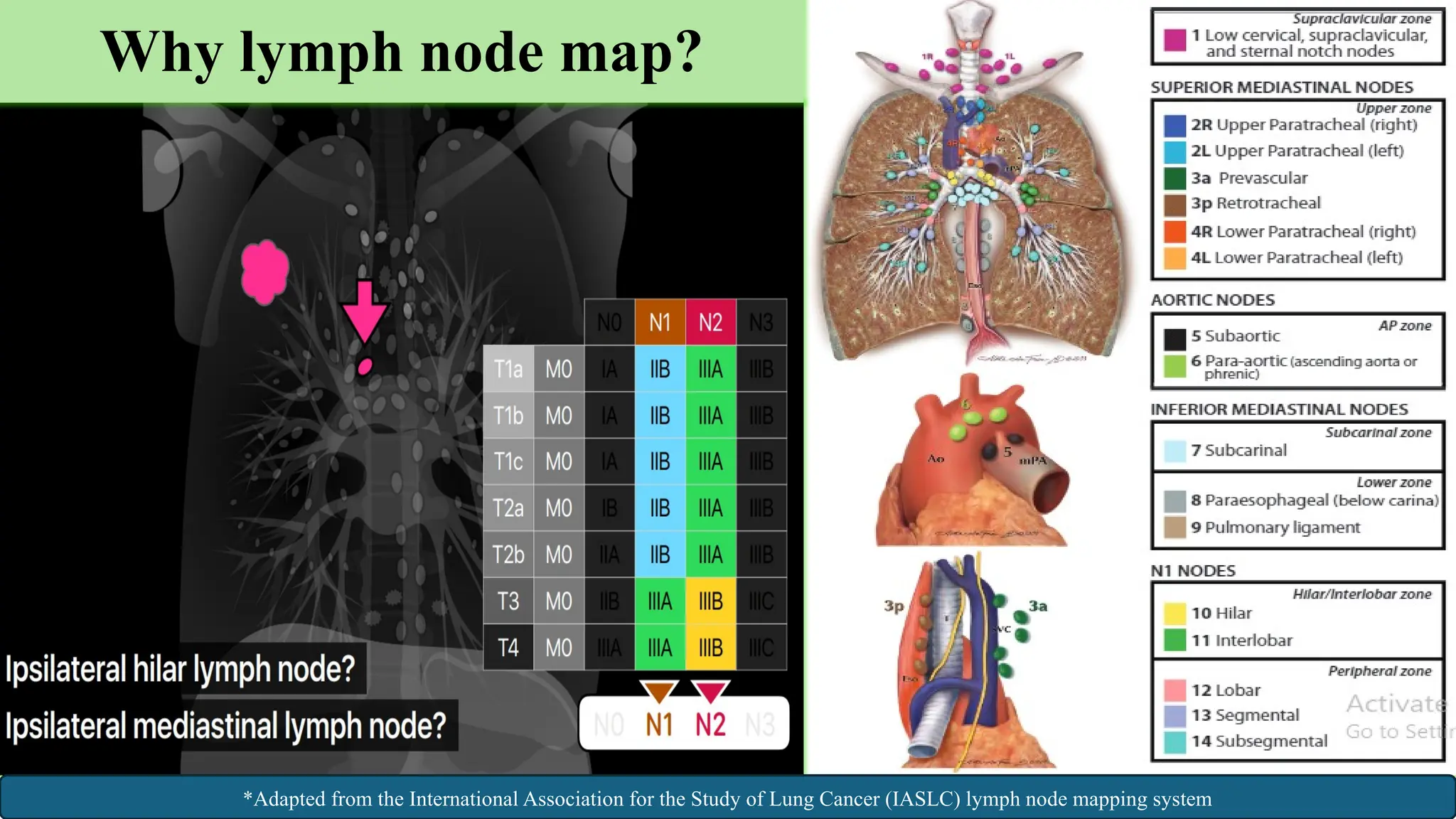
Why lymph node map?
*Adapted from the International Association for the Study of Lung Cancer (IASLC) lymph node mapping system
9
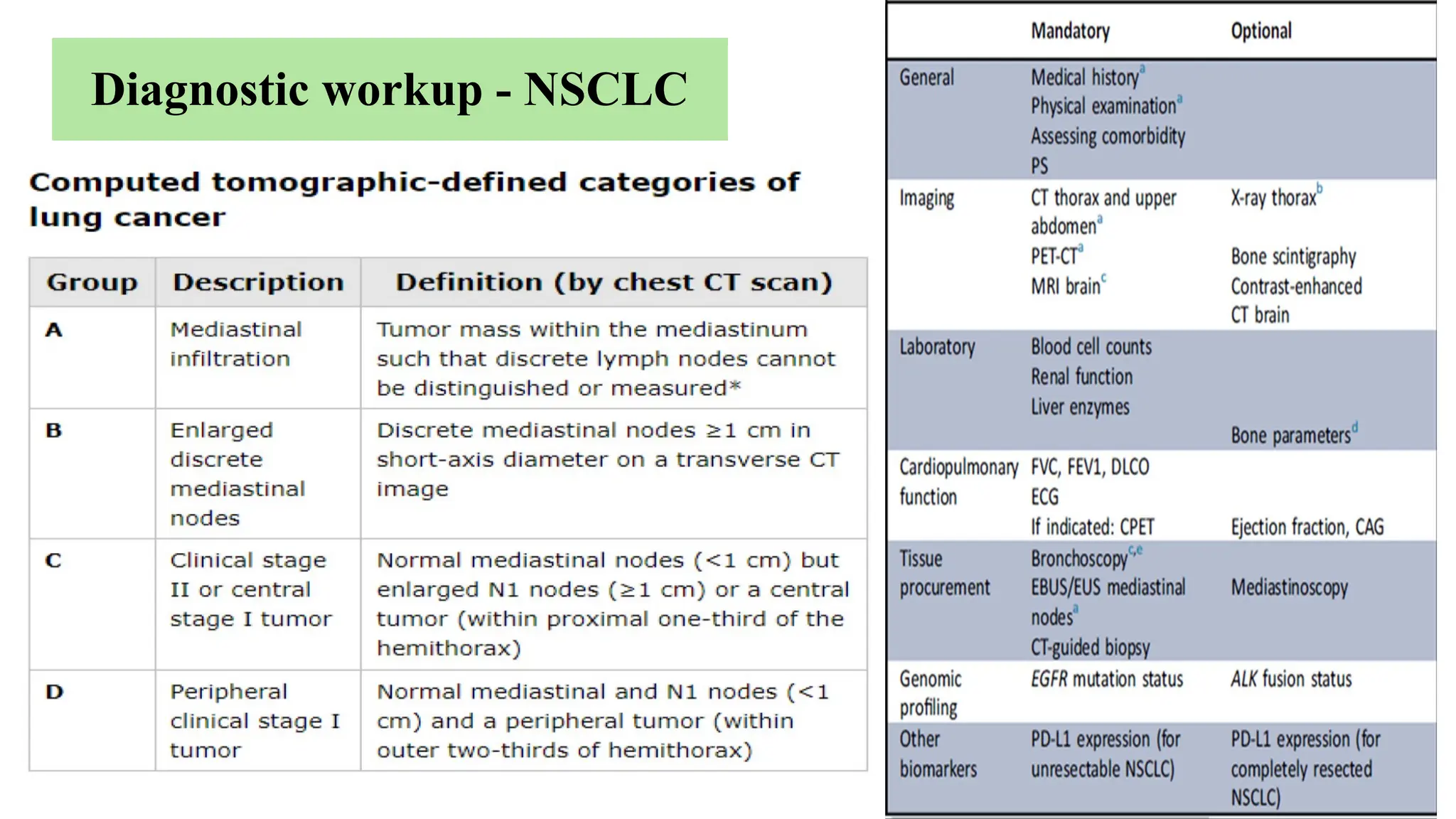
Diagnostic workup - NSCLC
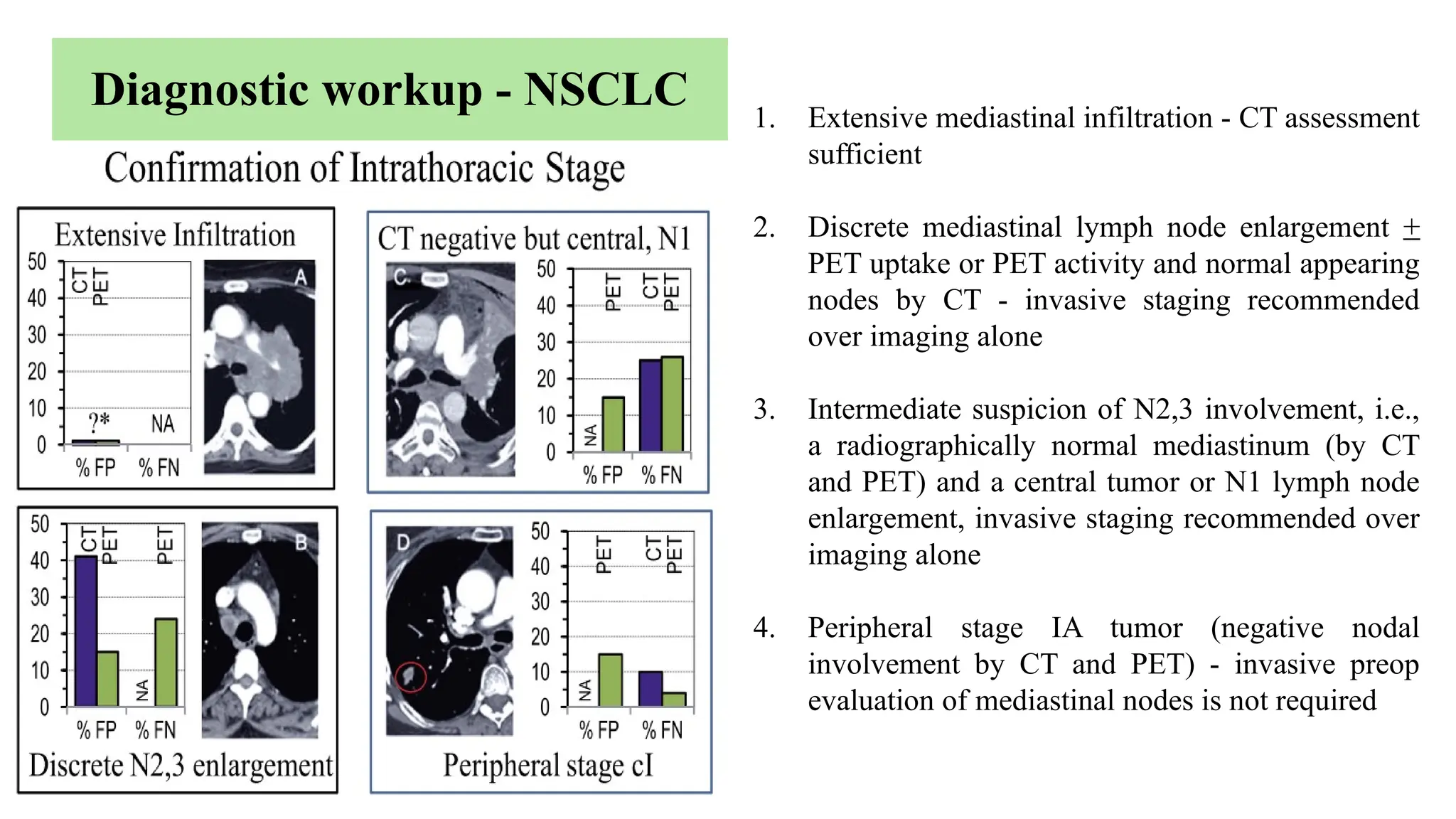
Diagnostic workup - NSCLC 1. Extensive mediastinal infiltration - CT assessment
sufficient
2. Discrete mediastinal lymph node enlargement +
PET uptake or PET activity and normal appearing
nodes by CT - invasive staging recommended
over imaging alone
3. Intermediate suspicion of N2,3 involvement, i.e.,
a radiographically normal mediastinum (by CT
and PET) and a central tumor or N1 lymph node
enlargement, invasive staging recommended over
imaging alone
4. Peripheral stage IA tumor (negative nodal
involvement by CT and PET) - invasive preop
evaluation of mediastinal nodes is not required
12
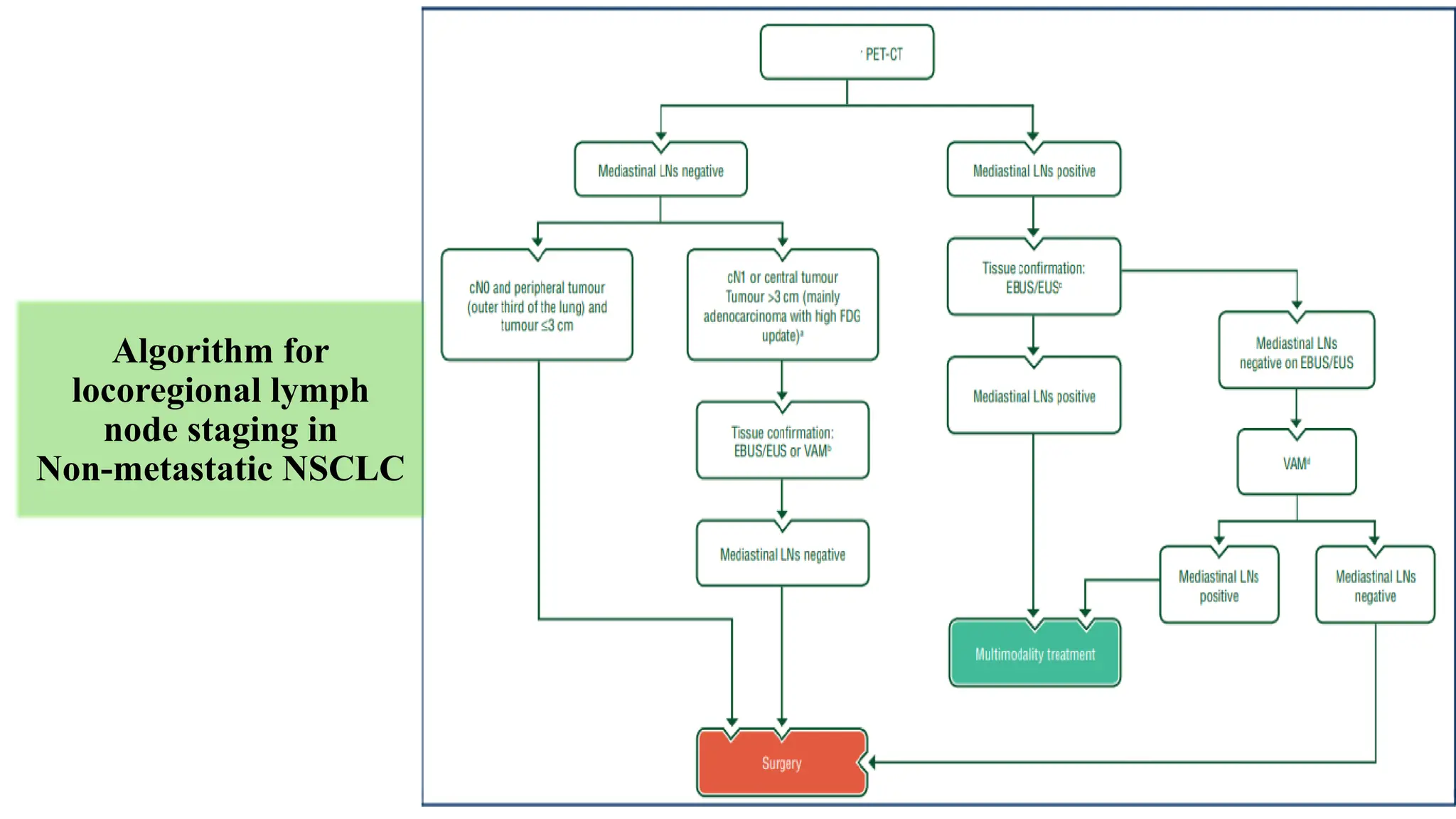
Algorithm for
locoregional lymph
node staging in
Non-metastatic NSCLC
13
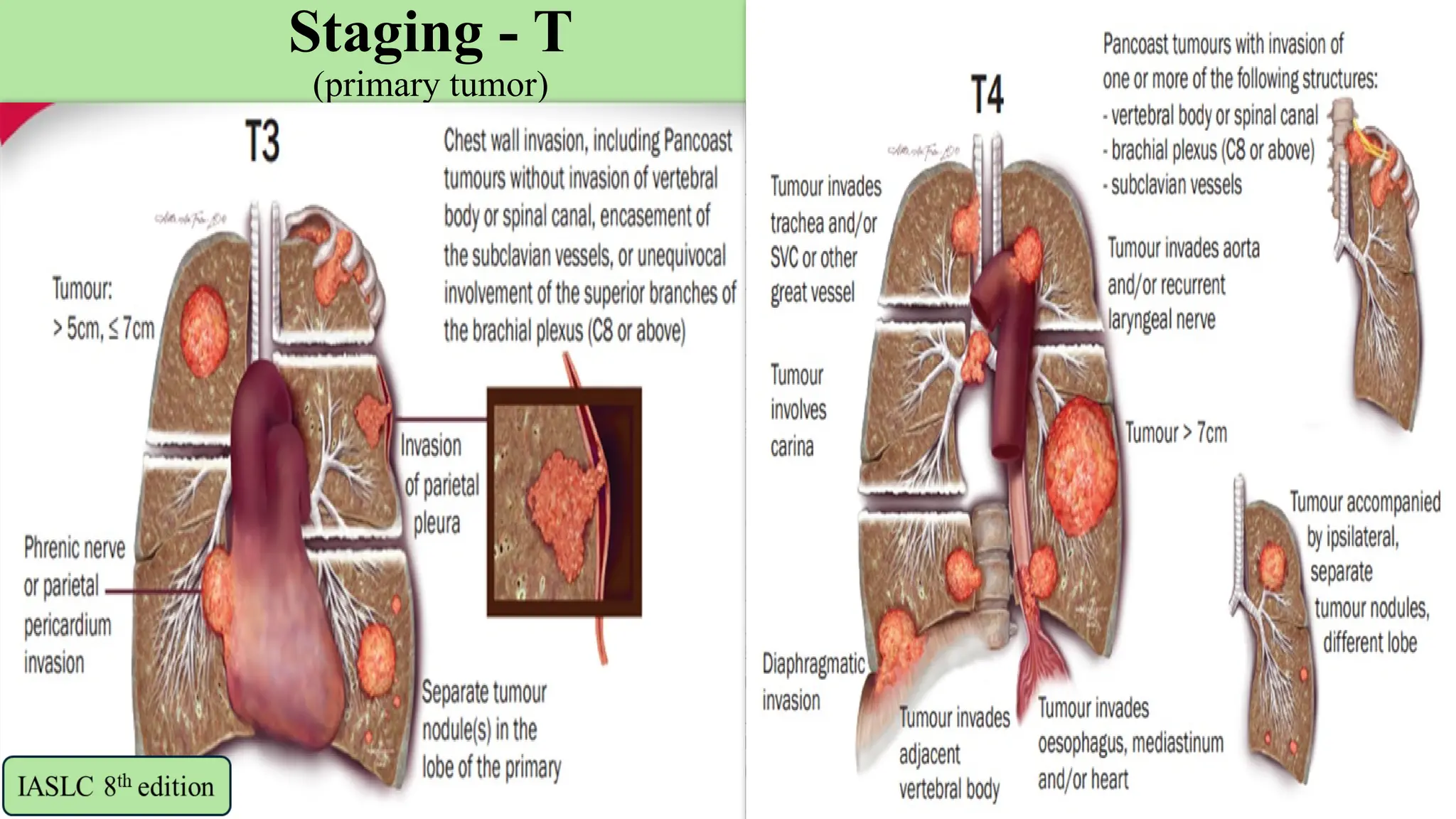
Staging - T
(primary tumor) T2
Few clues to staging Stage
Metastatic IV
Node + III
Except T1-2,
N1 (IIB)
Node -
T1 IA
T2a IB
T2b IIA
T3 IIB
T4 III 14
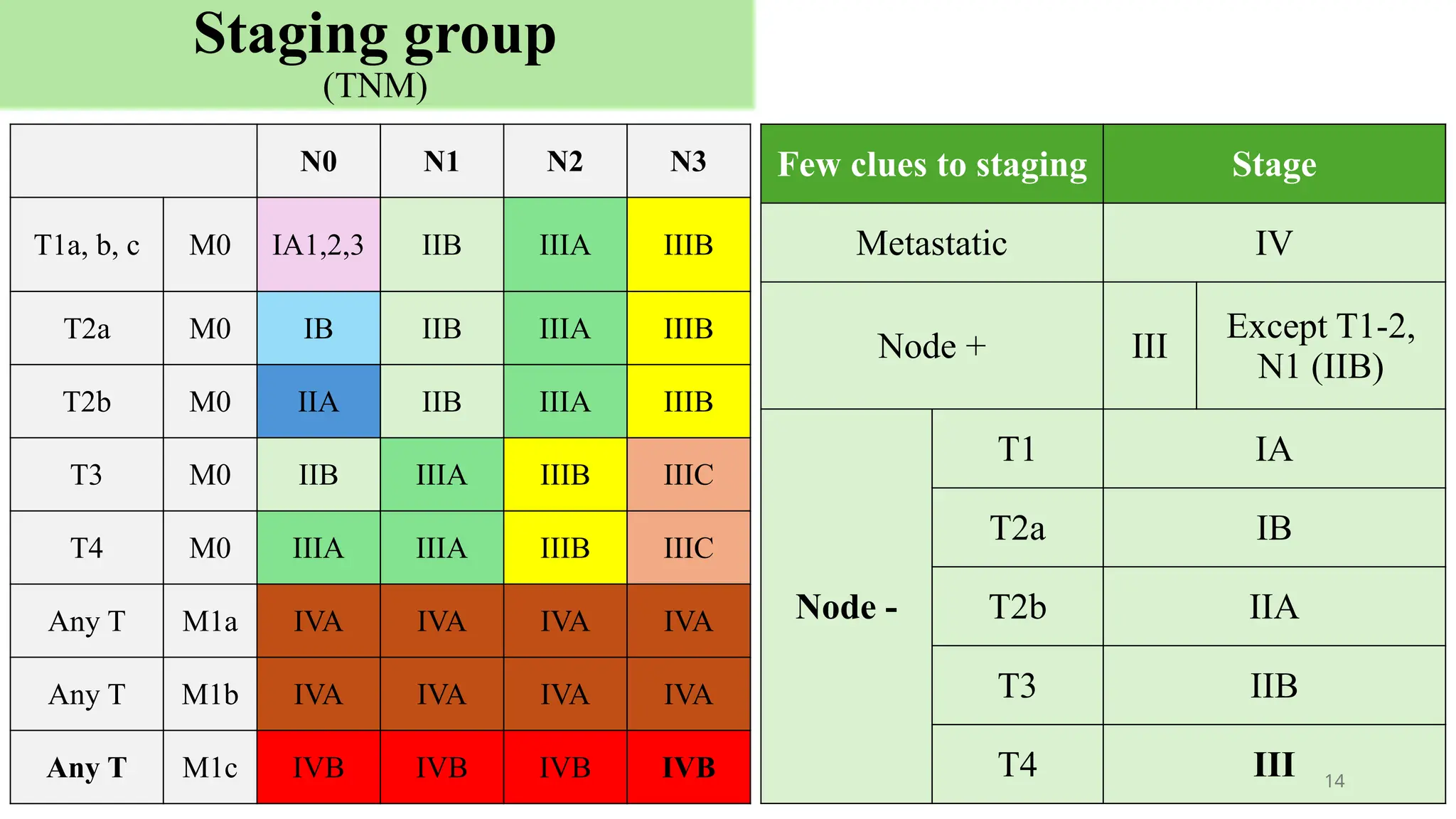
Staging group
(TNM)
N0 N1 N2 N3
T1a, b, c M0 IA1,2,3 IIB IIIA IIIB
T2a M0 IB IIB IIIA IIIB
T2b M0 IIA IIB IIIA IIIB
T3 M0 IIB IIIA IIIB IIIC
T4 M0 IIIA IIIA IIIB IIIC
Any T M1a IVA IVA IVA IVA
Any T M1b IVA IVA IVA IVA
Any T M1c IVB IVB IVB IVB
15
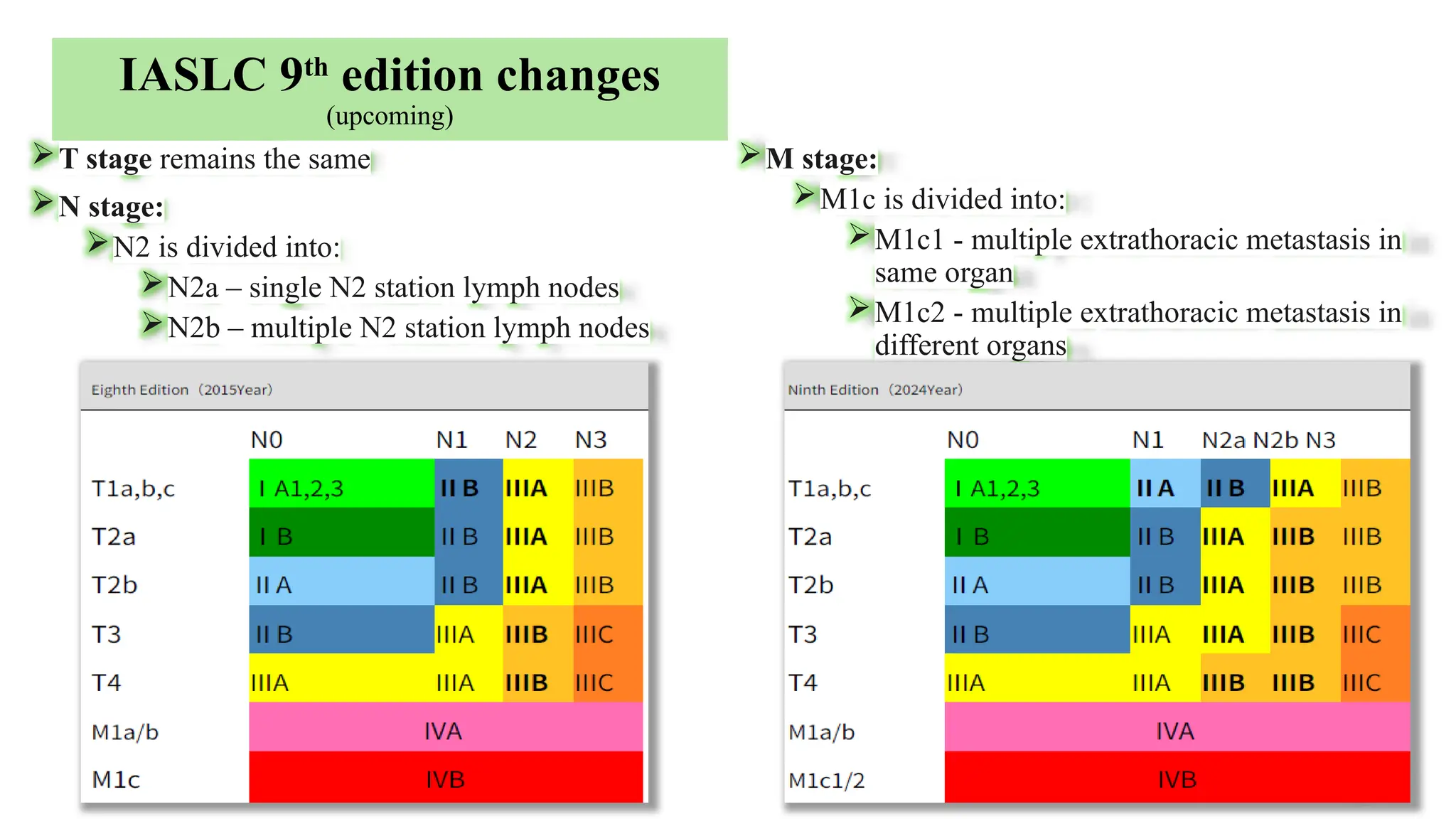
T stage remains the same
N stage:
N2 is divided into:
N2a – single N2 station lymph nodes
N2b – multiple N2 station lymph nodes
M stage:
M1c is divided into:
M1c1 - multiple extrathoracic metastasis in
same organ
M1c2 - multiple extrathoracic metastasis in
different organs
IASLC 9th
edition changes
(upcoming)
16
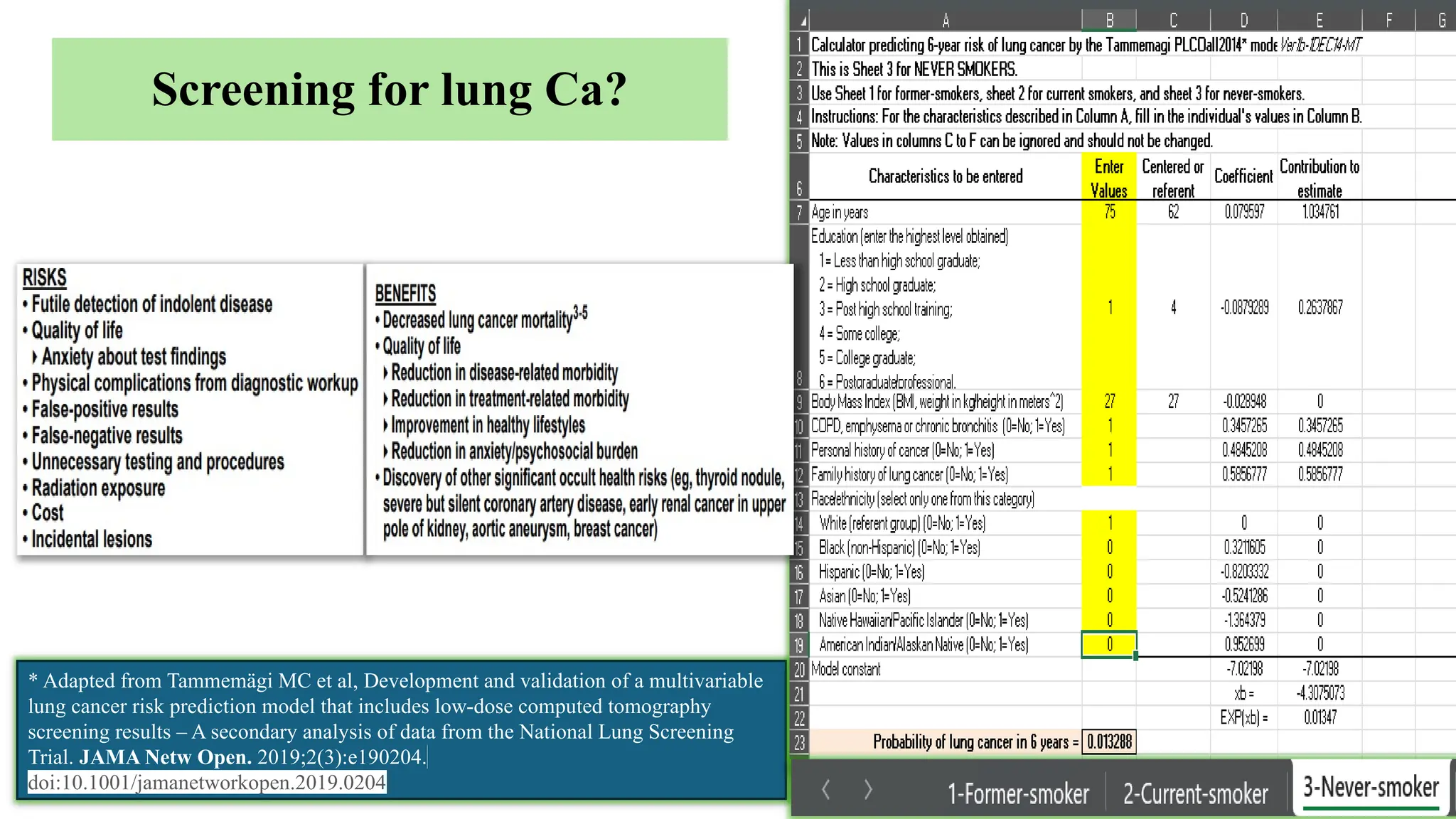
* Adapted from Tammemägi MC et al, Development and validation of a multivariable
lung cancer risk prediction model that includes low-dose computed tomography
screening results – A secondary analysis of data from the National Lung Screening
Trial. JAMA Netw Open. 2019;2(3):e190204.
doi:10.1001/jamanetworkopen.2019.0204
Screening for lung Ca?
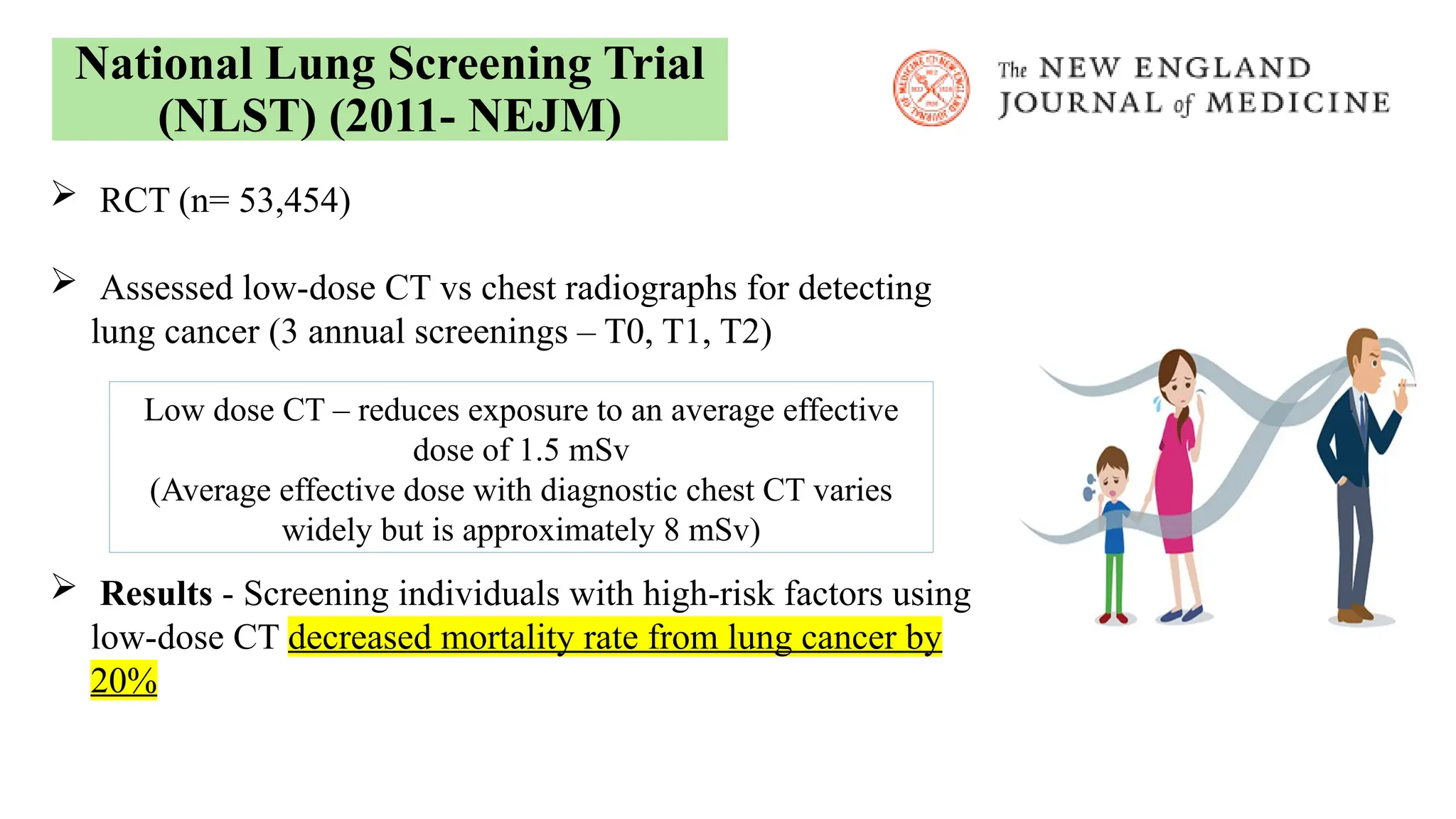
 RCT (n= 53,454)
 Assessed low-dose CT vs chest radiographs for detecting
lung cancer (3 annual screenings – T0, T1, T2)
 Results - Screening individuals with high-risk factors using
low-dose CT decreased mortality rate from lung cancer by
20%
Low dose CT – reduces exposure to an average effective
dose of 1.5 mSv
(Average effective dose with diagnostic chest CT varies
widely but is approximately 8 mSv)
National Lung Screening Trial
(NLST) (2011- NEJM)
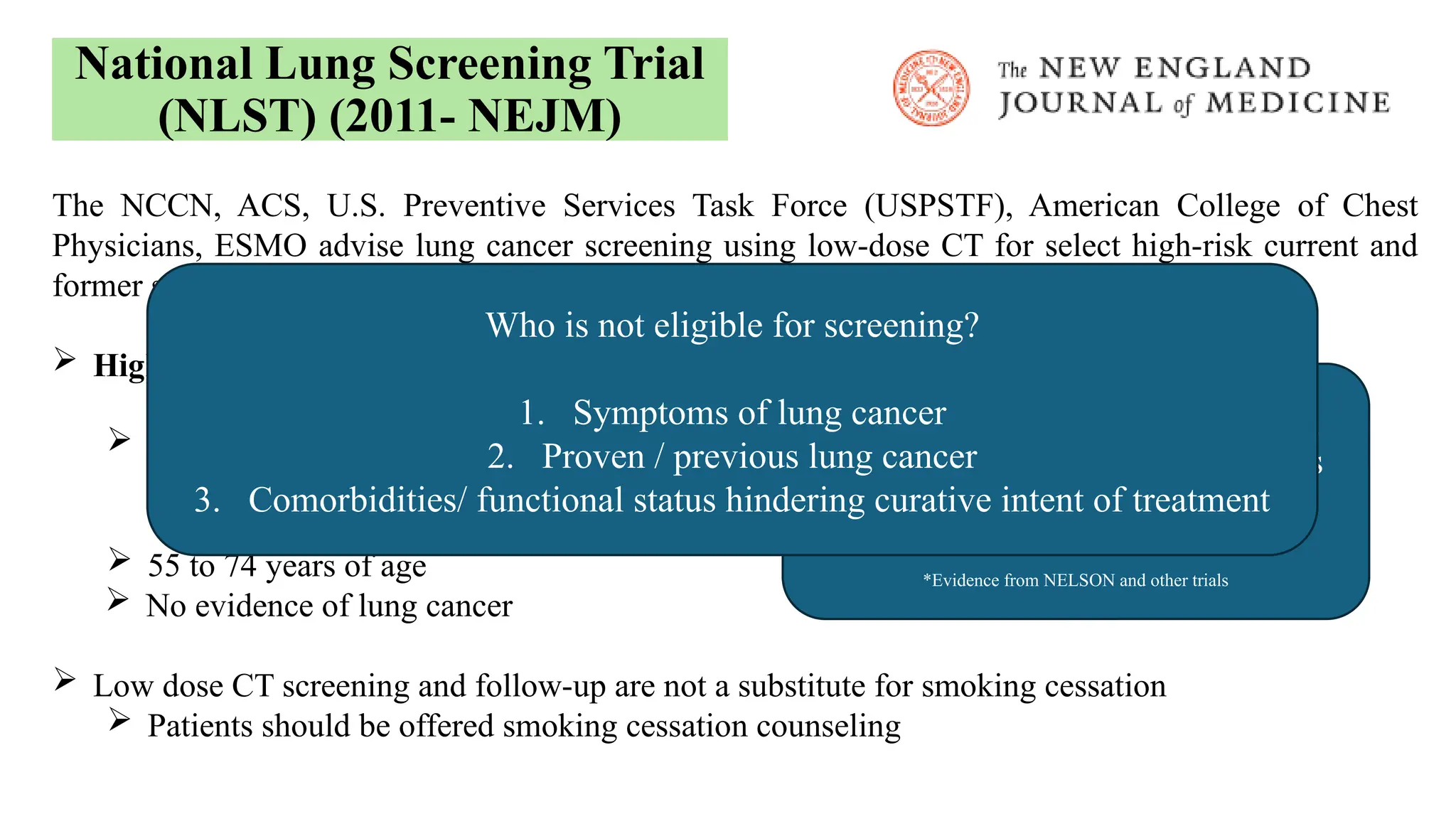
The NCCN, ACS, U.S. Preventive Services Task Force (USPSTF), American College of Chest
Physicians, ESMO advise lung cancer screening using low-dose CT for select high-risk current and
former smokers
 High-risk factors:
 Current or former smokers
 >30 pack-year smoking history
 former smokers quit up to 15 years
 55 to 74 years of age
 No evidence of lung cancer
 Low dose CT screening and follow-up are not a substitute for smoking cessation
 Patients should be offered smoking cessation counseling
National Lung Screening Trial
(NLST) (2011- NEJM)
NCCN 2020 screening updates:
1. Pack years threshold >20 years
2. Lower age limit 50 years
*Evidence from NELSON and other trials
Who is not eligible for screening?
1. Symptoms of lung cancer
2. Proven / previous lung cancer
3. Comorbidities/ functional status hindering curative intent of treatment
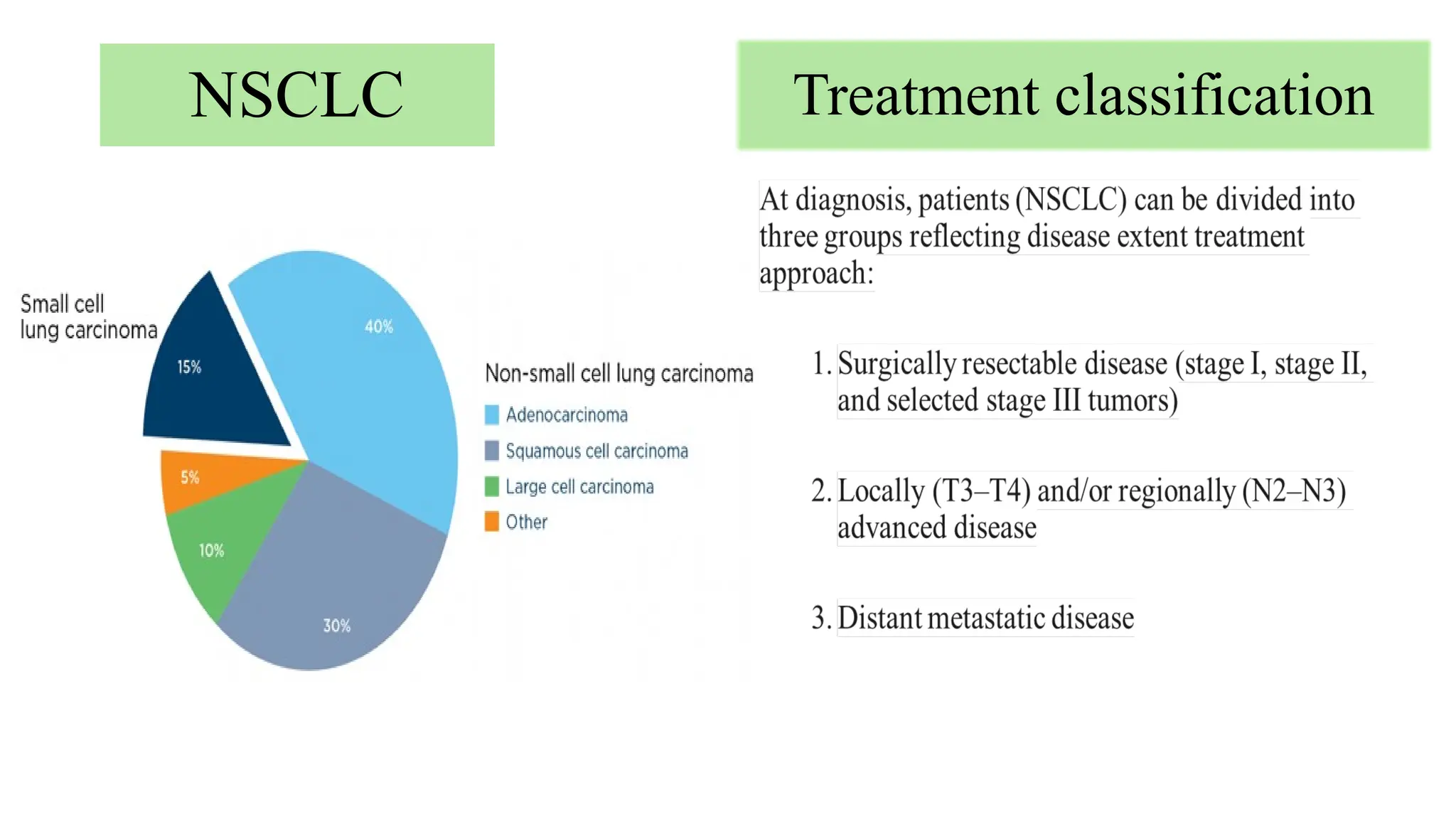
NSCLC Treatment classification
20
21
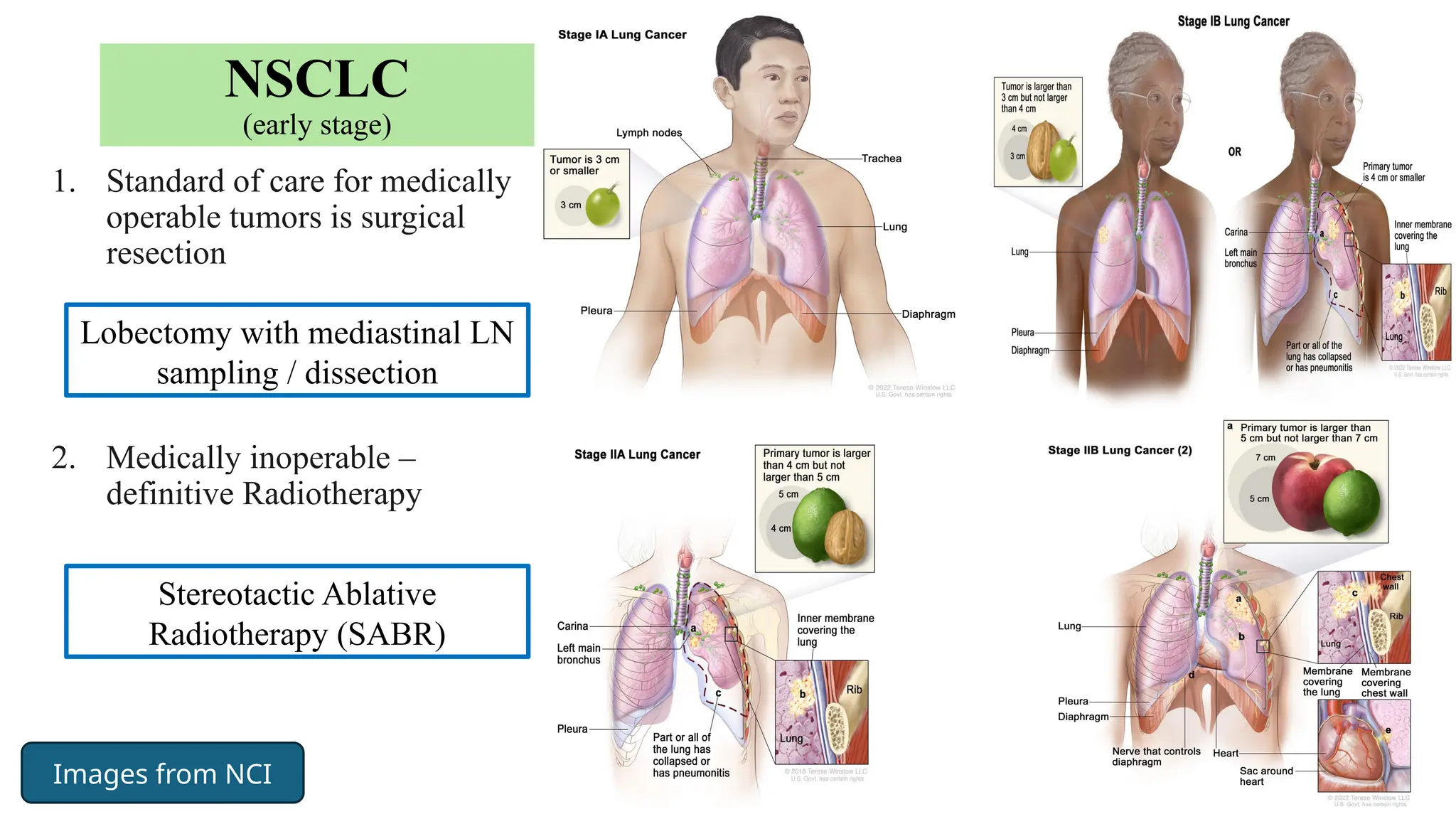
NSCLC
(early stage)
1. Standard of care for medically
operable tumors is surgical
resection
2. Medically inoperable –
definitive Radiotherapy
Lobectomy with mediastinal LN
sampling / dissection
Stereotactic Ablative
Radiotherapy (SABR)
Images from NCI
22
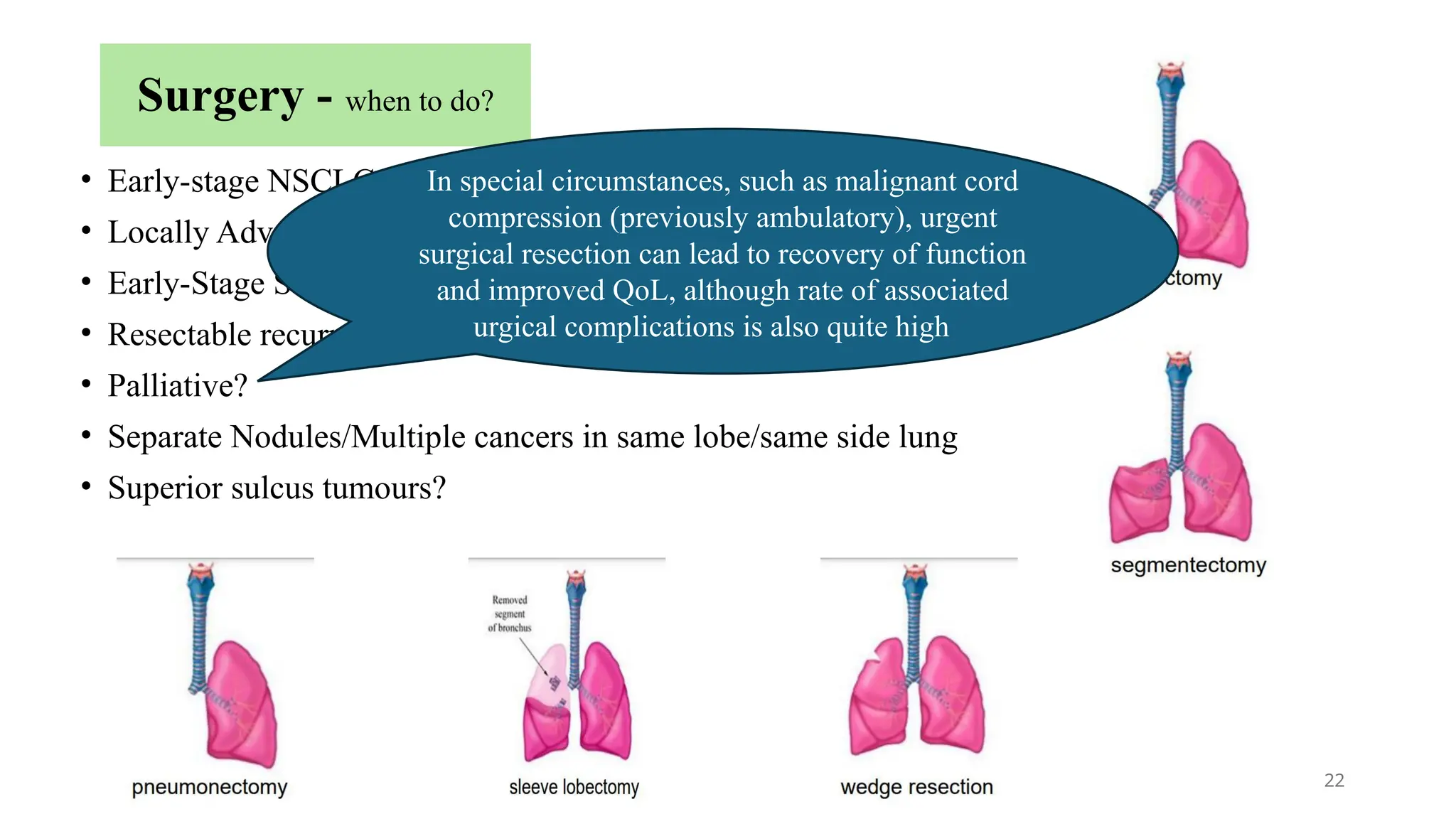
Surgery - when to do?
• Early-stage NSCLC - Stage IA,IB,IIA,IIB
• Locally Advanced NSCLC - Stage IIB/IIIA (T3 N0/N1, T4 N0/N1)
• Early-Stage SCLC - T1/2 N0
• Resectable recurrence
• Palliative?
• Separate Nodules/Multiple cancers in same lobe/same side lung
• Superior sulcus tumours?
In special circumstances, such as malignant cord
compression (previously ambulatory), urgent
surgical resection can lead to recovery of function
and improved QoL, although rate of associated
urgical complications is also quite high
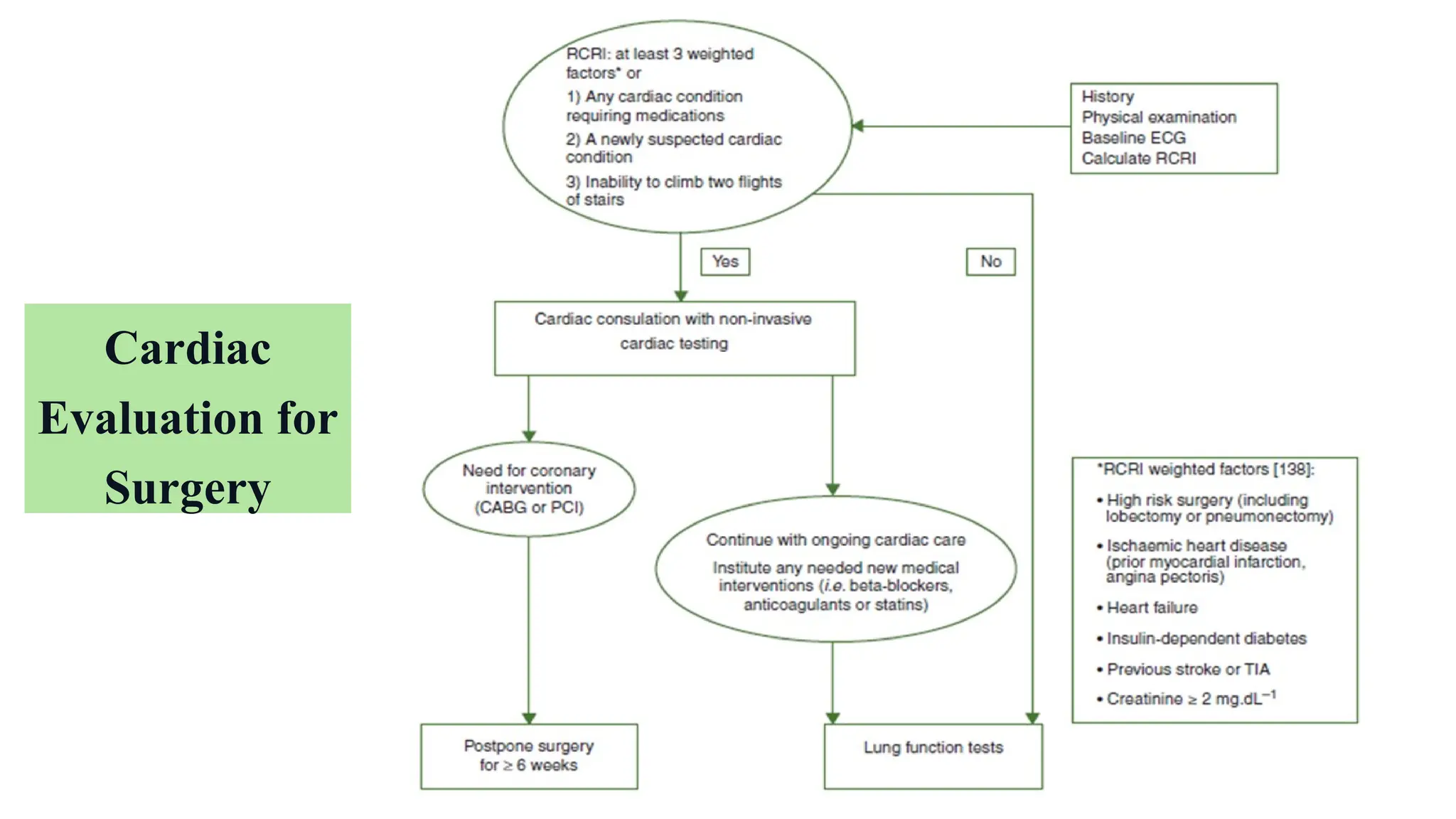
Cardiac
Evaluation for
Surgery
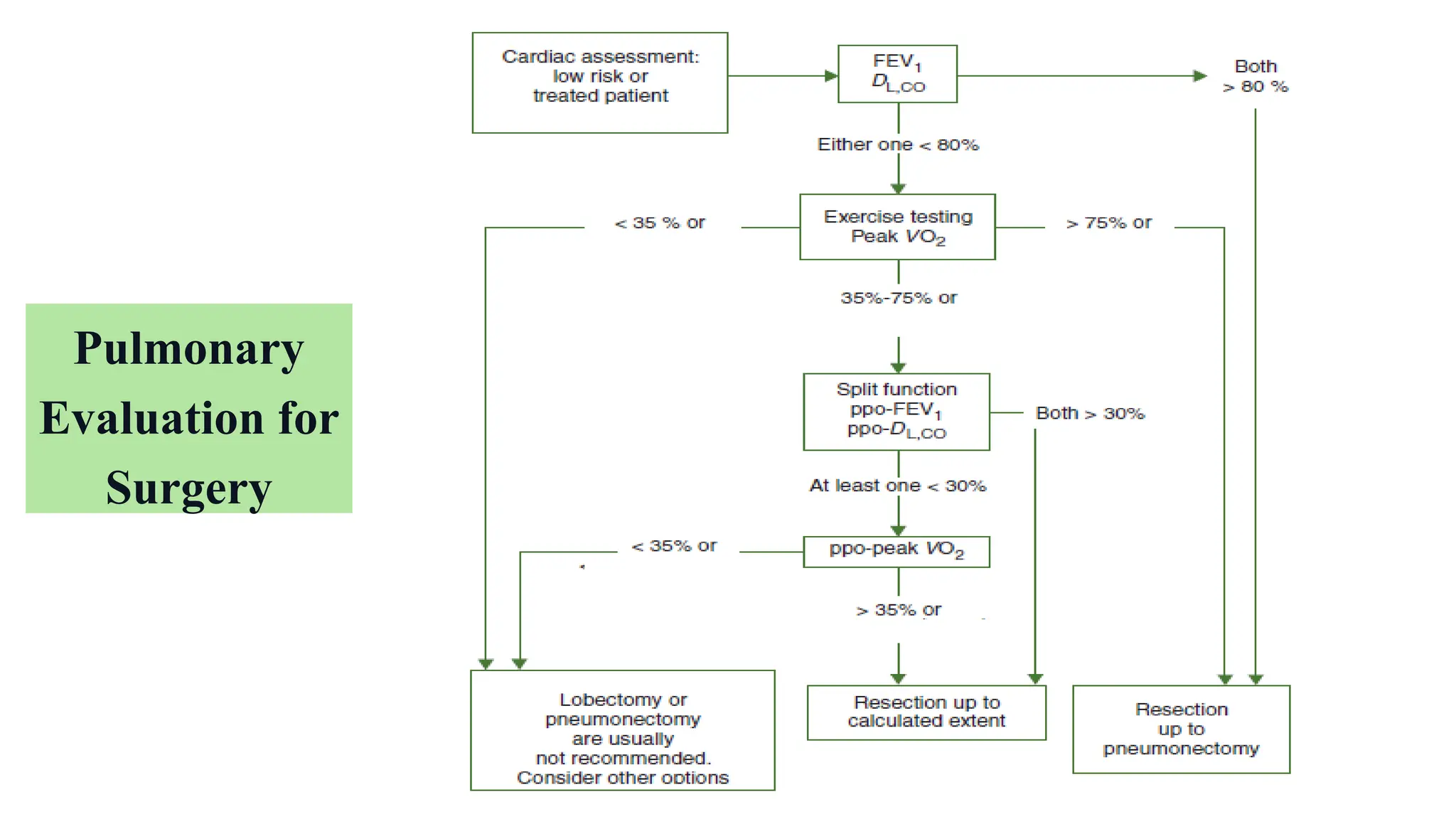
Pulmonary
Evaluation for
Surgery
25
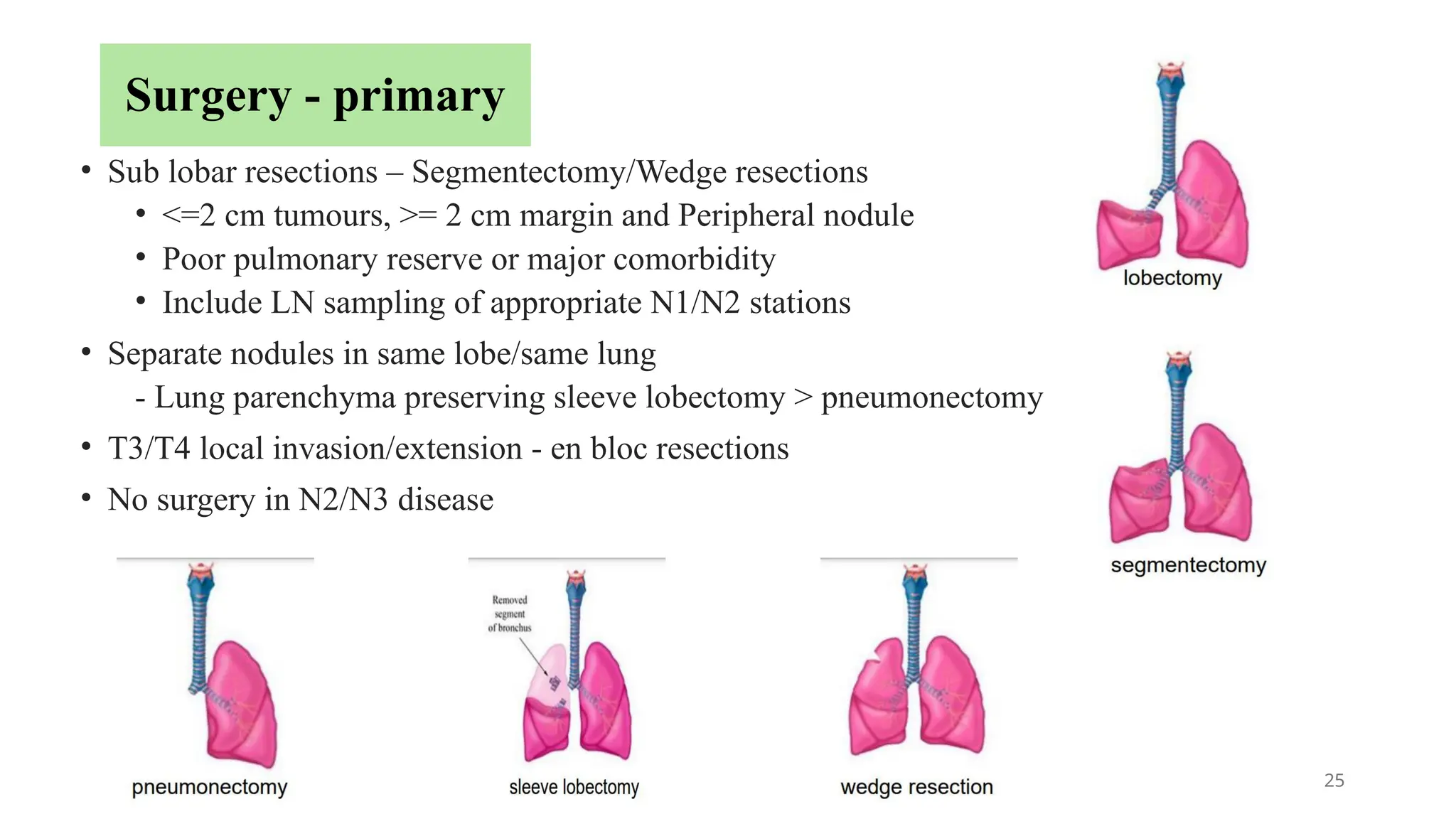
Surgery - primary
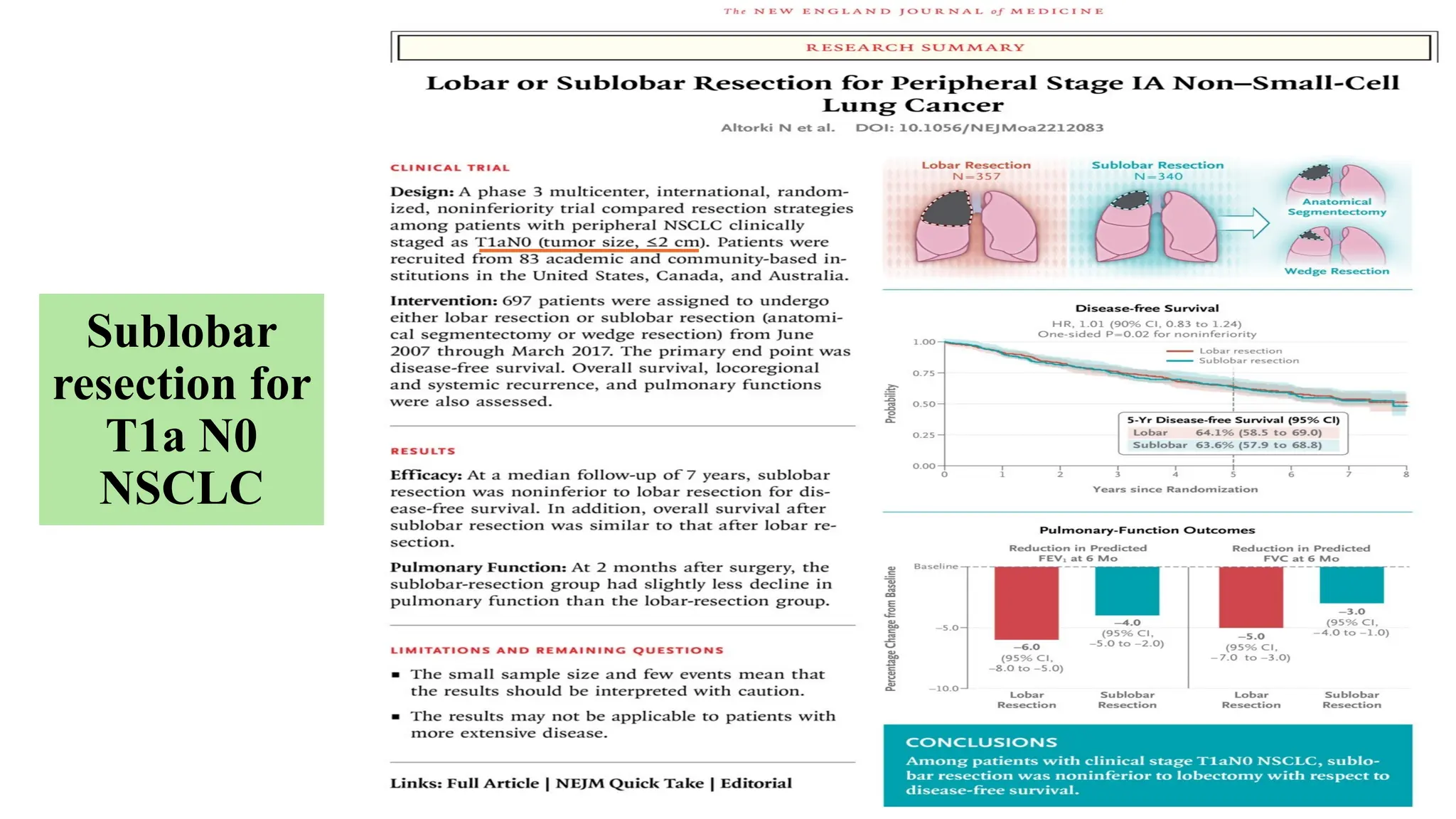
• Sub lobar resections – Segmentectomy/Wedge resections
• <=2 cm tumours, >= 2 cm margin and Peripheral nodule
• Poor pulmonary reserve or major comorbidity
• Include LN sampling of appropriate N1/N2 stations
• Separate nodules in same lobe/same lung
- Lung parenchyma preserving sleeve lobectomy > pneumonectomy
• T3/T4 local invasion/extension - en bloc resections
• No surgery in N2/N3 disease
26
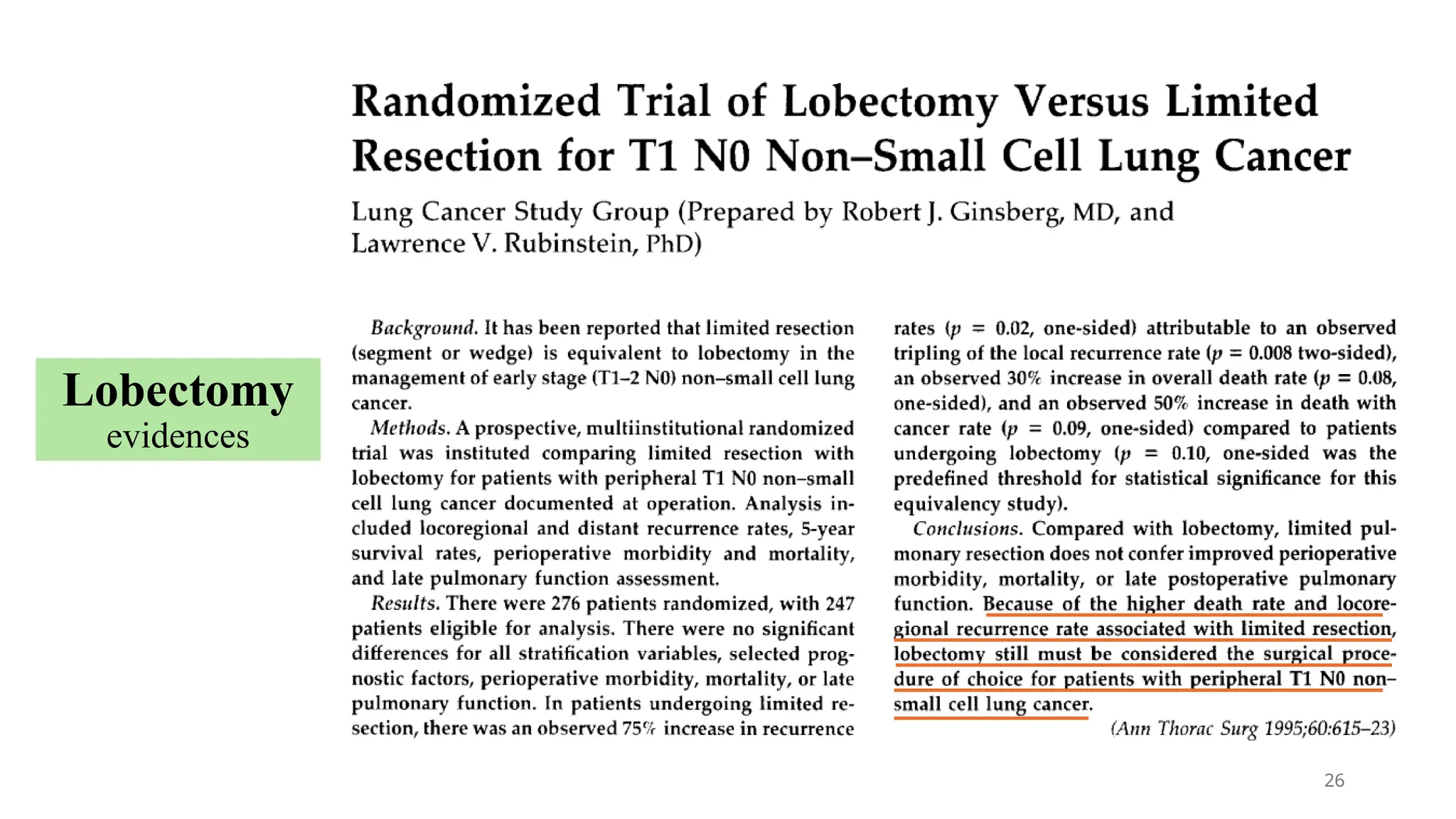
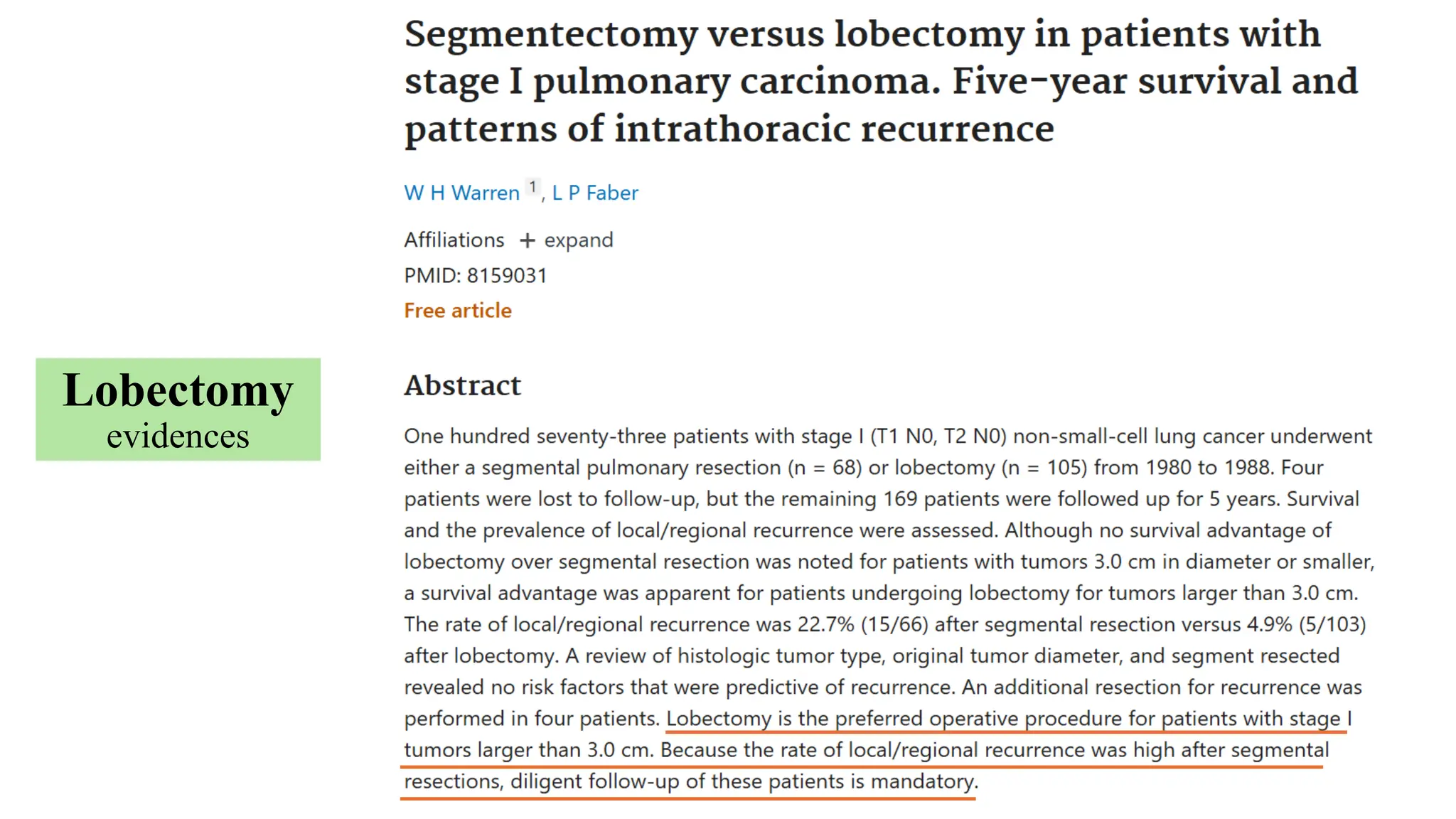
Lobectomy
evidences
27
Lobectomy
evidences
28
Sublobar
resection for
T1a N0
NSCLC
29
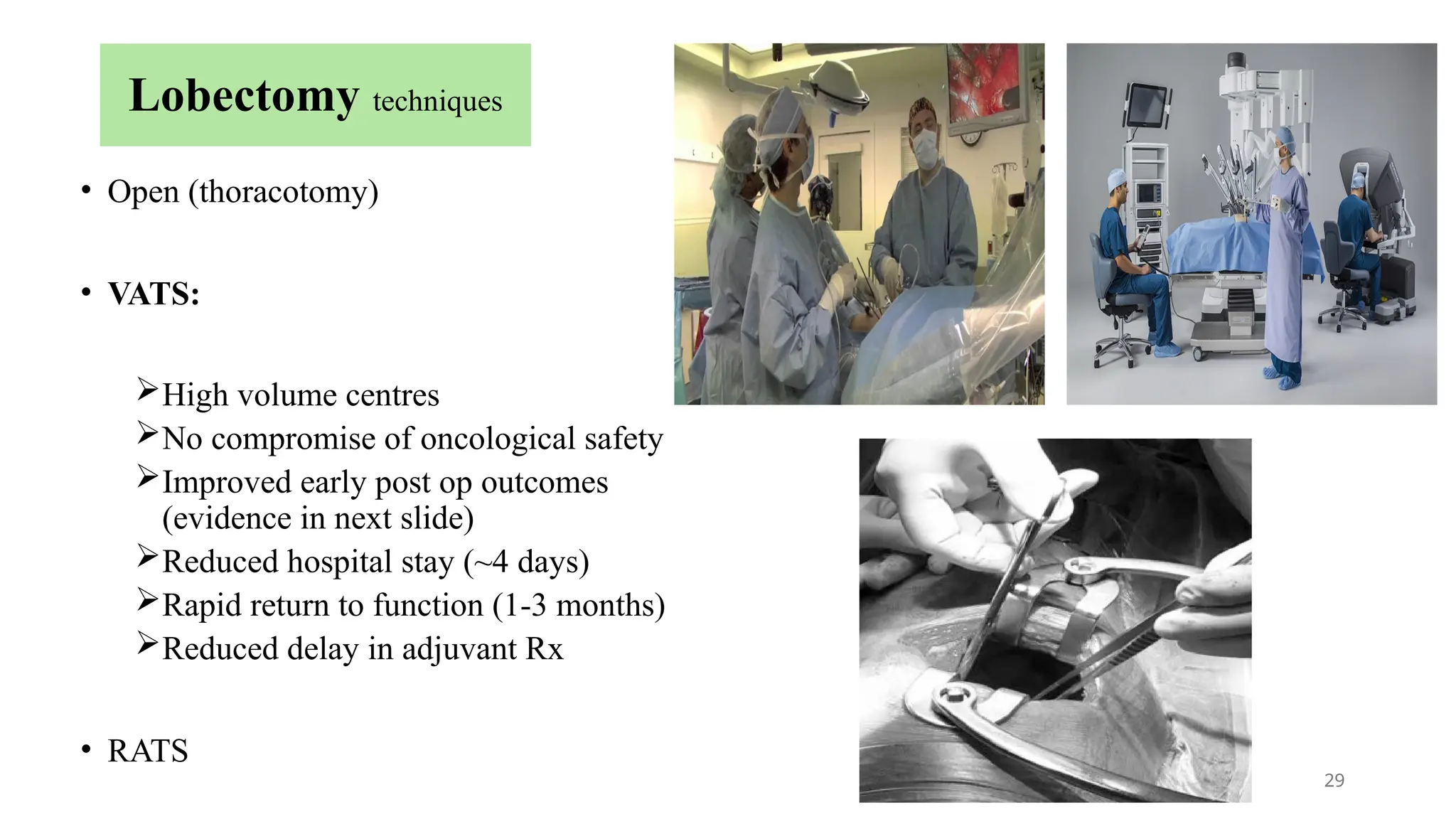
Lobectomy techniques
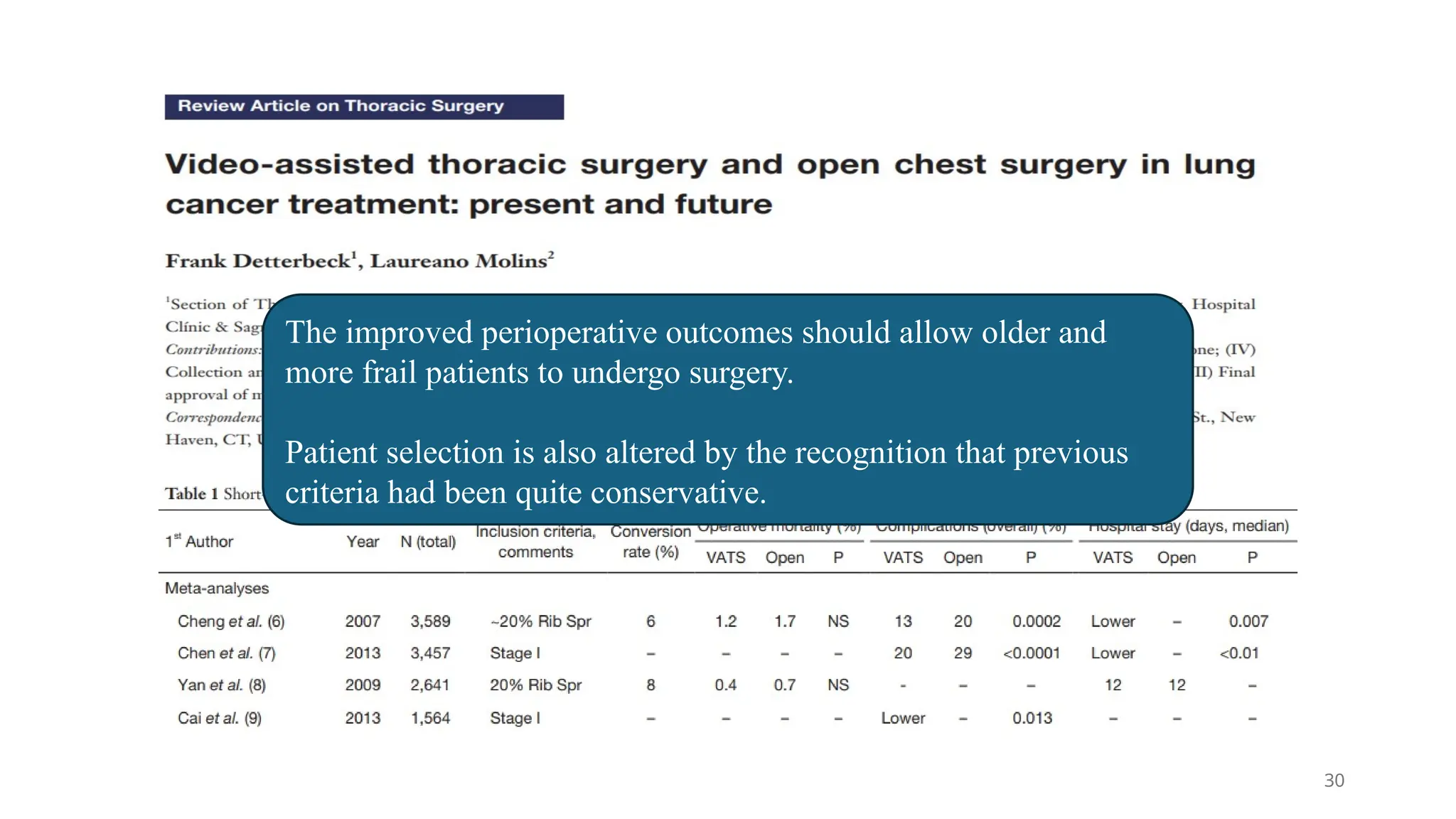
• Open (thoracotomy)
• VATS:
High volume centres
No compromise of oncological safety
Improved early post op outcomes
(evidence in next slide)
Reduced hospital stay (~4 days)
Rapid return to function (1-3 months)
Reduced delay in adjuvant Rx
• RATS
30
The improved perioperative outcomes should allow older and
more frail patients to undergo surgery.
Patient selection is also altered by the recognition that previous
criteria had been quite conservative.
31
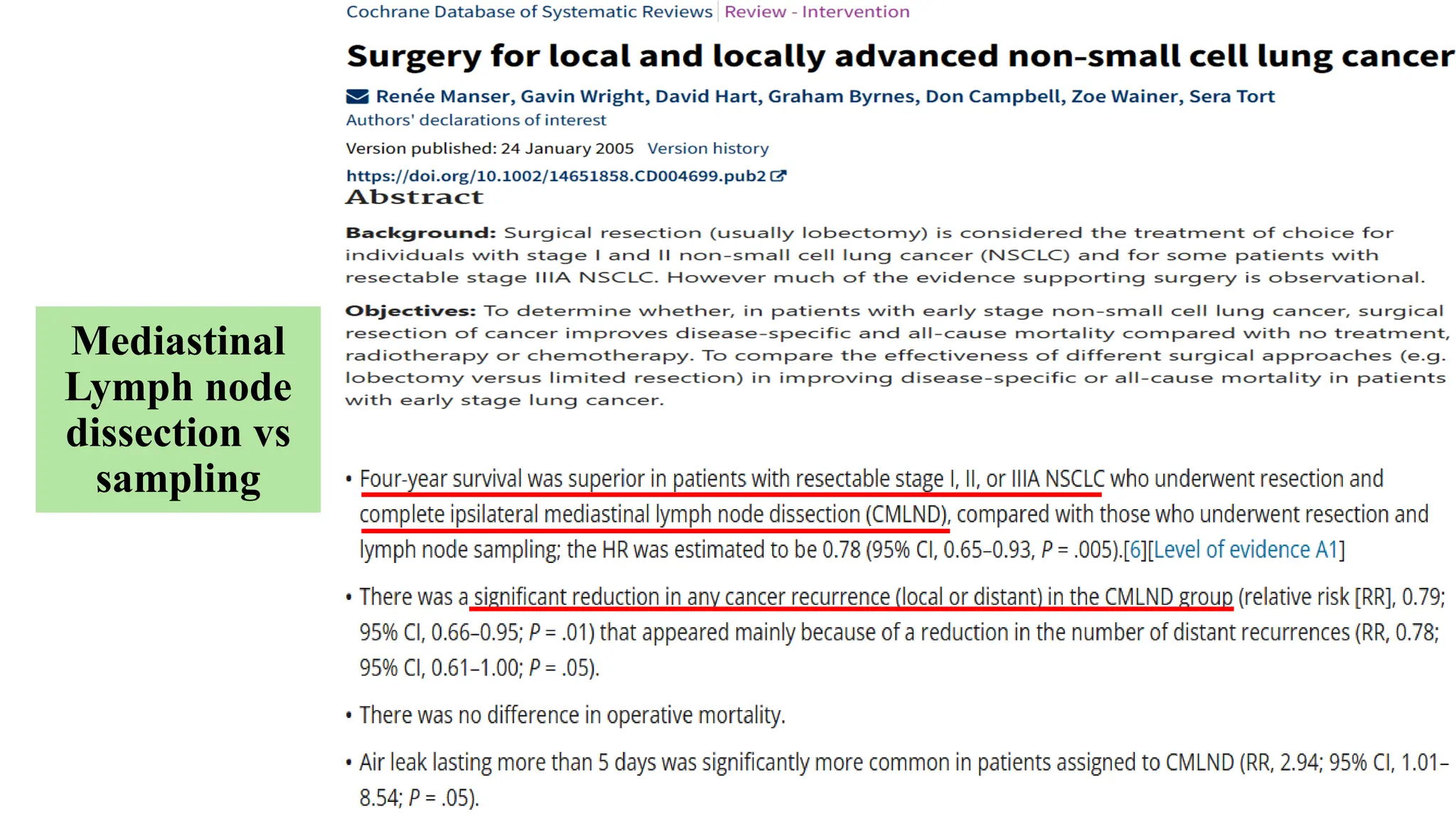
Mediastinal
Lymph node
dissection vs
sampling
32
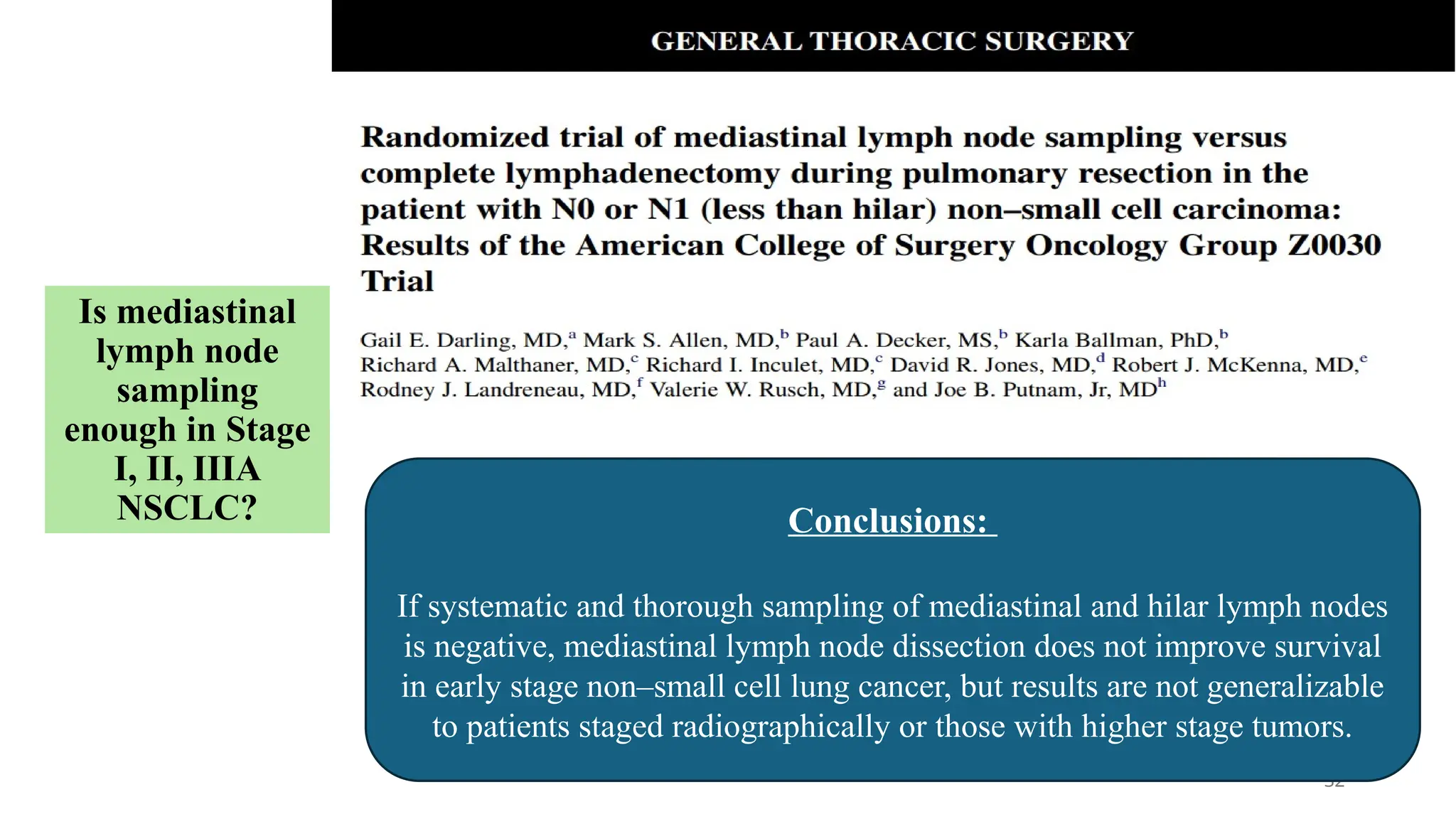
Is mediastinal
lymph node
sampling
enough in Stage
I, II, IIIA
NSCLC? Conclusions:
If systematic and thorough sampling of mediastinal and hilar lymph nodes
is negative, mediastinal lymph node dissection does not improve survival
in early stage non–small cell lung cancer, but results are not generalizable
to patients staged radiographically or those with higher stage tumors.
33
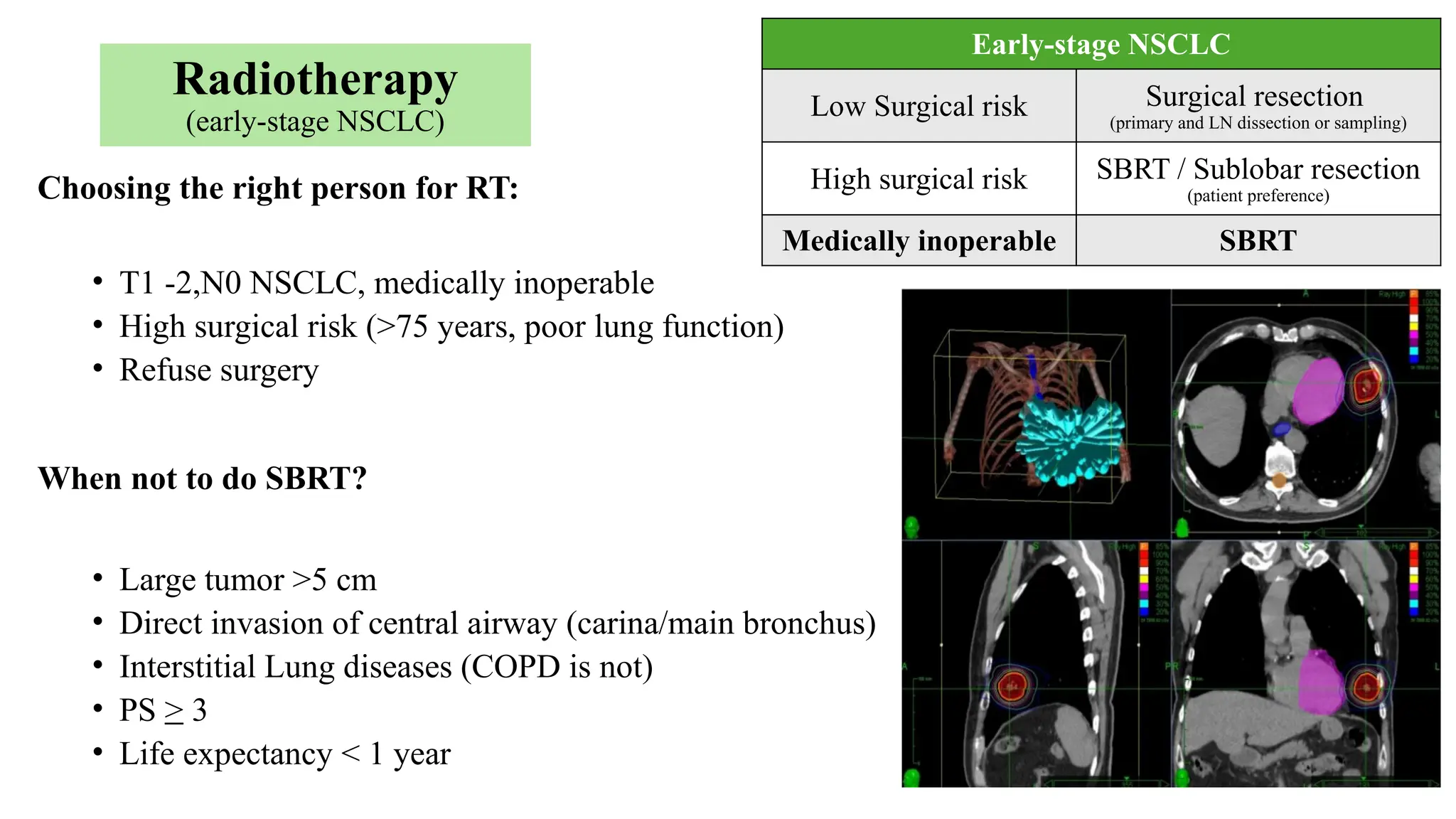
Choosing the right person for RT:
• T1 -2,N0 NSCLC, medically inoperable
• High surgical risk (>75 years, poor lung function)
• Refuse surgery
When not to do SBRT?
• Large tumor >5 cm
• Direct invasion of central airway (carina/main bronchus)
• Interstitial Lung diseases (COPD is not)
• PS > 3
• Life expectancy < 1 year
Radiotherapy
(early-stage NSCLC)
Early-stage NSCLC
Low Surgical risk Surgical resection
(primary and LN dissection or sampling)
High surgical risk SBRT / Sublobar resection
(patient preference)
Medically inoperable SBRT
SBRT
(early-stage NSCLC)
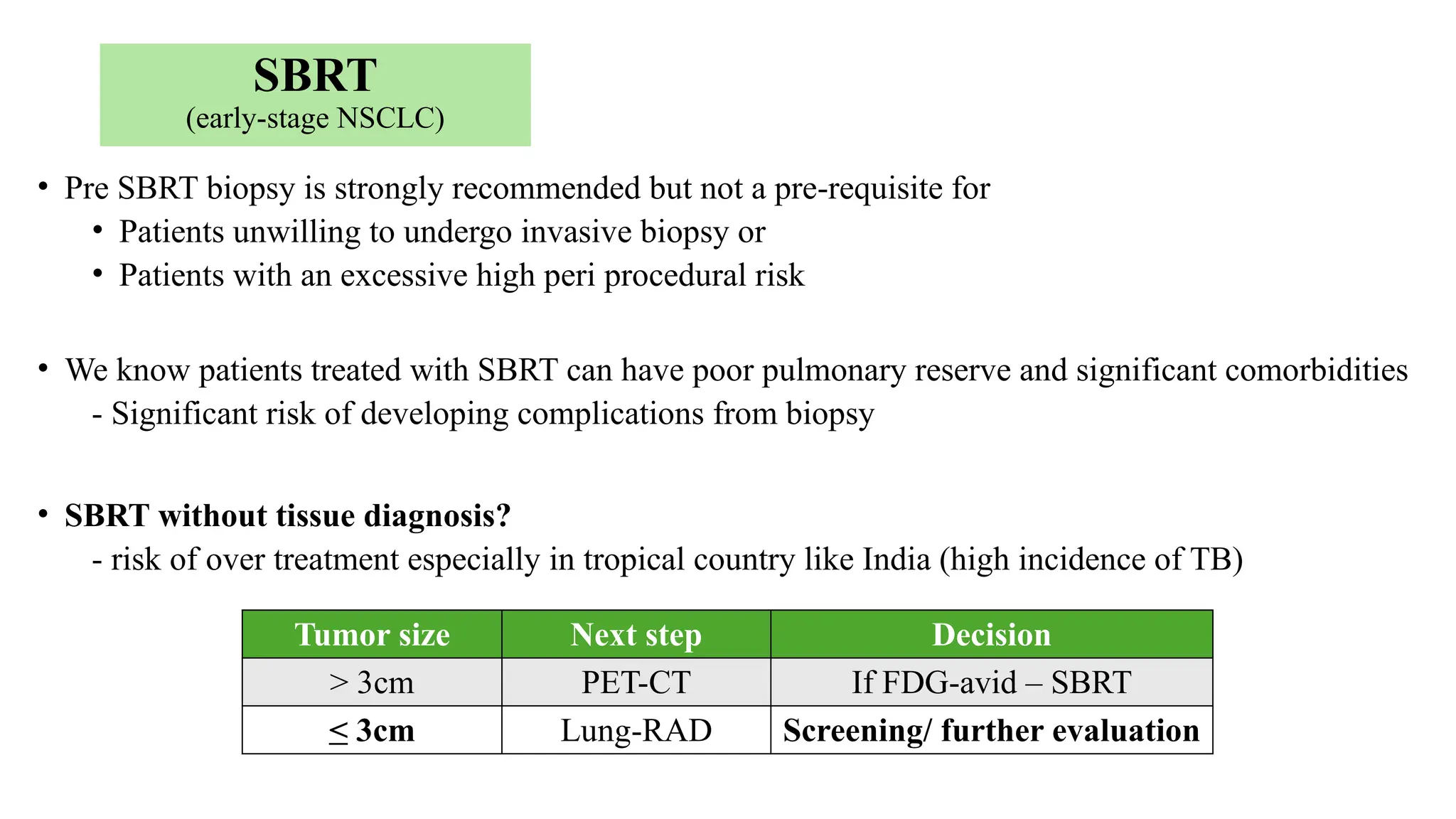
• Pre SBRT biopsy is strongly recommended but not a pre-requisite for
• Patients unwilling to undergo invasive biopsy or
• Patients with an excessive high peri procedural risk
• We know patients treated with SBRT can have poor pulmonary reserve and significant comorbidities
- Significant risk of developing complications from biopsy
• SBRT without tissue diagnosis?
- risk of over treatment especially in tropical country like India (high incidence of TB)
Tumor size Next step Decision
> 3cm PET-CT If FDG-avid – SBRT
< 3cm Lung-RAD Screening/ further evaluation
SBRT
(evidences)
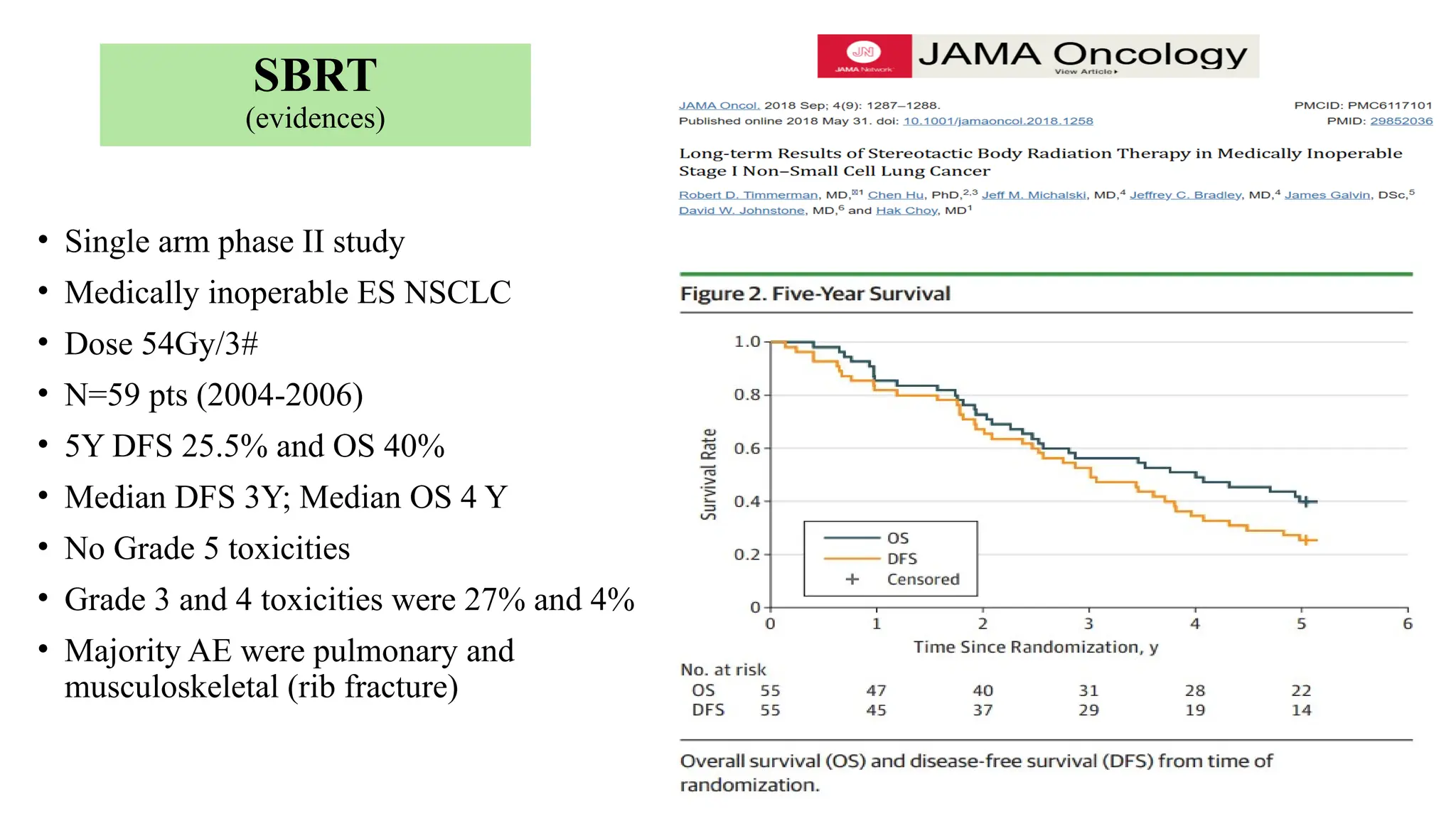
• Single arm phase II study
• Medically inoperable ES NSCLC
• Dose 54Gy/3#
• N=59 pts (2004-2006)
• 5Y DFS 25.5% and OS 40%
• Median DFS 3Y; Median OS 4 Y
• No Grade 5 toxicities
• Grade 3 and 4 toxicities were 27% and 4%
• Majority AE were pulmonary and
musculoskeletal (rib fracture)
SBRT vs Surgery
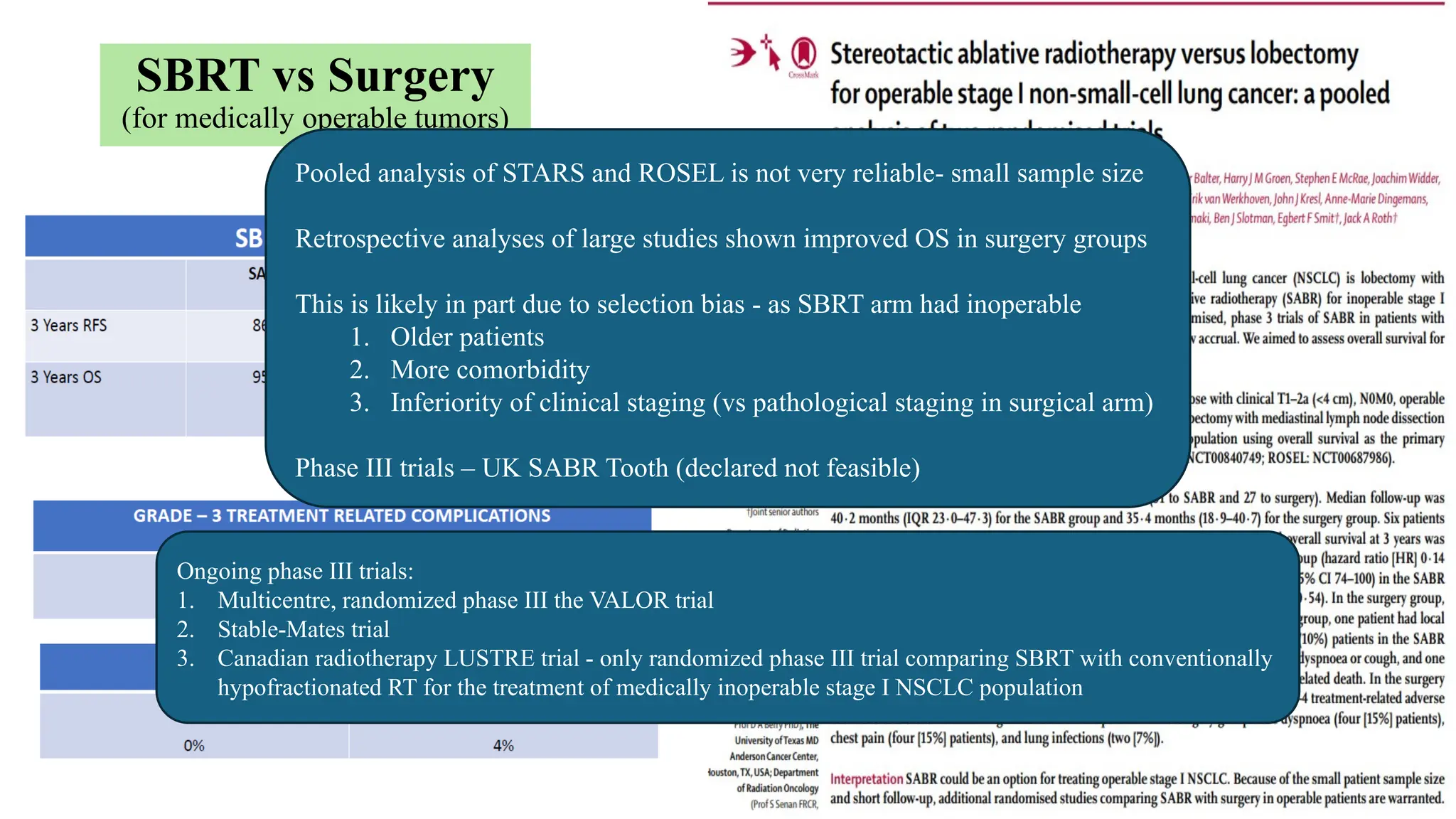
(for medically operable tumors)
Pooled analysis of STARS and ROSEL is not very reliable- small sample size
Retrospective analyses of large studies shown improved OS in surgery groups
This is likely in part due to selection bias - as SBRT arm had inoperable
1. Older patients
2. More comorbidity
3. Inferiority of clinical staging (vs pathological staging in surgical arm)
Phase III trials – UK SABR Tooth (declared not feasible)
Ongoing phase III trials:
1. Multicentre, randomized phase III the VALOR trial
2. Stable-Mates trial
3. Canadian radiotherapy LUSTRE trial - only randomized phase III trial comparing SBRT with conventionally
hypofractionated RT for the treatment of medically inoperable stage I NSCLC population
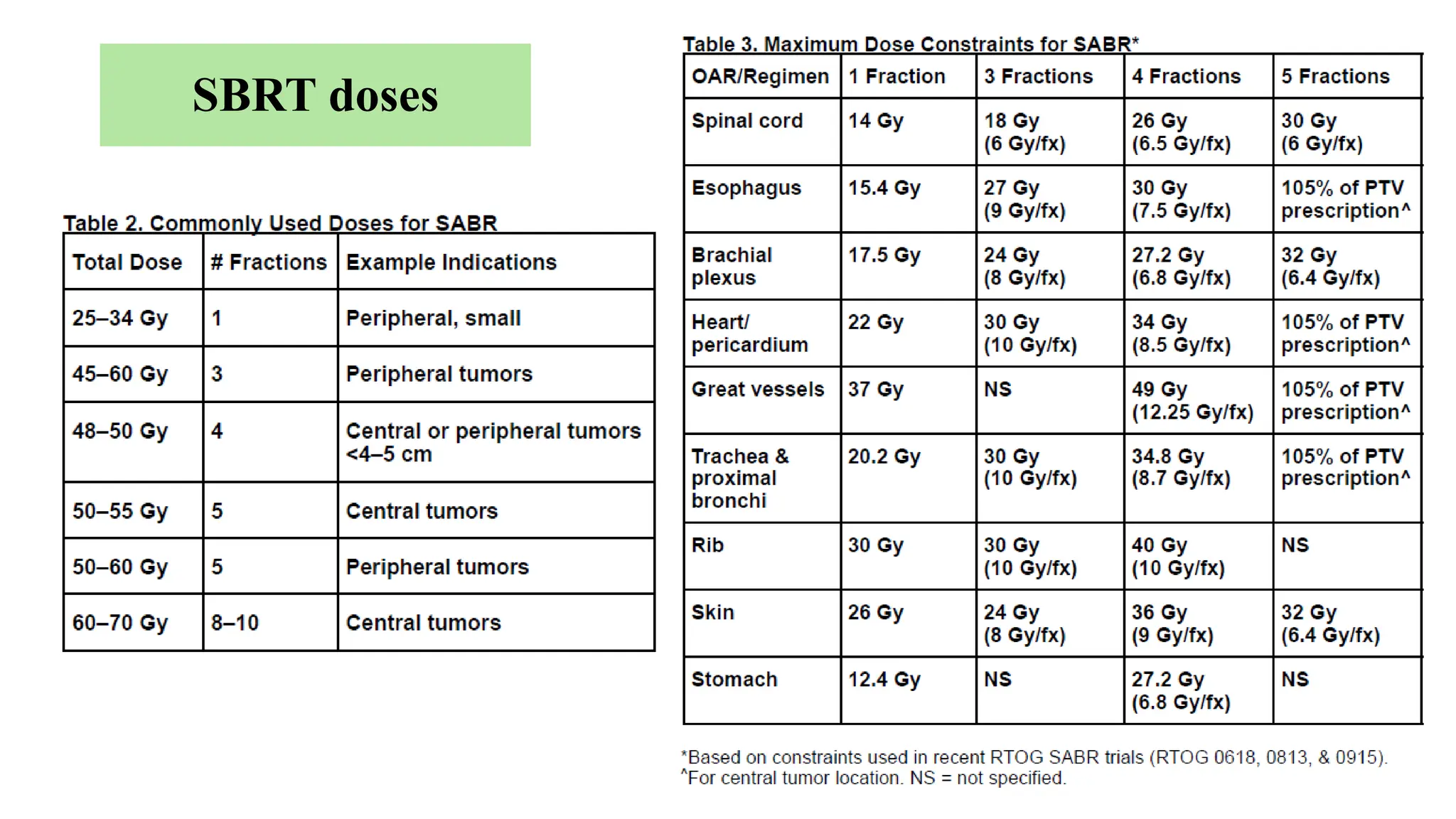
SBRT doses
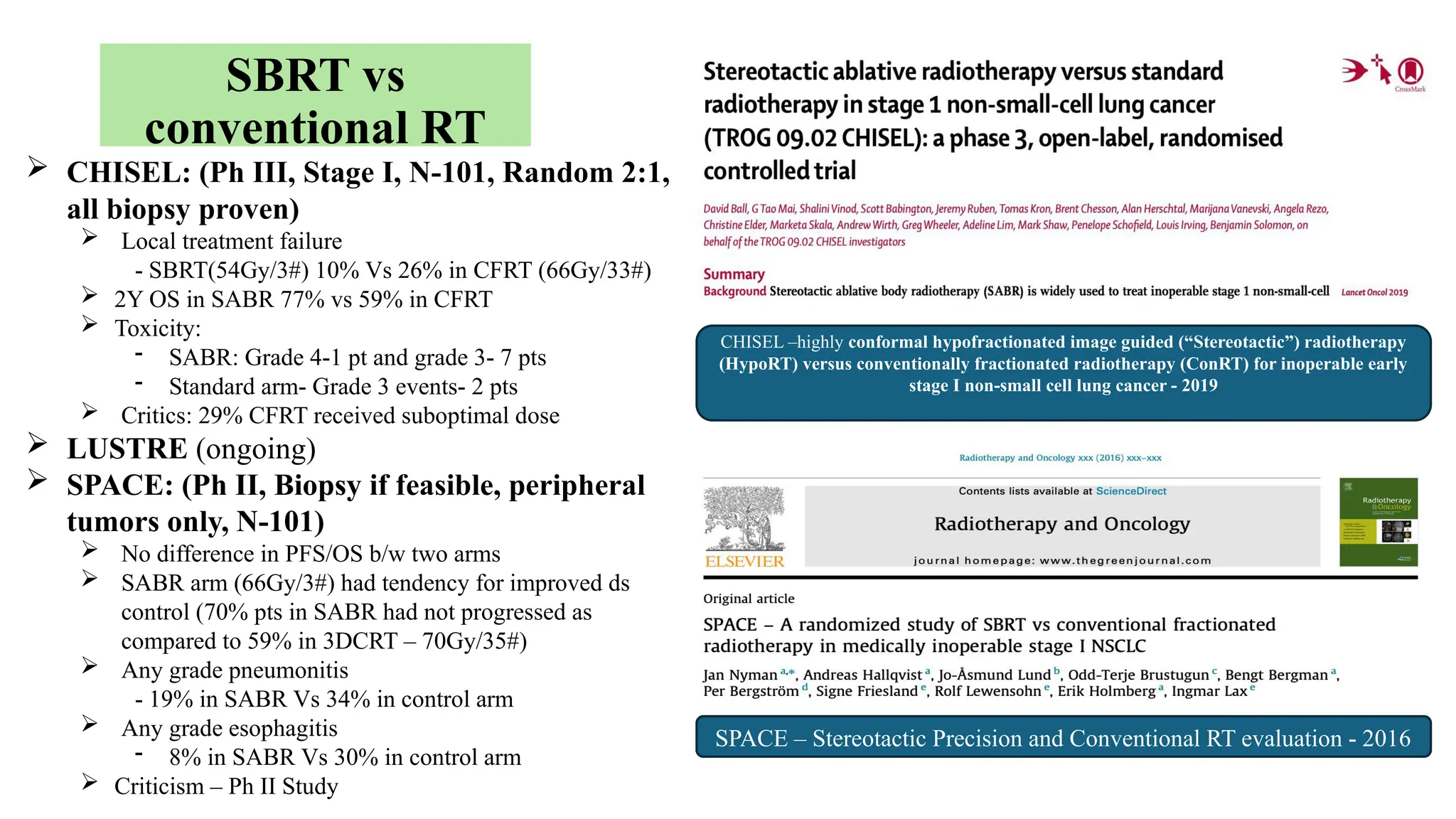
SBRT vs
conventional RT
 CHISEL: (Ph III, Stage I, N-101, Random 2:1,
all biopsy proven)
 Local treatment failure
- SBRT(54Gy/3#) 10% Vs 26% in CFRT (66Gy/33#)
 2Y OS in SABR 77% vs 59% in CFRT
 Toxicity:
- SABR: Grade 4-1 pt and grade 3- 7 pts
- Standard arm- Grade 3 events- 2 pts
 Critics: 29% CFRT received suboptimal dose
 LUSTRE (ongoing)
 SPACE: (Ph II, Biopsy if feasible, peripheral
tumors only, N-101)
 No difference in PFS/OS b/w two arms
 SABR arm (66Gy/3#) had tendency for improved ds
control (70% pts in SABR had not progressed as
compared to 59% in 3DCRT – 70Gy/35#)
 Any grade pneumonitis
- 19% in SABR Vs 34% in control arm
 Any grade esophagitis
- 8% in SABR Vs 30% in control arm
 Criticism – Ph II Study
SPACE – Stereotactic Precision and Conventional RT evaluation - 2016
CHISEL –highly conformal hypofractionated image guided (“Stereotactic”) radiotherapy
(HypoRT) versus conventionally fractionated radiotherapy (ConRT) for inoperable early
stage I non-small cell lung cancer - 2019
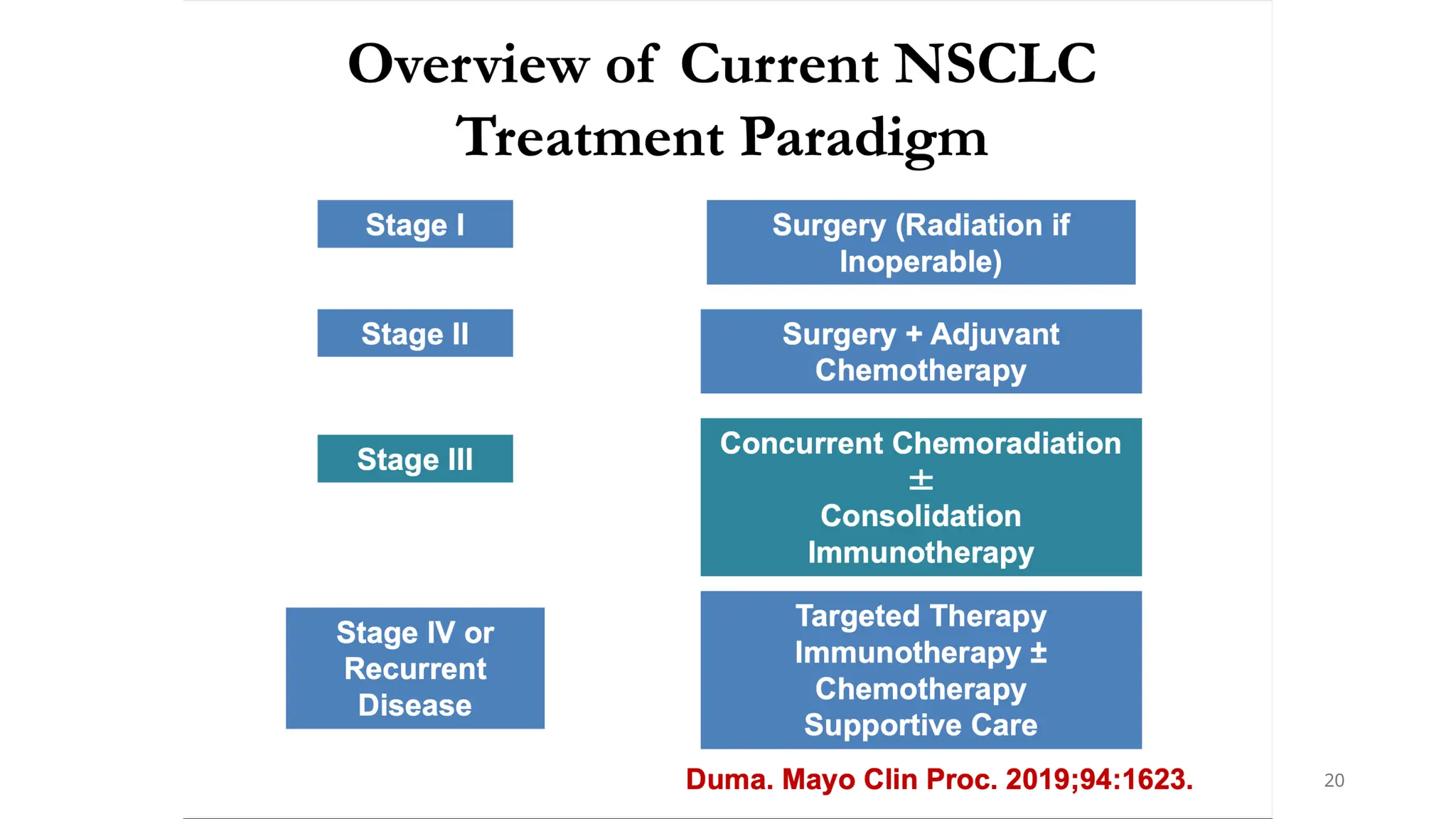
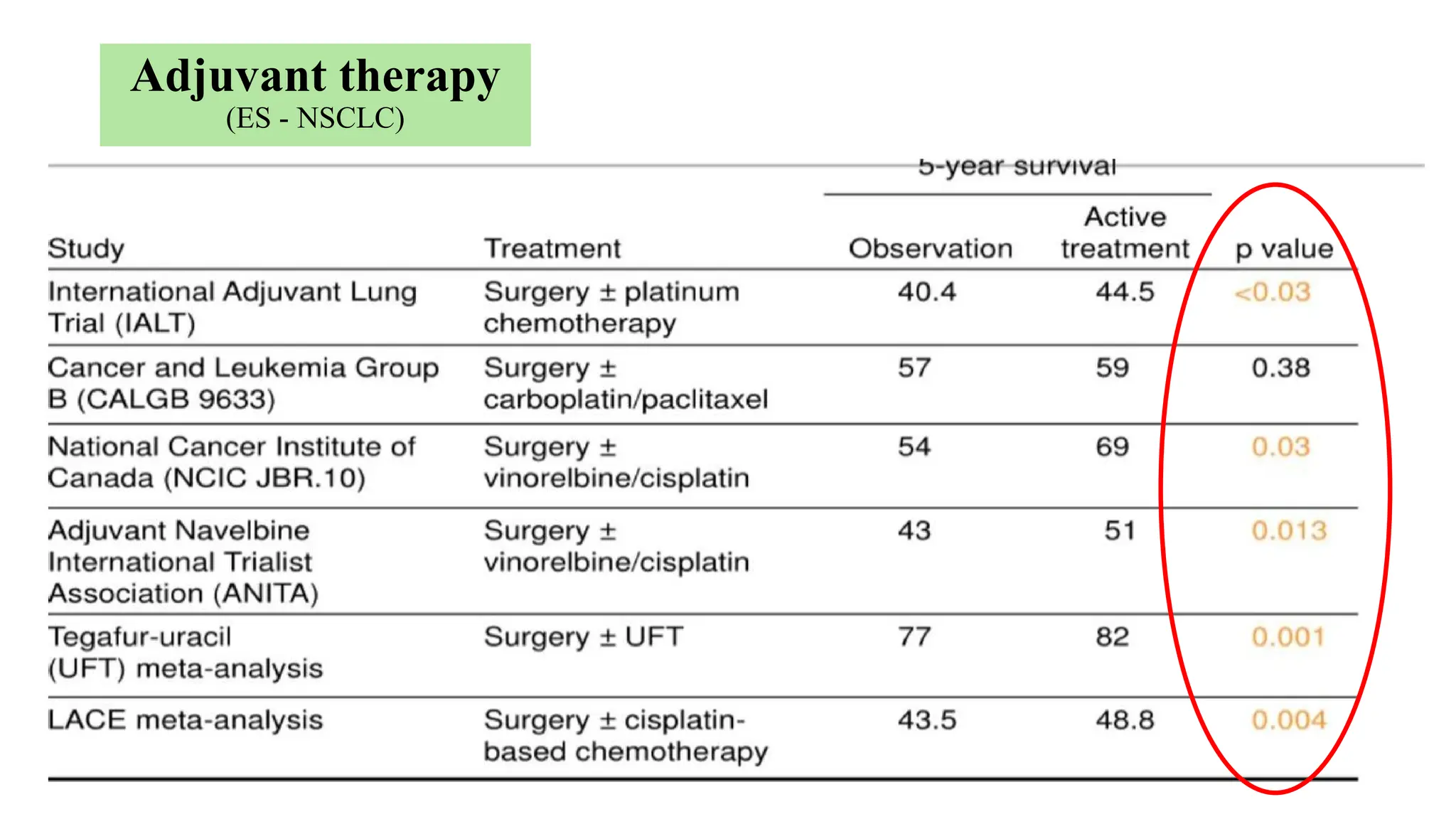
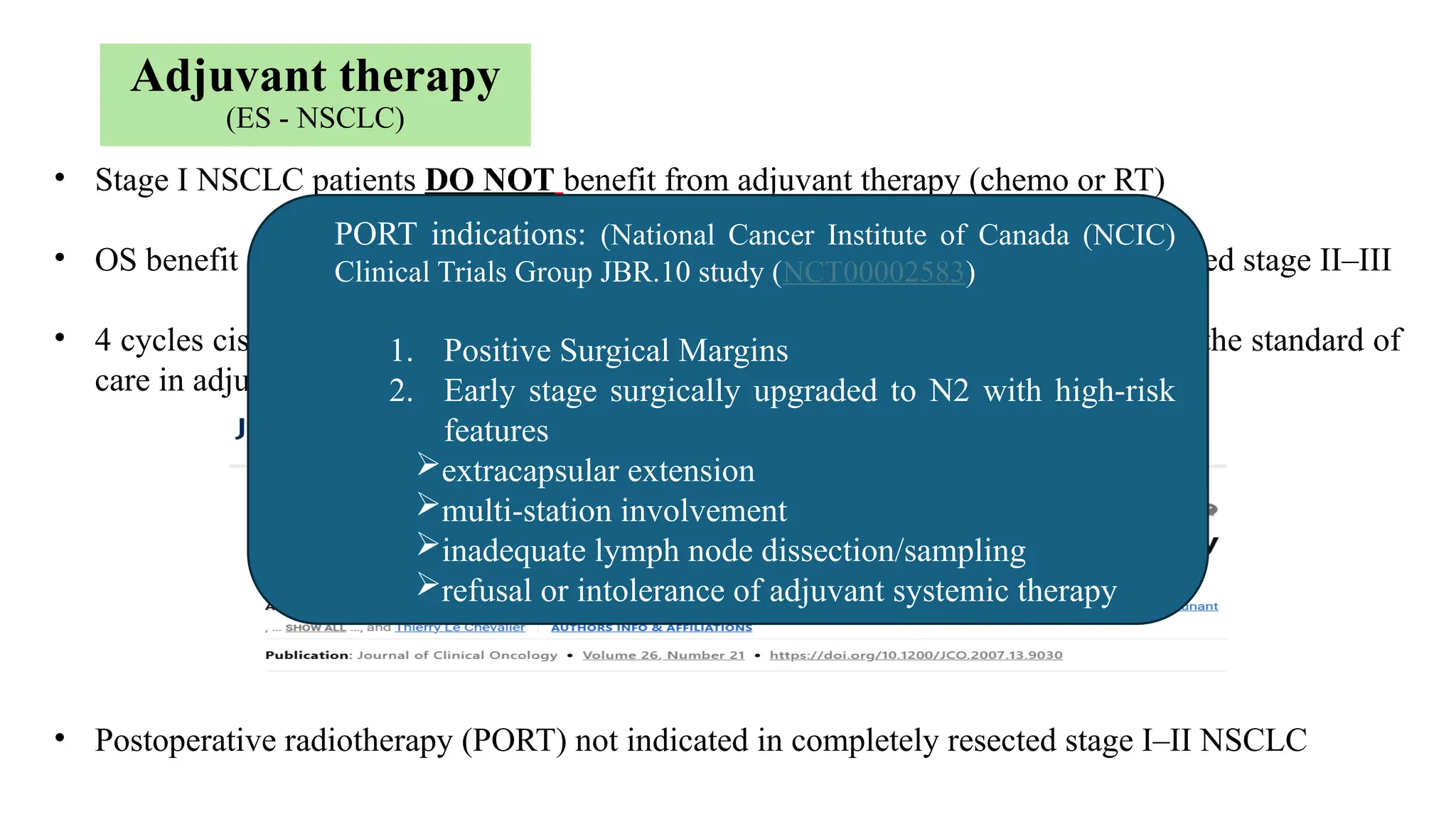
• Stage I NSCLC patients DO NOT benefit from adjuvant therapy (chemo or RT)
• OS benefit of adjuvant therapy limited to cisplatin-based CTH in completely resected stage II–III
• 4 cycles cisplatin-based CTH after complete resection in stage II NSCLC remains the standard of
care in adjuvant setting, offering a 5% absolute OS benefit (LACE)
• Postoperative radiotherapy (PORT) not indicated in completely resected stage I–II NSCLC
Adjuvant therapy
(ES - NSCLC)
PORT indications: (National Cancer Institute of Canada (NCIC)
Clinical Trials Group JBR.10 study (NCT00002583)
1. Positive Surgical Margins
2. Early stage surgically upgraded to N2 with high-risk
features
extracapsular extension
multi-station involvement
inadequate lymph node dissection/sampling
refusal or intolerance of adjuvant systemic therapy
40
PORT meta-analysis
(ES - NSCLC)
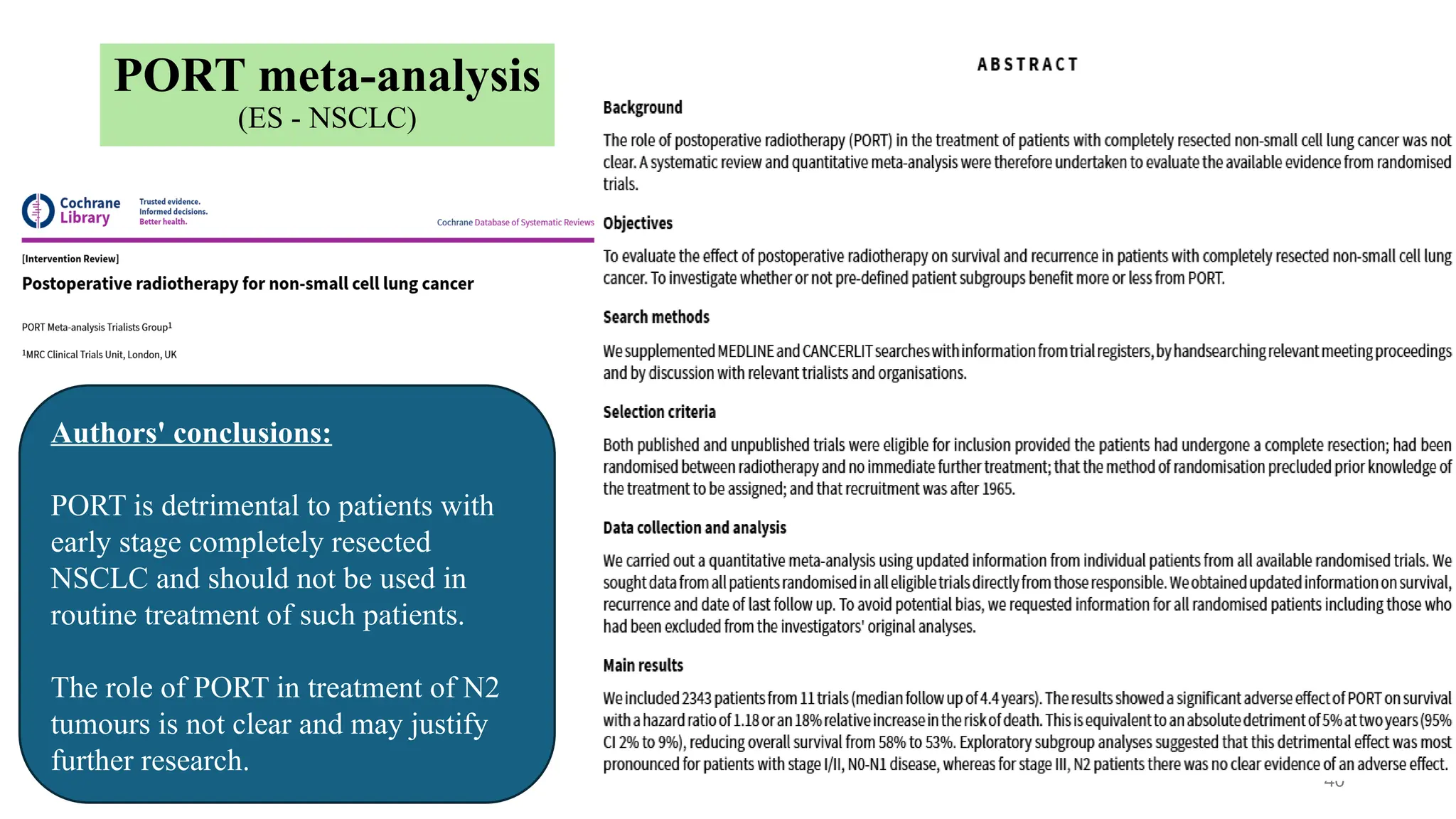
Authors' conclusions:
PORT is detrimental to patients with
early stage completely resected
NSCLC and should not be used in
routine treatment of such patients.
The role of PORT in treatment of N2
tumours is not clear and may justify
further research.
41
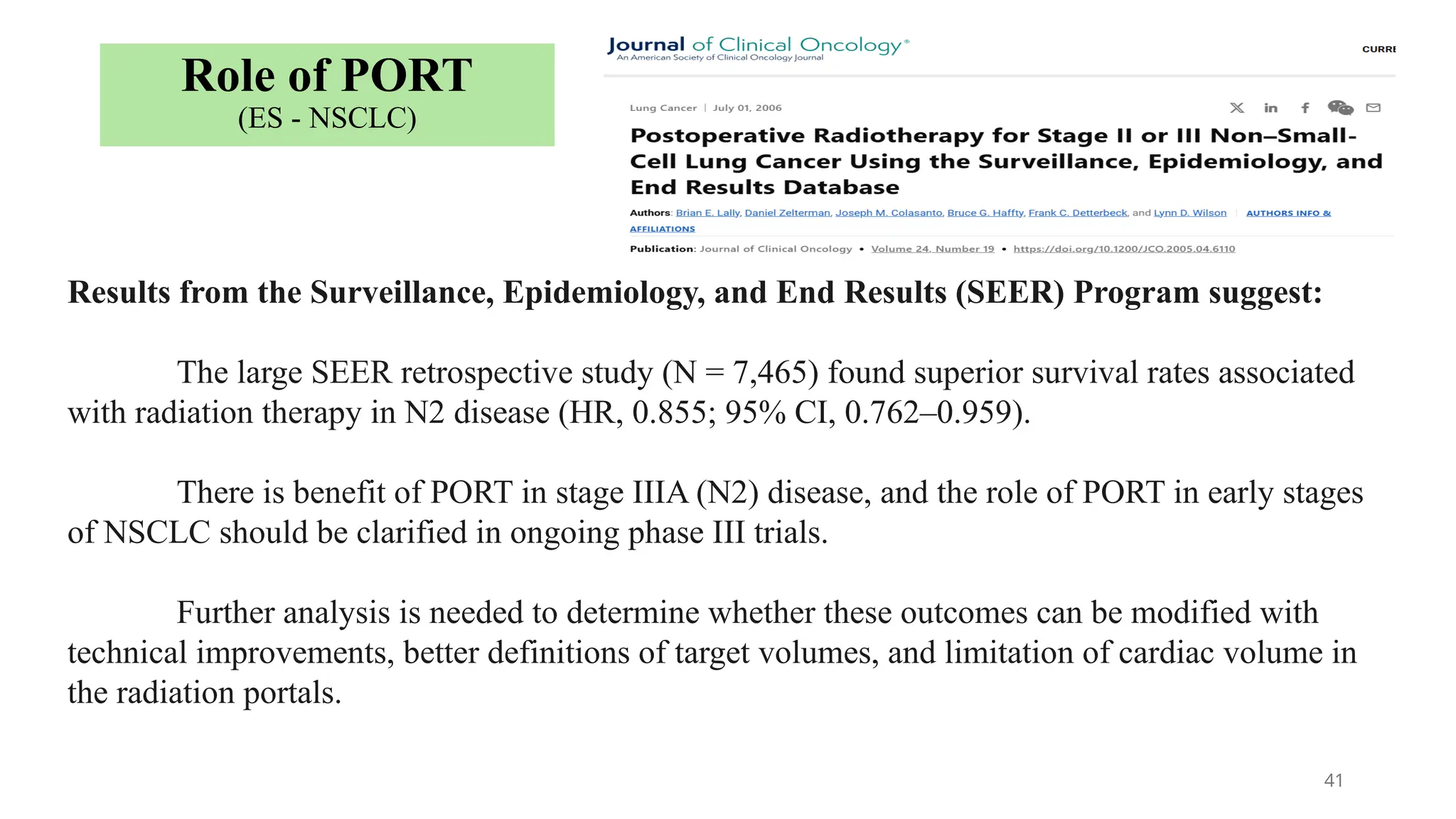
Results from the Surveillance, Epidemiology, and End Results (SEER) Program suggest:
The large SEER retrospective study (N = 7,465) found superior survival rates associated
with radiation therapy in N2 disease (HR, 0.855; 95% CI, 0.762–0.959).
There is benefit of PORT in stage IIIA (N2) disease, and the role of PORT in early stages
of NSCLC should be clarified in ongoing phase III trials.
Further analysis is needed to determine whether these outcomes can be modified with
technical improvements, better definitions of target volumes, and limitation of cardiac volume in
the radiation portals.
Role of PORT
(ES - NSCLC)
Adjuvant CTH
(ES - NSCLC)
High risk features:
1. Poorly differentiated tumors (including lung
neuroendocrine tumors [excluding well-differentiated
neuroendocrine tumors])
2. Vascular invasion
3. Wedge resection
4. Visceral pleural involvement
5. Unknown lymph node status (Nx).
Adjuvant therapy
(ES - NSCLC)
44
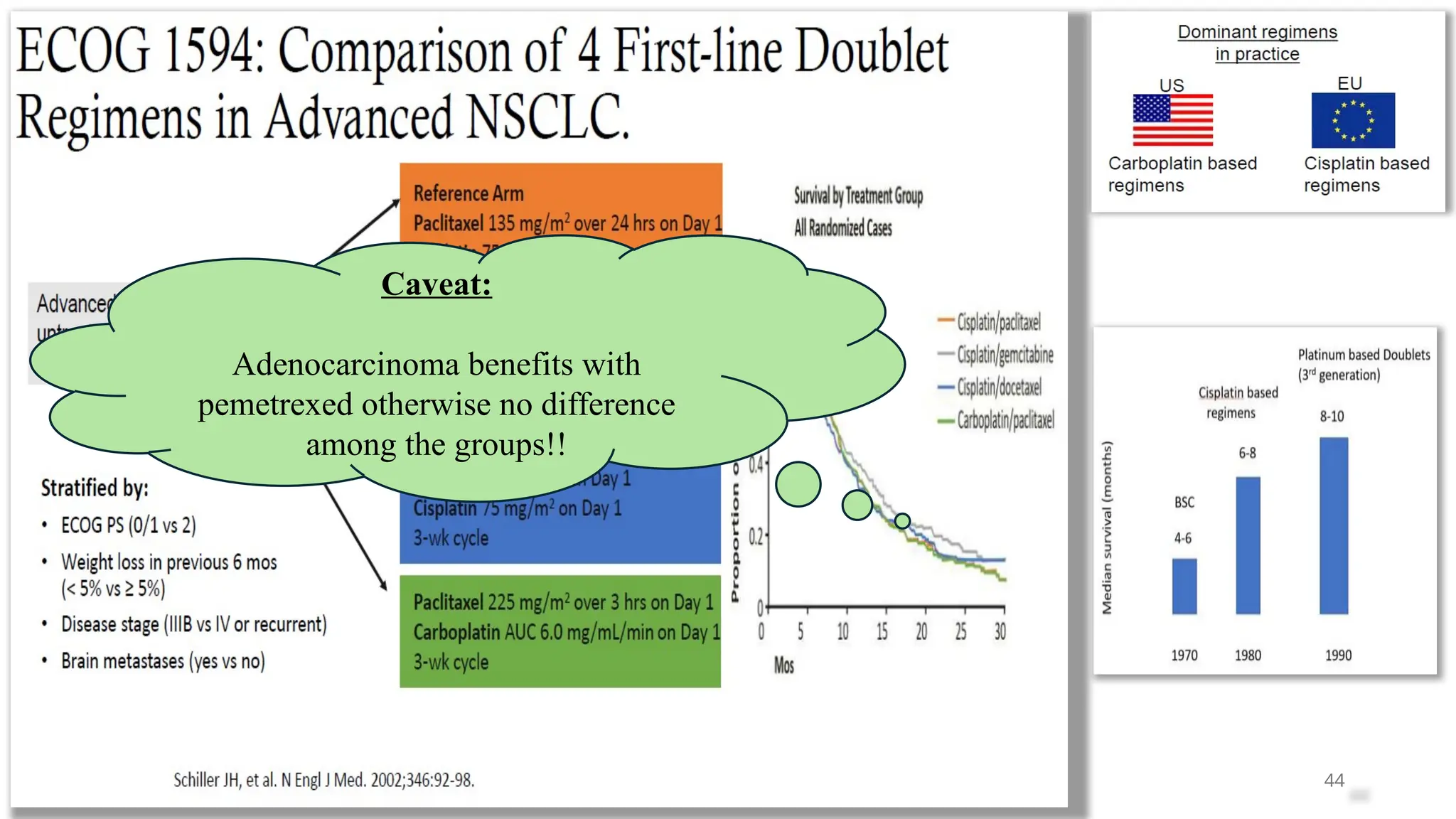
Caveat:
Adenocarcinoma benefits with
pemetrexed otherwise no difference
among the groups!!
45
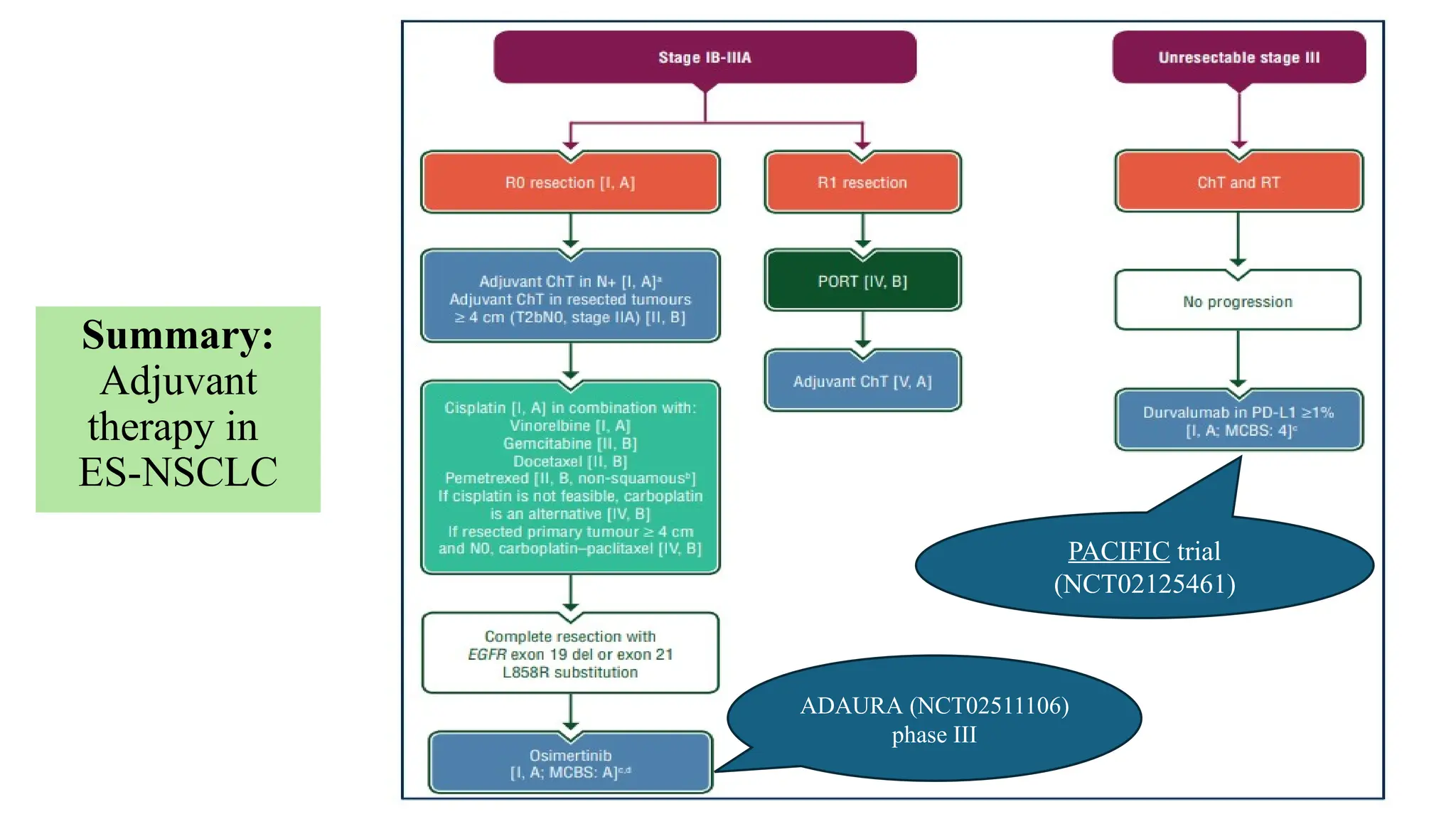
Summary:
Adjuvant
therapy in
ES-NSCLC
ADAURA (NCT02511106)
phase III
PACIFIC trial
(NCT02125461)
46
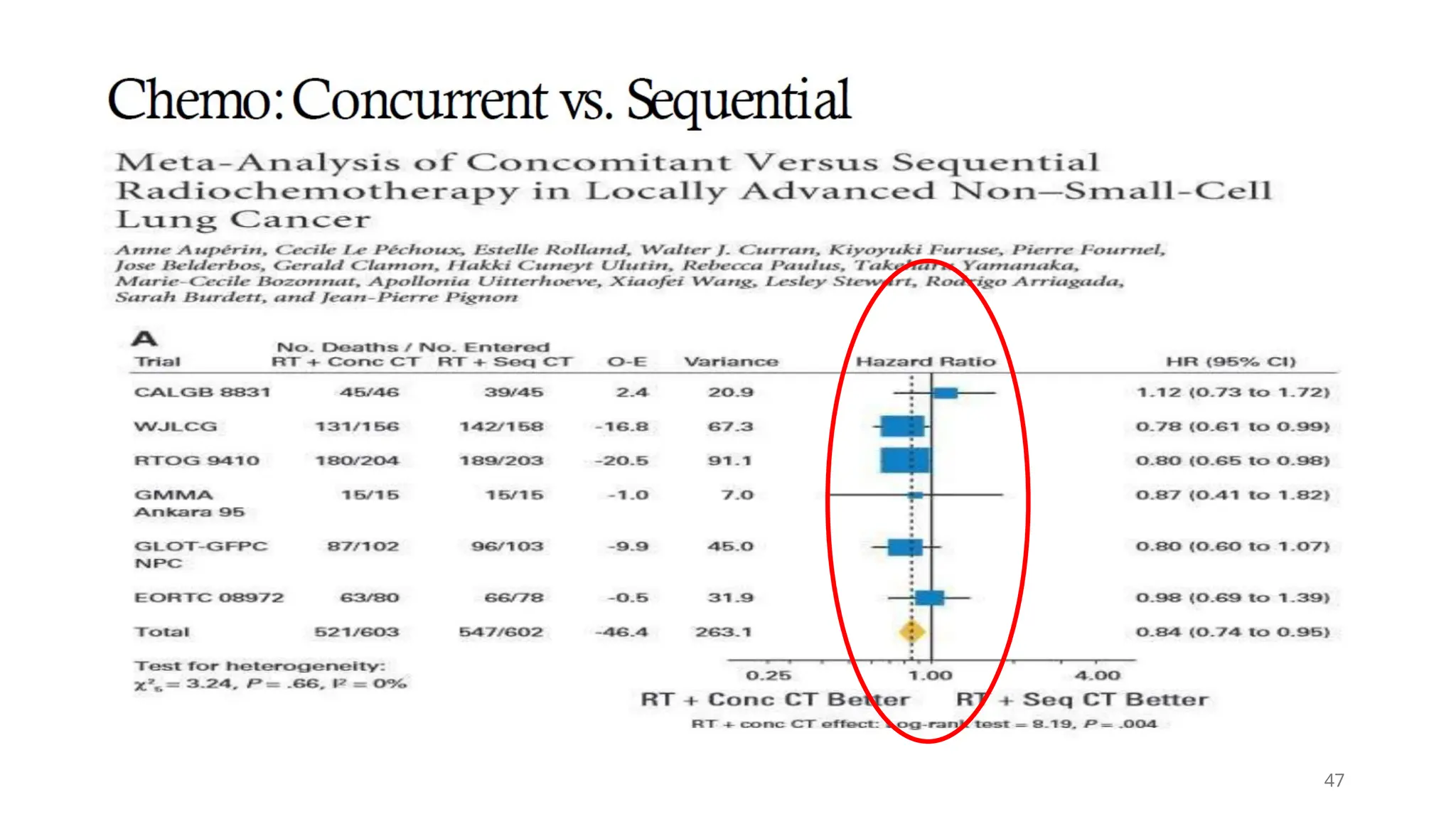
47
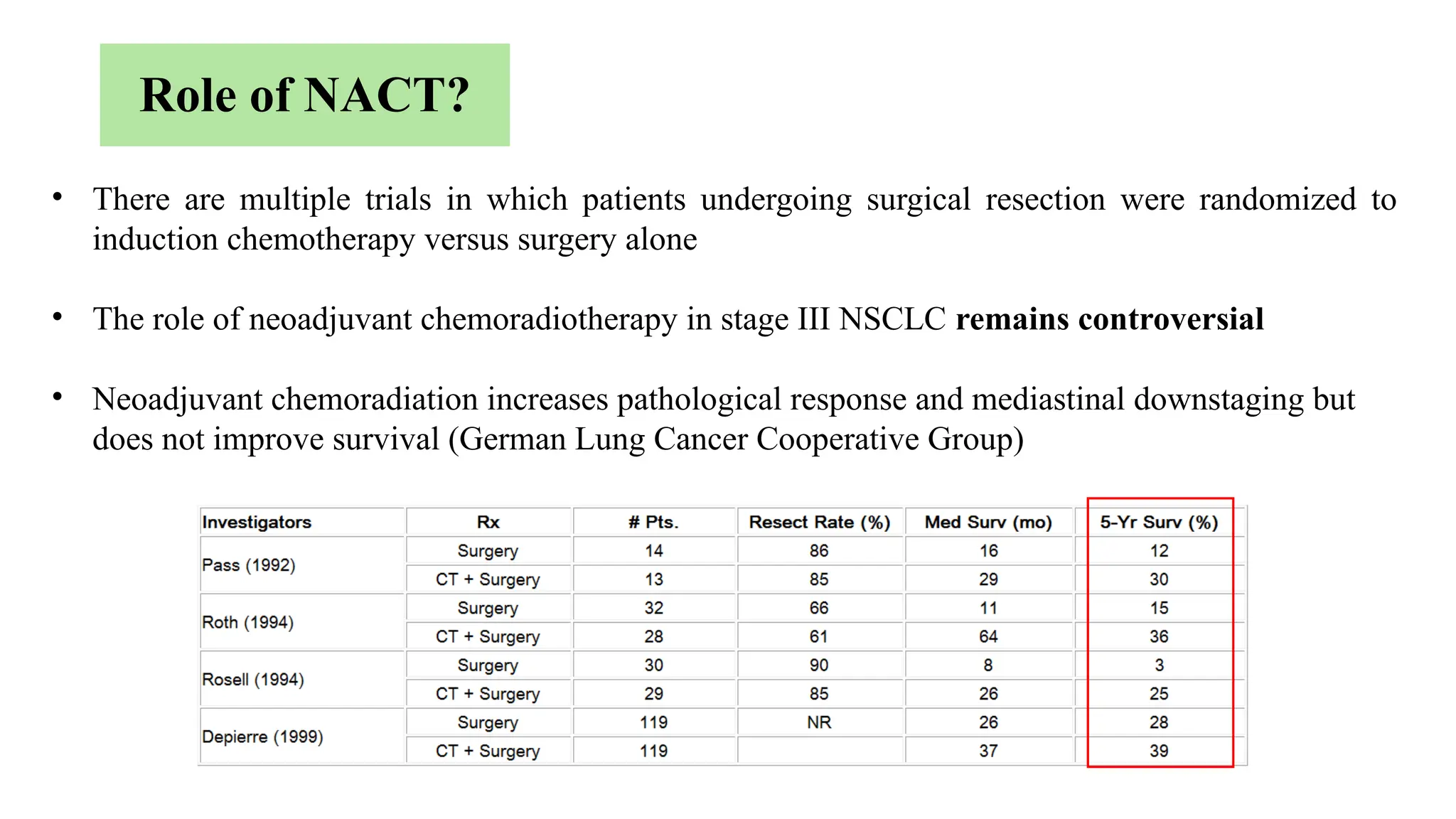
• There are multiple trials in which patients undergoing surgical resection were randomized to
induction chemotherapy versus surgery alone
• The role of neoadjuvant chemoradiotherapy in stage III NSCLC remains controversial
• Neoadjuvant chemoradiation increases pathological response and mediastinal downstaging but
does not improve survival (German Lung Cancer Cooperative Group)
Role of NACT?
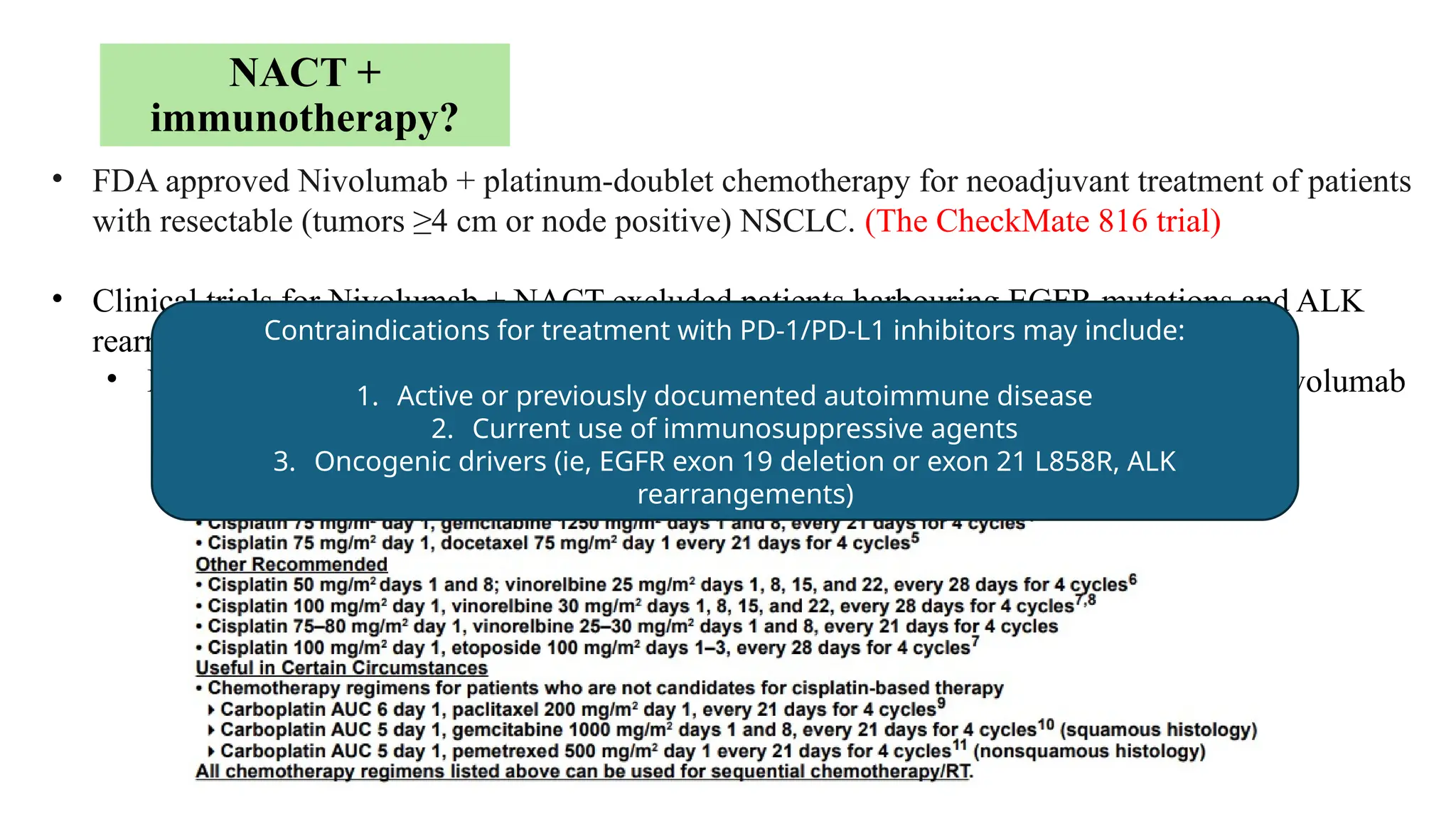
NACT +
immunotherapy?
• FDA approved Nivolumab + platinum-doublet chemotherapy for neoadjuvant treatment of patients
with resectable (tumors ≥4 cm or node positive) NSCLC. (The CheckMate 816 trial)
• Clinical trials for Nivolumab + NACT excluded patients harbouring EGFR mutations and ALK
rearrangements.
• Exclusion of these biomarkers is recommended prior to consideration for NACT + Nivolumab
Contraindications for treatment with PD-1/PD-L1 inhibitors may include:
1. Active or previously documented autoimmune disease
2. Current use of immunosuppressive agents
3. Oncogenic drivers (ie, EGFR exon 19 deletion or exon 21 L858R, ALK
rearrangements)
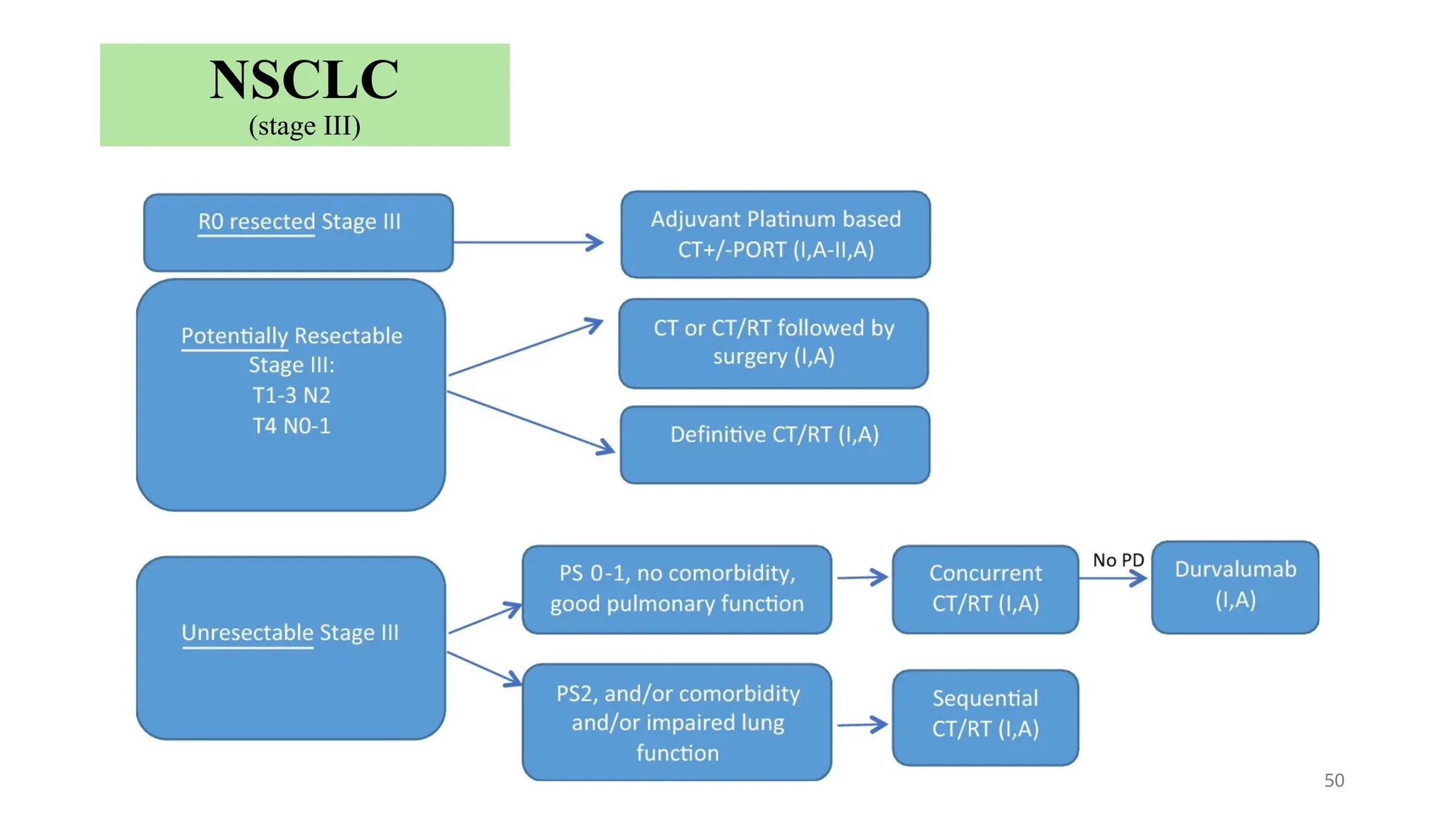
50
NSCLC
(stage III)
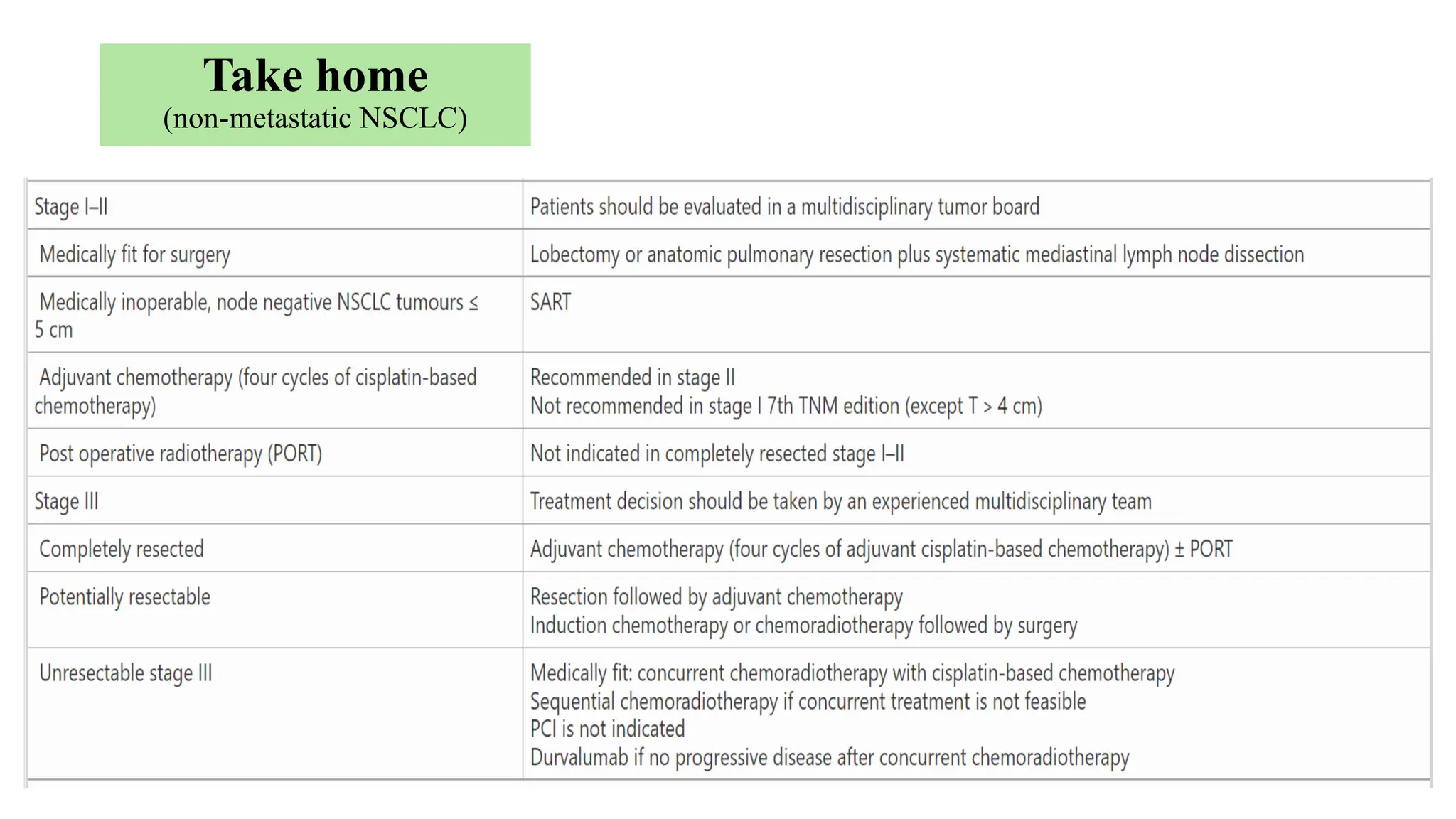
Take home
(non-metastatic NSCLC)
52
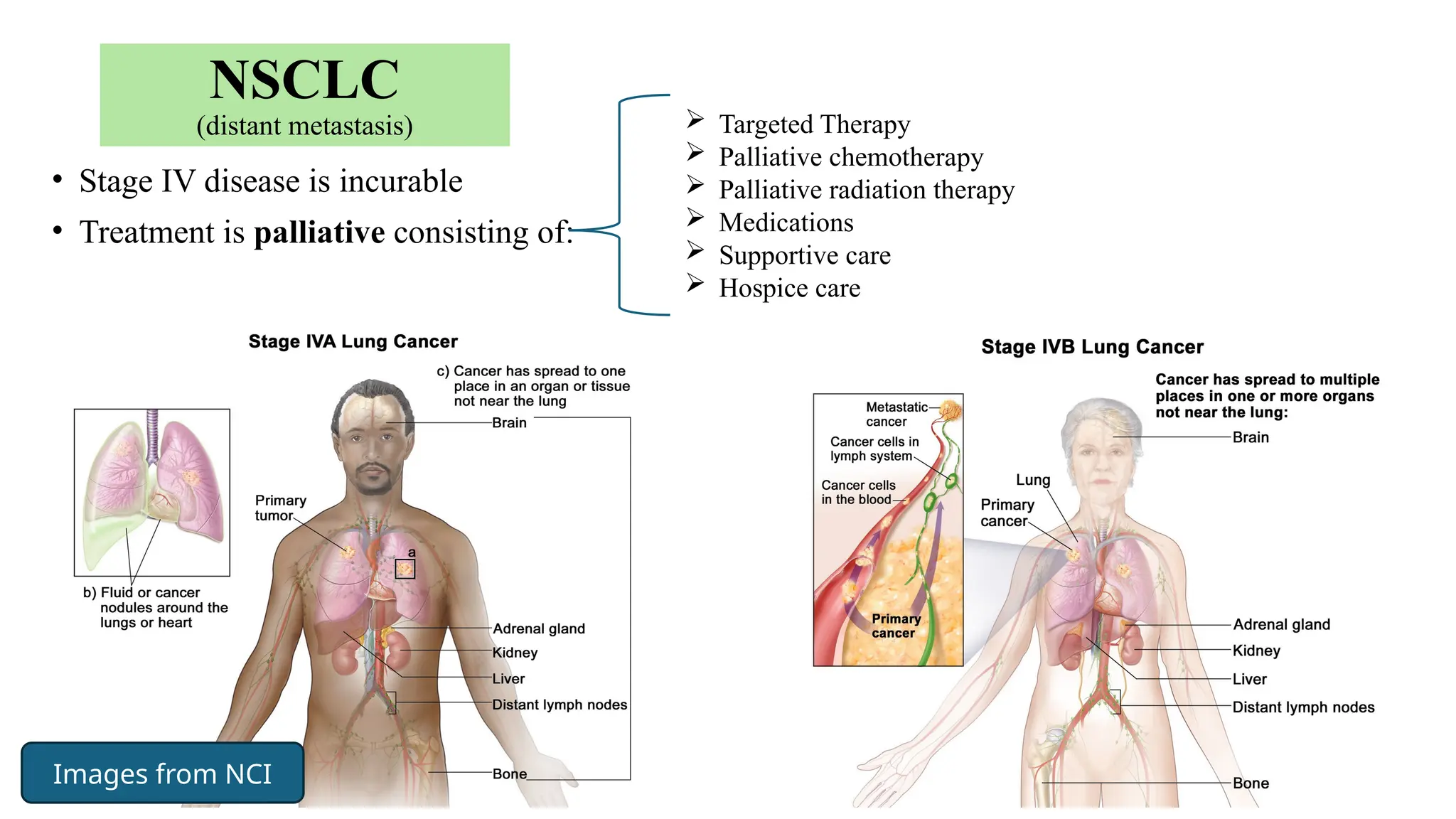
NSCLC
(distant metastasis)
• Stage IV disease is incurable
• Treatment is palliative consisting of:
 Targeted Therapy
 Palliative chemotherapy
 Palliative radiation therapy
 Medications
 Supportive care
 Hospice care
Images from NCI
53
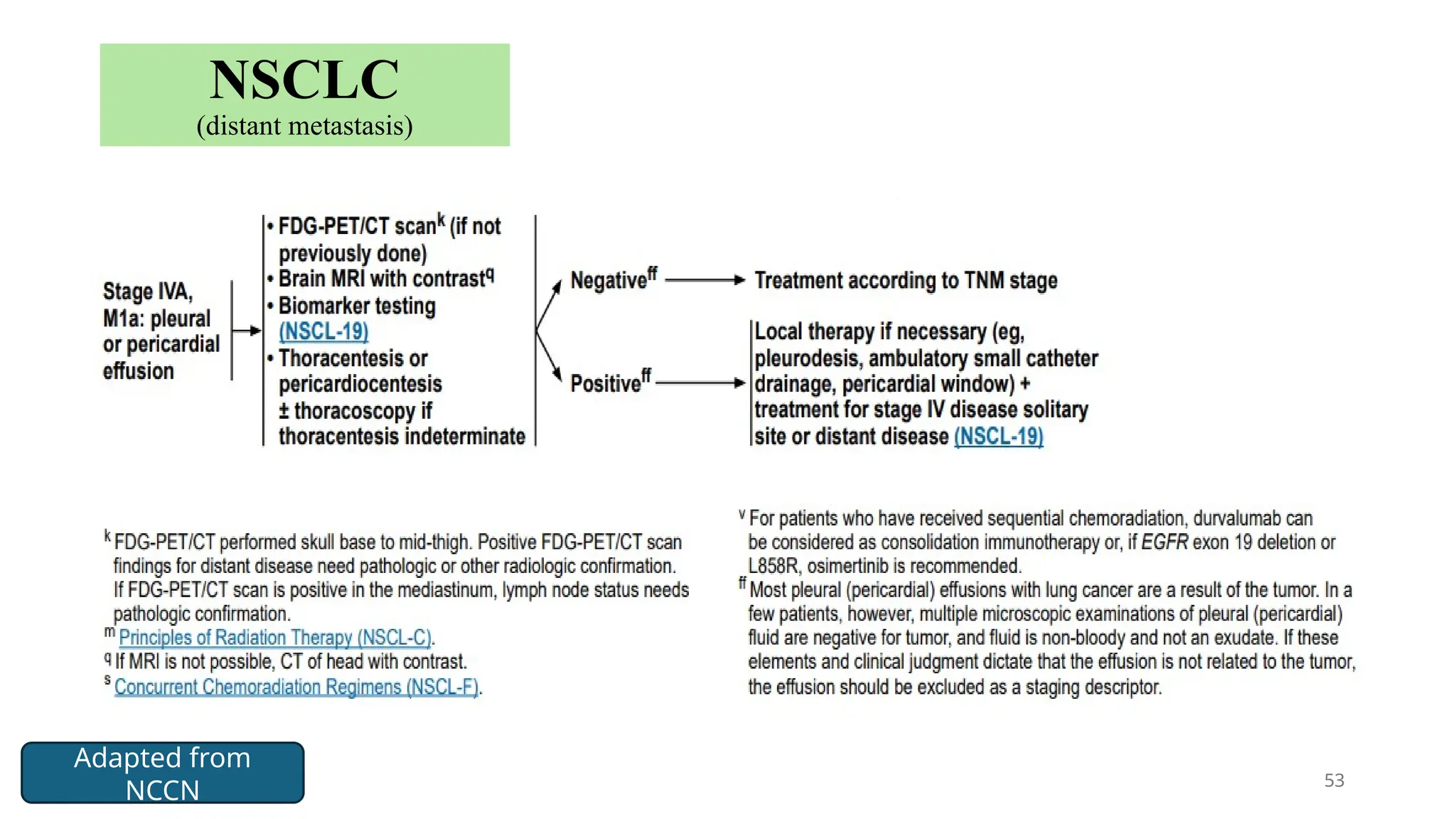
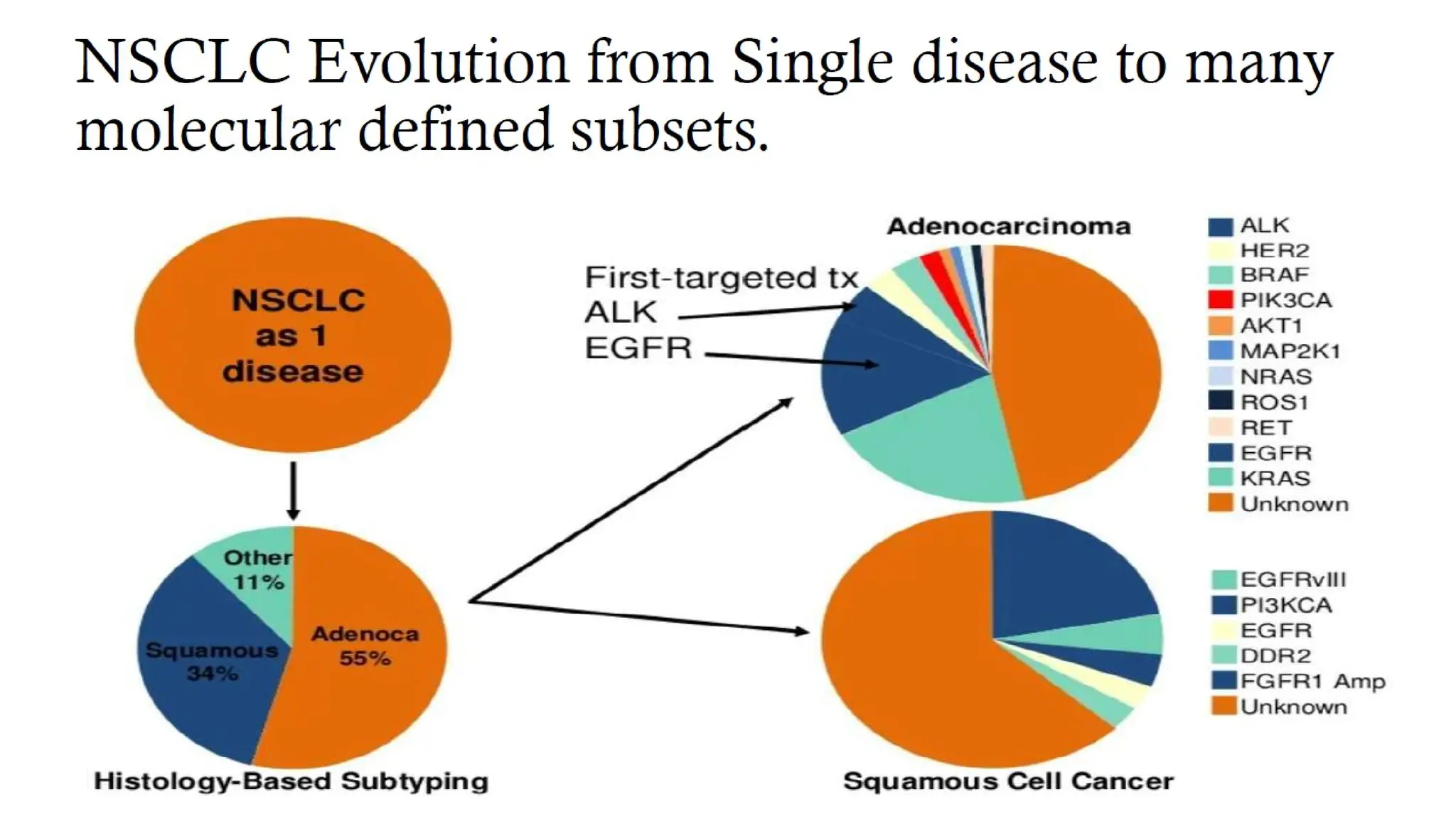
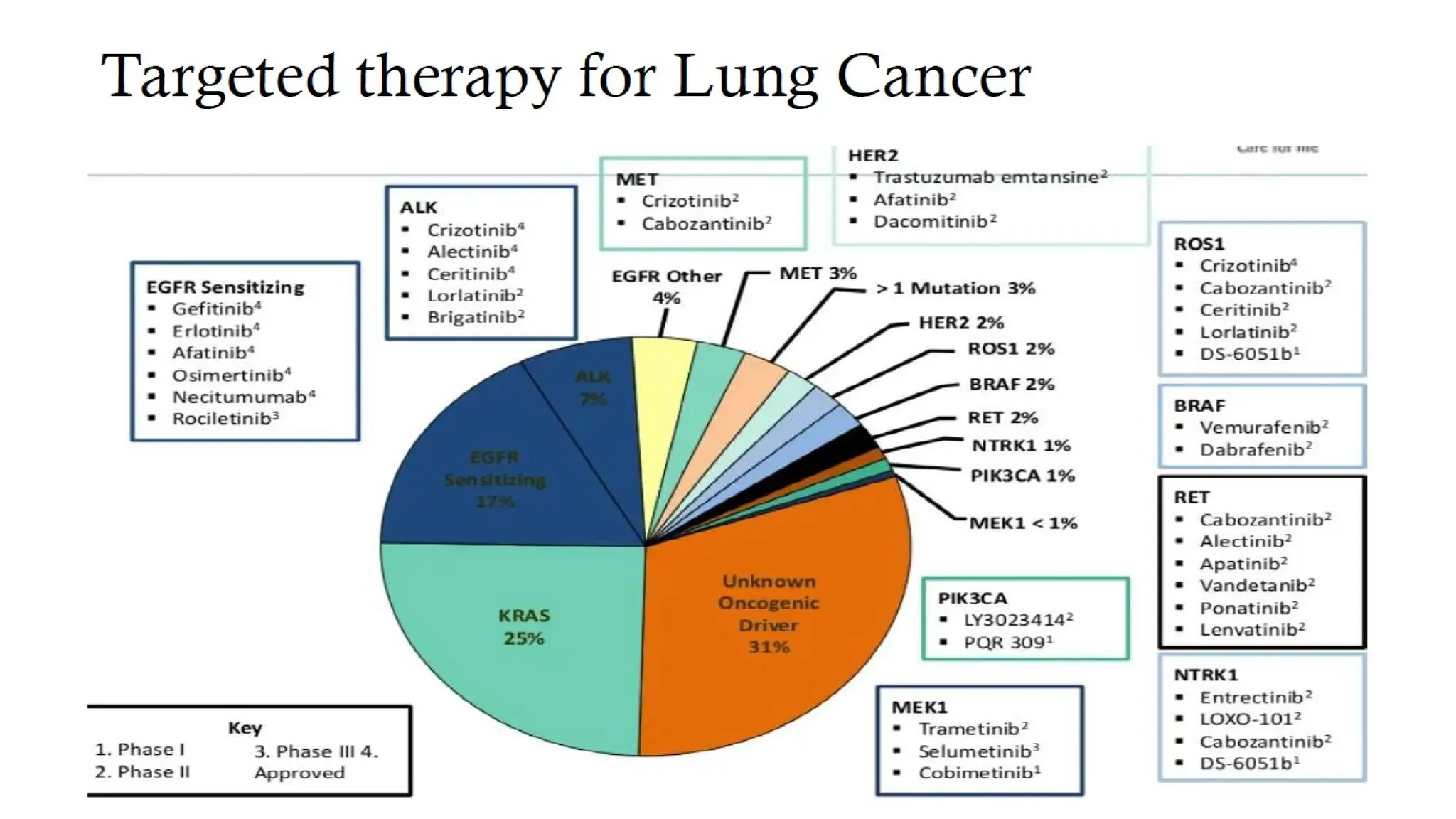
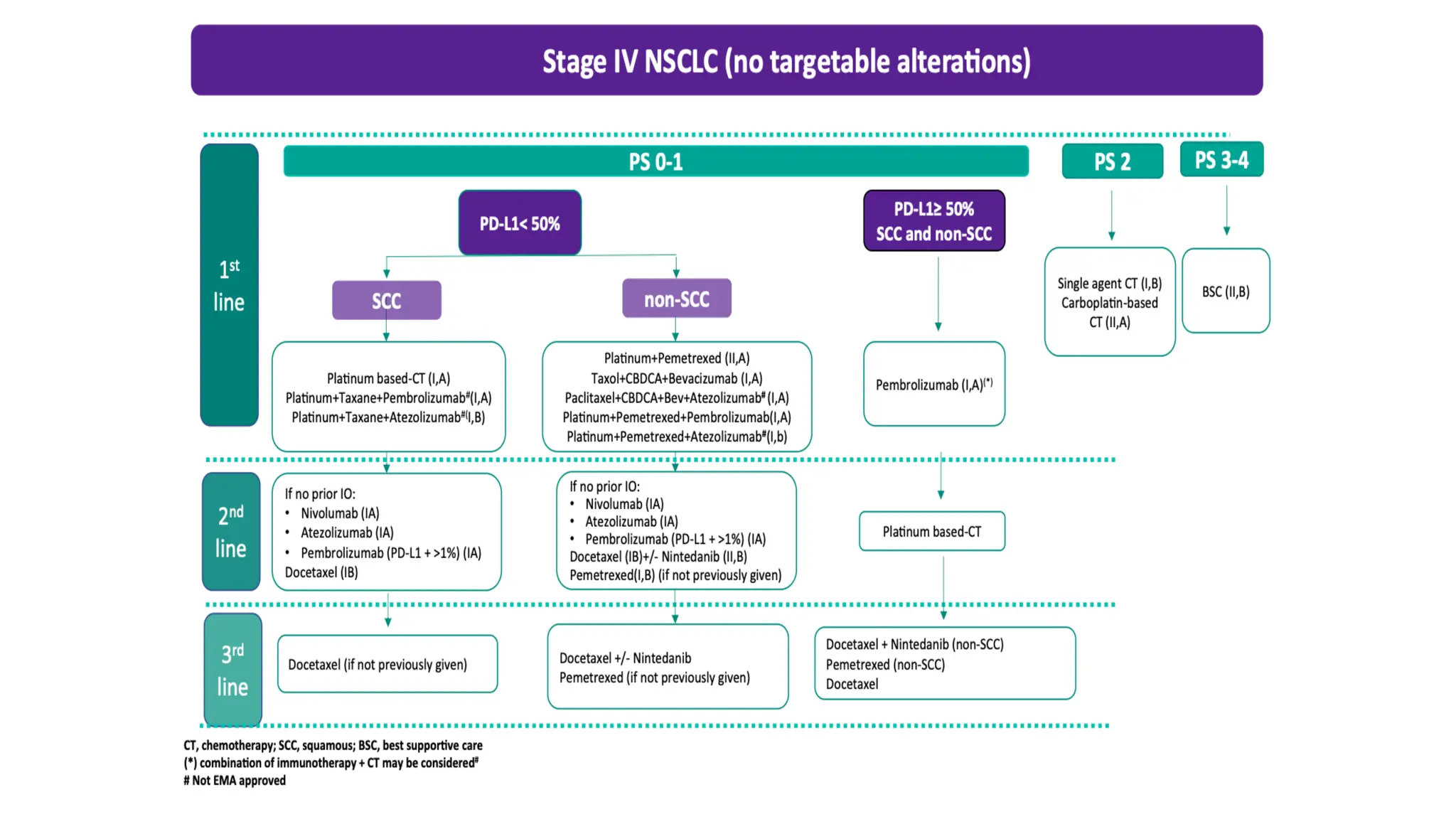
NSCLC
(distant metastasis)
Adapted from
NCCN
54
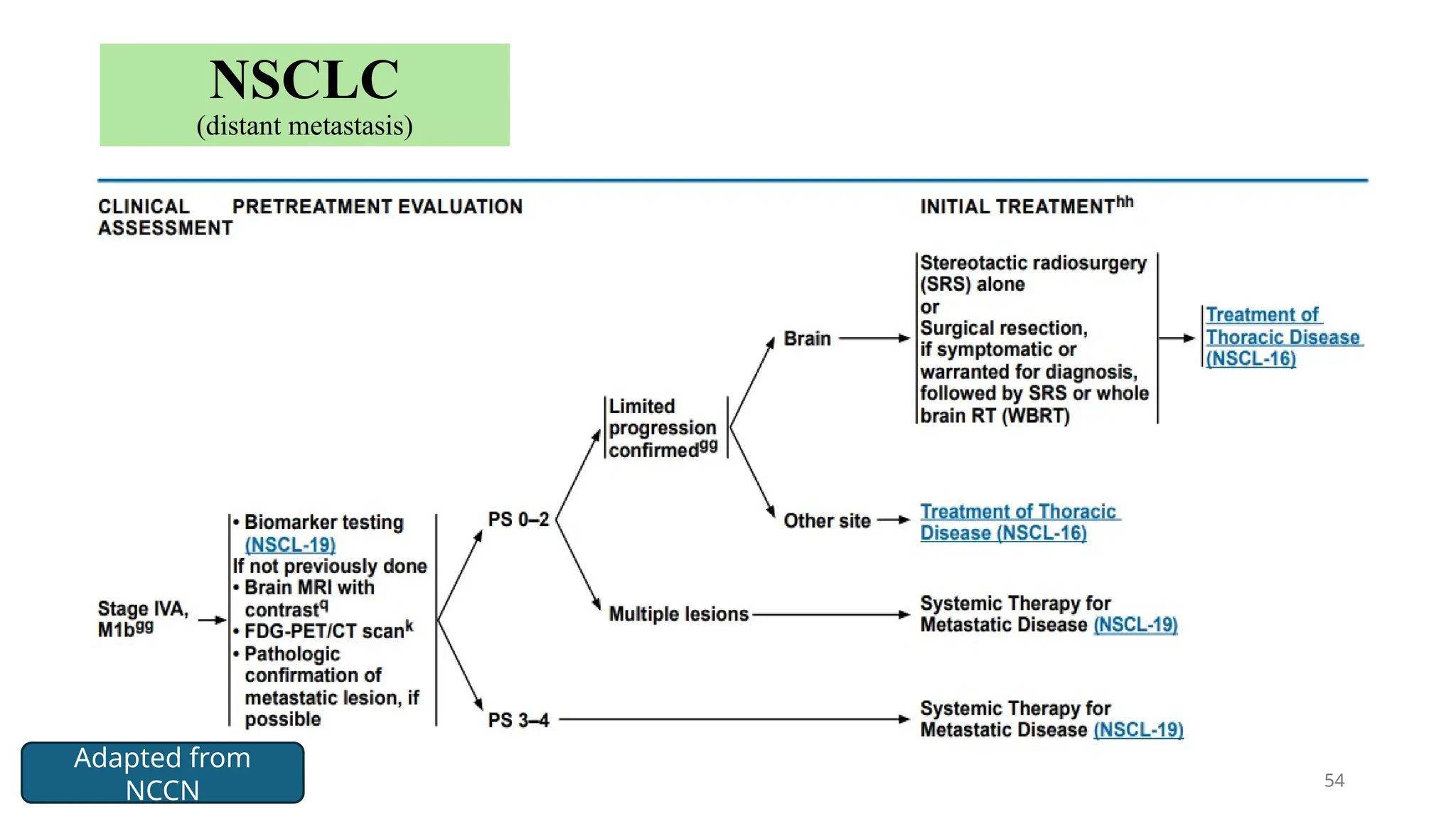
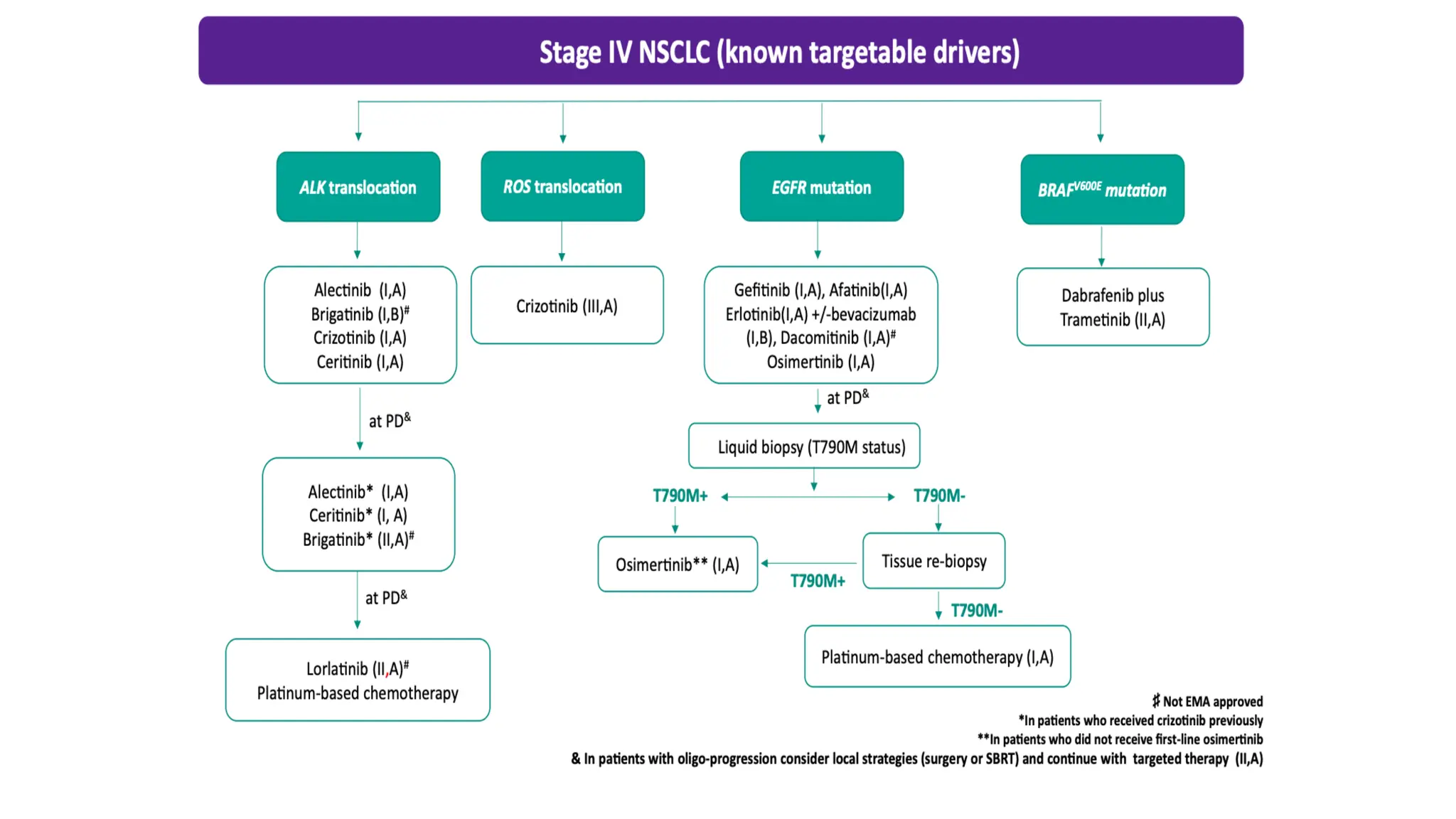
NSCLC
(distant metastasis)
Adapted from
NCCN
55
56
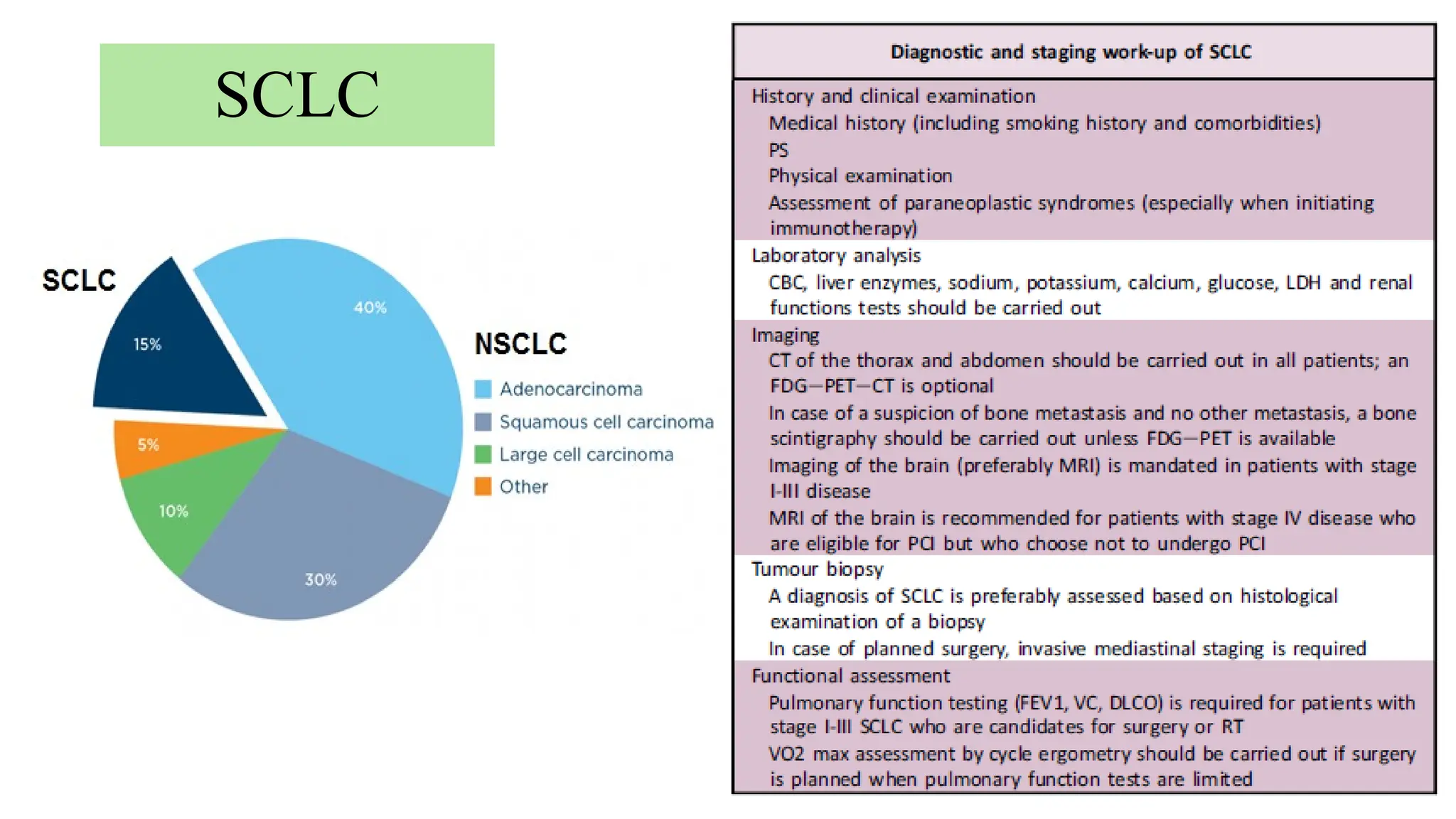
SCLC
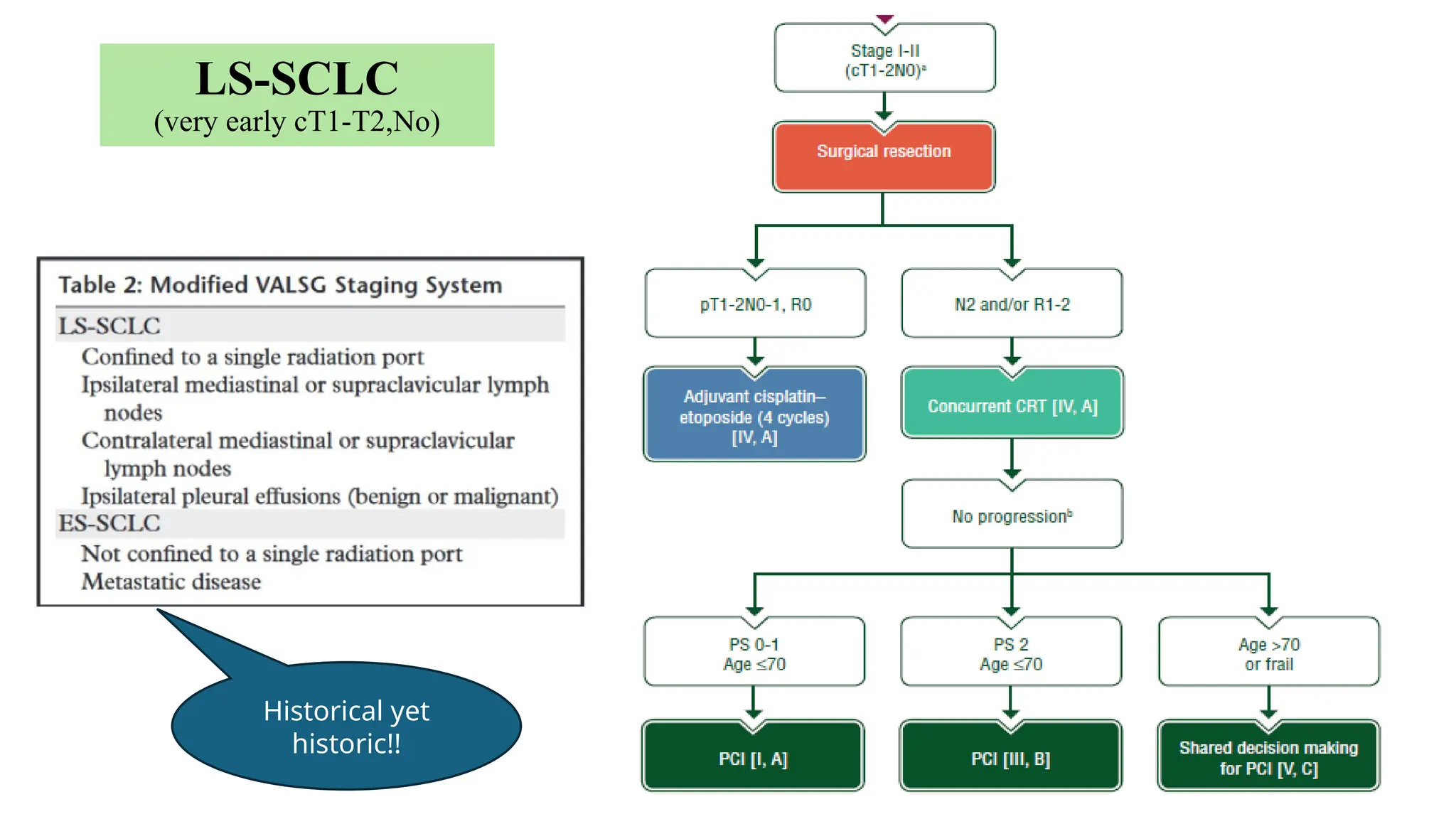
LS-SCLC
(very early cT1-T2,No)
Historical yet
historic!!
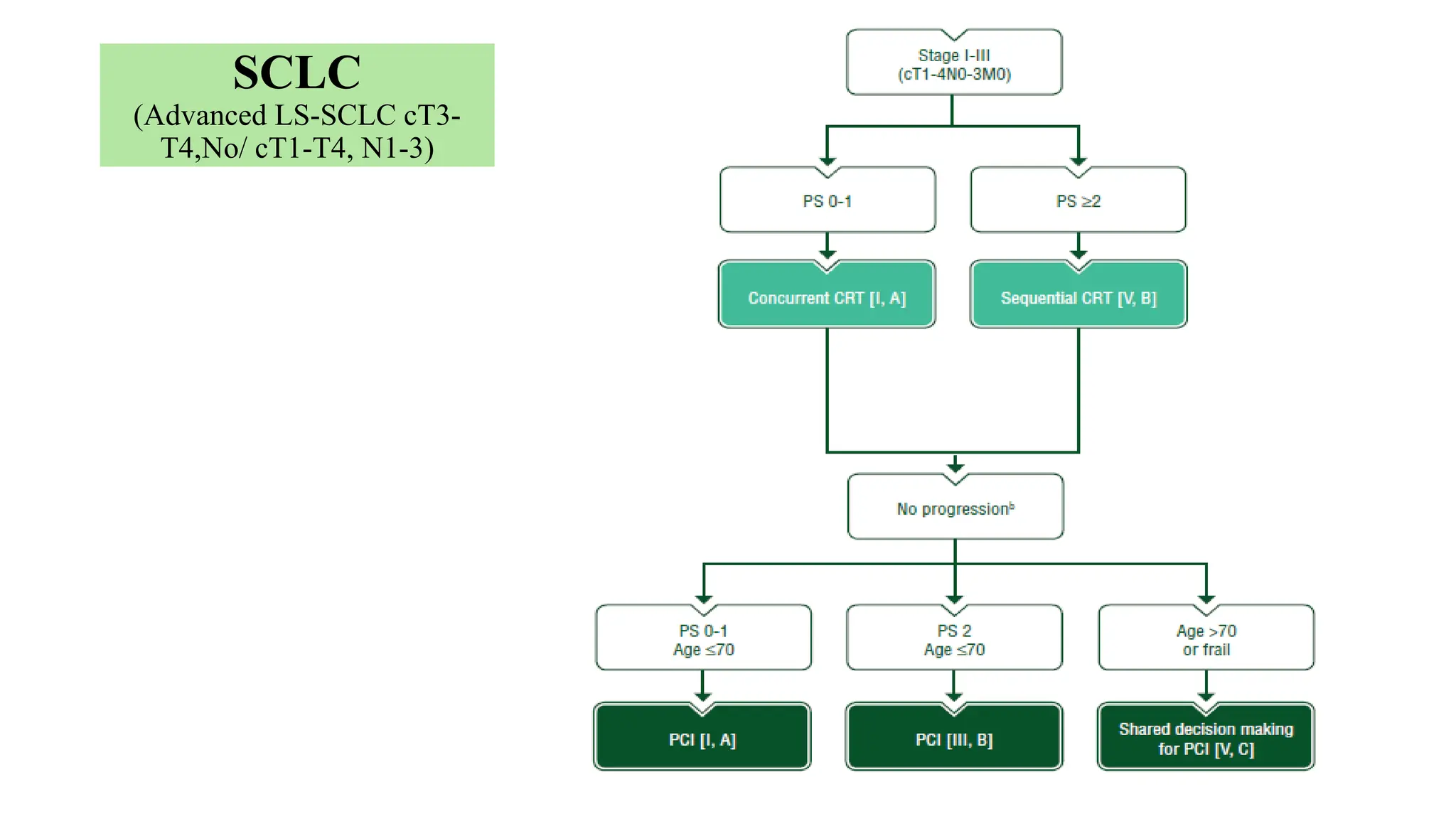
SCLC
(Advanced LS-SCLC cT3-
T4,No/ cT1-T4, N1-3)
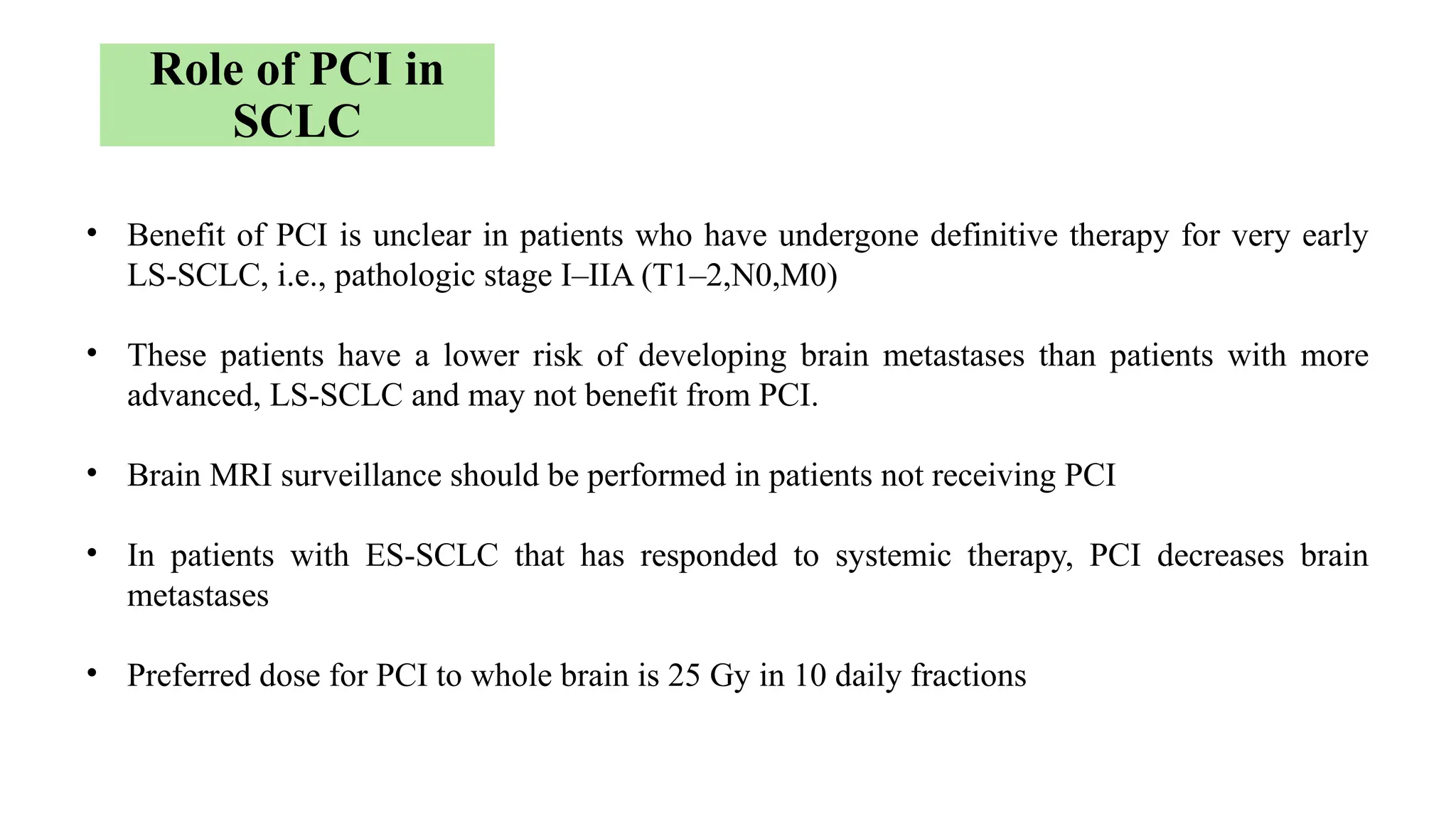
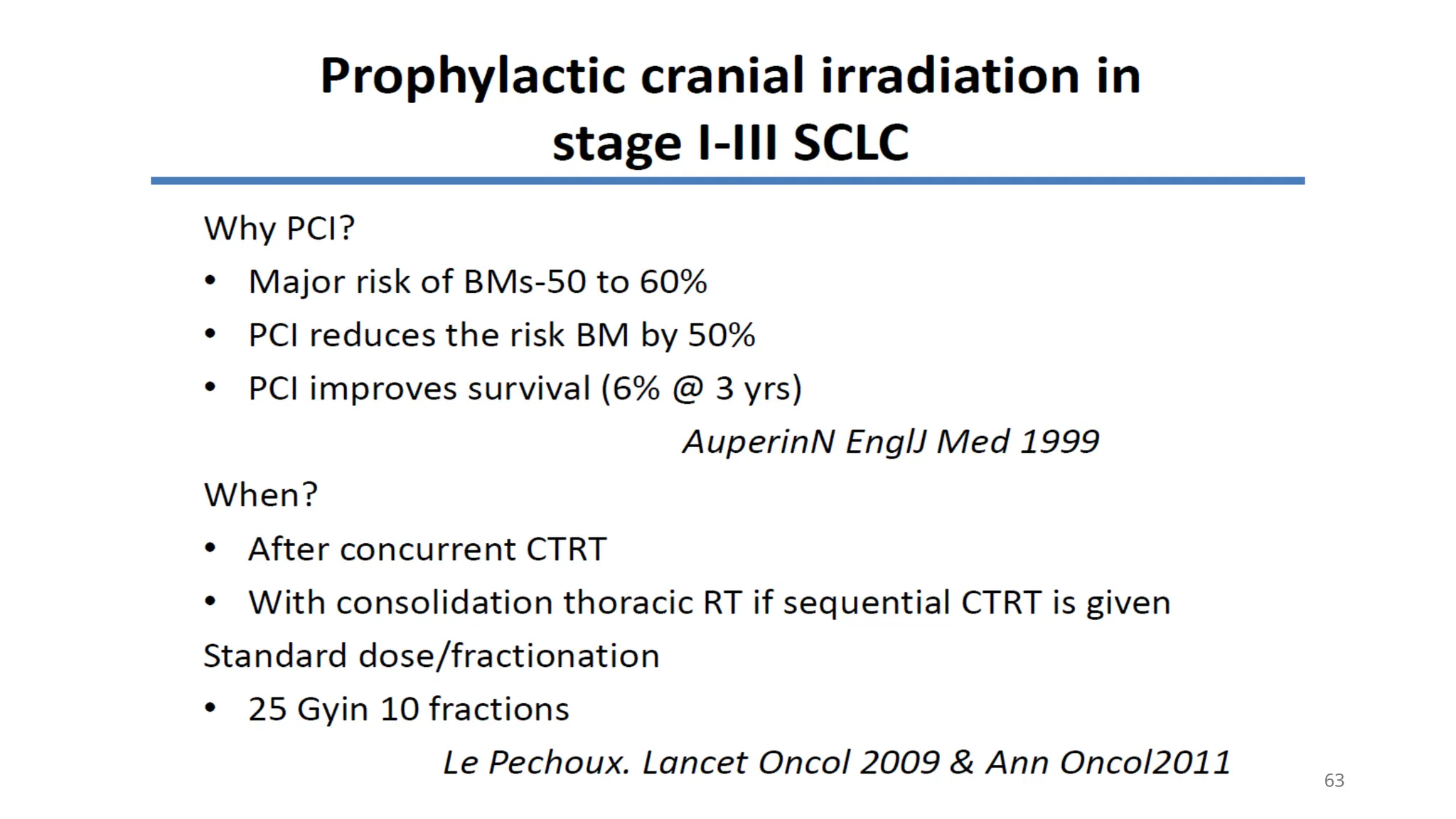
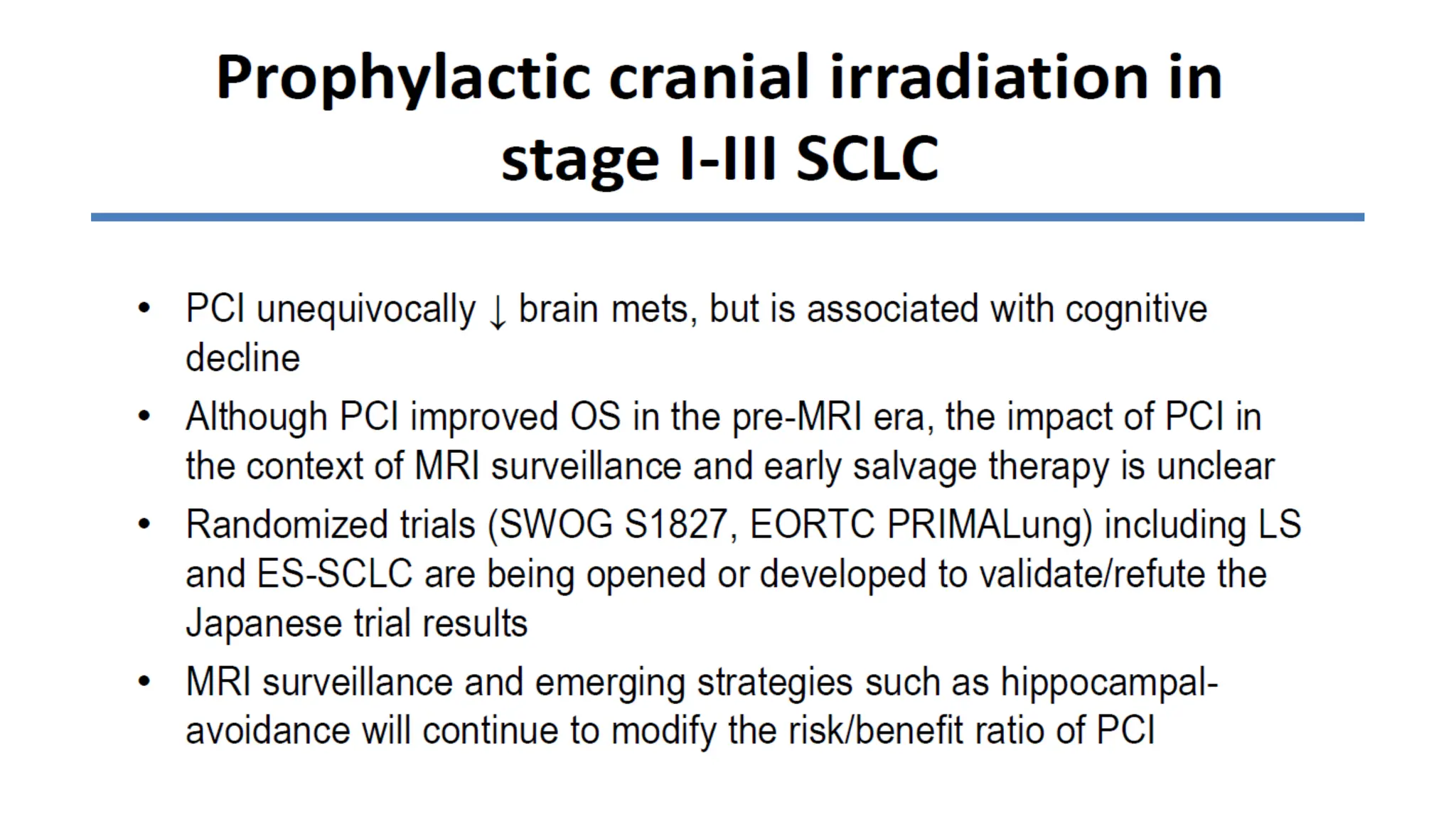
• Benefit of PCI is unclear in patients who have undergone definitive therapy for very early
LS-SCLC, i.e., pathologic stage I–IIA (T1–2,N0,M0)
• These patients have a lower risk of developing brain metastases than patients with more
advanced, LS-SCLC and may not benefit from PCI.
• Brain MRI surveillance should be performed in patients not receiving PCI
• In patients with ES-SCLC that has responded to systemic therapy, PCI decreases brain
metastases
• Preferred dose for PCI to whole brain is 25 Gy in 10 daily fractions
Role of PCI in
SCLC
63
64
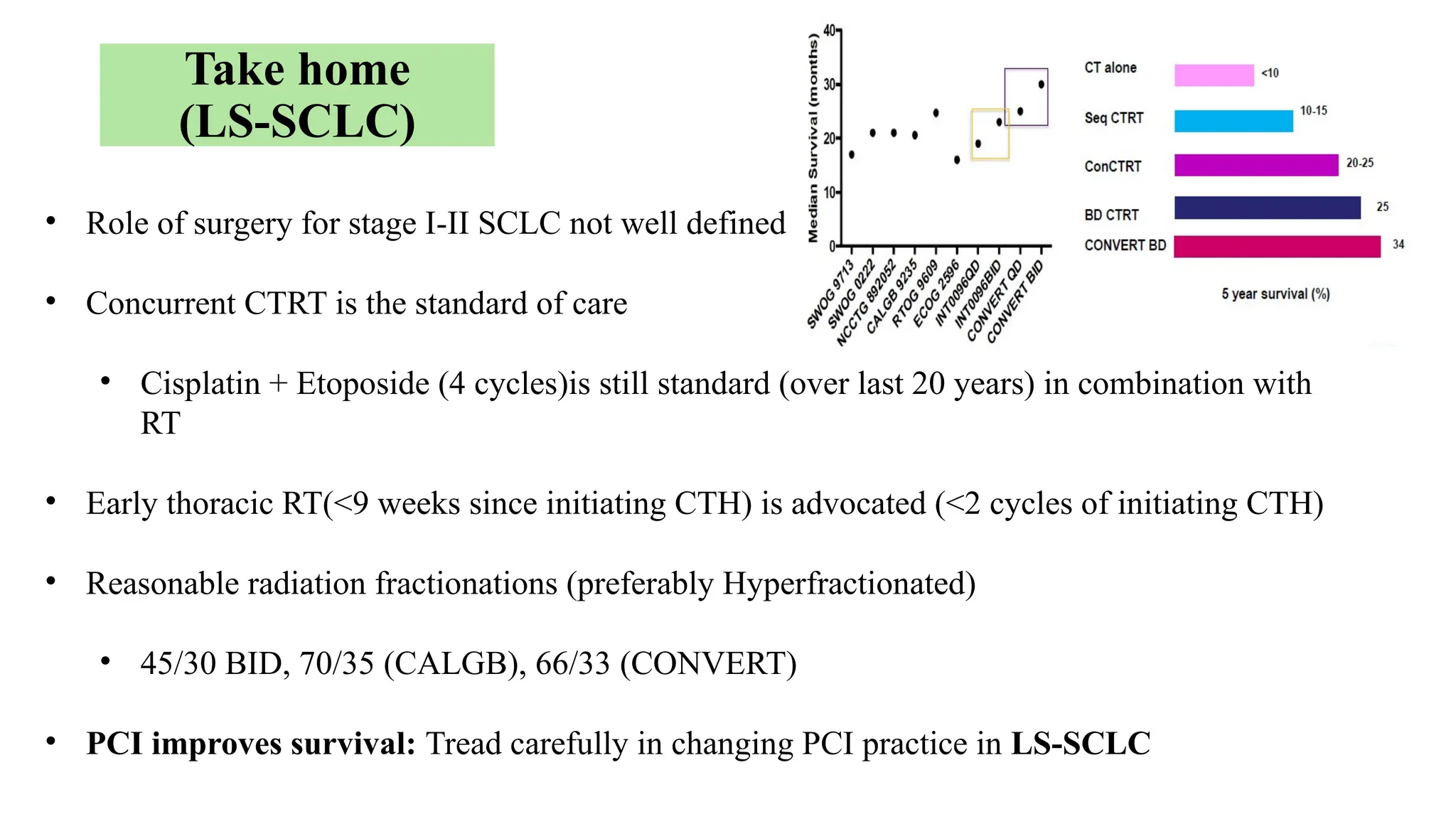
Take home
(LS-SCLC)
• Role of surgery for stage I-II SCLC not well defined
• Concurrent CTRT is the standard of care
• Cisplatin + Etoposide (4 cycles)is still standard (over last 20 years) in combination with
RT
• Early thoracic RT(<9 weeks since initiating CTH) is advocated (<2 cycles of initiating CTH)
• Reasonable radiation fractionations (preferably Hyperfractionated)
• 45/30 BID, 70/35 (CALGB), 66/33 (CONVERT)
• PCI improves survival: Tread carefully in changing PCI practice in LS-SCLC
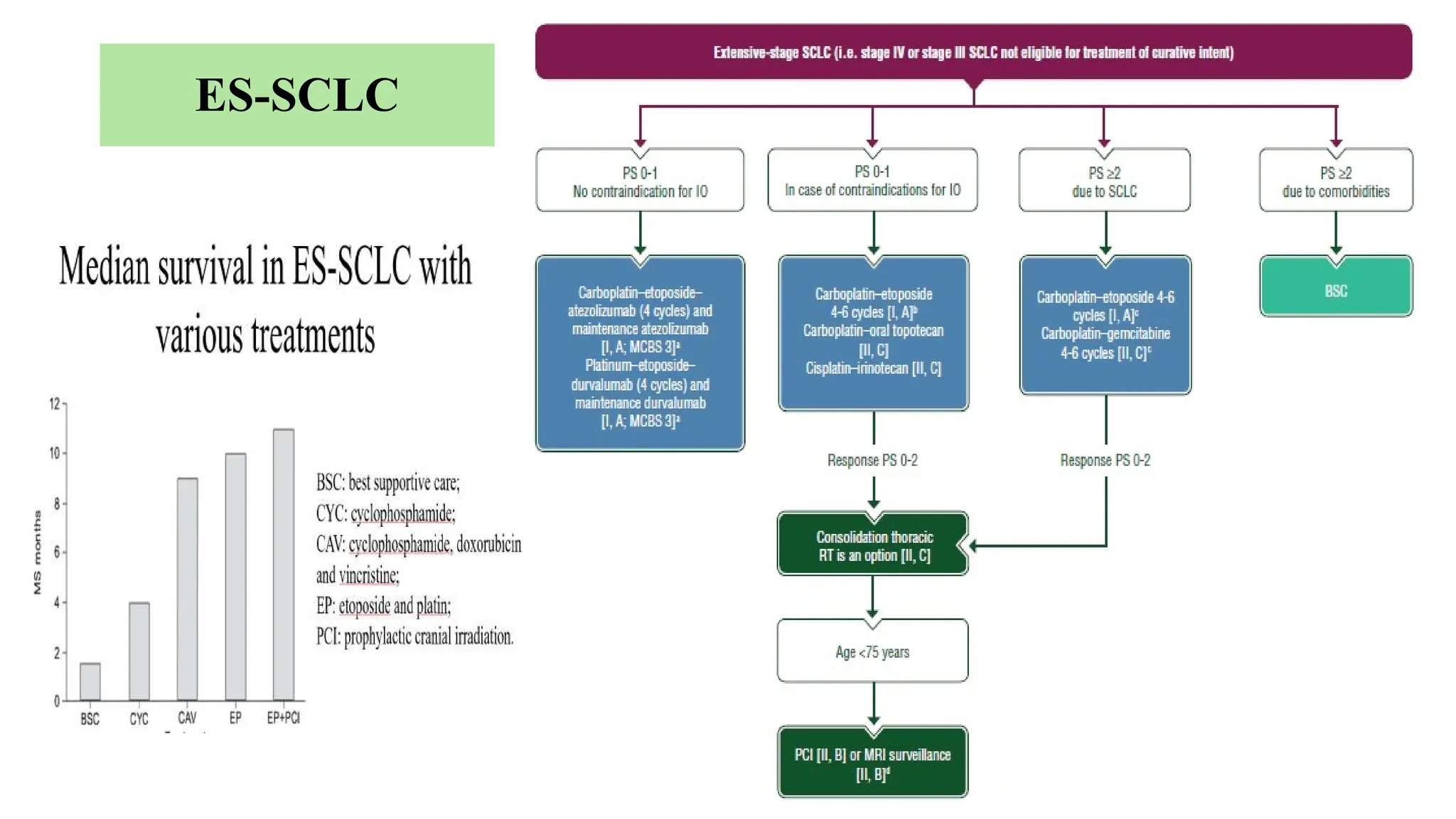
ES-SCLC
67
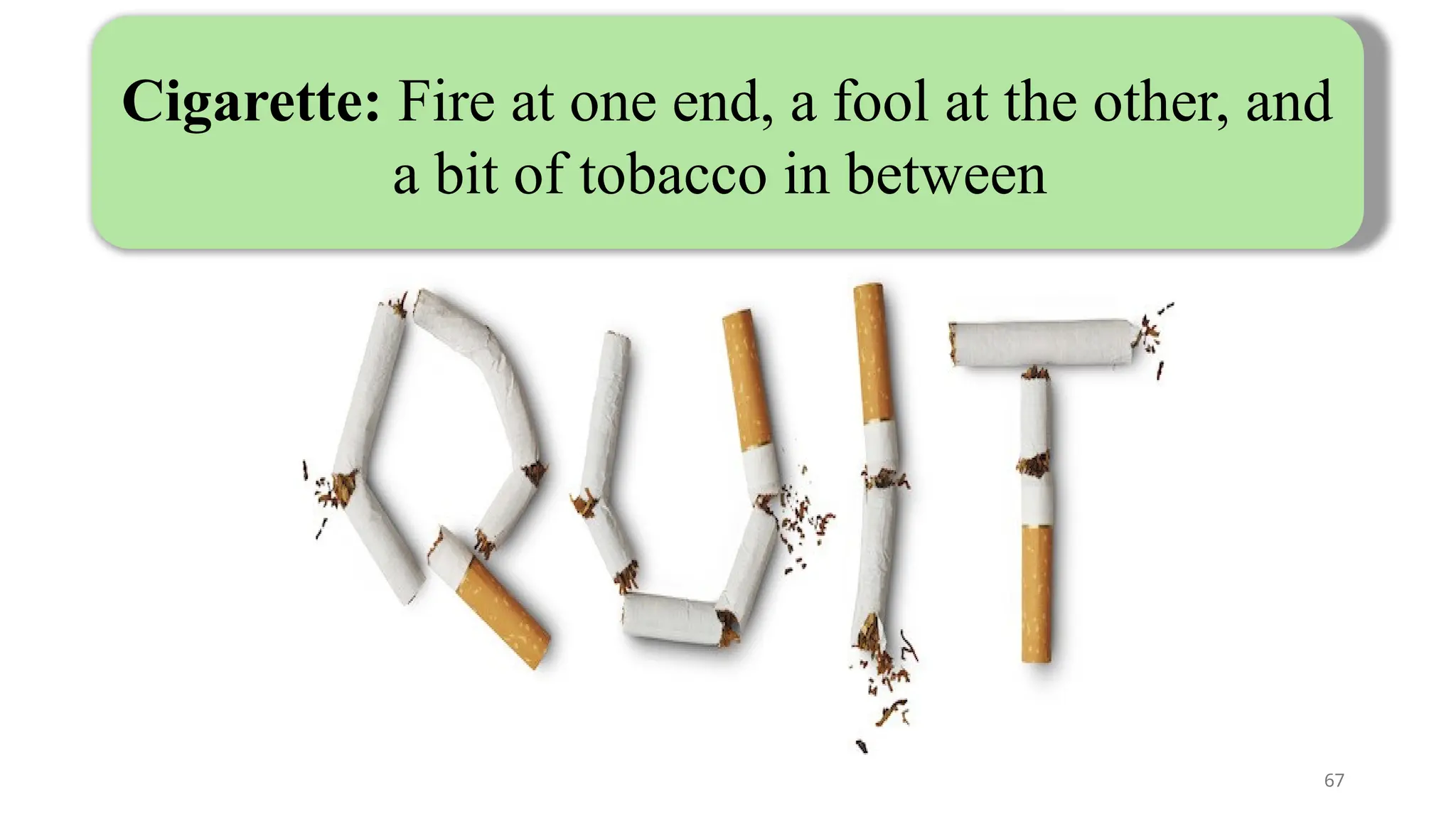
Cigarette: Fire at one end, a fool at the other, and
a bit of tobacco in between

Managment overview of lung cancer (NSCLC and SCLC)

  • 1.
    Management overview of Lung cancers Presenter: Dr.Sachin. S, Junior Resident, Dept. of Radiotherapy & Radiation Medicine, IMS, BHU 1
  • 2.
  • 3.
  • 4.
    4 In NSCLC, halfthe patients present with localized or locally advanced disease and half with advanced disease. In SCLC, 70% to 80% present with advanced disease.
  • 5.
    5 Clinical presentation (Consequences ofprimary tumor, extension into adjacent structures, distant metastases, or paraneoplastic syndromes) *Table from DeVita, Hellman, and Rosenberg's Cancer Principles & Practice of Oncology,12th edition Next step is to stage the patient but TNM or MNT? M: 53% has metastasized at presentation so first question should be whether distant metastatic disease is present (suggested by an abnormal clinical evaluation, focal symptoms or signs, or extensive radiographic intrathoracic disease) N: next focus on mediastinal nodes - often the critical determinant of whether surgery will be the first treatment approach. T: this is where the extensive workup starts
  • 6.
    6 Staging - M (distantmetastasis) IASLC 8th edition
  • 7.
  • 8.
    8 Why lymph nodemap? *Adapted from the International Association for the Study of Lung Cancer (IASLC) lymph node mapping system
  • 9.
  • 10.
  • 11.
    Diagnostic workup -NSCLC 1. Extensive mediastinal infiltration - CT assessment sufficient 2. Discrete mediastinal lymph node enlargement + PET uptake or PET activity and normal appearing nodes by CT - invasive staging recommended over imaging alone 3. Intermediate suspicion of N2,3 involvement, i.e., a radiographically normal mediastinum (by CT and PET) and a central tumor or N1 lymph node enlargement, invasive staging recommended over imaging alone 4. Peripheral stage IA tumor (negative nodal involvement by CT and PET) - invasive preop evaluation of mediastinal nodes is not required
  • 12.
    12 Algorithm for locoregional lymph nodestaging in Non-metastatic NSCLC
  • 13.
  • 14.
    Few clues tostaging Stage Metastatic IV Node + III Except T1-2, N1 (IIB) Node - T1 IA T2a IB T2b IIA T3 IIB T4 III 14 Staging group (TNM) N0 N1 N2 N3 T1a, b, c M0 IA1,2,3 IIB IIIA IIIB T2a M0 IB IIB IIIA IIIB T2b M0 IIA IIB IIIA IIIB T3 M0 IIB IIIA IIIB IIIC T4 M0 IIIA IIIA IIIB IIIC Any T M1a IVA IVA IVA IVA Any T M1b IVA IVA IVA IVA Any T M1c IVB IVB IVB IVB
  • 15.
    15 T stage remainsthe same N stage: N2 is divided into: N2a – single N2 station lymph nodes N2b – multiple N2 station lymph nodes M stage: M1c is divided into: M1c1 - multiple extrathoracic metastasis in same organ M1c2 - multiple extrathoracic metastasis in different organs IASLC 9th edition changes (upcoming)
  • 16.
    16 * Adapted fromTammemägi MC et al, Development and validation of a multivariable lung cancer risk prediction model that includes low-dose computed tomography screening results – A secondary analysis of data from the National Lung Screening Trial. JAMA Netw Open. 2019;2(3):e190204. doi:10.1001/jamanetworkopen.2019.0204 Screening for lung Ca?
  • 17.
     RCT (n=53,454)  Assessed low-dose CT vs chest radiographs for detecting lung cancer (3 annual screenings – T0, T1, T2)  Results - Screening individuals with high-risk factors using low-dose CT decreased mortality rate from lung cancer by 20% Low dose CT – reduces exposure to an average effective dose of 1.5 mSv (Average effective dose with diagnostic chest CT varies widely but is approximately 8 mSv) National Lung Screening Trial (NLST) (2011- NEJM)
  • 18.
    The NCCN, ACS,U.S. Preventive Services Task Force (USPSTF), American College of Chest Physicians, ESMO advise lung cancer screening using low-dose CT for select high-risk current and former smokers  High-risk factors:  Current or former smokers  >30 pack-year smoking history  former smokers quit up to 15 years  55 to 74 years of age  No evidence of lung cancer  Low dose CT screening and follow-up are not a substitute for smoking cessation  Patients should be offered smoking cessation counseling National Lung Screening Trial (NLST) (2011- NEJM) NCCN 2020 screening updates: 1. Pack years threshold >20 years 2. Lower age limit 50 years *Evidence from NELSON and other trials Who is not eligible for screening? 1. Symptoms of lung cancer 2. Proven / previous lung cancer 3. Comorbidities/ functional status hindering curative intent of treatment
  • 19.
  • 20.
  • 21.
    21 NSCLC (early stage) 1. Standardof care for medically operable tumors is surgical resection 2. Medically inoperable – definitive Radiotherapy Lobectomy with mediastinal LN sampling / dissection Stereotactic Ablative Radiotherapy (SABR) Images from NCI
  • 22.
    22 Surgery - whento do? • Early-stage NSCLC - Stage IA,IB,IIA,IIB • Locally Advanced NSCLC - Stage IIB/IIIA (T3 N0/N1, T4 N0/N1) • Early-Stage SCLC - T1/2 N0 • Resectable recurrence • Palliative? • Separate Nodules/Multiple cancers in same lobe/same side lung • Superior sulcus tumours? In special circumstances, such as malignant cord compression (previously ambulatory), urgent surgical resection can lead to recovery of function and improved QoL, although rate of associated urgical complications is also quite high
  • 23.
  • 24.
  • 25.
    25 Surgery - primary •Sub lobar resections – Segmentectomy/Wedge resections • <=2 cm tumours, >= 2 cm margin and Peripheral nodule • Poor pulmonary reserve or major comorbidity • Include LN sampling of appropriate N1/N2 stations • Separate nodules in same lobe/same lung - Lung parenchyma preserving sleeve lobectomy > pneumonectomy • T3/T4 local invasion/extension - en bloc resections • No surgery in N2/N3 disease
  • 26.
  • 27.
  • 28.
  • 29.
    29 Lobectomy techniques • Open(thoracotomy) • VATS: High volume centres No compromise of oncological safety Improved early post op outcomes (evidence in next slide) Reduced hospital stay (~4 days) Rapid return to function (1-3 months) Reduced delay in adjuvant Rx • RATS
  • 30.
    30 The improved perioperativeoutcomes should allow older and more frail patients to undergo surgery. Patient selection is also altered by the recognition that previous criteria had been quite conservative.
  • 31.
  • 32.
    32 Is mediastinal lymph node sampling enoughin Stage I, II, IIIA NSCLC? Conclusions: If systematic and thorough sampling of mediastinal and hilar lymph nodes is negative, mediastinal lymph node dissection does not improve survival in early stage non–small cell lung cancer, but results are not generalizable to patients staged radiographically or those with higher stage tumors.
  • 33.
    33 Choosing the rightperson for RT: • T1 -2,N0 NSCLC, medically inoperable • High surgical risk (>75 years, poor lung function) • Refuse surgery When not to do SBRT? • Large tumor >5 cm • Direct invasion of central airway (carina/main bronchus) • Interstitial Lung diseases (COPD is not) • PS > 3 • Life expectancy < 1 year Radiotherapy (early-stage NSCLC) Early-stage NSCLC Low Surgical risk Surgical resection (primary and LN dissection or sampling) High surgical risk SBRT / Sublobar resection (patient preference) Medically inoperable SBRT
  • 34.
    SBRT (early-stage NSCLC) • PreSBRT biopsy is strongly recommended but not a pre-requisite for • Patients unwilling to undergo invasive biopsy or • Patients with an excessive high peri procedural risk • We know patients treated with SBRT can have poor pulmonary reserve and significant comorbidities - Significant risk of developing complications from biopsy • SBRT without tissue diagnosis? - risk of over treatment especially in tropical country like India (high incidence of TB) Tumor size Next step Decision > 3cm PET-CT If FDG-avid – SBRT < 3cm Lung-RAD Screening/ further evaluation
  • 35.
    SBRT (evidences) • Single armphase II study • Medically inoperable ES NSCLC • Dose 54Gy/3# • N=59 pts (2004-2006) • 5Y DFS 25.5% and OS 40% • Median DFS 3Y; Median OS 4 Y • No Grade 5 toxicities • Grade 3 and 4 toxicities were 27% and 4% • Majority AE were pulmonary and musculoskeletal (rib fracture)
  • 36.
    SBRT vs Surgery (formedically operable tumors) Pooled analysis of STARS and ROSEL is not very reliable- small sample size Retrospective analyses of large studies shown improved OS in surgery groups This is likely in part due to selection bias - as SBRT arm had inoperable 1. Older patients 2. More comorbidity 3. Inferiority of clinical staging (vs pathological staging in surgical arm) Phase III trials – UK SABR Tooth (declared not feasible) Ongoing phase III trials: 1. Multicentre, randomized phase III the VALOR trial 2. Stable-Mates trial 3. Canadian radiotherapy LUSTRE trial - only randomized phase III trial comparing SBRT with conventionally hypofractionated RT for the treatment of medically inoperable stage I NSCLC population
  • 37.
  • 38.
    SBRT vs conventional RT CHISEL: (Ph III, Stage I, N-101, Random 2:1, all biopsy proven)  Local treatment failure - SBRT(54Gy/3#) 10% Vs 26% in CFRT (66Gy/33#)  2Y OS in SABR 77% vs 59% in CFRT  Toxicity: - SABR: Grade 4-1 pt and grade 3- 7 pts - Standard arm- Grade 3 events- 2 pts  Critics: 29% CFRT received suboptimal dose  LUSTRE (ongoing)  SPACE: (Ph II, Biopsy if feasible, peripheral tumors only, N-101)  No difference in PFS/OS b/w two arms  SABR arm (66Gy/3#) had tendency for improved ds control (70% pts in SABR had not progressed as compared to 59% in 3DCRT – 70Gy/35#)  Any grade pneumonitis - 19% in SABR Vs 34% in control arm  Any grade esophagitis - 8% in SABR Vs 30% in control arm  Criticism – Ph II Study SPACE – Stereotactic Precision and Conventional RT evaluation - 2016 CHISEL –highly conformal hypofractionated image guided (“Stereotactic”) radiotherapy (HypoRT) versus conventionally fractionated radiotherapy (ConRT) for inoperable early stage I non-small cell lung cancer - 2019
  • 39.
    • Stage INSCLC patients DO NOT benefit from adjuvant therapy (chemo or RT) • OS benefit of adjuvant therapy limited to cisplatin-based CTH in completely resected stage II–III • 4 cycles cisplatin-based CTH after complete resection in stage II NSCLC remains the standard of care in adjuvant setting, offering a 5% absolute OS benefit (LACE) • Postoperative radiotherapy (PORT) not indicated in completely resected stage I–II NSCLC Adjuvant therapy (ES - NSCLC) PORT indications: (National Cancer Institute of Canada (NCIC) Clinical Trials Group JBR.10 study (NCT00002583) 1. Positive Surgical Margins 2. Early stage surgically upgraded to N2 with high-risk features extracapsular extension multi-station involvement inadequate lymph node dissection/sampling refusal or intolerance of adjuvant systemic therapy
  • 40.
    40 PORT meta-analysis (ES -NSCLC) Authors' conclusions: PORT is detrimental to patients with early stage completely resected NSCLC and should not be used in routine treatment of such patients. The role of PORT in treatment of N2 tumours is not clear and may justify further research.
  • 41.
    41 Results from theSurveillance, Epidemiology, and End Results (SEER) Program suggest: The large SEER retrospective study (N = 7,465) found superior survival rates associated with radiation therapy in N2 disease (HR, 0.855; 95% CI, 0.762–0.959). There is benefit of PORT in stage IIIA (N2) disease, and the role of PORT in early stages of NSCLC should be clarified in ongoing phase III trials. Further analysis is needed to determine whether these outcomes can be modified with technical improvements, better definitions of target volumes, and limitation of cardiac volume in the radiation portals. Role of PORT (ES - NSCLC)
  • 42.
    Adjuvant CTH (ES -NSCLC) High risk features: 1. Poorly differentiated tumors (including lung neuroendocrine tumors [excluding well-differentiated neuroendocrine tumors]) 2. Vascular invasion 3. Wedge resection 4. Visceral pleural involvement 5. Unknown lymph node status (Nx).
  • 43.
  • 44.
    44 Caveat: Adenocarcinoma benefits with pemetrexedotherwise no difference among the groups!!
  • 45.
  • 46.
  • 47.
  • 48.
    • There aremultiple trials in which patients undergoing surgical resection were randomized to induction chemotherapy versus surgery alone • The role of neoadjuvant chemoradiotherapy in stage III NSCLC remains controversial • Neoadjuvant chemoradiation increases pathological response and mediastinal downstaging but does not improve survival (German Lung Cancer Cooperative Group) Role of NACT?
  • 49.
    NACT + immunotherapy? • FDAapproved Nivolumab + platinum-doublet chemotherapy for neoadjuvant treatment of patients with resectable (tumors ≥4 cm or node positive) NSCLC. (The CheckMate 816 trial) • Clinical trials for Nivolumab + NACT excluded patients harbouring EGFR mutations and ALK rearrangements. • Exclusion of these biomarkers is recommended prior to consideration for NACT + Nivolumab Contraindications for treatment with PD-1/PD-L1 inhibitors may include: 1. Active or previously documented autoimmune disease 2. Current use of immunosuppressive agents 3. Oncogenic drivers (ie, EGFR exon 19 deletion or exon 21 L858R, ALK rearrangements)
  • 50.
  • 51.
  • 52.
    52 NSCLC (distant metastasis) • StageIV disease is incurable • Treatment is palliative consisting of:  Targeted Therapy  Palliative chemotherapy  Palliative radiation therapy  Medications  Supportive care  Hospice care Images from NCI
  • 53.
  • 54.
  • 55.
  • 56.
  • 59.
  • 60.
  • 61.
  • 62.
    • Benefit ofPCI is unclear in patients who have undergone definitive therapy for very early LS-SCLC, i.e., pathologic stage I–IIA (T1–2,N0,M0) • These patients have a lower risk of developing brain metastases than patients with more advanced, LS-SCLC and may not benefit from PCI. • Brain MRI surveillance should be performed in patients not receiving PCI • In patients with ES-SCLC that has responded to systemic therapy, PCI decreases brain metastases • Preferred dose for PCI to whole brain is 25 Gy in 10 daily fractions Role of PCI in SCLC
  • 63.
  • 64.
  • 65.
    Take home (LS-SCLC) • Roleof surgery for stage I-II SCLC not well defined • Concurrent CTRT is the standard of care • Cisplatin + Etoposide (4 cycles)is still standard (over last 20 years) in combination with RT • Early thoracic RT(<9 weeks since initiating CTH) is advocated (<2 cycles of initiating CTH) • Reasonable radiation fractionations (preferably Hyperfractionated) • 45/30 BID, 70/35 (CALGB), 66/33 (CONVERT) • PCI improves survival: Tread carefully in changing PCI practice in LS-SCLC
  • 66.
  • 67.
    67 Cigarette: Fire atone end, a fool at the other, and a bit of tobacco in between