Managing Ventricular Arrhythmia in First-in-Man (FIM) Studies Adel Nada, MD, MS Medical Director, Clinical Pharmacology and Cardiac Safety Clinical Systems Abbott Laboratories
Fine print The views discussed in this presentation only reflect my opinions, and not the policies and procedures of Abbott Laboratories or any of its affiliates, or the Cardiac Safety Research Consortium
Introduction  Ventricular arrhythmia is being increasingly confronted during early clinical development due to: Profile of compounds transitioning into early clinical development:  As “low hanging fruit” run out, compounds with more problematic profiles, including difficult-to-interpret cardiac safety signals, are being developed Many pharmaceutical stakeholders, including companies and regulators, are increasingly more conservative  in approaching clinical development in general, and early clinical development in particular, and hence require additional clinical monitoring procedures Wider availability and enhanced logistics, and hence increased use, of advanced continuous cardiac monitoring systems  that could be more easily deployed in clinical pharmacology units Inadequate recognition of baseline rates of ventricular arrhythmia  events in healthy volunteers, and significance of these events in context of clinical development
Profiles of drugs transitioning into early clinical development As “low hanging fruit” run out, drugs with more problematic profiles are being developed Preclinical data, though very good, is not a perfect predictor of cardiac safety signals during clinical development.  Therefore, in many therapeutic area with unmet medical needs compounds with significant or equivocal preclinical cardiac safety signals are advanced
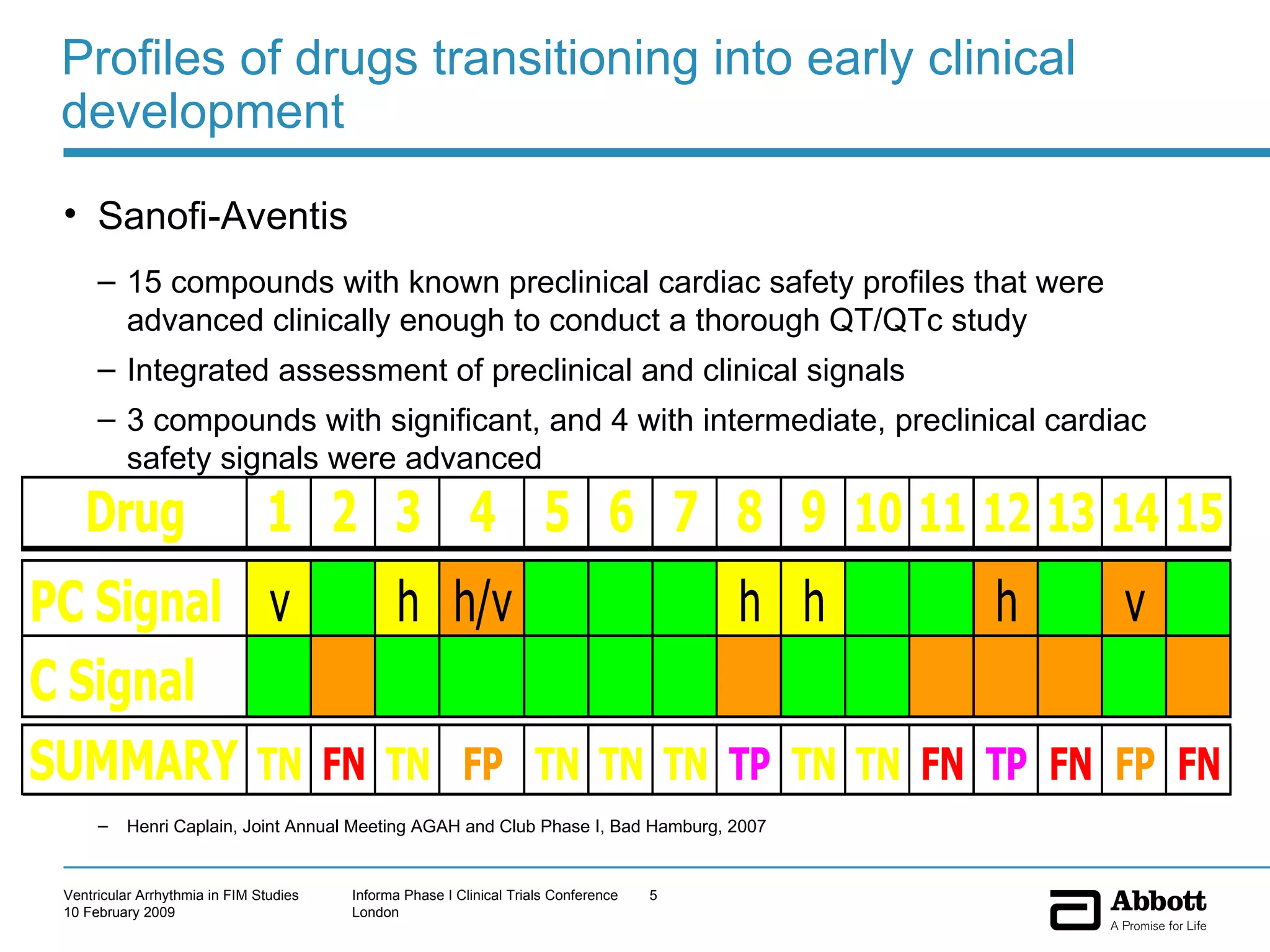
Profiles of drugs transitioning into early clinical development Sanofi-Aventis 15 compounds with known preclinical cardiac safety profiles that were advanced clinically enough to conduct a thorough QT/QTc study Integrated assessment of preclinical and clinical signals  3 compounds with significant, and 4 with intermediate, preclinical cardiac safety signals were advanced Henri Caplain, Joint Annual Meeting AGAH and Club Phase I, Bad Hamburg, 2007
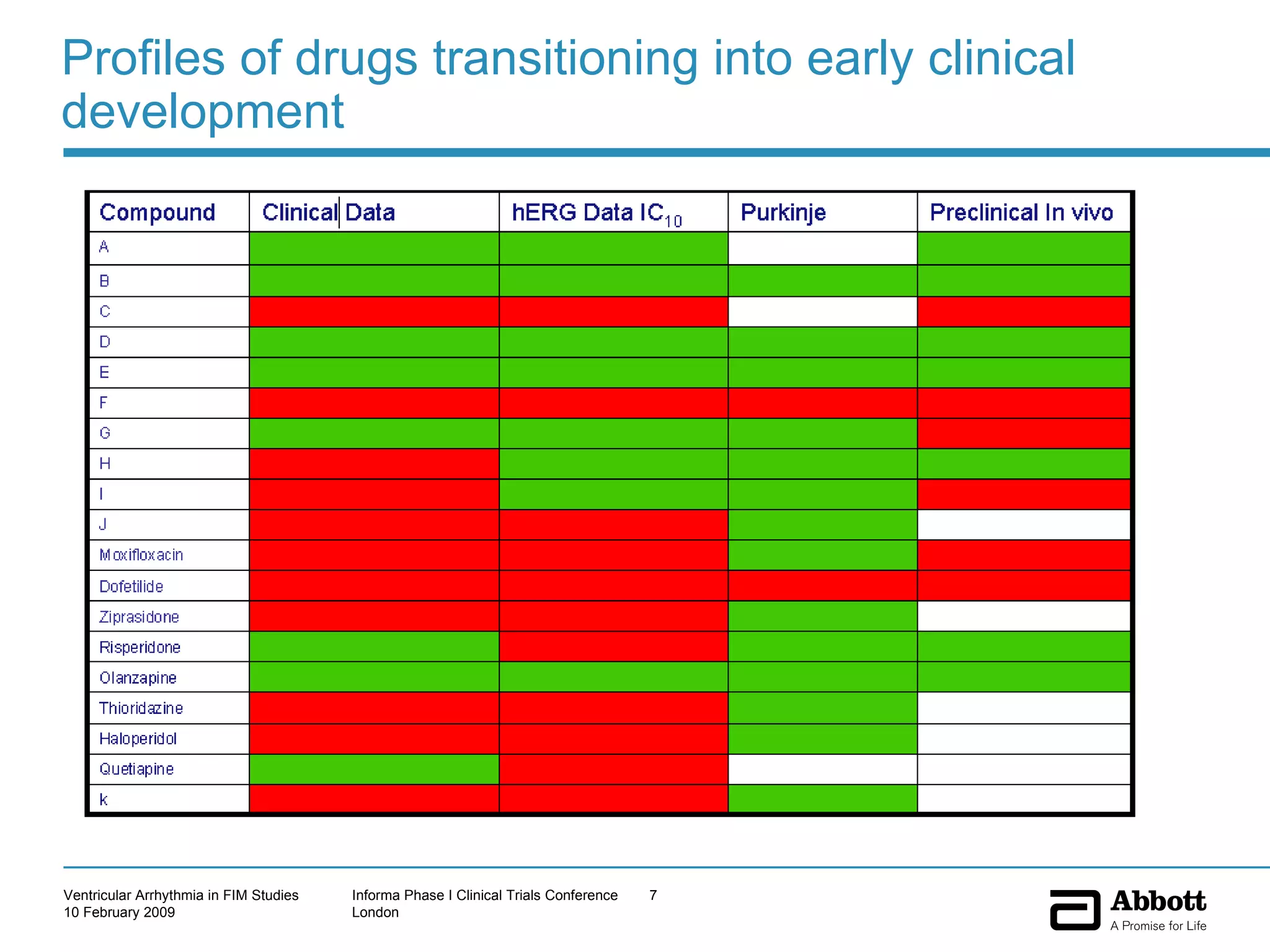
Profiles of drugs transitioning into early clinical development Pfizer 19 compounds, including positive controls and comparators, with known preclinical cardiac safety profiles that were advanced clinically enough to conduct a thorough QT/QTc study Integrated assessment of preclinical and clinical signals  11 compounds with significant preclinical cardiac safety signals were advanced RM Wallis, DIA QT and Arrhythmia Issues in Drug Development , Bethesda, 2008
Profiles of drugs transitioning into early clinical development
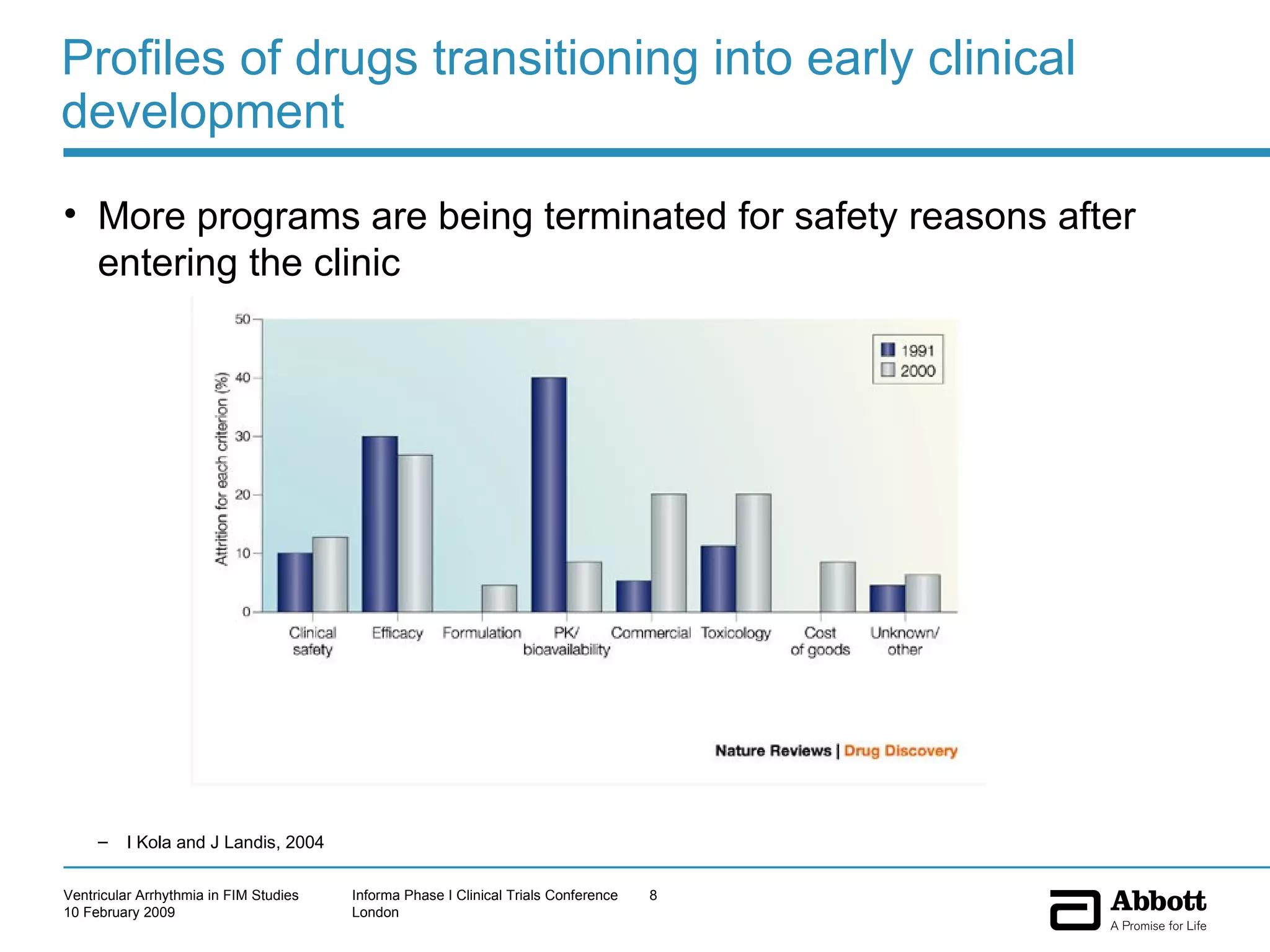
Profiles of drugs transitioning into early clinical development More programs are being terminated for safety reasons after entering the clinic I Kola and J Landis, 2004
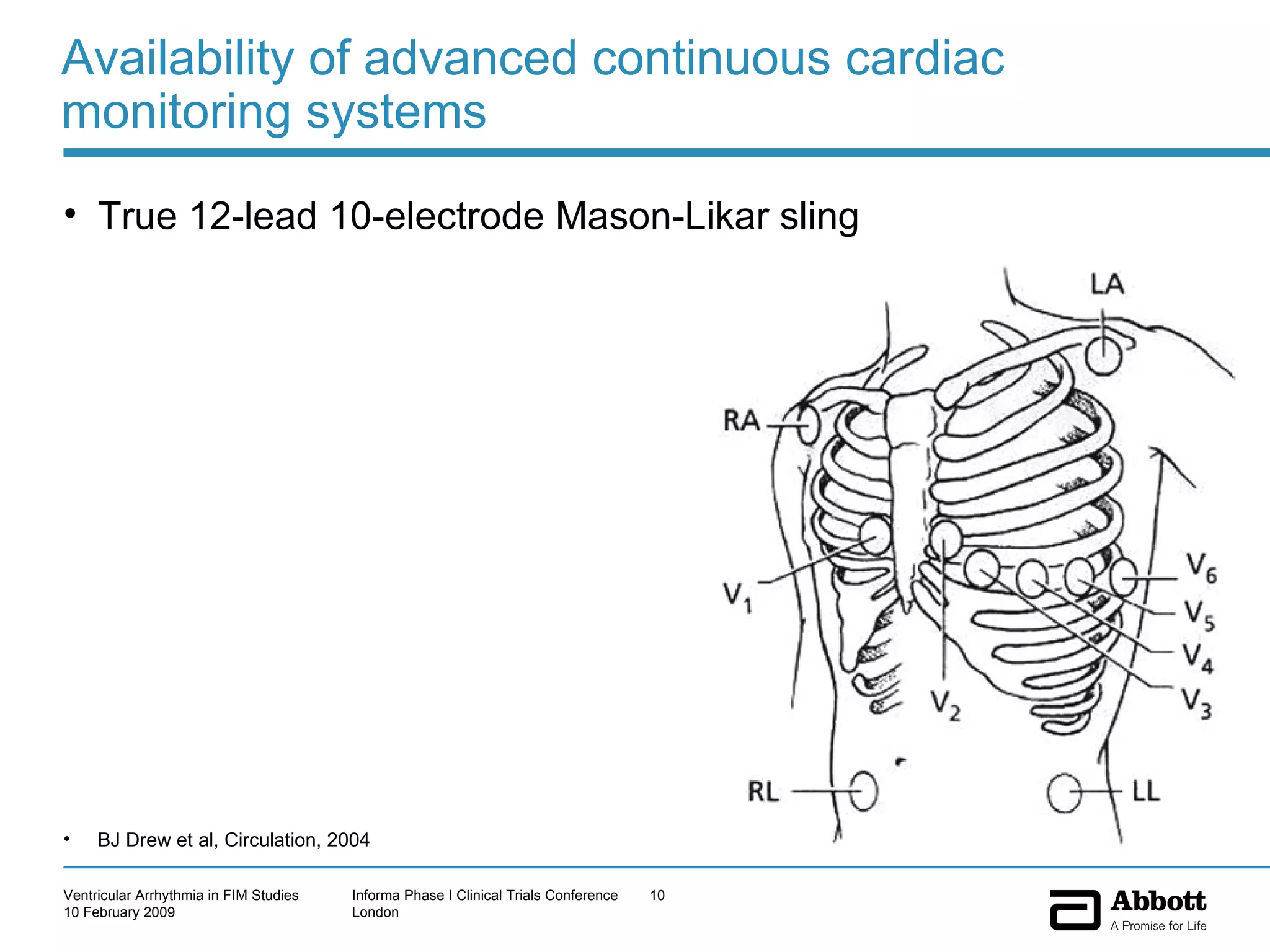
Availability of advanced continuous cardiac monitoring systems Cardiac telemetry is best performed using 10-electrode Mason-Likar 12-lead system.  This arrangement allows the review and print out of 12-lead ECGs in real time without waiting for the Holter analysis  One significant advantage is the display of all leads at the same time necessary for more accurate assessment of wide QRS complex tachycardia  “ 12”-lead can be derived from 5 and 6 electrodes but these are suboptimal BJ Drew et al, Circulation, 2004
Availability of advanced continuous cardiac monitoring systems True 12-lead 10-electrode Mason-Likar sling BJ Drew et al, Circulation, 2004
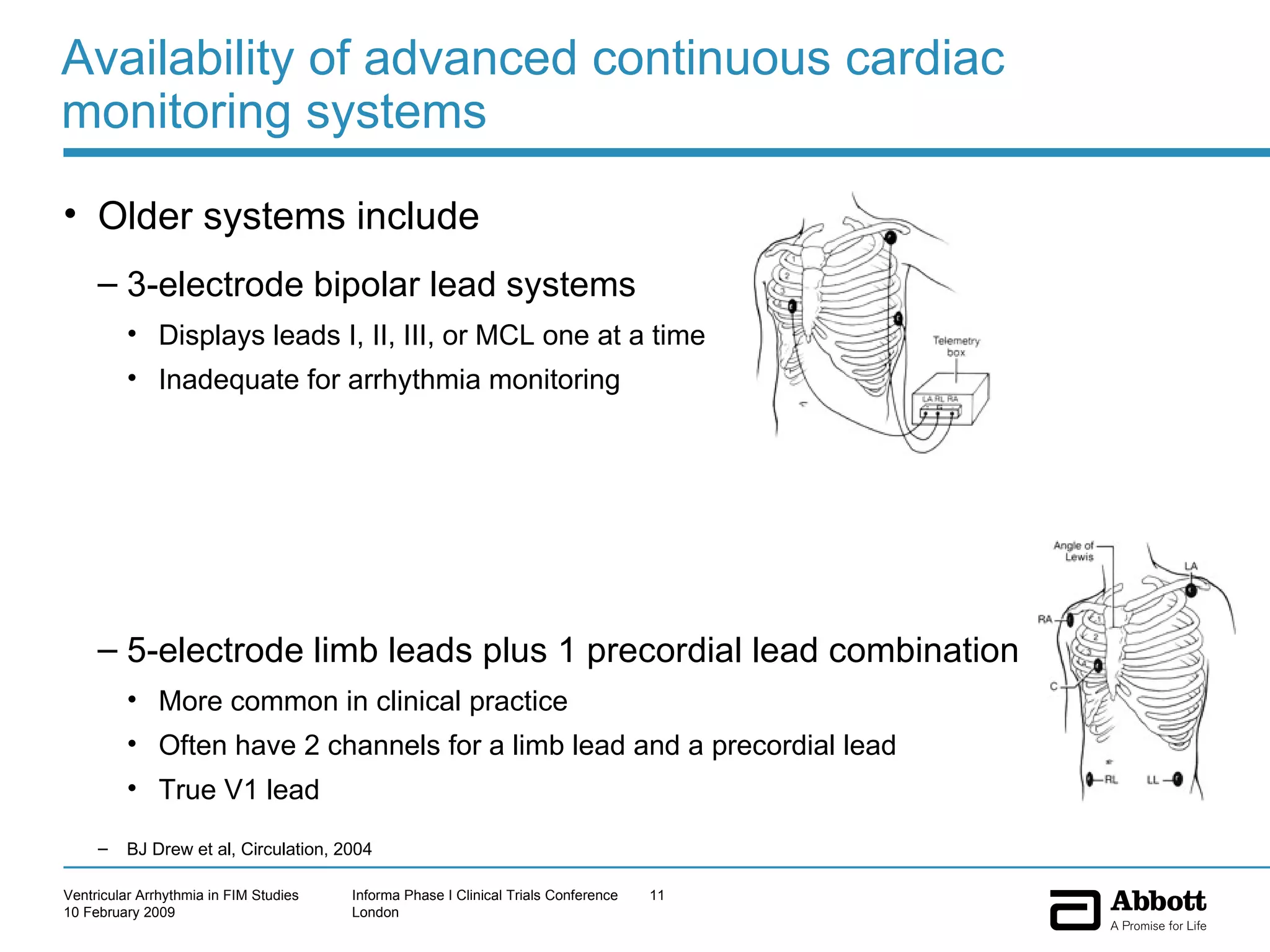
Availability of advanced continuous cardiac monitoring systems Older systems include 3-electrode bipolar lead systems Displays leads I, II, III, or MCL one at a time Inadequate for arrhythmia monitoring 5-electrode limb leads plus 1 precordial lead combination More common in clinical practice Often have 2 channels for a limb lead and a precordial lead True V1 lead BJ Drew et al, Circulation, 2004
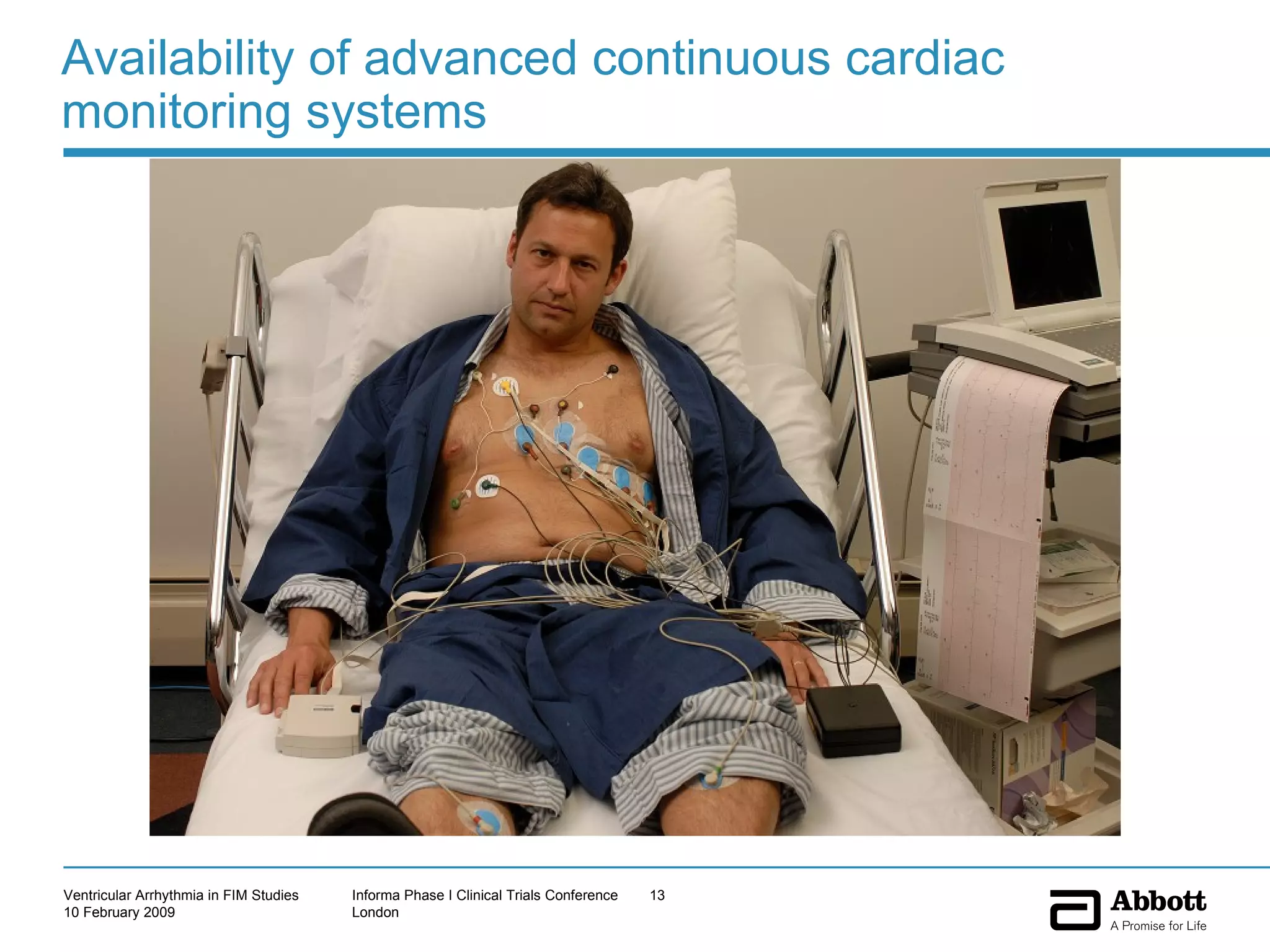
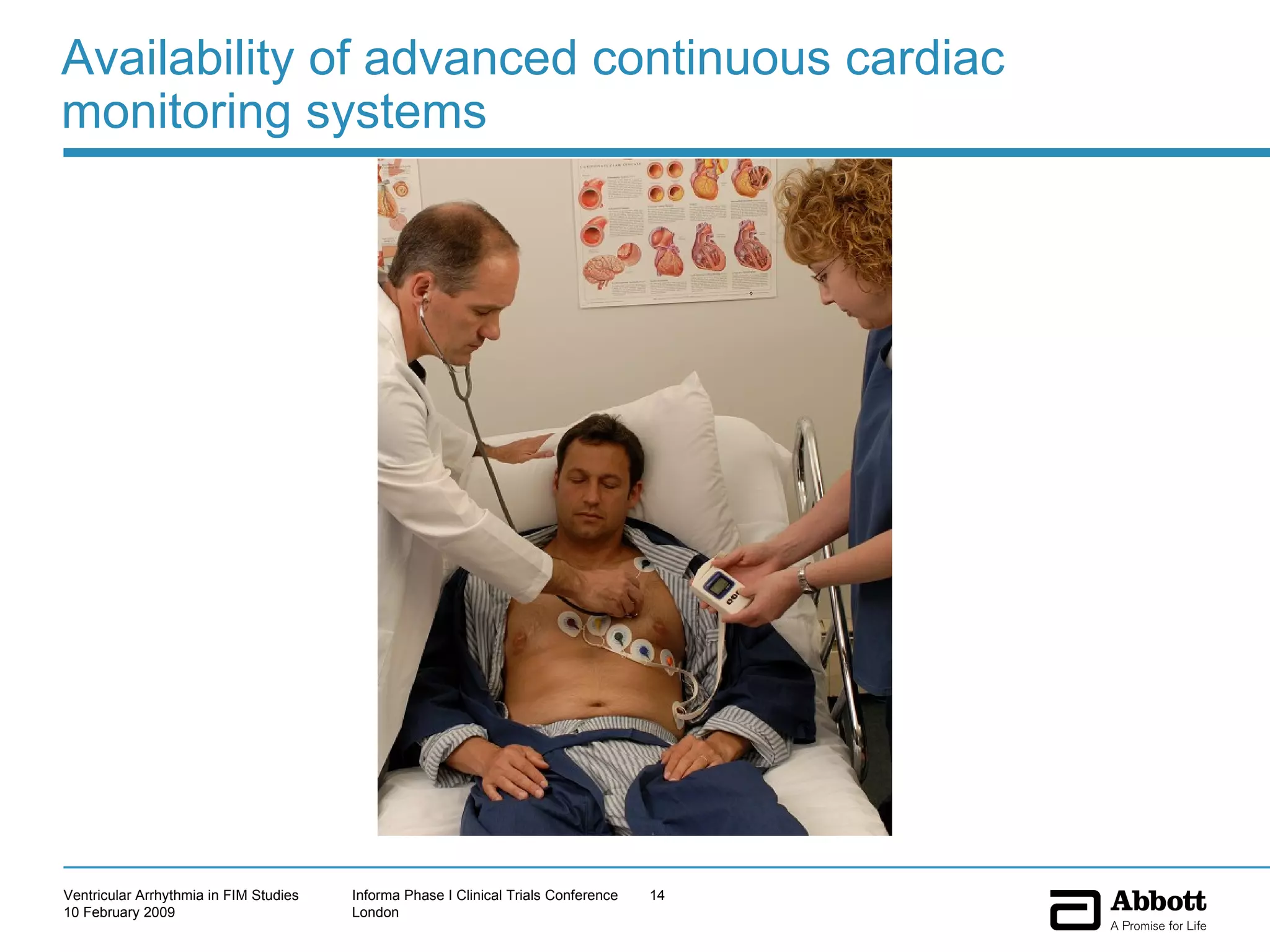
Availability of advanced continuous cardiac monitoring systems Better solutions integrate real time 12-lead cardiac telemetry with digital 12-lead, 10-second ECG extraction devices, and Holter-type recording in a single device
Availability of advanced continuous cardiac monitoring systems
Availability of advanced continuous cardiac monitoring systems Enhanced logistics are making these integrated systems widely useful available in Phase I clinics Increased availability, without adequate appreciation of the pros and cons, often leads to increased unjustified use The most important con is the increased detection of ventricular arrhythmia during FIM studies in a manner, given events baseline rates and variability, that makes it difficult to discern drug-relatedness
Baseline rates of ventricular arrhythmia events in healthy volunteers Studies available in English literature from 1944 to 2008 point to the following facts in healthy volunteers: Prevalence of non sustained ventricular tachycardia (NSVT) is mostly between 0%-2% Increased NSVT prevalence with age (4% amongst 60-85-year olds), with population younger than 40-49 years probably has least prevalence  Increased NSVT prevalence with increased duration of continuous cardiac monitoring (5% in 2 studies employing 48-hour monitoring) Increased NSVT prevalence with female gender, and high blood pressure (systolic BP >140 mmHg, diastolic > 90 mmHg ) Continuous cardiac monitoring is more likely to capture ventricular arrhythmia 100-fold compared to 10-second ECG Studies referenced available in the handout
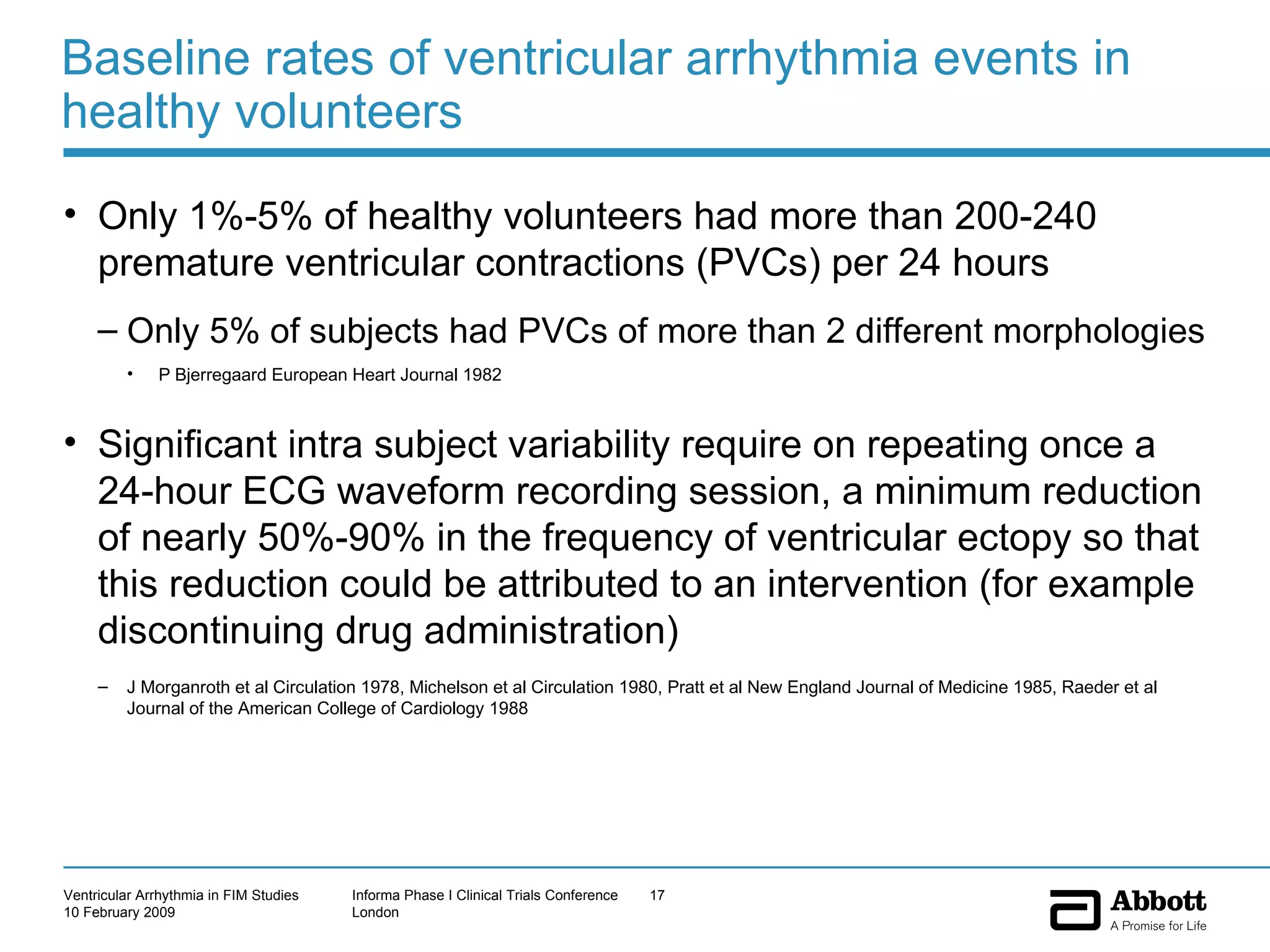
Baseline rates of ventricular arrhythmia events in healthy volunteers Only 1%-5% of healthy volunteers had more than 200-240 premature ventricular contractions (PVCs) per 24 hours Only 5% of subjects had PVCs of more than 2 different morphologies P Bjerregaard European Heart Journal 1982 Significant intra subject variability require on repeating once a 24-hour ECG waveform recording session, a minimum reduction of nearly 50%-90% in the frequency of ventricular ectopy so that this reduction could be attributed to an intervention (for example discontinuing drug administration)  J Morganroth et al Circulation 1978, Michelson et al Circulation 1980, Pratt et al New England Journal of Medicine 1985, Raeder et al Journal of the American College of Cardiology 1988
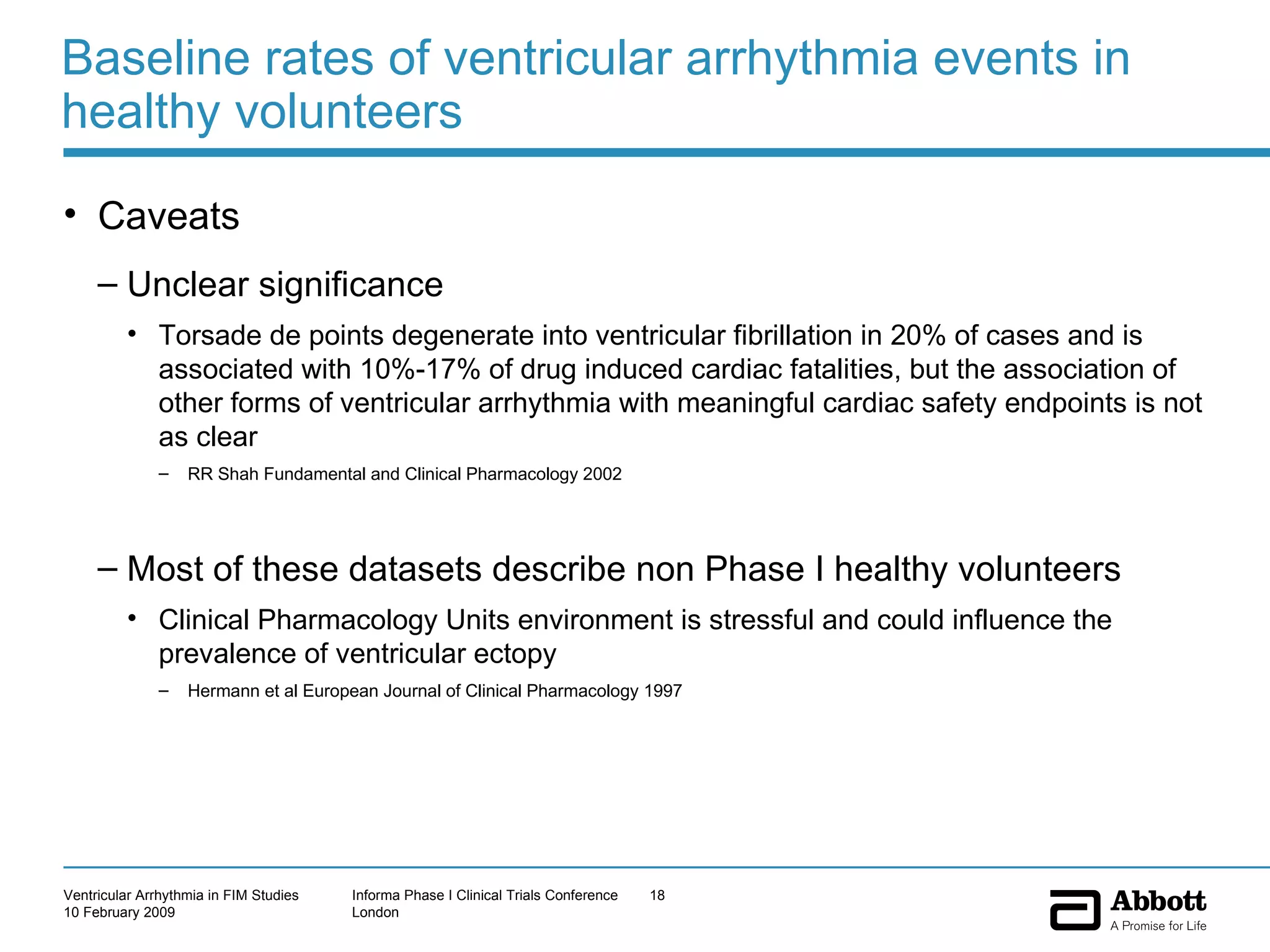
Baseline rates of ventricular arrhythmia events in healthy volunteers Caveats  Unclear significance Torsade de points degenerate into ventricular fibrillation in 20% of cases and is associated with 10%-17% of drug induced cardiac fatalities, but the association of other forms of ventricular arrhythmia with meaningful cardiac safety endpoints is not as clear RR Shah Fundamental and Clinical Pharmacology 2002 Most of these datasets describe non Phase I healthy volunteers Clinical Pharmacology Units environment is stressful and could influence the prevalence of ventricular ectopy  Hermann et al European Journal of Clinical Pharmacology 1997
Baseline rates of ventricular arrhythmia events in healthy volunteers Conclusion Lack of appreciation of baseline rates and variability of ventricular arrhythmia in healthy volunteers can lead to erroneous conclusions that could adversely impact drug development programs
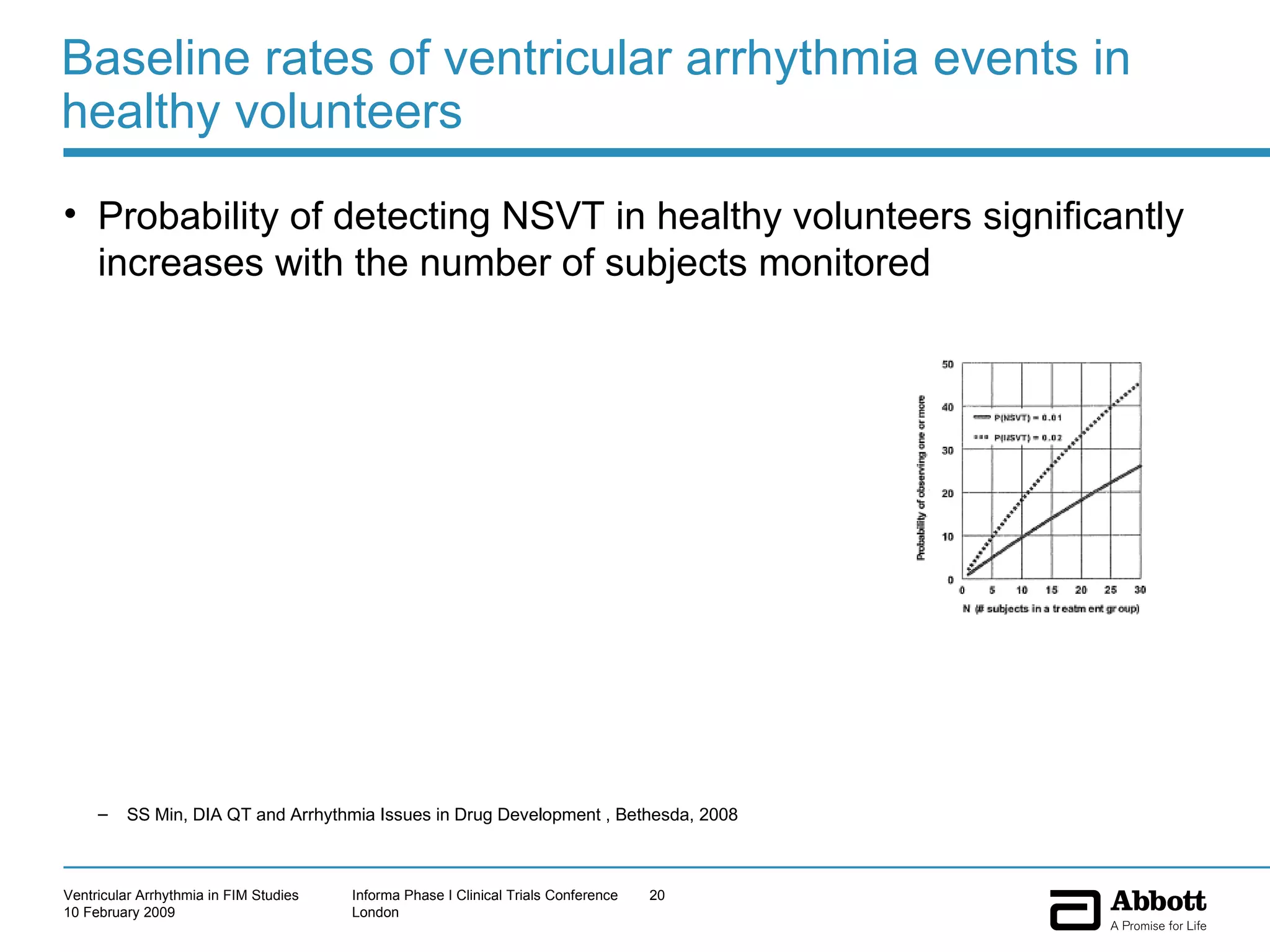
Baseline rates of ventricular arrhythmia events in healthy volunteers Probability of detecting NSVT in healthy volunteers significantly increases with the number of subjects monitored SS Min, DIA QT and Arrhythmia Issues in Drug Development , Bethesda, 2008
Indications of intensive cardiac monitoring during FIM studies Intensive meaning any approach requiring more than PK-guided collection of 10-second safety ECGs Trends vary by company, and by regulator Should be applied on case-by-case basis, and be adequately justified No official guidance or consensus (apart from the anticipated points-to-consider document) Alternatives are available, and should be considered and justified: Frequent serial digital10-second ECGs obtained under standardized conditions, and centrally analyzed using advanced digital technology Continuous cardiac monitoring using telemetry and Holter of various durations
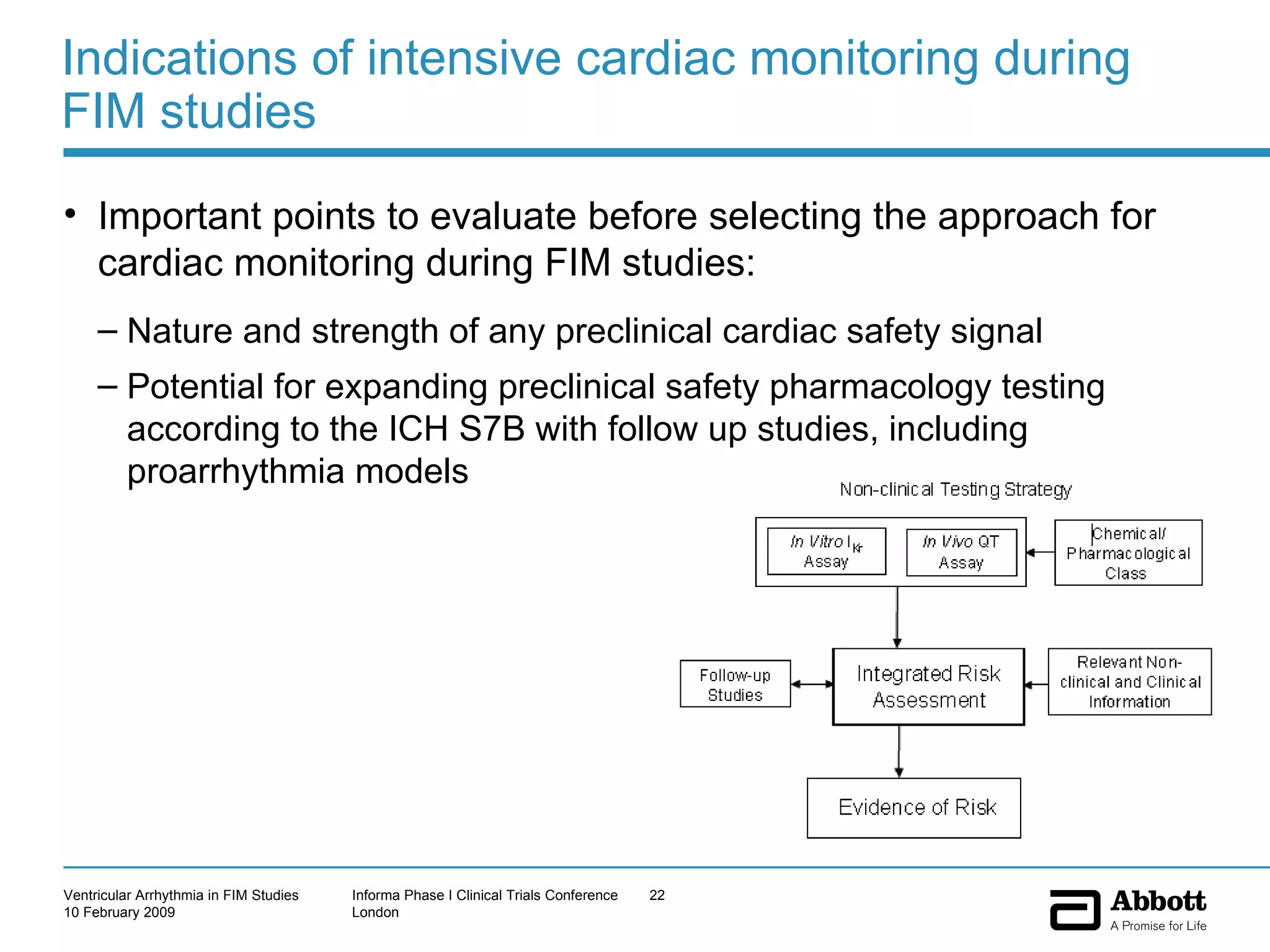
Indications of intensive cardiac monitoring during FIM studies Important points to evaluate before selecting the approach for cardiac monitoring during FIM studies: Nature and strength of any preclinical cardiac safety signal Potential for expanding preclinical safety pharmacology testing according to the ICH S7B with follow up studies, including proarrhythmia models
Indications of intensive cardiac monitoring during FIM studies Important points to evaluate before selecting the approach for cardiac monitoring during FIM studies: Preclinical exposure-response evaluation of compound testes vis-à-vis cardiac safety endpoints (e.g. prolonged QT) Predicted, and later observed, PK profile of the compound entering the clinic (to guide the timing, duration, and intensity of cardiac monitoring) Availability of study conduct environment that allows for rigorous assessment of QT/QTc prolongation, i.e. serial digital ECGs acquired under standardized conditions, and that are rigorously and centrally analyzed using advanced digital technology (the so called “near thorough QT study”) Malik et al Journal of Clinical Pharmacology 2008, and Sarapa et al Journal of Clinical Pharmacology 2008
Indications of intensive cardiac monitoring during FIM studies Clear indications for intensive cardiac monitoring include: Clear preclinical cardiac safety signal and a “go development decision”  Non concordant or equivocal preclinical cardiac safety signal  Less clear indications include: Drug class cardiac safety concern, but so far absent from the compound being developed Uniform approaches, and one-size-fits-all, applied to early clinical development programs Project teams, or individuals, preferences
Intensive cardiac monitoring during FIM study conduct Set up of intensive cardiac monitoring during FIM study conduct has 2 main goals: Ensure volunteer safety Accurately assess the potential of compound related ventricular arrhythmia while minimizing the potential for detection of a false positive signal Enhance the ability to assess compound relatedness of any ventricular arrhythmia event Strategies to realize both goals overlap
Intensive cardiac monitoring during FIM study conduct Ensuring volunteer safety strategies: Limit participation to relatively young volunteers with age range capped at 40-50 years old Adequate screening to disqualify volunteers with relevant problematic medical histories, e.g. family history of sudden cardiac death or congenital prolongation of QT Adequate screening to rule out volunteers with clinically silent structural and ischemic heart disease, and high blood pressure (even if not clinically significant) Design adequate and monitorable individual and cohort dose escalation stopping rules
Intensive cardiac monitoring during FIM study conduct A note on stopping rules vis-à-vis cardiac safety endpoints Should be PK guided, and based on adequate exposure-response modeling Should engage early clinical findings ahead of more severe or serious outcomes, e.g. individual QTc prolongation relative to baseline of 60 msec or more, mean cohort QTc prolongation exceeding a preset threshold, or detection of NSVT and advanced heart blocks Should take into account drug relatedness, given the variable baseline rate of ventricular arrhythmia (might need to break the study blind to assess) Any clinical finding with the potential to trigger the stopping rules should be confirmed as soon as possible, e.g. extraction of additional 12-lead ECGs to confirm telemetry findings, and trigger immediate volunteer safety evaluation Principal investigator and study staff should be experienced and well trained to recognize and address any clinical finding that triggers the stopping rules
Intensive cardiac monitoring during FIM study conduct Strategies to accurately assess the potential of compound related ventricular arrhythmia while minimizing the potential for detection of a false positive signal Before an event is observed:  Limit intensive cardiac monitoring to the justified protocol and level just needed Screen healthy volunteers using the same approach utilized after dosing, and most preferably using the same duration and in the same setting.  Screening data  must be evaluated prior to dosing  of the volunteers Archive 12-lead cardiac telemetry data, or more preferably back the data up using 12-lead Holter analysis for subsequent analysis Strategies to ensure volunteers safety are also very useful in preventing false positive clinical findings
Intensive cardiac monitoring during FIM study conduct Strategies to accurately assess the potential of compound related ventricular arrhythmia while minimizing the potential for detection of a false positive signal After an event is observed:  Immediately assess the volunteer to ensure safety: Wellness check, vital signs,…etc Confirm the clinical finding as described before Assess key electrolytes such as serum potassium, magnesium, and calcium Draw a PK sample to ascertain drug exposure temporally closest to the event Draw a blood sample to later asses pharmacogenetics if needed (if not already specified by the protocol) Obtain expert opinion to evaluate the volunteer and the arrhythmia observed Rule out clinically silent structural and ischemic heart diseases using appropriate standard investigations such stress ECG and 2-dimensional echocardiogram Repeat intensive cardiac monitoring in the same study setting for the volunteer off drug (after at least 5 half lives) for a comparable duration using the same setting
Intensive cardiac monitoring during FIM study conduct A note on expert evaluation of observed ventricular arrhythmia: Ventricular arrhythmia most often occur in a diseased heart even when triggered by a drug It is crucial to discern supraventricular arrhythmia with aberrant conduction (and hence increased QRS duration) from true ventricular arrhythmia Some forms of ventricular arrhythmia are benign such as those with morphologies suggestive of sustained and non sustained ventricular tachycardia of right ventricular outflow tract origin and left posterior fasicular origin, and monomorphic arrhythmia
Intensive cardiac monitoring during FIM study conduct A note on expert evaluation of observed ventricular arrhythmia: Other forms of arrhythmia are more worrisome, and strongly raise suspicion for drug relatedness, these include: 1.  Ventricular arrhythmia associated with QTc interval prolongation, or short QTc interval 2.  Ventricular arrhythmia associated with increased QRS duration Polymorphic ventricular tachycardia Ventricular tachycardia sustained for more than 30 seconds, or associated with hemodynamic compromise  5.  Ventricular arrhythmia occurring in the setting of an individual with baseline ST or J-point elevation suggestive of Brugada’s Syndrome.  6.  Ventricular arrhythmia in the setting of structural heart disease 7.  Ventricular arrhythmia in a patient with a family history of sudden death or primary arrhythmia syndrome 8.  Ventricular fibrillation
Drug relatedness Often not easy to assess Presence of structural or ischemic heart disease Relevant medical/family history Recurrence in absence of drug exposure Alternative etiology Biologic plausibility Arrhythmia morphology Dose dependence Dose dependant relevant AEs, and repolarization abnormalities (e.g. QT/QTc prolongation) Confirmed and meaningful drug exposure  Expert and regulatory opinion
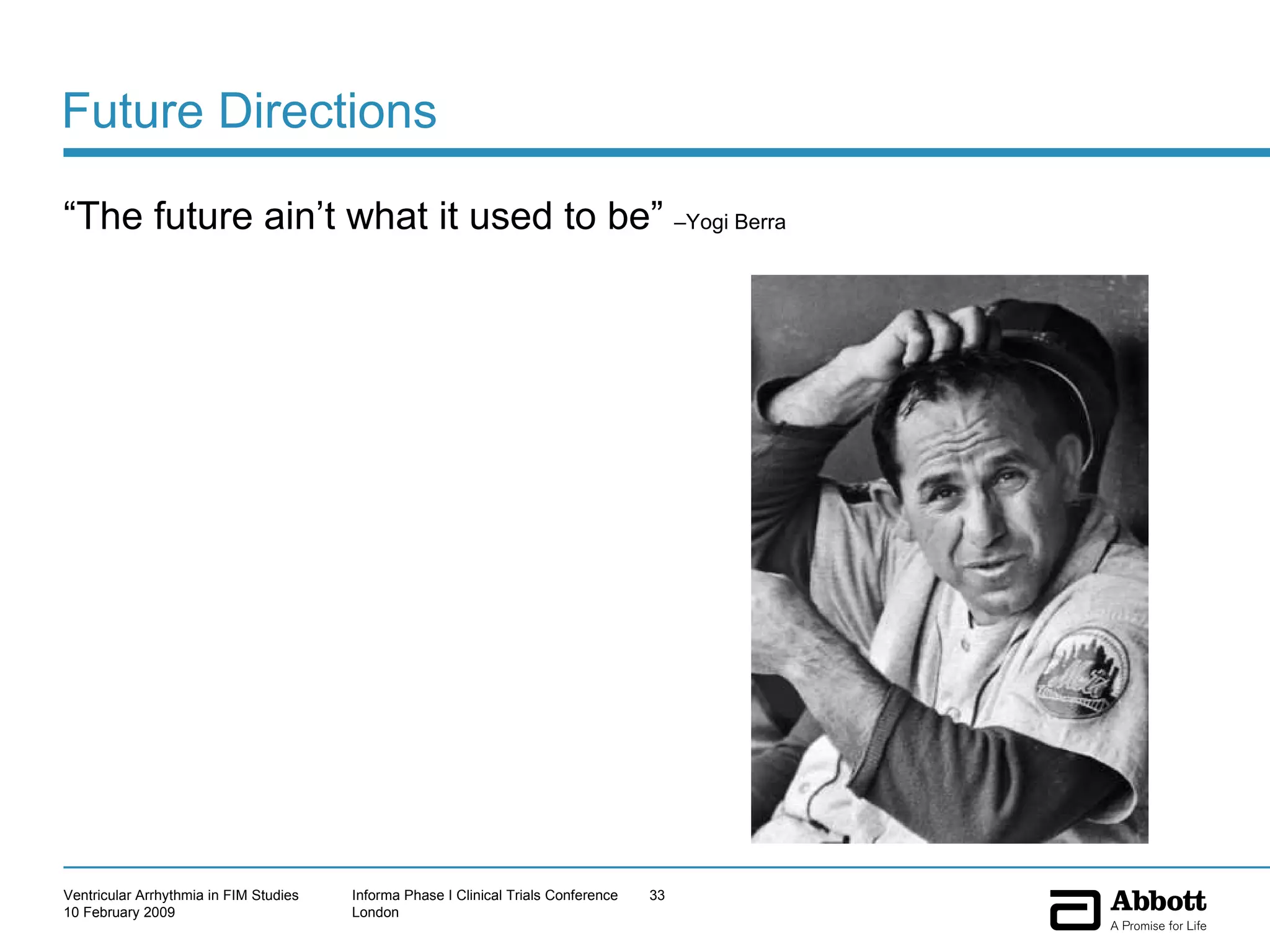
Future Directions  “ The future ain’t what it used to be”  –Yogi Berra
Future directions: Cardiac Safety Research Consortium points-to-consider paper Partnership between a number of pharmaceutical companies (Abbott, GSK, Merck, Pfizer), cardiac core laboratories (eRT), academia, and the US FDA under the auspices of the Cardiac Safety Research Consortium Born out of the need to address the challenges posed by ventricular arrhythmia encountered during early clinical developments Expert discussion of many of the points presented during this session Initial drafting is completed, and expected to be published in 2009
Future directions: Telemetric and Holter ECG Warehouse (THEW) The objective of the Telemetric and Holter ECG Warehouse (THEW) is to provide access to continuous electrocardiographic data to for-profit and not-for-profit organizations for the design and validation of analytic methods to advance the field of quantitative electrocardiography with a strong focus on cardiac safety Develop specific projects to implement and to grow the repository of ECG information in the THEW  Facilitate scientific projects toward the development, testing and validation of ECG-related technologies and platforms Leverage expertise and resources toward the implementation of collaborative projects among  FDA, UR, and other public and private stakeholders Identify, develop and evaluate new electrocardiographic markers of cardiovascular risk related to management of patient care and evaluation of new molecular entities As appropriate, incorporate scientific findings from the THEW into the premarket evaluation process for electrocardiographic devices and associated methodologies, and into the total product life cycle
Conclusions Ventricular arrhythmia will continue to be increasingly encountered during FIM studies, and should be adequately explored and understood Intensive and continuous cardiac monitoring during FIM studies is an important decision to make, and justify It is critical to avoid one size fits all paradigms It helps to have an internal company group dedicated to cardiac safety issues  and clinical systems Expert and consensus opinions are being developed and will aid many stake holders
 

Managing Ventricular Arrhythmia In First In Man Studies A Nada

  • 1.
    Managing Ventricular Arrhythmiain First-in-Man (FIM) Studies Adel Nada, MD, MS Medical Director, Clinical Pharmacology and Cardiac Safety Clinical Systems Abbott Laboratories
  • 2.
    Fine print Theviews discussed in this presentation only reflect my opinions, and not the policies and procedures of Abbott Laboratories or any of its affiliates, or the Cardiac Safety Research Consortium
  • 3.
    Introduction Ventriculararrhythmia is being increasingly confronted during early clinical development due to: Profile of compounds transitioning into early clinical development: As “low hanging fruit” run out, compounds with more problematic profiles, including difficult-to-interpret cardiac safety signals, are being developed Many pharmaceutical stakeholders, including companies and regulators, are increasingly more conservative in approaching clinical development in general, and early clinical development in particular, and hence require additional clinical monitoring procedures Wider availability and enhanced logistics, and hence increased use, of advanced continuous cardiac monitoring systems that could be more easily deployed in clinical pharmacology units Inadequate recognition of baseline rates of ventricular arrhythmia events in healthy volunteers, and significance of these events in context of clinical development
  • 4.
    Profiles of drugstransitioning into early clinical development As “low hanging fruit” run out, drugs with more problematic profiles are being developed Preclinical data, though very good, is not a perfect predictor of cardiac safety signals during clinical development. Therefore, in many therapeutic area with unmet medical needs compounds with significant or equivocal preclinical cardiac safety signals are advanced
  • 5.
    Profiles of drugstransitioning into early clinical development Sanofi-Aventis 15 compounds with known preclinical cardiac safety profiles that were advanced clinically enough to conduct a thorough QT/QTc study Integrated assessment of preclinical and clinical signals 3 compounds with significant, and 4 with intermediate, preclinical cardiac safety signals were advanced Henri Caplain, Joint Annual Meeting AGAH and Club Phase I, Bad Hamburg, 2007
  • 6.
    Profiles of drugstransitioning into early clinical development Pfizer 19 compounds, including positive controls and comparators, with known preclinical cardiac safety profiles that were advanced clinically enough to conduct a thorough QT/QTc study Integrated assessment of preclinical and clinical signals 11 compounds with significant preclinical cardiac safety signals were advanced RM Wallis, DIA QT and Arrhythmia Issues in Drug Development , Bethesda, 2008
  • 7.
    Profiles of drugstransitioning into early clinical development
  • 8.
    Profiles of drugstransitioning into early clinical development More programs are being terminated for safety reasons after entering the clinic I Kola and J Landis, 2004
  • 9.
    Availability of advancedcontinuous cardiac monitoring systems Cardiac telemetry is best performed using 10-electrode Mason-Likar 12-lead system. This arrangement allows the review and print out of 12-lead ECGs in real time without waiting for the Holter analysis One significant advantage is the display of all leads at the same time necessary for more accurate assessment of wide QRS complex tachycardia “ 12”-lead can be derived from 5 and 6 electrodes but these are suboptimal BJ Drew et al, Circulation, 2004
  • 10.
    Availability of advancedcontinuous cardiac monitoring systems True 12-lead 10-electrode Mason-Likar sling BJ Drew et al, Circulation, 2004
  • 11.
    Availability of advancedcontinuous cardiac monitoring systems Older systems include 3-electrode bipolar lead systems Displays leads I, II, III, or MCL one at a time Inadequate for arrhythmia monitoring 5-electrode limb leads plus 1 precordial lead combination More common in clinical practice Often have 2 channels for a limb lead and a precordial lead True V1 lead BJ Drew et al, Circulation, 2004
  • 12.
    Availability of advancedcontinuous cardiac monitoring systems Better solutions integrate real time 12-lead cardiac telemetry with digital 12-lead, 10-second ECG extraction devices, and Holter-type recording in a single device
  • 13.
    Availability of advancedcontinuous cardiac monitoring systems
  • 14.
    Availability of advancedcontinuous cardiac monitoring systems
  • 15.
    Availability of advancedcontinuous cardiac monitoring systems Enhanced logistics are making these integrated systems widely useful available in Phase I clinics Increased availability, without adequate appreciation of the pros and cons, often leads to increased unjustified use The most important con is the increased detection of ventricular arrhythmia during FIM studies in a manner, given events baseline rates and variability, that makes it difficult to discern drug-relatedness
  • 16.
    Baseline rates ofventricular arrhythmia events in healthy volunteers Studies available in English literature from 1944 to 2008 point to the following facts in healthy volunteers: Prevalence of non sustained ventricular tachycardia (NSVT) is mostly between 0%-2% Increased NSVT prevalence with age (4% amongst 60-85-year olds), with population younger than 40-49 years probably has least prevalence Increased NSVT prevalence with increased duration of continuous cardiac monitoring (5% in 2 studies employing 48-hour monitoring) Increased NSVT prevalence with female gender, and high blood pressure (systolic BP >140 mmHg, diastolic > 90 mmHg ) Continuous cardiac monitoring is more likely to capture ventricular arrhythmia 100-fold compared to 10-second ECG Studies referenced available in the handout
  • 17.
    Baseline rates ofventricular arrhythmia events in healthy volunteers Only 1%-5% of healthy volunteers had more than 200-240 premature ventricular contractions (PVCs) per 24 hours Only 5% of subjects had PVCs of more than 2 different morphologies P Bjerregaard European Heart Journal 1982 Significant intra subject variability require on repeating once a 24-hour ECG waveform recording session, a minimum reduction of nearly 50%-90% in the frequency of ventricular ectopy so that this reduction could be attributed to an intervention (for example discontinuing drug administration) J Morganroth et al Circulation 1978, Michelson et al Circulation 1980, Pratt et al New England Journal of Medicine 1985, Raeder et al Journal of the American College of Cardiology 1988
  • 18.
    Baseline rates ofventricular arrhythmia events in healthy volunteers Caveats Unclear significance Torsade de points degenerate into ventricular fibrillation in 20% of cases and is associated with 10%-17% of drug induced cardiac fatalities, but the association of other forms of ventricular arrhythmia with meaningful cardiac safety endpoints is not as clear RR Shah Fundamental and Clinical Pharmacology 2002 Most of these datasets describe non Phase I healthy volunteers Clinical Pharmacology Units environment is stressful and could influence the prevalence of ventricular ectopy Hermann et al European Journal of Clinical Pharmacology 1997
  • 19.
    Baseline rates ofventricular arrhythmia events in healthy volunteers Conclusion Lack of appreciation of baseline rates and variability of ventricular arrhythmia in healthy volunteers can lead to erroneous conclusions that could adversely impact drug development programs
  • 20.
    Baseline rates ofventricular arrhythmia events in healthy volunteers Probability of detecting NSVT in healthy volunteers significantly increases with the number of subjects monitored SS Min, DIA QT and Arrhythmia Issues in Drug Development , Bethesda, 2008
  • 21.
    Indications of intensivecardiac monitoring during FIM studies Intensive meaning any approach requiring more than PK-guided collection of 10-second safety ECGs Trends vary by company, and by regulator Should be applied on case-by-case basis, and be adequately justified No official guidance or consensus (apart from the anticipated points-to-consider document) Alternatives are available, and should be considered and justified: Frequent serial digital10-second ECGs obtained under standardized conditions, and centrally analyzed using advanced digital technology Continuous cardiac monitoring using telemetry and Holter of various durations
  • 22.
    Indications of intensivecardiac monitoring during FIM studies Important points to evaluate before selecting the approach for cardiac monitoring during FIM studies: Nature and strength of any preclinical cardiac safety signal Potential for expanding preclinical safety pharmacology testing according to the ICH S7B with follow up studies, including proarrhythmia models
  • 23.
    Indications of intensivecardiac monitoring during FIM studies Important points to evaluate before selecting the approach for cardiac monitoring during FIM studies: Preclinical exposure-response evaluation of compound testes vis-à-vis cardiac safety endpoints (e.g. prolonged QT) Predicted, and later observed, PK profile of the compound entering the clinic (to guide the timing, duration, and intensity of cardiac monitoring) Availability of study conduct environment that allows for rigorous assessment of QT/QTc prolongation, i.e. serial digital ECGs acquired under standardized conditions, and that are rigorously and centrally analyzed using advanced digital technology (the so called “near thorough QT study”) Malik et al Journal of Clinical Pharmacology 2008, and Sarapa et al Journal of Clinical Pharmacology 2008
  • 24.
    Indications of intensivecardiac monitoring during FIM studies Clear indications for intensive cardiac monitoring include: Clear preclinical cardiac safety signal and a “go development decision” Non concordant or equivocal preclinical cardiac safety signal Less clear indications include: Drug class cardiac safety concern, but so far absent from the compound being developed Uniform approaches, and one-size-fits-all, applied to early clinical development programs Project teams, or individuals, preferences
  • 25.
    Intensive cardiac monitoringduring FIM study conduct Set up of intensive cardiac monitoring during FIM study conduct has 2 main goals: Ensure volunteer safety Accurately assess the potential of compound related ventricular arrhythmia while minimizing the potential for detection of a false positive signal Enhance the ability to assess compound relatedness of any ventricular arrhythmia event Strategies to realize both goals overlap
  • 26.
    Intensive cardiac monitoringduring FIM study conduct Ensuring volunteer safety strategies: Limit participation to relatively young volunteers with age range capped at 40-50 years old Adequate screening to disqualify volunteers with relevant problematic medical histories, e.g. family history of sudden cardiac death or congenital prolongation of QT Adequate screening to rule out volunteers with clinically silent structural and ischemic heart disease, and high blood pressure (even if not clinically significant) Design adequate and monitorable individual and cohort dose escalation stopping rules
  • 27.
    Intensive cardiac monitoringduring FIM study conduct A note on stopping rules vis-à-vis cardiac safety endpoints Should be PK guided, and based on adequate exposure-response modeling Should engage early clinical findings ahead of more severe or serious outcomes, e.g. individual QTc prolongation relative to baseline of 60 msec or more, mean cohort QTc prolongation exceeding a preset threshold, or detection of NSVT and advanced heart blocks Should take into account drug relatedness, given the variable baseline rate of ventricular arrhythmia (might need to break the study blind to assess) Any clinical finding with the potential to trigger the stopping rules should be confirmed as soon as possible, e.g. extraction of additional 12-lead ECGs to confirm telemetry findings, and trigger immediate volunteer safety evaluation Principal investigator and study staff should be experienced and well trained to recognize and address any clinical finding that triggers the stopping rules
  • 28.
    Intensive cardiac monitoringduring FIM study conduct Strategies to accurately assess the potential of compound related ventricular arrhythmia while minimizing the potential for detection of a false positive signal Before an event is observed: Limit intensive cardiac monitoring to the justified protocol and level just needed Screen healthy volunteers using the same approach utilized after dosing, and most preferably using the same duration and in the same setting. Screening data must be evaluated prior to dosing of the volunteers Archive 12-lead cardiac telemetry data, or more preferably back the data up using 12-lead Holter analysis for subsequent analysis Strategies to ensure volunteers safety are also very useful in preventing false positive clinical findings
  • 29.
    Intensive cardiac monitoringduring FIM study conduct Strategies to accurately assess the potential of compound related ventricular arrhythmia while minimizing the potential for detection of a false positive signal After an event is observed: Immediately assess the volunteer to ensure safety: Wellness check, vital signs,…etc Confirm the clinical finding as described before Assess key electrolytes such as serum potassium, magnesium, and calcium Draw a PK sample to ascertain drug exposure temporally closest to the event Draw a blood sample to later asses pharmacogenetics if needed (if not already specified by the protocol) Obtain expert opinion to evaluate the volunteer and the arrhythmia observed Rule out clinically silent structural and ischemic heart diseases using appropriate standard investigations such stress ECG and 2-dimensional echocardiogram Repeat intensive cardiac monitoring in the same study setting for the volunteer off drug (after at least 5 half lives) for a comparable duration using the same setting
  • 30.
    Intensive cardiac monitoringduring FIM study conduct A note on expert evaluation of observed ventricular arrhythmia: Ventricular arrhythmia most often occur in a diseased heart even when triggered by a drug It is crucial to discern supraventricular arrhythmia with aberrant conduction (and hence increased QRS duration) from true ventricular arrhythmia Some forms of ventricular arrhythmia are benign such as those with morphologies suggestive of sustained and non sustained ventricular tachycardia of right ventricular outflow tract origin and left posterior fasicular origin, and monomorphic arrhythmia
  • 31.
    Intensive cardiac monitoringduring FIM study conduct A note on expert evaluation of observed ventricular arrhythmia: Other forms of arrhythmia are more worrisome, and strongly raise suspicion for drug relatedness, these include: 1. Ventricular arrhythmia associated with QTc interval prolongation, or short QTc interval 2. Ventricular arrhythmia associated with increased QRS duration Polymorphic ventricular tachycardia Ventricular tachycardia sustained for more than 30 seconds, or associated with hemodynamic compromise 5. Ventricular arrhythmia occurring in the setting of an individual with baseline ST or J-point elevation suggestive of Brugada’s Syndrome. 6. Ventricular arrhythmia in the setting of structural heart disease 7. Ventricular arrhythmia in a patient with a family history of sudden death or primary arrhythmia syndrome 8. Ventricular fibrillation
  • 32.
    Drug relatedness Oftennot easy to assess Presence of structural or ischemic heart disease Relevant medical/family history Recurrence in absence of drug exposure Alternative etiology Biologic plausibility Arrhythmia morphology Dose dependence Dose dependant relevant AEs, and repolarization abnormalities (e.g. QT/QTc prolongation) Confirmed and meaningful drug exposure Expert and regulatory opinion
  • 33.
    Future Directions “ The future ain’t what it used to be” –Yogi Berra
  • 34.
    Future directions: CardiacSafety Research Consortium points-to-consider paper Partnership between a number of pharmaceutical companies (Abbott, GSK, Merck, Pfizer), cardiac core laboratories (eRT), academia, and the US FDA under the auspices of the Cardiac Safety Research Consortium Born out of the need to address the challenges posed by ventricular arrhythmia encountered during early clinical developments Expert discussion of many of the points presented during this session Initial drafting is completed, and expected to be published in 2009
  • 35.
    Future directions: Telemetricand Holter ECG Warehouse (THEW) The objective of the Telemetric and Holter ECG Warehouse (THEW) is to provide access to continuous electrocardiographic data to for-profit and not-for-profit organizations for the design and validation of analytic methods to advance the field of quantitative electrocardiography with a strong focus on cardiac safety Develop specific projects to implement and to grow the repository of ECG information in the THEW Facilitate scientific projects toward the development, testing and validation of ECG-related technologies and platforms Leverage expertise and resources toward the implementation of collaborative projects among  FDA, UR, and other public and private stakeholders Identify, develop and evaluate new electrocardiographic markers of cardiovascular risk related to management of patient care and evaluation of new molecular entities As appropriate, incorporate scientific findings from the THEW into the premarket evaluation process for electrocardiographic devices and associated methodologies, and into the total product life cycle
  • 36.
    Conclusions Ventricular arrhythmiawill continue to be increasingly encountered during FIM studies, and should be adequately explored and understood Intensive and continuous cardiac monitoring during FIM studies is an important decision to make, and justify It is critical to avoid one size fits all paradigms It helps to have an internal company group dedicated to cardiac safety issues and clinical systems Expert and consensus opinions are being developed and will aid many stake holders
  • 37.