
Management of Diabetes 2009   DR . MOUSA BIN SAMHAN AL ENAZY
Deaths by cause in the world   Noncommunicable diseases: Cardiovascular disease 30.2% Cancer 15.7% Diabetes 1.9% Other chronic diseases 15.7% Infectious diseases: HIV/AIDS  4.9% Tuberculosis  2.4% Malaria  1.5% Other Infectious Diseases 20.9% Injuries  9.3% Total: 58Million (WHO, 2004)
   


Classification and Diagnosis Type 1 diabetes is a disease resulting from absolute insulin deficiency, usually caused by autoimmune destruction of pancreatic islet cells. Other autoimmune disorders may also be present such as Addison’s disease, thyroiditis, and pernicious anemia.
The typical patient with type 1 diabetes:   Is often diagnosed as a child or young adult (although it can occur at any age).  Is lean (i.e., BMI less than 25 kg/m2).  Displays normal insulin sensitivity, i.e., insulin requirements do not exceed 0.7 units of insulin/kilogram body weight/24 hours.
Type 2 diabetes is a disease resulting from a relative, rather than an absolute, insulin deficiency with an underlying insulin resistance.
The typical patient with type 2 diabetes:   Is more likely to be diagnosed as an adult.  Is overweight or obese (i.e., BMI  > 25 kg/m2, and often far exceeding that BMI).  Is more likely to have a family history of diabetes (>90% of those with type 2 diabetes will have a first degree relative with the disease). •  If treated with insulin, is more likely to require very large doses to control the blood glucose (e.g., >0.7 units/kg/day) due to insulin resistance.  Such individuals frequently have characteristics associated with insulin resistance, including abdominal obesity, hypertension, lipid abnormalities, atherosclerosis, and hyperuricemia.
Diagnosis   The American Diabetes Association (ADA) criteria for the diagnosis of diabetes in nonpregnant adults Clinical Practice Guideline February 2008
Normal   Fasting plasma glucose <100 mg/dl  o r  Oral glucose tolerance test (OGTT) 2-hr plasma glucose <140 mg/dl Pre-diabetes Impaired fasting glucose (IFG) = fasting plasma glucose of 100–125 mg/dl  or  Impaired glucose tolerance (IGT) = OGTT 2-hr plasma glucose of 140–199 mg/dl Diabetes  1. Symptoms of diabetes and a casual plasma glucose  > 200 mg/dl. “Casual” is defined as any time of day, without regard to the time since the last meal.  The classic symptoms of diabetes include polyuria, polydipsia, and unexplained weight loss.  or  2. Fasting plasma glucose  > 126 mg/dl. Fasting is defined as no caloric intake for at least eight hours.  or  3. 2-h plasma glucose  > 200 mg/dl during an oral glucose tolerance test. The test should be performed using a glucose load containing the equivalent of 75-g anhydrous glucose dissolved in water.
screening should be provided every three years for persons in the following risk groups:   BMI of 25 kg/m2 or greater Hypertension Hyperlipidemia Age 45 Family history of diabetes. History of vascular disease History of gestational DM or delivery of a baby weighing more than nine pounds History of  polycystic ovary disease. Patients with impaired glucose homeostasis are at increased risk of developing diabetes. Approximately one third of patients with IFG or IGT will develop diabetes within five years.  Annual  screening by fasting  plasma  glucose is recommended for these patients.
Initial Treatment Plan Lifestyle Intervention   Food selection  Diabetic patients should choose healthy foods from each of the food groups listed according to  The Diabetes Food Pyramid. Physical activity  Regular exercise can significantly improve glycemic control and contribute to weight reduction.
 
Type 2 Diabetes Treatment A recent consensus statement by the American Diabetes Association (ADA) and the European Association for the Study of Diabetes states that “an A1C of  > 7% should serve as a call to action to initiate or change therapy.” For most patients, the A1C should be decreased to <7%.
Step 1: Lifestyle intervention and metformin   Step 2: Add a sulfonylurea or insulin   Disadvantages   Advantages   Expected total decrease in A1C (%)   Interventions   Metformin  Lifestyle to: ↓ weight & ↑ activity  GI side effects, rare lactic acidosis  Weight-neutral, no hypoglycemia, inexpensive  1.5  Fails for most in the first year  Low cost, many benefits  1–2  Weight gain, hypoglycemia   Inexpensive   1.5   Sulfonylureas   Injections, requires frequent blood glucose self-monitoring, hypoglycemia, weight gain   No dose limit, inexpensive, improved lipid profile   1.5–2.5   Insulin
Alternative medications   Infections, 3x/day dosing, frequent GI side effects, expensive, little experience   Weight loss   0.5–1.0   Pramlintide   three times/day dosing, expensive   Short duration   1–1.5   Glinides (meglitinides   Infections, 3x/day dosing, frequent GI side effects, expensive, little experience   Weight loss   0.5-1.0   Exenatide   Frequent GI side effects, 3x/day dosing, expensive   Weight-neutral   0.5–0.8   Alpha-glucosidase inhibitors   Fluid retention, weight gain, expensive, increased risk of congestive heart failure   Improved lipid profile   0.5–1.4   Glitazones (TZDs-- thiazolidinediones
Step 1: Lifestyle intervention and Metformin   Metformin is the only biguanide available in most of the world. It reduces hepatic glucose production in the presence of insulin and reduces hyperglycemia through other poorly defined mechanisms. Metformin reduces A1C levels by 1–2%. In contrast to sulfonylureas, metformin is associated with weight loss or no weight gain, and has a lower risk of hypoglycemia.  Metformin in combination with lifestyle changes is recommended as initial treatment for type 2 diabetes ). Metformin can also be used in combination with insulin, sulfonylureas, glitazones, and glinides
Metformin Metformin should be discontinued during acute illnesses where dehydration is a significant risk or where respiratory acidosis is possible,  Metformin is not recommended in the elderly (age >80) unless renal sufficiency is proven with a direct measure of GFR or for individuals with renal dysfunction (creatinine level >1.5 mg/dl in men or >1.4 mg/dl in women), liver dysfunction, congestive heart failure, severe infection, or alcohol abuse.  Metformin should be withheld 48 hours before and after surgery or IV contrast radiograph studies Metformin can cause vitamin B12 deficiency with an associated anemia and neuropathy.
Step 2: Add a sulfonylurea or insulin   If lifestyle interventions plus a maximally tolerated dose of metformin fail to achieve or sustain glycemic goals within two to three months, another medication should be added. Addition of either a sulfonylurea or insulin is generally recommended.  The A1C level will determine, in part, which agent should be selected next.  Insulin should be initiated for patients with A1C >8.5% or who have symptoms of hyperglycemia.
Step 3: Add or intensify insulin   If lifestyle interventions plus metformin and a second medication fail to achieve glycemic goals, the next step is to start or intensify insulin therapy. Usually, there is no benefit to prescribing three oral agents.  If plasma glucose and A1C goals are not met in a compliant patient on two oral agents, i.e., metformin and a sulfonylurea, the most effective next step is to add NPH insulin.
Treatment of Type 1 Diabetes Type 1 diabetics generally present with both acute diabetes symptoms and significantly elevated blood glucose levels.  Treatment goals for type 1 diabetes are the same as those for type 2 The A1C goal for type 1 diabetes is <7%.  For patients with type 1 diabetes, it has been clearly demonstrated that intensive insulin therapy results in both improved glycemic control and reduction in diabetes-related complications (including nephropathy, retinopathy, neuropathy, and cardiovascular morbidity and mortality).
Insulin and Insulin Administration Examples of Intensive Insulin Therapy Regimens GLARGINE  Reg  Reg  Reg  4 _  Reg  Reg  Reg + Glargine  3 NPH  Reg  —  Reg+ NPH  2 NPH  Reg  Reg  Reg  1 BEDTIME  DINNER  Lunch   Breakfast   Regimen
 
Insulin and Insulin Analogues   Ultra-rapid-acting   onset Peak 30 min–2 hrs 12–30 min   Insulin glulisine (Apidra)   30 min–2 hrs 12–30 min   Insulin aspart (Novolog)   30 min–2 hrs   12–30 min   Insulin lispro (Humalog)
Insulin and Insulin Analogues Short-acting   2–3 hrs   30 min–1 hr   Regular (human) Humulin R/Novolin R
Insulin and Insulin Analogues Intermediate-acting   4–10 hrs   1.5–4 hrs   NPH (human) Humulin N/Novolin N
Insulin and Insulin Analogues Long-acting   9 hrs–unknown   1–3 hrs   Insulin detemir (Levemir)   No peak   1–3 hrs   Insulin glargine (Lantus)
Insulin Administration   Insulin should be administered subcutaneously at a 45-to-90 degree angle at a clean injection site, using clean hands. Absorption is fastest from injections into the abdominal wall (>2 inches from the umbilicus), making this site preferable for pre-meal (regular) insulin therapy.  Injections into the leg or buttock result in slower absorption and are thereby appropriate for the evening dose of intermediate-acting (NPH) insulin. Rotating injection sites is recommended to prevent  lipodystrophy.
Insulin pumps   are rarely necessary for type 2 diabetics. Newly incarcerated type 1 diabetics who already on insulin pumps should usually be maintained on the pump.
Inhaled Insulin  (Exubra)  was approved in 2006 as an alternative to subcutaneous rapid-acting insulin. The clinical indications are being evaluated.  Given its higher cost, constraints in dosage flexibility, and questionable efficacy in achieving tight glycemic control,  inhaled insulin is not indicated as a first-line treatment
Gestational Diabetes (GDM) All pregnant inmates should be assessed for risk for GDM at the first prenatal visit.
High Risk   If  any  of the following are true:   Overweight/obese before pregnancy (BMI  > 25)  Personal history of GDM  Delivery of a previous large-for-gestation-age infant  Glycosuria  Polycystic ovary syndrome  Strong family history of diabetes
Complications of GDM Gestational diabetes (GDM) affects approximately 7% of all pregnant women.  The fetuses of mothers with hyperglycemia are at greater risk for intrauterine death or neonatal mortality.  GDM is also associated with fetal macrosomia, as well as neonatal hypoglycemia, hypocalcemia, polycythemia, and hyperbilirubinemia
Treatment   All patients with GDM should receive dietary counseling and be provided with adequate calories and nutrients during pregnancy.  Insulin therapy should be considered if dietary management does not result in:  the fasting whole blood glucose  < 95 mg/dL,  or  the fasting plasma glucose  < 105 mg/dL,  or  the two-hour postprandial whole blood glucose  < 120 mg/dL,  or  the-two hour postprandial plasma glucose  < 130 mg/dL.  Breast feeding should be encouraged in women with gestational diabetes mellitus.
Diabetic Complications   Diabetic patients with hypertension should have their blood pressure (BP) lowered to targeted levels, since serious microvascular and macrovascular diabetic complications are strongly linked to hypertension. The optimal treatment goal for non-pregnant diabetics over age 18 is a systolic BP of <130 and a diastolic <80 mmHg.  All diabetics with hypertension should ordinarily be treated with an ACE inhibitor. If an ACE inhibitor is contraindicated, consider using an angiotensin receptor blocker (ARB). If targets are not achieved, a thiazide diuretic should be added.  Note : ACE inhibitor therapy should also be considered for diabetic inmates, with or without hypertension, who have other cardiovascular risk factors.
Aspirin Therapy Clinical trials have demonstrated that aspirin therapy is effective for preventing serious cardiovascular events such as myocardial infarctions and stroke among diabetics. Enteric coated aspirin in dosages of 81–162 mg/day should be considered a standard part of treatment for most diabetic patients.  Aspirin is indicated for the following diabetic patients :  If there is evidence of atherosclerosis (e.g., coronary artery disease, peripheral vascular disease).  If the person is  > 40 years of age with one or more cardiovascular risk factors (hypertension, smoking, dyslipidemia, albuminuria, or family history of CHD).
 
Dyslipidemia Lipid disorders should be managed aggressively in diabetic patients to reduce the risk of serious cardiovascular events.  The therapeutic LDL goal for diabetic patients is <100 mg/dL;  for diabetics with diagnosed CHD, an optional goal of <70 mg/dL should be considered.
Diabetic Nephropathy Microalbuminuria (30–300 mg/24 hour),  the earliest stage of kidney disease associated with diabetes, often progresses to clinical  albuminuria (greater than 300 mg/24 hours)  with a subsequent decline in renal function over a period of years
Prevention and treatment recommendations for diabetic nephropathy include:   Maximize glycemic control  to delay onset of microalbuminuria.  Annually screen for microalbuminuria   Regardless of blood pressure status, treat diabetics with microalbuminuria with ACE inhibitors   Lower blood pressure to <130/80 , Restrict protein intake for diabetic inmates with the onset of nephropathy
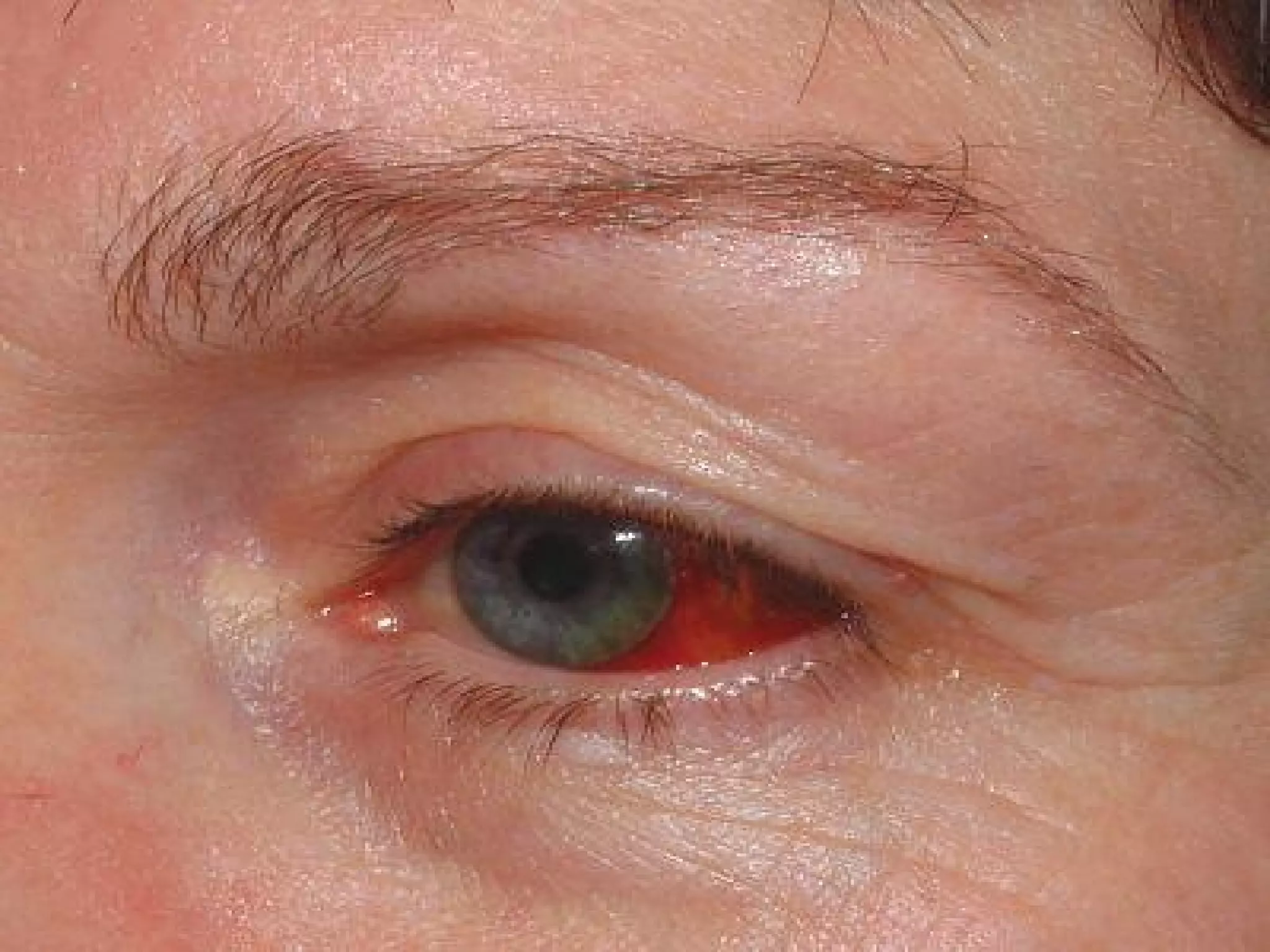
Diabetic Retinopathy Retinopathy progresses in a predictable manner, advancing from mild background abnormalities to pre-proliferative retinopathy, and then to proliferative retinopathy.  Vision loss occurs when macular edema or capillary non-perfusion cause the loss of central vision, or from proliferative retinopathy, which can lead to retinal detachment and irreversible vision loss.  The proliferative vessels may also bleed, leading to pre-retinal or vitreous hemorrhage
Prevention and treatment recommendations for diabetic retinopathy include the following:   Maximize glycemic control, since this reduces the risk of progression to clinically significant retinopathy.  Maximize blood pressure control.  Annual funduscopic eye exam. Screen diabetic patients for retinopathy, since proliferative retinopathy and macular edema may occur in completely asymptomatic patients,  Monitor pregnant diabetic patients closely, since pregnancy may aggravate retinopathy.  Continue aspirin therapy. It neither prevents retinopathy nor increases the risk of retinal hemorrhage.  Refer patients for laser photocoagulation surgery when indicated. Photocoagulation reduces the risk of further vision loss in patients with retinopathy, but does not ordinarily reverse established vision loss.
 
Diabetic Neuropathy Peripheral diabetic neuropathy may result in pain, loss of sensation, and muscle weakness.  Autonomic neuropathy may involve the gastrointestinal, cardiovascular, and genitourinary systems, resulting in related symptoms and complications.
Diabetic neuropathy is treated by   Pain related to diabetic neuropathy is treated with tricyclic amines and anticonvulsant medications. Titrated doses of nortryptline or carbamazepine are most effective in treating  chronic nerve pain associated with diabetic neuropathy.  Opioid therapy is not recommended as it is an acute pain management therapy, and NSAIDS (ibuprofen) have no therapeutic benefit with neuropathic pain.
Foot ulcers   The risk of amputation is associated with the following conditions:   peripheral neuropathy with a loss of sensation,  evidence of increased pressure (erythema, hemorrhage under a callus), peripheral vascular disease (absent distal pulses), severe nail disease, and a history of foot ulcers.  Screening for diabetic neuropathy should include monofilament testing. For a thorough description of how to conduct a diabetes foot screen including monofilament testing


THANK YOU

Management Of Diabetes

  • 1.
    Management of Diabetes2009 DR . MOUSA BIN SAMHAN AL ENAZY
  • 2.
    Deaths by causein the world Noncommunicable diseases: Cardiovascular disease 30.2% Cancer 15.7% Diabetes 1.9% Other chronic diseases 15.7% Infectious diseases: HIV/AIDS 4.9% Tuberculosis 2.4% Malaria 1.5% Other Infectious Diseases 20.9% Injuries 9.3% Total: 58Million (WHO, 2004)
  • 3.
  • 4.
  • 5.
  • 6.
  • 7.
  • 8.
  • 9.
  • 10.
  • 11.
    Classification and DiagnosisType 1 diabetes is a disease resulting from absolute insulin deficiency, usually caused by autoimmune destruction of pancreatic islet cells. Other autoimmune disorders may also be present such as Addison’s disease, thyroiditis, and pernicious anemia.
  • 12.
    The typical patientwith type 1 diabetes: Is often diagnosed as a child or young adult (although it can occur at any age). Is lean (i.e., BMI less than 25 kg/m2). Displays normal insulin sensitivity, i.e., insulin requirements do not exceed 0.7 units of insulin/kilogram body weight/24 hours.
  • 13.
    Type 2 diabetesis a disease resulting from a relative, rather than an absolute, insulin deficiency with an underlying insulin resistance.
  • 14.
    The typical patientwith type 2 diabetes: Is more likely to be diagnosed as an adult. Is overweight or obese (i.e., BMI > 25 kg/m2, and often far exceeding that BMI). Is more likely to have a family history of diabetes (>90% of those with type 2 diabetes will have a first degree relative with the disease). • If treated with insulin, is more likely to require very large doses to control the blood glucose (e.g., >0.7 units/kg/day) due to insulin resistance. Such individuals frequently have characteristics associated with insulin resistance, including abdominal obesity, hypertension, lipid abnormalities, atherosclerosis, and hyperuricemia.
  • 15.
    Diagnosis The American Diabetes Association (ADA) criteria for the diagnosis of diabetes in nonpregnant adults Clinical Practice Guideline February 2008
  • 16.
    Normal Fasting plasma glucose <100 mg/dl o r Oral glucose tolerance test (OGTT) 2-hr plasma glucose <140 mg/dl Pre-diabetes Impaired fasting glucose (IFG) = fasting plasma glucose of 100–125 mg/dl or Impaired glucose tolerance (IGT) = OGTT 2-hr plasma glucose of 140–199 mg/dl Diabetes 1. Symptoms of diabetes and a casual plasma glucose > 200 mg/dl. “Casual” is defined as any time of day, without regard to the time since the last meal. The classic symptoms of diabetes include polyuria, polydipsia, and unexplained weight loss. or 2. Fasting plasma glucose > 126 mg/dl. Fasting is defined as no caloric intake for at least eight hours. or 3. 2-h plasma glucose > 200 mg/dl during an oral glucose tolerance test. The test should be performed using a glucose load containing the equivalent of 75-g anhydrous glucose dissolved in water.
  • 17.
    screening should beprovided every three years for persons in the following risk groups: BMI of 25 kg/m2 or greater Hypertension Hyperlipidemia Age 45 Family history of diabetes. History of vascular disease History of gestational DM or delivery of a baby weighing more than nine pounds History of polycystic ovary disease. Patients with impaired glucose homeostasis are at increased risk of developing diabetes. Approximately one third of patients with IFG or IGT will develop diabetes within five years. Annual screening by fasting plasma glucose is recommended for these patients.
  • 18.
    Initial Treatment PlanLifestyle Intervention Food selection Diabetic patients should choose healthy foods from each of the food groups listed according to The Diabetes Food Pyramid. Physical activity Regular exercise can significantly improve glycemic control and contribute to weight reduction.
  • 19.
  • 20.
    Type 2 DiabetesTreatment A recent consensus statement by the American Diabetes Association (ADA) and the European Association for the Study of Diabetes states that “an A1C of > 7% should serve as a call to action to initiate or change therapy.” For most patients, the A1C should be decreased to <7%.
  • 21.
    Step 1: Lifestyleintervention and metformin Step 2: Add a sulfonylurea or insulin Disadvantages Advantages Expected total decrease in A1C (%) Interventions Metformin Lifestyle to: ↓ weight & ↑ activity GI side effects, rare lactic acidosis Weight-neutral, no hypoglycemia, inexpensive 1.5 Fails for most in the first year Low cost, many benefits 1–2 Weight gain, hypoglycemia Inexpensive 1.5 Sulfonylureas Injections, requires frequent blood glucose self-monitoring, hypoglycemia, weight gain No dose limit, inexpensive, improved lipid profile 1.5–2.5 Insulin
  • 22.
    Alternative medications Infections, 3x/day dosing, frequent GI side effects, expensive, little experience Weight loss 0.5–1.0 Pramlintide three times/day dosing, expensive Short duration 1–1.5 Glinides (meglitinides Infections, 3x/day dosing, frequent GI side effects, expensive, little experience Weight loss 0.5-1.0 Exenatide Frequent GI side effects, 3x/day dosing, expensive Weight-neutral 0.5–0.8 Alpha-glucosidase inhibitors Fluid retention, weight gain, expensive, increased risk of congestive heart failure Improved lipid profile 0.5–1.4 Glitazones (TZDs-- thiazolidinediones
  • 23.
    Step 1: Lifestyleintervention and Metformin Metformin is the only biguanide available in most of the world. It reduces hepatic glucose production in the presence of insulin and reduces hyperglycemia through other poorly defined mechanisms. Metformin reduces A1C levels by 1–2%. In contrast to sulfonylureas, metformin is associated with weight loss or no weight gain, and has a lower risk of hypoglycemia. Metformin in combination with lifestyle changes is recommended as initial treatment for type 2 diabetes ). Metformin can also be used in combination with insulin, sulfonylureas, glitazones, and glinides
  • 24.
    Metformin Metformin shouldbe discontinued during acute illnesses where dehydration is a significant risk or where respiratory acidosis is possible, Metformin is not recommended in the elderly (age >80) unless renal sufficiency is proven with a direct measure of GFR or for individuals with renal dysfunction (creatinine level >1.5 mg/dl in men or >1.4 mg/dl in women), liver dysfunction, congestive heart failure, severe infection, or alcohol abuse. Metformin should be withheld 48 hours before and after surgery or IV contrast radiograph studies Metformin can cause vitamin B12 deficiency with an associated anemia and neuropathy.
  • 25.
    Step 2: Adda sulfonylurea or insulin If lifestyle interventions plus a maximally tolerated dose of metformin fail to achieve or sustain glycemic goals within two to three months, another medication should be added. Addition of either a sulfonylurea or insulin is generally recommended. The A1C level will determine, in part, which agent should be selected next. Insulin should be initiated for patients with A1C >8.5% or who have symptoms of hyperglycemia.
  • 26.
    Step 3: Addor intensify insulin If lifestyle interventions plus metformin and a second medication fail to achieve glycemic goals, the next step is to start or intensify insulin therapy. Usually, there is no benefit to prescribing three oral agents. If plasma glucose and A1C goals are not met in a compliant patient on two oral agents, i.e., metformin and a sulfonylurea, the most effective next step is to add NPH insulin.
  • 27.
    Treatment of Type1 Diabetes Type 1 diabetics generally present with both acute diabetes symptoms and significantly elevated blood glucose levels. Treatment goals for type 1 diabetes are the same as those for type 2 The A1C goal for type 1 diabetes is <7%. For patients with type 1 diabetes, it has been clearly demonstrated that intensive insulin therapy results in both improved glycemic control and reduction in diabetes-related complications (including nephropathy, retinopathy, neuropathy, and cardiovascular morbidity and mortality).
  • 28.
    Insulin and InsulinAdministration Examples of Intensive Insulin Therapy Regimens GLARGINE Reg Reg Reg 4 _ Reg Reg Reg + Glargine 3 NPH Reg — Reg+ NPH 2 NPH Reg Reg Reg 1 BEDTIME DINNER Lunch Breakfast Regimen
  • 29.
  • 30.
    Insulin and InsulinAnalogues Ultra-rapid-acting onset Peak 30 min–2 hrs 12–30 min Insulin glulisine (Apidra) 30 min–2 hrs 12–30 min Insulin aspart (Novolog) 30 min–2 hrs 12–30 min Insulin lispro (Humalog)
  • 31.
    Insulin and InsulinAnalogues Short-acting 2–3 hrs 30 min–1 hr Regular (human) Humulin R/Novolin R
  • 32.
    Insulin and InsulinAnalogues Intermediate-acting 4–10 hrs 1.5–4 hrs NPH (human) Humulin N/Novolin N
  • 33.
    Insulin and InsulinAnalogues Long-acting 9 hrs–unknown 1–3 hrs Insulin detemir (Levemir) No peak 1–3 hrs Insulin glargine (Lantus)
  • 34.
    Insulin Administration Insulin should be administered subcutaneously at a 45-to-90 degree angle at a clean injection site, using clean hands. Absorption is fastest from injections into the abdominal wall (>2 inches from the umbilicus), making this site preferable for pre-meal (regular) insulin therapy. Injections into the leg or buttock result in slower absorption and are thereby appropriate for the evening dose of intermediate-acting (NPH) insulin. Rotating injection sites is recommended to prevent lipodystrophy.
  • 35.
    Insulin pumps are rarely necessary for type 2 diabetics. Newly incarcerated type 1 diabetics who already on insulin pumps should usually be maintained on the pump.
  • 36.
    Inhaled Insulin (Exubra) was approved in 2006 as an alternative to subcutaneous rapid-acting insulin. The clinical indications are being evaluated. Given its higher cost, constraints in dosage flexibility, and questionable efficacy in achieving tight glycemic control, inhaled insulin is not indicated as a first-line treatment
  • 37.
    Gestational Diabetes (GDM)All pregnant inmates should be assessed for risk for GDM at the first prenatal visit.
  • 38.
    High Risk If any of the following are true: Overweight/obese before pregnancy (BMI > 25) Personal history of GDM Delivery of a previous large-for-gestation-age infant Glycosuria Polycystic ovary syndrome Strong family history of diabetes
  • 39.
    Complications of GDMGestational diabetes (GDM) affects approximately 7% of all pregnant women. The fetuses of mothers with hyperglycemia are at greater risk for intrauterine death or neonatal mortality. GDM is also associated with fetal macrosomia, as well as neonatal hypoglycemia, hypocalcemia, polycythemia, and hyperbilirubinemia
  • 40.
    Treatment All patients with GDM should receive dietary counseling and be provided with adequate calories and nutrients during pregnancy. Insulin therapy should be considered if dietary management does not result in: the fasting whole blood glucose < 95 mg/dL, or the fasting plasma glucose < 105 mg/dL, or the two-hour postprandial whole blood glucose < 120 mg/dL, or the-two hour postprandial plasma glucose < 130 mg/dL. Breast feeding should be encouraged in women with gestational diabetes mellitus.
  • 41.
    Diabetic Complications Diabetic patients with hypertension should have their blood pressure (BP) lowered to targeted levels, since serious microvascular and macrovascular diabetic complications are strongly linked to hypertension. The optimal treatment goal for non-pregnant diabetics over age 18 is a systolic BP of <130 and a diastolic <80 mmHg. All diabetics with hypertension should ordinarily be treated with an ACE inhibitor. If an ACE inhibitor is contraindicated, consider using an angiotensin receptor blocker (ARB). If targets are not achieved, a thiazide diuretic should be added. Note : ACE inhibitor therapy should also be considered for diabetic inmates, with or without hypertension, who have other cardiovascular risk factors.
  • 42.
    Aspirin Therapy Clinicaltrials have demonstrated that aspirin therapy is effective for preventing serious cardiovascular events such as myocardial infarctions and stroke among diabetics. Enteric coated aspirin in dosages of 81–162 mg/day should be considered a standard part of treatment for most diabetic patients. Aspirin is indicated for the following diabetic patients : If there is evidence of atherosclerosis (e.g., coronary artery disease, peripheral vascular disease). If the person is > 40 years of age with one or more cardiovascular risk factors (hypertension, smoking, dyslipidemia, albuminuria, or family history of CHD).
  • 43.
  • 44.
    Dyslipidemia Lipid disordersshould be managed aggressively in diabetic patients to reduce the risk of serious cardiovascular events. The therapeutic LDL goal for diabetic patients is <100 mg/dL; for diabetics with diagnosed CHD, an optional goal of <70 mg/dL should be considered.
  • 45.
    Diabetic Nephropathy Microalbuminuria(30–300 mg/24 hour), the earliest stage of kidney disease associated with diabetes, often progresses to clinical albuminuria (greater than 300 mg/24 hours) with a subsequent decline in renal function over a period of years
  • 46.
    Prevention and treatmentrecommendations for diabetic nephropathy include: Maximize glycemic control to delay onset of microalbuminuria. Annually screen for microalbuminuria Regardless of blood pressure status, treat diabetics with microalbuminuria with ACE inhibitors Lower blood pressure to <130/80 , Restrict protein intake for diabetic inmates with the onset of nephropathy
  • 47.
    Diabetic Retinopathy Retinopathyprogresses in a predictable manner, advancing from mild background abnormalities to pre-proliferative retinopathy, and then to proliferative retinopathy. Vision loss occurs when macular edema or capillary non-perfusion cause the loss of central vision, or from proliferative retinopathy, which can lead to retinal detachment and irreversible vision loss. The proliferative vessels may also bleed, leading to pre-retinal or vitreous hemorrhage
  • 48.
    Prevention and treatmentrecommendations for diabetic retinopathy include the following: Maximize glycemic control, since this reduces the risk of progression to clinically significant retinopathy. Maximize blood pressure control. Annual funduscopic eye exam. Screen diabetic patients for retinopathy, since proliferative retinopathy and macular edema may occur in completely asymptomatic patients, Monitor pregnant diabetic patients closely, since pregnancy may aggravate retinopathy. Continue aspirin therapy. It neither prevents retinopathy nor increases the risk of retinal hemorrhage. Refer patients for laser photocoagulation surgery when indicated. Photocoagulation reduces the risk of further vision loss in patients with retinopathy, but does not ordinarily reverse established vision loss.
  • 49.
  • 50.
    Diabetic Neuropathy Peripheraldiabetic neuropathy may result in pain, loss of sensation, and muscle weakness. Autonomic neuropathy may involve the gastrointestinal, cardiovascular, and genitourinary systems, resulting in related symptoms and complications.
  • 51.
    Diabetic neuropathy istreated by Pain related to diabetic neuropathy is treated with tricyclic amines and anticonvulsant medications. Titrated doses of nortryptline or carbamazepine are most effective in treating chronic nerve pain associated with diabetic neuropathy. Opioid therapy is not recommended as it is an acute pain management therapy, and NSAIDS (ibuprofen) have no therapeutic benefit with neuropathic pain.
  • 52.
    Foot ulcers The risk of amputation is associated with the following conditions: peripheral neuropathy with a loss of sensation, evidence of increased pressure (erythema, hemorrhage under a callus), peripheral vascular disease (absent distal pulses), severe nail disease, and a history of foot ulcers. Screening for diabetic neuropathy should include monofilament testing. For a thorough description of how to conduct a diabetes foot screen including monofilament testing
  • 53.
  • 54.
  • 55.
  • 56.
  • 57.
  • 58.