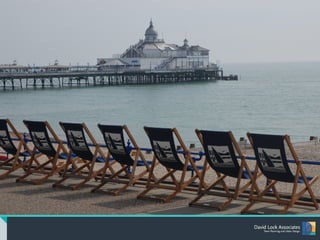
Waterfronts as Part of Area Based Regeneration 
Matt Lappin 
Senior Associate 
David Lock Associates 
07 July 2014
Introduction 
Thinking About the Opportunities and Challenges 
Drawing on Examples 
Some Lessons to Learn
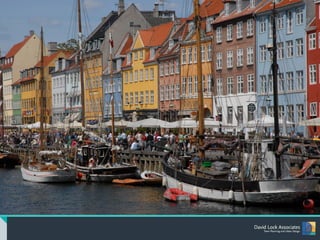
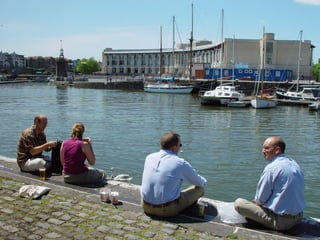
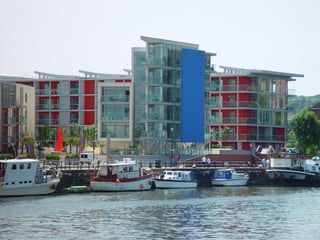
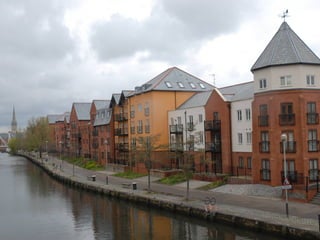
Attractive Opportunities 
• Popular destinations and attractors 
• Limited in number – not everywhere has a waterfront… 
• ….but could it? 
• Encourage a creative approach – opening culverted 
watercourses 
• Resulting values – premium 
• Notable successes… 
• ….and some less notable
Thinking About the Regeneration Challenges 
• Physical challenges: 
• Legacy of past and current uses – working places 
• Contamination 
• Flood risk and defences 
• Drainage infrastructure 
• Traffic, roads and access
Thinking About the Regeneration Challenges 
• Market Challenges: 
• Easy in a strong market – catalyst for change 
• Uncertain growth and market context 
• Edge of centre locations – establishing new markets 
• Owners intentions and expectations 
• Coping with market failure – falling values
Case Studies 
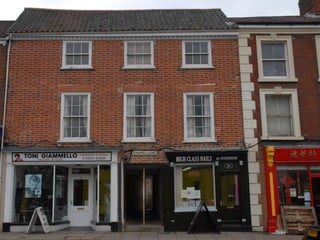
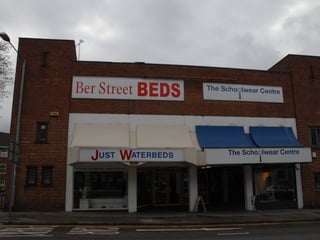
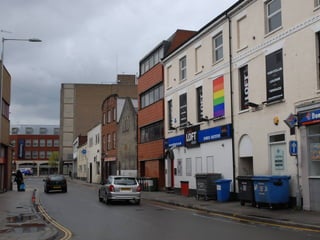
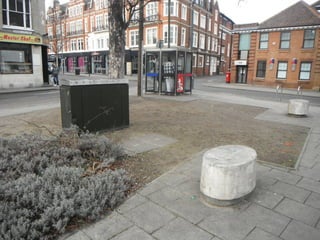
Norwich South City Centre 
Regeneration in an Historic City 
Stalled Development Market 
De-risking 
Ilfracombe Southern Extension 
Regeneration through Growth 
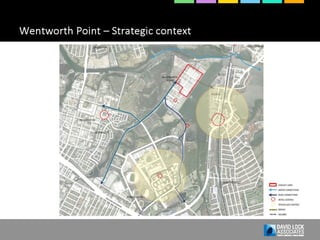
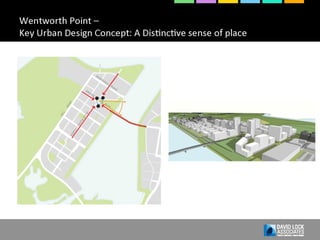
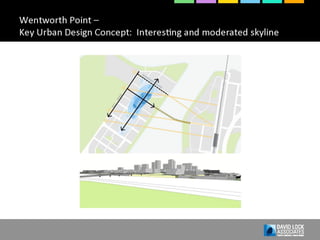
Wentworth Point 
Quick Perspective from Elsewhere 
Challenging Existing Guidance 
Maximising an Accessible Location
Norwich Project Background 
•Publically funded project – NCC and HCA 
•Illustrative Master Plan with Site Specific 
Development Briefs 
•Supporting Delivery Plan: Deliverable, Viable, 
Ongoing…
Project Background 
•Stalled Sites – viability a key issue 
•Stakeholder Fatigue – “we’ve been here before” 
•Some significant constraints – archaeology, ground 
conditions 
•Fragmented land ownerships, but some key NCC 
holdings
Character
Character
Character
Character
Open Design Studio
Open Design Studio
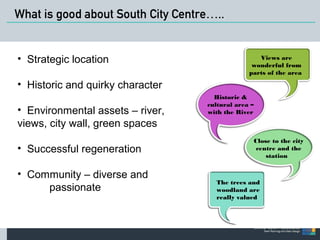
What is good about South City Centre….. 
Views are 
wonderful from 
parts of the area 
Historic & 
cultural area – 
with the River 
• Strategic location 
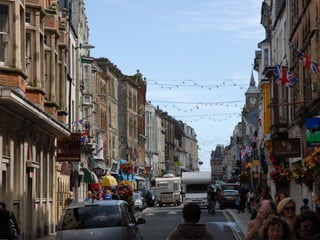
• Historic and quirky character 
• Environmental assets – river, 
views, city wall, green spaces 
• Successful regeneration 
• Community – diverse and 
passionate 
Close to the city 
centre and the 
station 
The trees and 
woodland are 
really valued
What is holding the area back? 
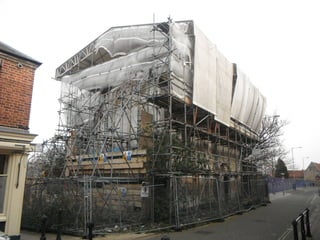
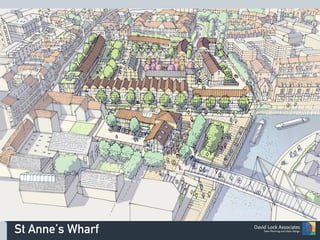
St Anne’s Wharf 
& Howard 
House are an 
eyesore 
Glut of 
• Economic challenges 
• Blighted areas - derelict and neglected 
secondary office 
space – old 
building stock 
sites and buildings 
• No clear definition of role 
• Conflict between uses 
• Uncertainty - failed projects 
• Disconnection 
• Out-dated building stock 
Glacial progress 
– thought we 
were buying into 
an up and 
coming area 
Anti-social 
behaviour spills 
into the area
Options Testing 
•High level viability analysis – in-house 
•Identifying build costs, public realm, big ticket items 
•Sensitivity testing – quantum, policy requirements 
•Engaging with local agents and businesses – market testing 
•Clear guidance on key requirements, flexibility elsewhere 
•Identifying funding shortfalls and opportunities 
•Understanding what is really achievable 
•De-risking and adding certainty: ‘master plan plus’ approach
The Priorities 
Principal Development Opportunities 
1 St Anne’s Wharf 
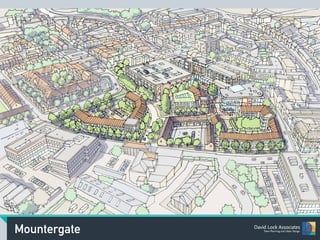
2 Rose Lane/Mountergate 
3 Garden Street 
4 Normandie Tower 
5 Supporting Public Realm
St Anne’s Wharf
Mountergate
Garden Street
Normandie Tower
Ilfracombe Project Aims 
Ilfracombe Southern Extension 
•Landowner commission, but close relationship 
with local council – capacity building 
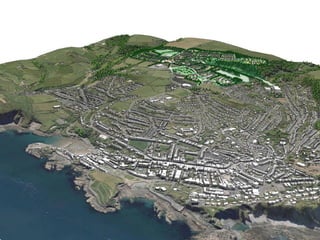
•Regeneration of the town through growth 
•Locally identified and supported need 
•Local Plan site allocation – 1,000 dwellings 
•Driven by Early Community and Stakeholder 
Engagement
Key Strategic Issues 
• Establishing a new edge for Ilfracombe 
• Maintaining a strong landscape framework 
• Part of Ilfracombe but design to be ‘of its time’ 
• Attractive and distinctive – a gateway to the town 
• Supporting the town centre – integrated regeneration 
strategy 
• Meeting local housing needs and attracting new residents
Ilfracombe Southern Extension 
• Growth of the town – meeting identified need 
• Up to 750 houses to meet Local Plan allocation 
• Mixed-use Hub 
•Primary School, healthcare, community facilities 
•Extra Care housing 
•Recreation, playspace, sports pitches 
• Robust landscape framework
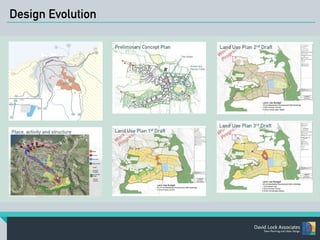
Design Evolution
Illustrative Master Plan
Stakeholder Workshops and Public Engagement
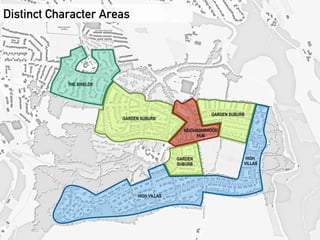
Distinct Character Areas
Neighbourhood Hub 
• Building forms drawn 
from the agricultural 
vernacular of rural 
Devon 
• Community facilities 
clustered around a 
village green 
• Employment buildings 
enclose a variety of 
activity spaces 
• High quality 
contemporary design
High Villas 
• Primarily semi-detached 
and detached villas 
• Lower density 
• Majority of streets run 
along contours 
• Larger houses with 
fantastic sea views 
• Split-level homes could 
accommodate the sloping 
site 
• Generous Gardens
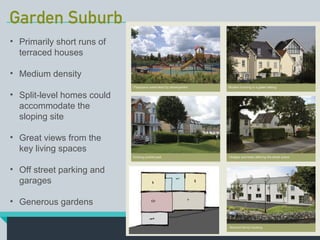
Garden Suburb 
• Primarily short runs of 
terraced houses 
• Medium density 
• Split-level homes could 
accommodate the 
sloping site 
• Great views from the 
key living spaces 
• Off street parking and 
garages 
• Generous gardens
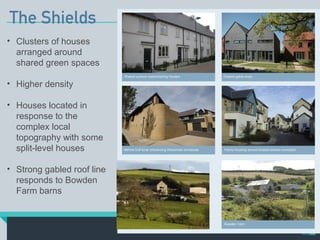
The Shields 
• Clusters of houses 
arranged around 
shared green spaces 
• Higher density 
• Houses located in 
response to the 
complex local 
topography with some 
split-level houses 
• Strong gabled roof line 
responds to Bowden 
Farm barns
Next Steps 
• Outline planning application submitted 
• Considering consultation responses 
• Discussions with local council 
• Decision anticipated July 2014 
• Detailed reserved matters applications 
• On site….?
Finally, some lessons… 
• Places with an immediate contact with water 
• Association with water – bringing energy to the waterside 
• Equally valid opportunities – thinking more widely 
• Waterside places, waterside towns, waterside cities
Finally, some lessons… 
• Effective partnership working 
• Bringing the community with you – up front 
• Clearly defined outcomes – flexibility elsewhere 
• Supporting delivery framework 
• Robust analysis of viability against which funding decisions 
and priorities can be made 
• Realistic and pragmatic approach: what’s going to work, and 
why
Thank you 
Matt Lappin, David Lock Associates 
mlappin@davidlock.com
Waterside conference - Matt Lappin

Waterside conference - Matt Lappin

  • 1.
    Waterfronts as Partof Area Based Regeneration Matt Lappin Senior Associate David Lock Associates 07 July 2014
  • 2.
    Introduction Thinking Aboutthe Opportunities and Challenges Drawing on Examples Some Lessons to Learn
  • 12.
    Attractive Opportunities •Popular destinations and attractors • Limited in number – not everywhere has a waterfront… • ….but could it? • Encourage a creative approach – opening culverted watercourses • Resulting values – premium • Notable successes… • ….and some less notable
  • 13.
    Thinking About theRegeneration Challenges • Physical challenges: • Legacy of past and current uses – working places • Contamination • Flood risk and defences • Drainage infrastructure • Traffic, roads and access
  • 14.
    Thinking About theRegeneration Challenges • Market Challenges: • Easy in a strong market – catalyst for change • Uncertain growth and market context • Edge of centre locations – establishing new markets • Owners intentions and expectations • Coping with market failure – falling values
  • 15.
    Case Studies NorwichSouth City Centre Regeneration in an Historic City Stalled Development Market De-risking Ilfracombe Southern Extension Regeneration through Growth Wentworth Point Quick Perspective from Elsewhere Challenging Existing Guidance Maximising an Accessible Location
  • 16.
    Norwich Project Background •Publically funded project – NCC and HCA •Illustrative Master Plan with Site Specific Development Briefs •Supporting Delivery Plan: Deliverable, Viable, Ongoing…
  • 17.
    Project Background •StalledSites – viability a key issue •Stakeholder Fatigue – “we’ve been here before” •Some significant constraints – archaeology, ground conditions •Fragmented land ownerships, but some key NCC holdings
  • 18.
  • 20.
  • 21.
  • 22.
  • 32.
  • 33.
  • 34.
    What is goodabout South City Centre….. Views are wonderful from parts of the area Historic & cultural area – with the River • Strategic location • Historic and quirky character • Environmental assets – river, views, city wall, green spaces • Successful regeneration • Community – diverse and passionate Close to the city centre and the station The trees and woodland are really valued
  • 35.
    What is holdingthe area back? St Anne’s Wharf & Howard House are an eyesore Glut of • Economic challenges • Blighted areas - derelict and neglected secondary office space – old building stock sites and buildings • No clear definition of role • Conflict between uses • Uncertainty - failed projects • Disconnection • Out-dated building stock Glacial progress – thought we were buying into an up and coming area Anti-social behaviour spills into the area
  • 36.
    Options Testing •Highlevel viability analysis – in-house •Identifying build costs, public realm, big ticket items •Sensitivity testing – quantum, policy requirements •Engaging with local agents and businesses – market testing •Clear guidance on key requirements, flexibility elsewhere •Identifying funding shortfalls and opportunities •Understanding what is really achievable •De-risking and adding certainty: ‘master plan plus’ approach
  • 37.
    The Priorities PrincipalDevelopment Opportunities 1 St Anne’s Wharf 2 Rose Lane/Mountergate 3 Garden Street 4 Normandie Tower 5 Supporting Public Realm
  • 39.
  • 40.
  • 41.
  • 42.
  • 44.
    Ilfracombe Project Aims Ilfracombe Southern Extension •Landowner commission, but close relationship with local council – capacity building •Regeneration of the town through growth •Locally identified and supported need •Local Plan site allocation – 1,000 dwellings •Driven by Early Community and Stakeholder Engagement
  • 52.
    Key Strategic Issues • Establishing a new edge for Ilfracombe • Maintaining a strong landscape framework • Part of Ilfracombe but design to be ‘of its time’ • Attractive and distinctive – a gateway to the town • Supporting the town centre – integrated regeneration strategy • Meeting local housing needs and attracting new residents
  • 53.
    Ilfracombe Southern Extension • Growth of the town – meeting identified need • Up to 750 houses to meet Local Plan allocation • Mixed-use Hub •Primary School, healthcare, community facilities •Extra Care housing •Recreation, playspace, sports pitches • Robust landscape framework
  • 54.
  • 55.
  • 56.
    Stakeholder Workshops andPublic Engagement
  • 57.
  • 58.
    Neighbourhood Hub •Building forms drawn from the agricultural vernacular of rural Devon • Community facilities clustered around a village green • Employment buildings enclose a variety of activity spaces • High quality contemporary design
  • 59.
    High Villas •Primarily semi-detached and detached villas • Lower density • Majority of streets run along contours • Larger houses with fantastic sea views • Split-level homes could accommodate the sloping site • Generous Gardens
  • 60.
    Garden Suburb •Primarily short runs of terraced houses • Medium density • Split-level homes could accommodate the sloping site • Great views from the key living spaces • Off street parking and garages • Generous gardens
  • 61.
    The Shields •Clusters of houses arranged around shared green spaces • Higher density • Houses located in response to the complex local topography with some split-level houses • Strong gabled roof line responds to Bowden Farm barns
  • 65.
    Next Steps •Outline planning application submitted • Considering consultation responses • Discussions with local council • Decision anticipated July 2014 • Detailed reserved matters applications • On site….?
  • 72.
    Finally, some lessons… • Places with an immediate contact with water • Association with water – bringing energy to the waterside • Equally valid opportunities – thinking more widely • Waterside places, waterside towns, waterside cities
  • 73.
    Finally, some lessons… • Effective partnership working • Bringing the community with you – up front • Clearly defined outcomes – flexibility elsewhere • Supporting delivery framework • Robust analysis of viability against which funding decisions and priorities can be made • Realistic and pragmatic approach: what’s going to work, and why
  • 74.
    Thank you MattLappin, David Lock Associates mlappin@davidlock.com