1 
Learning to cross boundaries in design by playing games 
Frederick van Amstel, PhD Researcher 
Construction Management & Engineering Dept. 
 Center for Visualization and Simulation in Construction VISICO 
 Use Anticipation in Product Design UAPD
How to engage healthcare professionals with architecture? 
Workshop about a new Medical Imaging Center. 2
Can games support designing together? 
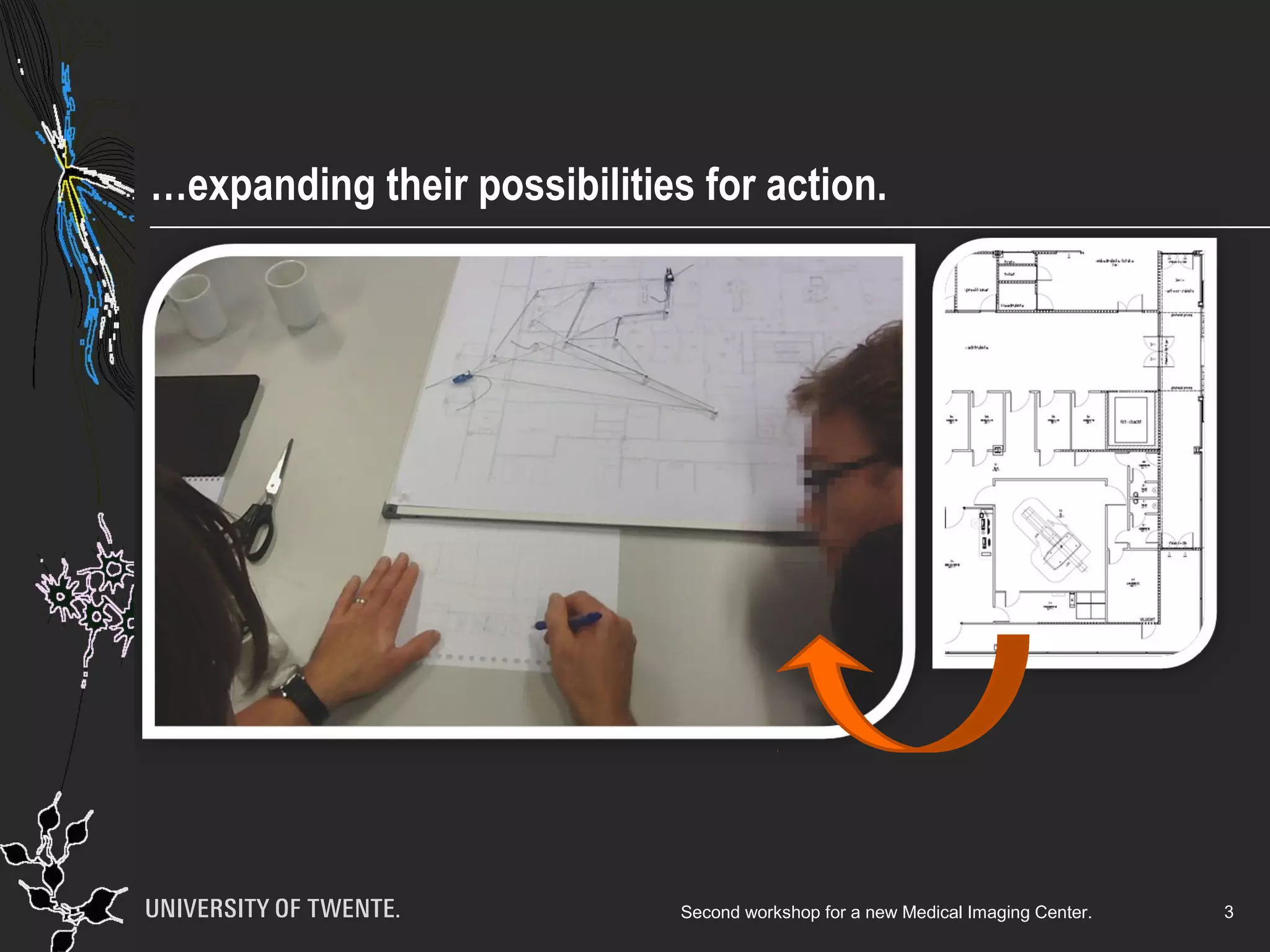
Second workshop for a new Medical Imaging Center. 3
Expansive design: activity and spatial expansions 
4
Organizations need to learn how to work in this way 
5 
 Including healthcare professionals in design and vice-versa: 
including architects in healthcare activities 
 Prioritizing care performance (a.k.a. patient-centered design) 
 Adopting integrated contracts 
 Using collaborative technologies
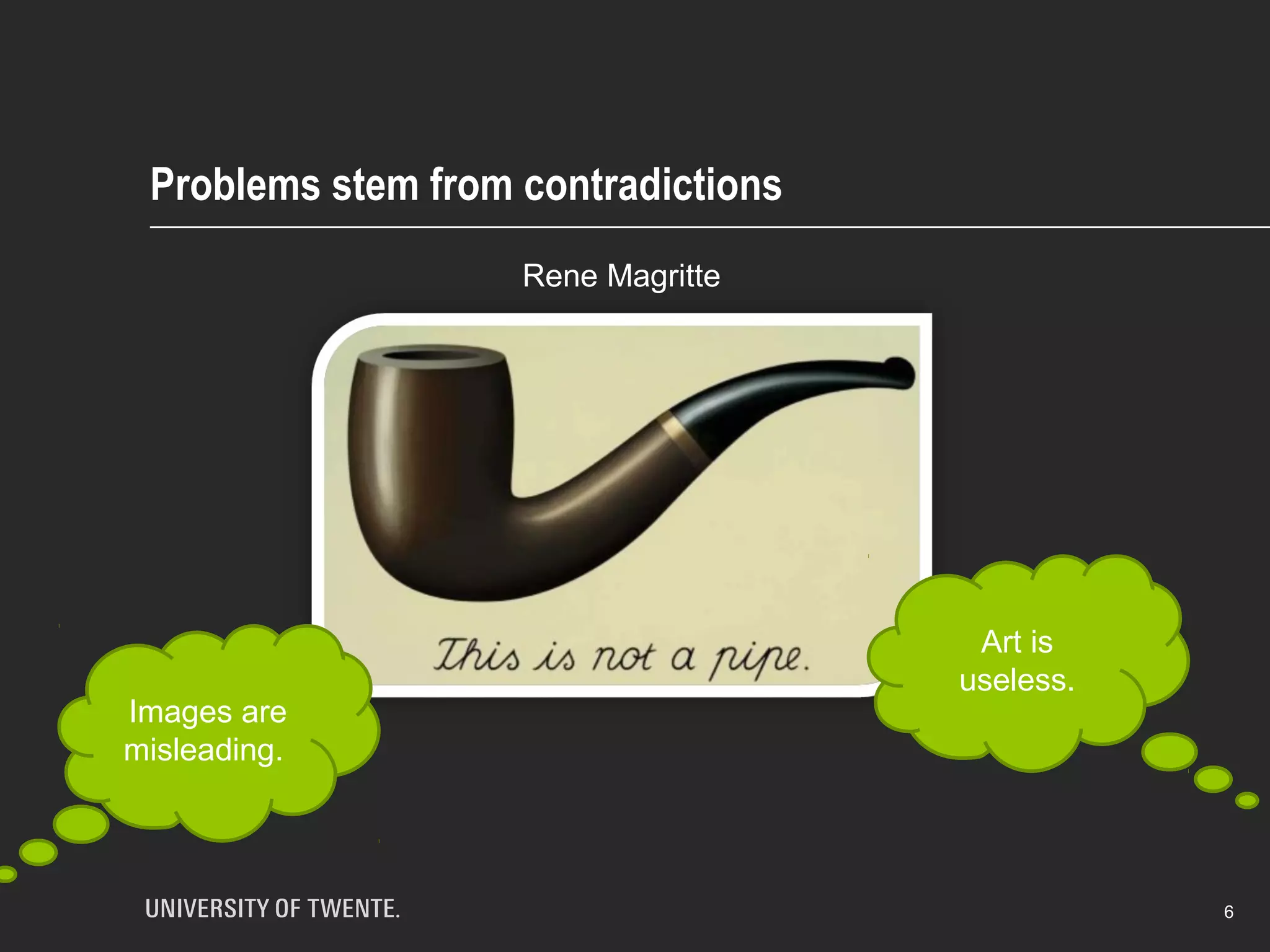
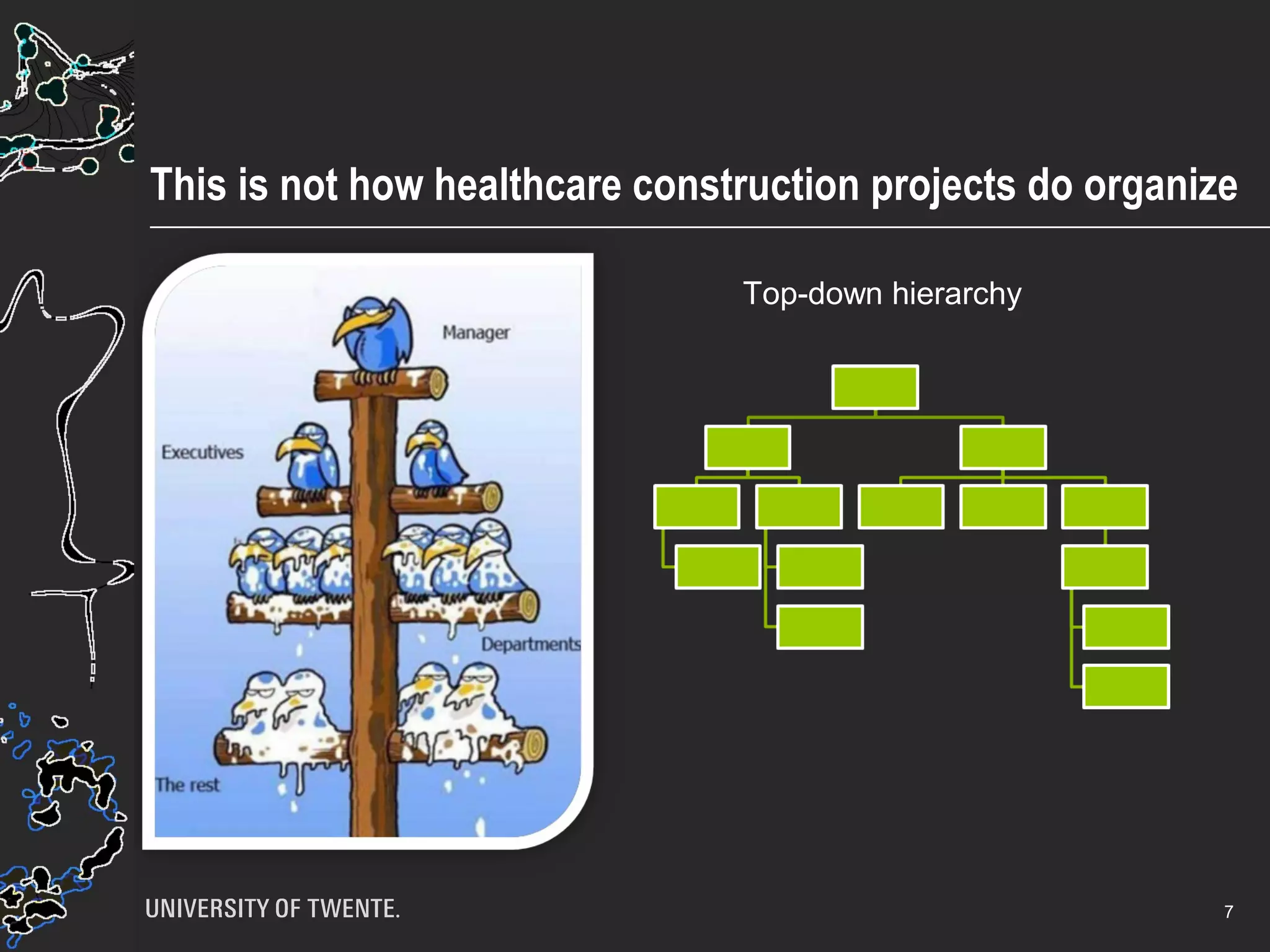
Learning cannot be promoted top-down because there is no 
clear hierarchy among the organizations involved 
6
Expansive learning theory (horizontal, bottom-up) 
7 
Instruments 
Subject Object 
Outcome 
Rules Community Division of labor 
Yrjö Engeström, 2001, p.136
Two ways of connecting activities 
8 
Outcome 
Object 
Shared 
object 
The object is co-produced 
simultaneously by two or more 
activities. 
The outcome of one activity 
becomes the object for 
another. 
Yrjö Engeström, 2001, p.136
Use value 
X 
Exchange 
value 
Contradiction in the object 
9 
Outcome 
Object 
Shared 
object 
When prioritizing use value, 
there is a higher chance of 
expansive learning. 
Yrjö Engeström, 2001, p.136 
Use value 
X 
Exchange 
value 
When prioritizing exchange 
value, there is little chance of 
expansive learning.
Addition to the theory: boundaries emerge from the 
contradiction between exchange value and use value 
10 
Outcome 
Object 
Shared 
object 
Henri Lefebvre, 1991
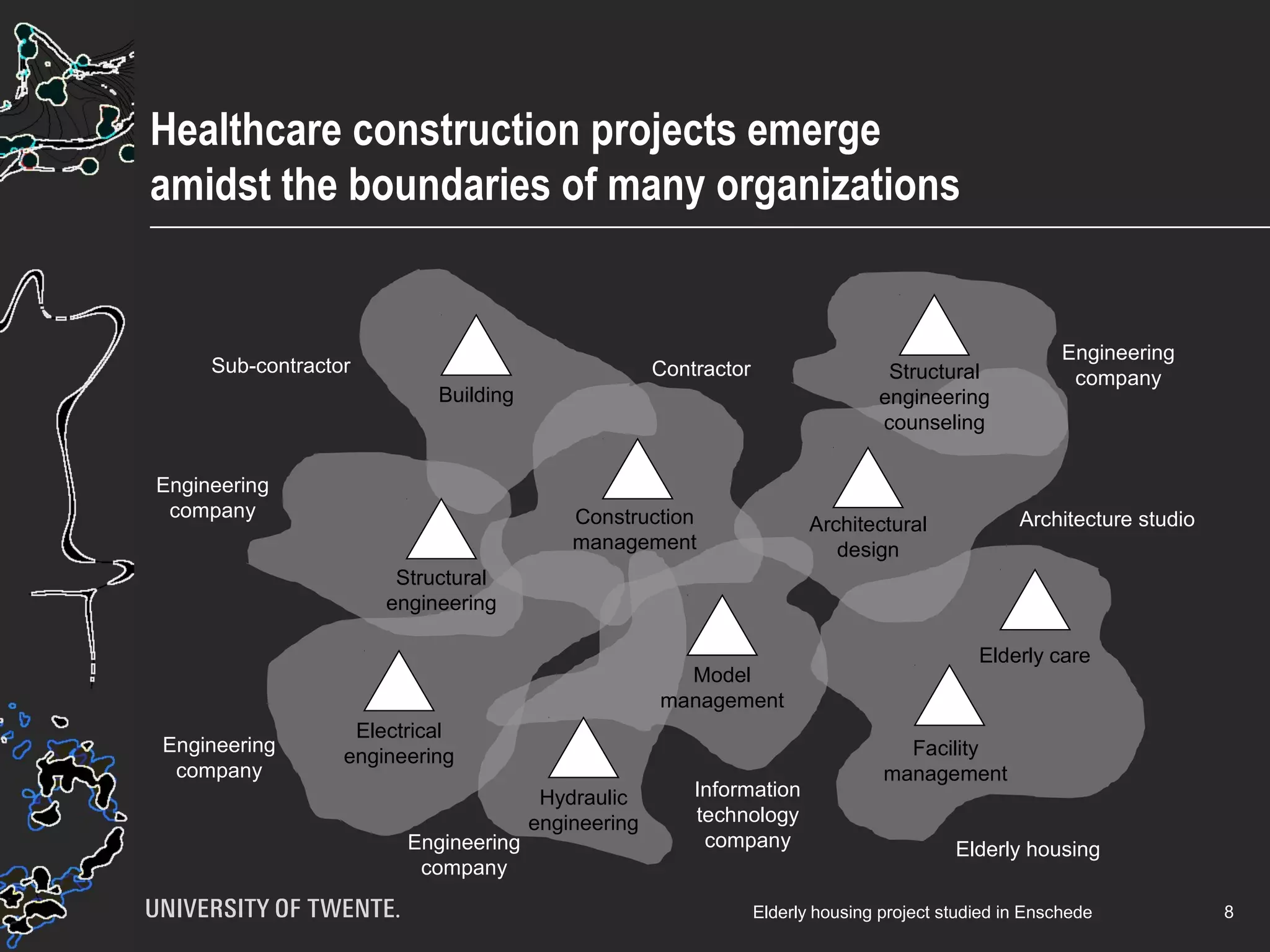
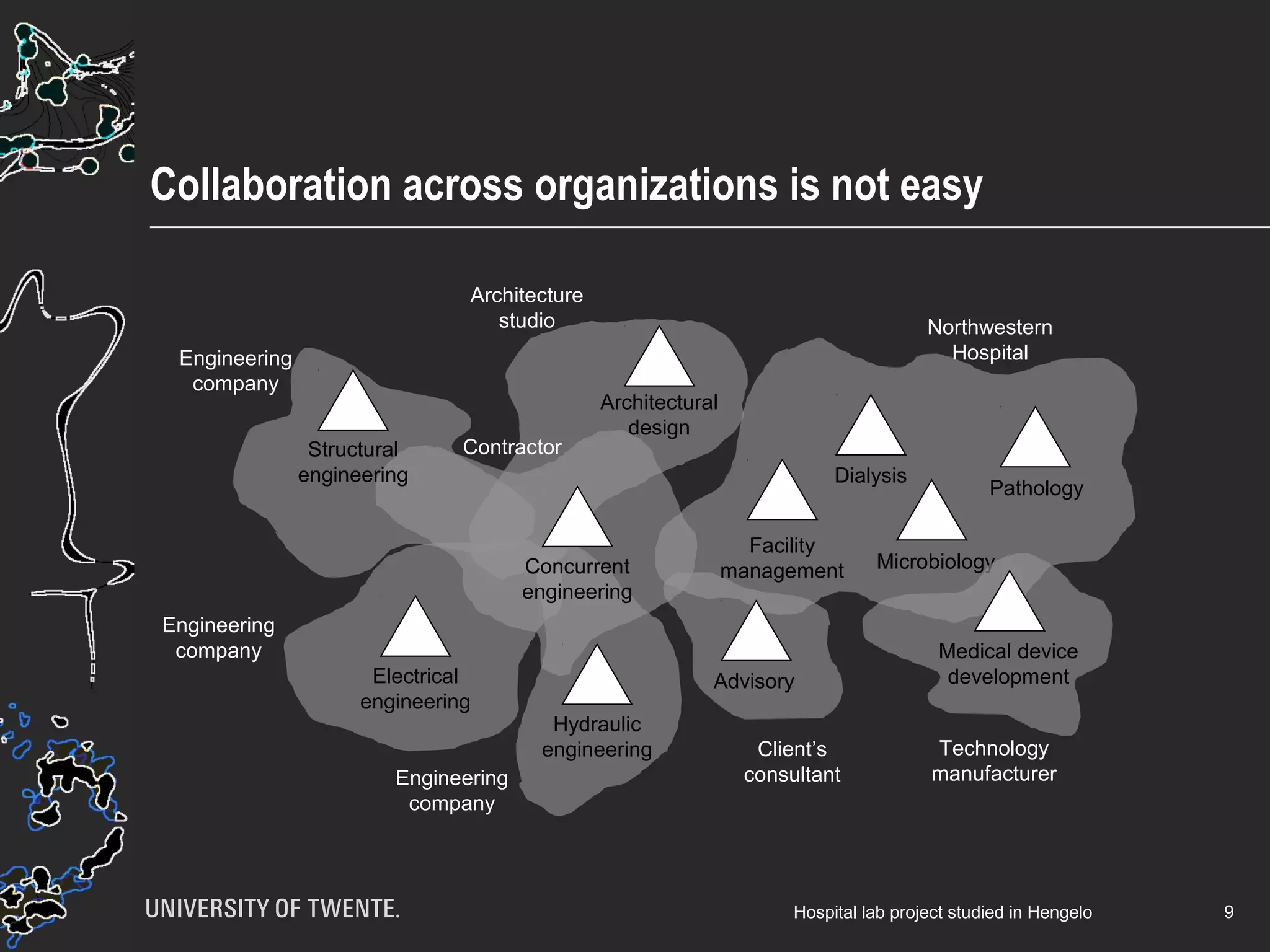
It is very difficult to apply this framework to a construction 
project because there are too many activities involved 
Engineering 
company 
Architecture studio 
Structural 
engineering 
Structural 
engineering 
counseling 
Electrical 
engineering Facility 
Elderly housing project studied in Glanebrug 11 
Hydraulic 
engineering 
management 
Contractor 
Engineering 
company 
Engineering 
company 
Engineering 
company 
Elderly care 
Construction 
management 
Building 
Sub-contractor 
Architectural 
design 
Model 
management 
Information 
technology 
company Elderly housing
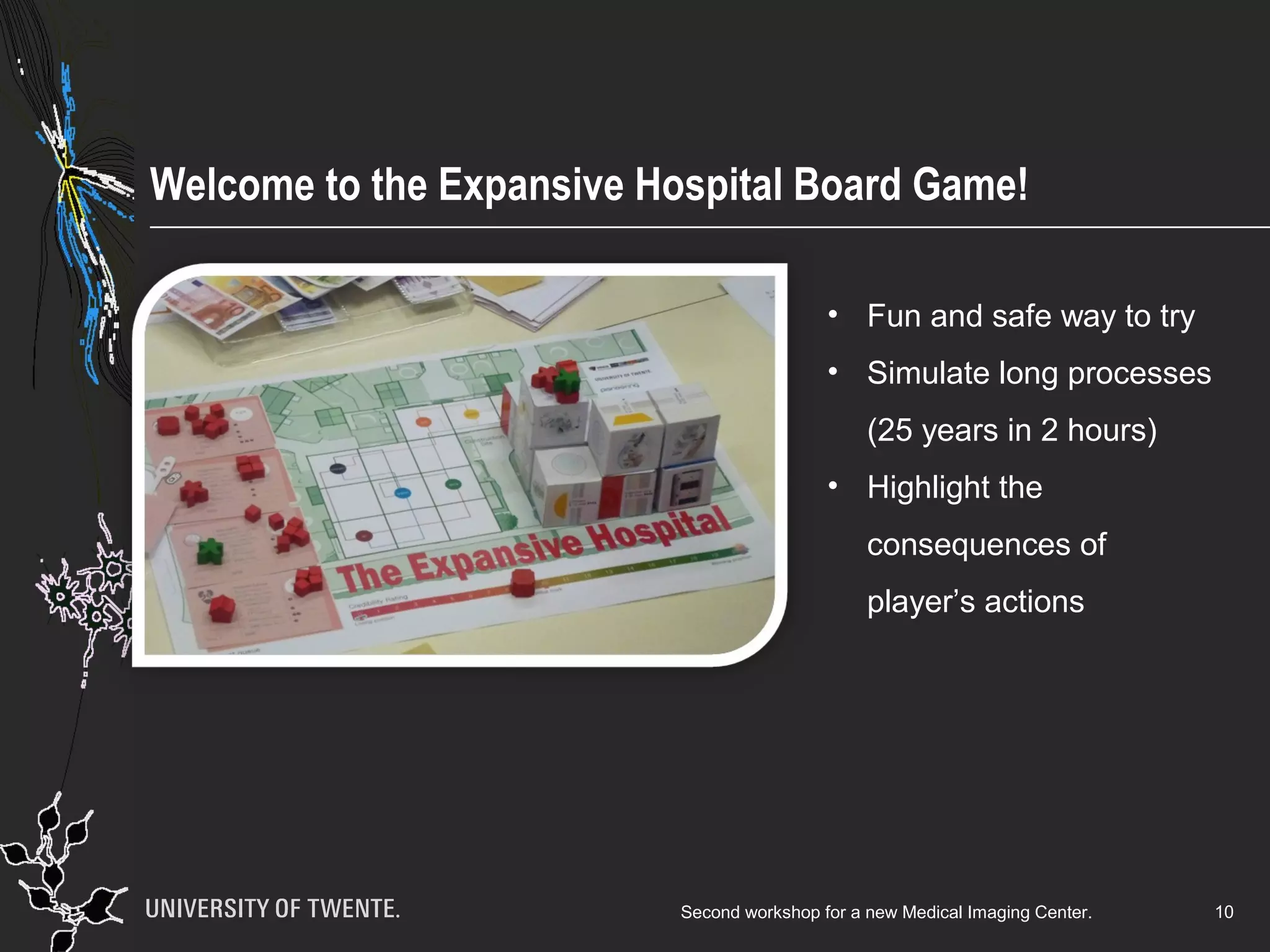
Experimental setting using a board game 
• Induced boundaries 
among civil engineering 
bachelor students 
• Simulate long processes 
(25 years in 2 hours) 
• Highlight the 
consequences of 
player’s actions 
The Expansive Hospital 12
Double stimulation experimental method 
Based on Engeström (2011) 13 
Stimulus 
(game) 
Response 
(learning) 
Stimulus 1 
(contradiction) 
Refraction 
(contradiction) 
Stimulus 2 
(game tools) 
Single-stimulation 
Double stimulation 
Learning as 
a process
Introduction to the game 
14
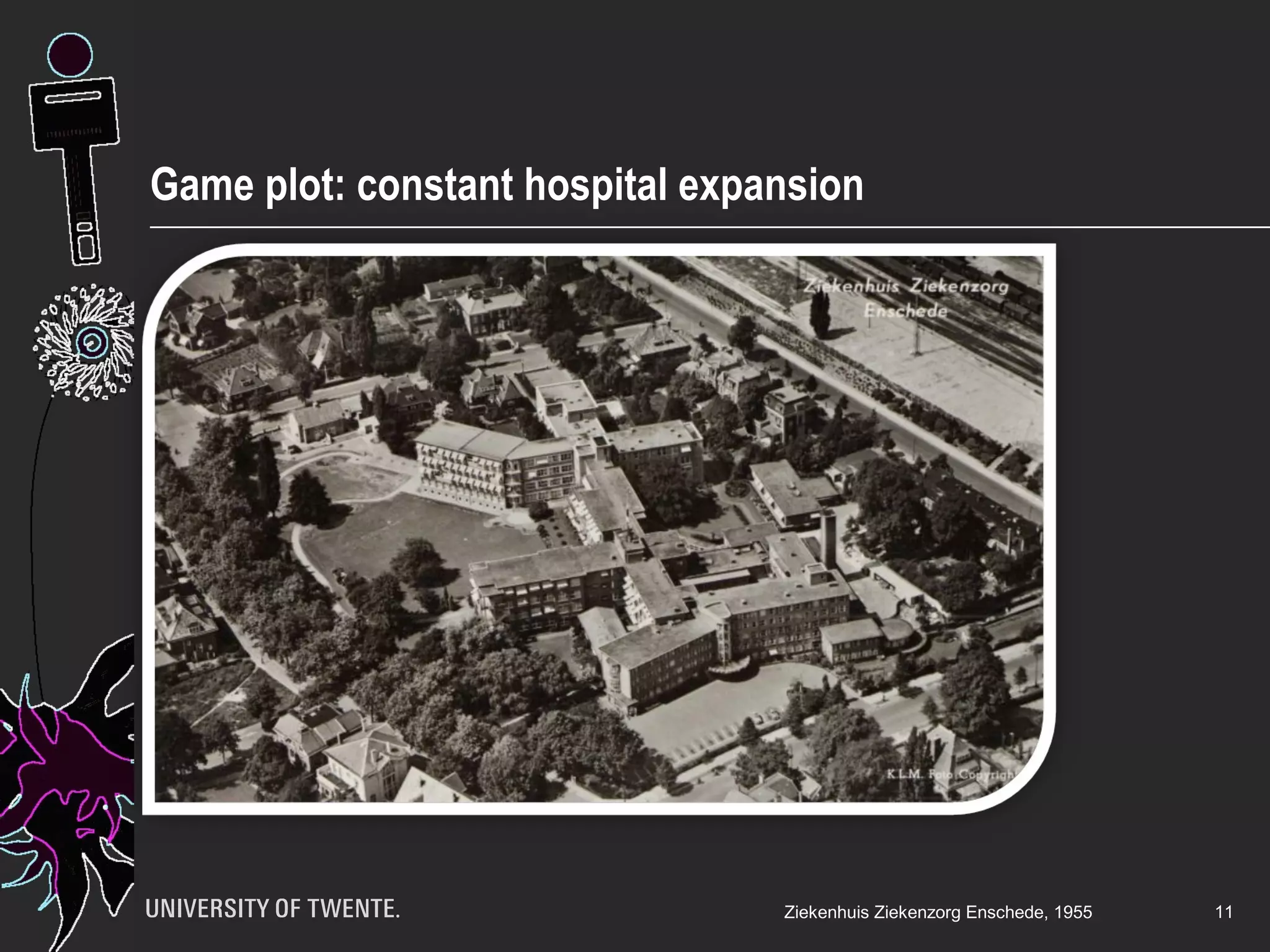
Game plot: a hospital under constant expansion 
Ziekenhuis Ziekenzorg Enschede, 1955 15
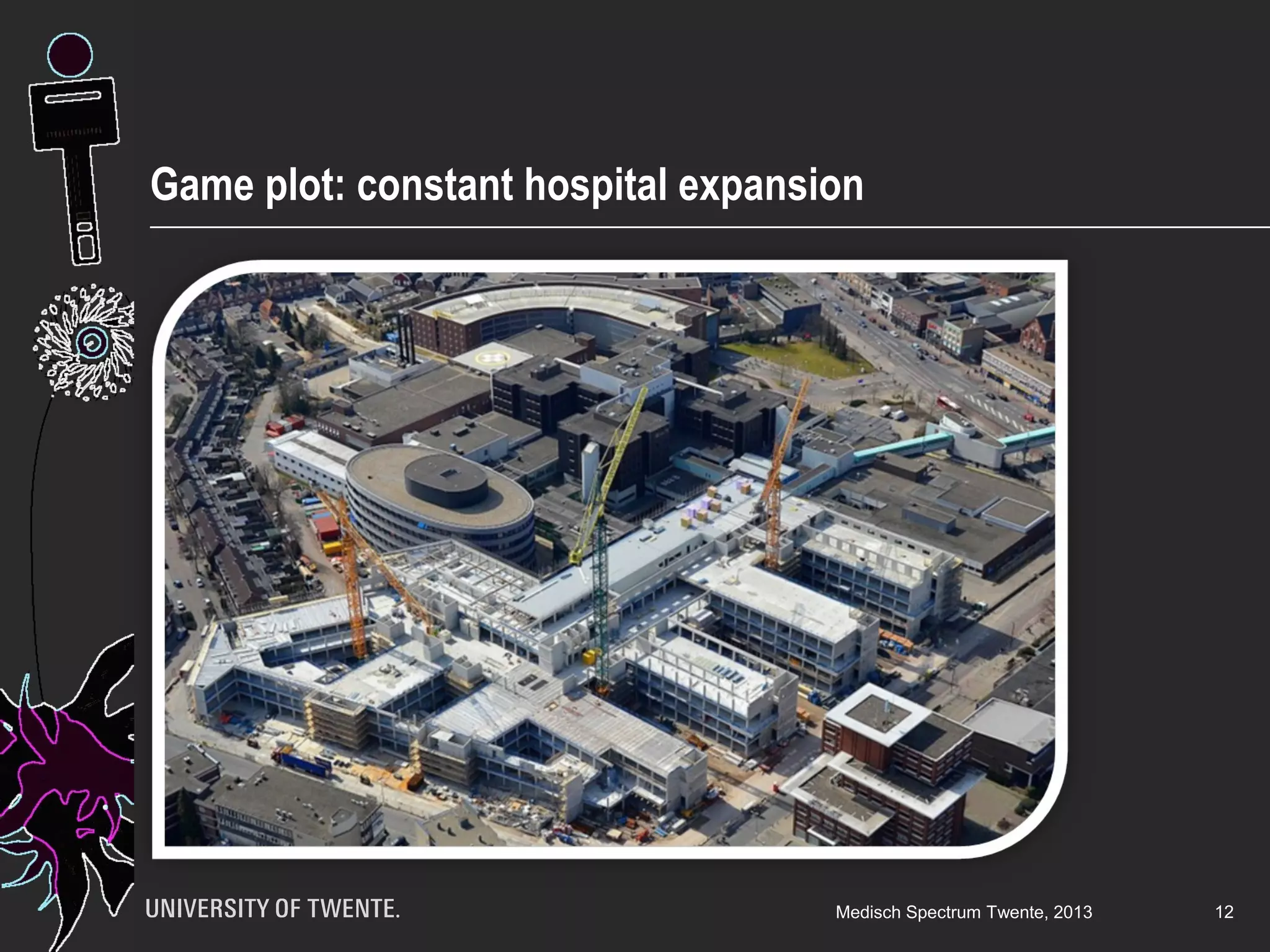
Game plot: a hospital under constant expansion 
Medisch Spectrum Twente, 2013 16
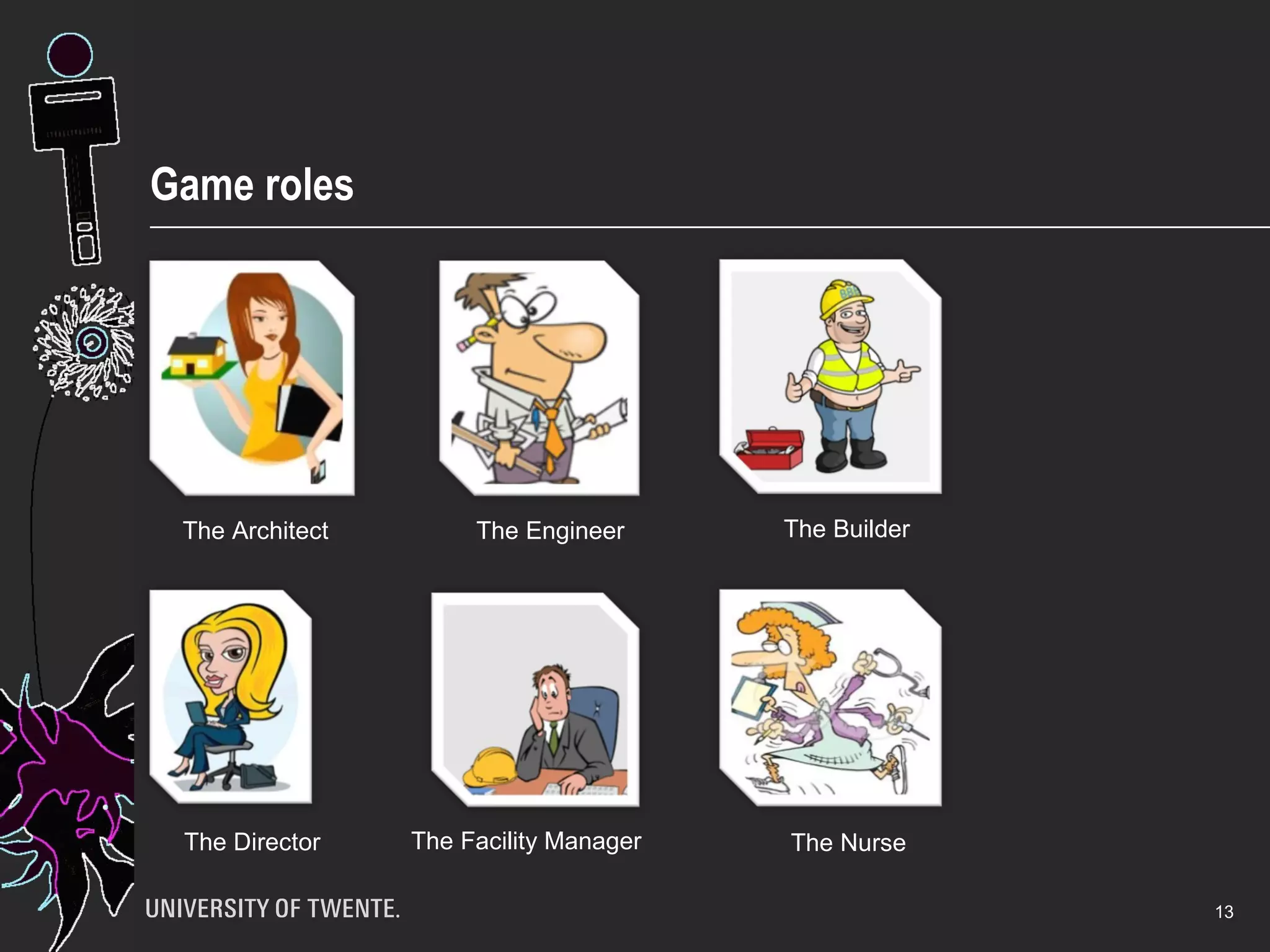
Game roles and their interests 
17
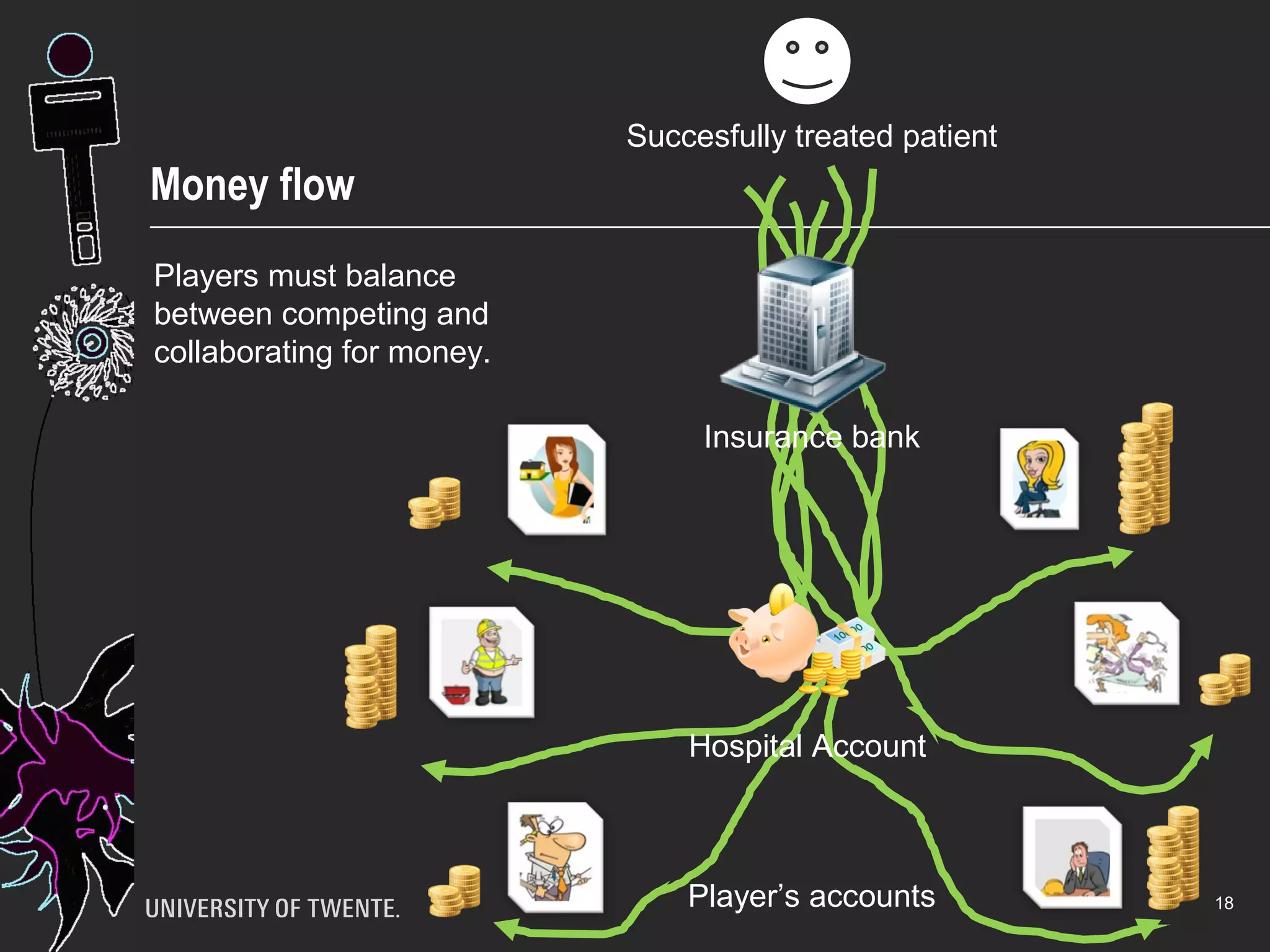
Money flow 
18 
Money goes first to the 
hospital, then to players. 
Player’s accounts 
Insurance bank 
Hospital Account
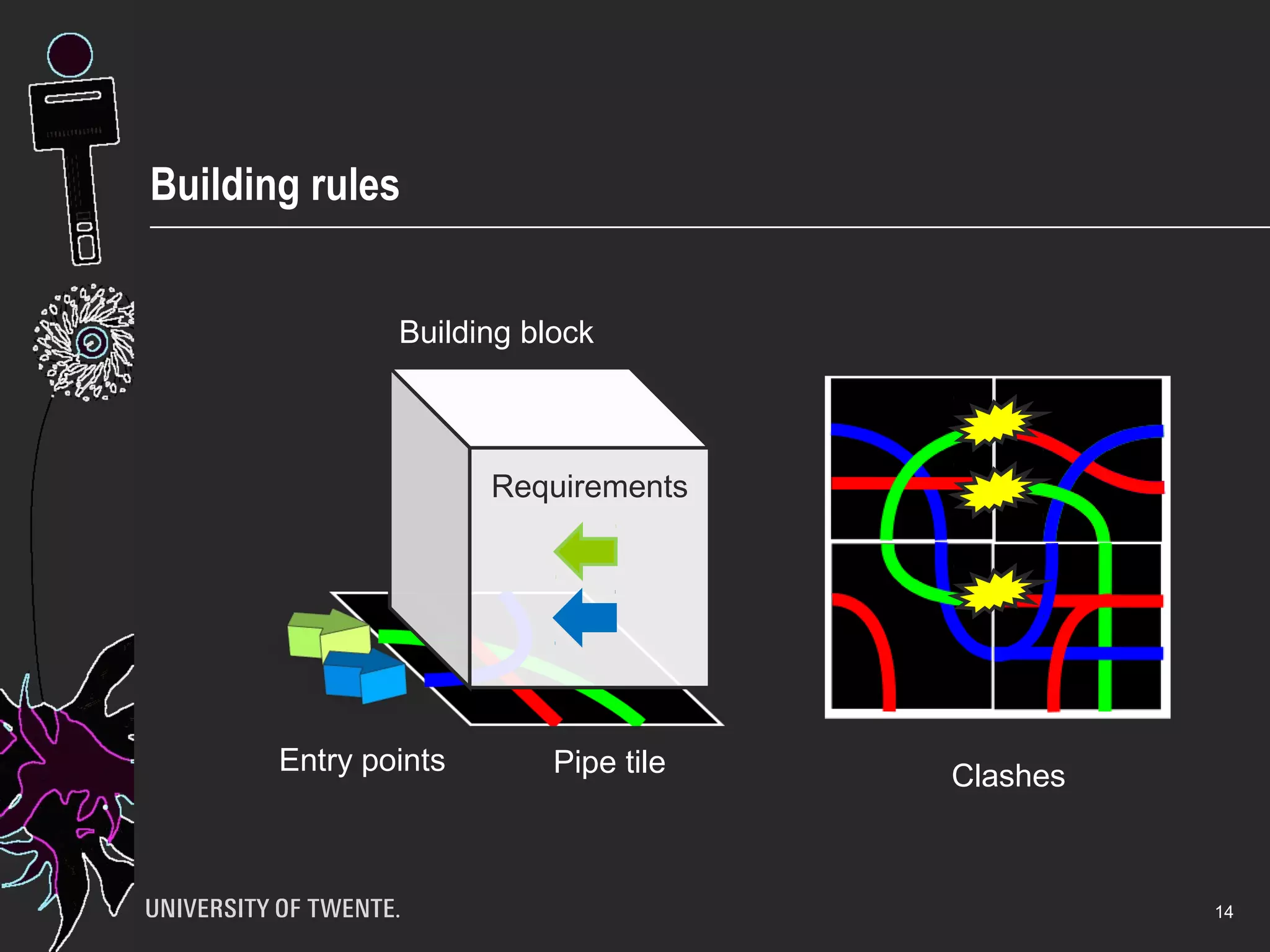
Construction rules 
19 
Building block 
Pipe tile Avoid clashes 
Entry points 
Requirements
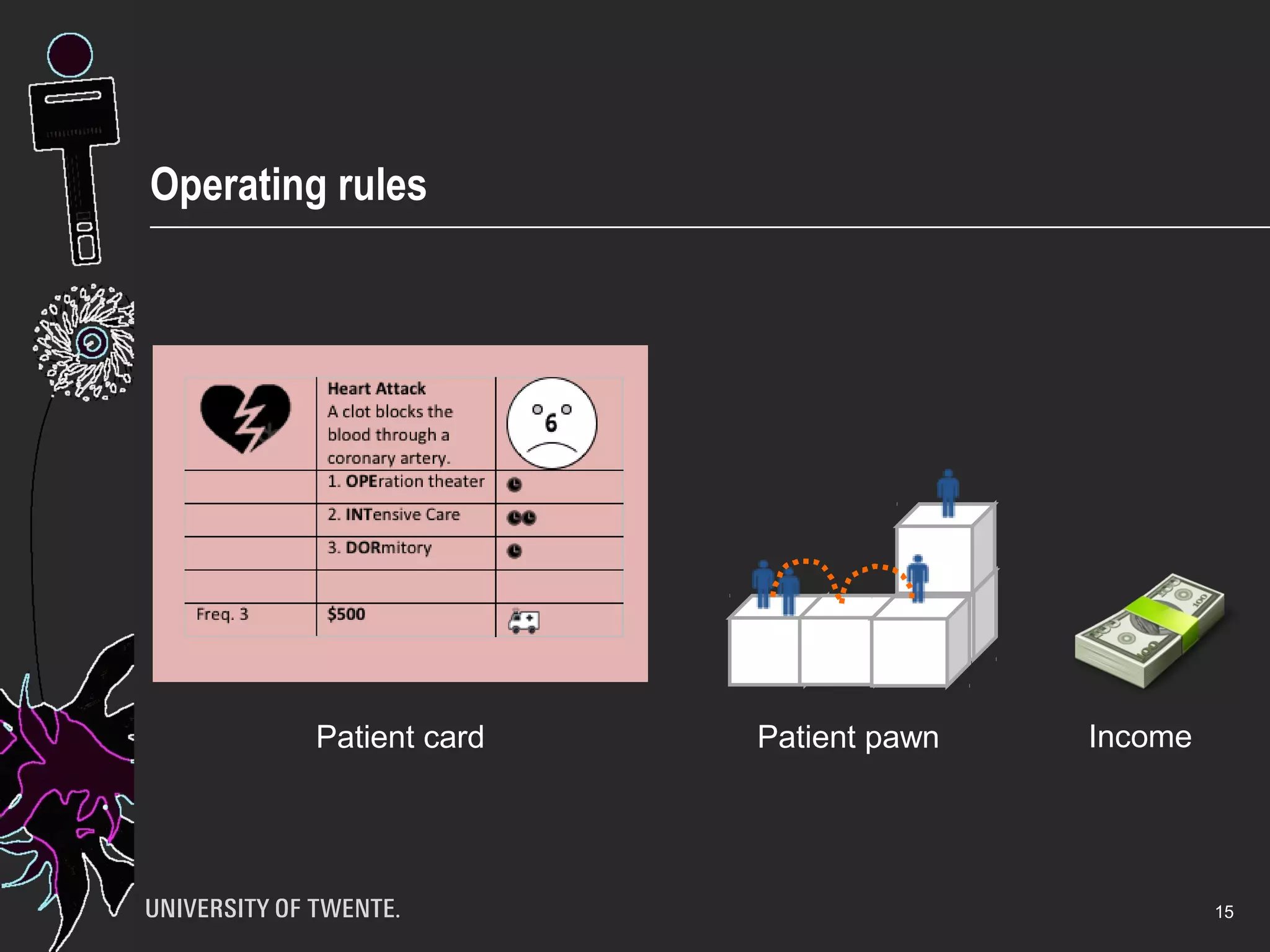
Healthcare rules 
20 
Patient cards Patient walking to 
receive treatment 
Income
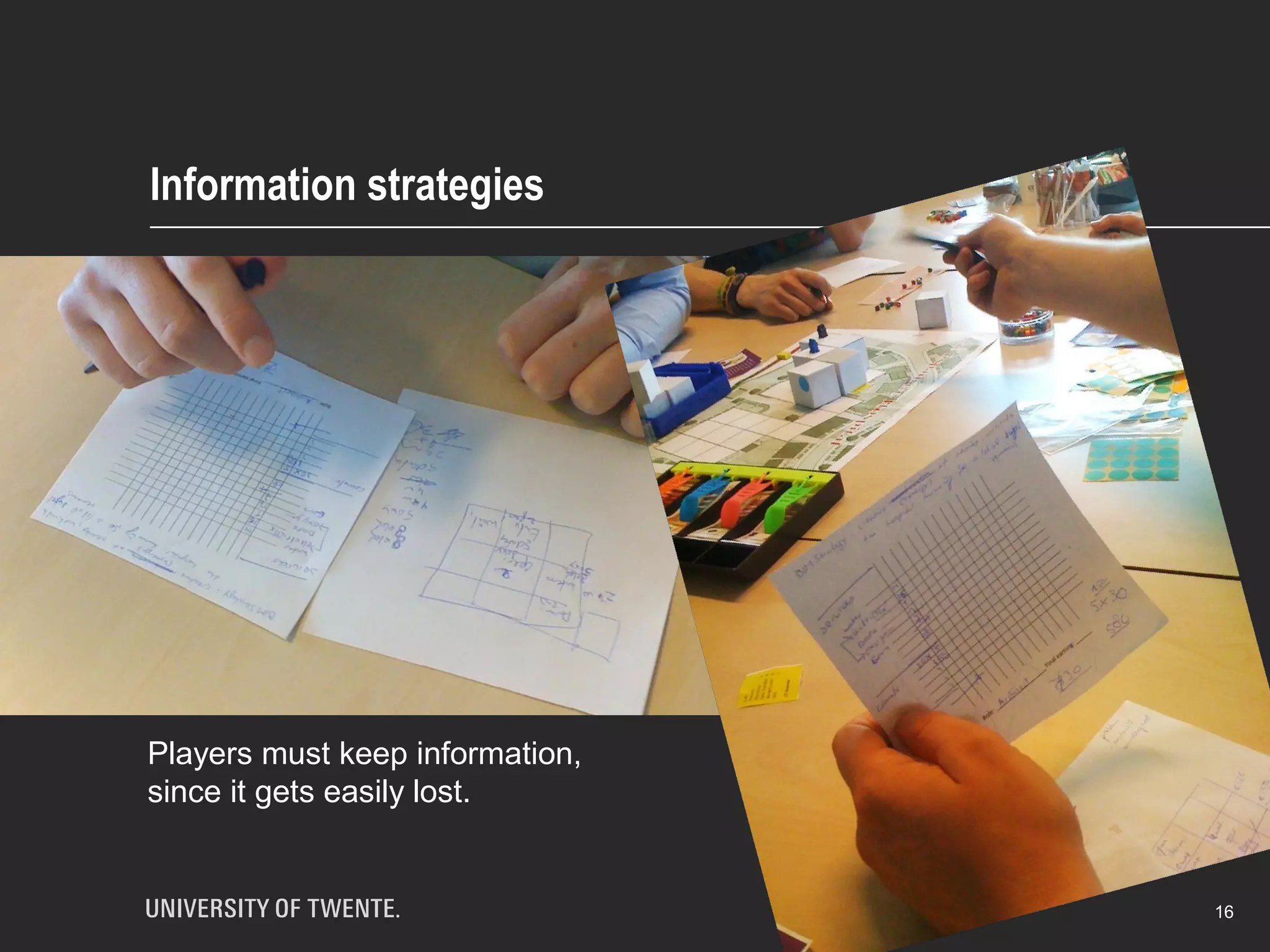
Information strategies 
21 
Players must keep information, 
since it gets easily lost.
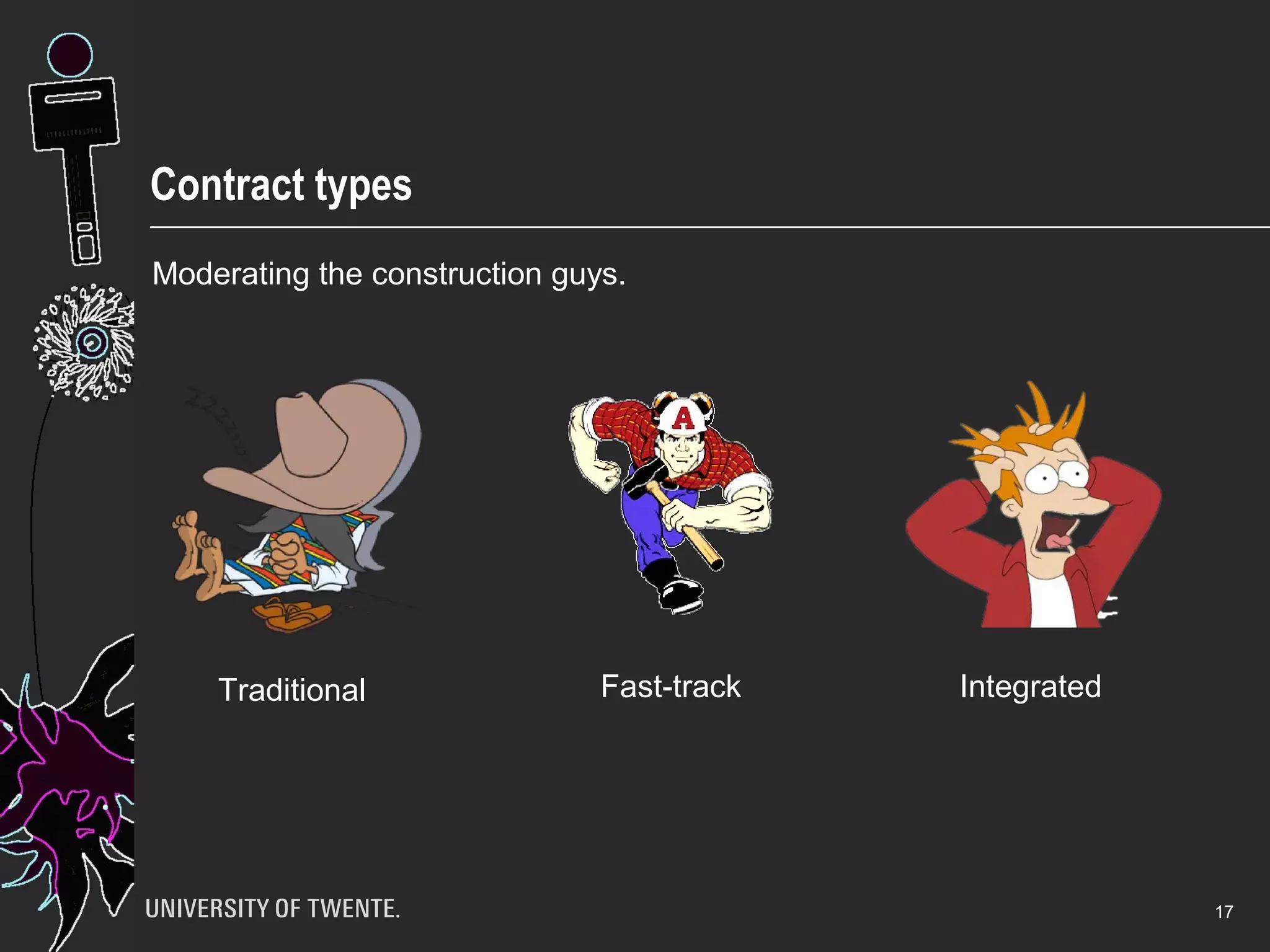
Contract types 
22 
Moderating the construction guys. 
Traditional Fast-track Integrated
Experiment results 
23
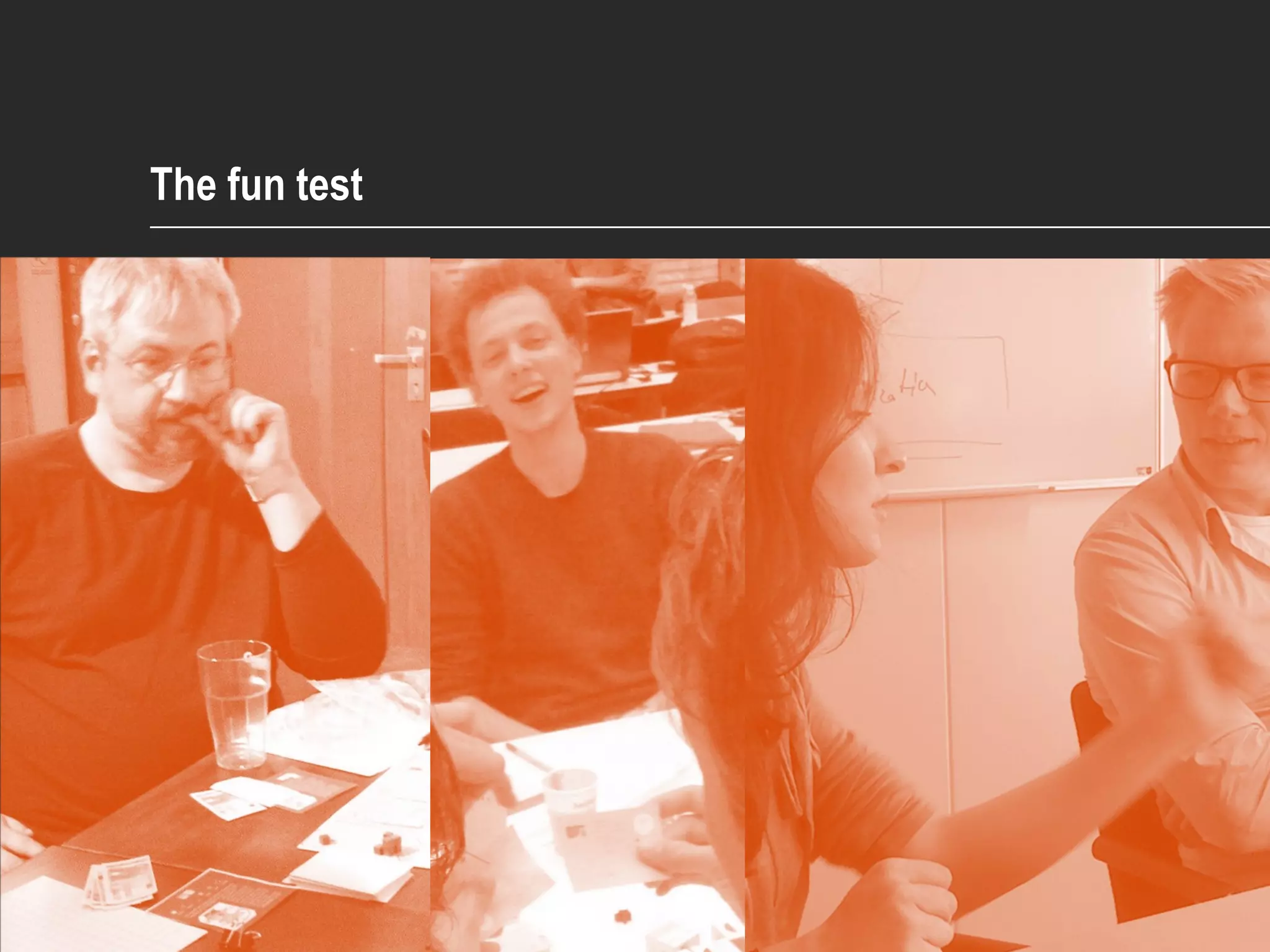
A lot of fun! 
24
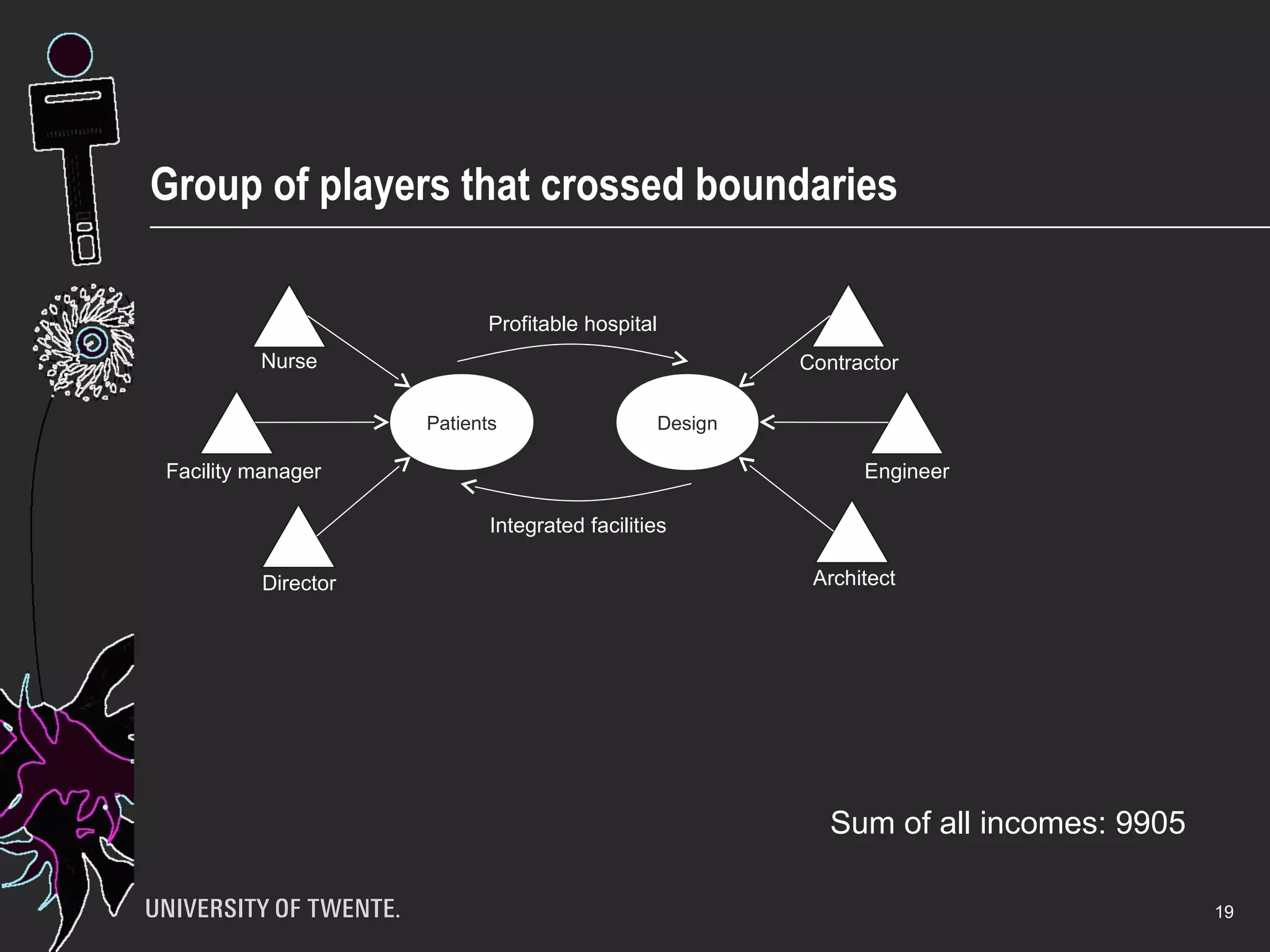
Group that crossed boundaries for use value 
Contractor 
Engineer 
Profitable hospital 
Patients Design 
Sum of final incomes: 9905 
25 
Nurse 
Facility manager 
Integrated facilities 
Director Architect
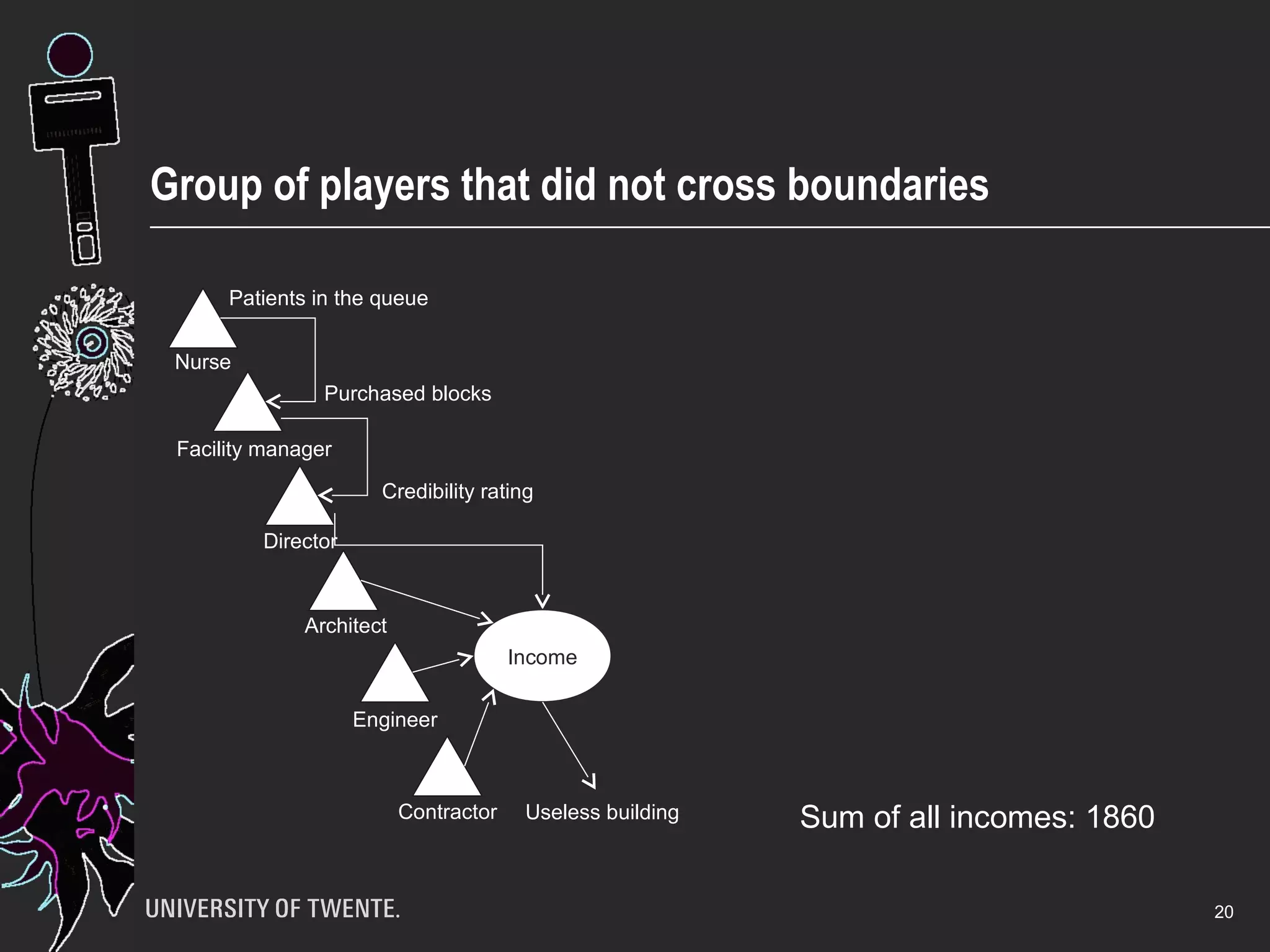
Group that crossed boundaries for exchange value 
Sum of final incomes: 1860 
26 
Patients in the queue 
Nurse 
Purchased blocks 
Facility manager 
Director 
Credibility rating 
Architect 
Engineer 
Income 
Contractor Useless building
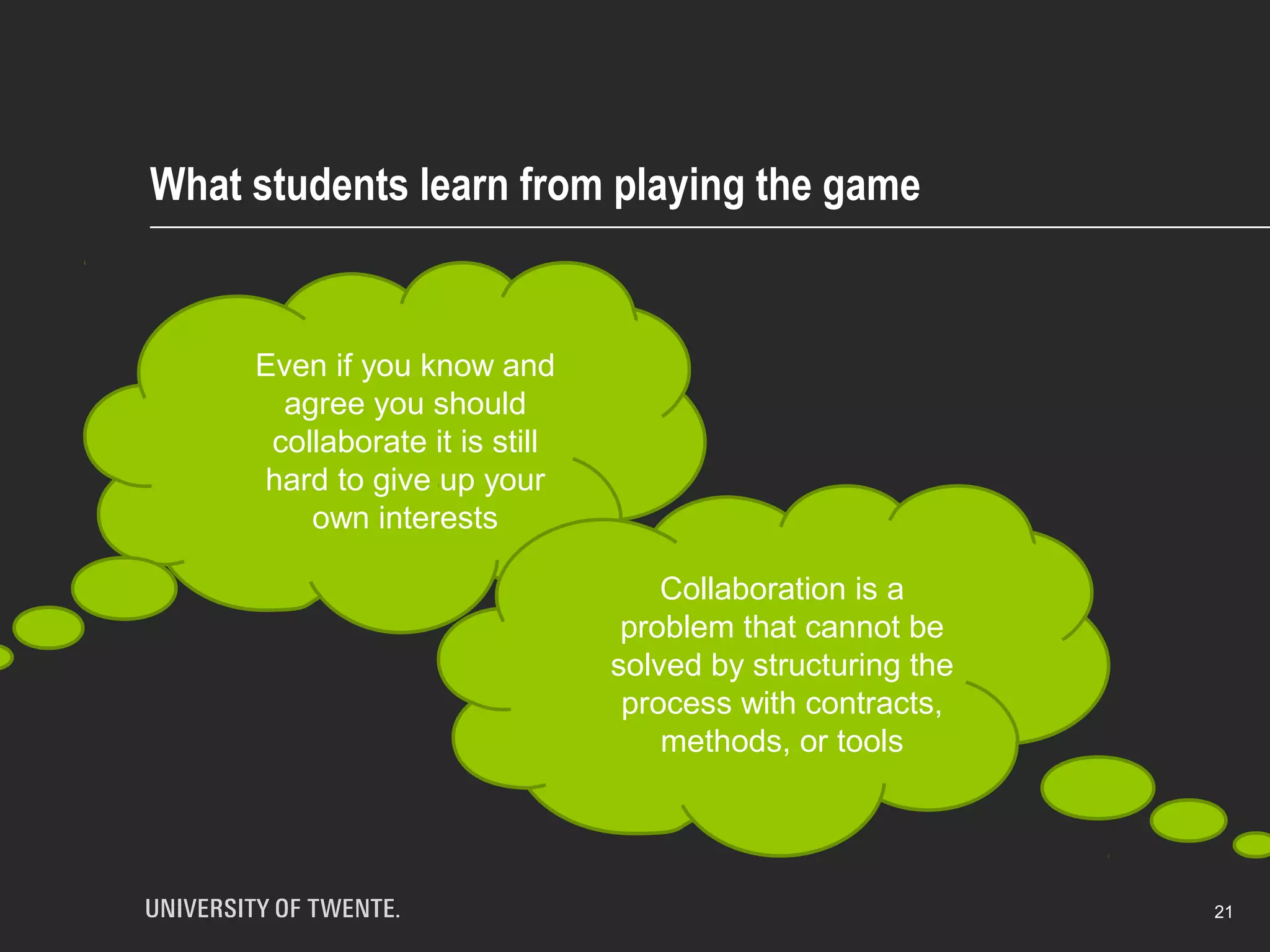
What students learn from playing the game 
27 
Even if you know and 
agree you should 
collaborate it is still 
hard to give up your 
own interests. 
Collaboration is a 
problem that cannot be 
solved by structuring the 
process with contracts, 
methods, or tools.
Expansive design: activity and spatial expansions 
28
Conclusions 
 Boundaries cannot be eliminated by strategies of integration 
 Collaboration is a free choice 
 Players begin to collaborate when they realize the use value of 
their work 
 Promoting use value raises motivation for collaboration 
 Games can stimulate critical thinking 
29
30 
My Research Interests 
 Participatory Design 
 Activity Theory 
 Frederick van Amstel f.vanamstel@utwente.nl 
 Twitter @fredvanamstel 
 http://fredvanamstel.com

Learning to cross boundaries in design by playing games

  • 1.
    1 Learning tocross boundaries in design by playing games Frederick van Amstel, PhD Researcher Construction Management & Engineering Dept.  Center for Visualization and Simulation in Construction VISICO  Use Anticipation in Product Design UAPD
  • 2.
    How to engagehealthcare professionals with architecture? Workshop about a new Medical Imaging Center. 2
  • 3.
    Can games supportdesigning together? Second workshop for a new Medical Imaging Center. 3
  • 4.
    Expansive design: activityand spatial expansions 4
  • 5.
    Organizations need tolearn how to work in this way 5  Including healthcare professionals in design and vice-versa: including architects in healthcare activities  Prioritizing care performance (a.k.a. patient-centered design)  Adopting integrated contracts  Using collaborative technologies
  • 6.
    Learning cannot bepromoted top-down because there is no clear hierarchy among the organizations involved 6
  • 7.
    Expansive learning theory(horizontal, bottom-up) 7 Instruments Subject Object Outcome Rules Community Division of labor Yrjö Engeström, 2001, p.136
  • 8.
    Two ways ofconnecting activities 8 Outcome Object Shared object The object is co-produced simultaneously by two or more activities. The outcome of one activity becomes the object for another. Yrjö Engeström, 2001, p.136
  • 9.
    Use value X Exchange value Contradiction in the object 9 Outcome Object Shared object When prioritizing use value, there is a higher chance of expansive learning. Yrjö Engeström, 2001, p.136 Use value X Exchange value When prioritizing exchange value, there is little chance of expansive learning.
  • 10.
    Addition to thetheory: boundaries emerge from the contradiction between exchange value and use value 10 Outcome Object Shared object Henri Lefebvre, 1991
  • 11.
    It is verydifficult to apply this framework to a construction project because there are too many activities involved Engineering company Architecture studio Structural engineering Structural engineering counseling Electrical engineering Facility Elderly housing project studied in Glanebrug 11 Hydraulic engineering management Contractor Engineering company Engineering company Engineering company Elderly care Construction management Building Sub-contractor Architectural design Model management Information technology company Elderly housing
  • 12.
    Experimental setting usinga board game • Induced boundaries among civil engineering bachelor students • Simulate long processes (25 years in 2 hours) • Highlight the consequences of player’s actions The Expansive Hospital 12
  • 13.
    Double stimulation experimentalmethod Based on Engeström (2011) 13 Stimulus (game) Response (learning) Stimulus 1 (contradiction) Refraction (contradiction) Stimulus 2 (game tools) Single-stimulation Double stimulation Learning as a process
  • 14.
  • 15.
    Game plot: ahospital under constant expansion Ziekenhuis Ziekenzorg Enschede, 1955 15
  • 16.
    Game plot: ahospital under constant expansion Medisch Spectrum Twente, 2013 16
  • 17.
    Game roles andtheir interests 17
  • 18.
    Money flow 18 Money goes first to the hospital, then to players. Player’s accounts Insurance bank Hospital Account
  • 19.
    Construction rules 19 Building block Pipe tile Avoid clashes Entry points Requirements
  • 20.
    Healthcare rules 20 Patient cards Patient walking to receive treatment Income
  • 21.
    Information strategies 21 Players must keep information, since it gets easily lost.
  • 22.
    Contract types 22 Moderating the construction guys. Traditional Fast-track Integrated
  • 23.
  • 24.
    A lot offun! 24
  • 25.
    Group that crossedboundaries for use value Contractor Engineer Profitable hospital Patients Design Sum of final incomes: 9905 25 Nurse Facility manager Integrated facilities Director Architect
  • 26.
    Group that crossedboundaries for exchange value Sum of final incomes: 1860 26 Patients in the queue Nurse Purchased blocks Facility manager Director Credibility rating Architect Engineer Income Contractor Useless building
  • 27.
    What students learnfrom playing the game 27 Even if you know and agree you should collaborate it is still hard to give up your own interests. Collaboration is a problem that cannot be solved by structuring the process with contracts, methods, or tools.
  • 28.
    Expansive design: activityand spatial expansions 28
  • 29.
    Conclusions  Boundariescannot be eliminated by strategies of integration  Collaboration is a free choice  Players begin to collaborate when they realize the use value of their work  Promoting use value raises motivation for collaboration  Games can stimulate critical thinking 29
  • 30.
    30 My ResearchInterests  Participatory Design  Activity Theory  Frederick van Amstel f.vanamstel@utwente.nl  Twitter @fredvanamstel  http://fredvanamstel.com