LIQUID CHROMATOGRAPHY/
MASS SPECTROMETRY LCMS






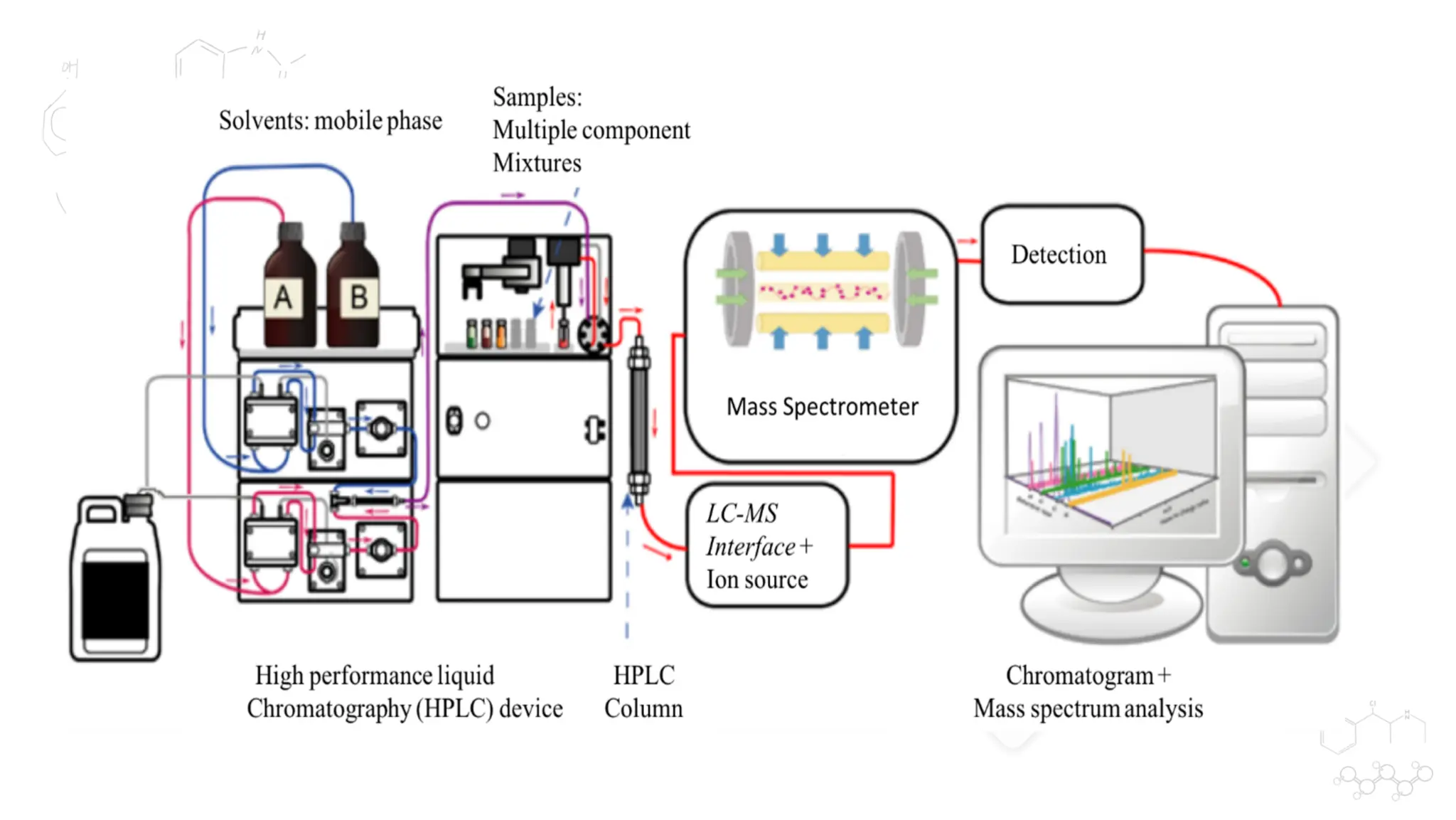
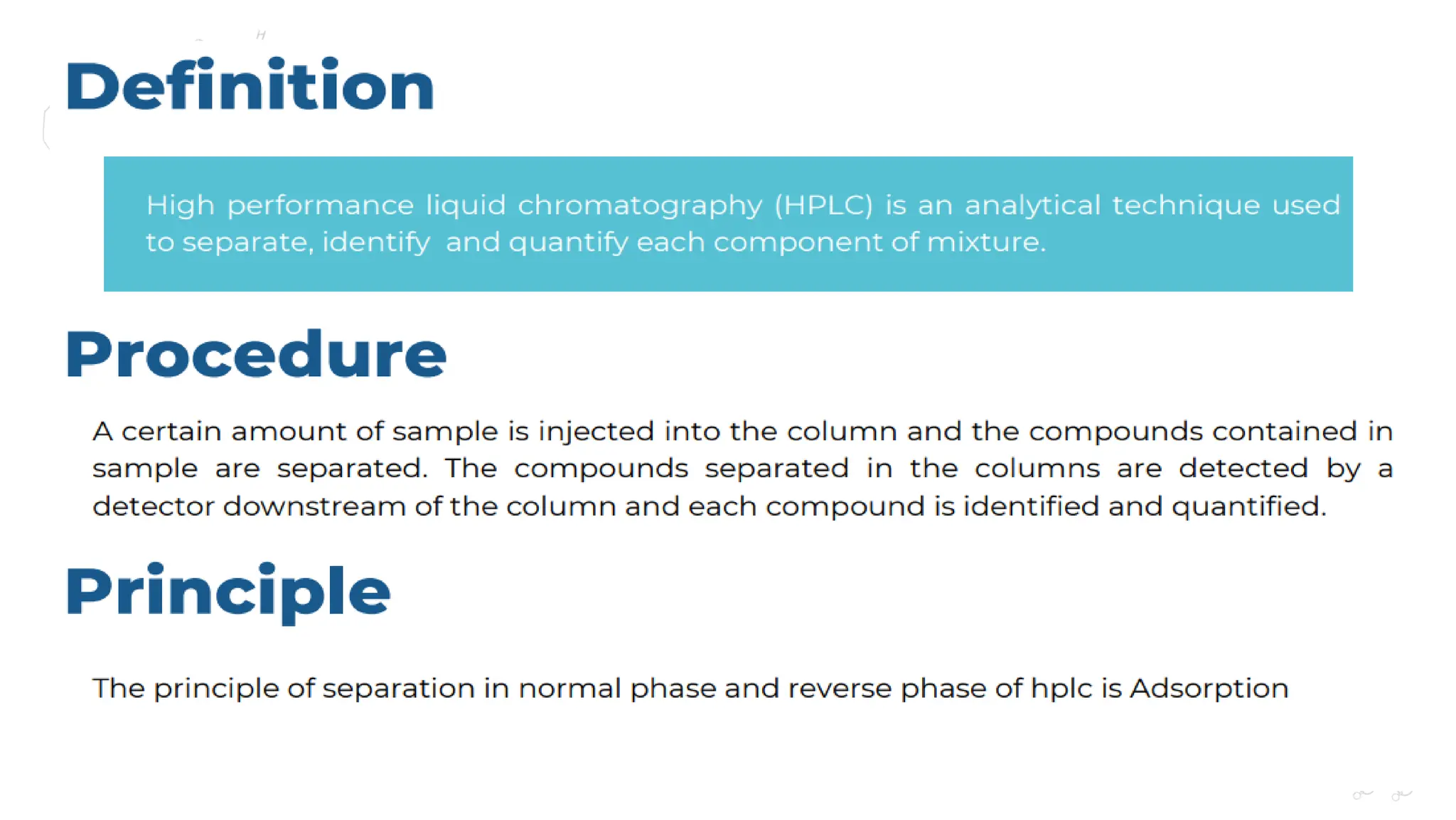
LC/MS is a hyphenated technique that combines physical separation capabilities of liquid
chromatography with mass analysis capability of Mass spectrometry. Combination of these two
techniques is LC-MS .
The hyphenated technique in analytical chemistry refers to the combination of two or more
analytical techniques to gain a more comprehensive analysis or to enhance the sensitivity,
resolution, or capabilities of each individual method.
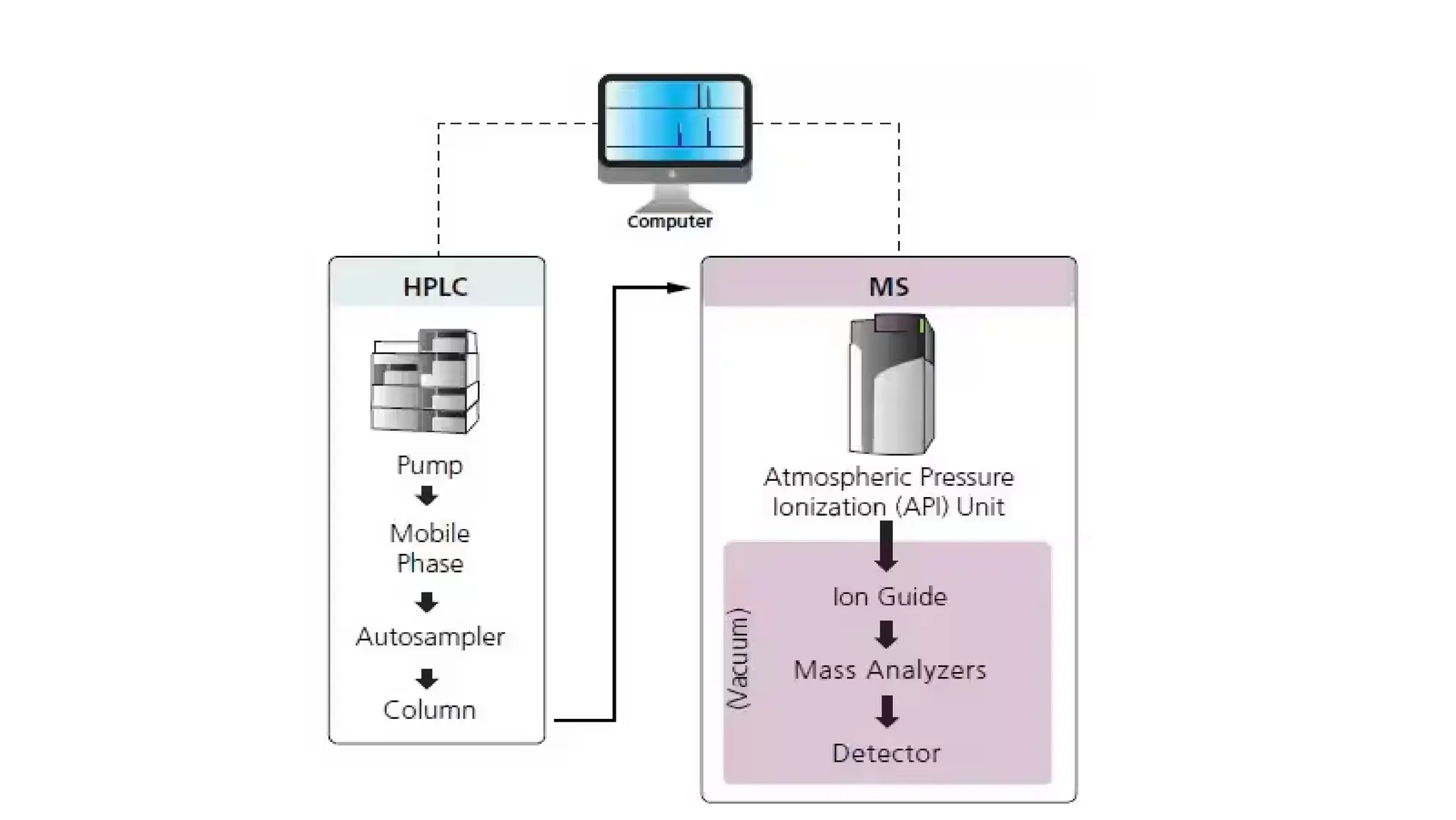
It is a method that combines separation power of HPLC with detection power of Mass
spectrometry
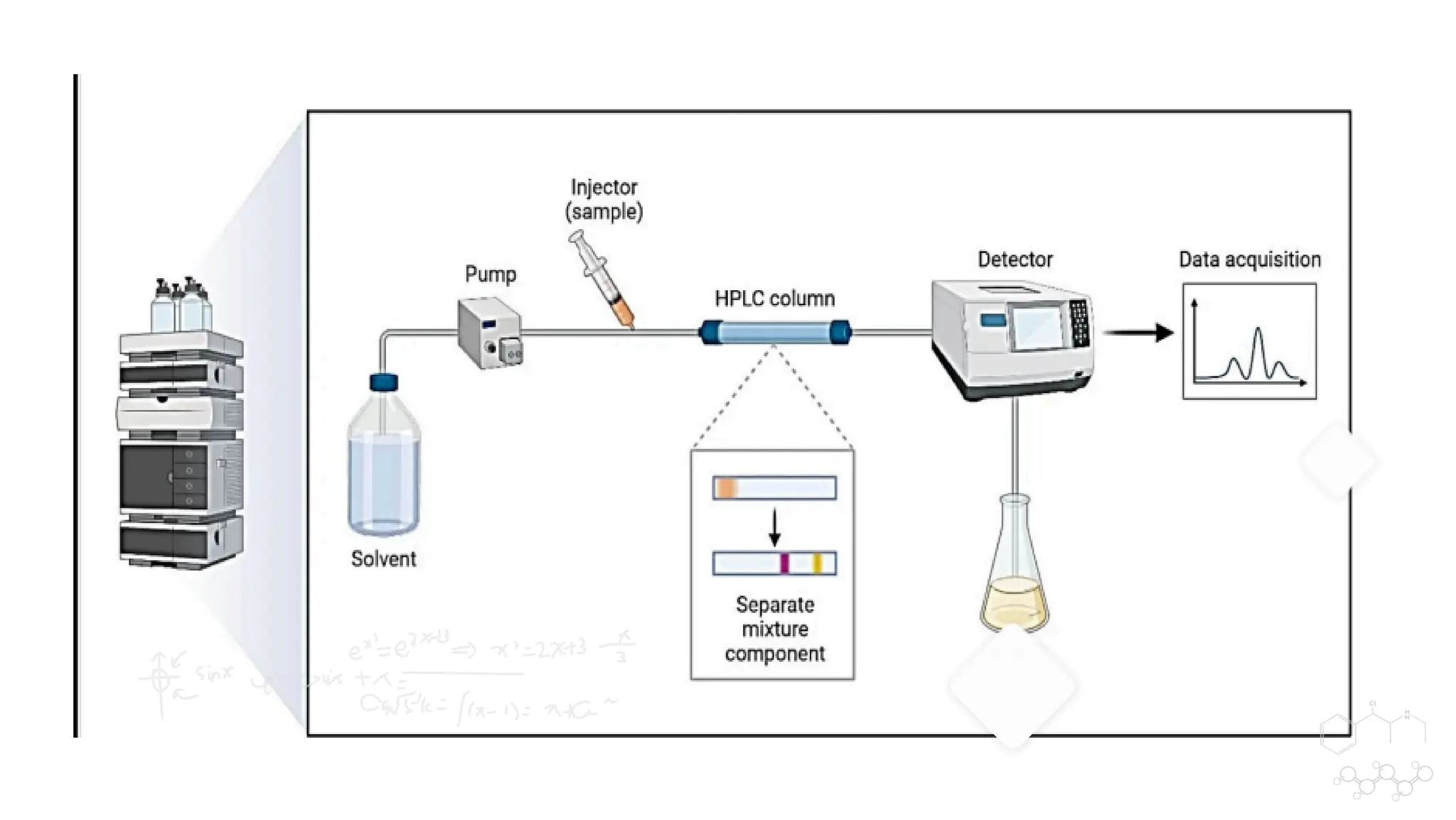
In LC-MS we remove the detector from the column of LC and f i
t the column to interface of MS.
As the metabolites appear from the end of the column they enter the mass detector, where the
solvent is removed and the metabolites are ionized.
In the most of the cases the interface used in LC-MS are ionization source.
Liquid Chromatography Mass Spectroscopy
•
•
Purpose of Coupling:
The purpose of coupling GC with MS is to provide conf i
rmatory identif i
cation
with minimal effort.
LC separates analytes in a mixture, while MS detects the separated compounds
based on their mass-to-charge ratios. The combination allows for qualitative and
quantitative analysis of compounds with high accuracy and sensitivity.






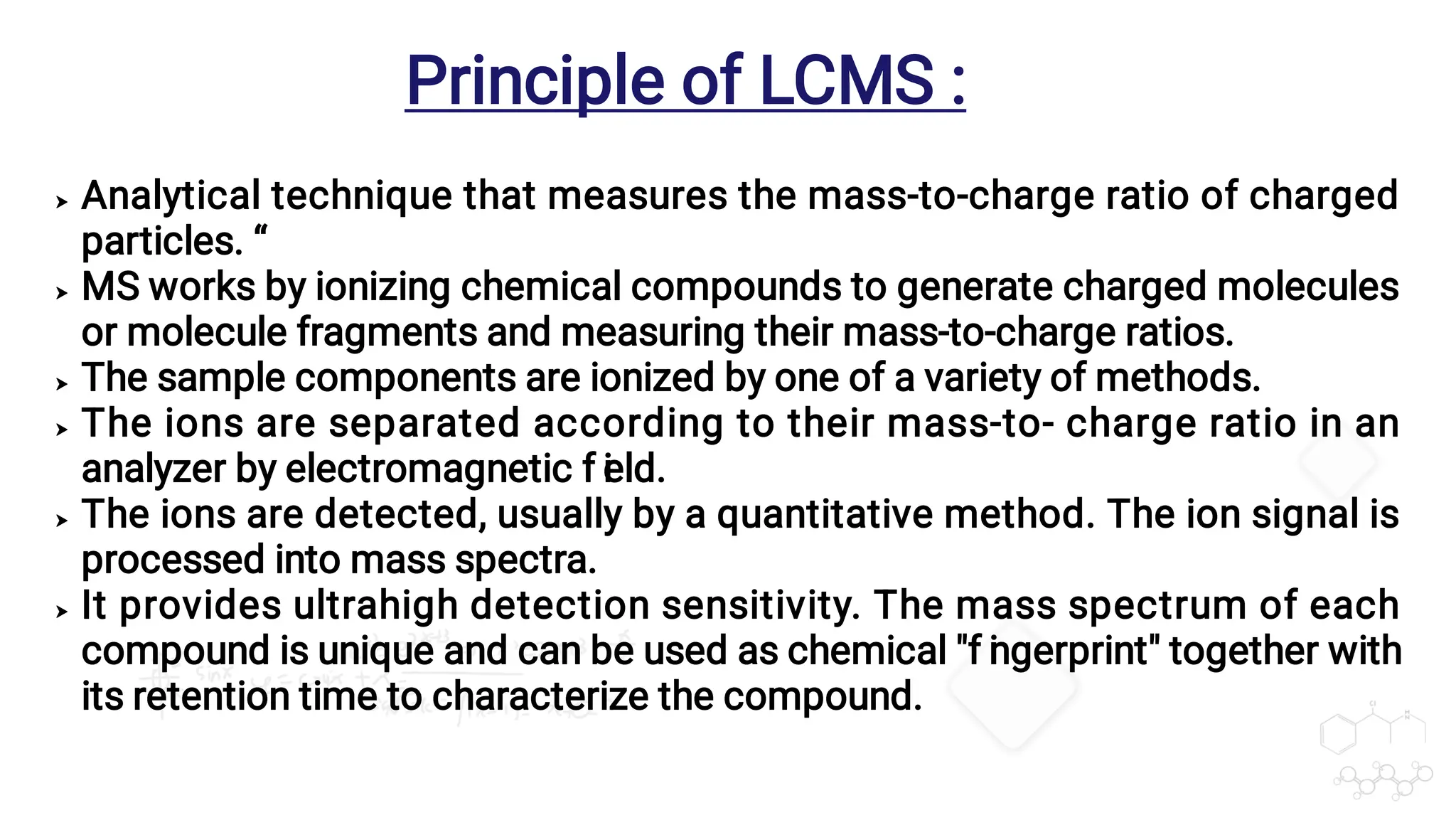
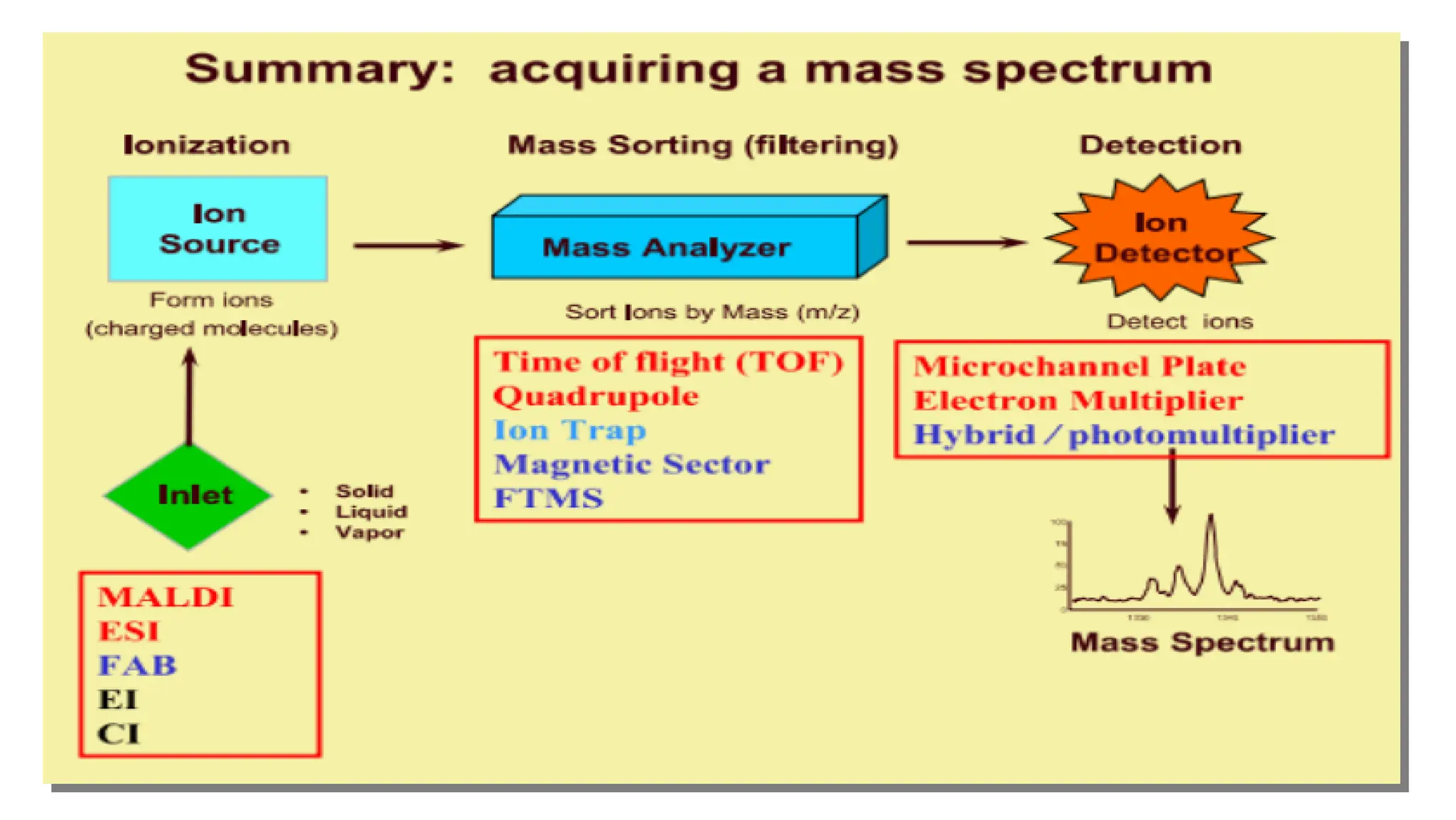
Analytical technique that measures the mass-to-charge ratio of charged
particles. “
MS works by ionizing chemical compounds to generate charged molecules
or molecule fragments and measuring their mass-to-charge ratios.
The sample components are ionized by one of a variety of methods.
The ions are separated according to their mass-to- charge ratio in an
analyzer by electromagnetic f i
eld.
The ions are detected, usually by a quantitative method. The ion signal is
processed into mass spectra.
It provides ultrahigh detection sensitivity. The mass spectrum of each
compound is unique and can be used as chemical "f i
ngerprint" together with
its retention time to characterize the compound.
Principle of LCMS :
What is Mass spectrometer ?


•
•
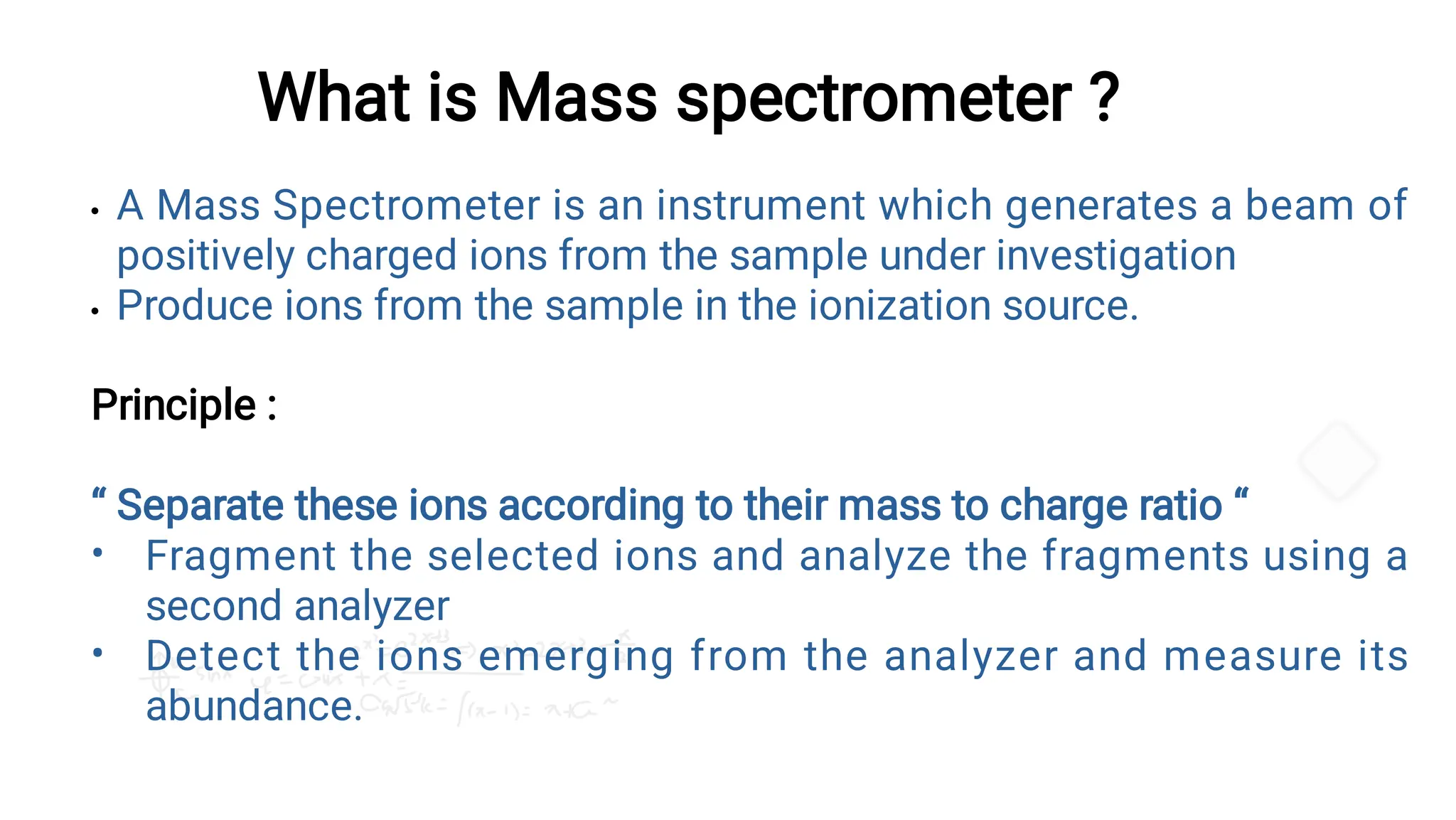
A Mass Spectrometer is an instrument which generates a beam of
positively charged ions from the sample under investigation
Produce ions from the sample in the ionization source.
Principle :
“ Separate these ions according to their mass to charge ratio “
Fragment the selected ions and analyze the fragments using a
second analyzer
Detect the ions emerging from the analyzer and measure its
abundance.
Instrumentation








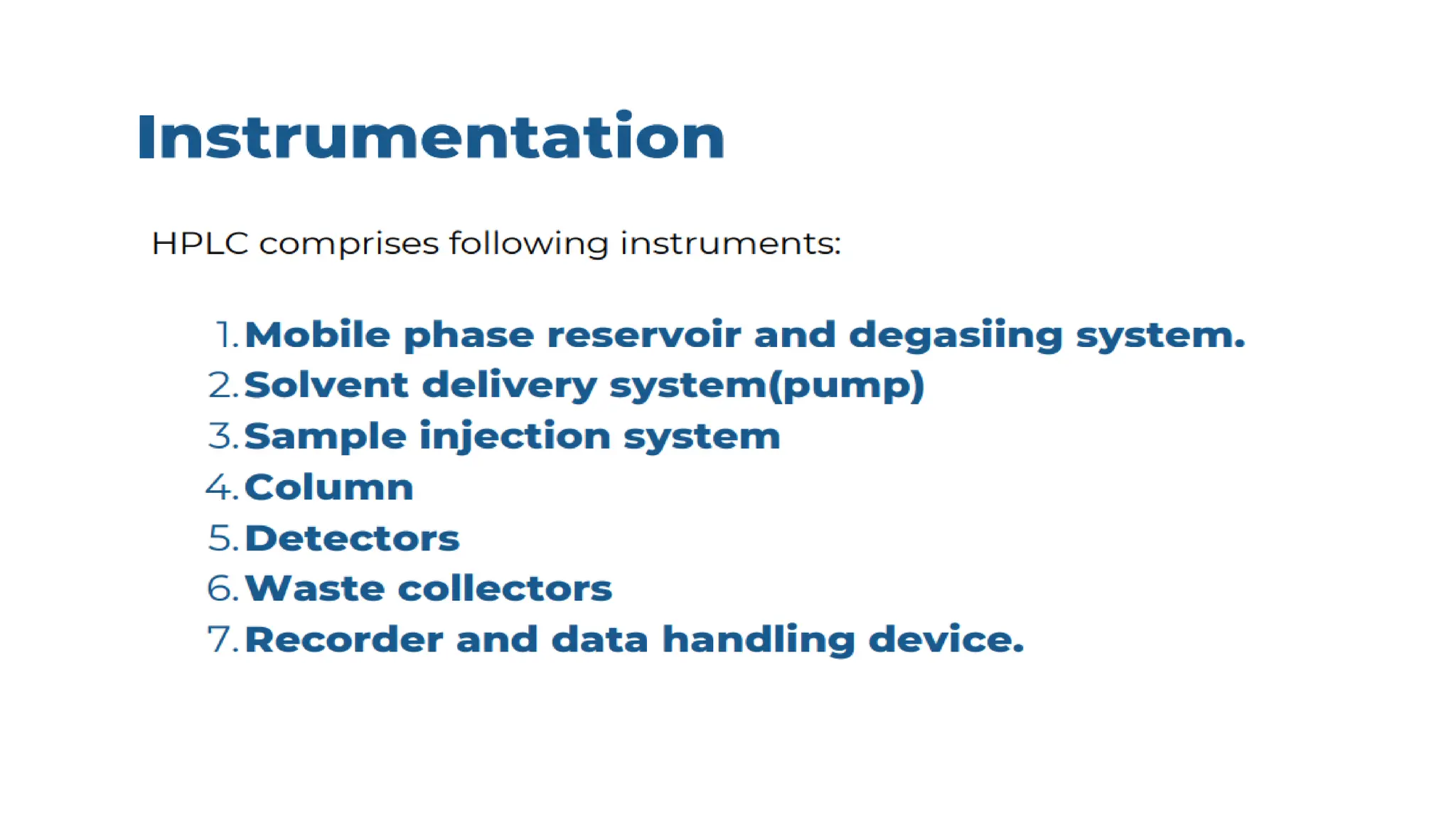
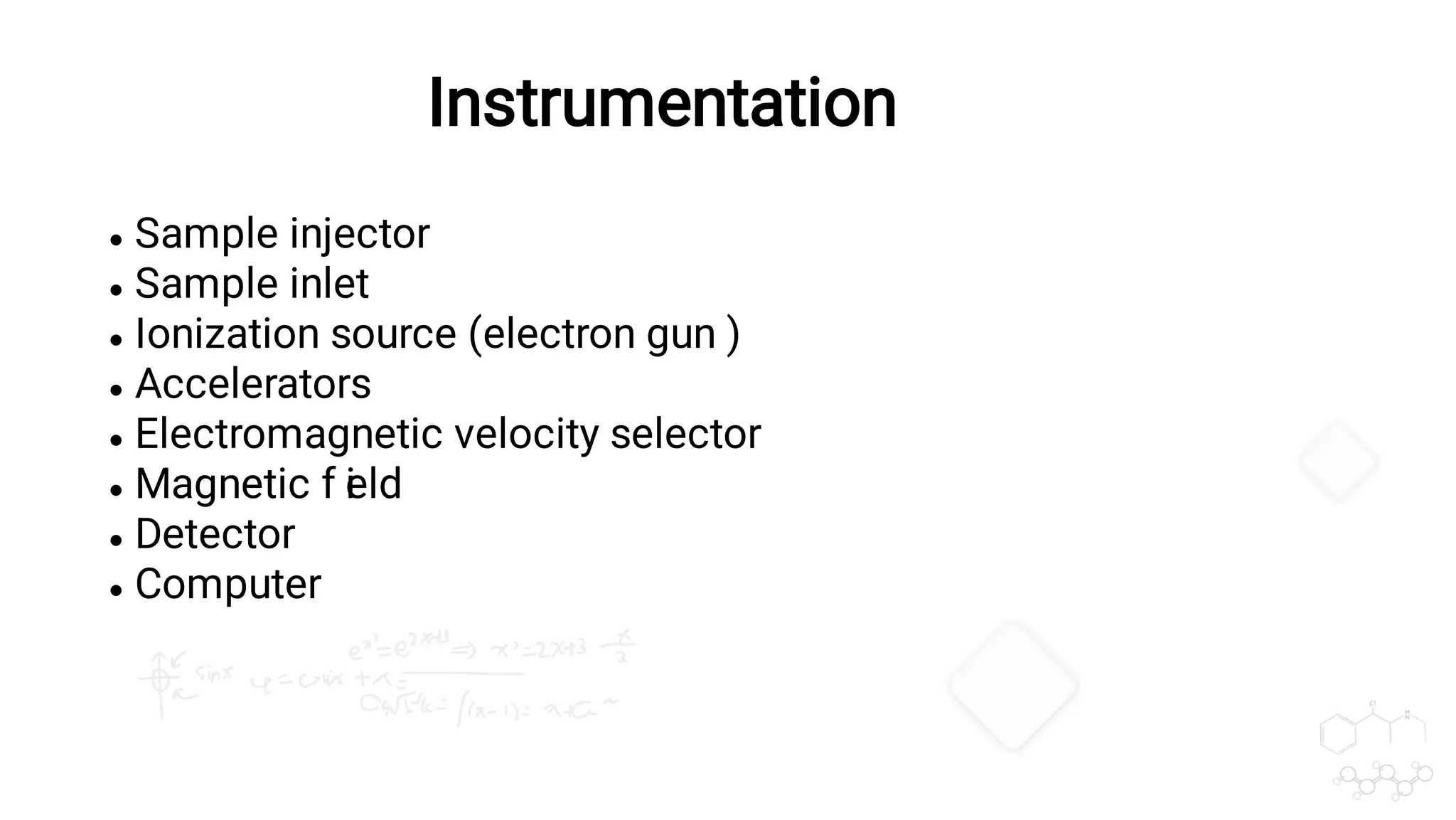
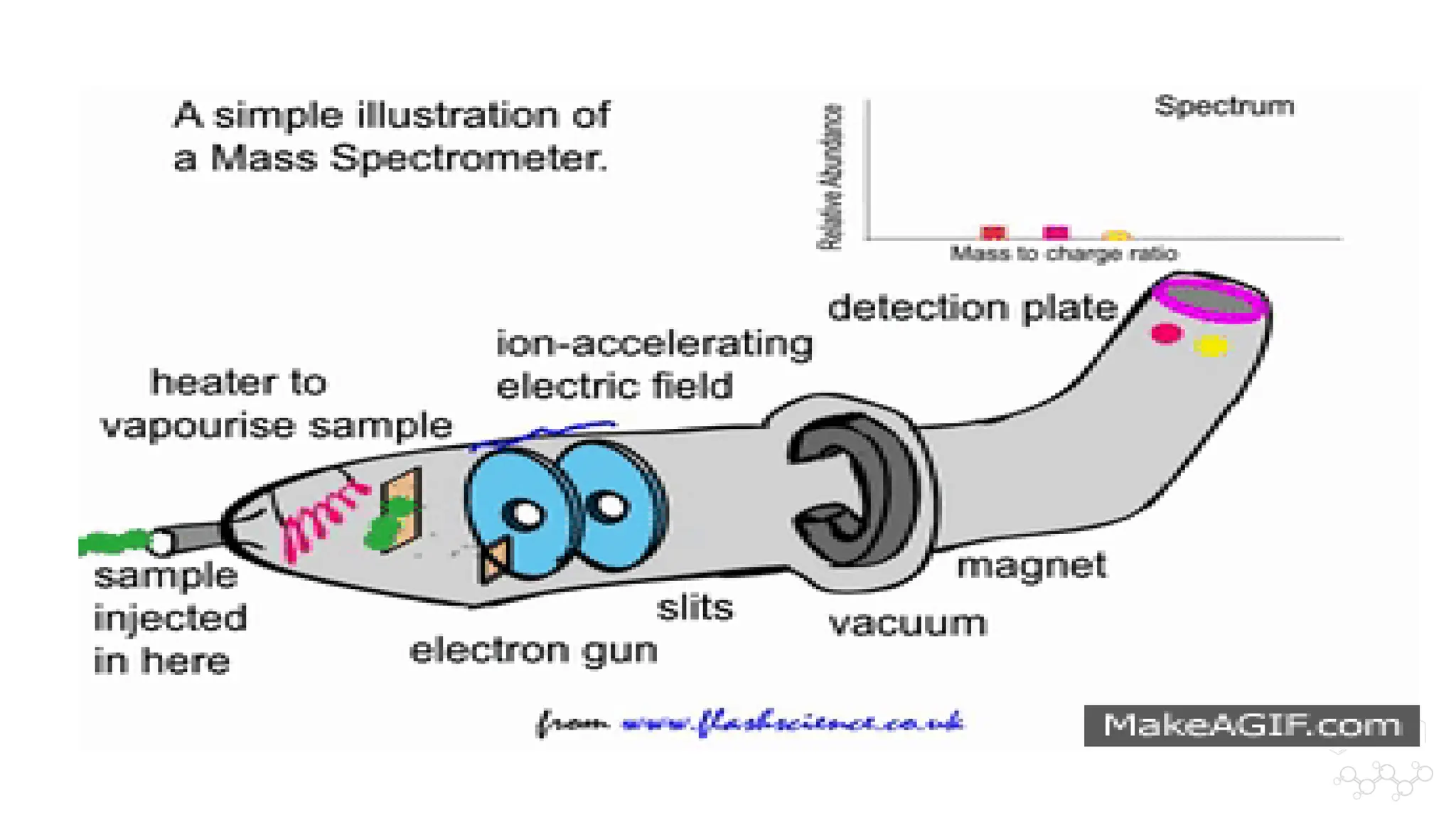
Sample injector
Sample inlet
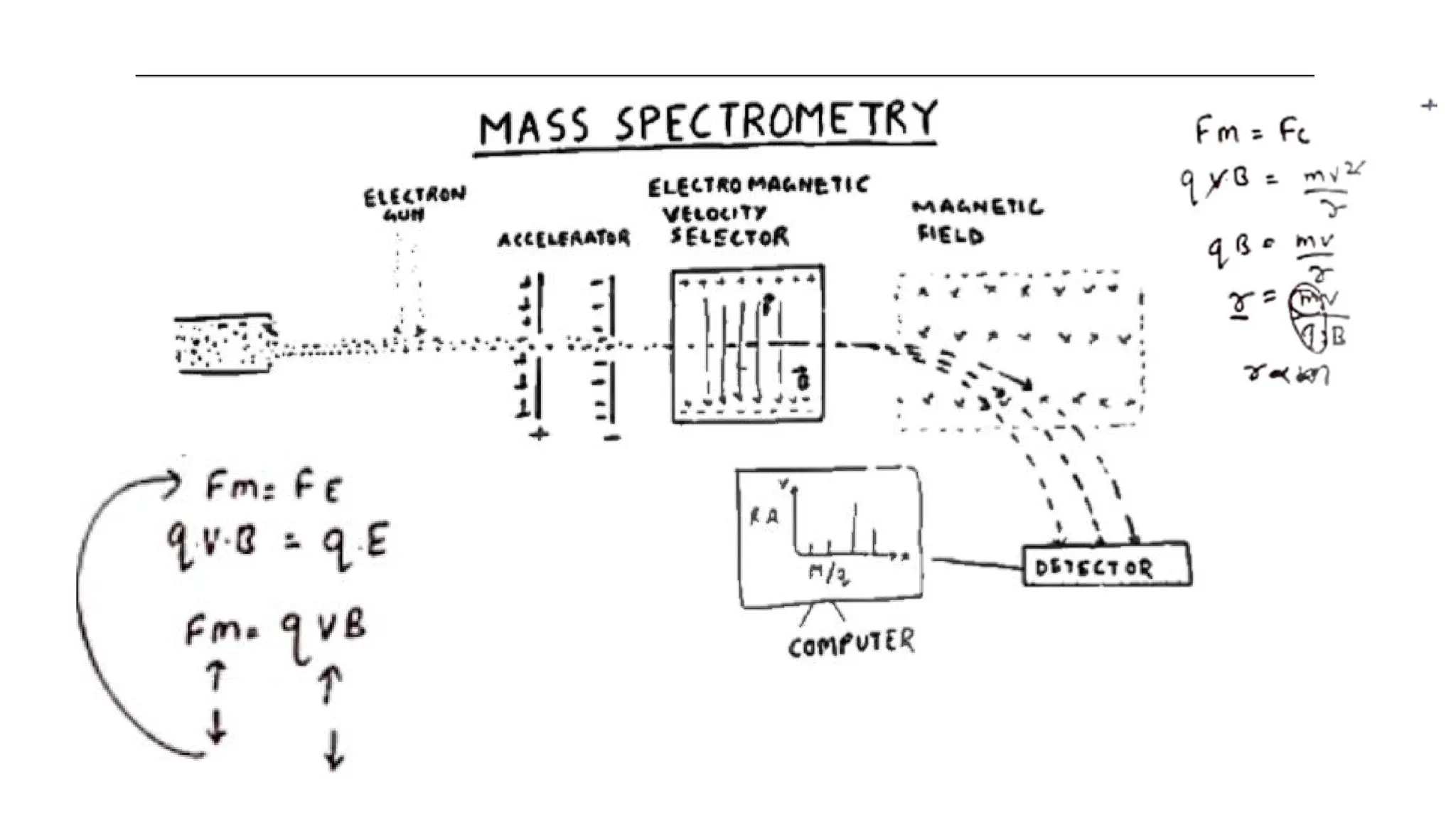
Ionization source (electron gun )
Accelerators
Electromagnetic velocity selector
Magnetic f i
eld
Detector
Computer
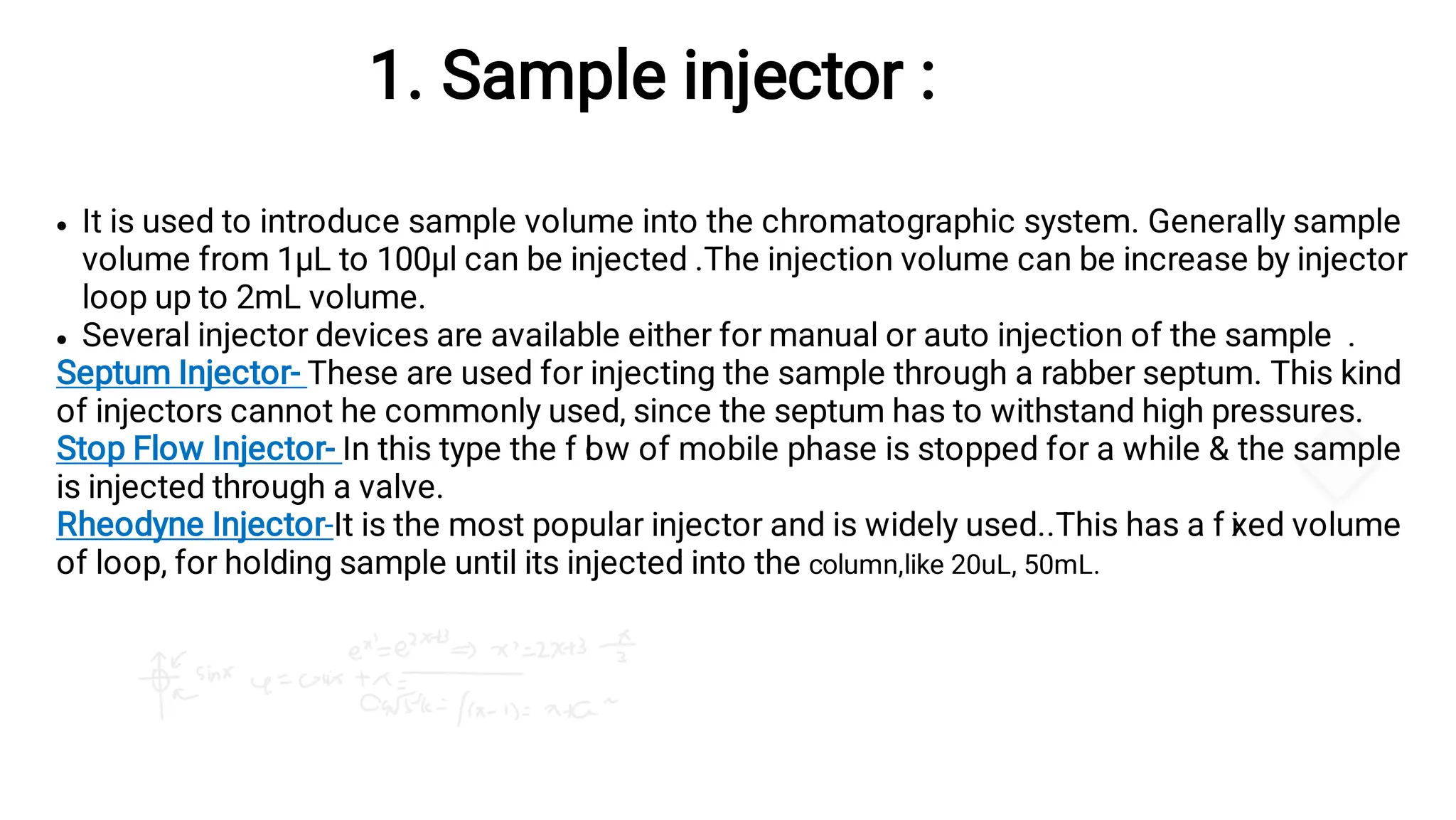
1. Sample injector :


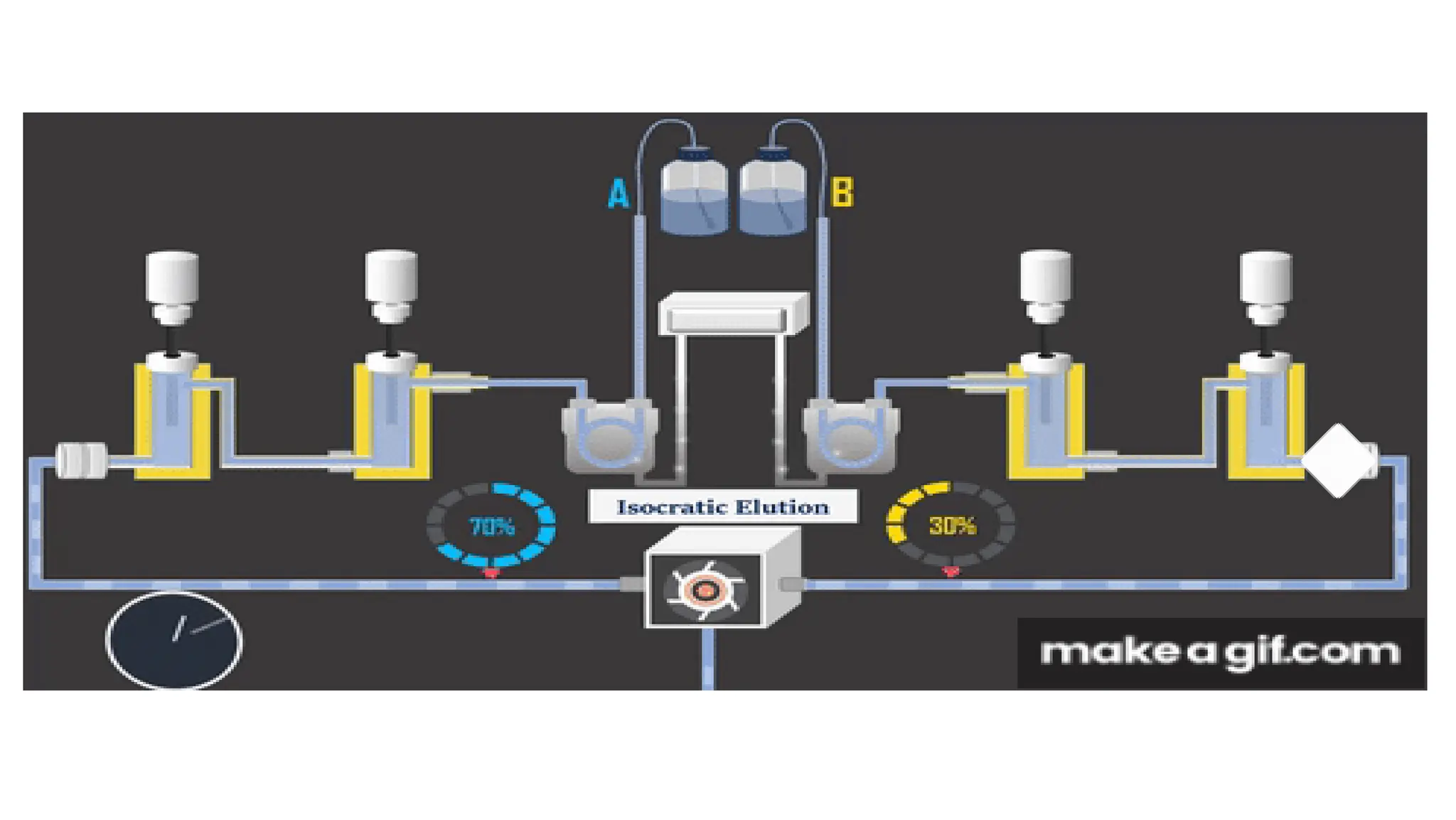
It is used to introduce sample volume into the chromatographic system. Generally sample
volume from 1µL to 100µl can be injected .The injection volume can be increase by injector
loop up to 2mL volume.
Several injector devices are available either for manual or auto injection of the sample .
Septum Injector- These are used for injecting the sample through a rabber septum. This kind
of injectors cannot he commonly used, since the septum has to withstand high pressures.
Stop Flow Injector- In this type the f l
ow of mobile phase is stopped for a while & the sample
is injected through a valve.
Rheodyne Injector-It is the most popular injector and is widely used..This has a f i
xed volume
of loop, for holding sample until its injected into the column,like 20uL, 50mL.
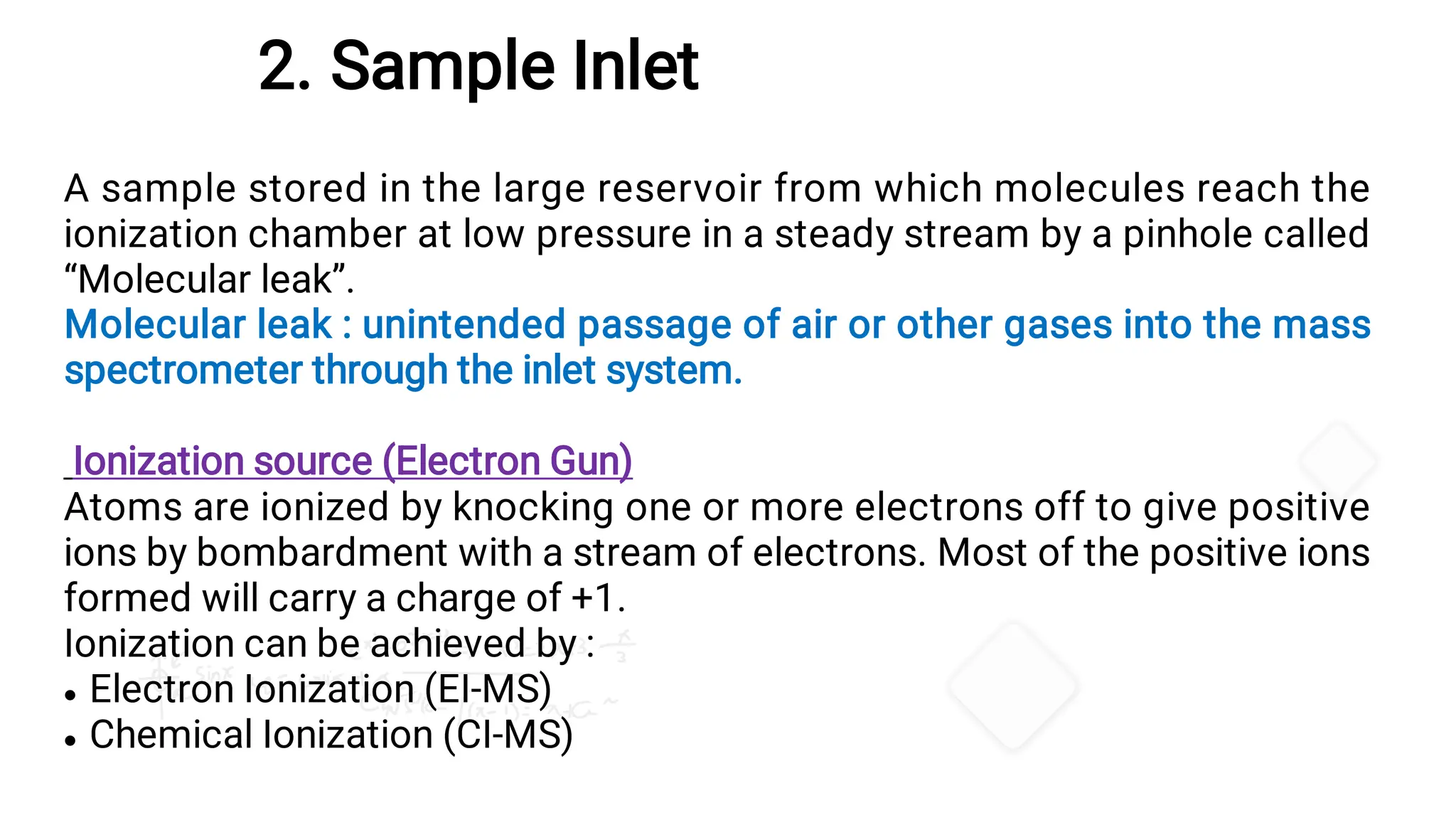
2. Sample Inlet


A sample stored in the large reservoir from which molecules reach the
ionization chamber at low pressure in a steady stream by a pinhole called
“Molecular leak”.
Molecular leak : unintended passage of air or other gases into the mass
spectrometer through the inlet system.
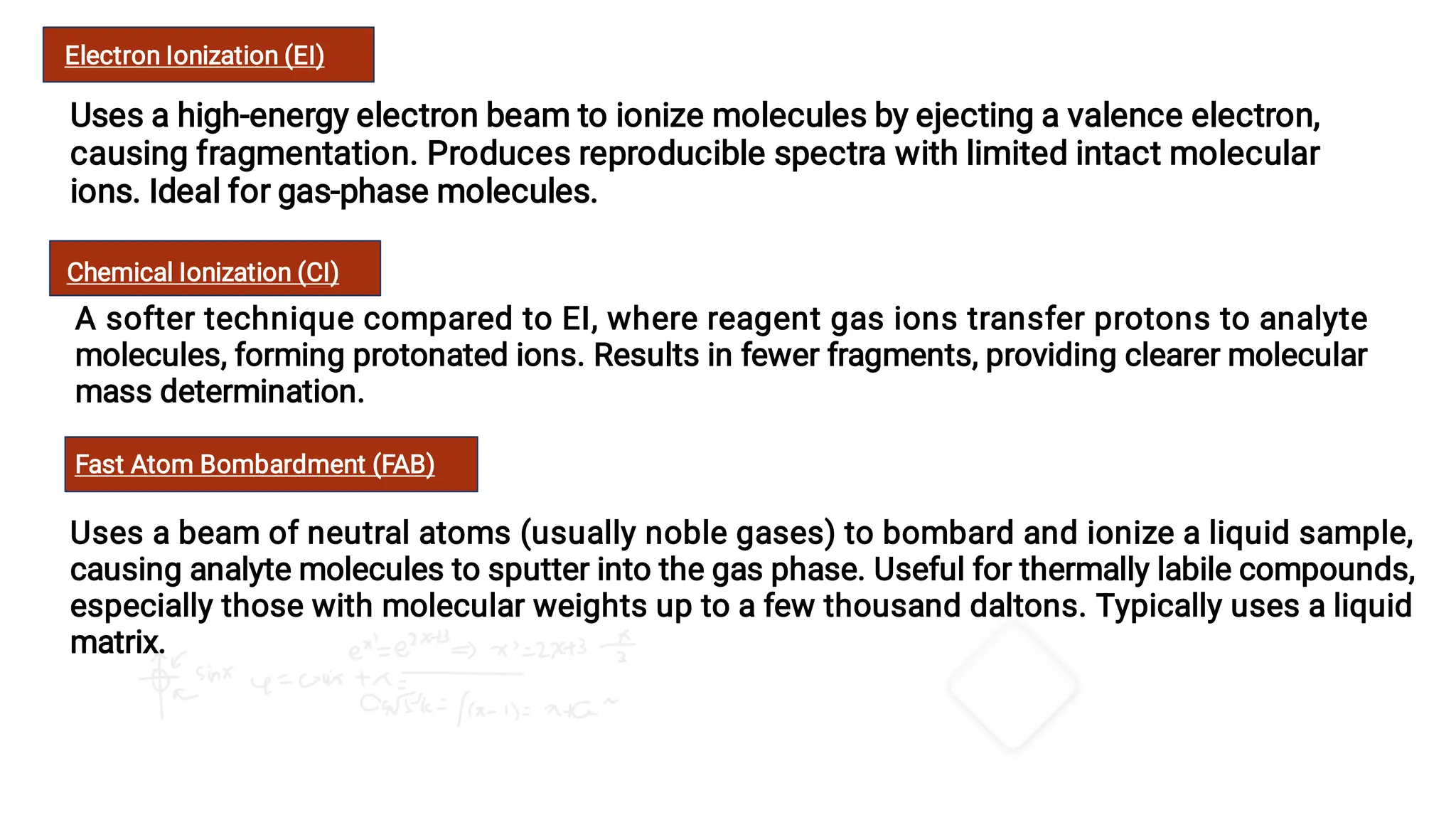
Ionization source (Electron Gun)
Atoms are ionized by knocking one or more electrons off to give positive
ions by bombardment with a stream of electrons. Most of the positive ions
formed will carry a charge of +1.
Ionization can be achieved by :
Electron Ionization (EI-MS)
Chemical Ionization (CI-MS)








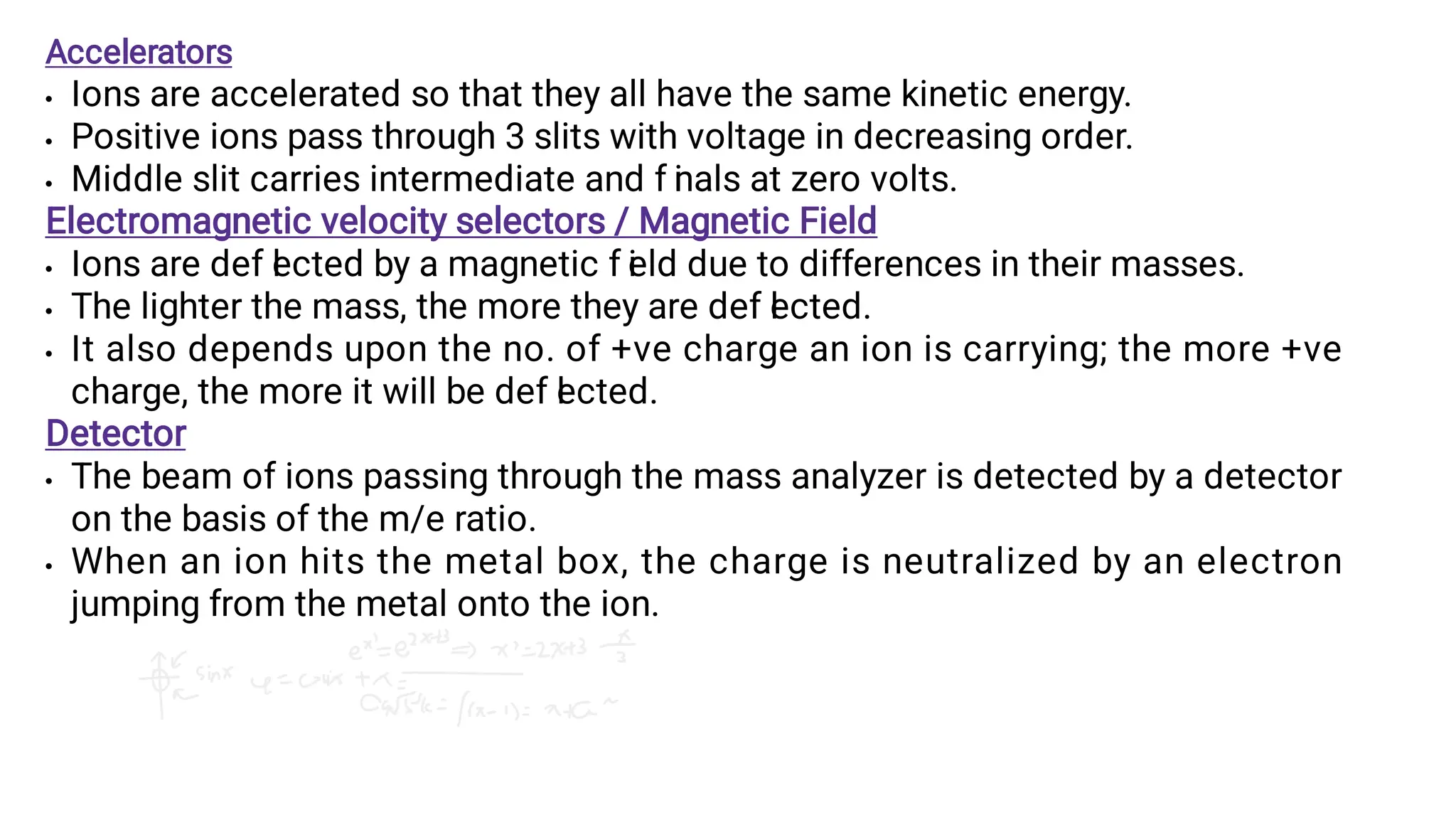
Accelerators
Ions are accelerated so that they all have the same kinetic energy.
Positive ions pass through 3 slits with voltage in decreasing order.
Middle slit carries intermediate and f i
nals at zero volts.
Electromagnetic velocity selectors / Magnetic Field
Ions are def l
ected by a magnetic f i
eld due to differences in their masses.
The lighter the mass, the more they are def l
ected.
It also depends upon the no. of +ve charge an ion is carrying; the more +ve
charge, the more it will be def l
ected.
Detector
The beam of ions passing through the mass analyzer is detected by a detector
on the basis of the m/e ratio.
When an ion hits the metal box, the charge is neutralized by an electron
jumping from the metal onto the ion.
DIRECT CHEMICAL IONIZATION:
The simplest way to introduce HPLC effluent into mass spectrometer is
to split the flow.
Chemical ionization is most suitable in this technique because under CI
pressure conditions, solvent rates as high as 10 micro lit / min can be
tolerated. This permits10-20 micro lit/ min (1-2%) eluate from the HPLC
to that of the ion source.










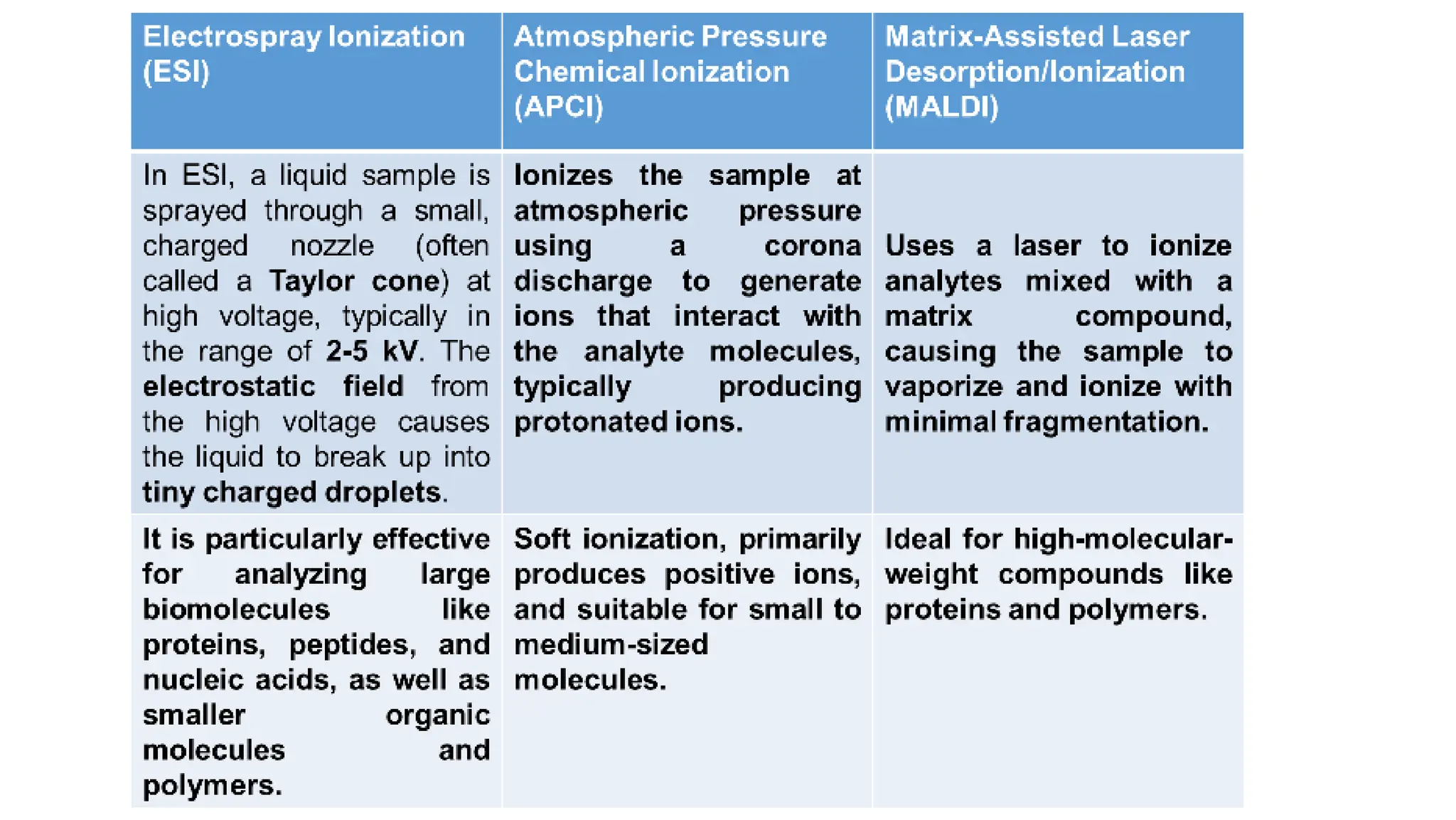
Various ionization techniques are used in mass spectrometry.
Most techniques excite neutral analyte molecules to form radical cations (M+).
Some techniques produce adduct ions (MH+).
The physical state of the analyte and ionization energy are important
considerations.
Electron ionization (EI) and chemical ionization (CI) are suitable for gas phase
samples.
Techniques like FAB, SIMS, ESI, and MALDI are used for condensed phase samples.
Ionization energy controls the amount of fragmentation.
Fragmentation provides structural information.
Some techniques cause extensive fragmentation, complicating the mass
spectrum.
Fragmentation offers valuable structural insights despite complicating the
spectrum.
The Ionization Source
Electron Ionization (EI)
Uses a high-energy electron beam to ionize molecules by ejecting a valence electron,
causing fragmentation. Produces reproducible spectra with limited intact molecular
ions. Ideal for gas-phase molecules.
Chemical Ionization (CI)
A softer technique compared to EI, where reagent gas ions transfer protons to analyte
molecules, forming protonated ions. Results in fewer fragments, providing clearer molecular
mass determination.
Fast Atom Bombardment (FAB)
Uses a beam of neutral atoms (usually noble gases) to bombard and ionize a liquid sample,
causing analyte molecules to sputter into the gas phase. Useful for thermally labile compounds,
especially those with molecular weights up to a few thousand daltons. Typically uses a liquid
matrix.
2. The Mass Analyzer




Ions are sorted based on their mass-to-charge (m/z) ratios.
Various types of mass analyzers are available, each with different trade-offs in speed,
resolution, and operational requirements.
Speed of operation, resolution of separation, and other operational requirements vary among
different mass analyzers.
The mass analyzer works in concert with the ion detection system to analyze the ions.




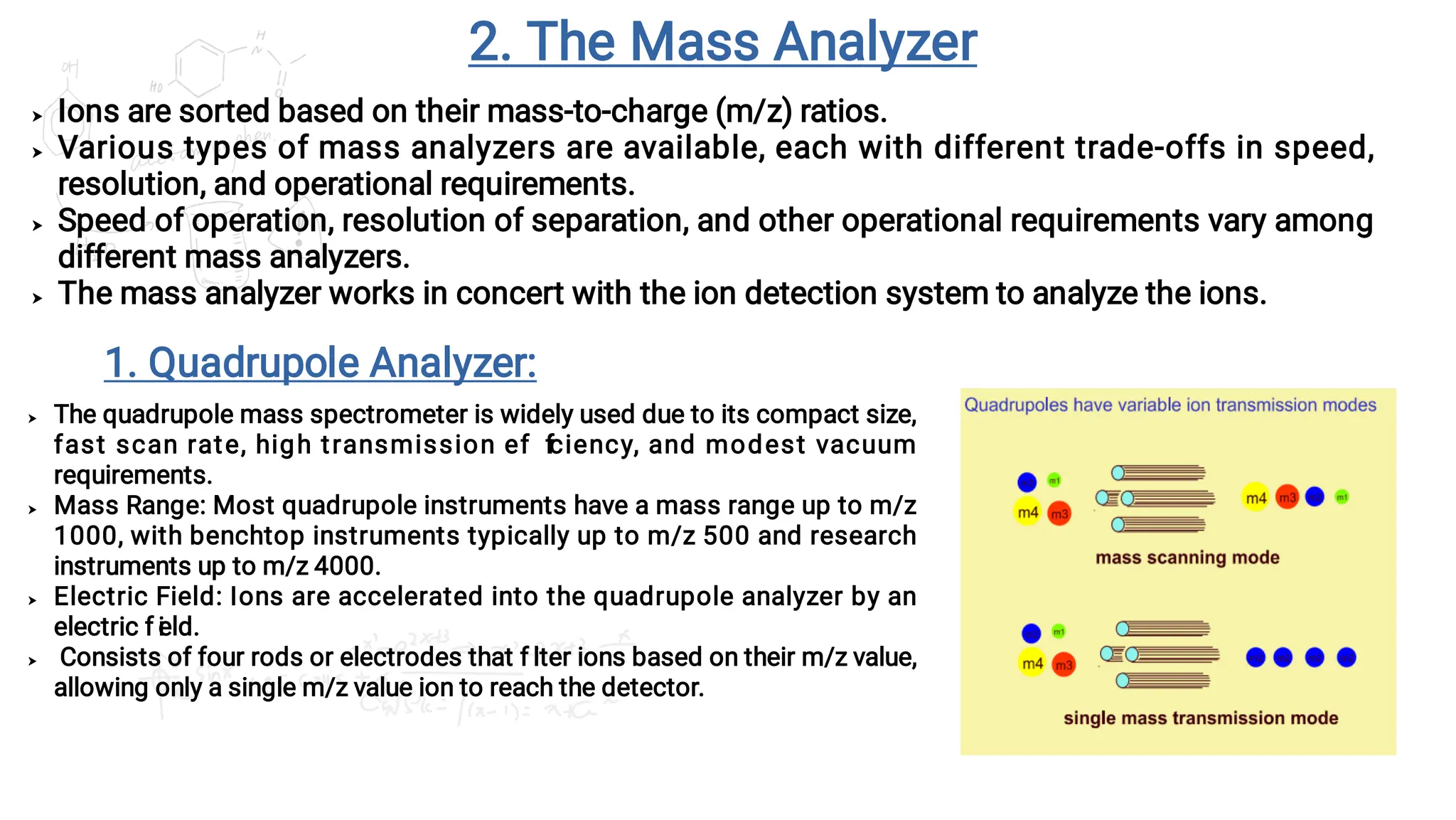
The quadrupole mass spectrometer is widely used due to its compact size,
fast scan rate, high transmission ef f
iciency, and modest vacuum
requirements.
Mass Range: Most quadrupole instruments have a mass range up to m/z
1000, with benchtop instruments typically up to m/z 500 and research
instruments up to m/z 4000.
Electric Field: Ions are accelerated into the quadrupole analyzer by an
electric f i
eld.
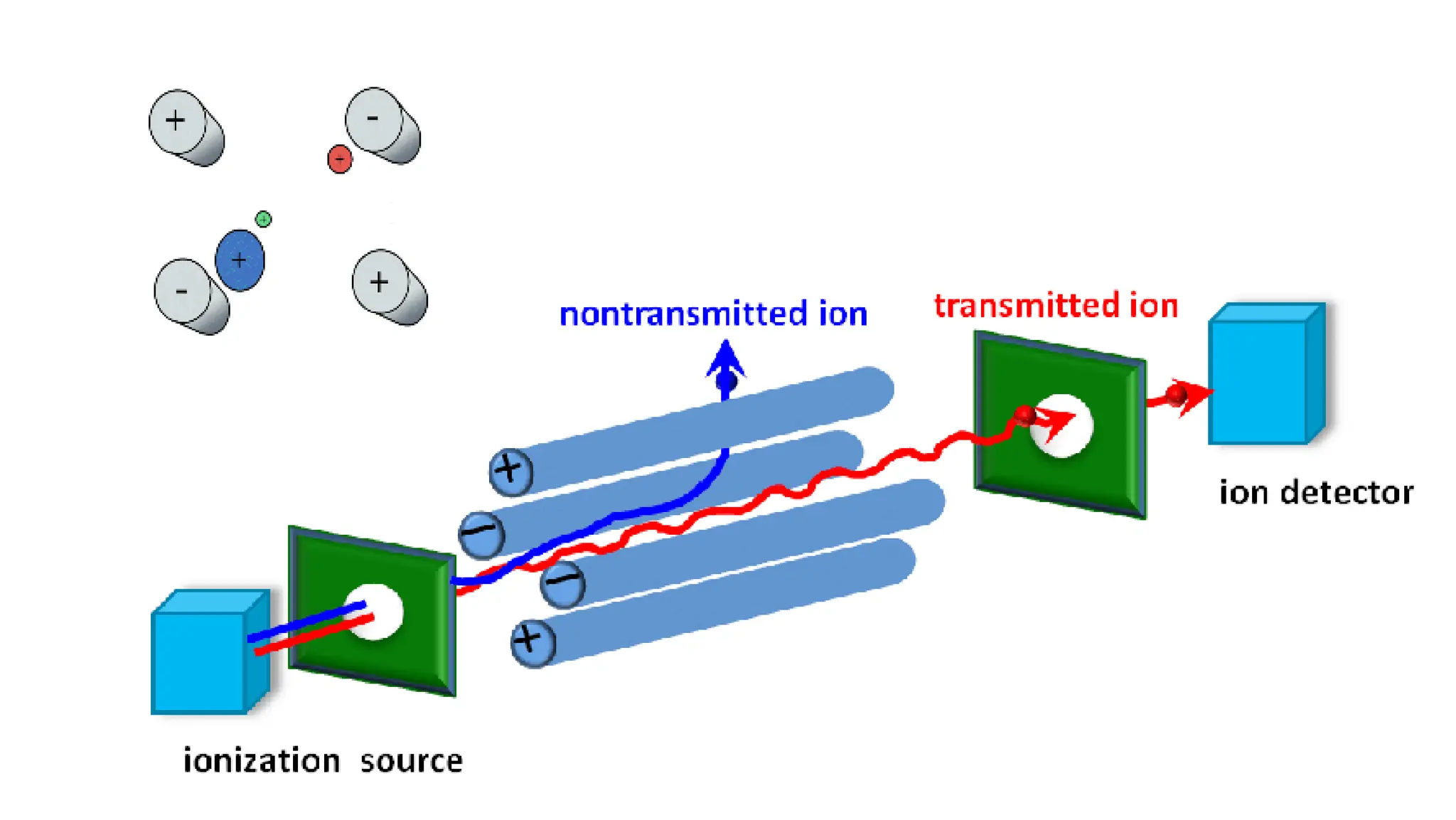
Consists of four rods or electrodes that f i
lter ions based on their m/z value,
allowing only a single m/z value ion to reach the detector.
1. Quadrupole Analyzer:





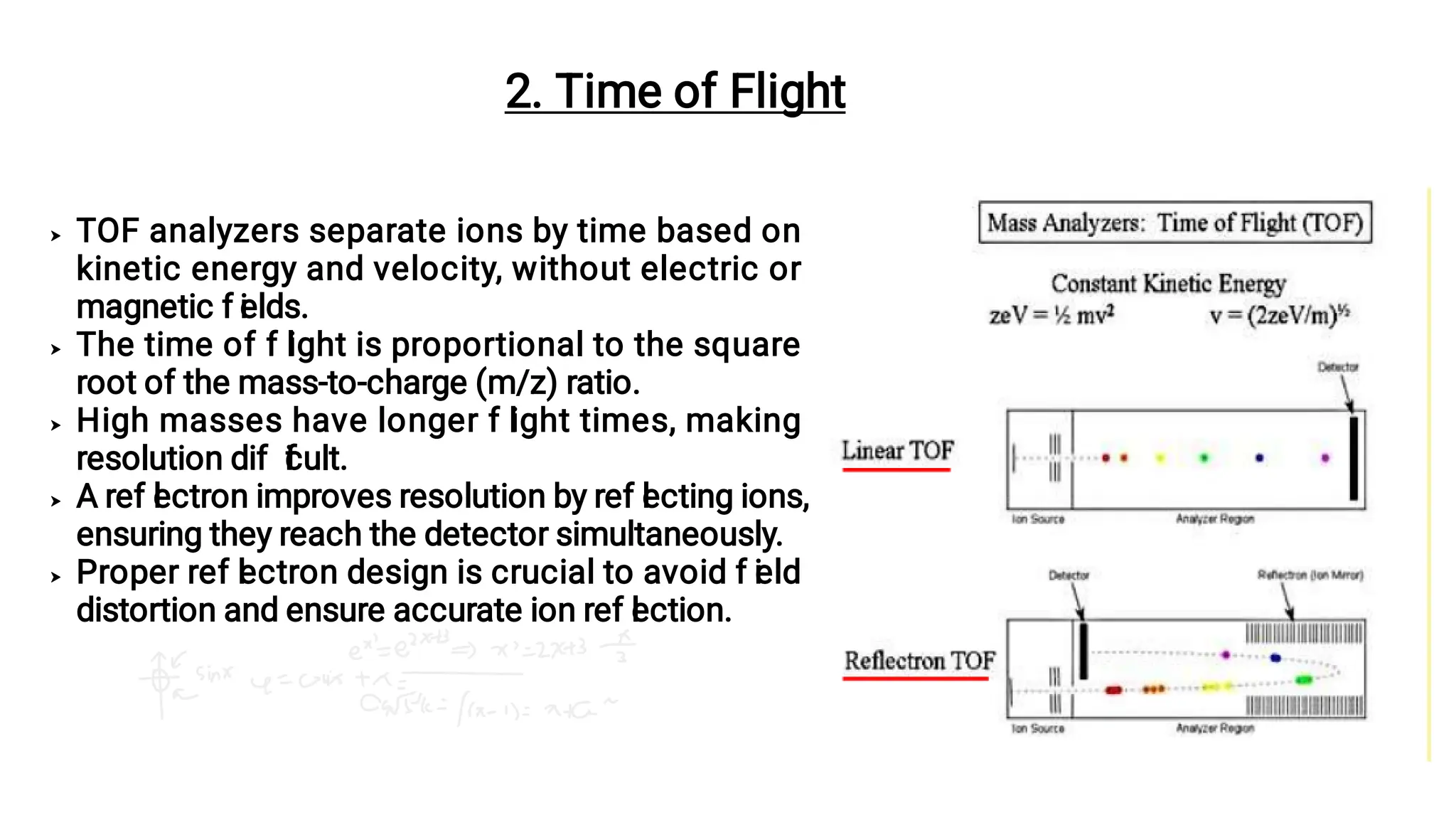
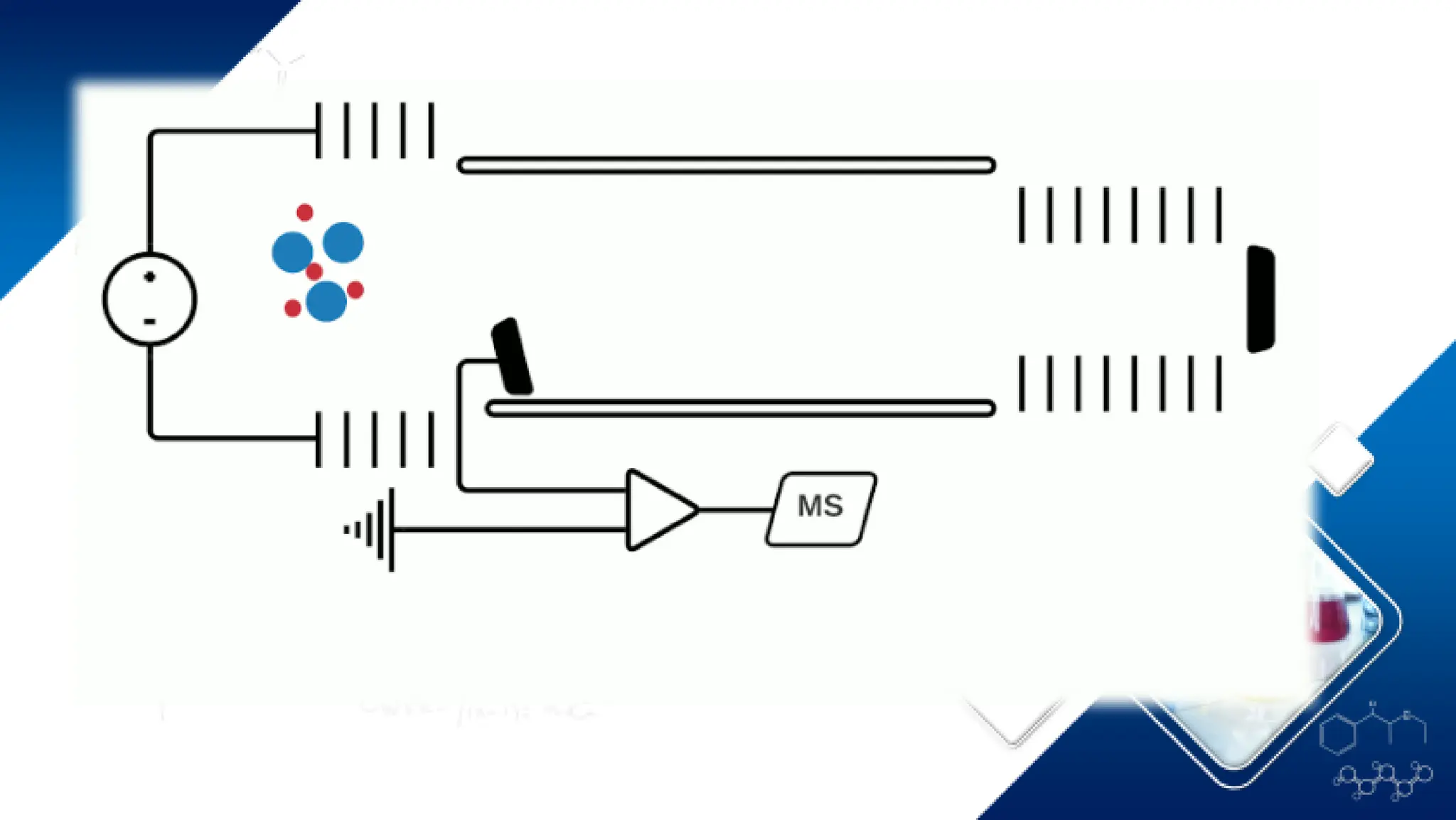
TOF analyzers separate ions by time based on
kinetic energy and velocity, without electric or
magnetic f i
elds.
The time of f l
ight is proportional to the square
root of the mass-to-charge (m/z) ratio.
High masses have longer f l
ight times, making
resolution dif f
i
cult.
A ref l
ectron improves resolution by ref l
ecting ions,
ensuring they reach the detector simultaneously.
Proper ref l
ectron design is crucial to avoid f i
eld
distortion and ensure accurate ion ref l
ection.
2. Time of Flight
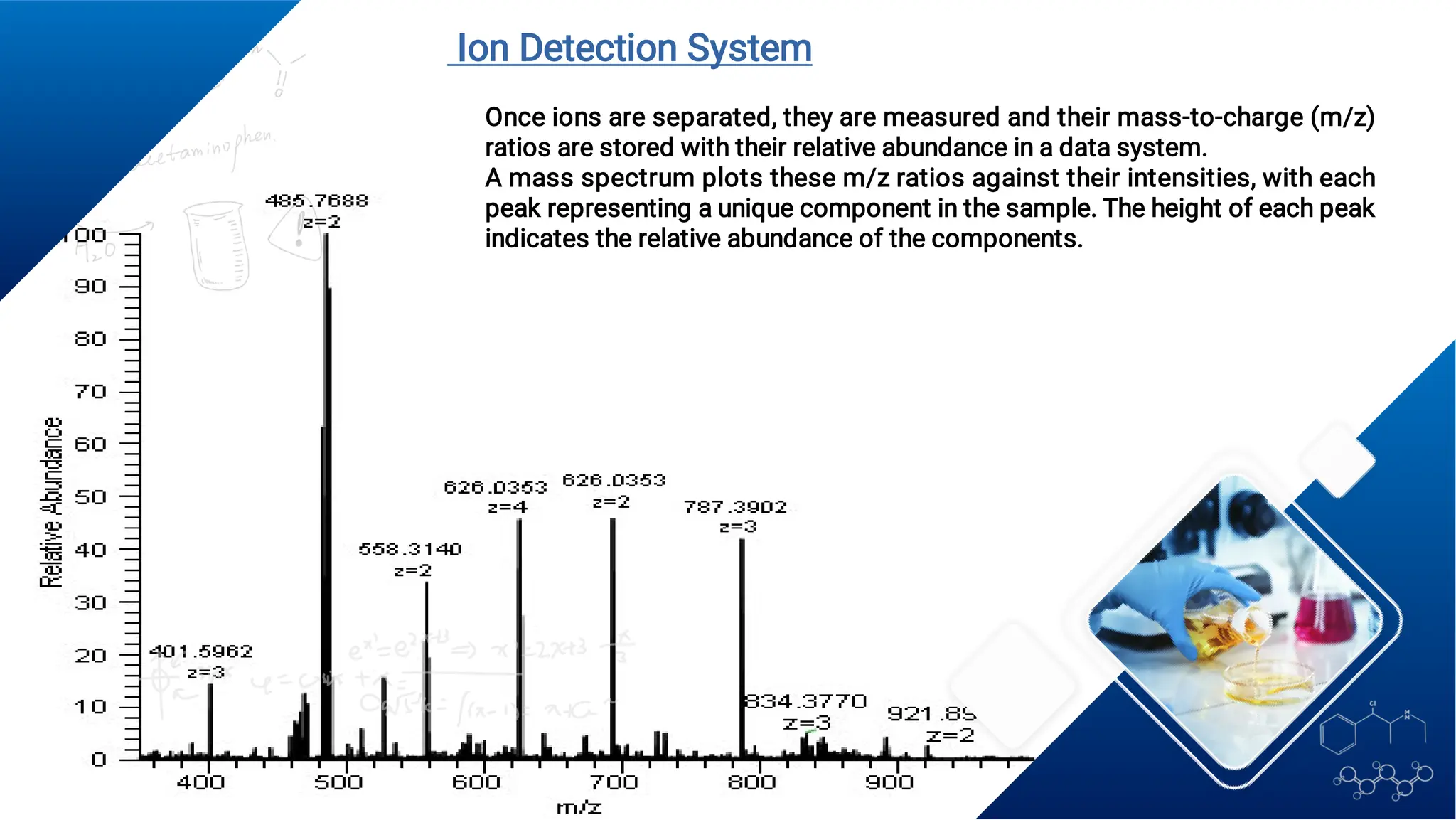
Ion Detection System
Once ions are separated, they are measured and their mass-to-charge (m/z)
ratios are stored with their relative abundance in a data system.
A mass spectrum plots these m/z ratios against their intensities, with each
peak representing a unique component in the sample. The height of each peak
indicates the relative abundance of the components.
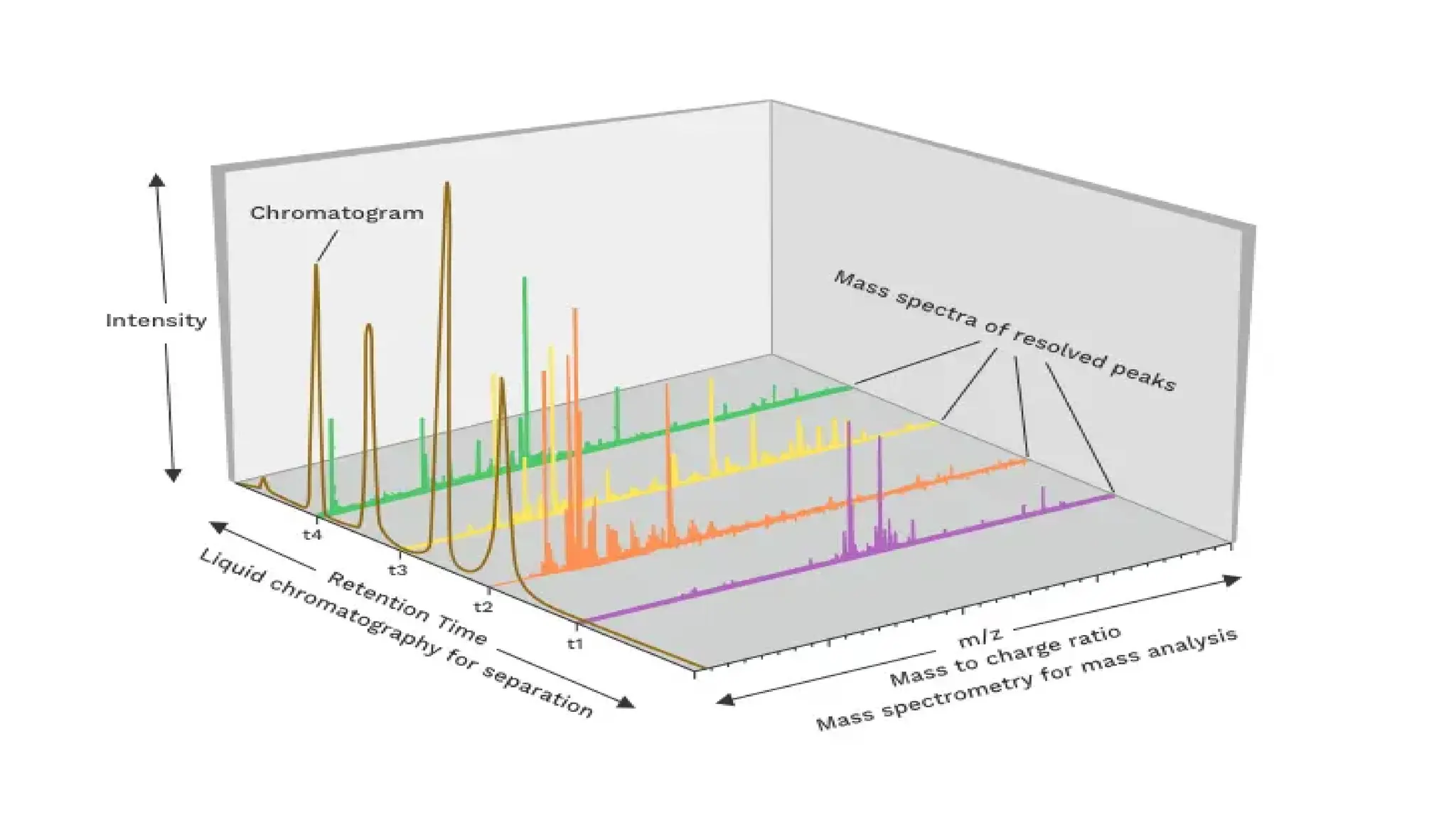
INTERPRETATION OF DATA:
The abundances of the ions are plotted as a total ion chromatogram (TIC), which shows the peak intensities of
the analyte ions versus their retention time (RT). Each point in the chromatogram is associated with a mass
spectrum, which shows the ion abundances versus the measured m/z values.
KEY ASPECTS OF INTERPRETATION:
Retention time:
The time taken for a specif i
c compound to elute from the LC column, used to identify a compound based on its
relative position in the chromatogram.
Peak area:
The area under a peak in the chromatogram, proportional to the concentration of the corresponding compound.
Mass-to-charge ratio (m/z):
The unique identifier for a molecule, used to confirm its identity by comparing it to a known database.
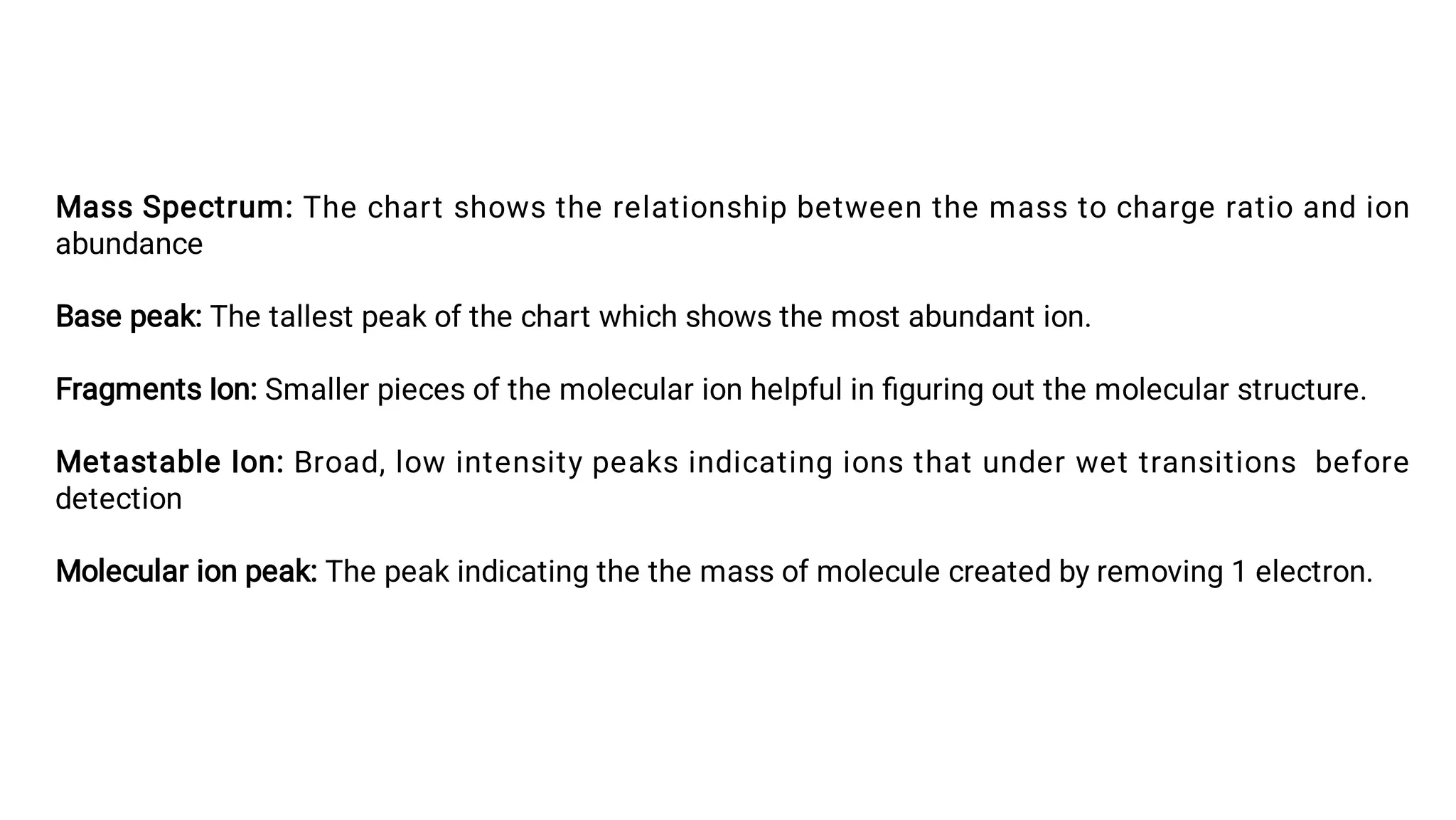
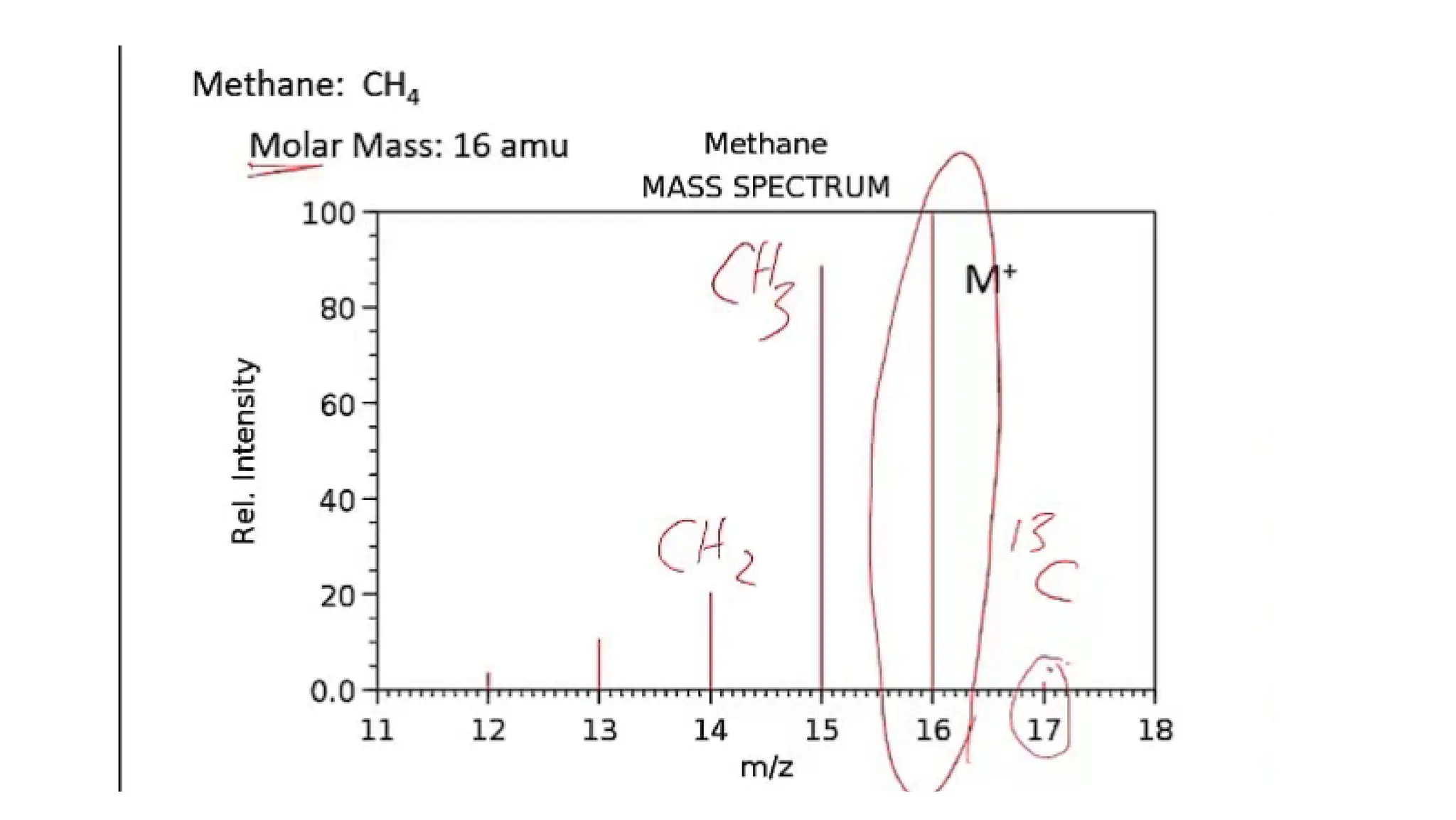
Mass Spectrum: The chart shows the relationship between the mass to charge ratio and ion
abundance
Base peak: The tallest peak of the chart which shows the most abundant ion.
Fragments Ion: Smaller pieces of the molecular ion helpful in figuring out the molecular structure.
Metastable Ion: Broad, low intensity peaks indicating ions that under wet transitions before
detection
Molecular ion peak: The peak indicating the the mass of molecule created by removing 1 electron.
LC-MS is used to check for impurities in drugs and to develop
antibody-drug conjugates.
Drug detection
LC-MS can detect illicit drugs and doping agents in biological
samples like blood or urine.
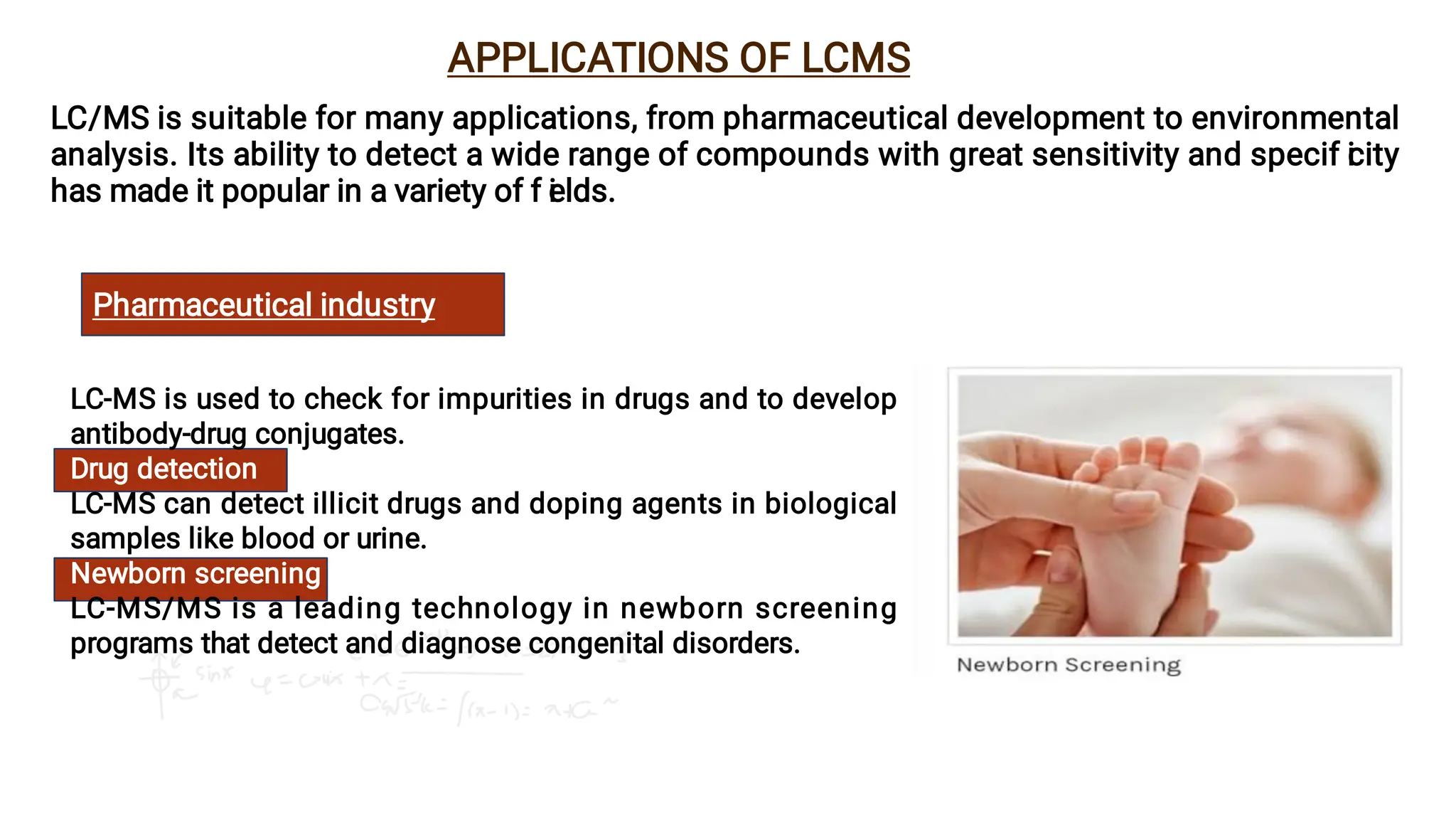
Newborn screening
LC-MS/MS is a leading technology in newborn screening
programs that detect and diagnose congenital disorders.
APPLICATIONS OF LCMS
LC/MS is suitable for many applications, from pharmaceutical development to environmental
analysis. Its ability to detect a wide range of compounds with great sensitivity and specif i
city
has made it popular in a variety of f i
elds.
Pharmaceutical industry
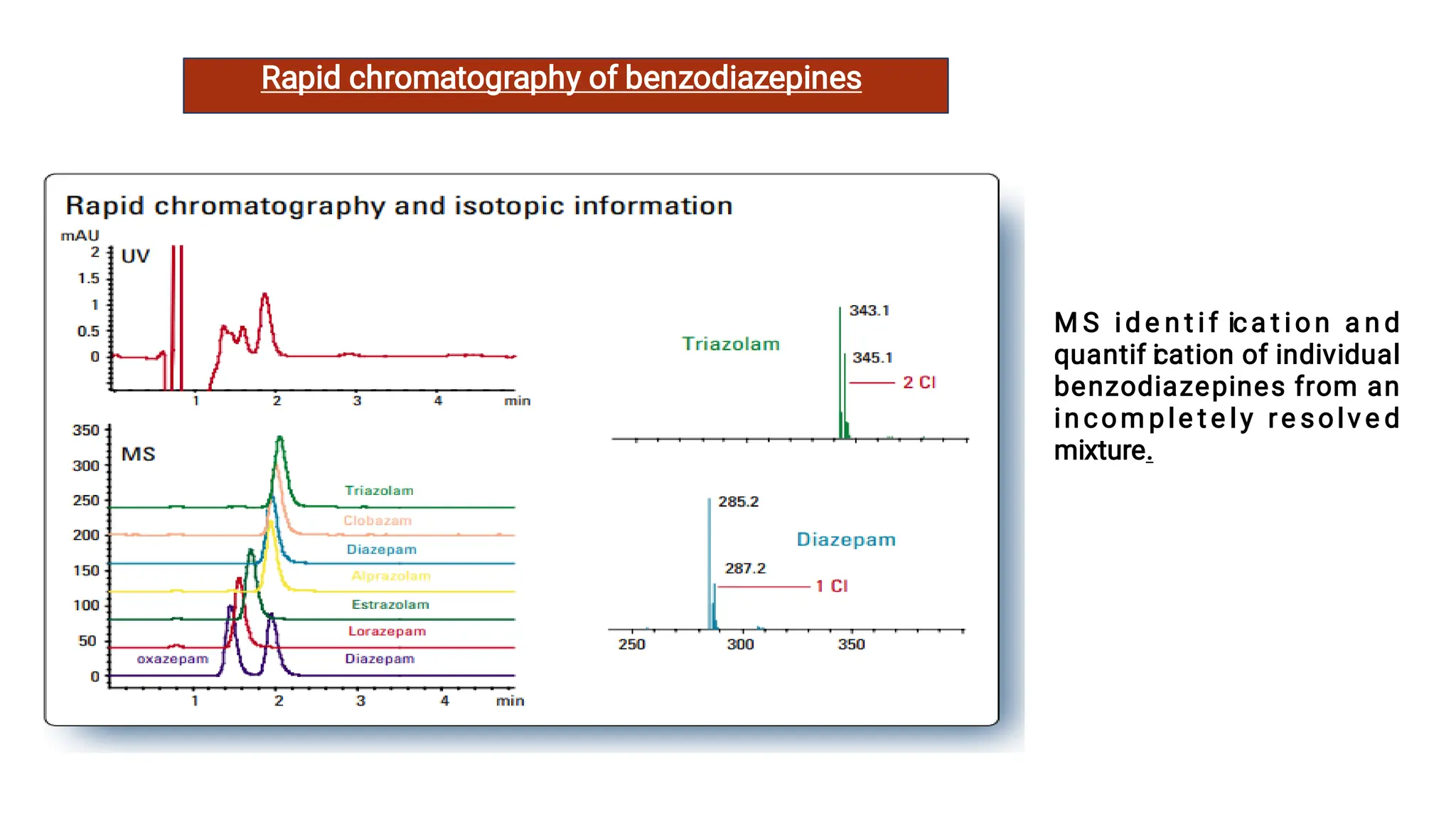
Rapid chromatography of benzodiazepines
M S i d e n t i f ic a t i o n a n d
quantif i
cation of individual
benzodiazepines from an
in co m p le t e ly r e s o lv e d
mixture.
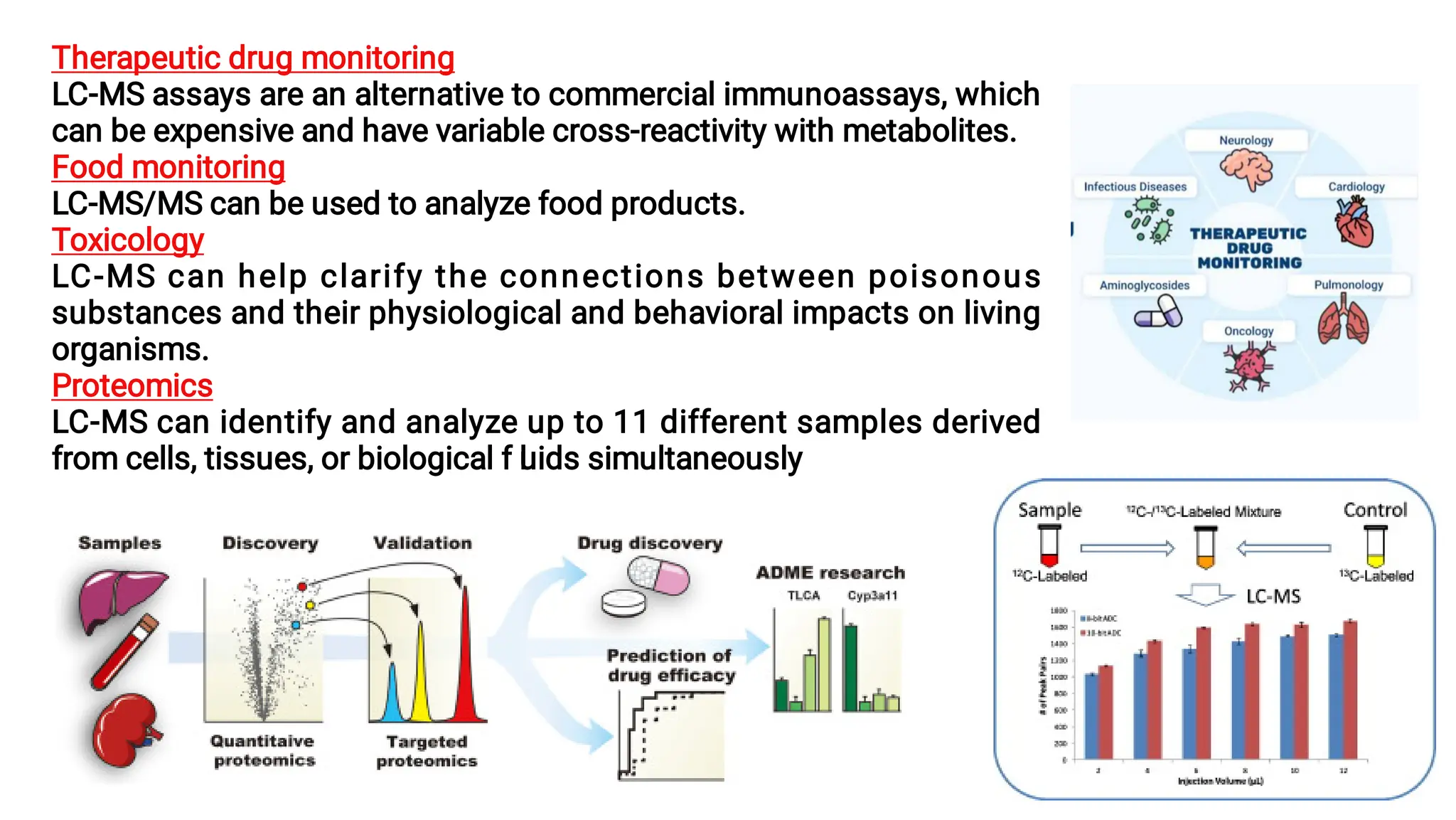
Therapeutic drug monitoring
LC-MS assays are an alternative to commercial immunoassays, which
can be expensive and have variable cross-reactivity with metabolites.
Food monitoring
LC-MS/MS can be used to analyze food products.
Toxicology
LC-MS can help clarify the connections between poisonous
substances and their physiological and behavioral impacts on living
organisms.
Proteomics
LC-MS can identify and analyze up to 11 different samples derived
from cells, tissues, or biological f l
uids simultaneously
1.
2.
Structural Elucidation
1.Molecular weight determination: LC-MS can accurately determine molecular weights.
2.Structural fragmentation: Tandem mass spectrometry (MS/MS) provides structural information through
fragmentation patterns.
Quantitation and Validation
Accurate quantitation: LC-MS provides accurate and precise quantitation of analytes.
Method validation: LC-MS methods can be validated according to regulatory guidelines.
Pharmaceutical and Biomedical Research
1.Drug discovery and development: LC-MS plays a crucial role in drug discovery and development, including
pharmacokinetics and metabolism studies.
2.Biomarker discovery: LC-MS can identify and quantify biomarkers for disease diagnosis and
monitoring.
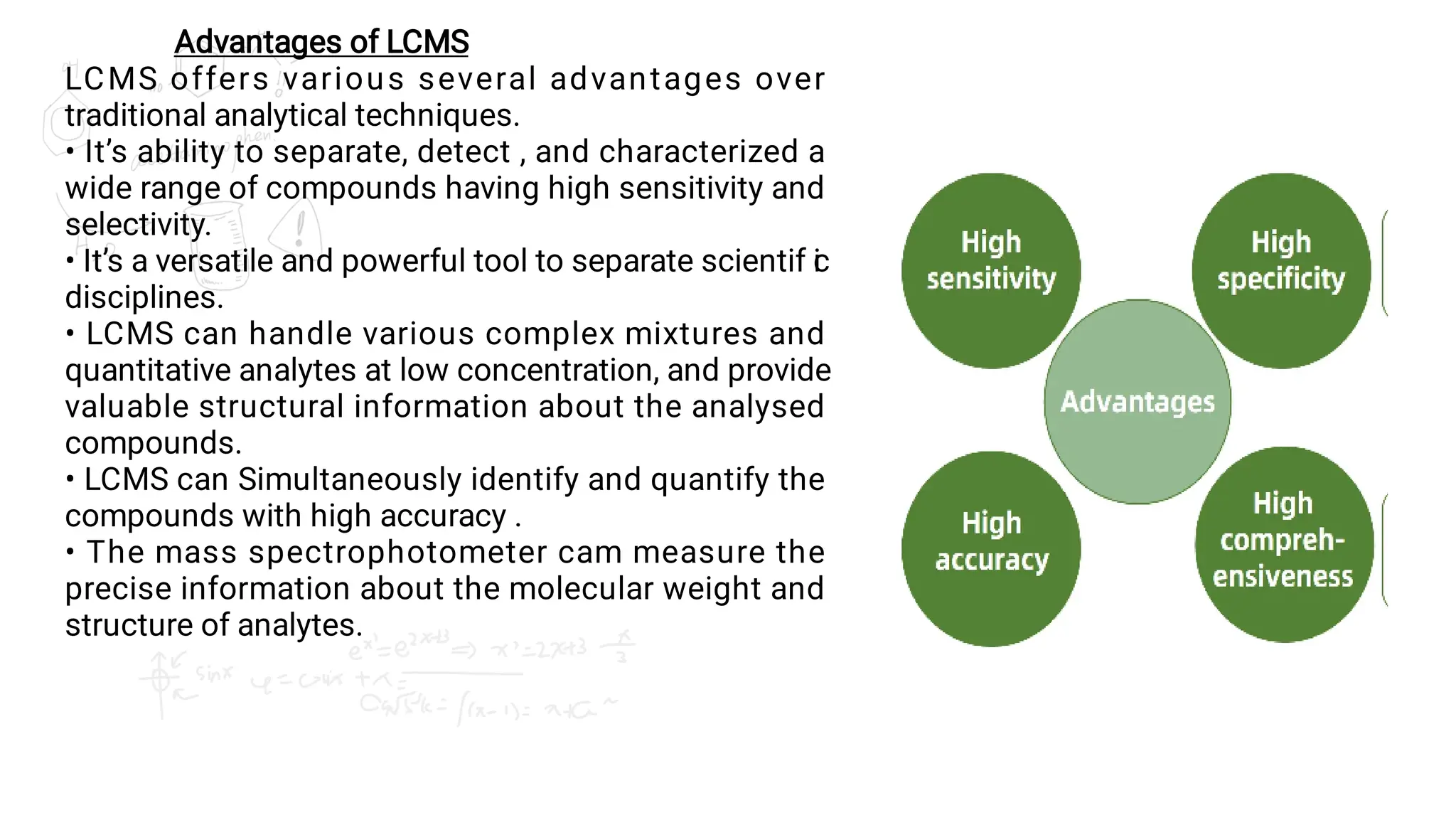
Advantages of LCMS
LCMS offers various several advantages over
traditional analytical techniques.
• It’s ability to separate, detect , and characterized a
wide range of compounds having high sensitivity and
selectivity.
• It’s a versatile and powerful tool to separate scientif i
c
disciplines.
• LCMS can handle various complex mixtures and
quantitative analytes at low concentration, and provide
valuable structural information about the analysed
compounds.
• LCMS can Simultaneously identify and quantify the
compounds with high accuracy .
• The mass spectrophotometer cam measure the
precise information about the molecular weight and
structure of analytes.

LCMS Final.pdf liquid chromatography and mass spectrometry

  • 1.
  • 2.
          LC/MS is ahyphenated technique that combines physical separation capabilities of liquid chromatography with mass analysis capability of Mass spectrometry. Combination of these two techniques is LC-MS . The hyphenated technique in analytical chemistry refers to the combination of two or more analytical techniques to gain a more comprehensive analysis or to enhance the sensitivity, resolution, or capabilities of each individual method. It is a method that combines separation power of HPLC with detection power of Mass spectrometry In LC-MS we remove the detector from the column of LC and f i t the column to interface of MS. As the metabolites appear from the end of the column they enter the mass detector, where the solvent is removed and the metabolites are ionized. In the most of the cases the interface used in LC-MS are ionization source. Liquid Chromatography Mass Spectroscopy
  • 3.
    • • Purpose of Coupling: Thepurpose of coupling GC with MS is to provide conf i rmatory identif i cation with minimal effort. LC separates analytes in a mixture, while MS detects the separated compounds based on their mass-to-charge ratios. The combination allows for qualitative and quantitative analysis of compounds with high accuracy and sensitivity.
  • 6.
          Analytical technique thatmeasures the mass-to-charge ratio of charged particles. “ MS works by ionizing chemical compounds to generate charged molecules or molecule fragments and measuring their mass-to-charge ratios. The sample components are ionized by one of a variety of methods. The ions are separated according to their mass-to- charge ratio in an analyzer by electromagnetic f i eld. The ions are detected, usually by a quantitative method. The ion signal is processed into mass spectra. It provides ultrahigh detection sensitivity. The mass spectrum of each compound is unique and can be used as chemical "f i ngerprint" together with its retention time to characterize the compound. Principle of LCMS :
  • 12.
    What is Massspectrometer ?   • • A Mass Spectrometer is an instrument which generates a beam of positively charged ions from the sample under investigation Produce ions from the sample in the ionization source. Principle : “ Separate these ions according to their mass to charge ratio “ Fragment the selected ions and analyze the fragments using a second analyzer Detect the ions emerging from the analyzer and measure its abundance.
  • 13.
    Instrumentation         Sample injector Sample inlet Ionizationsource (electron gun ) Accelerators Electromagnetic velocity selector Magnetic f i eld Detector Computer
  • 14.
    1. Sample injector:   It is used to introduce sample volume into the chromatographic system. Generally sample volume from 1µL to 100µl can be injected .The injection volume can be increase by injector loop up to 2mL volume. Several injector devices are available either for manual or auto injection of the sample . Septum Injector- These are used for injecting the sample through a rabber septum. This kind of injectors cannot he commonly used, since the septum has to withstand high pressures. Stop Flow Injector- In this type the f l ow of mobile phase is stopped for a while & the sample is injected through a valve. Rheodyne Injector-It is the most popular injector and is widely used..This has a f i xed volume of loop, for holding sample until its injected into the column,like 20uL, 50mL.
  • 15.
    2. Sample Inlet   Asample stored in the large reservoir from which molecules reach the ionization chamber at low pressure in a steady stream by a pinhole called “Molecular leak”. Molecular leak : unintended passage of air or other gases into the mass spectrometer through the inlet system. Ionization source (Electron Gun) Atoms are ionized by knocking one or more electrons off to give positive ions by bombardment with a stream of electrons. Most of the positive ions formed will carry a charge of +1. Ionization can be achieved by : Electron Ionization (EI-MS) Chemical Ionization (CI-MS)
  • 16.
            Accelerators Ions are acceleratedso that they all have the same kinetic energy. Positive ions pass through 3 slits with voltage in decreasing order. Middle slit carries intermediate and f i nals at zero volts. Electromagnetic velocity selectors / Magnetic Field Ions are def l ected by a magnetic f i eld due to differences in their masses. The lighter the mass, the more they are def l ected. It also depends upon the no. of +ve charge an ion is carrying; the more +ve charge, the more it will be def l ected. Detector The beam of ions passing through the mass analyzer is detected by a detector on the basis of the m/e ratio. When an ion hits the metal box, the charge is neutralized by an electron jumping from the metal onto the ion.
  • 19.
    DIRECT CHEMICAL IONIZATION: Thesimplest way to introduce HPLC effluent into mass spectrometer is to split the flow. Chemical ionization is most suitable in this technique because under CI pressure conditions, solvent rates as high as 10 micro lit / min can be tolerated. This permits10-20 micro lit/ min (1-2%) eluate from the HPLC to that of the ion source.
  • 20.
              Various ionization techniquesare used in mass spectrometry. Most techniques excite neutral analyte molecules to form radical cations (M+). Some techniques produce adduct ions (MH+). The physical state of the analyte and ionization energy are important considerations. Electron ionization (EI) and chemical ionization (CI) are suitable for gas phase samples. Techniques like FAB, SIMS, ESI, and MALDI are used for condensed phase samples. Ionization energy controls the amount of fragmentation. Fragmentation provides structural information. Some techniques cause extensive fragmentation, complicating the mass spectrum. Fragmentation offers valuable structural insights despite complicating the spectrum. The Ionization Source
  • 21.
    Electron Ionization (EI) Usesa high-energy electron beam to ionize molecules by ejecting a valence electron, causing fragmentation. Produces reproducible spectra with limited intact molecular ions. Ideal for gas-phase molecules. Chemical Ionization (CI) A softer technique compared to EI, where reagent gas ions transfer protons to analyte molecules, forming protonated ions. Results in fewer fragments, providing clearer molecular mass determination. Fast Atom Bombardment (FAB) Uses a beam of neutral atoms (usually noble gases) to bombard and ionize a liquid sample, causing analyte molecules to sputter into the gas phase. Useful for thermally labile compounds, especially those with molecular weights up to a few thousand daltons. Typically uses a liquid matrix.
  • 23.
    2. The MassAnalyzer     Ions are sorted based on their mass-to-charge (m/z) ratios. Various types of mass analyzers are available, each with different trade-offs in speed, resolution, and operational requirements. Speed of operation, resolution of separation, and other operational requirements vary among different mass analyzers. The mass analyzer works in concert with the ion detection system to analyze the ions.     The quadrupole mass spectrometer is widely used due to its compact size, fast scan rate, high transmission ef f iciency, and modest vacuum requirements. Mass Range: Most quadrupole instruments have a mass range up to m/z 1000, with benchtop instruments typically up to m/z 500 and research instruments up to m/z 4000. Electric Field: Ions are accelerated into the quadrupole analyzer by an electric f i eld. Consists of four rods or electrodes that f i lter ions based on their m/z value, allowing only a single m/z value ion to reach the detector. 1. Quadrupole Analyzer:
  • 25.
         TOF analyzers separateions by time based on kinetic energy and velocity, without electric or magnetic f i elds. The time of f l ight is proportional to the square root of the mass-to-charge (m/z) ratio. High masses have longer f l ight times, making resolution dif f i cult. A ref l ectron improves resolution by ref l ecting ions, ensuring they reach the detector simultaneously. Proper ref l ectron design is crucial to avoid f i eld distortion and ensure accurate ion ref l ection. 2. Time of Flight
  • 27.
    Ion Detection System Onceions are separated, they are measured and their mass-to-charge (m/z) ratios are stored with their relative abundance in a data system. A mass spectrum plots these m/z ratios against their intensities, with each peak representing a unique component in the sample. The height of each peak indicates the relative abundance of the components.
  • 29.
    INTERPRETATION OF DATA: Theabundances of the ions are plotted as a total ion chromatogram (TIC), which shows the peak intensities of the analyte ions versus their retention time (RT). Each point in the chromatogram is associated with a mass spectrum, which shows the ion abundances versus the measured m/z values. KEY ASPECTS OF INTERPRETATION: Retention time: The time taken for a specif i c compound to elute from the LC column, used to identify a compound based on its relative position in the chromatogram. Peak area: The area under a peak in the chromatogram, proportional to the concentration of the corresponding compound. Mass-to-charge ratio (m/z): The unique identifier for a molecule, used to confirm its identity by comparing it to a known database.
  • 30.
    Mass Spectrum: Thechart shows the relationship between the mass to charge ratio and ion abundance Base peak: The tallest peak of the chart which shows the most abundant ion. Fragments Ion: Smaller pieces of the molecular ion helpful in figuring out the molecular structure. Metastable Ion: Broad, low intensity peaks indicating ions that under wet transitions before detection Molecular ion peak: The peak indicating the the mass of molecule created by removing 1 electron.
  • 34.
    LC-MS is usedto check for impurities in drugs and to develop antibody-drug conjugates. Drug detection LC-MS can detect illicit drugs and doping agents in biological samples like blood or urine. Newborn screening LC-MS/MS is a leading technology in newborn screening programs that detect and diagnose congenital disorders. APPLICATIONS OF LCMS LC/MS is suitable for many applications, from pharmaceutical development to environmental analysis. Its ability to detect a wide range of compounds with great sensitivity and specif i city has made it popular in a variety of f i elds. Pharmaceutical industry
  • 35.
    Rapid chromatography ofbenzodiazepines M S i d e n t i f ic a t i o n a n d quantif i cation of individual benzodiazepines from an in co m p le t e ly r e s o lv e d mixture.
  • 36.
    Therapeutic drug monitoring LC-MSassays are an alternative to commercial immunoassays, which can be expensive and have variable cross-reactivity with metabolites. Food monitoring LC-MS/MS can be used to analyze food products. Toxicology LC-MS can help clarify the connections between poisonous substances and their physiological and behavioral impacts on living organisms. Proteomics LC-MS can identify and analyze up to 11 different samples derived from cells, tissues, or biological f l uids simultaneously
  • 37.
    1. 2. Structural Elucidation 1.Molecular weightdetermination: LC-MS can accurately determine molecular weights. 2.Structural fragmentation: Tandem mass spectrometry (MS/MS) provides structural information through fragmentation patterns. Quantitation and Validation Accurate quantitation: LC-MS provides accurate and precise quantitation of analytes. Method validation: LC-MS methods can be validated according to regulatory guidelines. Pharmaceutical and Biomedical Research 1.Drug discovery and development: LC-MS plays a crucial role in drug discovery and development, including pharmacokinetics and metabolism studies. 2.Biomarker discovery: LC-MS can identify and quantify biomarkers for disease diagnosis and monitoring.
  • 38.
    Advantages of LCMS LCMSoffers various several advantages over traditional analytical techniques. • It’s ability to separate, detect , and characterized a wide range of compounds having high sensitivity and selectivity. • It’s a versatile and powerful tool to separate scientif i c disciplines. • LCMS can handle various complex mixtures and quantitative analytes at low concentration, and provide valuable structural information about the analysed compounds. • LCMS can Simultaneously identify and quantify the compounds with high accuracy . • The mass spectrophotometer cam measure the precise information about the molecular weight and structure of analytes.