Laparoscopic Pediatric Surgery
LAPAROSCOPY IN INFANTS AND CHILDREN
When widespread use of laparoscopy and thoracoscopy in
adult patients occurred in the first part of the 1990s, it did
not transfer into widespread application in the pediatric
population for a number of reasons. One of the strong
reasons was the fact that pediatric surgeons did not have a
commonly performed procedure, such as cholecystectomy,
in which to refine their endoscopic skills. The most common
intra-abdominal procedure performed in infants and
children is appendectomy and fundoplication and it is
difficult initially to learn these skills. In addition, the small
intra-abdominalworkingspaceininfantsandyoungchildren
makes the operations more difficult and time-consuming.
Children seem to recover more rapidly than adults because
of the fact that there is no underlying heart or lung disease
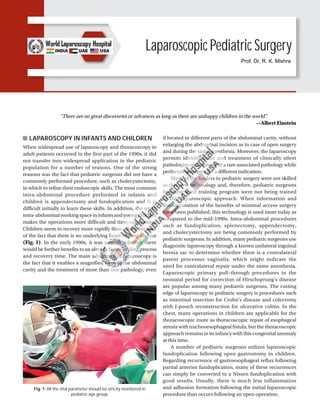
(Fig. 1). In the early 1990s, it was unclear whether there
would be further benefits to an already faster healing process
and recovery time. The main advantage of laparoscopy is
the fact that it enables a magnified view of the abdominal
cavity and the treatment of more than one pathology, even
if located in different parts of the abdominal cavity, without
enlarging the abdominal incision as in case of open surgery
and during the same anesthesia. Moreover, the laparoscopy
permits identification and treatment of clinically silent
pathologies or discovery of a rare associated pathology while
performing surgery for a different indication.
Many of the leaders in pediatric surgery were not skilled
in this new technology and, therefore, pediatric surgeons
finishing their training program were not being trained
in this laparoscopic approach. When information and
documentation of the benefits of minimal access surgery
have been published, this technology is used more today as
compared to the mid-1990s. Intra-abdominal procedures
such as fundoplication, splenectomy, appendectomy,
and cholecystectomy are being commonly performed by
pediatric surgeons. In addition, many pediatric surgeons use
diagnostic laparoscopy through a known unilateral inguinal
hernia sac to determine whether there is a contralateral
patent processus vaginalis, which might indicate the
need for contralateral repair under the same anesthesia.
Laparoscopic primary pull-through procedures in the
neonatal period for correction of Hirschsprung’s disease
are popular among many pediatric surgeons. The cutting
edge of laparoscopy in pediatric surgery is procedures such
as intestinal resection for Crohn’s disease and colectomy
with J-pouch reconstruction for ulcerative colitis. In the
chest, many operations in children are applicable for the
thoracoscopic route as thoracoscopic repair of esophageal
atresia with tracheoesophageal fistula, but the thoracoscopic
approach remains in its infancy with this congenital anomaly
at this time.
A number of pediatric surgeons utilizes laparoscopic
fundoplication following open gastrostomy in children.
Regarding recurrence of gastroesophageal reflux following
partial anterior fundoplication, many of these recurrences
can simply be converted to a Nissen fundoplication with
good results. Usually, there is much less inflammation
and adhesion formation following the initial laparoscopic
procedure than occurs following an open operation.
“There are no great discoveries or advances as long as there are unhappy children in the world”
.
—Albert Einstein
Fig. 1: All the vital parameter should be strictly monitored in
pediatric age group.
Prof. Dr. R. K. Mishra
520 SECTION 5: Pediatric Laparoscopy
Laparoscopic Appendectomy in Children
Below the age of 1 year, the port for the telescope is inserted
through the abdominal wall 1 cm to the left of the umbilicus.
In small children, the umbilical ring is too loose to keep the
trocar airtight. In older children, the umbilicus is chosen
for the telescopic port. Before advancing the trocar, a skin
incision is made slightly smaller than the trocar in order
to secure gastight skin closure around the trocar shaft. Too
small incision is risky because it results in too forceful trocar
insertion. A Veress needle is inserted and carbon dioxide
(CO2) is insufflated up to an intra-abdominal pressure of
12 mm Hg. The smaller the child, the slow the insufflation flow
rate should be. With practice, the pressure can be estimated
by palpating the abdomen. Insufflation and pressure control
are executed through valves at the trocars. A second and
third trocar is inserted in the right lower hypochondria and
left iliac fossa according to baseball diamond concept. Its
site is chosen by pressing the abdominal wall from outside.
In pediatric age, the surgeon should try to stay lateral to the
umbilical ligaments. Trocars may get caught in a ligament
and may, therefore, be difficult to advance. The right trocar is
used for the grasper forceps and also to take in the appendix
for later removal. In children up to 8–10 years, the appendix
will usually fit a 7.5-mm trocar. If the child is over 10 years,
a 10-mm port suffices. A 5-mm trocar in the left lower
abdomen will provide access for the cautery, scissors, and
a second forceps. Expiratory capnography is mandatory
for the anesthesiologist in all children. They are prepared
to ventilate with decreased residual functional capacities,
decreased tidal volumes, and increased frequencies during
laparoscopy.
Urinary catheters and nasogastric tubes or drainages
were never used. The fascia was approximated with a
single absorbable suture. The appendix stump was simply
ligated with a Roeder’s or Meltzer’s knot just like adult
patient. No purse string or Z suture is required. In the
beginning, laparoscopy took considerably longer than an
open approach (up to 90 minutes vs. 25 minutes). Practice
decreased the time consumed, which is now nearly identical
to that required for open procedures (25 minutes).
Other Causes of Pain in Abdomen in
Pediatric Age Group
Hydatids can easily be exposed and removed laparo-
scopically. We have seen a few cases in pediatric group that
mimicked acute appendicitis. The ovaries can be trapped
within dense adhesions; sometimes, other additional signs
of previous inflammatory processes are demonstrated as
well. Such adhesions can be transected laparoscopically,
although we are not sure it is worth the trouble. A Meckel’s
diverticulum can be identified and removed by laparoscopy.
Congenital and acquired adhesions and ligaments are also
found frequently in children. New aspects may be added
to clinical symptoms. Laparoscopy can be used in children
with incidentally discovered inguinal hernia.
Laparoscopic Cholecystectomy in Children
Laparoscopic cholecystectomy is the procedure of choice
for the treatment of adults with gallbladder stone disease.
However, cholelithiasis is rare in children; for this reason, it
is difficult to evaluate the validity of this procedure in a large
case series of pediatric patients. The presence of gallbladder
stones is generally idiopathic in children and their discovery
is sometimes incidental during a sonographic examination
performed to search for other abdominal pathologies.
However, there are well-known predisposing factors to the
developing gallbladder stones in children. Among infants
affected by hemolytic disease such as hemolytic anemia,
for instance, the incidence of gallbladder stones is much
higher than the normal population. Its reported incidence
ranges from 10 to 40% in various series. The management
of children with cholelithiasis requires great caution; an
accurate hematological study is always necessary to detect
a possible underlying hematological disease. In cases of
gallstones discovered incidentally, an accurate follow-up is
suggested, since a spontaneous resolution of the pathology
is possible. Generally, noncalcified gallbladder stones in
children disappear within 3–6 months. By contrast, surgery
is needed for calcified stones in both nonsymptomatic
and symptomatic children. Laparoscopic cholecystectomy
rather than open cholecystectomy is the procedure of choice
in symptomatic infants. Laparoscopy in infants should
be performed using very small instruments (3 or 5 mm
in diameter). Technically, this approach is similar to the
one employed for adults, although careful consideration
of a child’s anatomical difference is essential to avoid
complications. It is important to keep in mind that in
pediatric patients, there may be biliary tree anomalies such
as gallbladder duplication, ductal abnormalities, accessory
bile duct, or accessory cystic artery. These findings do not
represent a contraindication to the laparoscopic procedure,
if the surgeon is able to perform a delicate and accurate
dissection of the elements at the level of Calot’s triangle. Bile
duct injuries, which are often reported in adults, are very rare
in children and may be due to more clear anatomy and less
fat. The junction between the cystic duct and the common
bile duct is much more visible in children due to the scarcity
of fatty tissue and adhesions at the level of Calot’s triangle at
this age. This improved visualization makes the dissection
of the cystic duct easier and less dangerous than in adult
patients.Thepresenceofcommonbileductstonesinchildren
is an extremely rare event in the pediatric population. At any
rate, the presence of jaundice, dilatation of the biliary tree at
ultrasonography, alkaline phosphatase and total bilirubin
above the normal range by >5 mg/dL, and/or a history of
pancreatitis are indications for a cholangiography or an
521
CHAPTER 42: Laparoscopic Pediatric Surgery
endoscopic retrograde cholangiopancreatography (ERCP).
In addition, we believe that intraoperative cholangiograms
can also be performed in infants.
With respect to the ERCP, the sequential approach of
endoscopic sphincterotomy and stone extraction followed
by laparoscopic cholecystectomy is a safe and effective
method in children as well as in adults. One important
advantage is that laparoscopic cholecystectomy in children
can be associated, if necessary, with other technical
procedures such as the closure of a peritoneal vaginal duct in
cases of inguinal hernia; thus, a second operation or another
incision can be avoided. However, if another procedure
is required, laparoscopic expertise on the part of the
surgeon is fundamental to avoid additional morbidity. We
performed a concomitant splenectomy in infants affected
by spherocytosis and one with thalassemia. Based on our
experience, laparoscopic cholecystectomy is as valid and
effective procedure in pediatric patients as it is in adults. In
children, it is important to perform a complete preoperative
evaluation to search for the possible coexistence of
hematological disease.
Laparoscopic Splenectomy in Children
The preliminary results and the retrospective comparison
help to establish the safety and efficacy of laparoscopic
splenectomy in children. Although the peritoneal cavities
of the children are limited, there are no special risks in the
pediatric patients. As many splenectomies are now being
performed for cytopenic/anemic disease in children,
pediatric patients requiring splenectomy may benefit from
this minimally access approach. Decreased postoperative
pain and recovery time are anticipated in these patients,
just as for thousands of patients undergoing laparoscopic
splenectomy.
Absolute contraindications to laparoscopic splenectomy
include contraindications to general anesthesia. Extensive
inflammation and adhesions in the left upper quadrant
may be a relative contraindication because of the increased
possibilityofhemorrhage.Significantsplenomegalymayalso
be a relative contraindication caused by increased difficulty
of dissection and the need for more complex extraction
procedures. A large spleen compared to small abdomen is
a problem in pediatric laparoscopic splenectomy. Especially
in patients with HS, the spleen size is usually large.
Bleeding tendency is a contraindication to laparoscopic
procedures. Many patients requiring splenectomy are
coagulopathic from thrombocytopenia or qualitative
platelet dysfunction. Preoperative use of intravenous
immunoglobulin G (IgG) should be considered for the
patients with idiopathic thrombocytopenic purpura (ITP).
TheresponsetoIgGisgenerallyasefficaciousastheresponse
to steroids with the added advantage of fewer associated side
effects.
The surge on performing splenectomy must be cognizant
of this fact and have a low threshold for conversion to an
open procedure in the event of a hemorrhage that is not
easily visualized or controlled through the operating ports.
As laparoscopic splenectomy is an advanced technique,
we recommend that anyone attempting the procedure be
fully experienced in laparoscopic surgical techniques and
instrumentation. Understanding the limitations of minimal
accesssurgery,inadditiontopossessingtheabilitytoconvert
to the open procedure to assure safe splenectomy and
patient safety, is also important. Laparoscopic splenectomy
may prove at least as safe as the open approach, if performed
by experienced surgeons.
The disadvantage is increased operative time. However,
this may diminish with experience and introduction of
the Endo Catch II. With more experience and advances in
technology, laparoscopic splenectomy may become easier
and surgeon may be able to reduce their operative time
and anesthetic risks. Several other aspects of the operative
technique developed in pediatric patients deserve emphasis.
Early mobilization of the spleen significantly increases the
difficulty of exposing the hilum. The splenic artery and vein
are individually clipped and divided and a linear stapler is
not necessary in pediatric patients. As superior branches
of the short gastric vessels are difficult to clip at the early
phase of procedure, those branches should be left and
divided at the end. Accessory spleen should be searched in
patients with hematologic disease requiring splenectomy
for hypersplenism. Although these may occur within the
attaching ligaments of the spleen and in the mesentery and
omentum, they most frequently occur in the hilum along
the splenic vessels. Four accessory spleens were found
in our series and they were successfully removed under
laparoscopic guidance. The magnified view afforded during
laparoscopy can allow for easier identification of accessory
spleens, especially in the hilar region. The inability to
identify accessory spleens by palpation is one limitation of
laparoscopic surgery.
Thorough evaluation for accessory splenic tissue is
essential intraoperatively. Traditional splenectomy, per-
formed through a midline or subcostal incision, is associated
with a number of complications, including hemorrhage,
atelectasis, pneumonia, ileus, subdiaphragmatic abscess,
and incisional hernias. These may prolong the hospital stay
and convalescence.
Because the small incisions of laparoscopic surgery
are less painful than upper abdominal incisions, patients
use fewer narcotics, have fewer respiratory complications,
and have improved return of pulmonary function. Patients
treated laparoscopic splenectomy ambulated the same
day and a decrease in postoperative hospital stay was seen
compared to those who underwent open surgery. Most of
the patients returned to unrestricted activities within 1 week
after being discharged.
522 SECTION 5: Pediatric Laparoscopy
LAPAROSCOPIC REPAIR OF
PEDIATRIC HERNIA
The first use of laparoscopy in cases of inguinal hernia in
children was for diagnosis. Laparoscopic or transinguinal
laparoscopic evaluation for a contralateral patent vaginalis
process has been previously reported as a means of
avoiding metachronous hernias. In these cases, the internal
examination has been performed by laparoscopic technique,
placing the optical trocar through the umbilicus. The main
problem is to decide whether or not to treat the contralateral
hernia sac immediately. Is the contralateral vaginalis process
wide and deep enough to be responsible in the short term for
a metachronous contralateral hernia?
During laparoscopy for inguinal hernia repair, surgeon
often encounters an unexpected bilateral hernia. This
situation underscores the importance of laparoscopy as
a means of improving the diagnosis of bilateral hernias.
Femoral hernias are often misdiagnosed and treated as
inguinal hernias. Thus, laparoscopic groin exploration
is valuable means of evaluating children with presumed
recurrent inguinal hernias. Less than 1% of all groin masses
seen in children are due to femoral hernias. Because these
hernias are so uncommon, they are often overlooked,
misdiagnosed, or even treated as inguinal hernias. In fact,
the correct diagnosis of femoral hernia is often made at
the time of groin re-exploration for a presumed recurrent
inguinal hernia. The laparoscopic approach may offer
better diagnostic ability than conventional open exploration
because all potential hernial defects in both groins can be
examined under direct laparoscopic vision. Furthermore,
unilateral or simultaneous bilateral tension-free repair can
be done using the laparoscopic technique. Laparoscopy is
helpful to diagnose a femoral hernia. It enables an accurate
identification of the nature of the groin defect. However,
the technical details of laparoscopic femoral hernia repair
are still under discussion, even in adult series. The role of
laparoscopy in the management of suspected recurrent
pediatric hernias has been described. For patients with
a patent processus vaginalis, laparoscopy is efficient for
diagnosis and treatment.
Which laparoscopic procedure is most efficient in
pediatric surgery cases?
	
■ Ligature alone of the hernia sac without dividing the
peritoneum. It has a high recurrence rate; this may due
to the use of absorbable sutures or to the continuity of
the peritoneum, which is left intact. Furthermore, the
risk of injury to the vas deferens or the vessels from the
needle running under the peritoneum without previous
dissection seems to be high.
	
■ Performing the procedure without ligature of the hernia
sac, while only dividing the peritoneum on the site of the
inner inguinal ring, seems to be enough to avoid early
complications and to achieve a low recurrence rate. But,
it may lead to intraperitoneal adhesions.
	
■ To avoid such adhesions, many surgeons operate the
patent processus vaginalis just like open surgery. The
vaginalis process is divided by separating the sac, which
remains in the scrotal pouch or in the labia majora
and the peritoneum at the internal inguinal ring. This
procedure does not require opening of the inguinal canal.
Dissection of the vas deferens and spermatic vessels is
done at the level of the internal inguinal ring, where these
elements are more easy to spare from the peritoneum,
whereas more adhesions may be encountered in the
inguinal canal. The peritoneum is ligated. At the end
of the procedure, one should pay close attention to the
testis position, so as to avoid a secondary occurrence at
an ectopic site. Pain and discomfort resolve very quickly.
Laparoscopic herniorrhaphy in children is gaining
increasing acceptance in pediatric surgery. The essential
step in the conventional method for inguinal hernia repair
in children is the simple ligation of the hernial sac without
narrowingtheopenring(Figs.2AtoC).Theinternalinguinal
ring is reached by opening the inguinal canal and dissecting
Figs. 2A to C: Purse-string suture for pediatric inguinal hernia repair.
A B C
523
CHAPTER 42: Laparoscopic Pediatric Surgery
Fig. 3: Port position for pediatric appendicectomy.
Figs. 4A and B: Needle should be introduced percutaneous in pediatric age group.
the hernial sac from the cord structures. Postoperatively,
the major damage from which the patient has to recover is
not the ligature of the hernial sac, but the trauma of access
itself. Therefore, the clinical goal is to leave the abdominal
wall as intact as possible. Laparoscopy is most appropriate
for this purpose to gain access to the abdominal cavity in
order to close the inner inguinal ring from within.
The laparoscopic repair of pediatric hernia requires
2 mm instruments; the use of larger instruments would
lead to an increase in the size of the incision that would
make it equivalent to a conventional groin incision
(Fig. 3). Bilateral inguinal hernias, as well as indirect
and direct hernias, are of no concern in laparoscopic
herniorrhaphy. There is no difference between the access
and treatment for unilateral and bilateral laparoscopic
hernia repair and the laparoscopic repair of a direct hernia.
Needle for intracorporeal suturing is introduced through
abdominal wall in case of pediatric patient (Figs. 4A
and B).
Becauseitremainsunclearwhetherasmallopenprocessus
vaginalis develops subsequently into a hernia, we choose
to close open inner inguinal rings down to a 2-mm width
whether they are unilateral or bilateral. In many of patients,
the contralateral side was found to be open as well; by closing
these openings, it is assumed to exclude the possibility that
hernias would occur.
The recurrence rate of inguinal hernias in children is
slightly higher with laparoscopic herniorrhaphy than with
the conventional technique. In patients with recurrences
after laparoscopic herniorrhaphy, the surgeon has an
undisturbed anatomy for groin incision; the risk of an injury
to the vas deferens, subsequent testicular atrophy, and the
risk of superior displacement of the testicle seem less likely.
In cases of hernia recurrence after conventional hernia repair,
laparoscopy allows us to clearly differentiate an indirect
hernia from a direct one. Direct inguinal hernias in children
are not that rare. The cosmetic results are excellent. Once
the technique of intracorporeal suturing in a limited space is
mastered, laparoscopic herniorrhaphy is safe, reproducible,
and technically easy for experienced laparoscopists. If there
is any uncertainty about the contralateral side, whether it is
a direct or an indirect hernia, and in cases of inguinal hernia
recurrence, the laparoscopic procedure is highly preferable
as a primary technique that combines diagnosis and the
potential for immediate treatment.
Laparoscopic Pediatric Fundoplication
Gastroesophageal fundoplication currently is one of the three
most common major operations performed on infants and
childrenbypediatricsurgeons.Withtheadventoflaparoscopic
surgery, the number of gastroesophageal fundoplications has
virtually exploded. Morbidity always was substantial with this
operation and laparoscopy has not changed this.
In recent years, laparoscopic Nissen fundoplication
has been performed with increasing frequency in pediatric
A B
524 SECTION 5: Pediatric Laparoscopy
patients with symptomatic gastroesophageal reflux disease
(GER) because it causes minimal trauma to the abdominal
wall and supposedly eases patient recovery. Initial
experience demonstrates that Nissen fundoplication can be
accomplished successfully and safely using the laparoscopic
approach in very small babies suffering from severe GER.
Infants and children who are candidates for antireflux
procedure differ in many aspects from the adult population.
In adults, GER is typically associated with hiatal hernia and
is usually unrelated to any other abnormality. In children, on
the other hand, there is usually no hiatal hernia, but clinically
significant GER is often associated with neurological
impairment, metabolic abnormality, or some other severe
underlying disease. Therefore, even after successful surgical
resolution of GER, these babies often remain very sick due to
their primary disease.
Many children undergoing antireflux operation are at
increased risk because of chronic parenchymal lung damage
due to recurrent episodes of pneumonia and because they
are often severely malnourished. Operative risk is especially
high in children with familial dysautonomia. Concomitant
impairment of gastrointestinal motility is also unique to
the pediatric population. In particular, impairment of the
swallowingmechanismanddelayedgastricemptyingshould
be taken into account by the surgeon. Hence, when the
swallowing mechanism is impaired, gastrostomy should be
constructed for postoperative feeding or fluid administration
to prevent persistent aspirations. Likewise, the surgeon
should consider pyloroplasty when there is preoperative
evidenceofdelayedgastricemptying.Inthiscase,itisusually
preferable to do an open procedure, although a pyloroplasty
can be accomplished through a small laparotomy incision
at the end of the laparoscopic procedure. There are several
technical concerns in laparoscopic Nissen fundoplication
that are unique to infants and small children. Because the
operating space is very small, it is necessary to use especially
designed short instruments and to handle them with great
care. To prevent dislocation, the trocars need to be secured
to the skin by stitches.
The pneumoperitoneum should be maintained at
pressure as low as 10 mm Hg. Elevation of pressure may
cause difficulty in ventilation, with resultant hypercarbia.
It is sometimes necessary even in pediatric age group to
increase the pneumoperitoneum pressure temporarily,
for example, during suturing, and to immediately deflate
the abdomen, if expiratory CO2 increases or any difficulty
in ventilation is encountered. At the same time, the
minimal fat around the esophagus in these small babies
and the absence of hiatus hernia make the definition of
the dissection planes clearer. Thus, the dissection itself,
including mobilization of the esophagus, identification of
the vagus nerves, and construction of the fundic wrap, are
easier in small children than in adults. Furthermore, it is
usually unnecessary to divide the short gastric vessels to
achieve a tension-free wrap. Small children who need an
antireflux operation often suffer from chronic lung disease,
which makes them especially susceptible to postoperative
lung complications. The laparoscopic approach seems to
minimize these complications. The minimal trauma to
the upper abdominal wall in this approach results in less
impairment of respiration and, thus, minimizes the need
for narcotics and sedatives postoperatively in pediatric
patients. Recent reports suggested that recovery was
smoother following laparoscopic antireflux operations than
after open procedures, with comparable short-term results.
Laparoscopic Nissen fundoplication is feasible and safe in
very small children and infants and that it appears to offer
some advantages over the standard open technique.
LAPAROSCOPIC PEDIATRIC UROLOGY
The major advances in laparoscopic urologic surgery
began with pediatric applications. Laparoscopy has raised
great interest in the past few years in the field of pediatric
urology. It has evolved from a simple diagnostic maneuver
to complex operative procedures. With respect to current
indication for laparoscopy in pediatric urology, several
well-established clinical procedures such as treatment of
varicocele and nonpalpable testis, the current data suggest
that laparoscopic surgery is a safe and feasible technique in
pediatric urology, if performed by expert surgeons, and that
it certainly will develop further in the next few years.
The first laparoscopic urologic applications were in
the localization of an impalpable undescended testicle.
This technique became the definitive diagnostic and first
operativestepinmanagementofthiscondition.Laparoscopy
offered a 97% chance of finding a testicle or proving its
absence. Recent advances in endoscopic and accessory
instrumentation have allowed the urologist to expand the
role of laparoscopy in the pediatric population. In some
respects, children may be better suited for laparoscopic
procedures than adults because of their decreased intra-
abdominal and retroperitoneal fat.
The main problem in pediatric laparoscopic urology is
the choice of the most suitable way to reach the urinary tract.
Until a few years ago, the transperitoneal route was the only
route to the kidney and the urinary tract. In general, surgeons
prefer the transperitoneal approach at the beginning of their
experience in pediatric laparoscopic urology because of the
well-known and wide peritoneal chamber. Usually, four to
five ports are necessary and, after the colic angle is detached
and Toldt’s fascia is opened, the kidney and upper urinary
tract are easily identifiable. The lower urinary tract, the testis,
and the spermatic vessels also can be treated using this
approach. Retroperitoneoscopy, also called lumboscopy,
follows all the criteria of open renal surgery, respecting the
integrity of the peritoneal cavity.
525
CHAPTER 42: Laparoscopic Pediatric Surgery
Currently, laparoscopy has been used in pediatric
urology for:
	
■ Localization and evaluation of impalpable undescended
testicles
	
■ Gonadal examination and biopsy in patients with
intersex disorders
	
■ Orchiectomy for undescended testicles
	
■ Diagnosis and treatment of pediatric inguinal hernias
	
■ Staged orchiopexy
	
■ Spermatic vein ligation in patients with a varicocele
	
■ Retarded testicular growth
	
■ Nephrectomy
	
■ Nephroureterectomy
	
■ Pyeloplasty.
There are several important factors to consider when
operating in the pediatric patient. First, there is a relatively
short distance between the anterior abdominal wall and
the great vessels. Thus, the margin for error in pediatric
laparoscopy is inversely proportional to the age and size
of the patient. Trocars and needles must not be passed too
deeply to avoid vascular injury. Also, the child has a thinner
abdominal fascia requiring less pressure to introduce the
Veress needle and trocars into the abdomen. In addition
to this, the pelvic anatomy differs in infants and young
children. A large portion of the bladder is located outside the
bony pelvis. Prompt decompression of the bladder with a
catheter before a Veress needle is essential to avoid a bladder
perforation. Also, much less CO2 gas is required in the child,
as the peritoneal cavity is small compared to that of an adult.
Children’s dimensions are well suited to laparoscopy.
Landmarks are readily identifiable and palpable. For
example,thebifurcationofthegreatvesselaswellasthesacral
promontory is usually easily felt. In addition, abdominal or
pelvic masses are easily detected in most children.
LAPAROSCOPY FOR THE IMPALPABLE
UNDESCENDED TESTICLE OR INTERSEX
EVALUATION
Cryptorchidism is the most common disorder of male
sexual differentiation, affecting 0.8% of infants at 1 year
of age, 3% of full-term newborns, and 21% of premature
babies. Approximately, 20% of undescended testicles are
nonpalpable, either in the scrotum or in the inguinal area,
and in 20–50% of children with nonpalpable testis, the testis
is absent. Early investigation and treatment of nonpalpable
testis are essential to decrease the incidence of infertility
and to allow adequate follow-up for possible testicular
malignancies.
Diagnostic laparoscopy is indicated for patients with
nonpalpable testis or an intersex problem. After a thorough
physical examination has been accomplished, laparoscopy
may be used and has a direct impact on any subsequent
surgical procedure. For example, if the testis is absent and
blind-ending vessels are seen, an open exploration can be
avoided. If, however, a testicle is present, the precise location
with laparoscopy determines the optimal incision for any
open procedure. If an orchiopexy is considered, the first
part of a Fowler–Stephens procedure may be performed
laparoscopically. This results in minimal manipulation of
the testicle. Furthermore, if the testicle is dysplastic, it may
be removed laparoscopically.
A testicle that cannot be located and palpated on careful
physical examination of the inguinal or scrotal areas is
defined as nonpalpable. In such a case, intra-abdominal
location, true agenesis, the “vanishing testis”
, hypoplasia,
and ascent of a canalicular testicle on examination are all
possibilities that have to be investigated.
Abdominal inspection starts with assessment of the
insertion site to evaluate the safety of using a 5-mm port
and continues with evaluation of the spermatic vessels
and vas deferens on the normal side. Only the affected
side is assessed and the spermatic vessels and vas deferens
are followed to the internal inguinal ring. When both the
spermatic vessels and the vas deferens meet and enter the
internal inguinal ring, the intervention is concluded. If a
small intra-abdominal testis is observed, two additional
trocars are inserted in the two sides of the lower abdomen
and laparoscopic orchiectomy is performed after clipping
of the spermatic vessels and the vas deferens. When an
apparently normal testis is observed inside the abdomen,
the spermatic vessels are clipped as high as possible from
the testicle, in order to avoid inadvertent production of
ischemia. In this way, the first stage of the Fowler–Stephens
procedure is accomplished. In the second stage, performed
6 months later, the laparoscope is inserted as in the first stage.
When an atrophic testis is found, laparoscopic orchiectomy
is performed, as described before. When a normal-sized
intra-abdominal testicle is observed, laparoscopic-guided
orchiopexy follows, without difficulty. In this way, fruitless
inguinal explorations are avoided.
Laparoscopy has gradually become the gold standard
for the diagnosis and proper treatment of the nonpalpable
testis in children. At diagnosis, laparoscopy allows precise
locationofanundescendedtesticleandistheonlydiagnostic
modality capable of establishing the definitive diagnosis of
testicular absence. Laparoscopy precisely defines the intra-
abdominal anatomy with an accuracy rate of 99%.
Complications following laparoscopy for diagnosis
and treatment of intra-abdominal testicles are infrequent.
Preperitoneal insufflation is undoubtedly the most common
and may be as high as 5%. More serious complications,
including intestinal or vascular injuries as well as injuries
to the urinary bladder and ureter, have been reported but
are rare. They may be reduced or avoided by the “open”
introduction of a Hasson blunt trocar, thus avoiding blind
puncture with a Veress needle.
526 SECTION 5: Pediatric Laparoscopy
Operative Technique
After placement of the Veress needle into the abdominal
cavity, insufflation is begun. During insufflation, the
intra-abdominal pressure should rise slowly at a rate of
0.5 L/min in pediatric patient and the abdomen of the child
should become diffusely tympanic. Most children require
CO2 volumes between 0.5 and 2.0 L. Following proper
insufflation, the Veress needle is removed and trocars are
placed. When placing trocars, it is important not to advance
these too deeply in the abdomen in order to avoid injury
to the underlying bowel and vascular structures. After
placement of the umbilical 10 mm trocar, the laparoscope
is introduced into the abdominal cavity. Actual pressure of
10 mm Hg suffices for diagnostic procedures. For more
complex procedures, pressure of 12–15 mm Hg is desirable
and allows for better maintenance of an adequate
pneumoperitoneum.
The abdomen is inspected in the midline between the
obliterated umbilical arteries in the urachus. On the pelvic
sidewall, the spermatic vessels may be seen coursing toward
the internal inguinal ring. If a testicle is palpable in the
scrotum,thevasdeferensonthatsideisusuallyquiteobvious
as it travels through the inguinal ring to the retrovesical
recess. In most children, the external iliac vessels are easily
seen as there is minimal extraperitoneal pelvic fat. The cord
structures may be further identified by placing slight traction
on the spermatic cord and pulling down on the descended
testicle. This will cause a dimpling of the peritoneum and
the spermatic vessels are easily seen near the internal ring.
In direct hernias and patent processus vaginalis, it may also
be noted.
After inspecting the side of the normal testicle, attention
is focused on the side with the undescended, impalpable
gonad. If a patent processus vaginalis is noted, gonads or
remnants may be present distally. However, absence of a
patent processus vaginalis does not eliminate the possibility
of a gonadal remnant in the inguinal area. If the cord
structures are seen extending through the inguinal ring with
a patent processus vaginalis, the testicle may not be visible
initially. Gentle pressure on the external canal will push a
canalicular testicle back through the internal ring. Although
canalicular testes may be managed with a standard, open
inguinal orchidopexy, the benefit of laparoscopy in these
cases is to assess cord length and testicular mobility. This
will have a direct impact on the planned surgical approach.
During diagnostic laparoscopy, an atraumatic grasper
may be placed under direct vision to allow manipulation
of bowel loops. In most cases, only two ports are needed.
If the testicular absence is suspected, the inspection is
accomplished by direct observation of blind-ending
spermatic vessels. Often, the vas deferens may end blindly
at the same site or nearby, but it is the determination of the
spermatic vessels that is pathognomonic for a nonexistent
gonad. In those patients with a blind-ending vas deferens, it
is important that inspection can be carried as high up along
the sidewall toward the lower pole of the kidney as possible.
If blind-ending vessels are not seen, close observation of this
area is necessary. Laparoscopic inspection of the lower pole
of the kidney suffices to rule out rare, high-placed gonads.
Inspection of the abdominal cavity is not necessary in these
patients whose spermatic vessels are blind ending, in order
to declare testicular absence.
In patients with an intersex condition, biopsy should
be taken from dysplastic gonad or it may be removed. A
biopsy may be accomplished with a biopsy needle passed
directly into the abdomen under laparoscopic control. If
an orchiectomy is to be performed, the dysplastic gonad is
isolated. The spermatic vessels are identified and clipped.
The vessels are then cut and the stump inspected to insure
adequate hemostasis. If a testicle is seen, it may be brought
down into the scrotum with a Fowler–Stephens procedure.
When performing a Fowler–Stephens procedure, the
technique is similar to removing a testicle. Once the testicle
is clearly identified, the dissection is limited to the cephalad
surface of the testicle to identify the spermatic artery.
This dissection will not disturb the vessels of the vas
deferens, which will form the major blood supply of the
testicle. Initially, the spermatic artery is identified and
a window is created around the vessel. A clip applier is
placed through a 10-mm trocar site that has access to the
spermatic artery. Two clips are placed proximal and two
clips are placed distally on the artery. The artery is then cut
with scissors. In some circumstances, electrocautery may
be used to coagulate the spermatic artery before the vessel
is cut. This maneuver is the first step of a Fowler–Stephens
procedure and can be accomplished with minimal amount
of interabdominal dissection. During next stage of surgery,
the testicle is brought down into the scrotum on its enhanced
blood supply. This two-stage procedure has been successful
not only in patients with long vasal loops but also in patients
with high abdominal testis and short vas deferens.
In some patients, an impalpable testicle may be proximal
totheinternalringinsuchawaythatitsvesselsallowadequate
mobilization. In these instances, a single-stage orchidopexy
may be performed. This is done laparoscopically using three
ports. Two 5 mm ports are placed in a lateral position and
one 10 mm trocar is placed in the midline. A peritoneal
incision lateral to the spermatic cord is made. The spermatic
cord is rolled medially and elevated from the retroperitoneal
tissues. The gubernaculum is opened adjacent to the
patent processus vaginalis. The anterior peritoneum of the
gubernaculum is then opened laterally. If a loop of the vas
deferens is identified, it is reflected in the cephalad direction.
The testicle is grasped and the gubernacular attachments are
cauterized and divided. The vas deferens is then mobilized
by opening the peritoneum medially. With adequate
dissection, the testicle will be able to be moved around the
pelvis.
527
CHAPTER 42: Laparoscopic Pediatric Surgery
A small transverse skin incision is created at the base of
the hemiscrotum and carried down through dartos fascia.
A subcutaneous pouch is created and the testicle is pulled
down into the pouch. A small clamp is passed through the
canal that has been developed into the peritoneal cavity.
The gubernacular reflections of the lower pole of the testis
can then be grasped and the testicle brought down the
hemiscrotum without tension. The testicle is secured in
the dartos pouch and the skin incision is closed. The Foley
catheter and nasogastric tube may be removed in the
operating room. Patients are usually given oral antibiotics
for 24 hours and discharged from the hospital on the same
day. Diets are advanced as tolerated.
Laparoscopy now constitutes the reference technique
for the diagnosis and treatment of the nonpalpable testis.
It is a simple procedure, allowing a definitive diagnosis and
two-stage relocation without increasing the risk of testicular
atrophy. Diagnostic laparoscopy also identifies the specific
location of the intra-abdominal testicle, facilitating the
developmentofanoptimalsurgicalstrategy.Thegoodresults
reported in most series have established the laparoscopic
management of the nonpalpable testis as “state-of-the-art,”
with results superior to those achieved with open surgical
techniques regarding morbidity, complication rate, and
length of hospital stay.
OTHER LAPAROSCOPIC PEDIATRIC
UROLOGICAL PROCEDURES
Many other pediatric conditions may be treated using
the laparoscopy. If nephrectomy in the pediatric patient
is planned, a retroperitoneal approach may have a
distinct advantage in certain older children. Laparoscopic
pyeloplasty for ureteropelvic junction obstruction has also
been performed with very encouraging result. Bladder
autoaugmentation, another innovative procedure, is
performed by incising the detrusor muscle to increase
the capacity of the bladder. Other laparoscopic pediatric
procedures such as hernia repairs and partial nephrectomy
also have been performed. In pediatric laparoscopy, the
greatest risk of complications occurs at the time of access.
Some surgeons have eliminated this risk by using the Hasson
trocar technique rather than the Veress needle technique.
In children, the peritoneal space is small and the surgeon
should be familiar with working in a smaller environment.
The safety of pediatric laparoscopy is well established and
more and more pediatric surgeons are nowadays switching
over to laparoscopy.
Laparoscopic Pediatric Nephrectomy
It is, perhaps, the most popular urologic indication for the
laparoscopic procedure. The first cases reported in the inter-
national literature were managed using the transperitoneal
approach, but the subsequent reports of nephrectomy in
children were based on retroperitoneoscopy. In children,
the indications denote exclusively benign diseases such
as multicystic or dysplastic kidneys causing renal hyper-
tension, nonfunctioning kidneys associated with reflux
nephropathy or obstructive uropathy, xanthogranulomatous
pyelonephritis, protein-losing nephropathy, and occas-
ionally, nephrolithiasis or nephropathy causing
uncontrollable hypertension. The relative contraindications
are malignant renal tumors, previous intra-abdominal or
retroperitoneal surgery, renal trauma attributable to poor
endoscopic vision into the perinephric hematoma, severe
cardiopulmonary disease or severe coagulopathy, and
morbid obesity with a high- positioned kidney attributable
to difficult renal access retroperitoneally.
In cases of vesicoureteral reflux associated with a grossly
refluxing megaureter, the ureter must be sectioned near the
ureterovesical junction at the level of the bladder whereas
in the absence of a grossly refluxing megaureter, the ureter
can be divided either by electrocautery or between ligatures
or clips at a convenient distance from the renal tissue. The
extraction of the kidney can be achieved by using Endobag.
Stone Removal
Retroperitoneoscopic stone removal is another procedure
that presents several advantages for children. The
indications are large stones entrapped at the level of the
pelvis unresponsive to medical treatment. Three ports
are generally necessary, one for the telescope, two for the
working instruments, and sometimes a fourth trocar for a
retractor to lift the renal parenchyma. The first step of the
operation is to place an uretheral probe first via cystoscopy
and then lumboscopy. The pelvis then is opened with
scissors, after which the stone extracted and removed with
an Endobag.
Renal Biopsy
Renal biopsy can be performed with only one trocar, using
a 10-mm operative telescope with an operative channel to
introduce the biopsy instrument; if necessary, another 5 mm
port can be introduced.
Adrenalectomy
Resection of the adrenal glands can be performed
laparoscopically or via retroperitoneoscopy. It has various
advantages over conventional open surgery. With regard to
tumor size, in cases of adrenal masses <5–6 cm, laparoscopy
or lumboscopy provides an excellent access route. If the
mass is >6 cm, the open approach is preferable. Although
the specific indications will continue to be defined, they
generally include adrenal benign cysts, pheochromocytoma,
adenoma, and aldosteronoma. In the case of neuroblastoma
528 SECTION 5: Pediatric Laparoscopy
or other malignant tumors affecting children, it is preferable
to adopt an open approach. A good knowledge of the adrenal
pathophysiology and surgical anatomy is fundamental to the
success of this procedure. Moreover, it is important to keep in
mindthepotentialbleedingriskduringdissection,especially
on the right side, where the dissection may be more difficult
because of the short adrenal vein and proximity of the vena
cava.
Dismembered Pyeloplasty
Open pyeloplasty has been widely accepted as the surgical
treatment of choice for pyeloureteral junction obstruction
in children. The success rate for this procedure exceeds
90%. With the rapid advent of minimally access surgical
techniques, laparoscopic dismembered pyeloplasty
through a transperitoneal route has been described for
both adults and children. Although the procedure is
technically demanding and requires advanced laparoscopic
surgical suturing techniques for meticulous pelviureteric
anastomosis, encouraging results projecting success rates
comparable with those achieved through an open approach
have been reported. The first laparoscopic dismembered
pyeloplasty used to treat ureteropelvic junction obstruction
was described in 1992. Since then, other reports have been
published describing the use of either laparoscopy or
lumboscopy.
The first step of the procedure is to identify the
pyeloureteral junction and the planned line of pelvic
reduction. A 4/0 polydioxanone suture over a straight needle
then is passed percutaneously through the abdominal wall
to the upper pole of the renal pelvis and then passed back
through the abdominal wall again at the same point. This
serves as a “hitch stitch” to stabilize and present in the pelvis.
The pyeloureteral junction is dismembered, the pelvis is
trimmed, and the upper ureter is spatulated. Pelviureteric
anastomosis then is performed using continuous 6/0
polydioxanone sutures for infants and younger children
and 5/0 polydioxanone sutures for older patients. A double
pigtail transanastomotic ureteric stent usually is left in situ
for a few weeks postoperatively. Certainly, well-performed
laparoscopy and intracorporeal suturing and knotting are
necessary in the performance of this procedure. Currently,
videosurgical pyeloplasty is performed only in few centers
with extensive experience in pediatric laparoscopic urology.
Bladder Autoaugmentation
Bladderautoaugmentationbyseromyotomyvialaparoscopic
technique has been used in selected cases to treat poor
bladder capacity. This technique is easy to perform using
laparoscopy, but in pediatric urology, an enterocystoplasty
or a gastrocystoplasty generally is preferred for the treatment
of patients with decreased bladder capacity.
Ureteral Reimplantation
The bladder is first drained and then insufflated with CO2
to 10–12 mm Hg pressure. The bladder is anchored to the
anterior abdominal wall with one or two separated stitches
inserted percutaneously under cystoscopic guidance.
Under cystoscopic vision, a camera port is first inserted over
the dome of the bladder. Two other working ports with an
umbrella mechanism then are inserted on either side of
the bladder’s lateral wall over the suprapubic skin crease.
The refluxing ureter is isolated and dissected free as with
the Cohen procedure. The ureteric hiatus is repaired with
interrupted5/0polydioxanonesutures.Afterthecreationofa
submucosalchannel,anureteroneocystostomyis performed
according to the Cohen procedure using separated 6/0
stitches. A urethral catheter is left in situ only for 24 hours
postoperatively.
Excision of Prostatic Utricles
The prostatic utricles, an enlarged diverticulum in the
posterior urethra of males, were first described by Englisch
in 1874.
Although most prostatic utricles are asymptomatic and
do not need any surgical intervention. Some patient manifest
symptoms as a result of infection or enlarged utricles and
have been associated with recurrent urinary tract infections,
stoneformation,disturbedurination,recurrentepididymitis,
infertility, and neoplastic degeneration. Surgical excision
is the recognized treatment of choice. Surgical access
to the prostatic utricle always has been a major hurdle
because it lies deep within the pelvis. The first step in the
operation consists of a cystourethroscopy for cannulation
of the prostatic utricle. The cystoscope is left in situ inside
the prostatic utricle to facilitate subsequent identification
during laparoscopy.
The bladder dome is hitched upward to the anterior
abdominal wall by a 4/0 polydioxanone suture inserted
percutaneously under laparoscopic vision. The peritoneal
reflection is incised using electrocautery, starting
immediately behind the bladder. The prostatic utricle is
easily identified with the guidance of illumination from
the cystoscope. Using a 5-mm ultrasonic scalpel, the
prostatic utricle is completely mobilized and divided at its
confluence with the urethra. The urethral defect is either
closed by intracorporeal suturing using fine vicryl or simply
by coagulation. The excised prostatic utricle is removed
through the supraumbilical camera port.
Complicated Urachal Disease
The urachus is an obliterated fibrous cord extending from
the allantoic duct remnant at the umbilicus to the apex of the
bladder. Traditional surgical management of benign urachal
disease involves the radical excision of all anomalous
529
CHAPTER 42: Laparoscopic Pediatric Surgery
tissue with a cuff of bladder tissue via the open approach.
Some authors advocate the use of such aggressive surgery
only for persistent and recurrent cases. However, there
is the potential for malignant change and a high risk of
recurrent symptoms in conservatively managed cases. The
laparoscopic approach to the complete excision of urachal
abnormalities is performed via a three-port approach. The
cyst is identified and removed with a cuff of bladder dome.
The bladder defect is closed in two layers and the indwelling
urinary catheter is removed after 2 days.
Laparoscopic procedures have evolved greatly in pediatric
urology during the past few years. With time and greater
experience, surgeons began to prefer retroperitoneoscopy
for cases of urologic pathology, despite the major difficulties
associated with the smaller operating chamber. Moreover,
lumboscopy meets all the criteria of open renal surgery,
according to which all urologic interventions are performed
via the retroperitoneal route without transgressing the
abdominal cavity. One main problem with retroperitoneal
approach is that access to the bladder base or the
ureterovesical junction may be difficult in older children.
In addition, the retroperitoneal approach does not allow a
thorough search of the peritoneal cavity for a small dysplastic
and ectopic kidney, nor does it accommodate a complex
ureterocele excision or bladder base reconstruction. To
overcome these problems, a selective approach to the
diseased kidney and ureter depending on the involved
pathology is necessary. The position of the diseased kidney,
thepresenceorabsenceofarefluxingureter,andtheneedfor
ureterocelectomy and bladder base reconstruction are the
main determining factors. Nephrectomy for nonfunctioning
reflux nephropathy kidneys or duplex moiety necessitating
resection of a grossly dilated megaureter, especially in
children older than 5 years preferably is undertaken via a
lateral extraperitoneal approach. Finally, nephrectomy for
small dysplastic kidneys associated with ureteric ectopia
and urinary incontinence as well as complex duplex excision
with extensive ureterocelectomy and lower urinary tract
reconstruction should be performed via a transperitoneal
laparoscopic approach. The possible urologic indications for
laparoscopic surgery can be divided into diagnostic, ablative,
and reconstructive procedures. For cases of nonpalpable
testis, laparoscopy is considered a better diagnostic
examination and operative procedure for an orchidopexy.
With regard to operative laparoscopic urologic procedures,
most well-established clinical indications concern ablative
procedures. To date, laparoscopic nephrectomy seems to be
the procedure most frequently applied in pediatric urology.
The rapid advent of robotic technology will greatly
enhance the dexterity and precision control of surgical
manipulation in a small confined space of pediatric patient.
It may significantly shorten the learning curve for advanced
laparoscopic procedures.
BIBLIOGRAPHY
1. A prospective analysis of 1518 laparoscopic cholecystectomies.
The Southern Surgeons Club. N Engl J Med. 1991;324:1073-8.
2. Allen SR, Lawson L, Garcia V, Inge TH. Attitudes of bariatric
surgeons concerning adolescent bariatric surgery (ABS). Obes
Surg. 2005;15:1192-5.
3. Ancona E, Anselmino M, Zaninotto G, Costantini M, Rossi M,
Bonavina L, et al. Esophageal achalasia: laparoscopic versus
conventional open Heller-Dor operation. Am J Surg. 1995;
170:265-70.
4. Antonoff MB, Kreykes NS, Saltzman DA, Acton RD. American
Academy of Pediatrics Section on Surgery hernia survey revisited.
J Pediatr Surg. 2005;40:1009-14.
5. Apelgren KN, Molnar RG, Kisala JM. Laparoscopic is no better
than open appendectomy. Am Surg.1995;61:240-3.
6. Baker LA, Docimo SG, Surer I, Peters C, Cisek L, Diamond A, et al.
A multi-institutional analysis of laparoscopic orchidopexy. BJU
Int. 2001;87:484-9.
7. Barkun JS, Wexler MJ, Hinchey EJ, Thibeault D, Meakins JL.
Laparoscopic versus open inguinal herniorrhaphy: preliminary
results of a randomized controlled trial. Surgery. 1995;118:703-10.
8. Cass DL. Ovarian torsion. Semin Pediatr Surg. 2005;14:86-92.
9. Chan KL, Hui WC, Tak PK. Prospective randomized single-
center, single-blind comparison of laparoscopic vs open repair of
pediatric inguinal hernia. Surg Endosc. 2005;19:927-32.
10. Chen LE, Langer JC, Dillon PA, Foglia RP, Huddleston CB.
Management of late-stage parapneumonic empyema. J Pediatr
Surg. 2002;37:371-4.
11. Coran AG, Teitlebaum DH. Recent advances in the management
of Hirschsprung’s disease. Am J Surg. 2000;180:382-7.
12. Diamond IR, Langer JC. Laparoscopic-assisted versus open
ileocolic resection for adolescent Crohn disease. J Pediatr
Gastroenterol Nutr. 2001;33:543-7.
13. Diaz DM, Gibbons TE, Heiss K, Wulkan ML, Ricketts RR, Gold BD.
Antireflux surgery outcomes in pediatric gastroesophageal reflux
disease. Am J Gastroenterol. 2005;100:1844-52.
14. Dubois F, Icard P, Berthelot G, Levard H. Coelioscopic
cholecystectomy—preliminary report of 36 cases. Ann Surg.
1990;211:60-2.
15. Eshraghi N, Farahmand M, Soot SJ, Rand-Luby L, Deveny CW,
Sheppard BC. Comparison of outcomes of open versus
laparoscopic Nissen fundoplication performed in a single
practice. Am J Surg.1998;175:371-4.
16. Esposito C, Corcione F, Garipoli V, Ascione G. Pediatric
laparoscopic splenectomy: are there real advantages in
comparison with the traditional open approach? Pediatr Surg Int.
1997;12:509-10.
17. Gans SL, Berci G. Advances in endoscopy of infants and children.
J Pediatr Surg. 1971;6:199-233.
18. Gans SL, Berci G. Peritoneoscopy in infants and children. J Pediatr
Surg. 1973;8:399-405.
19. Georgeson KE, Inge TH, Albanese CT. Laparoscopically-assisted
anorectal pull-through for high imperforate anus: a new
technique. J Pediatr Surg. 2000;35:927-30.
20. Georgeson KE. Laparoscopic-assisted total colectomy with pouch
reconstruction. Semin Pediatr Surg. 2002;11:233-6.
21. Gibeily GJ, Ross MN, Manning DB, Wherry DC, Kao TC. Late-
presenting appendicitis. Surg Endosc. 2003;17:725-9.
22. Gilchrist BF, Lobe TE, Schropp KP, Kay GA, Hixson SD, Wrenn EL,
et al. Is there a role for laparoscopic appendectomy in pediatric
surgery? J Pediatr Surg. 1992;27:209-12.
23. Goldstein AM, Cho NL, Mazziotti MV, Zitsman JL. Pneumatically-
assisted laparoscopic reduction of intussusception. Pediatr
Endosurg Innov Tech. 2003;7:33-7.
530 SECTION 5: Pediatric Laparoscopy
24. Golub R, Siddiqui F, Pohl D. Laparoscopic versus open
appendectomy: a meta-analysis. J Am Coll Surg. 1998;186:545-53.
25. Gorsler CM, Schier F. Laparoscopic herniorrhaphy in children.
Surg Endosc. 2003;17:571-3.
26. Grewal H, Sweat J, Vazquez WD. Laparoscopic appendectomy in
children can be done as a fast-track or same-day surgery. JSLS.
2004;8:151-4.
27. Hall NJ, Van Der Zee J, Tan HL, Pierro A. Meta-analysis of laparo-
scopic versus open pyloromyotomy. Ann Surg. 2004;240:774-8.
28. Horgan S, Holterman MJ, Jacobsen GR, Browne AF, Berger RA,
Moser F, et al. Laparoscopic adjustable gastric banding for the
treatment of adolescent morbid obesity in the United States: a
safe alternative to gastric bypass. J Pediatr Surg. 2005;40:86-90.
29. Ikeda H, Ishimaru Y, Takayasu H, Okamura K, Kisaki Y, Fujino J.
Laparoscopic versus open appendectomy in children with
uncomplicated and complicated appendicitis. J Pediatr Surg.
2004;39:1680-5.
30. Inge TH, Krebs NF, Garcia VF, Skelton JA, Guice KS, Strauss
RS, et al. Bariatric surgery for severely overweight adolescents:
concerns and recommendations. Pediatrics. 2004;114:217-23.
31. IwanakaT,AraiM,YamamotoH,FukuzawaM,KubotaA,KouchiK,
et al. No incidence of port-site recurrence after endosurgical
procedure for pediatric malignancies. Pediatr Surg Int.
2003;19:200-3.
32. Johnson AB, Peetz ME. Laparoscopic appendectomy is
an acceptable alternative for the treatment of perforated
appendicitis. Surg Endosc. 1998;12:940-3.
33. Kadamba P, Habib Z, Rossi L. Experience with laparoscopic
adrenalectomy in children. J Pediatr Surg. 2004;39:764-7.
34. Kato Y, Yamataka A, Miyano G, Tei E, Koga H, Lane GJ, et al. Tissue
adhesives for repairing inguinal hernia: a preliminary study.
J Laparoendosc Adv Surg Tech A. 2005;15:424-8.
35. Kenyon TA, Lenker MP, Bax TW, Swanstrom LL. Cost and
benefit of the trained laparoscopic team: a comparative study of
a designated nursing team vs a nontrained team. Surg Endosc.
1997;11:812-4.
36. Kia KF, Mony VK, Drongowski RA, Golladay ES, Geiger JD,
Hirschl RB, et al. Laparoscopic vs open surgical approach for
intussusception requiring operative intervention. J Pediatr Surg.
2005;40:281-4.
37. Kim SS, Lau ST, Lee SL, Waldhausen JH. The learning curve
associated with laparoscopic pyloromyotomy. J Laparoendosc
Adv Surg Tech A. 2005;15:474-7.
38. Koyle MA, Oottamasathien S, Barqawi A, Rajimwale A, Furness
PD. Laparoscopic palomovaricocele ligation in children and
adolescents: results of 103 cases. J Urol. 2004;172:1749-52.
39. Laerman LA, Grimes DA. Rapid hospital discharge following
laparoscopy for ectopic pregnancy: a promise unfulfilled? West J
Med. 1997;167:145-8.
40. LawrenceK,McWhinnieD,GoodwinA,DollH,GordonA,GrayA,
et al. Randomised controlled trial of laparoscopic versus open
repair of inguinal hernia: early results. BMJ. 1995;311:981-5.
41. Lejus C, Delile L, Plattner V, Baron M, Guillou S, Héloury Y, et al.
Randomized, single-blinded trial of laparoscopic versus open
appendectomy in children: effects on postoperative analgesia.
Anesthesiology. 1996;84:801-6.
42. Martin LC, Puente I, Sosa JL, Bassin A, Breslaw R, McKenney MG,
et al. Open versus laparoscopic appendectomy. A prospective
randomized comparison. Ann Surg. 1995;222:256-62.
43. Meehan JJ, Georgeson KE. The learning curve associated with
laparoscopic antireflux surgery in infants and children. J Pediatr
Surg. 1997;32:426-9.
44. Memon MA, Fitzgibbons RJ. Assessing risks, costs and benefits of
laparoscopic hernia repair. Ann Rev Med. 1998;49:95-109.
45. Muehlstedt SG, Pham TQ, Schmeling DJ. The management of
pediatric appendicitis: a survey of North American pediatric
surgeons. J Pediatr Surg. 2004;39:875-9.
46. Ortega AE, Hunter JG, Peters JH, Swanstrom LL, Schirmer B.
A prospective, randomized comparison of laparoscopic
appendectomy with open appendectomy. Am J Surg.
1995;169:208-13.
47. Parikh MS, Shen R, Weiner M, Siegel N, Ren CJ. Laparoscopic
bariatric surgery in super-obese patients (BMI_50) is safe and
effective: a review of 332 patients. Obes Surg. 2005;15:858-63.
48. Ransom SB, McNeely SG, White C, Diamond MP. A cost-
effectiveness evaluation of laparoscopic disposable versus
nondisposable infraumbilical cannulas. J Am Assoc Gynecol
Laparosc. 1996;4:25-8.
49. Reddy VS, PhanHH, O’Neill JA, Neblett WW, Pietsch JB, Morgan
WM, et al. Laparoscopic versus open splenectomy in the pediatric
population: a contemporary single-center experience. Am Surg.
2001;67:859-63.
50. Richards KF, Fisher KS, Flores JH, Christensen BJ. Laparoscopic
Nissen fundoplication: cost, morbidity and outcome compared
with open surgery. Surg Laparosc Endosc. 1996;6:140-3.
51. Rothenberg SS. Laparoscopic intestinal resection. Semin Pediatr
Surg. 2002;11:211-6.
52. Rothenberg SS. The first decade’s experience with laparoscopic
Nissen fundoplication in infants and children. J Pediatr Surg.
2005;40:142-6.
53. Sandoval C, Strom K, Stringel G. Laparoscopy in the management
of pediatric intra-abdominal tumors. JSLS. 2004;8:115-8.
54. Somme S, Rodriguez JA, Kirsch DG, Liu DC. Laparoscopic versus
open fundoplication in infants. Surg Endosc. 2002;16:54-6.
55. Spurbeck WW, Davidoff AM, Lobe TE, Rao BN, Schropp KP,
Shochat SJ. Minimally invasive surgery in pediatric cancer
patients. Ann Surg Oncol. 2004;11:340-3.
56. Spurbeck WW, Prasad R, Lobe TE. Two-year experience with
minimally invasive herniorrhaphy in children. Surg Endosc.
2005;19:551-3.
57. Templeman C, Fallat ME, Blinchevsky A, Hertweck SP.
Noninflammatory ovarian masses in girls and young women.
Obstet Gynecol. 2000;96:229-33.
58. Watson DI, Coventry BJ, Chin T, Fill PG, Malycha P. Laparoscopic
versus open splenectomy for immune thrombocytopenic
purpura. Surgery. 1997;121:18-22.
59. WennerJ,GraffnerH,LindellG.Afinancialanalysisoflaparoscopic
and open cholecystectomy. Surg Endosc. 1995;9:702-5.

Laparoscopic Pediatric Surgery

  • 1.
    Laparoscopic Pediatric Surgery LAPAROSCOPYIN INFANTS AND CHILDREN When widespread use of laparoscopy and thoracoscopy in adult patients occurred in the first part of the 1990s, it did not transfer into widespread application in the pediatric population for a number of reasons. One of the strong reasons was the fact that pediatric surgeons did not have a commonly performed procedure, such as cholecystectomy, in which to refine their endoscopic skills. The most common intra-abdominal procedure performed in infants and children is appendectomy and fundoplication and it is difficult initially to learn these skills. In addition, the small intra-abdominalworkingspaceininfantsandyoungchildren makes the operations more difficult and time-consuming. Children seem to recover more rapidly than adults because of the fact that there is no underlying heart or lung disease (Fig. 1). In the early 1990s, it was unclear whether there would be further benefits to an already faster healing process and recovery time. The main advantage of laparoscopy is the fact that it enables a magnified view of the abdominal cavity and the treatment of more than one pathology, even if located in different parts of the abdominal cavity, without enlarging the abdominal incision as in case of open surgery and during the same anesthesia. Moreover, the laparoscopy permits identification and treatment of clinically silent pathologies or discovery of a rare associated pathology while performing surgery for a different indication. Many of the leaders in pediatric surgery were not skilled in this new technology and, therefore, pediatric surgeons finishing their training program were not being trained in this laparoscopic approach. When information and documentation of the benefits of minimal access surgery have been published, this technology is used more today as compared to the mid-1990s. Intra-abdominal procedures such as fundoplication, splenectomy, appendectomy, and cholecystectomy are being commonly performed by pediatric surgeons. In addition, many pediatric surgeons use diagnostic laparoscopy through a known unilateral inguinal hernia sac to determine whether there is a contralateral patent processus vaginalis, which might indicate the need for contralateral repair under the same anesthesia. Laparoscopic primary pull-through procedures in the neonatal period for correction of Hirschsprung’s disease are popular among many pediatric surgeons. The cutting edge of laparoscopy in pediatric surgery is procedures such as intestinal resection for Crohn’s disease and colectomy with J-pouch reconstruction for ulcerative colitis. In the chest, many operations in children are applicable for the thoracoscopic route as thoracoscopic repair of esophageal atresia with tracheoesophageal fistula, but the thoracoscopic approach remains in its infancy with this congenital anomaly at this time. A number of pediatric surgeons utilizes laparoscopic fundoplication following open gastrostomy in children. Regarding recurrence of gastroesophageal reflux following partial anterior fundoplication, many of these recurrences can simply be converted to a Nissen fundoplication with good results. Usually, there is much less inflammation and adhesion formation following the initial laparoscopic procedure than occurs following an open operation. “There are no great discoveries or advances as long as there are unhappy children in the world” . —Albert Einstein Fig. 1: All the vital parameter should be strictly monitored in pediatric age group. Prof. Dr. R. K. Mishra
  • 2.
    520 SECTION 5:Pediatric Laparoscopy Laparoscopic Appendectomy in Children Below the age of 1 year, the port for the telescope is inserted through the abdominal wall 1 cm to the left of the umbilicus. In small children, the umbilical ring is too loose to keep the trocar airtight. In older children, the umbilicus is chosen for the telescopic port. Before advancing the trocar, a skin incision is made slightly smaller than the trocar in order to secure gastight skin closure around the trocar shaft. Too small incision is risky because it results in too forceful trocar insertion. A Veress needle is inserted and carbon dioxide (CO2) is insufflated up to an intra-abdominal pressure of 12 mm Hg. The smaller the child, the slow the insufflation flow rate should be. With practice, the pressure can be estimated by palpating the abdomen. Insufflation and pressure control are executed through valves at the trocars. A second and third trocar is inserted in the right lower hypochondria and left iliac fossa according to baseball diamond concept. Its site is chosen by pressing the abdominal wall from outside. In pediatric age, the surgeon should try to stay lateral to the umbilical ligaments. Trocars may get caught in a ligament and may, therefore, be difficult to advance. The right trocar is used for the grasper forceps and also to take in the appendix for later removal. In children up to 8–10 years, the appendix will usually fit a 7.5-mm trocar. If the child is over 10 years, a 10-mm port suffices. A 5-mm trocar in the left lower abdomen will provide access for the cautery, scissors, and a second forceps. Expiratory capnography is mandatory for the anesthesiologist in all children. They are prepared to ventilate with decreased residual functional capacities, decreased tidal volumes, and increased frequencies during laparoscopy. Urinary catheters and nasogastric tubes or drainages were never used. The fascia was approximated with a single absorbable suture. The appendix stump was simply ligated with a Roeder’s or Meltzer’s knot just like adult patient. No purse string or Z suture is required. In the beginning, laparoscopy took considerably longer than an open approach (up to 90 minutes vs. 25 minutes). Practice decreased the time consumed, which is now nearly identical to that required for open procedures (25 minutes). Other Causes of Pain in Abdomen in Pediatric Age Group Hydatids can easily be exposed and removed laparo- scopically. We have seen a few cases in pediatric group that mimicked acute appendicitis. The ovaries can be trapped within dense adhesions; sometimes, other additional signs of previous inflammatory processes are demonstrated as well. Such adhesions can be transected laparoscopically, although we are not sure it is worth the trouble. A Meckel’s diverticulum can be identified and removed by laparoscopy. Congenital and acquired adhesions and ligaments are also found frequently in children. New aspects may be added to clinical symptoms. Laparoscopy can be used in children with incidentally discovered inguinal hernia. Laparoscopic Cholecystectomy in Children Laparoscopic cholecystectomy is the procedure of choice for the treatment of adults with gallbladder stone disease. However, cholelithiasis is rare in children; for this reason, it is difficult to evaluate the validity of this procedure in a large case series of pediatric patients. The presence of gallbladder stones is generally idiopathic in children and their discovery is sometimes incidental during a sonographic examination performed to search for other abdominal pathologies. However, there are well-known predisposing factors to the developing gallbladder stones in children. Among infants affected by hemolytic disease such as hemolytic anemia, for instance, the incidence of gallbladder stones is much higher than the normal population. Its reported incidence ranges from 10 to 40% in various series. The management of children with cholelithiasis requires great caution; an accurate hematological study is always necessary to detect a possible underlying hematological disease. In cases of gallstones discovered incidentally, an accurate follow-up is suggested, since a spontaneous resolution of the pathology is possible. Generally, noncalcified gallbladder stones in children disappear within 3–6 months. By contrast, surgery is needed for calcified stones in both nonsymptomatic and symptomatic children. Laparoscopic cholecystectomy rather than open cholecystectomy is the procedure of choice in symptomatic infants. Laparoscopy in infants should be performed using very small instruments (3 or 5 mm in diameter). Technically, this approach is similar to the one employed for adults, although careful consideration of a child’s anatomical difference is essential to avoid complications. It is important to keep in mind that in pediatric patients, there may be biliary tree anomalies such as gallbladder duplication, ductal abnormalities, accessory bile duct, or accessory cystic artery. These findings do not represent a contraindication to the laparoscopic procedure, if the surgeon is able to perform a delicate and accurate dissection of the elements at the level of Calot’s triangle. Bile duct injuries, which are often reported in adults, are very rare in children and may be due to more clear anatomy and less fat. The junction between the cystic duct and the common bile duct is much more visible in children due to the scarcity of fatty tissue and adhesions at the level of Calot’s triangle at this age. This improved visualization makes the dissection of the cystic duct easier and less dangerous than in adult patients.Thepresenceofcommonbileductstonesinchildren is an extremely rare event in the pediatric population. At any rate, the presence of jaundice, dilatation of the biliary tree at ultrasonography, alkaline phosphatase and total bilirubin above the normal range by >5 mg/dL, and/or a history of pancreatitis are indications for a cholangiography or an
  • 3.
    521 CHAPTER 42: LaparoscopicPediatric Surgery endoscopic retrograde cholangiopancreatography (ERCP). In addition, we believe that intraoperative cholangiograms can also be performed in infants. With respect to the ERCP, the sequential approach of endoscopic sphincterotomy and stone extraction followed by laparoscopic cholecystectomy is a safe and effective method in children as well as in adults. One important advantage is that laparoscopic cholecystectomy in children can be associated, if necessary, with other technical procedures such as the closure of a peritoneal vaginal duct in cases of inguinal hernia; thus, a second operation or another incision can be avoided. However, if another procedure is required, laparoscopic expertise on the part of the surgeon is fundamental to avoid additional morbidity. We performed a concomitant splenectomy in infants affected by spherocytosis and one with thalassemia. Based on our experience, laparoscopic cholecystectomy is as valid and effective procedure in pediatric patients as it is in adults. In children, it is important to perform a complete preoperative evaluation to search for the possible coexistence of hematological disease. Laparoscopic Splenectomy in Children The preliminary results and the retrospective comparison help to establish the safety and efficacy of laparoscopic splenectomy in children. Although the peritoneal cavities of the children are limited, there are no special risks in the pediatric patients. As many splenectomies are now being performed for cytopenic/anemic disease in children, pediatric patients requiring splenectomy may benefit from this minimally access approach. Decreased postoperative pain and recovery time are anticipated in these patients, just as for thousands of patients undergoing laparoscopic splenectomy. Absolute contraindications to laparoscopic splenectomy include contraindications to general anesthesia. Extensive inflammation and adhesions in the left upper quadrant may be a relative contraindication because of the increased possibilityofhemorrhage.Significantsplenomegalymayalso be a relative contraindication caused by increased difficulty of dissection and the need for more complex extraction procedures. A large spleen compared to small abdomen is a problem in pediatric laparoscopic splenectomy. Especially in patients with HS, the spleen size is usually large. Bleeding tendency is a contraindication to laparoscopic procedures. Many patients requiring splenectomy are coagulopathic from thrombocytopenia or qualitative platelet dysfunction. Preoperative use of intravenous immunoglobulin G (IgG) should be considered for the patients with idiopathic thrombocytopenic purpura (ITP). TheresponsetoIgGisgenerallyasefficaciousastheresponse to steroids with the added advantage of fewer associated side effects. The surge on performing splenectomy must be cognizant of this fact and have a low threshold for conversion to an open procedure in the event of a hemorrhage that is not easily visualized or controlled through the operating ports. As laparoscopic splenectomy is an advanced technique, we recommend that anyone attempting the procedure be fully experienced in laparoscopic surgical techniques and instrumentation. Understanding the limitations of minimal accesssurgery,inadditiontopossessingtheabilitytoconvert to the open procedure to assure safe splenectomy and patient safety, is also important. Laparoscopic splenectomy may prove at least as safe as the open approach, if performed by experienced surgeons. The disadvantage is increased operative time. However, this may diminish with experience and introduction of the Endo Catch II. With more experience and advances in technology, laparoscopic splenectomy may become easier and surgeon may be able to reduce their operative time and anesthetic risks. Several other aspects of the operative technique developed in pediatric patients deserve emphasis. Early mobilization of the spleen significantly increases the difficulty of exposing the hilum. The splenic artery and vein are individually clipped and divided and a linear stapler is not necessary in pediatric patients. As superior branches of the short gastric vessels are difficult to clip at the early phase of procedure, those branches should be left and divided at the end. Accessory spleen should be searched in patients with hematologic disease requiring splenectomy for hypersplenism. Although these may occur within the attaching ligaments of the spleen and in the mesentery and omentum, they most frequently occur in the hilum along the splenic vessels. Four accessory spleens were found in our series and they were successfully removed under laparoscopic guidance. The magnified view afforded during laparoscopy can allow for easier identification of accessory spleens, especially in the hilar region. The inability to identify accessory spleens by palpation is one limitation of laparoscopic surgery. Thorough evaluation for accessory splenic tissue is essential intraoperatively. Traditional splenectomy, per- formed through a midline or subcostal incision, is associated with a number of complications, including hemorrhage, atelectasis, pneumonia, ileus, subdiaphragmatic abscess, and incisional hernias. These may prolong the hospital stay and convalescence. Because the small incisions of laparoscopic surgery are less painful than upper abdominal incisions, patients use fewer narcotics, have fewer respiratory complications, and have improved return of pulmonary function. Patients treated laparoscopic splenectomy ambulated the same day and a decrease in postoperative hospital stay was seen compared to those who underwent open surgery. Most of the patients returned to unrestricted activities within 1 week after being discharged.
  • 4.
    522 SECTION 5:Pediatric Laparoscopy LAPAROSCOPIC REPAIR OF PEDIATRIC HERNIA The first use of laparoscopy in cases of inguinal hernia in children was for diagnosis. Laparoscopic or transinguinal laparoscopic evaluation for a contralateral patent vaginalis process has been previously reported as a means of avoiding metachronous hernias. In these cases, the internal examination has been performed by laparoscopic technique, placing the optical trocar through the umbilicus. The main problem is to decide whether or not to treat the contralateral hernia sac immediately. Is the contralateral vaginalis process wide and deep enough to be responsible in the short term for a metachronous contralateral hernia? During laparoscopy for inguinal hernia repair, surgeon often encounters an unexpected bilateral hernia. This situation underscores the importance of laparoscopy as a means of improving the diagnosis of bilateral hernias. Femoral hernias are often misdiagnosed and treated as inguinal hernias. Thus, laparoscopic groin exploration is valuable means of evaluating children with presumed recurrent inguinal hernias. Less than 1% of all groin masses seen in children are due to femoral hernias. Because these hernias are so uncommon, they are often overlooked, misdiagnosed, or even treated as inguinal hernias. In fact, the correct diagnosis of femoral hernia is often made at the time of groin re-exploration for a presumed recurrent inguinal hernia. The laparoscopic approach may offer better diagnostic ability than conventional open exploration because all potential hernial defects in both groins can be examined under direct laparoscopic vision. Furthermore, unilateral or simultaneous bilateral tension-free repair can be done using the laparoscopic technique. Laparoscopy is helpful to diagnose a femoral hernia. It enables an accurate identification of the nature of the groin defect. However, the technical details of laparoscopic femoral hernia repair are still under discussion, even in adult series. The role of laparoscopy in the management of suspected recurrent pediatric hernias has been described. For patients with a patent processus vaginalis, laparoscopy is efficient for diagnosis and treatment. Which laparoscopic procedure is most efficient in pediatric surgery cases? ■ Ligature alone of the hernia sac without dividing the peritoneum. It has a high recurrence rate; this may due to the use of absorbable sutures or to the continuity of the peritoneum, which is left intact. Furthermore, the risk of injury to the vas deferens or the vessels from the needle running under the peritoneum without previous dissection seems to be high. ■ Performing the procedure without ligature of the hernia sac, while only dividing the peritoneum on the site of the inner inguinal ring, seems to be enough to avoid early complications and to achieve a low recurrence rate. But, it may lead to intraperitoneal adhesions. ■ To avoid such adhesions, many surgeons operate the patent processus vaginalis just like open surgery. The vaginalis process is divided by separating the sac, which remains in the scrotal pouch or in the labia majora and the peritoneum at the internal inguinal ring. This procedure does not require opening of the inguinal canal. Dissection of the vas deferens and spermatic vessels is done at the level of the internal inguinal ring, where these elements are more easy to spare from the peritoneum, whereas more adhesions may be encountered in the inguinal canal. The peritoneum is ligated. At the end of the procedure, one should pay close attention to the testis position, so as to avoid a secondary occurrence at an ectopic site. Pain and discomfort resolve very quickly. Laparoscopic herniorrhaphy in children is gaining increasing acceptance in pediatric surgery. The essential step in the conventional method for inguinal hernia repair in children is the simple ligation of the hernial sac without narrowingtheopenring(Figs.2AtoC).Theinternalinguinal ring is reached by opening the inguinal canal and dissecting Figs. 2A to C: Purse-string suture for pediatric inguinal hernia repair. A B C
  • 5.
    523 CHAPTER 42: LaparoscopicPediatric Surgery Fig. 3: Port position for pediatric appendicectomy. Figs. 4A and B: Needle should be introduced percutaneous in pediatric age group. the hernial sac from the cord structures. Postoperatively, the major damage from which the patient has to recover is not the ligature of the hernial sac, but the trauma of access itself. Therefore, the clinical goal is to leave the abdominal wall as intact as possible. Laparoscopy is most appropriate for this purpose to gain access to the abdominal cavity in order to close the inner inguinal ring from within. The laparoscopic repair of pediatric hernia requires 2 mm instruments; the use of larger instruments would lead to an increase in the size of the incision that would make it equivalent to a conventional groin incision (Fig. 3). Bilateral inguinal hernias, as well as indirect and direct hernias, are of no concern in laparoscopic herniorrhaphy. There is no difference between the access and treatment for unilateral and bilateral laparoscopic hernia repair and the laparoscopic repair of a direct hernia. Needle for intracorporeal suturing is introduced through abdominal wall in case of pediatric patient (Figs. 4A and B). Becauseitremainsunclearwhetherasmallopenprocessus vaginalis develops subsequently into a hernia, we choose to close open inner inguinal rings down to a 2-mm width whether they are unilateral or bilateral. In many of patients, the contralateral side was found to be open as well; by closing these openings, it is assumed to exclude the possibility that hernias would occur. The recurrence rate of inguinal hernias in children is slightly higher with laparoscopic herniorrhaphy than with the conventional technique. In patients with recurrences after laparoscopic herniorrhaphy, the surgeon has an undisturbed anatomy for groin incision; the risk of an injury to the vas deferens, subsequent testicular atrophy, and the risk of superior displacement of the testicle seem less likely. In cases of hernia recurrence after conventional hernia repair, laparoscopy allows us to clearly differentiate an indirect hernia from a direct one. Direct inguinal hernias in children are not that rare. The cosmetic results are excellent. Once the technique of intracorporeal suturing in a limited space is mastered, laparoscopic herniorrhaphy is safe, reproducible, and technically easy for experienced laparoscopists. If there is any uncertainty about the contralateral side, whether it is a direct or an indirect hernia, and in cases of inguinal hernia recurrence, the laparoscopic procedure is highly preferable as a primary technique that combines diagnosis and the potential for immediate treatment. Laparoscopic Pediatric Fundoplication Gastroesophageal fundoplication currently is one of the three most common major operations performed on infants and childrenbypediatricsurgeons.Withtheadventoflaparoscopic surgery, the number of gastroesophageal fundoplications has virtually exploded. Morbidity always was substantial with this operation and laparoscopy has not changed this. In recent years, laparoscopic Nissen fundoplication has been performed with increasing frequency in pediatric A B
  • 6.
    524 SECTION 5:Pediatric Laparoscopy patients with symptomatic gastroesophageal reflux disease (GER) because it causes minimal trauma to the abdominal wall and supposedly eases patient recovery. Initial experience demonstrates that Nissen fundoplication can be accomplished successfully and safely using the laparoscopic approach in very small babies suffering from severe GER. Infants and children who are candidates for antireflux procedure differ in many aspects from the adult population. In adults, GER is typically associated with hiatal hernia and is usually unrelated to any other abnormality. In children, on the other hand, there is usually no hiatal hernia, but clinically significant GER is often associated with neurological impairment, metabolic abnormality, or some other severe underlying disease. Therefore, even after successful surgical resolution of GER, these babies often remain very sick due to their primary disease. Many children undergoing antireflux operation are at increased risk because of chronic parenchymal lung damage due to recurrent episodes of pneumonia and because they are often severely malnourished. Operative risk is especially high in children with familial dysautonomia. Concomitant impairment of gastrointestinal motility is also unique to the pediatric population. In particular, impairment of the swallowingmechanismanddelayedgastricemptyingshould be taken into account by the surgeon. Hence, when the swallowing mechanism is impaired, gastrostomy should be constructed for postoperative feeding or fluid administration to prevent persistent aspirations. Likewise, the surgeon should consider pyloroplasty when there is preoperative evidenceofdelayedgastricemptying.Inthiscase,itisusually preferable to do an open procedure, although a pyloroplasty can be accomplished through a small laparotomy incision at the end of the laparoscopic procedure. There are several technical concerns in laparoscopic Nissen fundoplication that are unique to infants and small children. Because the operating space is very small, it is necessary to use especially designed short instruments and to handle them with great care. To prevent dislocation, the trocars need to be secured to the skin by stitches. The pneumoperitoneum should be maintained at pressure as low as 10 mm Hg. Elevation of pressure may cause difficulty in ventilation, with resultant hypercarbia. It is sometimes necessary even in pediatric age group to increase the pneumoperitoneum pressure temporarily, for example, during suturing, and to immediately deflate the abdomen, if expiratory CO2 increases or any difficulty in ventilation is encountered. At the same time, the minimal fat around the esophagus in these small babies and the absence of hiatus hernia make the definition of the dissection planes clearer. Thus, the dissection itself, including mobilization of the esophagus, identification of the vagus nerves, and construction of the fundic wrap, are easier in small children than in adults. Furthermore, it is usually unnecessary to divide the short gastric vessels to achieve a tension-free wrap. Small children who need an antireflux operation often suffer from chronic lung disease, which makes them especially susceptible to postoperative lung complications. The laparoscopic approach seems to minimize these complications. The minimal trauma to the upper abdominal wall in this approach results in less impairment of respiration and, thus, minimizes the need for narcotics and sedatives postoperatively in pediatric patients. Recent reports suggested that recovery was smoother following laparoscopic antireflux operations than after open procedures, with comparable short-term results. Laparoscopic Nissen fundoplication is feasible and safe in very small children and infants and that it appears to offer some advantages over the standard open technique. LAPAROSCOPIC PEDIATRIC UROLOGY The major advances in laparoscopic urologic surgery began with pediatric applications. Laparoscopy has raised great interest in the past few years in the field of pediatric urology. It has evolved from a simple diagnostic maneuver to complex operative procedures. With respect to current indication for laparoscopy in pediatric urology, several well-established clinical procedures such as treatment of varicocele and nonpalpable testis, the current data suggest that laparoscopic surgery is a safe and feasible technique in pediatric urology, if performed by expert surgeons, and that it certainly will develop further in the next few years. The first laparoscopic urologic applications were in the localization of an impalpable undescended testicle. This technique became the definitive diagnostic and first operativestepinmanagementofthiscondition.Laparoscopy offered a 97% chance of finding a testicle or proving its absence. Recent advances in endoscopic and accessory instrumentation have allowed the urologist to expand the role of laparoscopy in the pediatric population. In some respects, children may be better suited for laparoscopic procedures than adults because of their decreased intra- abdominal and retroperitoneal fat. The main problem in pediatric laparoscopic urology is the choice of the most suitable way to reach the urinary tract. Until a few years ago, the transperitoneal route was the only route to the kidney and the urinary tract. In general, surgeons prefer the transperitoneal approach at the beginning of their experience in pediatric laparoscopic urology because of the well-known and wide peritoneal chamber. Usually, four to five ports are necessary and, after the colic angle is detached and Toldt’s fascia is opened, the kidney and upper urinary tract are easily identifiable. The lower urinary tract, the testis, and the spermatic vessels also can be treated using this approach. Retroperitoneoscopy, also called lumboscopy, follows all the criteria of open renal surgery, respecting the integrity of the peritoneal cavity.
  • 7.
    525 CHAPTER 42: LaparoscopicPediatric Surgery Currently, laparoscopy has been used in pediatric urology for: ■ Localization and evaluation of impalpable undescended testicles ■ Gonadal examination and biopsy in patients with intersex disorders ■ Orchiectomy for undescended testicles ■ Diagnosis and treatment of pediatric inguinal hernias ■ Staged orchiopexy ■ Spermatic vein ligation in patients with a varicocele ■ Retarded testicular growth ■ Nephrectomy ■ Nephroureterectomy ■ Pyeloplasty. There are several important factors to consider when operating in the pediatric patient. First, there is a relatively short distance between the anterior abdominal wall and the great vessels. Thus, the margin for error in pediatric laparoscopy is inversely proportional to the age and size of the patient. Trocars and needles must not be passed too deeply to avoid vascular injury. Also, the child has a thinner abdominal fascia requiring less pressure to introduce the Veress needle and trocars into the abdomen. In addition to this, the pelvic anatomy differs in infants and young children. A large portion of the bladder is located outside the bony pelvis. Prompt decompression of the bladder with a catheter before a Veress needle is essential to avoid a bladder perforation. Also, much less CO2 gas is required in the child, as the peritoneal cavity is small compared to that of an adult. Children’s dimensions are well suited to laparoscopy. Landmarks are readily identifiable and palpable. For example,thebifurcationofthegreatvesselaswellasthesacral promontory is usually easily felt. In addition, abdominal or pelvic masses are easily detected in most children. LAPAROSCOPY FOR THE IMPALPABLE UNDESCENDED TESTICLE OR INTERSEX EVALUATION Cryptorchidism is the most common disorder of male sexual differentiation, affecting 0.8% of infants at 1 year of age, 3% of full-term newborns, and 21% of premature babies. Approximately, 20% of undescended testicles are nonpalpable, either in the scrotum or in the inguinal area, and in 20–50% of children with nonpalpable testis, the testis is absent. Early investigation and treatment of nonpalpable testis are essential to decrease the incidence of infertility and to allow adequate follow-up for possible testicular malignancies. Diagnostic laparoscopy is indicated for patients with nonpalpable testis or an intersex problem. After a thorough physical examination has been accomplished, laparoscopy may be used and has a direct impact on any subsequent surgical procedure. For example, if the testis is absent and blind-ending vessels are seen, an open exploration can be avoided. If, however, a testicle is present, the precise location with laparoscopy determines the optimal incision for any open procedure. If an orchiopexy is considered, the first part of a Fowler–Stephens procedure may be performed laparoscopically. This results in minimal manipulation of the testicle. Furthermore, if the testicle is dysplastic, it may be removed laparoscopically. A testicle that cannot be located and palpated on careful physical examination of the inguinal or scrotal areas is defined as nonpalpable. In such a case, intra-abdominal location, true agenesis, the “vanishing testis” , hypoplasia, and ascent of a canalicular testicle on examination are all possibilities that have to be investigated. Abdominal inspection starts with assessment of the insertion site to evaluate the safety of using a 5-mm port and continues with evaluation of the spermatic vessels and vas deferens on the normal side. Only the affected side is assessed and the spermatic vessels and vas deferens are followed to the internal inguinal ring. When both the spermatic vessels and the vas deferens meet and enter the internal inguinal ring, the intervention is concluded. If a small intra-abdominal testis is observed, two additional trocars are inserted in the two sides of the lower abdomen and laparoscopic orchiectomy is performed after clipping of the spermatic vessels and the vas deferens. When an apparently normal testis is observed inside the abdomen, the spermatic vessels are clipped as high as possible from the testicle, in order to avoid inadvertent production of ischemia. In this way, the first stage of the Fowler–Stephens procedure is accomplished. In the second stage, performed 6 months later, the laparoscope is inserted as in the first stage. When an atrophic testis is found, laparoscopic orchiectomy is performed, as described before. When a normal-sized intra-abdominal testicle is observed, laparoscopic-guided orchiopexy follows, without difficulty. In this way, fruitless inguinal explorations are avoided. Laparoscopy has gradually become the gold standard for the diagnosis and proper treatment of the nonpalpable testis in children. At diagnosis, laparoscopy allows precise locationofanundescendedtesticleandistheonlydiagnostic modality capable of establishing the definitive diagnosis of testicular absence. Laparoscopy precisely defines the intra- abdominal anatomy with an accuracy rate of 99%. Complications following laparoscopy for diagnosis and treatment of intra-abdominal testicles are infrequent. Preperitoneal insufflation is undoubtedly the most common and may be as high as 5%. More serious complications, including intestinal or vascular injuries as well as injuries to the urinary bladder and ureter, have been reported but are rare. They may be reduced or avoided by the “open” introduction of a Hasson blunt trocar, thus avoiding blind puncture with a Veress needle.
  • 8.
    526 SECTION 5:Pediatric Laparoscopy Operative Technique After placement of the Veress needle into the abdominal cavity, insufflation is begun. During insufflation, the intra-abdominal pressure should rise slowly at a rate of 0.5 L/min in pediatric patient and the abdomen of the child should become diffusely tympanic. Most children require CO2 volumes between 0.5 and 2.0 L. Following proper insufflation, the Veress needle is removed and trocars are placed. When placing trocars, it is important not to advance these too deeply in the abdomen in order to avoid injury to the underlying bowel and vascular structures. After placement of the umbilical 10 mm trocar, the laparoscope is introduced into the abdominal cavity. Actual pressure of 10 mm Hg suffices for diagnostic procedures. For more complex procedures, pressure of 12–15 mm Hg is desirable and allows for better maintenance of an adequate pneumoperitoneum. The abdomen is inspected in the midline between the obliterated umbilical arteries in the urachus. On the pelvic sidewall, the spermatic vessels may be seen coursing toward the internal inguinal ring. If a testicle is palpable in the scrotum,thevasdeferensonthatsideisusuallyquiteobvious as it travels through the inguinal ring to the retrovesical recess. In most children, the external iliac vessels are easily seen as there is minimal extraperitoneal pelvic fat. The cord structures may be further identified by placing slight traction on the spermatic cord and pulling down on the descended testicle. This will cause a dimpling of the peritoneum and the spermatic vessels are easily seen near the internal ring. In direct hernias and patent processus vaginalis, it may also be noted. After inspecting the side of the normal testicle, attention is focused on the side with the undescended, impalpable gonad. If a patent processus vaginalis is noted, gonads or remnants may be present distally. However, absence of a patent processus vaginalis does not eliminate the possibility of a gonadal remnant in the inguinal area. If the cord structures are seen extending through the inguinal ring with a patent processus vaginalis, the testicle may not be visible initially. Gentle pressure on the external canal will push a canalicular testicle back through the internal ring. Although canalicular testes may be managed with a standard, open inguinal orchidopexy, the benefit of laparoscopy in these cases is to assess cord length and testicular mobility. This will have a direct impact on the planned surgical approach. During diagnostic laparoscopy, an atraumatic grasper may be placed under direct vision to allow manipulation of bowel loops. In most cases, only two ports are needed. If the testicular absence is suspected, the inspection is accomplished by direct observation of blind-ending spermatic vessels. Often, the vas deferens may end blindly at the same site or nearby, but it is the determination of the spermatic vessels that is pathognomonic for a nonexistent gonad. In those patients with a blind-ending vas deferens, it is important that inspection can be carried as high up along the sidewall toward the lower pole of the kidney as possible. If blind-ending vessels are not seen, close observation of this area is necessary. Laparoscopic inspection of the lower pole of the kidney suffices to rule out rare, high-placed gonads. Inspection of the abdominal cavity is not necessary in these patients whose spermatic vessels are blind ending, in order to declare testicular absence. In patients with an intersex condition, biopsy should be taken from dysplastic gonad or it may be removed. A biopsy may be accomplished with a biopsy needle passed directly into the abdomen under laparoscopic control. If an orchiectomy is to be performed, the dysplastic gonad is isolated. The spermatic vessels are identified and clipped. The vessels are then cut and the stump inspected to insure adequate hemostasis. If a testicle is seen, it may be brought down into the scrotum with a Fowler–Stephens procedure. When performing a Fowler–Stephens procedure, the technique is similar to removing a testicle. Once the testicle is clearly identified, the dissection is limited to the cephalad surface of the testicle to identify the spermatic artery. This dissection will not disturb the vessels of the vas deferens, which will form the major blood supply of the testicle. Initially, the spermatic artery is identified and a window is created around the vessel. A clip applier is placed through a 10-mm trocar site that has access to the spermatic artery. Two clips are placed proximal and two clips are placed distally on the artery. The artery is then cut with scissors. In some circumstances, electrocautery may be used to coagulate the spermatic artery before the vessel is cut. This maneuver is the first step of a Fowler–Stephens procedure and can be accomplished with minimal amount of interabdominal dissection. During next stage of surgery, the testicle is brought down into the scrotum on its enhanced blood supply. This two-stage procedure has been successful not only in patients with long vasal loops but also in patients with high abdominal testis and short vas deferens. In some patients, an impalpable testicle may be proximal totheinternalringinsuchawaythatitsvesselsallowadequate mobilization. In these instances, a single-stage orchidopexy may be performed. This is done laparoscopically using three ports. Two 5 mm ports are placed in a lateral position and one 10 mm trocar is placed in the midline. A peritoneal incision lateral to the spermatic cord is made. The spermatic cord is rolled medially and elevated from the retroperitoneal tissues. The gubernaculum is opened adjacent to the patent processus vaginalis. The anterior peritoneum of the gubernaculum is then opened laterally. If a loop of the vas deferens is identified, it is reflected in the cephalad direction. The testicle is grasped and the gubernacular attachments are cauterized and divided. The vas deferens is then mobilized by opening the peritoneum medially. With adequate dissection, the testicle will be able to be moved around the pelvis.
  • 9.
    527 CHAPTER 42: LaparoscopicPediatric Surgery A small transverse skin incision is created at the base of the hemiscrotum and carried down through dartos fascia. A subcutaneous pouch is created and the testicle is pulled down into the pouch. A small clamp is passed through the canal that has been developed into the peritoneal cavity. The gubernacular reflections of the lower pole of the testis can then be grasped and the testicle brought down the hemiscrotum without tension. The testicle is secured in the dartos pouch and the skin incision is closed. The Foley catheter and nasogastric tube may be removed in the operating room. Patients are usually given oral antibiotics for 24 hours and discharged from the hospital on the same day. Diets are advanced as tolerated. Laparoscopy now constitutes the reference technique for the diagnosis and treatment of the nonpalpable testis. It is a simple procedure, allowing a definitive diagnosis and two-stage relocation without increasing the risk of testicular atrophy. Diagnostic laparoscopy also identifies the specific location of the intra-abdominal testicle, facilitating the developmentofanoptimalsurgicalstrategy.Thegoodresults reported in most series have established the laparoscopic management of the nonpalpable testis as “state-of-the-art,” with results superior to those achieved with open surgical techniques regarding morbidity, complication rate, and length of hospital stay. OTHER LAPAROSCOPIC PEDIATRIC UROLOGICAL PROCEDURES Many other pediatric conditions may be treated using the laparoscopy. If nephrectomy in the pediatric patient is planned, a retroperitoneal approach may have a distinct advantage in certain older children. Laparoscopic pyeloplasty for ureteropelvic junction obstruction has also been performed with very encouraging result. Bladder autoaugmentation, another innovative procedure, is performed by incising the detrusor muscle to increase the capacity of the bladder. Other laparoscopic pediatric procedures such as hernia repairs and partial nephrectomy also have been performed. In pediatric laparoscopy, the greatest risk of complications occurs at the time of access. Some surgeons have eliminated this risk by using the Hasson trocar technique rather than the Veress needle technique. In children, the peritoneal space is small and the surgeon should be familiar with working in a smaller environment. The safety of pediatric laparoscopy is well established and more and more pediatric surgeons are nowadays switching over to laparoscopy. Laparoscopic Pediatric Nephrectomy It is, perhaps, the most popular urologic indication for the laparoscopic procedure. The first cases reported in the inter- national literature were managed using the transperitoneal approach, but the subsequent reports of nephrectomy in children were based on retroperitoneoscopy. In children, the indications denote exclusively benign diseases such as multicystic or dysplastic kidneys causing renal hyper- tension, nonfunctioning kidneys associated with reflux nephropathy or obstructive uropathy, xanthogranulomatous pyelonephritis, protein-losing nephropathy, and occas- ionally, nephrolithiasis or nephropathy causing uncontrollable hypertension. The relative contraindications are malignant renal tumors, previous intra-abdominal or retroperitoneal surgery, renal trauma attributable to poor endoscopic vision into the perinephric hematoma, severe cardiopulmonary disease or severe coagulopathy, and morbid obesity with a high- positioned kidney attributable to difficult renal access retroperitoneally. In cases of vesicoureteral reflux associated with a grossly refluxing megaureter, the ureter must be sectioned near the ureterovesical junction at the level of the bladder whereas in the absence of a grossly refluxing megaureter, the ureter can be divided either by electrocautery or between ligatures or clips at a convenient distance from the renal tissue. The extraction of the kidney can be achieved by using Endobag. Stone Removal Retroperitoneoscopic stone removal is another procedure that presents several advantages for children. The indications are large stones entrapped at the level of the pelvis unresponsive to medical treatment. Three ports are generally necessary, one for the telescope, two for the working instruments, and sometimes a fourth trocar for a retractor to lift the renal parenchyma. The first step of the operation is to place an uretheral probe first via cystoscopy and then lumboscopy. The pelvis then is opened with scissors, after which the stone extracted and removed with an Endobag. Renal Biopsy Renal biopsy can be performed with only one trocar, using a 10-mm operative telescope with an operative channel to introduce the biopsy instrument; if necessary, another 5 mm port can be introduced. Adrenalectomy Resection of the adrenal glands can be performed laparoscopically or via retroperitoneoscopy. It has various advantages over conventional open surgery. With regard to tumor size, in cases of adrenal masses <5–6 cm, laparoscopy or lumboscopy provides an excellent access route. If the mass is >6 cm, the open approach is preferable. Although the specific indications will continue to be defined, they generally include adrenal benign cysts, pheochromocytoma, adenoma, and aldosteronoma. In the case of neuroblastoma
  • 10.
    528 SECTION 5:Pediatric Laparoscopy or other malignant tumors affecting children, it is preferable to adopt an open approach. A good knowledge of the adrenal pathophysiology and surgical anatomy is fundamental to the success of this procedure. Moreover, it is important to keep in mindthepotentialbleedingriskduringdissection,especially on the right side, where the dissection may be more difficult because of the short adrenal vein and proximity of the vena cava. Dismembered Pyeloplasty Open pyeloplasty has been widely accepted as the surgical treatment of choice for pyeloureteral junction obstruction in children. The success rate for this procedure exceeds 90%. With the rapid advent of minimally access surgical techniques, laparoscopic dismembered pyeloplasty through a transperitoneal route has been described for both adults and children. Although the procedure is technically demanding and requires advanced laparoscopic surgical suturing techniques for meticulous pelviureteric anastomosis, encouraging results projecting success rates comparable with those achieved through an open approach have been reported. The first laparoscopic dismembered pyeloplasty used to treat ureteropelvic junction obstruction was described in 1992. Since then, other reports have been published describing the use of either laparoscopy or lumboscopy. The first step of the procedure is to identify the pyeloureteral junction and the planned line of pelvic reduction. A 4/0 polydioxanone suture over a straight needle then is passed percutaneously through the abdominal wall to the upper pole of the renal pelvis and then passed back through the abdominal wall again at the same point. This serves as a “hitch stitch” to stabilize and present in the pelvis. The pyeloureteral junction is dismembered, the pelvis is trimmed, and the upper ureter is spatulated. Pelviureteric anastomosis then is performed using continuous 6/0 polydioxanone sutures for infants and younger children and 5/0 polydioxanone sutures for older patients. A double pigtail transanastomotic ureteric stent usually is left in situ for a few weeks postoperatively. Certainly, well-performed laparoscopy and intracorporeal suturing and knotting are necessary in the performance of this procedure. Currently, videosurgical pyeloplasty is performed only in few centers with extensive experience in pediatric laparoscopic urology. Bladder Autoaugmentation Bladderautoaugmentationbyseromyotomyvialaparoscopic technique has been used in selected cases to treat poor bladder capacity. This technique is easy to perform using laparoscopy, but in pediatric urology, an enterocystoplasty or a gastrocystoplasty generally is preferred for the treatment of patients with decreased bladder capacity. Ureteral Reimplantation The bladder is first drained and then insufflated with CO2 to 10–12 mm Hg pressure. The bladder is anchored to the anterior abdominal wall with one or two separated stitches inserted percutaneously under cystoscopic guidance. Under cystoscopic vision, a camera port is first inserted over the dome of the bladder. Two other working ports with an umbrella mechanism then are inserted on either side of the bladder’s lateral wall over the suprapubic skin crease. The refluxing ureter is isolated and dissected free as with the Cohen procedure. The ureteric hiatus is repaired with interrupted5/0polydioxanonesutures.Afterthecreationofa submucosalchannel,anureteroneocystostomyis performed according to the Cohen procedure using separated 6/0 stitches. A urethral catheter is left in situ only for 24 hours postoperatively. Excision of Prostatic Utricles The prostatic utricles, an enlarged diverticulum in the posterior urethra of males, were first described by Englisch in 1874. Although most prostatic utricles are asymptomatic and do not need any surgical intervention. Some patient manifest symptoms as a result of infection or enlarged utricles and have been associated with recurrent urinary tract infections, stoneformation,disturbedurination,recurrentepididymitis, infertility, and neoplastic degeneration. Surgical excision is the recognized treatment of choice. Surgical access to the prostatic utricle always has been a major hurdle because it lies deep within the pelvis. The first step in the operation consists of a cystourethroscopy for cannulation of the prostatic utricle. The cystoscope is left in situ inside the prostatic utricle to facilitate subsequent identification during laparoscopy. The bladder dome is hitched upward to the anterior abdominal wall by a 4/0 polydioxanone suture inserted percutaneously under laparoscopic vision. The peritoneal reflection is incised using electrocautery, starting immediately behind the bladder. The prostatic utricle is easily identified with the guidance of illumination from the cystoscope. Using a 5-mm ultrasonic scalpel, the prostatic utricle is completely mobilized and divided at its confluence with the urethra. The urethral defect is either closed by intracorporeal suturing using fine vicryl or simply by coagulation. The excised prostatic utricle is removed through the supraumbilical camera port. Complicated Urachal Disease The urachus is an obliterated fibrous cord extending from the allantoic duct remnant at the umbilicus to the apex of the bladder. Traditional surgical management of benign urachal disease involves the radical excision of all anomalous
  • 11.
    529 CHAPTER 42: LaparoscopicPediatric Surgery tissue with a cuff of bladder tissue via the open approach. Some authors advocate the use of such aggressive surgery only for persistent and recurrent cases. However, there is the potential for malignant change and a high risk of recurrent symptoms in conservatively managed cases. The laparoscopic approach to the complete excision of urachal abnormalities is performed via a three-port approach. The cyst is identified and removed with a cuff of bladder dome. The bladder defect is closed in two layers and the indwelling urinary catheter is removed after 2 days. Laparoscopic procedures have evolved greatly in pediatric urology during the past few years. With time and greater experience, surgeons began to prefer retroperitoneoscopy for cases of urologic pathology, despite the major difficulties associated with the smaller operating chamber. Moreover, lumboscopy meets all the criteria of open renal surgery, according to which all urologic interventions are performed via the retroperitoneal route without transgressing the abdominal cavity. One main problem with retroperitoneal approach is that access to the bladder base or the ureterovesical junction may be difficult in older children. In addition, the retroperitoneal approach does not allow a thorough search of the peritoneal cavity for a small dysplastic and ectopic kidney, nor does it accommodate a complex ureterocele excision or bladder base reconstruction. To overcome these problems, a selective approach to the diseased kidney and ureter depending on the involved pathology is necessary. The position of the diseased kidney, thepresenceorabsenceofarefluxingureter,andtheneedfor ureterocelectomy and bladder base reconstruction are the main determining factors. Nephrectomy for nonfunctioning reflux nephropathy kidneys or duplex moiety necessitating resection of a grossly dilated megaureter, especially in children older than 5 years preferably is undertaken via a lateral extraperitoneal approach. Finally, nephrectomy for small dysplastic kidneys associated with ureteric ectopia and urinary incontinence as well as complex duplex excision with extensive ureterocelectomy and lower urinary tract reconstruction should be performed via a transperitoneal laparoscopic approach. The possible urologic indications for laparoscopic surgery can be divided into diagnostic, ablative, and reconstructive procedures. For cases of nonpalpable testis, laparoscopy is considered a better diagnostic examination and operative procedure for an orchidopexy. With regard to operative laparoscopic urologic procedures, most well-established clinical indications concern ablative procedures. To date, laparoscopic nephrectomy seems to be the procedure most frequently applied in pediatric urology. The rapid advent of robotic technology will greatly enhance the dexterity and precision control of surgical manipulation in a small confined space of pediatric patient. It may significantly shorten the learning curve for advanced laparoscopic procedures. BIBLIOGRAPHY 1. A prospective analysis of 1518 laparoscopic cholecystectomies. The Southern Surgeons Club. N Engl J Med. 1991;324:1073-8. 2. Allen SR, Lawson L, Garcia V, Inge TH. Attitudes of bariatric surgeons concerning adolescent bariatric surgery (ABS). Obes Surg. 2005;15:1192-5. 3. Ancona E, Anselmino M, Zaninotto G, Costantini M, Rossi M, Bonavina L, et al. Esophageal achalasia: laparoscopic versus conventional open Heller-Dor operation. Am J Surg. 1995; 170:265-70. 4. Antonoff MB, Kreykes NS, Saltzman DA, Acton RD. American Academy of Pediatrics Section on Surgery hernia survey revisited. J Pediatr Surg. 2005;40:1009-14. 5. Apelgren KN, Molnar RG, Kisala JM. Laparoscopic is no better than open appendectomy. Am Surg.1995;61:240-3. 6. Baker LA, Docimo SG, Surer I, Peters C, Cisek L, Diamond A, et al. A multi-institutional analysis of laparoscopic orchidopexy. BJU Int. 2001;87:484-9. 7. Barkun JS, Wexler MJ, Hinchey EJ, Thibeault D, Meakins JL. Laparoscopic versus open inguinal herniorrhaphy: preliminary results of a randomized controlled trial. Surgery. 1995;118:703-10. 8. Cass DL. Ovarian torsion. Semin Pediatr Surg. 2005;14:86-92. 9. Chan KL, Hui WC, Tak PK. Prospective randomized single- center, single-blind comparison of laparoscopic vs open repair of pediatric inguinal hernia. Surg Endosc. 2005;19:927-32. 10. Chen LE, Langer JC, Dillon PA, Foglia RP, Huddleston CB. Management of late-stage parapneumonic empyema. J Pediatr Surg. 2002;37:371-4. 11. Coran AG, Teitlebaum DH. Recent advances in the management of Hirschsprung’s disease. Am J Surg. 2000;180:382-7. 12. Diamond IR, Langer JC. Laparoscopic-assisted versus open ileocolic resection for adolescent Crohn disease. J Pediatr Gastroenterol Nutr. 2001;33:543-7. 13. Diaz DM, Gibbons TE, Heiss K, Wulkan ML, Ricketts RR, Gold BD. Antireflux surgery outcomes in pediatric gastroesophageal reflux disease. Am J Gastroenterol. 2005;100:1844-52. 14. Dubois F, Icard P, Berthelot G, Levard H. Coelioscopic cholecystectomy—preliminary report of 36 cases. Ann Surg. 1990;211:60-2. 15. Eshraghi N, Farahmand M, Soot SJ, Rand-Luby L, Deveny CW, Sheppard BC. Comparison of outcomes of open versus laparoscopic Nissen fundoplication performed in a single practice. Am J Surg.1998;175:371-4. 16. Esposito C, Corcione F, Garipoli V, Ascione G. Pediatric laparoscopic splenectomy: are there real advantages in comparison with the traditional open approach? Pediatr Surg Int. 1997;12:509-10. 17. Gans SL, Berci G. Advances in endoscopy of infants and children. J Pediatr Surg. 1971;6:199-233. 18. Gans SL, Berci G. Peritoneoscopy in infants and children. J Pediatr Surg. 1973;8:399-405. 19. Georgeson KE, Inge TH, Albanese CT. Laparoscopically-assisted anorectal pull-through for high imperforate anus: a new technique. J Pediatr Surg. 2000;35:927-30. 20. Georgeson KE. Laparoscopic-assisted total colectomy with pouch reconstruction. Semin Pediatr Surg. 2002;11:233-6. 21. Gibeily GJ, Ross MN, Manning DB, Wherry DC, Kao TC. Late- presenting appendicitis. Surg Endosc. 2003;17:725-9. 22. Gilchrist BF, Lobe TE, Schropp KP, Kay GA, Hixson SD, Wrenn EL, et al. Is there a role for laparoscopic appendectomy in pediatric surgery? J Pediatr Surg. 1992;27:209-12. 23. Goldstein AM, Cho NL, Mazziotti MV, Zitsman JL. Pneumatically- assisted laparoscopic reduction of intussusception. Pediatr Endosurg Innov Tech. 2003;7:33-7.
  • 12.
    530 SECTION 5:Pediatric Laparoscopy 24. Golub R, Siddiqui F, Pohl D. Laparoscopic versus open appendectomy: a meta-analysis. J Am Coll Surg. 1998;186:545-53. 25. Gorsler CM, Schier F. Laparoscopic herniorrhaphy in children. Surg Endosc. 2003;17:571-3. 26. Grewal H, Sweat J, Vazquez WD. Laparoscopic appendectomy in children can be done as a fast-track or same-day surgery. JSLS. 2004;8:151-4. 27. Hall NJ, Van Der Zee J, Tan HL, Pierro A. Meta-analysis of laparo- scopic versus open pyloromyotomy. Ann Surg. 2004;240:774-8. 28. Horgan S, Holterman MJ, Jacobsen GR, Browne AF, Berger RA, Moser F, et al. Laparoscopic adjustable gastric banding for the treatment of adolescent morbid obesity in the United States: a safe alternative to gastric bypass. J Pediatr Surg. 2005;40:86-90. 29. Ikeda H, Ishimaru Y, Takayasu H, Okamura K, Kisaki Y, Fujino J. Laparoscopic versus open appendectomy in children with uncomplicated and complicated appendicitis. J Pediatr Surg. 2004;39:1680-5. 30. Inge TH, Krebs NF, Garcia VF, Skelton JA, Guice KS, Strauss RS, et al. Bariatric surgery for severely overweight adolescents: concerns and recommendations. Pediatrics. 2004;114:217-23. 31. IwanakaT,AraiM,YamamotoH,FukuzawaM,KubotaA,KouchiK, et al. No incidence of port-site recurrence after endosurgical procedure for pediatric malignancies. Pediatr Surg Int. 2003;19:200-3. 32. Johnson AB, Peetz ME. Laparoscopic appendectomy is an acceptable alternative for the treatment of perforated appendicitis. Surg Endosc. 1998;12:940-3. 33. Kadamba P, Habib Z, Rossi L. Experience with laparoscopic adrenalectomy in children. J Pediatr Surg. 2004;39:764-7. 34. Kato Y, Yamataka A, Miyano G, Tei E, Koga H, Lane GJ, et al. Tissue adhesives for repairing inguinal hernia: a preliminary study. J Laparoendosc Adv Surg Tech A. 2005;15:424-8. 35. Kenyon TA, Lenker MP, Bax TW, Swanstrom LL. Cost and benefit of the trained laparoscopic team: a comparative study of a designated nursing team vs a nontrained team. Surg Endosc. 1997;11:812-4. 36. Kia KF, Mony VK, Drongowski RA, Golladay ES, Geiger JD, Hirschl RB, et al. Laparoscopic vs open surgical approach for intussusception requiring operative intervention. J Pediatr Surg. 2005;40:281-4. 37. Kim SS, Lau ST, Lee SL, Waldhausen JH. The learning curve associated with laparoscopic pyloromyotomy. J Laparoendosc Adv Surg Tech A. 2005;15:474-7. 38. Koyle MA, Oottamasathien S, Barqawi A, Rajimwale A, Furness PD. Laparoscopic palomovaricocele ligation in children and adolescents: results of 103 cases. J Urol. 2004;172:1749-52. 39. Laerman LA, Grimes DA. Rapid hospital discharge following laparoscopy for ectopic pregnancy: a promise unfulfilled? West J Med. 1997;167:145-8. 40. LawrenceK,McWhinnieD,GoodwinA,DollH,GordonA,GrayA, et al. Randomised controlled trial of laparoscopic versus open repair of inguinal hernia: early results. BMJ. 1995;311:981-5. 41. Lejus C, Delile L, Plattner V, Baron M, Guillou S, Héloury Y, et al. Randomized, single-blinded trial of laparoscopic versus open appendectomy in children: effects on postoperative analgesia. Anesthesiology. 1996;84:801-6. 42. Martin LC, Puente I, Sosa JL, Bassin A, Breslaw R, McKenney MG, et al. Open versus laparoscopic appendectomy. A prospective randomized comparison. Ann Surg. 1995;222:256-62. 43. Meehan JJ, Georgeson KE. The learning curve associated with laparoscopic antireflux surgery in infants and children. J Pediatr Surg. 1997;32:426-9. 44. Memon MA, Fitzgibbons RJ. Assessing risks, costs and benefits of laparoscopic hernia repair. Ann Rev Med. 1998;49:95-109. 45. Muehlstedt SG, Pham TQ, Schmeling DJ. The management of pediatric appendicitis: a survey of North American pediatric surgeons. J Pediatr Surg. 2004;39:875-9. 46. Ortega AE, Hunter JG, Peters JH, Swanstrom LL, Schirmer B. A prospective, randomized comparison of laparoscopic appendectomy with open appendectomy. Am J Surg. 1995;169:208-13. 47. Parikh MS, Shen R, Weiner M, Siegel N, Ren CJ. Laparoscopic bariatric surgery in super-obese patients (BMI_50) is safe and effective: a review of 332 patients. Obes Surg. 2005;15:858-63. 48. Ransom SB, McNeely SG, White C, Diamond MP. A cost- effectiveness evaluation of laparoscopic disposable versus nondisposable infraumbilical cannulas. J Am Assoc Gynecol Laparosc. 1996;4:25-8. 49. Reddy VS, PhanHH, O’Neill JA, Neblett WW, Pietsch JB, Morgan WM, et al. Laparoscopic versus open splenectomy in the pediatric population: a contemporary single-center experience. Am Surg. 2001;67:859-63. 50. Richards KF, Fisher KS, Flores JH, Christensen BJ. Laparoscopic Nissen fundoplication: cost, morbidity and outcome compared with open surgery. Surg Laparosc Endosc. 1996;6:140-3. 51. Rothenberg SS. Laparoscopic intestinal resection. Semin Pediatr Surg. 2002;11:211-6. 52. Rothenberg SS. The first decade’s experience with laparoscopic Nissen fundoplication in infants and children. J Pediatr Surg. 2005;40:142-6. 53. Sandoval C, Strom K, Stringel G. Laparoscopy in the management of pediatric intra-abdominal tumors. JSLS. 2004;8:115-8. 54. Somme S, Rodriguez JA, Kirsch DG, Liu DC. Laparoscopic versus open fundoplication in infants. Surg Endosc. 2002;16:54-6. 55. Spurbeck WW, Davidoff AM, Lobe TE, Rao BN, Schropp KP, Shochat SJ. Minimally invasive surgery in pediatric cancer patients. Ann Surg Oncol. 2004;11:340-3. 56. Spurbeck WW, Prasad R, Lobe TE. Two-year experience with minimally invasive herniorrhaphy in children. Surg Endosc. 2005;19:551-3. 57. Templeman C, Fallat ME, Blinchevsky A, Hertweck SP. Noninflammatory ovarian masses in girls and young women. Obstet Gynecol. 2000;96:229-33. 58. Watson DI, Coventry BJ, Chin T, Fill PG, Malycha P. Laparoscopic versus open splenectomy for immune thrombocytopenic purpura. Surgery. 1997;121:18-22. 59. WennerJ,GraffnerH,LindellG.Afinancialanalysisoflaparoscopic and open cholecystectomy. Surg Endosc. 1995;9:702-5.