Download to read offline

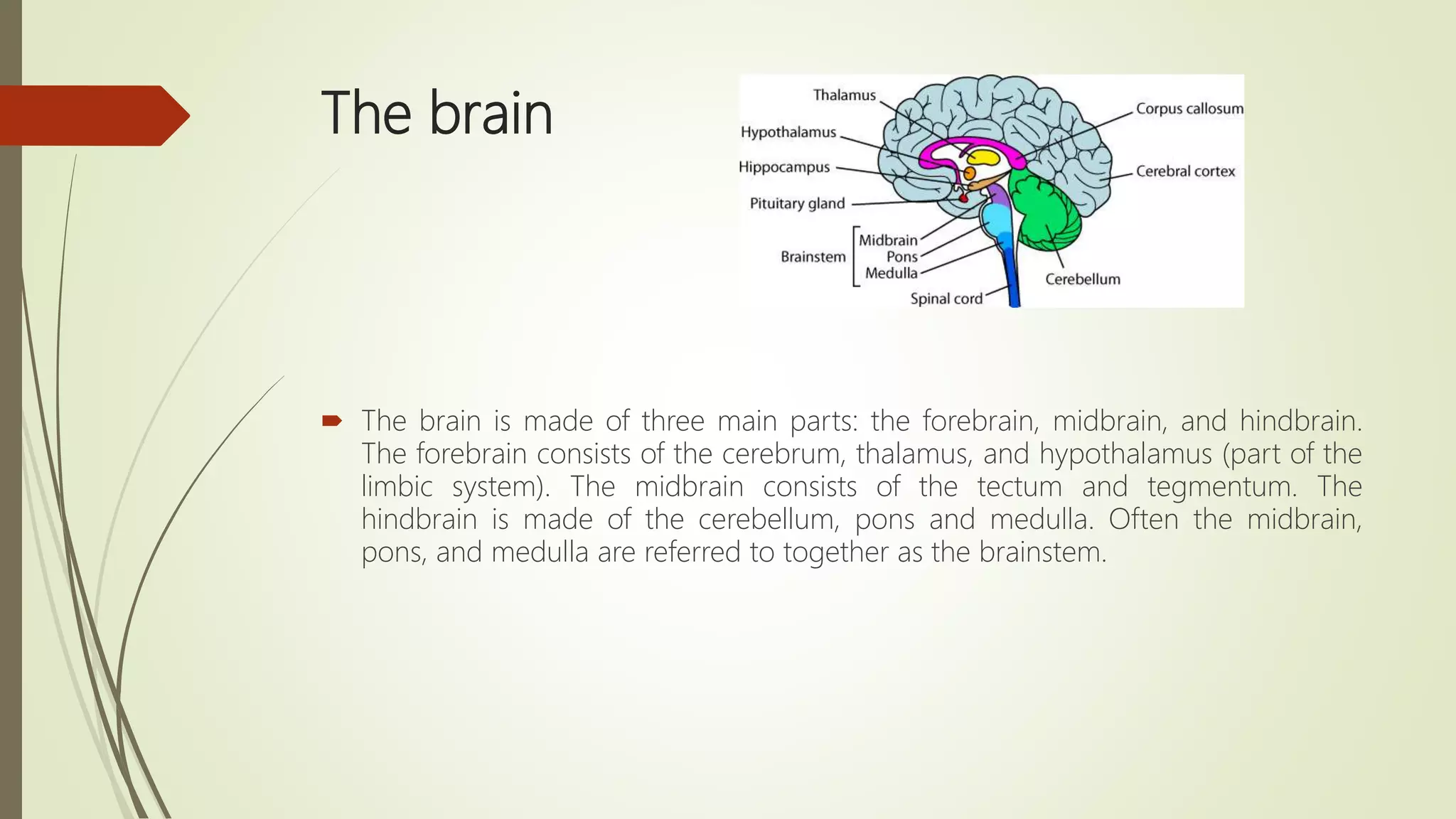
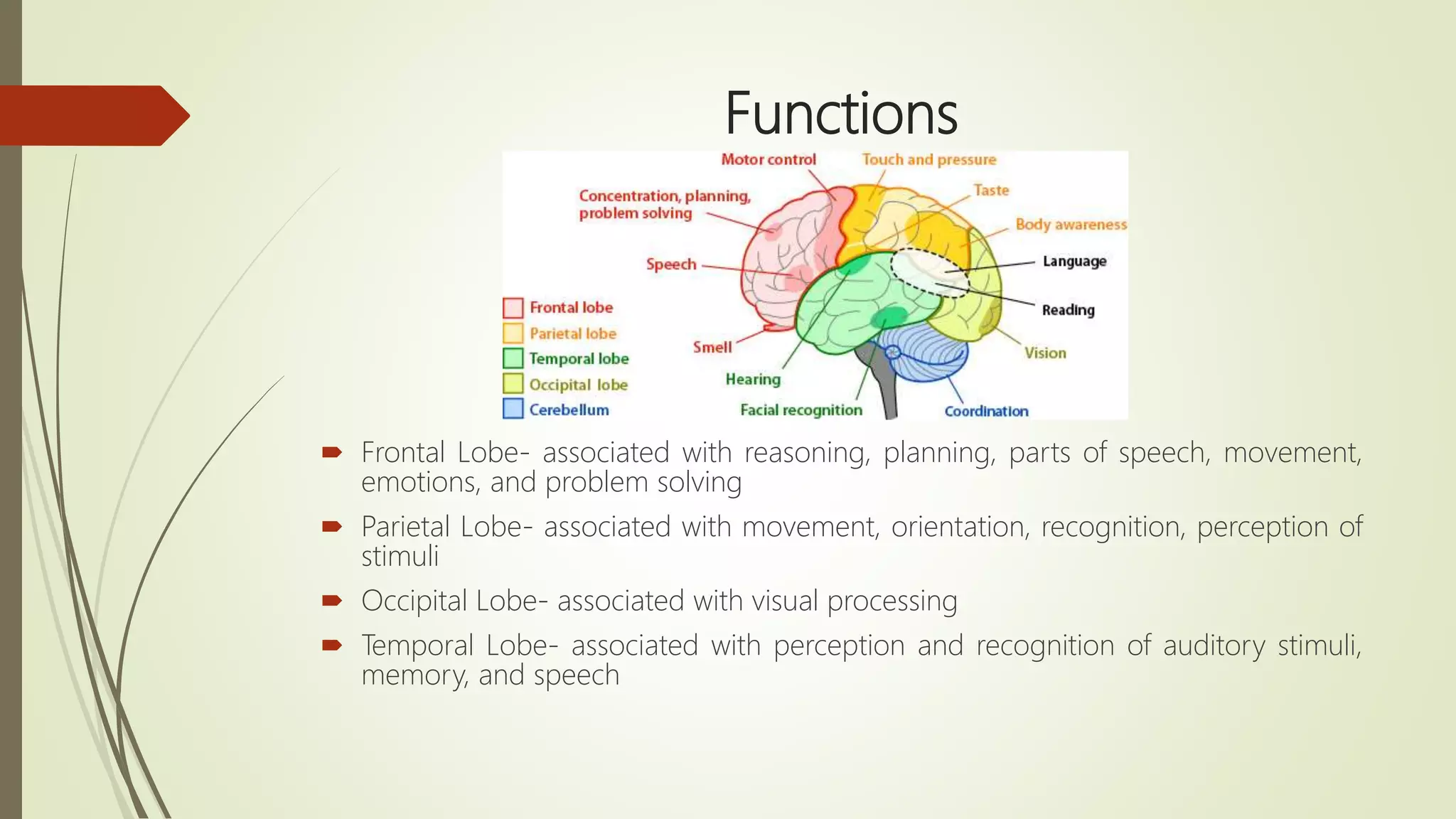










This document discusses the brain's role in acquiring multiple languages. It describes the main parts of the brain and how different regions are associated with various functions like vision, speech, and memory. The document then compares the brains of polyglots who speak many languages to monolinguals. While early studies found differences in brain structures, it remains unclear if these are innate or develop through language learning. Research shows multilingual brains have distinct neural activity patterns and are more efficient at focusing on relevant information. Bilinguals can switch between the typical thought patterns of each of their languages, demonstrating flexibility. The document debates the extent to which language shapes thought and discusses theories of language acquisition.


![[Kokoshopvn]ebook 5 Bước để nói một ngoại ngữ của Phạm Quang Hưng [5 steps to...](https://cdn.slidesharecdn.com/ss_thumbnails/kokoshopvnebook5stepstospeakanewlanguage-120412065637-phpapp02-thumbnail.jpg?width=640&height=640&fit=bounds)


