


One School’s Journey from Good to Excellent  LAHC Workshop  Review Training to Whole School CPD
 
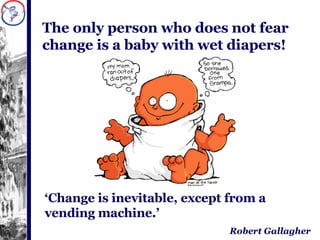
The only person who does not fear change is a baby with wet diapers! ‘ Change is inevitable, except from a vending machine.’ Robert Gallagher
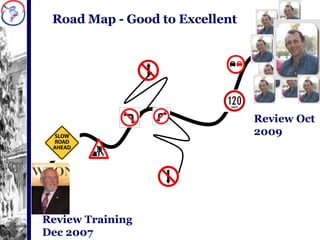
Review Training Dec 2007   Review Oct 2009   Road Map - Good to Excellent
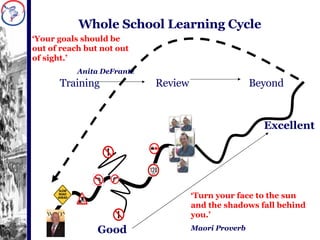
Whole School Learning Cycle  Good Excellent ‘ Turn your face to the sun and the shadows fall behind you.’ Maori Proverb ‘ Your goals should be out of reach but not out of sight.’ Anita DeFrantz Training  Review  Beyond
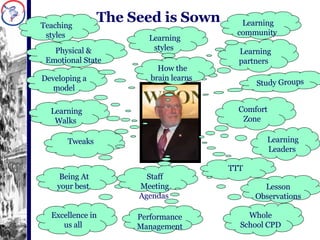
The Seed is Sown   Learning partners  Learning styles  Learning community  Learning Leaders  Developing a model Tweaks  Whole School CPD Excellence in us all  Staff Meeting Agendas  Being At your best  Teaching styles  Lesson Observations  Performance Management  How the brain learns  Learning Walks  Comfort Zone  TTT Physical & Emotional State Study Groups
‘ Leadership and learning are indispensable to each other.’ John F. Kennedy ‘ If you do not have time to read, you do not have time to lead.’ Phillip Schlechty ‘ Be not afraid of growing slowly, be afraid only of standing still.’ Chinese proverb ‘ The foolish and the dead alone never change their opinions.’ James R. Lowell’
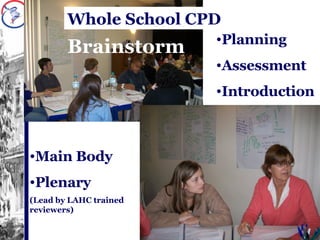
Photos Planning Assessment Introduction Main Body Plenary (Lead by LAHC trained reviewers) Brainstorm Whole School CPD
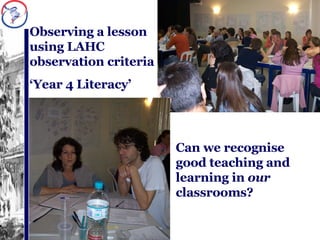
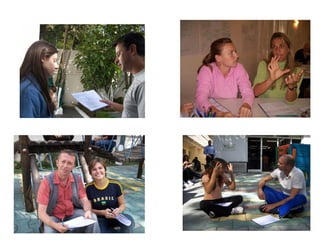
Observing a lesson using LAHC observation criteria ‘ Year 4 Literacy’ Can we recognise good teaching and learning in  our  classrooms?
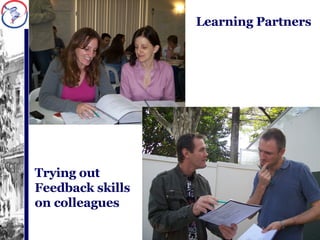
Trying out Feedback skills on colleagues Learning Partners
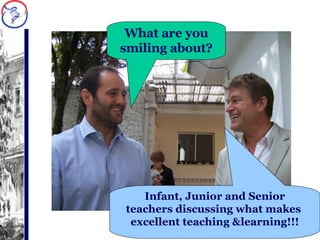
Infant, Junior and Senior teachers discussing what makes  excellent teaching &learning!!! What are you smiling about?
Learning ‘  Learning- the most gloriously messy, unstructured, mysterious process known to man.’  John Abbot, President of the 21 st  Centuary Learning Initiative 90% of what we know about how the brain learns has been discovered in the last 10yrs Important to take into account what we know about learning when we are trying to make teaching more effective Learning involves building on existing understanding
Learning Scaffolding-ZPD- zone of proximal development Lev Vygotsky Understanding is the is the result of cognitive activity (thinking) Learning is best done through multisensory experiences with all children being given frequent opportunities to  hear ,  see  and  do . Emphasis on exploring, rather than delivering the curriculum
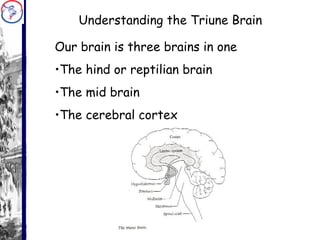
Understanding the Triune Brain Our brain is three brains in one The hind or reptilian brain The mid brain  The cerebral cortex
 
 
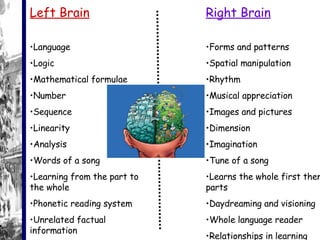
Left Brain Language  Logic Mathematical formulae Number Sequence Linearity Analysis Words of a song Learning from the part to the whole Phonetic reading system Unrelated factual information Right Brain Forms and patterns Spatial manipulation Rhythm Musical appreciation Images and pictures Dimension Imagination Tune of a song Learns the whole first then parts Daydreaming and visioning Whole language reader Relationships in learning
STATE  STYLE STRUCTURE Plants grow themselves- they just need the right conditions  (Death Valley 2005) Teachers & Farmers
Death Valley
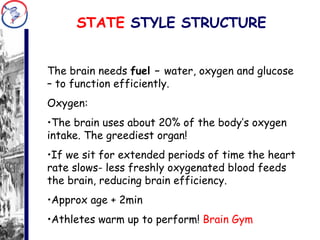
The brain needs  fuel –  water, oxygen and glucose – to function efficiently. Oxygen:  The brain uses about 20% of the body’s oxygen intake. The greediest organ! If we sit for extended periods of time the heart rate slows- less freshly oxygenated blood feeds the brain, reducing brain efficiency. Approx age + 2min Athletes warm up to perform!  Brain Gym STATE  STYLE STRUCTURE
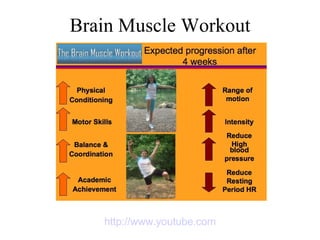
Brain Muscle Workout http://www.youtube.com
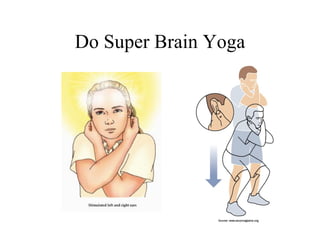
Do Super Brain Yoga
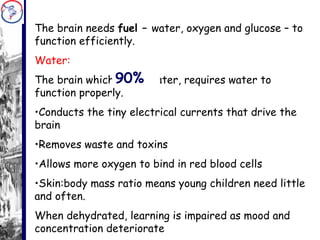
The brain needs  fuel –  water, oxygen and glucose – to function efficiently. Water:   The brain which is  ? %  water, requires water to function properly. Conducts the tiny electrical currents that drive the brain Removes waste and toxins Allows more oxygen to bind in red blood cells Skin:body mass ratio means young children need little and often. When dehydrated, learning is impaired as mood and concentration deteriorate 90%
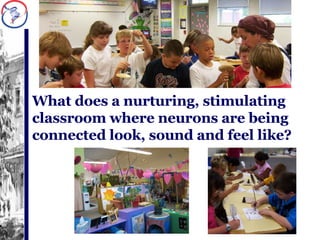
What does a nurturing, stimulating classroom where neurons are being connected look, sound and feel like?
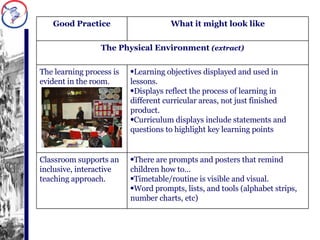
There are prompts and posters that remind children how to… Timetable/routine is visible and visual. Word prompts, lists, and tools (alphabet strips, number charts, etc) Classroom supports an inclusive, interactive teaching approach. Learning objectives displayed and used in lessons. Displays reflect the process of learning in different curricular areas, not just finished product. Curriculum displays include statements and questions to highlight key learning points The learning process is evident in the room. The Physical Environment  (extract) What it might look like Good Practice
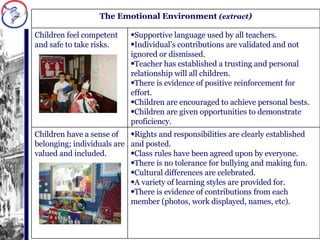
Rights and responsibilities are clearly established and posted. Class rules have been agreed upon by everyone. There is no tolerance for bullying and making fun. Cultural differences are celebrated. A variety of learning styles are provided for. There is evidence of contributions from each member (photos, work displayed, names, etc). Children have a sense of belonging; individuals are valued and included. Supportive language used by all teachers. Individual’s contributions are validated and not ignored or dismissed. Teacher has established a trusting and personal relationship will all children. There is evidence of positive reinforcement for effort. Children are encouraged to achieve personal bests. Children are given opportunities to demonstrate proficiency. Children feel competent and safe to take risks. The Emotional Environment  (extract )
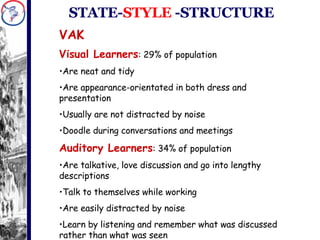
VAK Visual Learners : 29% of population Are neat and tidy Are appearance-orientated in both dress and presentation Usually are not distracted by noise Doodle during conversations and meetings Auditory Learners : 34% of population Are talkative, love discussion and go into lengthy descriptions Talk to themselves while working Are easily distracted by noise Learn by listening and remember what was discussed rather than what was seen STATE- STYLE  -STRUCTURE
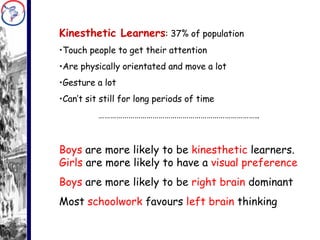
Kinesthetic Learners : 37% of population Touch people to get their attention Are physically orientated and move a lot Gesture a lot Can’t sit still for long periods of time …………………………………………………………………… .. Boys  are more likely to be  kinesthetic  learners.  Girls  are more likely to have a  visual preference Boys  are more likely to be  right brain  dominant Most  schoolwork  favours  left brain  thinking
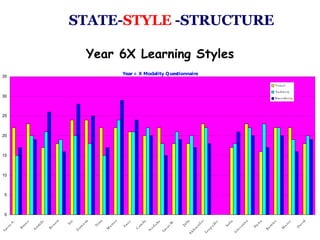
Year 6X Learning Styles STATE- STYLE  -STRUCTURE
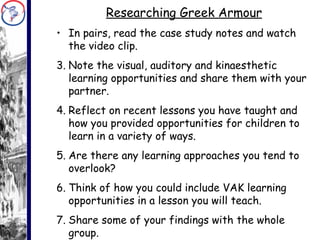
Researching Greek Armour In pairs, read the case study notes and watch the video clip. Note the visual, auditory and kinaesthetic learning opportunities and share them with your partner. Reflect on recent lessons you have taught and  how you provided opportunities for children to learn in a variety of ways. Are there any learning approaches you tend to overlook? Think of how you could include VAK learning opportunities in a lesson you will teach. Share some of your findings with the whole group.
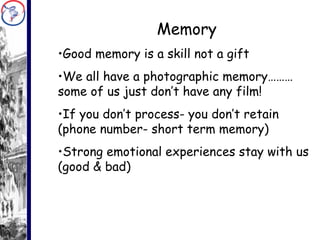
Memory Good memory is a skill not a gift We all have a photographic memory……… some of us just don’t have any film! If you don’t process- you don’t retain (phone number- short term memory) Strong emotional experiences stay with us (good & bad)
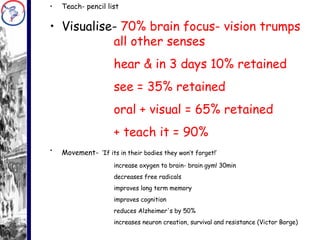
Teach- pencil list Visualise-  70% brain focus- vision trumps  all other senses hear & in 3 days 10% retained see = 35% retained oral + visual = 65% retained + teach it = 90% Movement-   ‘If its in their bodies they won’t forget!’ increase oxygen to brain- brain gym! 30min decreases free radicals improves long term memory improves cognition reduces Alzheimer's by 50% increases neuron creation, survival and resistance (Victor Borge)
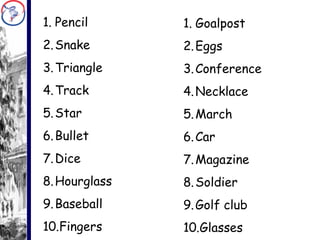
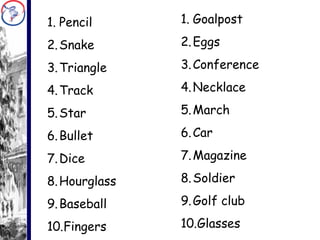
Pencil Snake Triangle Track Star Bullet Dice Hourglass Baseball Fingers Goalpost Eggs Conference Necklace March Car Magazine Soldier Golf club Glasses
 
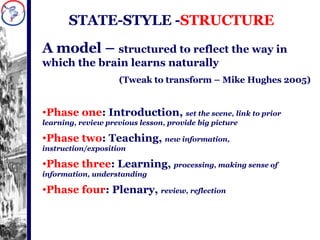
STATE-STYLE - STRUCTURE A model –  structured to reflect the way in which the brain learns naturally  (Tweak to transform – Mike Hughes 2005) Phase one : Introduction,  set the scene, link to prior learning, review previous lesson, provide big picture Phase two : Teaching,  new information, instruction/exposition Phase three : Learning,  processing, making sense of information, understanding Phase four : Plenary,  review, reflection
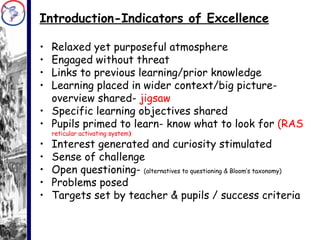
Introduction-Indicators of Excellence Relaxed yet purposeful atmosphere Engaged without threat Links to previous learning/prior knowledge Learning placed in wider context/big picture- overview shared-  jigsaw Specific learning objectives shared Pupils primed to learn- know what to look for  (RAS  reticular activating system ) Interest generated and curiosity stimulated Sense of challenge Open questioning-  (alternatives to questioning & Bloom’s taxonomy) Problems posed Targets set by teacher & pupils / success criteria
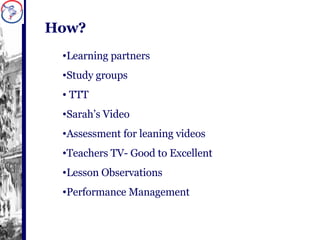
Learning partners  Study groups TTT Sarah’s Video  Assessment for leaning videos Teachers TV- Good to Excellent Lesson Observations  Performance Management  How?
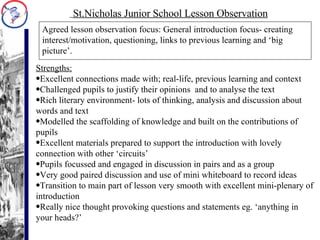
Agreed lesson observation focus: General introduction focus- creating interest/motivation, questioning, links to previous learning and ‘big picture’. St.Nicholas Junior School Lesson Observation Strengths: Excellent connections made with; real-life, previous learning and context Challenged pupils to justify their opinions  and to analyse the text Rich literary environment- lots of thinking, analysis and discussion about words and text Modelled the scaffolding of knowledge and built on the contributions of pupils Excellent materials prepared to support the introduction with lovely connection with other ‘circuits’ Pupils focussed and engaged in discussion in pairs and as a group Very good paired discussion and use of mini whiteboard to record ideas Transition to main part of lesson very smooth with excellent mini-plenary of introduction Really nice thought provoking questions and statements eg. ‘anything in your heads?’
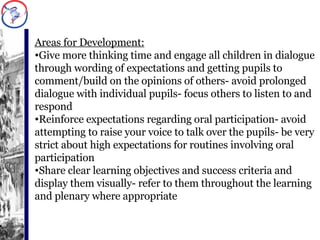
Areas for Development: Give more thinking time and engage all children in dialogue through wording of expectations and getting pupils to comment/build on the opinions of others- avoid prolonged dialogue with individual pupils- focus others to listen to and respond Reinforce expectations regarding oral participation- avoid attempting to raise your voice to talk over the pupils- be very strict about high expectations for routines involving oral participation Share clear learning objectives and success criteria and display them visually- refer to them throughout the learning and plenary where appropriate
Pencil Snake Triangle Track Star Bullet Dice Hourglass Baseball Fingers Goalpost Eggs Conference Necklace March Car Magazine Soldier Golf club Glasses
Question:  How are we doing on our presentation so far? Answer: Muy bien!!!!
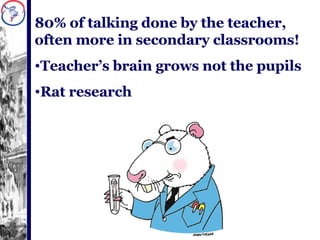
80% of talking done by the teacher, often more in secondary classrooms! Teacher’s brain grows not the pupils Rat research
Phase three: Learning ‘ The difference between  excellent  and  satisfactory  lessons is often the extent to which students are  engaged  in their learning and the ways in which they are  challenged  to  think  and  interact  with information.’ Ofsted ‘ Education is what survives when what has been learnt has been forgotten.’ F.Skinner
Phase three: Learning/ Understanding A  sample  of Indicators of excellence; Tasks that require students to think – engage  cognitive  process Students  re-creating  rather than reproducing information Making it  real Students fully  engaged  in their learning Opportunities for students to demonstrate  their   understanding
Top 5 Evaluation\Review Tips from across the Continent!
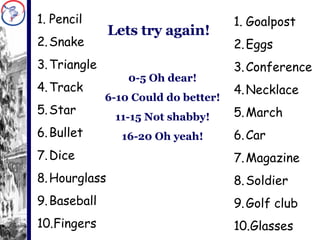
Pencil Snake Triangle Track Star Bullet Dice Hourglass Baseball Fingers Goalpost Eggs Conference Necklace March Car Magazine Soldier Golf club Glasses Lets try again! 0-5 Oh dear! 6-10 Could do better! 11-15 Not shabby! 16-20 Oh yeah!
Thank you  ‘ Highlight my strengths and my weaknesses will disappear.’ Maori Proverb ‘ Knowledge is knowing that a tomato is a fruit; wisdom is knowing not to put it in a fruit salad.’ Brian O’Driscol

LAHC Final Workshop

  • 1.
    One School’s Journeyfrom Good to Excellent LAHC Workshop Review Training to Whole School CPD
  • 2.
  • 3.
    The only personwho does not fear change is a baby with wet diapers! ‘ Change is inevitable, except from a vending machine.’ Robert Gallagher
  • 4.
    Review Training Dec2007 Review Oct 2009 Road Map - Good to Excellent
  • 5.
    Whole School LearningCycle Good Excellent ‘ Turn your face to the sun and the shadows fall behind you.’ Maori Proverb ‘ Your goals should be out of reach but not out of sight.’ Anita DeFrantz Training Review Beyond
  • 6.
    The Seed isSown Learning partners Learning styles Learning community Learning Leaders Developing a model Tweaks Whole School CPD Excellence in us all Staff Meeting Agendas Being At your best Teaching styles Lesson Observations Performance Management How the brain learns Learning Walks Comfort Zone TTT Physical & Emotional State Study Groups
  • 7.
    ‘ Leadership andlearning are indispensable to each other.’ John F. Kennedy ‘ If you do not have time to read, you do not have time to lead.’ Phillip Schlechty ‘ Be not afraid of growing slowly, be afraid only of standing still.’ Chinese proverb ‘ The foolish and the dead alone never change their opinions.’ James R. Lowell’
  • 8.
    Photos Planning AssessmentIntroduction Main Body Plenary (Lead by LAHC trained reviewers) Brainstorm Whole School CPD
  • 9.
    Observing a lessonusing LAHC observation criteria ‘ Year 4 Literacy’ Can we recognise good teaching and learning in our classrooms?
  • 10.
    Trying out Feedbackskills on colleagues Learning Partners
  • 11.
    Infant, Junior andSenior teachers discussing what makes excellent teaching &learning!!! What are you smiling about?
  • 12.
    Learning ‘ Learning- the most gloriously messy, unstructured, mysterious process known to man.’ John Abbot, President of the 21 st Centuary Learning Initiative 90% of what we know about how the brain learns has been discovered in the last 10yrs Important to take into account what we know about learning when we are trying to make teaching more effective Learning involves building on existing understanding
  • 13.
    Learning Scaffolding-ZPD- zoneof proximal development Lev Vygotsky Understanding is the is the result of cognitive activity (thinking) Learning is best done through multisensory experiences with all children being given frequent opportunities to hear , see and do . Emphasis on exploring, rather than delivering the curriculum
  • 14.
    Understanding the TriuneBrain Our brain is three brains in one The hind or reptilian brain The mid brain The cerebral cortex
  • 15.
  • 16.
  • 17.
    Left Brain Language Logic Mathematical formulae Number Sequence Linearity Analysis Words of a song Learning from the part to the whole Phonetic reading system Unrelated factual information Right Brain Forms and patterns Spatial manipulation Rhythm Musical appreciation Images and pictures Dimension Imagination Tune of a song Learns the whole first then parts Daydreaming and visioning Whole language reader Relationships in learning
  • 18.
    STATE STYLESTRUCTURE Plants grow themselves- they just need the right conditions (Death Valley 2005) Teachers & Farmers
  • 19.
  • 20.
    The brain needs fuel – water, oxygen and glucose – to function efficiently. Oxygen: The brain uses about 20% of the body’s oxygen intake. The greediest organ! If we sit for extended periods of time the heart rate slows- less freshly oxygenated blood feeds the brain, reducing brain efficiency. Approx age + 2min Athletes warm up to perform! Brain Gym STATE STYLE STRUCTURE
  • 21.
    Brain Muscle Workouthttp://www.youtube.com
  • 22.
  • 23.
    The brain needs fuel – water, oxygen and glucose – to function efficiently. Water: The brain which is ? % water, requires water to function properly. Conducts the tiny electrical currents that drive the brain Removes waste and toxins Allows more oxygen to bind in red blood cells Skin:body mass ratio means young children need little and often. When dehydrated, learning is impaired as mood and concentration deteriorate 90%
  • 24.
    What does anurturing, stimulating classroom where neurons are being connected look, sound and feel like?
  • 25.
    There are promptsand posters that remind children how to… Timetable/routine is visible and visual. Word prompts, lists, and tools (alphabet strips, number charts, etc) Classroom supports an inclusive, interactive teaching approach. Learning objectives displayed and used in lessons. Displays reflect the process of learning in different curricular areas, not just finished product. Curriculum displays include statements and questions to highlight key learning points The learning process is evident in the room. The Physical Environment (extract) What it might look like Good Practice
  • 26.
    Rights and responsibilitiesare clearly established and posted. Class rules have been agreed upon by everyone. There is no tolerance for bullying and making fun. Cultural differences are celebrated. A variety of learning styles are provided for. There is evidence of contributions from each member (photos, work displayed, names, etc). Children have a sense of belonging; individuals are valued and included. Supportive language used by all teachers. Individual’s contributions are validated and not ignored or dismissed. Teacher has established a trusting and personal relationship will all children. There is evidence of positive reinforcement for effort. Children are encouraged to achieve personal bests. Children are given opportunities to demonstrate proficiency. Children feel competent and safe to take risks. The Emotional Environment (extract )
  • 27.
    VAK Visual Learners: 29% of population Are neat and tidy Are appearance-orientated in both dress and presentation Usually are not distracted by noise Doodle during conversations and meetings Auditory Learners : 34% of population Are talkative, love discussion and go into lengthy descriptions Talk to themselves while working Are easily distracted by noise Learn by listening and remember what was discussed rather than what was seen STATE- STYLE -STRUCTURE
  • 28.
    Kinesthetic Learners :37% of population Touch people to get their attention Are physically orientated and move a lot Gesture a lot Can’t sit still for long periods of time …………………………………………………………………… .. Boys are more likely to be kinesthetic learners. Girls are more likely to have a visual preference Boys are more likely to be right brain dominant Most schoolwork favours left brain thinking
  • 29.
    Year 6X LearningStyles STATE- STYLE -STRUCTURE
  • 30.
    Researching Greek ArmourIn pairs, read the case study notes and watch the video clip. Note the visual, auditory and kinaesthetic learning opportunities and share them with your partner. Reflect on recent lessons you have taught and how you provided opportunities for children to learn in a variety of ways. Are there any learning approaches you tend to overlook? Think of how you could include VAK learning opportunities in a lesson you will teach. Share some of your findings with the whole group.
  • 31.
    Memory Good memoryis a skill not a gift We all have a photographic memory……… some of us just don’t have any film! If you don’t process- you don’t retain (phone number- short term memory) Strong emotional experiences stay with us (good & bad)
  • 32.
    Teach- pencil listVisualise- 70% brain focus- vision trumps all other senses hear & in 3 days 10% retained see = 35% retained oral + visual = 65% retained + teach it = 90% Movement- ‘If its in their bodies they won’t forget!’ increase oxygen to brain- brain gym! 30min decreases free radicals improves long term memory improves cognition reduces Alzheimer's by 50% increases neuron creation, survival and resistance (Victor Borge)
  • 33.
    Pencil Snake TriangleTrack Star Bullet Dice Hourglass Baseball Fingers Goalpost Eggs Conference Necklace March Car Magazine Soldier Golf club Glasses
  • 34.
  • 35.
    STATE-STYLE - STRUCTUREA model – structured to reflect the way in which the brain learns naturally (Tweak to transform – Mike Hughes 2005) Phase one : Introduction, set the scene, link to prior learning, review previous lesson, provide big picture Phase two : Teaching, new information, instruction/exposition Phase three : Learning, processing, making sense of information, understanding Phase four : Plenary, review, reflection
  • 36.
    Introduction-Indicators of ExcellenceRelaxed yet purposeful atmosphere Engaged without threat Links to previous learning/prior knowledge Learning placed in wider context/big picture- overview shared- jigsaw Specific learning objectives shared Pupils primed to learn- know what to look for (RAS reticular activating system ) Interest generated and curiosity stimulated Sense of challenge Open questioning- (alternatives to questioning & Bloom’s taxonomy) Problems posed Targets set by teacher & pupils / success criteria
  • 37.
    Learning partners Study groups TTT Sarah’s Video Assessment for leaning videos Teachers TV- Good to Excellent Lesson Observations Performance Management How?
  • 38.
    Agreed lesson observationfocus: General introduction focus- creating interest/motivation, questioning, links to previous learning and ‘big picture’. St.Nicholas Junior School Lesson Observation Strengths: Excellent connections made with; real-life, previous learning and context Challenged pupils to justify their opinions and to analyse the text Rich literary environment- lots of thinking, analysis and discussion about words and text Modelled the scaffolding of knowledge and built on the contributions of pupils Excellent materials prepared to support the introduction with lovely connection with other ‘circuits’ Pupils focussed and engaged in discussion in pairs and as a group Very good paired discussion and use of mini whiteboard to record ideas Transition to main part of lesson very smooth with excellent mini-plenary of introduction Really nice thought provoking questions and statements eg. ‘anything in your heads?’
  • 39.
    Areas for Development:Give more thinking time and engage all children in dialogue through wording of expectations and getting pupils to comment/build on the opinions of others- avoid prolonged dialogue with individual pupils- focus others to listen to and respond Reinforce expectations regarding oral participation- avoid attempting to raise your voice to talk over the pupils- be very strict about high expectations for routines involving oral participation Share clear learning objectives and success criteria and display them visually- refer to them throughout the learning and plenary where appropriate
  • 40.
    Pencil Snake TriangleTrack Star Bullet Dice Hourglass Baseball Fingers Goalpost Eggs Conference Necklace March Car Magazine Soldier Golf club Glasses
  • 41.
    Question: Howare we doing on our presentation so far? Answer: Muy bien!!!!
  • 42.
    80% of talkingdone by the teacher, often more in secondary classrooms! Teacher’s brain grows not the pupils Rat research
  • 43.
    Phase three: Learning‘ The difference between excellent and satisfactory lessons is often the extent to which students are engaged in their learning and the ways in which they are challenged to think and interact with information.’ Ofsted ‘ Education is what survives when what has been learnt has been forgotten.’ F.Skinner
  • 44.
    Phase three: Learning/Understanding A sample of Indicators of excellence; Tasks that require students to think – engage cognitive process Students re-creating rather than reproducing information Making it real Students fully engaged in their learning Opportunities for students to demonstrate their understanding
  • 45.
    Top 5 Evaluation\ReviewTips from across the Continent!
  • 46.
    Pencil Snake TriangleTrack Star Bullet Dice Hourglass Baseball Fingers Goalpost Eggs Conference Necklace March Car Magazine Soldier Golf club Glasses Lets try again! 0-5 Oh dear! 6-10 Could do better! 11-15 Not shabby! 16-20 Oh yeah!
  • 47.
    Thank you ‘ Highlight my strengths and my weaknesses will disappear.’ Maori Proverb ‘ Knowledge is knowing that a tomato is a fruit; wisdom is knowing not to put it in a fruit salad.’ Brian O’Driscol