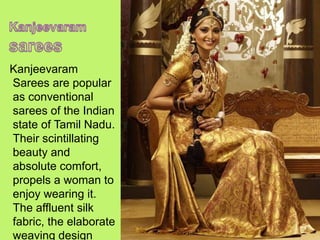
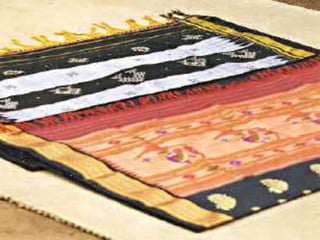


Kanjeevaram
Sarees are popular
as conventional
sarees of the Indian
state of Tamil Nadu.
Their scintillating
beauty and
absolute comfort,
propels a woman to
enjoy wearing it.
The affluent silk
fabric, the elaborate
weaving design
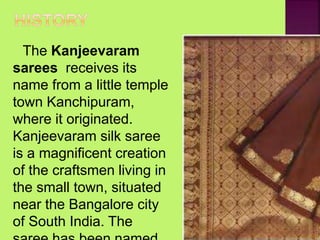
The Kanjeevaram
sarees receives its
name from a little temple
town Kanchipuram,
where it originated.
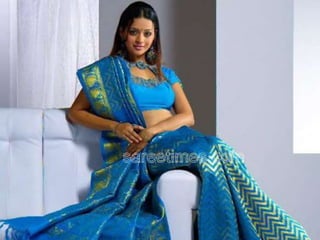
Kanjeevaram silk saree
is a magnificent creation
of the craftsmen living in
the small town, situated
near the Bangalore city
of South India. The
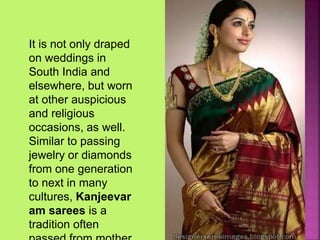
It is not only draped
on weddings in
South India and
elsewhere, but worn
at other auspicious
and religious
occasions, as well.
Similar to passing
jewelry or diamonds
from one generation
to next in many
cultures, Kanjeevar
am sarees is a
tradition often
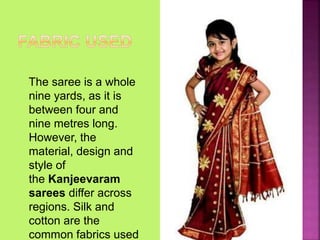
The saree is a whole
nine yards, as it is
between four and
nine metres long.
However, the
material, design and
style of
the Kanjeevaram
sarees differ across
regions. Silk and
cotton are the
common fabrics used
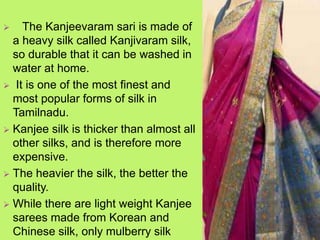
 The Kanjeevaram sari is made of
a heavy silk called Kanjivaram silk,
so durable that it can be washed in
water at home.
 It is one of the most finest and
most popular forms of silk in
Tamilnadu.
 Kanjee silk is thicker than almost all
other silks, and is therefore more
expensive.
 The heavier the silk, the better the
quality.
 While there are light weight Kanjee
sarees made from Korean and
Chinese silk, only mulberry silk
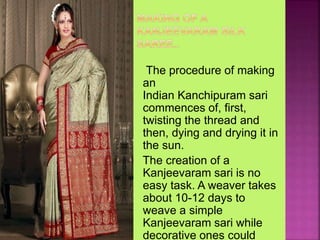
The procedure of making
an
Indian Kanchipuram sari
commences of, first,
twisting the thread and
then, dying and drying it in
the sun.
The creation of a
Kanjeevaram sari is no
easy task. A weaver takes
about 10-12 days to
weave a simple
Kanjeevaram sari while
decorative ones could
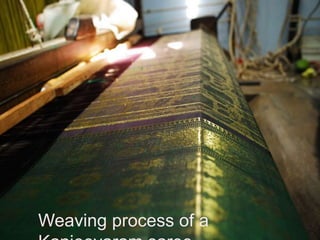
Weaving process of a
 The skilled artisans of Kanchipuram
town, who are engaged in sericulture,
rear the silkworms in cane baskets,
filled with plenty of mulberry leaves as
the food-provision.
Here the worms start ejecting thread-
like secretion, which construct around
themselves a semi-transparent cocoon.
And from this cocoon, silk-thread is
derived.
 It is this numerous strands of silk tread,
which consist of the silk fabric of
Kanjeevaram
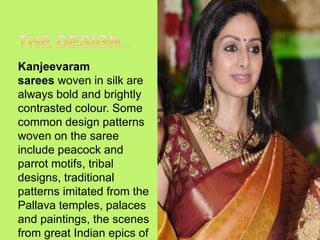
sarees woven in silk are
always bold and brightly
contrasted colour. Some
common design patterns
woven on the saree
include peacock and
parrot motifs, tribal
designs, traditional
patterns imitated from the
Pallava temples, palaces
and paintings, the scenes
from great Indian epics of
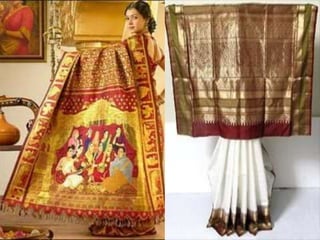
 The designs of Kanjeeveram sarees
displays the predominance of animal
characters basically peacock and parrot.
Apart from these, the Kanjeeveram
sarees are intricately designed with
beautiful tribal designs, traditional
patterns derived from the Pallava
temples, palaces and paintings.
Even scenes from the Ramayana and the
Mahabharata and Bhagwad Gita are
incorporated into the intricate designing
technique. Sometimes, little gold motifs
 The exclusive designs of the
Kanjeeveram sarees are sought after
because of the intricate designs and the
materials of the sarees. The traditional
and ethnic look of the sarees has
upgraded them to one of the most
elegant sarees of India.
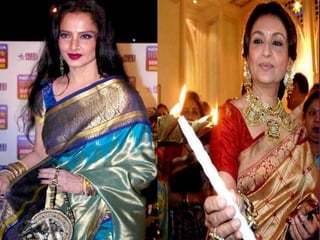
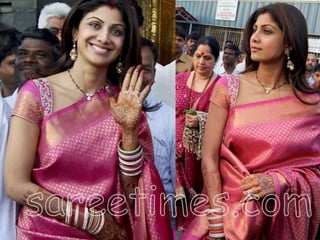
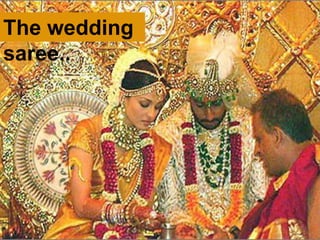
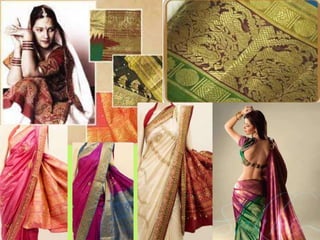
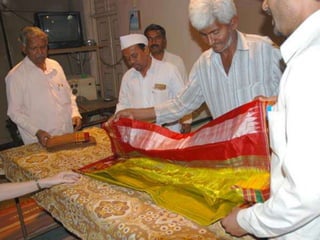
The wedding sarees are decked with Zari
adornments and meena work. The bridal
saris, give the bride, the glory that she is
supposed to be invested with on her
wedding day.
The wedding
saree..
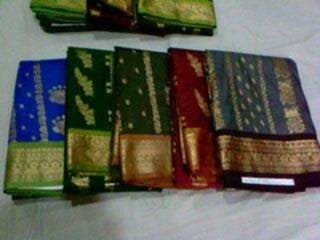
Kanjeevaram sarees woven in silk are
always bold and brightly contrasted colour.
Some common motifs woven on the saree
include-
 Peacock and parrot motifs,
 Tribal designs,
 Traditional patterns imitated from the Pallava
temples, palaces and paintings,
 The scenes from great Indian epics of
Ramayana, Mahabharata and Bhagwad Gita
are incorporated into this textile masterpieces.
 Today, the focus is on contemporary patterns.
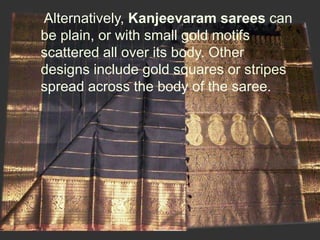
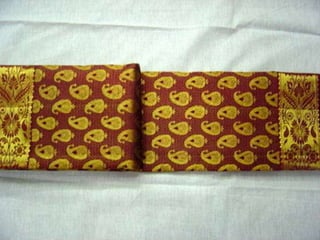
Alternatively, Kanjeevaram sarees can
be plain, or with small gold motifs
scattered all over its body. Other
designs include gold squares or stripes
spread across the body of the saree.
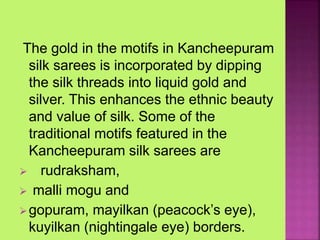
The gold in the motifs in Kancheepuram
silk sarees is incorporated by dipping
the silk threads into liquid gold and
silver. This enhances the ethnic beauty
and value of silk. Some of the
traditional motifs featured in the
Kancheepuram silk sarees are
 rudraksham,
 malli mogu and
gopuram, mayilkan (peacock’s eye),
kuyilkan (nightingale eye) borders.
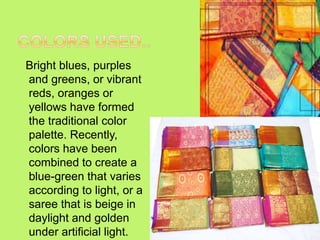
Bright blues, purples
and greens, or vibrant
reds, oranges or
yellows have formed
the traditional color
palette. Recently,
colors have been
combined to create a
blue-green that varies
according to light, or a
saree that is beige in
daylight and golden
under artificial light.
Ilkal is a medium sized town in Bagalkot
district in the Indian state of Karnataka. The
town is located in a valley that lies in South –
East corner of Bagalkote district .
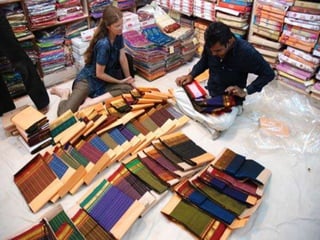
Ilkal is famous for handloom sarees, popularly
known as Ilkal sarees. These sarees are worn
by women of North Karnataka, Andhra
Pradesh and Maharastra state. The sarees
made here have a distinctive pattern and are
usually made from cotton. They are best
suited for weather conditions prevailing in the
region. Recently sarees made in Ilkal are
worn by high society ladies as a fashion
statement. There are many wide variety of
Ilkal sarees are woven using cotton warp on
the body and art silk warp for border and art silk
warp for pallav portion of the saree. In some
cases instead of art silk, pure silk is also used.
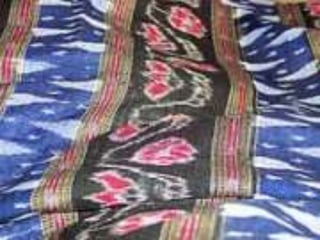
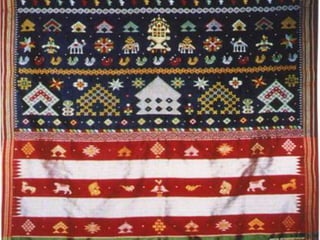
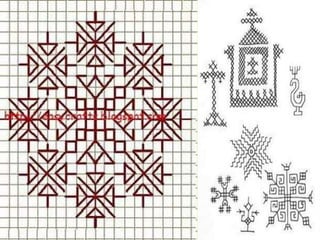
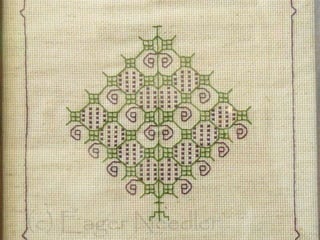
 The distinctive feature of Ilkal sarees is the
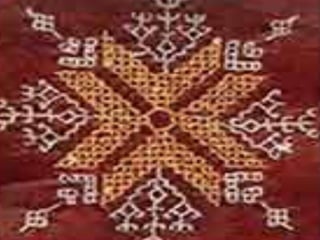
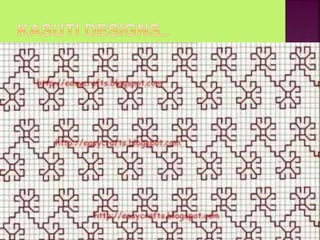
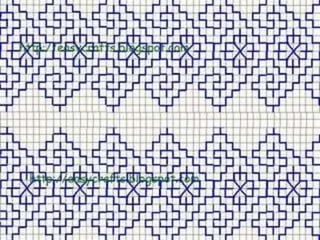
use of a form of embroidery called as Kasuti.
 The designs used in Kasuti reflect traditional
patters like palanquins, elephants and lotuses
which are embroidered onto Ilkal sarees.
 These sarees are usually 9 yards in length
and the pallu of the Ilkal saree (the part worn
over the shoulder) carries designs of temple
towers.
 This pallu is usually made of red silk with
white patterns. The end region of the pallu is
made up of patterns of different shapes
like hanige (comb), koti kammli (fort
ramparts), toputenne (jowar)
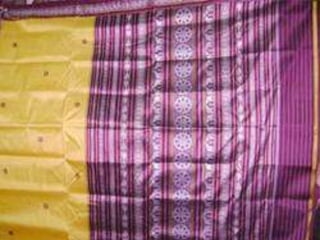
 The border of the sari is very broad (4 to 6
inches) and red or maroon in colour and is
made of different designs with ochre patterns.
 The saree is either made of cotton, or a
mixture of cotton and silk or in pure silk. The
colors traditionally used are pomegranate red,
brilliant peacock green and parrot green.
 The sarees that are made for bridal wear are
made of a particular colour called Giri
Kumukum which is associated with
the sindhoor worn by the wives of the priests
in this region.
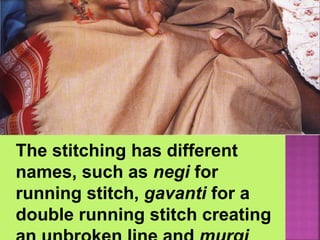
The stitching has different
names, such as negi for
running stitch, gavanti for a
double running stitch creating
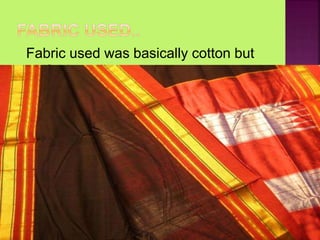
Fabric used was basically cotton but
shifted to silk..
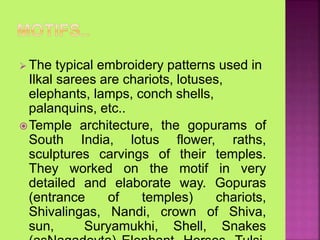
 The typical embroidery patterns used in
Ilkal sarees are chariots, lotuses,
elephants, lamps, conch shells,
palanquins, etc..
Temple architecture, the gopurams of
South India, lotus flower, raths,
sculptures carvings of their temples.
They worked on the motif in very
detailed and elaborate way. Gopuras
(entrance of temples) chariots,
Shivalingas, Nandi, crown of Shiva,
sun, Suryamukhi, Shell, Snakes
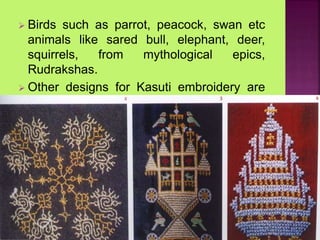
 Birds such as parrot, peacock, swan etc
animals like sared bull, elephant, deer,
squirrels, from mythological epics,
Rudrakshas.
 Other designs for Kasuti embroidery are
rattle, cradle, flower pot and tulsi katte.
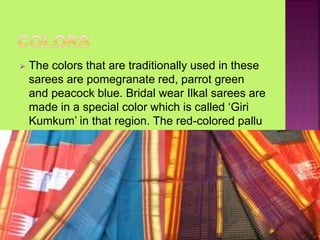
 The colors that are traditionally used in these
sarees are pomegranate red, parrot green
and peacock blue. Bridal wear Ilkal sarees are
made in a special color which is called ‘Giri
Kumkum’ in that region. The red-colored pallu
is a distinguishing feature of Ilkal sarees.
The sarees have silk pallus and
cotton/rayon grounds and
borders. In olden times only
cotton and silk was used, but
now they are using rayon as it is
much cheaper to use and the
market favors the shiny
aesthetic. The ground color warp
threads are most usually black
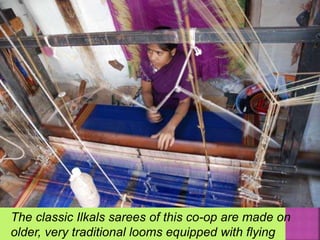
The classic Ilkals sarees of this co-op are made on
older, very traditional looms equipped with flying
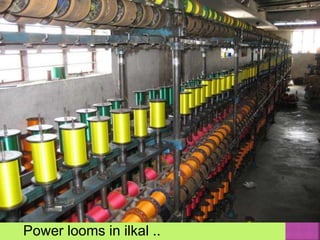
Power looms in ilkal ..
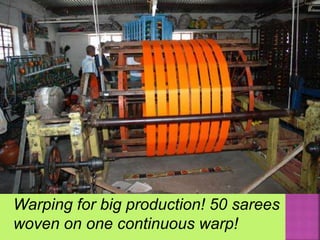
Warping for big production! 50 sarees
woven on one continuous warp!
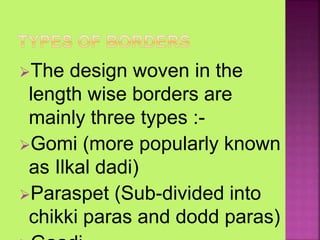
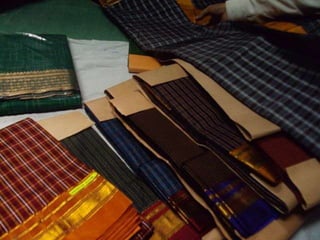
The design woven in the
length wise borders are
mainly three types :-
Gomi (more popularly known
as Ilkal dadi)
Paraspet (Sub-divided into
chikki paras and dodd paras)
Stripes
Rectangles
Squares
Inspired by Kanjeevaram
sarees..
The breathtaking
beauty of the
Kanjeeveram has entitled
the sarees to act as the
bride’s trousseau, not only
in Karnataka, or South
India, but in other parts of
the country also. The
dazzling design, bright
hues and fine quality
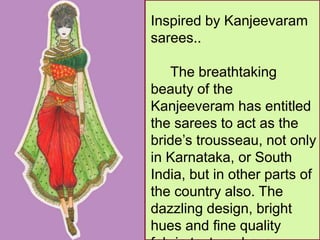
Therefore this is what inspired my design
for a bridal wear.. The silhouette is
basically contemporary indian wear with a
“choli” and a “dhoti “ style trouser and a
“odhni” that compliments the entire bridal
look. Colors used are commonly used
colors in the kanjeeevaram sarees that are
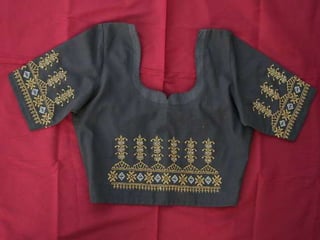
red, green, orange and yellow..The choli
also depicts a very traditional motif used
in these sarees.. EmbroideriesThe
Kanjivarams used at weddings have real
gold woven into it throughout the entire
Thank
you..

Kanjeevaram sarees

  • 2.
    Kanjeevaram Sarees are popular asconventional sarees of the Indian state of Tamil Nadu. Their scintillating beauty and absolute comfort, propels a woman to enjoy wearing it. The affluent silk fabric, the elaborate weaving design
  • 3.
    The Kanjeevaram sarees receivesits name from a little temple town Kanchipuram, where it originated. Kanjeevaram silk saree is a magnificent creation of the craftsmen living in the small town, situated near the Bangalore city of South India. The
  • 4.
    It is notonly draped on weddings in South India and elsewhere, but worn at other auspicious and religious occasions, as well. Similar to passing jewelry or diamonds from one generation to next in many cultures, Kanjeevar am sarees is a tradition often
  • 5.
    The saree isa whole nine yards, as it is between four and nine metres long. However, the material, design and style of the Kanjeevaram sarees differ across regions. Silk and cotton are the common fabrics used
  • 6.
     The Kanjeevaramsari is made of a heavy silk called Kanjivaram silk, so durable that it can be washed in water at home.  It is one of the most finest and most popular forms of silk in Tamilnadu.  Kanjee silk is thicker than almost all other silks, and is therefore more expensive.  The heavier the silk, the better the quality.  While there are light weight Kanjee sarees made from Korean and Chinese silk, only mulberry silk
  • 7.
    The procedure ofmaking an Indian Kanchipuram sari commences of, first, twisting the thread and then, dying and drying it in the sun. The creation of a Kanjeevaram sari is no easy task. A weaver takes about 10-12 days to weave a simple Kanjeevaram sari while decorative ones could
  • 8.
  • 9.
     The skilledartisans of Kanchipuram town, who are engaged in sericulture, rear the silkworms in cane baskets, filled with plenty of mulberry leaves as the food-provision. Here the worms start ejecting thread- like secretion, which construct around themselves a semi-transparent cocoon. And from this cocoon, silk-thread is derived.  It is this numerous strands of silk tread, which consist of the silk fabric of
  • 12.
    Kanjeevaram sarees woven insilk are always bold and brightly contrasted colour. Some common design patterns woven on the saree include peacock and parrot motifs, tribal designs, traditional patterns imitated from the Pallava temples, palaces and paintings, the scenes from great Indian epics of
  • 13.
     The designsof Kanjeeveram sarees displays the predominance of animal characters basically peacock and parrot. Apart from these, the Kanjeeveram sarees are intricately designed with beautiful tribal designs, traditional patterns derived from the Pallava temples, palaces and paintings. Even scenes from the Ramayana and the Mahabharata and Bhagwad Gita are incorporated into the intricate designing technique. Sometimes, little gold motifs
  • 16.
     The exclusivedesigns of the Kanjeeveram sarees are sought after because of the intricate designs and the materials of the sarees. The traditional and ethnic look of the sarees has upgraded them to one of the most elegant sarees of India. The wedding sarees are decked with Zari adornments and meena work. The bridal saris, give the bride, the glory that she is supposed to be invested with on her wedding day.
  • 17.
  • 18.
    Kanjeevaram sarees wovenin silk are always bold and brightly contrasted colour. Some common motifs woven on the saree include-  Peacock and parrot motifs,  Tribal designs,  Traditional patterns imitated from the Pallava temples, palaces and paintings,  The scenes from great Indian epics of Ramayana, Mahabharata and Bhagwad Gita are incorporated into this textile masterpieces.  Today, the focus is on contemporary patterns.
  • 19.
    Alternatively, Kanjeevaram sareescan be plain, or with small gold motifs scattered all over its body. Other designs include gold squares or stripes spread across the body of the saree.
  • 21.
    The gold inthe motifs in Kancheepuram silk sarees is incorporated by dipping the silk threads into liquid gold and silver. This enhances the ethnic beauty and value of silk. Some of the traditional motifs featured in the Kancheepuram silk sarees are  rudraksham,  malli mogu and gopuram, mayilkan (peacock’s eye), kuyilkan (nightingale eye) borders.
  • 22.
    Bright blues, purples andgreens, or vibrant reds, oranges or yellows have formed the traditional color palette. Recently, colors have been combined to create a blue-green that varies according to light, or a saree that is beige in daylight and golden under artificial light.
  • 26.
    Ilkal is amedium sized town in Bagalkot district in the Indian state of Karnataka. The town is located in a valley that lies in South – East corner of Bagalkote district . Ilkal is famous for handloom sarees, popularly known as Ilkal sarees. These sarees are worn by women of North Karnataka, Andhra Pradesh and Maharastra state. The sarees made here have a distinctive pattern and are usually made from cotton. They are best suited for weather conditions prevailing in the region. Recently sarees made in Ilkal are worn by high society ladies as a fashion statement. There are many wide variety of
  • 28.
    Ilkal sarees arewoven using cotton warp on the body and art silk warp for border and art silk warp for pallav portion of the saree. In some cases instead of art silk, pure silk is also used.
  • 31.
     The distinctivefeature of Ilkal sarees is the use of a form of embroidery called as Kasuti.  The designs used in Kasuti reflect traditional patters like palanquins, elephants and lotuses which are embroidered onto Ilkal sarees.  These sarees are usually 9 yards in length and the pallu of the Ilkal saree (the part worn over the shoulder) carries designs of temple towers.  This pallu is usually made of red silk with white patterns. The end region of the pallu is made up of patterns of different shapes like hanige (comb), koti kammli (fort ramparts), toputenne (jowar)
  • 33.
     The borderof the sari is very broad (4 to 6 inches) and red or maroon in colour and is made of different designs with ochre patterns.  The saree is either made of cotton, or a mixture of cotton and silk or in pure silk. The colors traditionally used are pomegranate red, brilliant peacock green and parrot green.  The sarees that are made for bridal wear are made of a particular colour called Giri Kumukum which is associated with the sindhoor worn by the wives of the priests in this region.
  • 40.
    The stitching hasdifferent names, such as negi for running stitch, gavanti for a double running stitch creating
  • 41.
    Fabric used wasbasically cotton but shifted to silk..
  • 42.
     The typicalembroidery patterns used in Ilkal sarees are chariots, lotuses, elephants, lamps, conch shells, palanquins, etc.. Temple architecture, the gopurams of South India, lotus flower, raths, sculptures carvings of their temples. They worked on the motif in very detailed and elaborate way. Gopuras (entrance of temples) chariots, Shivalingas, Nandi, crown of Shiva, sun, Suryamukhi, Shell, Snakes
  • 43.
     Birds suchas parrot, peacock, swan etc animals like sared bull, elephant, deer, squirrels, from mythological epics, Rudrakshas.  Other designs for Kasuti embroidery are rattle, cradle, flower pot and tulsi katte.
  • 44.
     The colorsthat are traditionally used in these sarees are pomegranate red, parrot green and peacock blue. Bridal wear Ilkal sarees are made in a special color which is called ‘Giri Kumkum’ in that region. The red-colored pallu is a distinguishing feature of Ilkal sarees.
  • 45.
    The sarees havesilk pallus and cotton/rayon grounds and borders. In olden times only cotton and silk was used, but now they are using rayon as it is much cheaper to use and the market favors the shiny aesthetic. The ground color warp threads are most usually black
  • 47.
    The classic Ilkalssarees of this co-op are made on older, very traditional looms equipped with flying
  • 48.
  • 49.
    Warping for bigproduction! 50 sarees woven on one continuous warp!
  • 50.
    The design wovenin the length wise borders are mainly three types :- Gomi (more popularly known as Ilkal dadi) Paraspet (Sub-divided into chikki paras and dodd paras)
  • 52.
  • 54.
    Inspired by Kanjeevaram sarees.. Thebreathtaking beauty of the Kanjeeveram has entitled the sarees to act as the bride’s trousseau, not only in Karnataka, or South India, but in other parts of the country also. The dazzling design, bright hues and fine quality
  • 55.
    Therefore this iswhat inspired my design for a bridal wear.. The silhouette is basically contemporary indian wear with a “choli” and a “dhoti “ style trouser and a “odhni” that compliments the entire bridal look. Colors used are commonly used colors in the kanjeeevaram sarees that are red, green, orange and yellow..The choli also depicts a very traditional motif used in these sarees.. EmbroideriesThe Kanjivarams used at weddings have real gold woven into it throughout the entire
  • 56.