Micro-sized
IVF lab
Dr. Yasmin Magdi Abd-
Elkreem
IVF Unit
• The IVF Unit may consist of a number of Functional Zones:
ENTRY/ CONSULT ZONE:
Entry/ Reception and waiting areas
Administration/ Records
Interview Room/s
Consult/ Examination/ Treatment Room/s
Ultrasound room/s
Collection Room/s with shower and Toilet
Public Toilets
PATIENT PROCEDURAL ZONE:
Operating Room/s Recovery areas
Change areas and toilets for staff and patients
LABORATORY ZONE:
Laboratories (Embryology, Andrology, Genetics)
Cryopreservation facilities
Gas Bottle Store
STAFF AND SUPPORT ZONE:
Clean-up and Disposal room
Store rooms and Sterile store
Offices, meeting rooms, staff room
Sterilising area:
Services provided by the IVF Unit
include:
Patient consultation and interview on an outpatient basis
Pre treatment assessment
Blood collection
Semen collection
Artificial insemination
Ovarian stimulation therapy
Ultrasound examination
Oocyte (egg) collection
Embryo culture
In vitro / ICSI fertilisation
Cryopreservation
Embryo transfer
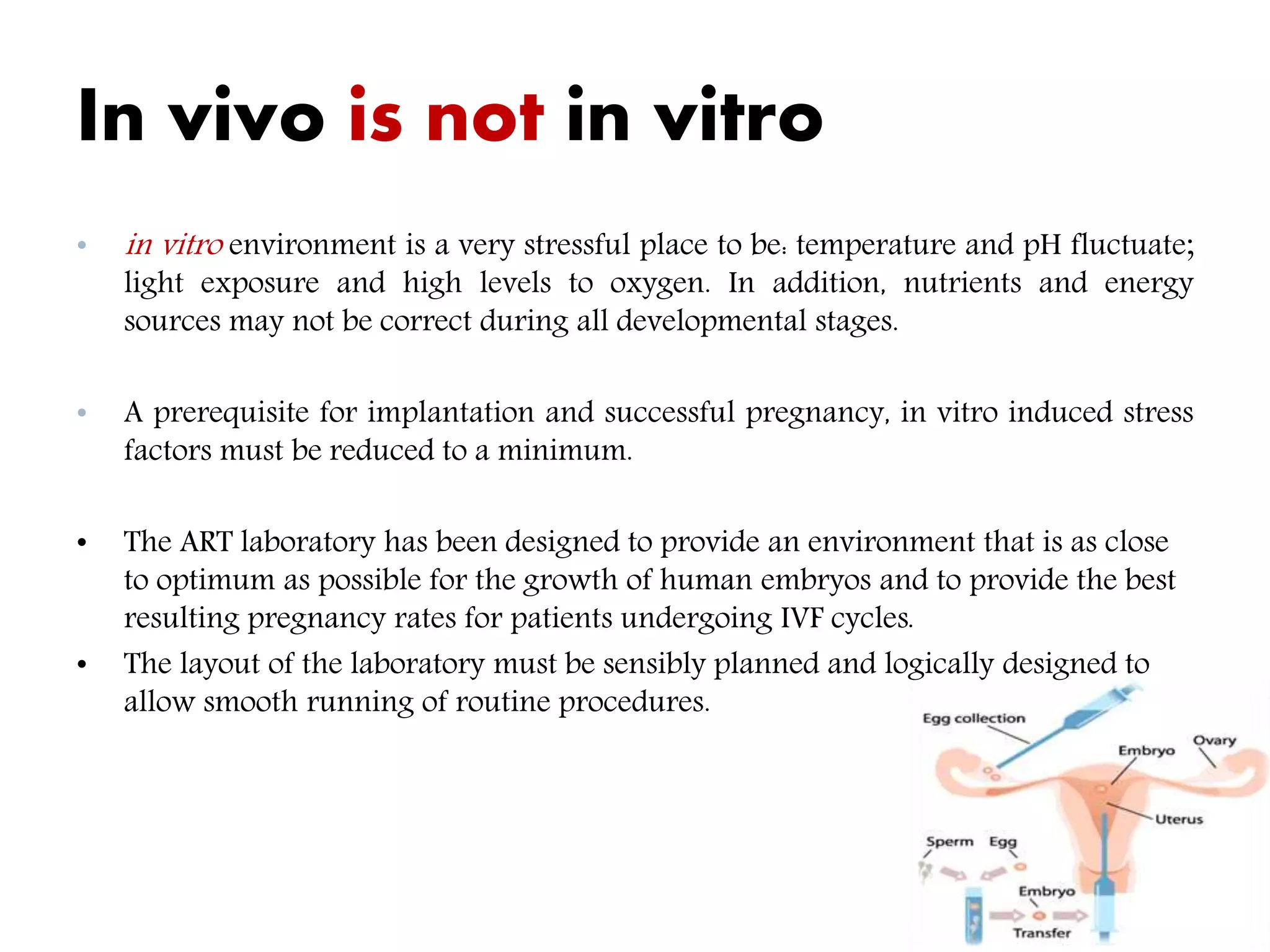
In vivo is not in vitro
• in vitro environment is a very stressful place to be: temperature and pH fluctuate;
light exposure and high levels to oxygen. In addition, nutrients and energy
sources may not be correct during all developmental stages.
• A prerequisite for implantation and successful pregnancy, in vitro induced stress
factors must be reduced to a minimum.
• The ART laboratory has been designed to provide an environment that is as close
to optimum as possible for the growth of human embryos and to provide the best
resulting pregnancy rates for patients undergoing IVF cycles.
• The layout of the laboratory must be sensibly planned and logically designed to
allow smooth running of routine procedures.
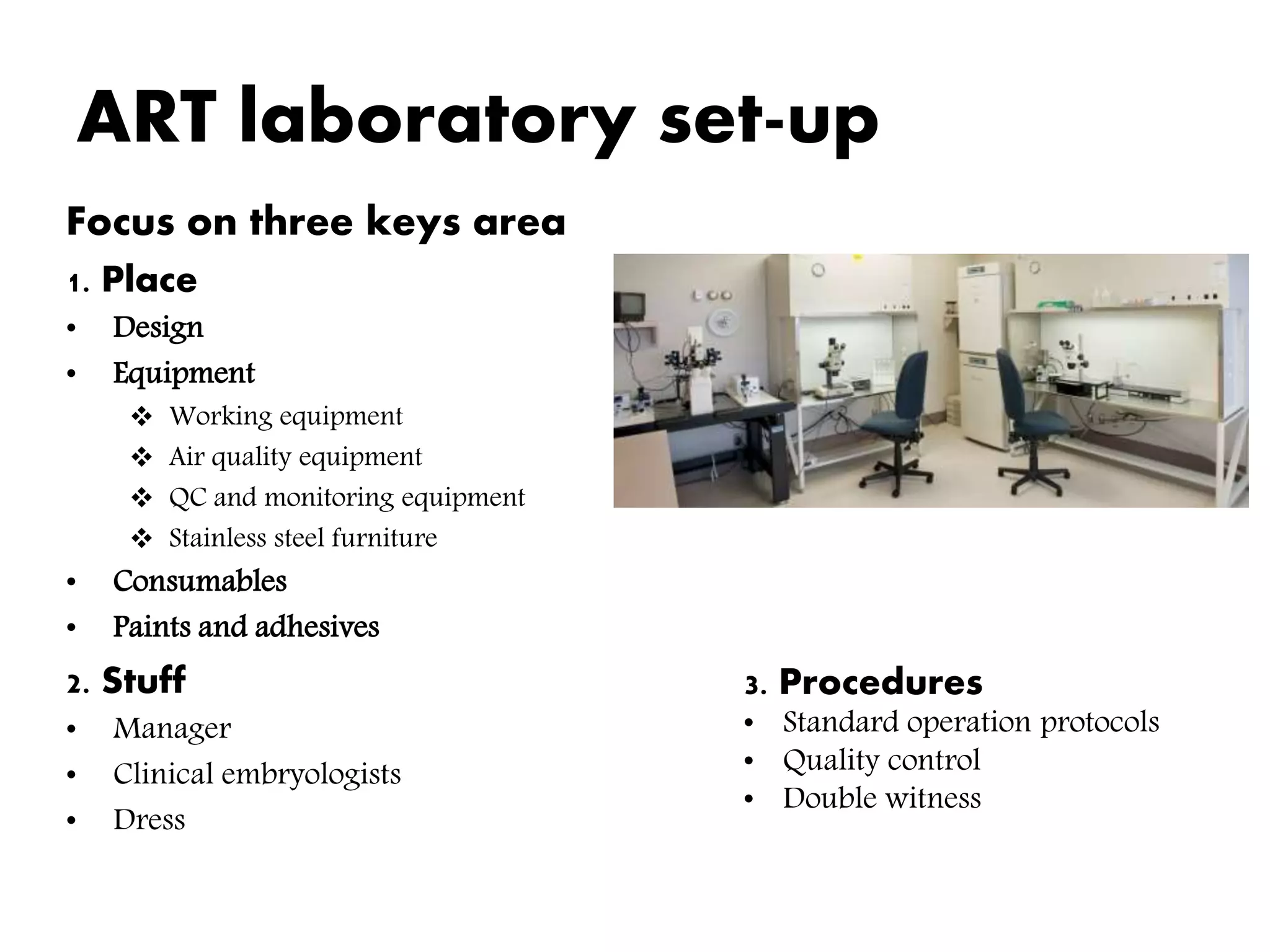
ART laboratory set-up
Focus on three keys area
1. Place
• Design
• Equipment
 Working equipment
 Air quality equipment
 QC and monitoring equipment
 Stainless steel furniture
• Consumables
• Paints and adhesives
2. Stuff
• Manager
• Clinical embryologists
• Dress
3. Procedures
• Standard operation protocols
• Quality control
• Double witness
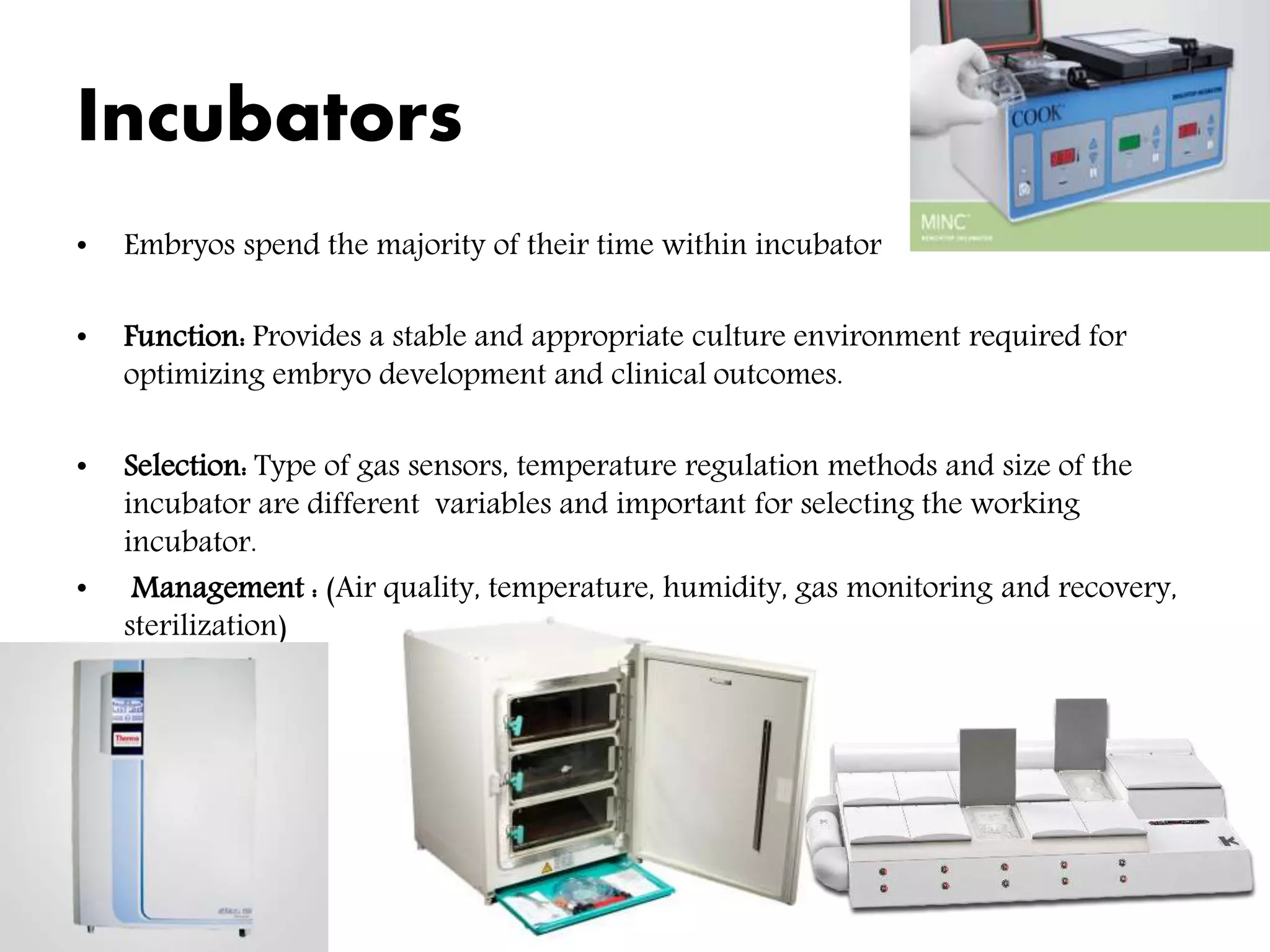
Incubators
• Embryos spend the majority of their time within incubator
• Function: Provides a stable and appropriate culture environment required for
optimizing embryo development and clinical outcomes.
• Selection: Type of gas sensors, temperature regulation methods and size of the
incubator are different variables and important for selecting the working
incubator.
• Management : (Air quality, temperature, humidity, gas monitoring and recovery,
sterilization)
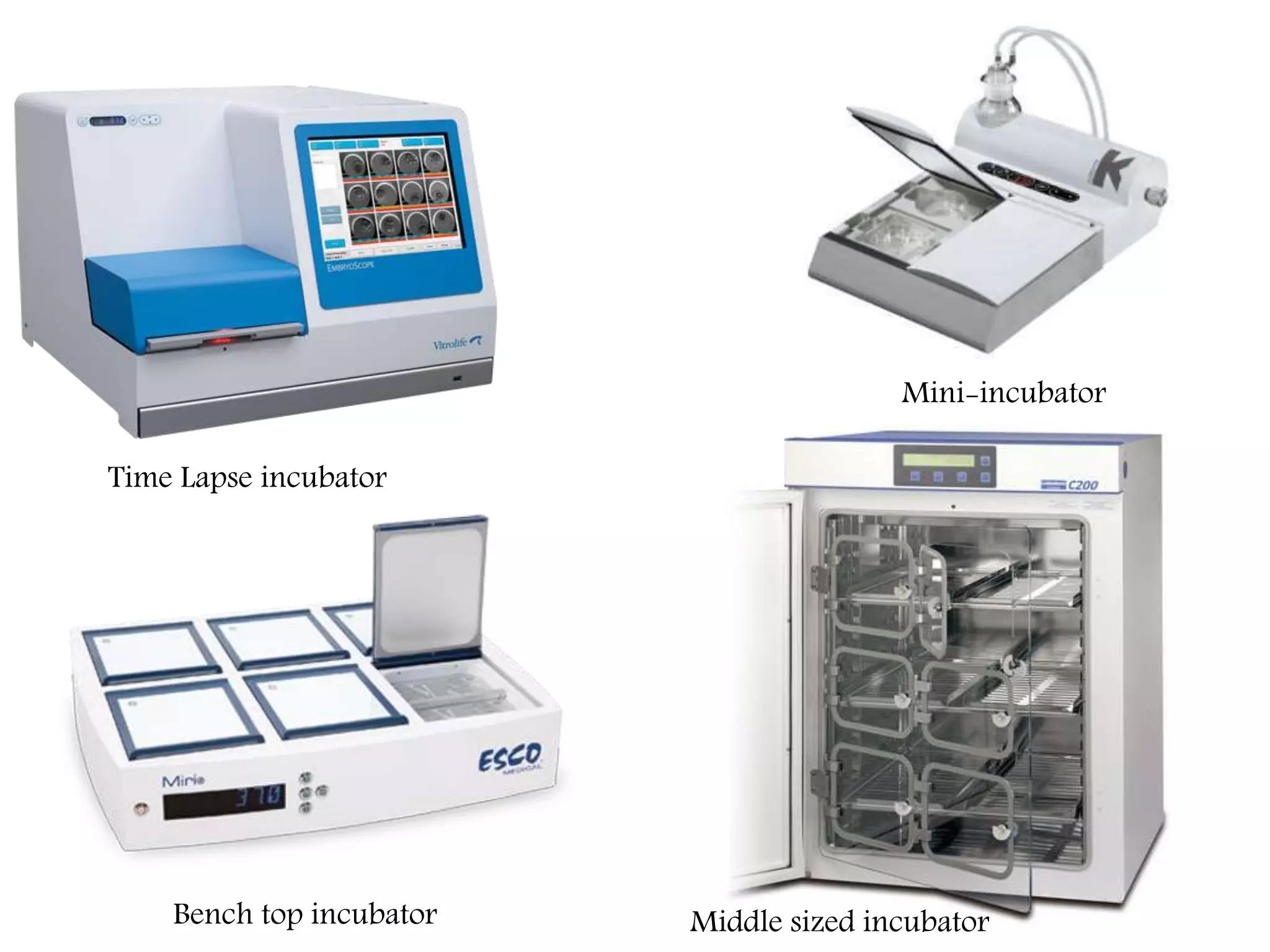
Time Lapse incubator
Bench top incubator
Mini-incubator
Middle sized incubator
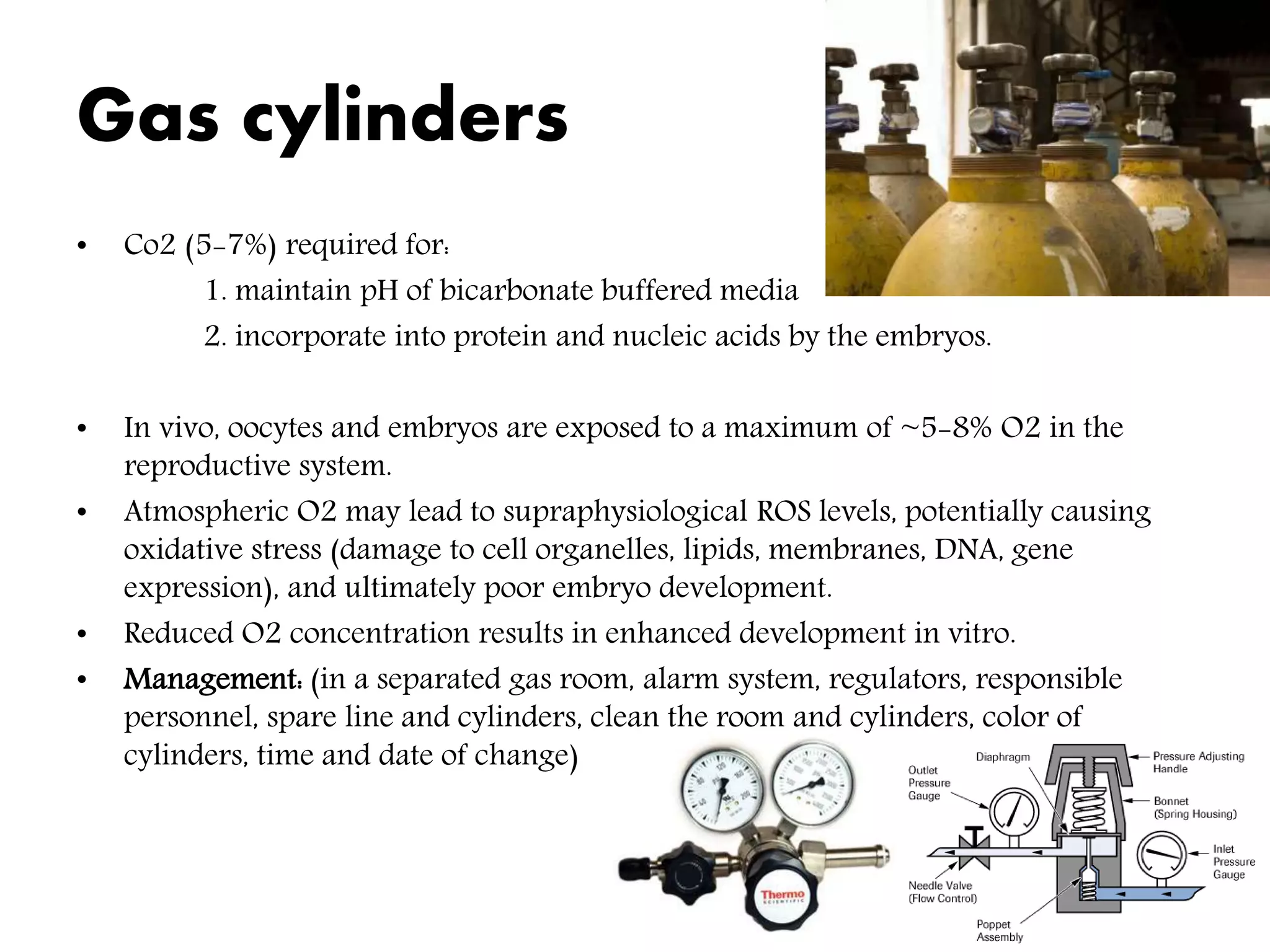
Gas cylinders
• Co2 (5-7%) required for:
1. maintain pH of bicarbonate buffered media
2. incorporate into protein and nucleic acids by the embryos.
• In vivo, oocytes and embryos are exposed to a maximum of ~5-8% O2 in the
reproductive system.
• Atmospheric O2 may lead to supraphysiological ROS levels, potentially causing
oxidative stress (damage to cell organelles, lipids, membranes, DNA, gene
expression), and ultimately poor embryo development.
• Reduced O2 concentration results in enhanced development in vitro.
• Management: (in a separated gas room, alarm system, regulators, responsible
personnel, spare line and cylinders, clean the room and cylinders, color of
cylinders, time and date of change)
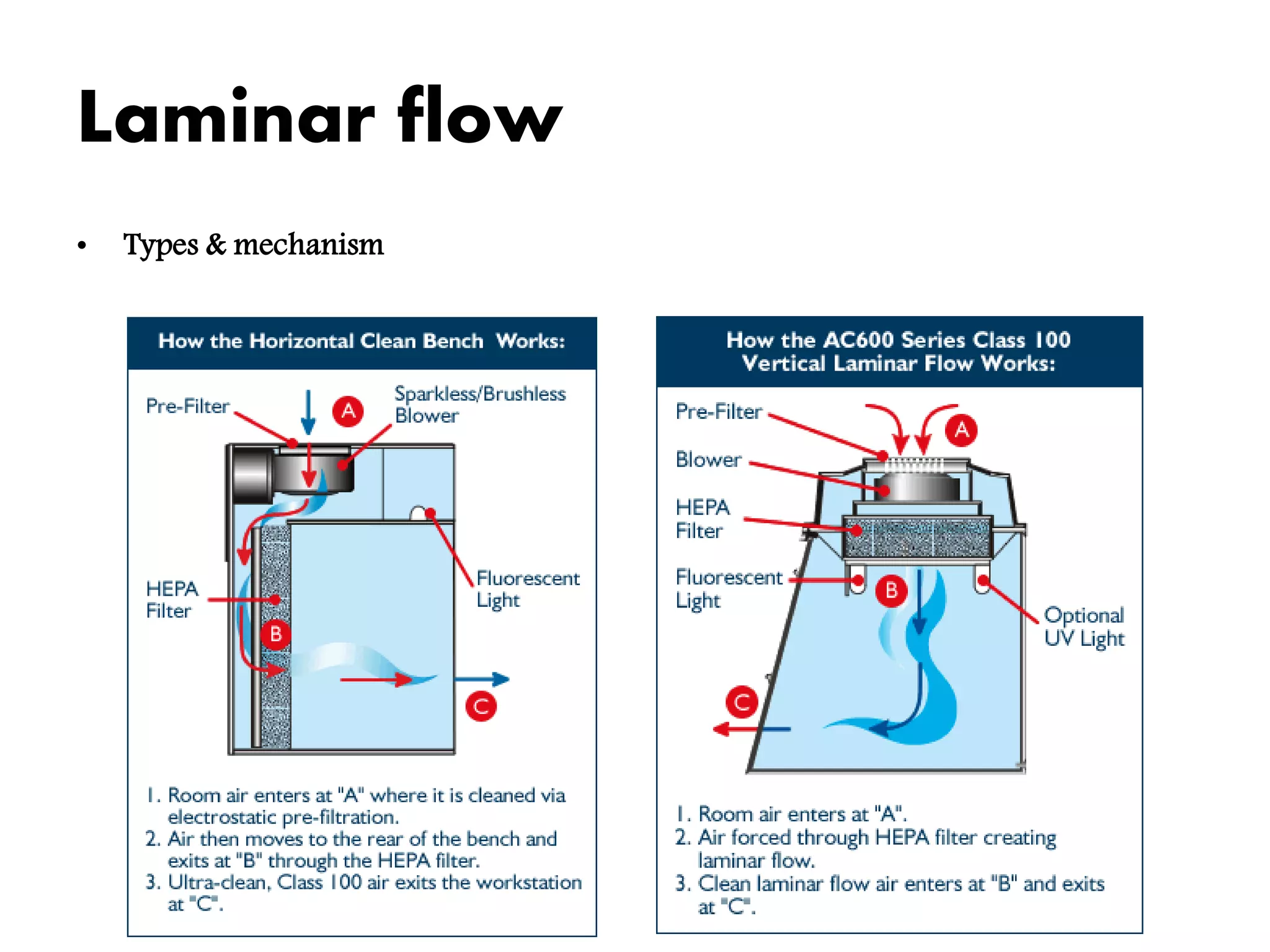
Laminar flow
• Types & mechanism
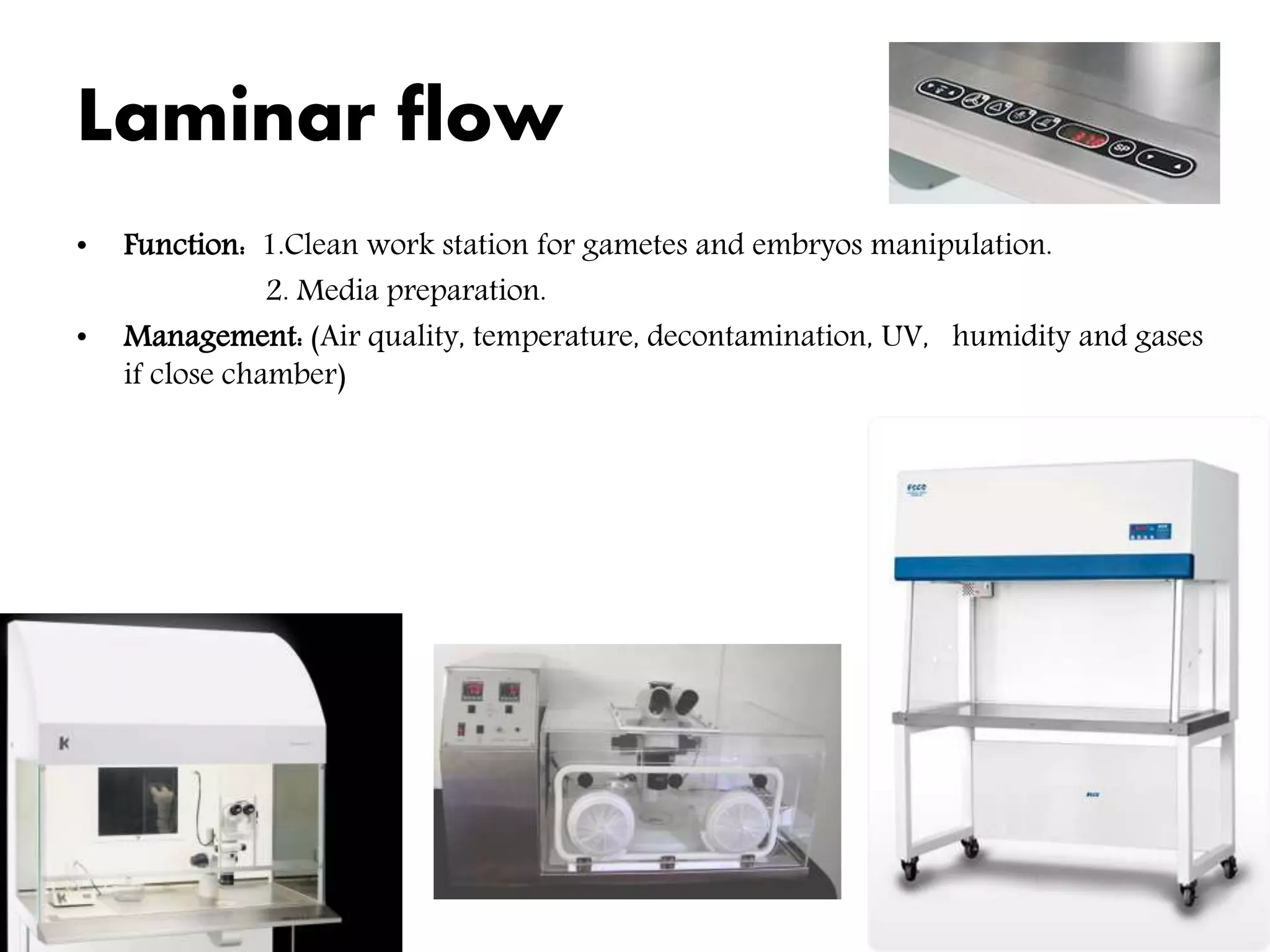
Laminar flow
• Function: 1.Clean work station for gametes and embryos manipulation.
2. Media preparation.
• Management: (Air quality, temperature, decontamination, UV, humidity and gases
if close chamber)
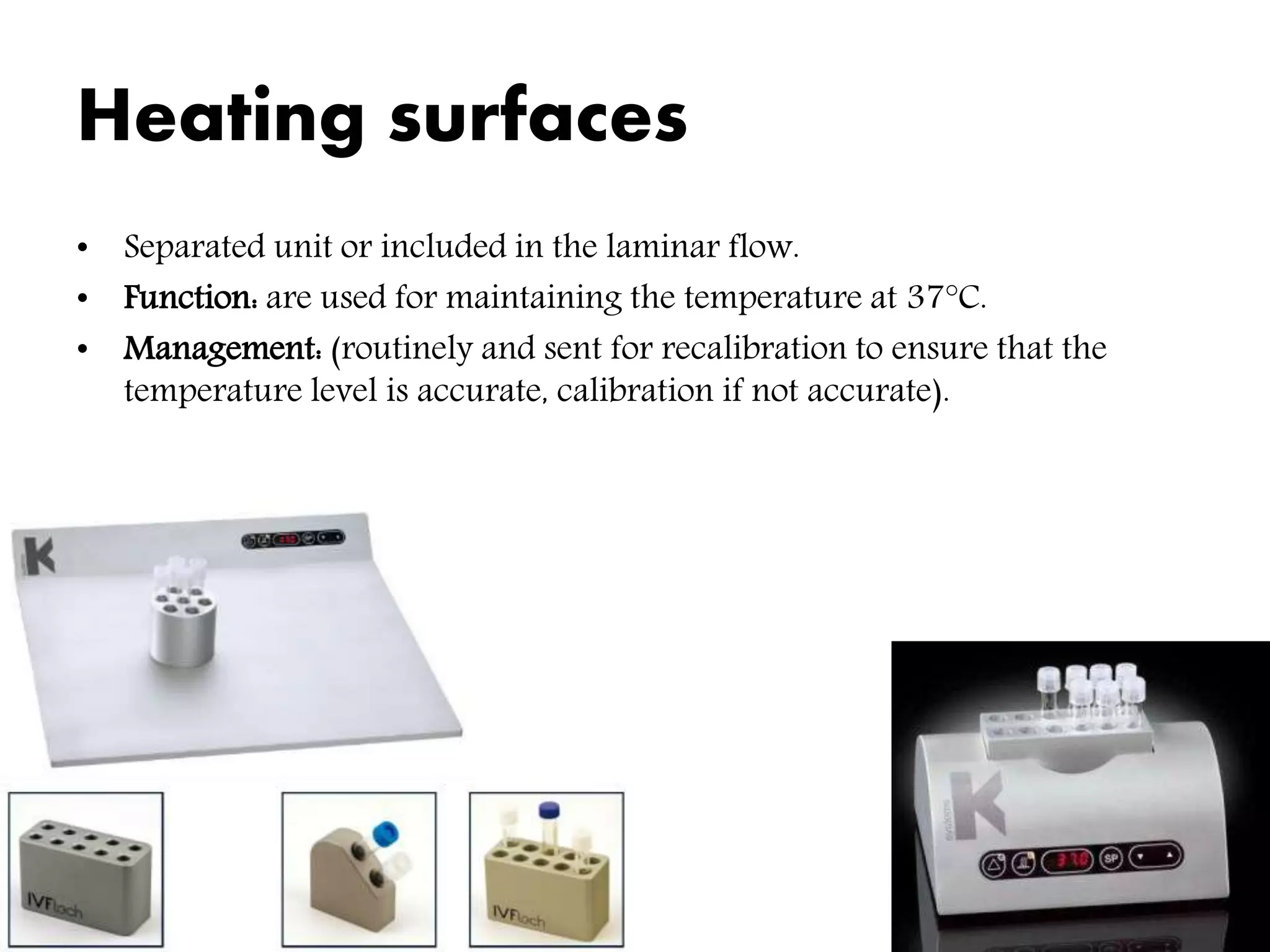
Heating surfaces
• Separated unit or included in the laminar flow.
• Function: are used for maintaining the temperature at 37°C.
• Management: (routinely and sent for recalibration to ensure that the
temperature level is accurate, calibration if not accurate).
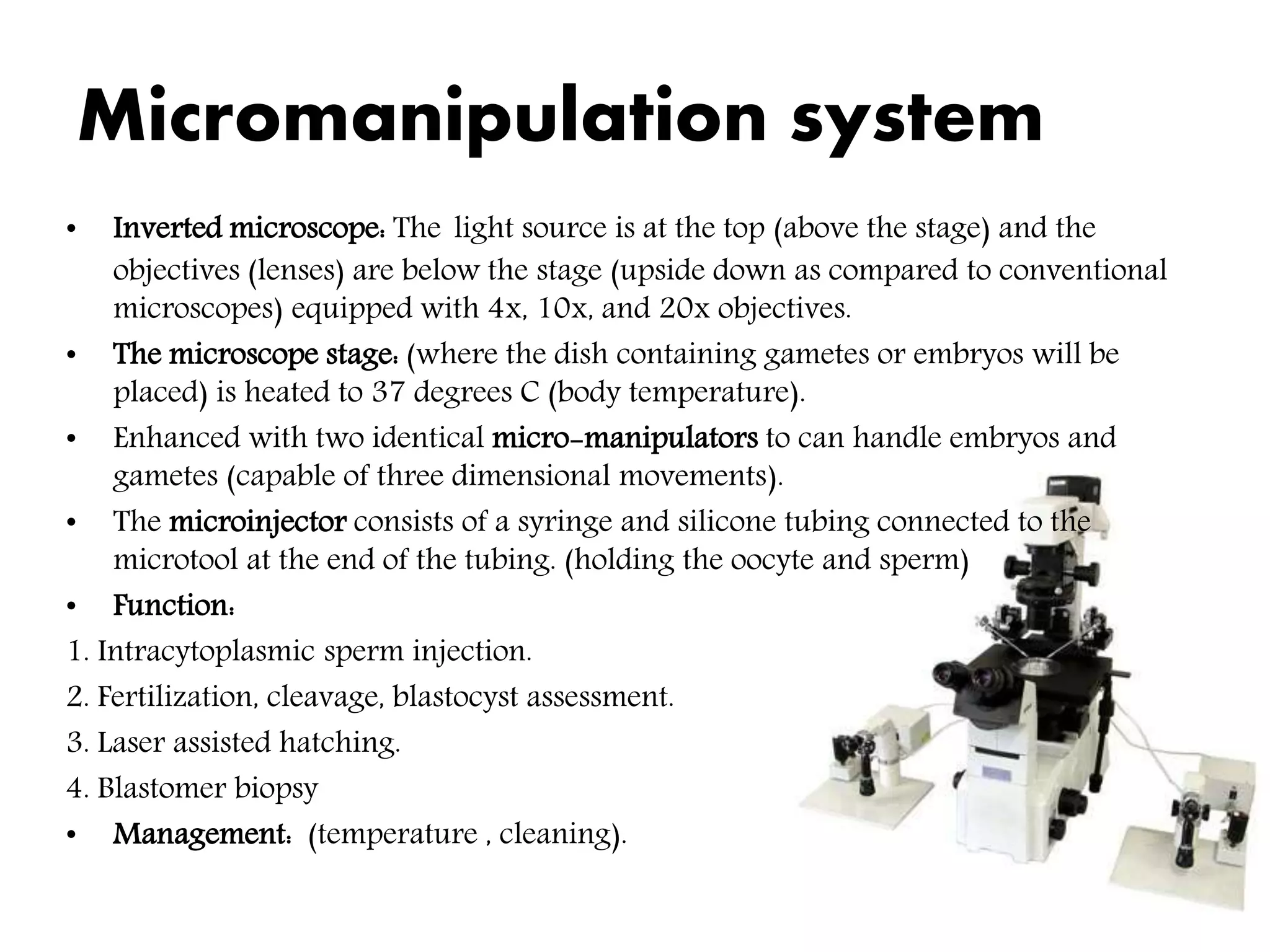
Micromanipulation system
• Inverted microscope: The light source is at the top (above the stage) and the
objectives (lenses) are below the stage (upside down as compared to conventional
microscopes) equipped with 4x, 10x, and 20x objectives.
• The microscope stage: (where the dish containing gametes or embryos will be
placed) is heated to 37 degrees C (body temperature).
• Enhanced with two identical micro-manipulators to can handle embryos and
gametes (capable of three dimensional movements).
• The microinjector consists of a syringe and silicone tubing connected to the
microtool at the end of the tubing. (holding the oocyte and sperm)
• Function:
1. Intracytoplasmic sperm injection.
2. Fertilization, cleavage, blastocyst assessment.
3. Laser assisted hatching.
4. Blastomer biopsy
• Management: (temperature , cleaning).
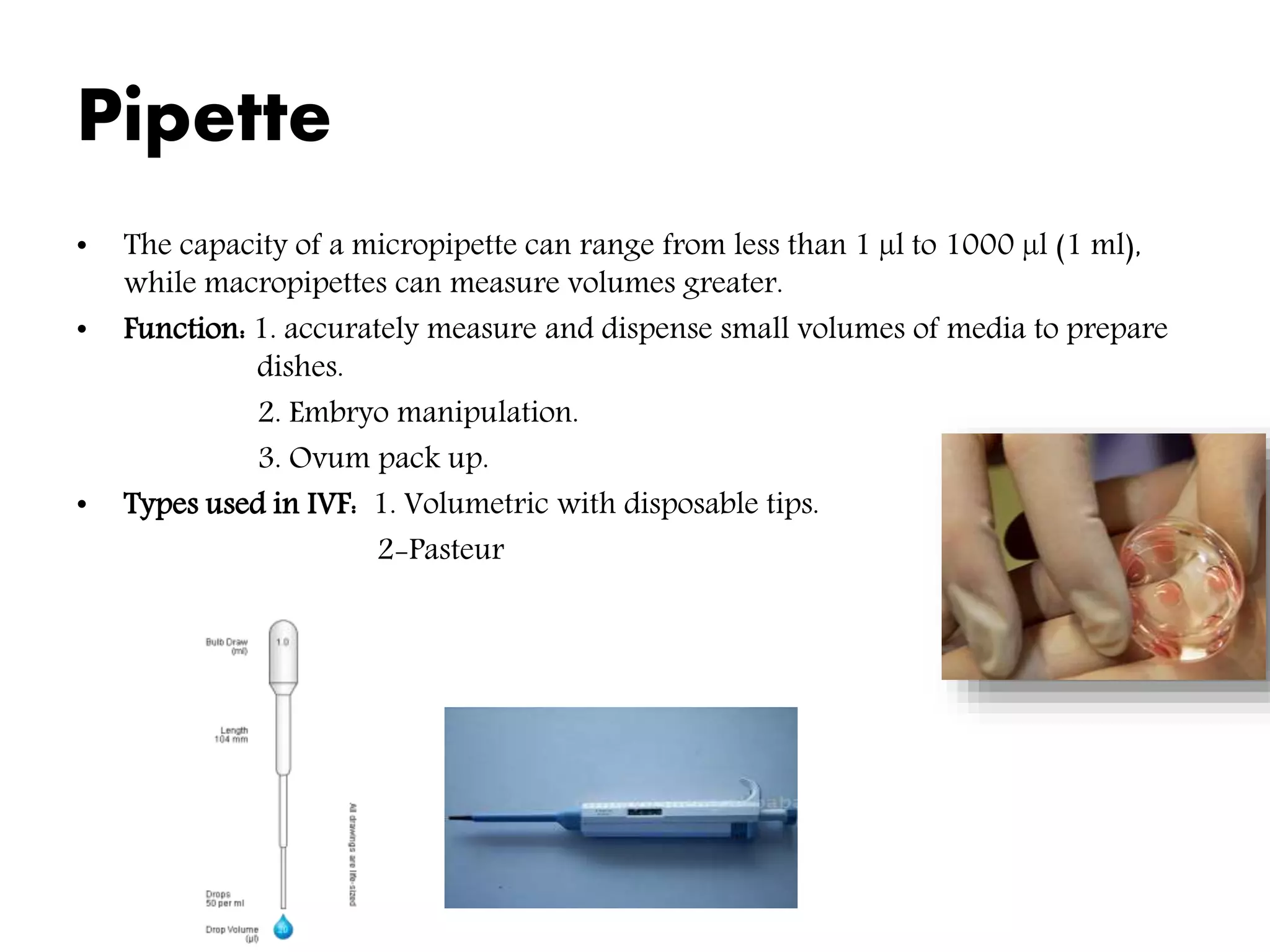
Pipette
• The capacity of a micropipette can range from less than 1 µl to 1000 µl (1 ml),
while macropipettes can measure volumes greater.
• Function: 1. accurately measure and dispense small volumes of media to prepare
dishes.
2. Embryo manipulation.
3. Ovum pack up.
• Types used in IVF: 1. Volumetric with disposable tips.
2-Pasteur
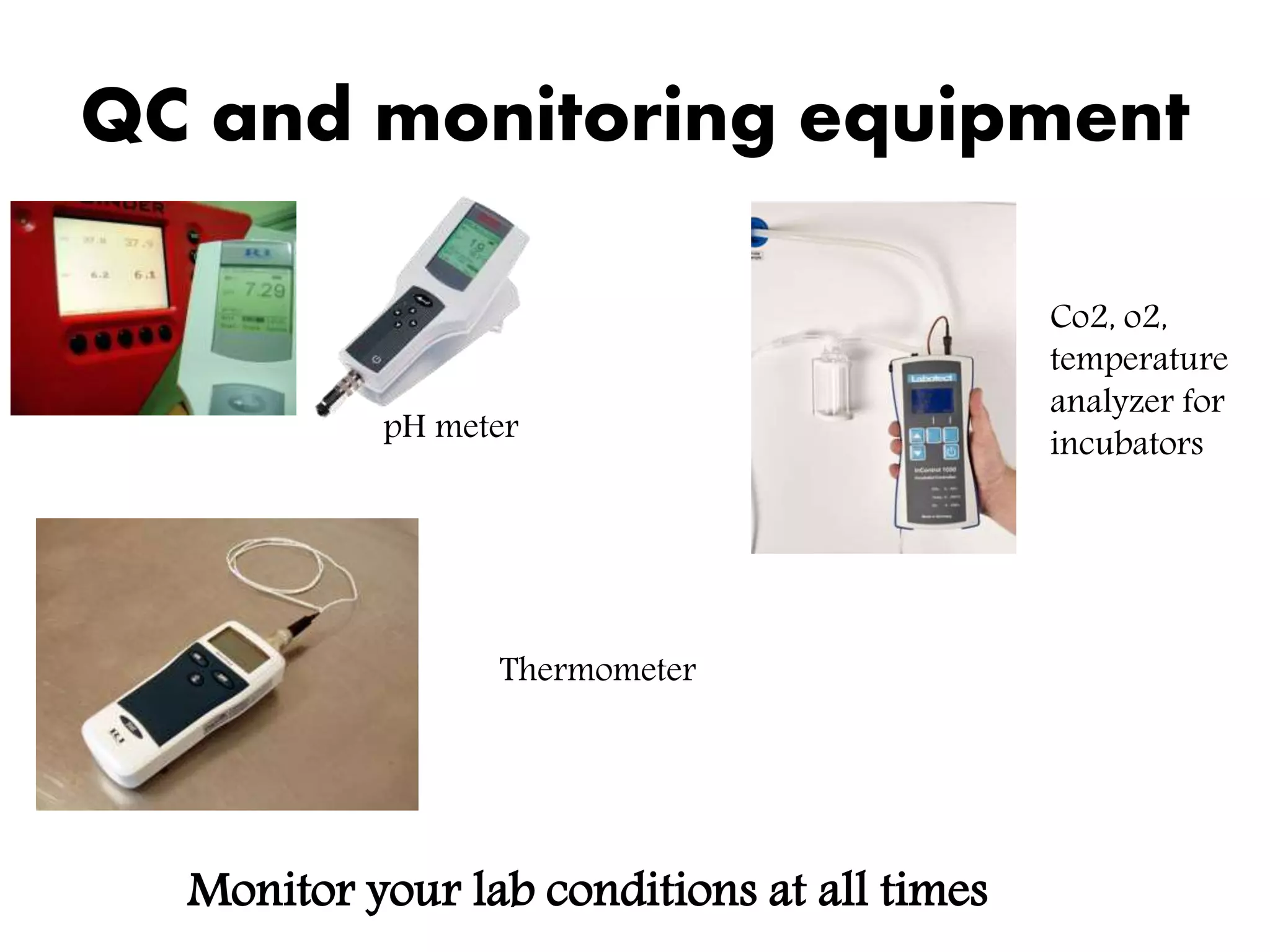
QC and monitoring equipment
pH meter
Monitor your lab conditions at all times
Co2, o2,
temperature
analyzer for
incubators
Thermometer
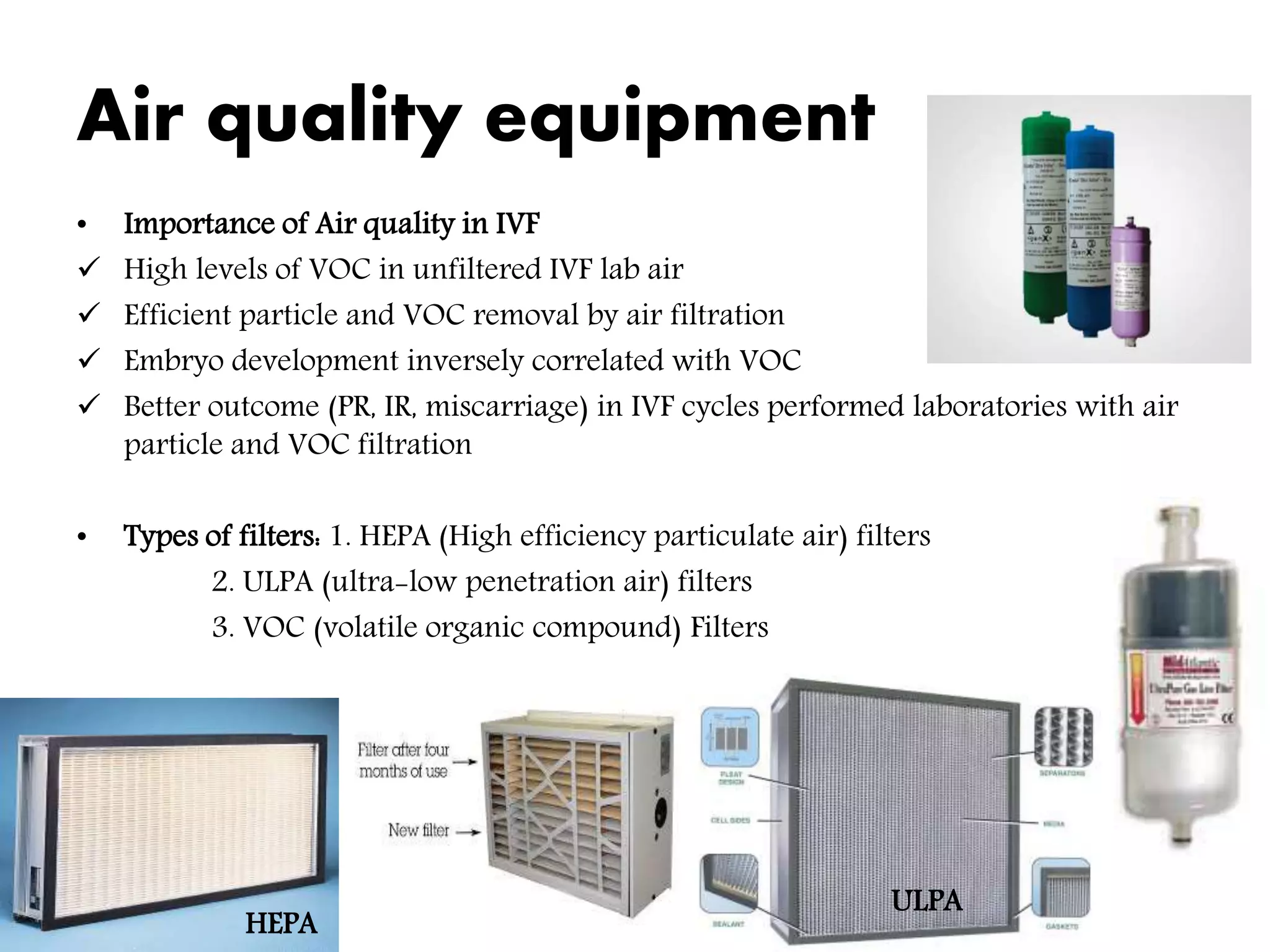
Air quality equipment
• Importance of Air quality in IVF
 High levels of VOC in unfiltered IVF lab air
 Efficient particle and VOC removal by air filtration
 Embryo development inversely correlated with VOC
 Better outcome (PR, IR, miscarriage) in IVF cycles performed laboratories with air
particle and VOC filtration
• Types of filters: 1. HEPA (High efficiency particulate air) filters
2. ULPA (ultra-low penetration air) filters
3. VOC (volatile organic compound) Filters
HEPA
ULPA
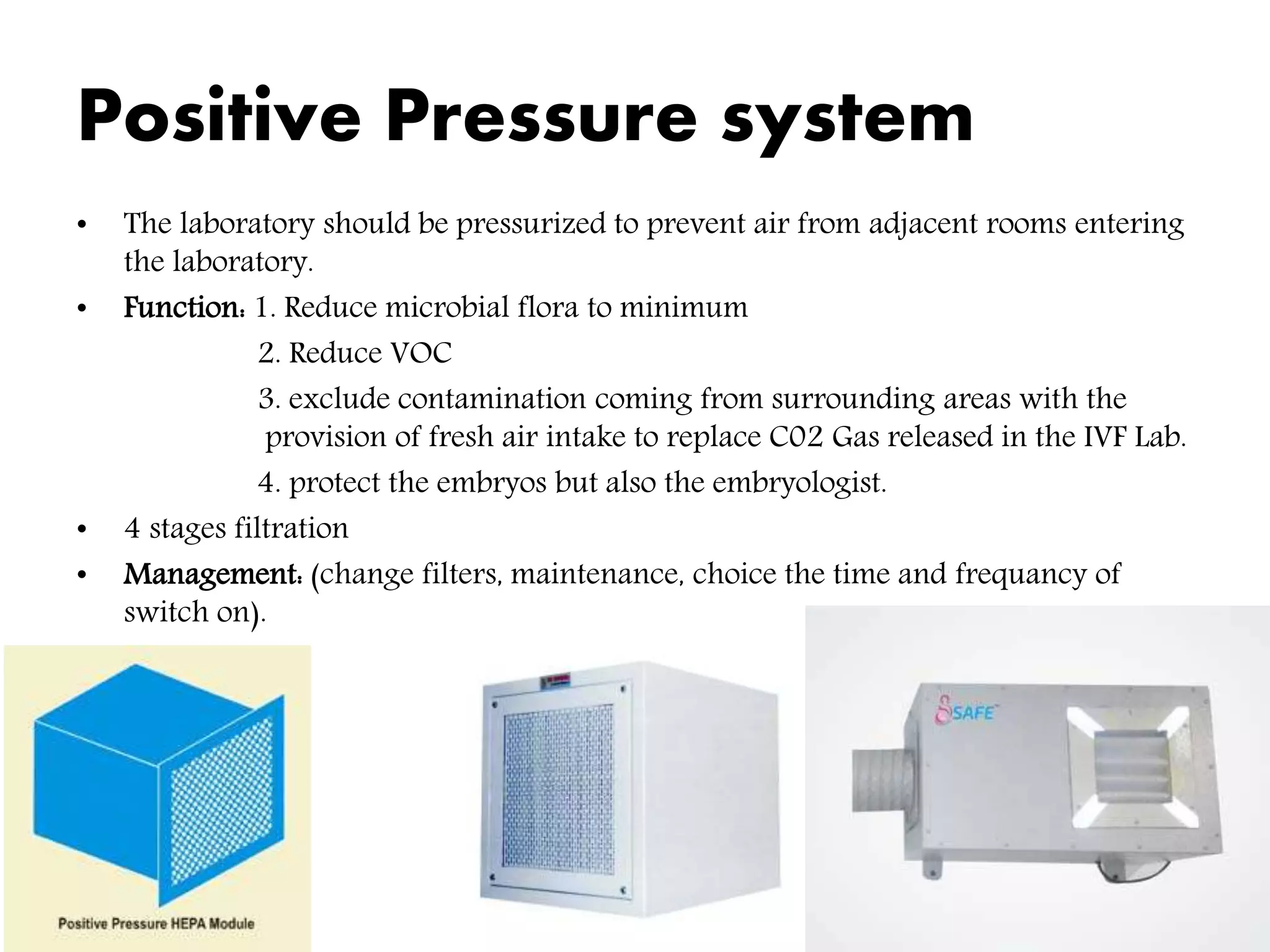
Positive Pressure system
• The laboratory should be pressurized to prevent air from adjacent rooms entering
the laboratory.
• Function: 1. Reduce microbial flora to minimum
2. Reduce VOC
3. exclude contamination coming from surrounding areas with the
provision of fresh air intake to replace C02 Gas released in the IVF Lab.
4. protect the embryos but also the embryologist.
• 4 stages filtration
• Management: (change filters, maintenance, choice the time and frequancy of
switch on).
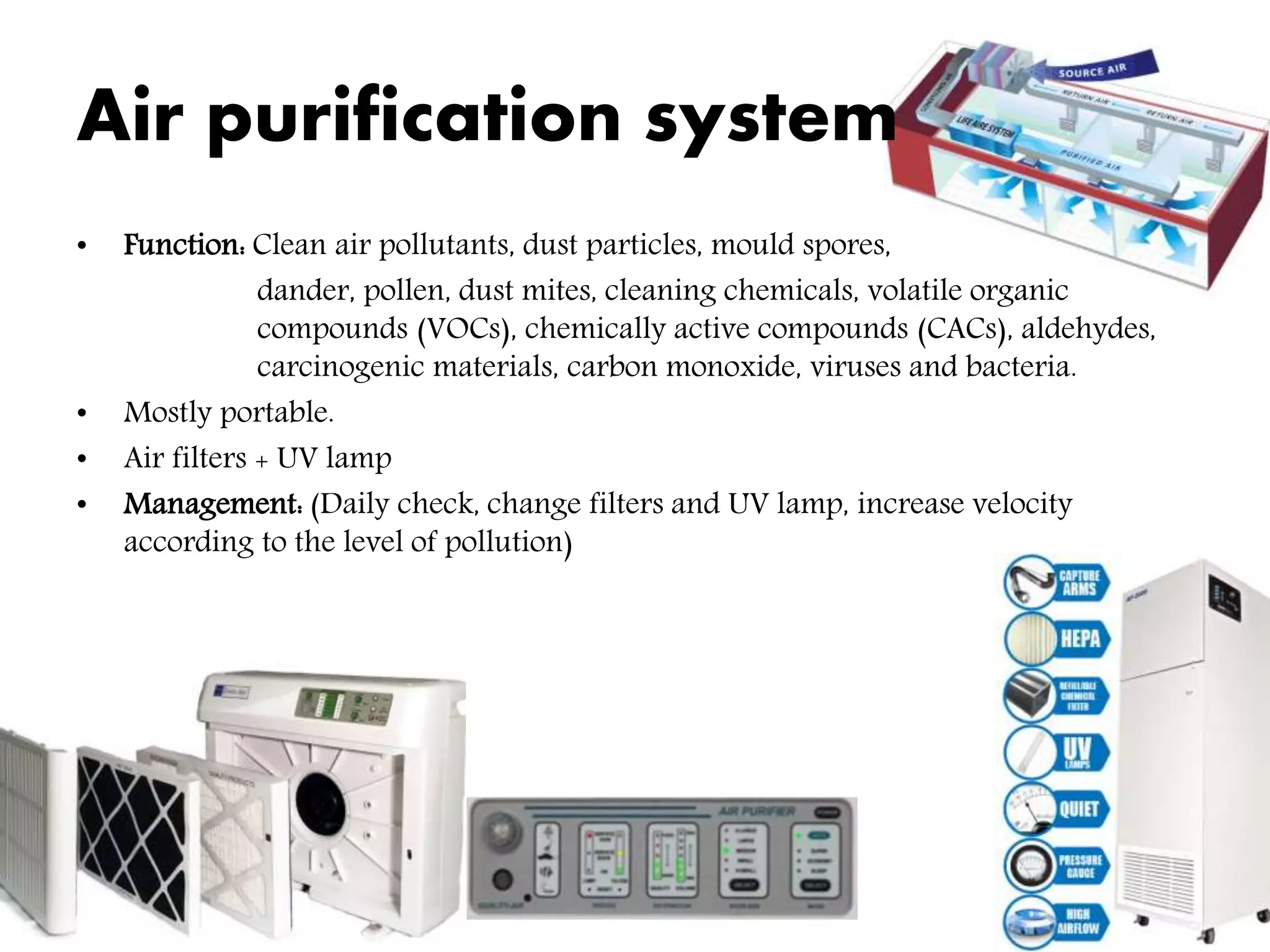
Air purification system
• Function: Clean air pollutants, dust particles, mould spores,
dander, pollen, dust mites, cleaning chemicals, volatile organic
compounds (VOCs), chemically active compounds (CACs), aldehydes,
carcinogenic materials, carbon monoxide, viruses and bacteria.
• Mostly portable.
• Air filters + UV lamp
• Management: (Daily check, change filters and UV lamp, increase velocity
according to the level of pollution)
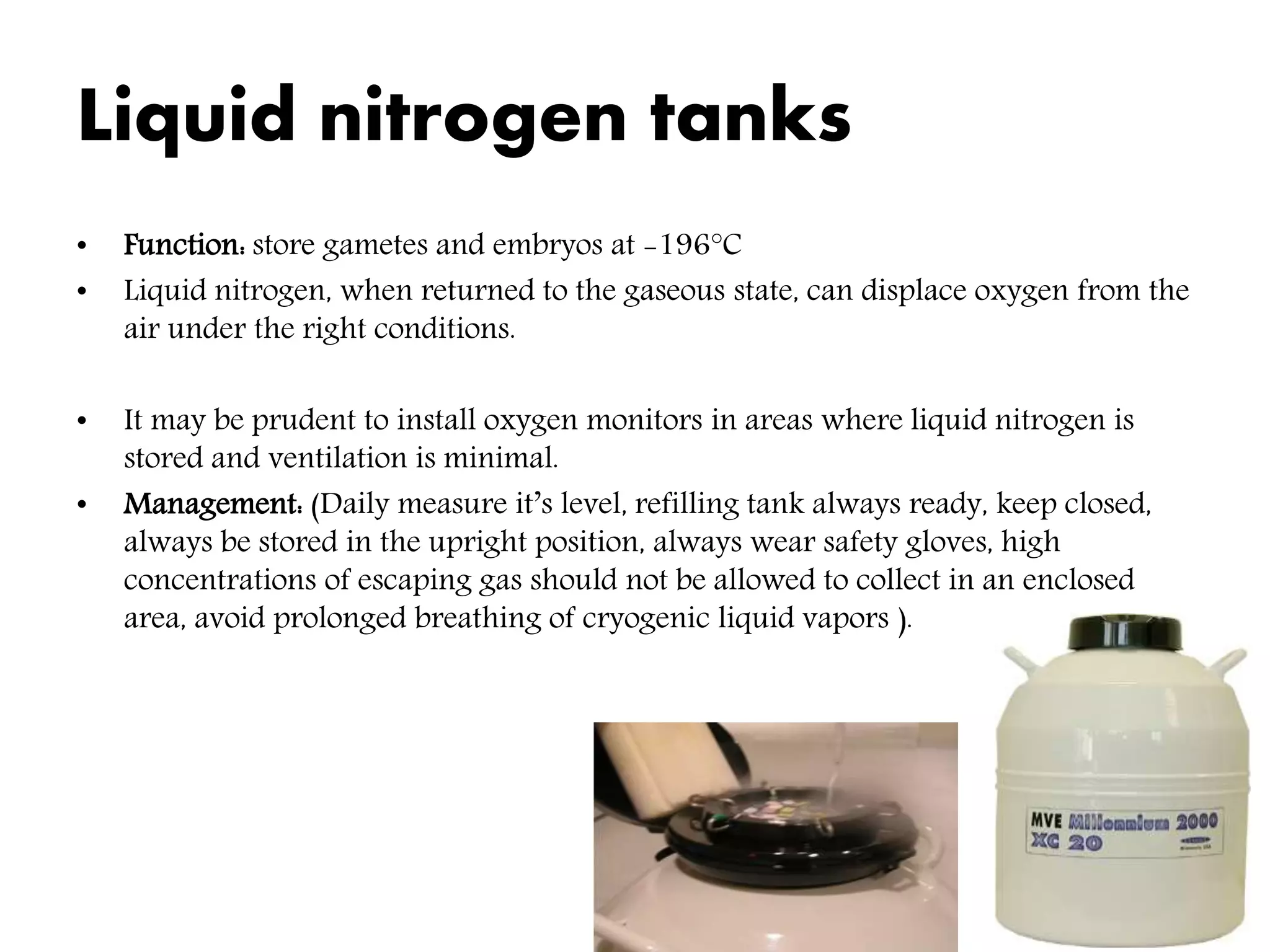
Liquid nitrogen tanks
• Function: store gametes and embryos at -196°C
• Liquid nitrogen, when returned to the gaseous state, can displace oxygen from the
air under the right conditions.
• It may be prudent to install oxygen monitors in areas where liquid nitrogen is
stored and ventilation is minimal.
• Management: (Daily measure it’s level, refilling tank always ready, keep closed,
always be stored in the upright position, always wear safety gloves, high
concentrations of escaping gas should not be allowed to collect in an enclosed
area, avoid prolonged breathing of cryogenic liquid vapors ).
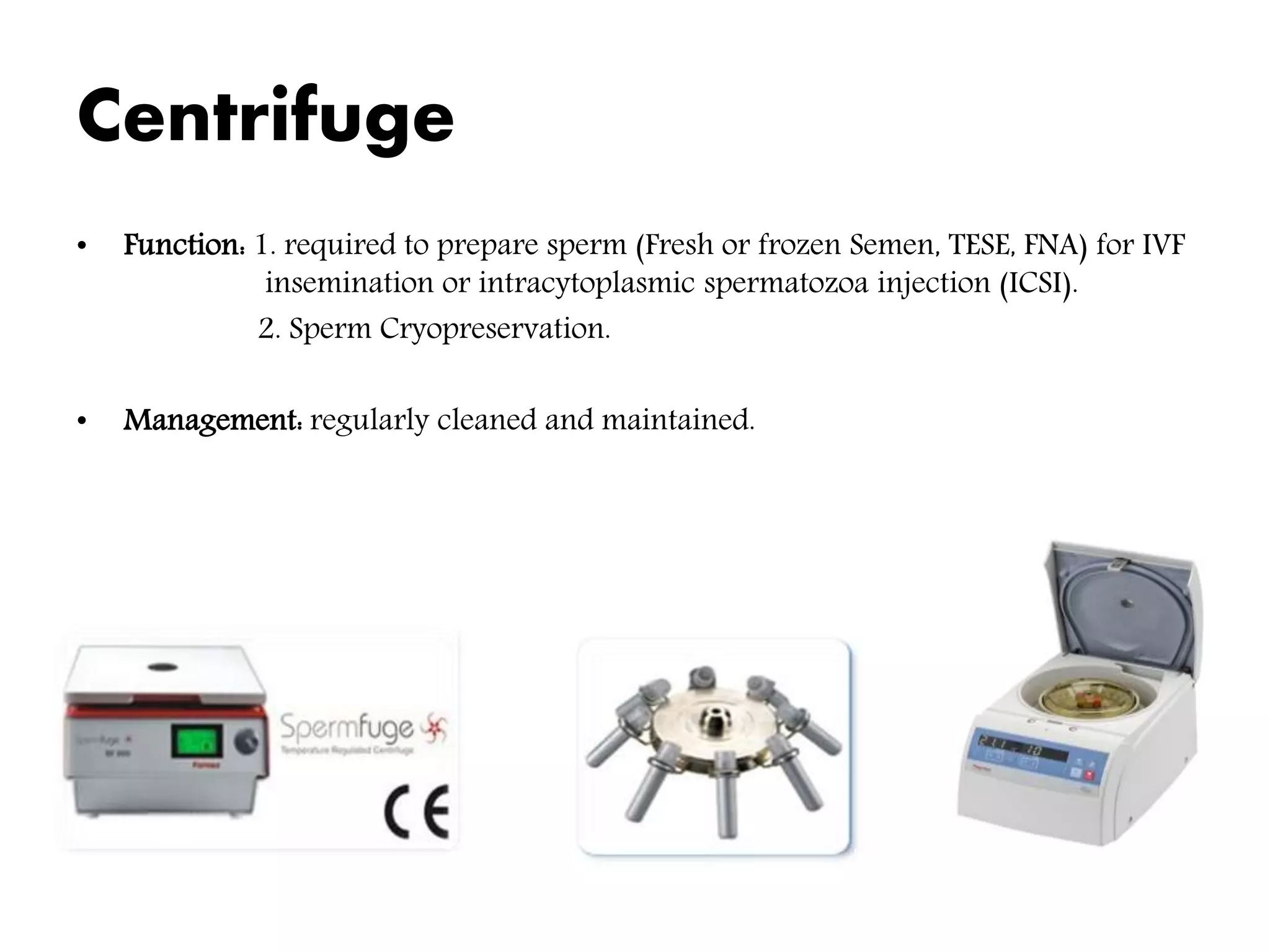
Centrifuge
• Function: 1. required to prepare sperm (Fresh or frozen Semen, TESE, FNA) for IVF
insemination or intracytoplasmic spermatozoa injection (ICSI).
2. Sperm Cryopreservation.
• Management: regularly cleaned and maintained.
Refrigerator
• Function: keep the ( medias , oil, Kits )
• Should be adapting with its requirement ( big or small ).
• Management: (temperature check twice and adjusted according to manufacture
instructions, never use for something else, one for stock and one working,
decontamination)
Equipment…….. Which one???
• Proven or established models that have been used successfully in other successful
centers should be bought.
• highest quality and reliability
• safe to use.
• Regular servicing and maintenance of equipment is mandatory. For this
• reason, equipment that has maintenance support and reliable breakdown service
should be used.
• It is important that the suppliers have spare equipment as backup in the event of
any malfunction of equipment.
Paints and adhesives
• Walls of the laboratory should be painted with non odor emitting, nontoxic,
glossy, non-vaporizing paint. Ceiling should be solid. Flooring should be slip
proof preferably vinyl which is easy to clean.
• Lighting should be adjustable by dimmer. There should be enough electrical
outlets.
• There should be a wall mounted data logger displaying the laboratory ambient
temperature and humidity levels.
• The entire walls should be washed with sterile distilled water and alcohol weekly,
and a yearly maintenance by the suppliers is recommended.
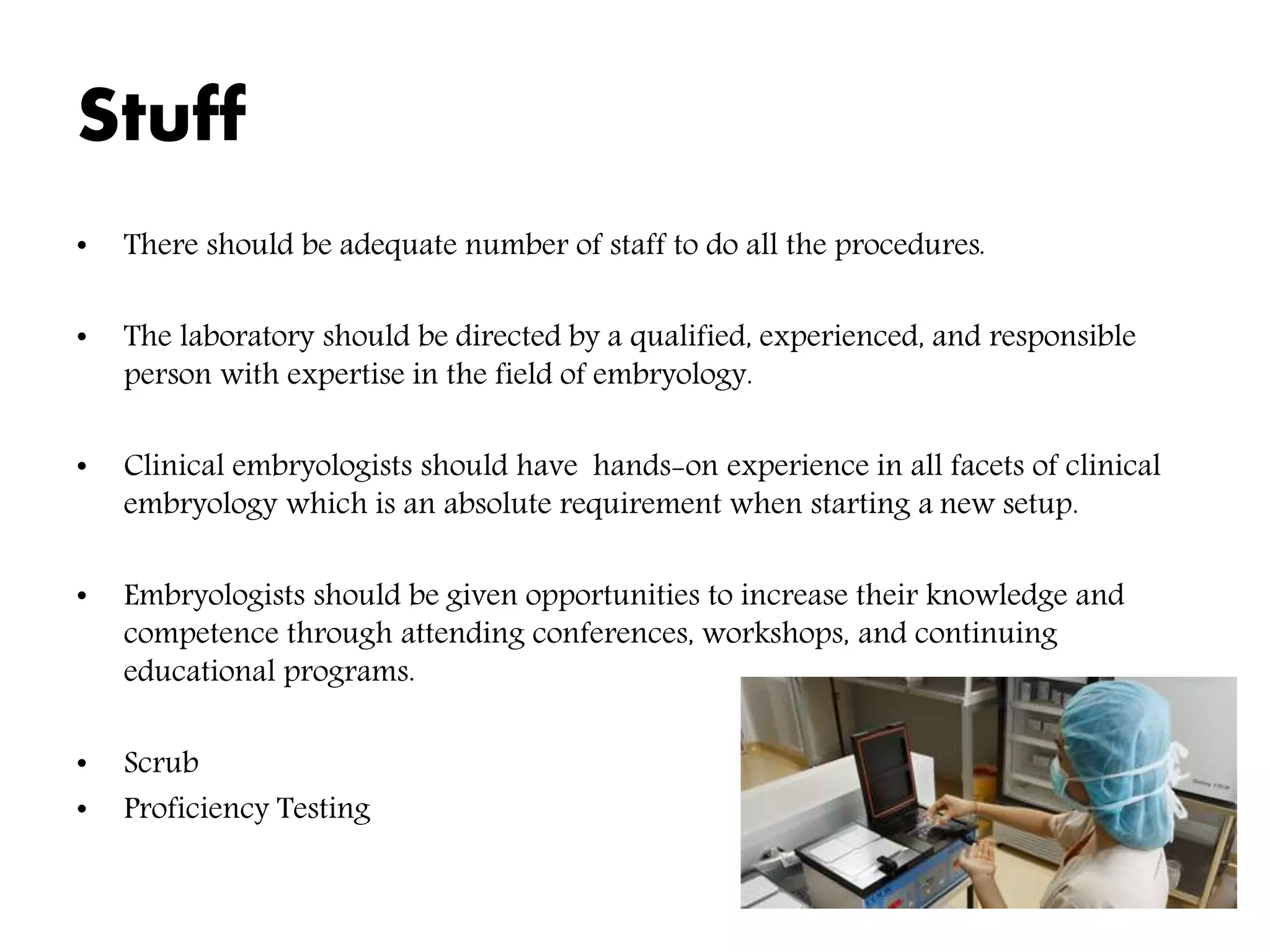
Stuff
• There should be adequate number of staff to do all the procedures.
• The laboratory should be directed by a qualified, experienced, and responsible
person with expertise in the field of embryology.
• Clinical embryologists should have hands-on experience in all facets of clinical
embryology which is an absolute requirement when starting a new setup.
• Embryologists should be given opportunities to increase their knowledge and
competence through attending conferences, workshops, and continuing
educational programs.
• Scrub
• Proficiency Testing
Procedures
• All activities performed within the ART laboratory need to be clearly written with
sufficient details on the techniques (Called slandered operation protocols; SOPs).
• All SOP’s should be signed and dated and should be made available to all staff.
• There should be strict adherence to the SOP.
• Non adherence to SOP’s should be dealt with seriously and should not be excused.
• Witness: When doing procedures there should be at least two identifiers for
patients’ specimen. The name and an additional identifier such as an identity
number should be used.
Conclusions…………..
• The ART laboratory plays a crucial role in the treatment of infertile couples and
setting up a state of the art laboratory is no easy task.
• To setup a quality ART laboratory, the combination of the three key areas will
provide the main framework.
• The main goal of the laboratory should be to provide a safe and secure
environment while maintaining optimal parameters for embryonic development.
• The embryologists selected should be experienced and highly skilled and be able
to deliver consistent results.
• Quality standards are needed to ensure consistency and reproducibility of all
methods.
• Procedures and processes should be clearly written and available. For a successful
ART program, the ART laboratory should establish and maintain strict quality
controls.
Thank You
For contact:
E-mail: Yas.magdi@hotmail.com

Ivf lab microsized

  • 1.
  • 2.
    IVF Unit • TheIVF Unit may consist of a number of Functional Zones: ENTRY/ CONSULT ZONE: Entry/ Reception and waiting areas Administration/ Records Interview Room/s Consult/ Examination/ Treatment Room/s Ultrasound room/s Collection Room/s with shower and Toilet Public Toilets PATIENT PROCEDURAL ZONE: Operating Room/s Recovery areas Change areas and toilets for staff and patients LABORATORY ZONE: Laboratories (Embryology, Andrology, Genetics) Cryopreservation facilities Gas Bottle Store STAFF AND SUPPORT ZONE: Clean-up and Disposal room Store rooms and Sterile store Offices, meeting rooms, staff room Sterilising area:
  • 3.
    Services provided bythe IVF Unit include: Patient consultation and interview on an outpatient basis Pre treatment assessment Blood collection Semen collection Artificial insemination Ovarian stimulation therapy Ultrasound examination Oocyte (egg) collection Embryo culture In vitro / ICSI fertilisation Cryopreservation Embryo transfer
  • 4.
    In vivo isnot in vitro • in vitro environment is a very stressful place to be: temperature and pH fluctuate; light exposure and high levels to oxygen. In addition, nutrients and energy sources may not be correct during all developmental stages. • A prerequisite for implantation and successful pregnancy, in vitro induced stress factors must be reduced to a minimum. • The ART laboratory has been designed to provide an environment that is as close to optimum as possible for the growth of human embryos and to provide the best resulting pregnancy rates for patients undergoing IVF cycles. • The layout of the laboratory must be sensibly planned and logically designed to allow smooth running of routine procedures.
  • 5.
    ART laboratory set-up Focuson three keys area 1. Place • Design • Equipment  Working equipment  Air quality equipment  QC and monitoring equipment  Stainless steel furniture • Consumables • Paints and adhesives 2. Stuff • Manager • Clinical embryologists • Dress 3. Procedures • Standard operation protocols • Quality control • Double witness
  • 6.
    Incubators • Embryos spendthe majority of their time within incubator • Function: Provides a stable and appropriate culture environment required for optimizing embryo development and clinical outcomes. • Selection: Type of gas sensors, temperature regulation methods and size of the incubator are different variables and important for selecting the working incubator. • Management : (Air quality, temperature, humidity, gas monitoring and recovery, sterilization)
  • 7.
    Time Lapse incubator Benchtop incubator Mini-incubator Middle sized incubator
  • 8.
    Gas cylinders • Co2(5-7%) required for: 1. maintain pH of bicarbonate buffered media 2. incorporate into protein and nucleic acids by the embryos. • In vivo, oocytes and embryos are exposed to a maximum of ~5-8% O2 in the reproductive system. • Atmospheric O2 may lead to supraphysiological ROS levels, potentially causing oxidative stress (damage to cell organelles, lipids, membranes, DNA, gene expression), and ultimately poor embryo development. • Reduced O2 concentration results in enhanced development in vitro. • Management: (in a separated gas room, alarm system, regulators, responsible personnel, spare line and cylinders, clean the room and cylinders, color of cylinders, time and date of change)
  • 9.
  • 10.
    Laminar flow • Function:1.Clean work station for gametes and embryos manipulation. 2. Media preparation. • Management: (Air quality, temperature, decontamination, UV, humidity and gases if close chamber)
  • 11.
    Heating surfaces • Separatedunit or included in the laminar flow. • Function: are used for maintaining the temperature at 37°C. • Management: (routinely and sent for recalibration to ensure that the temperature level is accurate, calibration if not accurate).
  • 12.
    Micromanipulation system • Invertedmicroscope: The light source is at the top (above the stage) and the objectives (lenses) are below the stage (upside down as compared to conventional microscopes) equipped with 4x, 10x, and 20x objectives. • The microscope stage: (where the dish containing gametes or embryos will be placed) is heated to 37 degrees C (body temperature). • Enhanced with two identical micro-manipulators to can handle embryos and gametes (capable of three dimensional movements). • The microinjector consists of a syringe and silicone tubing connected to the microtool at the end of the tubing. (holding the oocyte and sperm) • Function: 1. Intracytoplasmic sperm injection. 2. Fertilization, cleavage, blastocyst assessment. 3. Laser assisted hatching. 4. Blastomer biopsy • Management: (temperature , cleaning).
  • 13.
    Pipette • The capacityof a micropipette can range from less than 1 µl to 1000 µl (1 ml), while macropipettes can measure volumes greater. • Function: 1. accurately measure and dispense small volumes of media to prepare dishes. 2. Embryo manipulation. 3. Ovum pack up. • Types used in IVF: 1. Volumetric with disposable tips. 2-Pasteur
  • 14.
    QC and monitoringequipment pH meter Monitor your lab conditions at all times Co2, o2, temperature analyzer for incubators Thermometer
  • 15.
    Air quality equipment •Importance of Air quality in IVF  High levels of VOC in unfiltered IVF lab air  Efficient particle and VOC removal by air filtration  Embryo development inversely correlated with VOC  Better outcome (PR, IR, miscarriage) in IVF cycles performed laboratories with air particle and VOC filtration • Types of filters: 1. HEPA (High efficiency particulate air) filters 2. ULPA (ultra-low penetration air) filters 3. VOC (volatile organic compound) Filters HEPA ULPA
  • 16.
    Positive Pressure system •The laboratory should be pressurized to prevent air from adjacent rooms entering the laboratory. • Function: 1. Reduce microbial flora to minimum 2. Reduce VOC 3. exclude contamination coming from surrounding areas with the provision of fresh air intake to replace C02 Gas released in the IVF Lab. 4. protect the embryos but also the embryologist. • 4 stages filtration • Management: (change filters, maintenance, choice the time and frequancy of switch on).
  • 17.
    Air purification system •Function: Clean air pollutants, dust particles, mould spores, dander, pollen, dust mites, cleaning chemicals, volatile organic compounds (VOCs), chemically active compounds (CACs), aldehydes, carcinogenic materials, carbon monoxide, viruses and bacteria. • Mostly portable. • Air filters + UV lamp • Management: (Daily check, change filters and UV lamp, increase velocity according to the level of pollution)
  • 18.
    Liquid nitrogen tanks •Function: store gametes and embryos at -196°C • Liquid nitrogen, when returned to the gaseous state, can displace oxygen from the air under the right conditions. • It may be prudent to install oxygen monitors in areas where liquid nitrogen is stored and ventilation is minimal. • Management: (Daily measure it’s level, refilling tank always ready, keep closed, always be stored in the upright position, always wear safety gloves, high concentrations of escaping gas should not be allowed to collect in an enclosed area, avoid prolonged breathing of cryogenic liquid vapors ).
  • 19.
    Centrifuge • Function: 1.required to prepare sperm (Fresh or frozen Semen, TESE, FNA) for IVF insemination or intracytoplasmic spermatozoa injection (ICSI). 2. Sperm Cryopreservation. • Management: regularly cleaned and maintained.
  • 20.
    Refrigerator • Function: keepthe ( medias , oil, Kits ) • Should be adapting with its requirement ( big or small ). • Management: (temperature check twice and adjusted according to manufacture instructions, never use for something else, one for stock and one working, decontamination)
  • 21.
    Equipment…….. Which one??? •Proven or established models that have been used successfully in other successful centers should be bought. • highest quality and reliability • safe to use. • Regular servicing and maintenance of equipment is mandatory. For this • reason, equipment that has maintenance support and reliable breakdown service should be used. • It is important that the suppliers have spare equipment as backup in the event of any malfunction of equipment.
  • 22.
    Paints and adhesives •Walls of the laboratory should be painted with non odor emitting, nontoxic, glossy, non-vaporizing paint. Ceiling should be solid. Flooring should be slip proof preferably vinyl which is easy to clean. • Lighting should be adjustable by dimmer. There should be enough electrical outlets. • There should be a wall mounted data logger displaying the laboratory ambient temperature and humidity levels. • The entire walls should be washed with sterile distilled water and alcohol weekly, and a yearly maintenance by the suppliers is recommended.
  • 23.
    Stuff • There shouldbe adequate number of staff to do all the procedures. • The laboratory should be directed by a qualified, experienced, and responsible person with expertise in the field of embryology. • Clinical embryologists should have hands-on experience in all facets of clinical embryology which is an absolute requirement when starting a new setup. • Embryologists should be given opportunities to increase their knowledge and competence through attending conferences, workshops, and continuing educational programs. • Scrub • Proficiency Testing
  • 24.
    Procedures • All activitiesperformed within the ART laboratory need to be clearly written with sufficient details on the techniques (Called slandered operation protocols; SOPs). • All SOP’s should be signed and dated and should be made available to all staff. • There should be strict adherence to the SOP. • Non adherence to SOP’s should be dealt with seriously and should not be excused. • Witness: When doing procedures there should be at least two identifiers for patients’ specimen. The name and an additional identifier such as an identity number should be used.
  • 25.
    Conclusions………….. • The ARTlaboratory plays a crucial role in the treatment of infertile couples and setting up a state of the art laboratory is no easy task. • To setup a quality ART laboratory, the combination of the three key areas will provide the main framework. • The main goal of the laboratory should be to provide a safe and secure environment while maintaining optimal parameters for embryonic development. • The embryologists selected should be experienced and highly skilled and be able to deliver consistent results. • Quality standards are needed to ensure consistency and reproducibility of all methods. • Procedures and processes should be clearly written and available. For a successful ART program, the ART laboratory should establish and maintain strict quality controls.
  • 26.
    Thank You For contact: E-mail:Yas.magdi@hotmail.com