Question: Is tourism a force for
good in communities?
September 30, 2015
Our speakers today
PRO
Anita Mendiratta
Founder and Managing Director
CACHET CONSULTING
CON
Jonathan Tourtellot
President, Focus on Places LLC
Founder, National Geographic Centre for
Sustainable Destinations
TOURISM AS A FORCE FOR GOOD
COMMUNITY IMPACT:
THE ‘PRO’ SIDE OF THE DEBATE
SEPTEMBER 30th 2015
Presn © A Mendiratta 2015
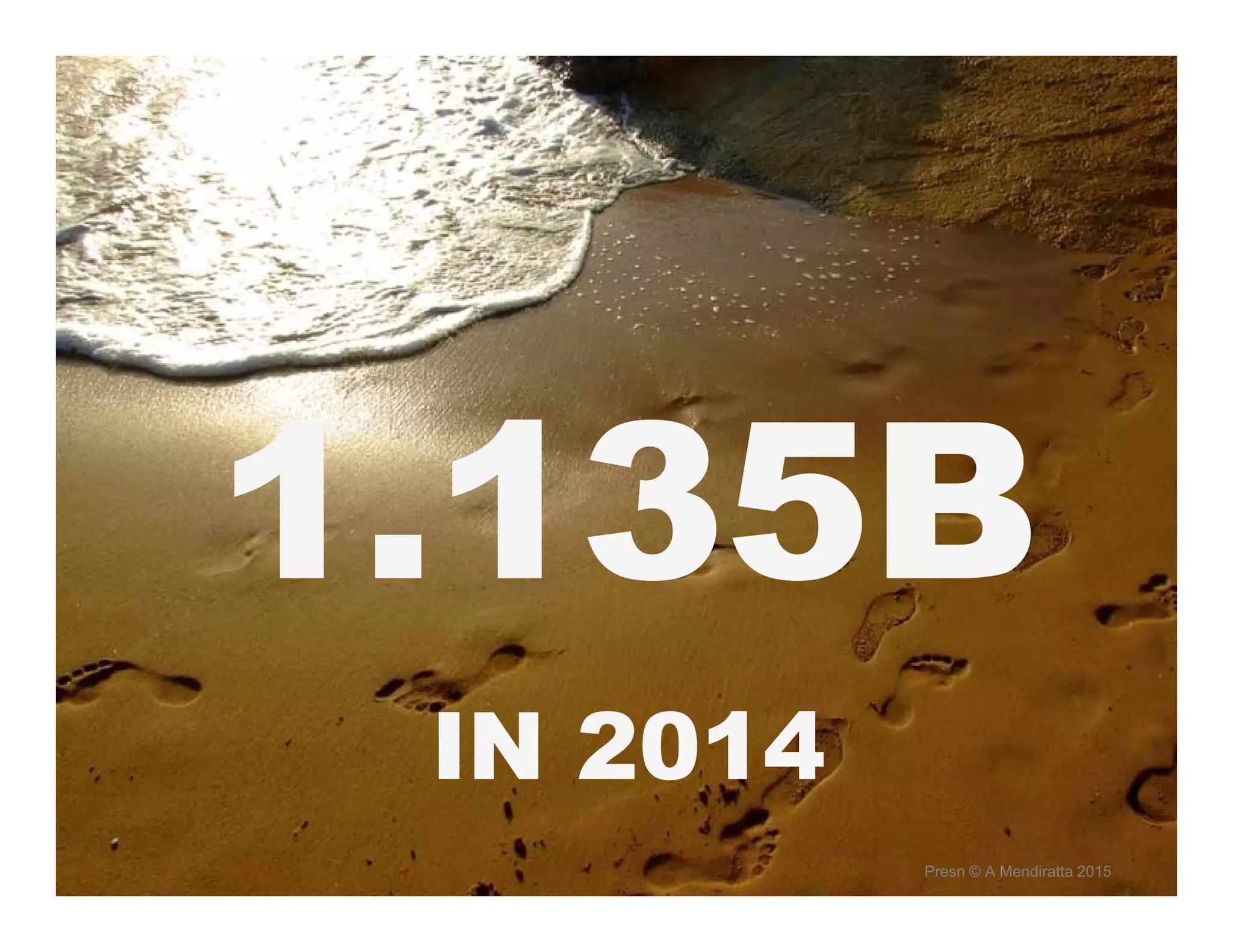
IN 2014
Presn © A Mendiratta 2015
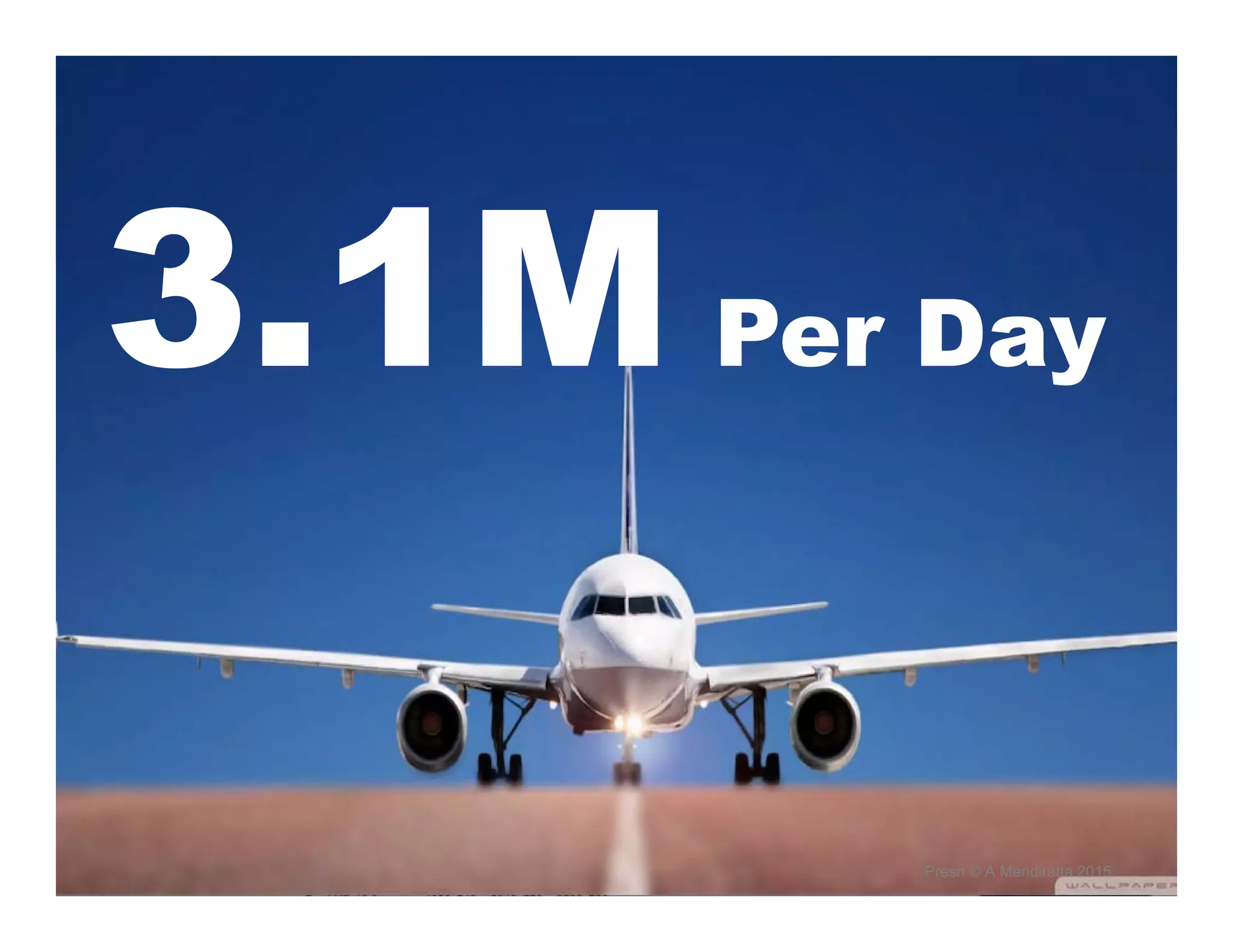
Per Day
Presn © A Mendiratta 2015
RD
BIGGEST
SECTOR
Behind
Automotive
& Banking
SOURCE: WTTC
Presn © A Mendiratta 2015
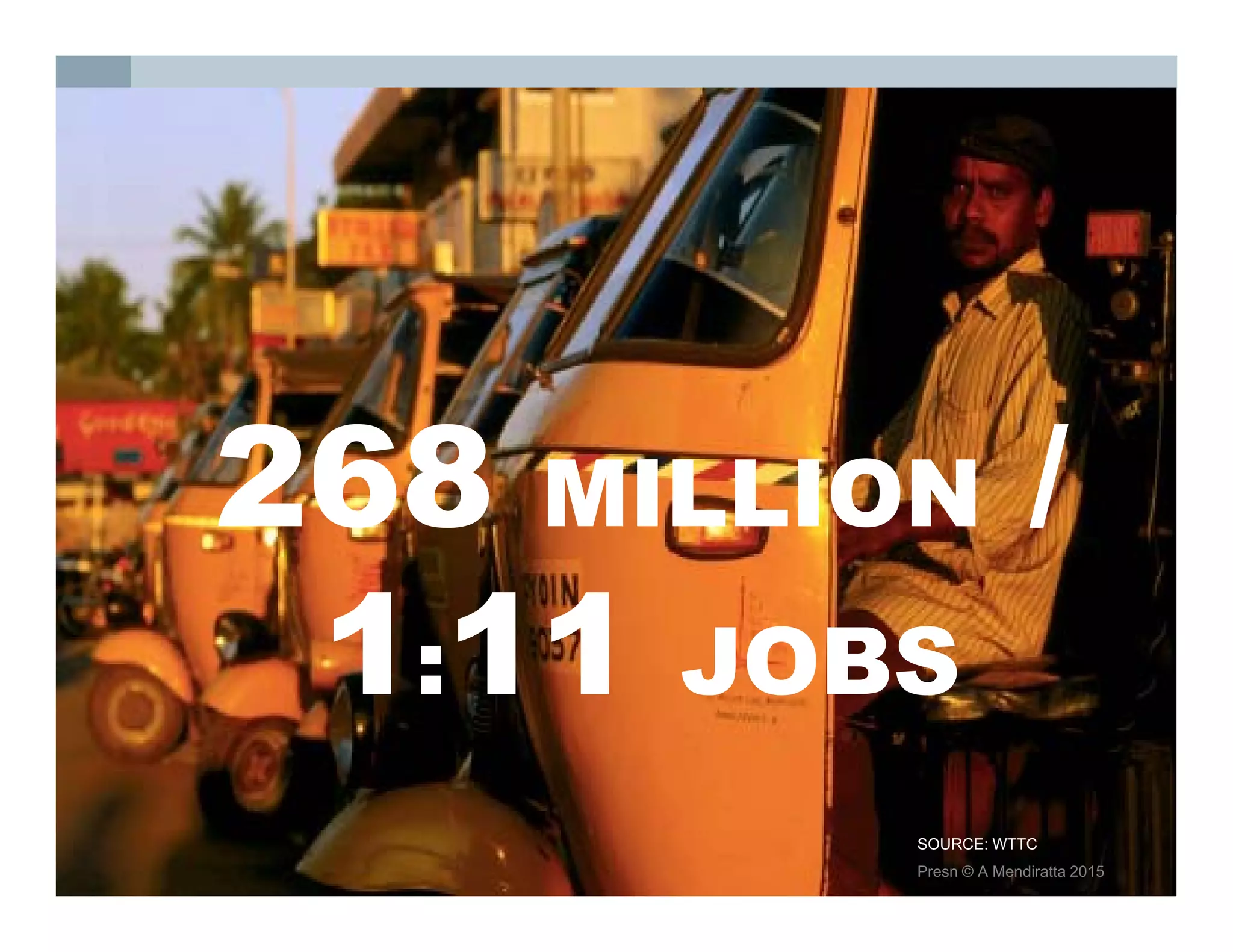
268 MILLION /
1:11 JOBS
SOURCE: WTTC
Presn © A Mendiratta 2015
9% GDP
Presn © A Mendiratta 2015
9% INVESTMENT
Presn © A Mendiratta 2015
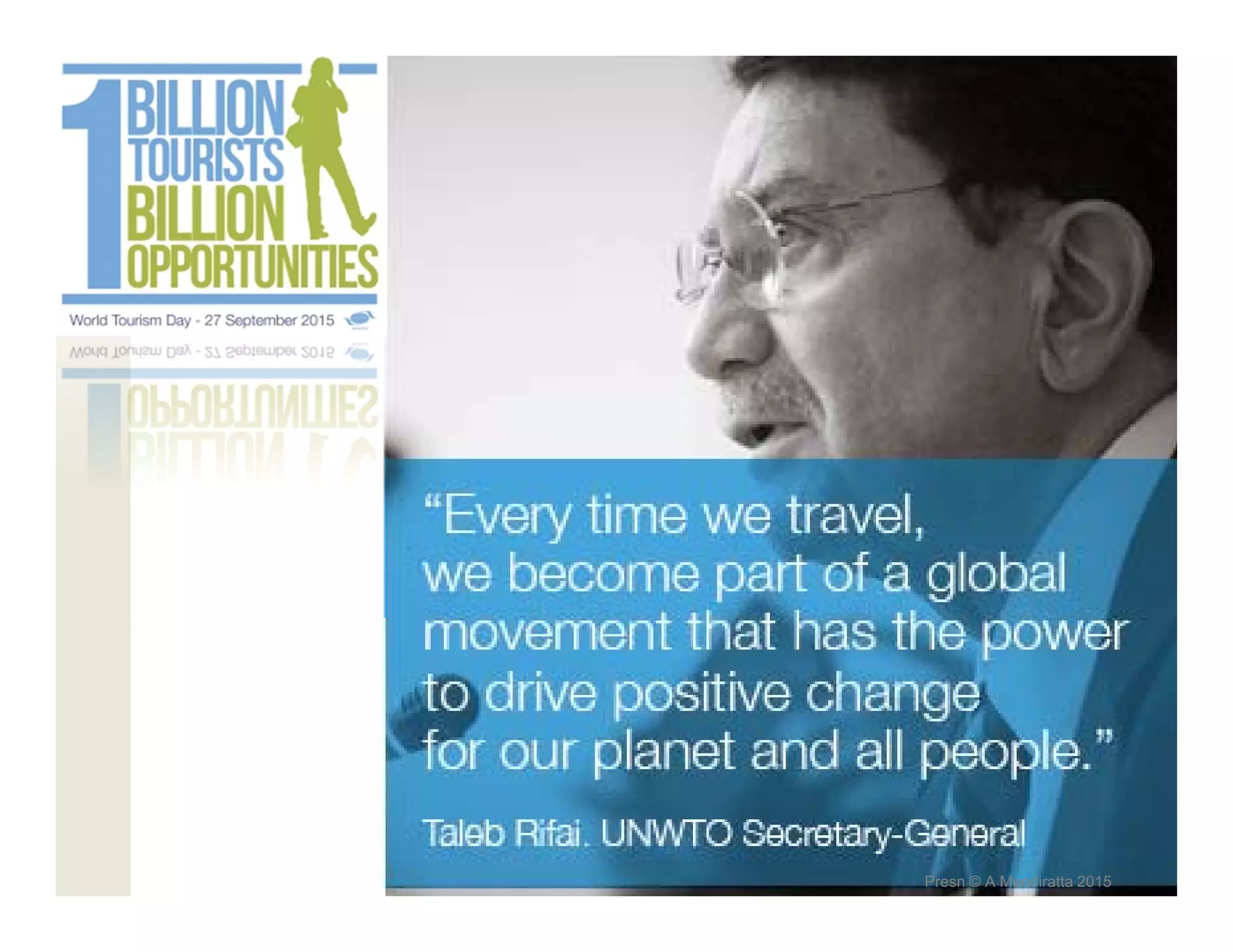
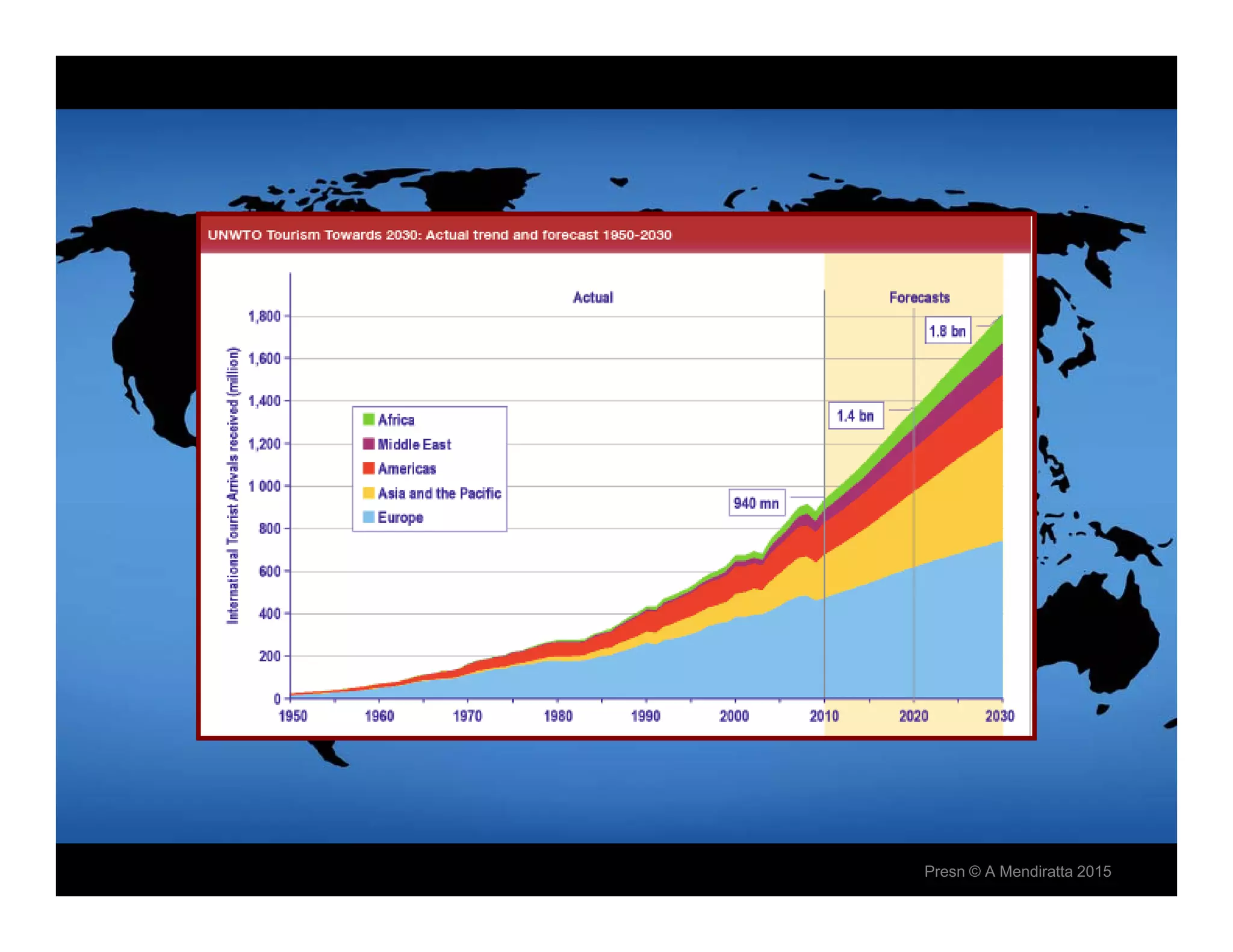
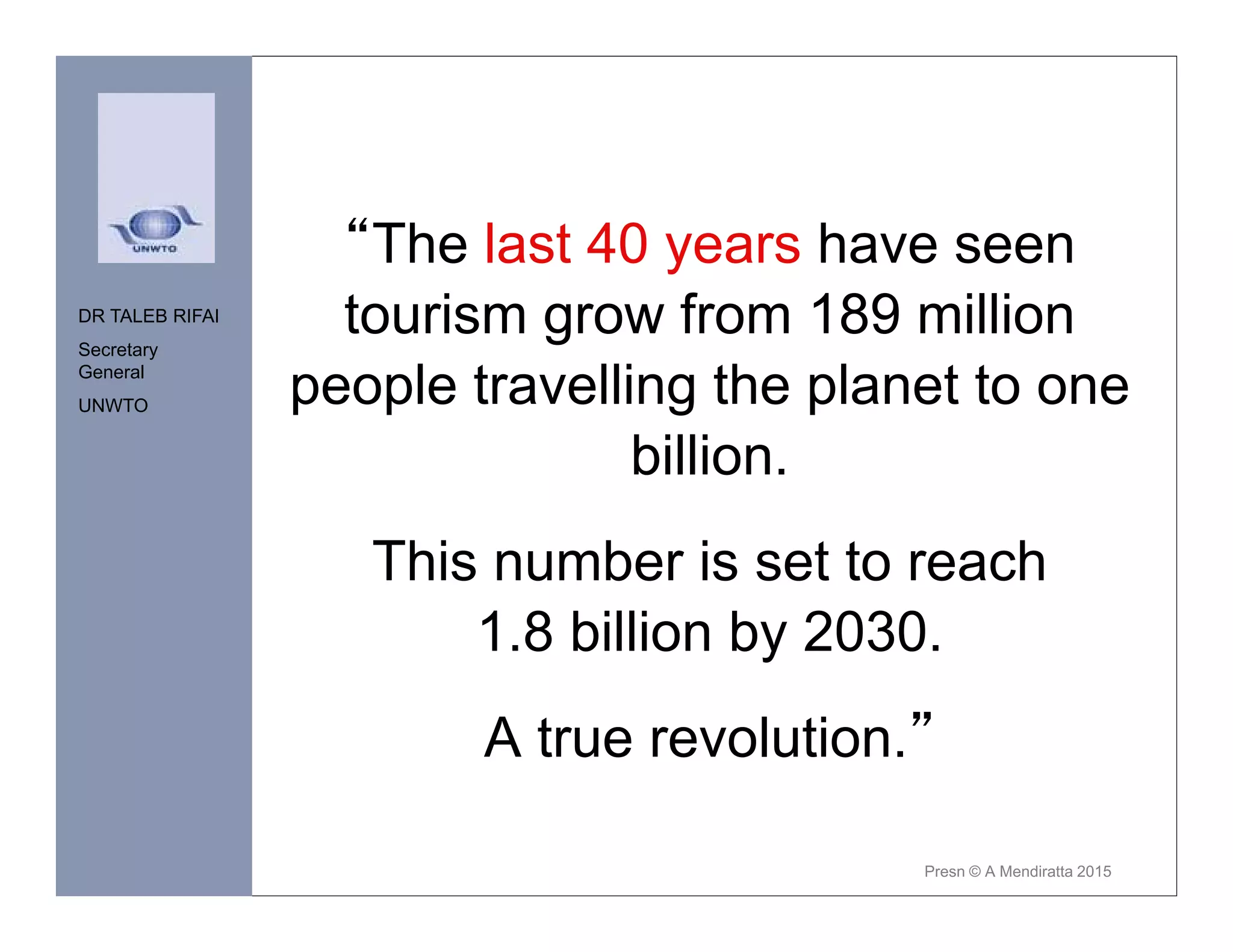
“The last 40 years have seen
tourism grow from 189 million
people travelling the planet to one
billion.
This number is set to reach
1.8 billion by 2030.
A true revolution.”
DR TALEB RIFAI
Secretary
General
UNWTO
Presn © A Mendiratta 2015
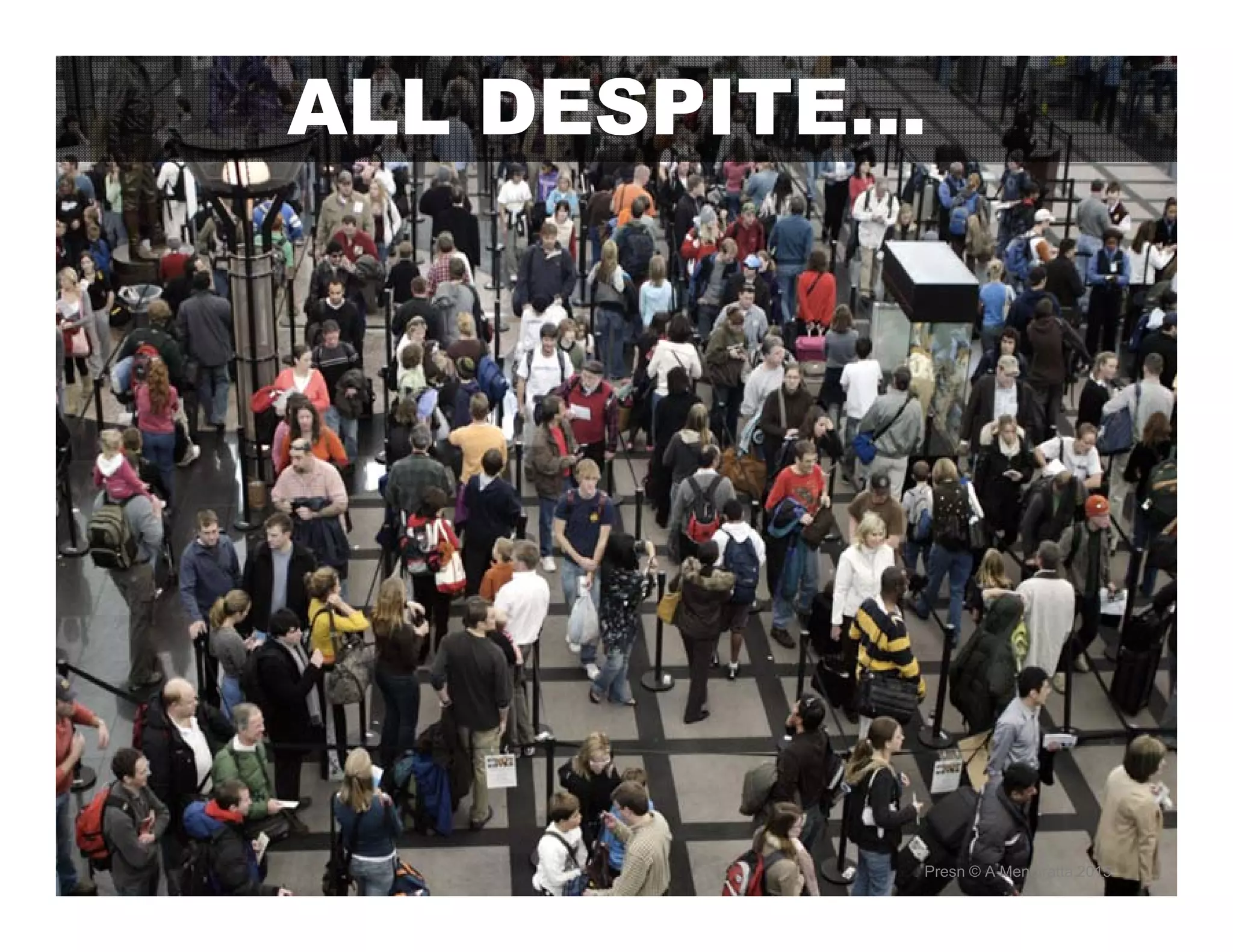
ALL DESPITE…
Presn © A Mendiratta 2015
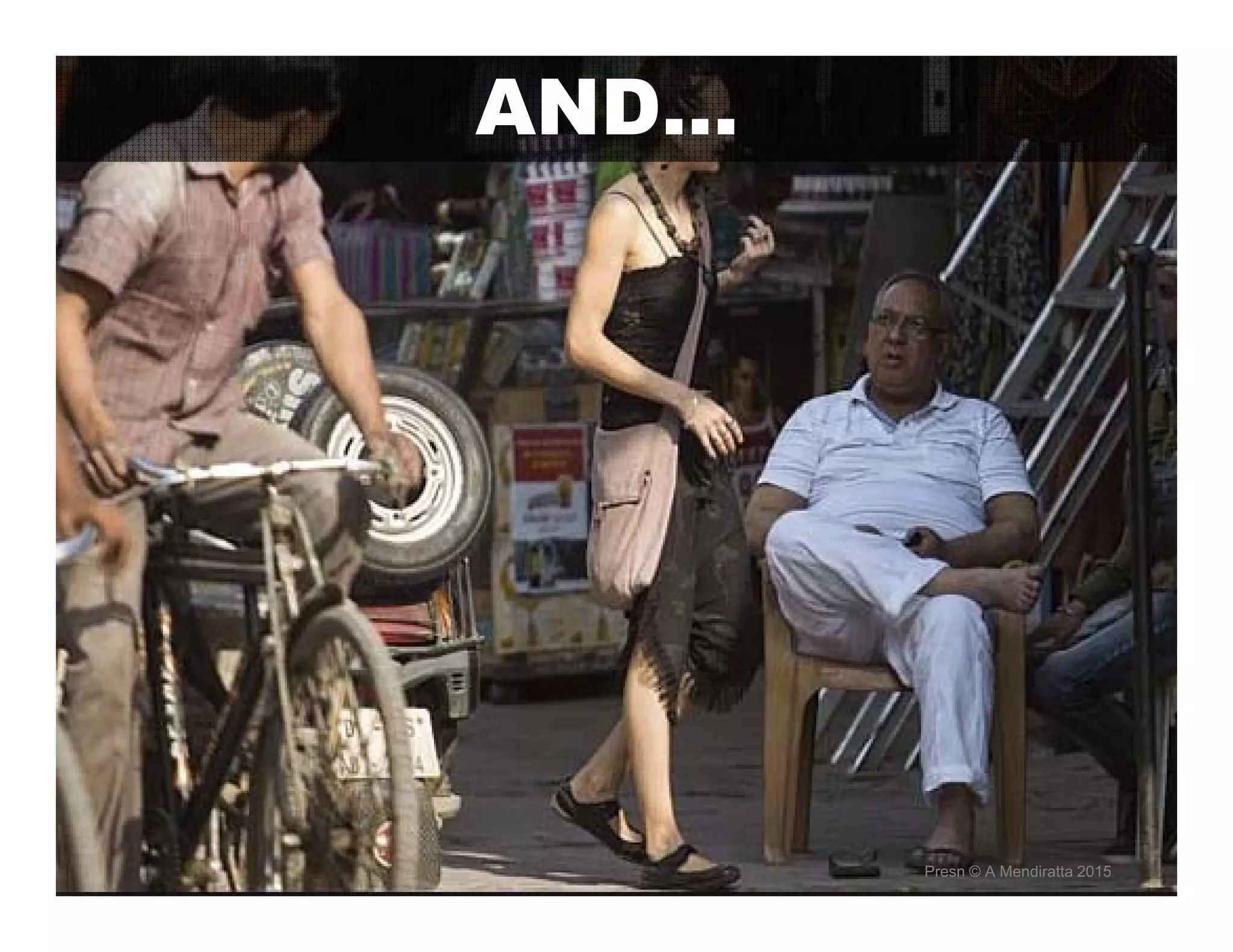
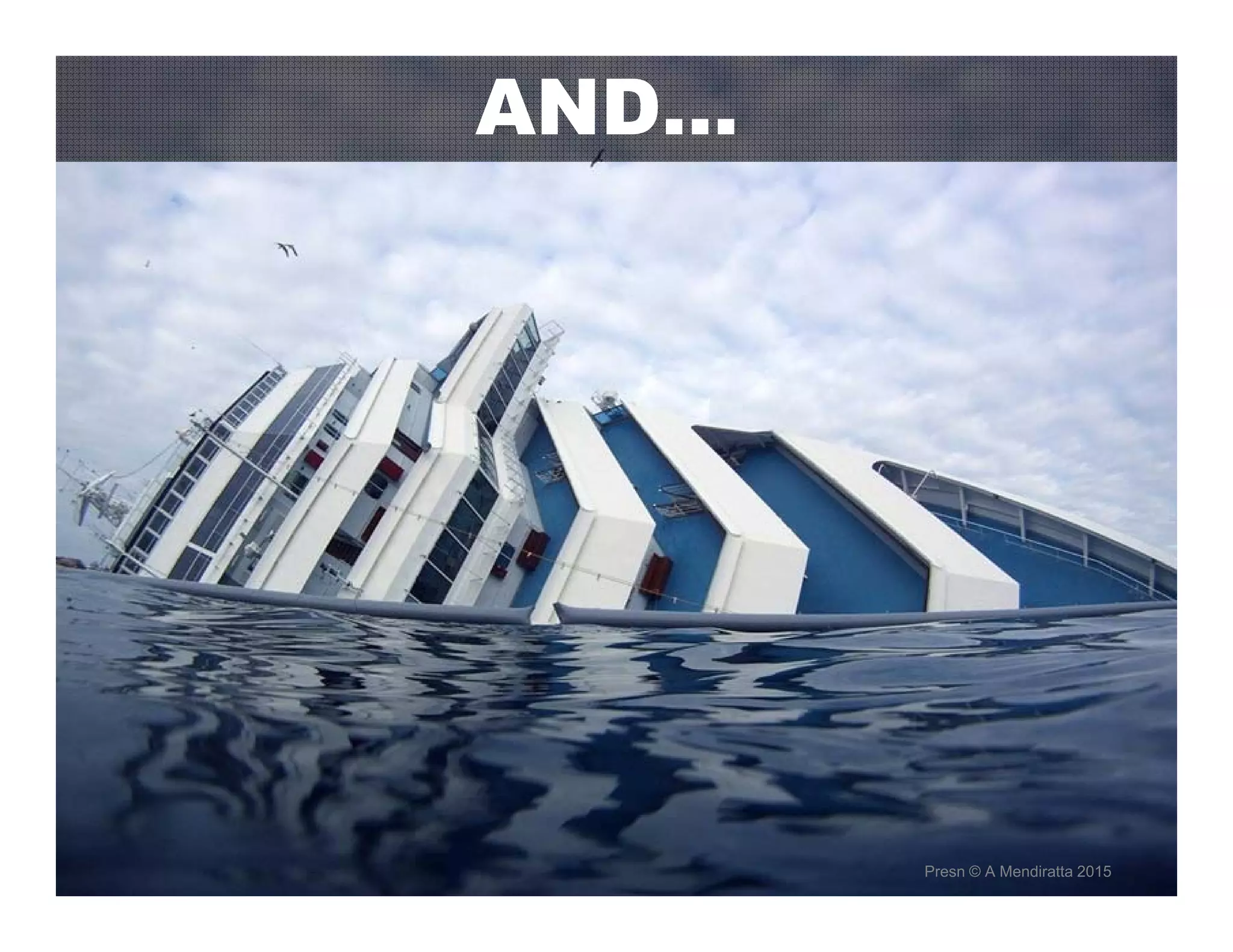
AND…
Presn © A Mendiratta 2015
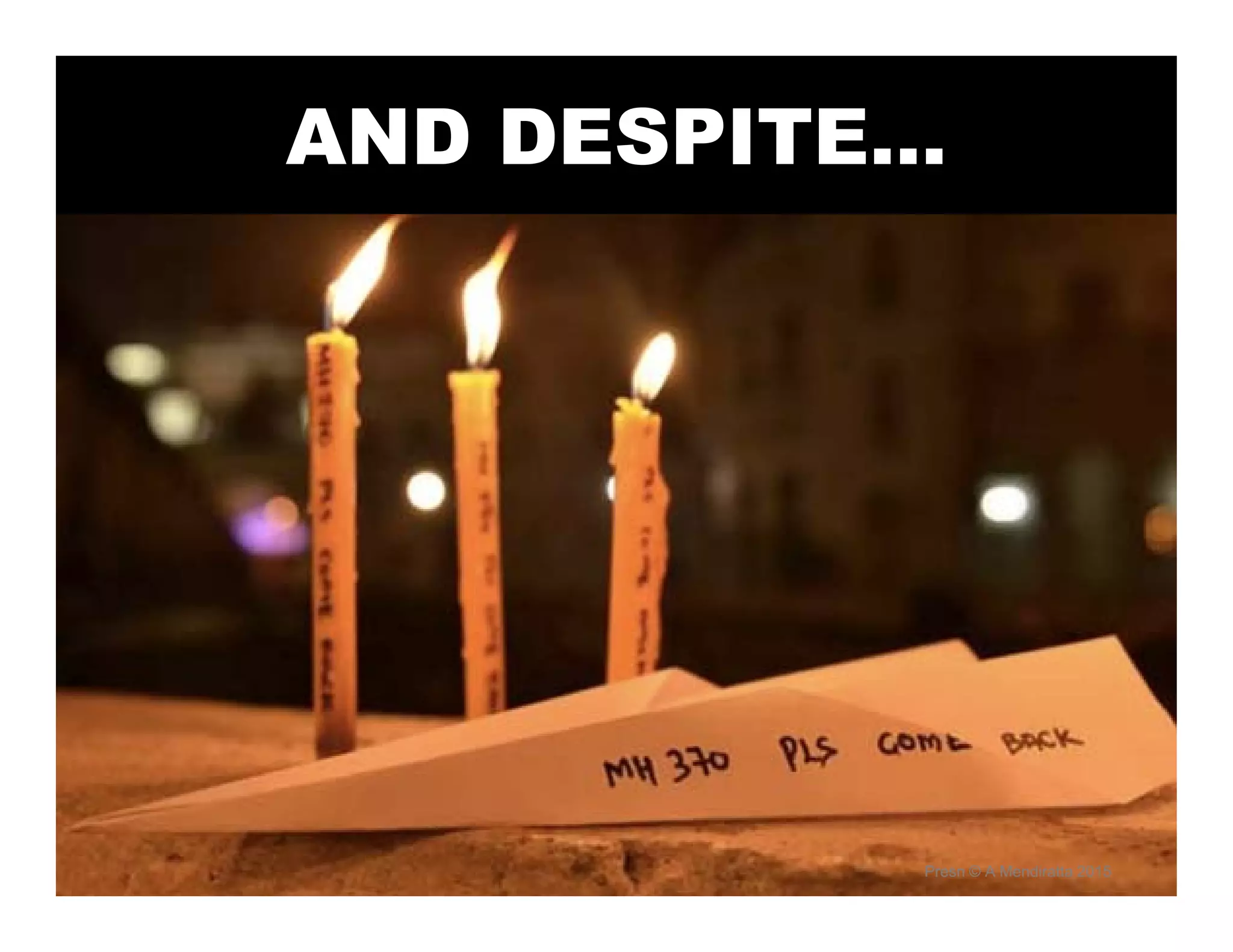
AND DESPITE…
Presn © A Mendiratta 2015
AND…
Presn © A Mendiratta 2015
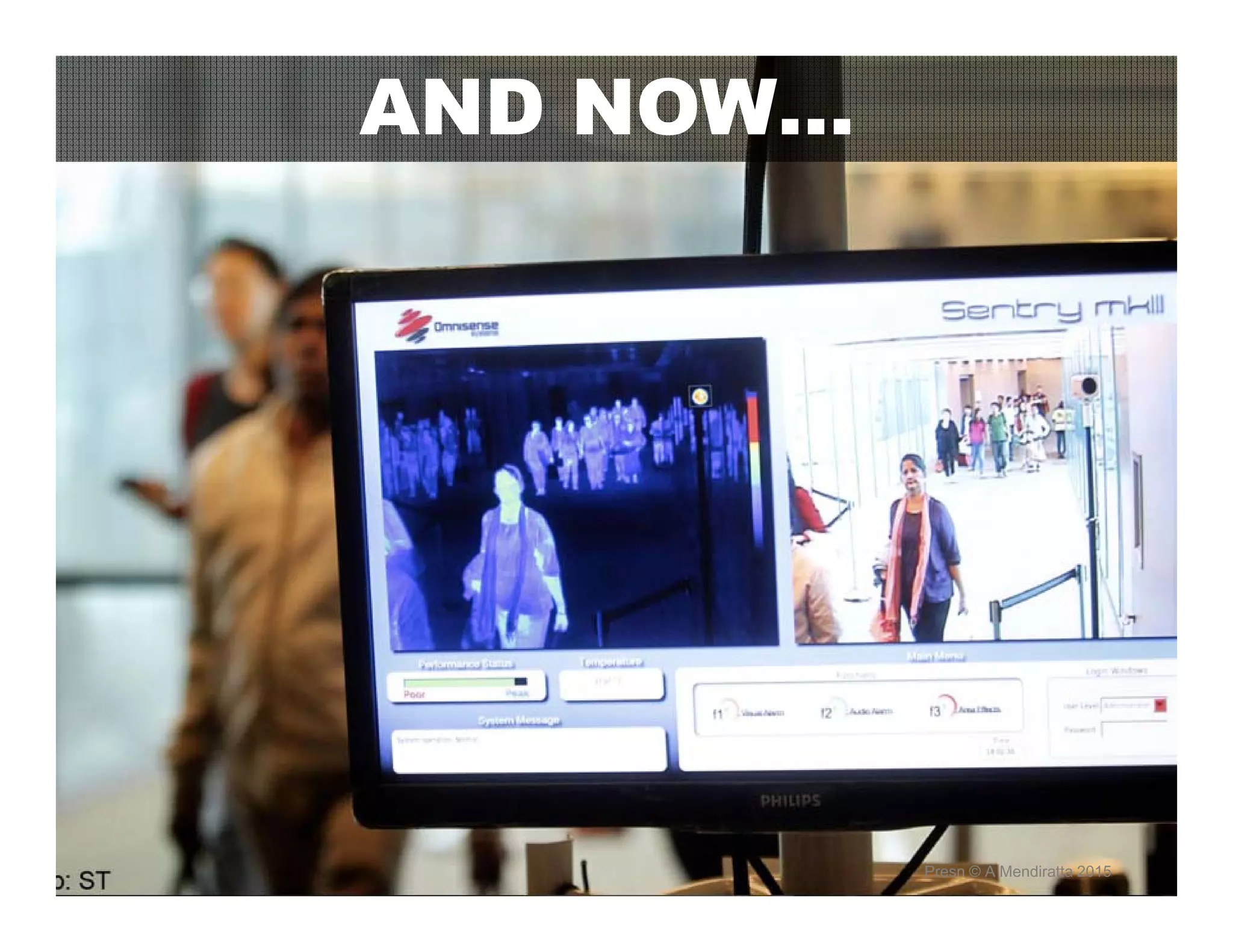
AND NOW…
Presn © A Mendiratta 2015
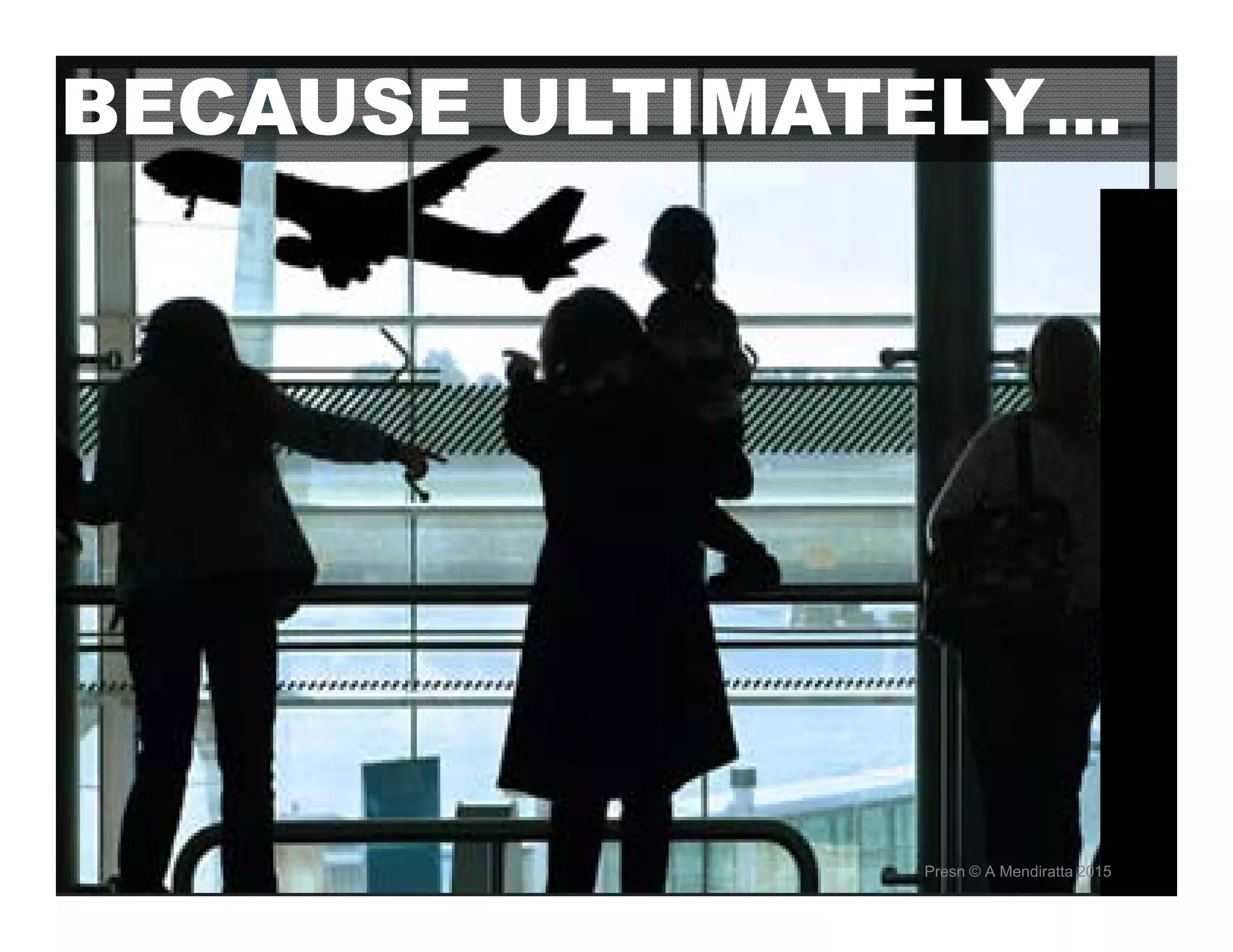
BECAUSE ULTIMATELY…
Presn © A Mendiratta 2015
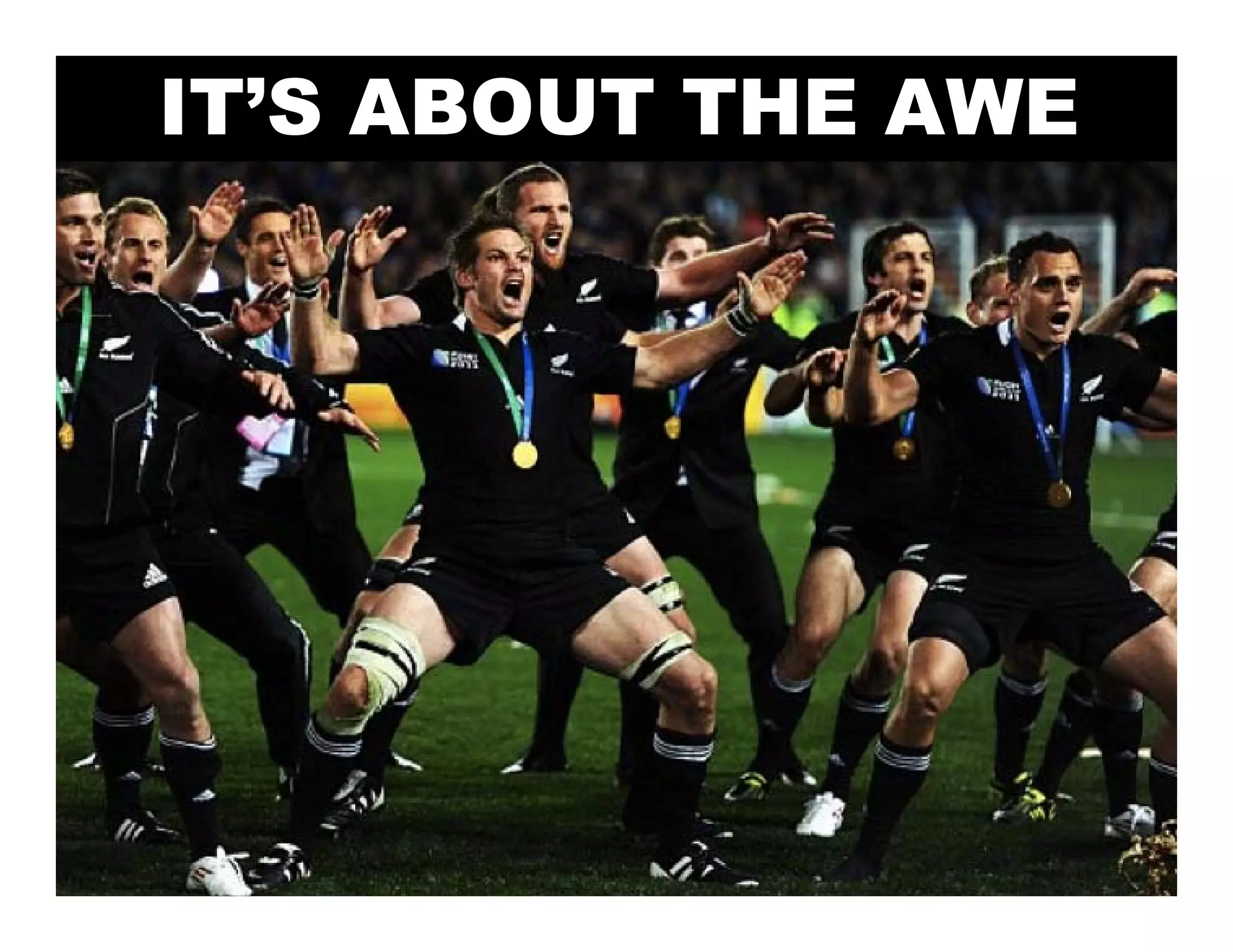
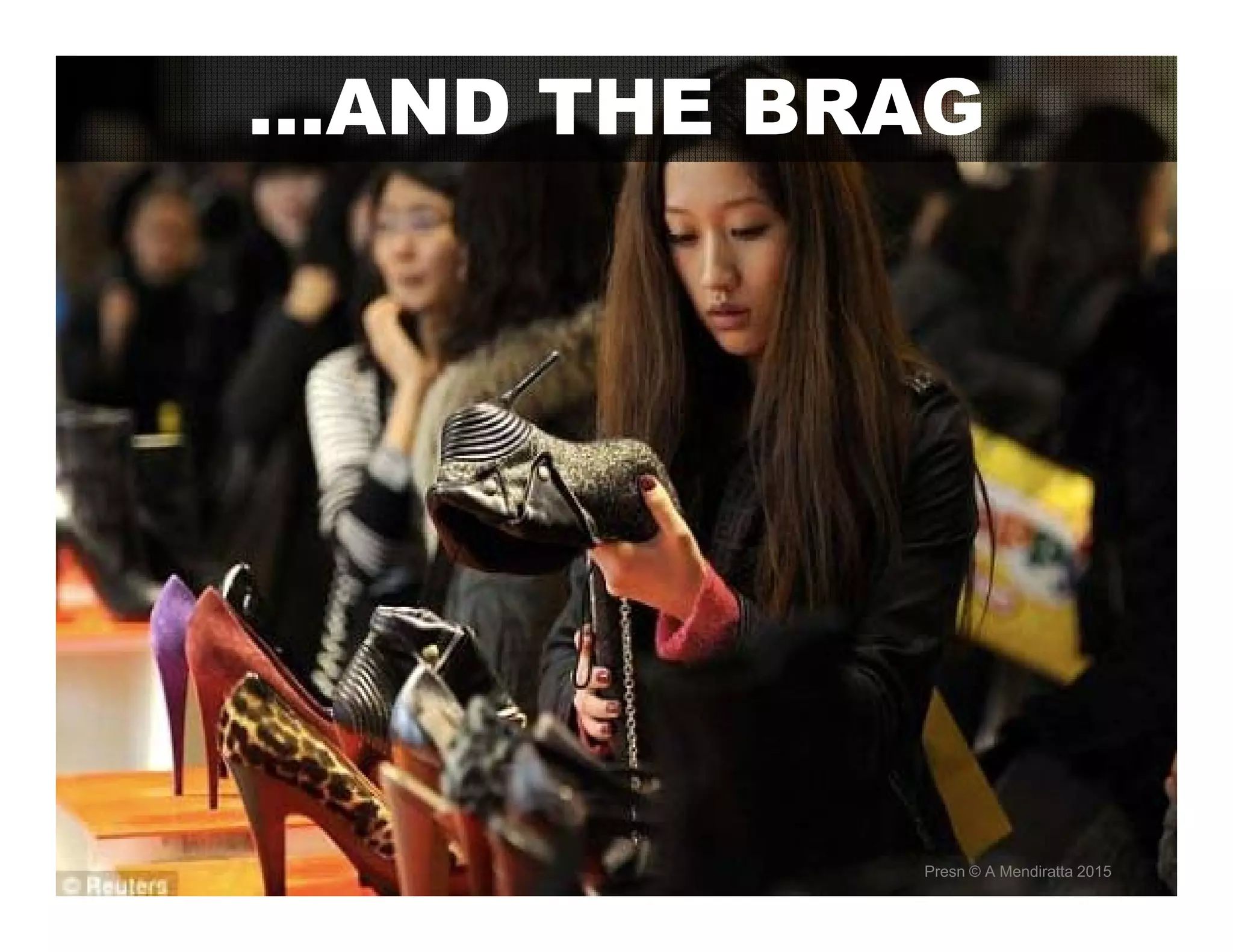
IT’S ABOUT THE AWE
…AND THE BRAG
Presn © A Mendiratta 2015
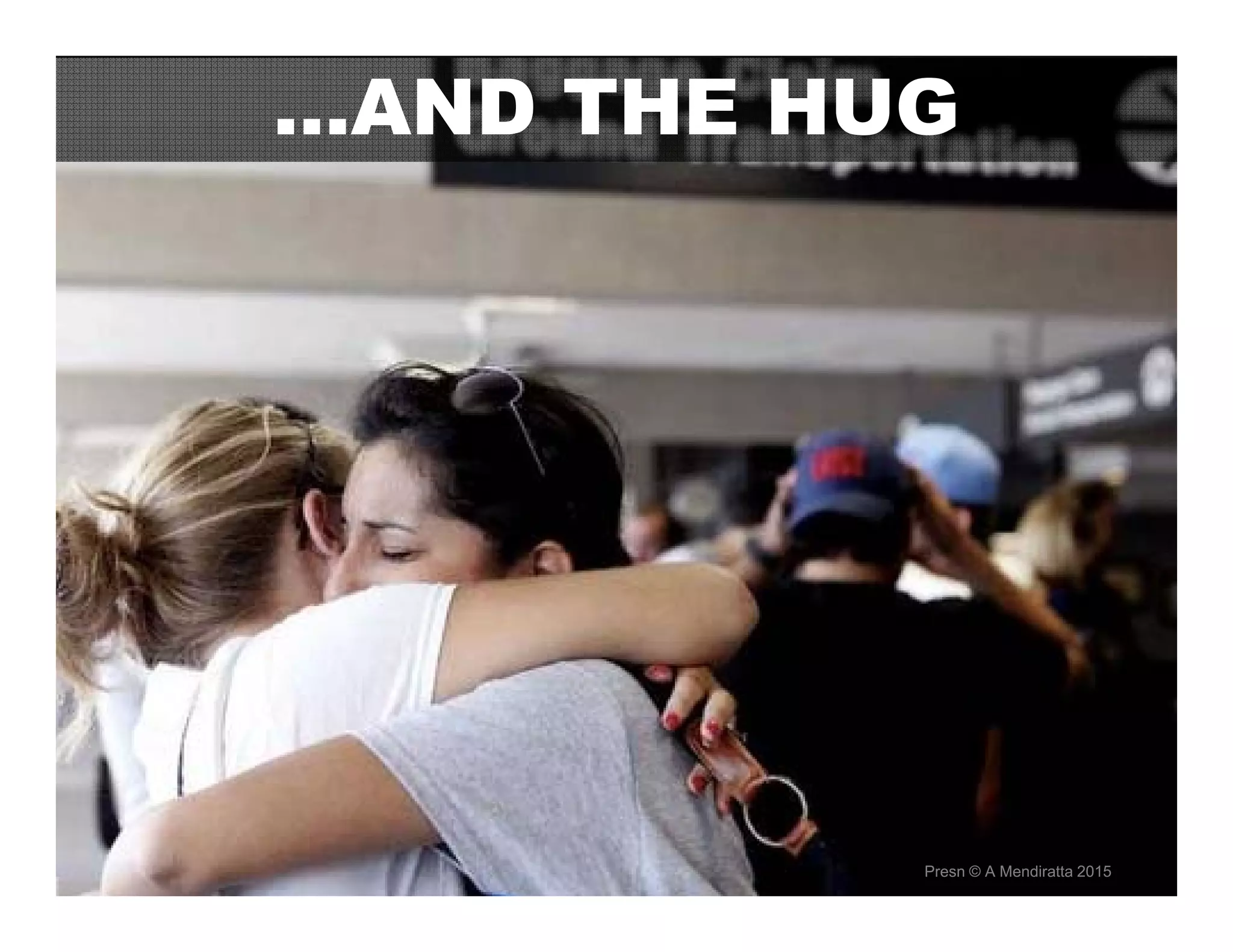
AND THE HUG IS ALWAYS WORTH
THE TRIP!
…AND THE HUG
Presn © A Mendiratta 2015
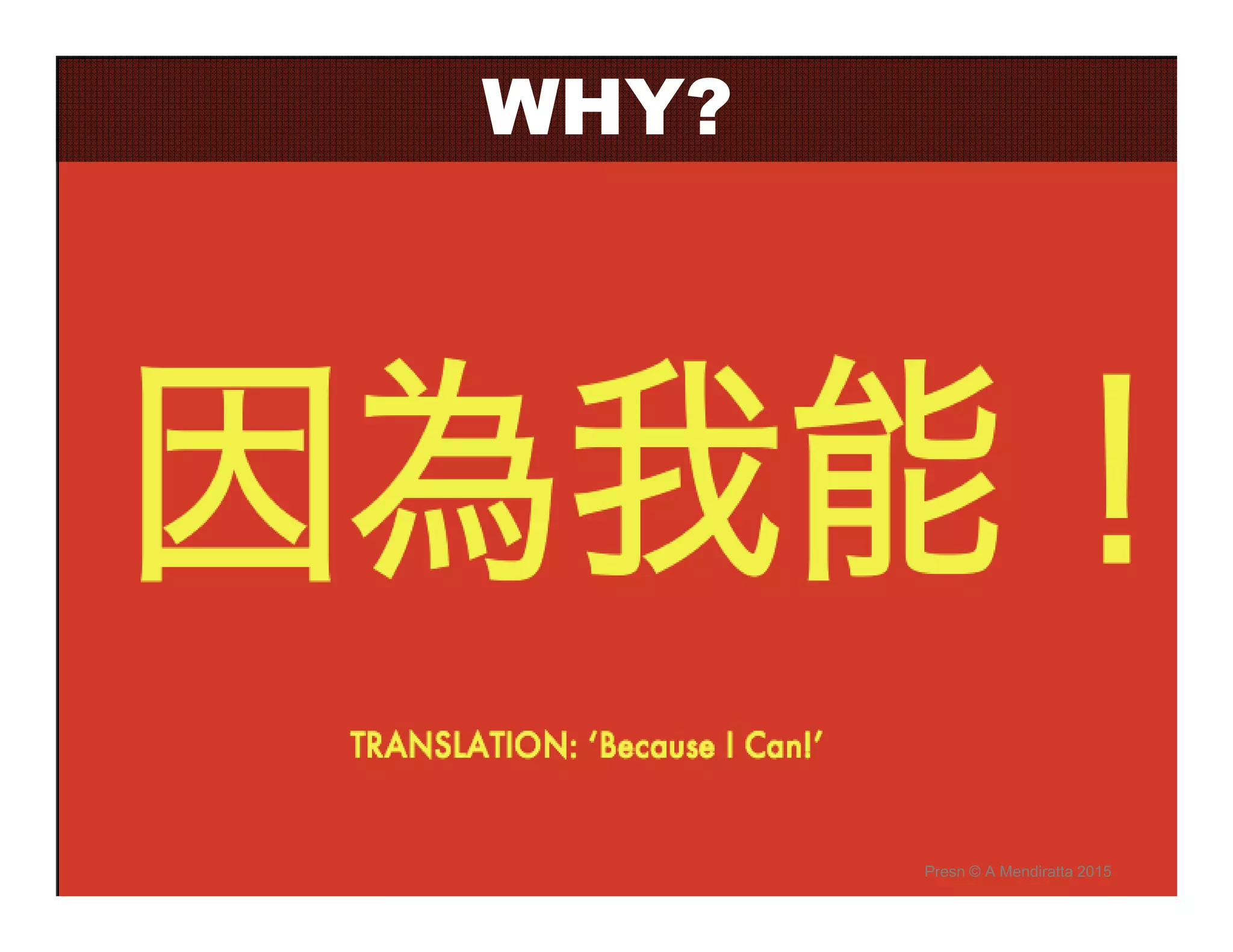
WHY?
Presn © A Mendiratta 2015
NATIONAL
IDENTITY
Presn © A Mendiratta 2015
CULTURES
Presn © A Mendiratta 2015
TRADITIONS
Presn © A Mendiratta 2015
THE ENVIRONMENT
Presn © A Mendiratta 2015
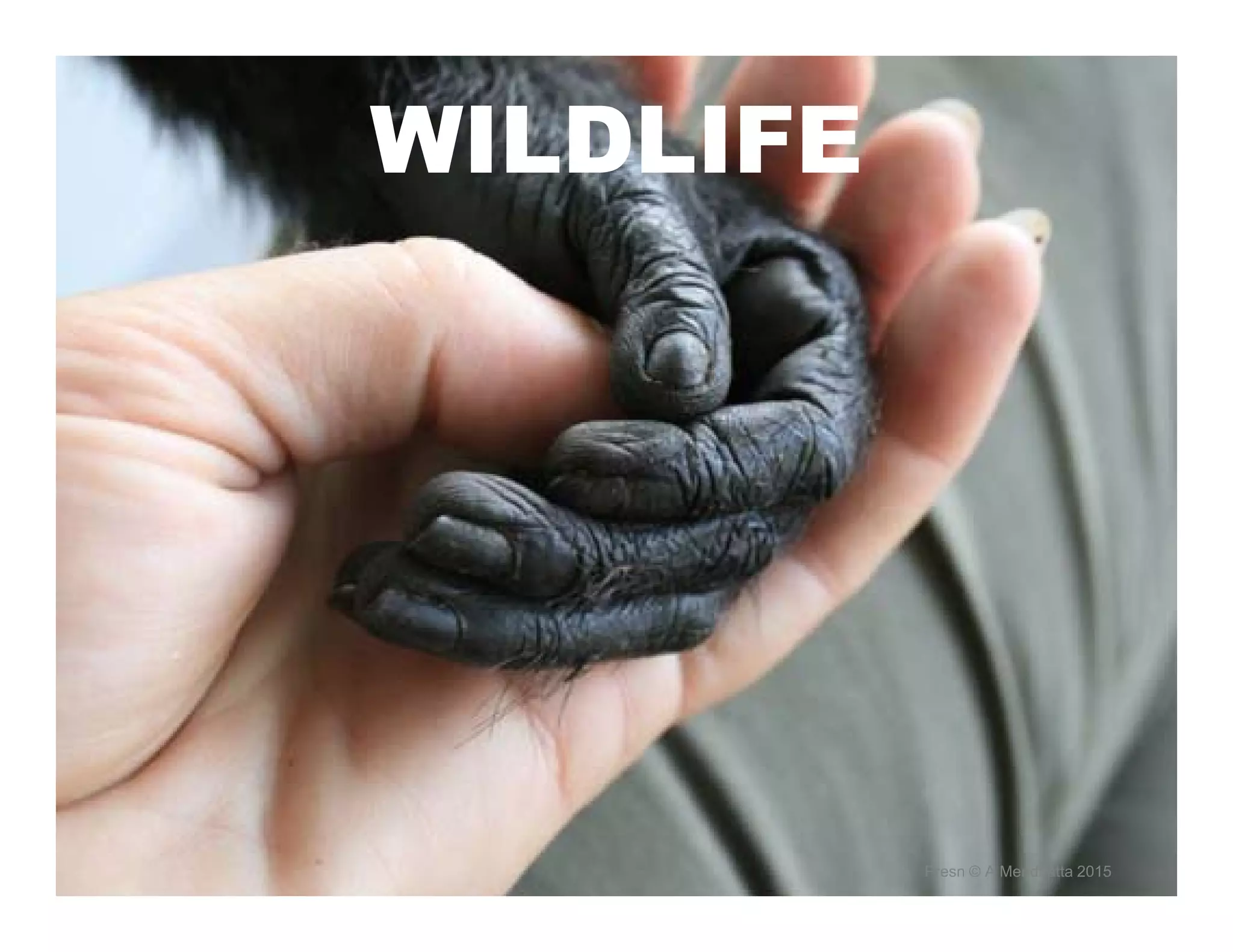
WILDLIFE
Presn © A Mendiratta 2015
CHILDREN
Presn © A Mendiratta 2015
NATIONAL
COMPETITIVENESS
Presn © A Mendiratta 2015
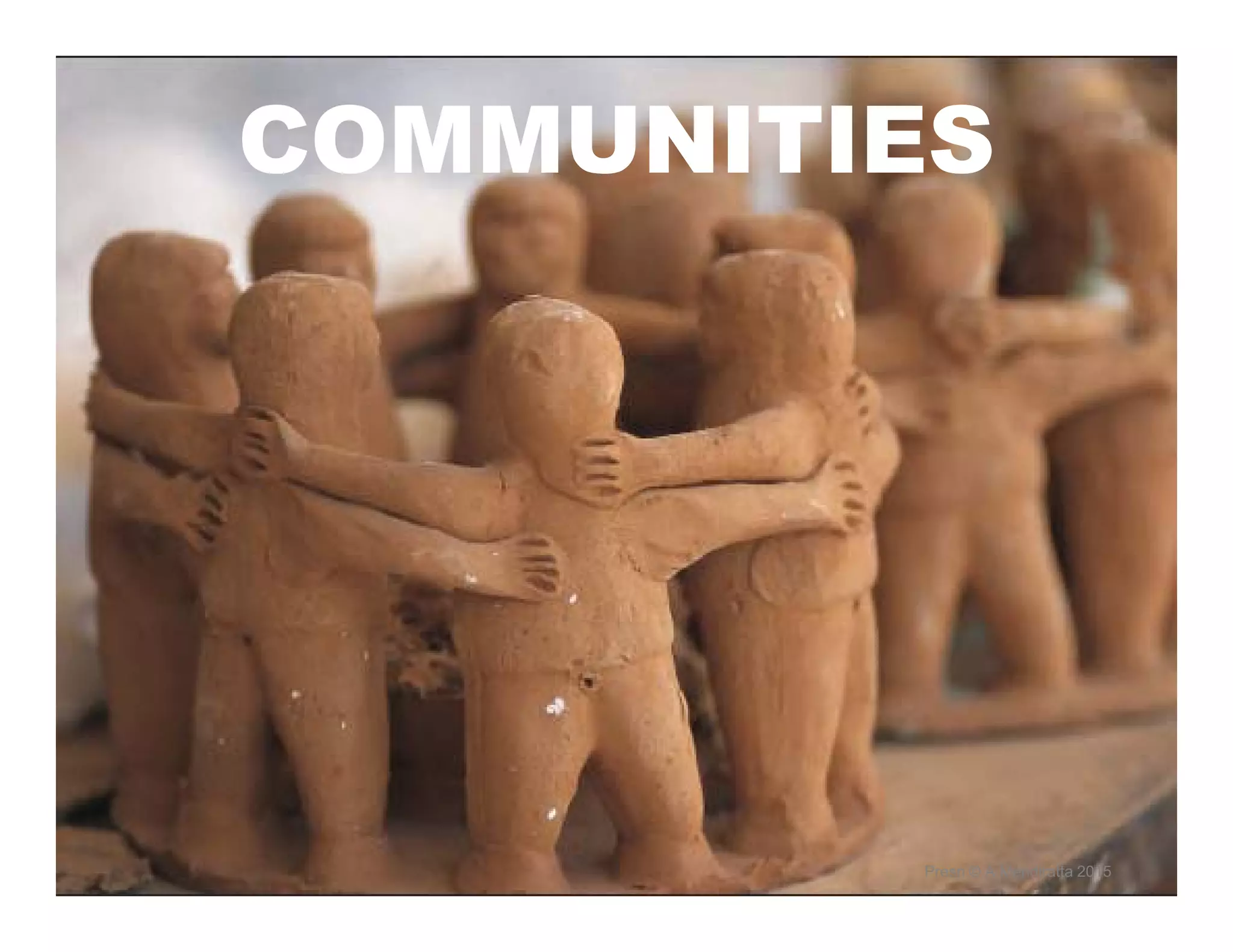
COMMUNITIES
Presn © A Mendiratta 2015
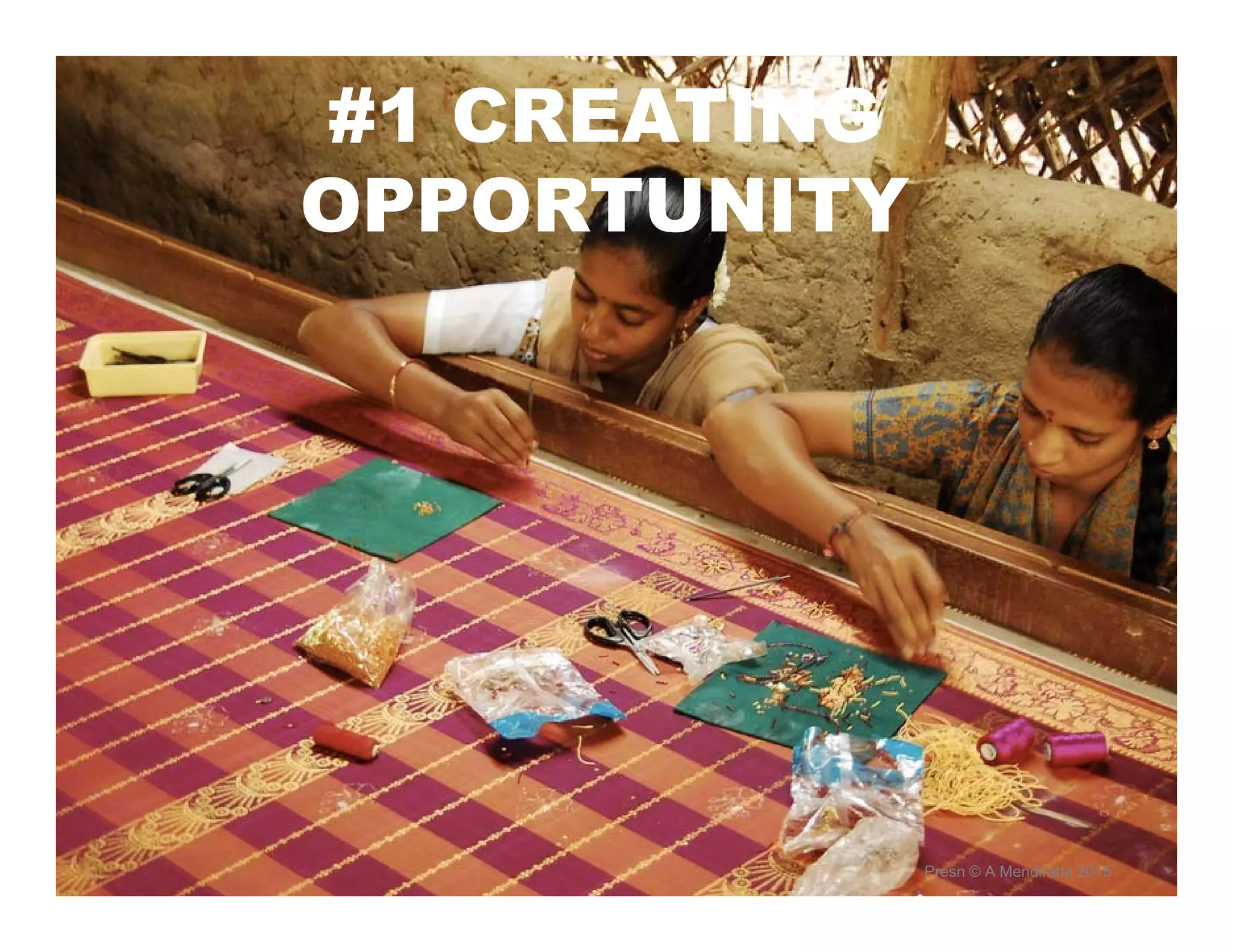
#1 CREATING
OPPORTUNITY
Presn © A Mendiratta 2015
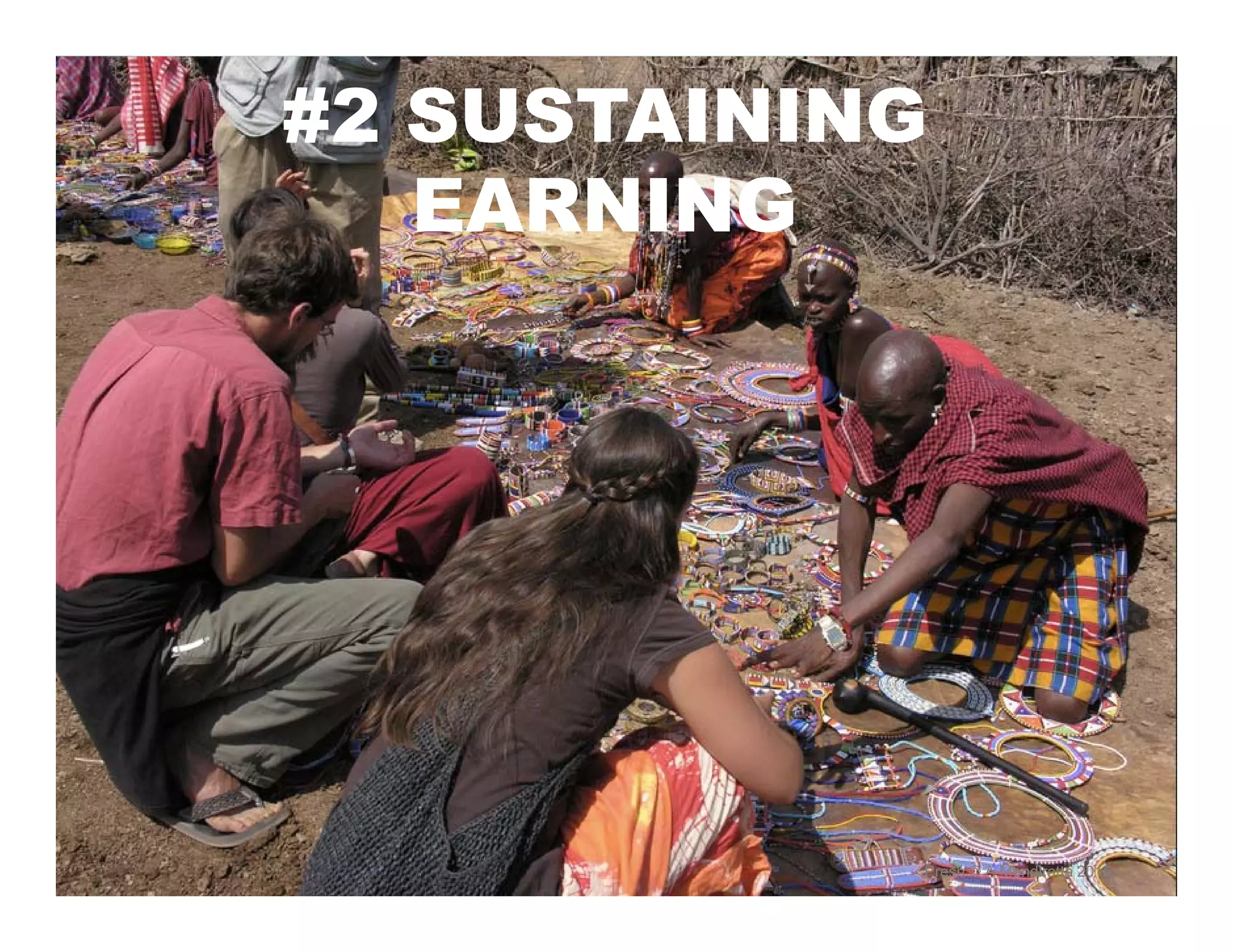
#2 SUSTAINING
EARNING
Presn © A Mendiratta 2015
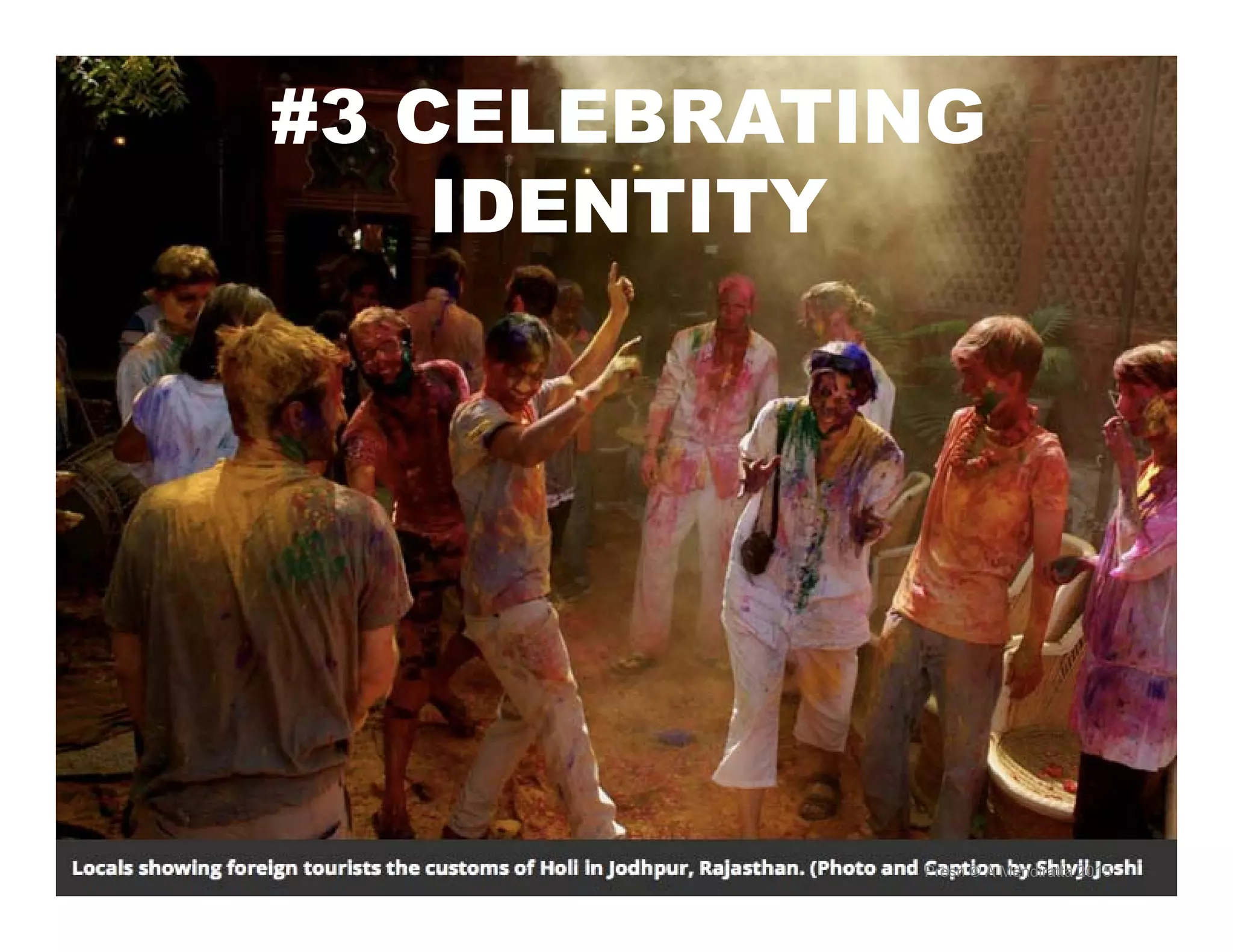
#3 CELEBRATING
IDENTITY
Presn © A Mendiratta 2015
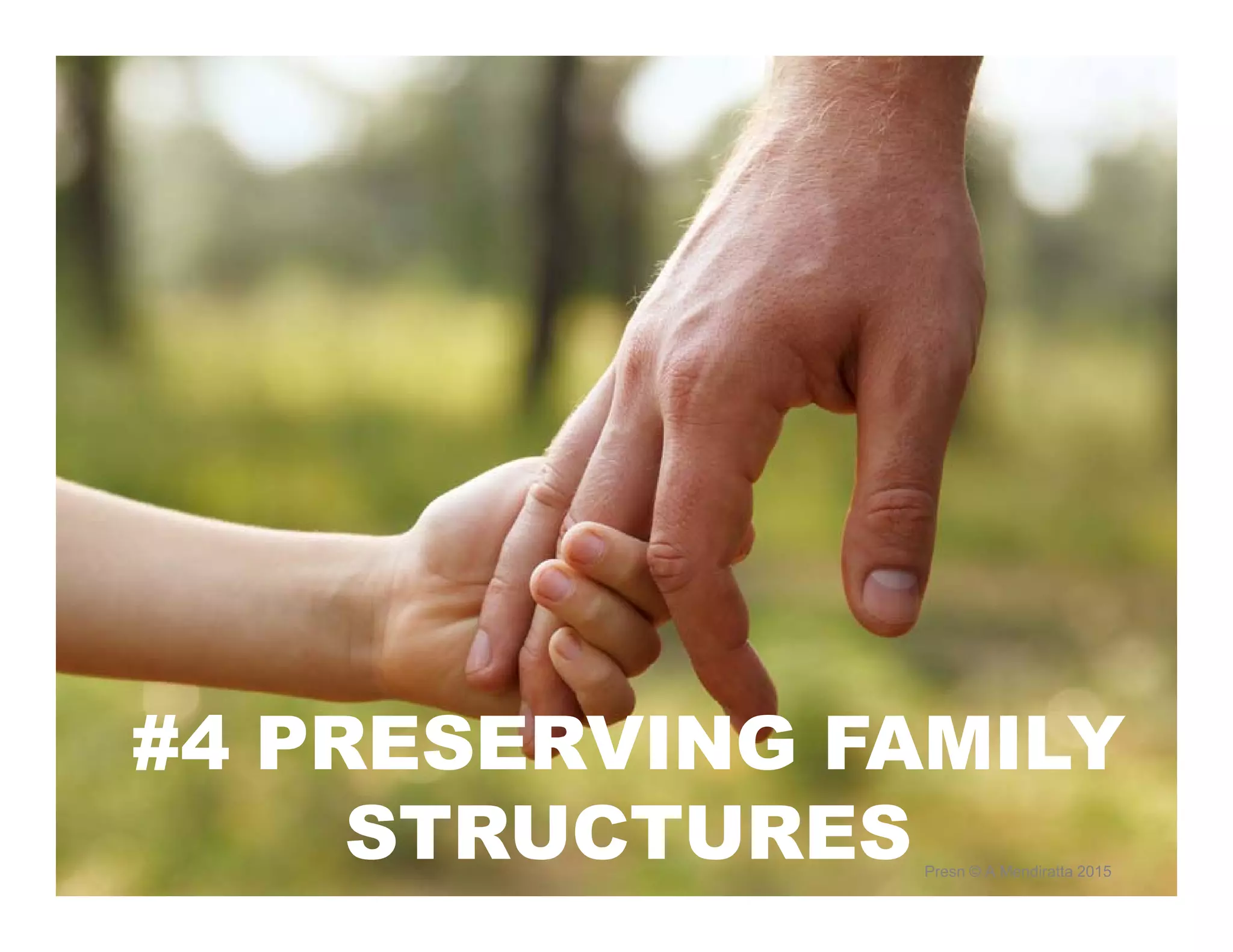
#4 PRESERVING FAMILY
STRUCTURES Presn © A Mendiratta 2015
#5 PROTECTING
LEARNING
Presn © A Mendiratta 2015
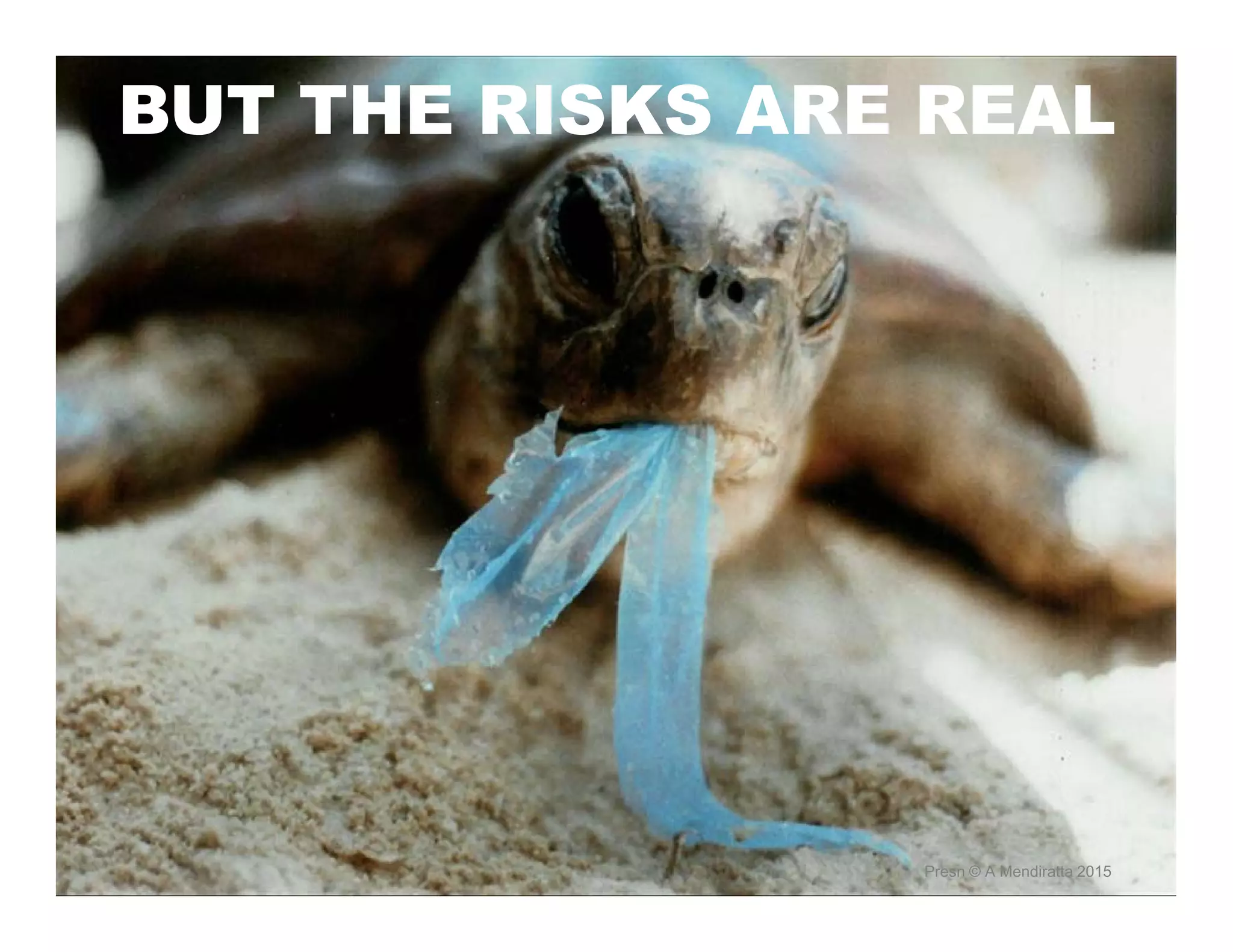
BUT THE RISKS ARE REAL
Presn © A Mendiratta 2015
HOW DO WE MOVE
FORWARD?
Presn © A Mendiratta 2015
TOURISTS PLAYING A PART
Presn © A Mendiratta 2015
BUT THE RISKS ARE REAL
Presn © A Mendiratta 2015
This debate assignment reminds me of a running joke from my college
days--long, so long ago. Whenever the student body was gathered
waiting for an event to start, some guy on one side of the auditorium
would call out “sex is good!” and another guy on the other side would
respond, “Sex is evil!” And back and forth: “Sex is good!” “Sex is evil!”
The joke, this being a liberal-arts college, was that everyone knew of
course that the sex is-evil guy was wrong.
Well, with this audience today, I’m the sex-is-evil guy.
----- Meeting Notes (9/28/15 17:33) -----
1
In my workshops, I usually discuss both pros and cons of tourism, and
how to maximize the pros and minimize the cons.
Anita has already covered the benefits, leaving me with the downside.
So, since I don’t want to be the sex-is-evil guy, I’m going to turn the
virtual lectern here over to my friend…
2
Mr. Frank Lee Skepticle. Of Lovelyport, USA.
[Adopts an outrageously bad Maine accent:]
Thank you for the opportunity, Jonathan, and good aftahnoon, folks.
My name is Frank Lee Skepticle. Historic Lovelyport, where I live, has a
population of 8,000 or so. We do indeed have a lovely harbor, and nice
rolling farm country inland.
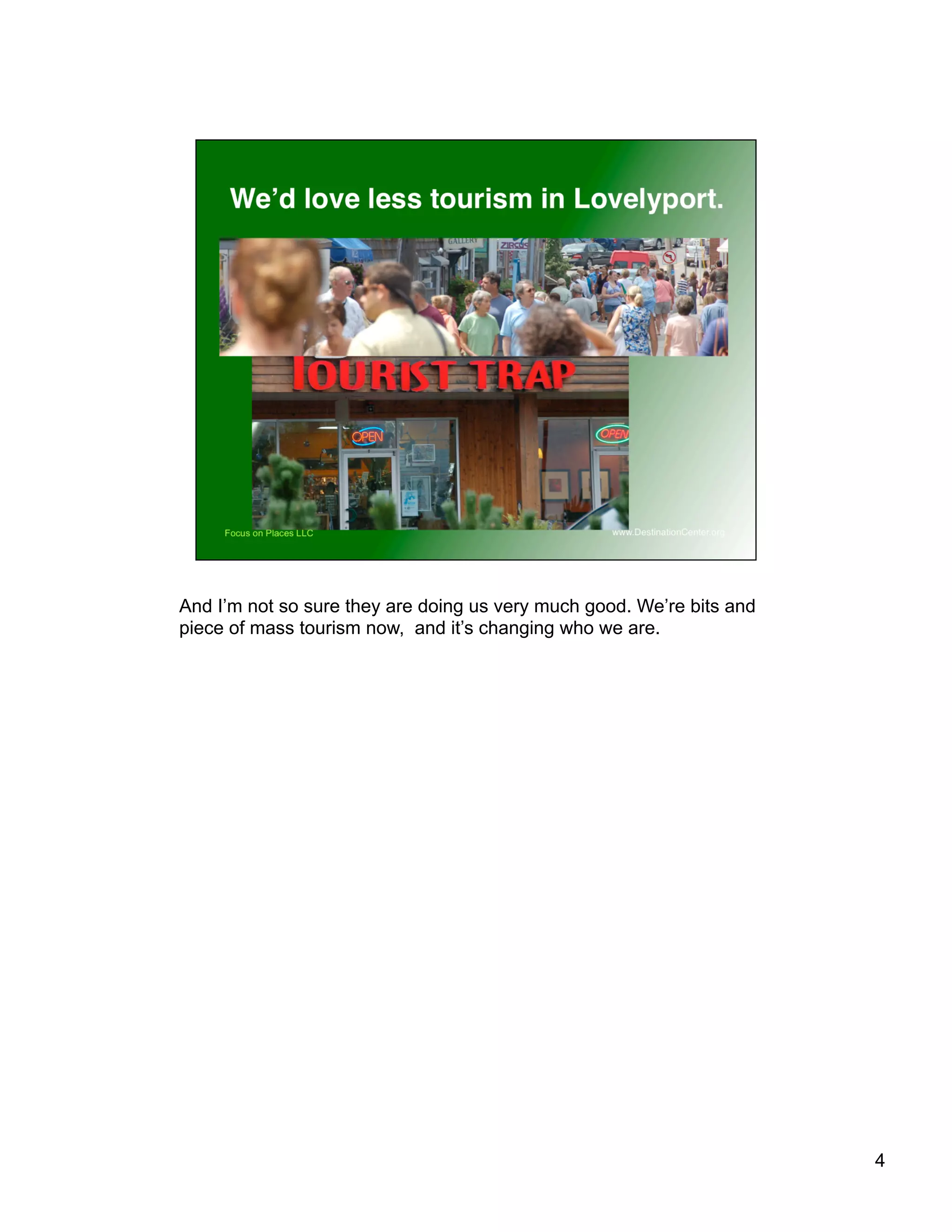
We’re also right off the coastal highway, so we get a lot of tourists.
3
And I’m not so sure they are doing us very much good. We’re bits and
piece of mass tourism now, and it’s changing who we are.
4
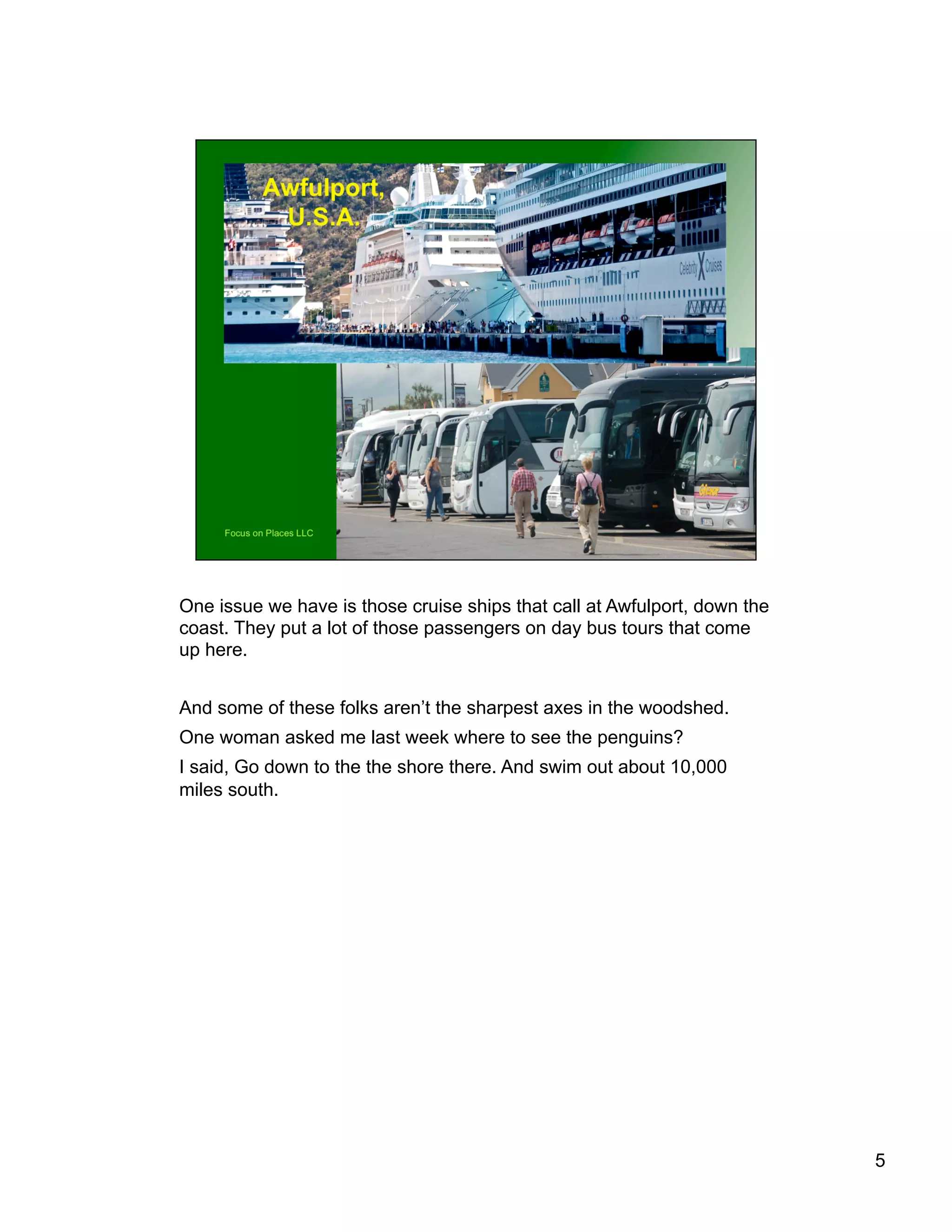
One issue we have is those cruise ships that call at Awfulport, down the
coast. They put a lot of those passengers on day bus tours that come
up here.
And some of these folks aren’t the sharpest axes in the woodshed.
One woman asked me last week where to see the penguins?
I said, Go down to the the shore there. And swim out about 10,000
miles south.
5
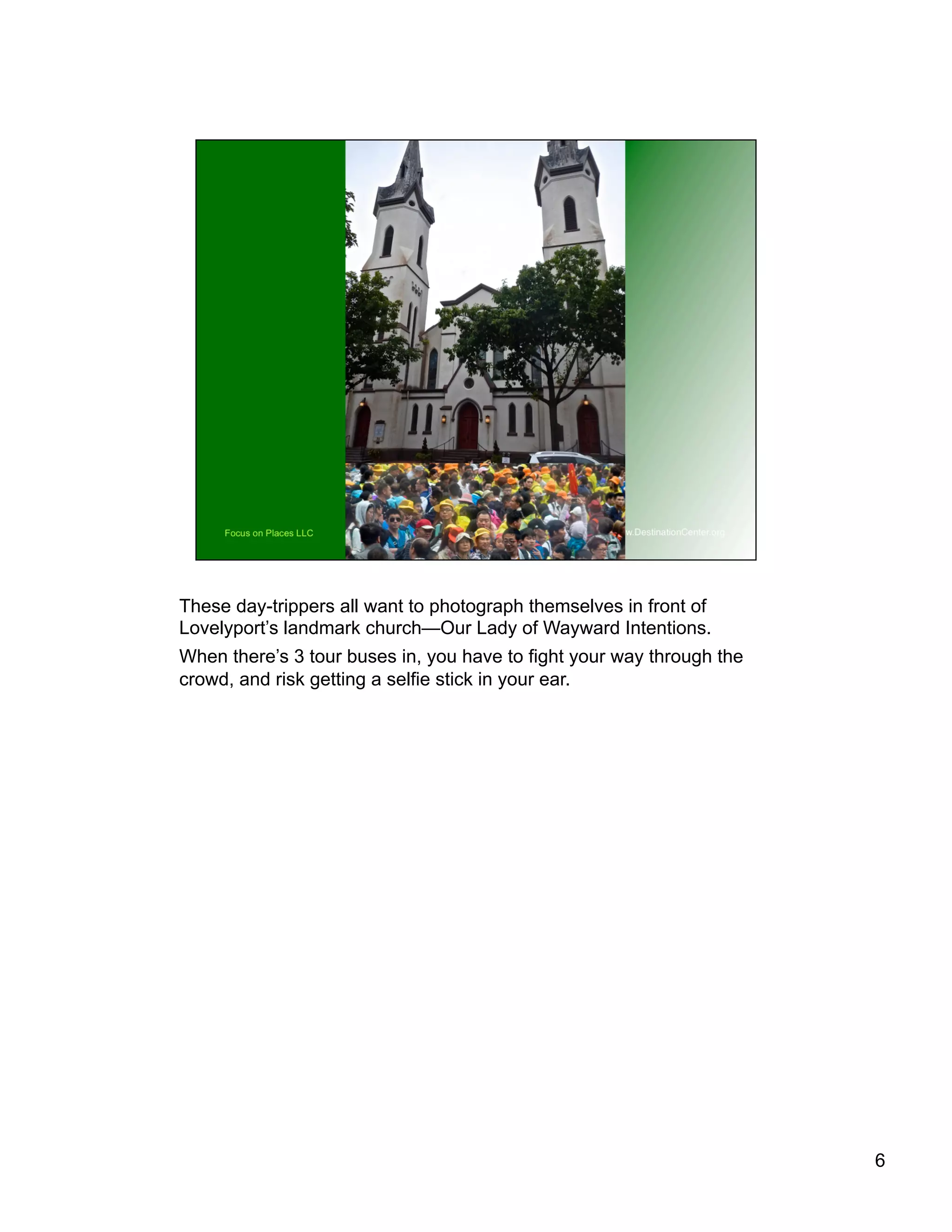
These day-trippers all want to photograph themselves in front of
Lovelyport’s landmark church—Our Lady of Wayward Intentions.
When there’s 3 tour buses in, you have to fight your way through the
crowd, and risk getting a selfie stick in your ear.
6
7
A couple of years ago, this fella from WTTC—whatever that is—suggested
there could be 3 billion tourists by 2050.
Where, where are we going to put all these people? Build a couple of brand
new, historic Lovelyports?
It’s already happening. This what a summer day looks like in Florence,
Italy. A lot of those people are hit-and-run tourists—day-trippers.
16 million last year, 1 million bussed in from cruise ships calling at
Livorno.
We don’t want to look like this!
8
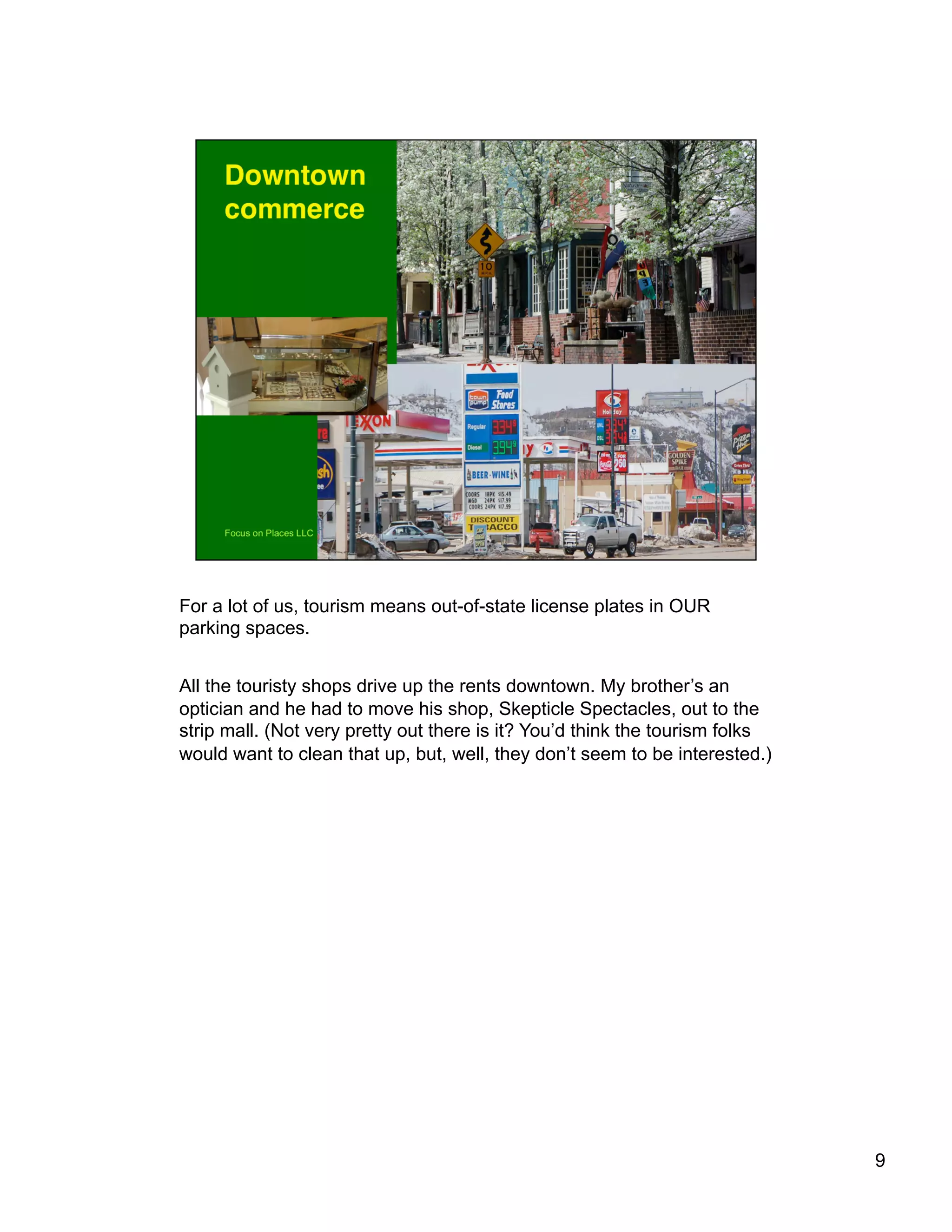
For a lot of us, tourism means out-of-state license plates in OUR
parking spaces.
All the touristy shops drive up the rents downtown. My brother’s an
optician and he had to move his shop, Skepticle Spectacles, out to the
strip mall. (Not very pretty out there is it? You’d think the tourism folks
would want to clean that up, but, well, they don’t seem to be interested.)
9
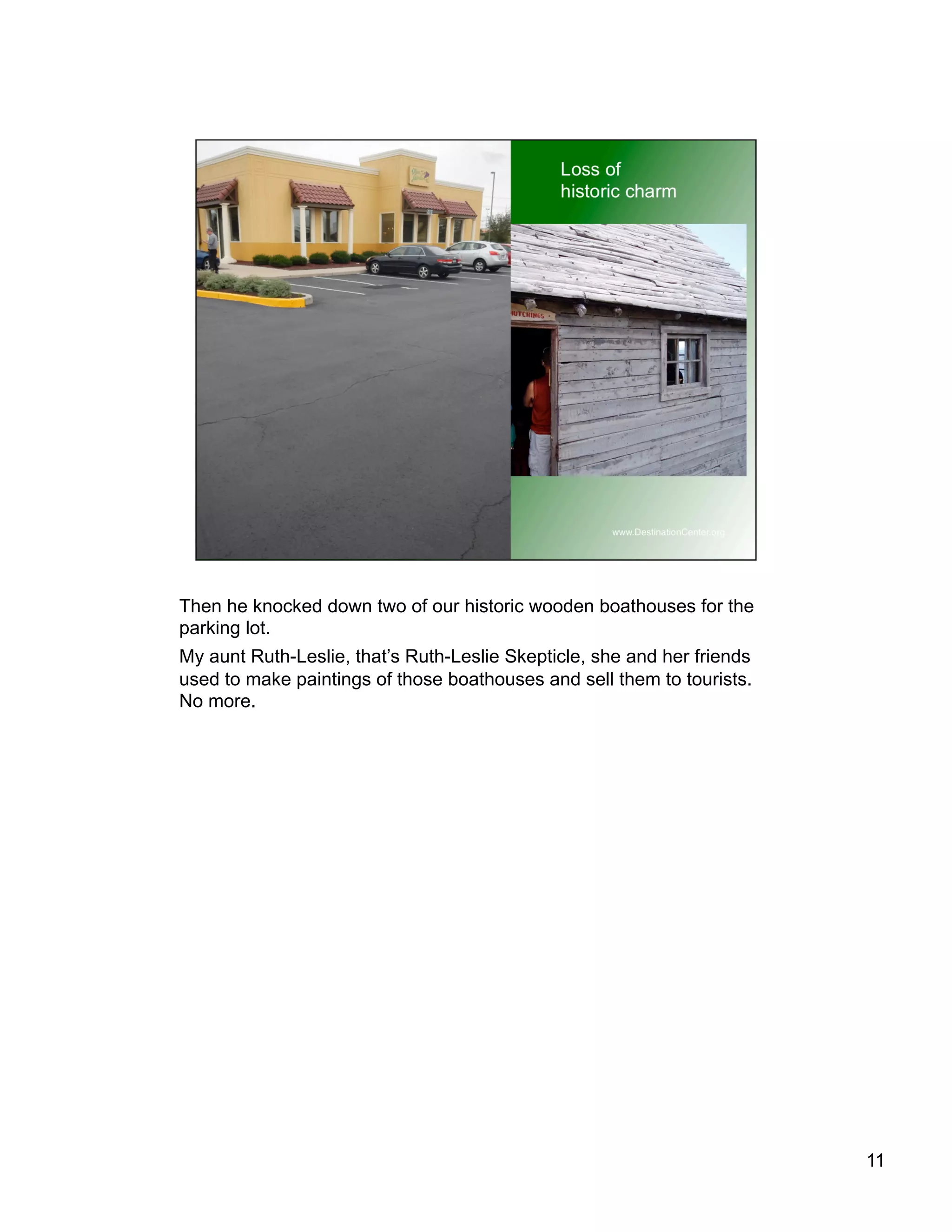
Then some outsider bought our old village seafood restaurant, the
Moister Oyster. Figured he could make more money off those
daytrippers with this: an Olive Garden! “They’ll recognize it!” he said.
10
Then he knocked down two of our historic wooden boathouses for the
parking lot.
My aunt Ruth-Leslie, that’s Ruth-Leslie Skepticle, she and her friends
used to make paintings of those boathouses and sell them to tourists.
No more.
11
Jewelry stores and T-shirt shops have taken over, catering to the cruise
bus tours. We don’t own any of the shops; they’ve got some kind of
deal with the cruise lines. The jewelry shop sells tanzanite. That’s a
gemstone from Tanzania. We ain’t in Tanzania.
And those T-shirts? They say Lovelyport on the front, but I’ve checked
them out. The labels say “Made is Mexico”,
in Honduras, in Pakistan, for Pete’s sake! Our tourism is supporting the
economy of Pakistan?
As for the souvenir mugs and crockery? Made in China. We ain’t in
China, either.
Where’s the stuff made by our people, in our region?
12
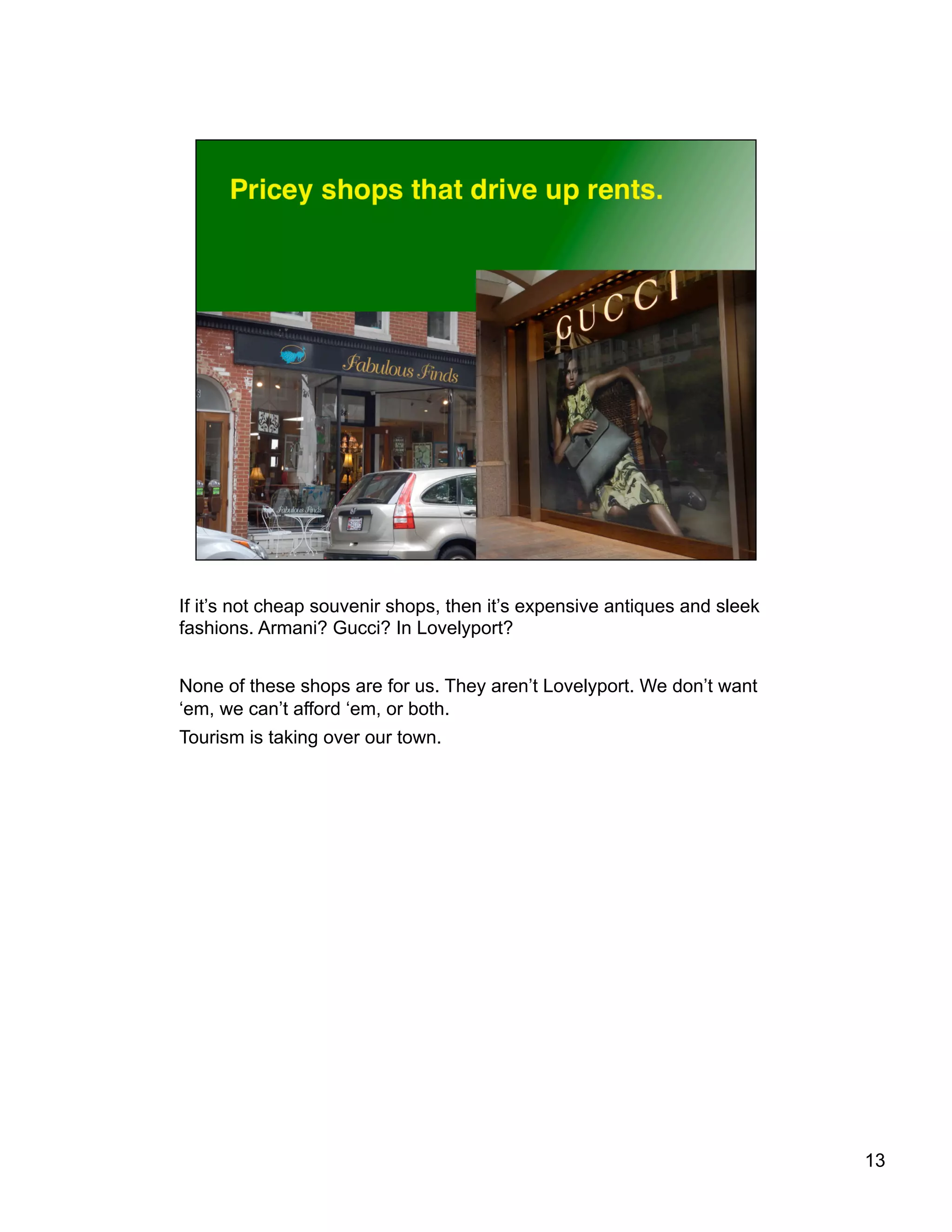
If it’s not cheap souvenir shops, then it’s expensive antiques and sleek
fashions. Armani? Gucci? In Lovelyport?
None of these shops are for us. They aren’t Lovelyport. We don’t want
‘em, we can’t afford ‘em, or both.
Tourism is taking over our town.
13
14
Now, a lot of the richer tourists, they decide they want a summer home
here. They’ve been buying up the north side of town.
Their vacation houses take up most of the coast. We’re losing
ownership of our own seashore.
Sure, you say tourism puts money into the economy, but who get’s this
money? What good does it do me?
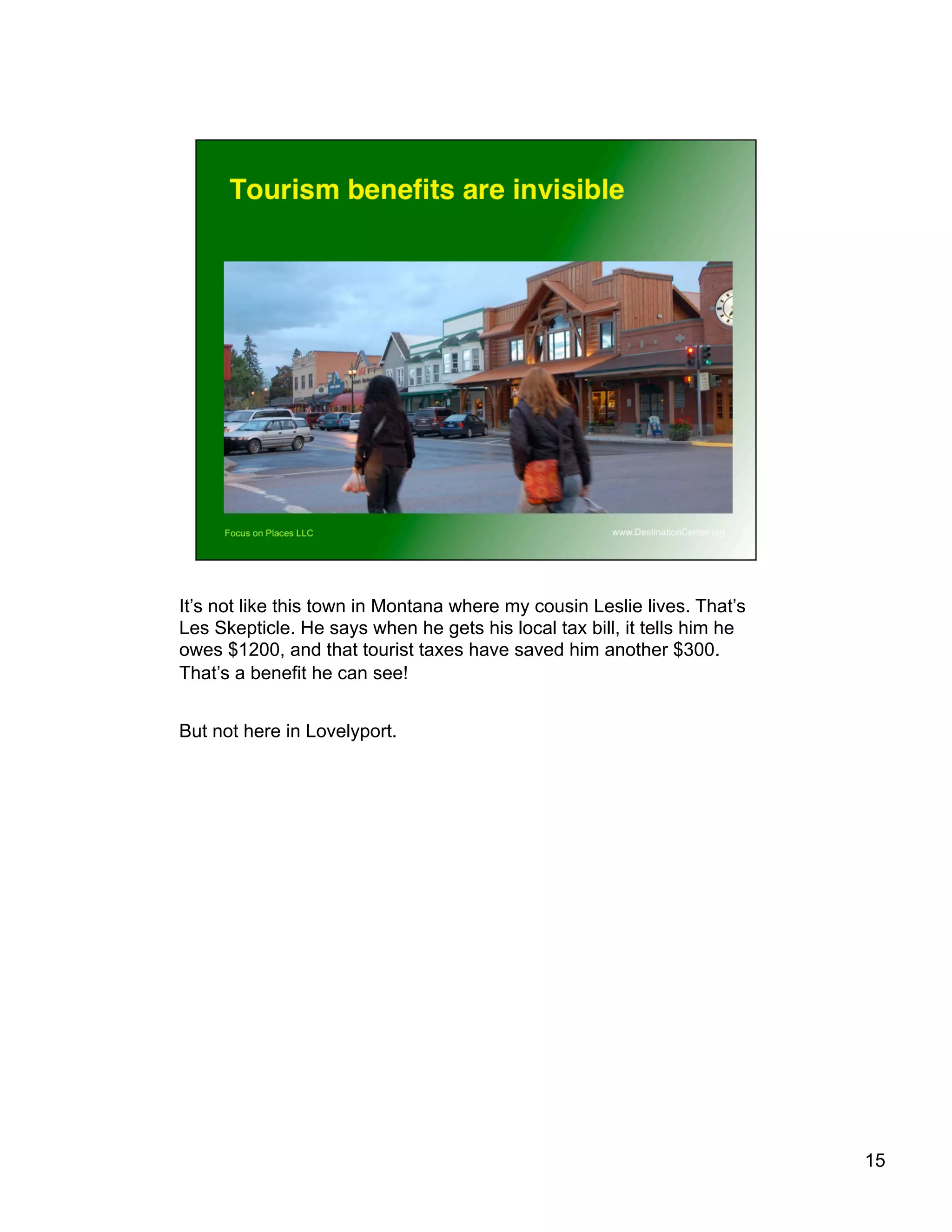
It’s not like this town in Montana where my cousin Leslie lives. That’s
Les Skepticle. He says when he gets his local tax bill, it tells him he
owes $1200, and that tourist taxes have saved him another $300.
That’s a benefit he can see!
But not here in Lovelyport.
15
16
Now, as for the tourists who do stay overnight—the developers, they
think hotels like these, out by the Interstate, are the way to go. Heck,
you could be anywhere! They don’t bring evening people into
Lovelyport, and they don’t look like Lovelyport.
They’ve got gift shops in those hotels, but are they selling local arts and
crafts, like Ruth-Leslie’s watercolors? Nope. “Lovelyport” mugs, made in
China.
Then the last mayor got this notion that it would be great to have a
casino there, too. A casino! We are a scenic, historic port town. Why
would we need a casino? We voted him out.
We do have a few nice little B&Bs,
but the hotels lobby for regulations that make it tough for them to do
business.
And then there’s Airbnb.
We kind of like Airbnb. After they take their cut, the tourist dollars go
straight to us. And when the host is present, the guest gets a personal
experience that no hotel can match.
This is what they’ve done to our beautiful scenery outside of town. One
of those billboards is for that Olive Garden. And farther along, around
that curve up ahead, the highway had a nice landscaped median divide.
So the county passed an ordinance that any trees on it had to be cut
down if they blocked the view of a billboard.
Seems tourism businesses are advertising themselves at the cost of the
scenic appeal they depend on.
That brings us to bed taxes. Much of which go to advertising for more
tourists.
17
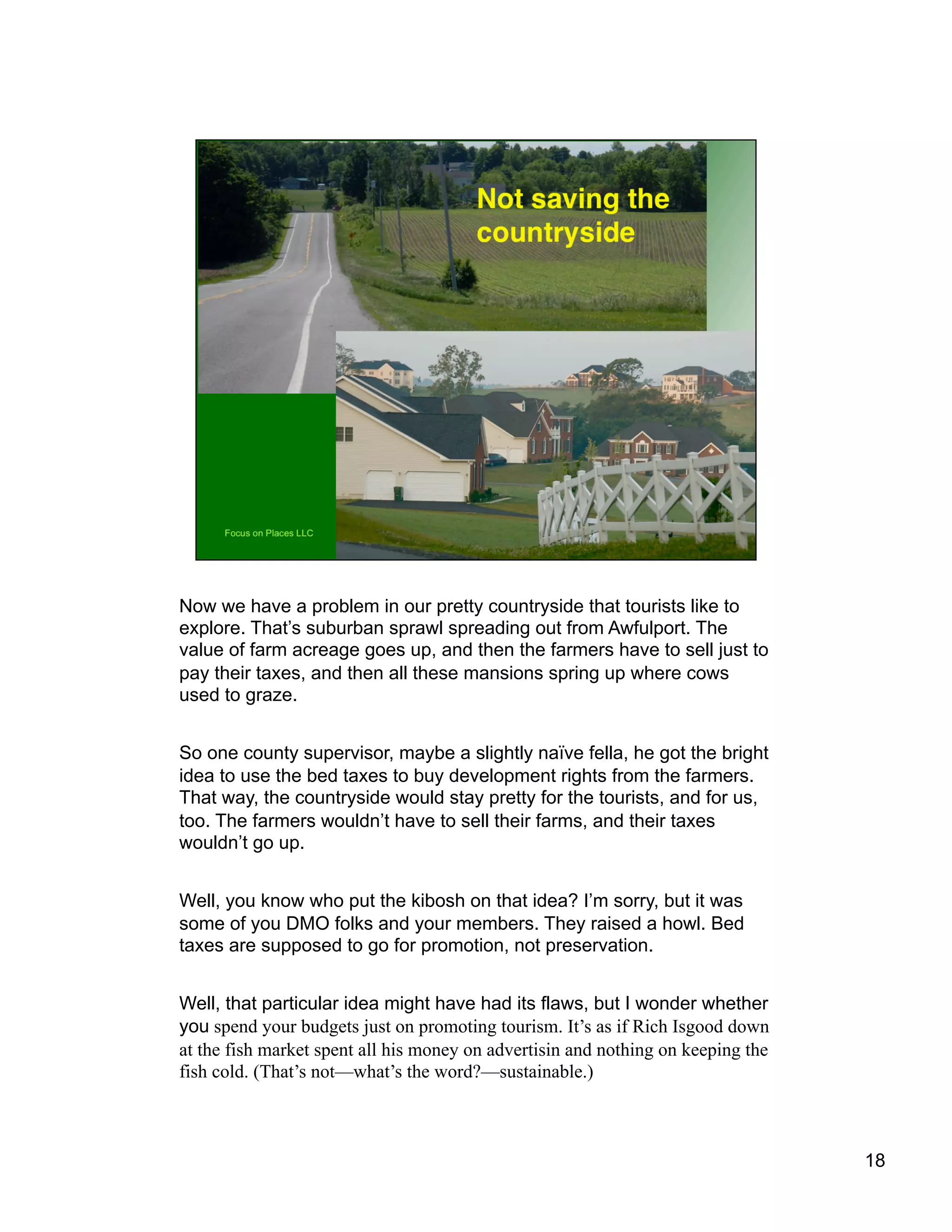
Now we have a problem in our pretty countryside that tourists like to
explore. That’s suburban sprawl spreading out from Awfulport. The
value of farm acreage goes up, and then the farmers have to sell just to
pay their taxes, and then all these mansions spring up where cows
used to graze.
So one county supervisor, maybe a slightly naïve fella, he got the bright
idea to use the bed taxes to buy development rights from the farmers.
That way, the countryside would stay pretty for the tourists, and for us,
too. The farmers wouldn’t have to sell their farms, and their taxes
wouldn’t go up.
Well, you know who put the kibosh on that idea? I’m sorry, but it was
some of you DMO folks and your members. They raised a howl. Bed
taxes are supposed to go for promotion, not preservation.
Well, that particular idea might have had its flaws, but I wonder whether
you spend your budgets just on promoting tourism. It’s as if Rich Isgood down
at the fish market spent all his money on advertisin and nothing on keeping the
fish cold. (That’s not—what’s the word?—sustainable.)
18
19
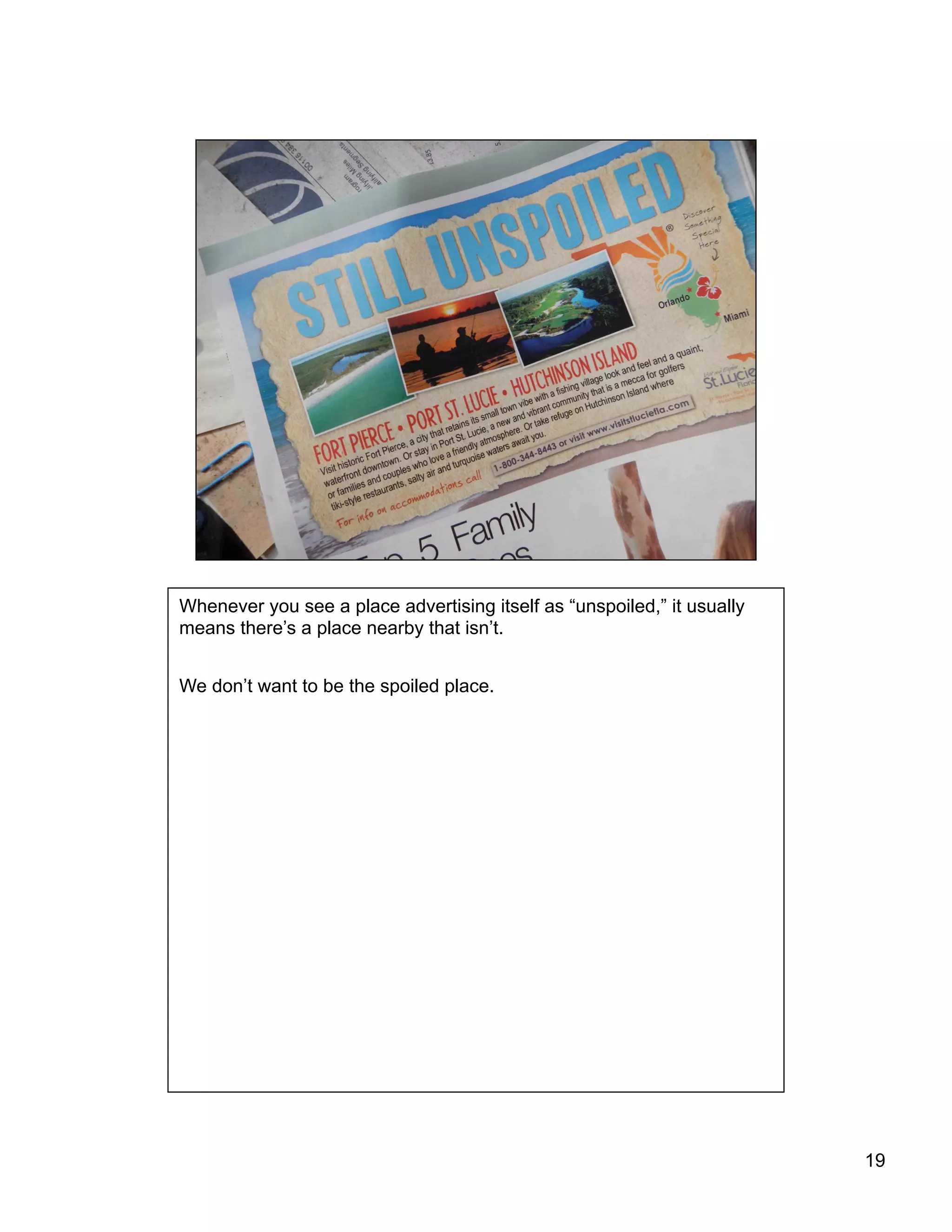
Whenever you see a place advertising itself as “unspoiled,” it usually
means there’s a place nearby that isn’t.
We don’t want to be the spoiled place.
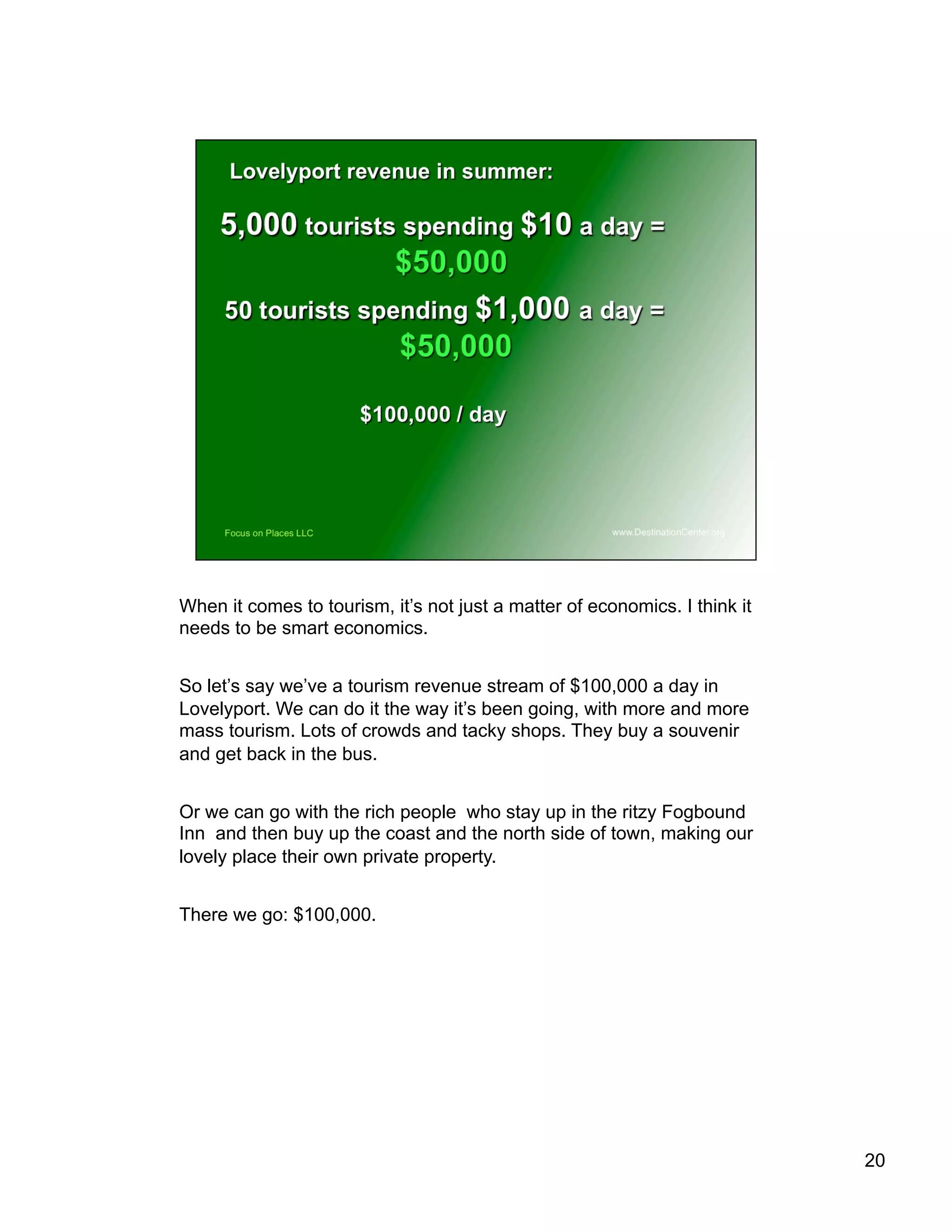
When it comes to tourism, it’s not just a matter of economics. I think it
needs to be smart economics.
So let’s say we’ve a tourism revenue stream of $100,000 a day in
Lovelyport. We can do it the way it’s been going, with more and more
mass tourism. Lots of crowds and tacky shops. They buy a souvenir
and get back in the bus.
Or we can go with the rich people who stay up in the ritzy Fogbound
Inn and then buy up the coast and the north side of town, making our
lovely place their own private property.
There we go: $100,000.
20
21
But why not gives preference and incentives to tourists who are sincerely
curious about our nature and culture and history, with varying incomes?
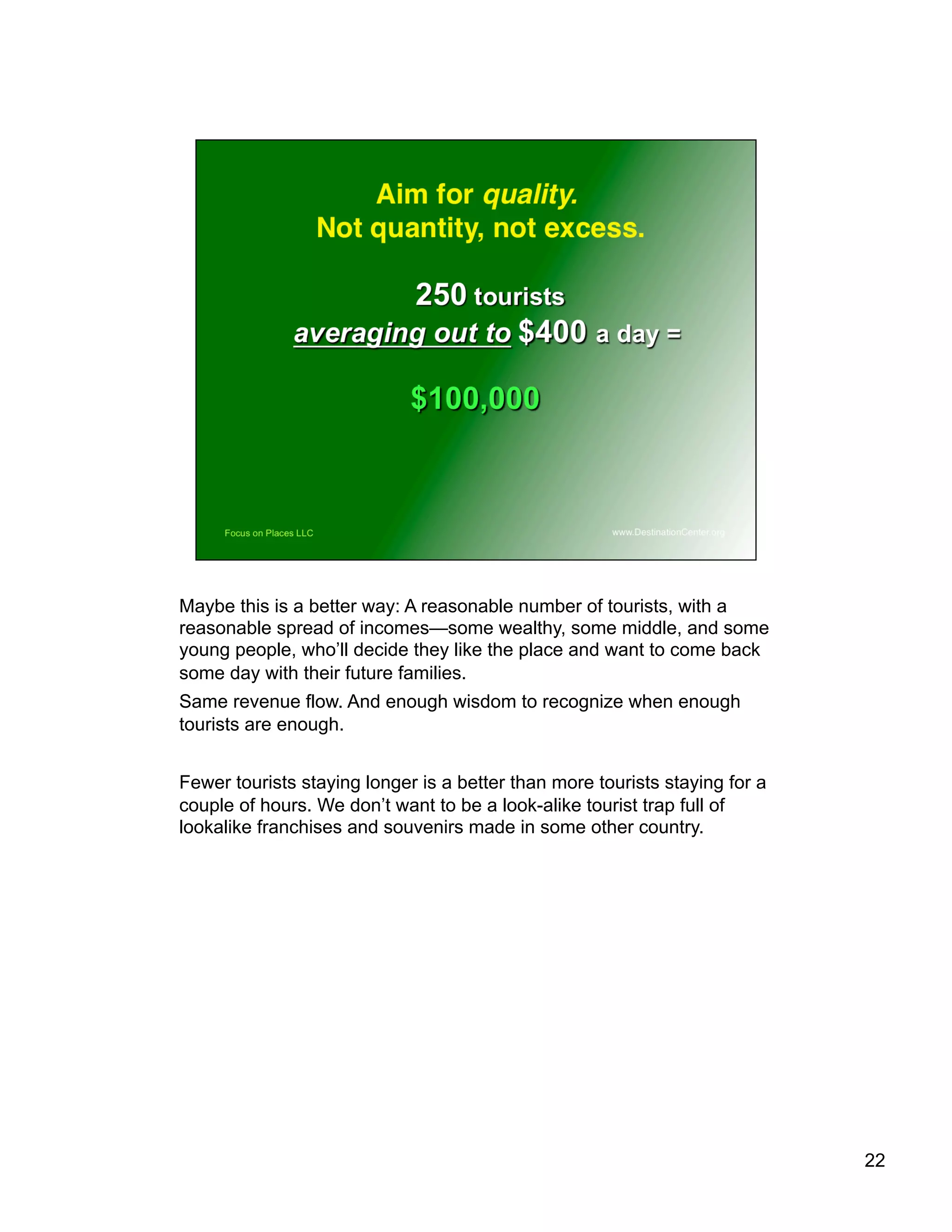
Maybe this is a better way: A reasonable number of tourists, with a
reasonable spread of incomes—some wealthy, some middle, and some
young people, who’ll decide they like the place and want to come back
some day with their future families.
Same revenue flow. And enough wisdom to recognize when enough
tourists are enough.
Fewer tourists staying longer is a better than more tourists staying for a
couple of hours. We don’t want to be a look-alike tourist trap full of
lookalike franchises and souvenirs made in some other country.
22
23
So please, protect the tourism product: The place!
That’s us. That’s our town as it should be, the kind of destination that began
attracting these tourists in the first place. Our shops, our historic buildings, our
shorelines and countryside, our seafood dishes and music traditions and
seafaring stories.
That’s what tourism is for, isn’t it?
Thank you for letting me have my say, Jonathan.
[Back to a normal voice:]
And thank you, Frank.
It’s clear from Frank’s description that Lovelyport doesn’t take very good
care of itself. So it’s good that Lovelyport is fictitious. So is Frank, as
you can tell from a guy whose accent comes from somewhere on the
border between Maine and New Orleans.
But all the things he cites are grounded in reality. The tanzanite shops,
penguin incident, and hiked-up real estate are from Juneau; a
supervisor in Loudoun county, VA did propose buying development
rights with bed taxes; the policy of mandatory tree cutting for billboards
is from southern Florida; the proposed off-ramp casino was at
Gettysburg; Whitefish Montana has put tourist savings on local tax bills.
Meanwhile, the tourist crowds are everywhere, and growing. I’ve been
in China a couple of times this year, and the crush of people at world
heritage sites there gives a good idea of what is coming. This is the
walkway on the 10,000-foot-high Golden Summit of Emeishan on a
24
So we’re at the point where that “M” in DMO really needs to start
meaning what the UNWTO claims it means: Management. Not just
helping enable conventions, but helping with true stewardship of the
destination.
25
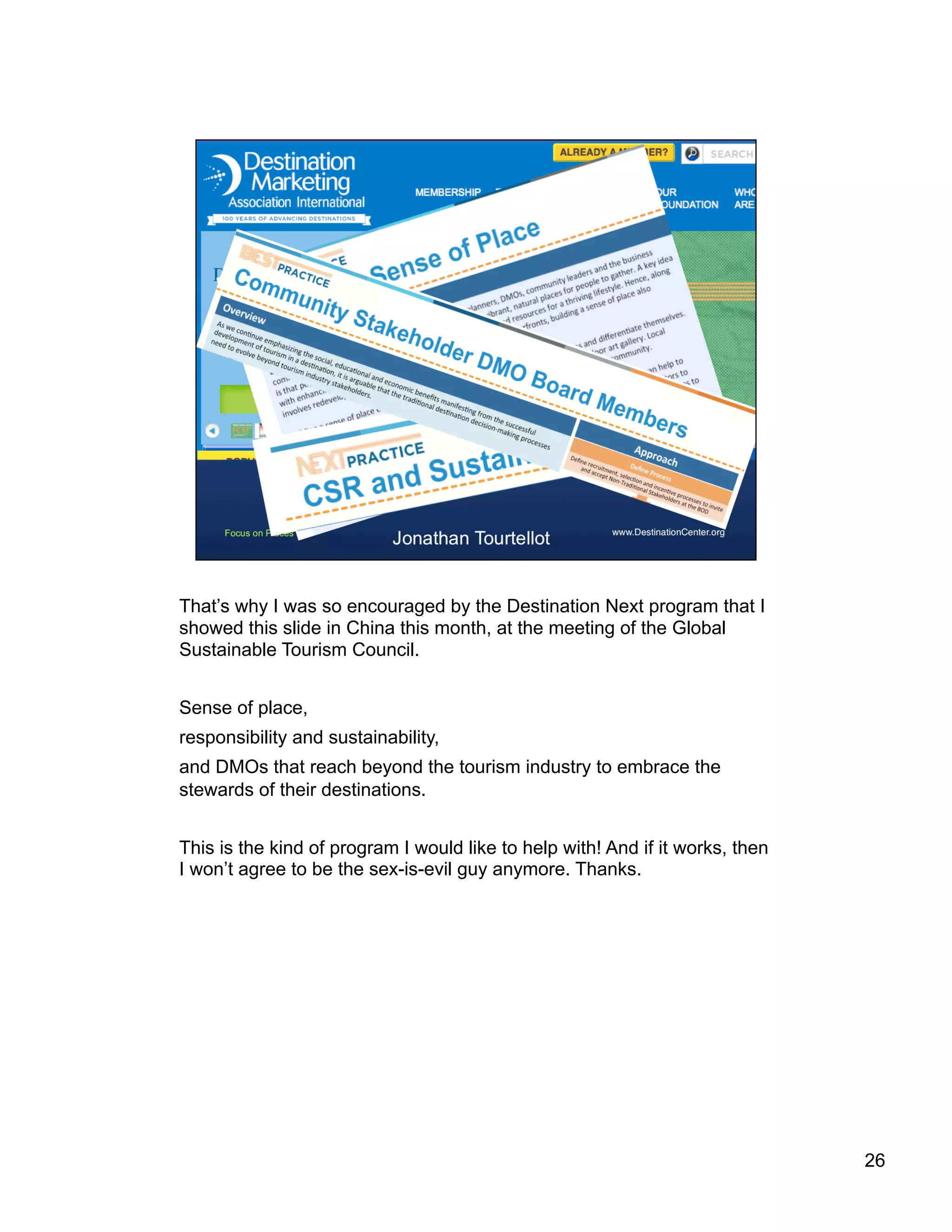
That’s why I was so encouraged by the Destination Next program that I
showed this slide in China this month, at the meeting of the Global
Sustainable Tourism Council.
Sense of place,
responsibility and sustainability,
and DMOs that reach beyond the tourism industry to embrace the
stewards of their destinations.
This is the kind of program I would like to help with! And if it works, then
I won’t agree to be the sex-is-evil guy anymore. Thanks.
26
Maximizing the positive forces of tourism
while minimizing the negative
Discussion & Questions

Is Tourism a Force for Good in Communities?

  • 1.
    Question: Is tourisma force for good in communities? September 30, 2015
  • 2.
    Our speakers today PRO AnitaMendiratta Founder and Managing Director CACHET CONSULTING CON Jonathan Tourtellot President, Focus on Places LLC Founder, National Geographic Centre for Sustainable Destinations
  • 3.
    TOURISM AS AFORCE FOR GOOD COMMUNITY IMPACT: THE ‘PRO’ SIDE OF THE DEBATE SEPTEMBER 30th 2015
  • 4.
    Presn © AMendiratta 2015
  • 5.
    Presn © AMendiratta 2015
  • 6.
    Presn © AMendiratta 2015
  • 7.
    Presn © AMendiratta 2015
  • 8.
    Presn © AMendiratta 2015
  • 9.
    IN 2014 Presn ©A Mendiratta 2015
  • 10.
    Per Day Presn ©A Mendiratta 2015
  • 11.
    Presn © AMendiratta 2015
  • 12.
  • 13.
    268 MILLION / 1:11JOBS SOURCE: WTTC Presn © A Mendiratta 2015
  • 14.
    9% GDP Presn ©A Mendiratta 2015
  • 15.
    9% INVESTMENT Presn ©A Mendiratta 2015
  • 16.
    Presn © AMendiratta 2015
  • 17.
    “The last 40years have seen tourism grow from 189 million people travelling the planet to one billion. This number is set to reach 1.8 billion by 2030. A true revolution.” DR TALEB RIFAI Secretary General UNWTO Presn © A Mendiratta 2015
  • 18.
    ALL DESPITE… Presn ©A Mendiratta 2015
  • 19.
    AND… Presn © AMendiratta 2015
  • 20.
    AND DESPITE… Presn ©A Mendiratta 2015
  • 21.
    AND… Presn © AMendiratta 2015
  • 22.
    AND NOW… Presn ©A Mendiratta 2015
  • 23.
  • 24.
    Presn © AMendiratta 2015 IT’S ABOUT THE AWE
  • 25.
    …AND THE BRAG Presn© A Mendiratta 2015
  • 26.
    AND THE HUGIS ALWAYS WORTH THE TRIP! …AND THE HUG Presn © A Mendiratta 2015
  • 27.
    WHY? Presn © AMendiratta 2015
  • 28.
  • 29.
    CULTURES Presn © AMendiratta 2015
  • 30.
    TRADITIONS Presn © AMendiratta 2015
  • 31.
    THE ENVIRONMENT Presn ©A Mendiratta 2015
  • 32.
    WILDLIFE Presn © AMendiratta 2015
  • 33.
    CHILDREN Presn © AMendiratta 2015
  • 34.
  • 35.
    COMMUNITIES Presn © AMendiratta 2015
  • 36.
  • 37.
  • 38.
  • 39.
    #4 PRESERVING FAMILY STRUCTURESPresn © A Mendiratta 2015
  • 40.
  • 41.
    BUT THE RISKSARE REAL Presn © A Mendiratta 2015
  • 42.
    HOW DO WEMOVE FORWARD? Presn © A Mendiratta 2015
  • 43.
    TOURISTS PLAYING APART Presn © A Mendiratta 2015
  • 44.
    BUT THE RISKSARE REAL Presn © A Mendiratta 2015
  • 45.
    Presn © AMendiratta 2015
  • 46.
    Presn © AMendiratta 2015
  • 47.
    Presn © AMendiratta 2015
  • 48.
    Presn © AMendiratta 2015
  • 49.
    This debate assignmentreminds me of a running joke from my college days--long, so long ago. Whenever the student body was gathered waiting for an event to start, some guy on one side of the auditorium would call out “sex is good!” and another guy on the other side would respond, “Sex is evil!” And back and forth: “Sex is good!” “Sex is evil!” The joke, this being a liberal-arts college, was that everyone knew of course that the sex is-evil guy was wrong. Well, with this audience today, I’m the sex-is-evil guy. ----- Meeting Notes (9/28/15 17:33) ----- 1
  • 50.
    In my workshops,I usually discuss both pros and cons of tourism, and how to maximize the pros and minimize the cons. Anita has already covered the benefits, leaving me with the downside. So, since I don’t want to be the sex-is-evil guy, I’m going to turn the virtual lectern here over to my friend… 2
  • 51.
    Mr. Frank LeeSkepticle. Of Lovelyport, USA. [Adopts an outrageously bad Maine accent:] Thank you for the opportunity, Jonathan, and good aftahnoon, folks. My name is Frank Lee Skepticle. Historic Lovelyport, where I live, has a population of 8,000 or so. We do indeed have a lovely harbor, and nice rolling farm country inland. We’re also right off the coastal highway, so we get a lot of tourists. 3
  • 52.
    And I’m notso sure they are doing us very much good. We’re bits and piece of mass tourism now, and it’s changing who we are. 4
  • 53.
    One issue wehave is those cruise ships that call at Awfulport, down the coast. They put a lot of those passengers on day bus tours that come up here. And some of these folks aren’t the sharpest axes in the woodshed. One woman asked me last week where to see the penguins? I said, Go down to the the shore there. And swim out about 10,000 miles south. 5
  • 54.
    These day-trippers allwant to photograph themselves in front of Lovelyport’s landmark church—Our Lady of Wayward Intentions. When there’s 3 tour buses in, you have to fight your way through the crowd, and risk getting a selfie stick in your ear. 6
  • 55.
    7 A couple ofyears ago, this fella from WTTC—whatever that is—suggested there could be 3 billion tourists by 2050. Where, where are we going to put all these people? Build a couple of brand new, historic Lovelyports?
  • 56.
    It’s already happening.This what a summer day looks like in Florence, Italy. A lot of those people are hit-and-run tourists—day-trippers. 16 million last year, 1 million bussed in from cruise ships calling at Livorno. We don’t want to look like this! 8
  • 57.
    For a lotof us, tourism means out-of-state license plates in OUR parking spaces. All the touristy shops drive up the rents downtown. My brother’s an optician and he had to move his shop, Skepticle Spectacles, out to the strip mall. (Not very pretty out there is it? You’d think the tourism folks would want to clean that up, but, well, they don’t seem to be interested.) 9
  • 58.
    Then some outsiderbought our old village seafood restaurant, the Moister Oyster. Figured he could make more money off those daytrippers with this: an Olive Garden! “They’ll recognize it!” he said. 10
  • 59.
    Then he knockeddown two of our historic wooden boathouses for the parking lot. My aunt Ruth-Leslie, that’s Ruth-Leslie Skepticle, she and her friends used to make paintings of those boathouses and sell them to tourists. No more. 11
  • 60.
    Jewelry stores andT-shirt shops have taken over, catering to the cruise bus tours. We don’t own any of the shops; they’ve got some kind of deal with the cruise lines. The jewelry shop sells tanzanite. That’s a gemstone from Tanzania. We ain’t in Tanzania. And those T-shirts? They say Lovelyport on the front, but I’ve checked them out. The labels say “Made is Mexico”, in Honduras, in Pakistan, for Pete’s sake! Our tourism is supporting the economy of Pakistan? As for the souvenir mugs and crockery? Made in China. We ain’t in China, either. Where’s the stuff made by our people, in our region? 12
  • 61.
    If it’s notcheap souvenir shops, then it’s expensive antiques and sleek fashions. Armani? Gucci? In Lovelyport? None of these shops are for us. They aren’t Lovelyport. We don’t want ‘em, we can’t afford ‘em, or both. Tourism is taking over our town. 13
  • 62.
    14 Now, a lotof the richer tourists, they decide they want a summer home here. They’ve been buying up the north side of town. Their vacation houses take up most of the coast. We’re losing ownership of our own seashore. Sure, you say tourism puts money into the economy, but who get’s this money? What good does it do me?
  • 63.
    It’s not likethis town in Montana where my cousin Leslie lives. That’s Les Skepticle. He says when he gets his local tax bill, it tells him he owes $1200, and that tourist taxes have saved him another $300. That’s a benefit he can see! But not here in Lovelyport. 15
  • 64.
    16 Now, as forthe tourists who do stay overnight—the developers, they think hotels like these, out by the Interstate, are the way to go. Heck, you could be anywhere! They don’t bring evening people into Lovelyport, and they don’t look like Lovelyport. They’ve got gift shops in those hotels, but are they selling local arts and crafts, like Ruth-Leslie’s watercolors? Nope. “Lovelyport” mugs, made in China. Then the last mayor got this notion that it would be great to have a casino there, too. A casino! We are a scenic, historic port town. Why would we need a casino? We voted him out. We do have a few nice little B&Bs, but the hotels lobby for regulations that make it tough for them to do business. And then there’s Airbnb. We kind of like Airbnb. After they take their cut, the tourist dollars go straight to us. And when the host is present, the guest gets a personal experience that no hotel can match.
  • 65.
    This is whatthey’ve done to our beautiful scenery outside of town. One of those billboards is for that Olive Garden. And farther along, around that curve up ahead, the highway had a nice landscaped median divide. So the county passed an ordinance that any trees on it had to be cut down if they blocked the view of a billboard. Seems tourism businesses are advertising themselves at the cost of the scenic appeal they depend on. That brings us to bed taxes. Much of which go to advertising for more tourists. 17
  • 66.
    Now we havea problem in our pretty countryside that tourists like to explore. That’s suburban sprawl spreading out from Awfulport. The value of farm acreage goes up, and then the farmers have to sell just to pay their taxes, and then all these mansions spring up where cows used to graze. So one county supervisor, maybe a slightly naïve fella, he got the bright idea to use the bed taxes to buy development rights from the farmers. That way, the countryside would stay pretty for the tourists, and for us, too. The farmers wouldn’t have to sell their farms, and their taxes wouldn’t go up. Well, you know who put the kibosh on that idea? I’m sorry, but it was some of you DMO folks and your members. They raised a howl. Bed taxes are supposed to go for promotion, not preservation. Well, that particular idea might have had its flaws, but I wonder whether you spend your budgets just on promoting tourism. It’s as if Rich Isgood down at the fish market spent all his money on advertisin and nothing on keeping the fish cold. (That’s not—what’s the word?—sustainable.) 18
  • 67.
    19 Whenever you seea place advertising itself as “unspoiled,” it usually means there’s a place nearby that isn’t. We don’t want to be the spoiled place.
  • 68.
    When it comesto tourism, it’s not just a matter of economics. I think it needs to be smart economics. So let’s say we’ve a tourism revenue stream of $100,000 a day in Lovelyport. We can do it the way it’s been going, with more and more mass tourism. Lots of crowds and tacky shops. They buy a souvenir and get back in the bus. Or we can go with the rich people who stay up in the ritzy Fogbound Inn and then buy up the coast and the north side of town, making our lovely place their own private property. There we go: $100,000. 20
  • 69.
    21 But why notgives preference and incentives to tourists who are sincerely curious about our nature and culture and history, with varying incomes?
  • 70.
    Maybe this isa better way: A reasonable number of tourists, with a reasonable spread of incomes—some wealthy, some middle, and some young people, who’ll decide they like the place and want to come back some day with their future families. Same revenue flow. And enough wisdom to recognize when enough tourists are enough. Fewer tourists staying longer is a better than more tourists staying for a couple of hours. We don’t want to be a look-alike tourist trap full of lookalike franchises and souvenirs made in some other country. 22
  • 71.
    23 So please, protectthe tourism product: The place! That’s us. That’s our town as it should be, the kind of destination that began attracting these tourists in the first place. Our shops, our historic buildings, our shorelines and countryside, our seafood dishes and music traditions and seafaring stories. That’s what tourism is for, isn’t it? Thank you for letting me have my say, Jonathan.
  • 72.
    [Back to anormal voice:] And thank you, Frank. It’s clear from Frank’s description that Lovelyport doesn’t take very good care of itself. So it’s good that Lovelyport is fictitious. So is Frank, as you can tell from a guy whose accent comes from somewhere on the border between Maine and New Orleans. But all the things he cites are grounded in reality. The tanzanite shops, penguin incident, and hiked-up real estate are from Juneau; a supervisor in Loudoun county, VA did propose buying development rights with bed taxes; the policy of mandatory tree cutting for billboards is from southern Florida; the proposed off-ramp casino was at Gettysburg; Whitefish Montana has put tourist savings on local tax bills. Meanwhile, the tourist crowds are everywhere, and growing. I’ve been in China a couple of times this year, and the crush of people at world heritage sites there gives a good idea of what is coming. This is the walkway on the 10,000-foot-high Golden Summit of Emeishan on a 24
  • 73.
    So we’re atthe point where that “M” in DMO really needs to start meaning what the UNWTO claims it means: Management. Not just helping enable conventions, but helping with true stewardship of the destination. 25
  • 74.
    That’s why Iwas so encouraged by the Destination Next program that I showed this slide in China this month, at the meeting of the Global Sustainable Tourism Council. Sense of place, responsibility and sustainability, and DMOs that reach beyond the tourism industry to embrace the stewards of their destinations. This is the kind of program I would like to help with! And if it works, then I won’t agree to be the sex-is-evil guy anymore. Thanks. 26
  • 75.
    Maximizing the positiveforces of tourism while minimizing the negative Discussion & Questions