G P SAHU
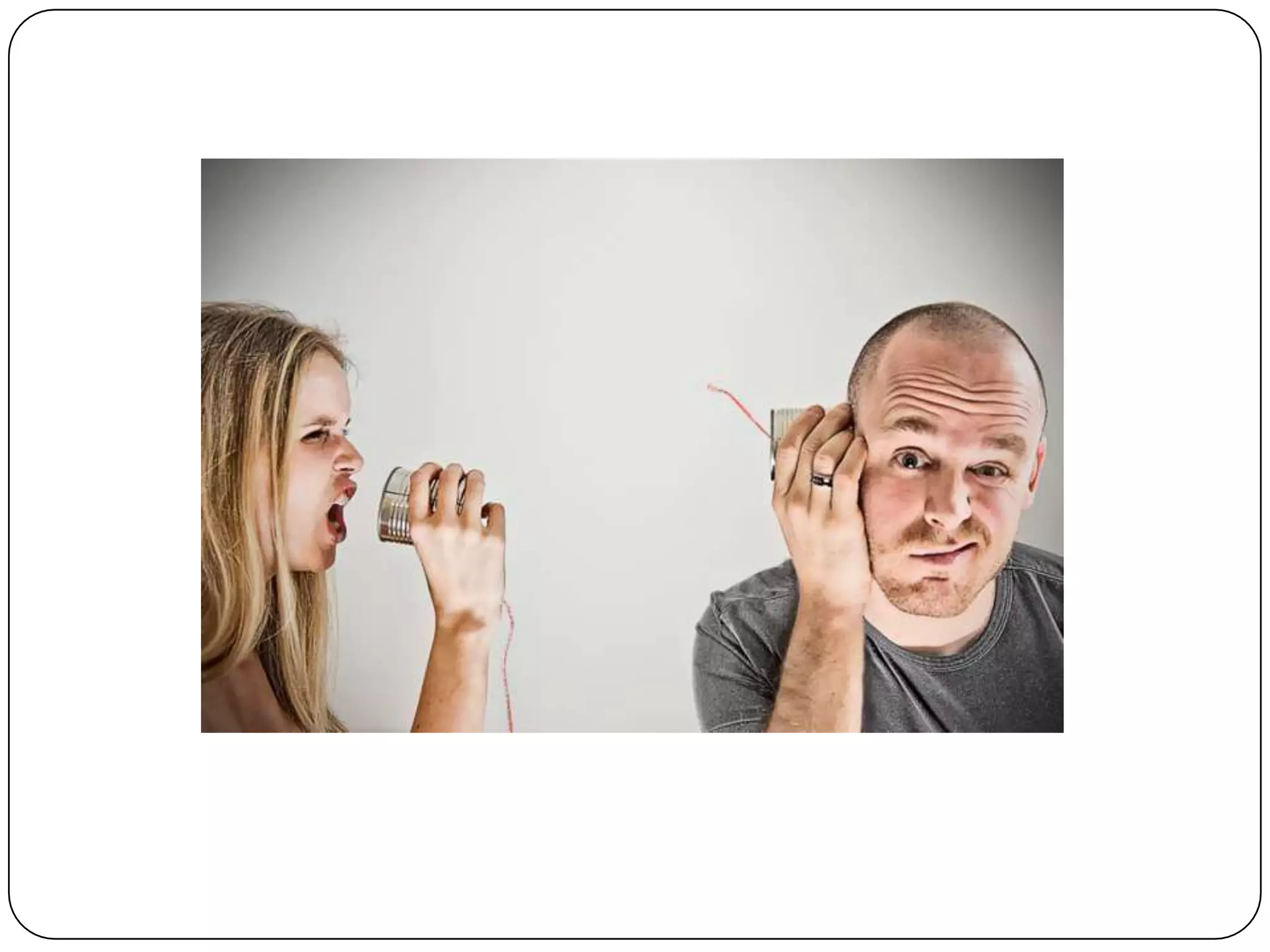
The quality of our life is
the quality of our
relationship
Please listen
carefully and try
to hear what I am
not saying . . .
Outline of our discussion :
⚫Intrapersonal communication
 Self concept
 Perception
 Expectation
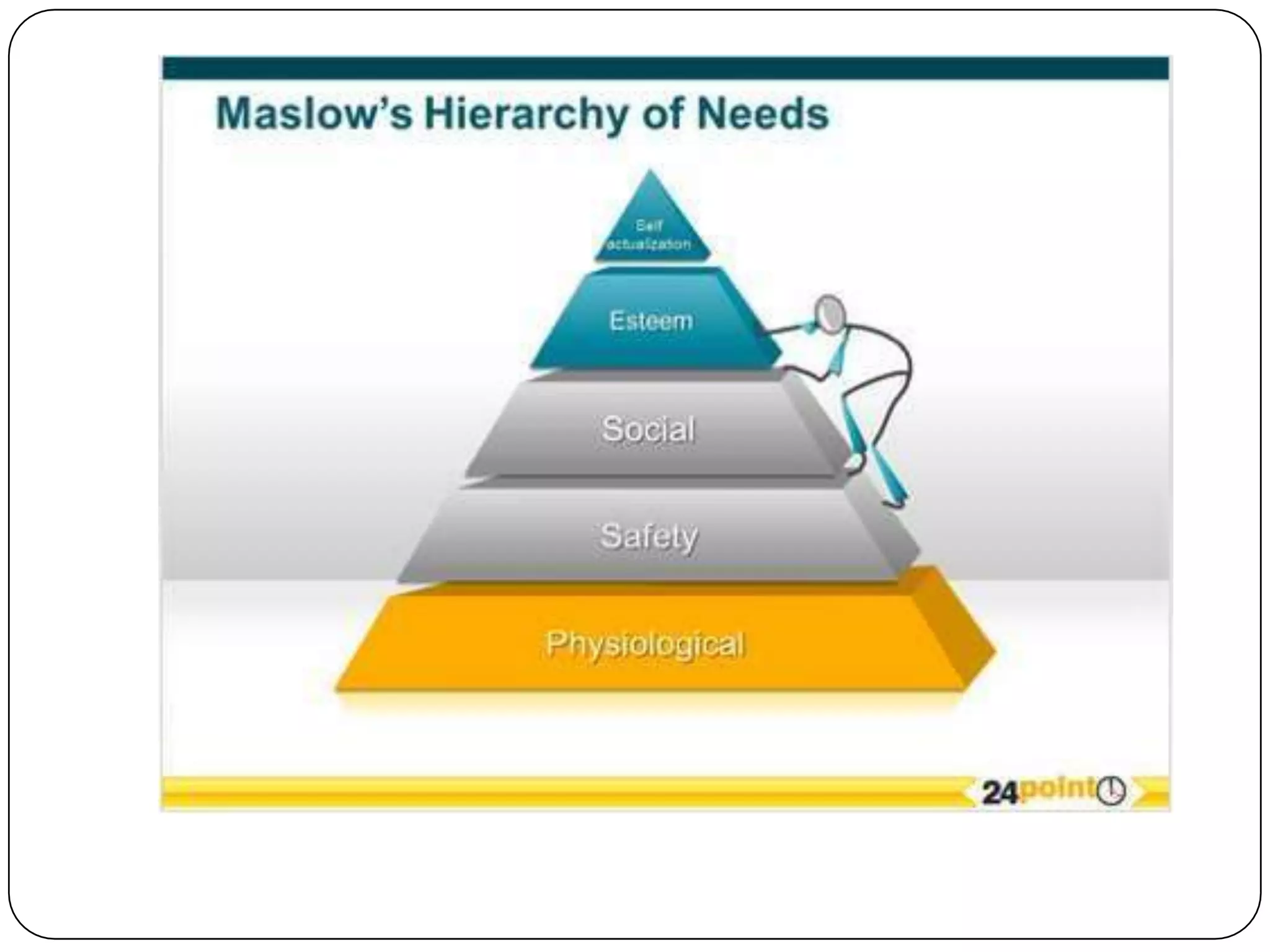
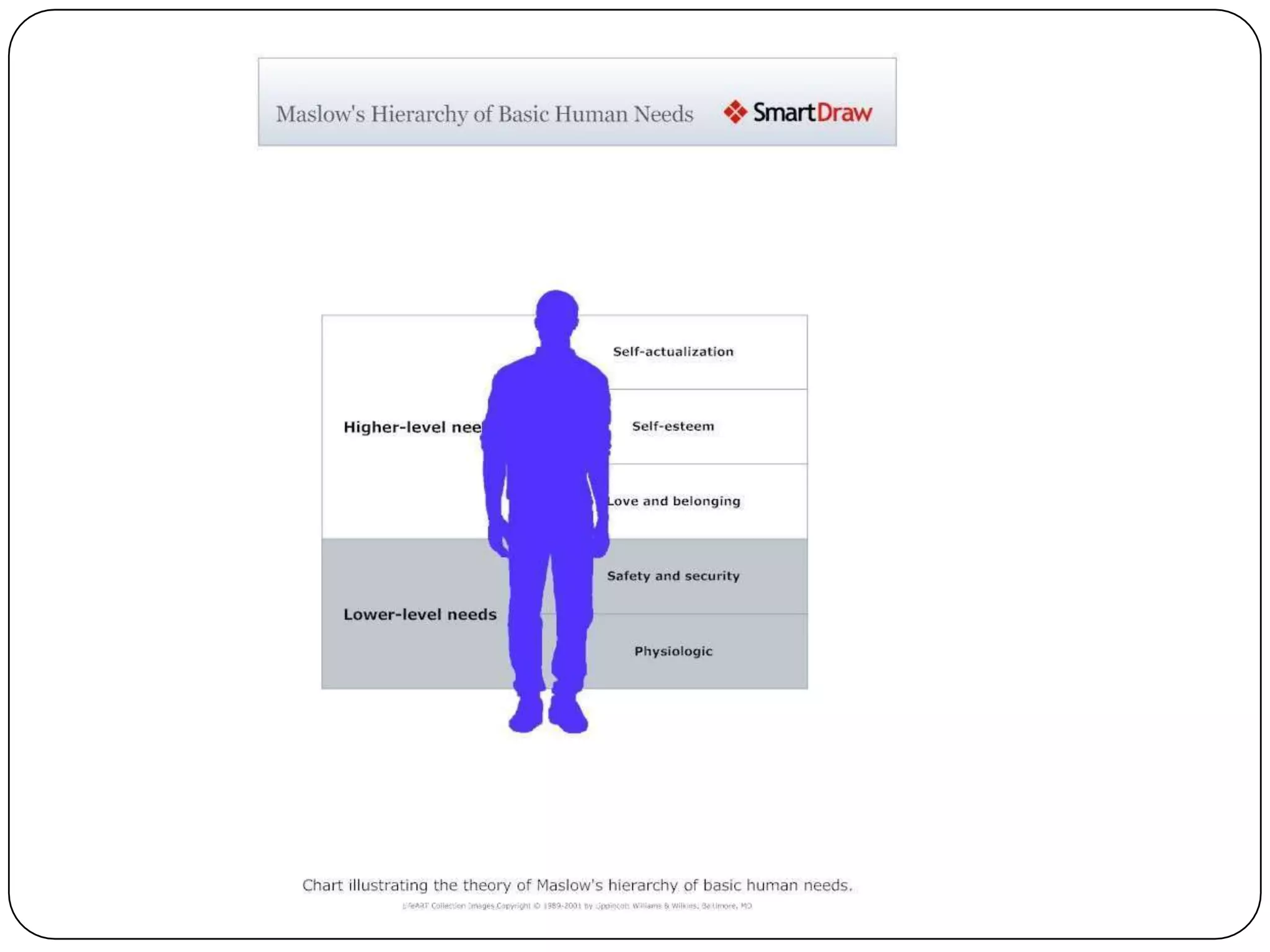
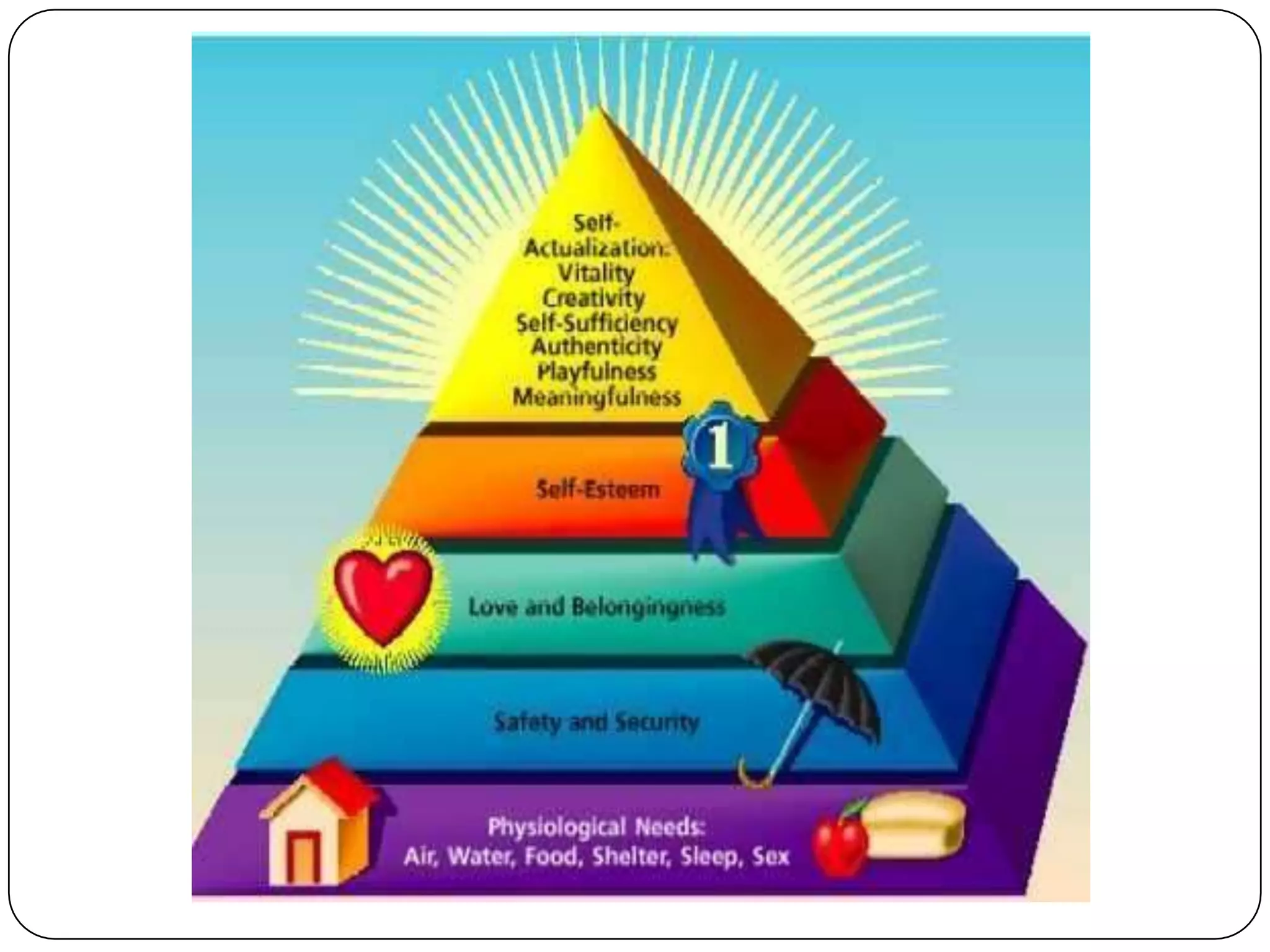
 Motivation (Maslow pyramid)
⚫Interpersonal communication
 Difference – intrapersonal & interpersonal comm.n
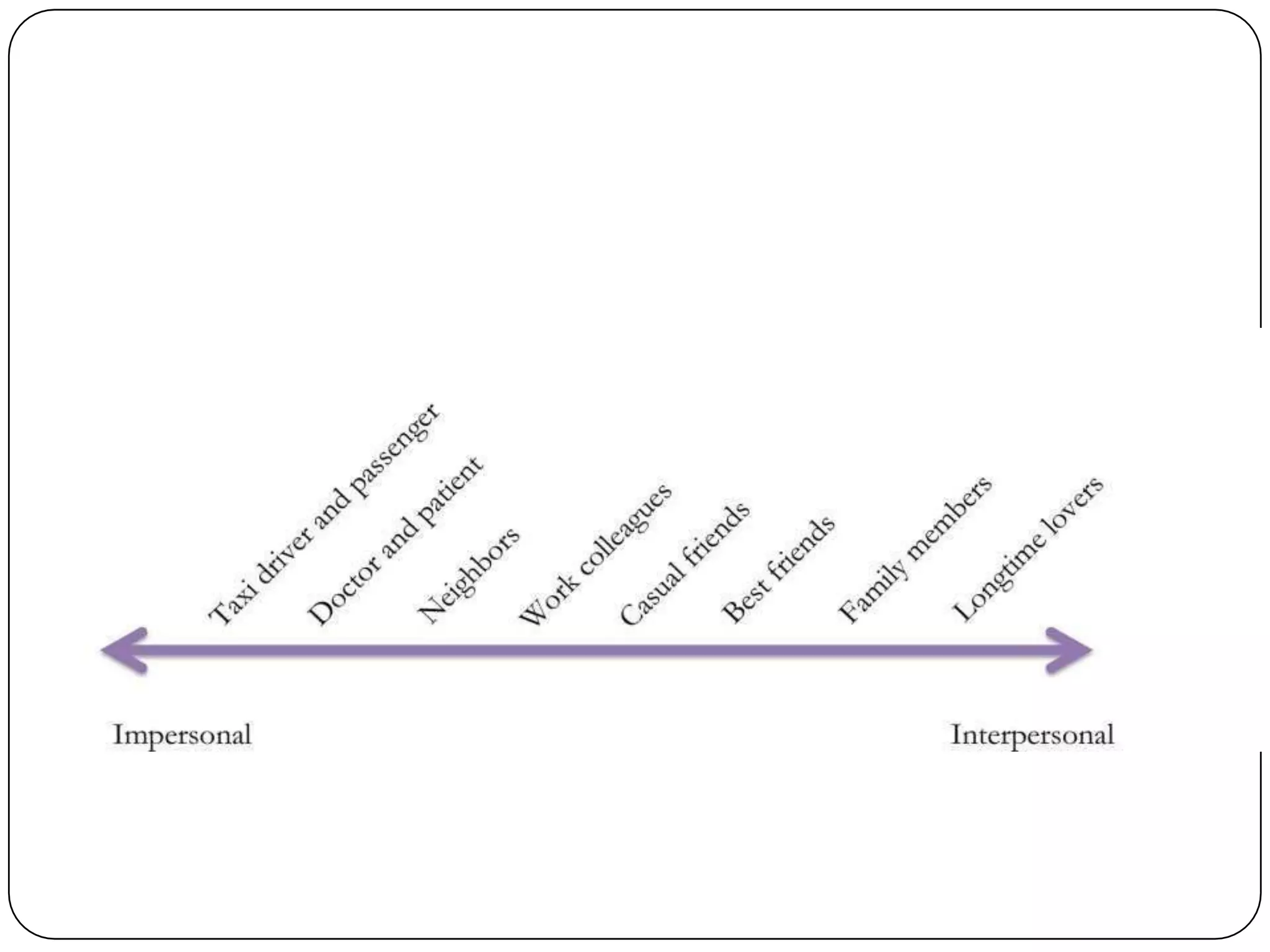
 Impersonal and interpersonal communication
 Good interpersonal communication advantage
 Johri window
Intrapersonal communication takes place
within a single person, often for the purpose of
clarifying ideas or analyzing asituation AND to
reflect upon or appreciate something.
Aspects of intrapersonal communication are
•Self concept
•Perception
•Expectation
•Motivation
Self-concept is the basis for intrapersonal
communication, because it determines
how a persona sees him/herself and is
oriented toward others.
The term self-concept is a general term used to refer to
how someone thinks about or perceives themselves.
The self concept is how we think about and evaluate
ourselves. T
o be aware of oneself is to have a concept of
oneself
Perception is the organization,
identification and interpretation of sensory
information in order to represent and
understand the environment. All perception
involves signals in the nervous system, which
in turn result from physical stimulation of the
sense organs.
Expectations are future-oriented
messages dealing with long-term roles,
sometimes called life scripts.
sometimes are projections of
These
learned
relationships within the family or society.
TYPESOF INTRAPESONAL COMMUNICATION
1. Internaldiscourse
2. solo vocal communication
3. solo written communication.
•Internal discourse involves thinking, concentration and analysis.
Psychologists include both daydreaming and nocturnal dreaming in this
category
. Example Prayer and meditation
•Solo vocal communication includes speaking aloud to oneself. This may be
done to clarify thinking, to rehearse a message intended for others, or
simply to let off steam. Example: Talking to yourself as you complain about
your boss.
•Solo written communication deals with writing not intended for others.
Example:Anentry in adiary or personal journal
Interpersonal communication
Interpersonal communication is the
process that we use to communicate our
ideas, thoughts, and feelings to another
person.
Our interpersonal communication
skills are learned behaviours that can be
improved through knowledge, practice,
feedback and reflection.
Intrapersonal Communication
Intrapersonal communication could be called our inner monologue.
When we sit down to think of ways to solve a problem, we're
communicating interpersonally. Even during those moments of quiet
reflection about ourselves, our goals in life, our beliefs, values and
expectations, we are communicating with ourselves. Intrapersonal
communication also includes dreams, fantasies, talking out loud to
yourself and writing, such asin ajournal.

Interpersonal Communication
Interpersonal communication takes place between at least two people. A

conversation over a candlelit dinner, a phone call and this article are all
considered interpersonal communication. One person sends a message,
either by talking or writing, or even with body language, and at least one
other person receives that message. Effective interpersonal
communication depends on the messenger's ability to convey their exact
meaning without ambiguity
.
Strong positive interpersonal relationships
are essential to achieving our success – whether
they be work relationships, family relationships
or relationships with others in our communities.
We’re in almost constant contact with others and
we should make every contact an opportunity to
strengthen our social skills and reinforce our
relationships.
With that in mind, here are ten benefits for
having good interpersonal skills that contribute
to maintaining rewarding long-term
relationships:
1. Trust: Long-term relationships are based on trust. When
we trustothers, weare more relaxed, comfortable
2.Acceptance: Once we experience trust with others, we can
be honest about our weaknesses and shortcomings because
we’re confident that we will be accepted for who we are,
without judgmentorcriticism.
3.Support: Our lives go through many changes, some planned
and some take us by surprise. In either case, they often take us
out of our comfort zone and challenge us to grow and become
more than we were before. Good, healthy relationships give us
the support and encouragement we need to rise to new and
differentchallenges.
4.A Kind Ear: We often think of good communication skills as
being able to speak well. That’s only half of it. The ability to
listen well is the other half. Having someone who will listen
non-judgmentally when you’re feeling down or frustrated and
want to “vent” gives you the freedom to express yourself.
Sometimes you just need to get something off your chest
without feeling likeyou have towatch everyword you say.
5.Understanding: When someone knows you well enough to
understand where you’re “coming from” and instantly know the
context in which you’re speaking, it’s easier to open up.
Individuals in long-term relationships have a history of shared
experiences that build a mutual understanding so they “get
you” without a lot of explanation.
6. Someone to Call On When You Need a Hand: Everyone,
from time to time, needs a hand from a friend, colleague, peer,
or family member. This can be in the form of advice, a new job,
or assistance with a particular project in which you need to call
on another’s expertise.
7. Referrals and References: You can count on
the people with whom you have a good
relationship to give you a positive reference or
referral – they’re more likely to be a good advocate
for you and expound on your strengths and strong
points.
8. Share and Celebrate: Celebrating with people
who truly care about you and want celebrate with
you when your life is going well, when you secured
a promotion, or when bought your first house is a
ton fun. Being acknowledged for your
accomplishments is a rewarding experience and
when you have good relationships, most want to
be partof celebrating yoursuccess.
9. Reduced Stress: Sharing your life with friends and
coworkers who you trust, who accept, understand and
reduces stress because you have
for
support you
camaraderie
interpersonal
and, therefore, less potential
conflicts. Good relationships bring
about the best in work teams and families by reducing
the anxieties that cause stress and, at the same time,
good relationships cultivate a sense of well-being and
emotional security.
Having good
10. Happiness and Satisfaction:
relationships means there’s a mutual like for one
another. Being around people you like and who like
you create situations that are harmonious, supportive,
and well, happy. You have an overall feeling of
satisfaction in your life – be it at work, at home, or in
yourcommunity
.
Now, hereare ten benefits others will receive from
having a good relationship with you:
1. Trust
2. Acceptance
3. Support
4. A Kind Ear
5. Understanding
6. Someone to Call On When You Need a Hand
7. Referrals and References
8. Shareand Celebrate
9. Reduce Stress
10. Happiness and Satisfaction
Did you notice that the list was
exactly the same?
The strongest and best relationships are
made when all parties give and receive. If you
want these ten benefits for yourself, you have
togive them toothers.
Too often we look at relationships with a
“what-do-I-get-out-of-this?” perspective.
That’s not how good relationships work. It’s
aboutgiveand take.
Think about what you want out of a
relationship, then give it. You’ll be surprised at
how much betteryourrelationships become!
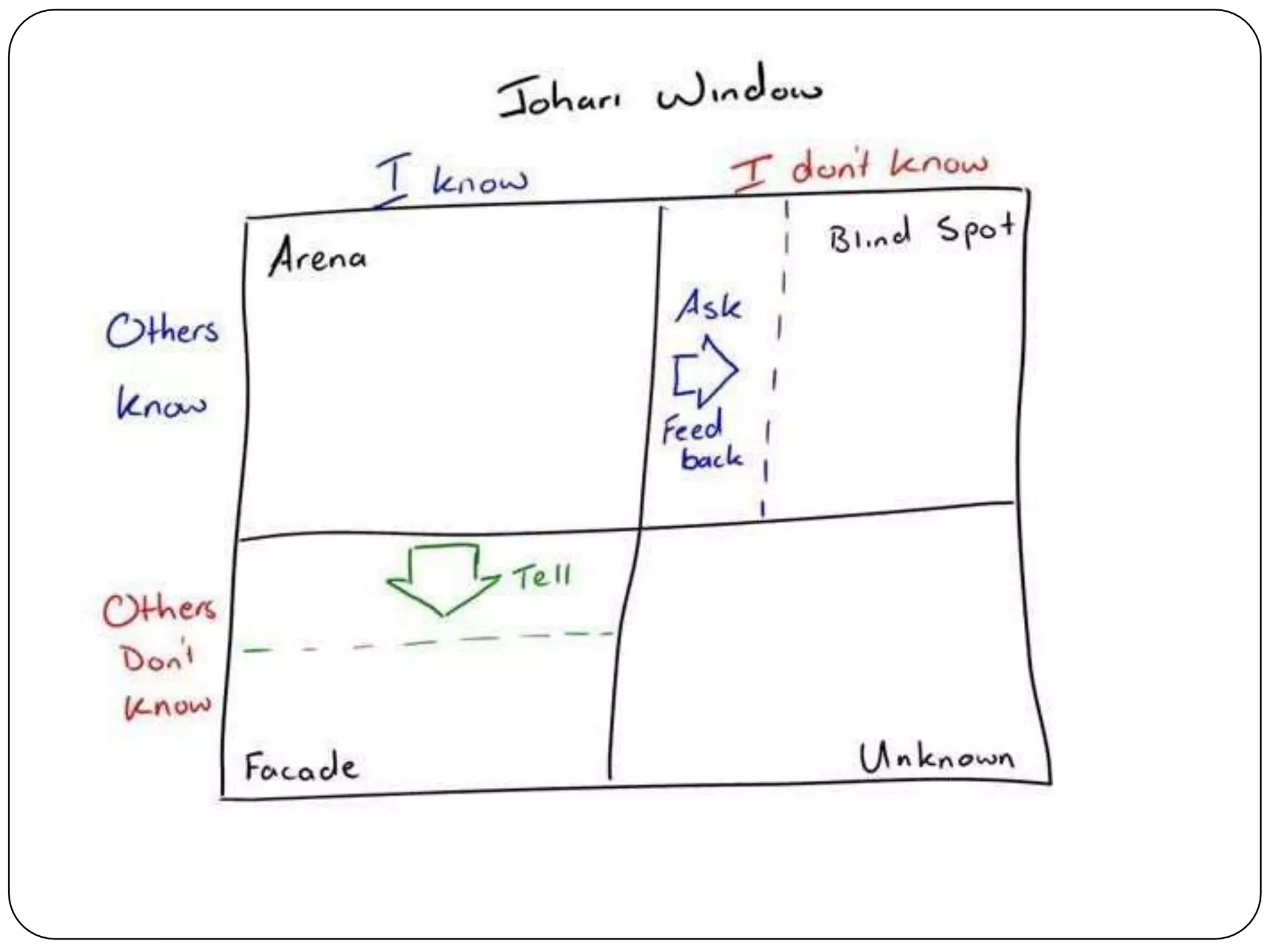
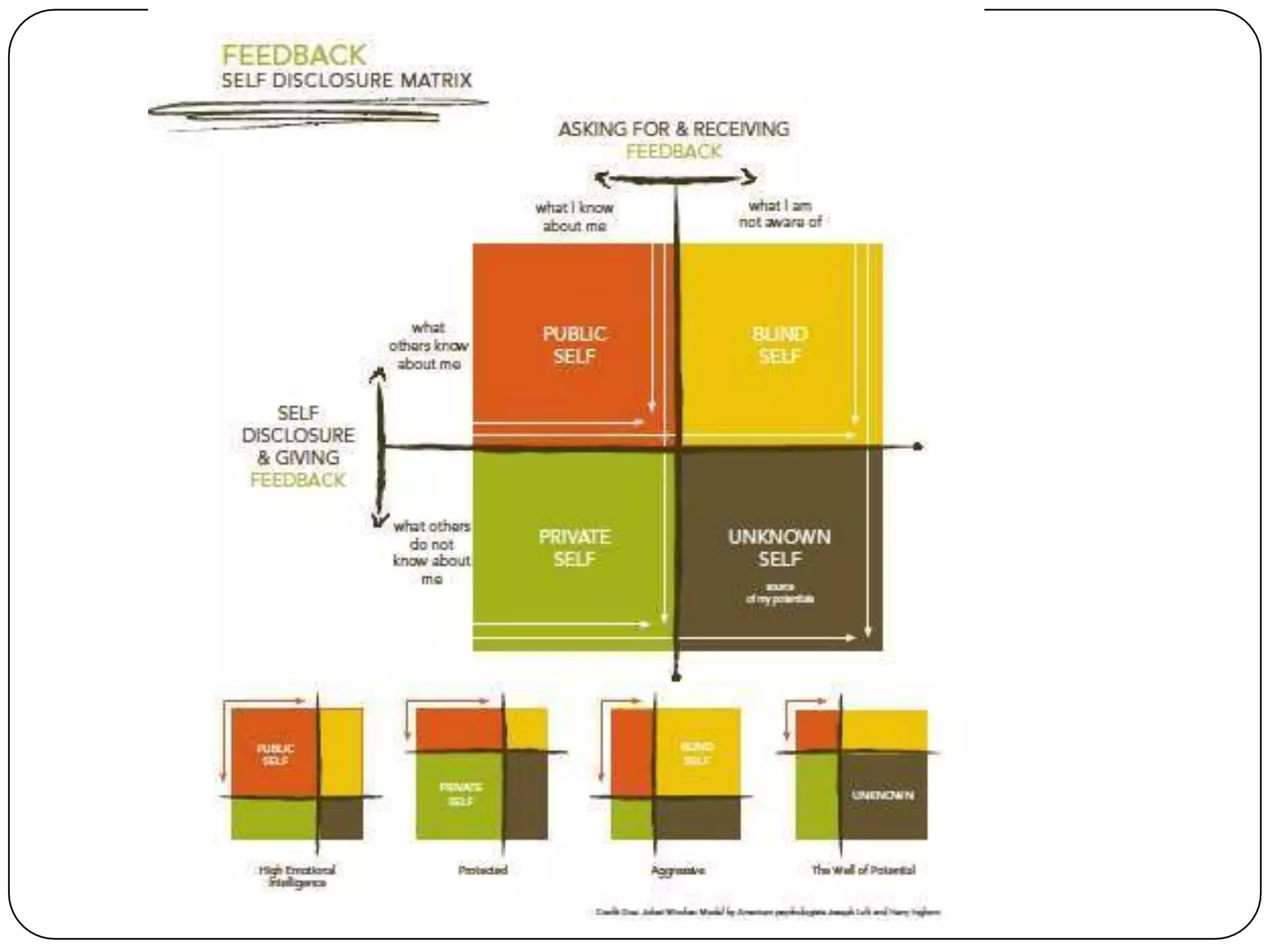
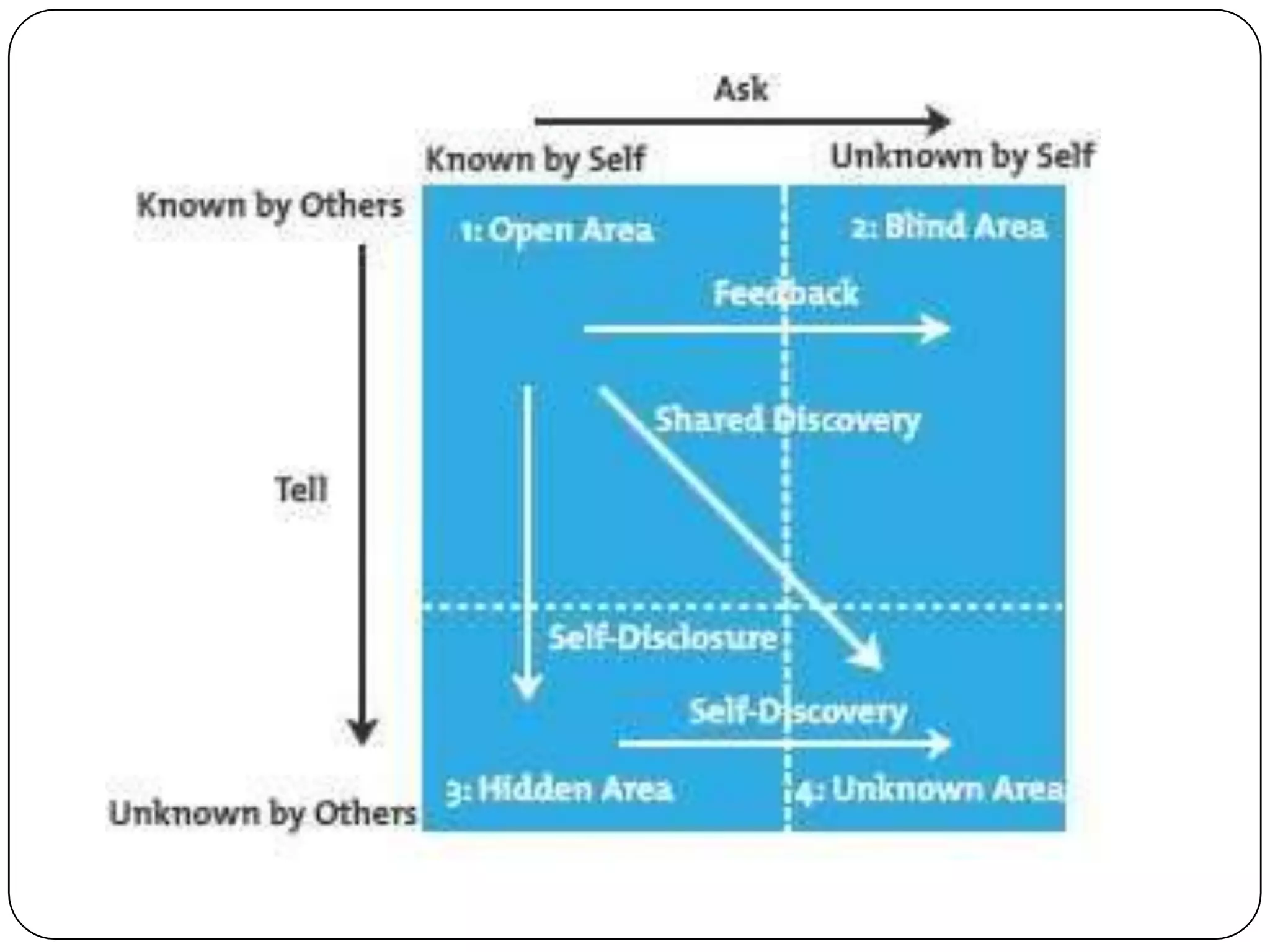
The JohariWindow model
□ A simple and useful tool for understanding and
training selfawareness, personal development, improving
interpersonal relationships, group
development and intergroup
communications,
dynamics, team
relationships
□Developed by American psychologists Joseph Luft and
Harry Ingham in the 1950's, calling it 'Johari' after
combining their first names, Joe and Harry
□Especially relevant due to emphasis on and influence
of, 'soft' skills, behaviour, empathy, cooperation, inter-
group developmentandinterpersonal development
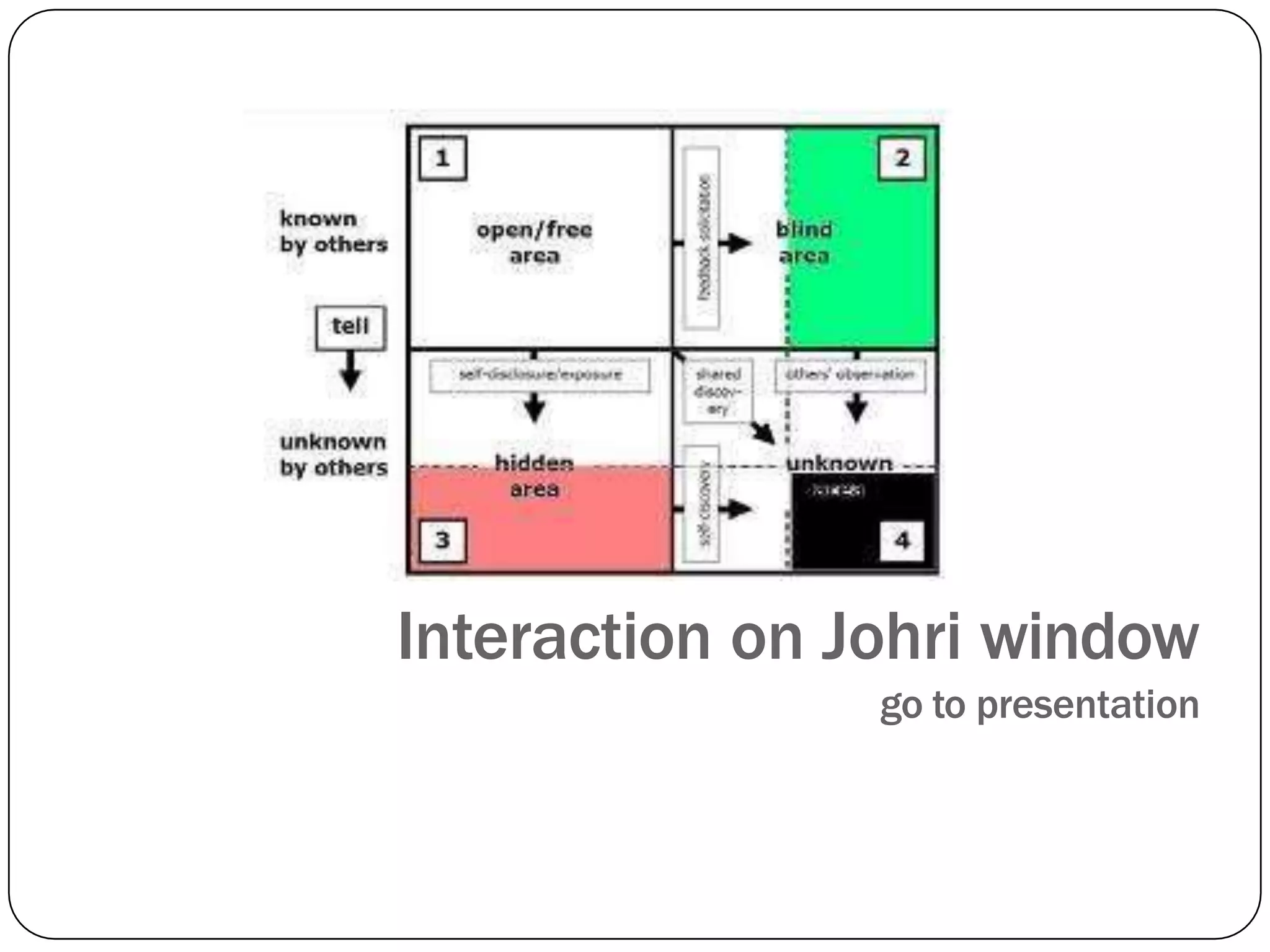
Interaction on Johri window
go to presentation
dhanyavad
Santa traveling 1st time in plane going to
BOMBAY,
while landing, he shouted :"BOMBAY-
BOMBAY",
airhostess :" B-silent please ",
santa said :" OMBA
Y- OMBA
Y
.....!!!!!!!!"
Thewaywecommunicate with others andwith
ourselvesultimately determines the quality of our
lives. -AnthonyRobbins
ipvsippptx
ipvsippptx

ipvsippptx

  • 1.
  • 2.
    The quality ofour life is the quality of our relationship
  • 3.
    Please listen carefully andtry to hear what I am not saying . . .
  • 4.
    Outline of ourdiscussion : ⚫Intrapersonal communication  Self concept  Perception  Expectation  Motivation (Maslow pyramid) ⚫Interpersonal communication  Difference – intrapersonal & interpersonal comm.n  Impersonal and interpersonal communication  Good interpersonal communication advantage  Johri window
  • 8.
    Intrapersonal communication takesplace within a single person, often for the purpose of clarifying ideas or analyzing asituation AND to reflect upon or appreciate something. Aspects of intrapersonal communication are •Self concept •Perception •Expectation •Motivation
  • 9.
    Self-concept is thebasis for intrapersonal communication, because it determines how a persona sees him/herself and is oriented toward others. The term self-concept is a general term used to refer to how someone thinks about or perceives themselves. The self concept is how we think about and evaluate ourselves. T o be aware of oneself is to have a concept of oneself
  • 10.
    Perception is theorganization, identification and interpretation of sensory information in order to represent and understand the environment. All perception involves signals in the nervous system, which in turn result from physical stimulation of the sense organs.
  • 11.
    Expectations are future-oriented messagesdealing with long-term roles, sometimes called life scripts. sometimes are projections of These learned relationships within the family or society.
  • 15.
    TYPESOF INTRAPESONAL COMMUNICATION 1.Internaldiscourse 2. solo vocal communication 3. solo written communication. •Internal discourse involves thinking, concentration and analysis. Psychologists include both daydreaming and nocturnal dreaming in this category . Example Prayer and meditation •Solo vocal communication includes speaking aloud to oneself. This may be done to clarify thinking, to rehearse a message intended for others, or simply to let off steam. Example: Talking to yourself as you complain about your boss. •Solo written communication deals with writing not intended for others. Example:Anentry in adiary or personal journal
  • 17.
    Interpersonal communication Interpersonal communicationis the process that we use to communicate our ideas, thoughts, and feelings to another person. Our interpersonal communication skills are learned behaviours that can be improved through knowledge, practice, feedback and reflection.
  • 18.
    Intrapersonal Communication Intrapersonal communicationcould be called our inner monologue. When we sit down to think of ways to solve a problem, we're communicating interpersonally. Even during those moments of quiet reflection about ourselves, our goals in life, our beliefs, values and expectations, we are communicating with ourselves. Intrapersonal communication also includes dreams, fantasies, talking out loud to yourself and writing, such asin ajournal. Interpersonal Communication Interpersonal communication takes place between at least two people. A conversation over a candlelit dinner, a phone call and this article are all considered interpersonal communication. One person sends a message, either by talking or writing, or even with body language, and at least one other person receives that message. Effective interpersonal communication depends on the messenger's ability to convey their exact meaning without ambiguity .
  • 22.
    Strong positive interpersonalrelationships are essential to achieving our success – whether they be work relationships, family relationships or relationships with others in our communities. We’re in almost constant contact with others and we should make every contact an opportunity to strengthen our social skills and reinforce our relationships. With that in mind, here are ten benefits for having good interpersonal skills that contribute to maintaining rewarding long-term relationships:
  • 23.
    1. Trust: Long-termrelationships are based on trust. When we trustothers, weare more relaxed, comfortable 2.Acceptance: Once we experience trust with others, we can be honest about our weaknesses and shortcomings because we’re confident that we will be accepted for who we are, without judgmentorcriticism. 3.Support: Our lives go through many changes, some planned and some take us by surprise. In either case, they often take us out of our comfort zone and challenge us to grow and become more than we were before. Good, healthy relationships give us the support and encouragement we need to rise to new and differentchallenges.
  • 24.
    4.A Kind Ear:We often think of good communication skills as being able to speak well. That’s only half of it. The ability to listen well is the other half. Having someone who will listen non-judgmentally when you’re feeling down or frustrated and want to “vent” gives you the freedom to express yourself. Sometimes you just need to get something off your chest without feeling likeyou have towatch everyword you say. 5.Understanding: When someone knows you well enough to understand where you’re “coming from” and instantly know the context in which you’re speaking, it’s easier to open up. Individuals in long-term relationships have a history of shared experiences that build a mutual understanding so they “get you” without a lot of explanation.
  • 25.
    6. Someone toCall On When You Need a Hand: Everyone, from time to time, needs a hand from a friend, colleague, peer, or family member. This can be in the form of advice, a new job, or assistance with a particular project in which you need to call on another’s expertise.
  • 26.
    7. Referrals andReferences: You can count on the people with whom you have a good relationship to give you a positive reference or referral – they’re more likely to be a good advocate for you and expound on your strengths and strong points.
  • 27.
    8. Share andCelebrate: Celebrating with people who truly care about you and want celebrate with you when your life is going well, when you secured a promotion, or when bought your first house is a ton fun. Being acknowledged for your accomplishments is a rewarding experience and when you have good relationships, most want to be partof celebrating yoursuccess.
  • 28.
    9. Reduced Stress:Sharing your life with friends and coworkers who you trust, who accept, understand and reduces stress because you have for support you camaraderie interpersonal and, therefore, less potential conflicts. Good relationships bring about the best in work teams and families by reducing the anxieties that cause stress and, at the same time, good relationships cultivate a sense of well-being and emotional security.
  • 29.
    Having good 10. Happinessand Satisfaction: relationships means there’s a mutual like for one another. Being around people you like and who like you create situations that are harmonious, supportive, and well, happy. You have an overall feeling of satisfaction in your life – be it at work, at home, or in yourcommunity .
  • 30.
    Now, hereare tenbenefits others will receive from having a good relationship with you: 1. Trust 2. Acceptance 3. Support 4. A Kind Ear 5. Understanding 6. Someone to Call On When You Need a Hand 7. Referrals and References 8. Shareand Celebrate 9. Reduce Stress 10. Happiness and Satisfaction
  • 31.
    Did you noticethat the list was exactly the same? The strongest and best relationships are made when all parties give and receive. If you want these ten benefits for yourself, you have togive them toothers. Too often we look at relationships with a “what-do-I-get-out-of-this?” perspective. That’s not how good relationships work. It’s aboutgiveand take. Think about what you want out of a relationship, then give it. You’ll be surprised at how much betteryourrelationships become!
  • 33.
    The JohariWindow model □A simple and useful tool for understanding and training selfawareness, personal development, improving interpersonal relationships, group development and intergroup communications, dynamics, team relationships □Developed by American psychologists Joseph Luft and Harry Ingham in the 1950's, calling it 'Johari' after combining their first names, Joe and Harry □Especially relevant due to emphasis on and influence of, 'soft' skills, behaviour, empathy, cooperation, inter- group developmentandinterpersonal development
  • 37.
    Interaction on Johriwindow go to presentation
  • 38.
  • 39.
    Santa traveling 1sttime in plane going to BOMBAY, while landing, he shouted :"BOMBAY- BOMBAY", airhostess :" B-silent please ", santa said :" OMBA Y- OMBA Y .....!!!!!!!!" Thewaywecommunicate with others andwith ourselvesultimately determines the quality of our lives. -AnthonyRobbins