




Introduction To Advertising
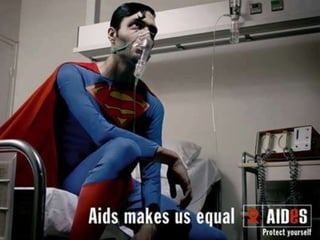
It is a form of communication used to encourage
or persuade an audience (viewers, readers or
listeners; sometimes a specific group of people) to
continue or take some new action.
Usually paid for by sponsors/clients, and are
featured in numerous media outlets, including: print
media, radio, television, outdoor
advertising, direct mail, digital media, and
text messages
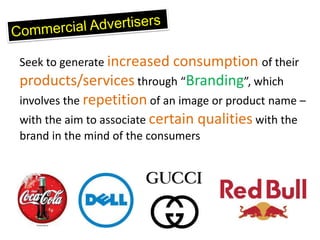
Seek to generate increased consumption of their
products/services through “Branding”, which
involves the repetition of an image or product name –
with the aim to associate certain qualities with the
brand in the mind of the consumers
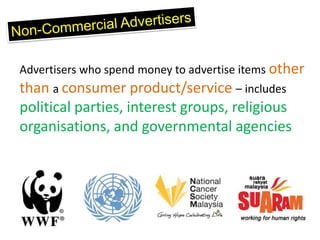
Advertisers who spend money to advertise items other
than a consumer product/service – includes
political parties, interest groups, religious
organisations, and governmental agencies
Alphabets Of Advertising?
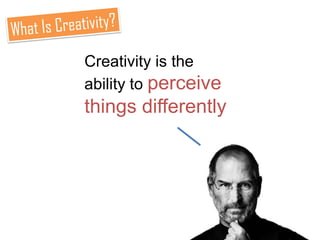
Creativity is the
ability to perceive
things differently
Client Service
Forms the link between the agency and the client. This
contact person is responsible for “selling” the agency’s
advertising campaigns and services. This individual must
be well versed with a company’s offerings, values, target
markets, competitors, etc.
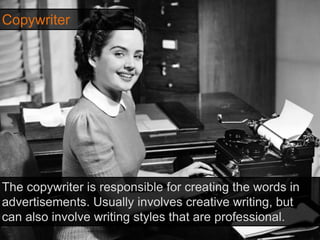
Copywriter
The copywriter is responsible for creating the words in
advertisements. Usually involves creative writing, but
can also involve writing styles that are professional.
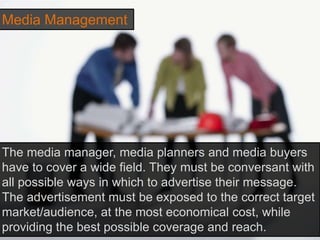
Media Management
The media manager, media planners and media buyers
have to cover a wide field. They must be conversant with
all possible ways in which to advertise their message.
The advertisement must be exposed to the correct target
market/audience, at the most economical cost, while
providing the best possible coverage and reach.
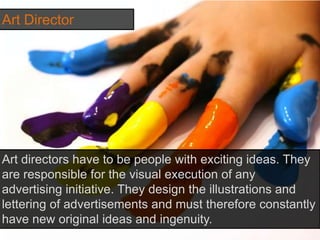
Art Director
Art directors have to be people with exciting ideas. They
are responsible for the visual execution of any
advertising initiative. They design the illustrations and
lettering of advertisements and must therefore constantly
have new original ideas and ingenuity.
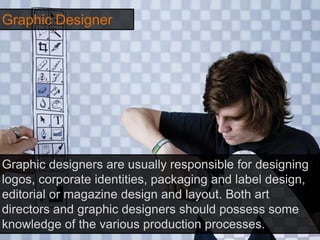
Graphic Designer
Graphic designers are usually responsible for designing
logos, corporate identities, packaging and label design,
editorial or magazine design and layout. Both art
directors and graphic designers should possess some
knowledge of the various production processes.
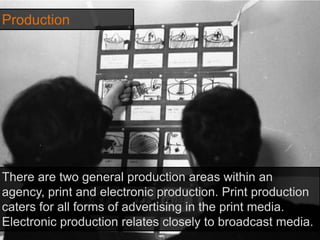
Production
There are two general production areas within an
agency, print and electronic production. Print production
caters for all forms of advertising in the print media.
Electronic production relates closely to broadcast media.
Marketing Research
Marketing research allows for the understanding of
consumer attitudes, perceptions and behaviour. Involves
testing of concepts and advertisements, research
consultation, analysis of research data, etc.
End Of Session

Intro to advertising week 1, class 1 - hmlc

  • 1.
  • 2.
    It is aform of communication used to encourage or persuade an audience (viewers, readers or listeners; sometimes a specific group of people) to continue or take some new action.
  • 3.
    Usually paid forby sponsors/clients, and are featured in numerous media outlets, including: print media, radio, television, outdoor advertising, direct mail, digital media, and text messages
  • 4.
    Seek to generateincreased consumption of their products/services through “Branding”, which involves the repetition of an image or product name – with the aim to associate certain qualities with the brand in the mind of the consumers
  • 5.
    Advertisers who spendmoney to advertise items other than a consumer product/service – includes political parties, interest groups, religious organisations, and governmental agencies
  • 6.
  • 9.
    Creativity is the abilityto perceive things differently
  • 12.
    Client Service Forms thelink between the agency and the client. This contact person is responsible for “selling” the agency’s advertising campaigns and services. This individual must be well versed with a company’s offerings, values, target markets, competitors, etc.
  • 13.
    Copywriter The copywriter isresponsible for creating the words in advertisements. Usually involves creative writing, but can also involve writing styles that are professional.
  • 14.
    Media Management The mediamanager, media planners and media buyers have to cover a wide field. They must be conversant with all possible ways in which to advertise their message. The advertisement must be exposed to the correct target market/audience, at the most economical cost, while providing the best possible coverage and reach.
  • 15.
    Art Director Art directorshave to be people with exciting ideas. They are responsible for the visual execution of any advertising initiative. They design the illustrations and lettering of advertisements and must therefore constantly have new original ideas and ingenuity.
  • 16.
    Graphic Designer Graphic designersare usually responsible for designing logos, corporate identities, packaging and label design, editorial or magazine design and layout. Both art directors and graphic designers should possess some knowledge of the various production processes.
  • 17.
    Production There are twogeneral production areas within an agency, print and electronic production. Print production caters for all forms of advertising in the print media. Electronic production relates closely to broadcast media.
  • 18.
    Marketing Research Marketing researchallows for the understanding of consumer attitudes, perceptions and behaviour. Involves testing of concepts and advertisements, research consultation, analysis of research data, etc.
  • 19.