DO INTERNET TECHNOLOGIES THREATEN 
BRAND LOYALTY ? 
DO INTERNET TECHNOLOGIES 
THREATEN BRAND LOYALTY ? 
By : 
SUNIEL KUMAR 
SYED WASEEM 
NIKI BENN 
Suniel Kumar 
Syed Wassem 
Niki Sean Benn
• Internet technologies may not kill off brands, but they certainly magnify both the 
bad and good decisions of marketers. - James Heskett 
• Experts say, "If you have more information to make what you consider to be an 
informed choice, why would you have to be brand loyal?" Consumer loyalty, they 
continue, "will vary and fluctuate on a technological innovation/change (loyal one 
day and maybe not the next). 
• “ Based on personal experiences, experts also say that superior product and service 
on the Internet could never have happened before and poses a threat to brand 
loyalty."
Don Dea's Insight 
There are two predominant sides to the discussion of this question. 
• One is that the amount of information about products and services is becoming so 
voluminous that it will lead to increased consumer confusion. As a result, the use of 
surrogates (such as brands) in our purchasing decisions will lead to greater brand 
loyalty, justifying today's massive expenditures to preserve brands. 
• The other view is that the quality of Internet "technologies," such as search and 
feedback mechanisms, is improving faster than the proliferation of information. This 
will give users of the Internet the upper hand in the battle for access to information 
and the ability to organize it, value it (based on feedback from users), and use it for 
decision-making.
Technology Erodes Brand Loyalty 
• Rapid innovations in consumer technology have provided buyers with new tools for 
discovering, comparing, evaluating, choosing and experiencing brands. 
• Smartphone app ShopSavvy literally expands buyers’ choices on the spot and offers 
alternative products . 
• Ex : Amazon’s customers have increasingly become loyal to the channel rather than to the 
products within. 
• Shopping sites like Bizrate, Google Products or Expedia offer shoppers both product and 
channel comparisons, increasing the likelihood shoppers will find a new brand or a better 
deal to entice them away. 
• Armed with these technologies, customers are becoming increasingly brand agnostic( non-believers 
nor values the power of a brand).
Loyalty Redefined 
•Loyalty needs to be redefined in the current marketing and technology 
environment. Rather than the consumer being loyal to the brand, the brand 
now needs to be loyal to the consumer. 
•One example of being consumer-loyal would be providing hyper-customized 
customer service, such as using all the data now available — purchase data, 
behavioral data, location data, etc. — to meet consumers’ needs, perhaps even 
before they are aware of them.
•Social Media and Internet, may be weakening influence of brand 
loyalty 
•Despite importance of brand awareness, growth of search 
engines can reduce the influence of branding. 
•Consumers influenced by products that rank highest in search 
engines, rather than by traditional brand awareness. 
•Social networking having a similar effect. 
•User generated product reviews, etc.
EVERYONE IS A CRITIC NOW
Damaging of Brand value via online 
• While most successful brands are already acutely aware of consumer opinion around 
their products, it is now more important than ever for brands to consult and consider 
their consumers every step of the way, particularly when making changes. 
• When a company changes a consumer’s product, it can even be seen as a personal 
assault. 
• When they feel slighted by a brand, these consumers take to the internet, armed with 
Twitter, Facebook and blogs to voice their thoughts on any and every product. Such 
comments have the potential to damage a brand, depending on how the company 
reacts to the criticism.
EXAMPLE 
• Domino’s Pizza recently announced it would post unfiltered customer 
comments on a Times Square billboard in New York City, following a bout of 
negative publicity that began with an unfortunate YouTube video, and resulted 
in the company’s ad agency conducting focus groups that revealed a less-than- 
rosy public opinion about the quality of Domino’s food. By making 
changes to their menu and letting customers judge the results, Domino’s is 
combining the social media comment with a traditional out-of-home ad 
space, resulting in a relevant campaign that has the potential to give the 
brand a much-needed boost.
The Role Of Mobile When It Comes To Brand Loyalty 
• The number of consumers using their Smartphone's and tablets to make a 
purchase, Surely by now you know ours is a mobile world where our 
Smartphone's have become an extension of our lives. 
• A survey conducted by Aisle Buyer revealed that nearly 75% of consumers 
would switch brands if offered real-time discounts and promotions that 
were delivered to their Smartphone's in real time while they were 
shopping in a store. 
• It’s becoming more true than ever before that the product or service that 
offers the most value is most often bought. Certainly that is true for 
people who don’t have much in the way of disposable.
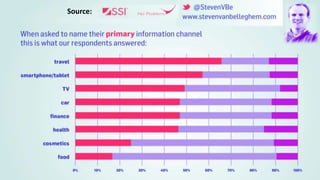
Source:
WHAT IS THE BIGGEST THREAT TO LOYALTY TODAY ? 
•The consumer's ability to easily access product and company information via 
the internet makes brands both stronger and weaker. 
•With new and easy access provided by the Internet, the consumer has given 
himself/herself more choices. 
• In the long run what will happen is that the weaker brands will not do well 
and will be driven out of business as the better brands will gain market share, 
thrive and strengthen. 
•Businesses that provide a good service and a good product at a fair price have 
nothing to fear from the Internet or the Internet user's hunger for product 
information.
•Businesses that do not provide good service, good products or fair pricing 
will be exposed for being sub-par. 
•It has become so easy for consumers to post a positive or negative review on 
all types of products and services that any business that thinks it can get away 
with price-gouging and poor customer service is only diluting itself; time and 
technology are clearly NOT on the side of businesses that operate that way.
•From my personal experience, I have come across a consumer 
using gillette razors for decades and he always hated the feeling of 
being taken advantage by their over-priced blades (but free 
handle!). 
•He recently discovered Harrys blades online. Not only do they 
cost less, they look nicer, are delivered to the doorstep without 
shipping cost or tax. 
•This type of product and service could never have happened 
before and in his opinion poses a treat to brand loyalty.
Internet effecting brand loyalty

Internet effecting brand loyalty

  • 1.
    DO INTERNET TECHNOLOGIESTHREATEN BRAND LOYALTY ? DO INTERNET TECHNOLOGIES THREATEN BRAND LOYALTY ? By : SUNIEL KUMAR SYED WASEEM NIKI BENN Suniel Kumar Syed Wassem Niki Sean Benn
  • 2.
    • Internet technologiesmay not kill off brands, but they certainly magnify both the bad and good decisions of marketers. - James Heskett • Experts say, "If you have more information to make what you consider to be an informed choice, why would you have to be brand loyal?" Consumer loyalty, they continue, "will vary and fluctuate on a technological innovation/change (loyal one day and maybe not the next). • “ Based on personal experiences, experts also say that superior product and service on the Internet could never have happened before and poses a threat to brand loyalty."
  • 3.
    Don Dea's Insight There are two predominant sides to the discussion of this question. • One is that the amount of information about products and services is becoming so voluminous that it will lead to increased consumer confusion. As a result, the use of surrogates (such as brands) in our purchasing decisions will lead to greater brand loyalty, justifying today's massive expenditures to preserve brands. • The other view is that the quality of Internet "technologies," such as search and feedback mechanisms, is improving faster than the proliferation of information. This will give users of the Internet the upper hand in the battle for access to information and the ability to organize it, value it (based on feedback from users), and use it for decision-making.
  • 4.
    Technology Erodes BrandLoyalty • Rapid innovations in consumer technology have provided buyers with new tools for discovering, comparing, evaluating, choosing and experiencing brands. • Smartphone app ShopSavvy literally expands buyers’ choices on the spot and offers alternative products . • Ex : Amazon’s customers have increasingly become loyal to the channel rather than to the products within. • Shopping sites like Bizrate, Google Products or Expedia offer shoppers both product and channel comparisons, increasing the likelihood shoppers will find a new brand or a better deal to entice them away. • Armed with these technologies, customers are becoming increasingly brand agnostic( non-believers nor values the power of a brand).
  • 5.
    Loyalty Redefined •Loyaltyneeds to be redefined in the current marketing and technology environment. Rather than the consumer being loyal to the brand, the brand now needs to be loyal to the consumer. •One example of being consumer-loyal would be providing hyper-customized customer service, such as using all the data now available — purchase data, behavioral data, location data, etc. — to meet consumers’ needs, perhaps even before they are aware of them.
  • 6.
    •Social Media andInternet, may be weakening influence of brand loyalty •Despite importance of brand awareness, growth of search engines can reduce the influence of branding. •Consumers influenced by products that rank highest in search engines, rather than by traditional brand awareness. •Social networking having a similar effect. •User generated product reviews, etc.
  • 7.
    EVERYONE IS ACRITIC NOW
  • 8.
    Damaging of Brandvalue via online • While most successful brands are already acutely aware of consumer opinion around their products, it is now more important than ever for brands to consult and consider their consumers every step of the way, particularly when making changes. • When a company changes a consumer’s product, it can even be seen as a personal assault. • When they feel slighted by a brand, these consumers take to the internet, armed with Twitter, Facebook and blogs to voice their thoughts on any and every product. Such comments have the potential to damage a brand, depending on how the company reacts to the criticism.
  • 9.
    EXAMPLE • Domino’sPizza recently announced it would post unfiltered customer comments on a Times Square billboard in New York City, following a bout of negative publicity that began with an unfortunate YouTube video, and resulted in the company’s ad agency conducting focus groups that revealed a less-than- rosy public opinion about the quality of Domino’s food. By making changes to their menu and letting customers judge the results, Domino’s is combining the social media comment with a traditional out-of-home ad space, resulting in a relevant campaign that has the potential to give the brand a much-needed boost.
  • 11.
    The Role OfMobile When It Comes To Brand Loyalty • The number of consumers using their Smartphone's and tablets to make a purchase, Surely by now you know ours is a mobile world where our Smartphone's have become an extension of our lives. • A survey conducted by Aisle Buyer revealed that nearly 75% of consumers would switch brands if offered real-time discounts and promotions that were delivered to their Smartphone's in real time while they were shopping in a store. • It’s becoming more true than ever before that the product or service that offers the most value is most often bought. Certainly that is true for people who don’t have much in the way of disposable.
  • 12.
  • 14.
    WHAT IS THEBIGGEST THREAT TO LOYALTY TODAY ? •The consumer's ability to easily access product and company information via the internet makes brands both stronger and weaker. •With new and easy access provided by the Internet, the consumer has given himself/herself more choices. • In the long run what will happen is that the weaker brands will not do well and will be driven out of business as the better brands will gain market share, thrive and strengthen. •Businesses that provide a good service and a good product at a fair price have nothing to fear from the Internet or the Internet user's hunger for product information.
  • 15.
    •Businesses that donot provide good service, good products or fair pricing will be exposed for being sub-par. •It has become so easy for consumers to post a positive or negative review on all types of products and services that any business that thinks it can get away with price-gouging and poor customer service is only diluting itself; time and technology are clearly NOT on the side of businesses that operate that way.
  • 16.
    •From my personalexperience, I have come across a consumer using gillette razors for decades and he always hated the feeling of being taken advantage by their over-priced blades (but free handle!). •He recently discovered Harrys blades online. Not only do they cost less, they look nicer, are delivered to the doorstep without shipping cost or tax. •This type of product and service could never have happened before and in his opinion poses a treat to brand loyalty.