Downloaded 793 times

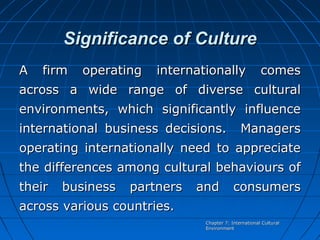
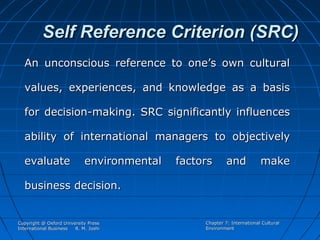
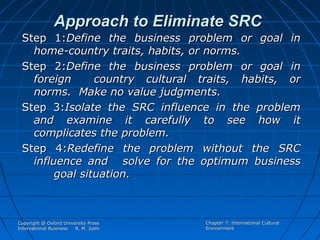
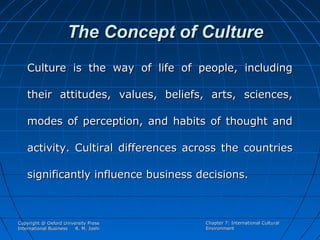
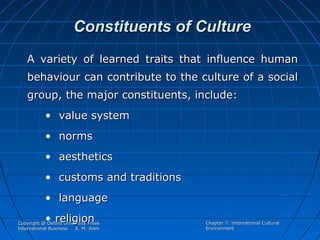
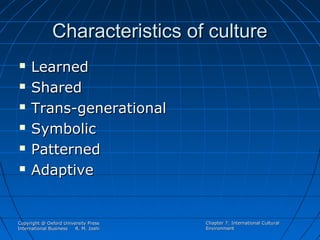

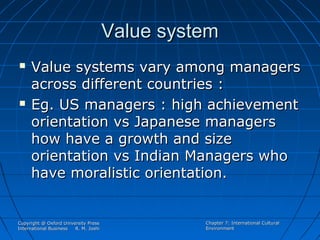
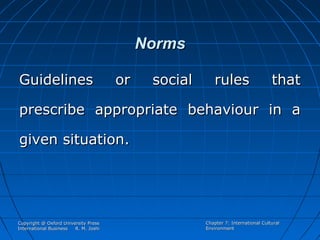
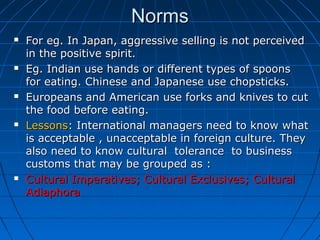
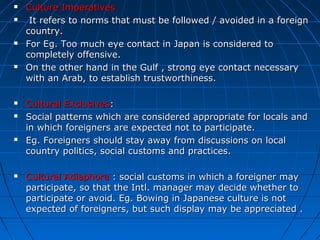


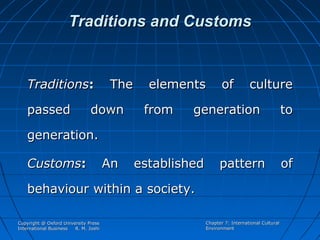
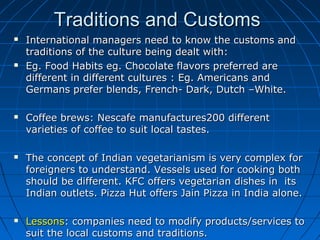

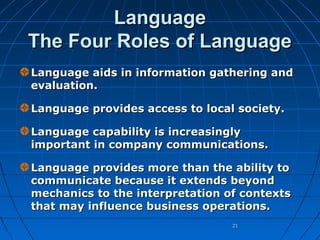
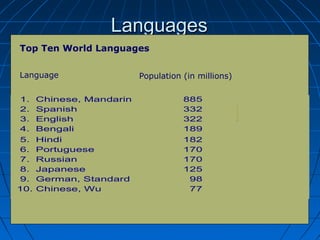

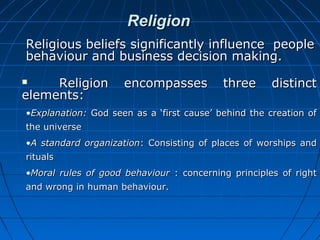
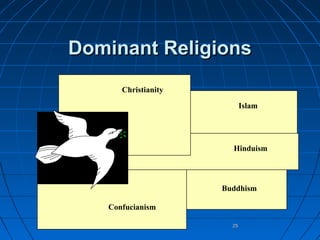

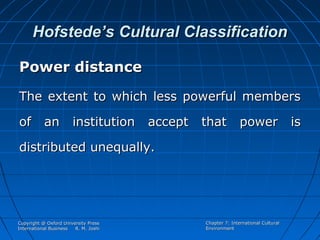
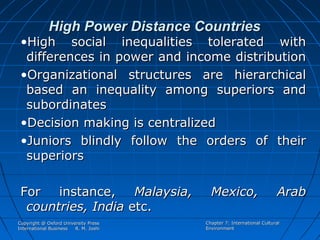

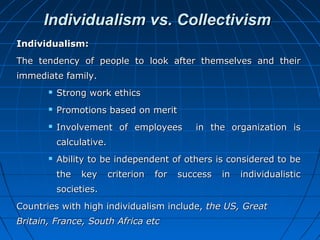
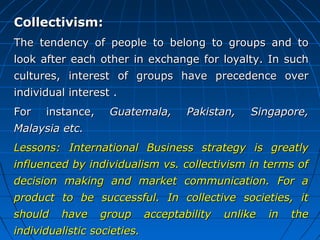
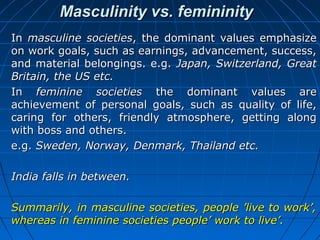
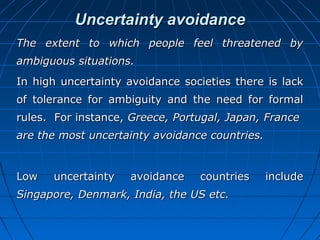
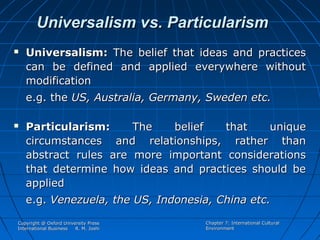
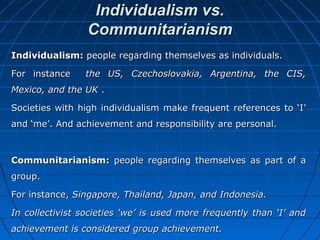
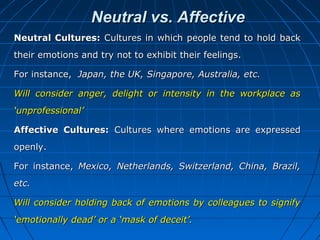
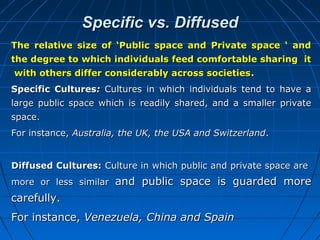
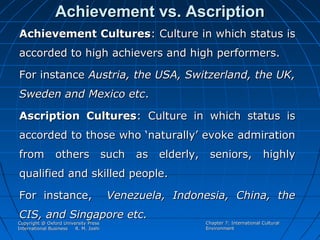
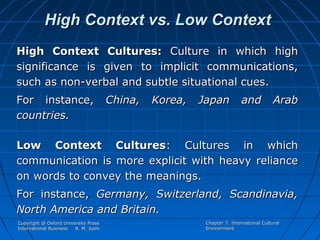
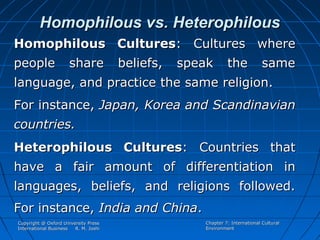
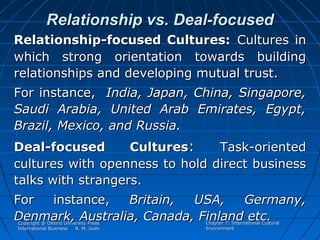
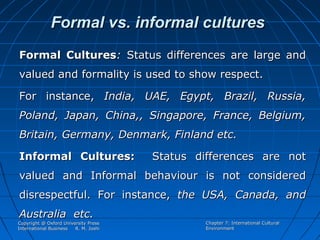
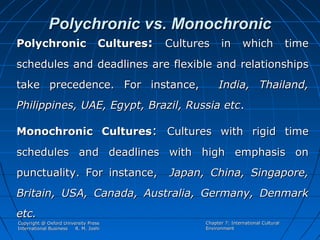
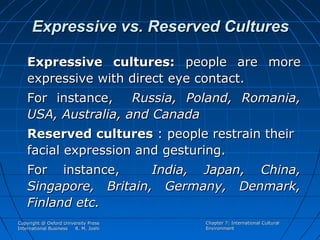
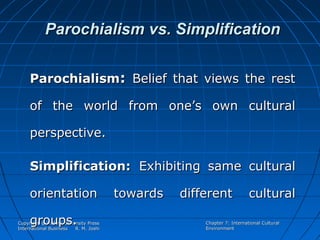
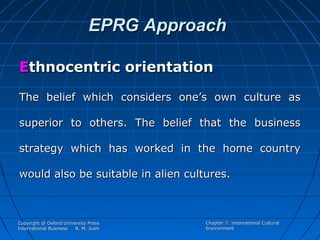
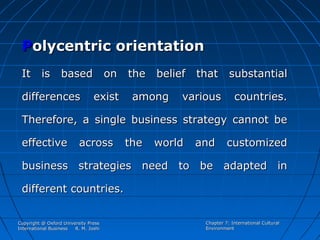
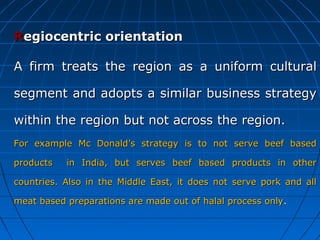

This chapter discusses the importance of culture in international business decisions. It defines culture as the way of life of people, including their attitudes, values, beliefs, arts, sciences, modes of perception, and habits of thought and activity. The major constituents of culture discussed are value systems, norms, aesthetics, customs and traditions, language, and religion. Managers operating internationally must understand these cultural factors and how they vary across countries to make informed business decisions.


![Seminar: Culture Markets And Leadership [Ckr5]](https://cdn.slidesharecdn.com/ss_thumbnails/seminarch05culturemarketsandleadershipckr5-100308041753-phpapp01-thumbnail.jpg?width=640&height=640&fit=bounds)


