Basic Rights for Rural Farmers  in Rajasthan, India August, 2011
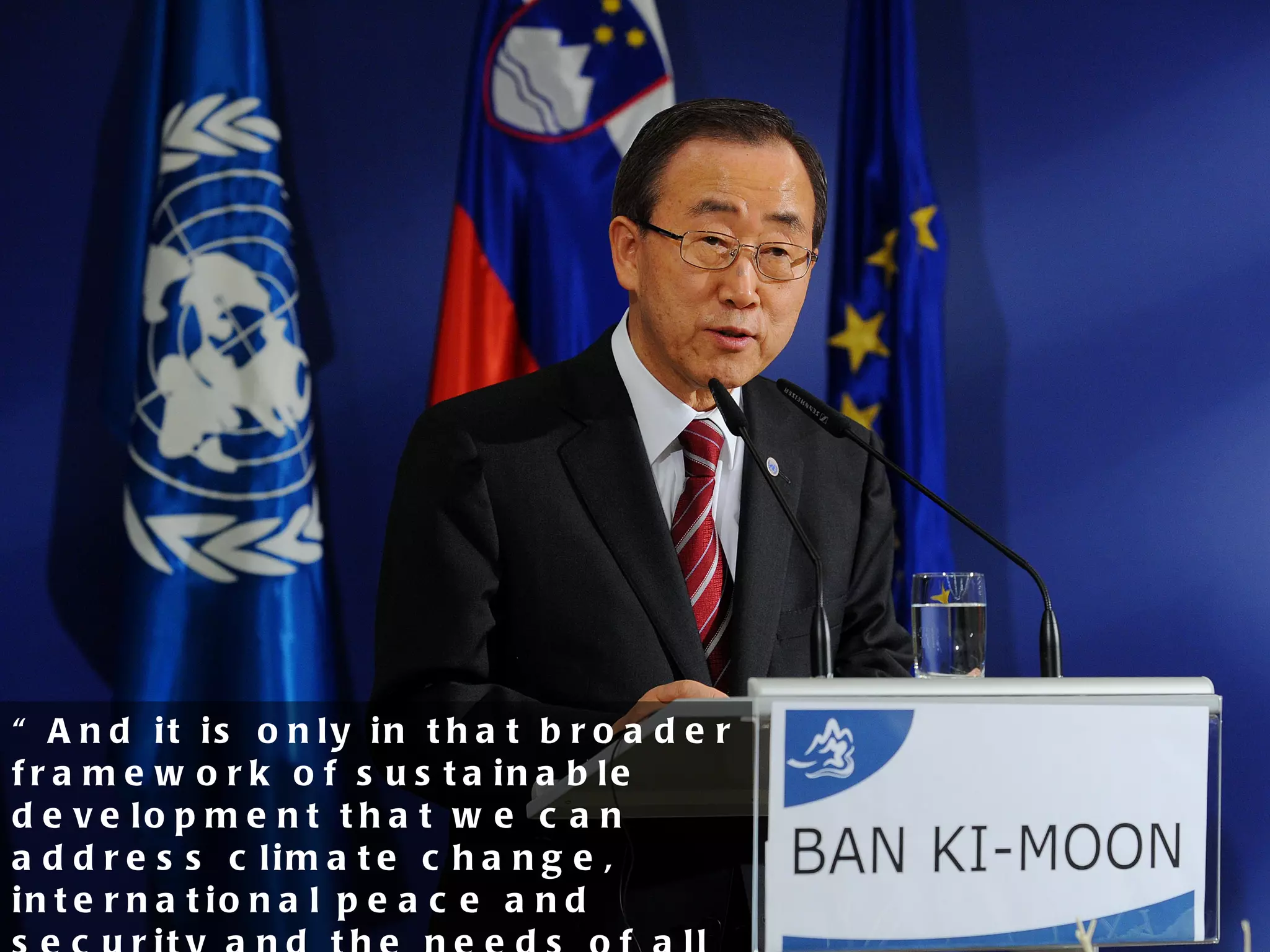
“ And it is only in that broader framework of sustainable development that we can address climate change, international peace and security and the needs of all our citizens.”   - UN Secretary General Ban Ki-moon, June 2011
In his recent speech to the  World Trade Organization ,  UN Secretary-General,  Ban Ki-moon , declared  sustainability  as a  top priority . Of note were Ban’s formal remarks on  lifting people out of poverty  while   minimizing harm to nature. With more than  15 years  working at the  grassroots   level to advance sustainable development, FSD  intimately understands  the   havoc   that climate change wreaks on the  world’s most vulnerable  populations. But   you  have helped  change   this reality for  hundreds of people . Here is just  one  example.
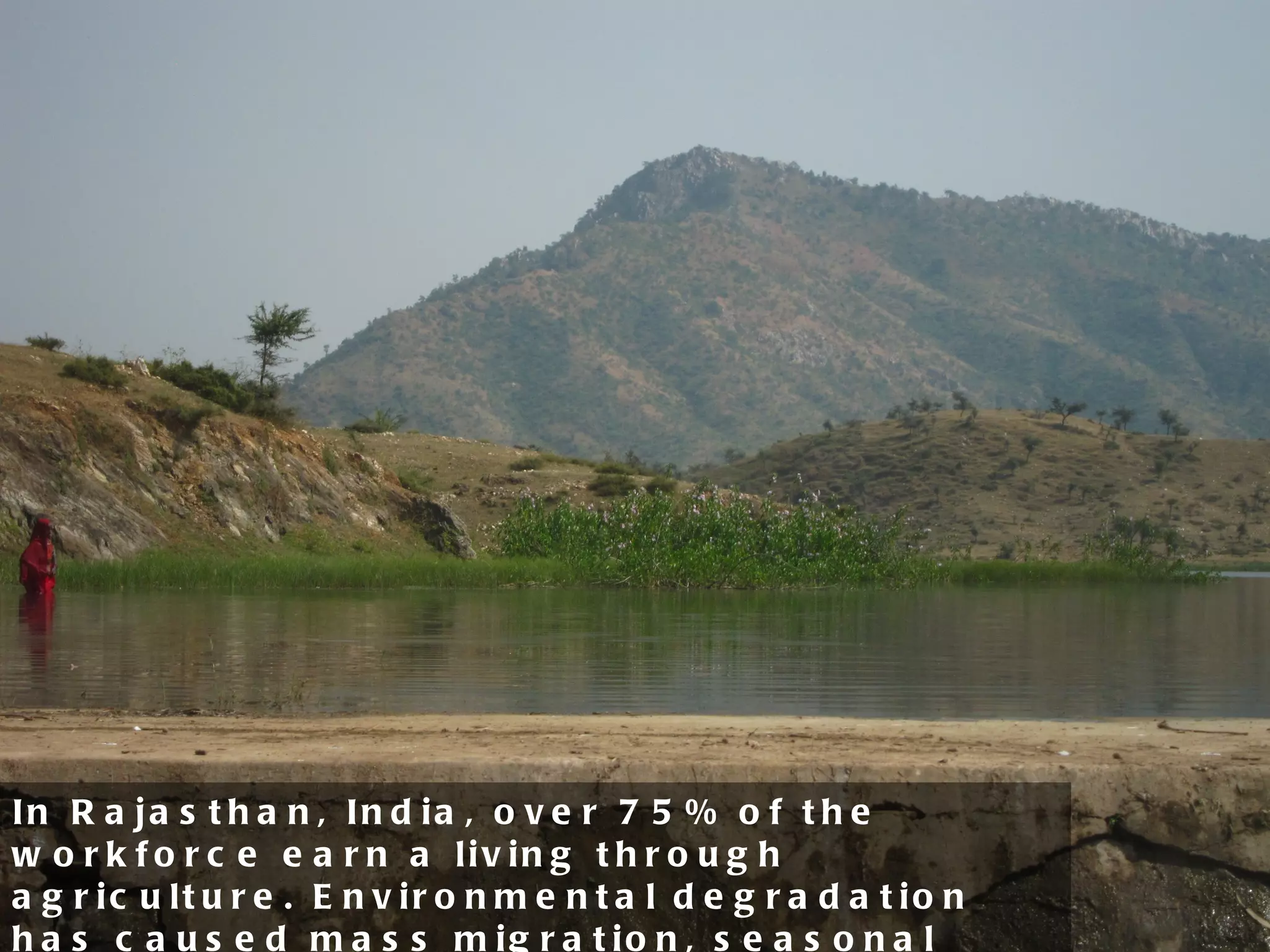
In Rajasthan, India, over 75% of the workforce earn a living through agriculture. Environmental degradation has caused mass migration, seasonal drought, and severe food shortages.
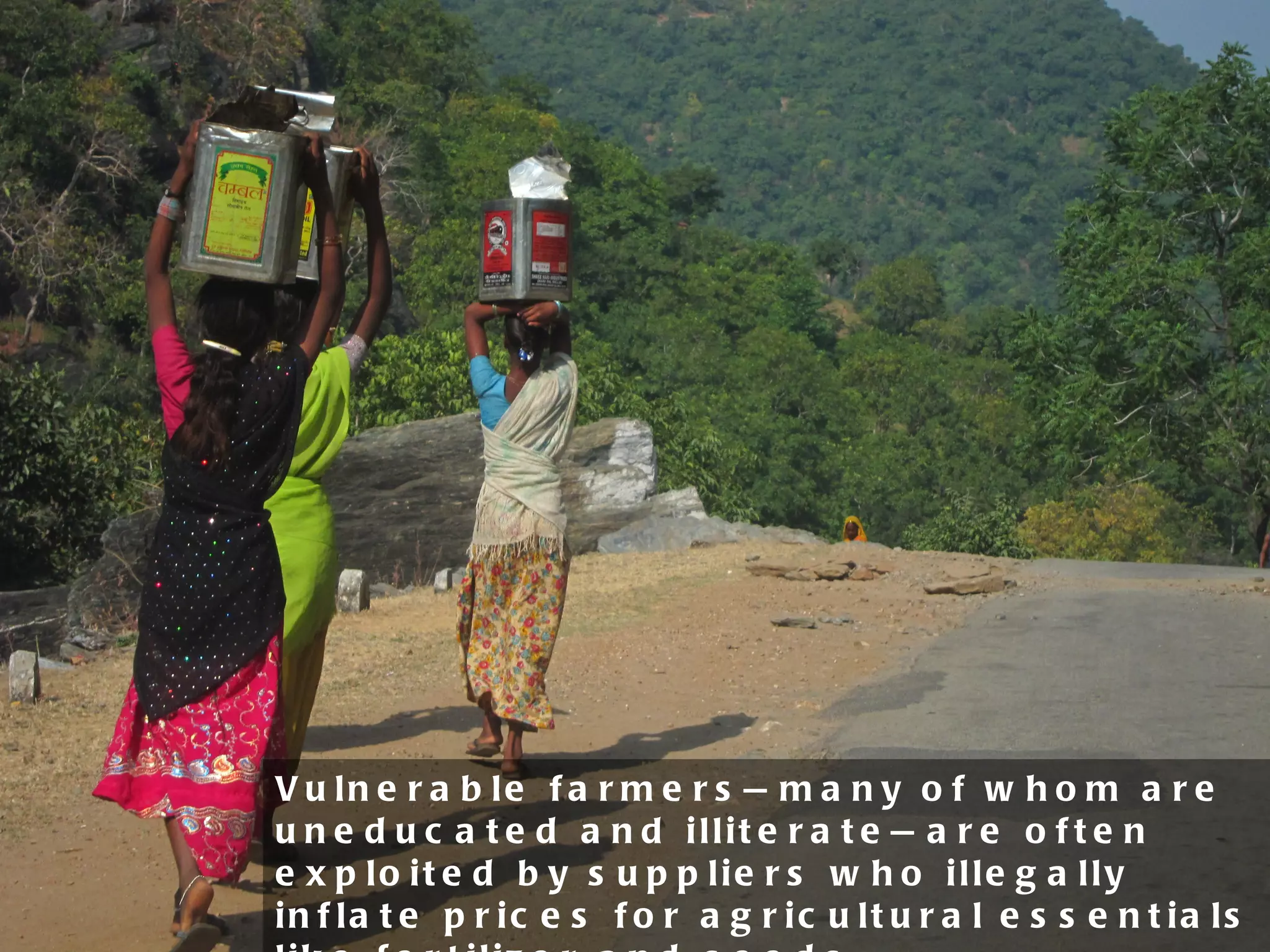
Vulnerable farmers—many of whom are uneducated and illiterate—are often exploited by suppliers who illegally inflate prices for agricultural essentials like fertilizer and seeds.
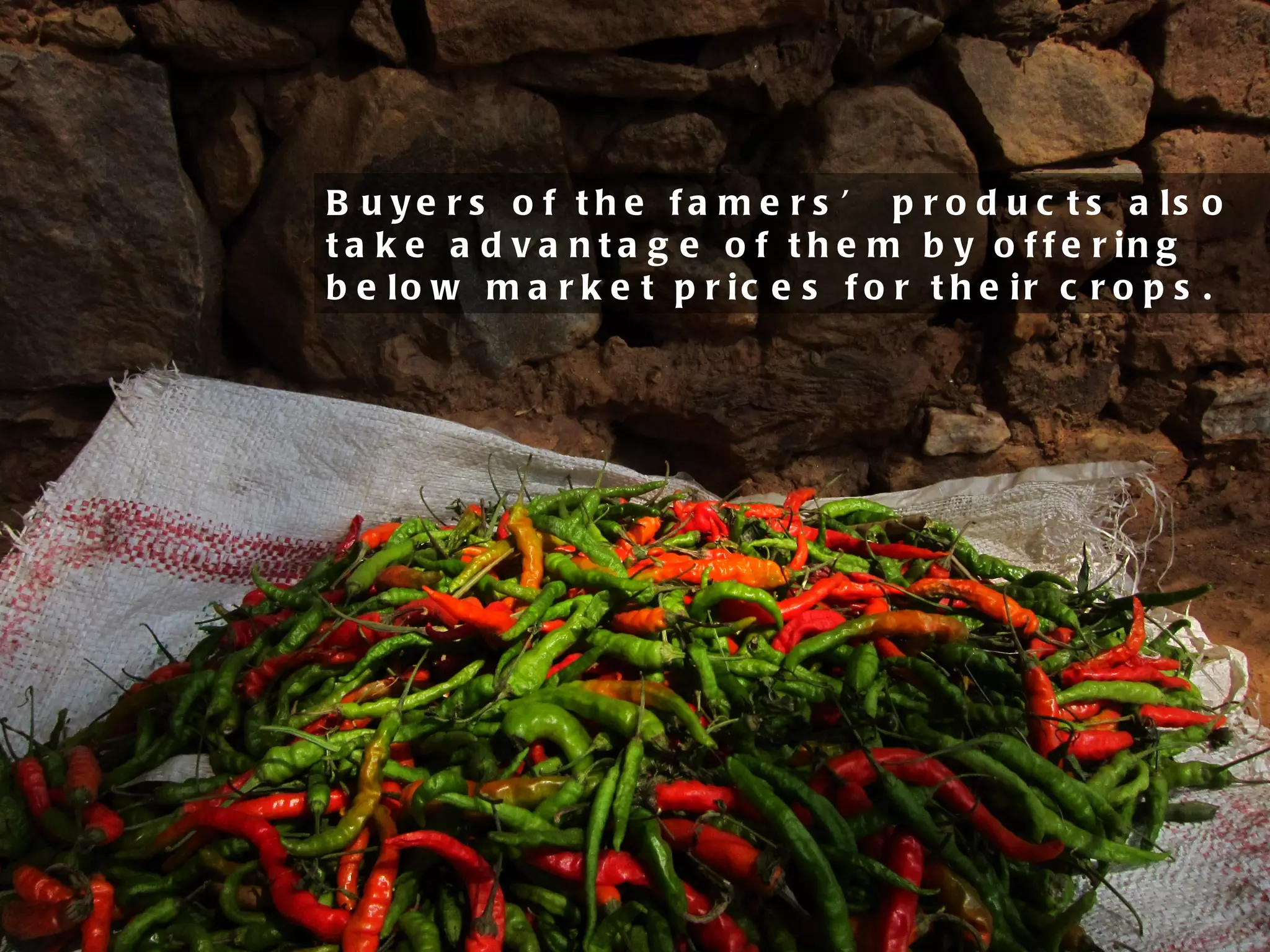
Buyers of the famers’ products also take advantage of them by offering below market prices for their crops.
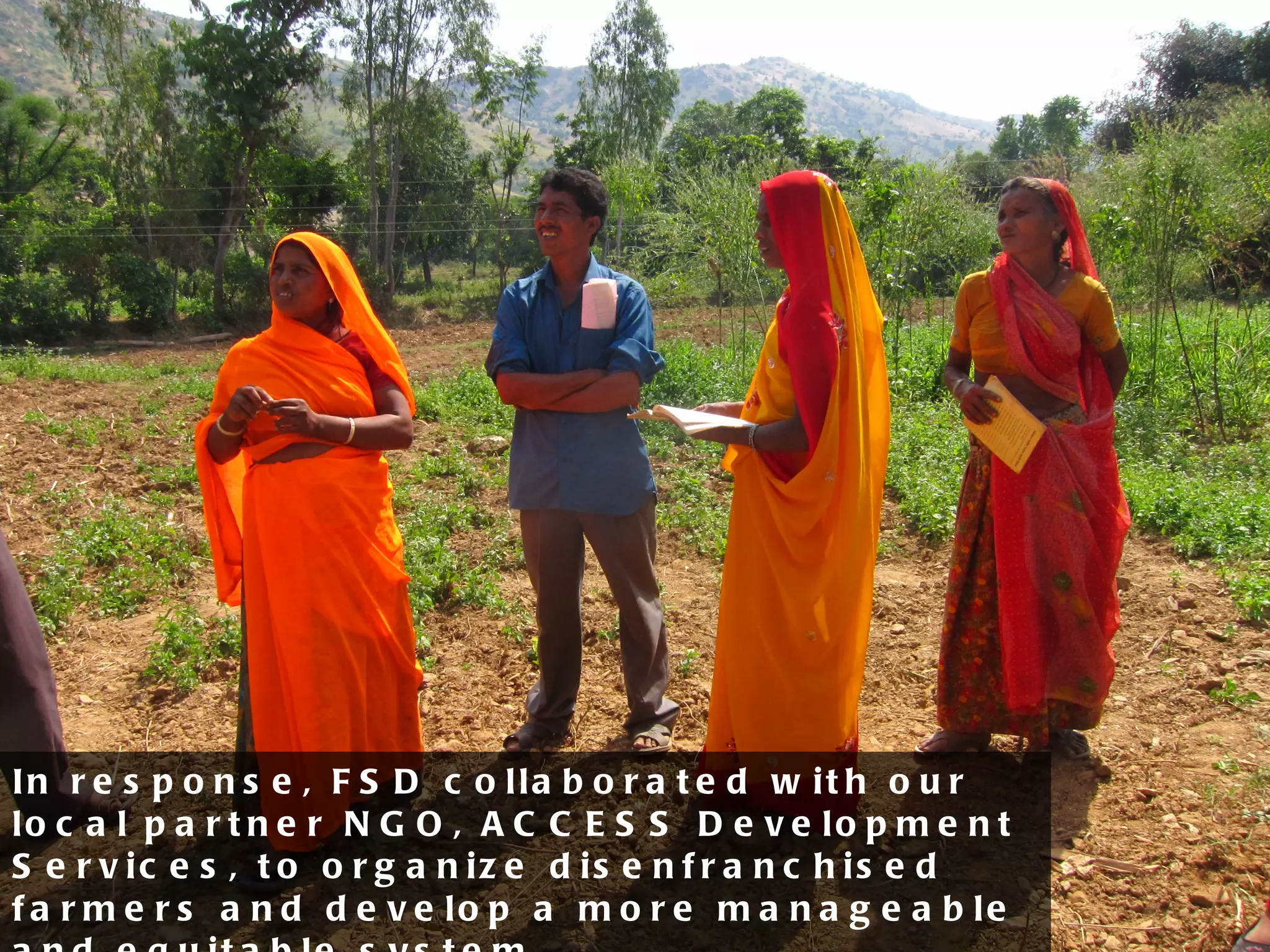
In response, FSD collaborated with our local partner NGO, ACCESS Development Services, to organize disenfranchised farmers and develop a more manageable and equitable system.
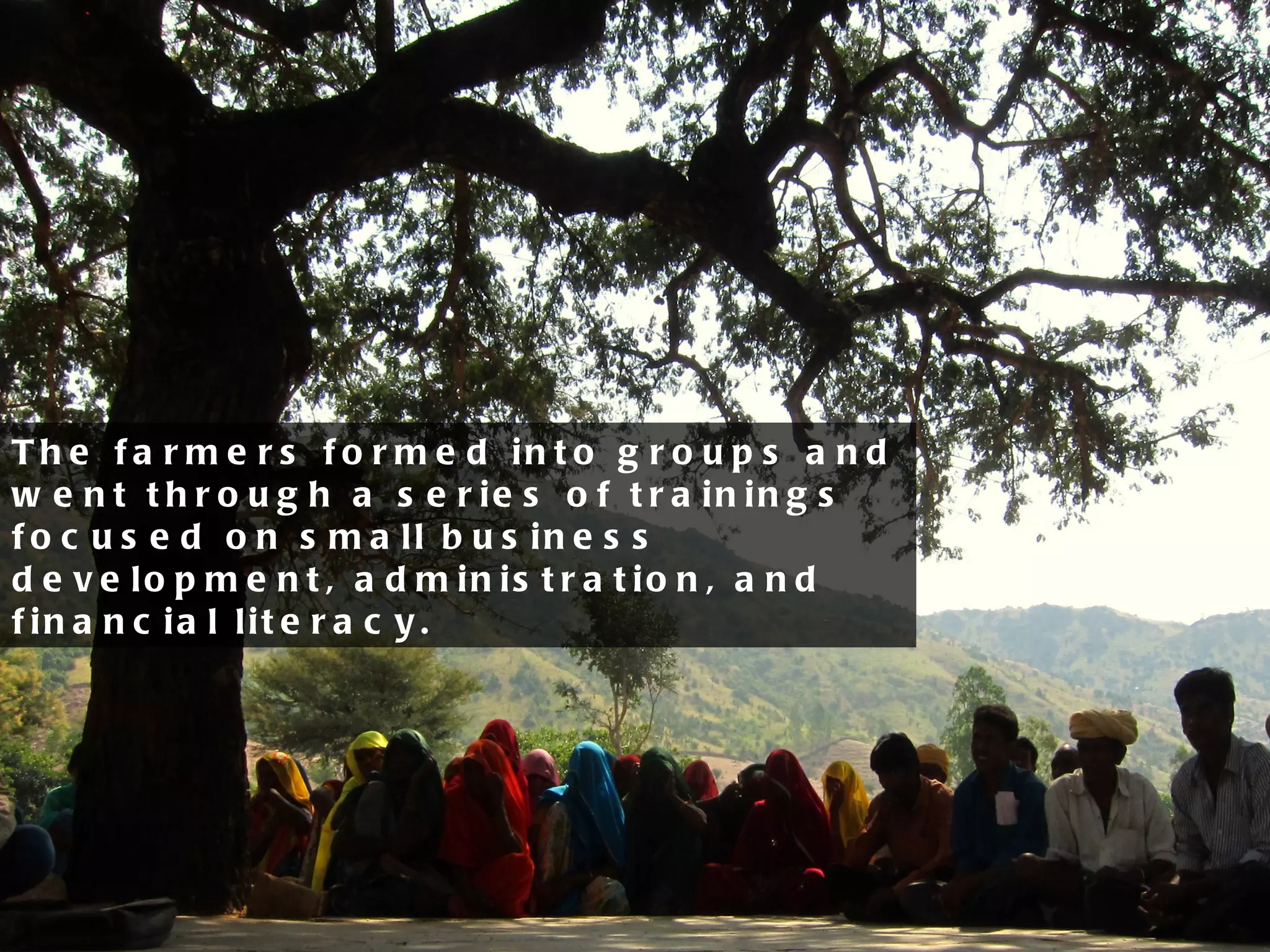
The farmers formed into groups and went through a series of trainings focused on small business development, administration, and financial literacy.
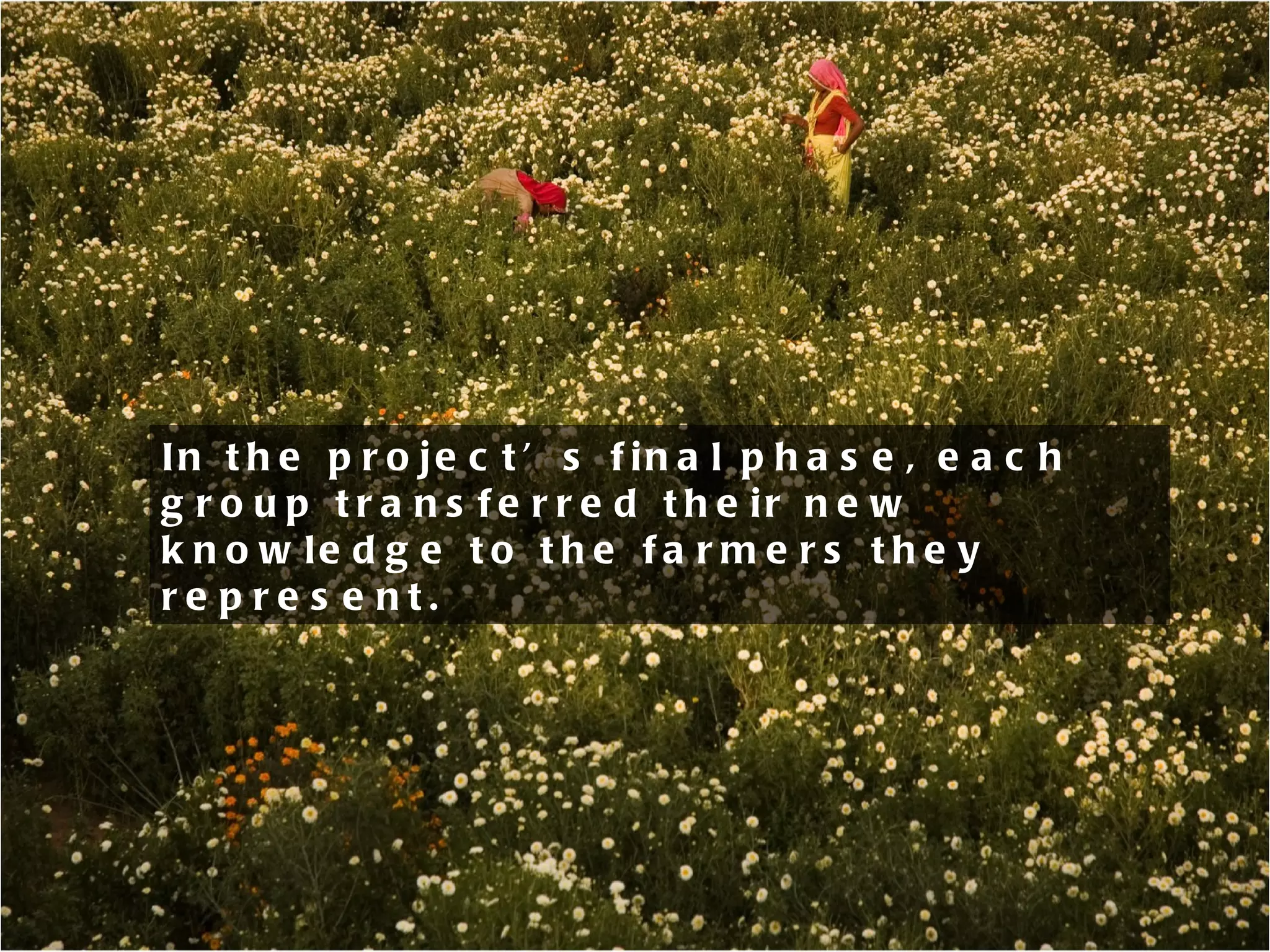
In the project’s final phase, each group transferred their new knowledge to the farmers they represent.
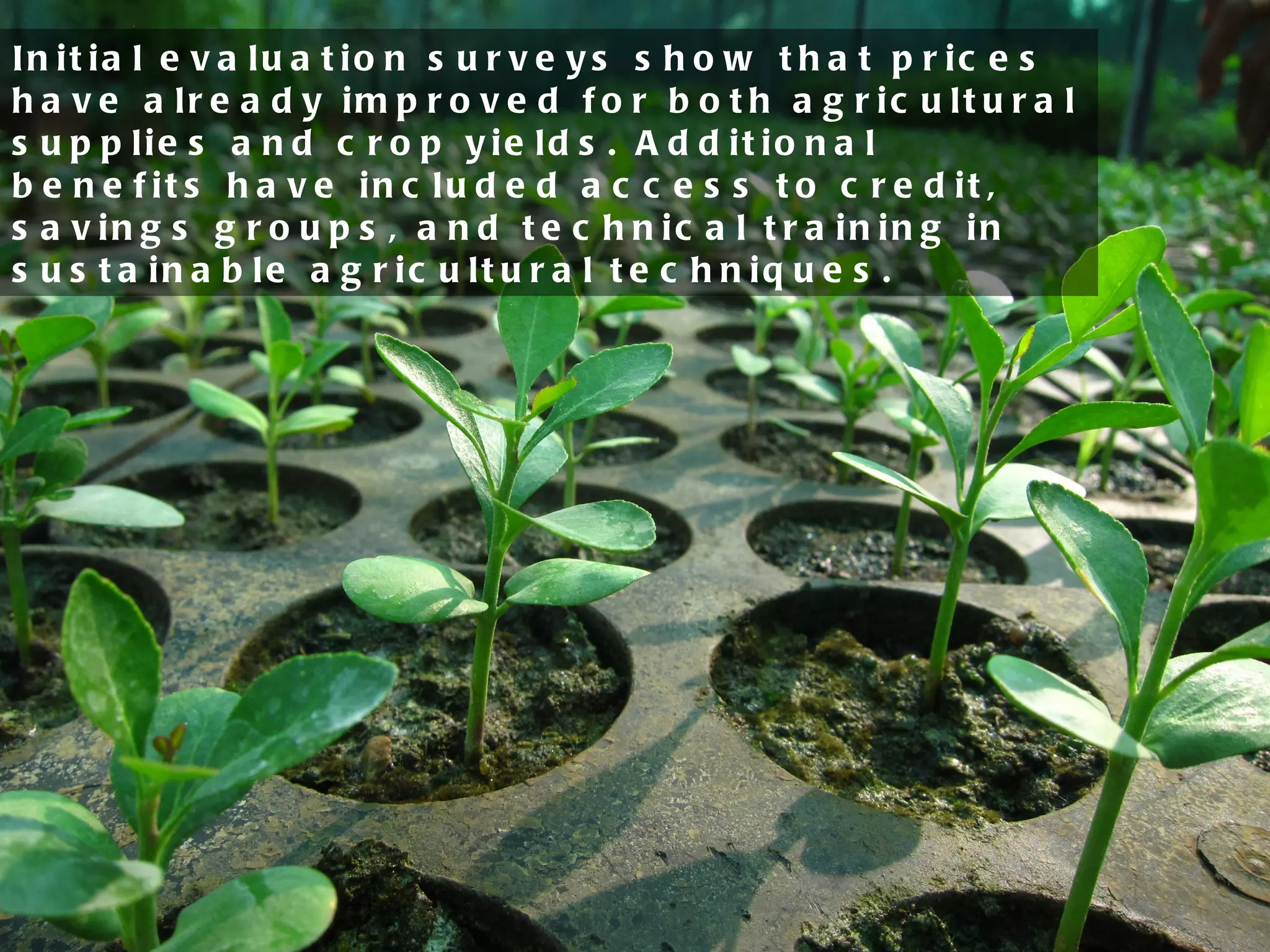
Initial evaluation surveys show that prices have already improved for both agricultural supplies and crop yields. Additional benefits have included access to credit, savings groups, and technical training in sustainable agricultural techniques.
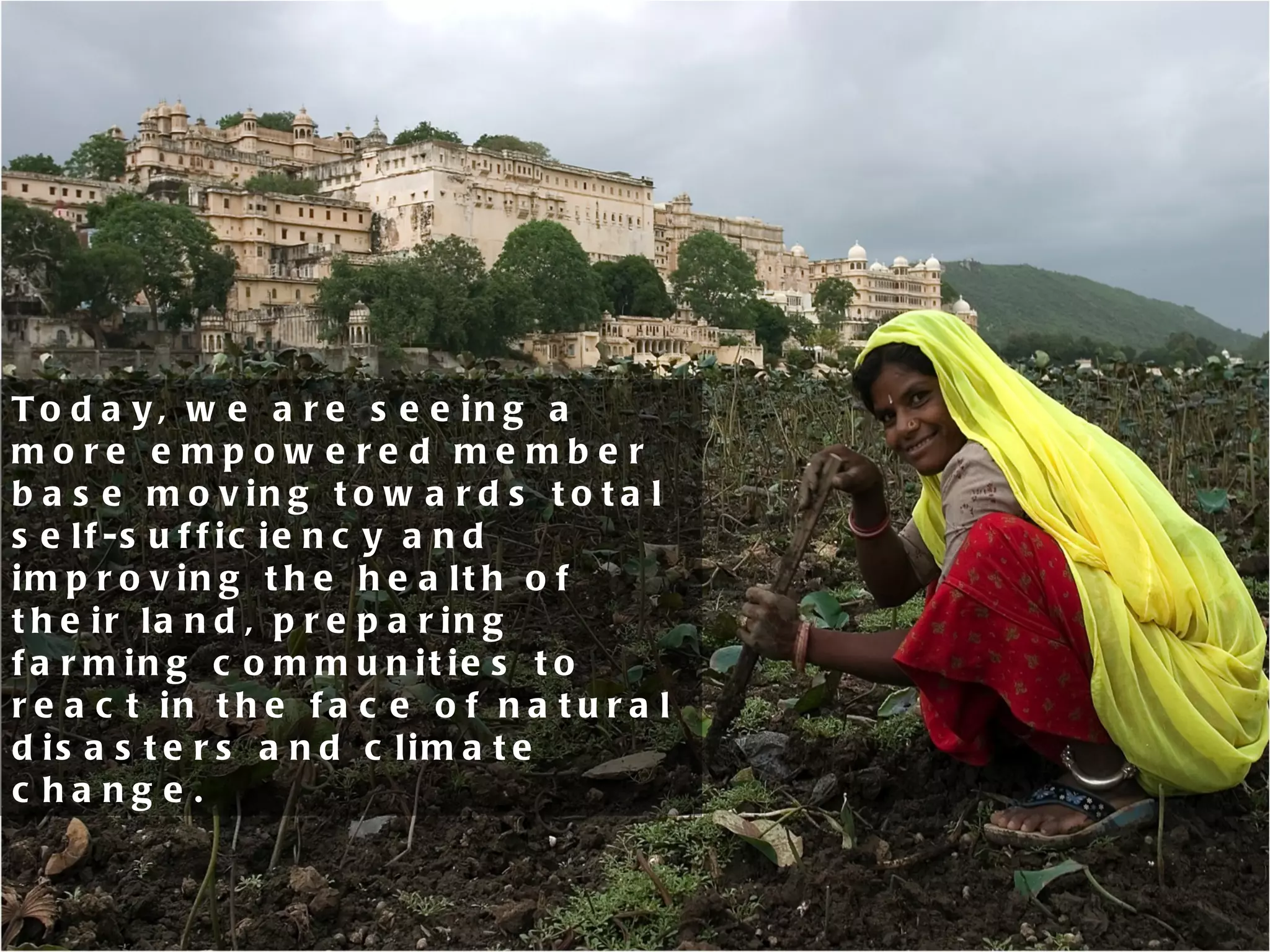
Today, we are seeing a more empowered member base moving towards total self-sufficiency and improving the health of their land, preparing farming communities to react in the face of natural disasters and climate change.
www.fsdinternational.org

India slideshow final

  • 1.
    Basic Rights forRural Farmers in Rajasthan, India August, 2011
  • 2.
    “ And itis only in that broader framework of sustainable development that we can address climate change, international peace and security and the needs of all our citizens.” - UN Secretary General Ban Ki-moon, June 2011
  • 3.
    In his recentspeech to the World Trade Organization , UN Secretary-General, Ban Ki-moon , declared sustainability as a top priority . Of note were Ban’s formal remarks on lifting people out of poverty while minimizing harm to nature. With more than 15 years working at the grassroots level to advance sustainable development, FSD intimately understands the havoc that climate change wreaks on the world’s most vulnerable populations. But you have helped change this reality for hundreds of people . Here is just one example.
  • 4.
    In Rajasthan, India,over 75% of the workforce earn a living through agriculture. Environmental degradation has caused mass migration, seasonal drought, and severe food shortages.
  • 5.
    Vulnerable farmers—many ofwhom are uneducated and illiterate—are often exploited by suppliers who illegally inflate prices for agricultural essentials like fertilizer and seeds.
  • 6.
    Buyers of thefamers’ products also take advantage of them by offering below market prices for their crops.
  • 7.
    In response, FSDcollaborated with our local partner NGO, ACCESS Development Services, to organize disenfranchised farmers and develop a more manageable and equitable system.
  • 8.
    The farmers formedinto groups and went through a series of trainings focused on small business development, administration, and financial literacy.
  • 9.
    In the project’sfinal phase, each group transferred their new knowledge to the farmers they represent.
  • 10.
    Initial evaluation surveysshow that prices have already improved for both agricultural supplies and crop yields. Additional benefits have included access to credit, savings groups, and technical training in sustainable agricultural techniques.
  • 11.
    Today, we areseeing a more empowered member base moving towards total self-sufficiency and improving the health of their land, preparing farming communities to react in the face of natural disasters and climate change.
  • 12.