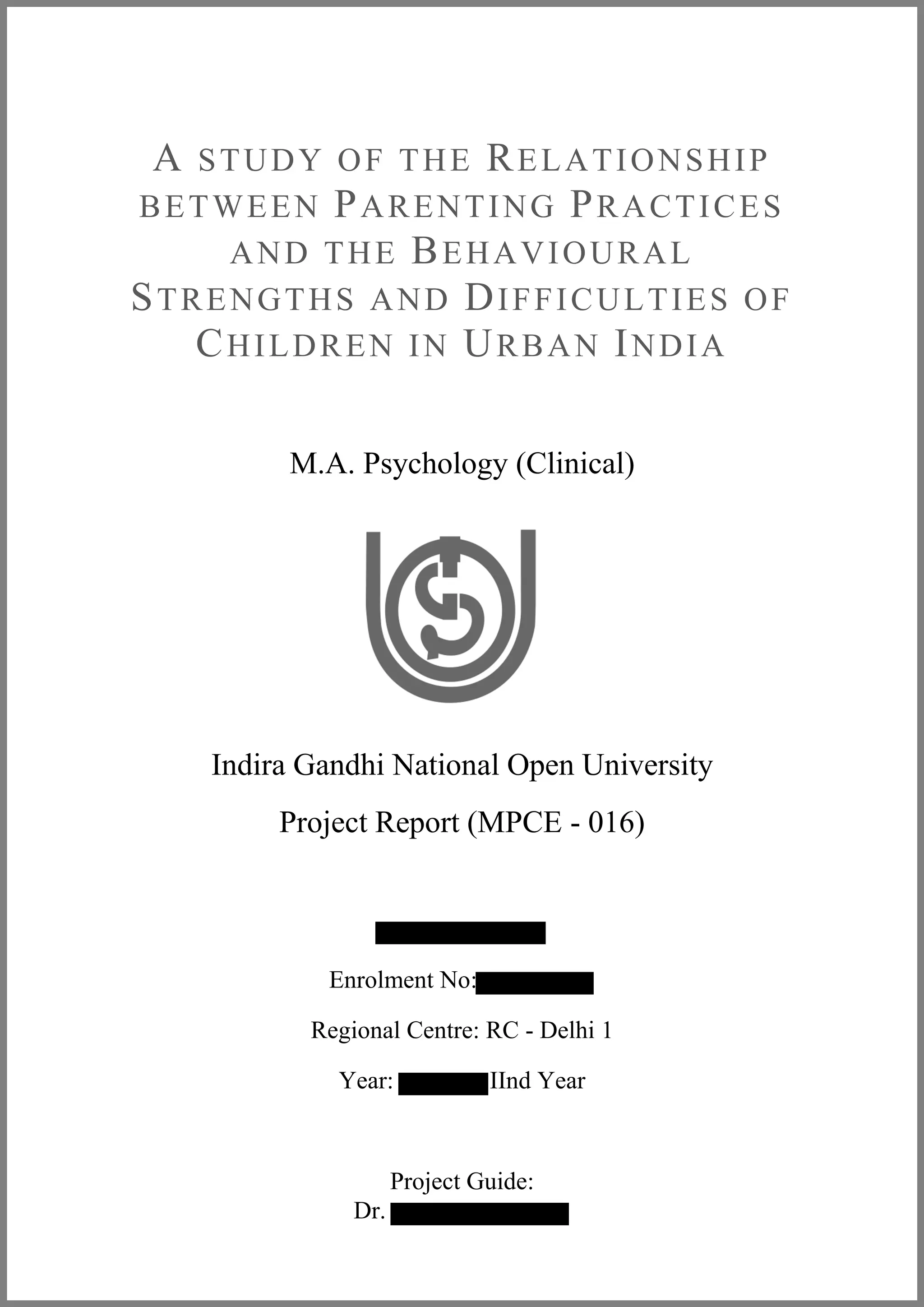
A STUDY OF THE RELATIONSHIP
BETWEEN PARENTING PRACTICES
AND THE BEHAVIOURAL
STRENGTHS AND DIFFICULTIES OF
CHILDREN IN URBAN INDIA
M.A. Psychology (Clinical)
Indira Gandhi National Open University
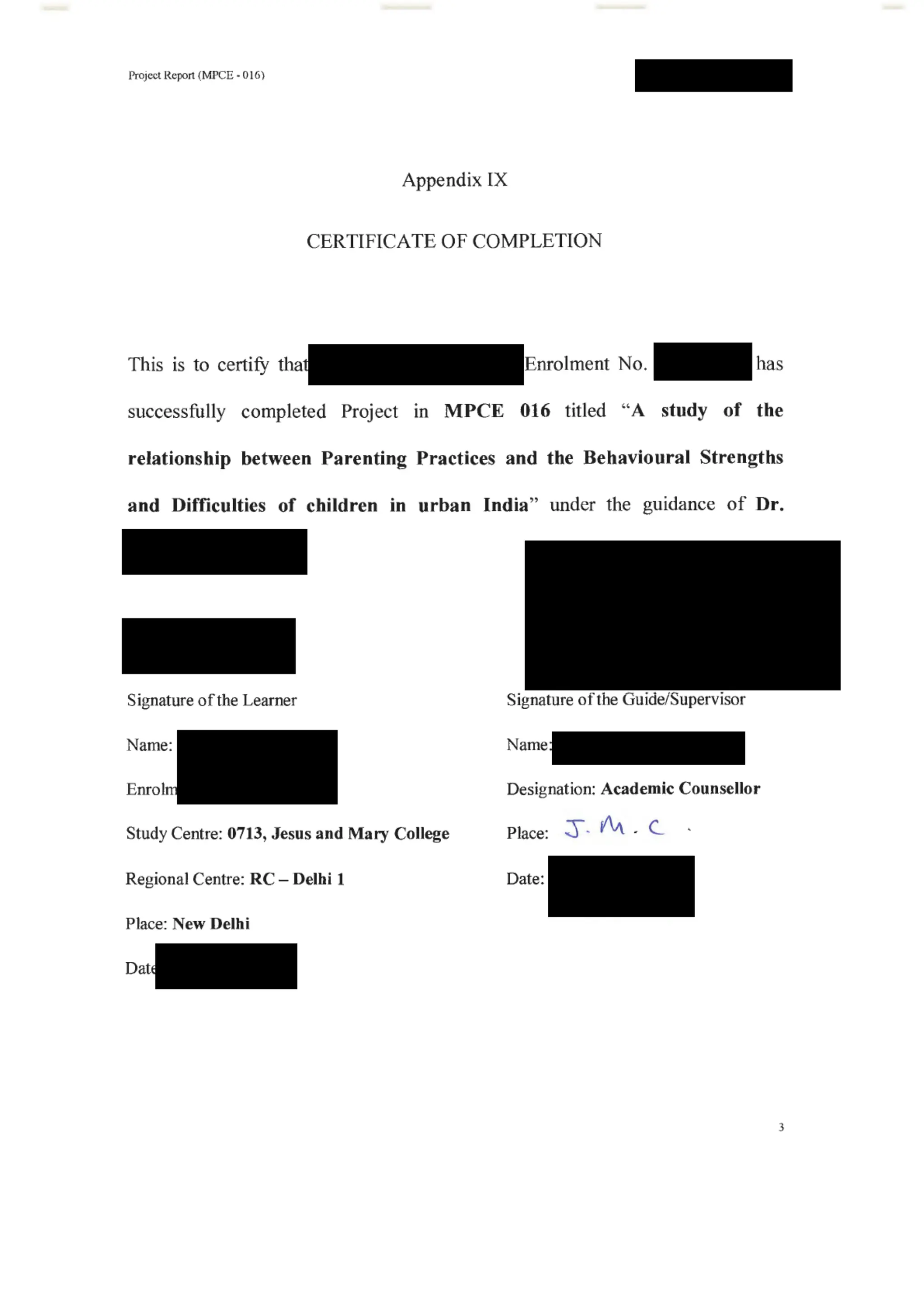
Project Report (MPCE - 016)
Enrolment No:
Regional Centre: RC - Delhi 1
Year: IInd Year
Project Guide:
Dr.
Project Report (MPCE - 016)
4
ACKNOWLEDGEMENT
The successful completion of this project has been made possible by the contributions of
several people. I acknowledge their contributions and would like to thank them for their help.
GUIDANCE
Even the most renowned travellers need navigators to show them the way to successfully
complete their journey. This project has been no less than a journey. And its success has been
made possible by the support and help of my navigator Dr. , Academic
Counsellor at Jesus and Mary College, who agreed to be my project guide. I am greatly
indebted to her for her valuable guidance during the project. I would like to express my
gratitude and extend my sincere thanks to her for the constant motivation and supervision.
I would also like to thank Dr. Swati Patra, Programme Coordinator for the MA Psychology
Programme, for taking out the time from her very busy schedule to discuss the project in
detail. It is heart warming to meet a faculty who is willing to excuse her-self temporarily
from a meeting to guide students. The university should further strengthen this culture.
PARTICIPATION AND SUPPORT WITH DATA COLLECTION
The findings of any project based on primary research can only be as good as the quantity
and quality of data they are based on. To ensure both can be a challenging task for the
researcher. I’m, therefore, thankful to all the subjects who participated in the data collection
exercise by filling the forms and sharing the extremely personal details about them and their
children.
Project Report (MPCE - 016)
5
I’m also thankful to all my classmates, colleagues and friends who helped in the data
collection exercise by identifying the subjects and helping get the forms filled. This helped in
ensuring that the planned sample size was reached.
I would also like to thank Mr. , Academic Counsellor at Jesus and Mary
College, who imparted to us the knowledge that he has gained over years of practicing
Clinical Psychology and helped us understand better the working of the university.
In the end, I would also like to thank Ms. , my batch mate for inspiring my
interest in the area of parental and child psychology.
Project Report (MPCE - 016)
6
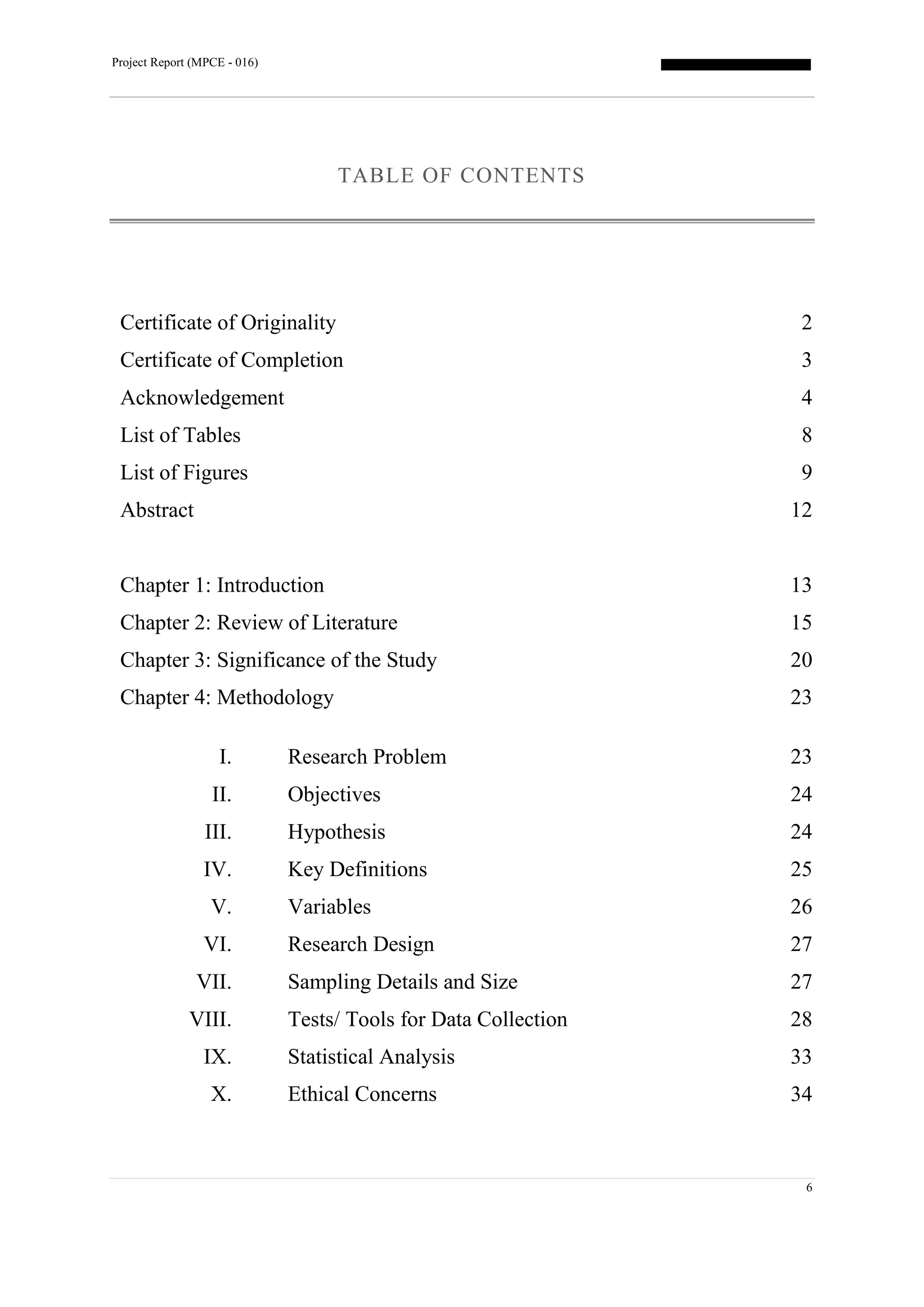
TABLE OF CONTENTS
Certificate of Originality 2
Certificate of Completion 3
Acknowledgement 4
List of Tables 8
List of Figures 9
Abstract 12
Chapter 1: Introduction 13
Chapter 2: Review of Literature 15
Chapter 3: Significance of the Study 20
Chapter 4: Methodology
I. Research Problem
II. Objectives
III. Hypothesis
IV. Key Definitions
V. Variables
VI. Research Design
VII. Sampling Details and Size
VIII. Tests/ Tools for Data Collection
IX. Statistical Analysis
X. Ethical Concerns
23
23
24
24
25
26
27
27
28
33
34
Project Report (MPCE - 016)
7
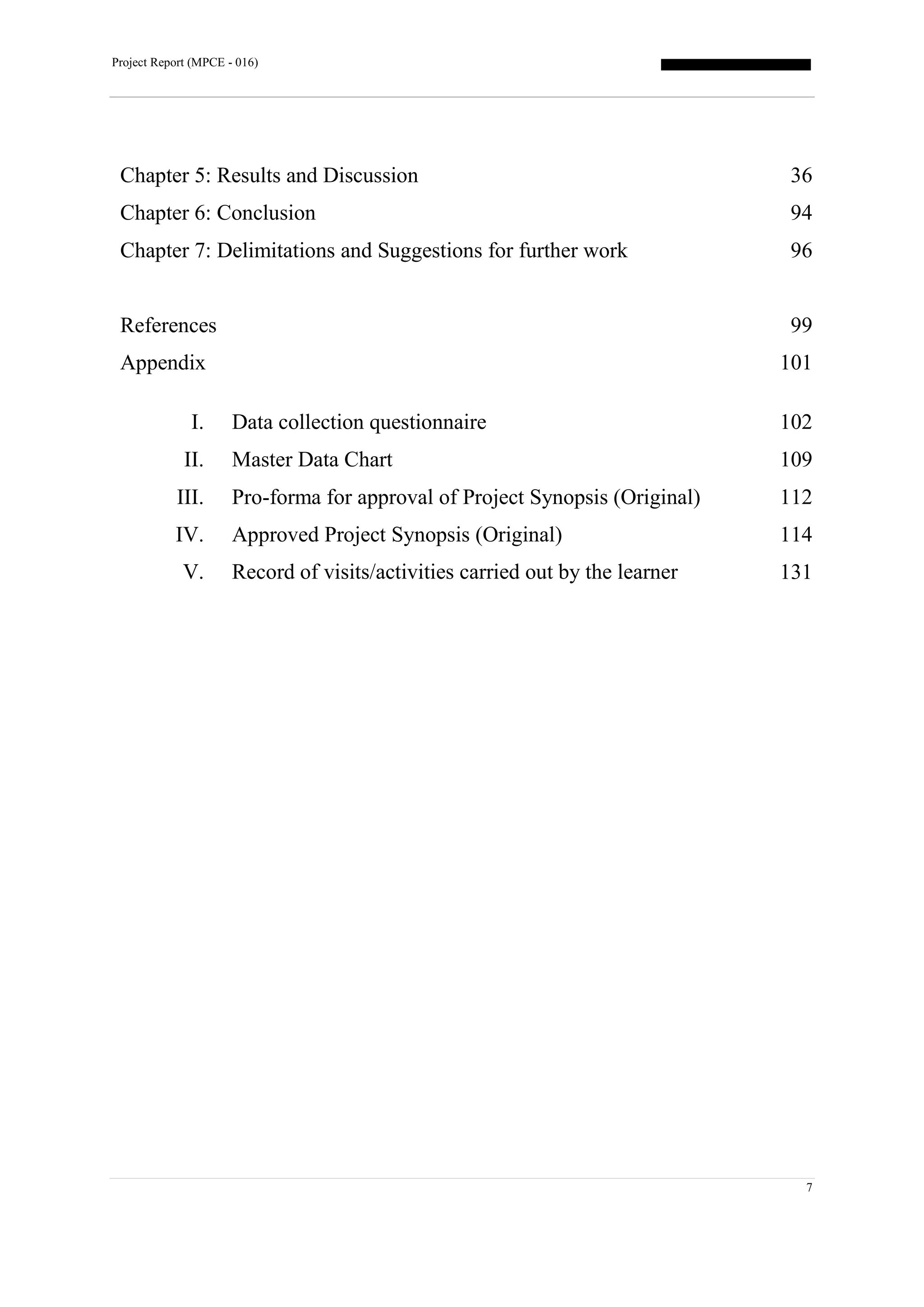
Chapter 5: Results and Discussion 36
Chapter 6: Conclusion 94
Chapter 7: Delimitations and Suggestions for further work 96
References 99
Appendix
I. Data collection questionnaire
II. Master Data Chart
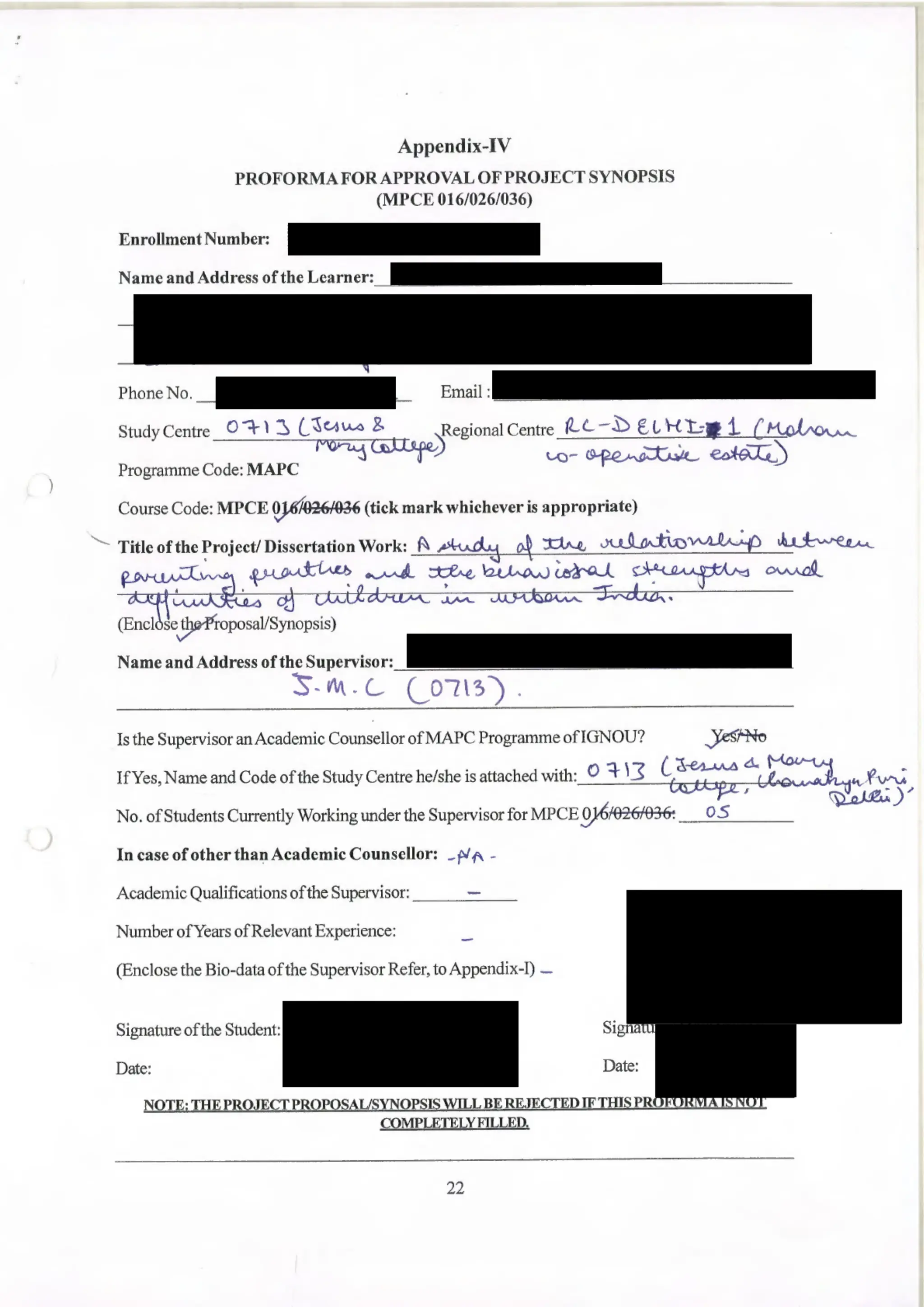
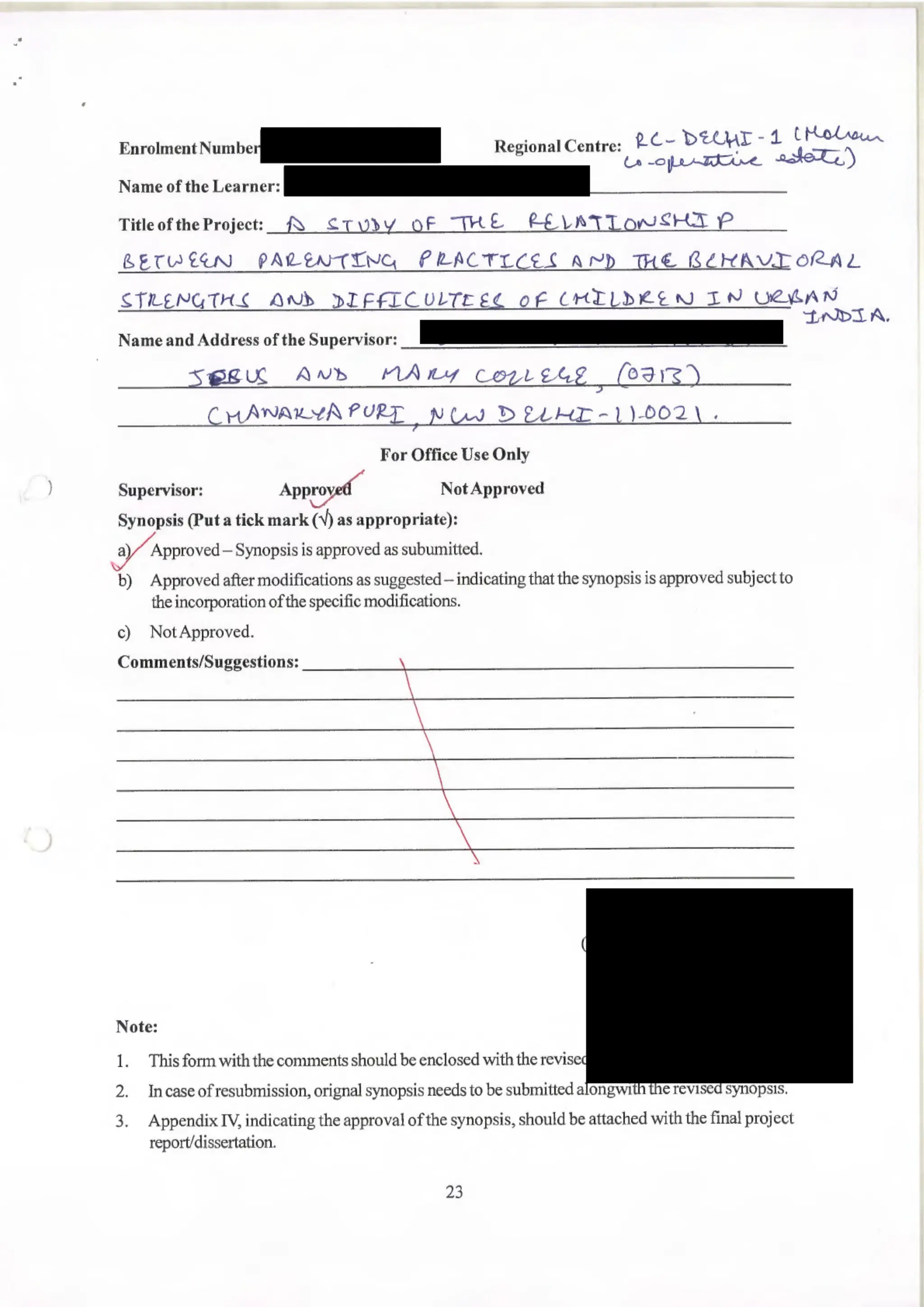
III. Pro-forma for approval of Project Synopsis (Original)
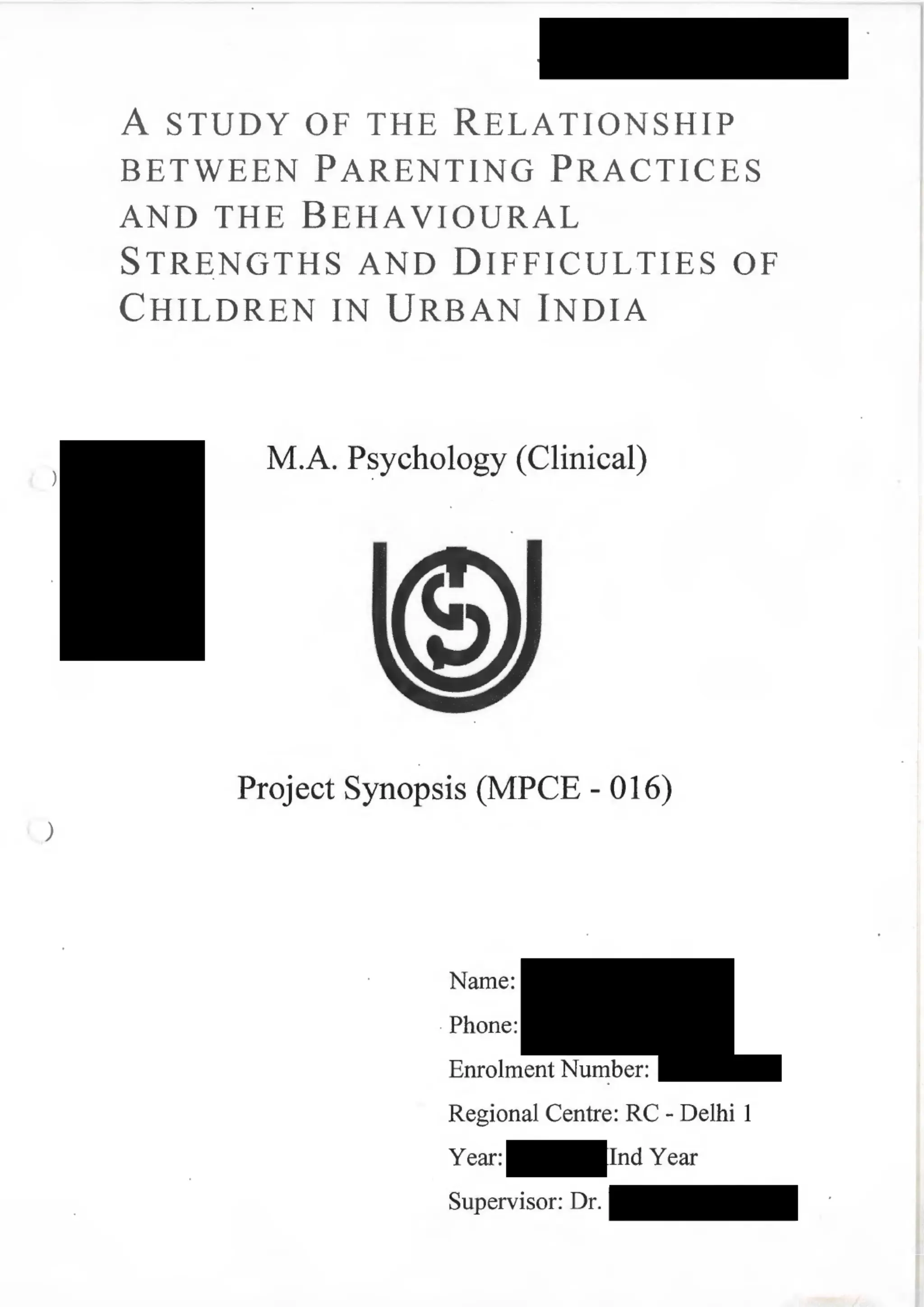
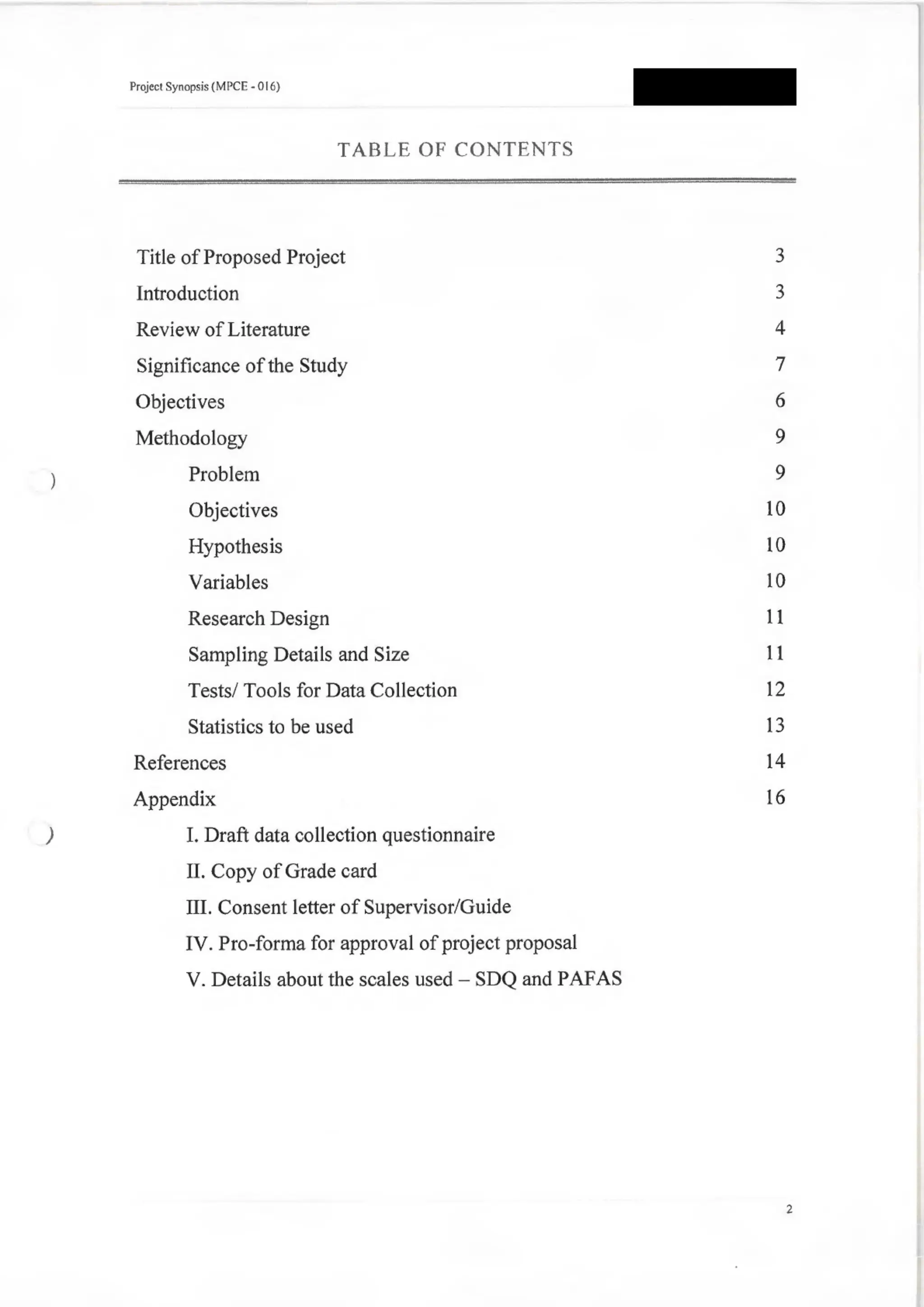
IV. Approved Project Synopsis (Original)
V. Record of visits/activities carried out by the learner
101
102
109
112
114
131
Project Report (MPCE - 016)
8
LIST OF TABLES
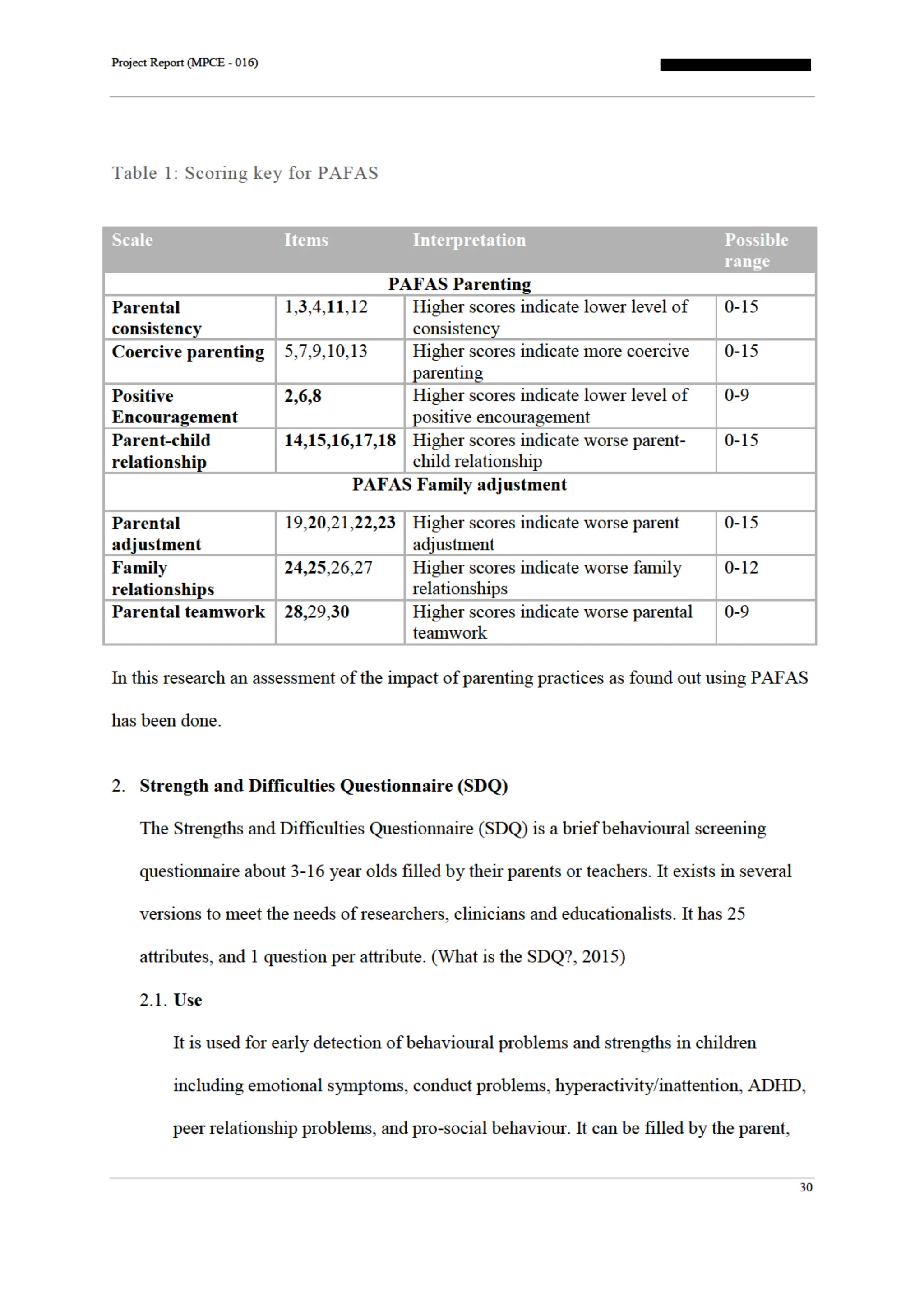
Table 1: Scoring key for PAFAS.............................................................................................30
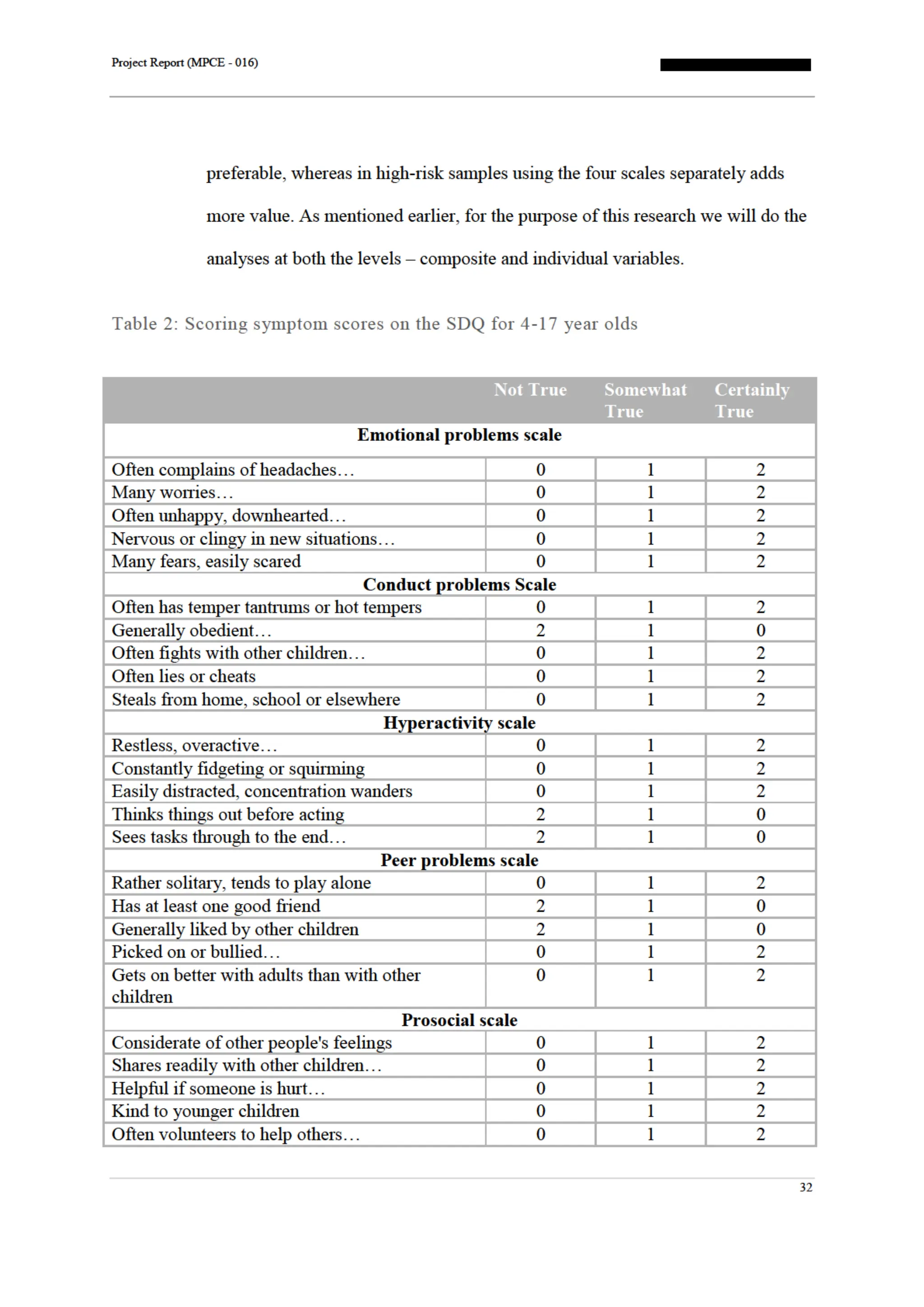
Table 2: Scoring symptom scores on the SDQ for 4-17 year olds...........................................32
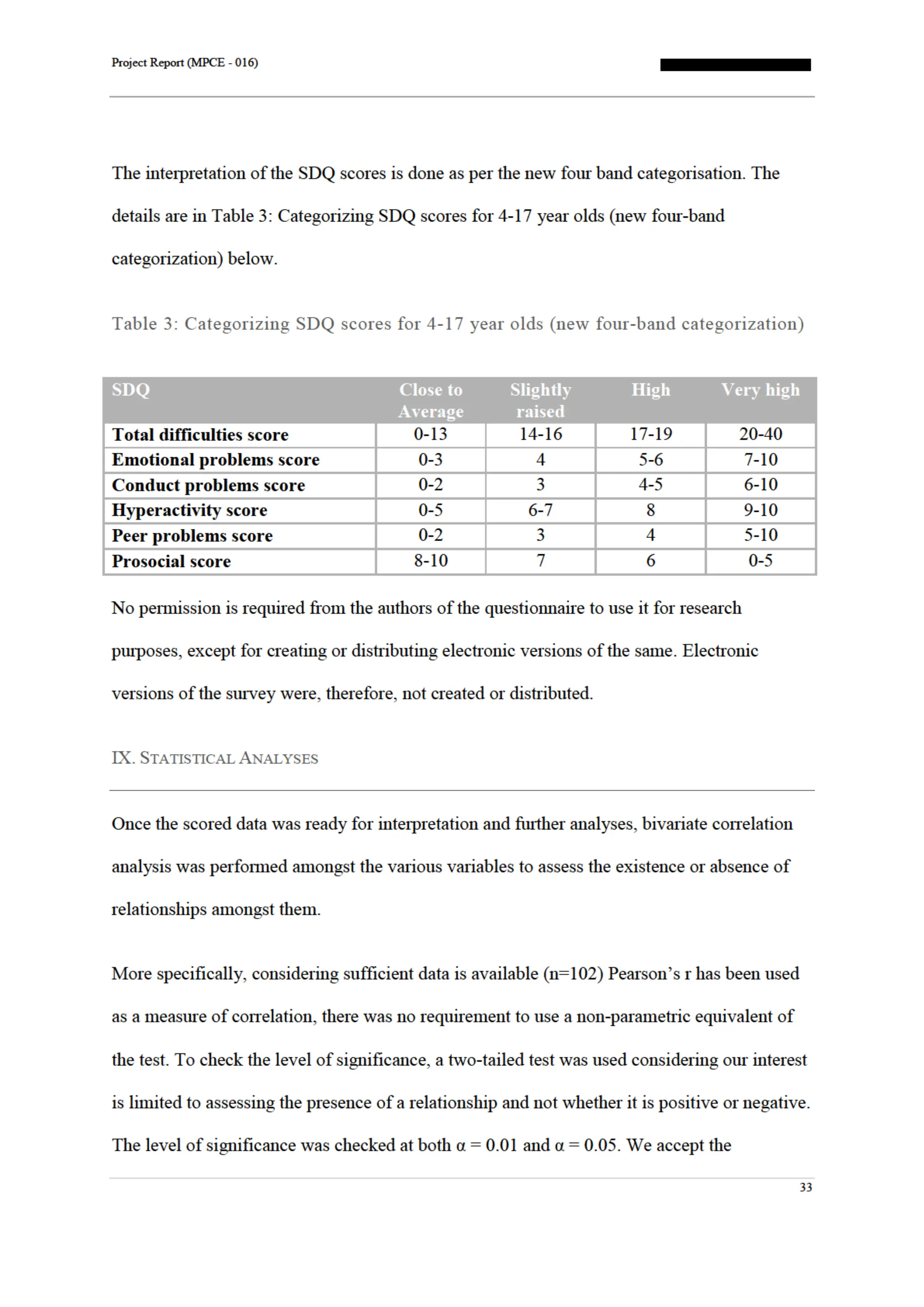
Table 3: Categorizing SDQ scores for 4-17 year olds (new four-band categorization) ..........33
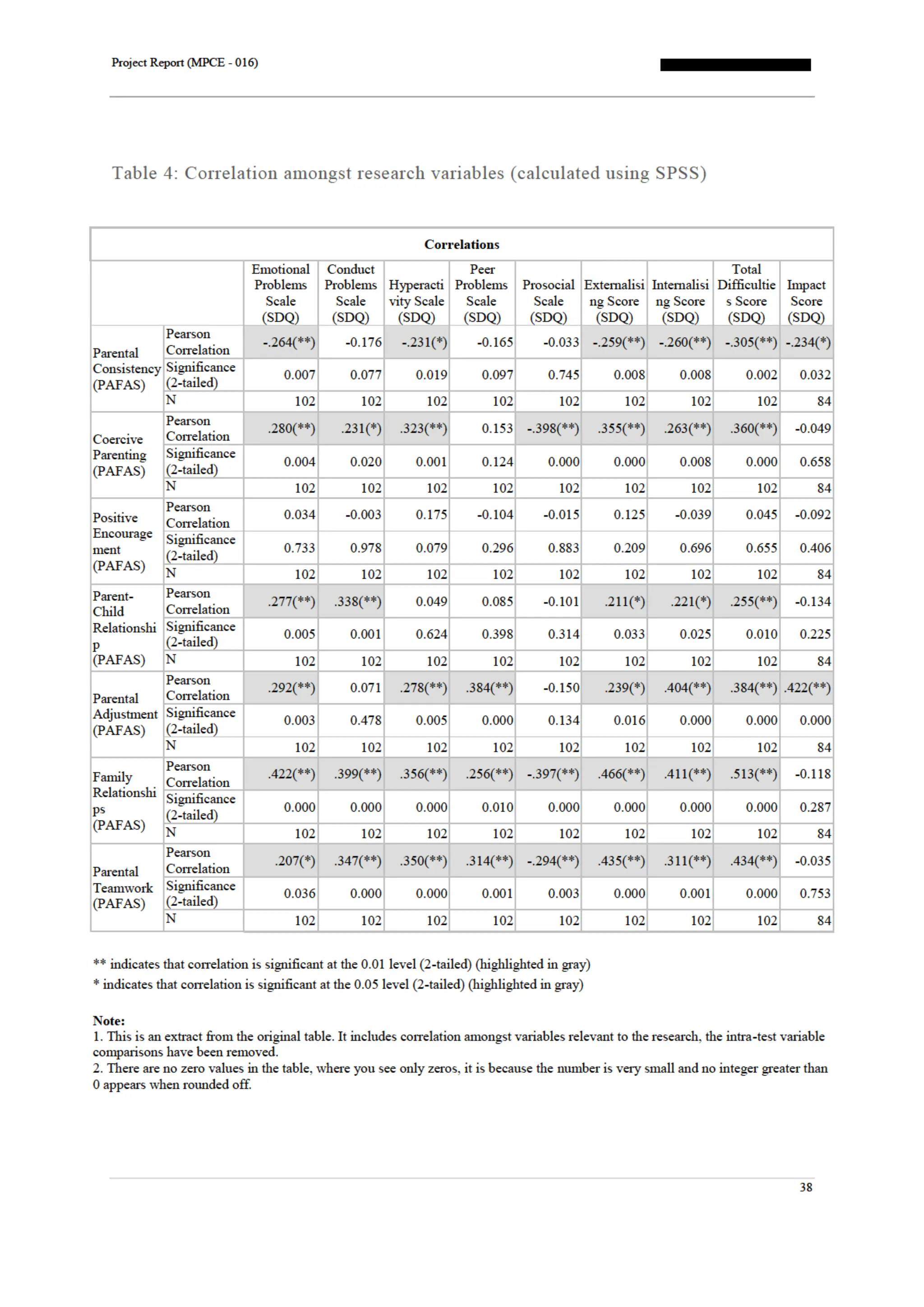
Table 4: Correlation amongst research variables (calculated using SPSS) .............................38
Project Report (MPCE - 016)
9
LIST OF FIGURES
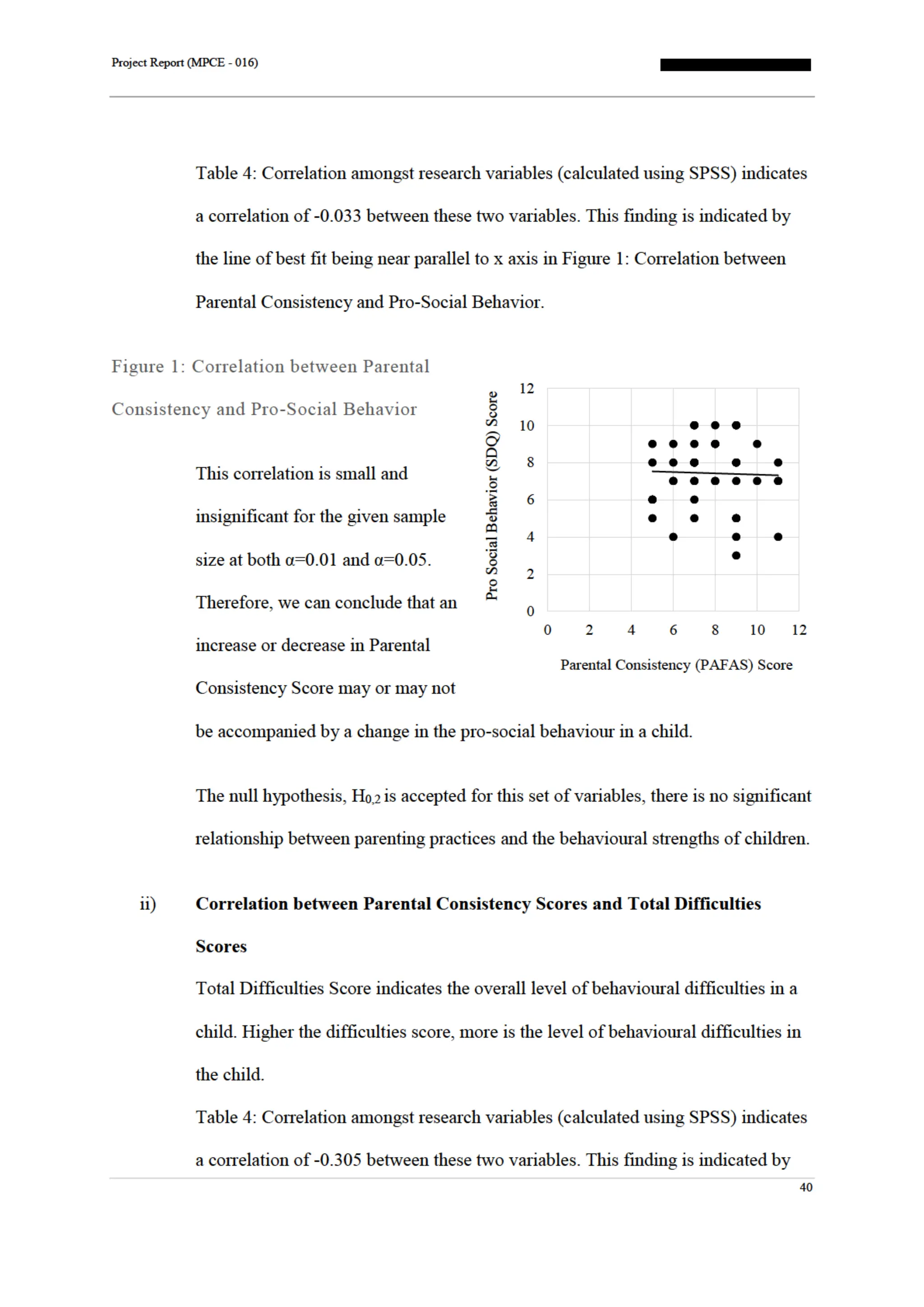
Figure 1: Correlation between Parental Consistency and Pro-Social Behavior ......................42
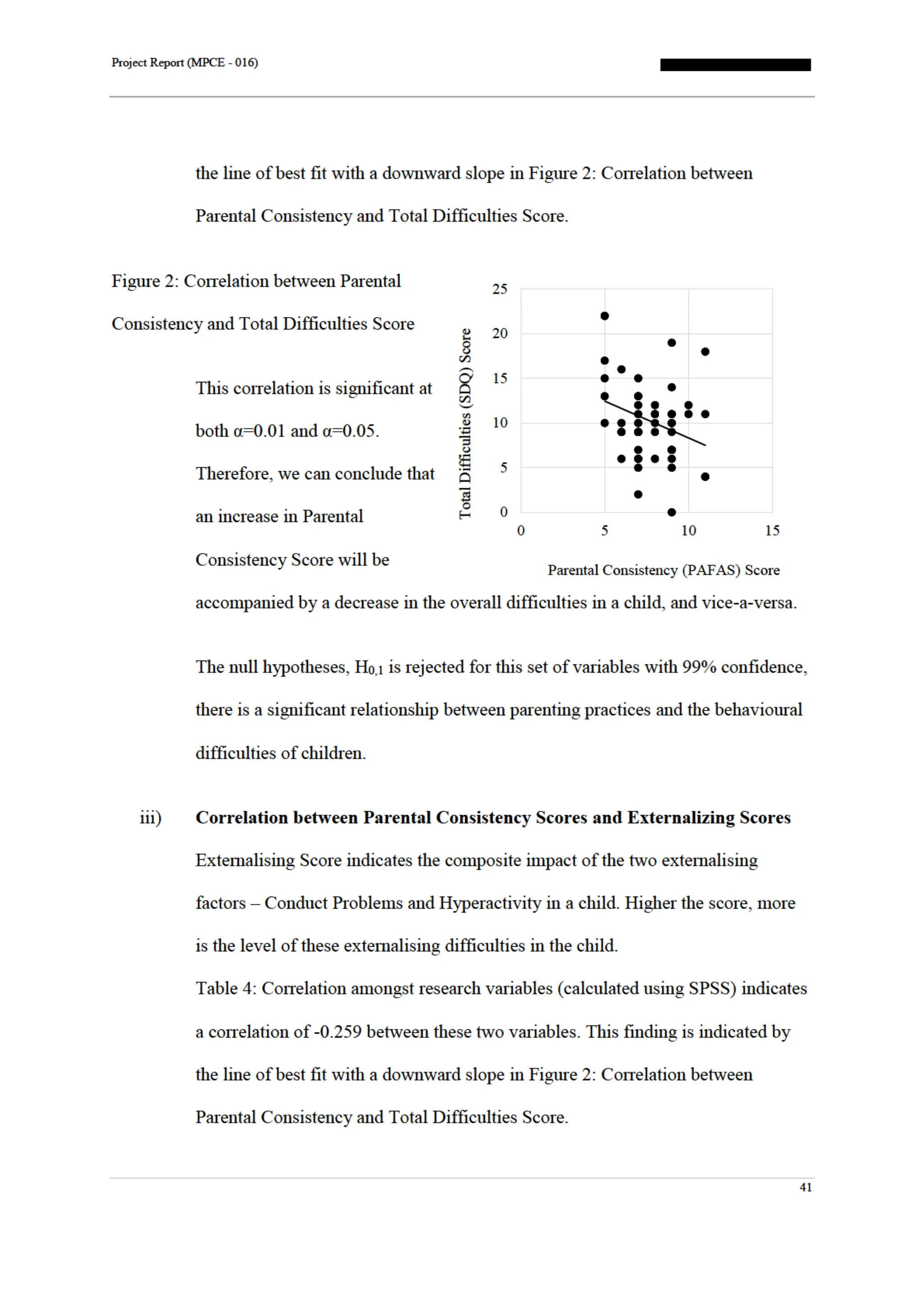
Figure 2: Correlation between Parental Consistency and Total Difficulties Score .................43
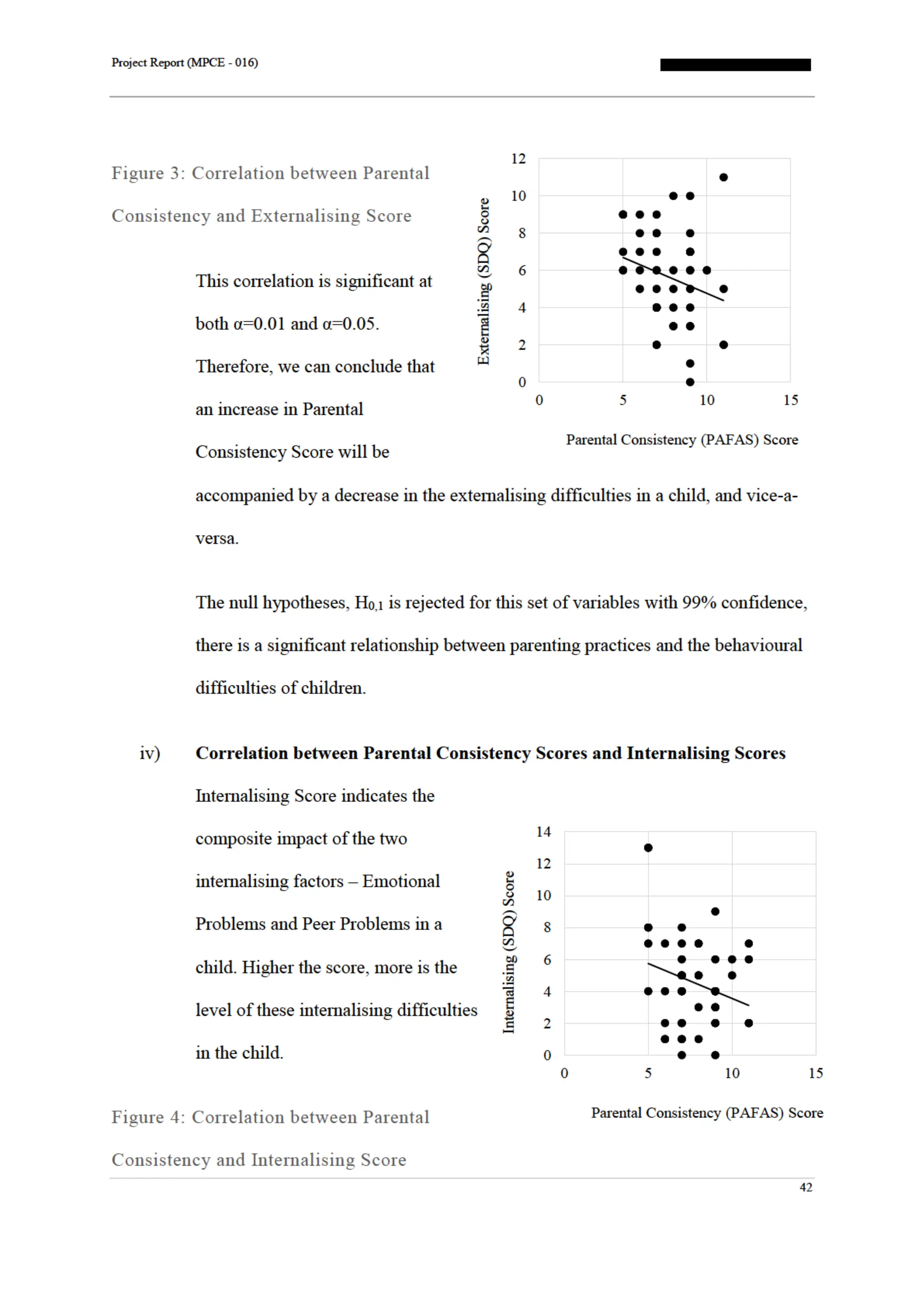
Figure 3: Correlation between Parental Consistency and Externalising Score........................44
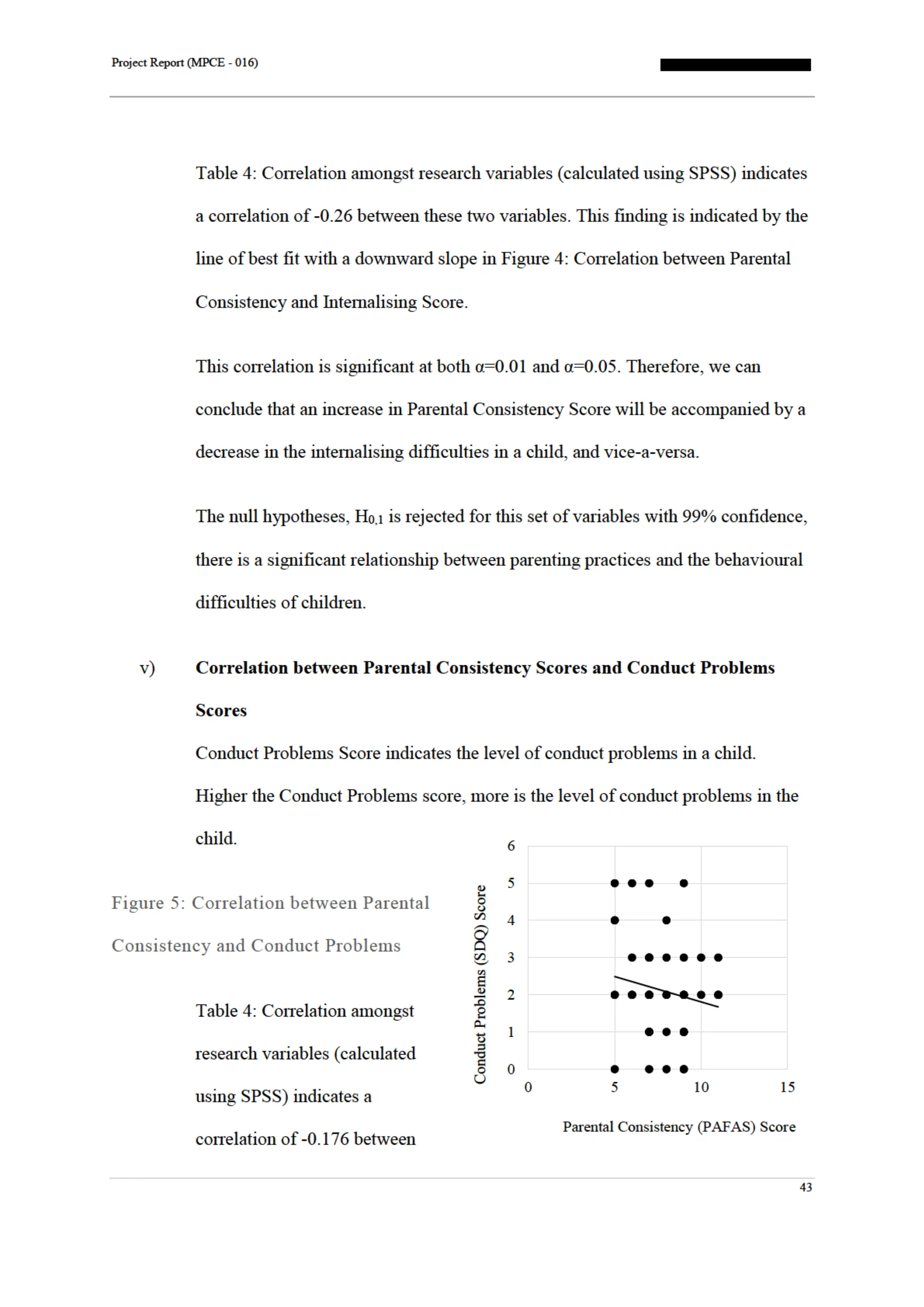
Figure 4: Correlation between Parental Consistency and Internalising Score.........................44
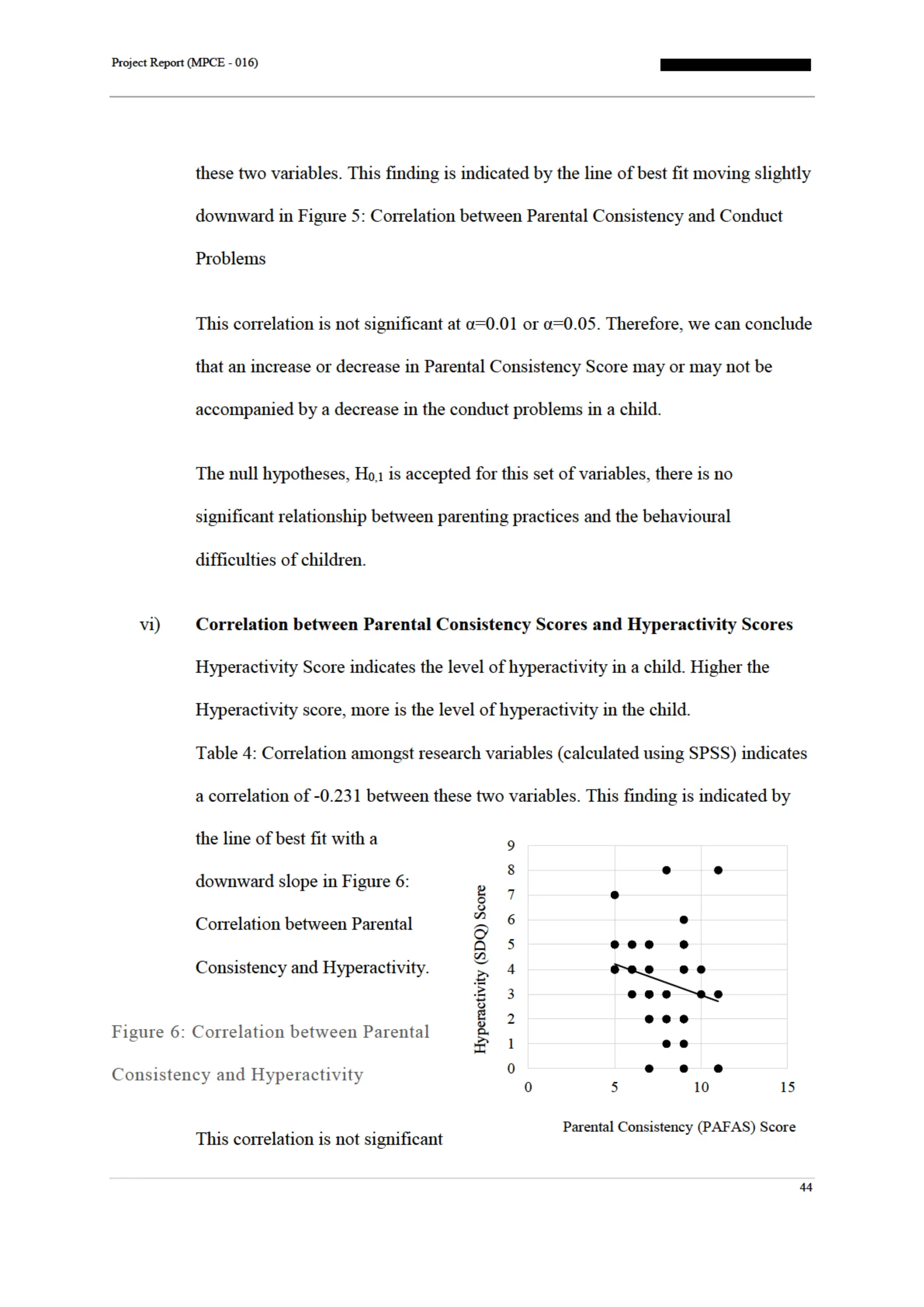
Figure 5: Correlation between Parental Consistency and Conduct Problems .........................45
Figure 6: Correlation between Parental Consistency and Hyperactivity.................................46
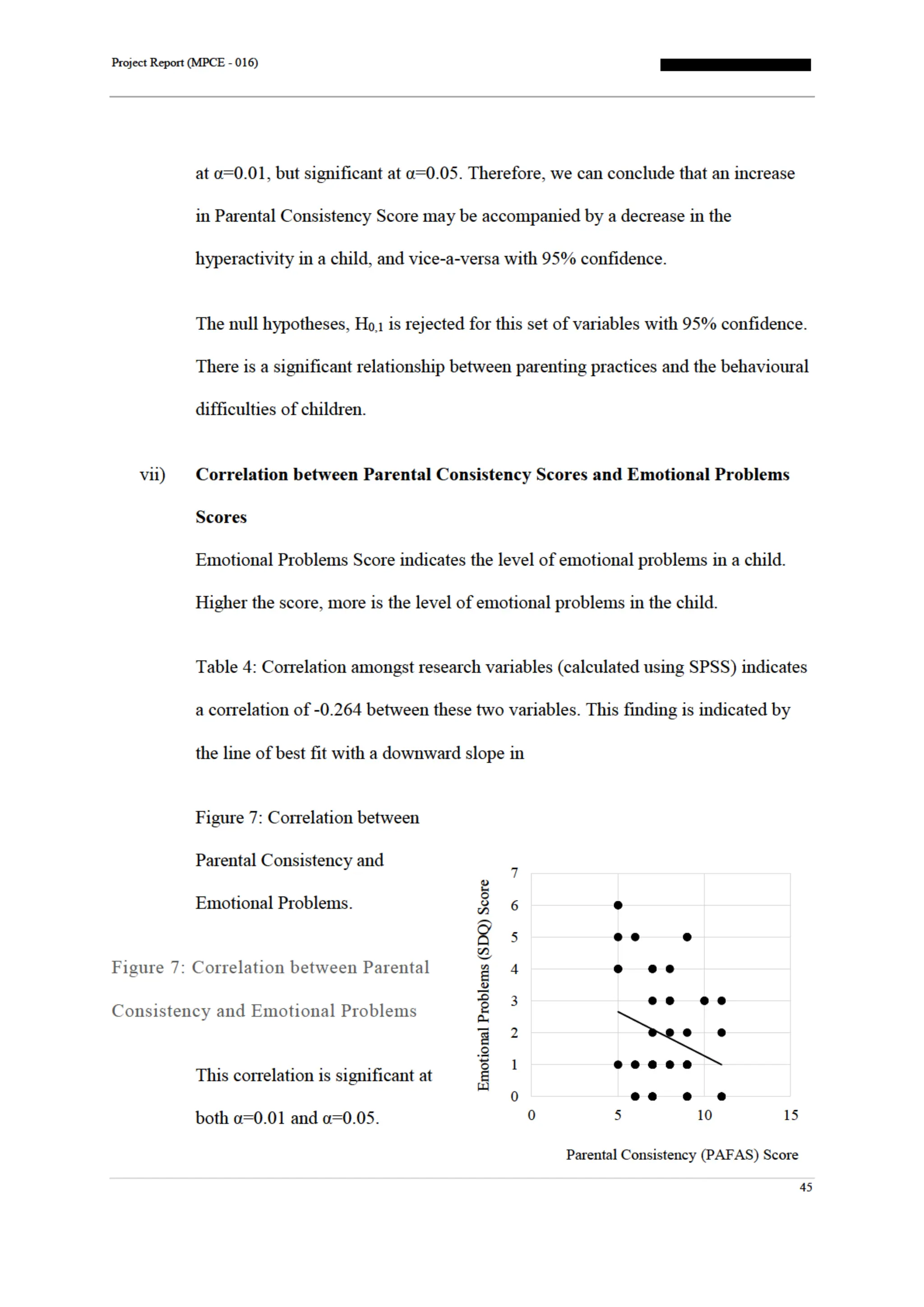
Figure 7: Correlation between Parental Consistency and Emotional Problems ......................47
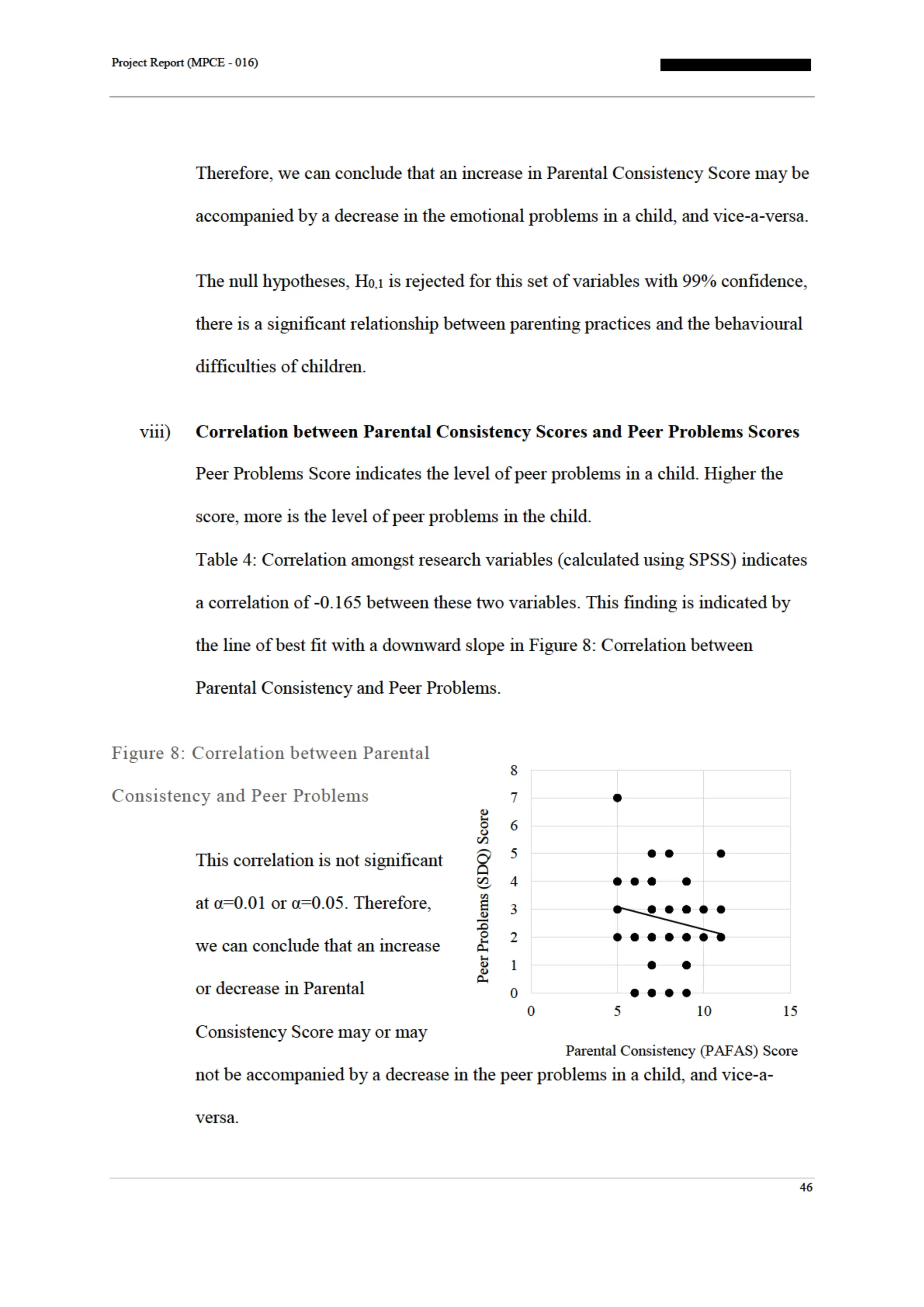
Figure 8: Correlation between Parental Consistency and Peer Problems................................48
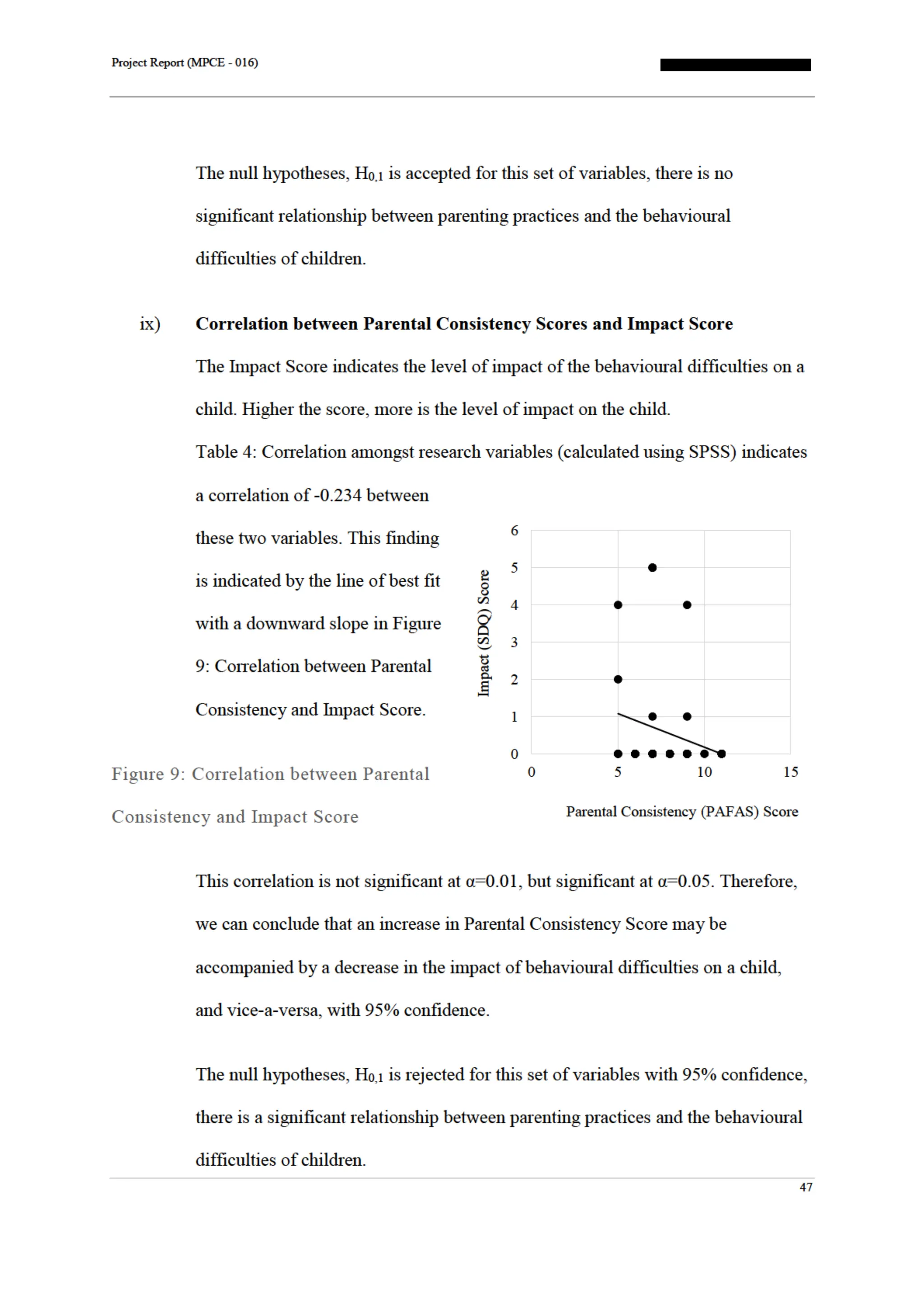
Figure 9: Correlation between Parental Consistency and Impact Score..................................49
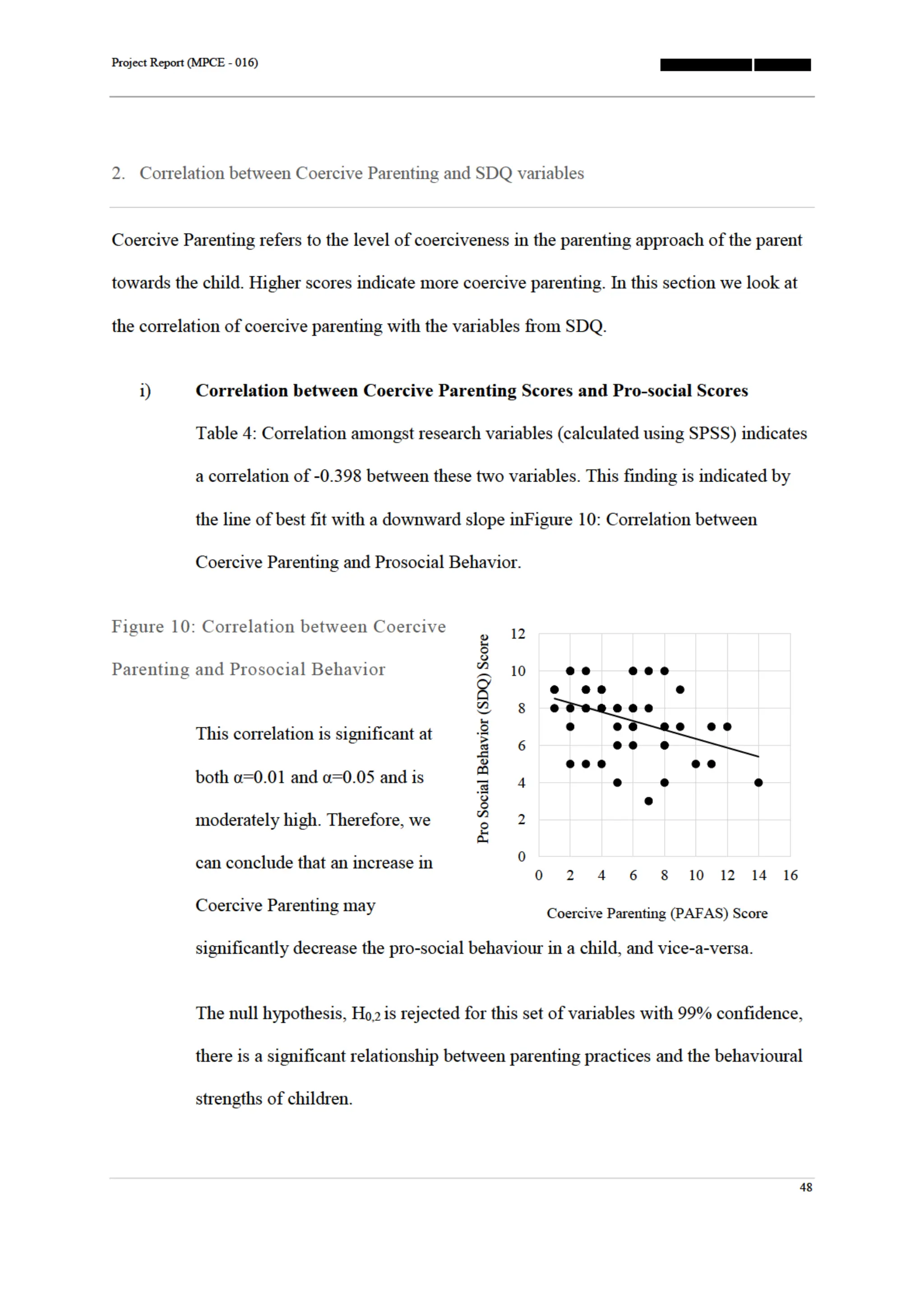
Figure 10: Correlation between Coercive Parenting and Prosocial Behavior .........................50
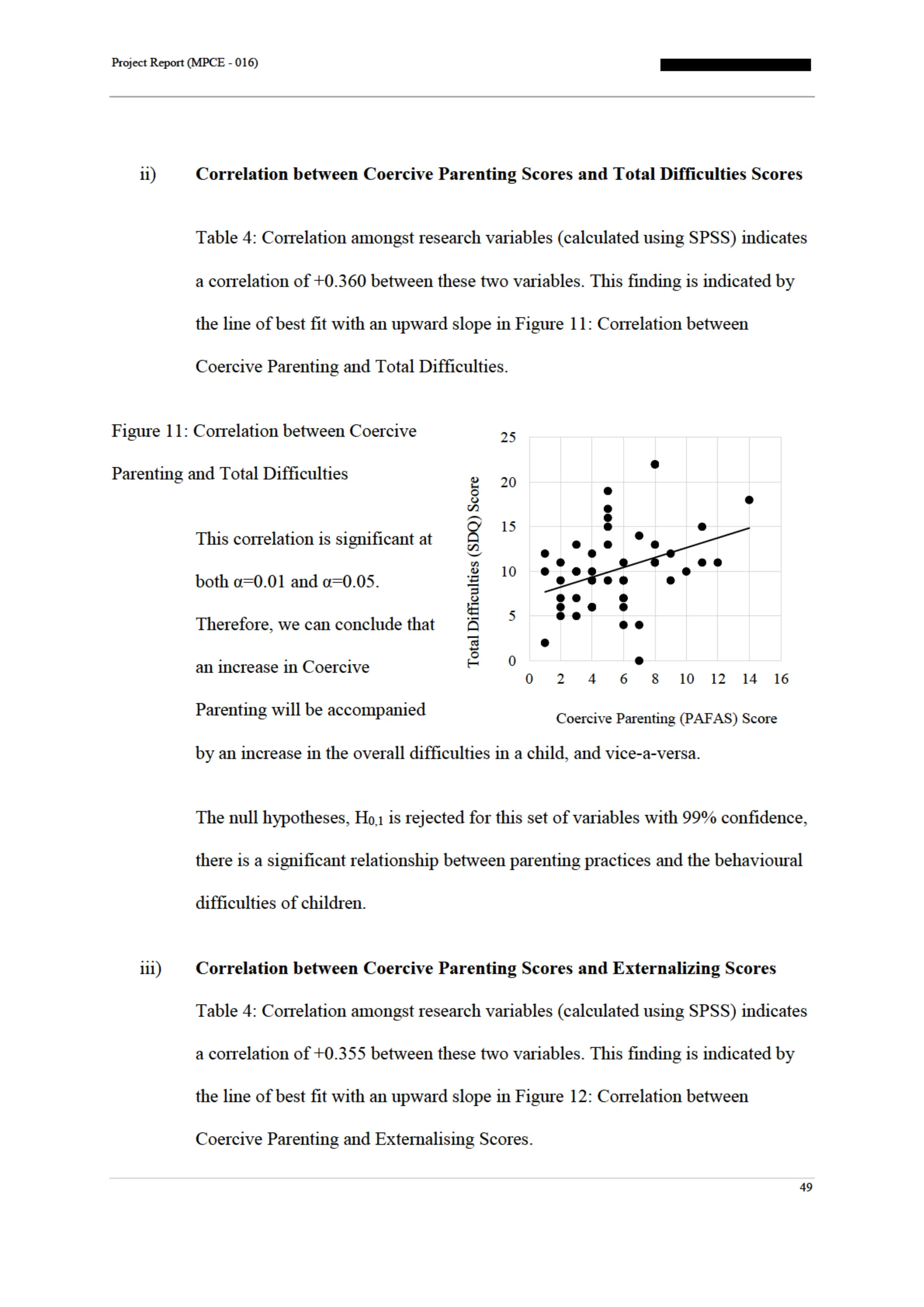
Figure 11: Correlation between Coercive Parenting and Total Difficulties ............................51
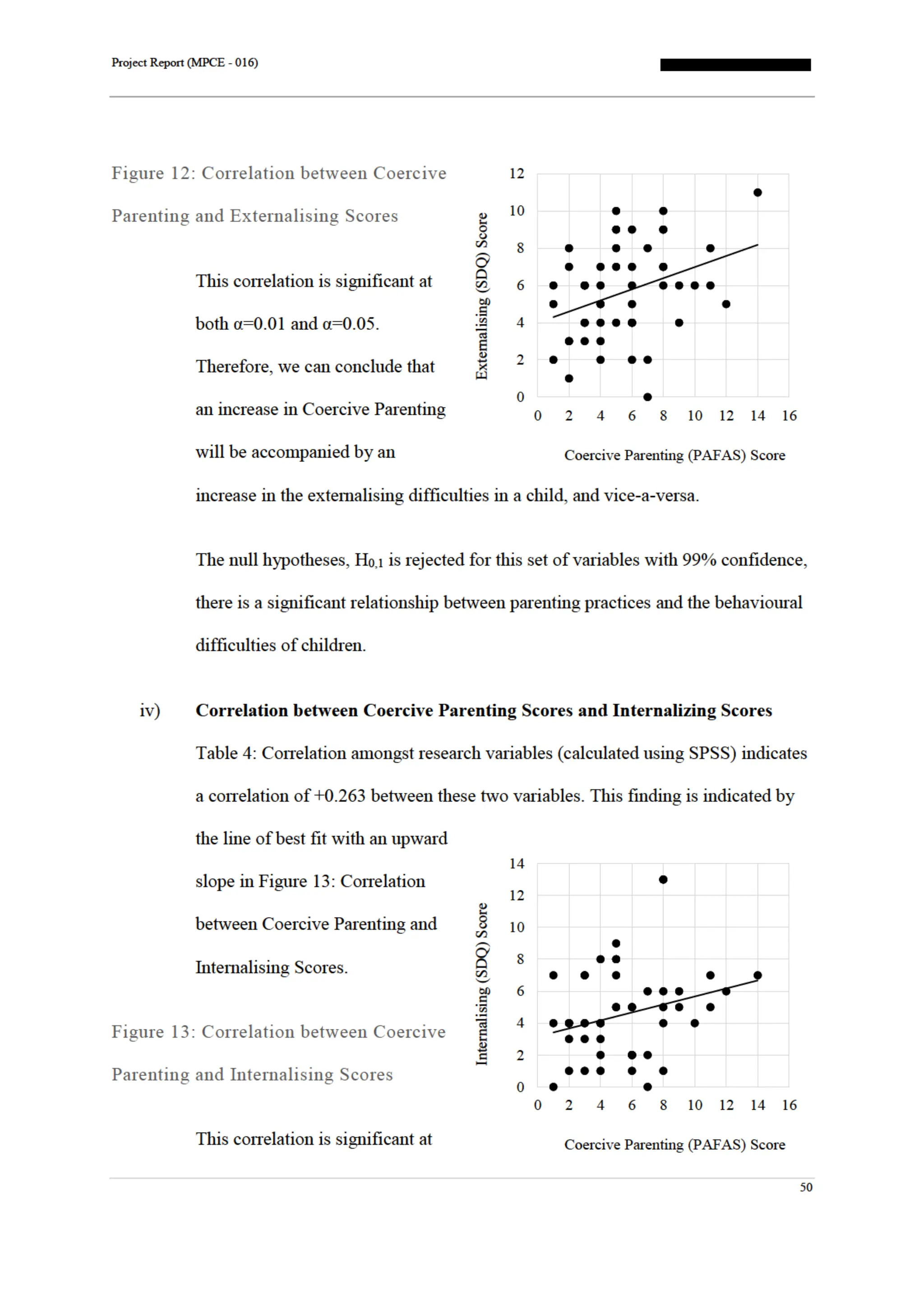
Figure 12: Correlation between Coercive Parenting and Externalising Scores.......................52
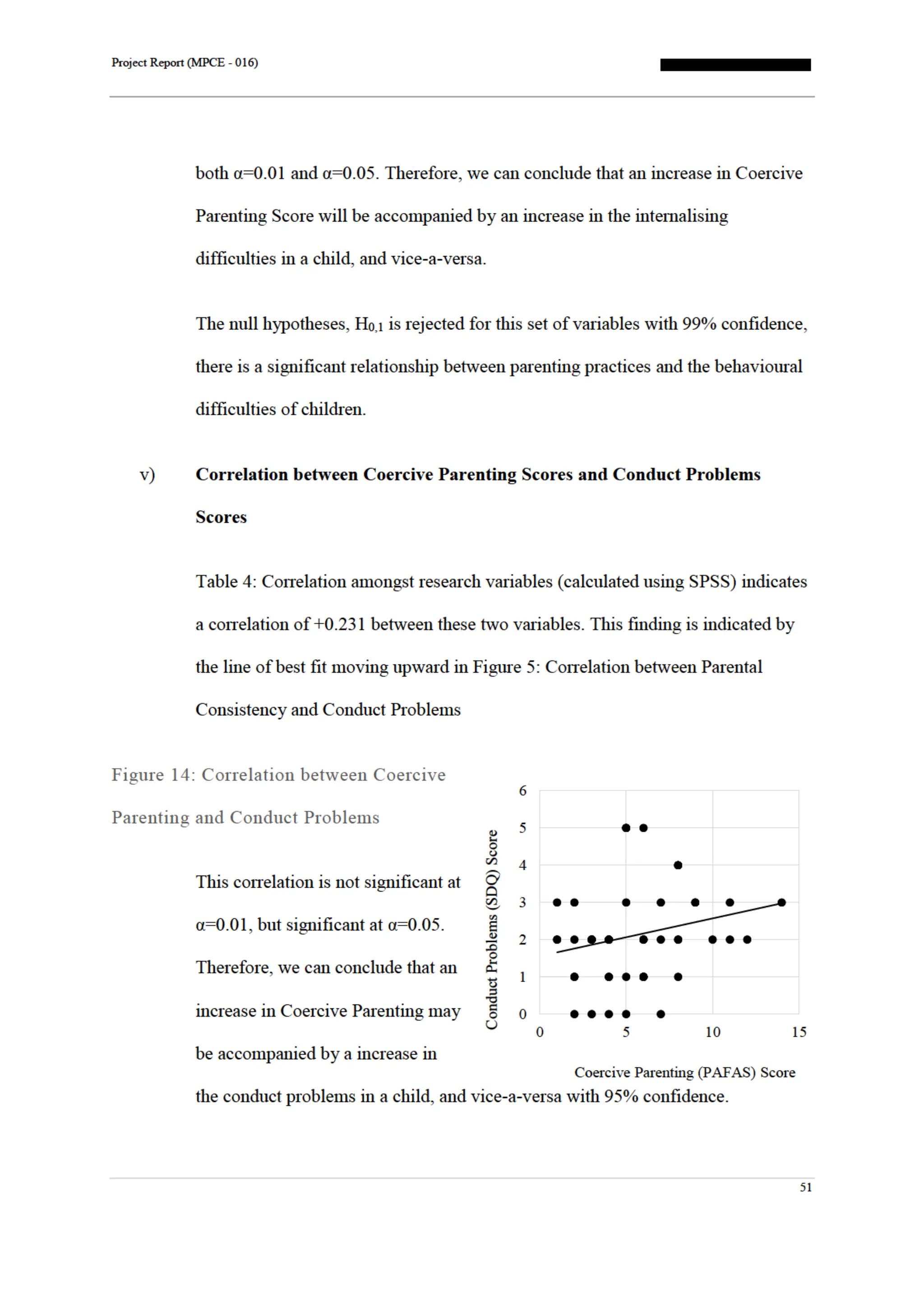
Figure 13: Correlation between Coercive Parenting and Internalising Scores........................52
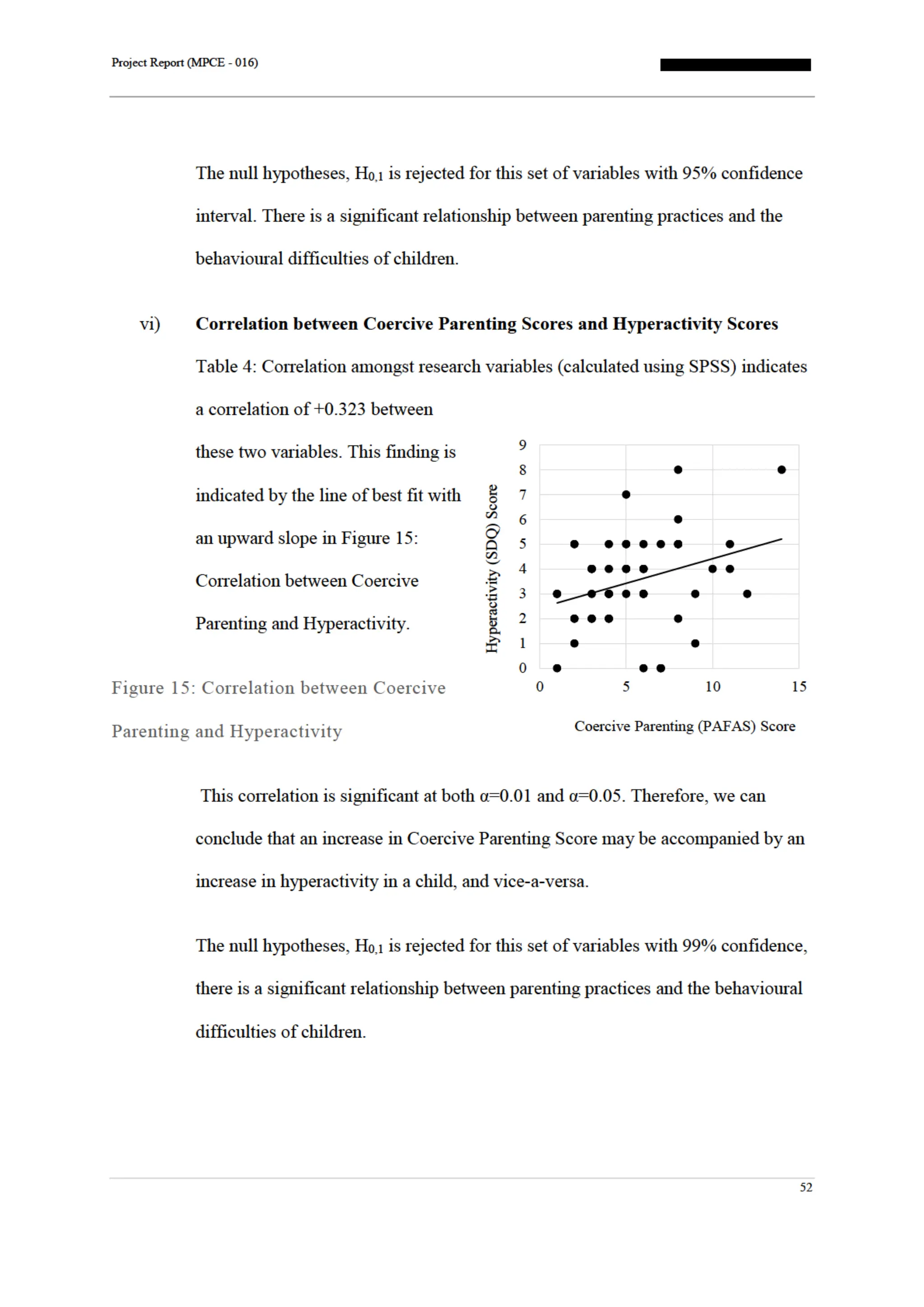
Figure 14: Correlation between Coercive Parenting and Conduct Problems ..........................53
Figure 15: Correlation between Coercive Parenting and Hyperactivity..................................54
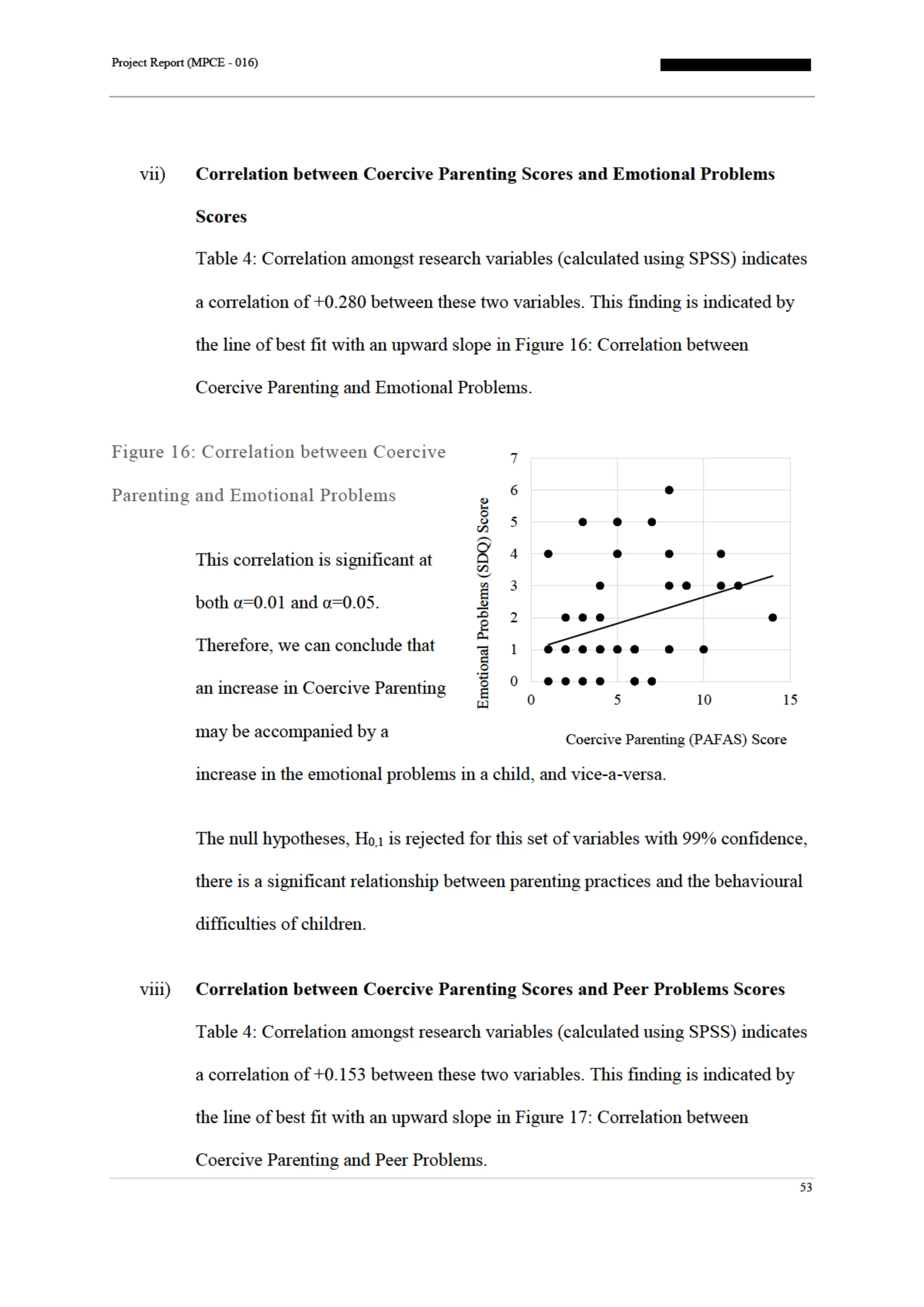
Figure 16: Correlation between Coercive Parenting and Emotional Problems.......................55
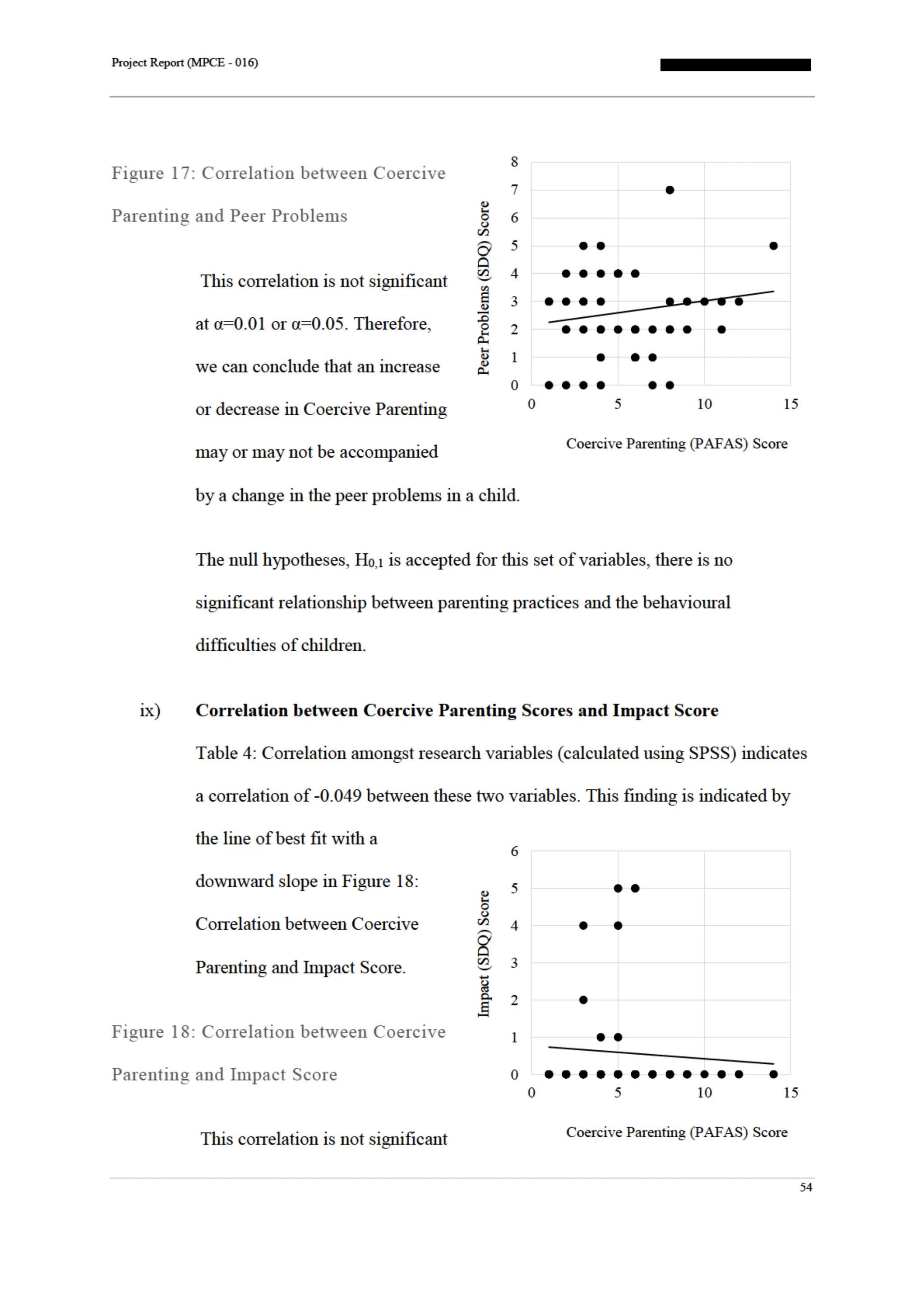
Figure 17: Correlation between Coercive Parenting and Peer Problems.................................56
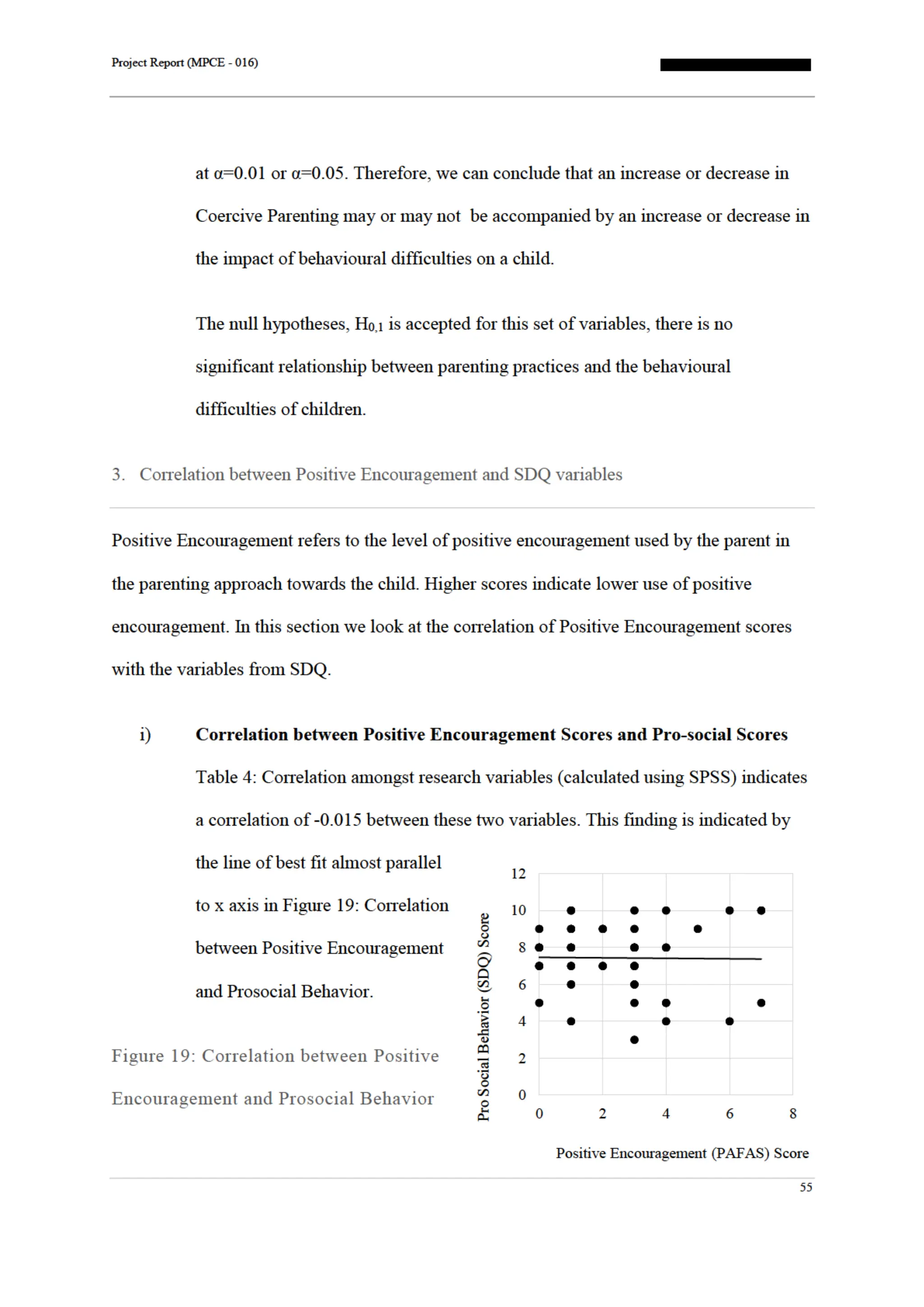
Figure 18: Correlation between Coercive Parenting and Impact Score...................................56
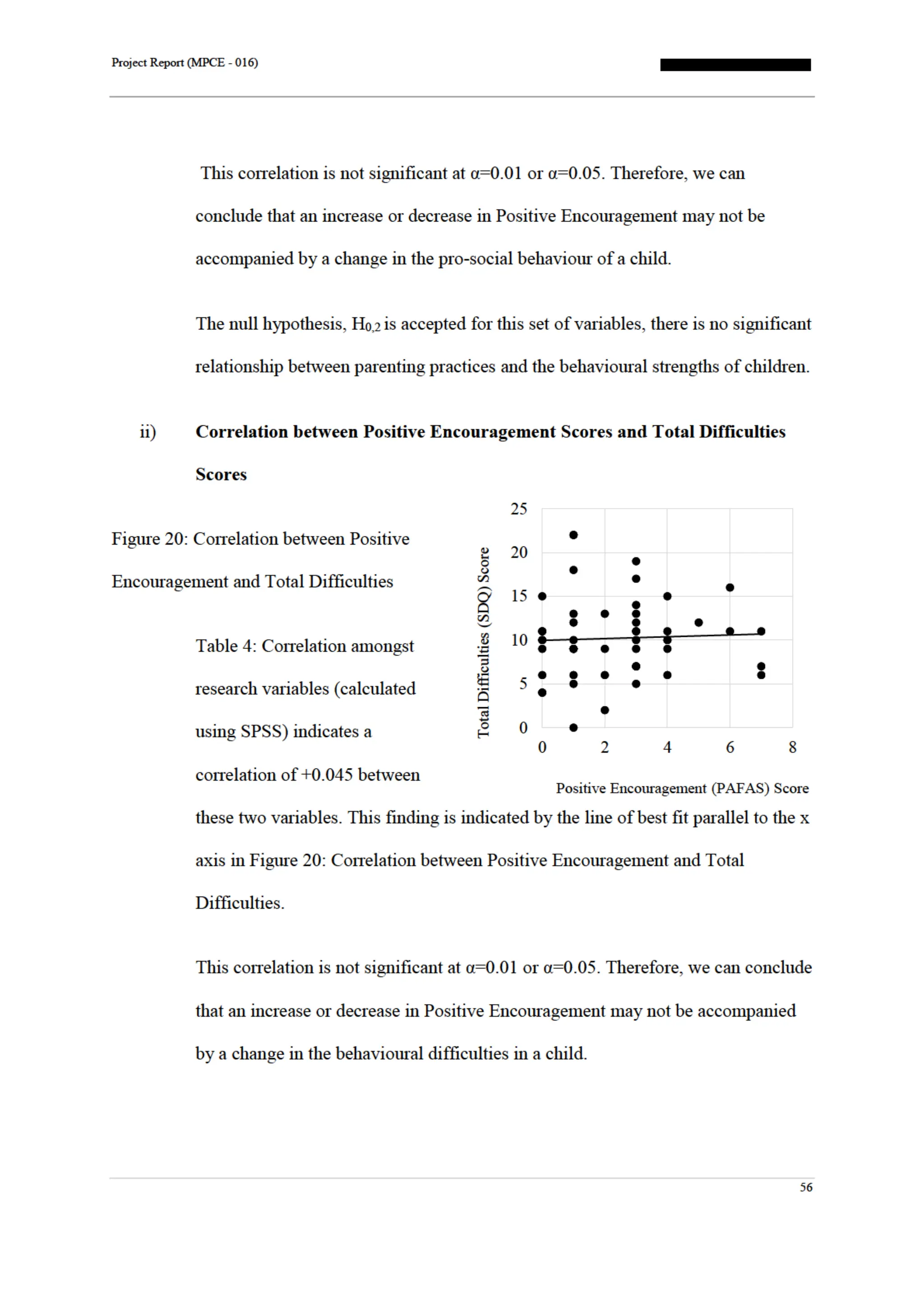
Figure 19: Correlation between Positive Encouragement and Prosocial Behavior .................57
Figure 20: Correlation between Positive Encouragement and Total Difficulties....................58
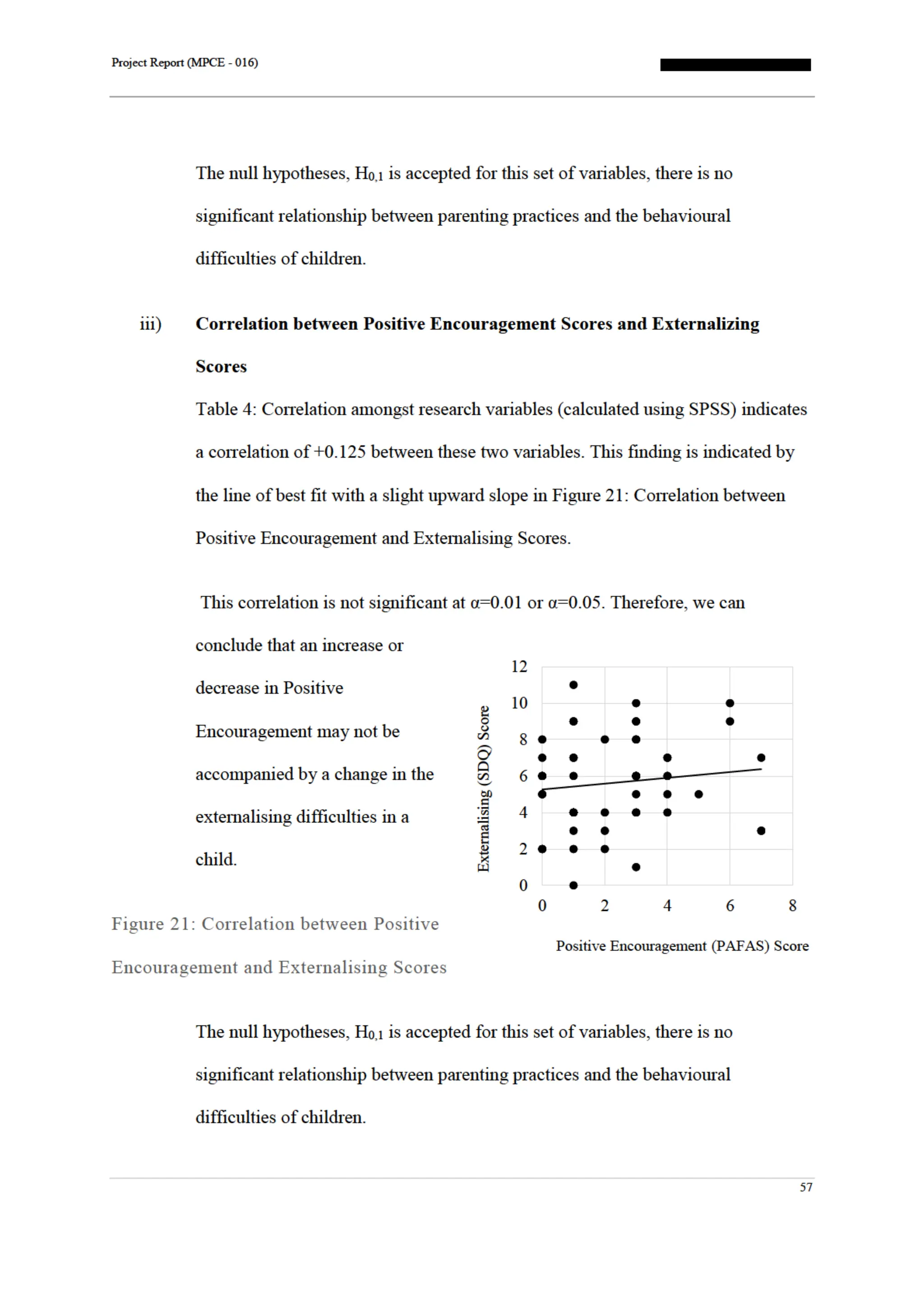
Figure 21: Correlation between Positive Encouragement and Externalising Scores...............59
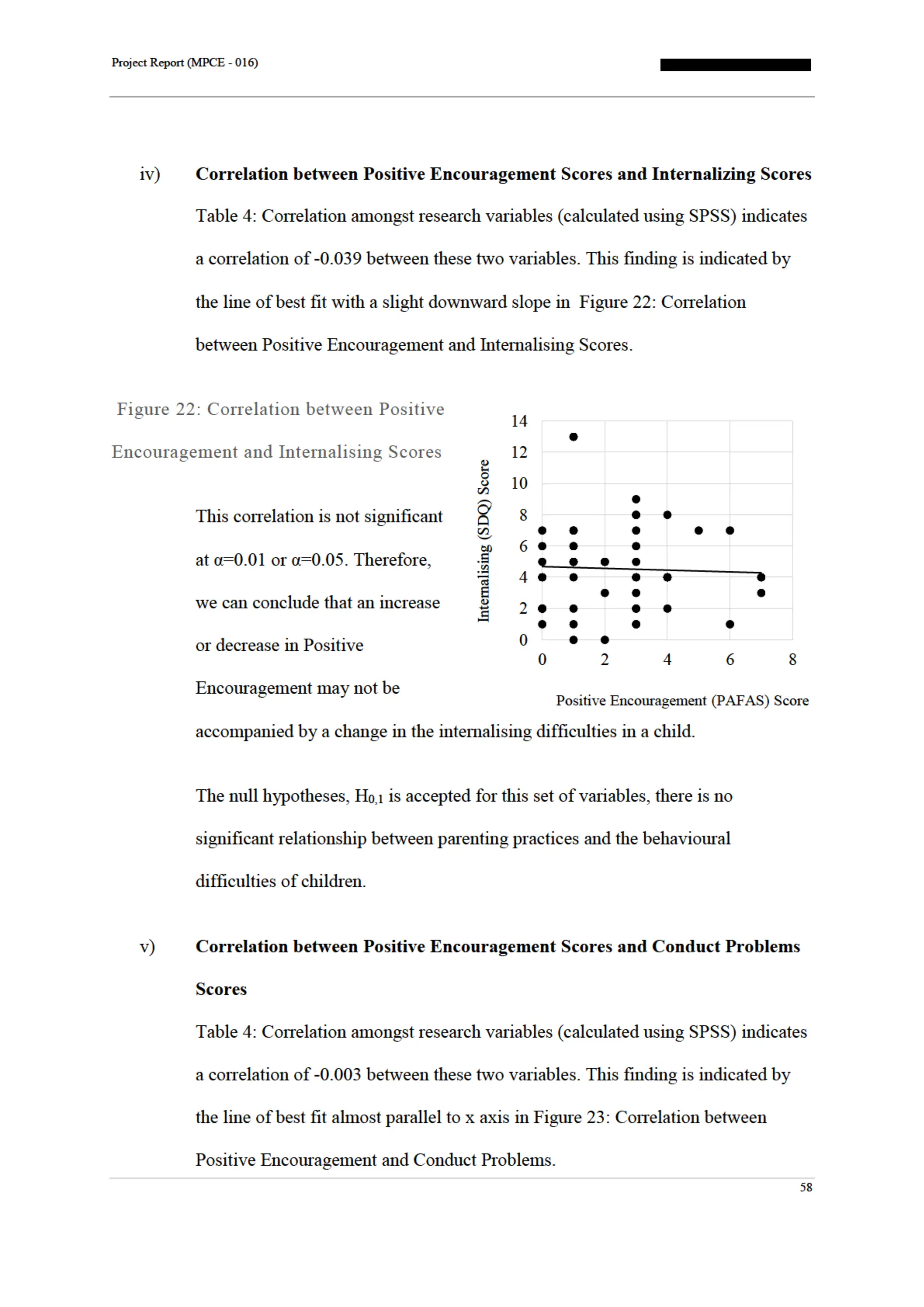
Figure 22: Correlation between Positive Encouragement and Internalising Scores...............60
Project Report (MPCE - 016)
10
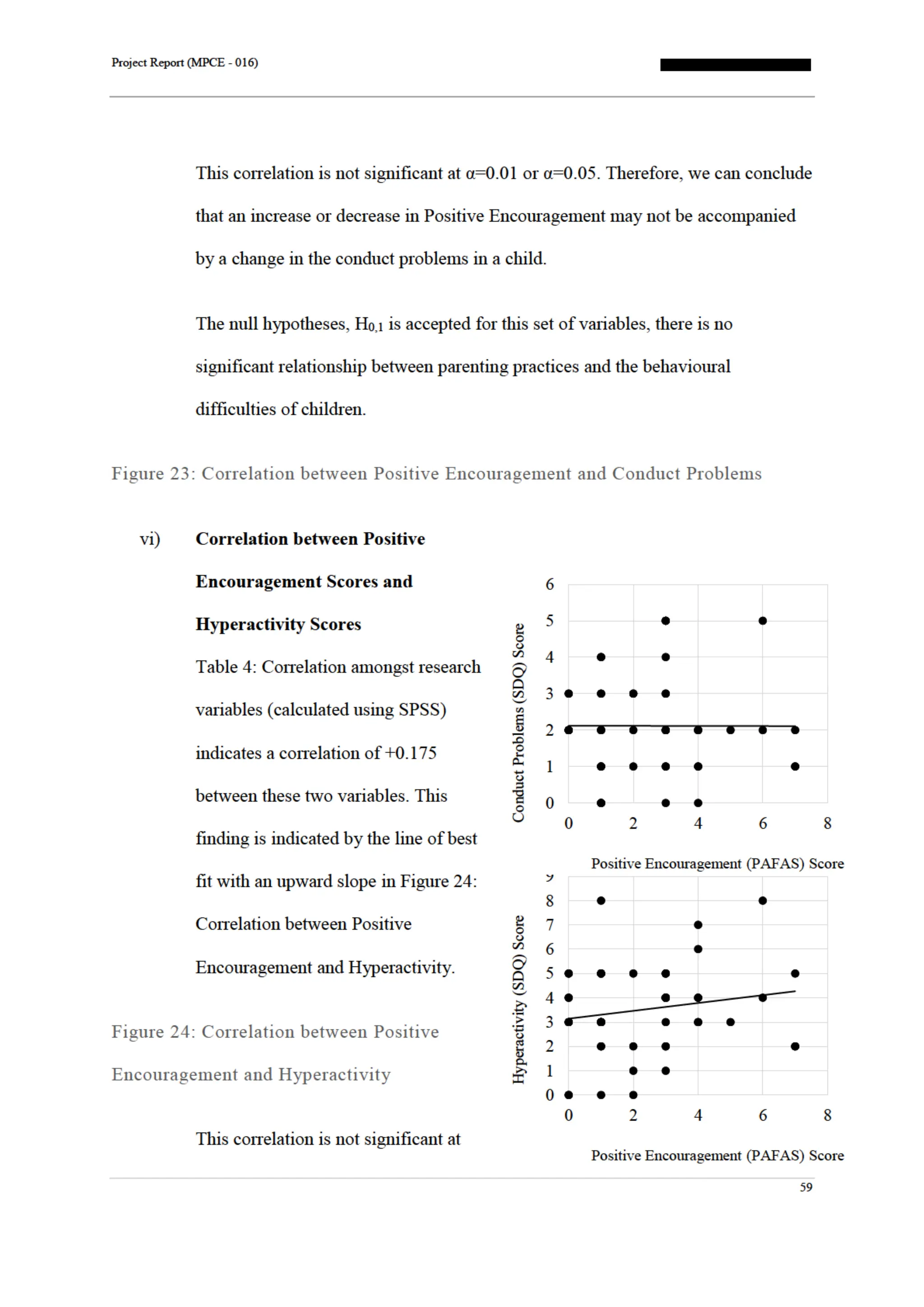
Figure 23: Correlation between Positive Encouragement and Conduct Problems..................61
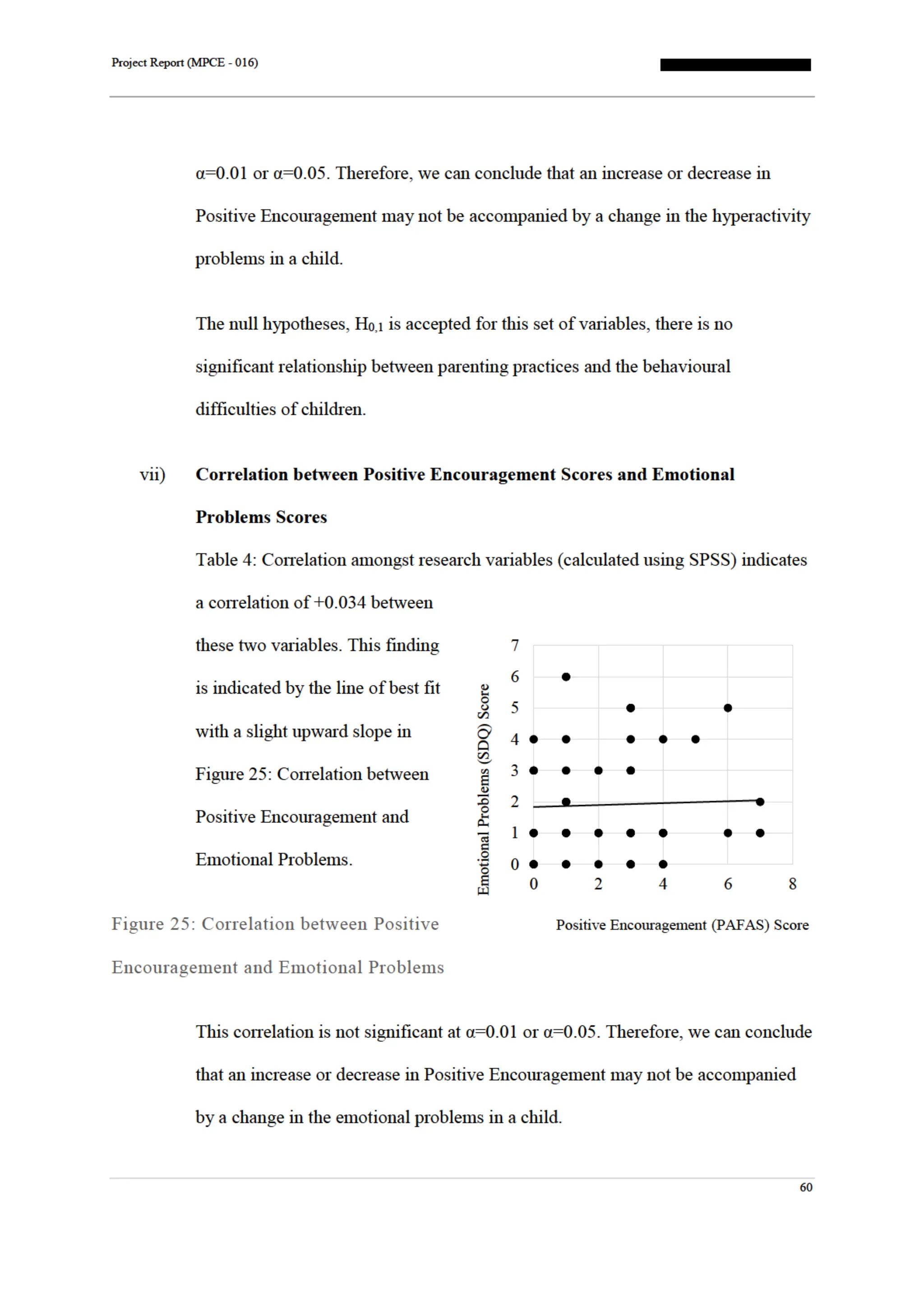
Figure 24: Correlation between Positive Encouragement and Hyperactivity..........................61
Figure 25: Correlation between Positive Encouragement and Emotional Problems...............62
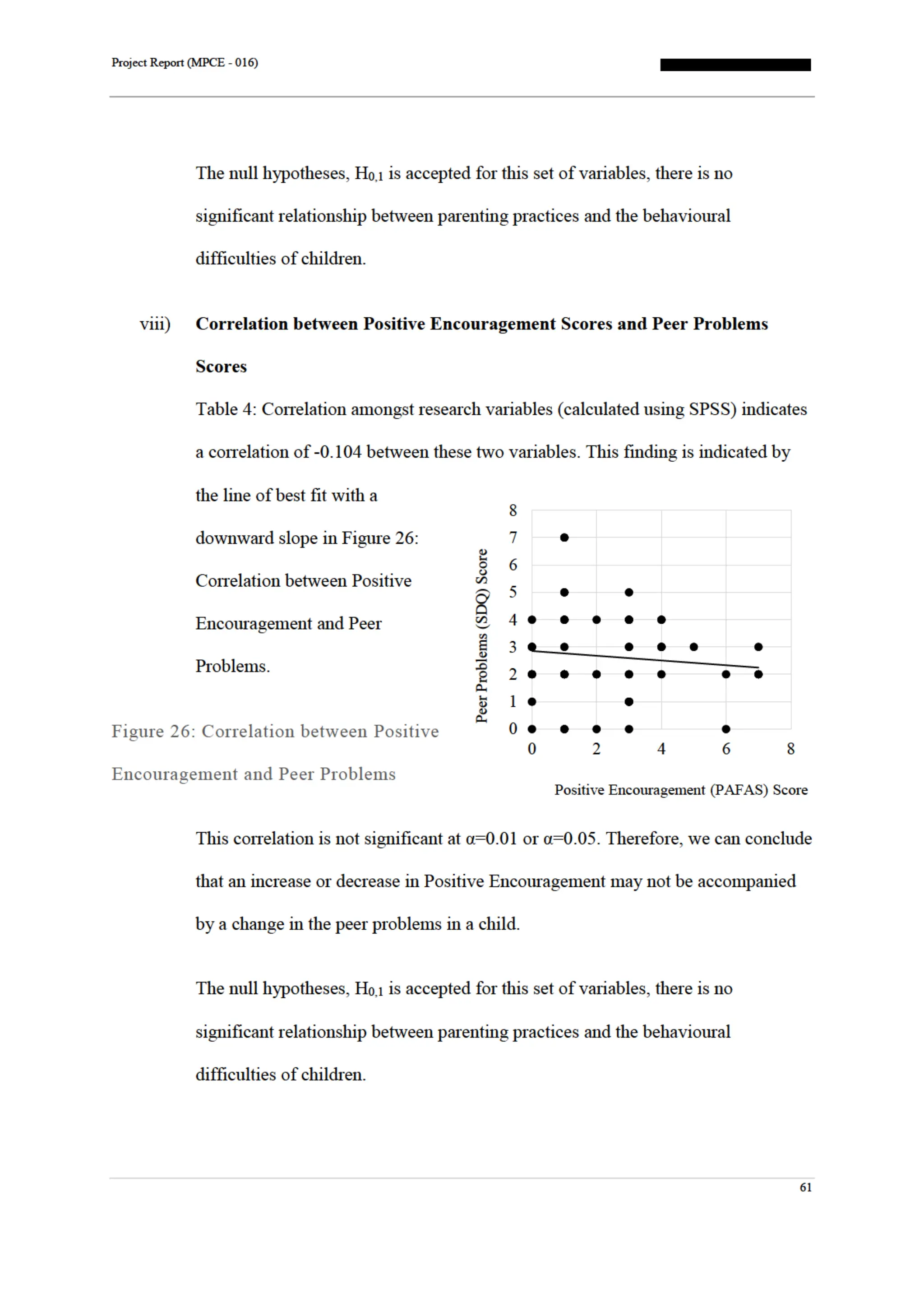
Figure 26: Correlation between Positive Encouragement and Peer Problems ........................63
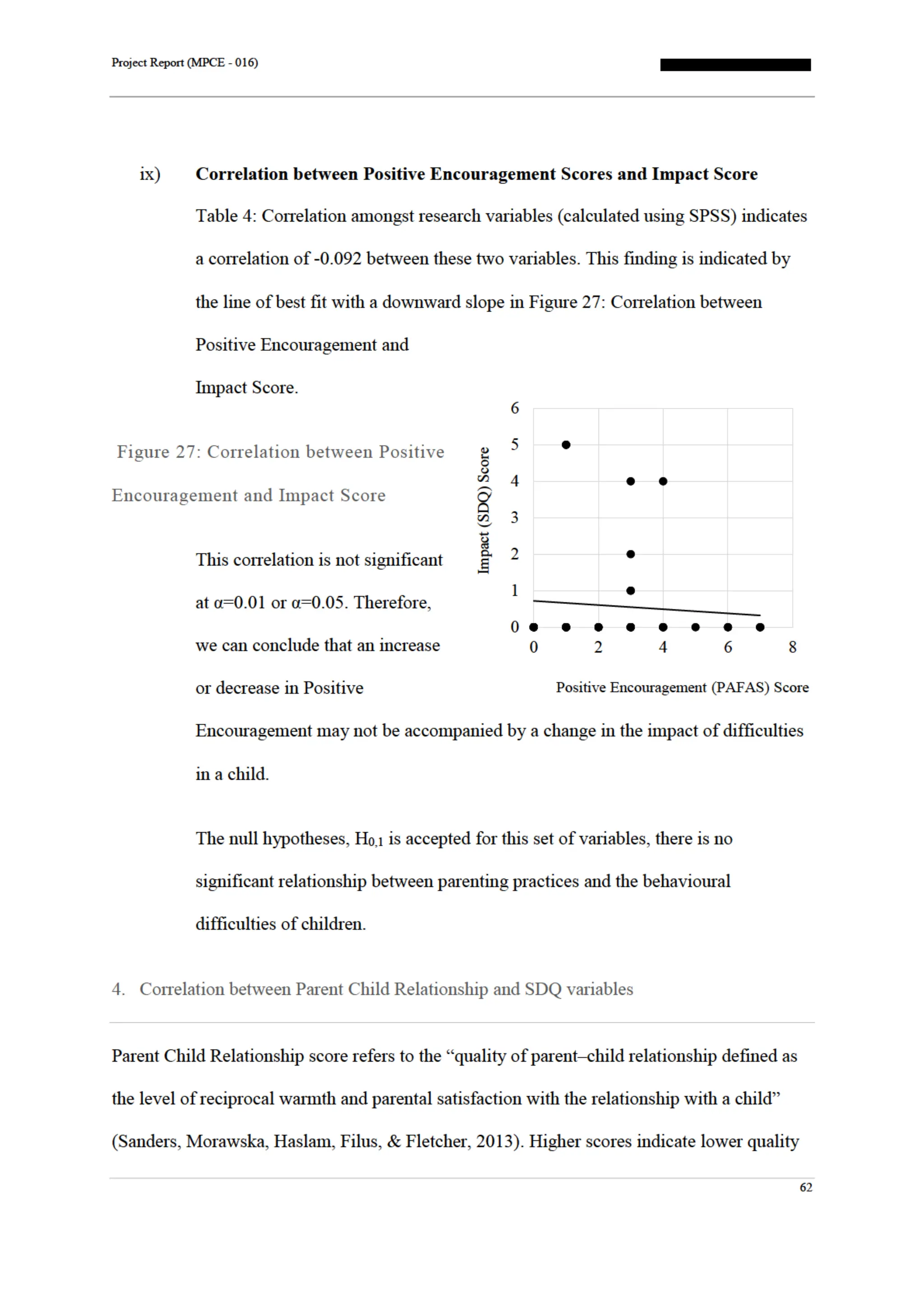
Figure 27: Correlation between Positive Encouragement and Impact Score .........................64
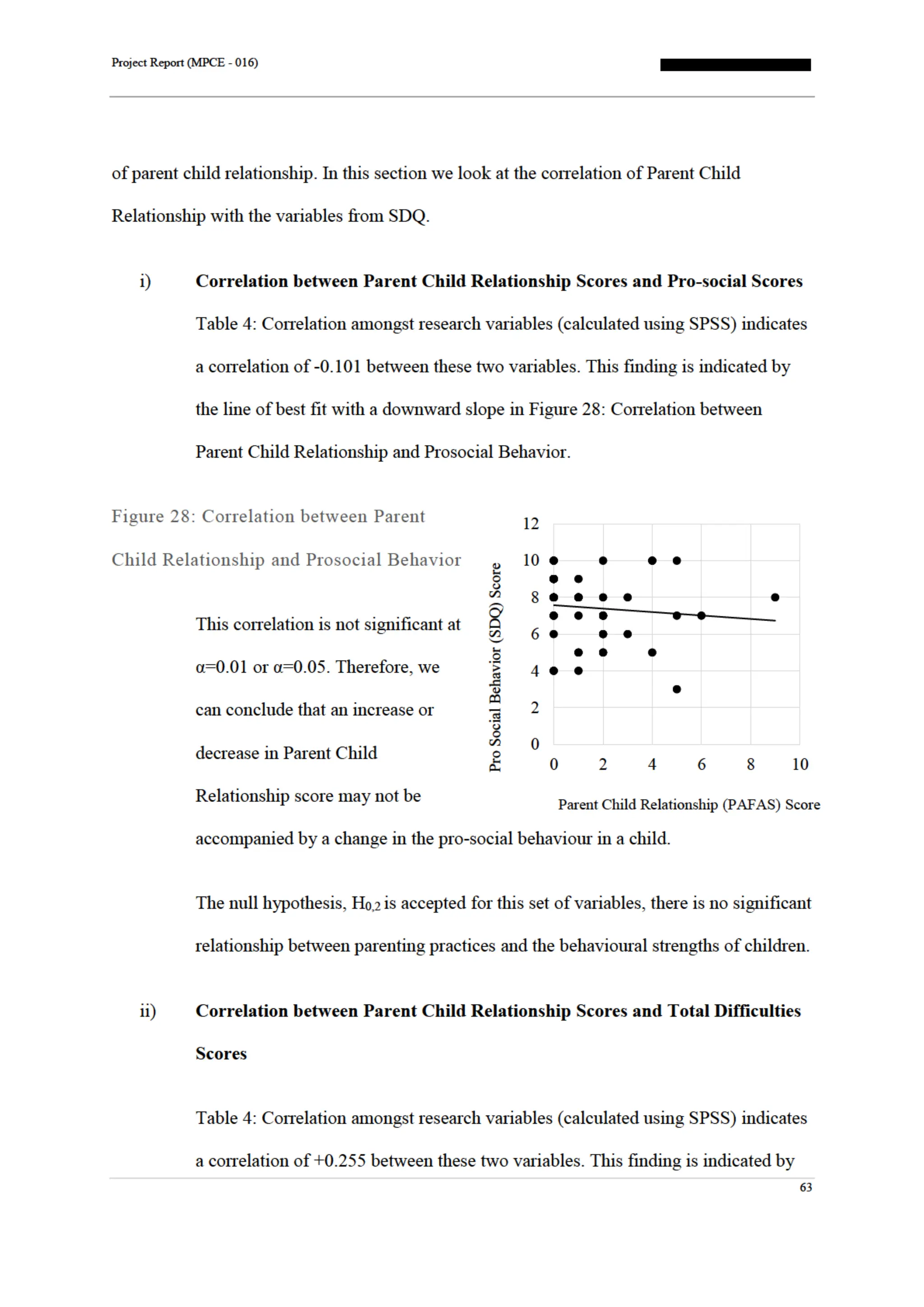
Figure 28: Correlation between Parent Child Relationship and Prosocial Behavior...............65
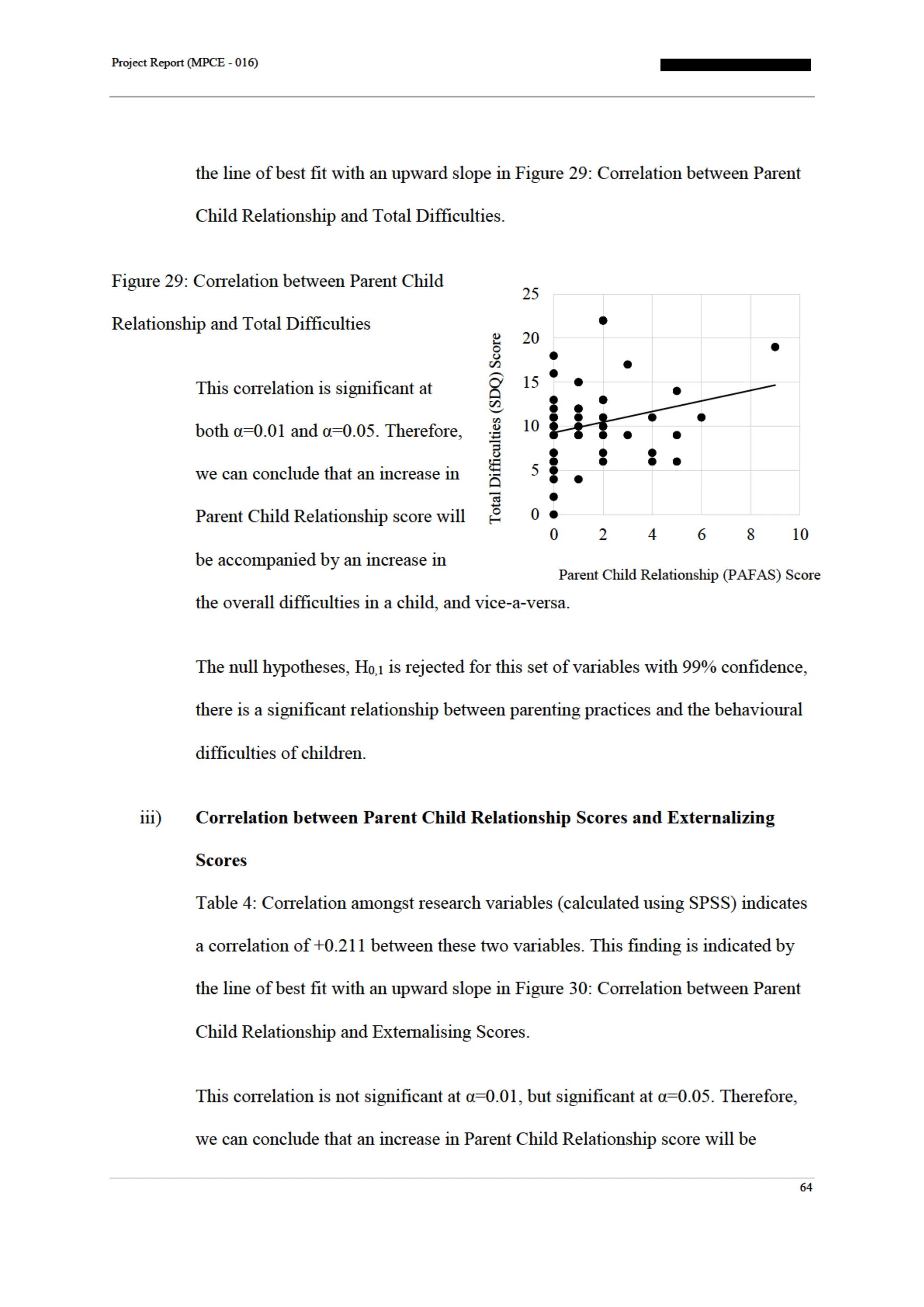
Figure 29: Correlation between Parent Child Relationship and Total Difficulties..................66
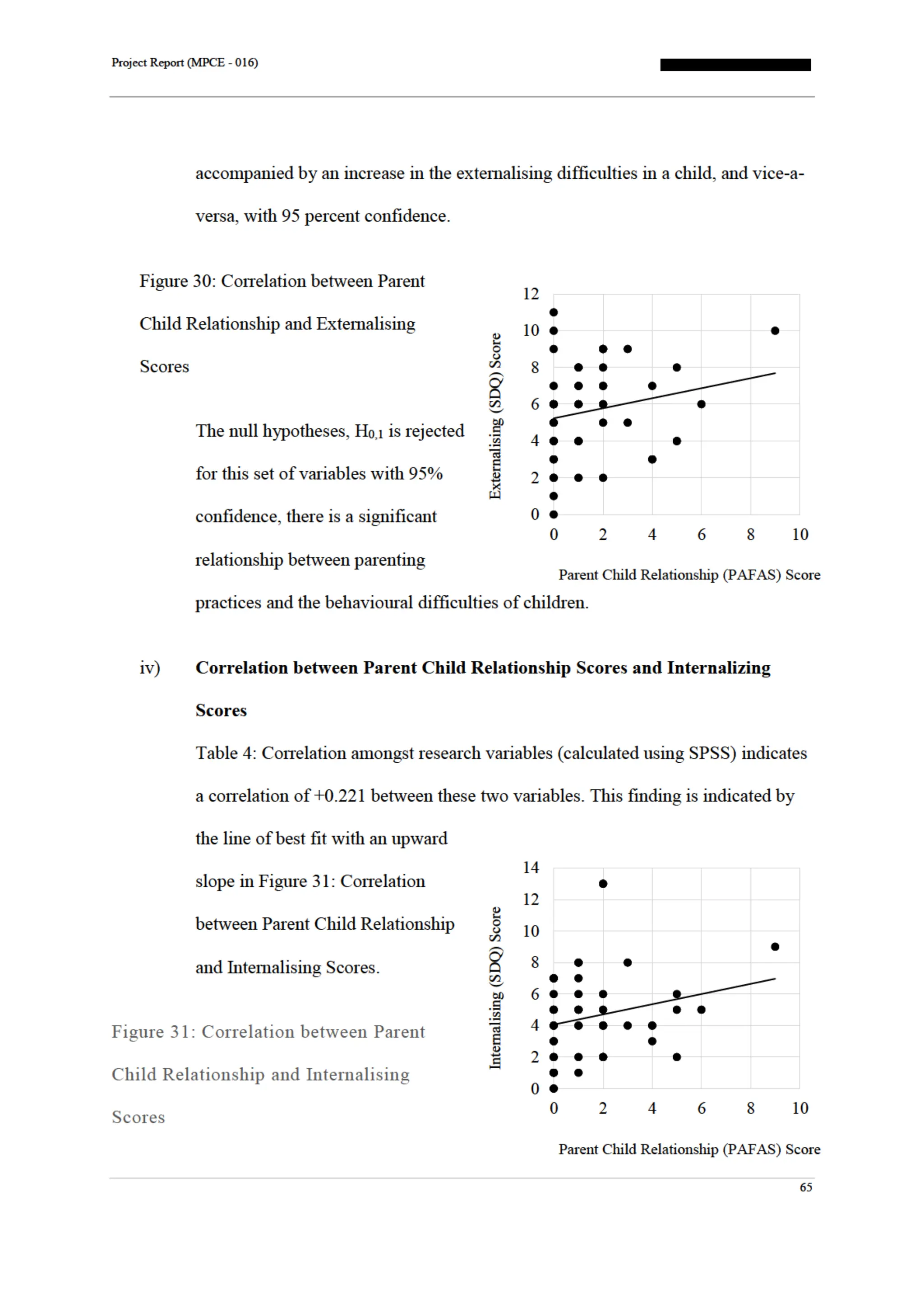
Figure 30: Correlation between Parent Child Relationship and Externalising Scores ............67
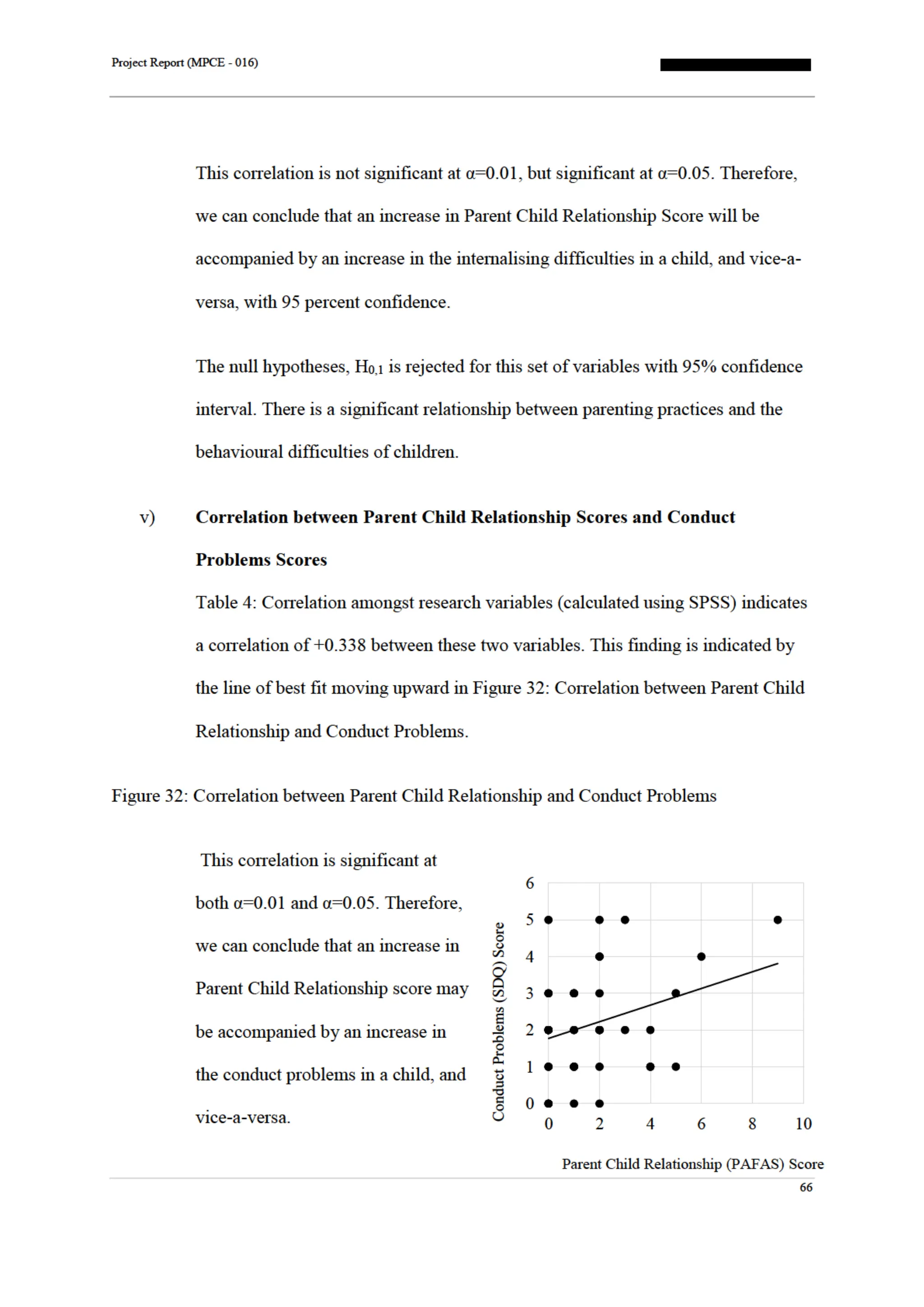
Figure 31: Correlation between Parent Child Relationship and Internalising Scores .............67
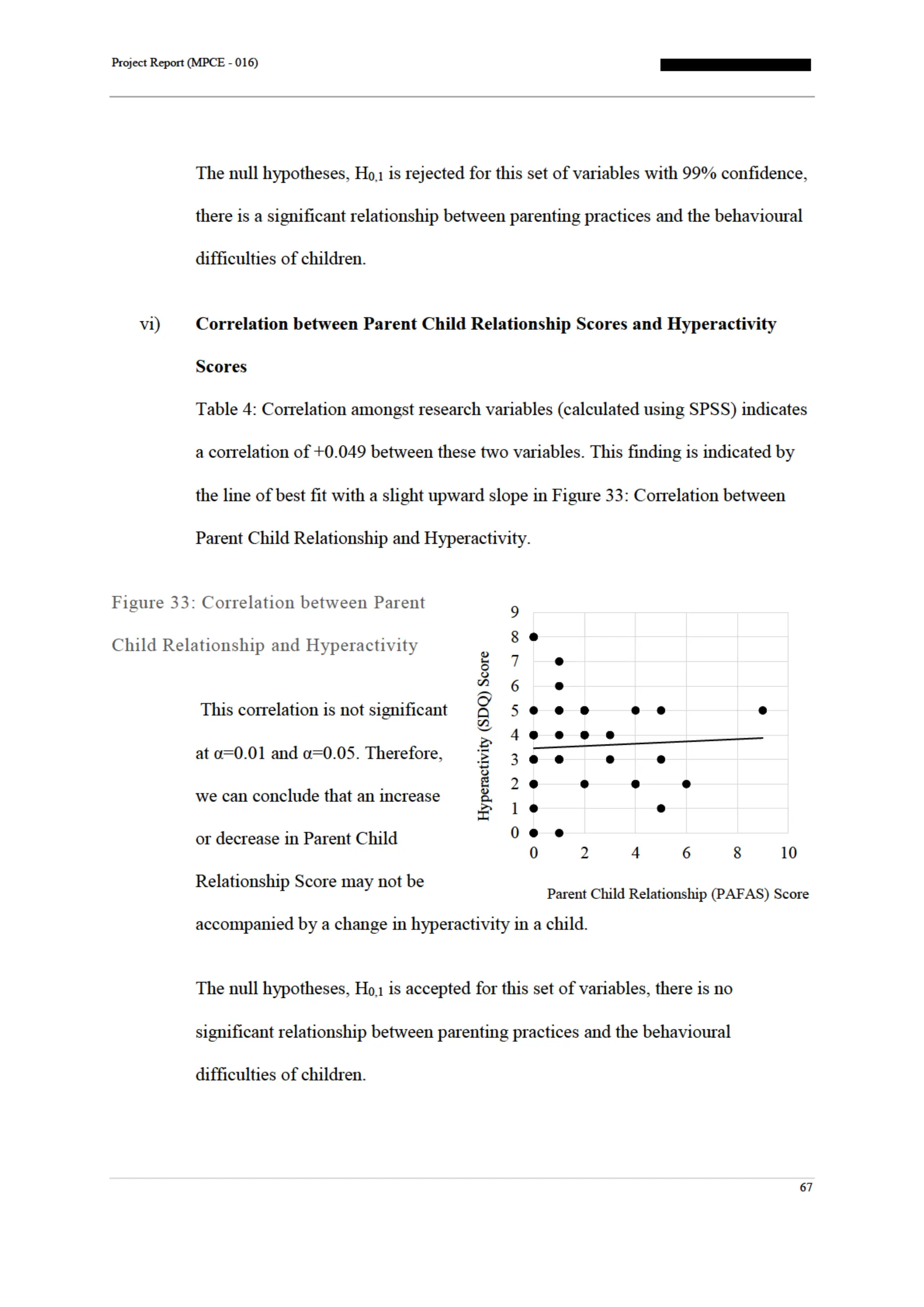
Figure 32: Correlation between Parent Child Relationship and Conduct Problems................68
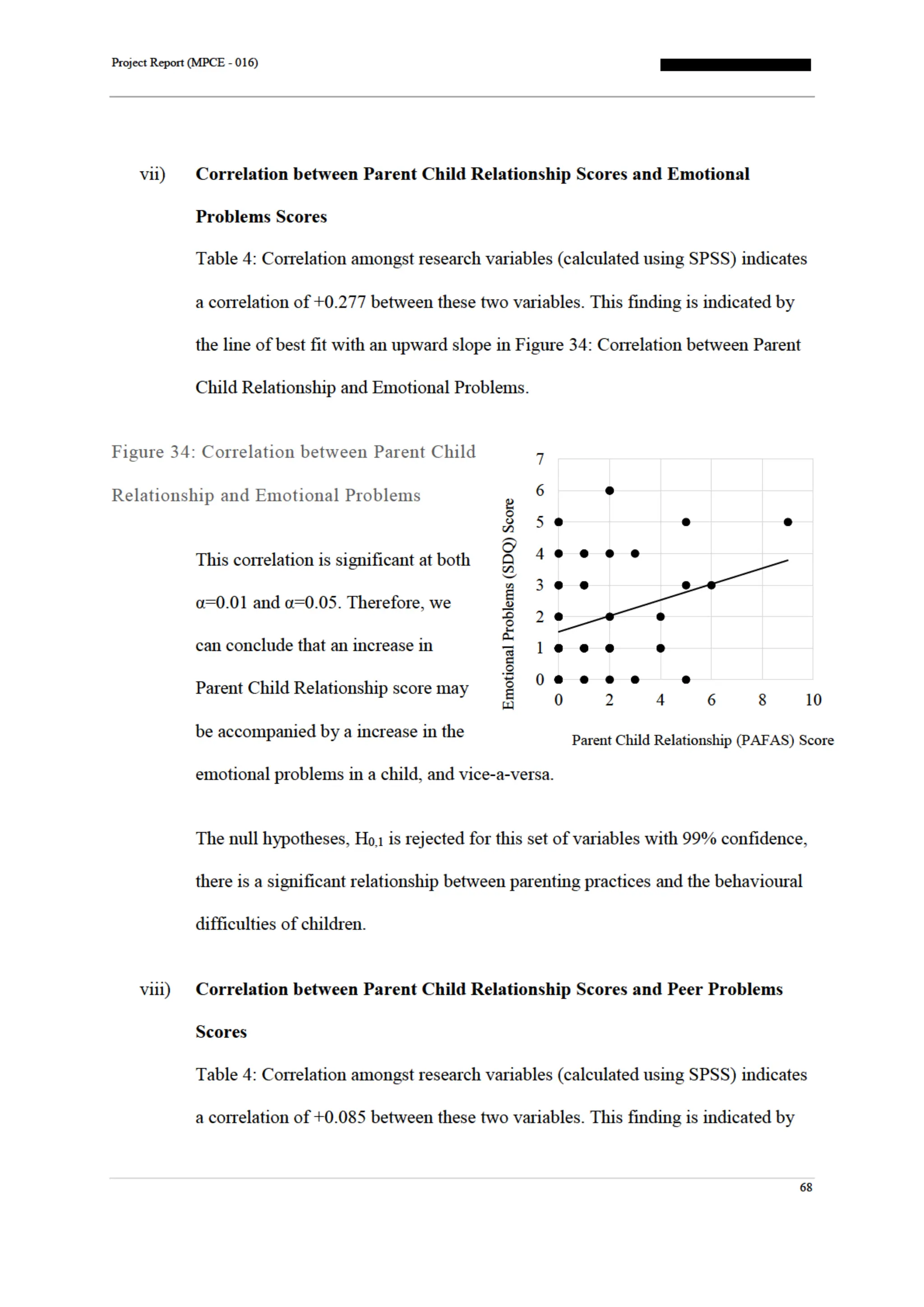
Figure 33: Correlation between Parent Child Relationship and Hyperactivity .......................69
Figure 34: Correlation between Parent Child Relationship and Emotional Problems.............70
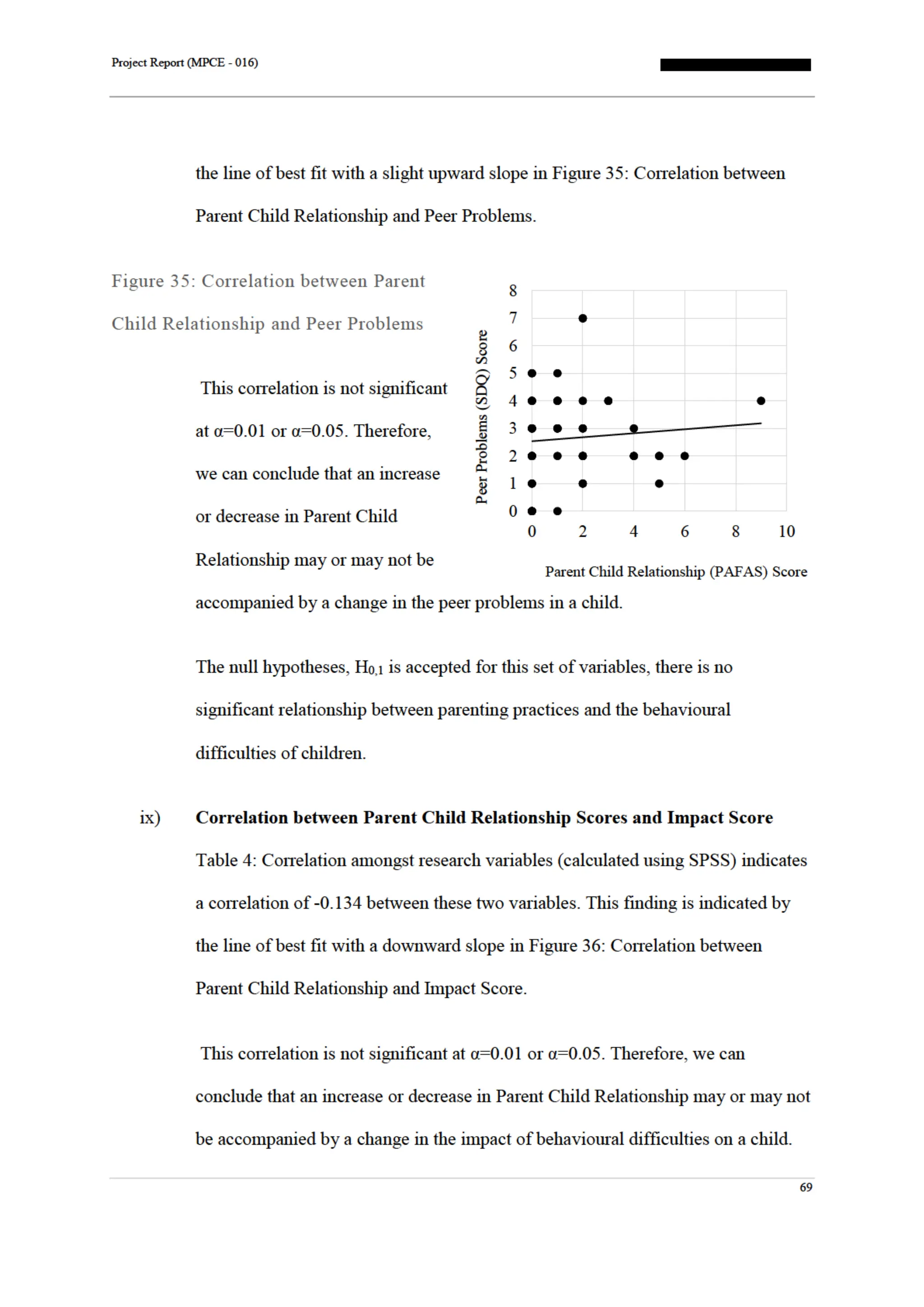
Figure 35: Correlation between Parent Child Relationship and Peer Problems......................71
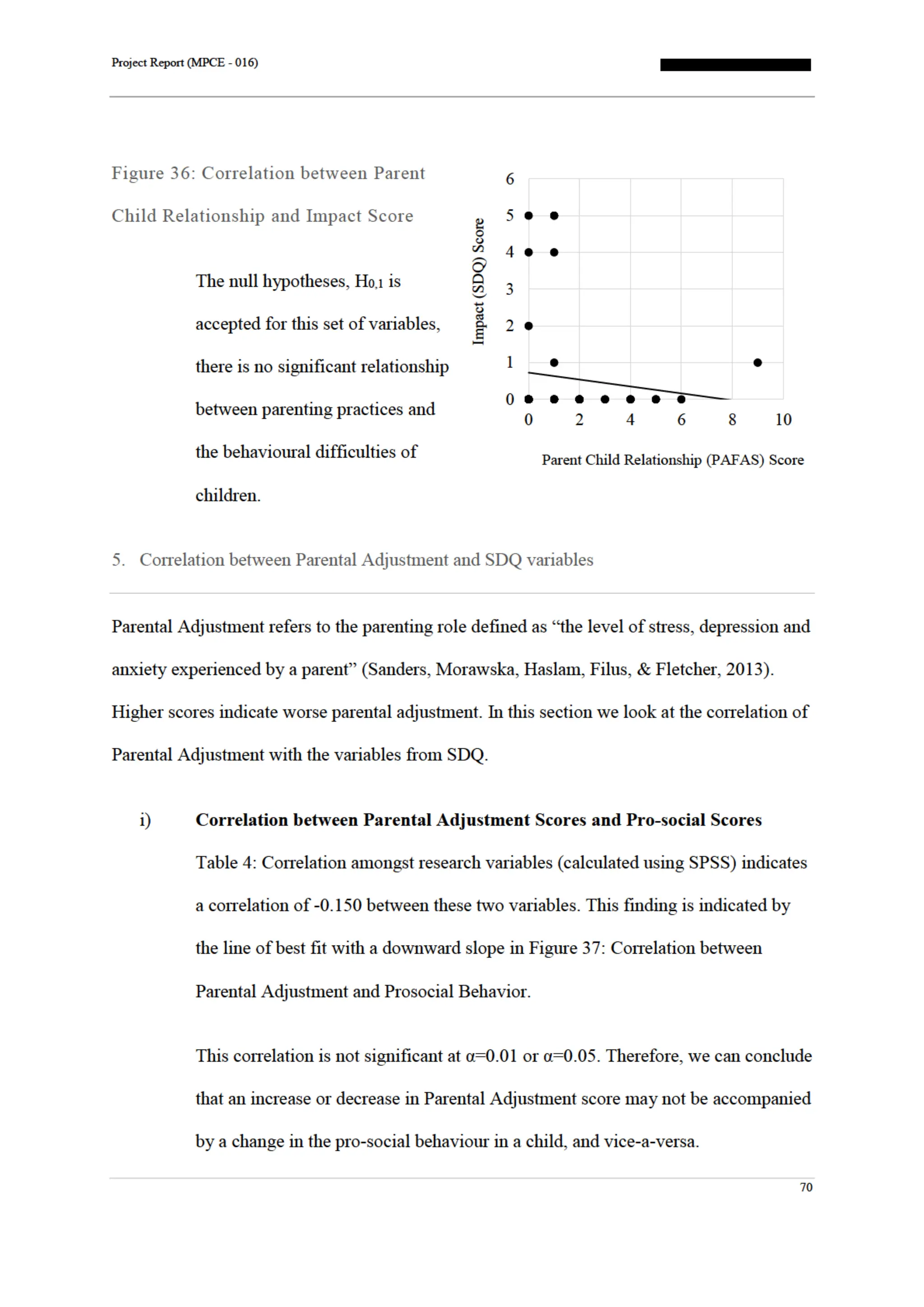
Figure 36: Correlation between Parent Child Relationship and Impact Score ........................72
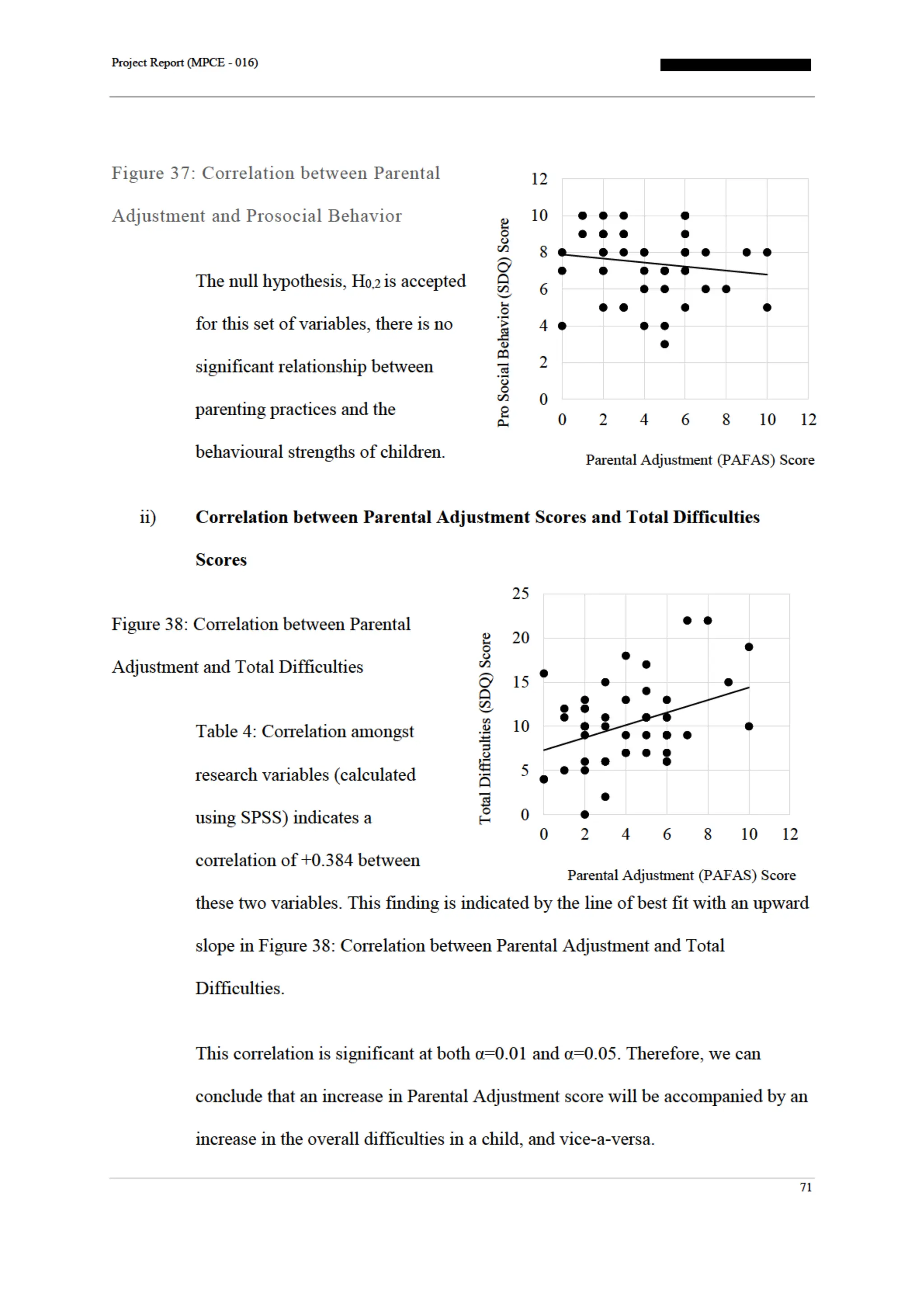
Figure 37: Correlation between Parental Adjustment and Prosocial Behavior .......................73
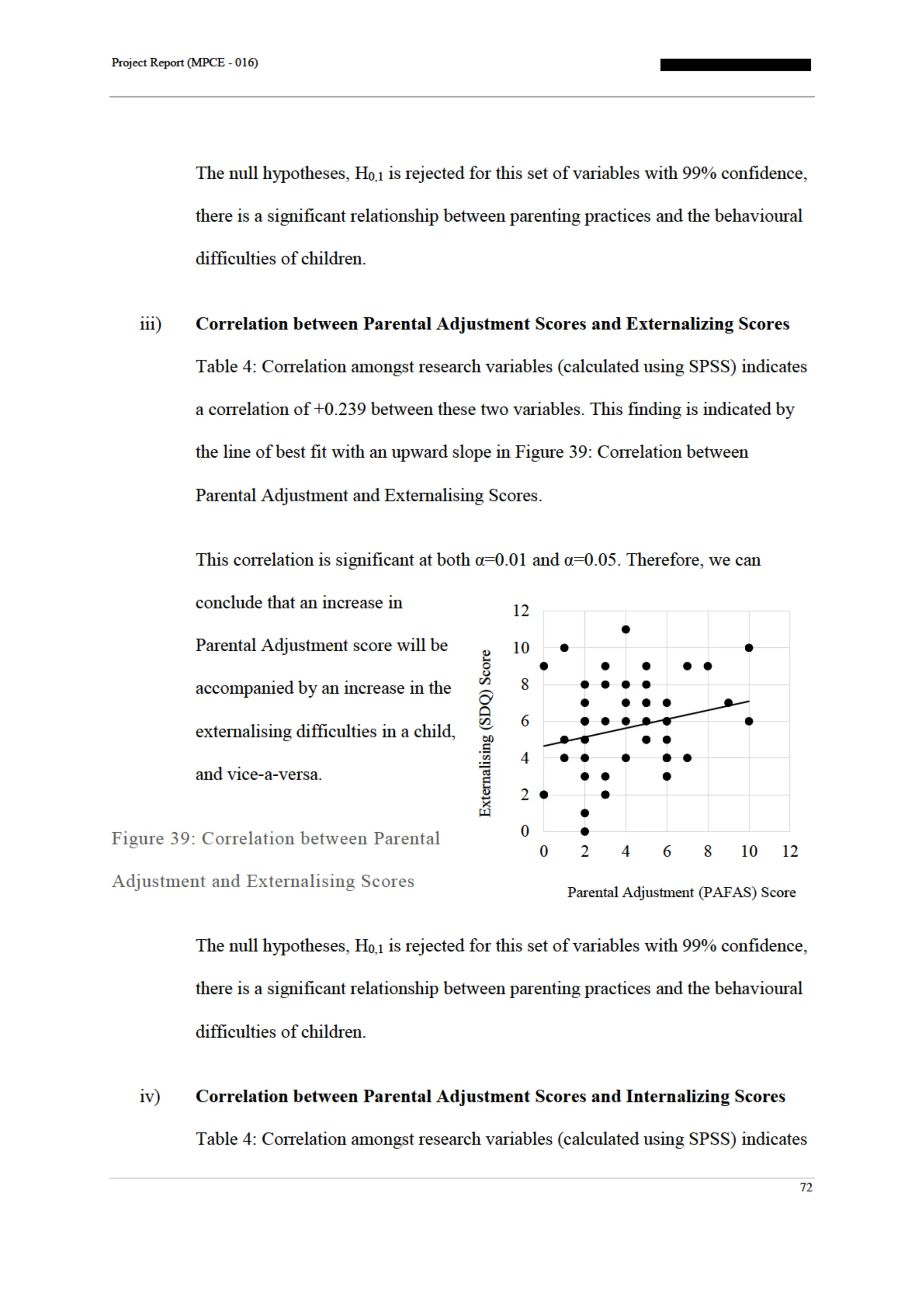
Figure 38: Correlation between Parental Adjustment and Total Difficulties ..........................73
Figure 39: Correlation between Parental Adjustment and Externalising Scores.....................74
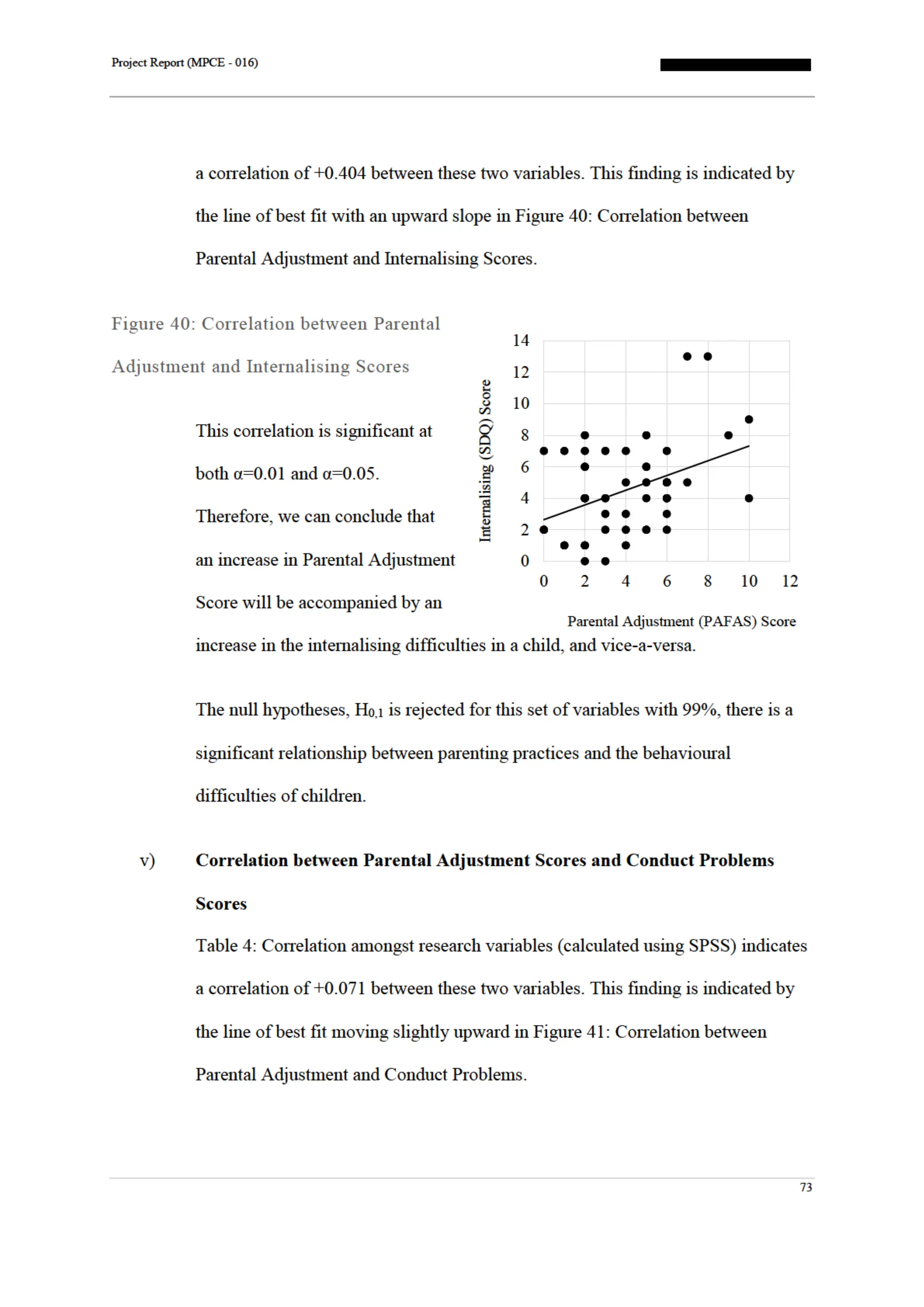
Figure 40: Correlation between Parental Adjustment and Internalising Scores......................75
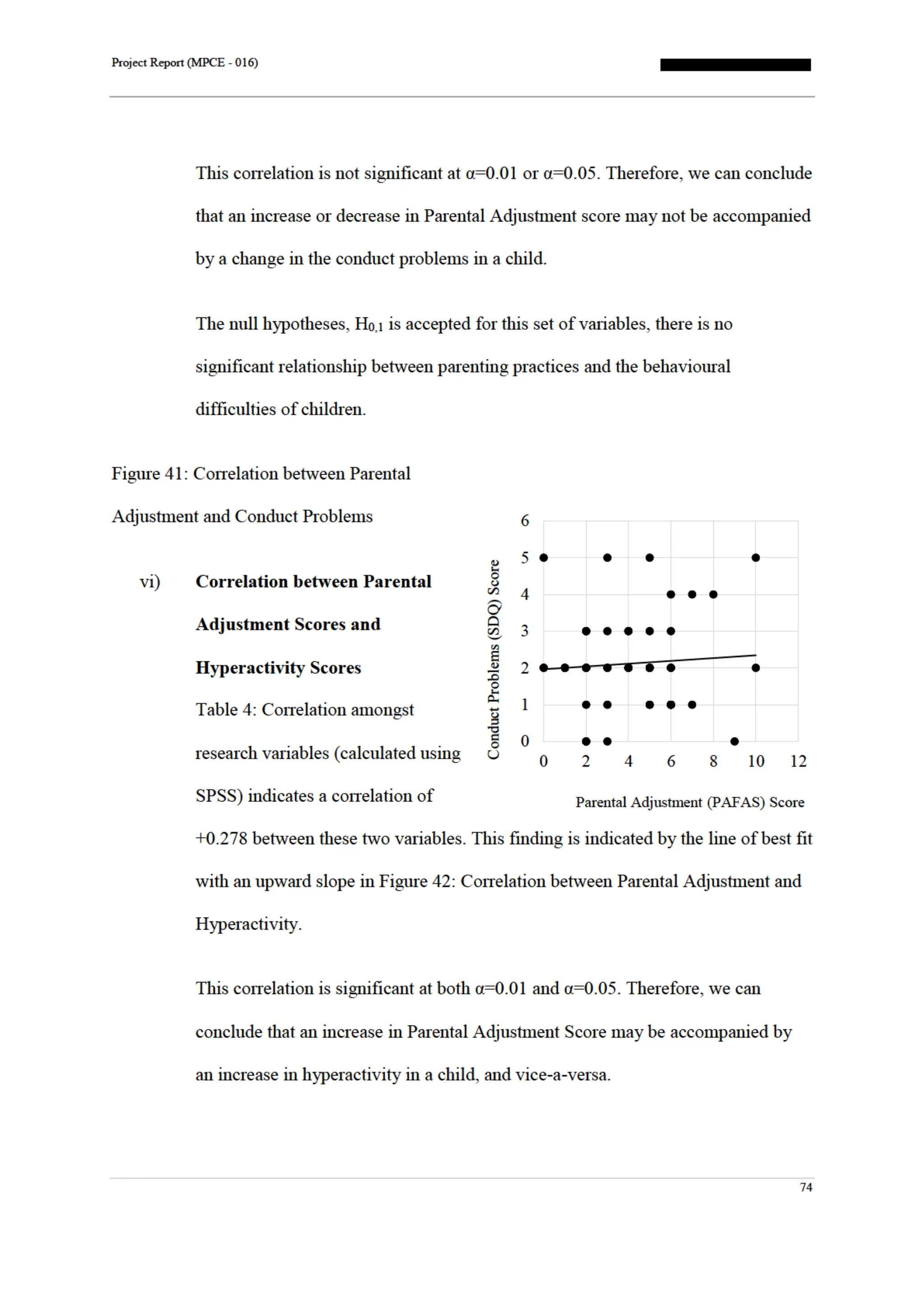
Figure 41: Correlation between Parental Adjustment and Conduct Problems ........................76
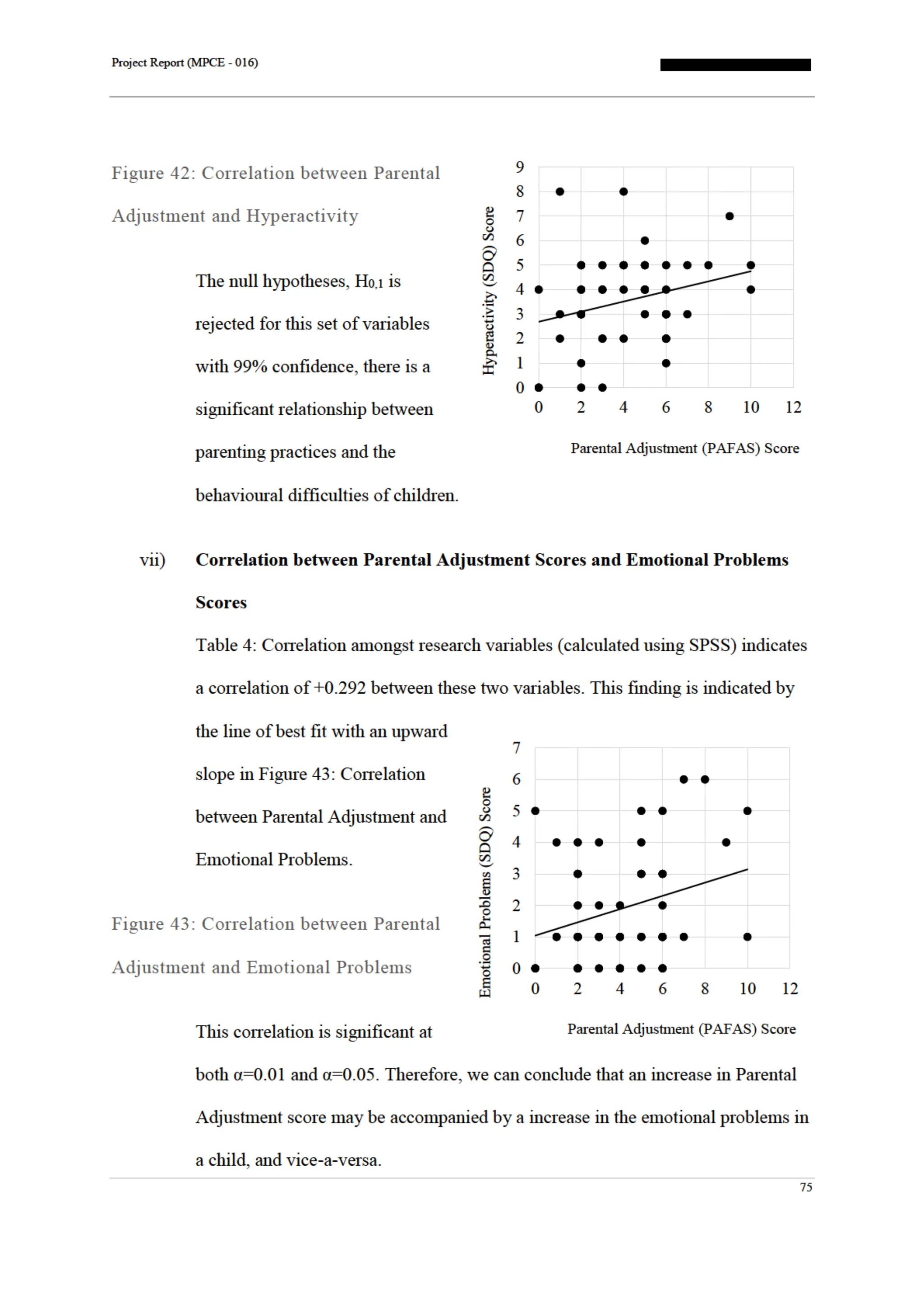
Figure 42: Correlation between Parental Adjustment and Hyperactivity................................77
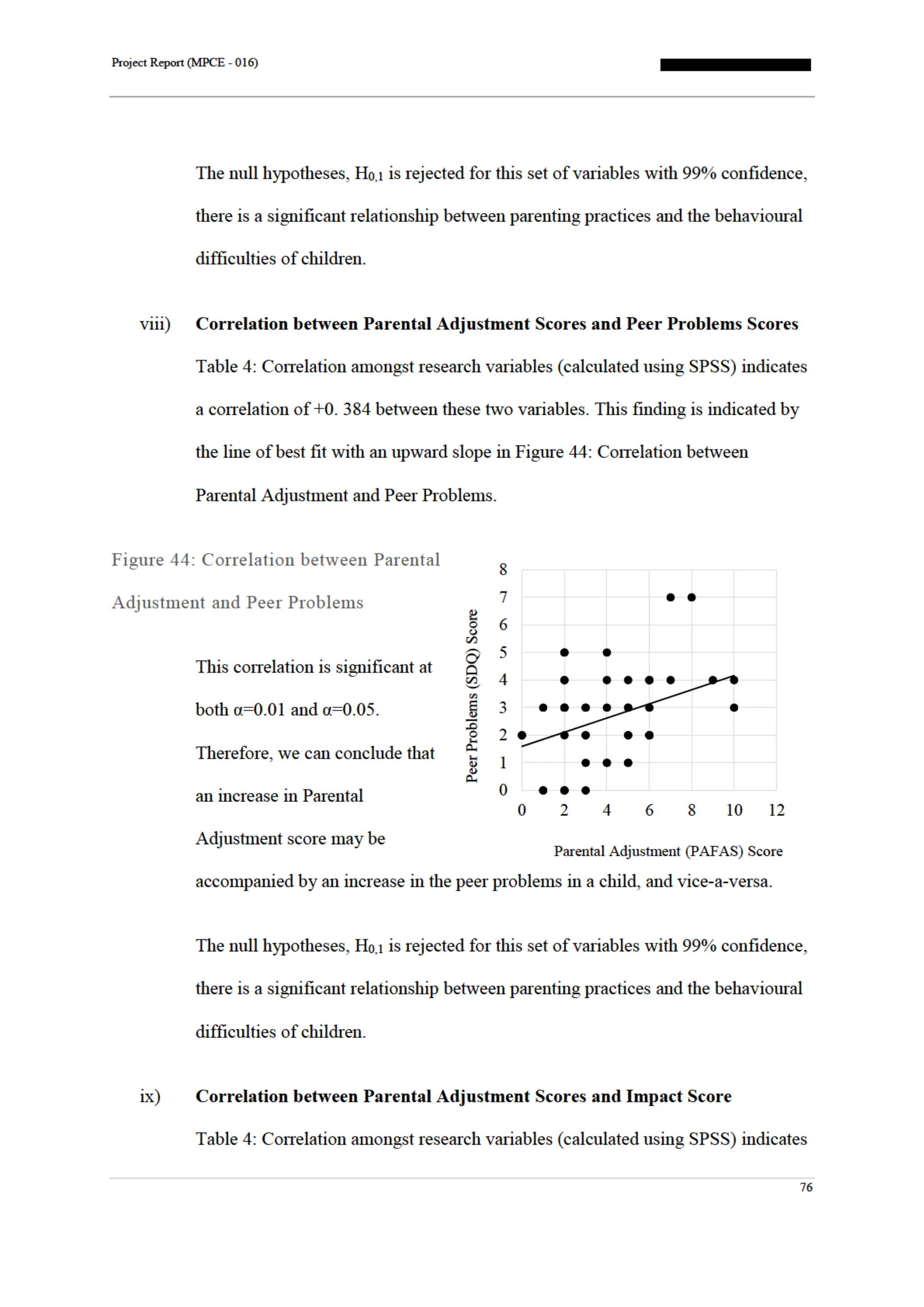
Figure 43: Correlation between Parental Adjustment and Emotional Problems .....................77
Figure 44: Correlation between Parental Adjustment and Peer Problems...............................78
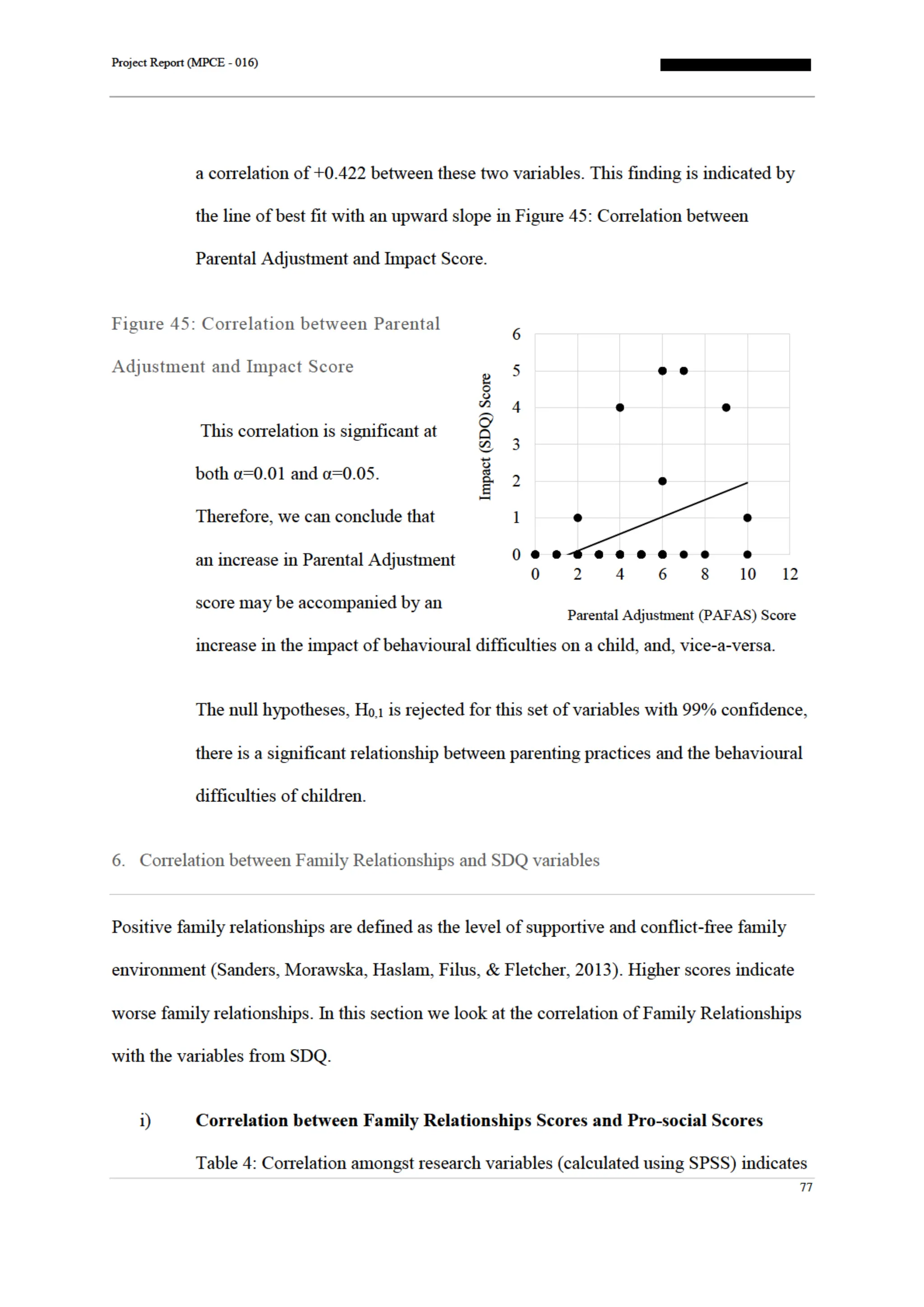
Figure 45: Correlation between Parental Adjustment and Impact Score.................................79
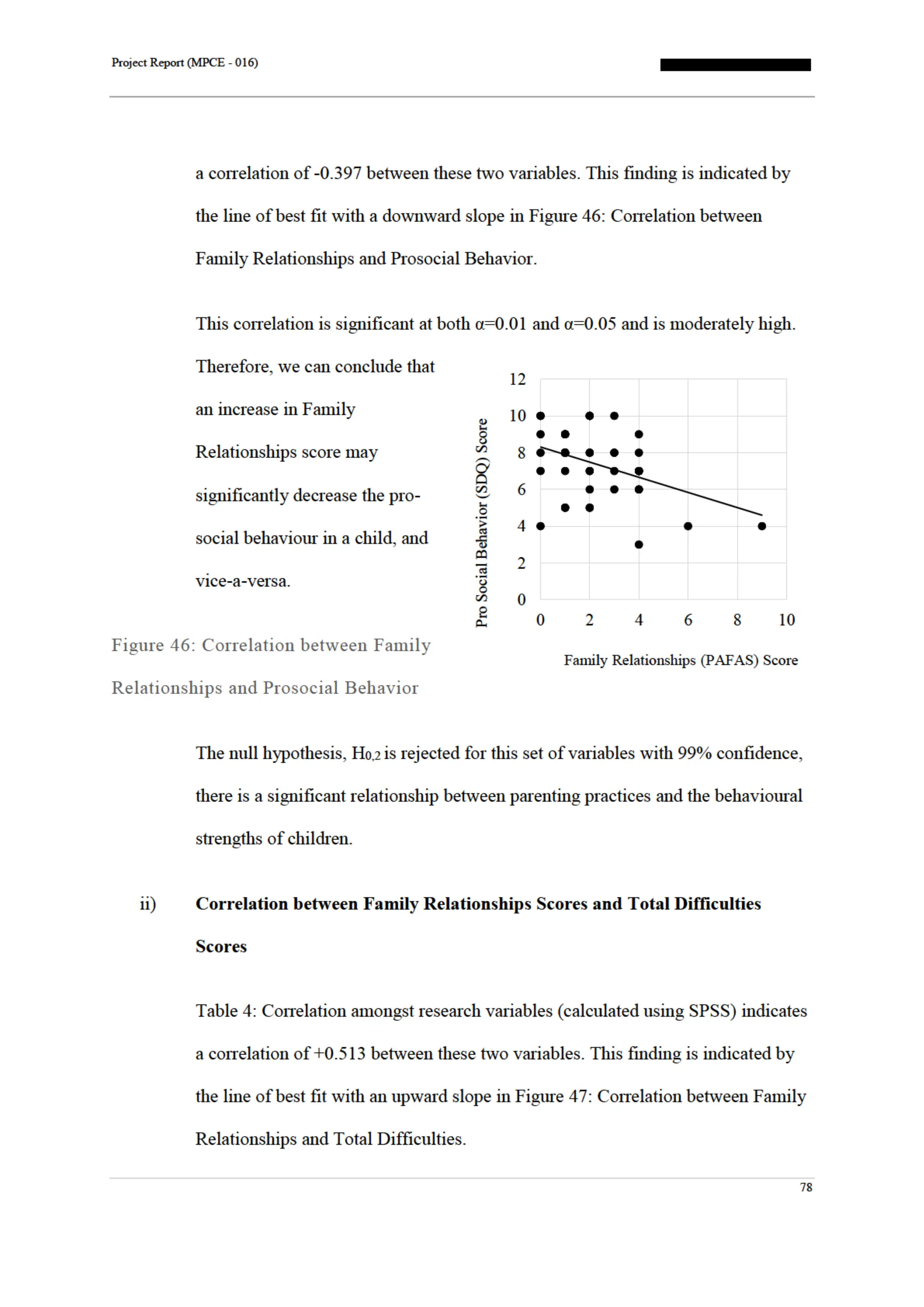
Figure 46: Correlation between Family Relationships and Prosocial Behavior......................80
Project Report (MPCE - 016)
11
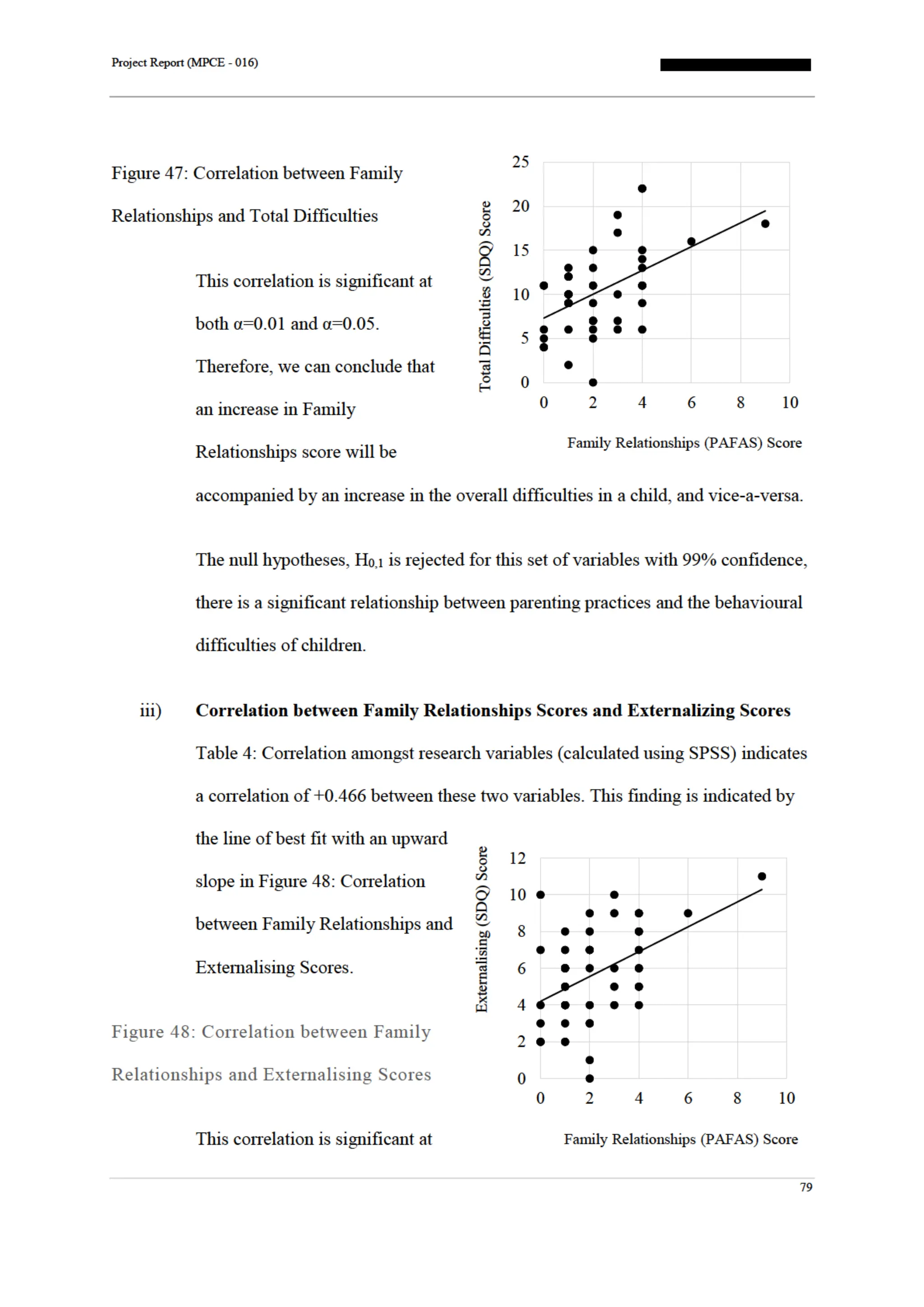
Figure 47: Correlation between Family Relationships and Total Difficulties.........................81
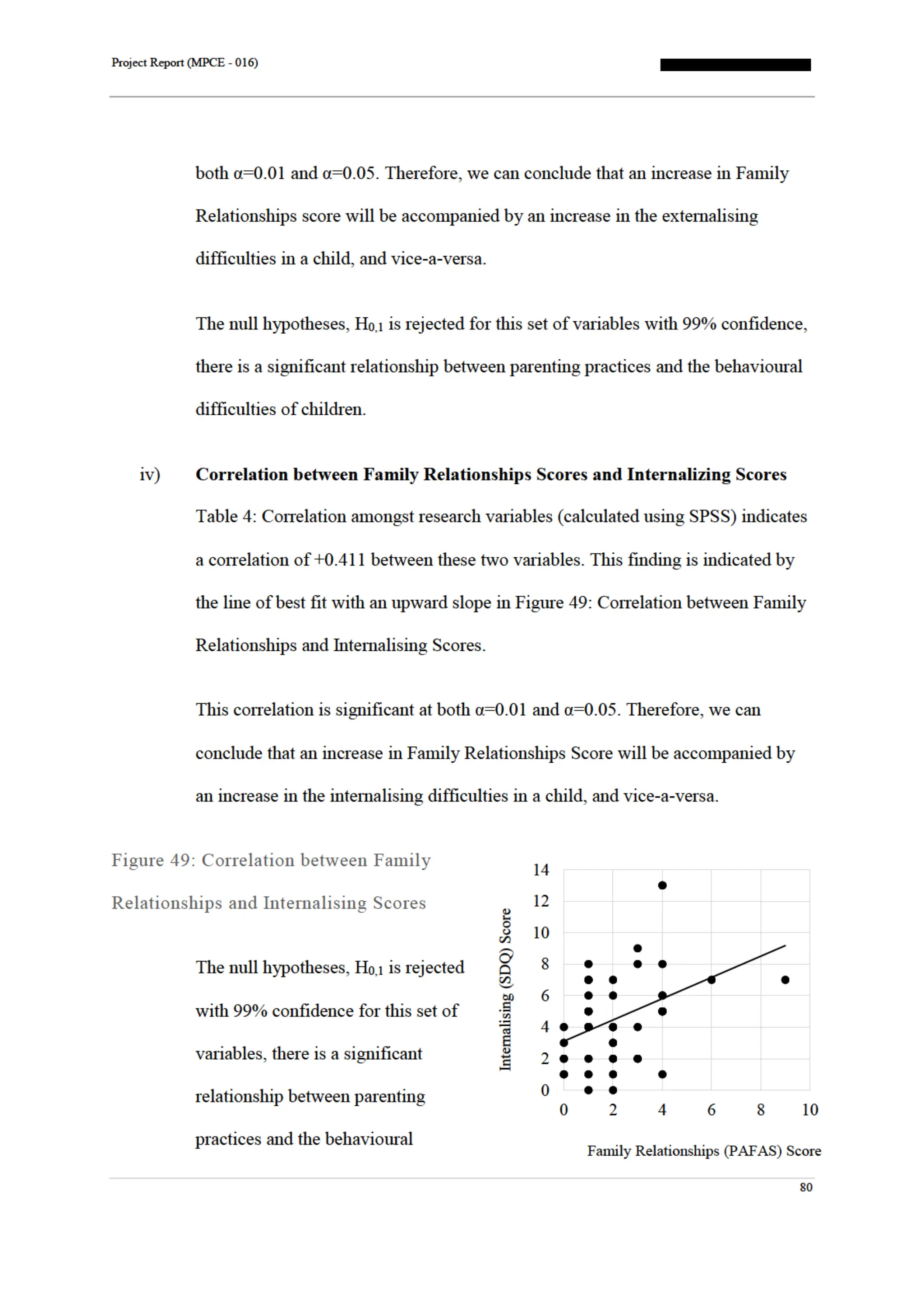
Figure 48: Correlation between Family Relationships and Externalising Scores....................81
Figure 49: Correlation between Family Relationships and Internalising Scores.....................82
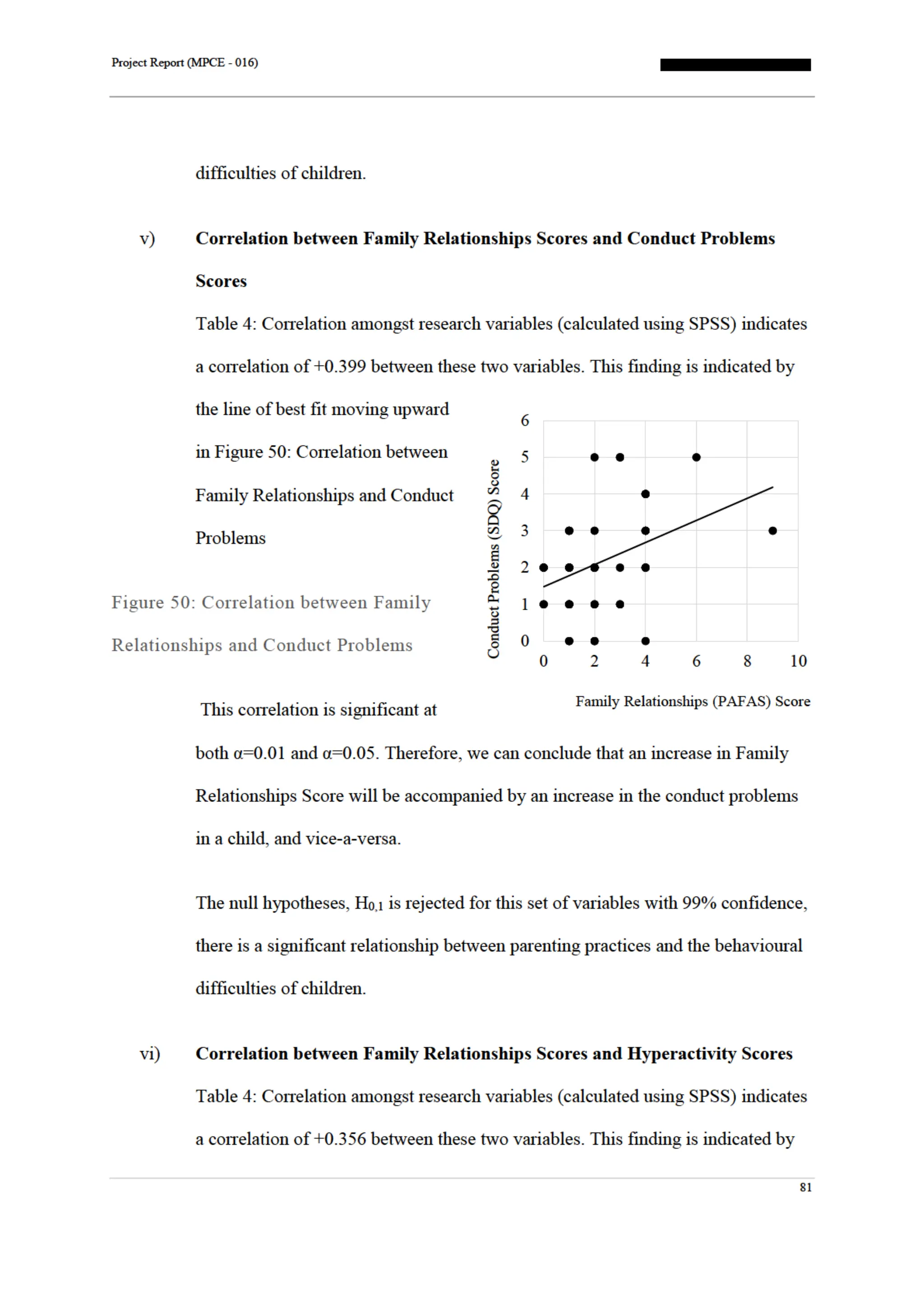
Figure 50: Correlation between Family Relationships and Conduct Problems.......................83
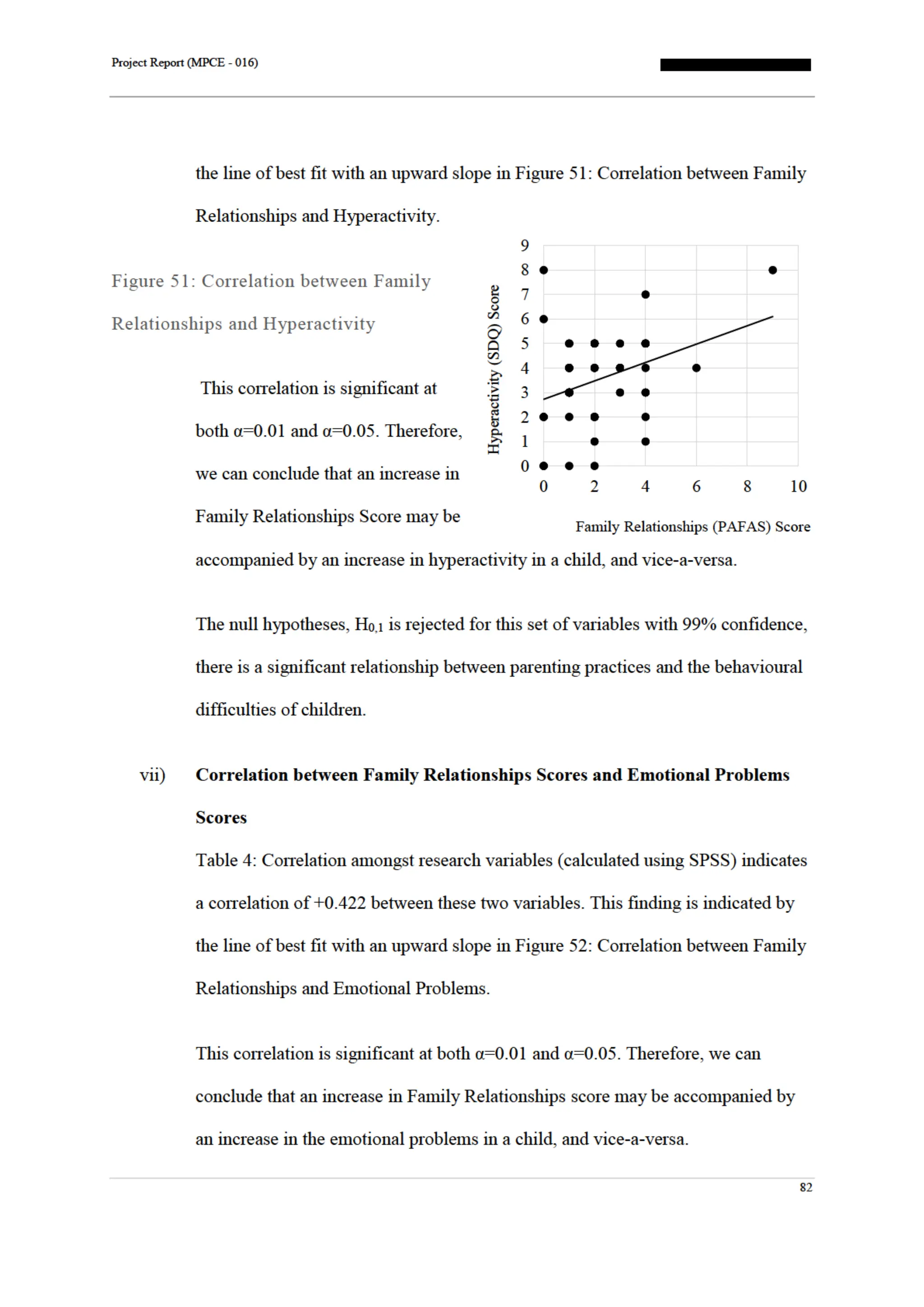
Figure 51: Correlation between Family Relationships and Hyperactivity...............................84
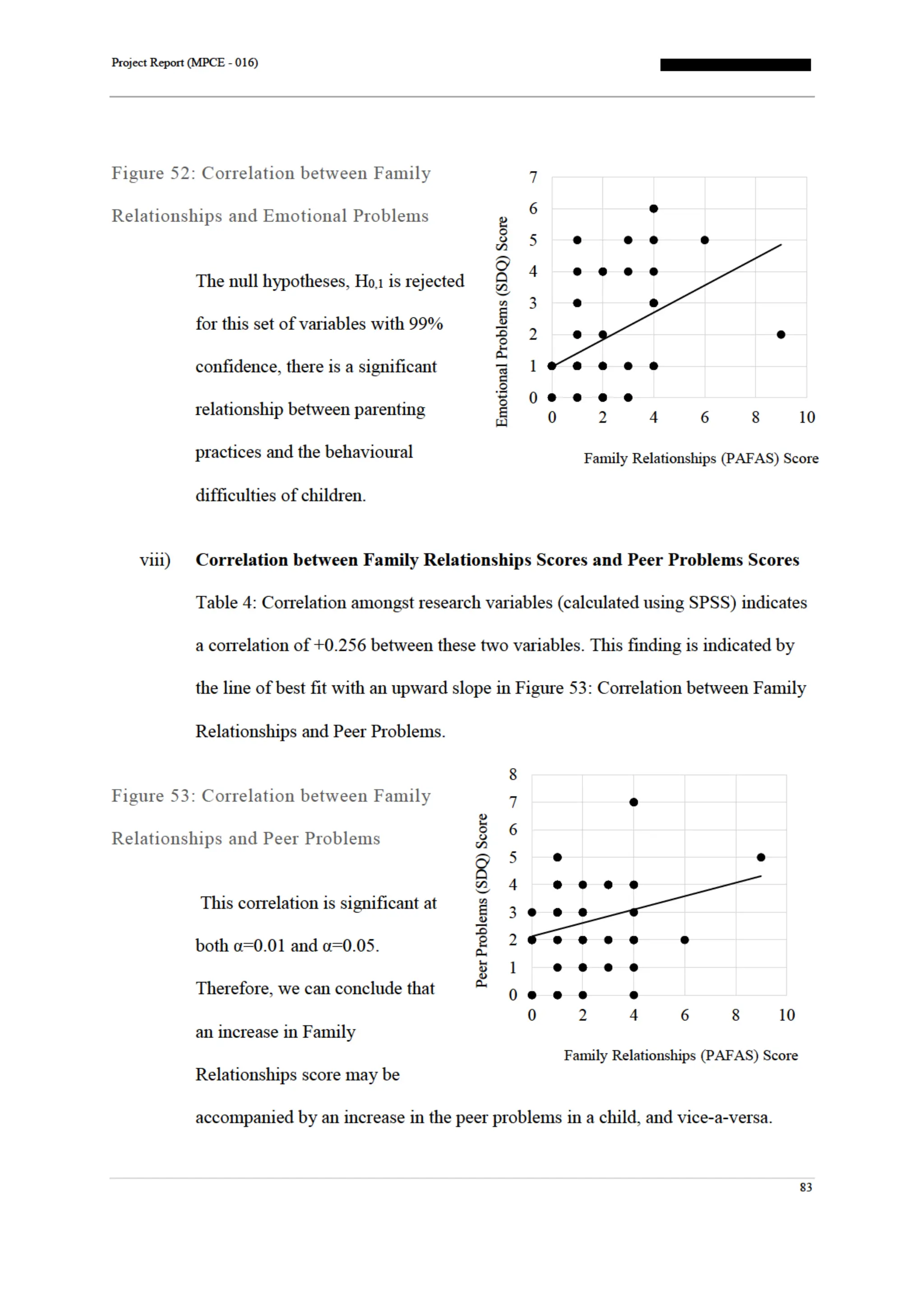
Figure 52: Correlation between Family Relationships and Emotional Problems....................85
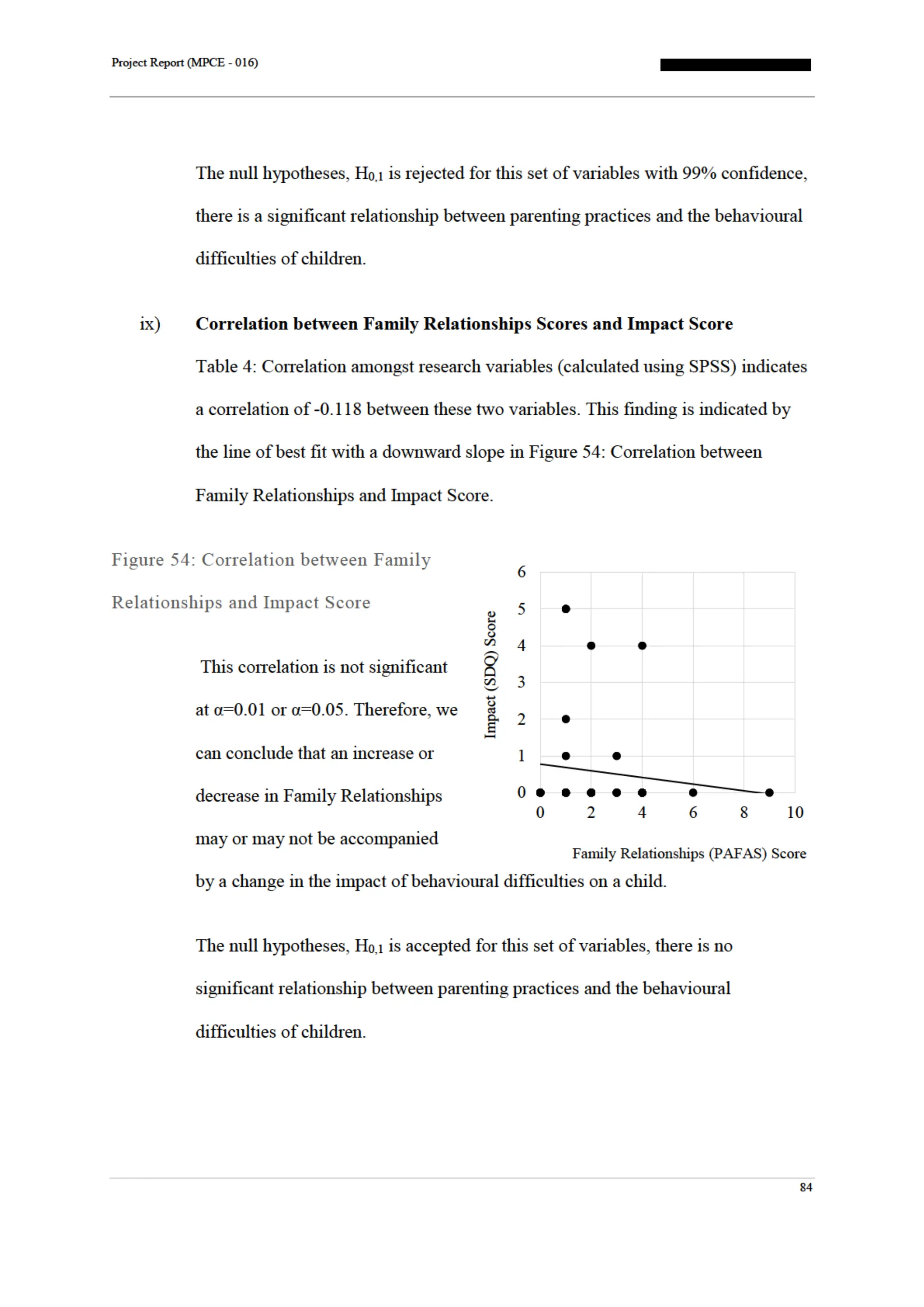
Figure 53: Correlation between Family Relationships and Peer Problems .............................85
Figure 54: Correlation between Family Relationships and Impact Score ...............................86
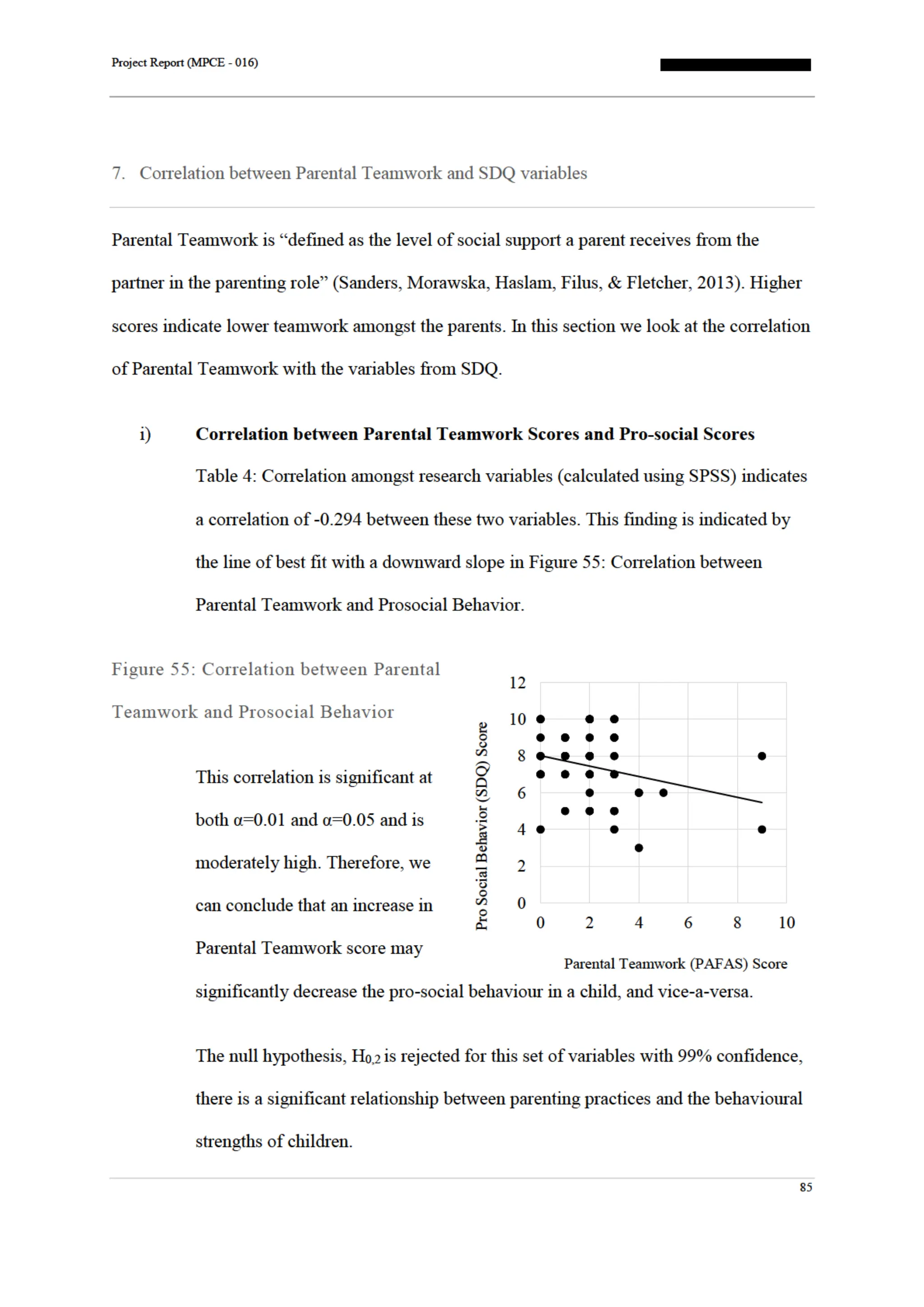
Figure 55: Correlation between Parental Teamwork and Prosocial Behavior.........................87
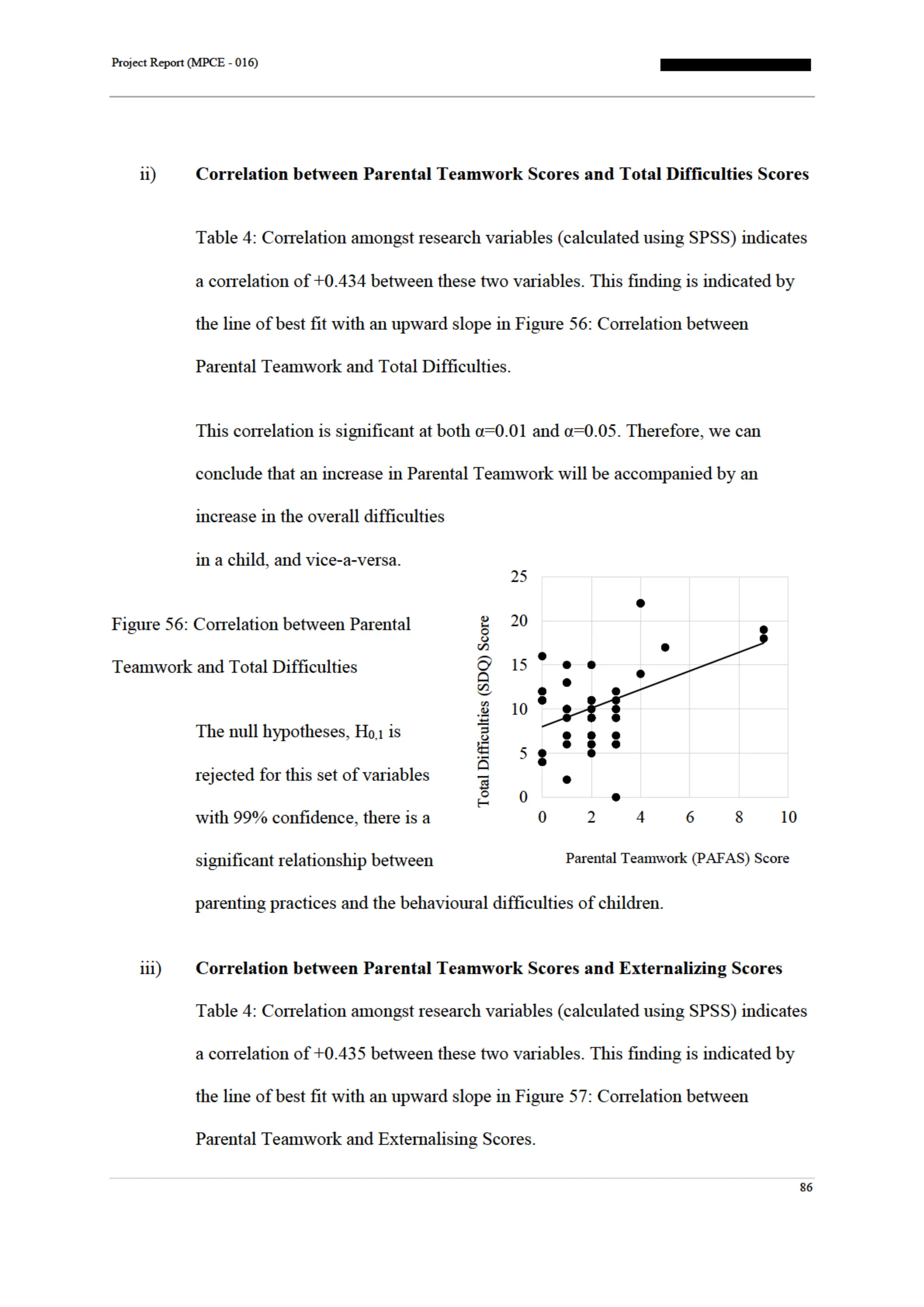
Figure 56: Correlation between Parental Teamwork and Total Difficulties............................88
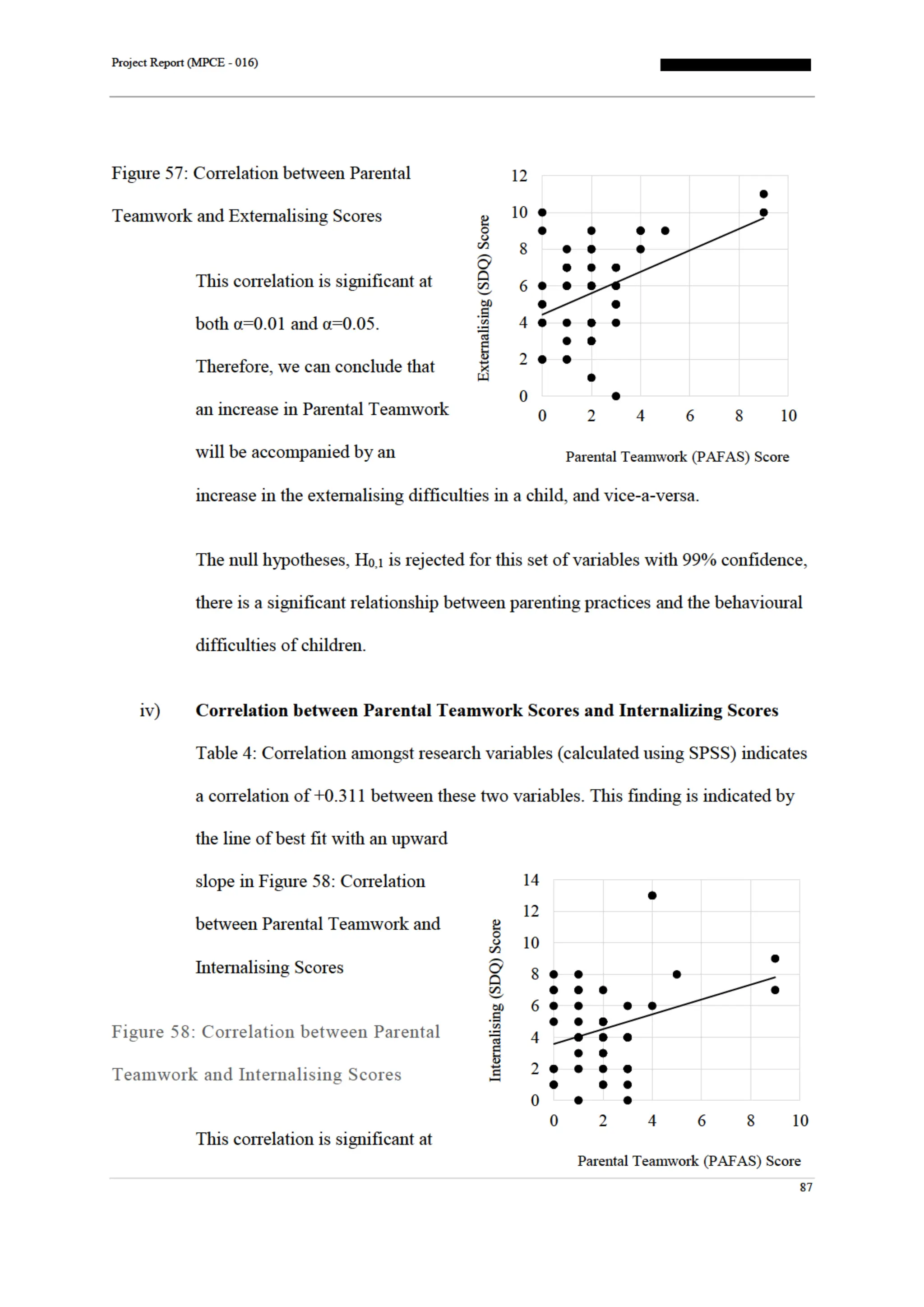
Figure 57: Correlation between Parental Teamwork and Externalising Scores ......................89
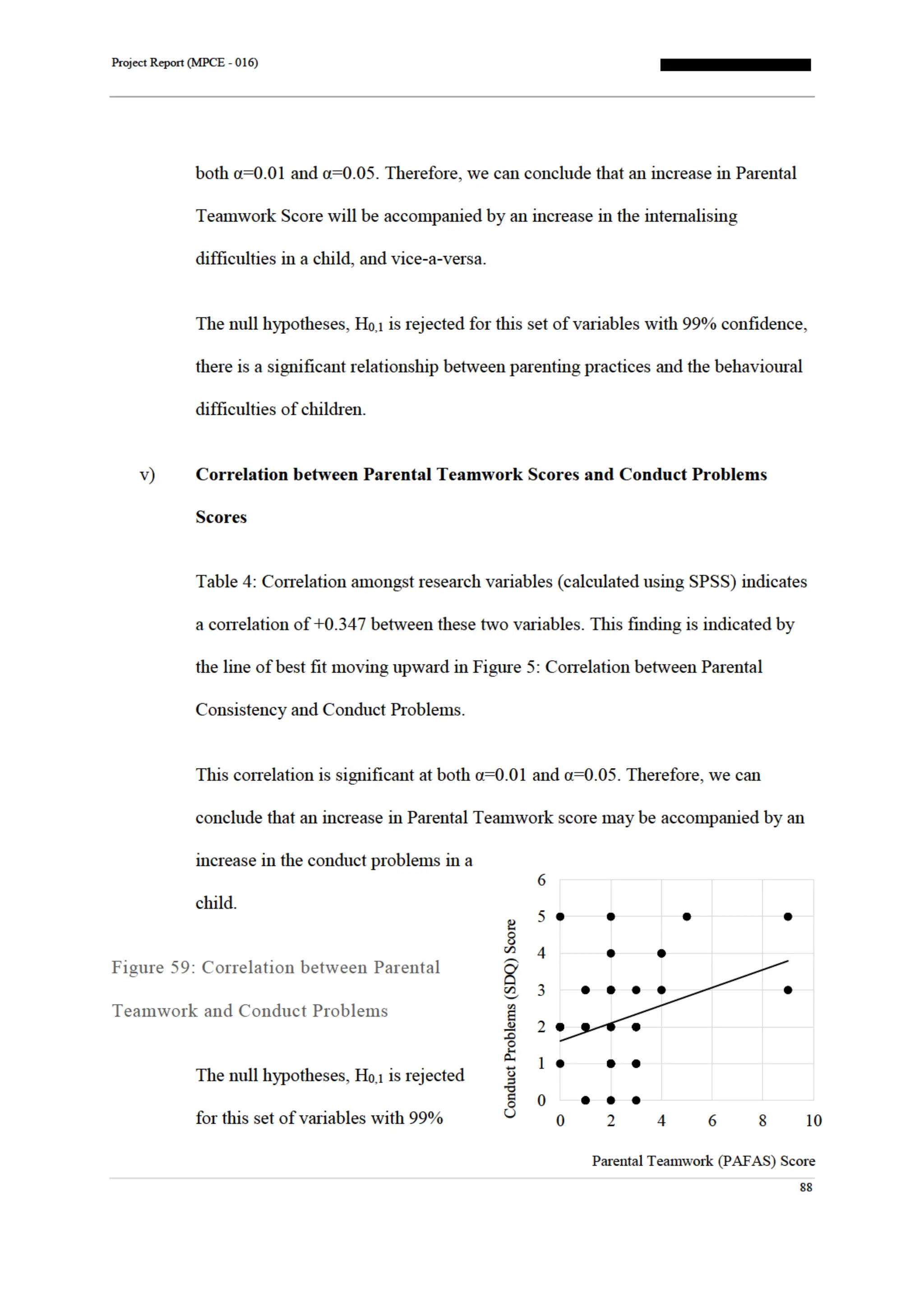
Figure 58: Correlation between Parental Teamwork and Internalising Scores .......................89
Figure 59: Correlation between Parental Teamwork and Conduct Problems..........................90
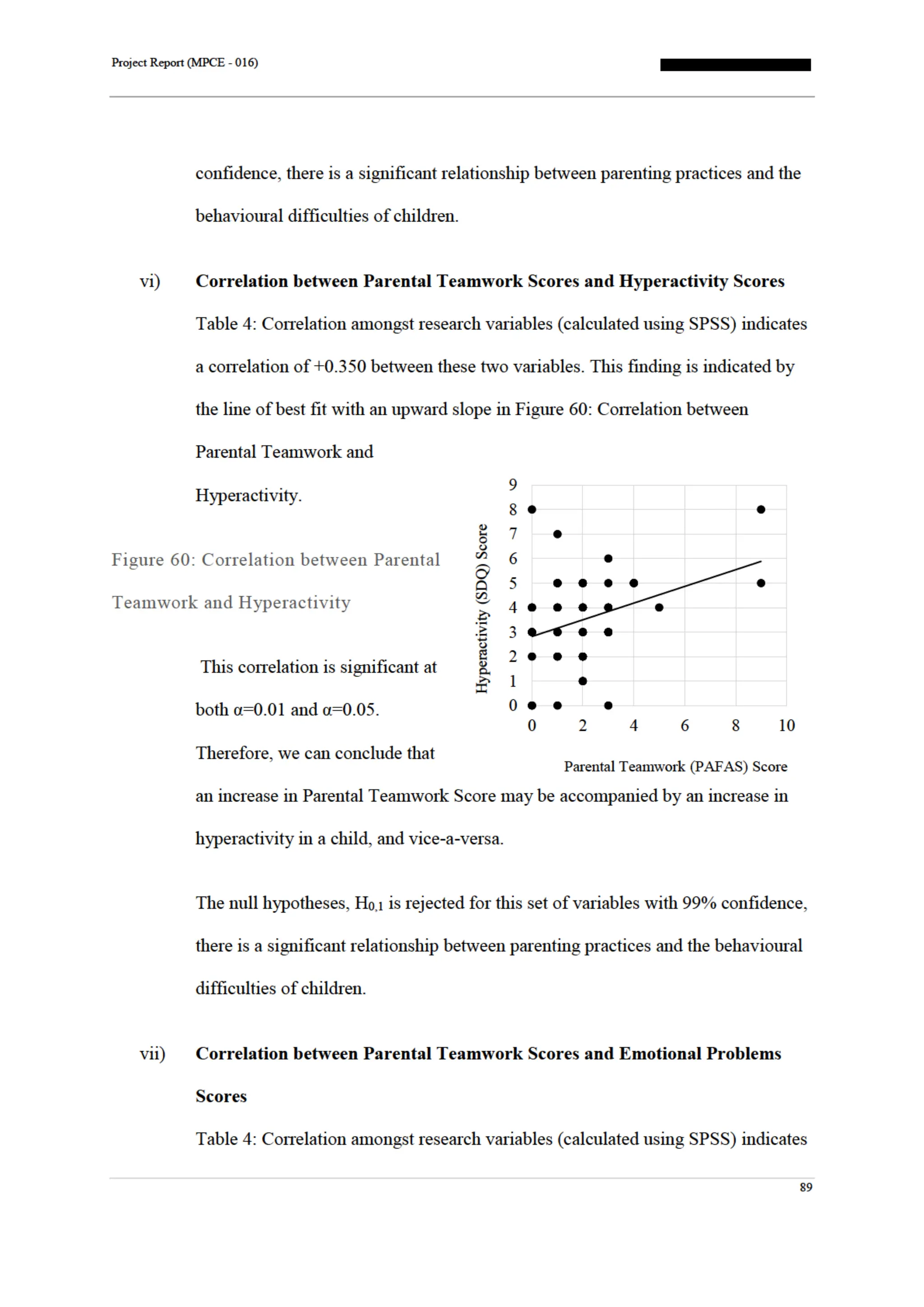
Figure 60: Correlation between Parental Teamwork and Hyperactivity .................................91
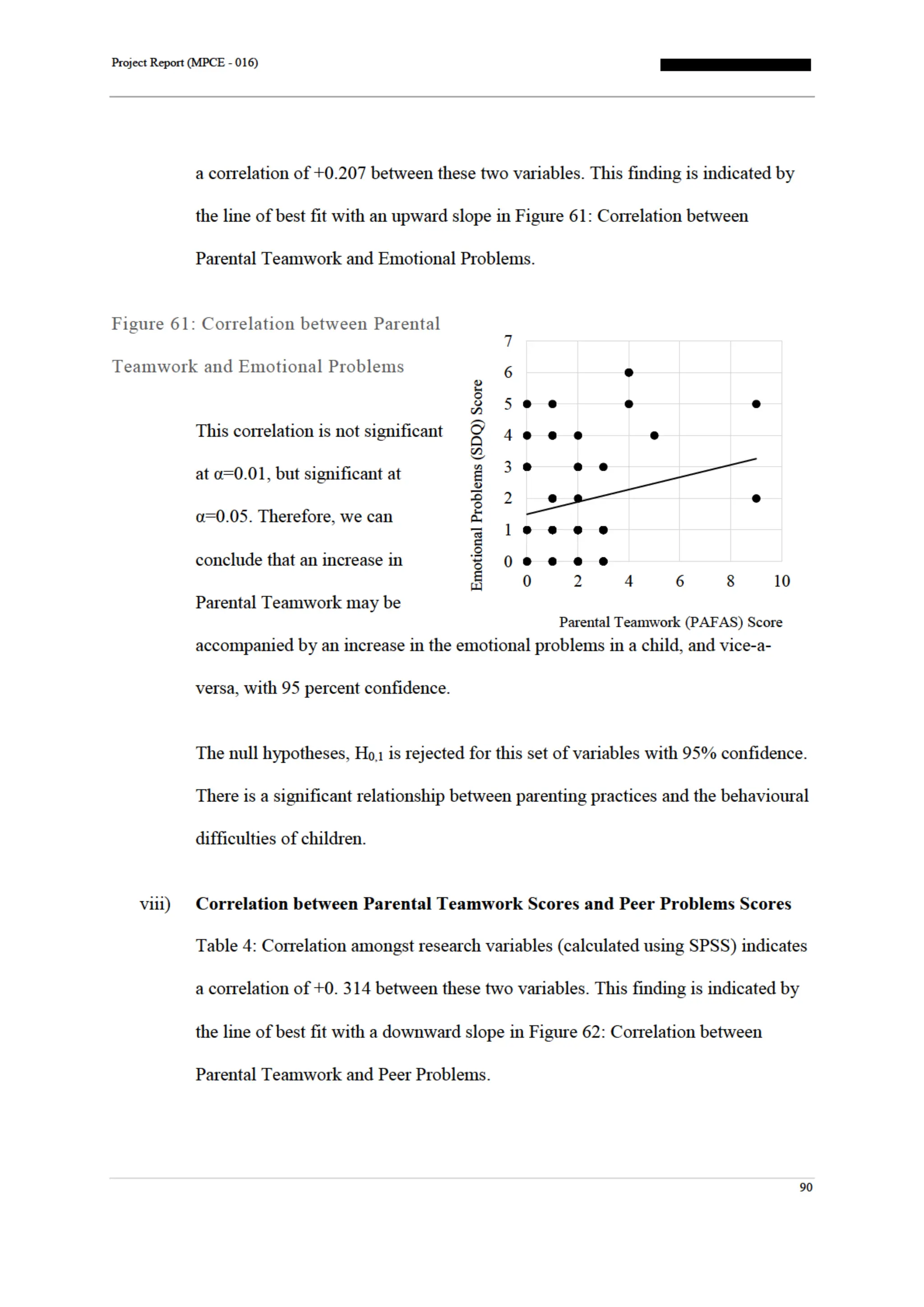
Figure 61: Correlation between Parental Teamwork and Emotional Problems ......................92
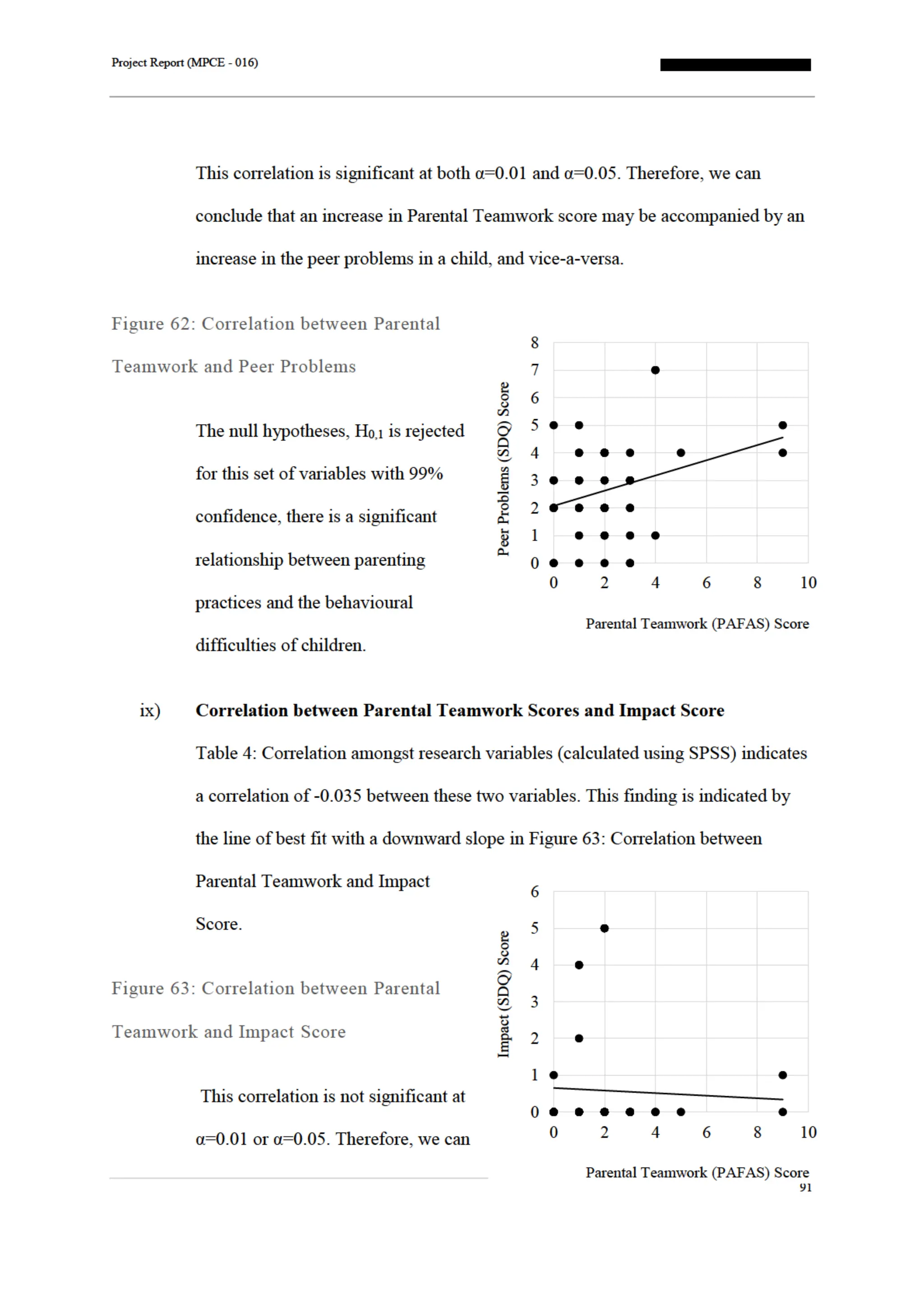
Figure 62: Correlation between Parental Teamwork and Peer Problems................................93
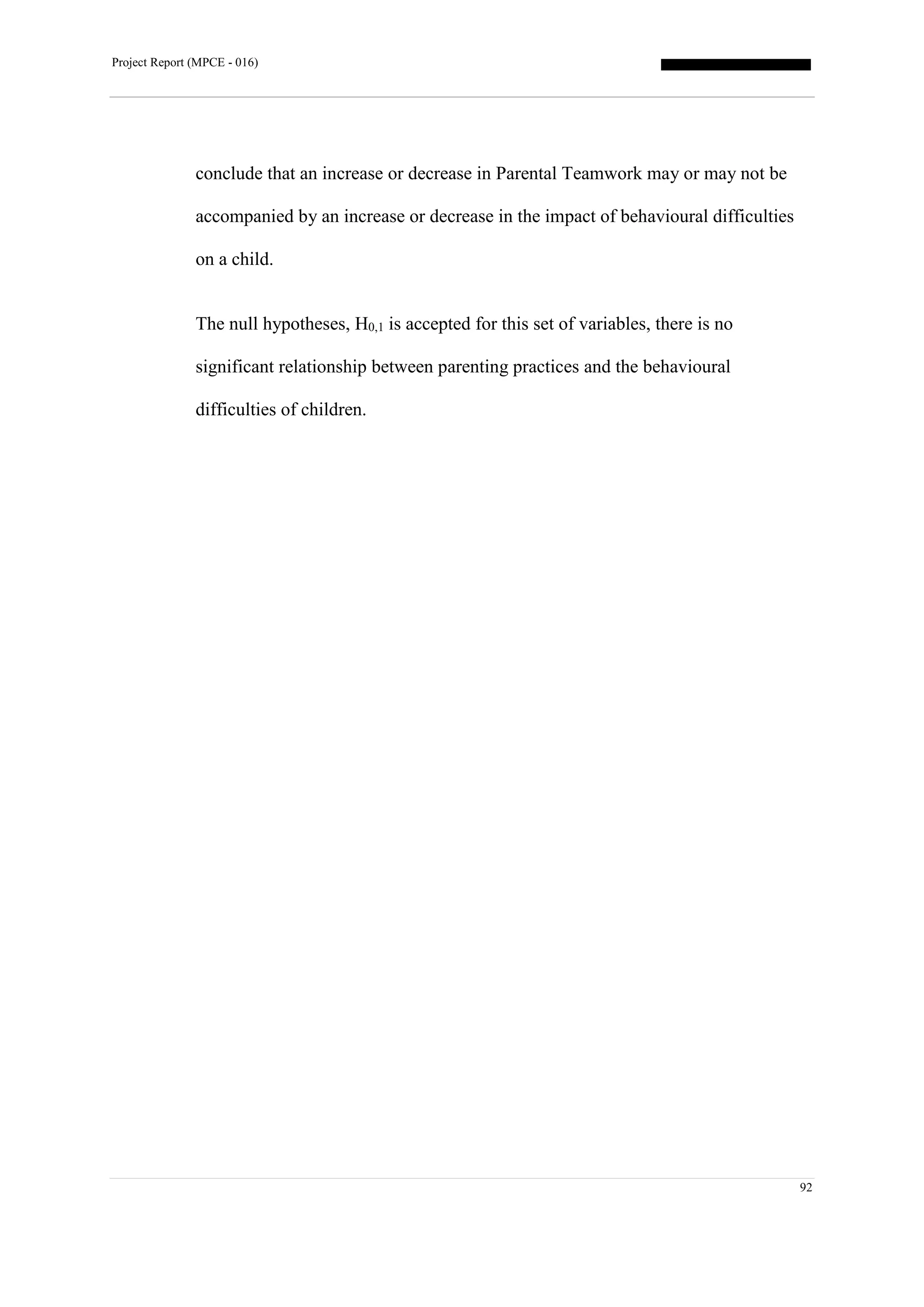
Figure 63: Correlation between Parental Teamwork and Impact Score..................................93
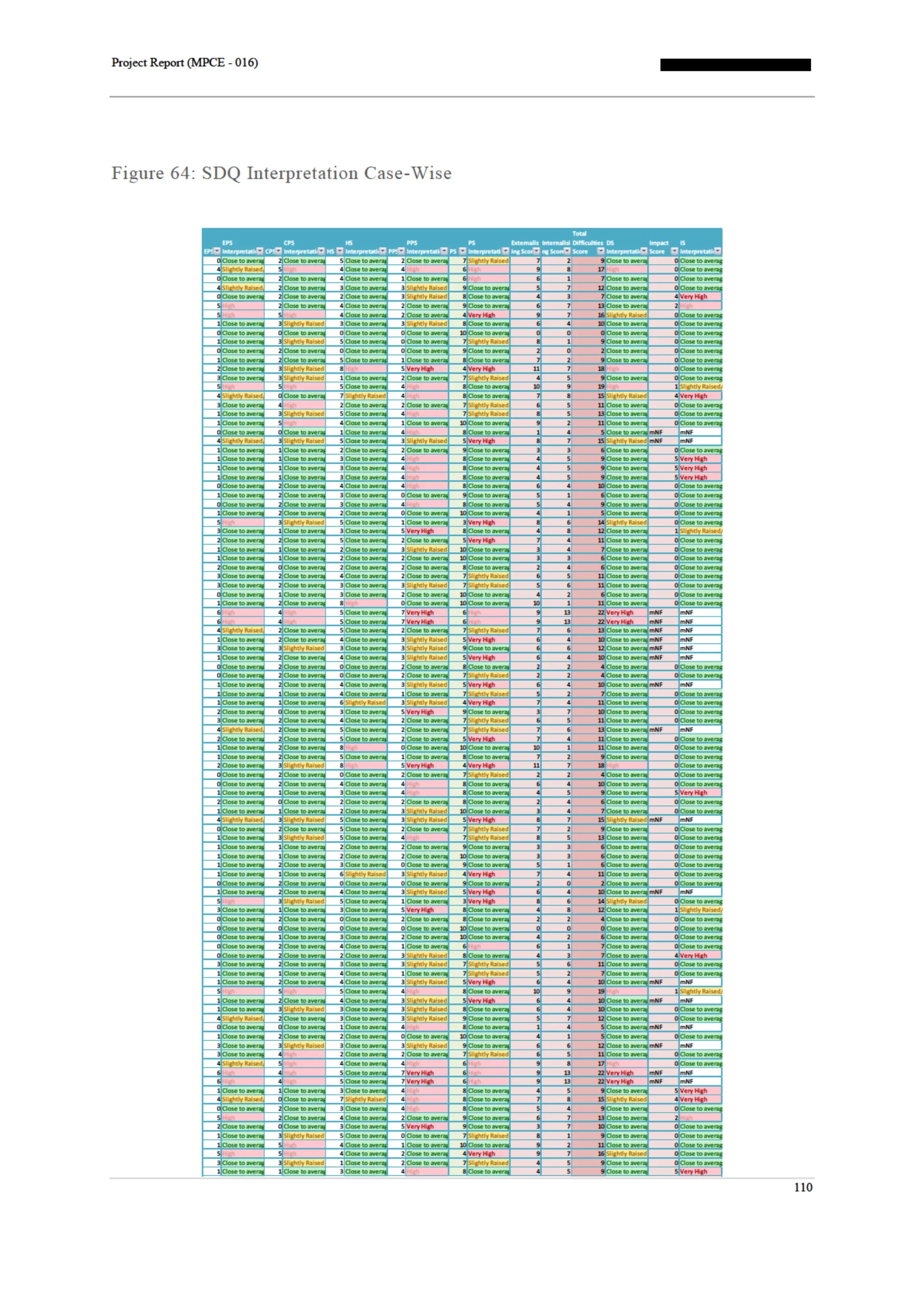
Figure 64: SDQ Interpretation Case-Wise.............................................................................112
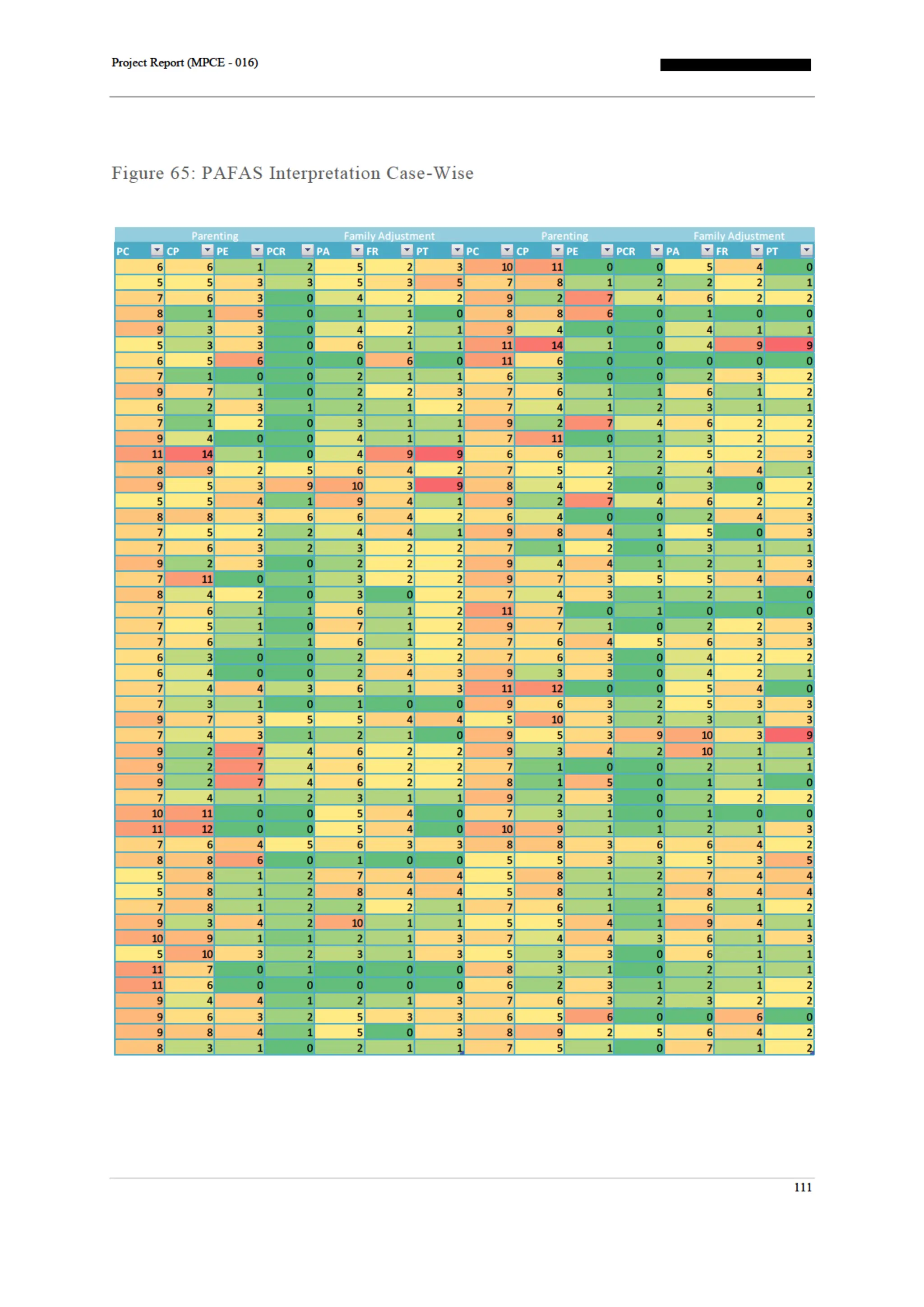
Figure 65: PAFAS Interpretation Case-Wise ........................................................................113
Project Report (MPCE - 016)
13
CHAPTER 1: INTRODUCTION
The title of this research is:
A study of the relationship between parenting practices and
the behavioural strengths and difficulties of children in
urban India
The growth and development of a human being are influenced by many factors. Out of these
factors one factor that is common across all types of development is parental influence. That
is, various aspects of the parent ex: genetic, behavioural, etc. impact various aspects of the
child’s development.
One of the aspects of a child’s development is behavioural. The behavioural development of
a child, like other aspects, is impacted by numerous factors. Over here as well, the parents
especially play a big role. But not all parents raise their children in the same manner. Their
behaviour with the child on a day to day basis and their approach to child’s development both
are a by-product of their own idiosyncrasies and their learning from those around them. As a
consequence of this, different parents follow different parenting practices.
Considering the influence that the parents have on the behavioural development of a child,
the parenting practices followed by a parent can significantly influence the various
behavioural strengths and difficulties that he/she has. Therefore, in this research an attempt is
being made to uncover any such relation that may exist between the parenting practices and
strengths and difficulties of the child, focusing specifically on the Indian context. Also, the
research synopsis that was submitted focused on the parenting practices and not family
Project Report (MPCE - 016)
14
adjustment. However, considering the strong relationship between the strengths and
difficulties of the child and family adjustment that came out during the statistical analyses,
these were also included in the scope and the same hypotheses was also tested for these –
relationship between family adjustment variables and strengths and difficulties. This resulted
in a significant increase in the scope of this research.
Why focus on the Indian context? Simply because the parents themselves are humans who
are influenced significantly by the environment they live in, especially the social and cultural
aspects. Indirectly, this influence is behind their idiosyncrasies and has an impact on the
parenting practices. Directly, the social construct determines the acceptability of various
parenting practices. For ex: Corporal punishment for children maybe the way of life in Asian
countries, but it is frowned upon in the Western world.
Add to this, factors such as warmth and importance given to relationships, hierarchical setup
and importance to religion. These factors can elicit a significantly different reaction to the
same parenting practices and therefore, limit the applicability of the studies conducted abroad
to India. This in turn lends critical importance to the project being conducted.
Apart from this, being an Indian, a child and a would-be parent I am curious to find out the
influence of parenting practices on children. And, the comprehensive analyses undertaken in
this research, i.e., checking 63 pairs of variables for relationships will add a wealth of
knowledge where little knowledge exists today.
Project Report (MPCE - 016)
15
CHAPTER 2: REVIEW OF LITERATURE
A parenting style is a psychological construct representing standard strategies that parents use
in their child rearing. The quality of parenting is more essential than the quantity spend with
the child. For instance a parent can spend the entire afternoon with his or her child but the
parent may be engaging in a different activity and not demonstrating interest towards the
child.
Parenting styles are the representation of how parents respond and demand to their children.
Parenting practices are specific behaviours, while parenting styles represent broader patterns
of parenting practices. (Spera, 2005) There are many differing theories and opinions on the
best ways to rear children, as well as differing levels of time and effort that parents are
willing to invest.
A child's temperament and parents' cultural patterns have an influence on the kind of
parenting style a child may receive. (Berger, 2011)
Early research in parenting and child development found that parents who provide their
children with proper nurture, independence and firm control, have children who appear to
have higher levels of competence and are socially skilled and proficient. (Spera, 2005)
Additional developmental skills result from positive parenting styles including: maintaining a
close relationship with others, being self-reliant, and independence. During the mid-1980s,
researchers began to explore how specific parenting styles influence a child's later
development. (Campione & Smetana, 2014)
Project Report (MPCE - 016)
16
FINDINGS FROM RELATED STUDIES
The number of studies conducted to assess the impact of parenting styles on the behaviour of
a child in itself validates the relevance and importance of the topic to human beings. Key
findings of some related studies are briefly discussed below:
 Study titled ‘Impact of Behavioural Inhibition and Parenting Style on Internalizing
and Externalizing problems from Early childhood through adolescence’ (Williams, et
al., 2009) found that Internalizing problems at age 4 were greatest among
behaviourally inhibited children who also were exposed to permissive parenting.
Furthermore, greater authoritative parenting was associated with less of an increase in
internalizing behaviour problems over time and greater authoritarian parenting was
associated with a steeper decline in externalizing problems.
 In study titled ‘Relationship between parenting practices and problem behaviour in 11
and 12 year old boys and girls’ (van Anken, van Hoek, Michorius, & Vergeer, 2013)
analyses showed an inverse relationship between positive parenting and externalizing
problem behaviour. No relationship was found between positive parenting and
internalizing problem behaviour. A positive relationship was found between negative
parenting on the one hand, and both internalizing and externalizing problem
behaviour on the part of the child on the other. The above-mentioned relationships
reveal a vicious circle of negative parenting and problem behaviour.
 In study titled ‘Parenting Practices and Child Disruptive Behaviour Problems in Early
Elementary School’ (Stormshak, Bierman, McMahon, & Lengua, 2000) the authors
examined the hypothesis that distinct parenting practices may be associated with type
and profile of a child’s disruptive behaviour problems (e.g., oppositional, aggressive,
Project Report (MPCE - 016)
17
hyperactive). Parents of 631 behaviourally disruptive children described the extent to
which they experienced warm and involved interactions with their children and the
extent to which their discipline strategies were inconsistent and punitive and involved
spanking and physical aggression. As expected from a developmental perspective,
parenting practices that included punitive interactions were associated with elevated
rates of all child disruptive behaviour problems. Low levels of warm involvement
were particularly characteristic of parents of children who showed elevated levels of
oppositional behaviours. Physically aggressive parenting was linked more specifically
with child aggression. In general, parenting practices contributed more to the
prediction of oppositional and aggressive behaviour problems than to hyperactive
behaviour problems, and parenting influences were fairly consistent across ethnic
groups and sex.
RELATED STUDIES IN THE INDIAN CONTEXT
As discussed above, compared with the critical importance of the topic to the everyday life of
humans, there has been very little research on the topic focusing on the Indian scenario. The
Indian context is unique. The socially acceptable parenting practices are very different from
those in the Western world. Even the socially acceptable child behaviour is quite different
from the Western world. The nature of relationship that is shared by parents and children is
also very different from the western world. Therefore, it would be interesting to see the
relation between the two in the Indian context.
Some related studies do generate insights that make an interesting read:
Project Report (MPCE - 016)
18
 A study titled ‘Exploring Strengths, Difficulties and Loneliness among Children
living in Socioeconomically Deprived Environment’ (Devi, Verma, & Shekhar, 2013)
highlighted the impact of one of the key differentiators of the Indian social construct,
poverty, on the children. The results suggest that “Children living in BPL families had
more difficulties and low strengths as compared to APL children. Significant
correlations were found between loneliness experiences and other variables under
study.”
 A recent study which was a bit more focused on maternal parenting practices and
behavioural disorders on children, titled ‘Maternal parenting practices and child
behavioural problems: a comparative study’ (Fathima & Jaya, 2015) “revealed that
use of corporal punishment was significantly high by mothers of children diagnosed
with ADHD and co-morbid disruptive behavioural problems. Negative parenting
practices such as poor monitoring, inconsistent discipline and corporal punishment
were found to be significantly positively correlated to child behavioural problems. On
the other hand parental involvement showed significant negative correlation with
child behavioural problems.
 An interesting finding comes from the study titled “Perceptions of Child Maltreatment
by Parents from the Indian Subcontinent: Challenging Myths About Culturally Based
Abusive Parenting Practices” (Maiter, Alaggia, & Trocme, 2004) whose findings
suggest that South Asian1
parents do not differ significantly from other populations in
their judgment of appropriate parenting approaches; that is, persistent and excessive
1
This is to highlight that this study was done in a general South Asian context and not just Indian context.
Therefore, the results may not necessarily be the same.
Project Report (MPCE - 016)
19
use of physical discipline was considered to be inappropriate, behaviours of parents
that may have negative emotional consequences for children were recognized as
inappropriate, and lack of proper supervision of children was seen as a concern.
The various studies that are quoted above highlight the importance of the relation between the
parenting practices and child behaviour. The limited work that has been done in this area in
India suggests that the results could be comparable to those of the Western world; however,
there is no research before this that proves it. Therefore, when this research was started it was
difficult to say what the outcome would be. Hopefully, those who do further research in the
area now would not face the same challenge, and this research would, hopefully, be the
guiding light for them.
Project Report (MPCE - 016)
20
CHAPTER 3: SIGNIFICANCE OF THE STUDY
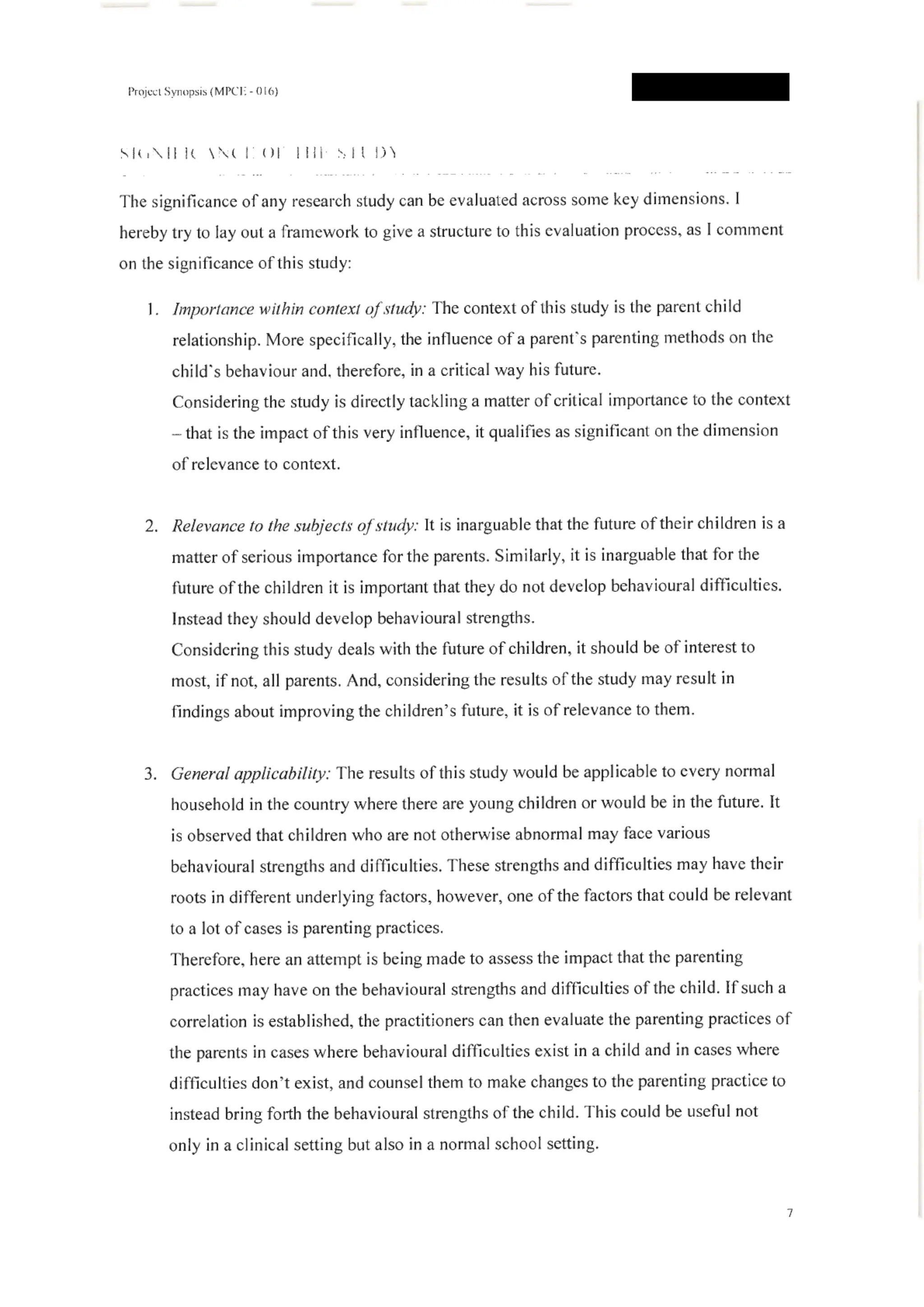
The significance of any research study can be evaluated across some key dimensions. I
hereby try to lay out a framework to give a structure to this evaluation process, as I comment
on the significance of this study:
1. Importance within context of study: The context of this study is the parent child
relationship. More specifically, the influence of a parent’s parenting methods and
relationships shared with the child on the child’s behaviour and, therefore, in a critical
way his future.
Considering the study is directly tackling a matter of critical importance to the context
– that is the impact of this very influence, it qualifies as significant on the dimension
of relevance to context.
2. Relevance to the subjects of study: It is inarguable that the future of their children is a
matter of serious importance for the parents. Similarly, it is inarguable that for the
future of the children it is important that they do not develop behavioural difficulties.
Instead they should develop behavioural strengths.
Considering this study deals with the future of children, it should be of interest to
most, if not, all parents. And, considering the results of the study may result in
findings about improving the children’s future, it is of relevance to them.
Project Report (MPCE - 016)
21
3. General applicability: The results of this study would be applicable to every normal
household in the country where there are young children or would be in the future. It
is observed that children who are not otherwise abnormal may face various
behavioural strengths and difficulties. These strengths and difficulties may have their
roots in different underlying factors, however, couple of factors that could be relevant
to a lot of cases is parenting practices and adjustment to the relationship.
Therefore, here an attempt is being made to assess the impact that the parenting
practices may have on the behavioural strengths and difficulties of the child. If such a
correlation is established, the practitioners can then evaluate the parenting practices of
the parents in cases where behavioural difficulties exist in a child and in cases where
difficulties don’t exist, and counsel them to make changes to the parenting practice to
instead bring forth the behavioural strengths of the child. This could be useful not
only in a clinical setting but also in a normal school setting.
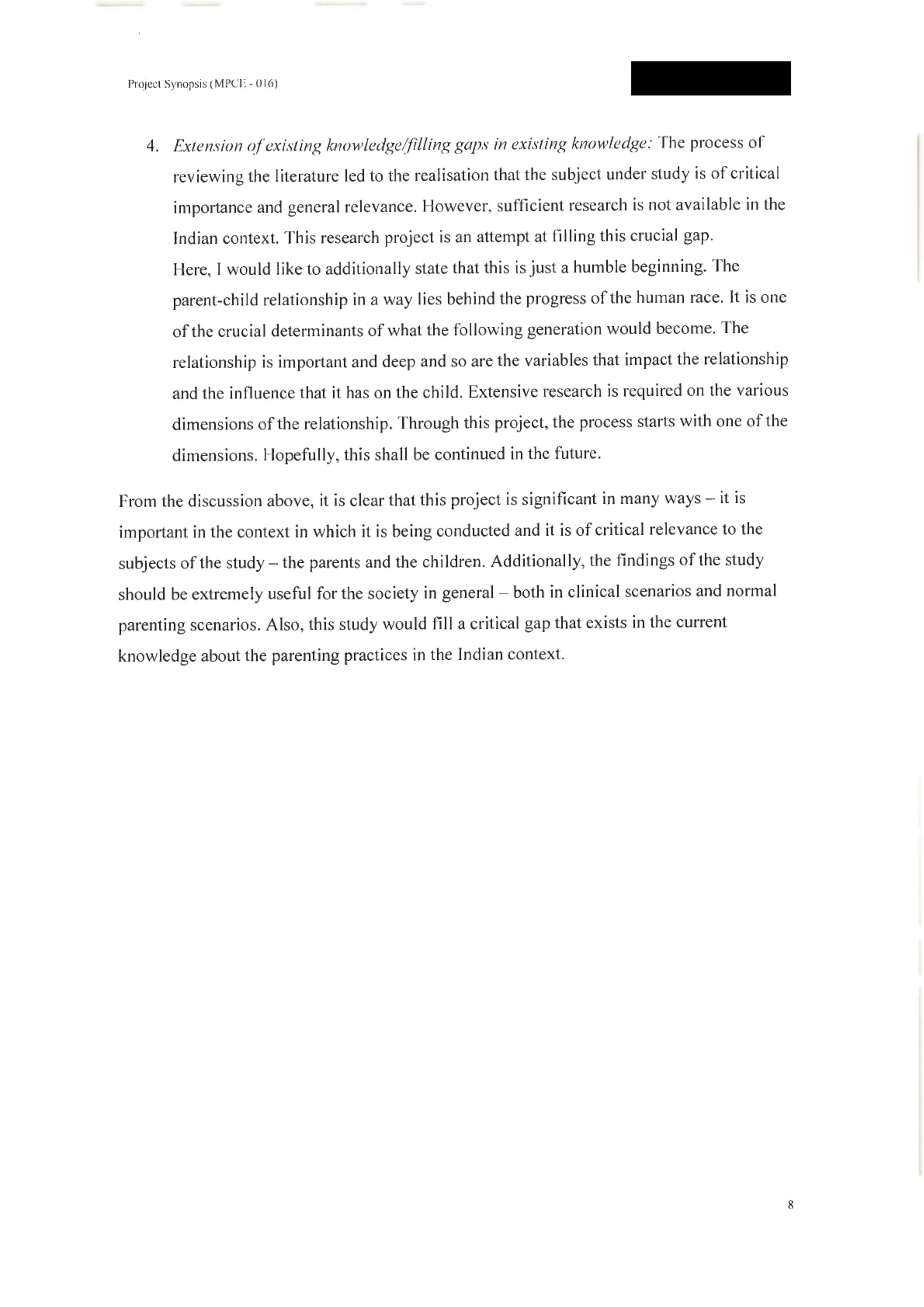
4. Extension of existing knowledge/filling gaps in existing knowledge: The process of
reviewing the literature led to the realisation that the subject under study is of critical
importance and general relevance. However, sufficient research is not available in the
Indian context. This research project is an attempt at filling this crucial gap.
Here, I would like to additionally state that this is just a humble beginning. The
parent-child relationship in a way lies behind the progress of the human race. It is one
of the crucial determinants of what the following generation would become. The
relationship is important and deep and so are the variables that impact the relationship
Project Report (MPCE - 016)
22
and the influence that it has on the child. Extensive research is required on the various
dimensions of the relationship. Through this project, the process starts with some of
the dimensions. Hopefully, this shall be continued in the future.
From the discussion above, it is clear that this project is significant in many ways – it is
important in the context in which it is being conducted and it is of critical relevance to the
subjects of the study – the parents and the children. Additionally, the findings of the study are
extremely useful for the society in general – both in clinical scenarios and normal parenting
scenarios. Also, as discussed earlier, this study fills a critical gap that exists in the current
knowledge about parenting practices in the Indian context.
Project Report (MPCE - 016)
23
CHAPTER 4: METHODOLOGY
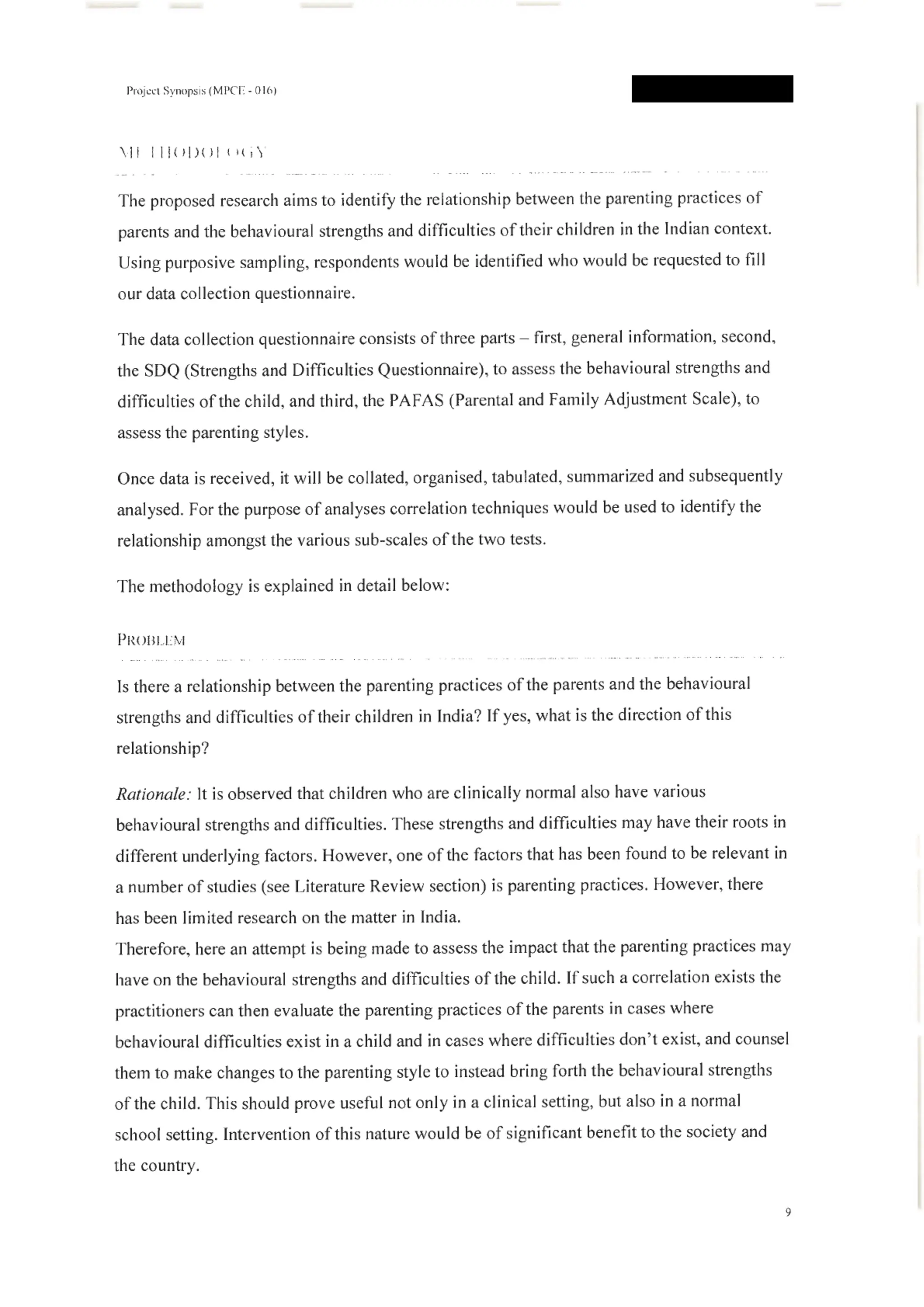
The aim of this research is to identify the relationship between the parenting practices of
parents and the behavioural strengths and difficulties of their children in the Indian context.
Using purposive sampling, respondents were identified and requested to fill the data
collection questionnaire. The sample for the research comprised of 102 parents of children
between 4 and 12 years of age.
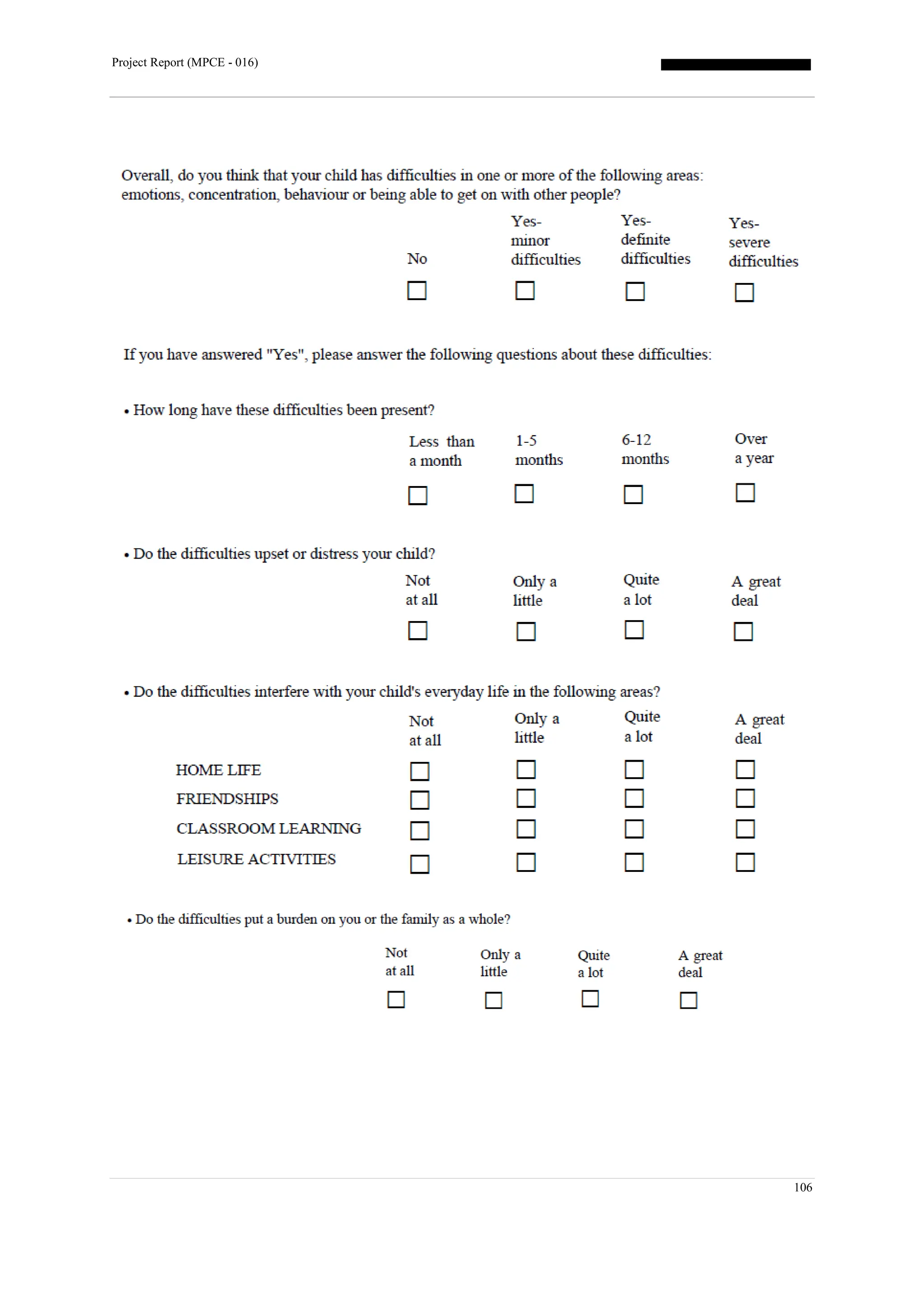
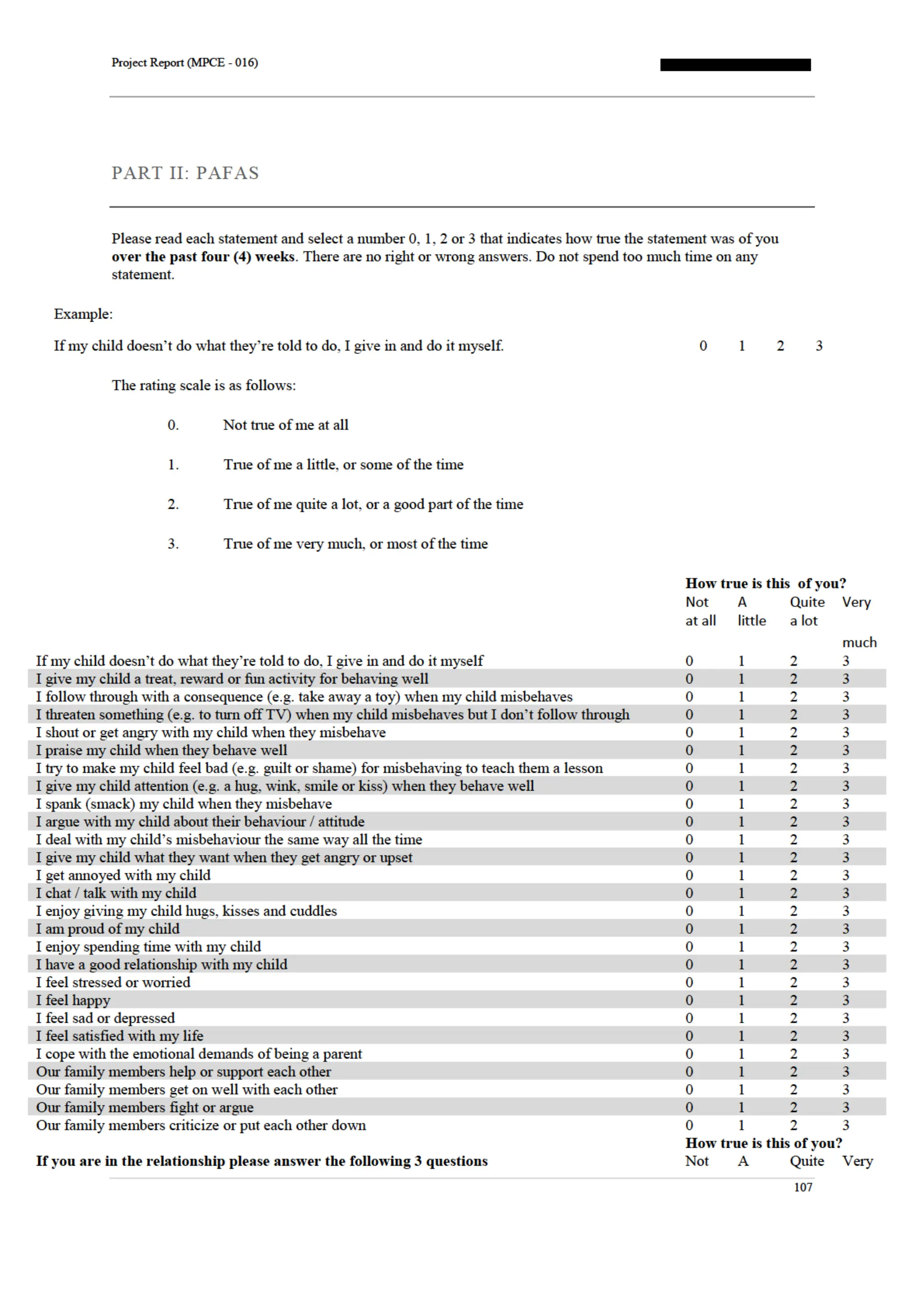
The data collection questionnaire consists of three parts – first, general information, second,
the Strengths and Difficulties Questionnaire (SDQ), to assess the behavioural strengths and
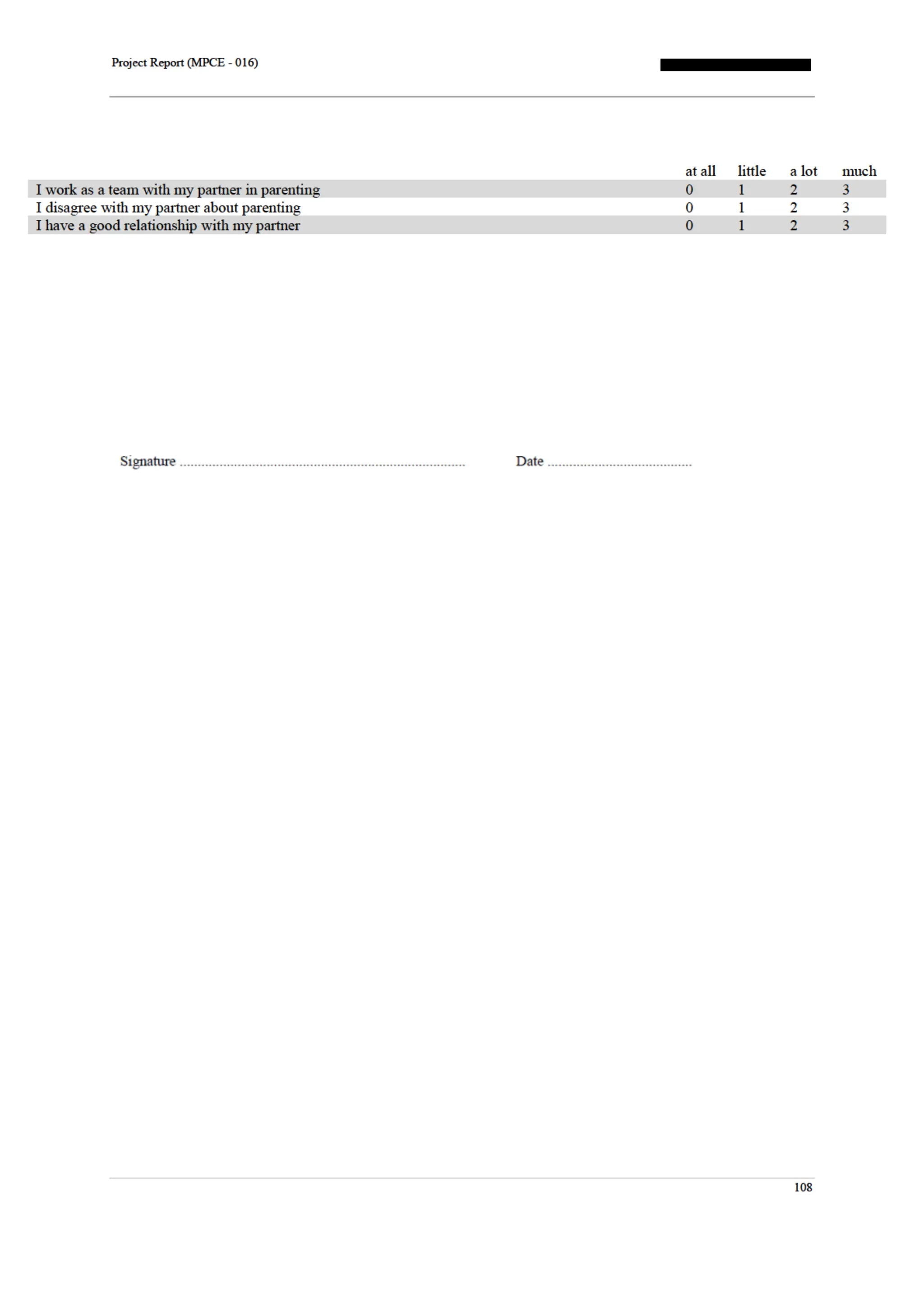
difficulties of the child, and third, the Parental and Family Adjustment Scale (PAFAS), to
assess the parenting styles.
Once the forms were filled, the data was collated, organised, tabulated, summarized and
subsequently analysed. For the purpose of analyses Pearson’s correlation technique was used
to identify the relationship amongst the various sub-scales of the two tests.
The methodology is explained in detail below.
I. RESEARCH PROBLEM
Is there a relationship between the parenting practices of the parents and the behavioural
strengths and difficulties of their children in India? If yes, what is the direction of this
relationship?
Rationale: It is observed that children who are clinically normal also have various
behavioural strengths and difficulties. These strengths and difficulties may have their roots in
Project Report (MPCE - 016)
24
different underlying factors. However, one of the factors that has been found to be relevant in
a number of studies (see Literature Review section) is parenting practices. However, there
has been limited research on the matter in India.
Therefore, here an attempt is being made to assess the impact that the parenting practices may
have on the behavioural strengths and difficulties of the child. If such a correlation exists the
practitioners can then evaluate the parenting practices of the parents in cases where
behavioural difficulties exist in a child and in cases where difficulties don’t exist, and counsel
them to make changes to the parenting style to instead bring forth the behavioural strengths
of the child. This should prove useful not only in a clinical setting, but also in a normal
school setting. Intervention of this nature would be of significant benefit to the society and
the country.
II. OBJECTIVES
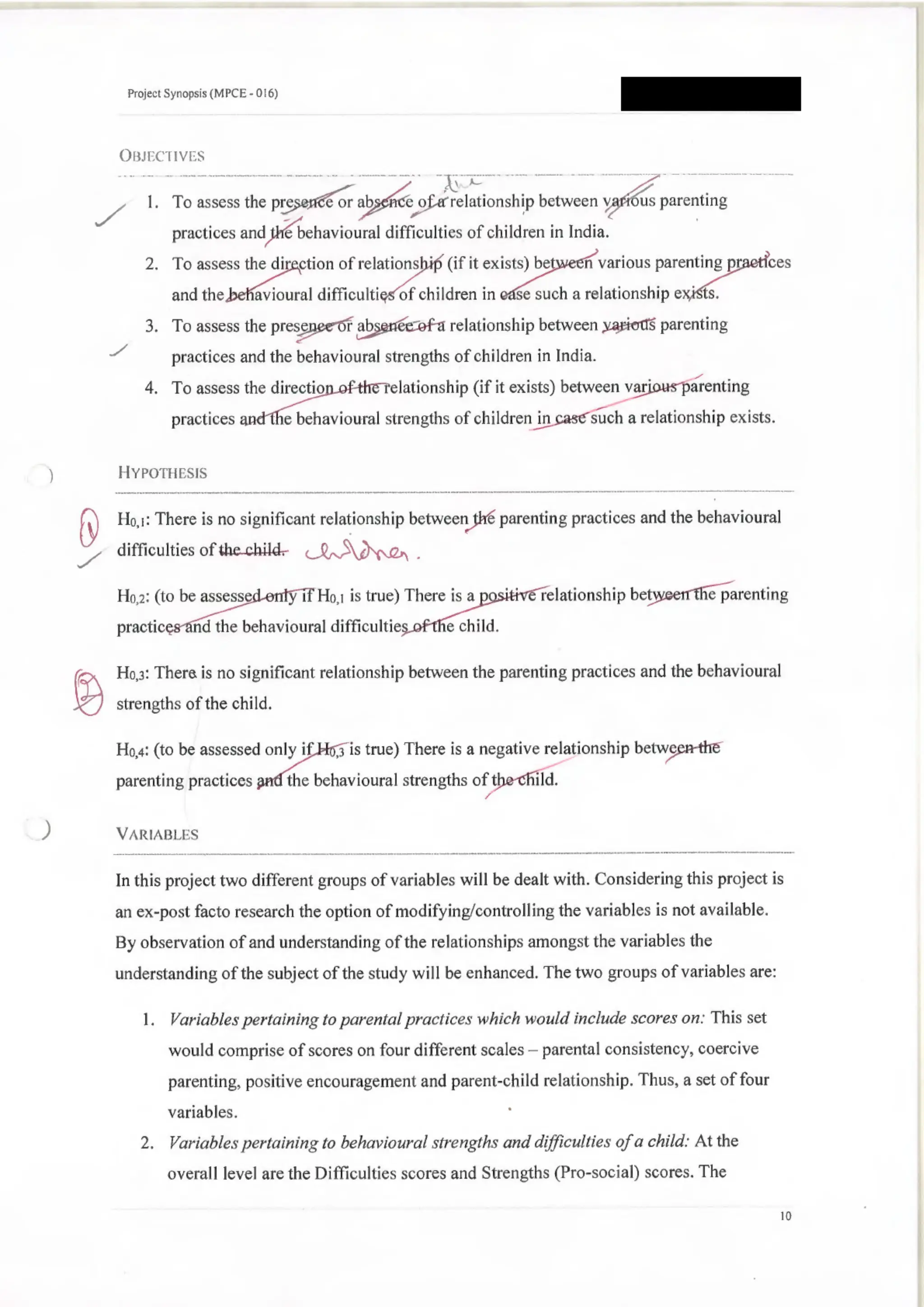
1. To assess the relationship between parenting practices and behavioural difficulties of
children in India.
2. To assess the relationship between parenting practices and the behavioural strengths
of children in India.
III. HYPOTHESES
The following hypotheses are tested for each pair of variables individually, as applicable
(depending on whether they pertain to strength or difficulty):
H0,1: There is no significant relationship between parenting practices variable and the
behavioural difficulties of children.
Project Report (MPCE - 016)
25
H0,2: There is no significant relationship between parenting practices and the behavioural
strengths of children.
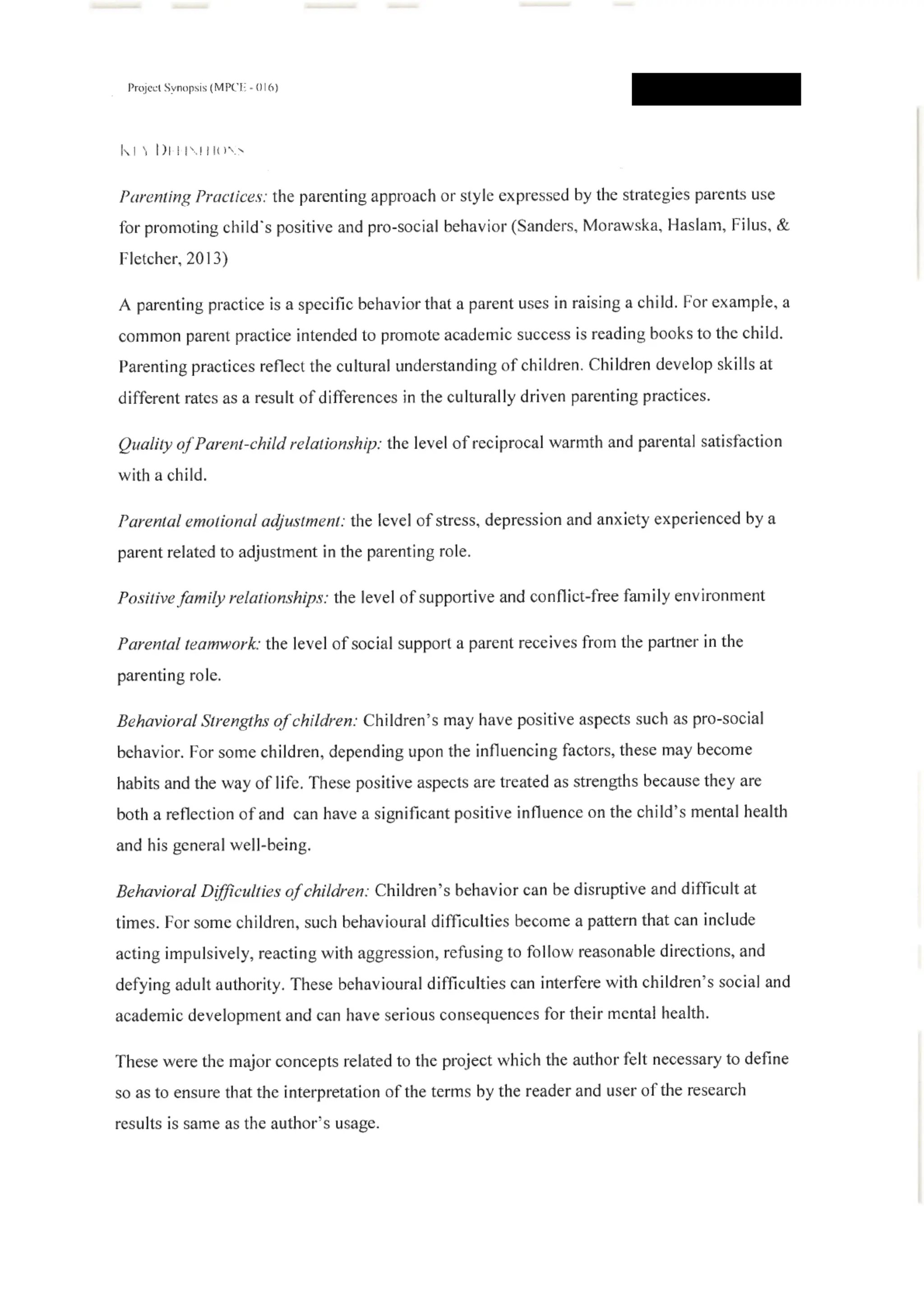
IV. KEY DEFINITIONS
Parenting Practices: the parenting approach or style expressed by the strategies parents use
for promoting child’s positive and pro-social behavior (Sanders, Morawska, Haslam, Filus, &
Fletcher, 2013)
A parenting practice is a specific behavior that a parent uses in raising a child. For example, a
common parent practice intended to promote academic success is reading books to the child.
Parenting practices reflect the cultural understanding of children. Children develop skills at
different rates as a result of differences in the culturally driven parenting practices.
Quality of Parent-child relationship: the level of reciprocal warmth and parental satisfaction
with a child.
Parental emotional adjustment: the level of stress, depression and anxiety experienced by a
parent related to adjustment in the parenting role.
Positive family relationships: the level of supportive and conflict-free family environment
Parental teamwork: the level of social support a parent receives from the partner in the
parenting role.
Behavioral Strengths of children: Children’s may have positive aspects such as pro-social
behavior. For some children, depending upon the influencing factors, these may become
habits and the way of life. These positive aspects are treated as strengths because they are
Project Report (MPCE - 016)
26
both a reflection of and can have a significant positive influence on the child’s mental health
and his general well-being.
Behavioral Difficulties of children: Children’s behavior can be disruptive and difficult at
times. For some children, such behavioural difficulties become a pattern that can include
acting impulsively, reacting with aggression, refusing to follow reasonable directions, and
defying adult authority. These behavioural difficulties can interfere with children’s social and
academic development and can have serious consequences for their mental health.
These were the major concepts related to this research project which the author felt necessary
to define so as to ensure that the interpretation of the terms by the reader and user of the
research results is same as the author’s usage.
V. VARIABLES
In this project two different groups of variables will be dealt with. Considering this project is
an ex-post facto research the option of modifying/controlling the variables was not available.
By observation of and understanding of the relationships amongst the variables underlined
below we attempt to enhance the understanding of the subject of the study. The two groups of
variables are:
1. Variables pertaining to parental practices which would include scores on: This set
comprises of scores on four different scales – Parental Consistency, Coercive
Parenting, positive encouragement and parent-child relationship. Thus, a set of four
variables. We also look at Family Adjustment comprising 3 variables – Parental
Adjustment, Family Relationships and Parental Teamwork.
Project Report (MPCE - 016)
27
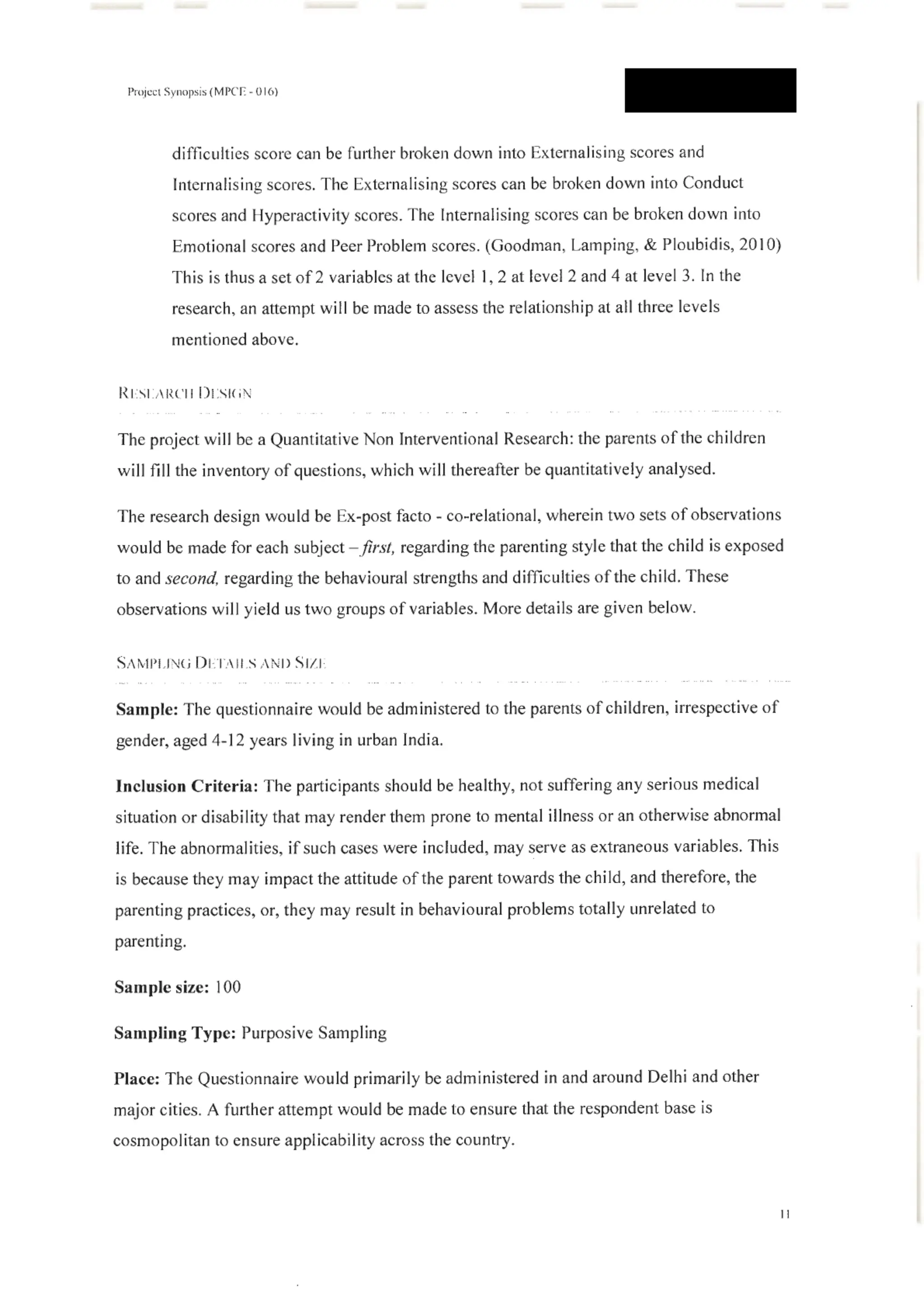
2. Variables pertaining to behavioural strengths and difficulties of a child: At the
overall level are the Difficulties scores and Strengths (Pro-social) scores. The
difficulties score can be further broken down into Externalising scores and
Internalising scores. The Externalising scores can be broken down into Conduct
scores and Hyperactivity scores. The Internalising scores can be broken down into
Emotional scores and Peer Problem scores. (Goodman, Lamping, & Ploubidis, 2010)
This is thus a set of 2 variables at the level 1, 2 at level 2 and 4 at level 3. In the
research, an attempt will be made to assess the relationship at all three levels
mentioned above. Apart from these we also look at the Impact score.
VI. RESEARCH DESIGN
The project is a Quantitative Non Interventional Research: the parents of the children filled
the inventory of questions, which was thereafter quantitatively analysed.
The research design is Ex-post facto - co-relational, wherein two sets of observations have
been made for each subject:
 first, regarding the parenting style that the child is exposed to and
 second, regarding the behavioural strengths and difficulties of the child.
These observations yield us two groups of variables. More details are given below.
VII. SAMPLING DETAILS AND SIZE
Sample: The questionnaire was administered to the parents of children, irrespective of
gender, aged 4-12 years residing in urban India.
Project Report (MPCE - 016)
28
Inclusion Criteria: The participants who were healthy, not suffering from any serious
medical situation or disability that may render them prone to mental illness or an otherwise
abnormal life have been included. The abnormalities, if such cases were included, may serve
as extraneous variables. This is because they may impact the attitude of the parent towards
the child, and therefore, the parenting practices, or, they may result in behavioural problems
totally unrelated to parenting.
Sample size: 102
Sampling Type: Purposive Sampling
Place: The Questionnaire was primarily administered in and around Delhi and Kolkata. A
further attempt was made to ensure that the respondent base is cosmopolitan to ensure
applicability across the country.
VIII. TESTS/TOOLS FOR DATA COLLECTION
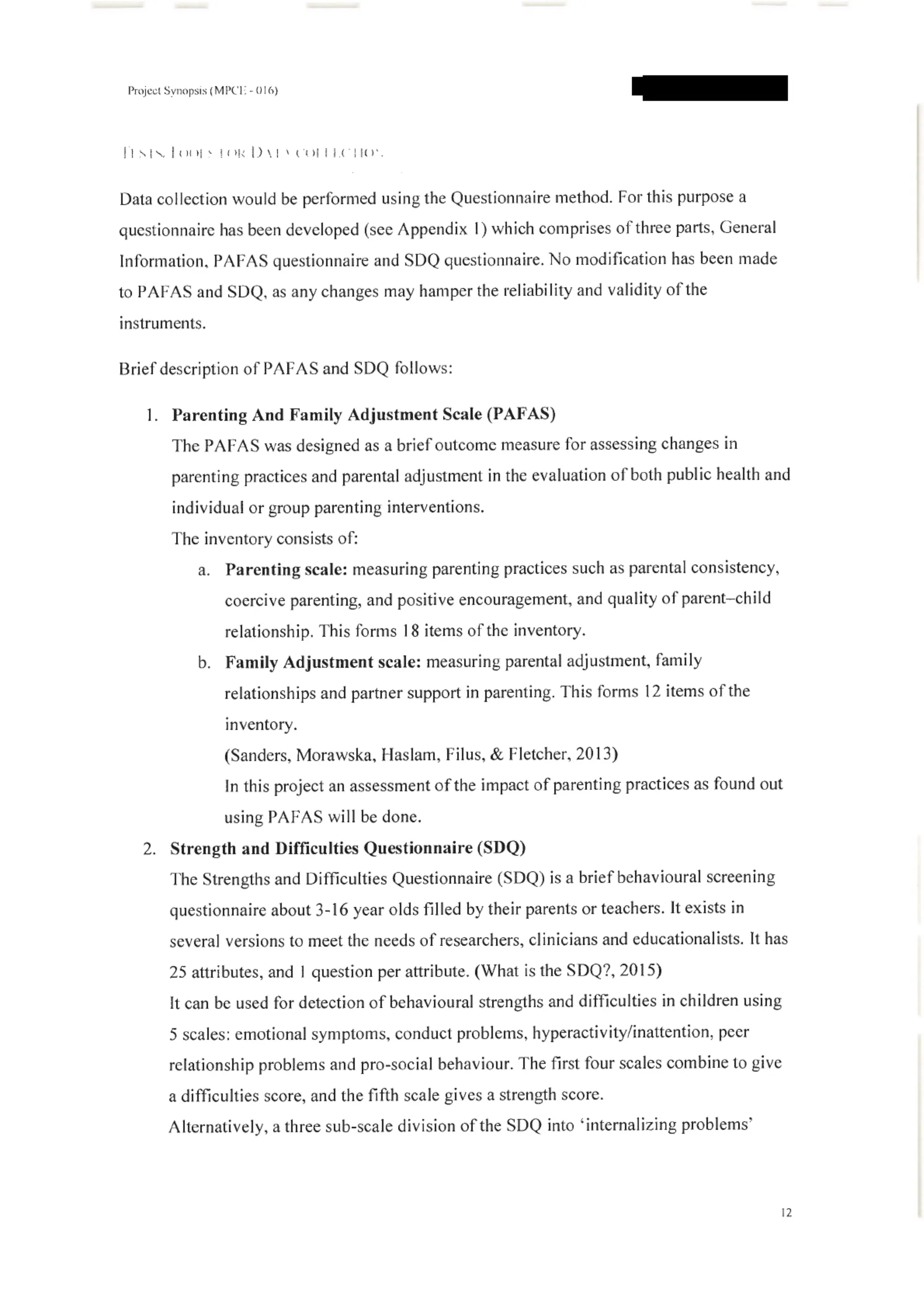
Data collection has been performed using the Questionnaire method. For this purpose a
questionnaire was developed (see Appendix I) comprising of three parts, General
Information, PAFAS questionnaire and SDQ questionnaire. No change has been made to
PAFAS and SDQ, as any changes may hamper the reliability and validity of the instruments.
Brief description of PAFAS and SDQ follows:
1. Parenting And Family Adjustment Scale (PAFAS)
PAFAS is a 40 item parent report inventory that assesses five domains of parent and
Project Report (MPCE - 016)
29
family functioning that are known risk factors for child emotional and behavioural
problems.
1.1. Use
The PAFAS was designed as a brief outcome measure for assessing changes in
parenting practices and parental adjustment in the evaluation of both public health
and individual or group parenting interventions.
PAFAS shows good predictive strength in terms of its associating with child
adjustment and parental self-efficacy as measured by CAPES (Child Adjustment and
Parental Efficacy Scale, Morawska A. et al)
1.2. Structure
The inventory consists of:
1.2.1. Parenting scale: measuring parenting practices on four sub-scales - parental
consistency, coercive parenting, and positive encouragement, and quality of
parent–child relationship. This consists 18 items of the inventory.
1.2.2. Family Adjustment scale: measuring family adjustment in three sub-scales -
parental adjustment, family relationships and partner support in parenting. This
forms 12 items of the inventory.
(Sanders, Morawska, Haslam, Filus, & Fletcher, 2013)
1.3. Scoring
The 30 items of the inventory are rated from 0 to 3. The ones marked in bold in Table
1: Scoring key for PAFAS are counted to be reverse scored (i.e. 0=3, 1=2, 2=1, 3=0)
before summing the Total Score for each subscale.
The scoring key alongwith possible score ranges and the related interpretation are
given in Table 1: Scoring key for PAFAS.
Project Report (MPCE - 016)
31
the teacher or the children themselves depending on the version being used. We use
the version that is filled by the parent.
2.2. Structure
It comprises of 5 scales: emotional symptoms, conduct problems, hyperactivity/
inattention, peer relationship problems and pro-social behaviour. The first four scales
combine to give a difficulties score, and the fifth scale gives a strength score. The
questionnaire has 5 questions for each of these scales.
2.3. Scoring
Scoring involves assigning scores from 0 to 2 to the items. ‘Somewhat True’ is
scored as 1. Scoring of ‘Not True’ and ‘Certainly True’ varies with the items (see
Table 2: Scoring symptom scores on the SDQ for 4-17 year olds). For each of the 5
scales the score can range from 0 to 10, when all items are completed. It is usually
more convenient to score all 5 scales before working out the total difficulties score.
2.3.1. Total Difficulty Score: This is generated by totalling the scores of all the
scales except the pro-social scale. The resulting score is in a range of 0-40, and
is counted as missing if any of the 4 components is missing.
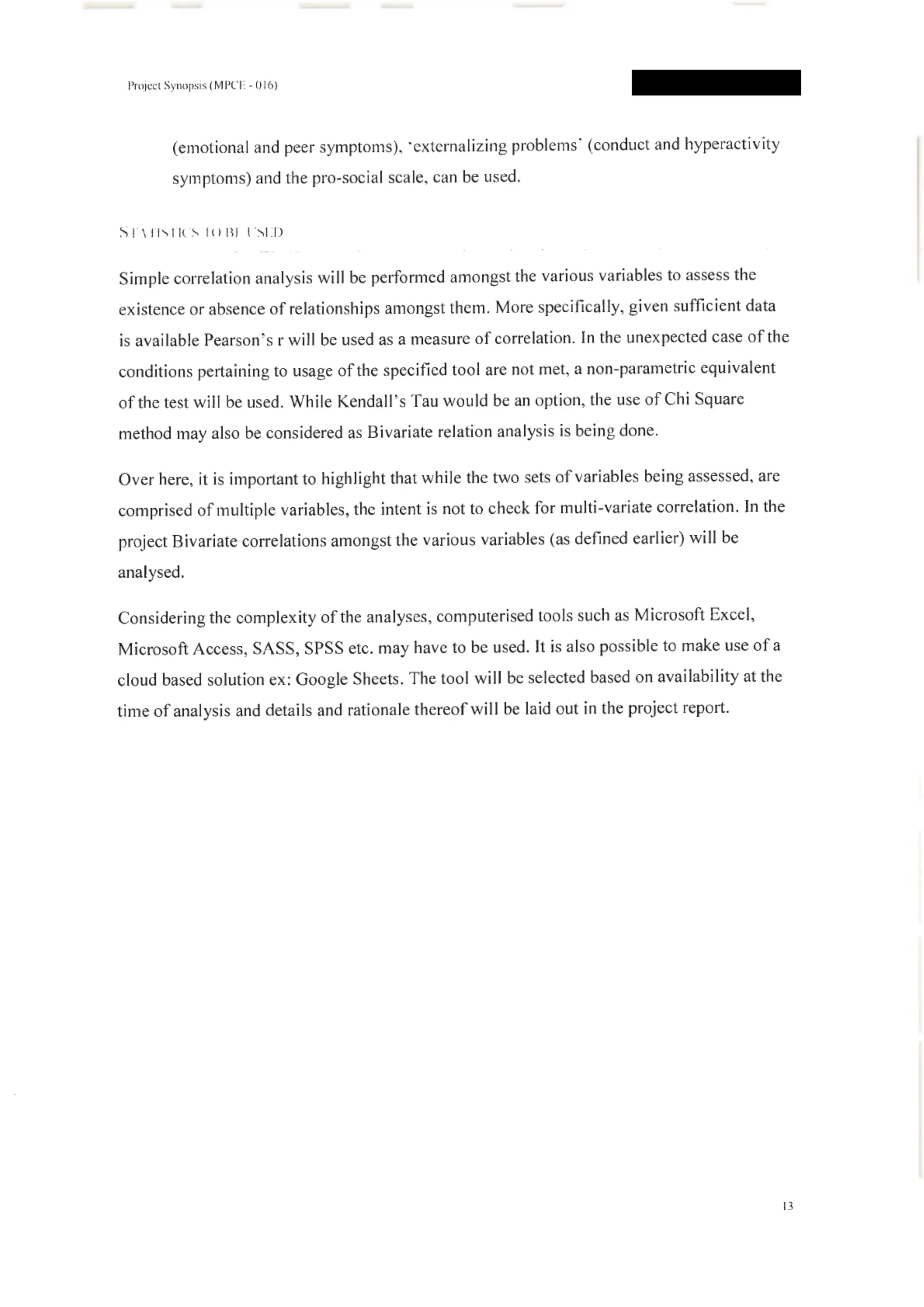
2.3.2. Externalising and Internalising Scores: Alternatively, a three sub-scale
division of the SDQ into ‘internalizing problems’ (emotional and peer
symptoms), ‘externalizing problems’ (conduct and hyperactivity symptoms) and
the pro-social scale, can be used.
The externalising score is the sum of the conduct and hyperactivity scales and
ranges from 0 to 20. The internalising score is the sum of the emotional and peer
problems scales and also ranges from 0 to 20.
In community samples using the two amalgamated scales is considered
Project Report (MPCE - 016)
34
hypothesis at α = 0.05. However, also use α = 0.01 to further test the strength of the
correlation.
Over here, it is important to highlight that while the two sets of variables being assessed
comprise of multiple variables, the intent is not to check for multi-variate correlation. In the
project bivariate correlations amongst the 63 pairs of variables (as defined earlier) have been
analysed.
In addition, charts depicting correlation have been created to enable the reader to visually
evaluate the results. This is the only place in the research where data-points have been shown
on an individual basis, however, no further information is revealed.
Considering the complexity of the analyses, computerised tools viz. Microsoft Excel and
SPSS have been used. MS Excel was used in the first leg of the process, which involved
collating, organising and tabulating the data to prepare it for analysis. SPSS was used to
perform the statistical analyses required to test the hypothesis. Fortunately, an evaluation
version of ‘SPSS 15.0 for Windows’ was present with the user which allows ~15 days long
free access to the tool. For creating the scatter plot diagrams to show each set of correlation
separately MS Excel has been used, considering it is more user friendly than the SPSS
version available.
X. ETHICAL CONCERNS
As a researcher it is my obligation to conduct the research in an ethical and conscientious
manner. This research endeavour involved collecting data which was quite personal and
Project Report (MPCE - 016)
35
sensitive – information about the relationship of the person filling the form with his/her
spouse and children, and, any difficulties or issues being faced by the children.
Here are some of the key guidelines from the Ethical Principles of Psychologists and Codes
of Conduct (American Psychological Association, 2010) relevant to research:
“4.04(a) Psychologists include in written and oral reports and consultations, only
information germane to the purpose for which the communication is made.
“4.06 ...(1) psychologists do not disclose confidential information that reasonably
could lead to the identification of a client/patient, research participant, or other
person or organisation...
“4.07 Psychologists do not disclose in their writings, lectures, or other public media,
confidential, personally identifiable information concerning their clients/patients,
students, research participants, organizational clients, or other recipients of their
services that they obtained during the course of their work,...
Keeping the guidelines in mind and considering the sensitivity of the data, the subjects were
assured that the data would be kept confidential. To maintain confidentiality neither their
own, nor their child’s identities are shared, nor are individual responses shared in this report.
All data is shared in a statistically aggregated manner or in the form of visuals, and all
interpretations will also be drawn at this level.
Project Report (MPCE - 016)
36
CHAPTER 5: RESULTS AND DISCUSSION
In this chapter, we look at the data analysis, the results of the analysis and a discussion of the
findings and their interpretation in context of existing research.
I. DATA ANALYSIS
The data for the exercise was collected from 102 parents of children between 4 and 12 years
of age. This data was converted into electronic format manually using MS Excel. It was
thereafter tabulated, with data for the two sets of questionnaires PAFAS and SDQ tabulated
separately. The tabulated data was then scored using the scoring key reproduced in the
previous section. The scored data was thus ready for interpretation and further analyses.
Bivariate correlation analysis was performed amongst the various variables to assess the
existence or absence of relationships amongst them. More specifically, considering sufficient
data is available (n=102) Pearson’s r has been used as a measure of correlation. The results of
this correlation are represented in Table 4: Correlation amongst research variables (calculated
using SPSS).
As highlighted earlier, while the two sets of variables being assessed comprise of multiple
variables, the intent is not to check for multi-variate correlation. We analyse Bivariate
correlations amongst the various variables. Keeping this in mind we discuss the results for
each pair of variables to check whether they meet the hypothesis.
Before getting into the results, however, let’s have a quick look at Table 4: Correlation
amongst research variables (calculated using SPSS) and understand how to use it.
Project Report (MPCE - 016)
37
- The first row of this table has the variables from SDQ – Emotional Problems Scale,
Conduct Problems Scale, Hyperactivity Scale, Peer-Problems Scale, Prosocial Scale,
Externalising Score, Internalising Score, Total Difficulties Score and the Impact
Score.
- The first column of this table has the variables from PAFAS – Parental Consistency,
Coercive Parenting, Positive Encouragement, Parent-Child Relationships, Parental
Adjustment, Family Relationships and Parental Teamwork.
- The second column of this table shows what the numbers are. You may observe the
pattern – there are three rows pertaining to each variable from PAFAS. The first row
shows the values of the Pearson coefficient, second row shows the level of
significance for the two tailed test and the third one shows the number of responses
for each question.
- From the third column and second row onwards, the intersection of each column
(SDQ variable) and row (PAFAS variable) tells us about the correlation between the
two variables.
- The cells highlighted in gray are the statistically significant correlations. The numbers
marked with ‘**’ are statistically significant at α = 0.01 and the numbers marked with
‘*’ are statistically significant at α = 0.05.
Project Report (MPCE - 016)
39
II. RESULTS OF THE ANALYSIS
In this section we look at the results of the analysis performed on the data, and discuss the
interpretation of these results – both using the usual terms of research and simple English that
a layman may understand.
To structure this section, we look at the correlation of each variable from PAFAS with each
of the variables from the SDQ one by one. The reason for selecting this structure and not the
other way round is that we see some intra-PAFAS variable consistency in correlations with
the SDQ variables. That is, if a variable from PAFAS is significantly correlated with one
SDQ variable, it typically shows significant correlations with some other PAFAS variables as
well; and vice-a-versa.
It is also important to highlight that while the variables from PAFAS form the x-axis, which
is typically used to depict the dependant variable, they should not be interpreted to be so. The
analysis done in this research is purely correlational and no attempt at establishing the
causality has been made anywhere in this report.
1. Correlation between Parental Consistency and SDQ variables
Parental consistency refers to the consistency in the parenting approach of the parent towards
the child. Higher scores indicate lower level of consistency in parent behavior. In this section
we look at the correlation of parental consistency with the variables from SDQ.
i) Correlation between Parental Consistency Scores and Pro-social Scores
Pro-Social scale indicates the level of pro-social behaviour in a child. Higher the
Pro-social score more is the pro-social behaviour in the child.
Project Report (MPCE - 016)
92
conclude that an increase or decrease in Parental Teamwork may or may not be
accompanied by an increase or decrease in the impact of behavioural difficulties
on a child.
The null hypotheses, H0,1 is accepted for this set of variables, there is no
significant relationship between parenting practices and the behavioural
difficulties of children.
Project Report (MPCE - 016)
93
III. DISCUSSION
Based on the literature review some expectations were set on what the results of this research
would be like, even though there was no certainty due to the lack of research on the topic in
India.
Most of the results are in line with the expectations based on the literature review and
common sense – we see a significant relationship between variables such as Parental
Adjustment, Parent-Child relationship, Family Relationships, Parental Teamwork and
Coercive Parenting and the variables related to strengths and difficulties of children.
However, not all results were as expected. While we would expect children whose parents are
not consistent to have a greater set of difficulties than children whose parent are, the research
suggests the existence of an opposite relationship, and the results were statistically
significant, and true for most difficulty variables.
Another counterintuitive result was the lack of significance of positive encouragement in
relation to the strengths and difficulties of children. There may be various reasons driving
such unexpected results, including factors such as sampling errors, and further research
would be necessary to establish these as facts.
In the end, the null hypothesis was accepted for 22 pairs from the 63 pairs of variables
analysed, rejecting for the remaining 41.
Project Report (MPCE - 016)
94
CHAPTER 6: CONCLUSION
From the above discussion, it is clear that certain aspects of parenting have a very strong
correlation with the strengths and difficulties that are observed in the child, while others do
not have any significant impact. As a consequence we rejected the null hypothesis for 41 out
of the 63 pairs of variables and accepted for the remaining.
Broadly, through this research effort it was found that:
At level 1,
1. Pro-social Behavior (Behavioral Strengths) in children has a significant relationship
with Coercive Parenting, Family Relationships and Parental Teamwork. And does not
have a significant relationship with Parental Consistency, Positive Encouragement,
Parent Child Relationship and Parental Adjustment.
2. The prevalence of difficulties in children has a significant relationship with Parental
Consistency, Coercive Parenting, Parent Child Relationship and Parental Adjustment,
Family Relationships and Parental Teamwork. And does not have a significant
relationship with Positive Encouragement.
At level 2 for difficulties,
3. The prevalence of externalizing difficulties in children has a significant relationship
with Parental Consistency, Coercive Parenting, Parent Child Relationship and
Parental Adjustment, Family Relationships and Parental Teamwork. And does not
have a significant relationship with Positive Encouragement.
Project Report (MPCE - 016)
95
4. The prevalence of internalizing difficulties in children has a significant relationship
with Parental Consistency, Coercive Parenting, Parent Child Relationship and
Parental Adjustment, Family Relationships and Parental Teamwork. And does not
have a significant relationship with Positive Encouragement.
At level 3 for difficulties,
5. Emotional Problems in children was found to have a significant relationship with
Parental Consistency, Coercive Parenting, Parent Child Relationship, Parental
Adjustment, Family Relationships and Parental Teamwork. And was not found to
have a significant relationship with Positive Encouragement.
6. Conduct Problems in children was found to have a significant relationship with
Coercive Parenting, Parent Child Relationship, Family Relationships and Parental
Teamwork. And was not found to have a significant relationship with Parental
Consistency, Positive Encouragement and Parental Adjustment.
7. Hyperactivity in children was found to have a significant relationship with Parental
Consistency, Coercive Parenting, Parental Adjustment, Family Relationships and
Parental Teamwork. And was not found to have a significant relationship with
Positive Encouragement and Parent Child Relationship.
8. Peer Problems in children was found to have a significant relationship with Parental
Adjustment, Family Relationships and Parental Teamwork. And was not found to
have a significant relationship with Parental Consistency, Coercive Parenting,
Positive Encouragement and Parent Child Relationship.
Project Report (MPCE - 016)
96
CHAPTER 7: DELIMITATIONS AND SUGGESTIONS
In this chapter we first look at the various limitations of the research conducted. These
limitations must be kept in mind while interpreting this report. This is accompanied by
suggestions for someone who wants to further this research, especially ways to possibly
overcome some of the limitations that are highlighted.
1. Sample:
a. Increasing size - Electronic Versions: Take permission from the authors and
conduct the survey electronically for a much bigger data set.
b. Improving representativeness: There are several aspects related to
demographics and other features which were probably not covered well by the
sample ex: gender, poor socio-economic status, learning difficulties,
intellectual disabilities, peer group pressure, temperament of the child, brain
development, social circle, poor attitude toward education or schooling,
unhealthy or inconsistent discipline style, substance abuse, difficult
pregnancies, premature birth, low birth etc.
Those interested in pursuing this research further should try to cover a wider
segment of the sample – the present sample is majorly focused on high income
group families, mostly with at least one parent within top 1% income group of
the country.
2. Related to filling questionnaire:
Project Report (MPCE - 016)
97
a. Due to time and other constraints it wasn’t possible for me to monitor the
conditions and mental state under which the subject filled the form with
strictness. Anyone using the results should keep this in mind.
b. Some respondents did not fill complete questionnaire, missing out on the SDQ
impact score section. Fortunately, this did not have any adverse impact on our
research as this was not core to our analyses. However, having the scores for
all participants would have resulted in better quality of output.
3. Analysis:
a. Causality: This research was limited to determining the correlation between
the variables. No attempt has been made to establish the causality. Further
research maybe conducted to assess the causality.
b. Gender differences: The gender differences could be further analysed using a
t-test. This could be both for the parent, and for the child. T-test could be used
for this purpose.
c. Age differences: We are looking at a broad age group of 4-12 years old in the
research. Further research could be done to assess the differences between two
or more subgroups such as 4-8 yrs and 9-12 years. This can again be done
using T-test.
d. Regional differences: India is a country with diverse cultures. It would be
interesting to see if there is a significant difference in the relationship of
parenting practices/family adjustment with strength/difficulties of children in
different regions. For this it would be essential to move beyond the
cosmopolitan crowd
4. Related research:
Project Report (MPCE - 016)
98
a. Relationship between parenting practices/family adjustment and anxiety levels
of the parents: The hypothesis could be that parents with high anxiety levels
typically indulge in parenting practices/family adjustment that are
unfavourable for the child.
b. Relationship between the parenting practices/family adjustment and anxiety
levels of the children: The hypothesis could be that the children exposed to
unfavourable parenting practices/family adjustment will have high levels of
both trait and state anxiety.
c. Similarly, it would be interesting to see the relationship of depression in
parents and strengths and difficulties in children
Apart from these, the other limitations that are faced by a researcher using a questionnaire,
and that too with limited number of open-ended questions were faced in this research too. For
examples, there was no opportunity to clarify in case any responses were on unexpected lines.
However, the researcher believes that even with these limitations, this research is an
important start in the area in India, and will help those who work further in the area by acting
as a source of reference and a starting point.
Project Report (MPCE - 016)
99
REFERENCES
American Psychological Association. (2010). Ethical Principles of Psychologists and Code of
Conduct. Washington DC: American Psychological Association.
Berger, K. S. (2011). The Developing Person Through the Life Span. Worth Publishers.
Campione & Smetana, N. &. (2014). Parenting Styles. James J. Ponzetti Jr.
Devi, R., Verma, N., & Shekhar, C. (2013). Exploring Strengths, Difficulties and Loneliness
among Children living in Socioeconomically Deprived Environment. Journal of Indian
Association for Child and Adolescent Mental Health, 26-42.
Fathima, M. A., & Jaya, A. T. (2015). Maternal parenting practices and child behavioural
problems: a comparative study. Zenith International Journal of Multidisciplinary Research,
28.
Garrett, H. E. (1966). Statistics in Psychology and Education. New York: David Mckay
Company, Inc. and Longman Group Ltd.
Goodman, A., Lamping, D. L., & Ploubidis, G. B. (2010). When to use broader internalising
and externalising subscales instead of the hypothesised five subscales on the Strengths and
Difficulties Questionnaire (SDQ): data from British parents, teachers and children. Journal of
Abnormal Child Psychology, 1179-1191.
Maiter, S., Alaggia, R., & Trocme, N. (2004). Perceptions of child maltreatment by parents
from the Indian subcontinent: challenging myths about culturally based abusive parenting
practices. Child Maltreatment, 309-24.
Sanders, M. R., Morawska, A., Haslam, D. M., Filus, A., & Fletcher, R. (2013). Parenting
and Family Adjustment Scales (PAFAS): Validation of a Brief Parent-Report Measure for
Use in Assessment of Parenting Skills and Family Relationships. Child Psychiatry & Human
Development, 255-272.
Singh, A. K. (2013). Tests, Measurements and Research Methods in Behavioral Sciences.
Patna: Bharati Bhawan.
Spera, C. (2005). A Review of the Relationship Among Parenting Practices, Parenting Styles,
and Adolescent School Achievement. Educational Psychology Review, 125-146.
Stormshak, E. A., Bierman, K. L., McMahon, R. J., & Lengua, L. J. (2000). Parenting
Practices and Child Disruptive Behavior Problems in Early Elementary School. Journal of
Clinical Child Psychology, 17-29.
Project Report (MPCE - 016)
100
van Anken, F. D., van Hoek, S., Michorius, E., & Vergeer, N. A. (2013). Relationship
between parenting practices and problem behavior in 11 and 12 year old boys and girls.
Social Cosmos, 97.
What is the SDQ? (2015, September 19). Retrieved from Youth in Mind:
http://www.sdqinfo.com/a0.html
Williams, L. R., Degnan, K. A., Perez-Edgar, K. E., Henderson, H. A., H, R. K., Pine, D. S., .
. . Fox, N. A. (2009). Impact of Behavioral Inhibition and Parenting Style on Internalizing
and Externalizing Problems from Early Childhood through Adolescence. Journal of
Abnormal Child Psychology, 1063-1075.
Project Report (MPCE - 016)
101
APPENDIX
Project Report (MPCE - 016)
102
AP P E N D I X I
DA T A CO L L E C T I O N QU E S T I O N N A I R E
Project Report (MPCE - 016)
103
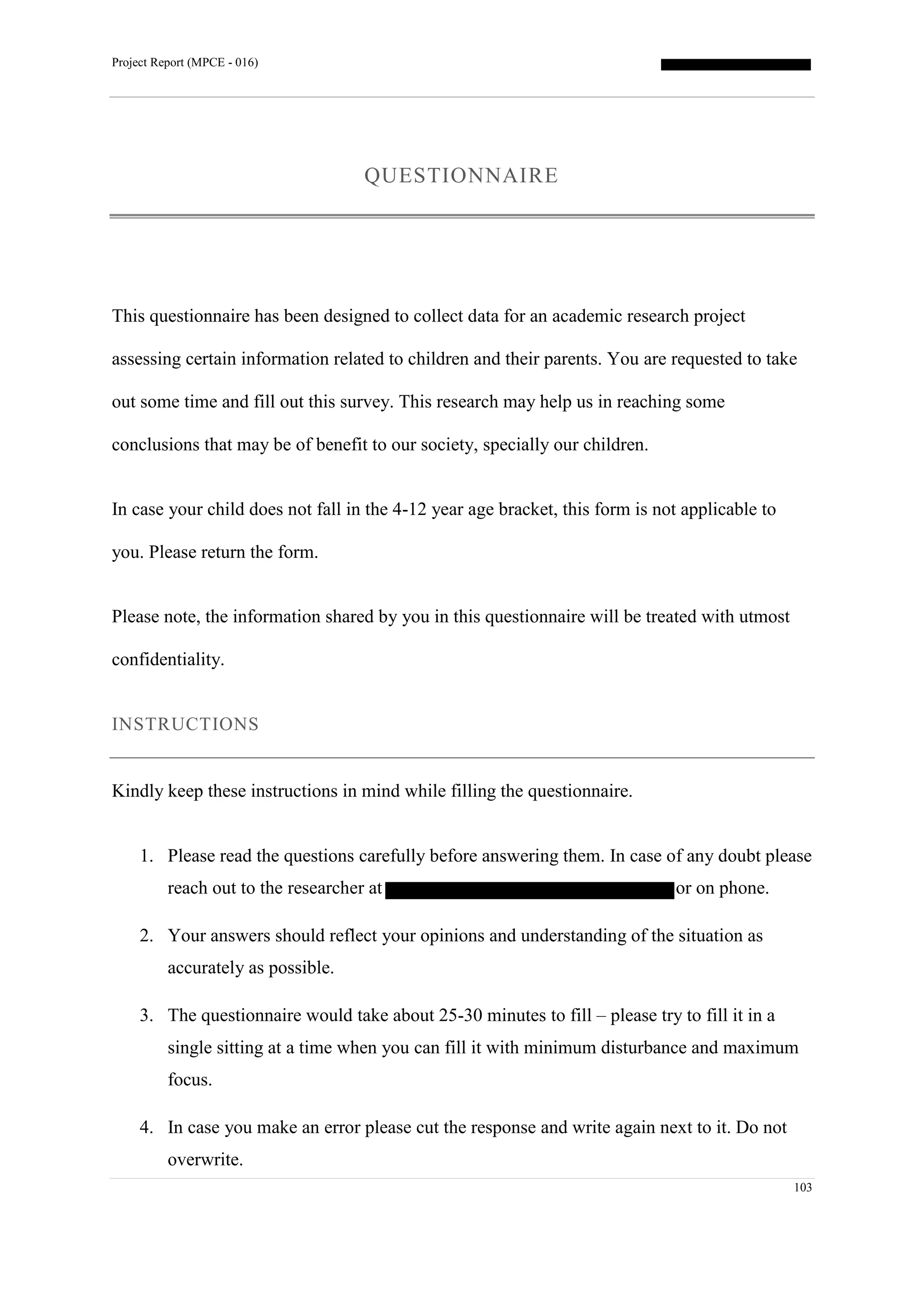
QUESTIONNAIRE
This questionnaire has been designed to collect data for an academic research project
assessing certain information related to children and their parents. You are requested to take
out some time and fill out this survey. This research may help us in reaching some
conclusions that may be of benefit to our society, specially our children.
In case your child does not fall in the 4-12 year age bracket, this form is not applicable to
you. Please return the form.
Please note, the information shared by you in this questionnaire will be treated with utmost
confidentiality.
INSTRUCTIONS
Kindly keep these instructions in mind while filling the questionnaire.
1. Please read the questions carefully before answering them. In case of any doubt please
reach out to the researcher at or on phone.
2. Your answers should reflect your opinions and understanding of the situation as
accurately as possible.
3. The questionnaire would take about 25-30 minutes to fill – please try to fill it in a
single sitting at a time when you can fill it with minimum disturbance and maximum
focus.
4. In case you make an error please cut the response and write again next to it. Do not
overwrite.
Project Report (MPCE - 016)
104
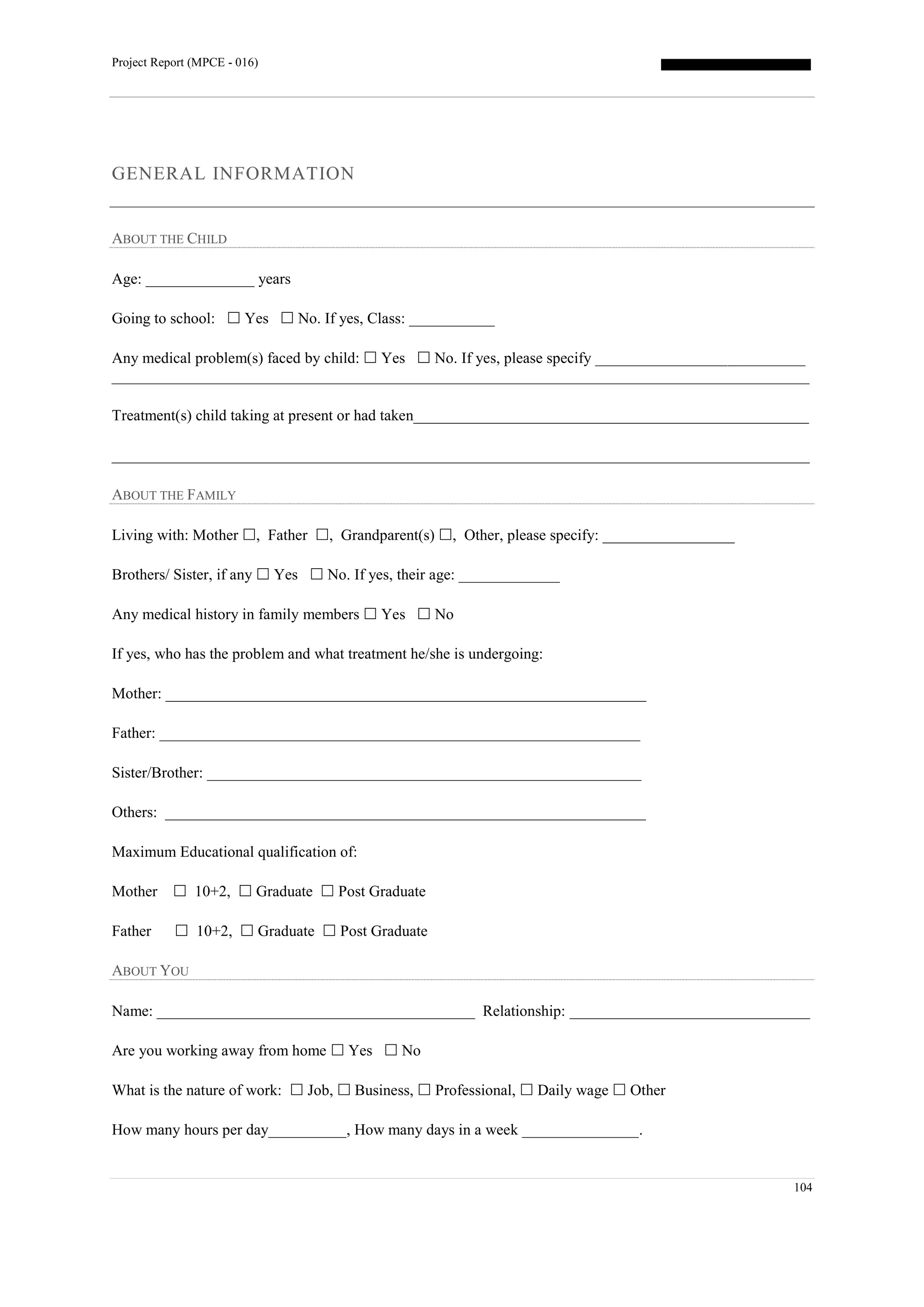
GENERAL INFORMATION
ABOUT THE CHILD
Age: ______________ years
Going to school:  Yes  No. If yes, Class: ___________
Any medical problem(s) faced by child:  Yes  No. If yes, please specify ___________________________
__________________________________________________________________________________________
Treatment(s) child taking at present or had taken___________________________________________________
__________________________________________________________________________________________
ABOUT THE FAMILY
Living with: Mother , Father , Grandparent(s) , Other, please specify: _________________
Brothers/ Sister, if any  Yes  No. If yes, their age: _____________
Any medical history in family members  Yes  No
If yes, who has the problem and what treatment he/she is undergoing:
Mother: ______________________________________________________________
Father: ______________________________________________________________
Sister/Brother: ________________________________________________________
Others: ______________________________________________________________
Maximum Educational qualification of:
Mother  10+2,  Graduate  Post Graduate
Father  10+2,  Graduate  Post Graduate
ABOUT YOU
Name: _________________________________________ Relationship: _______________________________
Are you working away from home  Yes  No
What is the nature of work:  Job,  Business,  Professional,  Daily wage  Other
How many hours per day__________, How many days in a week _______________.
Project Report (MPCE - 016)
105
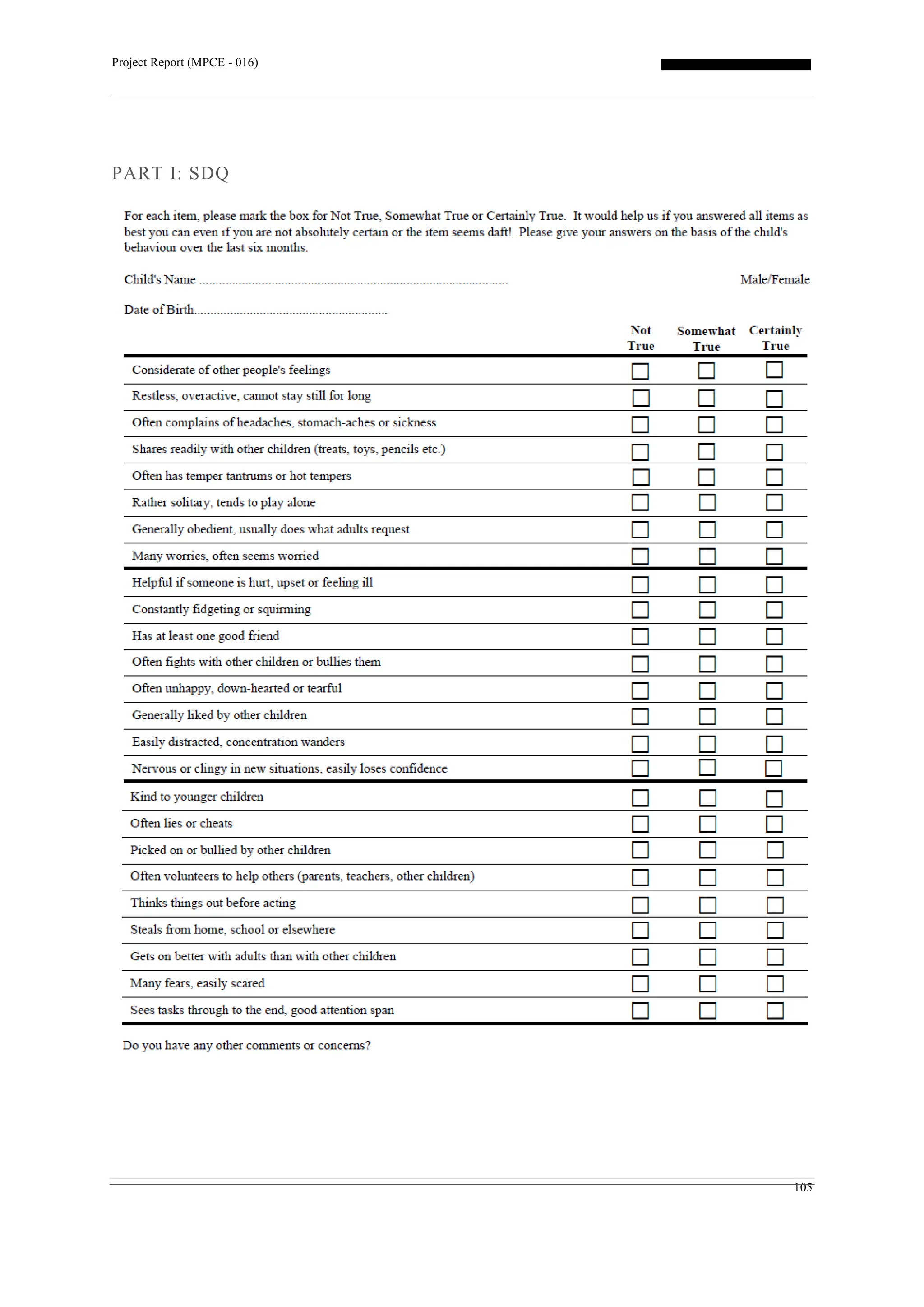
PART I: SDQ
Project Report (MPCE - 016)
106
Project Report (MPCE - 016)
109
AP P E N D I X II
MA S T E R DA T A CH A R T
Project Report (MPCE - 016)
112
AP P E N D I X III
PR O -FO R M A F O R AP P R OV A L O F
PR O J E C T SYN O P S I S
Project Report (MPCE - 016)
114
AP P E N D I X IV
AP P R O V E D PR O J E C T SYN O P S I S
Project Report (MPCE - 016)
131
AP P E N D I X V
RE C O R D O F VI S I T S C A R R I E D O U T
IGNOU Sample File for MPCE016 Research Project Dissertation MS

IGNOU Sample File for MPCE016 Research Project Dissertation MS

  • 1.
    A STUDY OFTHE RELATIONSHIP BETWEEN PARENTING PRACTICES AND THE BEHAVIOURAL STRENGTHS AND DIFFICULTIES OF CHILDREN IN URBAN INDIA M.A. Psychology (Clinical) Indira Gandhi National Open University Project Report (MPCE - 016) Enrolment No: Regional Centre: RC - Delhi 1 Year: IInd Year Project Guide: Dr.
  • 4.
    Project Report (MPCE- 016) 4 ACKNOWLEDGEMENT The successful completion of this project has been made possible by the contributions of several people. I acknowledge their contributions and would like to thank them for their help. GUIDANCE Even the most renowned travellers need navigators to show them the way to successfully complete their journey. This project has been no less than a journey. And its success has been made possible by the support and help of my navigator Dr. , Academic Counsellor at Jesus and Mary College, who agreed to be my project guide. I am greatly indebted to her for her valuable guidance during the project. I would like to express my gratitude and extend my sincere thanks to her for the constant motivation and supervision. I would also like to thank Dr. Swati Patra, Programme Coordinator for the MA Psychology Programme, for taking out the time from her very busy schedule to discuss the project in detail. It is heart warming to meet a faculty who is willing to excuse her-self temporarily from a meeting to guide students. The university should further strengthen this culture. PARTICIPATION AND SUPPORT WITH DATA COLLECTION The findings of any project based on primary research can only be as good as the quantity and quality of data they are based on. To ensure both can be a challenging task for the researcher. I’m, therefore, thankful to all the subjects who participated in the data collection exercise by filling the forms and sharing the extremely personal details about them and their children.
  • 5.
    Project Report (MPCE- 016) 5 I’m also thankful to all my classmates, colleagues and friends who helped in the data collection exercise by identifying the subjects and helping get the forms filled. This helped in ensuring that the planned sample size was reached. I would also like to thank Mr. , Academic Counsellor at Jesus and Mary College, who imparted to us the knowledge that he has gained over years of practicing Clinical Psychology and helped us understand better the working of the university. In the end, I would also like to thank Ms. , my batch mate for inspiring my interest in the area of parental and child psychology.
  • 6.
    Project Report (MPCE- 016) 6 TABLE OF CONTENTS Certificate of Originality 2 Certificate of Completion 3 Acknowledgement 4 List of Tables 8 List of Figures 9 Abstract 12 Chapter 1: Introduction 13 Chapter 2: Review of Literature 15 Chapter 3: Significance of the Study 20 Chapter 4: Methodology I. Research Problem II. Objectives III. Hypothesis IV. Key Definitions V. Variables VI. Research Design VII. Sampling Details and Size VIII. Tests/ Tools for Data Collection IX. Statistical Analysis X. Ethical Concerns 23 23 24 24 25 26 27 27 28 33 34
  • 7.
    Project Report (MPCE- 016) 7 Chapter 5: Results and Discussion 36 Chapter 6: Conclusion 94 Chapter 7: Delimitations and Suggestions for further work 96 References 99 Appendix I. Data collection questionnaire II. Master Data Chart III. Pro-forma for approval of Project Synopsis (Original) IV. Approved Project Synopsis (Original) V. Record of visits/activities carried out by the learner 101 102 109 112 114 131
  • 8.
    Project Report (MPCE- 016) 8 LIST OF TABLES Table 1: Scoring key for PAFAS.............................................................................................30 Table 2: Scoring symptom scores on the SDQ for 4-17 year olds...........................................32 Table 3: Categorizing SDQ scores for 4-17 year olds (new four-band categorization) ..........33 Table 4: Correlation amongst research variables (calculated using SPSS) .............................38
  • 9.
    Project Report (MPCE- 016) 9 LIST OF FIGURES Figure 1: Correlation between Parental Consistency and Pro-Social Behavior ......................42 Figure 2: Correlation between Parental Consistency and Total Difficulties Score .................43 Figure 3: Correlation between Parental Consistency and Externalising Score........................44 Figure 4: Correlation between Parental Consistency and Internalising Score.........................44 Figure 5: Correlation between Parental Consistency and Conduct Problems .........................45 Figure 6: Correlation between Parental Consistency and Hyperactivity.................................46 Figure 7: Correlation between Parental Consistency and Emotional Problems ......................47 Figure 8: Correlation between Parental Consistency and Peer Problems................................48 Figure 9: Correlation between Parental Consistency and Impact Score..................................49 Figure 10: Correlation between Coercive Parenting and Prosocial Behavior .........................50 Figure 11: Correlation between Coercive Parenting and Total Difficulties ............................51 Figure 12: Correlation between Coercive Parenting and Externalising Scores.......................52 Figure 13: Correlation between Coercive Parenting and Internalising Scores........................52 Figure 14: Correlation between Coercive Parenting and Conduct Problems ..........................53 Figure 15: Correlation between Coercive Parenting and Hyperactivity..................................54 Figure 16: Correlation between Coercive Parenting and Emotional Problems.......................55 Figure 17: Correlation between Coercive Parenting and Peer Problems.................................56 Figure 18: Correlation between Coercive Parenting and Impact Score...................................56 Figure 19: Correlation between Positive Encouragement and Prosocial Behavior .................57 Figure 20: Correlation between Positive Encouragement and Total Difficulties....................58 Figure 21: Correlation between Positive Encouragement and Externalising Scores...............59 Figure 22: Correlation between Positive Encouragement and Internalising Scores...............60
  • 10.
    Project Report (MPCE- 016) 10 Figure 23: Correlation between Positive Encouragement and Conduct Problems..................61 Figure 24: Correlation between Positive Encouragement and Hyperactivity..........................61 Figure 25: Correlation between Positive Encouragement and Emotional Problems...............62 Figure 26: Correlation between Positive Encouragement and Peer Problems ........................63 Figure 27: Correlation between Positive Encouragement and Impact Score .........................64 Figure 28: Correlation between Parent Child Relationship and Prosocial Behavior...............65 Figure 29: Correlation between Parent Child Relationship and Total Difficulties..................66 Figure 30: Correlation between Parent Child Relationship and Externalising Scores ............67 Figure 31: Correlation between Parent Child Relationship and Internalising Scores .............67 Figure 32: Correlation between Parent Child Relationship and Conduct Problems................68 Figure 33: Correlation between Parent Child Relationship and Hyperactivity .......................69 Figure 34: Correlation between Parent Child Relationship and Emotional Problems.............70 Figure 35: Correlation between Parent Child Relationship and Peer Problems......................71 Figure 36: Correlation between Parent Child Relationship and Impact Score ........................72 Figure 37: Correlation between Parental Adjustment and Prosocial Behavior .......................73 Figure 38: Correlation between Parental Adjustment and Total Difficulties ..........................73 Figure 39: Correlation between Parental Adjustment and Externalising Scores.....................74 Figure 40: Correlation between Parental Adjustment and Internalising Scores......................75 Figure 41: Correlation between Parental Adjustment and Conduct Problems ........................76 Figure 42: Correlation between Parental Adjustment and Hyperactivity................................77 Figure 43: Correlation between Parental Adjustment and Emotional Problems .....................77 Figure 44: Correlation between Parental Adjustment and Peer Problems...............................78 Figure 45: Correlation between Parental Adjustment and Impact Score.................................79 Figure 46: Correlation between Family Relationships and Prosocial Behavior......................80
  • 11.
    Project Report (MPCE- 016) 11 Figure 47: Correlation between Family Relationships and Total Difficulties.........................81 Figure 48: Correlation between Family Relationships and Externalising Scores....................81 Figure 49: Correlation between Family Relationships and Internalising Scores.....................82 Figure 50: Correlation between Family Relationships and Conduct Problems.......................83 Figure 51: Correlation between Family Relationships and Hyperactivity...............................84 Figure 52: Correlation between Family Relationships and Emotional Problems....................85 Figure 53: Correlation between Family Relationships and Peer Problems .............................85 Figure 54: Correlation between Family Relationships and Impact Score ...............................86 Figure 55: Correlation between Parental Teamwork and Prosocial Behavior.........................87 Figure 56: Correlation between Parental Teamwork and Total Difficulties............................88 Figure 57: Correlation between Parental Teamwork and Externalising Scores ......................89 Figure 58: Correlation between Parental Teamwork and Internalising Scores .......................89 Figure 59: Correlation between Parental Teamwork and Conduct Problems..........................90 Figure 60: Correlation between Parental Teamwork and Hyperactivity .................................91 Figure 61: Correlation between Parental Teamwork and Emotional Problems ......................92 Figure 62: Correlation between Parental Teamwork and Peer Problems................................93 Figure 63: Correlation between Parental Teamwork and Impact Score..................................93 Figure 64: SDQ Interpretation Case-Wise.............................................................................112 Figure 65: PAFAS Interpretation Case-Wise ........................................................................113
  • 13.
    Project Report (MPCE- 016) 13 CHAPTER 1: INTRODUCTION The title of this research is: A study of the relationship between parenting practices and the behavioural strengths and difficulties of children in urban India The growth and development of a human being are influenced by many factors. Out of these factors one factor that is common across all types of development is parental influence. That is, various aspects of the parent ex: genetic, behavioural, etc. impact various aspects of the child’s development. One of the aspects of a child’s development is behavioural. The behavioural development of a child, like other aspects, is impacted by numerous factors. Over here as well, the parents especially play a big role. But not all parents raise their children in the same manner. Their behaviour with the child on a day to day basis and their approach to child’s development both are a by-product of their own idiosyncrasies and their learning from those around them. As a consequence of this, different parents follow different parenting practices. Considering the influence that the parents have on the behavioural development of a child, the parenting practices followed by a parent can significantly influence the various behavioural strengths and difficulties that he/she has. Therefore, in this research an attempt is being made to uncover any such relation that may exist between the parenting practices and strengths and difficulties of the child, focusing specifically on the Indian context. Also, the research synopsis that was submitted focused on the parenting practices and not family
  • 14.
    Project Report (MPCE- 016) 14 adjustment. However, considering the strong relationship between the strengths and difficulties of the child and family adjustment that came out during the statistical analyses, these were also included in the scope and the same hypotheses was also tested for these – relationship between family adjustment variables and strengths and difficulties. This resulted in a significant increase in the scope of this research. Why focus on the Indian context? Simply because the parents themselves are humans who are influenced significantly by the environment they live in, especially the social and cultural aspects. Indirectly, this influence is behind their idiosyncrasies and has an impact on the parenting practices. Directly, the social construct determines the acceptability of various parenting practices. For ex: Corporal punishment for children maybe the way of life in Asian countries, but it is frowned upon in the Western world. Add to this, factors such as warmth and importance given to relationships, hierarchical setup and importance to religion. These factors can elicit a significantly different reaction to the same parenting practices and therefore, limit the applicability of the studies conducted abroad to India. This in turn lends critical importance to the project being conducted. Apart from this, being an Indian, a child and a would-be parent I am curious to find out the influence of parenting practices on children. And, the comprehensive analyses undertaken in this research, i.e., checking 63 pairs of variables for relationships will add a wealth of knowledge where little knowledge exists today.
  • 15.
    Project Report (MPCE- 016) 15 CHAPTER 2: REVIEW OF LITERATURE A parenting style is a psychological construct representing standard strategies that parents use in their child rearing. The quality of parenting is more essential than the quantity spend with the child. For instance a parent can spend the entire afternoon with his or her child but the parent may be engaging in a different activity and not demonstrating interest towards the child. Parenting styles are the representation of how parents respond and demand to their children. Parenting practices are specific behaviours, while parenting styles represent broader patterns of parenting practices. (Spera, 2005) There are many differing theories and opinions on the best ways to rear children, as well as differing levels of time and effort that parents are willing to invest. A child's temperament and parents' cultural patterns have an influence on the kind of parenting style a child may receive. (Berger, 2011) Early research in parenting and child development found that parents who provide their children with proper nurture, independence and firm control, have children who appear to have higher levels of competence and are socially skilled and proficient. (Spera, 2005) Additional developmental skills result from positive parenting styles including: maintaining a close relationship with others, being self-reliant, and independence. During the mid-1980s, researchers began to explore how specific parenting styles influence a child's later development. (Campione & Smetana, 2014)
  • 16.
    Project Report (MPCE- 016) 16 FINDINGS FROM RELATED STUDIES The number of studies conducted to assess the impact of parenting styles on the behaviour of a child in itself validates the relevance and importance of the topic to human beings. Key findings of some related studies are briefly discussed below:  Study titled ‘Impact of Behavioural Inhibition and Parenting Style on Internalizing and Externalizing problems from Early childhood through adolescence’ (Williams, et al., 2009) found that Internalizing problems at age 4 were greatest among behaviourally inhibited children who also were exposed to permissive parenting. Furthermore, greater authoritative parenting was associated with less of an increase in internalizing behaviour problems over time and greater authoritarian parenting was associated with a steeper decline in externalizing problems.  In study titled ‘Relationship between parenting practices and problem behaviour in 11 and 12 year old boys and girls’ (van Anken, van Hoek, Michorius, & Vergeer, 2013) analyses showed an inverse relationship between positive parenting and externalizing problem behaviour. No relationship was found between positive parenting and internalizing problem behaviour. A positive relationship was found between negative parenting on the one hand, and both internalizing and externalizing problem behaviour on the part of the child on the other. The above-mentioned relationships reveal a vicious circle of negative parenting and problem behaviour.  In study titled ‘Parenting Practices and Child Disruptive Behaviour Problems in Early Elementary School’ (Stormshak, Bierman, McMahon, & Lengua, 2000) the authors examined the hypothesis that distinct parenting practices may be associated with type and profile of a child’s disruptive behaviour problems (e.g., oppositional, aggressive,
  • 17.
    Project Report (MPCE- 016) 17 hyperactive). Parents of 631 behaviourally disruptive children described the extent to which they experienced warm and involved interactions with their children and the extent to which their discipline strategies were inconsistent and punitive and involved spanking and physical aggression. As expected from a developmental perspective, parenting practices that included punitive interactions were associated with elevated rates of all child disruptive behaviour problems. Low levels of warm involvement were particularly characteristic of parents of children who showed elevated levels of oppositional behaviours. Physically aggressive parenting was linked more specifically with child aggression. In general, parenting practices contributed more to the prediction of oppositional and aggressive behaviour problems than to hyperactive behaviour problems, and parenting influences were fairly consistent across ethnic groups and sex. RELATED STUDIES IN THE INDIAN CONTEXT As discussed above, compared with the critical importance of the topic to the everyday life of humans, there has been very little research on the topic focusing on the Indian scenario. The Indian context is unique. The socially acceptable parenting practices are very different from those in the Western world. Even the socially acceptable child behaviour is quite different from the Western world. The nature of relationship that is shared by parents and children is also very different from the western world. Therefore, it would be interesting to see the relation between the two in the Indian context. Some related studies do generate insights that make an interesting read:
  • 18.
    Project Report (MPCE- 016) 18  A study titled ‘Exploring Strengths, Difficulties and Loneliness among Children living in Socioeconomically Deprived Environment’ (Devi, Verma, & Shekhar, 2013) highlighted the impact of one of the key differentiators of the Indian social construct, poverty, on the children. The results suggest that “Children living in BPL families had more difficulties and low strengths as compared to APL children. Significant correlations were found between loneliness experiences and other variables under study.”  A recent study which was a bit more focused on maternal parenting practices and behavioural disorders on children, titled ‘Maternal parenting practices and child behavioural problems: a comparative study’ (Fathima & Jaya, 2015) “revealed that use of corporal punishment was significantly high by mothers of children diagnosed with ADHD and co-morbid disruptive behavioural problems. Negative parenting practices such as poor monitoring, inconsistent discipline and corporal punishment were found to be significantly positively correlated to child behavioural problems. On the other hand parental involvement showed significant negative correlation with child behavioural problems.  An interesting finding comes from the study titled “Perceptions of Child Maltreatment by Parents from the Indian Subcontinent: Challenging Myths About Culturally Based Abusive Parenting Practices” (Maiter, Alaggia, & Trocme, 2004) whose findings suggest that South Asian1 parents do not differ significantly from other populations in their judgment of appropriate parenting approaches; that is, persistent and excessive 1 This is to highlight that this study was done in a general South Asian context and not just Indian context. Therefore, the results may not necessarily be the same.
  • 19.
    Project Report (MPCE- 016) 19 use of physical discipline was considered to be inappropriate, behaviours of parents that may have negative emotional consequences for children were recognized as inappropriate, and lack of proper supervision of children was seen as a concern. The various studies that are quoted above highlight the importance of the relation between the parenting practices and child behaviour. The limited work that has been done in this area in India suggests that the results could be comparable to those of the Western world; however, there is no research before this that proves it. Therefore, when this research was started it was difficult to say what the outcome would be. Hopefully, those who do further research in the area now would not face the same challenge, and this research would, hopefully, be the guiding light for them.
  • 20.
    Project Report (MPCE- 016) 20 CHAPTER 3: SIGNIFICANCE OF THE STUDY The significance of any research study can be evaluated across some key dimensions. I hereby try to lay out a framework to give a structure to this evaluation process, as I comment on the significance of this study: 1. Importance within context of study: The context of this study is the parent child relationship. More specifically, the influence of a parent’s parenting methods and relationships shared with the child on the child’s behaviour and, therefore, in a critical way his future. Considering the study is directly tackling a matter of critical importance to the context – that is the impact of this very influence, it qualifies as significant on the dimension of relevance to context. 2. Relevance to the subjects of study: It is inarguable that the future of their children is a matter of serious importance for the parents. Similarly, it is inarguable that for the future of the children it is important that they do not develop behavioural difficulties. Instead they should develop behavioural strengths. Considering this study deals with the future of children, it should be of interest to most, if not, all parents. And, considering the results of the study may result in findings about improving the children’s future, it is of relevance to them.
  • 21.
    Project Report (MPCE- 016) 21 3. General applicability: The results of this study would be applicable to every normal household in the country where there are young children or would be in the future. It is observed that children who are not otherwise abnormal may face various behavioural strengths and difficulties. These strengths and difficulties may have their roots in different underlying factors, however, couple of factors that could be relevant to a lot of cases is parenting practices and adjustment to the relationship. Therefore, here an attempt is being made to assess the impact that the parenting practices may have on the behavioural strengths and difficulties of the child. If such a correlation is established, the practitioners can then evaluate the parenting practices of the parents in cases where behavioural difficulties exist in a child and in cases where difficulties don’t exist, and counsel them to make changes to the parenting practice to instead bring forth the behavioural strengths of the child. This could be useful not only in a clinical setting but also in a normal school setting. 4. Extension of existing knowledge/filling gaps in existing knowledge: The process of reviewing the literature led to the realisation that the subject under study is of critical importance and general relevance. However, sufficient research is not available in the Indian context. This research project is an attempt at filling this crucial gap. Here, I would like to additionally state that this is just a humble beginning. The parent-child relationship in a way lies behind the progress of the human race. It is one of the crucial determinants of what the following generation would become. The relationship is important and deep and so are the variables that impact the relationship
  • 22.
    Project Report (MPCE- 016) 22 and the influence that it has on the child. Extensive research is required on the various dimensions of the relationship. Through this project, the process starts with some of the dimensions. Hopefully, this shall be continued in the future. From the discussion above, it is clear that this project is significant in many ways – it is important in the context in which it is being conducted and it is of critical relevance to the subjects of the study – the parents and the children. Additionally, the findings of the study are extremely useful for the society in general – both in clinical scenarios and normal parenting scenarios. Also, as discussed earlier, this study fills a critical gap that exists in the current knowledge about parenting practices in the Indian context.
  • 23.
    Project Report (MPCE- 016) 23 CHAPTER 4: METHODOLOGY The aim of this research is to identify the relationship between the parenting practices of parents and the behavioural strengths and difficulties of their children in the Indian context. Using purposive sampling, respondents were identified and requested to fill the data collection questionnaire. The sample for the research comprised of 102 parents of children between 4 and 12 years of age. The data collection questionnaire consists of three parts – first, general information, second, the Strengths and Difficulties Questionnaire (SDQ), to assess the behavioural strengths and difficulties of the child, and third, the Parental and Family Adjustment Scale (PAFAS), to assess the parenting styles. Once the forms were filled, the data was collated, organised, tabulated, summarized and subsequently analysed. For the purpose of analyses Pearson’s correlation technique was used to identify the relationship amongst the various sub-scales of the two tests. The methodology is explained in detail below. I. RESEARCH PROBLEM Is there a relationship between the parenting practices of the parents and the behavioural strengths and difficulties of their children in India? If yes, what is the direction of this relationship? Rationale: It is observed that children who are clinically normal also have various behavioural strengths and difficulties. These strengths and difficulties may have their roots in
  • 24.
    Project Report (MPCE- 016) 24 different underlying factors. However, one of the factors that has been found to be relevant in a number of studies (see Literature Review section) is parenting practices. However, there has been limited research on the matter in India. Therefore, here an attempt is being made to assess the impact that the parenting practices may have on the behavioural strengths and difficulties of the child. If such a correlation exists the practitioners can then evaluate the parenting practices of the parents in cases where behavioural difficulties exist in a child and in cases where difficulties don’t exist, and counsel them to make changes to the parenting style to instead bring forth the behavioural strengths of the child. This should prove useful not only in a clinical setting, but also in a normal school setting. Intervention of this nature would be of significant benefit to the society and the country. II. OBJECTIVES 1. To assess the relationship between parenting practices and behavioural difficulties of children in India. 2. To assess the relationship between parenting practices and the behavioural strengths of children in India. III. HYPOTHESES The following hypotheses are tested for each pair of variables individually, as applicable (depending on whether they pertain to strength or difficulty): H0,1: There is no significant relationship between parenting practices variable and the behavioural difficulties of children.
  • 25.
    Project Report (MPCE- 016) 25 H0,2: There is no significant relationship between parenting practices and the behavioural strengths of children. IV. KEY DEFINITIONS Parenting Practices: the parenting approach or style expressed by the strategies parents use for promoting child’s positive and pro-social behavior (Sanders, Morawska, Haslam, Filus, & Fletcher, 2013) A parenting practice is a specific behavior that a parent uses in raising a child. For example, a common parent practice intended to promote academic success is reading books to the child. Parenting practices reflect the cultural understanding of children. Children develop skills at different rates as a result of differences in the culturally driven parenting practices. Quality of Parent-child relationship: the level of reciprocal warmth and parental satisfaction with a child. Parental emotional adjustment: the level of stress, depression and anxiety experienced by a parent related to adjustment in the parenting role. Positive family relationships: the level of supportive and conflict-free family environment Parental teamwork: the level of social support a parent receives from the partner in the parenting role. Behavioral Strengths of children: Children’s may have positive aspects such as pro-social behavior. For some children, depending upon the influencing factors, these may become habits and the way of life. These positive aspects are treated as strengths because they are
  • 26.
    Project Report (MPCE- 016) 26 both a reflection of and can have a significant positive influence on the child’s mental health and his general well-being. Behavioral Difficulties of children: Children’s behavior can be disruptive and difficult at times. For some children, such behavioural difficulties become a pattern that can include acting impulsively, reacting with aggression, refusing to follow reasonable directions, and defying adult authority. These behavioural difficulties can interfere with children’s social and academic development and can have serious consequences for their mental health. These were the major concepts related to this research project which the author felt necessary to define so as to ensure that the interpretation of the terms by the reader and user of the research results is same as the author’s usage. V. VARIABLES In this project two different groups of variables will be dealt with. Considering this project is an ex-post facto research the option of modifying/controlling the variables was not available. By observation of and understanding of the relationships amongst the variables underlined below we attempt to enhance the understanding of the subject of the study. The two groups of variables are: 1. Variables pertaining to parental practices which would include scores on: This set comprises of scores on four different scales – Parental Consistency, Coercive Parenting, positive encouragement and parent-child relationship. Thus, a set of four variables. We also look at Family Adjustment comprising 3 variables – Parental Adjustment, Family Relationships and Parental Teamwork.
  • 27.
    Project Report (MPCE- 016) 27 2. Variables pertaining to behavioural strengths and difficulties of a child: At the overall level are the Difficulties scores and Strengths (Pro-social) scores. The difficulties score can be further broken down into Externalising scores and Internalising scores. The Externalising scores can be broken down into Conduct scores and Hyperactivity scores. The Internalising scores can be broken down into Emotional scores and Peer Problem scores. (Goodman, Lamping, & Ploubidis, 2010) This is thus a set of 2 variables at the level 1, 2 at level 2 and 4 at level 3. In the research, an attempt will be made to assess the relationship at all three levels mentioned above. Apart from these we also look at the Impact score. VI. RESEARCH DESIGN The project is a Quantitative Non Interventional Research: the parents of the children filled the inventory of questions, which was thereafter quantitatively analysed. The research design is Ex-post facto - co-relational, wherein two sets of observations have been made for each subject:  first, regarding the parenting style that the child is exposed to and  second, regarding the behavioural strengths and difficulties of the child. These observations yield us two groups of variables. More details are given below. VII. SAMPLING DETAILS AND SIZE Sample: The questionnaire was administered to the parents of children, irrespective of gender, aged 4-12 years residing in urban India.
  • 28.
    Project Report (MPCE- 016) 28 Inclusion Criteria: The participants who were healthy, not suffering from any serious medical situation or disability that may render them prone to mental illness or an otherwise abnormal life have been included. The abnormalities, if such cases were included, may serve as extraneous variables. This is because they may impact the attitude of the parent towards the child, and therefore, the parenting practices, or, they may result in behavioural problems totally unrelated to parenting. Sample size: 102 Sampling Type: Purposive Sampling Place: The Questionnaire was primarily administered in and around Delhi and Kolkata. A further attempt was made to ensure that the respondent base is cosmopolitan to ensure applicability across the country. VIII. TESTS/TOOLS FOR DATA COLLECTION Data collection has been performed using the Questionnaire method. For this purpose a questionnaire was developed (see Appendix I) comprising of three parts, General Information, PAFAS questionnaire and SDQ questionnaire. No change has been made to PAFAS and SDQ, as any changes may hamper the reliability and validity of the instruments. Brief description of PAFAS and SDQ follows: 1. Parenting And Family Adjustment Scale (PAFAS) PAFAS is a 40 item parent report inventory that assesses five domains of parent and
  • 29.
    Project Report (MPCE- 016) 29 family functioning that are known risk factors for child emotional and behavioural problems. 1.1. Use The PAFAS was designed as a brief outcome measure for assessing changes in parenting practices and parental adjustment in the evaluation of both public health and individual or group parenting interventions. PAFAS shows good predictive strength in terms of its associating with child adjustment and parental self-efficacy as measured by CAPES (Child Adjustment and Parental Efficacy Scale, Morawska A. et al) 1.2. Structure The inventory consists of: 1.2.1. Parenting scale: measuring parenting practices on four sub-scales - parental consistency, coercive parenting, and positive encouragement, and quality of parent–child relationship. This consists 18 items of the inventory. 1.2.2. Family Adjustment scale: measuring family adjustment in three sub-scales - parental adjustment, family relationships and partner support in parenting. This forms 12 items of the inventory. (Sanders, Morawska, Haslam, Filus, & Fletcher, 2013) 1.3. Scoring The 30 items of the inventory are rated from 0 to 3. The ones marked in bold in Table 1: Scoring key for PAFAS are counted to be reverse scored (i.e. 0=3, 1=2, 2=1, 3=0) before summing the Total Score for each subscale. The scoring key alongwith possible score ranges and the related interpretation are given in Table 1: Scoring key for PAFAS.
  • 31.
    Project Report (MPCE- 016) 31 the teacher or the children themselves depending on the version being used. We use the version that is filled by the parent. 2.2. Structure It comprises of 5 scales: emotional symptoms, conduct problems, hyperactivity/ inattention, peer relationship problems and pro-social behaviour. The first four scales combine to give a difficulties score, and the fifth scale gives a strength score. The questionnaire has 5 questions for each of these scales. 2.3. Scoring Scoring involves assigning scores from 0 to 2 to the items. ‘Somewhat True’ is scored as 1. Scoring of ‘Not True’ and ‘Certainly True’ varies with the items (see Table 2: Scoring symptom scores on the SDQ for 4-17 year olds). For each of the 5 scales the score can range from 0 to 10, when all items are completed. It is usually more convenient to score all 5 scales before working out the total difficulties score. 2.3.1. Total Difficulty Score: This is generated by totalling the scores of all the scales except the pro-social scale. The resulting score is in a range of 0-40, and is counted as missing if any of the 4 components is missing. 2.3.2. Externalising and Internalising Scores: Alternatively, a three sub-scale division of the SDQ into ‘internalizing problems’ (emotional and peer symptoms), ‘externalizing problems’ (conduct and hyperactivity symptoms) and the pro-social scale, can be used. The externalising score is the sum of the conduct and hyperactivity scales and ranges from 0 to 20. The internalising score is the sum of the emotional and peer problems scales and also ranges from 0 to 20. In community samples using the two amalgamated scales is considered
  • 34.
    Project Report (MPCE- 016) 34 hypothesis at α = 0.05. However, also use α = 0.01 to further test the strength of the correlation. Over here, it is important to highlight that while the two sets of variables being assessed comprise of multiple variables, the intent is not to check for multi-variate correlation. In the project bivariate correlations amongst the 63 pairs of variables (as defined earlier) have been analysed. In addition, charts depicting correlation have been created to enable the reader to visually evaluate the results. This is the only place in the research where data-points have been shown on an individual basis, however, no further information is revealed. Considering the complexity of the analyses, computerised tools viz. Microsoft Excel and SPSS have been used. MS Excel was used in the first leg of the process, which involved collating, organising and tabulating the data to prepare it for analysis. SPSS was used to perform the statistical analyses required to test the hypothesis. Fortunately, an evaluation version of ‘SPSS 15.0 for Windows’ was present with the user which allows ~15 days long free access to the tool. For creating the scatter plot diagrams to show each set of correlation separately MS Excel has been used, considering it is more user friendly than the SPSS version available. X. ETHICAL CONCERNS As a researcher it is my obligation to conduct the research in an ethical and conscientious manner. This research endeavour involved collecting data which was quite personal and
  • 35.
    Project Report (MPCE- 016) 35 sensitive – information about the relationship of the person filling the form with his/her spouse and children, and, any difficulties or issues being faced by the children. Here are some of the key guidelines from the Ethical Principles of Psychologists and Codes of Conduct (American Psychological Association, 2010) relevant to research: “4.04(a) Psychologists include in written and oral reports and consultations, only information germane to the purpose for which the communication is made. “4.06 ...(1) psychologists do not disclose confidential information that reasonably could lead to the identification of a client/patient, research participant, or other person or organisation... “4.07 Psychologists do not disclose in their writings, lectures, or other public media, confidential, personally identifiable information concerning their clients/patients, students, research participants, organizational clients, or other recipients of their services that they obtained during the course of their work,... Keeping the guidelines in mind and considering the sensitivity of the data, the subjects were assured that the data would be kept confidential. To maintain confidentiality neither their own, nor their child’s identities are shared, nor are individual responses shared in this report. All data is shared in a statistically aggregated manner or in the form of visuals, and all interpretations will also be drawn at this level.
  • 36.
    Project Report (MPCE- 016) 36 CHAPTER 5: RESULTS AND DISCUSSION In this chapter, we look at the data analysis, the results of the analysis and a discussion of the findings and their interpretation in context of existing research. I. DATA ANALYSIS The data for the exercise was collected from 102 parents of children between 4 and 12 years of age. This data was converted into electronic format manually using MS Excel. It was thereafter tabulated, with data for the two sets of questionnaires PAFAS and SDQ tabulated separately. The tabulated data was then scored using the scoring key reproduced in the previous section. The scored data was thus ready for interpretation and further analyses. Bivariate correlation analysis was performed amongst the various variables to assess the existence or absence of relationships amongst them. More specifically, considering sufficient data is available (n=102) Pearson’s r has been used as a measure of correlation. The results of this correlation are represented in Table 4: Correlation amongst research variables (calculated using SPSS). As highlighted earlier, while the two sets of variables being assessed comprise of multiple variables, the intent is not to check for multi-variate correlation. We analyse Bivariate correlations amongst the various variables. Keeping this in mind we discuss the results for each pair of variables to check whether they meet the hypothesis. Before getting into the results, however, let’s have a quick look at Table 4: Correlation amongst research variables (calculated using SPSS) and understand how to use it.
  • 37.
    Project Report (MPCE- 016) 37 - The first row of this table has the variables from SDQ – Emotional Problems Scale, Conduct Problems Scale, Hyperactivity Scale, Peer-Problems Scale, Prosocial Scale, Externalising Score, Internalising Score, Total Difficulties Score and the Impact Score. - The first column of this table has the variables from PAFAS – Parental Consistency, Coercive Parenting, Positive Encouragement, Parent-Child Relationships, Parental Adjustment, Family Relationships and Parental Teamwork. - The second column of this table shows what the numbers are. You may observe the pattern – there are three rows pertaining to each variable from PAFAS. The first row shows the values of the Pearson coefficient, second row shows the level of significance for the two tailed test and the third one shows the number of responses for each question. - From the third column and second row onwards, the intersection of each column (SDQ variable) and row (PAFAS variable) tells us about the correlation between the two variables. - The cells highlighted in gray are the statistically significant correlations. The numbers marked with ‘**’ are statistically significant at α = 0.01 and the numbers marked with ‘*’ are statistically significant at α = 0.05.
  • 39.
    Project Report (MPCE- 016) 39 II. RESULTS OF THE ANALYSIS In this section we look at the results of the analysis performed on the data, and discuss the interpretation of these results – both using the usual terms of research and simple English that a layman may understand. To structure this section, we look at the correlation of each variable from PAFAS with each of the variables from the SDQ one by one. The reason for selecting this structure and not the other way round is that we see some intra-PAFAS variable consistency in correlations with the SDQ variables. That is, if a variable from PAFAS is significantly correlated with one SDQ variable, it typically shows significant correlations with some other PAFAS variables as well; and vice-a-versa. It is also important to highlight that while the variables from PAFAS form the x-axis, which is typically used to depict the dependant variable, they should not be interpreted to be so. The analysis done in this research is purely correlational and no attempt at establishing the causality has been made anywhere in this report. 1. Correlation between Parental Consistency and SDQ variables Parental consistency refers to the consistency in the parenting approach of the parent towards the child. Higher scores indicate lower level of consistency in parent behavior. In this section we look at the correlation of parental consistency with the variables from SDQ. i) Correlation between Parental Consistency Scores and Pro-social Scores Pro-Social scale indicates the level of pro-social behaviour in a child. Higher the Pro-social score more is the pro-social behaviour in the child.
  • 92.
    Project Report (MPCE- 016) 92 conclude that an increase or decrease in Parental Teamwork may or may not be accompanied by an increase or decrease in the impact of behavioural difficulties on a child. The null hypotheses, H0,1 is accepted for this set of variables, there is no significant relationship between parenting practices and the behavioural difficulties of children.
  • 93.
    Project Report (MPCE- 016) 93 III. DISCUSSION Based on the literature review some expectations were set on what the results of this research would be like, even though there was no certainty due to the lack of research on the topic in India. Most of the results are in line with the expectations based on the literature review and common sense – we see a significant relationship between variables such as Parental Adjustment, Parent-Child relationship, Family Relationships, Parental Teamwork and Coercive Parenting and the variables related to strengths and difficulties of children. However, not all results were as expected. While we would expect children whose parents are not consistent to have a greater set of difficulties than children whose parent are, the research suggests the existence of an opposite relationship, and the results were statistically significant, and true for most difficulty variables. Another counterintuitive result was the lack of significance of positive encouragement in relation to the strengths and difficulties of children. There may be various reasons driving such unexpected results, including factors such as sampling errors, and further research would be necessary to establish these as facts. In the end, the null hypothesis was accepted for 22 pairs from the 63 pairs of variables analysed, rejecting for the remaining 41.
  • 94.
    Project Report (MPCE- 016) 94 CHAPTER 6: CONCLUSION From the above discussion, it is clear that certain aspects of parenting have a very strong correlation with the strengths and difficulties that are observed in the child, while others do not have any significant impact. As a consequence we rejected the null hypothesis for 41 out of the 63 pairs of variables and accepted for the remaining. Broadly, through this research effort it was found that: At level 1, 1. Pro-social Behavior (Behavioral Strengths) in children has a significant relationship with Coercive Parenting, Family Relationships and Parental Teamwork. And does not have a significant relationship with Parental Consistency, Positive Encouragement, Parent Child Relationship and Parental Adjustment. 2. The prevalence of difficulties in children has a significant relationship with Parental Consistency, Coercive Parenting, Parent Child Relationship and Parental Adjustment, Family Relationships and Parental Teamwork. And does not have a significant relationship with Positive Encouragement. At level 2 for difficulties, 3. The prevalence of externalizing difficulties in children has a significant relationship with Parental Consistency, Coercive Parenting, Parent Child Relationship and Parental Adjustment, Family Relationships and Parental Teamwork. And does not have a significant relationship with Positive Encouragement.
  • 95.
    Project Report (MPCE- 016) 95 4. The prevalence of internalizing difficulties in children has a significant relationship with Parental Consistency, Coercive Parenting, Parent Child Relationship and Parental Adjustment, Family Relationships and Parental Teamwork. And does not have a significant relationship with Positive Encouragement. At level 3 for difficulties, 5. Emotional Problems in children was found to have a significant relationship with Parental Consistency, Coercive Parenting, Parent Child Relationship, Parental Adjustment, Family Relationships and Parental Teamwork. And was not found to have a significant relationship with Positive Encouragement. 6. Conduct Problems in children was found to have a significant relationship with Coercive Parenting, Parent Child Relationship, Family Relationships and Parental Teamwork. And was not found to have a significant relationship with Parental Consistency, Positive Encouragement and Parental Adjustment. 7. Hyperactivity in children was found to have a significant relationship with Parental Consistency, Coercive Parenting, Parental Adjustment, Family Relationships and Parental Teamwork. And was not found to have a significant relationship with Positive Encouragement and Parent Child Relationship. 8. Peer Problems in children was found to have a significant relationship with Parental Adjustment, Family Relationships and Parental Teamwork. And was not found to have a significant relationship with Parental Consistency, Coercive Parenting, Positive Encouragement and Parent Child Relationship.
  • 96.
    Project Report (MPCE- 016) 96 CHAPTER 7: DELIMITATIONS AND SUGGESTIONS In this chapter we first look at the various limitations of the research conducted. These limitations must be kept in mind while interpreting this report. This is accompanied by suggestions for someone who wants to further this research, especially ways to possibly overcome some of the limitations that are highlighted. 1. Sample: a. Increasing size - Electronic Versions: Take permission from the authors and conduct the survey electronically for a much bigger data set. b. Improving representativeness: There are several aspects related to demographics and other features which were probably not covered well by the sample ex: gender, poor socio-economic status, learning difficulties, intellectual disabilities, peer group pressure, temperament of the child, brain development, social circle, poor attitude toward education or schooling, unhealthy or inconsistent discipline style, substance abuse, difficult pregnancies, premature birth, low birth etc. Those interested in pursuing this research further should try to cover a wider segment of the sample – the present sample is majorly focused on high income group families, mostly with at least one parent within top 1% income group of the country. 2. Related to filling questionnaire:
  • 97.
    Project Report (MPCE- 016) 97 a. Due to time and other constraints it wasn’t possible for me to monitor the conditions and mental state under which the subject filled the form with strictness. Anyone using the results should keep this in mind. b. Some respondents did not fill complete questionnaire, missing out on the SDQ impact score section. Fortunately, this did not have any adverse impact on our research as this was not core to our analyses. However, having the scores for all participants would have resulted in better quality of output. 3. Analysis: a. Causality: This research was limited to determining the correlation between the variables. No attempt has been made to establish the causality. Further research maybe conducted to assess the causality. b. Gender differences: The gender differences could be further analysed using a t-test. This could be both for the parent, and for the child. T-test could be used for this purpose. c. Age differences: We are looking at a broad age group of 4-12 years old in the research. Further research could be done to assess the differences between two or more subgroups such as 4-8 yrs and 9-12 years. This can again be done using T-test. d. Regional differences: India is a country with diverse cultures. It would be interesting to see if there is a significant difference in the relationship of parenting practices/family adjustment with strength/difficulties of children in different regions. For this it would be essential to move beyond the cosmopolitan crowd 4. Related research:
  • 98.
    Project Report (MPCE- 016) 98 a. Relationship between parenting practices/family adjustment and anxiety levels of the parents: The hypothesis could be that parents with high anxiety levels typically indulge in parenting practices/family adjustment that are unfavourable for the child. b. Relationship between the parenting practices/family adjustment and anxiety levels of the children: The hypothesis could be that the children exposed to unfavourable parenting practices/family adjustment will have high levels of both trait and state anxiety. c. Similarly, it would be interesting to see the relationship of depression in parents and strengths and difficulties in children Apart from these, the other limitations that are faced by a researcher using a questionnaire, and that too with limited number of open-ended questions were faced in this research too. For examples, there was no opportunity to clarify in case any responses were on unexpected lines. However, the researcher believes that even with these limitations, this research is an important start in the area in India, and will help those who work further in the area by acting as a source of reference and a starting point.
  • 99.
    Project Report (MPCE- 016) 99 REFERENCES American Psychological Association. (2010). Ethical Principles of Psychologists and Code of Conduct. Washington DC: American Psychological Association. Berger, K. S. (2011). The Developing Person Through the Life Span. Worth Publishers. Campione & Smetana, N. &. (2014). Parenting Styles. James J. Ponzetti Jr. Devi, R., Verma, N., & Shekhar, C. (2013). Exploring Strengths, Difficulties and Loneliness among Children living in Socioeconomically Deprived Environment. Journal of Indian Association for Child and Adolescent Mental Health, 26-42. Fathima, M. A., & Jaya, A. T. (2015). Maternal parenting practices and child behavioural problems: a comparative study. Zenith International Journal of Multidisciplinary Research, 28. Garrett, H. E. (1966). Statistics in Psychology and Education. New York: David Mckay Company, Inc. and Longman Group Ltd. Goodman, A., Lamping, D. L., & Ploubidis, G. B. (2010). When to use broader internalising and externalising subscales instead of the hypothesised five subscales on the Strengths and Difficulties Questionnaire (SDQ): data from British parents, teachers and children. Journal of Abnormal Child Psychology, 1179-1191. Maiter, S., Alaggia, R., & Trocme, N. (2004). Perceptions of child maltreatment by parents from the Indian subcontinent: challenging myths about culturally based abusive parenting practices. Child Maltreatment, 309-24. Sanders, M. R., Morawska, A., Haslam, D. M., Filus, A., & Fletcher, R. (2013). Parenting and Family Adjustment Scales (PAFAS): Validation of a Brief Parent-Report Measure for Use in Assessment of Parenting Skills and Family Relationships. Child Psychiatry & Human Development, 255-272. Singh, A. K. (2013). Tests, Measurements and Research Methods in Behavioral Sciences. Patna: Bharati Bhawan. Spera, C. (2005). A Review of the Relationship Among Parenting Practices, Parenting Styles, and Adolescent School Achievement. Educational Psychology Review, 125-146. Stormshak, E. A., Bierman, K. L., McMahon, R. J., & Lengua, L. J. (2000). Parenting Practices and Child Disruptive Behavior Problems in Early Elementary School. Journal of Clinical Child Psychology, 17-29.
  • 100.
    Project Report (MPCE- 016) 100 van Anken, F. D., van Hoek, S., Michorius, E., & Vergeer, N. A. (2013). Relationship between parenting practices and problem behavior in 11 and 12 year old boys and girls. Social Cosmos, 97. What is the SDQ? (2015, September 19). Retrieved from Youth in Mind: http://www.sdqinfo.com/a0.html Williams, L. R., Degnan, K. A., Perez-Edgar, K. E., Henderson, H. A., H, R. K., Pine, D. S., . . . Fox, N. A. (2009). Impact of Behavioral Inhibition and Parenting Style on Internalizing and Externalizing Problems from Early Childhood through Adolescence. Journal of Abnormal Child Psychology, 1063-1075.
  • 101.
    Project Report (MPCE- 016) 101 APPENDIX
  • 102.
    Project Report (MPCE- 016) 102 AP P E N D I X I DA T A CO L L E C T I O N QU E S T I O N N A I R E
  • 103.
    Project Report (MPCE- 016) 103 QUESTIONNAIRE This questionnaire has been designed to collect data for an academic research project assessing certain information related to children and their parents. You are requested to take out some time and fill out this survey. This research may help us in reaching some conclusions that may be of benefit to our society, specially our children. In case your child does not fall in the 4-12 year age bracket, this form is not applicable to you. Please return the form. Please note, the information shared by you in this questionnaire will be treated with utmost confidentiality. INSTRUCTIONS Kindly keep these instructions in mind while filling the questionnaire. 1. Please read the questions carefully before answering them. In case of any doubt please reach out to the researcher at or on phone. 2. Your answers should reflect your opinions and understanding of the situation as accurately as possible. 3. The questionnaire would take about 25-30 minutes to fill – please try to fill it in a single sitting at a time when you can fill it with minimum disturbance and maximum focus. 4. In case you make an error please cut the response and write again next to it. Do not overwrite.
  • 104.
    Project Report (MPCE- 016) 104 GENERAL INFORMATION ABOUT THE CHILD Age: ______________ years Going to school:  Yes  No. If yes, Class: ___________ Any medical problem(s) faced by child:  Yes  No. If yes, please specify ___________________________ __________________________________________________________________________________________ Treatment(s) child taking at present or had taken___________________________________________________ __________________________________________________________________________________________ ABOUT THE FAMILY Living with: Mother , Father , Grandparent(s) , Other, please specify: _________________ Brothers/ Sister, if any  Yes  No. If yes, their age: _____________ Any medical history in family members  Yes  No If yes, who has the problem and what treatment he/she is undergoing: Mother: ______________________________________________________________ Father: ______________________________________________________________ Sister/Brother: ________________________________________________________ Others: ______________________________________________________________ Maximum Educational qualification of: Mother  10+2,  Graduate  Post Graduate Father  10+2,  Graduate  Post Graduate ABOUT YOU Name: _________________________________________ Relationship: _______________________________ Are you working away from home  Yes  No What is the nature of work:  Job,  Business,  Professional,  Daily wage  Other How many hours per day__________, How many days in a week _______________.
  • 105.
    Project Report (MPCE- 016) 105 PART I: SDQ
  • 106.
  • 109.
    Project Report (MPCE- 016) 109 AP P E N D I X II MA S T E R DA T A CH A R T
  • 112.
    Project Report (MPCE- 016) 112 AP P E N D I X III PR O -FO R M A F O R AP P R OV A L O F PR O J E C T SYN O P S I S
  • 115.
    Project Report (MPCE- 016) 114 AP P E N D I X IV AP P R O V E D PR O J E C T SYN O P S I S
  • 135.
    Project Report (MPCE- 016) 131 AP P E N D I X V RE C O R D O F VI S I T S C A R R I E D O U T