•
•
•
•
•
•

Types
Causes
Treatments
Symptoms
Test and diagnosis
Preventions
What is hyperhidrosis?
• Hyperhidrosis is an excessive sweating

disease, which may be localized (only
armpits, feet, palms or face) or affect all body
areas supplied by sweat glands. (BRITISH MEDICAL
ASSOCIATION medical dictionary.)

• According to International Hyperhidrosis Society
about 3% of the world population have
hyperhidrosis.
• Also known as wet hand disease
or excessive sweating.

i

y

• Hyperh drosis ≠ hyperh drosis.
What are the causes?
• May be caused by hot weather, exercise, or anxiety.
• In some cases it is due to an
infection, thyrotoxicosis, hypoglycaemia or nervous system
disorder.
• But mostly, the disorder has no known causes.
• It can occur at any time for no reasons and is uncontrollable.
• In some cases, hyperhidrosis is suffered due to others health
conditions such as diabetes, obesity, menopause and etc. This
type of hyperhidrosis is called secondary hyperhidrosis.
Medical explaination.
• Sweating is important for thermal regulation but it becomes a problem if it sweat excessively.
• The emotional and mental problems do not cause the excess sweating; the excessive sweating
causes the emotional and mental problems.
•Not because too many sweat glands but due to the over activity in sympathetic nervous system
(involuntary).
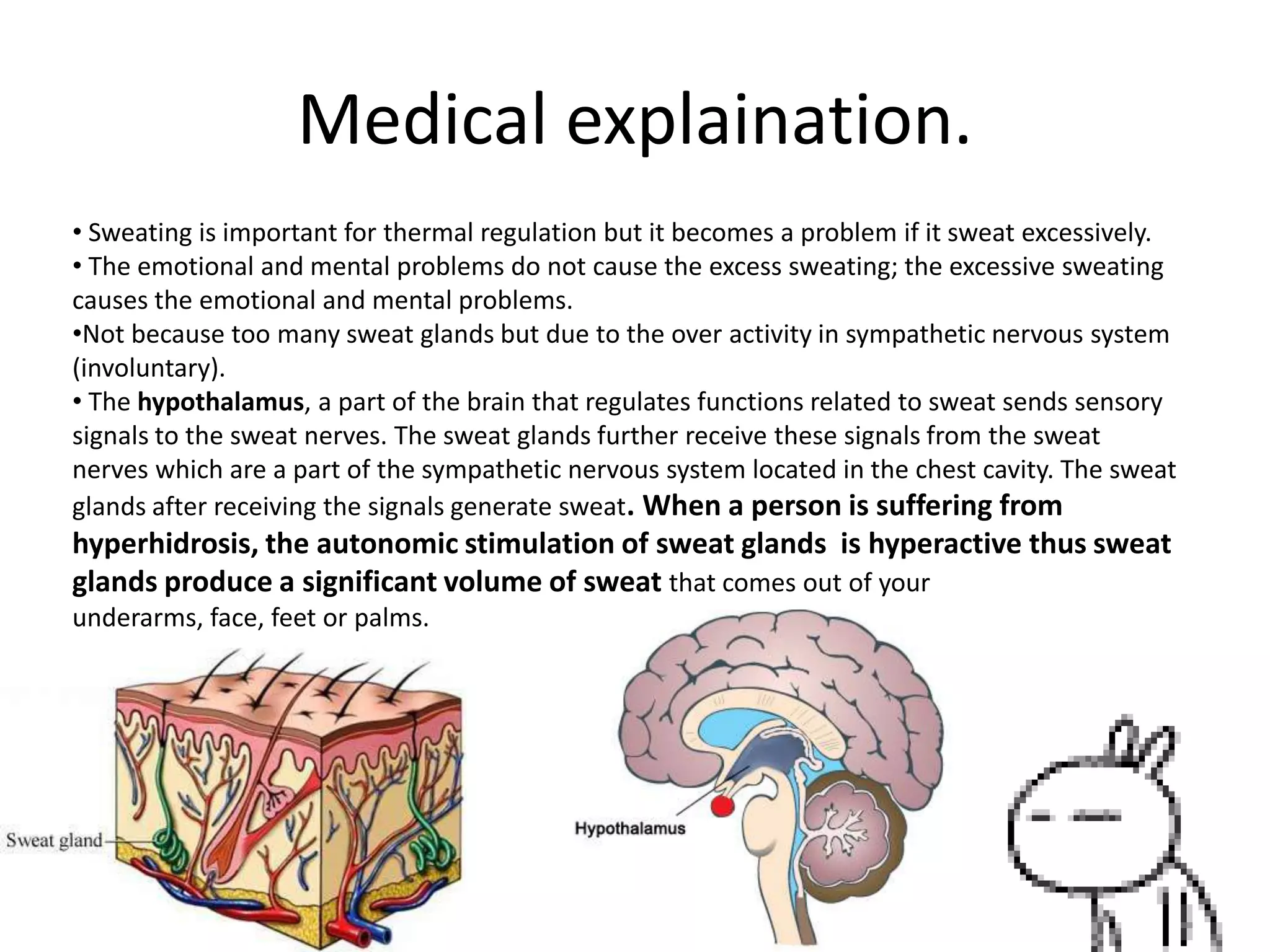
• The hypothalamus, a part of the brain that regulates functions related to sweat sends sensory
signals to the sweat nerves. The sweat glands further receive these signals from the sweat
nerves which are a part of the sympathetic nervous system located in the chest cavity. The sweat
glands after receiving the signals generate sweat. When a person is suffering from

hyperhidrosis, the autonomic stimulation of sweat glands is hyperactive thus sweat
glands produce a significant volume of sweat that comes out of your
underarms, face, feet or palms.
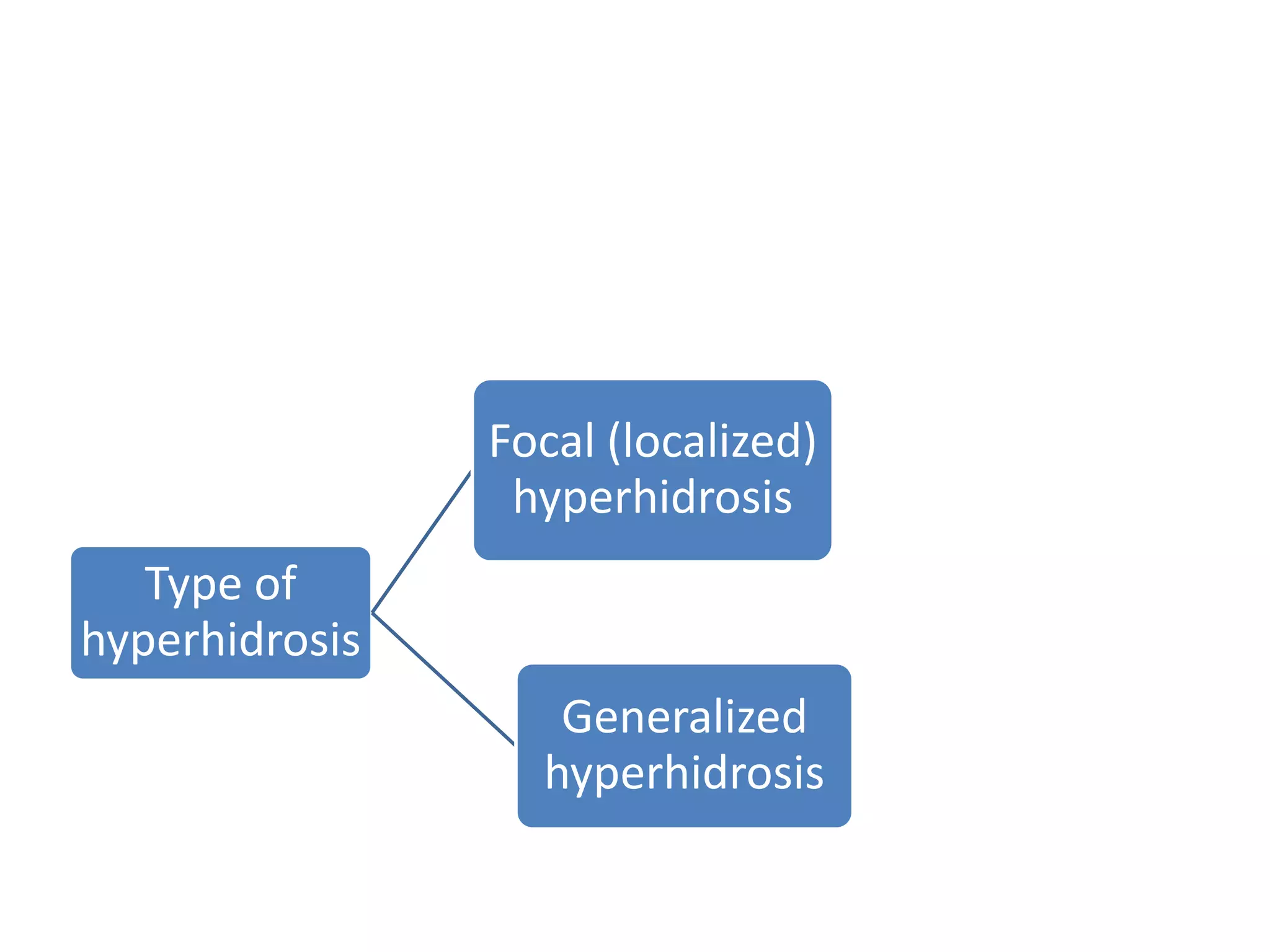
Focal (localized)
hyperhidrosis

Type of
hyperhidrosis
Generalized
hyperhidrosis
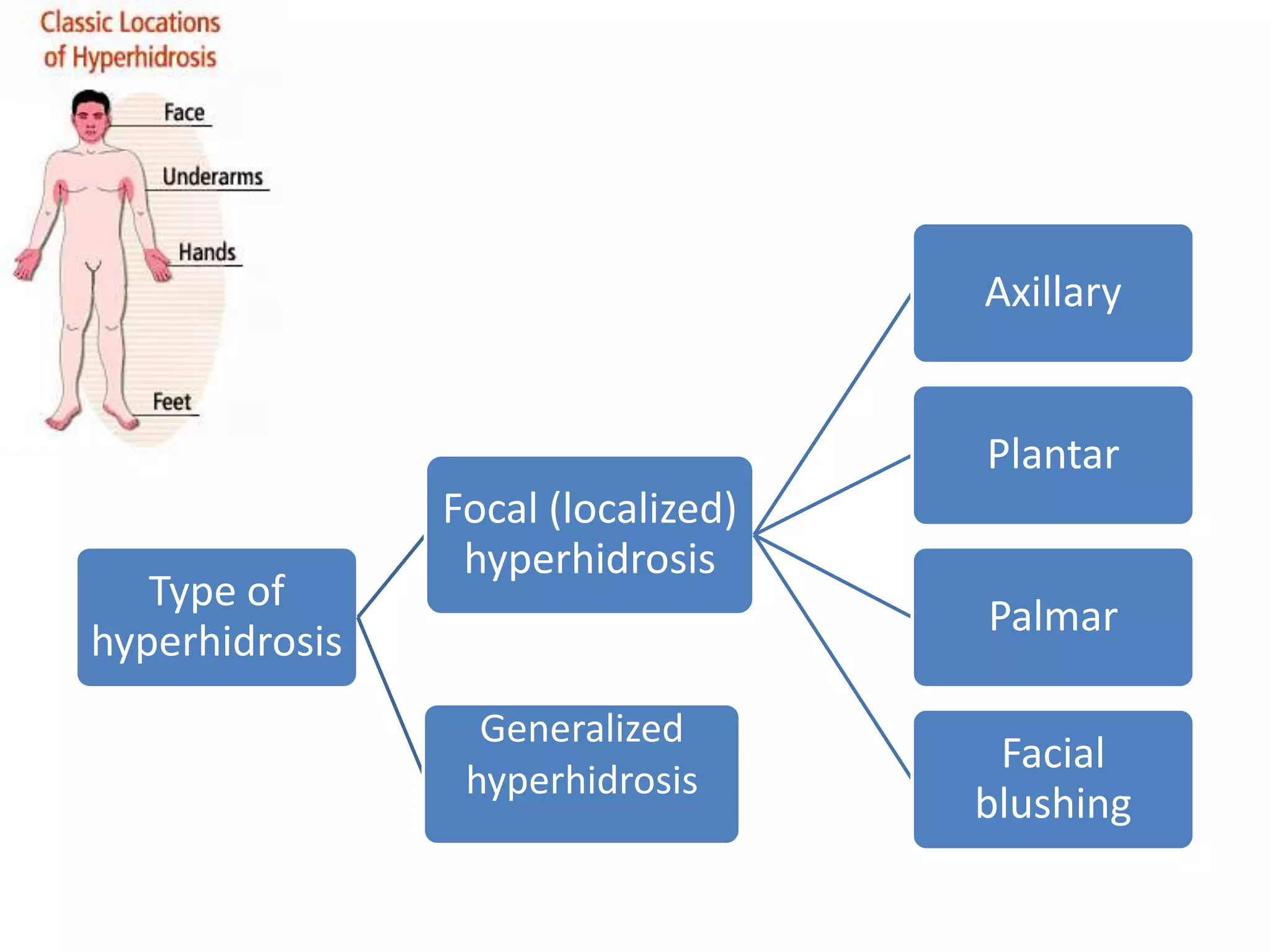
Axillary

Plantar
Type of
hyperhidrosis

Focal (localized)
hyperhidrosis
Palmar
Generalized
hyperhidrosis

Facial
blushing
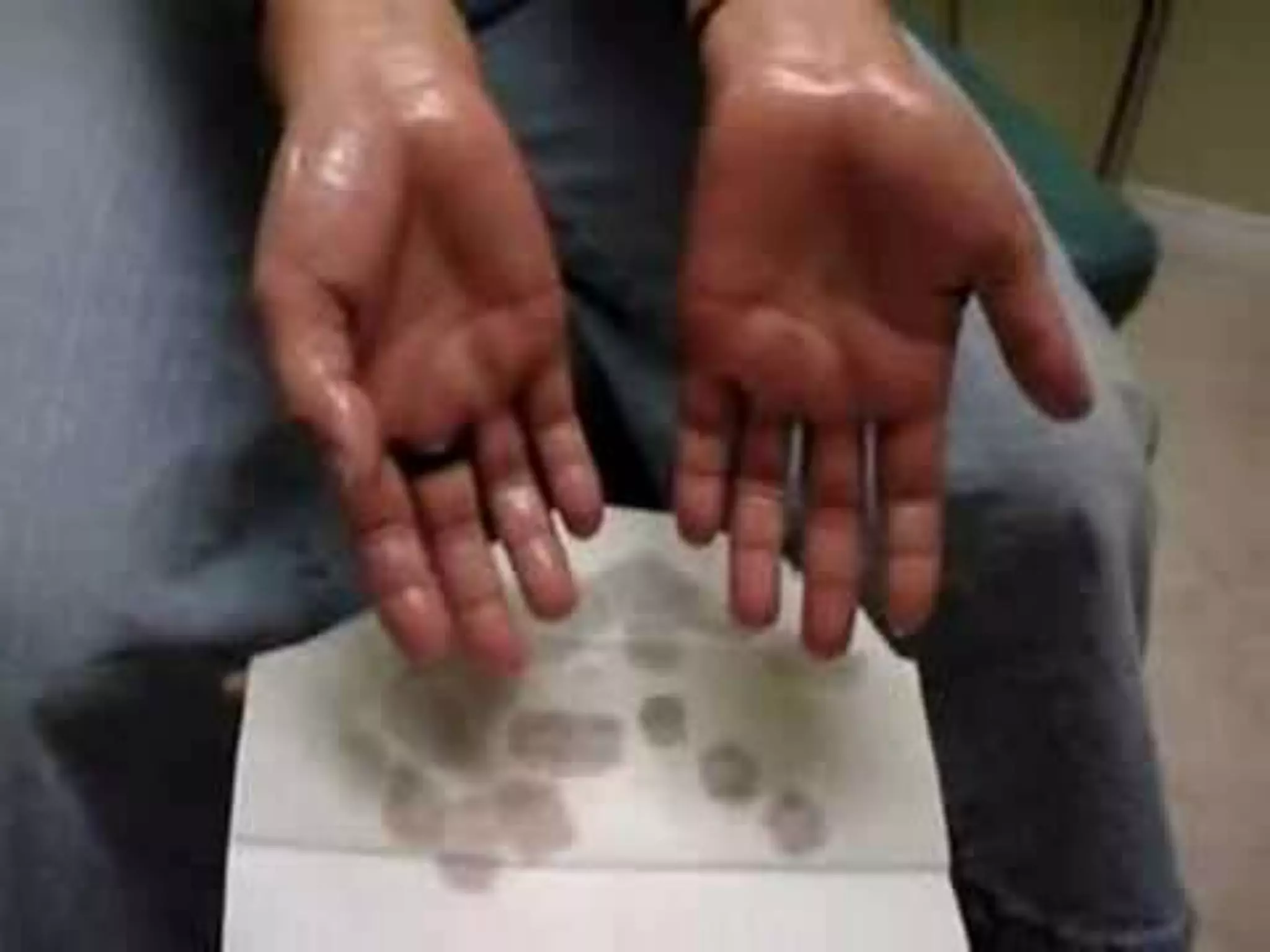
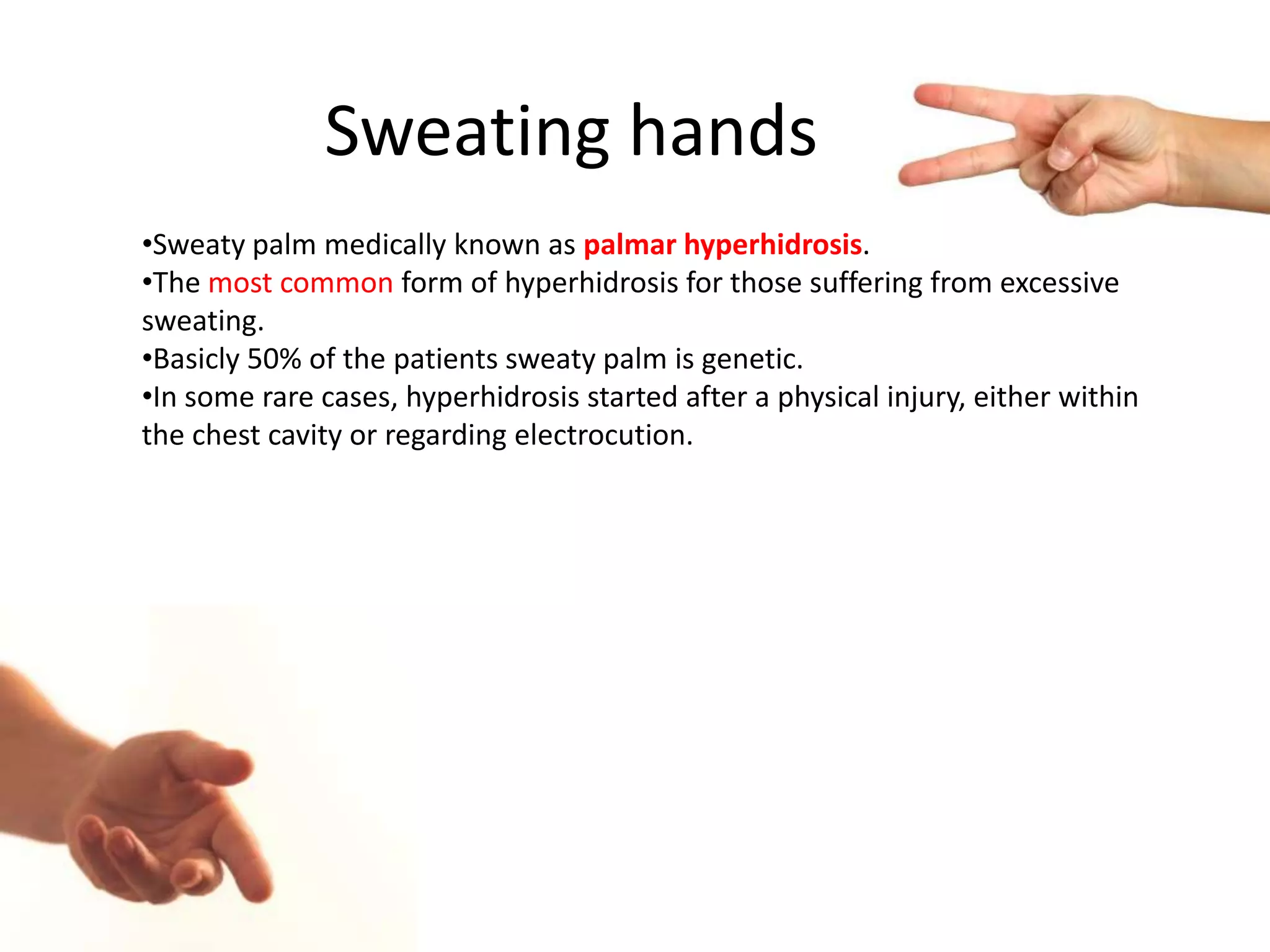
Sweating hands
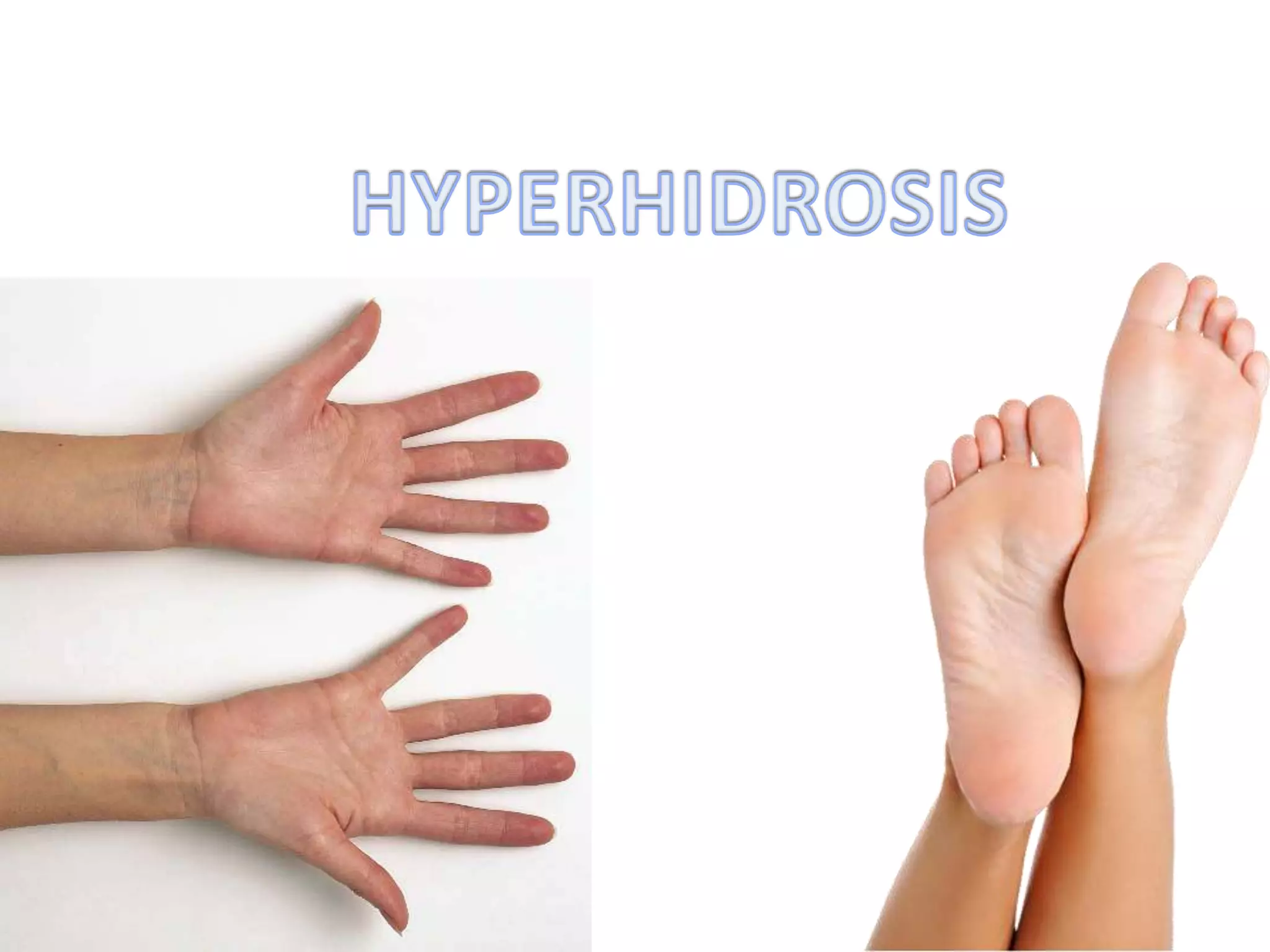
•Sweaty palm medically known as palmar hyperhidrosis.
•The most common form of hyperhidrosis for those suffering from excessive
sweating.
•Basicly 50% of the patients sweaty palm is genetic.
•In some rare cases, hyperhidrosis started after a physical injury, either within
the chest cavity or regarding electrocution.
Sweating feets
• Sweaty feet medically known as plantar hyperhidrosis.
• Most patients who have sweaty feet have sweaty palm as well.
• Normally it does not affect the suffers social life but it can affect intimacy due to the
discomfort smell.
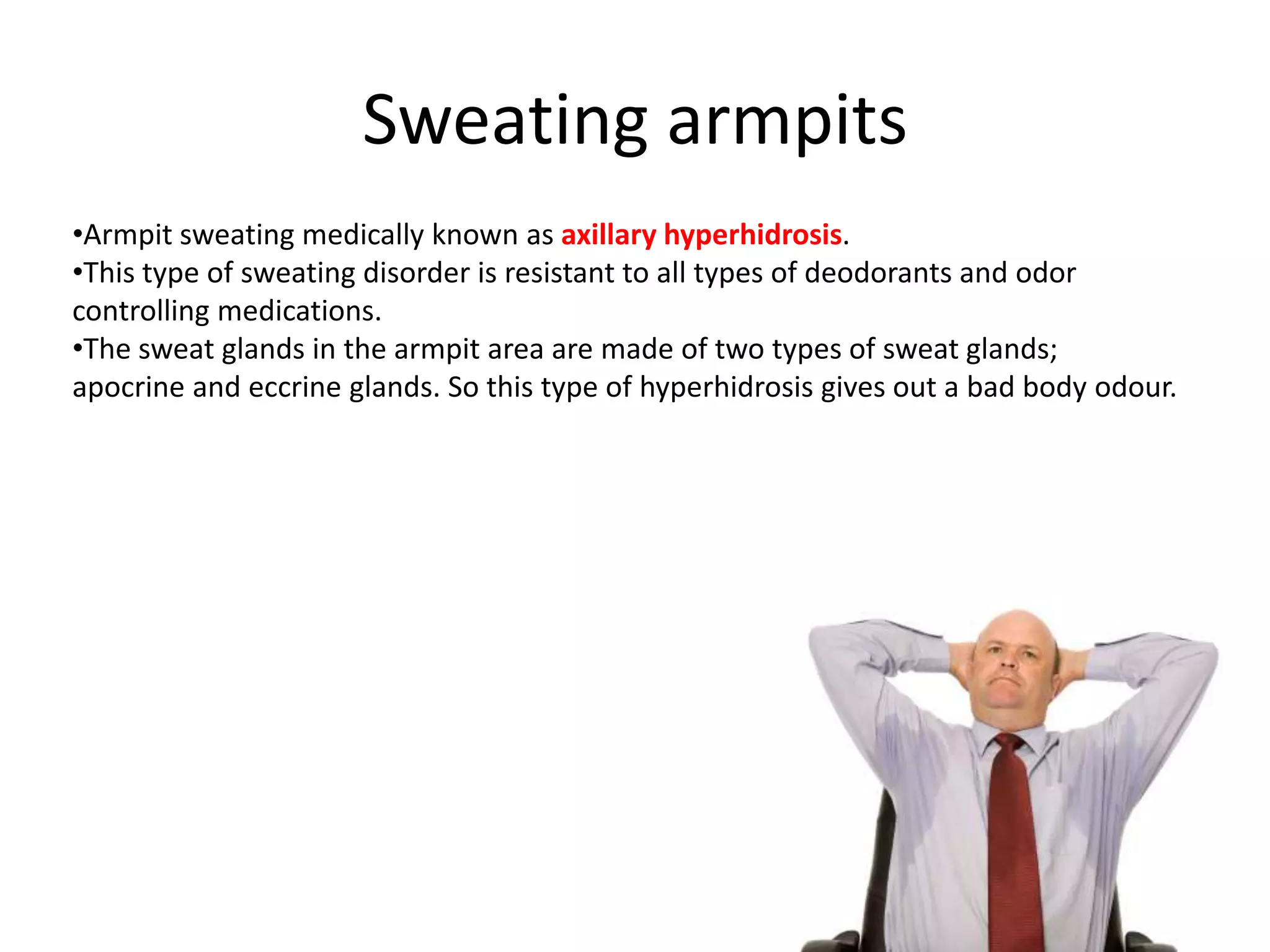
Sweating armpits
•Armpit sweating medically known as axillary hyperhidrosis.
•This type of sweating disorder is resistant to all types of deodorants and odor
controlling medications.
•The sweat glands in the armpit area are made of two types of sweat glands;
apocrine and eccrine glands. So this type of hyperhidrosis gives out a bad body odour.
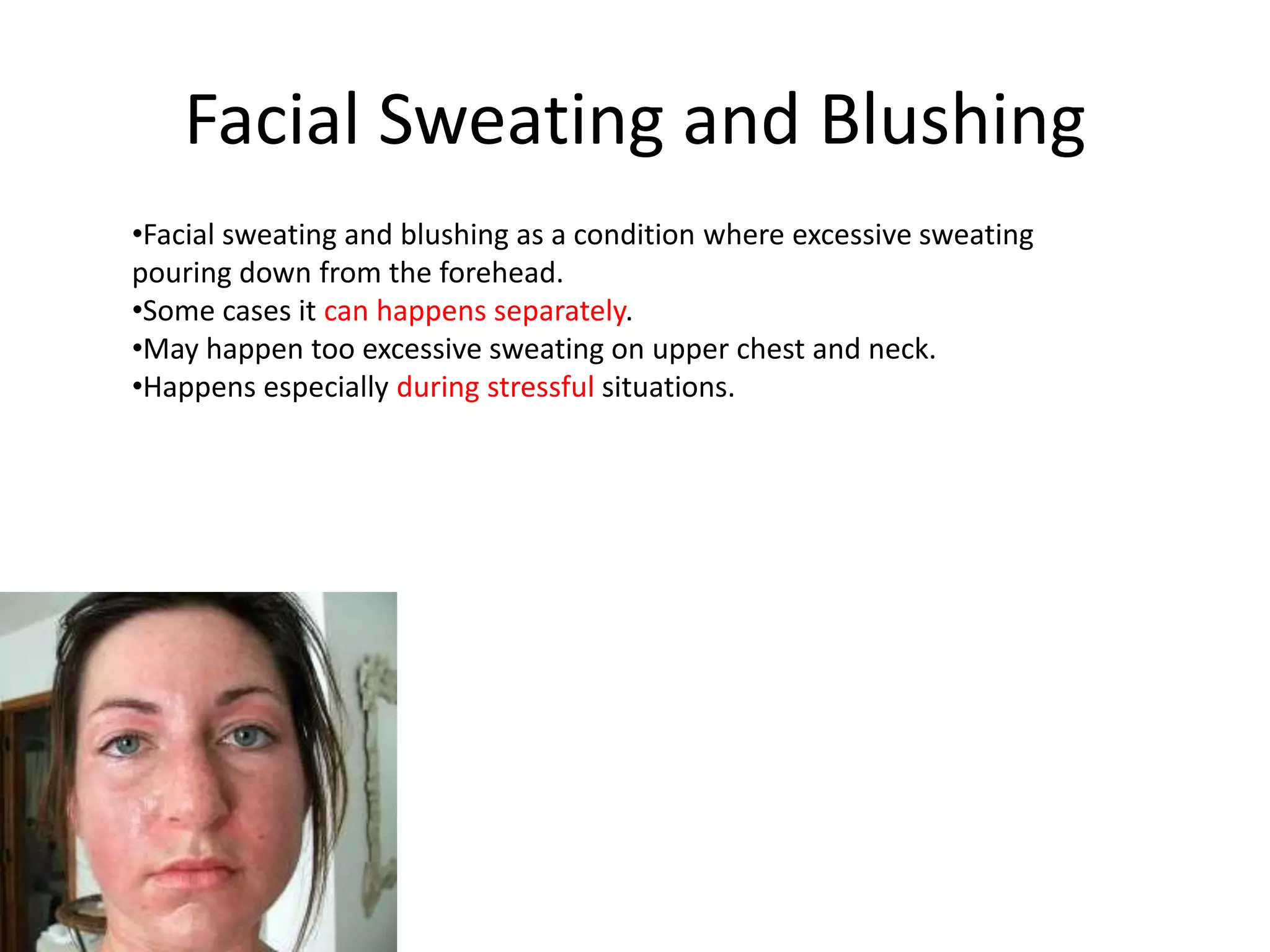
Facial Sweating and Blushing
•Facial sweating and blushing as a condition where excessive sweating
pouring down from the forehead.
•Some cases it can happens separately.
•May happen too excessive sweating on upper chest and neck.
•Happens especially during stressful situations.
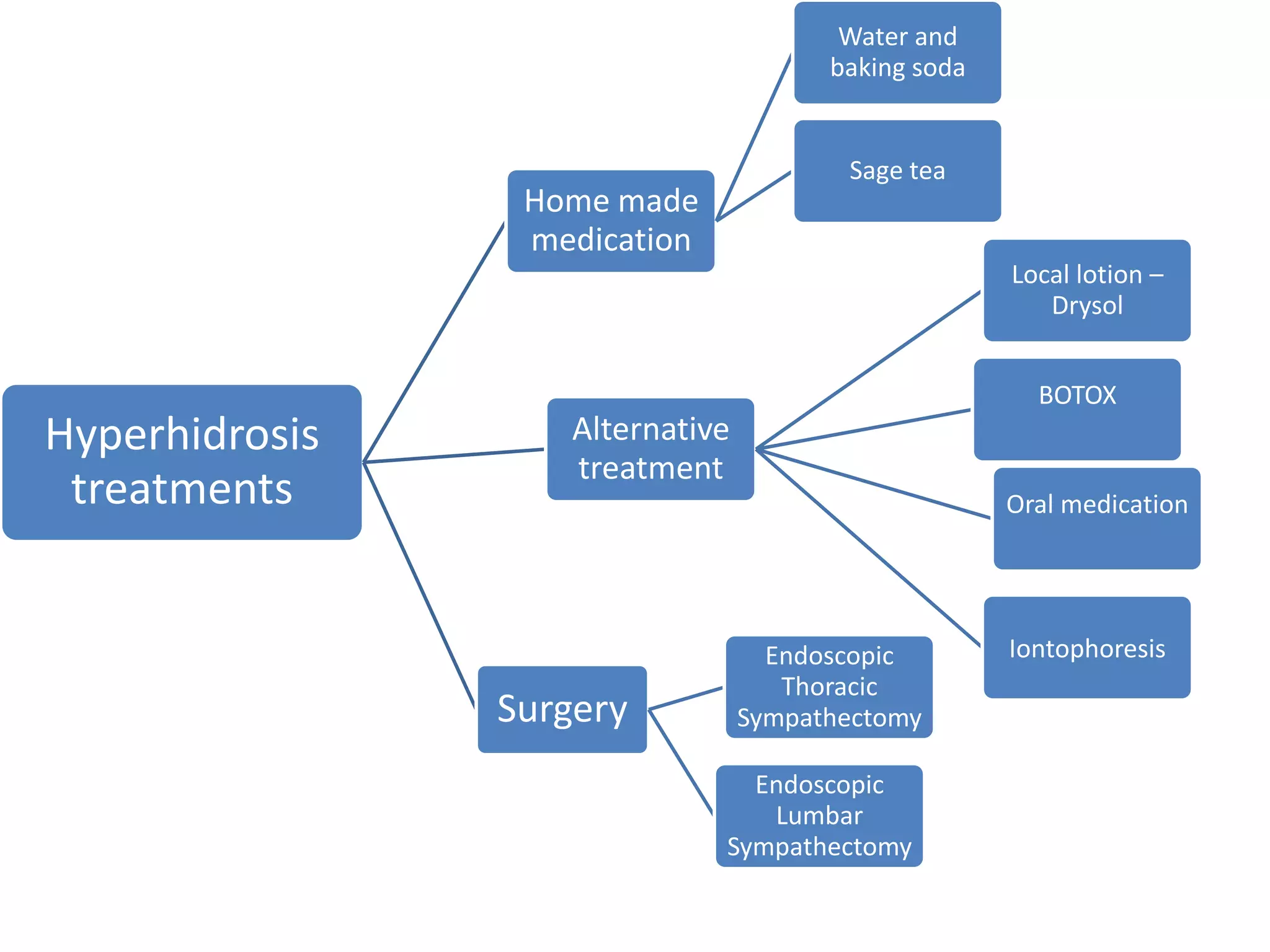
Water and
baking soda

Sage tea

Home made
medication

Local lotion –
Drysol
BOTOX

Hyperhidrosis
treatments

Alternative
treatment
Oral medication

Surgery

Endoscopic
Thoracic
Sympathectomy
Endoscopic
Lumbar
Sympathectomy

Iontophoresis
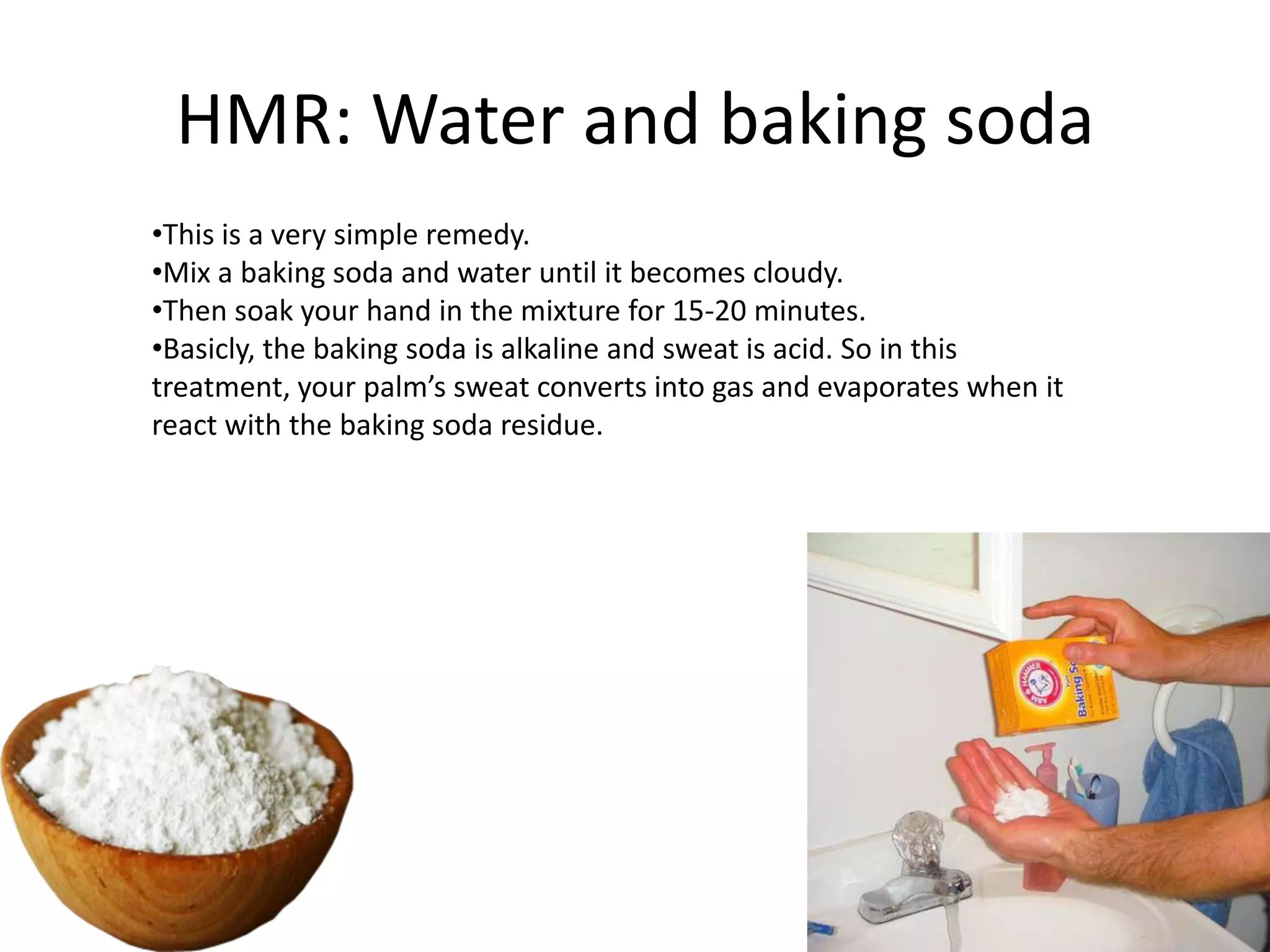
HMR: Water and baking soda
•This is a very simple remedy.
•Mix a baking soda and water until it becomes cloudy.
•Then soak your hand in the mixture for 15-20 minutes.
•Basicly, the baking soda is alkaline and sweat is acid. So in this
treatment, your palm’s sweat converts into gas and evaporates when it
react with the baking soda residue.
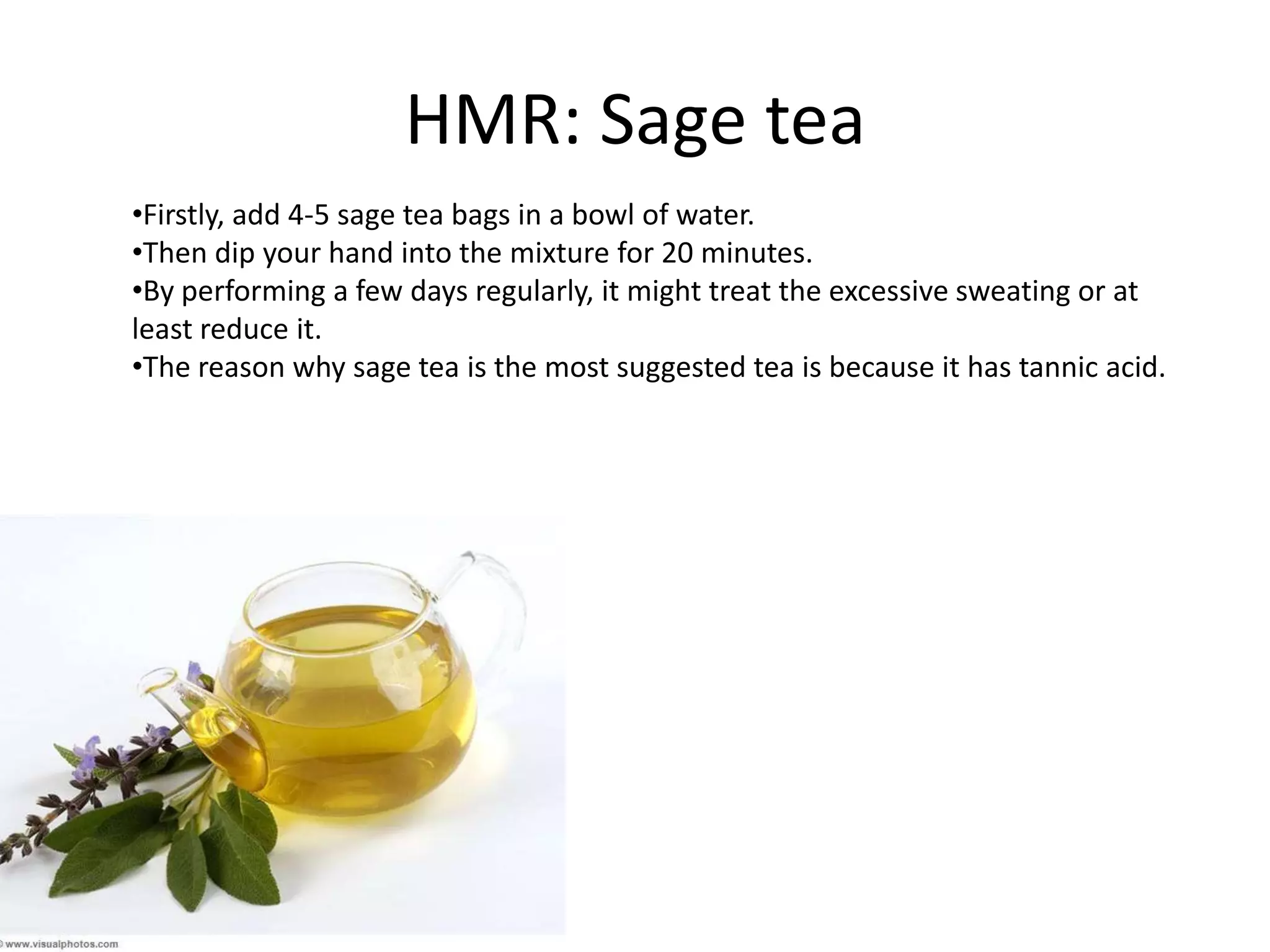
HMR: Sage tea
•Firstly, add 4-5 sage tea bags in a bowl of water.
•Then dip your hand into the mixture for 20 minutes.
•By performing a few days regularly, it might treat the excessive sweating or at
least reduce it.
•The reason why sage tea is the most suggested tea is because it has tannic acid.
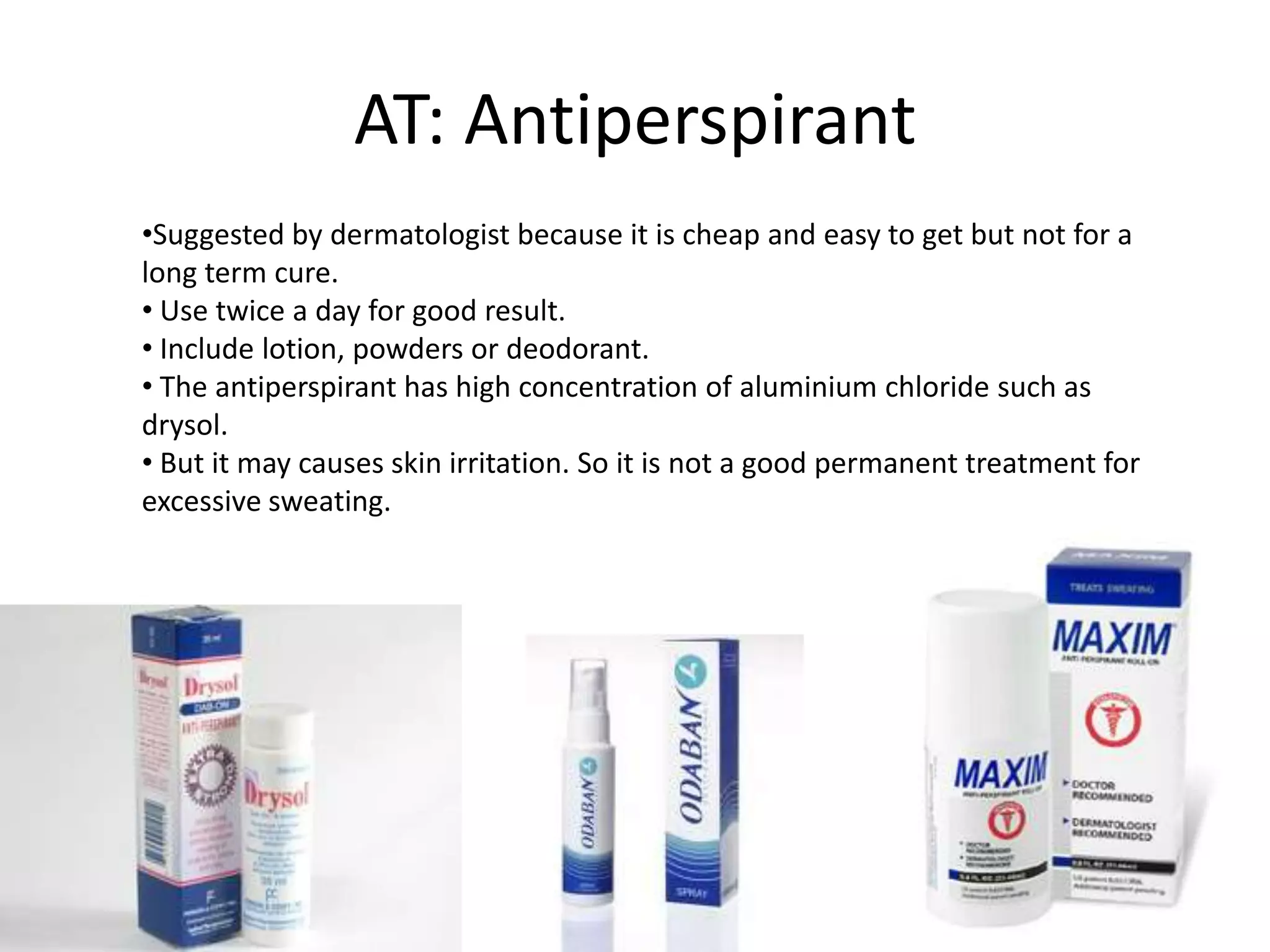
AT: Antiperspirant
•Suggested by dermatologist because it is cheap and easy to get but not for a
long term cure.
• Use twice a day for good result.
• Include lotion, powders or deodorant.
• The antiperspirant has high concentration of aluminium chloride such as
drysol.
• But it may causes skin irritation. So it is not a good permanent treatment for
excessive sweating.
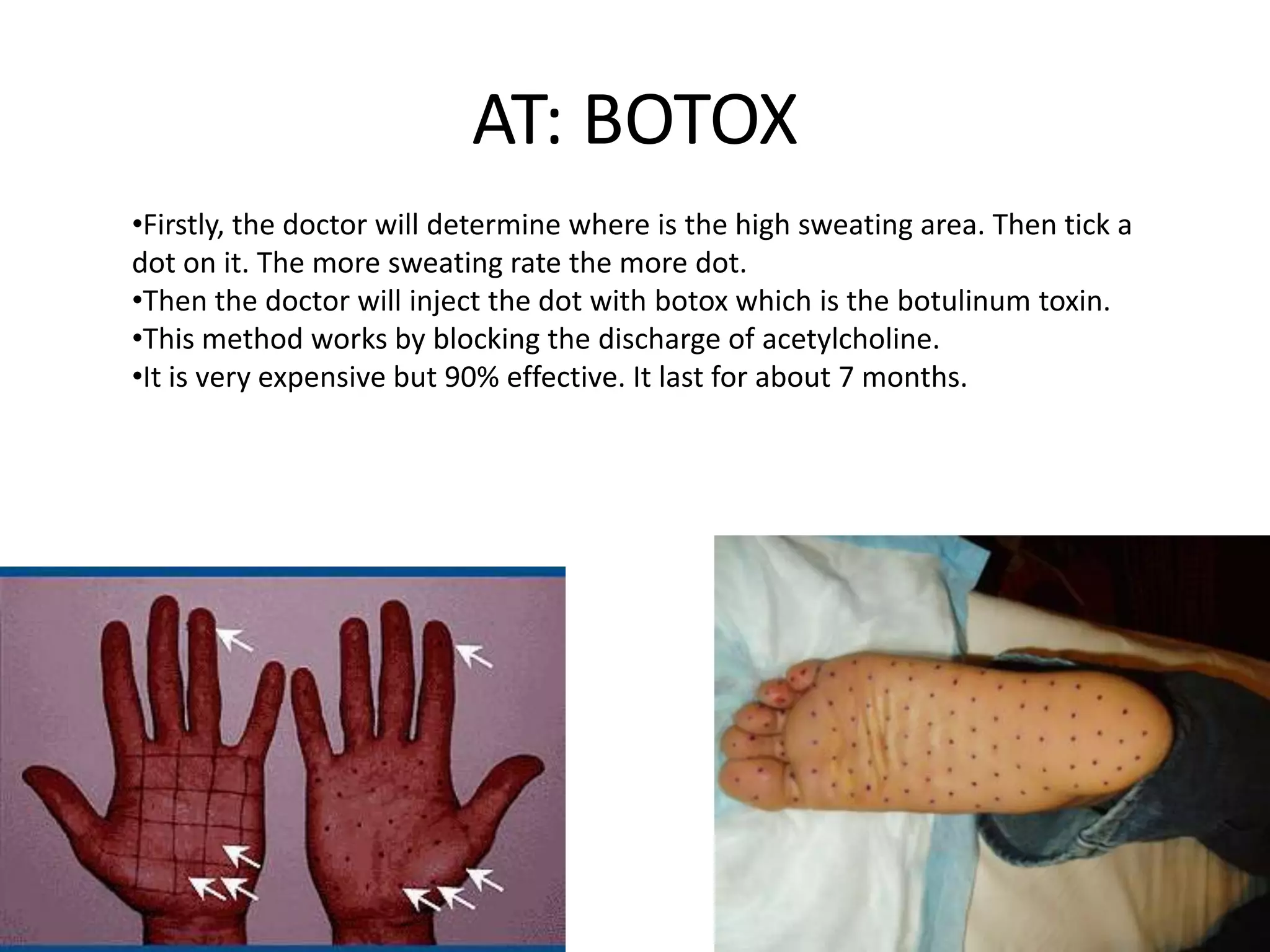
AT: BOTOX
•Firstly, the doctor will determine where is the high sweating area. Then tick a
dot on it. The more sweating rate the more dot.
•Then the doctor will inject the dot with botox which is the botulinum toxin.
•This method works by blocking the discharge of acetylcholine.
•It is very expensive but 90% effective. It last for about 7 months.
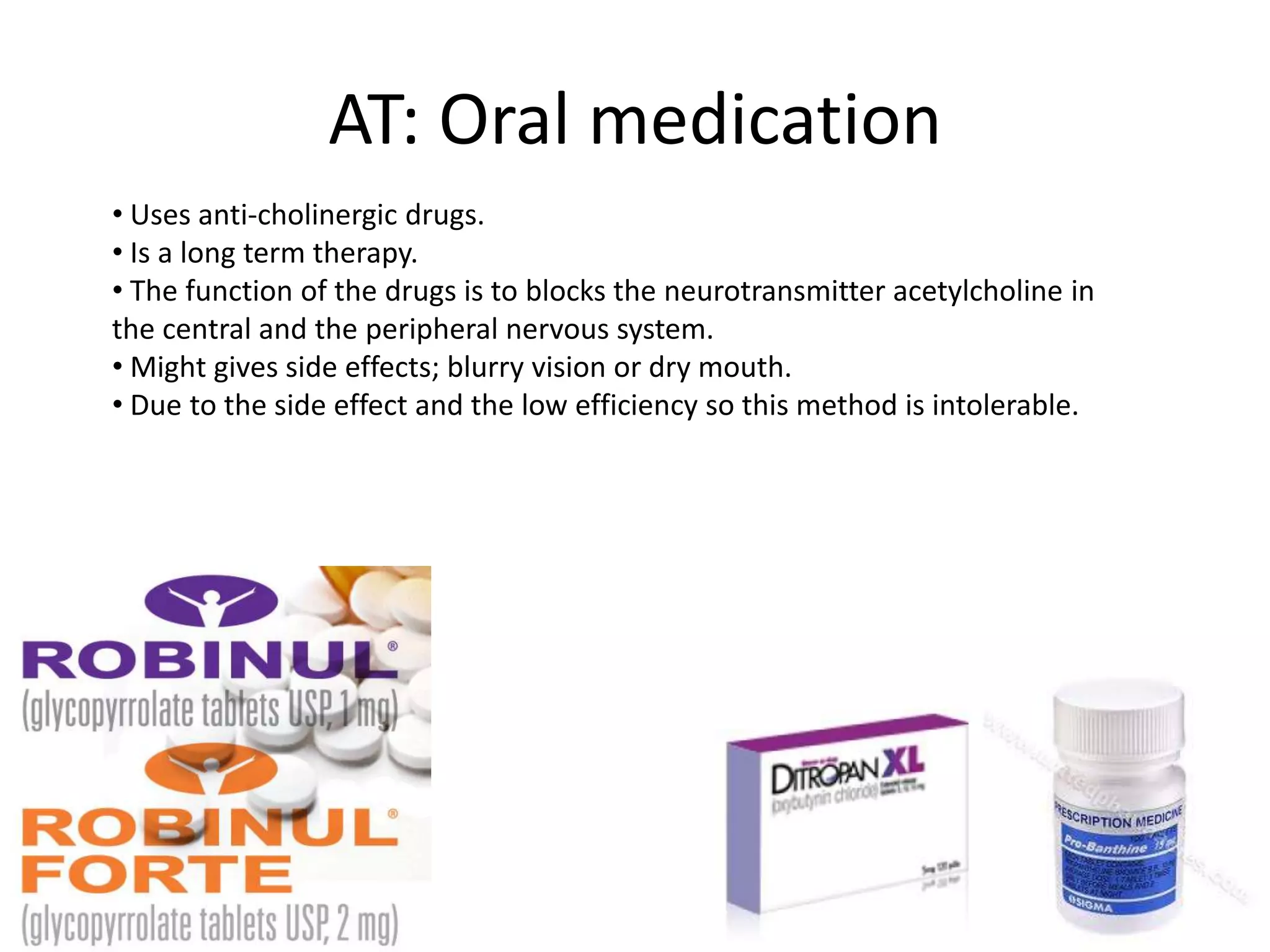
AT: Oral medication
• Uses anti-cholinergic drugs.
• Is a long term therapy.
• The function of the drugs is to blocks the neurotransmitter acetylcholine in
the central and the peripheral nervous system.
• Might gives side effects; blurry vision or dry mouth.
• Due to the side effect and the low efficiency so this method is intolerable.
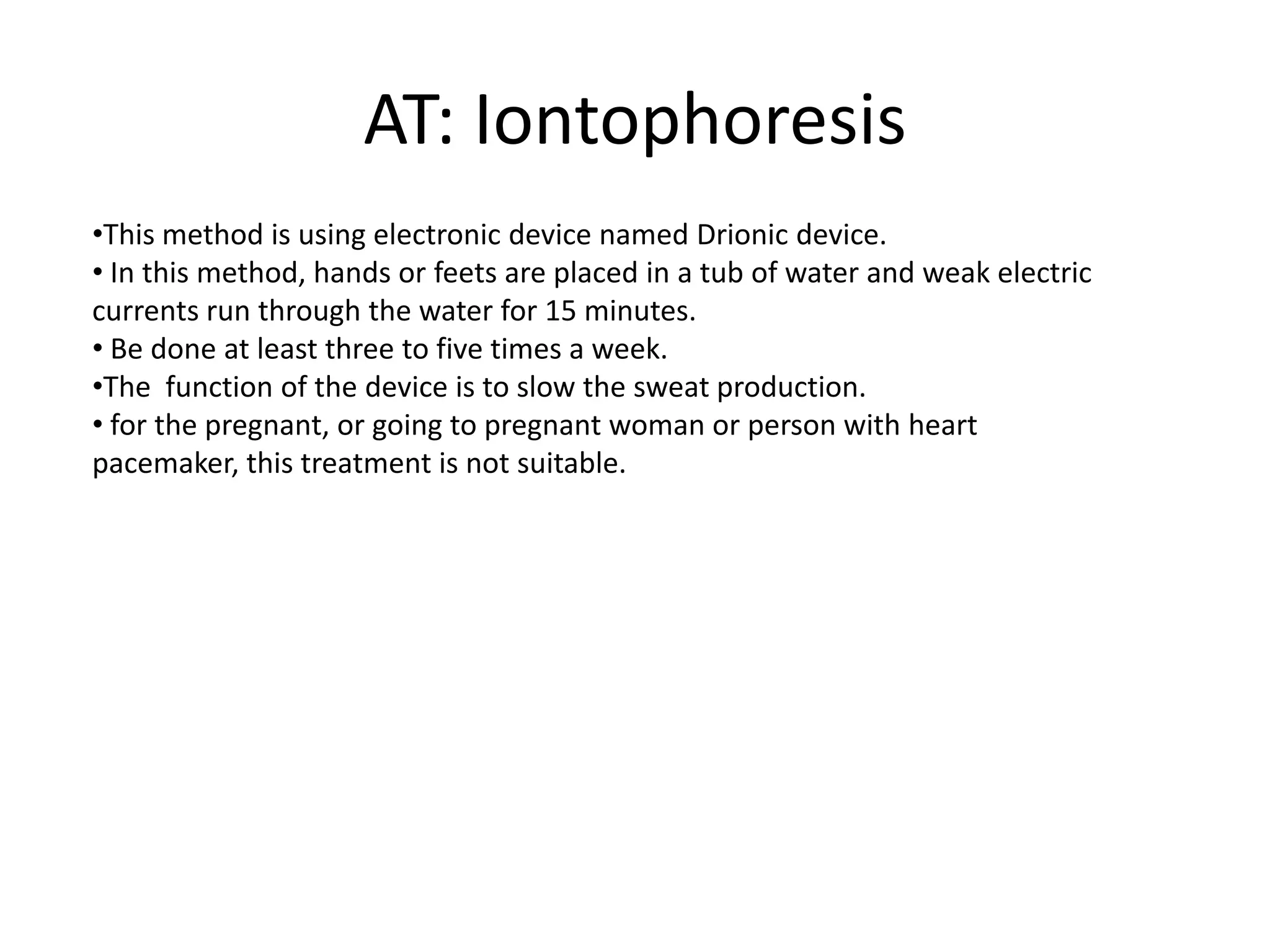
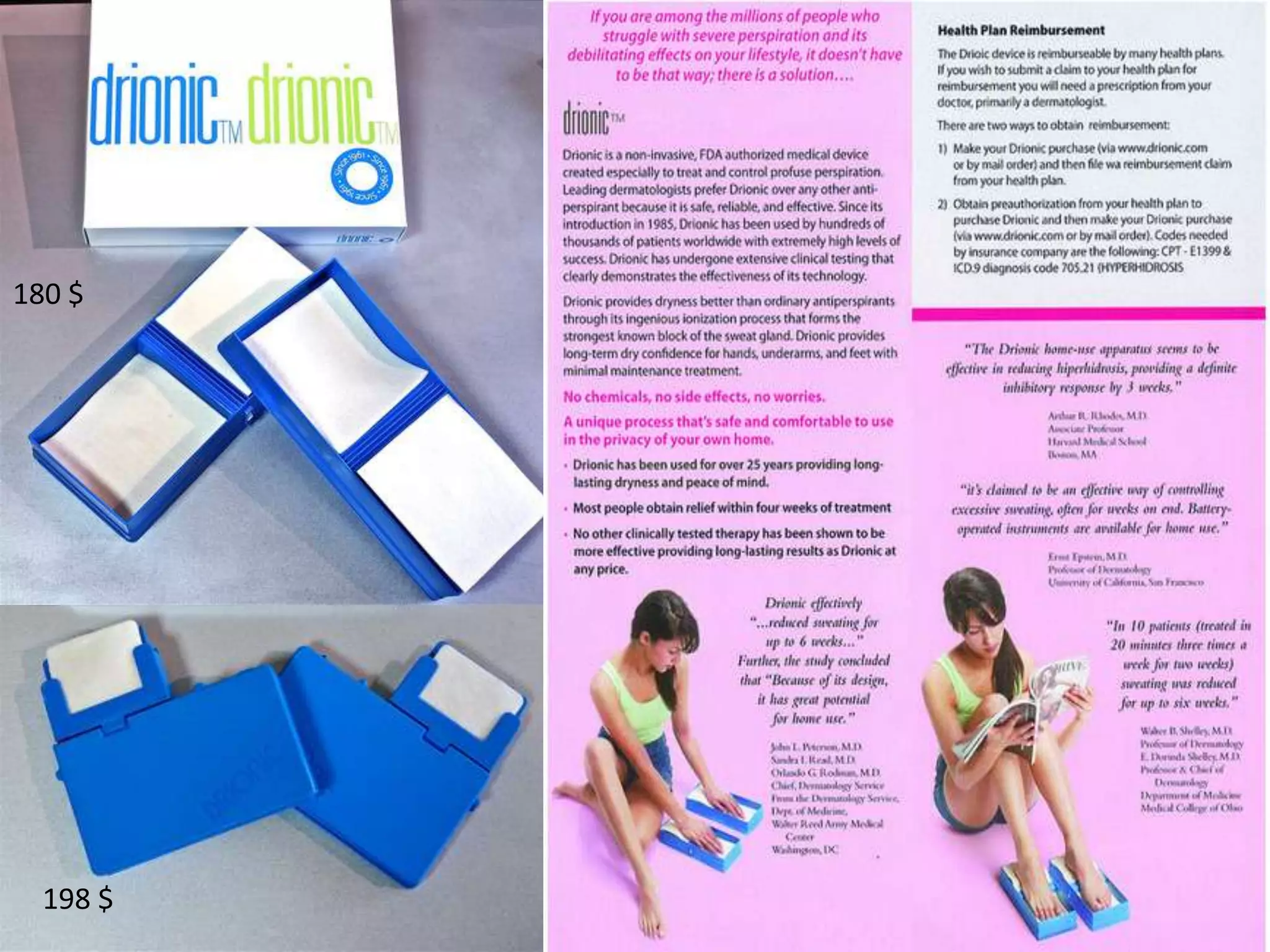
AT: Iontophoresis
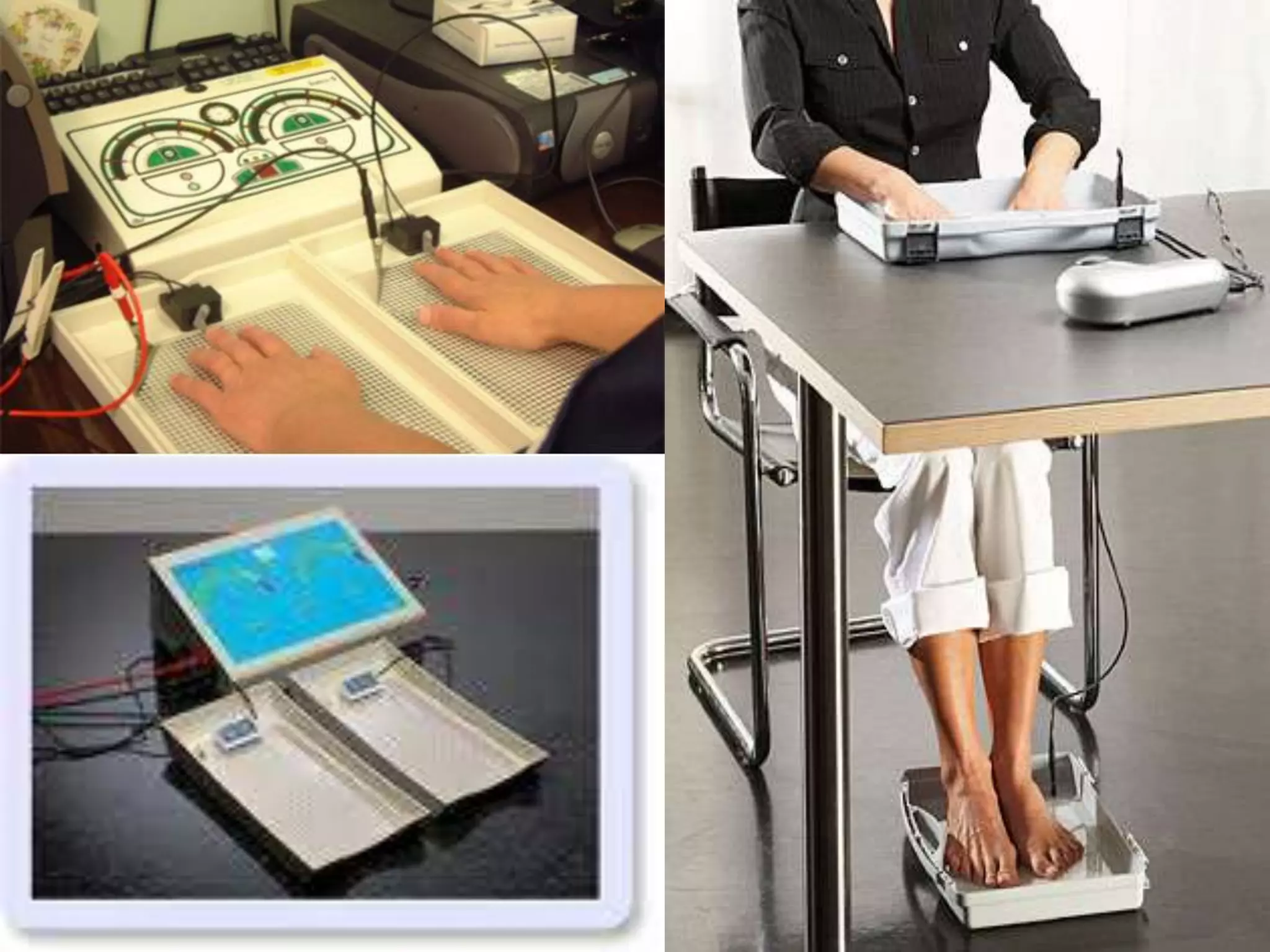
•This method is using electronic device named Drionic device.
• In this method, hands or feets are placed in a tub of water and weak electric
currents run through the water for 15 minutes.
• Be done at least three to five times a week.
•The function of the device is to slow the sweat production.
• for the pregnant, or going to pregnant woman or person with heart
pacemaker, this treatment is not suitable.
180 $

198 $
ST: Endoscopic Thoracic Sympathectomy
(ETS)
•This is the surgical treatment for hyperhidrosis.
•Because hyperhidrosis believed was caused by sympathetic nervous system, thus
this surgery involves interruption of sympathetic nerves.
•These nerves have 12 segments in the thoracic cavity. This surgery of
sympathectomy will involve whether cutting or blocking the segments. The segment
blocked or cut vary depends on the type of hyperhidrosis.
• This surgery consumes only 15 minutes.
• Only for type palmar hyperhidrosis, facial sweating and blushing, and axillary
hyperhidrosis.
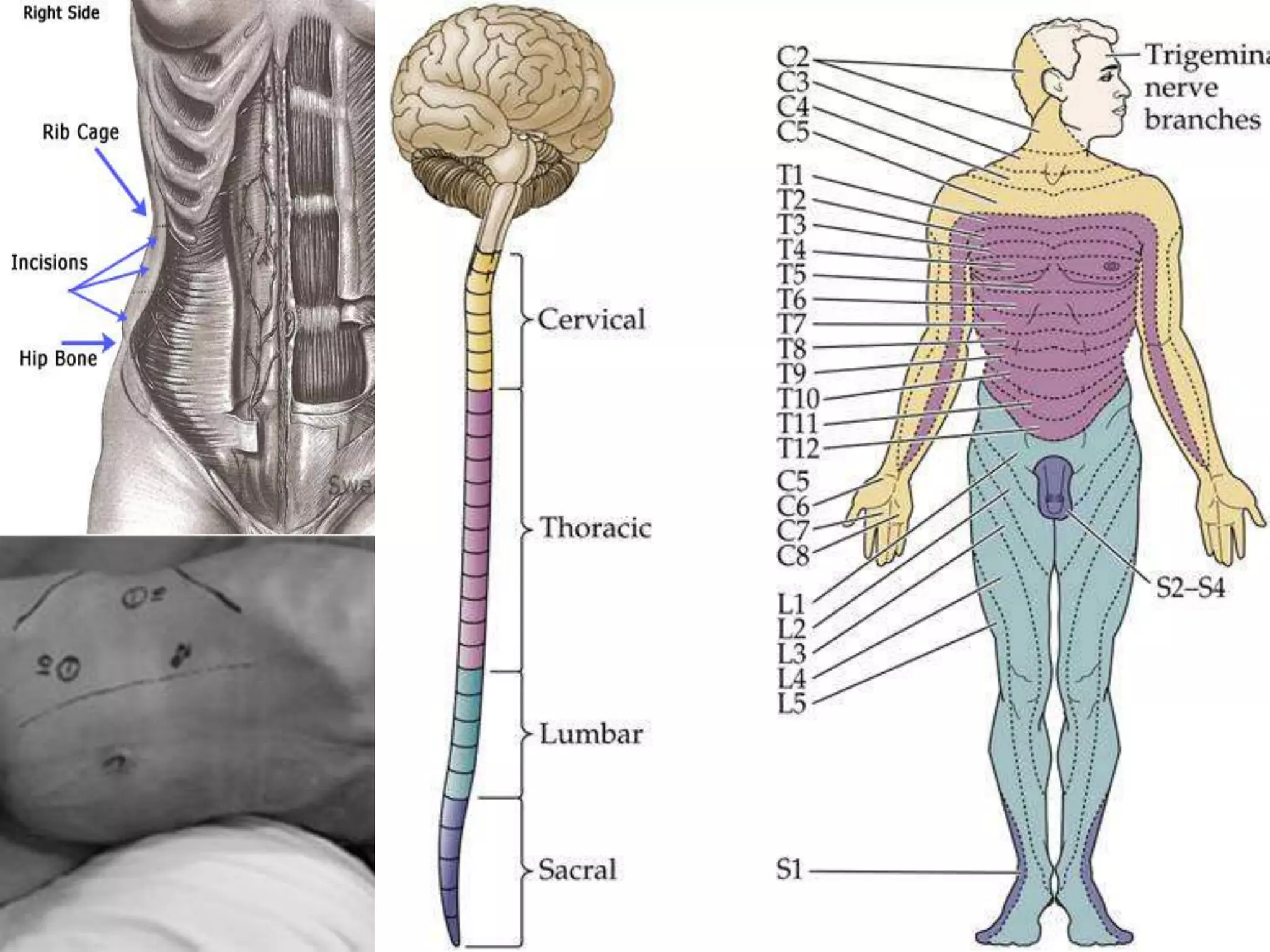
Facial blushing
T2
Facial sweating
T2 or T3
Hand sweating
T3 or T4
Underarm sweating T4 or T5
ST: Endoscopic Lumbar Sympathectomy
(ELS)
•The surgerical method for plantar hyperhidrosis only.
• This operation can be done endoscopically and it takes about one hour.
• This operation involves the cutting or clamping the sympathetic chain below
the second lumbar vertera.
Conclusion.
• Eventhough it not fatal and curable but it may gives a negative
impacts to the functional and social life of the suffers.
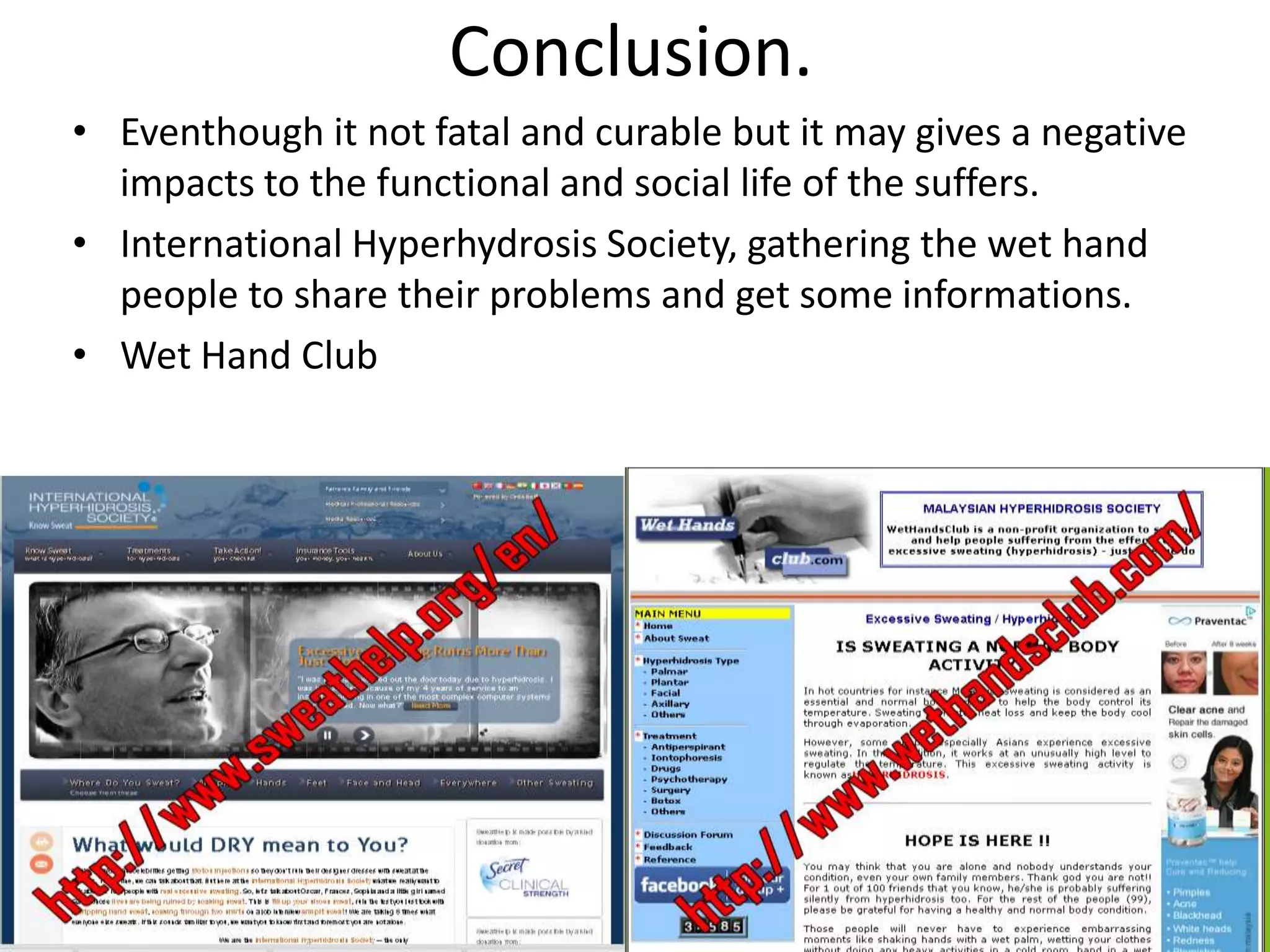
• International Hyperhydrosis Society, gathering the wet hand
people to share their problems and get some informations.
• Wet Hand Club

Hyperhydrosis 2

  • 2.
  • 3.
    What is hyperhidrosis? •Hyperhidrosis is an excessive sweating disease, which may be localized (only armpits, feet, palms or face) or affect all body areas supplied by sweat glands. (BRITISH MEDICAL ASSOCIATION medical dictionary.) • According to International Hyperhidrosis Society about 3% of the world population have hyperhidrosis. • Also known as wet hand disease or excessive sweating. i y • Hyperh drosis ≠ hyperh drosis.
  • 4.
    What are thecauses? • May be caused by hot weather, exercise, or anxiety. • In some cases it is due to an infection, thyrotoxicosis, hypoglycaemia or nervous system disorder. • But mostly, the disorder has no known causes. • It can occur at any time for no reasons and is uncontrollable. • In some cases, hyperhidrosis is suffered due to others health conditions such as diabetes, obesity, menopause and etc. This type of hyperhidrosis is called secondary hyperhidrosis.
  • 5.
    Medical explaination. • Sweatingis important for thermal regulation but it becomes a problem if it sweat excessively. • The emotional and mental problems do not cause the excess sweating; the excessive sweating causes the emotional and mental problems. •Not because too many sweat glands but due to the over activity in sympathetic nervous system (involuntary). • The hypothalamus, a part of the brain that regulates functions related to sweat sends sensory signals to the sweat nerves. The sweat glands further receive these signals from the sweat nerves which are a part of the sympathetic nervous system located in the chest cavity. The sweat glands after receiving the signals generate sweat. When a person is suffering from hyperhidrosis, the autonomic stimulation of sweat glands is hyperactive thus sweat glands produce a significant volume of sweat that comes out of your underarms, face, feet or palms.
  • 7.
  • 8.
  • 9.
    Sweating hands •Sweaty palmmedically known as palmar hyperhidrosis. •The most common form of hyperhidrosis for those suffering from excessive sweating. •Basicly 50% of the patients sweaty palm is genetic. •In some rare cases, hyperhidrosis started after a physical injury, either within the chest cavity or regarding electrocution.
  • 10.
    Sweating feets • Sweatyfeet medically known as plantar hyperhidrosis. • Most patients who have sweaty feet have sweaty palm as well. • Normally it does not affect the suffers social life but it can affect intimacy due to the discomfort smell.
  • 11.
    Sweating armpits •Armpit sweatingmedically known as axillary hyperhidrosis. •This type of sweating disorder is resistant to all types of deodorants and odor controlling medications. •The sweat glands in the armpit area are made of two types of sweat glands; apocrine and eccrine glands. So this type of hyperhidrosis gives out a bad body odour.
  • 12.
    Facial Sweating andBlushing •Facial sweating and blushing as a condition where excessive sweating pouring down from the forehead. •Some cases it can happens separately. •May happen too excessive sweating on upper chest and neck. •Happens especially during stressful situations.
  • 13.
    Water and baking soda Sagetea Home made medication Local lotion – Drysol BOTOX Hyperhidrosis treatments Alternative treatment Oral medication Surgery Endoscopic Thoracic Sympathectomy Endoscopic Lumbar Sympathectomy Iontophoresis
  • 14.
    HMR: Water andbaking soda •This is a very simple remedy. •Mix a baking soda and water until it becomes cloudy. •Then soak your hand in the mixture for 15-20 minutes. •Basicly, the baking soda is alkaline and sweat is acid. So in this treatment, your palm’s sweat converts into gas and evaporates when it react with the baking soda residue.
  • 15.
    HMR: Sage tea •Firstly,add 4-5 sage tea bags in a bowl of water. •Then dip your hand into the mixture for 20 minutes. •By performing a few days regularly, it might treat the excessive sweating or at least reduce it. •The reason why sage tea is the most suggested tea is because it has tannic acid.
  • 16.
    AT: Antiperspirant •Suggested bydermatologist because it is cheap and easy to get but not for a long term cure. • Use twice a day for good result. • Include lotion, powders or deodorant. • The antiperspirant has high concentration of aluminium chloride such as drysol. • But it may causes skin irritation. So it is not a good permanent treatment for excessive sweating.
  • 17.
    AT: BOTOX •Firstly, thedoctor will determine where is the high sweating area. Then tick a dot on it. The more sweating rate the more dot. •Then the doctor will inject the dot with botox which is the botulinum toxin. •This method works by blocking the discharge of acetylcholine. •It is very expensive but 90% effective. It last for about 7 months.
  • 18.
    AT: Oral medication •Uses anti-cholinergic drugs. • Is a long term therapy. • The function of the drugs is to blocks the neurotransmitter acetylcholine in the central and the peripheral nervous system. • Might gives side effects; blurry vision or dry mouth. • Due to the side effect and the low efficiency so this method is intolerable.
  • 19.
    AT: Iontophoresis •This methodis using electronic device named Drionic device. • In this method, hands or feets are placed in a tub of water and weak electric currents run through the water for 15 minutes. • Be done at least three to five times a week. •The function of the device is to slow the sweat production. • for the pregnant, or going to pregnant woman or person with heart pacemaker, this treatment is not suitable.
  • 21.
  • 22.
    ST: Endoscopic ThoracicSympathectomy (ETS) •This is the surgical treatment for hyperhidrosis. •Because hyperhidrosis believed was caused by sympathetic nervous system, thus this surgery involves interruption of sympathetic nerves. •These nerves have 12 segments in the thoracic cavity. This surgery of sympathectomy will involve whether cutting or blocking the segments. The segment blocked or cut vary depends on the type of hyperhidrosis. • This surgery consumes only 15 minutes. • Only for type palmar hyperhidrosis, facial sweating and blushing, and axillary hyperhidrosis.
  • 23.
    Facial blushing T2 Facial sweating T2or T3 Hand sweating T3 or T4 Underarm sweating T4 or T5
  • 24.
    ST: Endoscopic LumbarSympathectomy (ELS) •The surgerical method for plantar hyperhidrosis only. • This operation can be done endoscopically and it takes about one hour. • This operation involves the cutting or clamping the sympathetic chain below the second lumbar vertera.
  • 26.
    Conclusion. • Eventhough itnot fatal and curable but it may gives a negative impacts to the functional and social life of the suffers. • International Hyperhydrosis Society, gathering the wet hand people to share their problems and get some informations. • Wet Hand Club