HOTEL MANAGEMENT AND OPERATIONS
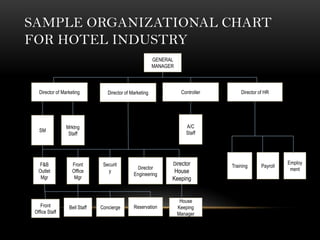
SAMPLE ORGANIZATIONAL CHART
FOR HOTEL INDUSTRY
                                                          GENERAL
                                                          MANAGER


   Director of Marketing          Director of Marketing              Controller       Director of HR


                 Mrktng                                                A/C
   SM                                                                  Staff
                  Staff


   F&B              Front       Securit                         Director                                  Employ
                                                 Director                         Training      Payroll
   Outlet           Office        y                              House                                     ment
                                               Engineering
    Mgr              Mgr                                        Keeping


                                                                     House
    Front         Bell Staff   Concierge       Reservation          Keeping
 Office Staff                                                       Manager
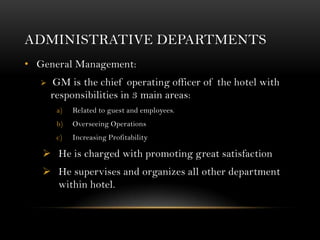
ADMINISTRATIVE DEPARTMENTS
• General Management:
      GM is the chief operating officer of the hotel with
       responsibilities in 3 main areas:
        a)   Related to guest and employees.
        b)   Overseeing Operations
        c)   Increasing Profitability

    He is charged with promoting great satisfaction
    He supervises and organizes all other department
     within hotel.
 Accounting:
  a)   Hotel Accounting functions come under the supervision of the Controller or
       head accountant.
  b)   He participates in long term financial planning and projections.
  c)   Large hotels employs a credit manager whose responsibilities include
       validating and authorizing guest credits and collecting overdue accounts.
  d)   Paymaster heads the large payroll division and under them are clerks and
       cashiers.
 Human Resource:

  a) Interviewing hiring and training the employees is a
     necessity and in large hotels this is performed by
     separate HR department.

  b) This department manages the hotel’s employees benefits
     program and monitors compliance with laws that relate
     to hiring and promotion.
 Marketing/ Sales:

  Responsibilities include:

  a)   Sales of hotel rooms and facilities to individuals and groups.

  b) Advertising in print and media sources.

  c)   Managing public relations to increase the image of the hotel.

  d) Establishing contacts with travel agents and tour guides.
SERVICE DEPARTMENTS
 To provide lodging facilities all hotels are organized with
  4 major functions:
   a)   Front Desk Operations

   b) House Keeping.

   c)   Building Maintenance/ Engineering

   d) Security

   e)   Food and Beverages Operations
FRONT DESK OPERATIONS
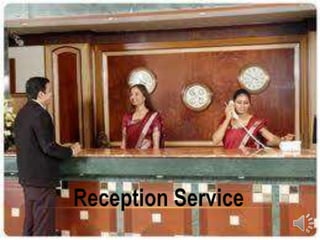
 The Front Office oversees room availability, registers guests,
  processes reservations supervises check out         and assigns
  rooms and keys.

 They answers guest questions about hotel activities and
  resources      and provides   information   about   the   nearby
  attractions.

 More often, a front desk manager supervises a team of
  workers, including those whose duties are outlined as follows.
 RESERVATIONS:
  a) It can be booked in through a local reservation clerks,
     through the sales or marketing department or through
     nationally centralized reservation system.
  b) To combat with the loss of reservations , overbooking
     of rooms is a practice.
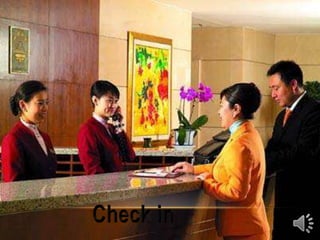
 CHECK IN:
  a) The room clerk is the person who greets and registers
     hotel guests.

  b) If there is a prior reservation he arranges after the
     verification and if not means necessary arrangements
     are made.
c) Some hotels use computerized property management system
to store information about reservations.
d) Small establishments may maintain this information on a
room rack which shows the status of the guest rooms.
 CHECK OUT:
  a) This procedure is also handled by the same person
     handling the registration process.
  b) Property management systems are used by the hotels to
     record guest charges and the final statement is
     provided.
  c) A copy of itemized statement is given at the departure
     time or sent to the mail.
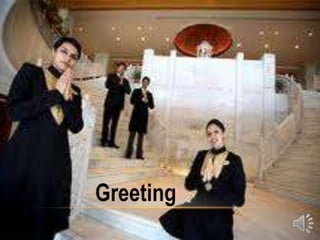
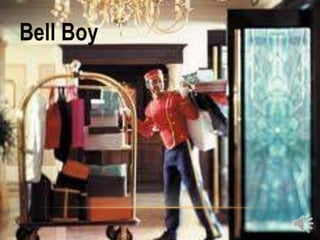
 GREETING:
  a)   A bell captain is a person a guest meets at the time of arrival .
  b)   The bell captain trains and supervises all bellhops, those who usher
       arriving guest to their rooms and carry their luggage's.
  c)   He also supervises the hotel door attendants and valet parking crew.
 COMMUNICATION:
  a)   Traditionally telephone messages, mail, and faxes are held but now
       technology has advanced where hotels install electronic voice mail
       systems.
  b)   Voice mail allows a caller to leave a message to the guest room
       phones and by dialing a code number the guest can retrieve their
       messages at any time.
  c)   Some hotels transmit guest messages via television .
  d)   Another service is wake up calls which is computerized          or alarm
       clocks is set up in the rooms to set their own timings.
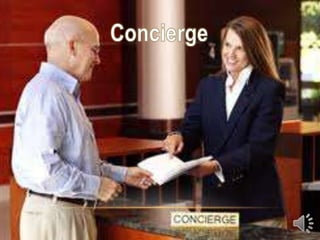
 INFORMATION SERVICES:
  a)   Most hotels have a concierge who serves as a private secretary for the
       guests.
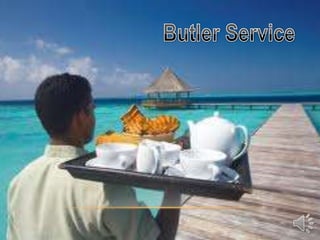
  b)   He arranges for the information about the city attractions, specialties
       and other arrangements for the guest.
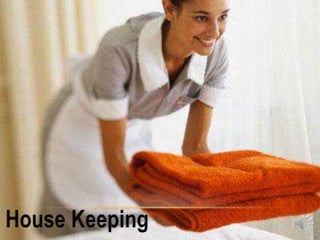
 HOUSE KEEPING:
  a)   It is the main parameter for guest satisfaction.
  b)   Guest often looks for cleanliness as a key factor for satisfaction.
  c)   House keeping department is headed by executive house keeper and
       also handles hiring, training and supervising of staffs.
  d)   The House keeping functions includes:
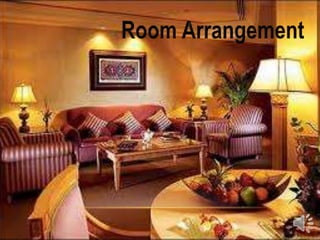
       •   Room Preparation
       •   Hotels Laundry
       •   Laundry and Dry Cleaning for Guests
       •   Building Maintenance/ Engineering.
 SECURITY:
  a)   Most hotels have a chief of security officer who has training in
       law enforcement as well as civil and criminal law.
  b) Electronic key card offer superior security where in it does not list
     the name of the hotel or guest room number.
  c)   Security staff develop catastrophe plans to ensure staff and guest
       security and to minimize direct and indirect disaster.
 FOOD AND BEVERAGE OPERATIONS:
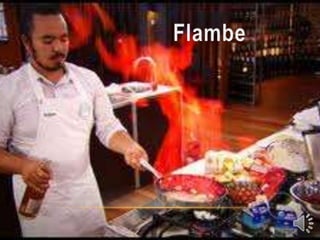
  a)   Primary components include banquets, catering , and restaurants.
   It also includes Room Service and Vending Machines. Raid the Pantry
  is a service where guest can enter and help themselves in a “pantry” are
  stocked with sandwiches, soft drinks and cookies.
BY
Alina Vincent Parokaran
           &
  Harsha Hareendran

Hotel management and operations

  • 1.
  • 2.
    SAMPLE ORGANIZATIONAL CHART FORHOTEL INDUSTRY GENERAL MANAGER Director of Marketing Director of Marketing Controller Director of HR Mrktng A/C SM Staff Staff F&B Front Securit Director Employ Director Training Payroll Outlet Office y House ment Engineering Mgr Mgr Keeping House Front Bell Staff Concierge Reservation Keeping Office Staff Manager
  • 3.
    ADMINISTRATIVE DEPARTMENTS • GeneralManagement:  GM is the chief operating officer of the hotel with responsibilities in 3 main areas: a) Related to guest and employees. b) Overseeing Operations c) Increasing Profitability  He is charged with promoting great satisfaction  He supervises and organizes all other department within hotel.
  • 4.
     Accounting: a) Hotel Accounting functions come under the supervision of the Controller or head accountant. b) He participates in long term financial planning and projections. c) Large hotels employs a credit manager whose responsibilities include validating and authorizing guest credits and collecting overdue accounts. d) Paymaster heads the large payroll division and under them are clerks and cashiers.
  • 5.
     Human Resource: a) Interviewing hiring and training the employees is a necessity and in large hotels this is performed by separate HR department. b) This department manages the hotel’s employees benefits program and monitors compliance with laws that relate to hiring and promotion.
  • 6.
     Marketing/ Sales: Responsibilities include: a) Sales of hotel rooms and facilities to individuals and groups. b) Advertising in print and media sources. c) Managing public relations to increase the image of the hotel. d) Establishing contacts with travel agents and tour guides.
  • 7.
    SERVICE DEPARTMENTS  Toprovide lodging facilities all hotels are organized with 4 major functions: a) Front Desk Operations b) House Keeping. c) Building Maintenance/ Engineering d) Security e) Food and Beverages Operations
  • 8.
    FRONT DESK OPERATIONS The Front Office oversees room availability, registers guests, processes reservations supervises check out and assigns rooms and keys.  They answers guest questions about hotel activities and resources and provides information about the nearby attractions.  More often, a front desk manager supervises a team of workers, including those whose duties are outlined as follows.
  • 9.
     RESERVATIONS: a) It can be booked in through a local reservation clerks, through the sales or marketing department or through nationally centralized reservation system. b) To combat with the loss of reservations , overbooking of rooms is a practice.  CHECK IN: a) The room clerk is the person who greets and registers hotel guests. b) If there is a prior reservation he arranges after the verification and if not means necessary arrangements are made.
  • 10.
    c) Some hotelsuse computerized property management system to store information about reservations. d) Small establishments may maintain this information on a room rack which shows the status of the guest rooms.  CHECK OUT: a) This procedure is also handled by the same person handling the registration process. b) Property management systems are used by the hotels to record guest charges and the final statement is provided. c) A copy of itemized statement is given at the departure time or sent to the mail.
  • 11.
     GREETING: a) A bell captain is a person a guest meets at the time of arrival . b) The bell captain trains and supervises all bellhops, those who usher arriving guest to their rooms and carry their luggage's. c) He also supervises the hotel door attendants and valet parking crew.  COMMUNICATION: a) Traditionally telephone messages, mail, and faxes are held but now technology has advanced where hotels install electronic voice mail systems. b) Voice mail allows a caller to leave a message to the guest room phones and by dialing a code number the guest can retrieve their messages at any time. c) Some hotels transmit guest messages via television . d) Another service is wake up calls which is computerized or alarm clocks is set up in the rooms to set their own timings.
  • 12.
     INFORMATION SERVICES: a) Most hotels have a concierge who serves as a private secretary for the guests. b) He arranges for the information about the city attractions, specialties and other arrangements for the guest.  HOUSE KEEPING: a) It is the main parameter for guest satisfaction. b) Guest often looks for cleanliness as a key factor for satisfaction. c) House keeping department is headed by executive house keeper and also handles hiring, training and supervising of staffs. d) The House keeping functions includes: • Room Preparation • Hotels Laundry • Laundry and Dry Cleaning for Guests • Building Maintenance/ Engineering.
  • 13.
     SECURITY: a) Most hotels have a chief of security officer who has training in law enforcement as well as civil and criminal law. b) Electronic key card offer superior security where in it does not list the name of the hotel or guest room number. c) Security staff develop catastrophe plans to ensure staff and guest security and to minimize direct and indirect disaster.  FOOD AND BEVERAGE OPERATIONS: a) Primary components include banquets, catering , and restaurants. It also includes Room Service and Vending Machines. Raid the Pantry is a service where guest can enter and help themselves in a “pantry” are stocked with sandwiches, soft drinks and cookies.

  • 42.
    BY Alina Vincent Parokaran & Harsha Hareendran