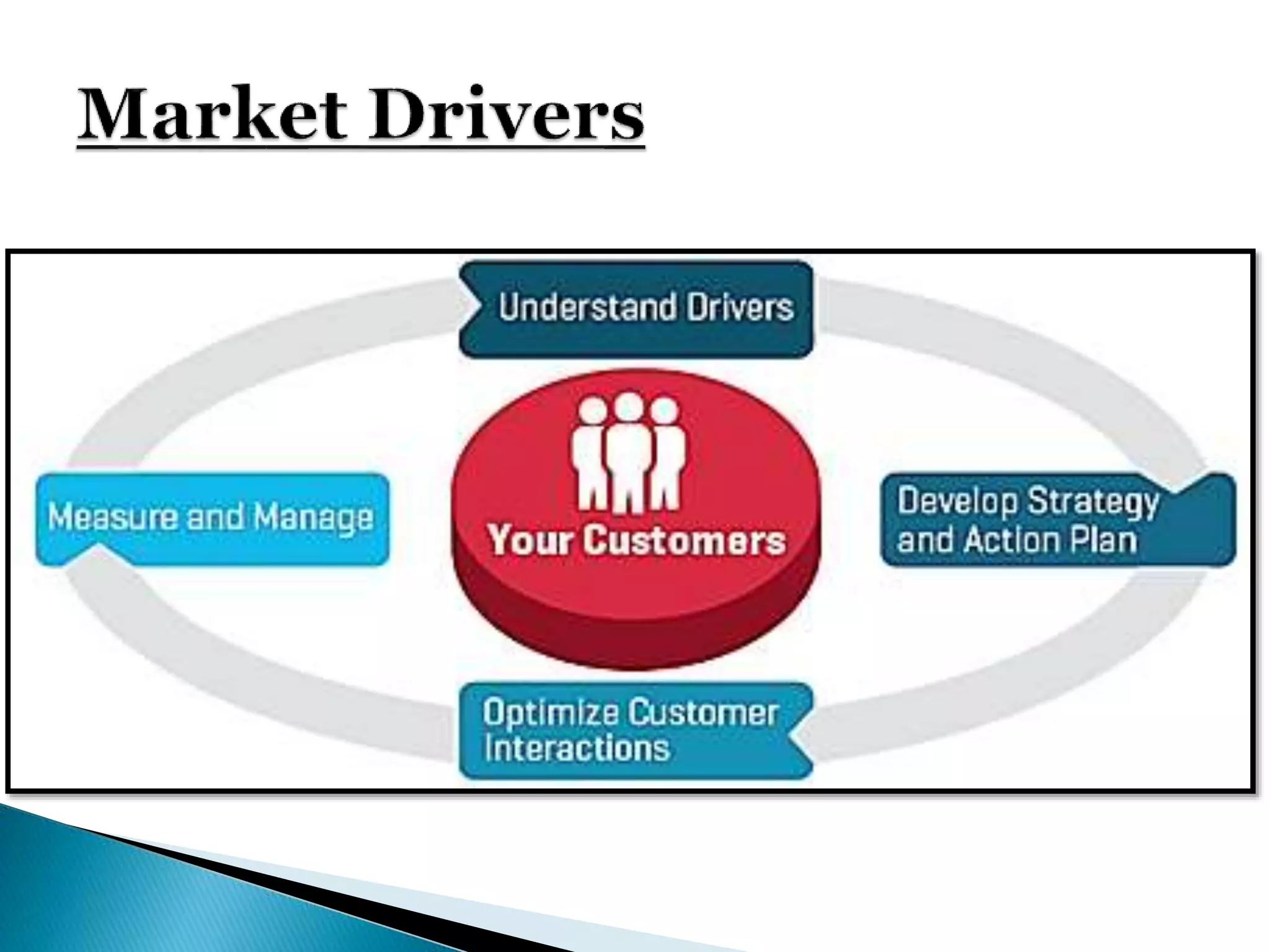
What drives guests to your hotel?
What drives them to your competitors?
1. Guest Tracking
 By Season, Source, Market or Company?
 Utilizing your Action Plans: Daily-Weekly-Monthly to stay on track!
2. How guests heard about your hotel property & where?
 Referral, Advertising, Online
 Online Market Tools that can help!
 Where exactly is the business coming from? (How to track it down)
3. Competitive Intelligence: How to find specific information
 How it helps your hotel stay up to date on trends & demand
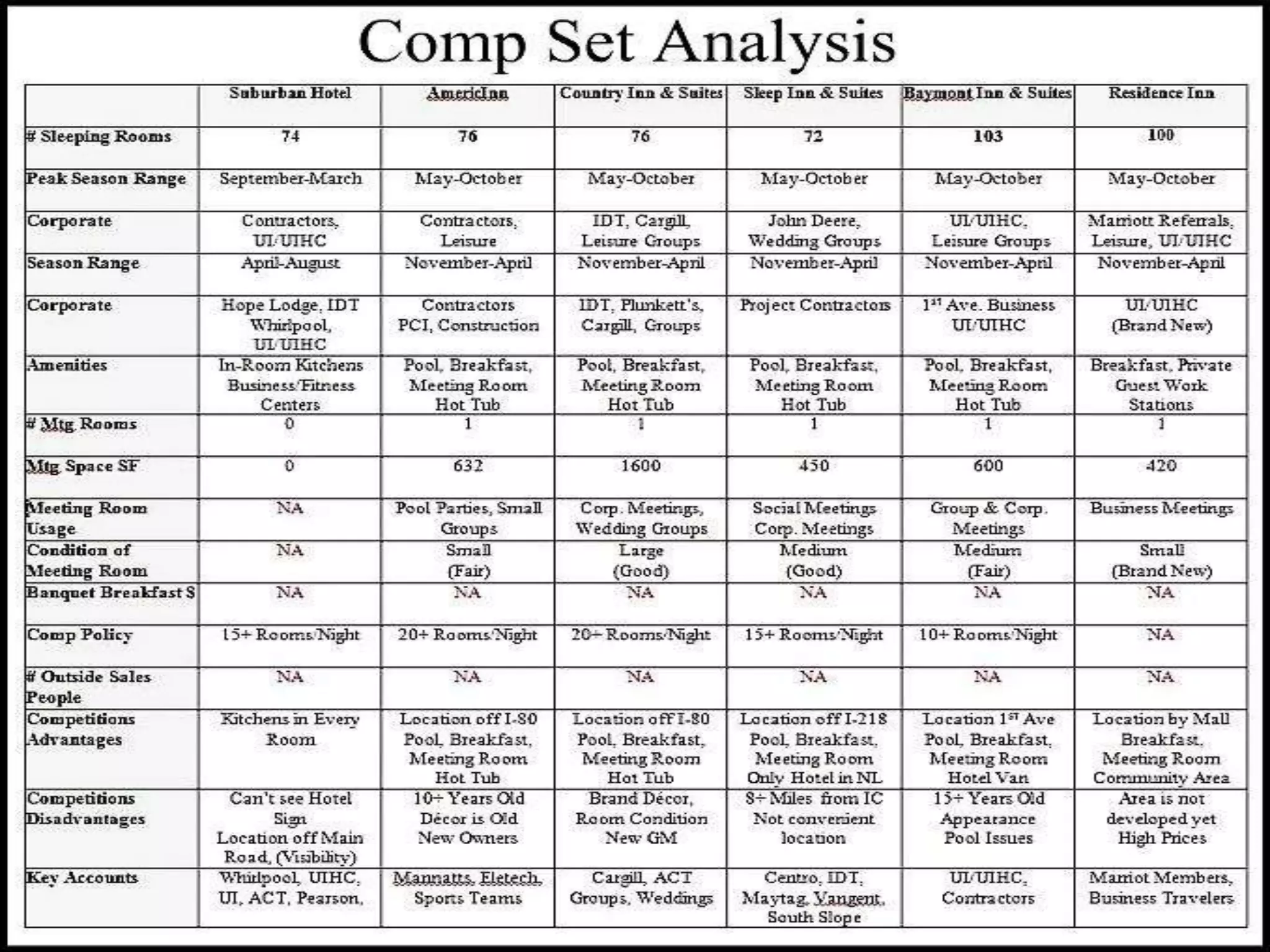
 Staying current against your competitors: Amenities, Service, Rates & Specials
4. Understanding ‘Market Drivers’
 How people actually decided on your hotel may surprise you.
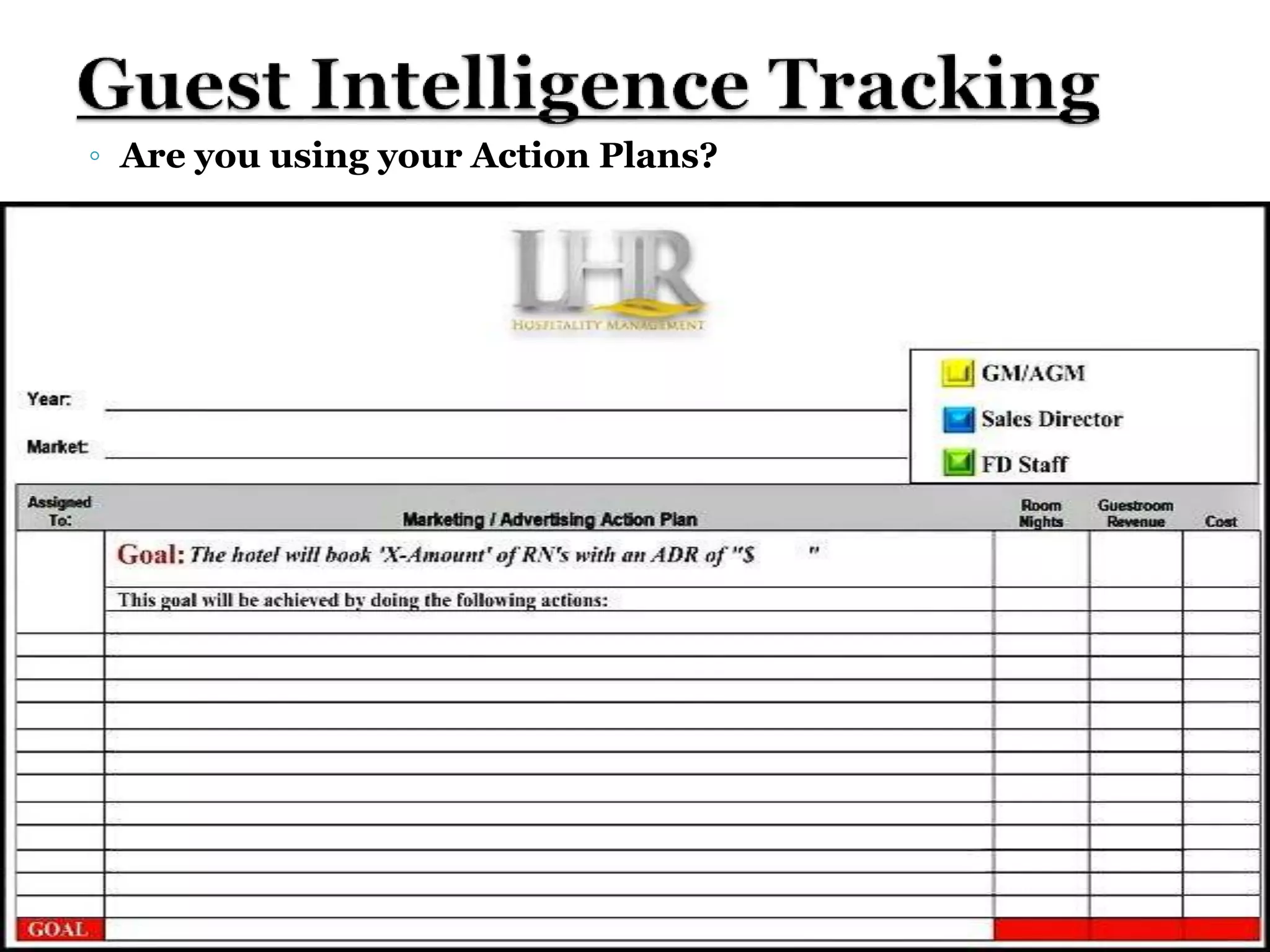
◦ Are you using your Action Plans?
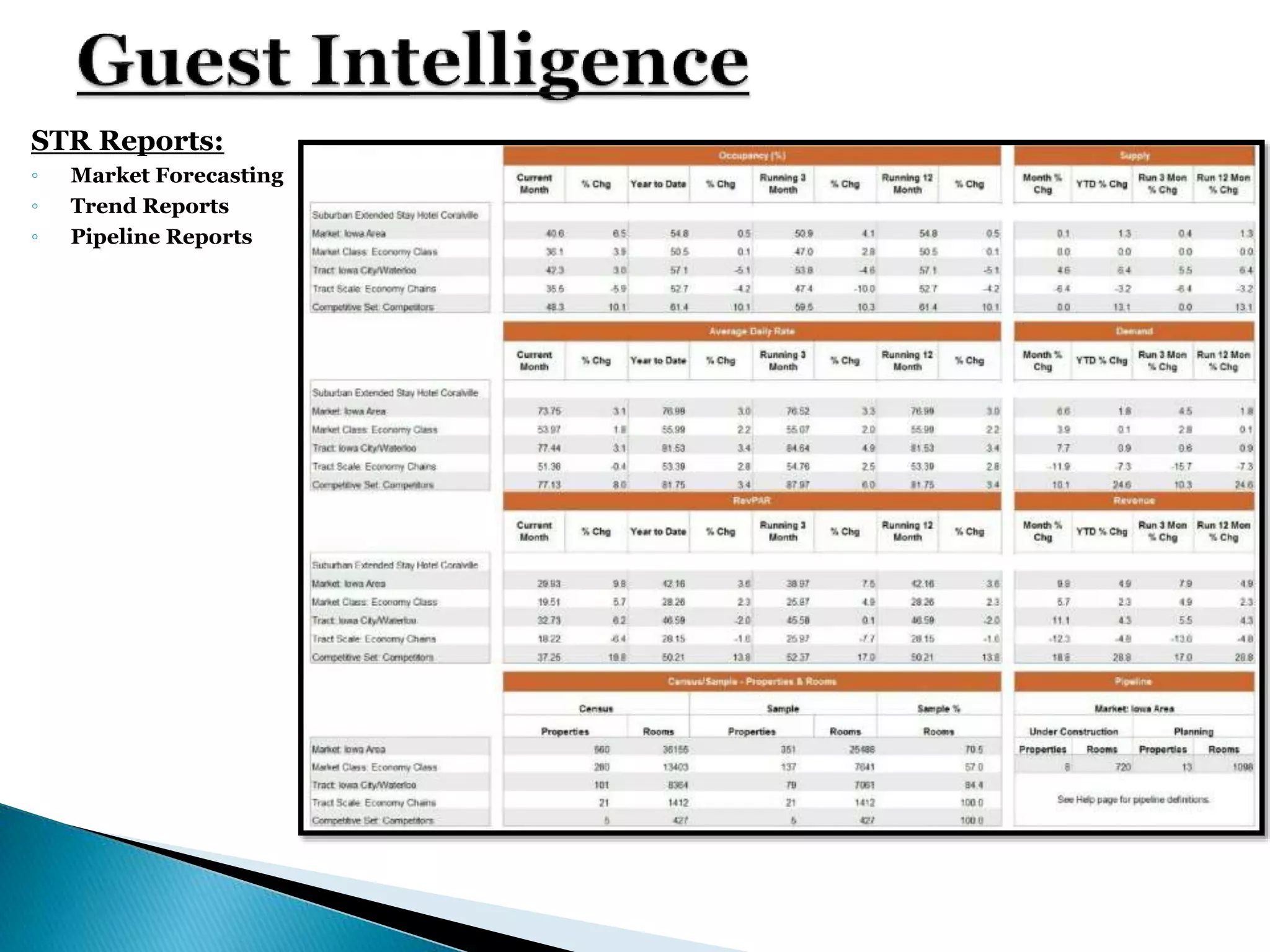
STR Reports:
◦ Market Forecasting
◦ Trend Reports
◦ Pipeline Reports
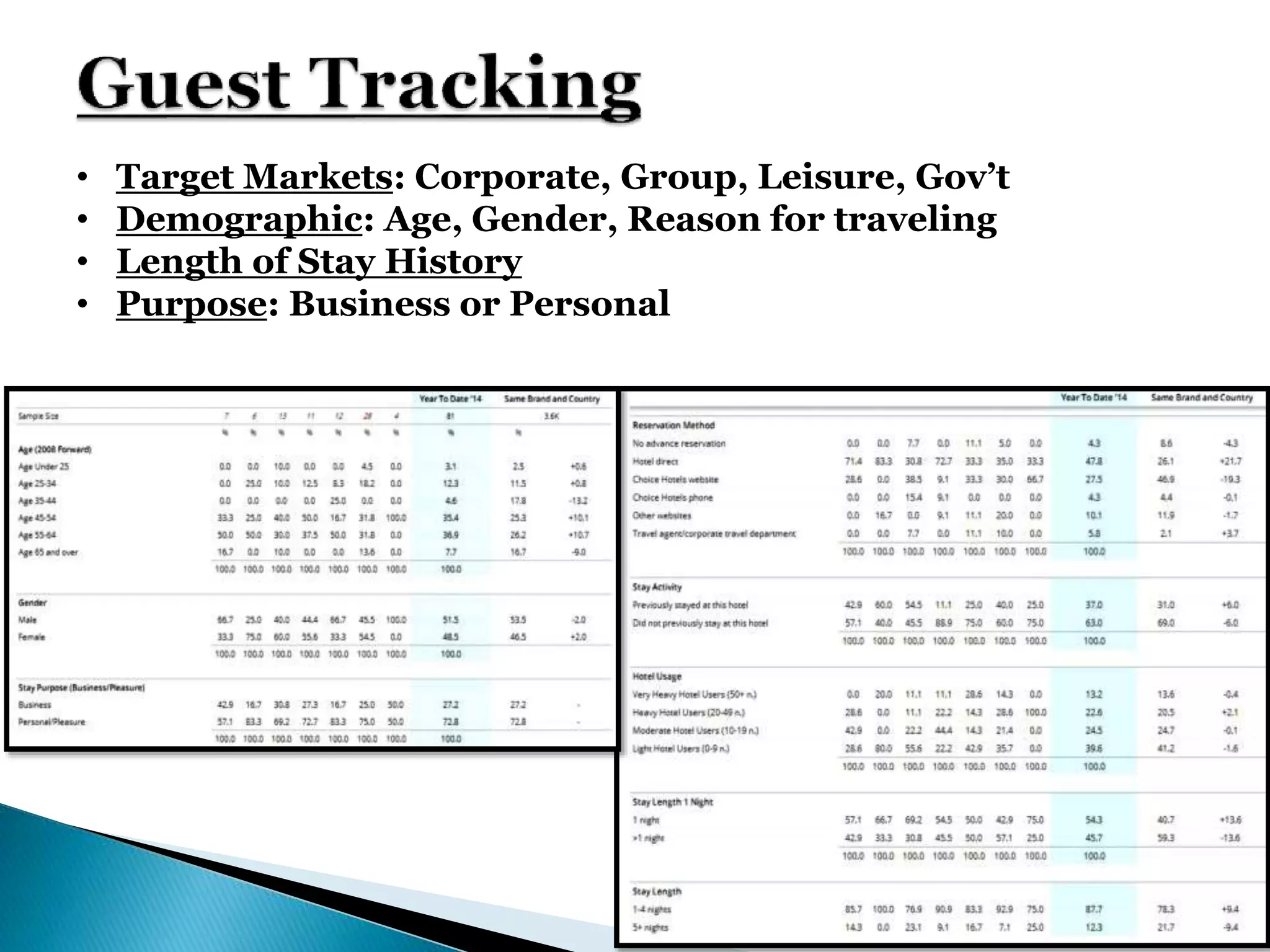
• Target Markets: Corporate, Group, Leisure, Gov’t
• Demographic: Age, Gender, Reason for traveling
• Length of Stay History
• Purpose: Business or Personal
◦ Guest Tracking: What brought them to your hotel & why?
◦ Was it something you did? A special package or event going on in the area? All
Key Factors when you forecast for the future.
◦ For hotel companies, social media has essentially become a sanctioned
form of eavesdropping. “Hotels have trained their staff to be intense
listeners and dig up information about their guests. This gives them a
whole new realm in which to listen.”
 Season: Understanding demand & pricing appropriately is CRUCIAL
 Source: How was the reservation made? Online, Mobile, Call-in?
 Market: Group, Leisure, Tour, Government, Corporate
 Very Important that every guest is tracked accordingly to their length of stay, reason
for staying & their rate.
 Company: If a guest works for a company it’s very important to get that
company information because there’s opportunities for more biz!
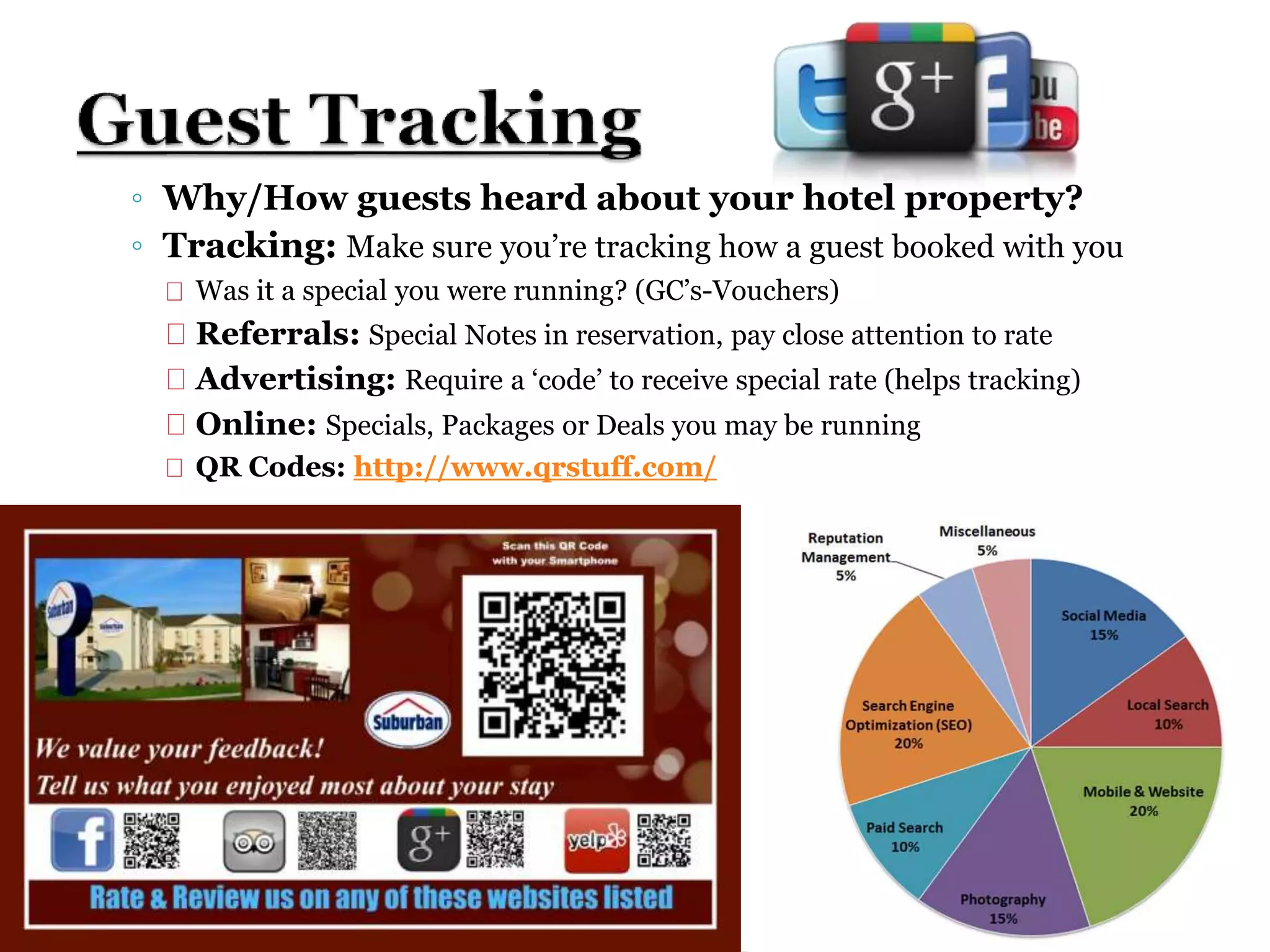
◦ Why/How guests heard about your hotel property?
◦ Tracking: Make sure you’re tracking how a guest booked with you
 Was it a special you were running? (GC’s-Vouchers)
 Referrals: Special Notes in reservation, pay close attention to rate
 Advertising: Require a ‘code’ to receive special rate (helps tracking)
 Online: Specials, Packages or Deals you may be running
 QR Codes: http://www.qrstuff.com/
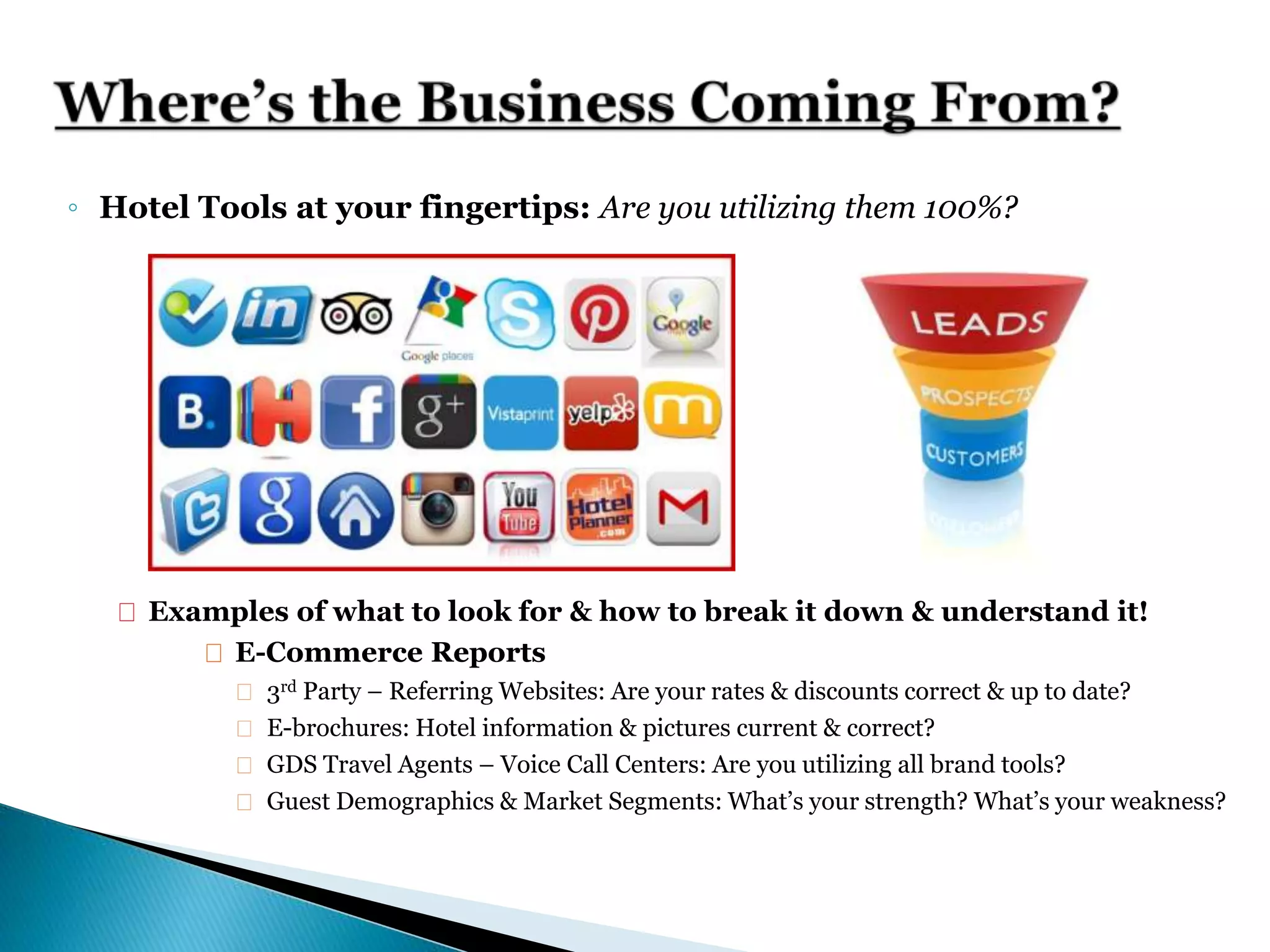
◦ Hotel Tools at your fingertips: Are you utilizing them 100%?
 Examples of what to look for & how to break it down & understand it!
 E-Commerce Reports
 3rd Party – Referring Websites: Are your rates & discounts correct & up to date?
 E-brochures: Hotel information & pictures current & correct?
 GDS Travel Agents – Voice Call Centers: Are you utilizing all brand tools?
 Guest Demographics & Market Segments: What’s your strength? What’s your weakness?
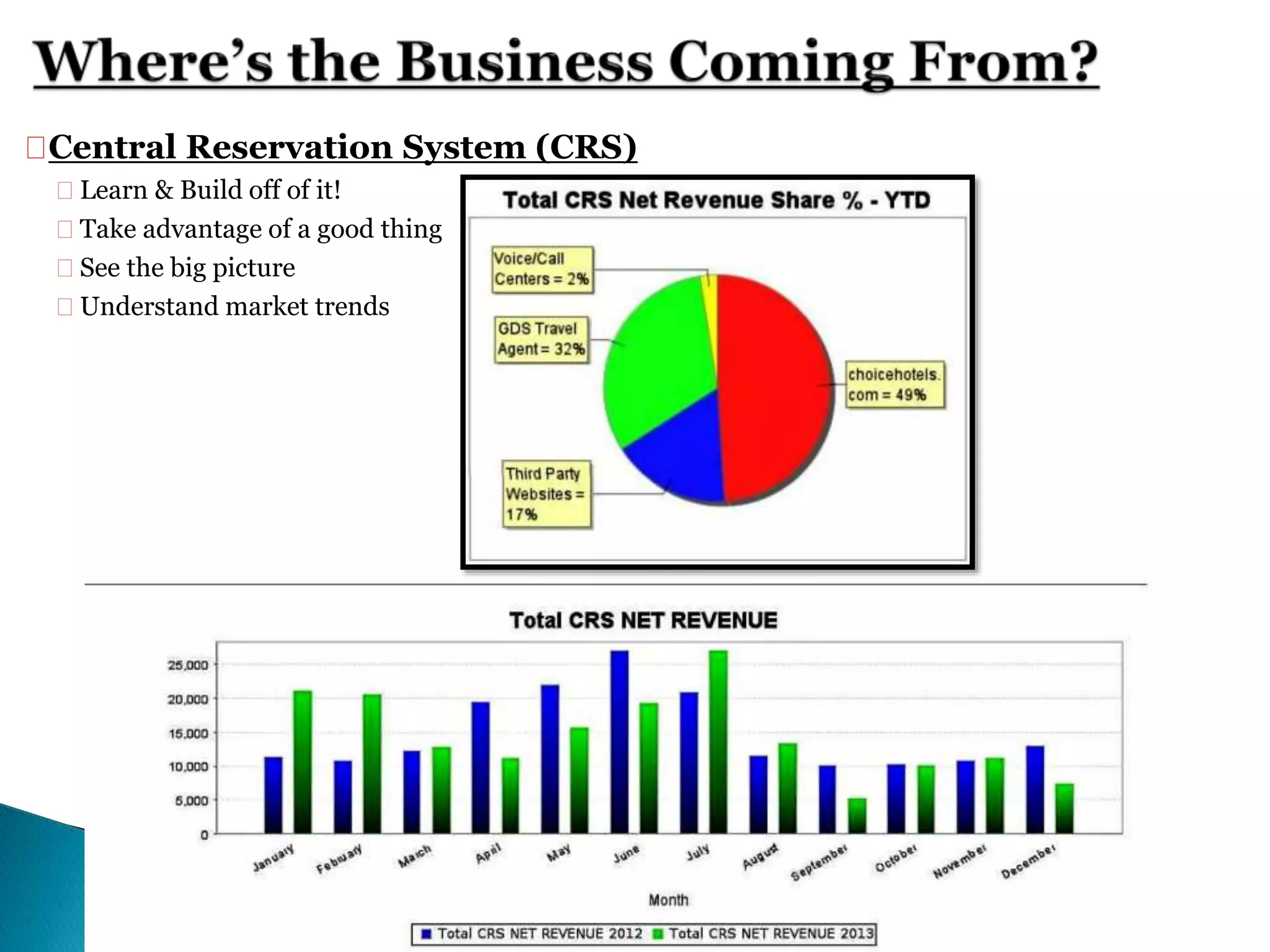
 Reservation System
 Learn & Build off of it!
 Take advantage of a good thing
 See the big picture
 Understand market trends
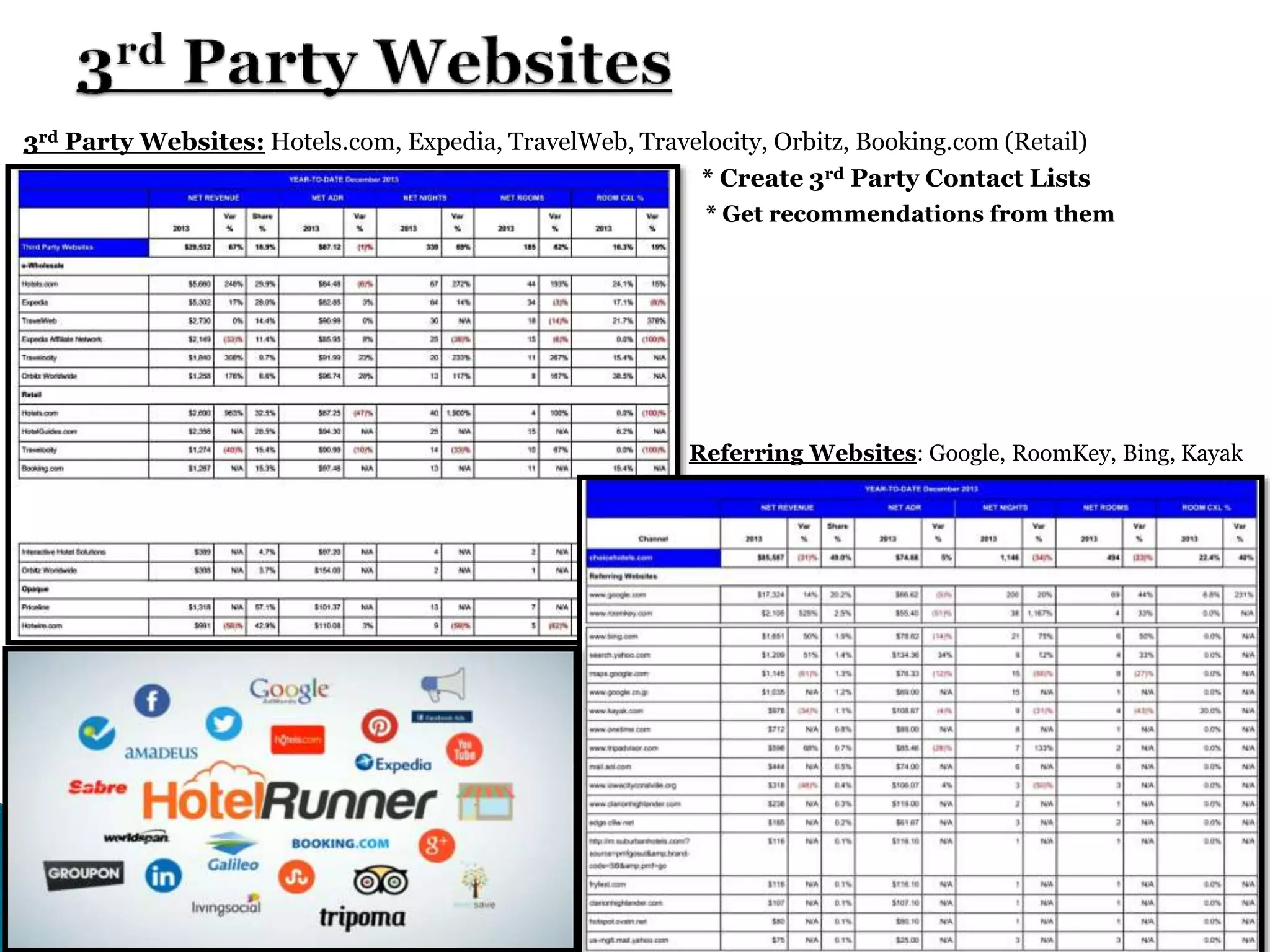
3rd Party Websites: Hotels.com, Expedia, TravelWeb, Travelocity, Orbitz, Booking.com (Retail)
* Create 3rd Party Contact Lists
 * Get recommendations from them
Referring Websites: Google, RoomKey, Bing, Kayak
 Competition: Can be your best ally
 Other hotels can help your hotel stay up to date on marketing trends
 Inside track on demand & forecasting
 Shows You How To Differentiate
 Through competitive intelligence reporting, you can track and analyze the marketing and
communication strategy of your competitors.
 By staying current with their messaging, press releases, and social strategy, you can capitalize
on areas that your competitors are executing poorly, and make your company stand out.
 Alerts You To New Trends
 Your competition can alert you to larger market trends that you may have missed previously.
 It can also alert you to lack of demand signaling that it is time to make changes or stop certain
campaigns or specials completely
 Helps with Timing
 If you enter at the right time you can pummel the competition
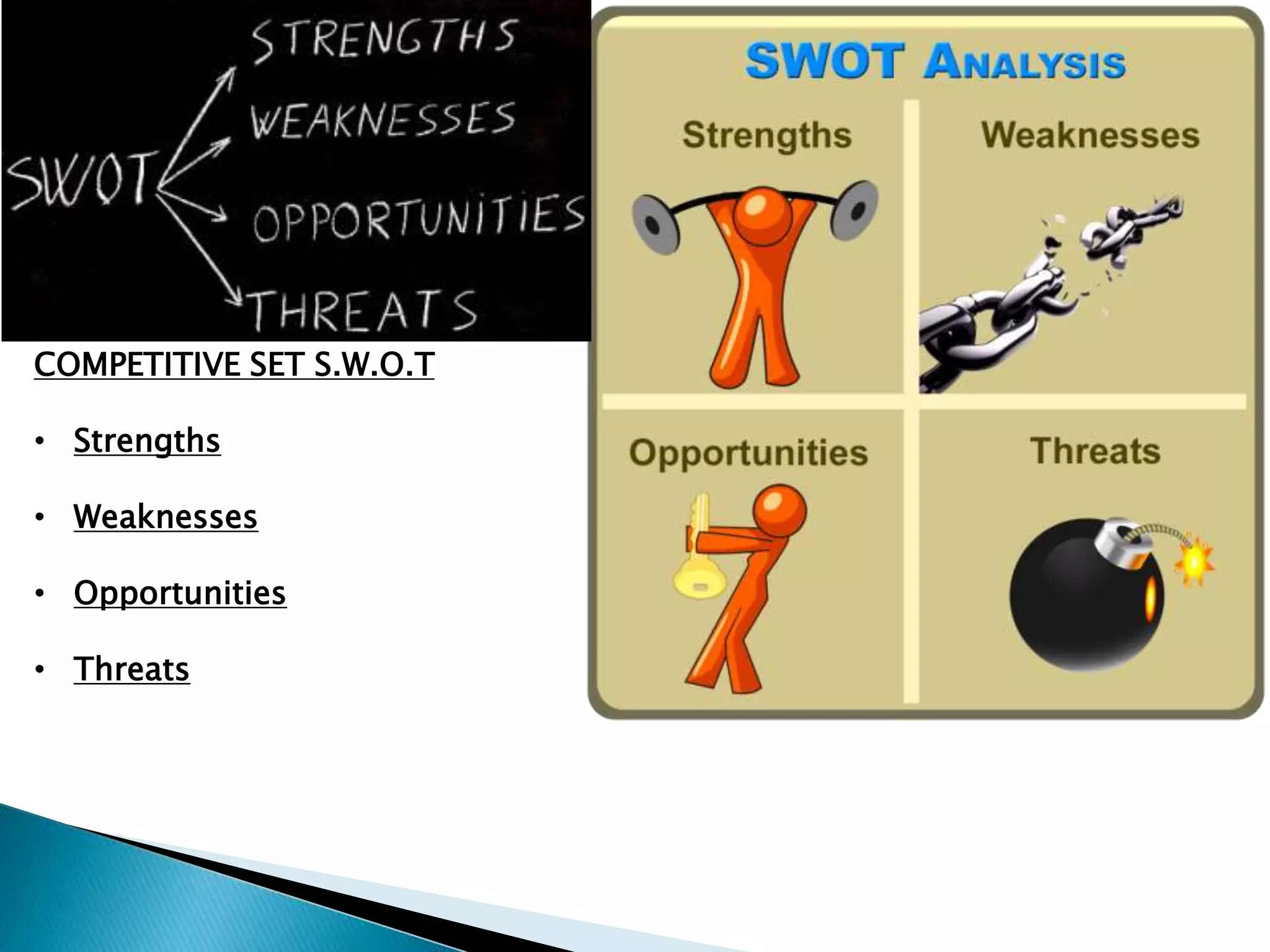
 S.W.O.T Analysis
 Revisit your competitive & marketplace S.W.O.T Analysis
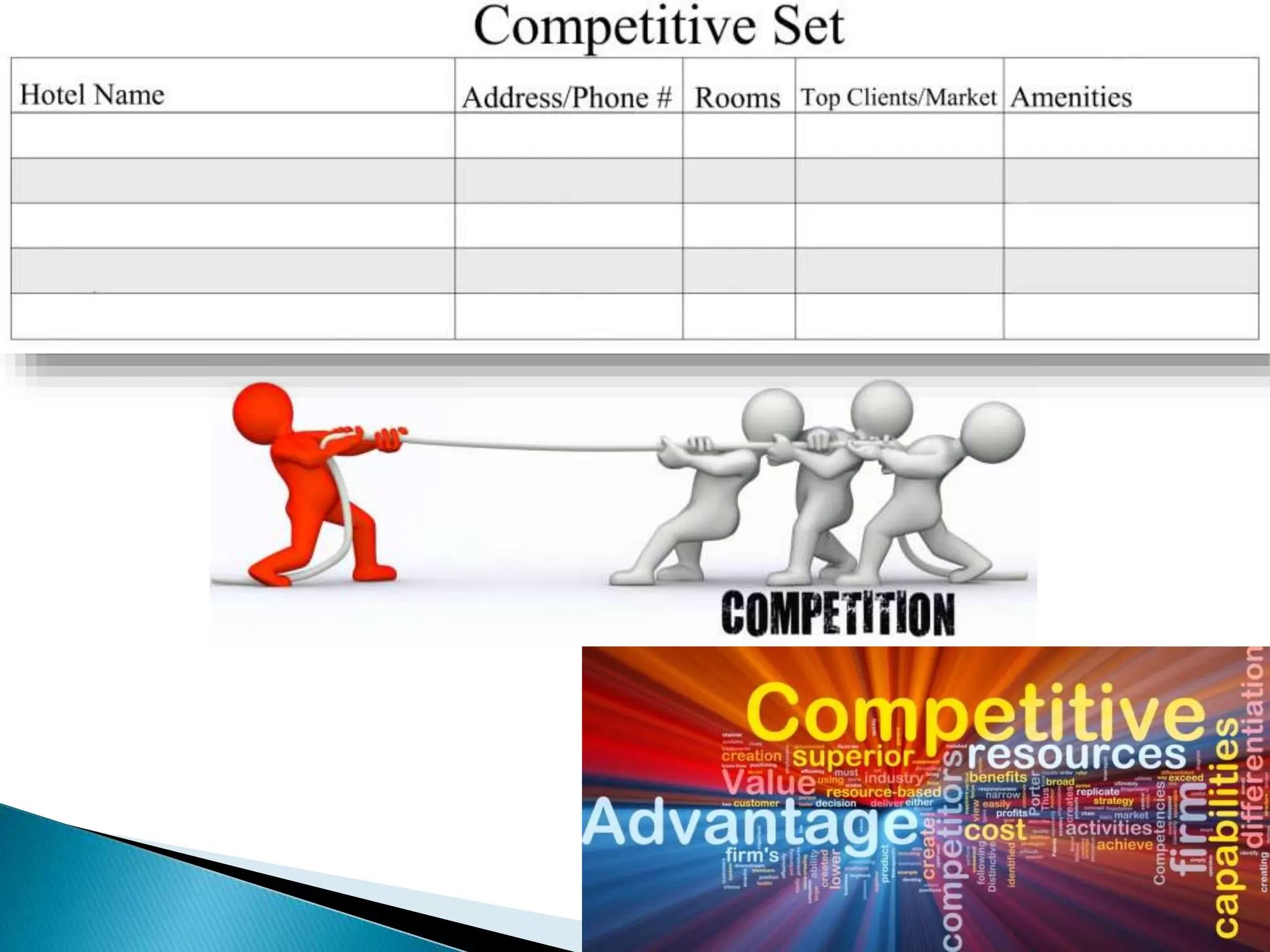
COMPETITIVE SET S.W.O.T
• Strengths
• Weaknesses
• Opportunities
• Threats
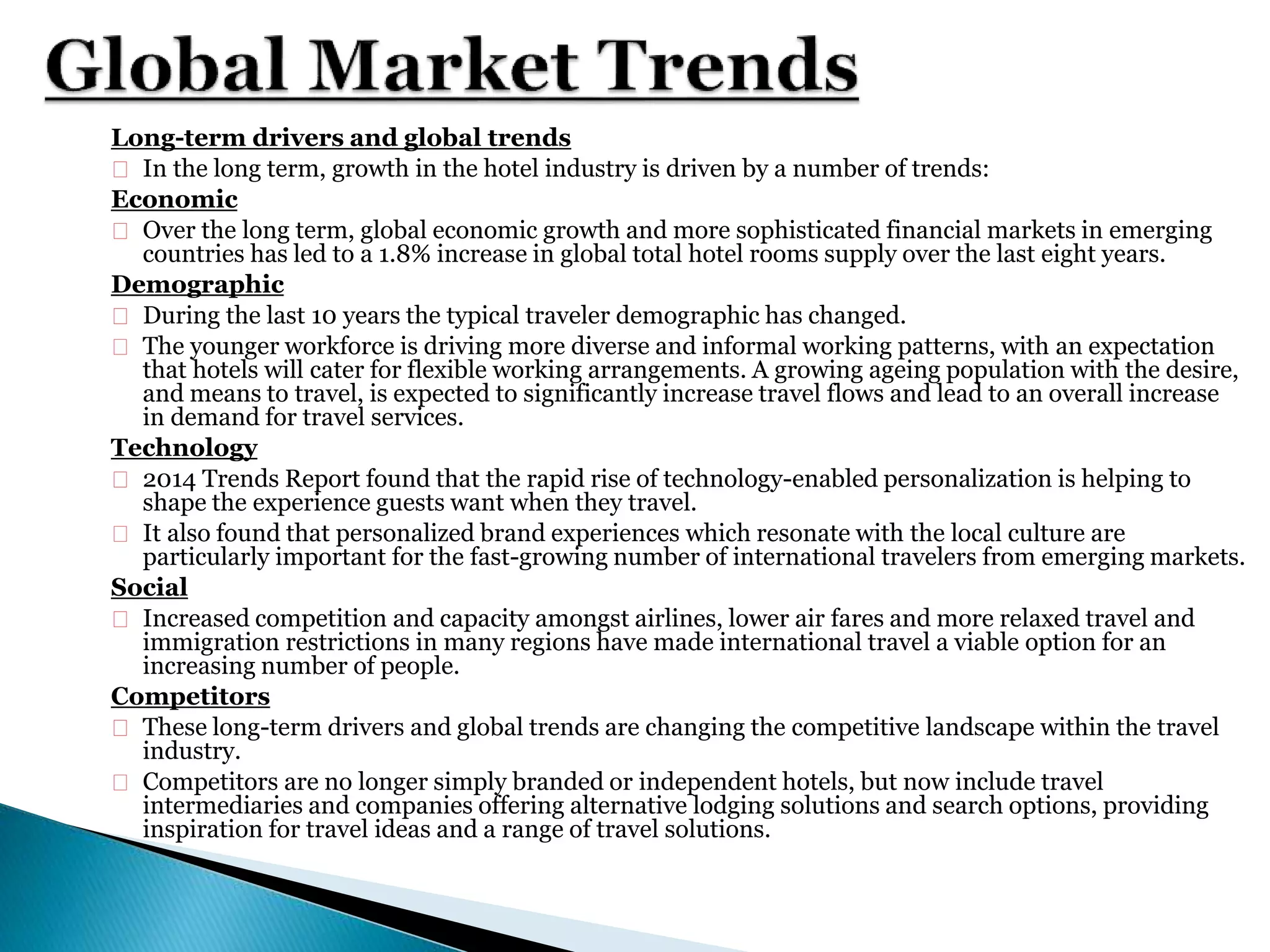
Long-term drivers and global trends
 In the long term, growth in the hotel industry is driven by a number of trends:
Economic
 Over the long term, global economic growth and more sophisticated financial markets in emerging
countries has led to a 1.8% increase in global total hotel rooms supply over the last eight years.
Demographic
 During the last 10 years the typical traveler demographic has changed.
 The younger workforce is driving more diverse and informal working patterns, with an expectation
that hotels will cater for flexible working arrangements. A growing ageing population with the desire,
and means to travel, is expected to significantly increase travel flows and lead to an overall increase
in demand for travel services.
Technology
 2014 Trends Report found that the rapid rise of technology-enabled personalization is helping to
shape the experience guests want when they travel.
 It also found that personalized brand experiences which resonate with the local culture are
particularly important for the fast-growing number of international travelers from emerging markets.
Social
 Increased competition and capacity amongst airlines, lower air fares and more relaxed travel and
immigration restrictions in many regions have made international travel a viable option for an
increasing number of people.
Competitors
 These long-term drivers and global trends are changing the competitive landscape within the travel
industry.
 Competitors are no longer simply branded or independent hotels, but now include travel
intermediaries and companies offering alternative lodging solutions and search options, providing
inspiration for travel ideas and a range of travel solutions.
◦ Understanding ‘Market Drivers’
 How people actually decided on your hotel may surprise you.
 Could be as simple as a positive (or negative) online review
 Might come down to how well your FD Attendant ‘sells’ them.
 Do some ‘Secret Shopper’ calls at night
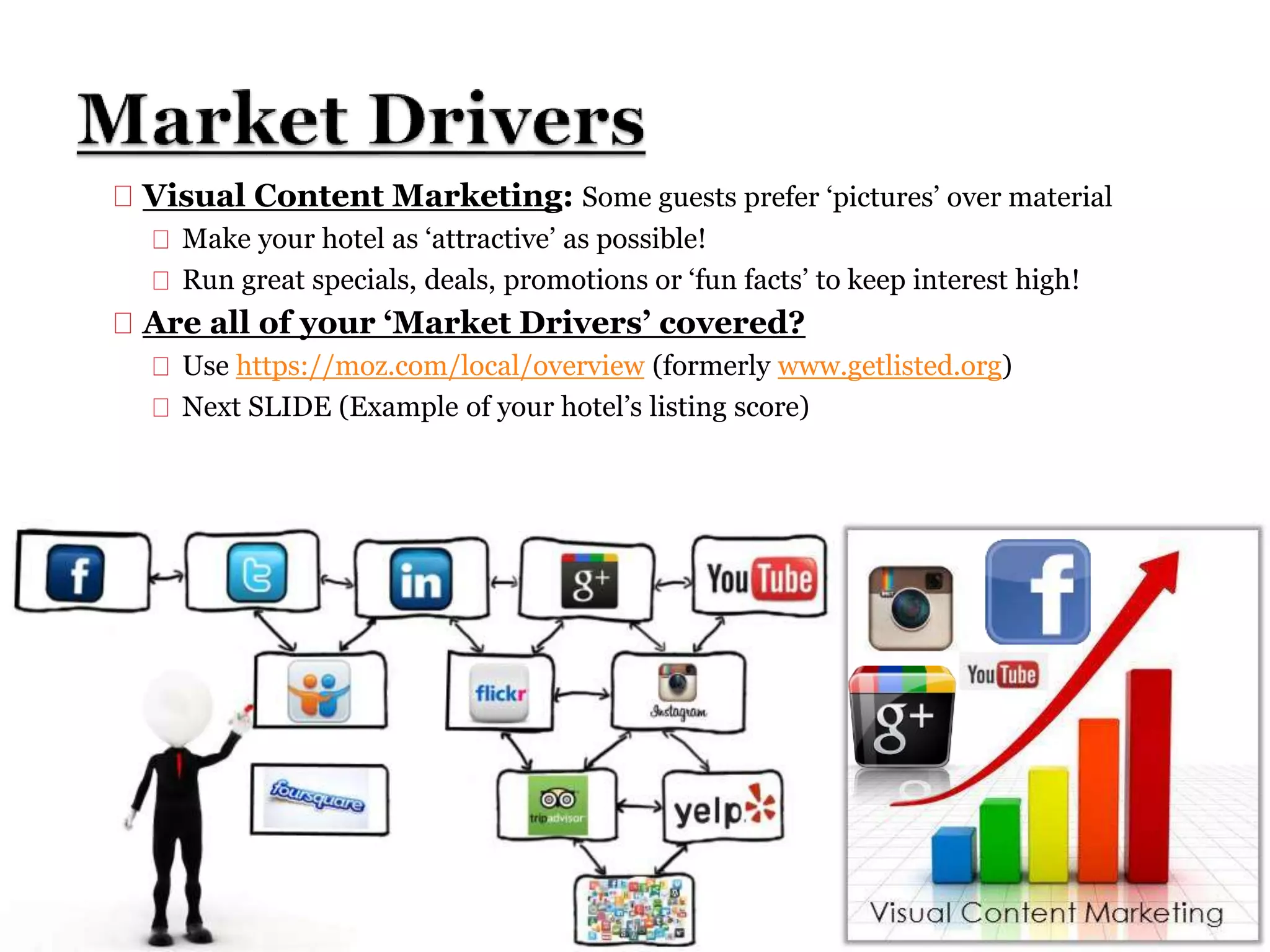
 Visual Content Marketing: Some guests prefer ‘pictures’ over material
 Make your hotel as ‘attractive’ as possible!
 Run great specials, deals, promotions or ‘fun facts’ to keep interest high!
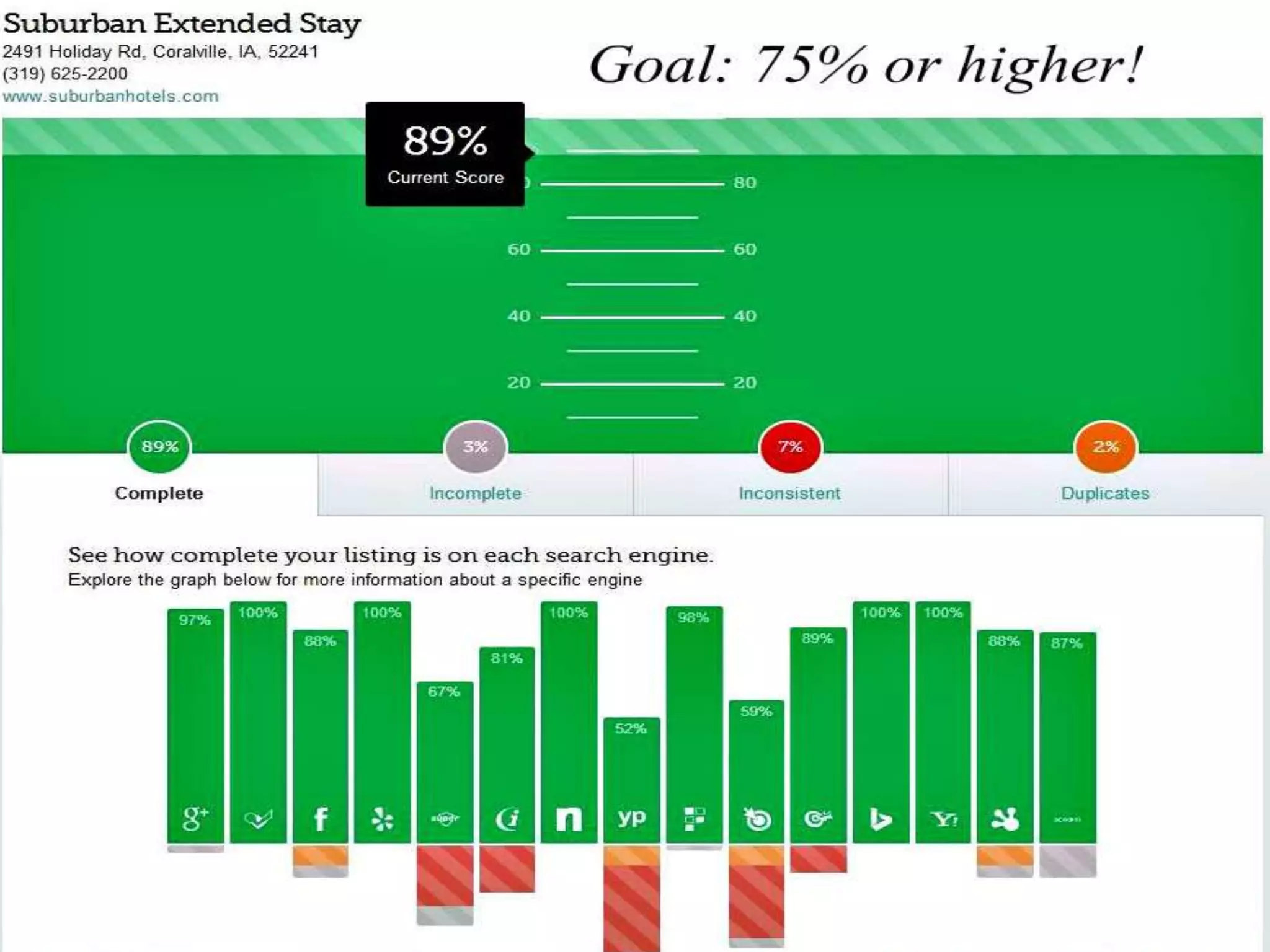
 Are all of your ‘Market Drivers’ covered?
 Use https://moz.com/local/overview (formerly www.getlisted.org)
 Next SLIDE (Example of your hotel’s listing score)
So, ask yourself AGAIN…………
• What drives guests to your hotel?
• What drives them to your competitors?
• What is your hotel’s online reputation?
• How can you improve your hotel?
• What is your ‘Unique Factor’?

Hotel intelligence

  • 1.
    What drives gueststo your hotel? What drives them to your competitors?
  • 2.
    1. Guest Tracking By Season, Source, Market or Company?  Utilizing your Action Plans: Daily-Weekly-Monthly to stay on track! 2. How guests heard about your hotel property & where?  Referral, Advertising, Online  Online Market Tools that can help!  Where exactly is the business coming from? (How to track it down) 3. Competitive Intelligence: How to find specific information  How it helps your hotel stay up to date on trends & demand  Staying current against your competitors: Amenities, Service, Rates & Specials 4. Understanding ‘Market Drivers’  How people actually decided on your hotel may surprise you.
  • 3.
    ◦ Are youusing your Action Plans?
  • 4.
    STR Reports: ◦ MarketForecasting ◦ Trend Reports ◦ Pipeline Reports
  • 5.
    • Target Markets:Corporate, Group, Leisure, Gov’t • Demographic: Age, Gender, Reason for traveling • Length of Stay History • Purpose: Business or Personal
  • 6.
    ◦ Guest Tracking:What brought them to your hotel & why? ◦ Was it something you did? A special package or event going on in the area? All Key Factors when you forecast for the future. ◦ For hotel companies, social media has essentially become a sanctioned form of eavesdropping. “Hotels have trained their staff to be intense listeners and dig up information about their guests. This gives them a whole new realm in which to listen.”  Season: Understanding demand & pricing appropriately is CRUCIAL  Source: How was the reservation made? Online, Mobile, Call-in?  Market: Group, Leisure, Tour, Government, Corporate  Very Important that every guest is tracked accordingly to their length of stay, reason for staying & their rate.  Company: If a guest works for a company it’s very important to get that company information because there’s opportunities for more biz!
  • 7.
    ◦ Why/How guestsheard about your hotel property? ◦ Tracking: Make sure you’re tracking how a guest booked with you  Was it a special you were running? (GC’s-Vouchers)  Referrals: Special Notes in reservation, pay close attention to rate  Advertising: Require a ‘code’ to receive special rate (helps tracking)  Online: Specials, Packages or Deals you may be running  QR Codes: http://www.qrstuff.com/
  • 8.
    ◦ Hotel Toolsat your fingertips: Are you utilizing them 100%?  Examples of what to look for & how to break it down & understand it!  E-Commerce Reports  3rd Party – Referring Websites: Are your rates & discounts correct & up to date?  E-brochures: Hotel information & pictures current & correct?  GDS Travel Agents – Voice Call Centers: Are you utilizing all brand tools?  Guest Demographics & Market Segments: What’s your strength? What’s your weakness?
  • 9.
     Reservation System Learn & Build off of it!  Take advantage of a good thing  See the big picture  Understand market trends
  • 10.
    3rd Party Websites:Hotels.com, Expedia, TravelWeb, Travelocity, Orbitz, Booking.com (Retail) * Create 3rd Party Contact Lists  * Get recommendations from them Referring Websites: Google, RoomKey, Bing, Kayak
  • 11.
     Competition: Canbe your best ally  Other hotels can help your hotel stay up to date on marketing trends  Inside track on demand & forecasting  Shows You How To Differentiate  Through competitive intelligence reporting, you can track and analyze the marketing and communication strategy of your competitors.  By staying current with their messaging, press releases, and social strategy, you can capitalize on areas that your competitors are executing poorly, and make your company stand out.  Alerts You To New Trends  Your competition can alert you to larger market trends that you may have missed previously.  It can also alert you to lack of demand signaling that it is time to make changes or stop certain campaigns or specials completely  Helps with Timing  If you enter at the right time you can pummel the competition  S.W.O.T Analysis  Revisit your competitive & marketplace S.W.O.T Analysis
  • 16.
    COMPETITIVE SET S.W.O.T •Strengths • Weaknesses • Opportunities • Threats
  • 17.
    Long-term drivers andglobal trends  In the long term, growth in the hotel industry is driven by a number of trends: Economic  Over the long term, global economic growth and more sophisticated financial markets in emerging countries has led to a 1.8% increase in global total hotel rooms supply over the last eight years. Demographic  During the last 10 years the typical traveler demographic has changed.  The younger workforce is driving more diverse and informal working patterns, with an expectation that hotels will cater for flexible working arrangements. A growing ageing population with the desire, and means to travel, is expected to significantly increase travel flows and lead to an overall increase in demand for travel services. Technology  2014 Trends Report found that the rapid rise of technology-enabled personalization is helping to shape the experience guests want when they travel.  It also found that personalized brand experiences which resonate with the local culture are particularly important for the fast-growing number of international travelers from emerging markets. Social  Increased competition and capacity amongst airlines, lower air fares and more relaxed travel and immigration restrictions in many regions have made international travel a viable option for an increasing number of people. Competitors  These long-term drivers and global trends are changing the competitive landscape within the travel industry.  Competitors are no longer simply branded or independent hotels, but now include travel intermediaries and companies offering alternative lodging solutions and search options, providing inspiration for travel ideas and a range of travel solutions.
  • 19.
    ◦ Understanding ‘MarketDrivers’  How people actually decided on your hotel may surprise you.  Could be as simple as a positive (or negative) online review  Might come down to how well your FD Attendant ‘sells’ them.  Do some ‘Secret Shopper’ calls at night
  • 20.
     Visual ContentMarketing: Some guests prefer ‘pictures’ over material  Make your hotel as ‘attractive’ as possible!  Run great specials, deals, promotions or ‘fun facts’ to keep interest high!  Are all of your ‘Market Drivers’ covered?  Use https://moz.com/local/overview (formerly www.getlisted.org)  Next SLIDE (Example of your hotel’s listing score)
  • 22.
    So, ask yourselfAGAIN………… • What drives guests to your hotel? • What drives them to your competitors? • What is your hotel’s online reputation? • How can you improve your hotel? • What is your ‘Unique Factor’?