The Ne w E n g l a nd Jour n a l o f Me d ic i ne


               HELICOBACTER PYLORI INFECTION AND THE DEVELOPMENT
                                OF GASTRIC CANCER

      NAOMI UEMURA, M.D., SHIRO OKAMOTO, M.D., SOICHIRO YAMAMOTO, M.D., NOBUTOSHI MATSUMURA, M.D.,
         SHUJI YAMAGUCHI, M.D., MICHIO YAMAKIDO, M.D., KIYOMI TANIYAMA, M.D., NAOMI SASAKI, M.D.,
                                      AND RONALD J. SCHLEMPER, M.D.


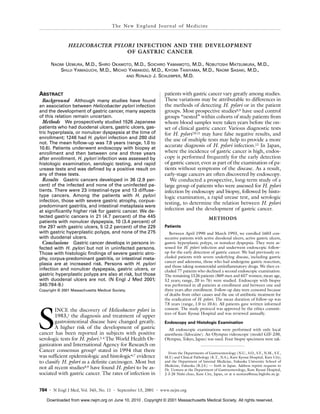
ABSTRACT                                                         patients with gastric cancer vary greatly among studies.
 Background Although many studies have found                     These variations may be attributable to differences in
an association between Helicobacter pylori infection             the methods of detecting H. pylori or in the patient
and the development of gastric cancer, many aspects              groups. Most prospective studies8,9 have used control
of this relation remain uncertain.                               groups “nested” within cohorts of study patients from
  Methods We prospectively studied 1526 Japanese                 whom blood samples were taken years before the on-
patients who had duodenal ulcers, gastric ulcers, gas-           set of clinical gastric cancer. Various diagnostic tests
tric hyperplasia, or nonulcer dyspepsia at the time of           for H. pylori 10,11 may have false negative results, and
enrollment; 1246 had H. pylori infection and 280 did             the use of multiple tests may help to provide a more
not. The mean follow-up was 7.8 years (range, 1.0 to
10.6). Patients underwent endoscopy with biopsy at
                                                                 accurate diagnosis of H. pylori infection.12 In Japan,
enrollment and then between one and three years                  where the incidence of gastric cancer is high, endos-
after enrollment. H. pylori infection was assessed by            copy is performed frequently for the early detection
histologic examination, serologic testing, and rapid             of gastric cancer, even as part of the examination of pa-
urease tests and was defined by a positive result on             tients without symptoms of the disease. As a result,
any of these tests.                                              early-stage cancers are often discovered by endoscopy.
  Results Gastric cancers developed in 36 (2.9 per-                 We conducted a prospective, long-term study of a
cent) of the infected and none of the uninfected pa-             large group of patients who were assessed for H. pylori
tients. There were 23 intestinal-type and 13 diffuse-            infection by endoscopy and biopsy, followed by histo-
type cancers. Among the patients with H. pylori                  logic examination, a rapid urease test, and serologic
infection, those with severe gastric atrophy, corpus-
                                                                 testing, to determine the relation between H. pylori
predominant gastritis, and intestinal metaplasia were
at significantly higher risk for gastric cancer. We de-          infection and the development of gastric cancer.
tected gastric cancers in 21 (4.7 percent) of the 445                                        METHODS
patients with nonulcer dyspepsia, 10 (3.4 percent) of
the 297 with gastric ulcers, 5 (2.2 percent) of the 229          Patients
with gastric hyperplastic polyps, and none of the 275               Between April 1990 and March 1993, we enrolled 1603 con-
with duodenal ulcers.                                            secutive patients with active duodenal ulcers, active gastric ulcers,
  Conclusions Gastric cancer develops in persons in-             gastric hyperplastic polyps, or nonulcer dyspepsia. They were as-
fected with H. pylori but not in uninfected persons.             sessed for H. pylori infection and underwent endoscopic follow-
Those with histologic findings of severe gastric atro-           up for the early detection of gastric cancer. We had previously ex-
phy, corpus-predominant gastritis, or intestinal meta-           cluded patients with severe underlying disease, including gastric
                                                                 cancer and adenoma, those who had undergone gastric resection,
plasia are at increased risk. Persons with H. pylori
                                                                 and those taking nonsteroidal antiinflammatory drugs. We then ex-
infection and nonulcer dyspepsia, gastric ulcers, or             cluded 77 patients who declined a second endoscopic examination.
gastric hyperplastic polyps are also at risk, but those          The remaining 1526 patients (869 men and 657 women; mean age,
with duodenal ulcers are not. (N Engl J Med 2001;                52 years; range, 20 to 76) were studied. Endoscopy with biopsy
345:784-9.)                                                      was performed in all patients at enrollment and between one and
Copyright © 2001 Massachusetts Medical Society.                  three years after enrollment. Follow-up data were censored because
                                                                 of deaths from other causes and the use of antibiotic treatment for
                                                                 the eradication of H. pylori. The mean duration of follow-up was
                                                                 7.8 years (range, 1.0 to 10.6). All patients gave written informed


S
        INCE the discovery of Helicobacter pylori in             consent. The study protocol was approved by the ethics commit-
                                                                 tees of Kure Kyosai Hospital and was reviewed annually.
        1983,1 the diagnosis and treatment of upper
        gastrointestinal disease have changed greatly.           Endoscopy and Histologic Examination
        A higher risk of the development of gastric                All endoscopic examinations were performed with only local
cancer has been reported in subjects with positive               anesthesia (lidocaine). An Olympus videoscope (model GIF-230,
serologic tests for H. pylori.2-4 The World Health Or-           Olympus, Tokyo, Japan) was used. Four biopsy specimens were tak-
ganization and International Agency for Research on
Cancer consensus group5 stated in 1994 that there                  From the Departments of Gastroenterology (N.U., S.O., S.Y., N.M., S.Y.,
was sufficient epidemiologic and histologic6,7 evidence          M.Y.) and Clinical Pathology (K.T., N.S.), Kure Kyosai Hospital, Kure City;
to classify H. pylori as a definite carcinogen. Most but         and the Department of Internal Medicine, Fukuoka University School of
                                                                 Medicine, Fukuoka (R.J.S.) — both in Japan. Address reprint requests to
not all recent studies8,9 have found H. pylori to be as-         Dr. Uemura at the Department of Gastroenterology, Kure Kyosai Hospital,
sociated with gastric cancer. The rates of infection in          2-3-28 Nishi-chuo, Kure City, Japan, or at n-uemura@mua.biglobe.ne.jp.


784 · N Engl J Med, Vol. 345, No. 11 · September 13, 2001 · www.nejm.org

    Downloaded from www.nejm.org on June 10, 2010 . Copyright © 2001 Massachusetts Medical Society. All rights reserved.
H E L I C O B AC T E R PY LO R I I N F EC T I O N A N D T H E D EV E L O P M E N T O F GAST R I C C A N C E R


en, two from the greater curvature of the antrum and two from the             with nonulcer dyspepsia (206 men and 239 women;
upper body of the stomach (when lesions suspected to be cancerous             mean age, 54 years; range, 22 to 76), 275 with duo-
were noted, additional biopsies were performed). Of these four spec-
imens, two were fixed in formalin and assessed for H. pylori (by              denal ulcers (198 men and 77 women; mean age, 48
Giemsa staining) and the degree of neutrophil infiltration and in-            years; range, 20 to 76), 297 with gastric ulcers (226
testinal metaplasia (by staining with hematoxylin and eosin). The             men and 71 women; mean age, 52 years; range, 22 to
remaining two were used for a rapid urease test (CLO, Delta West,             75), and 229 with gastric polyps (84 men and 145
Bentley, Australia). The degree of neutrophil infiltration was clas-
sified according to four grades (0 denoting no infiltration, 1 mild,
                                                                              women; mean age, 56 years; range, 26 to 76). The
2 moderate, and 3 marked) and expressed as a score by two pathol-             H. pylori–negative patients all had nonulcer dyspepsia.
ogists according to the updated Sydney system.13 Consensus was                Atrophy and intestinal metaplasia of any grade were
reached through joint review of all the slides. Active gastritis was          found in 4 percent and 2 percent of H. pylori–negative
classified into four categories (no gastritis, antrum-predominant gas-        patients, respectively. Of the H. pylori–negative group,
tritis, pangastritis, and corpus-predominant gastritis). Intestinal
metaplasia was classified in two grades (absent or present), because          only 2 percent had gastritis, all antrum predominant.
the multifocal distribution of metaplasia may lead to misclassification       In the H. pylori–positive group, 53 percent had mod-
when only two biopsy specimens are obtained. Gastric mucosal at-              erate atrophy and 17 percent had severe atrophy. An-
rophy was evaluated according to the endoscopic-atrophic-border               trum-predominant gastritis was found in 56 percent,
scale described by Kimura and Takemoto,14 which correlates with
the results of histologic evaluation.15,16 There were three classifica-
                                                                              pangastritis in 27 percent, and corpus-predominant
tions (1 denoting mild atrophy or none, 2 moderate, and 3 severe).            gastritis in 17 percent of H. pylori–positive patients.
The pathologists were not aware of the clinical or endoscopic data.           Thirty-seven percent had intestinal metaplasia. There
The results were scored blindly with the use of patient codes.                were significant differences in these variables between
   The rapid urease test was monitored for up to 24 hours. Gastric            the groups (P<0.001 by the chi-square test). The du-
cancer was defined as evident invasion of neoplastic epithelium into
the lamina propria of the mucosa or beyond (i.e., category 5.1 or             ration of follow-up in the H. pylori–positive group was
5.2 according to the Vienna classification17) and was classified ac-          significantly shorter than in the uninfected group (P<
cording to Laurén18 as intestinal or diffuse type.                            0.001), because 253 of 1246 infected patients received
                                                                              eradication therapy at an early stage of follow-up.
Serologic Evaluation
   Blood was sampled immediately before endoscopy; serum was                  Development of Gastric Cancer
immediately separated and cryopreserved at –20°C until it was as-
sayed for antibodies against H. pylori (HM-CAP, Enteric Products,               During follow-up, gastric cancer developed in 36 of
Westbury, N.Y.). A positive serologic test for H. pylori was defined          1246 H. pylori–infected patients (2.9 percent) but in
as one with a titer of 1.8 or more.                                           none of the 280 uninfected patients (P<0.001). All
Detection of H. pylori Infection
   H. pylori infection was identified by histologic examination, the
rapid urease test, and serologic evaluation. Patients in whom any of
these assays were positive were classified as H. pylori–positive. Those
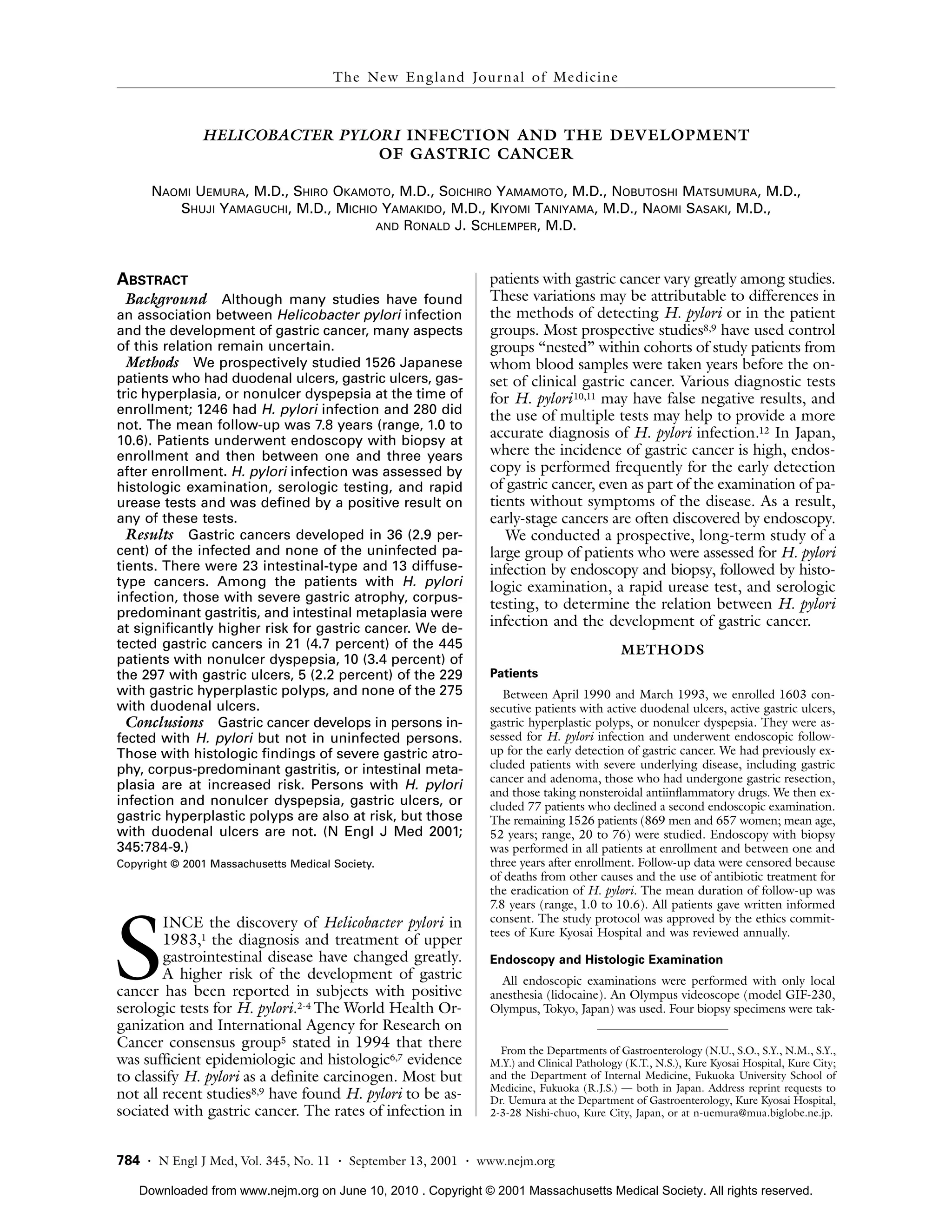
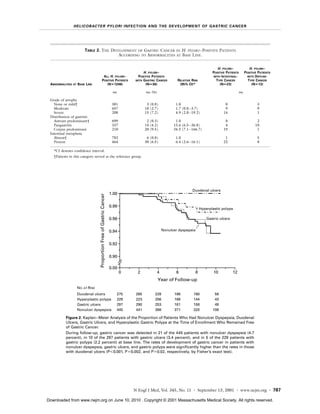
                                                                              TABLE 1. BASE-LINE CHARACTERISTICS           OF THE    1526 PATIENTS.*
in whom all three were negative were considered H. pylori–negative.

Statistical Analysis                                                                                                      H. PYLORI–         H. PYLORI–
   All statistical analyses were performed with SAS software (SAS                                                          POSITIVE          NEGATIVE
                                                                                                                           PATIENTS           PATIENTS
Institute, Cary, N.C.).19 The demographic and clinical characteris-           CHARACTERISTIC                              (N=1246)           (N=280)
tics of the patients were compared by Student’s t-test (for age, du-
ration of follow-up, and number of endoscopic procedures) or the              Age — yr                                   52.3±11.1           52.7±12.8
chi-square test (for sex, diagnosis, grade of gastric mucosal atrophy,        Sex — no.
distribution of gastritis, and presence or absence of intestinal meta-          Male                                      714                 155
plasia). We calculated relative risks for gastric findings — such as            Female                                    532                 125
                                                                              Endoscopic diagnosis — no.
the degree of atrophy, the pattern of distribution of gastritis, and the
                                                                                Nonulcer dyspepsia†                       445                 280
presence of intestinal metaplasia — using Cox proportional-hazards              Active gastric ulcer                      297                   0
models. Since gastric cancer has not been demonstrated to develop               Gastric hyperplastic polyps               229                   0
in patients with duodenal ulcers or in those who are H. pylori–                 Active duodenal ulcer                     275                   0
negative (with or without eradication therapy), we could not calcu-           Grade of gastric atrophy — no. (%)
late the difference in the incidence of gastric cancer using the Cox            None or mild†                             381 (31)            270 (96)
proportional-hazards model. For this reason, Kaplan–Meier analy-                Moderate                                  657 (53)              3 (1)
sis and the chi-square test or Fisher’s exact test were used to assess          Severe                                    208 (17)              7 (2)
                                                                              Distribution of gastritis — no. (%)
the difference in proportions. All P values are two-sided; significance
                                                                                None†                                       0                 274 (98)
was indicated by a P value of less than 0.05.                                   Antrum-predominant gastritis              699 (56)              6 (2)
                                                                                Pangastritis                              337 (27)              0
                            RESULTS                                             Corpus-predominant gastritis              210 (17)              0
                                                                              Intestinal metaplasia — no. (%)†            464 (37)              5 (2)
   Of the 1526 patients, 1246 were H. pylori–positive                         Duration of follow-up — yr†                 7.6±2.5             8.1±2.2
and 280 H. pylori–negative. The base-line characteris-                        Endoscopic procedures — no.                 7.0±1.8             6.8±1.8
tics of both groups are shown in Table 1. There were
                                                                                 *Plus–minus values are means ±SD. There were no significant differences
no significant differences between the two groups in                          in age, sex, or the mean number of endoscopic procedures (by the chi-square
age, sex, or the mean number of endoscopic proce-                             test or Student’s t-test).
dures. The H. pylori–positive patients included 445                             †P<0.001 for the comparison between the two groups.


                                                          N Engl J Med, Vol. 345, No. 11 · September 13, 2001 · www.nejm.org · 785

    Downloaded from www.nejm.org on June 10, 2010 . Copyright © 2001 Massachusetts Medical Society. All rights reserved.
The Ne w E n g l a nd Jour n a l o f Me d ic i ne


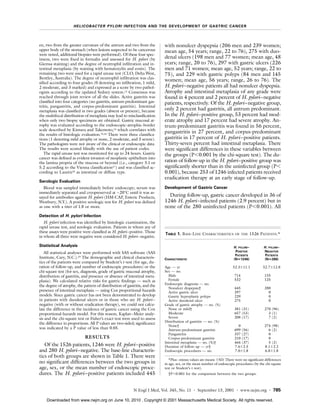
cancers were visible on endoscopy and were identi-                             percent) at base line (Fig. 2). No gastric cancer was
fied histologically on biopsy. In Figure 1, the risk of                        detected in patients with duodenal ulcers. The fre-
gastric cancer is shown to be 5 percent at 10 years                            quency of gastric cancer in patients with nonulcer dys-
by Kaplan–Meier analysis. There were 23 men and                                pepsia, gastric ulcers, and gastric polyps was signifi-
13 women with gastric cancer (at base line: mean age,                          cantly higher than in those with duodenal ulcers
60 years; range, 41 to 76; at the time of detection of                         (Table 3). The frequency of diffuse-type cancer in
gastric cancer: mean age, 65; range, 47 to 83). Sixteen                        patients with gastric ulcers was significantly higher
men and seven women had intestinal-type cancers (at                            than in patients with nonulcer dyspepsia and gastric
base line: mean age, 64 years; range, 44 to 76; at the                         polyps (P=0.03 by the chi-square test). The mean
time of detection of gastric cancer: mean age, 70;                             age at the time of diagnosis of gastric cancer in pa-
range, 53 to 83), and six men and seven women had                              tients with gastric ulcers (53 years) was significantly
diffuse-type cancers (at base line: mean age, 52 years;                        lower than in those with nonulcer dyspepsia (63 years)
range, 41 to 68; at the time of detection of gastric can-                      (P=0.009 by Student’s t-test). Gastric cancer did not
cer: mean age, 58; range, 47 to 75). The mean age at                           develop in any of the 253 patients with H. pylori in-
enrollment and at the time of detection of gastric can-                        fection who received eradication therapy. The mean
cer was significantly lower in the patients with diffuse-                      (±SD) duration of follow-up after eradication (4.8±
type cancer than in those with intestinal-type cancer                          1.2 years) was shorter than the mean duration for pa-
(P<0.001 for both comparisons).                                                tients who were not treated (8.5±1.7 years; P<0.001
   Table 2 shows the abnormalities of the gastric mu-                          by Student’s t-test).
cosa at base line in all the H. pylori–infected patients
and in the 36 patients with gastric cancer, as well as                                             DISCUSSION
the relative risks of cancer according to the base-line                           We found that gastric cancer developed in patients
abnormalities. The frequency of severe atrophy, cor-                           with H. pylori infection but not in uninfected patients.
pus-predominant gastritis, and intestinal metaplasia                           Our findings are consistent with those of a recent
was significantly higher in patients with intestinal-type                      meta-analysis.8 In Japan, it has been reported that each
gastric cancer than in those with diffuse-type cancer                          year, gastric cancer develops in 300,000 (0.5 percent)
(P=0.002, P<0.001, and P=0.008, respectively).                                 of the 60 million people who are H. pylori–positive,20
Nine of the patients with diffuse-type gastric cancer                          which means that gastric cancer develops in 5 percent
had moderate atrophy, and 10 had pangastritis.                                 of H. pylori–positive persons over 10 years. Our re-
   During follow-up, gastric cancer was detected in 21                         sults support this estimate.
of the 445 patients with nonulcer dyspepsia (4.7 per-                             In previous epidemiologic studies showing a close
cent), in 10 of the 297 with gastric ulcers (3.4 per-                          relation between H. pylori infection and gastric cancer,
cent), and in 5 of the 229 with gastric polyps (2.2                            a large number of patients with negative serologic re-


                                                                                                    H. pylori –negative
                                                  1.00

                                                  0.98
                             Proportion Free of
                               Gastric Cancer


                                                                                                    H. pylori –positive
                                                  0.96

                                                  0.94

                                                  0.92

                                                  0.90

                                                  0.00
                                                         0      2         4         6         8         10         12
                                                                          Year of Follow-up
                    NO. AT RISK
                    H. pylori –negative 280                     272      251       245       213         57
                    H. pylori –positive 1246                   1219     1086       907       782        258

             Figure 1. Kaplan–Meier Analysis of the Proportion of H. pylori–Positive and H. pylori–Negative Patients
             Who Remained Free of Gastric Cancer.
             During follow-up, gastric cancer developed in 36 of the 1246 H. pylori–infected patients (2.9 percent)
             but in none of the 280 uninfected patients (P<0.001).


786 · N Engl J Med, Vol. 345, No. 11 · September 13, 2001 · www.nejm.org

   Downloaded from www.nejm.org on June 10, 2010 . Copyright © 2001 Massachusetts Medical Society. All rights reserved.
H E L I C O B AC T E R PY LO R I I N F EC T I O N A N D T H E D EV E L O P M E N T O F GAST R I C C A N C E R


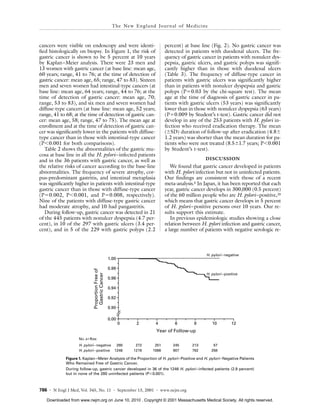
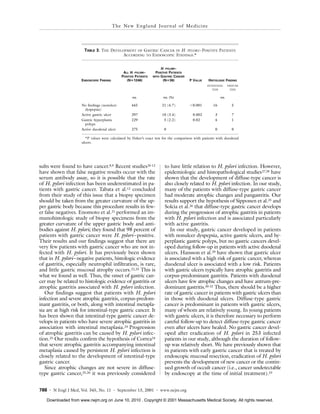
                          TABLE 2. THE DEVELOPMENT OF GASTRIC CANCER IN H. PYLORI–POSITIVE PATIENTS
                                          ACCORDING TO ABNORMALITIES AT BASE LINE.


                                                                                                                                            H. PYLORI–               H. PYLORI–
                                                                                          H.   PYLORI–                                  POSITIVE PATIENTS         POSITIVE PATIENTS
                                              ALL H. PYLORI–                         POSITIVE PATIENTS                                   WITH INTESTINAL-          WITH DIFFUSE-
                                             POSITIVE PATIENTS                     WITH GASTRIC CANCER           RELATIVE RISK            TYPE CANCER               TYPE CANCER
 ABNORMALITIES   AT   BASE LINE                 (N=1246)                                  (N=36)                  (95% CI)*                  (N=23)                   (N=13)

                                                                         no.               no. (%)                                                          no.

 Grade of atrophy
   None or mild†                                                         381               3 (0.8)              1.0                             0                         3
   Moderate                                                              657              18 (2.7)              1.7 (0.8–3.7)                   9                         9
   Severe                                                                208              15 (7.2)              4.9 (2.8–19.2)                 14                         1
 Distribution of gastritis
   Antrum predominant†                                                   699               2 (0.3)              1.0                             0                         2
   Pangastritis                                                          337              14 (4.2)             15.6 (6.5–36.8)                  4                        10
   Corpus predominant                                                    210              20 (9.5)             34.5 (7.1–166.7)                19                         1
 Intestinal metaplasia
   Absent†                                                               782               6 (0.8)              1.0                             1                         5
   Present                                                               464              30 (6.5)              6.4 (2.6–16.1)                 22                         8

   *CI denotes confidence interval.
   †Patients in this category served as the reference group.


                                                                                                                          Duodenal ulcers
                                                                        1.00
                                    Proportion Free of Gastric Cancer


                                                                        0.98
                                                                                                                                 Hyperplastic polyps

                                                                        0.96                                                         Gastric ulcers


                                                                        0.94                             Nonulcer dyspepsia


                                                                        0.92


                                                                        0.90

                                                                        0.00
                                                                               0     2               4          6           8            10           12
                                                                                                     Year of Follow-up
                      NO. AT RISK
                      Duodenal ulcers                                      275      265            229         186         160           58
                      Hyperplastic polyps                                  229      223            206         169         144           43
                      Gastric ulcers                                       297      290            253         181         158           49
                      Nonulcer dyspepsia                                   445      441            398         371         320          108

           Figure 2. Kaplan–Meier Analysis of the Proportion of Patients Who Had Nonulcer Dyspepsia, Duodenal
           Ulcers, Gastric Ulcers, and Hyperplastic Gastric Polyps at the Time of Enrollment Who Remained Free
           of Gastric Cancer.
           During follow-up, gastric cancer was detected in 21 of the 445 patients with nonulcer dyspepsia (4.7
           percent), in 10 of the 297 patients with gastric ulcers (3.4 percent), and in 5 of the 229 patients with
           gastric polyps (2.2 percent) at base line. The rates of development of gastric cancer in patients with
           nonulcer dyspepsia, gastric ulcers, and gastric polyps were significantly higher than the rates in those
           with duodenal ulcers (P<0.001, P=0.002, and P=0.02, respectively, by Fisher’s exact test).


                                                                                   N Engl J Med, Vol. 345, No. 11 · September 13, 2001 · www.nejm.org · 787

Downloaded from www.nejm.org on June 10, 2010 . Copyright © 2001 Massachusetts Medical Society. All rights reserved.
The Ne w E n g l a nd Jour n a l o f Me d ic i ne


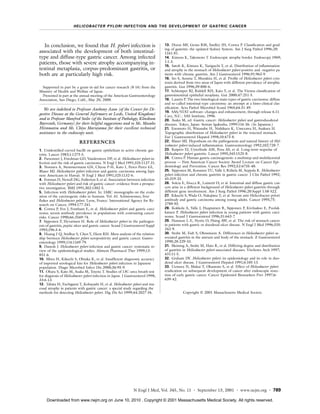
                      TABLE 3. THE DEVELOPMENT OF GASTRIC CANCER IN H. PYLORI–POSITIVE PATIENTS
                                        ACCORDING TO ENDOSCOPIC FINDINGS.*


                                                                       H. PYLORI–
                                               ALL H. PYLORI–      POSITIVE PATIENTS
                                              POSITIVE PATIENTS   WITH GASTRIC CANCER
                     ENDOSCOPIC FINDING          (N=1246)               (N=36)          P VALUE    HISTOLOGIC FINDING
                                                                                                  INTESTINAL      DIFFUSE
                                                                                                     TYPE          TYPE


                                                    no.                 no. (%)                             no.

                     No findings (nonulcer          445                21 (4.7)         <0.001        16            5
                       dyspepsia)
                     Active gastric ulcer           297                10 (3.4)          0.002         3            7
                     Gastric hyperplastic           229                 5 (2.2)          0.02          4            1
                       polyps
                     Active duodenal ulcer          275                 0                              0            0

                       *P values were calculated by Fisher’s exact test for the comparison with patients with duodenal
                     ulcers.


sults were found to have cancer.8,9 Recent studies10-12                  to have little relation to H. pylori infection. However,
have shown that false negative results occur with the                    epidemiologic and histopathological studies 27,28 have
serum antibody assay, so it is possible that the rate                    shown that the development of diffuse-type cancer is
of H. pylori infection has been underestimated in pa-                    also closely related to H. pylori infection. In our study,
tients with gastric cancer. Tabata et al.12 concluded                    many of the patients with diffuse-type gastric cancer
from their study of this issue that a biopsy specimen                    had moderate atrophic changes and pangastritis. Our
should be taken from the greater curvature of the up-                    results support the hypothesis of Sipponen et al.25 and
per gastric body because this procedure results in few-                  Solcia et al.26 that diffuse-type gastric cancer develops
er false negatives. Enomoto et al.21 performed an im-                    during the progression of atrophic gastritis in patients
munohistologic study of biopsy specimens from the                        with H. pylori infection and is associated particularly
greater curvature of the upper gastric body and anti-                    with active gastritis.
bodies against H. pylori; they found that 98 percent of                     In our study, gastric cancer developed in patients
patients with gastric cancer were H. pylori–positive.                    with nonulcer dyspepsia, active gastric ulcers, and hy-
Their results and our findings suggest that there are                    perplastic gastric polyps, but no gastric cancers devel-
very few patients with gastric cancer who are not in-                    oped during follow-up in patients with active duodenal
fected with H. pylori. It has previously been shown                      ulcers. Hansson et al.29 have shown that gastric ulcer
that in H. pylori–negative patients, histologic evidence                 is associated with a high risk of gastric cancer, whereas
of gastritis, especially neutrophil infiltration, is rare,               duodenal ulcer is associated with a low risk. Patients
and little gastric mucosal atrophy occurs.22,23 This is                  with gastric ulcers typically have atrophic gastritis and
what we found as well. Thus, the onset of gastric can-                   corpus-predominant gastritis. Patients with duodenal
cer may be related to histologic evidence of gastritis or                ulcers have few atrophic changes and have antrum-pre-
atrophic gastritis associated with H. pylori infection.                  dominant gastritis.30-32 Thus, there should be a higher
   Our findings suggest that patients with H. pylori                     rate of gastric cancer in patients with gastric ulcers than
infection and severe atrophic gastritis, corpus-predom-                  in those with duodenal ulcers. Diffuse-type gastric
inant gastritis, or both, along with intestinal metapla-                 cancer is predominant in patients with gastric ulcers,
sia are at high risk for intestinal-type gastric cancer. It              many of whom are relatively young. In young patients
has been shown that intestinal-type gastric cancer de-                   with gastric ulcers, it is therefore necessary to perform
velops in patients who have severe atrophic gastritis in                 careful follow-up to detect diffuse-type gastric cancer
association with intestinal metaplasia.24 Progression                    even after ulcers have healed. No gastric cancer devel-
of atrophic gastritis can be caused by H. pylori infec-                  oped after eradication of H. pylori in 253 infected
tion.25 Our results confirm the hypothesis of Correa24                   patients in our study, although the duration of follow-
that severe atrophic gastritis accompanying intestinal                   up was relatively short. We have previously shown that
metaplasia caused by persistent H. pylori infection is                   in patients with early gastric cancer that is treated by
closely related to the development of intestinal-type                    endoscopic mucosal resection, eradication of H. pylori
gastric cancer.                                                          prevents the development of new cancer or the contin-
   Since atrophic changes are not severe in diffuse-                     ued growth of occult cancer (i.e., cancer undetectable
type gastric cancer,25,26 it was previously considered                   by endoscopy at the time of initial treatment).33


788 · N Engl J Med, Vol. 345, No. 11 · September 13, 2001 · www.nejm.org

   Downloaded from www.nejm.org on June 10, 2010 . Copyright © 2001 Massachusetts Medical Society. All rights reserved.
H E L I C O B AC T E R PY LO R I I N F EC T I O N A N D T H E D EV E L O P M E N T O F GAST R I C C A N C E R


   In conclusion, we found that H. pylori infection is                            13. Dixon MF, Genta RM, Yardley JH, Correa P. Classification and grad-
                                                                                  ing of gastritis: the updated Sydney System. Am J Surg Pathol 1996;20:
associated with the development of both intestinal-                               1161-81.
type and diffuse-type gastric cancer. Among infected                              14. Kimura K, Takemoto T. Endoscopic atrophy border. Endoscopy 1969;
patients, those with severe atrophy accompanying in-                              1:1-3.
                                                                                  15. Satoh K, Kimura K, Taniguchi Y, et al. Distribution of inflammation
testinal metaplasia, corpus-predominant gastritis, or                             and atrophy in the stomach of Helicobacter pylori-positive and -negative pa-
both are at particularly high risk.                                               tients with chronic gastritis. Am J Gastroenterol 1996;91:963-9.
                                                                                  16. Ito S, Azuma T, Murakita H, et al. Profile of Helicobacter pylori cyto-
                                                                                  toxin derived from two areas of Japan with different prevalence of atrophic
  Supported in part by a grant-in-aid for cancer research (8-14) from the         gastritis. Gut 1996;39:800-6.
Ministry of Health and Welfare of Japan.                                          17. Schlemper RJ, Riddell RH, Kato Y, et al. The Vienna classification of
  Presented in part at the annual meeting of the American Gastroenterology        gastrointestinal epithelial neoplasia. Gut 2000;47:251-5.
Association, San Diego, Calif., May 20, 2000.                                     18. Laurén P. The two histological main types of gastric carcinoma: diffuse
                                                                                  and so-called intestinal-type carcinoma: an attempt at a histo-clinical clas-
   We are indebted to Professor Anthony Axon (of the Center for Di-               sification. Acta Pathol Microbiol Scand 1965;64:31-49.
                                                                                  19. SAS/STAT software: changes and enhancement, through release 6.11.
gestive Disease at the General Infirmary at Leeds, United Kingdom)                Cary, N.C.: SAS Institute, 1996.
and to Professor Manfred Stolte (of the Institute of Pathology, Klinikum          20. Asaka M, ed. Gastric cancer: Helicobacter pylori and gastroduodenal
Bayreuth, Germany) for their helpful suggestions and to Ms. Masako                diseases. Tokyo, Japan: Sentan Igakusha, 1999:116-26. (In Japanese.)
Hiramatsu and Ms. Chiyo Maruyama for their excellent technical                    21. Enomoto H, Watanabe H, Nishikura K, Umezawa H, Asakura H.
assistance in the endoscopy unit.                                                 Topographic distribution of Helicobacter pylori in the resected stomach.
                                                                                  Eur J Gastroenterol Hepatol 1998;10:473-8.
                           REFERENCES                                             22. Blaser MJ. Hypothesis on the pathogenesis and natural history of Hel-
                                                                                  icobacter pylori-induced inflammation. Gastroenterology 1992;102:720-7.
1. Unidentified curved bacilli on gastric epithelium in active chronic gas-       23. Kuipers EJ, Uyterlinde AM, Pena AS, et al. Long-term sequelae of
tritis. Lancet 1983;1:1273-5.                                                     Helicobacter pylori gastritis. Lancet 1995;345:1525-8.
2. Parsonnet J, Friedman GD, Vandersteen DP, et al. Helicobacter pylori in-       24. Correa P. Human gastric carcinogenesis: a multistep and multifactorial
fection and the risk of gastric carcinoma. N Engl J Med 1991;325:1127-31.         process — First American Cancer Society Award Lecture on Cancer Epi-
3. Nomura A, Stemmermann GN, Chyou P-H, Kato I, Perez-Perez GI,                   demiology and Prevention. Cancer Res 1992;52:6735-40.
Blaser MJ. Helicobacter pylori infection and gastric carcinoma among Japa-        25. Sipponen M, Kosunen TU, Valle J, Riihela M, Seppala K. Helicobacter
nese Americans in Hawaii. N Engl J Med 1991;325:1132-6.                           pylori infection and chronic gastritis in gastric cancer. J Clin Pathol 1992;
4. Forman D, Newell DG, Fullerton F, et al. Association between infection         45:319-23.
with Helicobacter pylori and risk of gastric cancer: evidence from a prospec-     26. Solcia E, Fiocca R, Luinetti O, et al. Intestinal and diffuse gastric can-
tive investigation. BMJ 1991;302:1302-5.                                          cers arise in a different background of Helicobacter pylori gastritis through
5. Infection with Helicobacter pylori. In: IARC monographs on the evalu-          different gene involvement. Am J Surg Pathol 1996;20:Suppl 1:S8-S22.
ation of the carcinogenic risks to humans. Vol. 61. Schistosomes, liver           27. Kikuchi S, Wada O, Nakajima T, et al. Serum anti-Helicobacter pylori
flukes and Helicobacter pylori. Lyon, France: International Agency for Re-        antibody and gastric carcinoma among young adults. Cancer 1995;75:
search on Cancer, 1994:177-241.                                                   2789-93.
6. Correa P, Fox J, Fontham E, et al. Helicobacter pylori and gastric carci-      28. Kokkola A, Valle J, Haapiainen R, Sipponen P, Kivilaakso E, Puolak-
noma: serum antibody prevalence in populations with contrasting cancer            kainen P. Helicobacter pylori infection in young patients with gastric carci-
risks. Cancer 1990;66:2569-74.                                                    noma. Scand J Gastroenterol 1996;31:643-7.
7. Sipponen P, Hyvarinen H. Role of Helicobacter pylori in the pathogen-          29. Hansson L-E, Nyrén O, Hsing AW, et al. The risk of stomach cancer
esis of gastritis, peptic ulcer and gastric cancer. Scand J Gastroenterol Suppl   in patients with gastric or duodenal ulcer disease. N Engl J Med 1996;335:
1993;196:3-6.                                                                     242-9.
8. Huang J-Q, Sridhar S, Chen Y, Hunt RH. Meta-analysis of the relation-          30. Stolte M, Eidt S, Ohnsmann A. Differences in Helicobacter pylori as-
ship between Helicobacter pylori seropositivity and gastric cancer. Gastro-       sociated gastritis in the antrum and body of the stomach. Z Gastroenterol
enterology 1999;114:1169-79.                                                      1990;28:229-33.
9. Danesh J. Helicobacter pylori infection and gastric cancer: systematic re-     31. Meining A, Stolte M, Hatz R, et al. Differing degree and distribution
view of the epidemiological studies. Aliment Pharmacol Ther 1999;13:              of gastritis in Helicobacter pylori-associated diseases. Virchows Arch 1997;
851-6.                                                                            431:11-5.
10. Miwa H, Kikuchi S, Ohtaka K, et al. Insufficient diagnostic accuracy          32. Graham DY. Helicobacter pylori: its epidemiology and its role in duo-
of imported serological kits for Helicobacter pylori infection in Japanese        denal ulcer disease. J Gastroenterol Hepatol 1991;6:105-13.
population. Diagn Microbiol Infect Dis 2000;36:95-9.                              33. Uemura N, Mukai T, Okamoto S, et al. Effect of Helicobacter pylori
11. Ohara S, Kato M, Asaka M, Toyota T. Studies of 13C-urea breath test           eradication on subsequent development of cancer after endoscopic resec-
for diagnosis of Helicobacter pylori infection in Japan. J Gastroenterol 1998;    tion of early gastric cancer. Cancer Epidemiol Biomarkers Prev 1997;6:
33:6-13.                                                                          639-42.
12. Tabata H, Fuchigami T, Kobayashi H, et al. Helicobacter pylori and mu-
cosal atrophy in patients with gastric cancer: a special study regarding the
methods for detecting Helicobacter pylori. Dig Dis Sci 1999;44:2027-34.                       Copyright © 2001 Massachusetts Medical Society.


                                                                N Engl J Med, Vol. 345, No. 11 · September 13, 2001 · www.nejm.org · 789

     Downloaded from www.nejm.org on June 10, 2010 . Copyright © 2001 Massachusetts Medical Society. All rights reserved.

Helicobacter

  • 1.
    The Ne wE n g l a nd Jour n a l o f Me d ic i ne HELICOBACTER PYLORI INFECTION AND THE DEVELOPMENT OF GASTRIC CANCER NAOMI UEMURA, M.D., SHIRO OKAMOTO, M.D., SOICHIRO YAMAMOTO, M.D., NOBUTOSHI MATSUMURA, M.D., SHUJI YAMAGUCHI, M.D., MICHIO YAMAKIDO, M.D., KIYOMI TANIYAMA, M.D., NAOMI SASAKI, M.D., AND RONALD J. SCHLEMPER, M.D. ABSTRACT patients with gastric cancer vary greatly among studies. Background Although many studies have found These variations may be attributable to differences in an association between Helicobacter pylori infection the methods of detecting H. pylori or in the patient and the development of gastric cancer, many aspects groups. Most prospective studies8,9 have used control of this relation remain uncertain. groups “nested” within cohorts of study patients from Methods We prospectively studied 1526 Japanese whom blood samples were taken years before the on- patients who had duodenal ulcers, gastric ulcers, gas- set of clinical gastric cancer. Various diagnostic tests tric hyperplasia, or nonulcer dyspepsia at the time of for H. pylori 10,11 may have false negative results, and enrollment; 1246 had H. pylori infection and 280 did the use of multiple tests may help to provide a more not. The mean follow-up was 7.8 years (range, 1.0 to 10.6). Patients underwent endoscopy with biopsy at accurate diagnosis of H. pylori infection.12 In Japan, enrollment and then between one and three years where the incidence of gastric cancer is high, endos- after enrollment. H. pylori infection was assessed by copy is performed frequently for the early detection histologic examination, serologic testing, and rapid of gastric cancer, even as part of the examination of pa- urease tests and was defined by a positive result on tients without symptoms of the disease. As a result, any of these tests. early-stage cancers are often discovered by endoscopy. Results Gastric cancers developed in 36 (2.9 per- We conducted a prospective, long-term study of a cent) of the infected and none of the uninfected pa- large group of patients who were assessed for H. pylori tients. There were 23 intestinal-type and 13 diffuse- infection by endoscopy and biopsy, followed by histo- type cancers. Among the patients with H. pylori logic examination, a rapid urease test, and serologic infection, those with severe gastric atrophy, corpus- testing, to determine the relation between H. pylori predominant gastritis, and intestinal metaplasia were at significantly higher risk for gastric cancer. We de- infection and the development of gastric cancer. tected gastric cancers in 21 (4.7 percent) of the 445 METHODS patients with nonulcer dyspepsia, 10 (3.4 percent) of the 297 with gastric ulcers, 5 (2.2 percent) of the 229 Patients with gastric hyperplastic polyps, and none of the 275 Between April 1990 and March 1993, we enrolled 1603 con- with duodenal ulcers. secutive patients with active duodenal ulcers, active gastric ulcers, Conclusions Gastric cancer develops in persons in- gastric hyperplastic polyps, or nonulcer dyspepsia. They were as- fected with H. pylori but not in uninfected persons. sessed for H. pylori infection and underwent endoscopic follow- Those with histologic findings of severe gastric atro- up for the early detection of gastric cancer. We had previously ex- phy, corpus-predominant gastritis, or intestinal meta- cluded patients with severe underlying disease, including gastric cancer and adenoma, those who had undergone gastric resection, plasia are at increased risk. Persons with H. pylori and those taking nonsteroidal antiinflammatory drugs. We then ex- infection and nonulcer dyspepsia, gastric ulcers, or cluded 77 patients who declined a second endoscopic examination. gastric hyperplastic polyps are also at risk, but those The remaining 1526 patients (869 men and 657 women; mean age, with duodenal ulcers are not. (N Engl J Med 2001; 52 years; range, 20 to 76) were studied. Endoscopy with biopsy 345:784-9.) was performed in all patients at enrollment and between one and Copyright © 2001 Massachusetts Medical Society. three years after enrollment. Follow-up data were censored because of deaths from other causes and the use of antibiotic treatment for the eradication of H. pylori. The mean duration of follow-up was 7.8 years (range, 1.0 to 10.6). All patients gave written informed S INCE the discovery of Helicobacter pylori in consent. The study protocol was approved by the ethics commit- tees of Kure Kyosai Hospital and was reviewed annually. 1983,1 the diagnosis and treatment of upper gastrointestinal disease have changed greatly. Endoscopy and Histologic Examination A higher risk of the development of gastric All endoscopic examinations were performed with only local cancer has been reported in subjects with positive anesthesia (lidocaine). An Olympus videoscope (model GIF-230, serologic tests for H. pylori.2-4 The World Health Or- Olympus, Tokyo, Japan) was used. Four biopsy specimens were tak- ganization and International Agency for Research on Cancer consensus group5 stated in 1994 that there From the Departments of Gastroenterology (N.U., S.O., S.Y., N.M., S.Y., was sufficient epidemiologic and histologic6,7 evidence M.Y.) and Clinical Pathology (K.T., N.S.), Kure Kyosai Hospital, Kure City; to classify H. pylori as a definite carcinogen. Most but and the Department of Internal Medicine, Fukuoka University School of Medicine, Fukuoka (R.J.S.) — both in Japan. Address reprint requests to not all recent studies8,9 have found H. pylori to be as- Dr. Uemura at the Department of Gastroenterology, Kure Kyosai Hospital, sociated with gastric cancer. The rates of infection in 2-3-28 Nishi-chuo, Kure City, Japan, or at n-uemura@mua.biglobe.ne.jp. 784 · N Engl J Med, Vol. 345, No. 11 · September 13, 2001 · www.nejm.org Downloaded from www.nejm.org on June 10, 2010 . Copyright © 2001 Massachusetts Medical Society. All rights reserved.
  • 2.
    H E LI C O B AC T E R PY LO R I I N F EC T I O N A N D T H E D EV E L O P M E N T O F GAST R I C C A N C E R en, two from the greater curvature of the antrum and two from the with nonulcer dyspepsia (206 men and 239 women; upper body of the stomach (when lesions suspected to be cancerous mean age, 54 years; range, 22 to 76), 275 with duo- were noted, additional biopsies were performed). Of these four spec- imens, two were fixed in formalin and assessed for H. pylori (by denal ulcers (198 men and 77 women; mean age, 48 Giemsa staining) and the degree of neutrophil infiltration and in- years; range, 20 to 76), 297 with gastric ulcers (226 testinal metaplasia (by staining with hematoxylin and eosin). The men and 71 women; mean age, 52 years; range, 22 to remaining two were used for a rapid urease test (CLO, Delta West, 75), and 229 with gastric polyps (84 men and 145 Bentley, Australia). The degree of neutrophil infiltration was clas- sified according to four grades (0 denoting no infiltration, 1 mild, women; mean age, 56 years; range, 26 to 76). The 2 moderate, and 3 marked) and expressed as a score by two pathol- H. pylori–negative patients all had nonulcer dyspepsia. ogists according to the updated Sydney system.13 Consensus was Atrophy and intestinal metaplasia of any grade were reached through joint review of all the slides. Active gastritis was found in 4 percent and 2 percent of H. pylori–negative classified into four categories (no gastritis, antrum-predominant gas- patients, respectively. Of the H. pylori–negative group, tritis, pangastritis, and corpus-predominant gastritis). Intestinal metaplasia was classified in two grades (absent or present), because only 2 percent had gastritis, all antrum predominant. the multifocal distribution of metaplasia may lead to misclassification In the H. pylori–positive group, 53 percent had mod- when only two biopsy specimens are obtained. Gastric mucosal at- erate atrophy and 17 percent had severe atrophy. An- rophy was evaluated according to the endoscopic-atrophic-border trum-predominant gastritis was found in 56 percent, scale described by Kimura and Takemoto,14 which correlates with the results of histologic evaluation.15,16 There were three classifica- pangastritis in 27 percent, and corpus-predominant tions (1 denoting mild atrophy or none, 2 moderate, and 3 severe). gastritis in 17 percent of H. pylori–positive patients. The pathologists were not aware of the clinical or endoscopic data. Thirty-seven percent had intestinal metaplasia. There The results were scored blindly with the use of patient codes. were significant differences in these variables between The rapid urease test was monitored for up to 24 hours. Gastric the groups (P<0.001 by the chi-square test). The du- cancer was defined as evident invasion of neoplastic epithelium into the lamina propria of the mucosa or beyond (i.e., category 5.1 or ration of follow-up in the H. pylori–positive group was 5.2 according to the Vienna classification17) and was classified ac- significantly shorter than in the uninfected group (P< cording to Laurén18 as intestinal or diffuse type. 0.001), because 253 of 1246 infected patients received eradication therapy at an early stage of follow-up. Serologic Evaluation Blood was sampled immediately before endoscopy; serum was Development of Gastric Cancer immediately separated and cryopreserved at –20°C until it was as- sayed for antibodies against H. pylori (HM-CAP, Enteric Products, During follow-up, gastric cancer developed in 36 of Westbury, N.Y.). A positive serologic test for H. pylori was defined 1246 H. pylori–infected patients (2.9 percent) but in as one with a titer of 1.8 or more. none of the 280 uninfected patients (P<0.001). All Detection of H. pylori Infection H. pylori infection was identified by histologic examination, the rapid urease test, and serologic evaluation. Patients in whom any of these assays were positive were classified as H. pylori–positive. Those TABLE 1. BASE-LINE CHARACTERISTICS OF THE 1526 PATIENTS.* in whom all three were negative were considered H. pylori–negative. Statistical Analysis H. PYLORI– H. PYLORI– All statistical analyses were performed with SAS software (SAS POSITIVE NEGATIVE PATIENTS PATIENTS Institute, Cary, N.C.).19 The demographic and clinical characteris- CHARACTERISTIC (N=1246) (N=280) tics of the patients were compared by Student’s t-test (for age, du- ration of follow-up, and number of endoscopic procedures) or the Age — yr 52.3±11.1 52.7±12.8 chi-square test (for sex, diagnosis, grade of gastric mucosal atrophy, Sex — no. distribution of gastritis, and presence or absence of intestinal meta- Male 714 155 plasia). We calculated relative risks for gastric findings — such as Female 532 125 Endoscopic diagnosis — no. the degree of atrophy, the pattern of distribution of gastritis, and the Nonulcer dyspepsia† 445 280 presence of intestinal metaplasia — using Cox proportional-hazards Active gastric ulcer 297 0 models. Since gastric cancer has not been demonstrated to develop Gastric hyperplastic polyps 229 0 in patients with duodenal ulcers or in those who are H. pylori– Active duodenal ulcer 275 0 negative (with or without eradication therapy), we could not calcu- Grade of gastric atrophy — no. (%) late the difference in the incidence of gastric cancer using the Cox None or mild† 381 (31) 270 (96) proportional-hazards model. For this reason, Kaplan–Meier analy- Moderate 657 (53) 3 (1) sis and the chi-square test or Fisher’s exact test were used to assess Severe 208 (17) 7 (2) Distribution of gastritis — no. (%) the difference in proportions. All P values are two-sided; significance None† 0 274 (98) was indicated by a P value of less than 0.05. Antrum-predominant gastritis 699 (56) 6 (2) Pangastritis 337 (27) 0 RESULTS Corpus-predominant gastritis 210 (17) 0 Intestinal metaplasia — no. (%)† 464 (37) 5 (2) Of the 1526 patients, 1246 were H. pylori–positive Duration of follow-up — yr† 7.6±2.5 8.1±2.2 and 280 H. pylori–negative. The base-line characteris- Endoscopic procedures — no. 7.0±1.8 6.8±1.8 tics of both groups are shown in Table 1. There were *Plus–minus values are means ±SD. There were no significant differences no significant differences between the two groups in in age, sex, or the mean number of endoscopic procedures (by the chi-square age, sex, or the mean number of endoscopic proce- test or Student’s t-test). dures. The H. pylori–positive patients included 445 †P<0.001 for the comparison between the two groups. N Engl J Med, Vol. 345, No. 11 · September 13, 2001 · www.nejm.org · 785 Downloaded from www.nejm.org on June 10, 2010 . Copyright © 2001 Massachusetts Medical Society. All rights reserved.
  • 3.
    The Ne wE n g l a nd Jour n a l o f Me d ic i ne cancers were visible on endoscopy and were identi- percent) at base line (Fig. 2). No gastric cancer was fied histologically on biopsy. In Figure 1, the risk of detected in patients with duodenal ulcers. The fre- gastric cancer is shown to be 5 percent at 10 years quency of gastric cancer in patients with nonulcer dys- by Kaplan–Meier analysis. There were 23 men and pepsia, gastric ulcers, and gastric polyps was signifi- 13 women with gastric cancer (at base line: mean age, cantly higher than in those with duodenal ulcers 60 years; range, 41 to 76; at the time of detection of (Table 3). The frequency of diffuse-type cancer in gastric cancer: mean age, 65; range, 47 to 83). Sixteen patients with gastric ulcers was significantly higher men and seven women had intestinal-type cancers (at than in patients with nonulcer dyspepsia and gastric base line: mean age, 64 years; range, 44 to 76; at the polyps (P=0.03 by the chi-square test). The mean time of detection of gastric cancer: mean age, 70; age at the time of diagnosis of gastric cancer in pa- range, 53 to 83), and six men and seven women had tients with gastric ulcers (53 years) was significantly diffuse-type cancers (at base line: mean age, 52 years; lower than in those with nonulcer dyspepsia (63 years) range, 41 to 68; at the time of detection of gastric can- (P=0.009 by Student’s t-test). Gastric cancer did not cer: mean age, 58; range, 47 to 75). The mean age at develop in any of the 253 patients with H. pylori in- enrollment and at the time of detection of gastric can- fection who received eradication therapy. The mean cer was significantly lower in the patients with diffuse- (±SD) duration of follow-up after eradication (4.8± type cancer than in those with intestinal-type cancer 1.2 years) was shorter than the mean duration for pa- (P<0.001 for both comparisons). tients who were not treated (8.5±1.7 years; P<0.001 Table 2 shows the abnormalities of the gastric mu- by Student’s t-test). cosa at base line in all the H. pylori–infected patients and in the 36 patients with gastric cancer, as well as DISCUSSION the relative risks of cancer according to the base-line We found that gastric cancer developed in patients abnormalities. The frequency of severe atrophy, cor- with H. pylori infection but not in uninfected patients. pus-predominant gastritis, and intestinal metaplasia Our findings are consistent with those of a recent was significantly higher in patients with intestinal-type meta-analysis.8 In Japan, it has been reported that each gastric cancer than in those with diffuse-type cancer year, gastric cancer develops in 300,000 (0.5 percent) (P=0.002, P<0.001, and P=0.008, respectively). of the 60 million people who are H. pylori–positive,20 Nine of the patients with diffuse-type gastric cancer which means that gastric cancer develops in 5 percent had moderate atrophy, and 10 had pangastritis. of H. pylori–positive persons over 10 years. Our re- During follow-up, gastric cancer was detected in 21 sults support this estimate. of the 445 patients with nonulcer dyspepsia (4.7 per- In previous epidemiologic studies showing a close cent), in 10 of the 297 with gastric ulcers (3.4 per- relation between H. pylori infection and gastric cancer, cent), and in 5 of the 229 with gastric polyps (2.2 a large number of patients with negative serologic re- H. pylori –negative 1.00 0.98 Proportion Free of Gastric Cancer H. pylori –positive 0.96 0.94 0.92 0.90 0.00 0 2 4 6 8 10 12 Year of Follow-up NO. AT RISK H. pylori –negative 280 272 251 245 213 57 H. pylori –positive 1246 1219 1086 907 782 258 Figure 1. Kaplan–Meier Analysis of the Proportion of H. pylori–Positive and H. pylori–Negative Patients Who Remained Free of Gastric Cancer. During follow-up, gastric cancer developed in 36 of the 1246 H. pylori–infected patients (2.9 percent) but in none of the 280 uninfected patients (P<0.001). 786 · N Engl J Med, Vol. 345, No. 11 · September 13, 2001 · www.nejm.org Downloaded from www.nejm.org on June 10, 2010 . Copyright © 2001 Massachusetts Medical Society. All rights reserved.
  • 4.
    H E LI C O B AC T E R PY LO R I I N F EC T I O N A N D T H E D EV E L O P M E N T O F GAST R I C C A N C E R TABLE 2. THE DEVELOPMENT OF GASTRIC CANCER IN H. PYLORI–POSITIVE PATIENTS ACCORDING TO ABNORMALITIES AT BASE LINE. H. PYLORI– H. PYLORI– H. PYLORI– POSITIVE PATIENTS POSITIVE PATIENTS ALL H. PYLORI– POSITIVE PATIENTS WITH INTESTINAL- WITH DIFFUSE- POSITIVE PATIENTS WITH GASTRIC CANCER RELATIVE RISK TYPE CANCER TYPE CANCER ABNORMALITIES AT BASE LINE (N=1246) (N=36) (95% CI)* (N=23) (N=13) no. no. (%) no. Grade of atrophy None or mild† 381 3 (0.8) 1.0 0 3 Moderate 657 18 (2.7) 1.7 (0.8–3.7) 9 9 Severe 208 15 (7.2) 4.9 (2.8–19.2) 14 1 Distribution of gastritis Antrum predominant† 699 2 (0.3) 1.0 0 2 Pangastritis 337 14 (4.2) 15.6 (6.5–36.8) 4 10 Corpus predominant 210 20 (9.5) 34.5 (7.1–166.7) 19 1 Intestinal metaplasia Absent† 782 6 (0.8) 1.0 1 5 Present 464 30 (6.5) 6.4 (2.6–16.1) 22 8 *CI denotes confidence interval. †Patients in this category served as the reference group. Duodenal ulcers 1.00 Proportion Free of Gastric Cancer 0.98 Hyperplastic polyps 0.96 Gastric ulcers 0.94 Nonulcer dyspepsia 0.92 0.90 0.00 0 2 4 6 8 10 12 Year of Follow-up NO. AT RISK Duodenal ulcers 275 265 229 186 160 58 Hyperplastic polyps 229 223 206 169 144 43 Gastric ulcers 297 290 253 181 158 49 Nonulcer dyspepsia 445 441 398 371 320 108 Figure 2. Kaplan–Meier Analysis of the Proportion of Patients Who Had Nonulcer Dyspepsia, Duodenal Ulcers, Gastric Ulcers, and Hyperplastic Gastric Polyps at the Time of Enrollment Who Remained Free of Gastric Cancer. During follow-up, gastric cancer was detected in 21 of the 445 patients with nonulcer dyspepsia (4.7 percent), in 10 of the 297 patients with gastric ulcers (3.4 percent), and in 5 of the 229 patients with gastric polyps (2.2 percent) at base line. The rates of development of gastric cancer in patients with nonulcer dyspepsia, gastric ulcers, and gastric polyps were significantly higher than the rates in those with duodenal ulcers (P<0.001, P=0.002, and P=0.02, respectively, by Fisher’s exact test). N Engl J Med, Vol. 345, No. 11 · September 13, 2001 · www.nejm.org · 787 Downloaded from www.nejm.org on June 10, 2010 . Copyright © 2001 Massachusetts Medical Society. All rights reserved.
  • 5.
    The Ne wE n g l a nd Jour n a l o f Me d ic i ne TABLE 3. THE DEVELOPMENT OF GASTRIC CANCER IN H. PYLORI–POSITIVE PATIENTS ACCORDING TO ENDOSCOPIC FINDINGS.* H. PYLORI– ALL H. PYLORI– POSITIVE PATIENTS POSITIVE PATIENTS WITH GASTRIC CANCER ENDOSCOPIC FINDING (N=1246) (N=36) P VALUE HISTOLOGIC FINDING INTESTINAL DIFFUSE TYPE TYPE no. no. (%) no. No findings (nonulcer 445 21 (4.7) <0.001 16 5 dyspepsia) Active gastric ulcer 297 10 (3.4) 0.002 3 7 Gastric hyperplastic 229 5 (2.2) 0.02 4 1 polyps Active duodenal ulcer 275 0 0 0 *P values were calculated by Fisher’s exact test for the comparison with patients with duodenal ulcers. sults were found to have cancer.8,9 Recent studies10-12 to have little relation to H. pylori infection. However, have shown that false negative results occur with the epidemiologic and histopathological studies 27,28 have serum antibody assay, so it is possible that the rate shown that the development of diffuse-type cancer is of H. pylori infection has been underestimated in pa- also closely related to H. pylori infection. In our study, tients with gastric cancer. Tabata et al.12 concluded many of the patients with diffuse-type gastric cancer from their study of this issue that a biopsy specimen had moderate atrophic changes and pangastritis. Our should be taken from the greater curvature of the up- results support the hypothesis of Sipponen et al.25 and per gastric body because this procedure results in few- Solcia et al.26 that diffuse-type gastric cancer develops er false negatives. Enomoto et al.21 performed an im- during the progression of atrophic gastritis in patients munohistologic study of biopsy specimens from the with H. pylori infection and is associated particularly greater curvature of the upper gastric body and anti- with active gastritis. bodies against H. pylori; they found that 98 percent of In our study, gastric cancer developed in patients patients with gastric cancer were H. pylori–positive. with nonulcer dyspepsia, active gastric ulcers, and hy- Their results and our findings suggest that there are perplastic gastric polyps, but no gastric cancers devel- very few patients with gastric cancer who are not in- oped during follow-up in patients with active duodenal fected with H. pylori. It has previously been shown ulcers. Hansson et al.29 have shown that gastric ulcer that in H. pylori–negative patients, histologic evidence is associated with a high risk of gastric cancer, whereas of gastritis, especially neutrophil infiltration, is rare, duodenal ulcer is associated with a low risk. Patients and little gastric mucosal atrophy occurs.22,23 This is with gastric ulcers typically have atrophic gastritis and what we found as well. Thus, the onset of gastric can- corpus-predominant gastritis. Patients with duodenal cer may be related to histologic evidence of gastritis or ulcers have few atrophic changes and have antrum-pre- atrophic gastritis associated with H. pylori infection. dominant gastritis.30-32 Thus, there should be a higher Our findings suggest that patients with H. pylori rate of gastric cancer in patients with gastric ulcers than infection and severe atrophic gastritis, corpus-predom- in those with duodenal ulcers. Diffuse-type gastric inant gastritis, or both, along with intestinal metapla- cancer is predominant in patients with gastric ulcers, sia are at high risk for intestinal-type gastric cancer. It many of whom are relatively young. In young patients has been shown that intestinal-type gastric cancer de- with gastric ulcers, it is therefore necessary to perform velops in patients who have severe atrophic gastritis in careful follow-up to detect diffuse-type gastric cancer association with intestinal metaplasia.24 Progression even after ulcers have healed. No gastric cancer devel- of atrophic gastritis can be caused by H. pylori infec- oped after eradication of H. pylori in 253 infected tion.25 Our results confirm the hypothesis of Correa24 patients in our study, although the duration of follow- that severe atrophic gastritis accompanying intestinal up was relatively short. We have previously shown that metaplasia caused by persistent H. pylori infection is in patients with early gastric cancer that is treated by closely related to the development of intestinal-type endoscopic mucosal resection, eradication of H. pylori gastric cancer. prevents the development of new cancer or the contin- Since atrophic changes are not severe in diffuse- ued growth of occult cancer (i.e., cancer undetectable type gastric cancer,25,26 it was previously considered by endoscopy at the time of initial treatment).33 788 · N Engl J Med, Vol. 345, No. 11 · September 13, 2001 · www.nejm.org Downloaded from www.nejm.org on June 10, 2010 . Copyright © 2001 Massachusetts Medical Society. All rights reserved.
  • 6.
    H E LI C O B AC T E R PY LO R I I N F EC T I O N A N D T H E D EV E L O P M E N T O F GAST R I C C A N C E R In conclusion, we found that H. pylori infection is 13. Dixon MF, Genta RM, Yardley JH, Correa P. Classification and grad- ing of gastritis: the updated Sydney System. Am J Surg Pathol 1996;20: associated with the development of both intestinal- 1161-81. type and diffuse-type gastric cancer. Among infected 14. Kimura K, Takemoto T. Endoscopic atrophy border. Endoscopy 1969; patients, those with severe atrophy accompanying in- 1:1-3. 15. Satoh K, Kimura K, Taniguchi Y, et al. Distribution of inflammation testinal metaplasia, corpus-predominant gastritis, or and atrophy in the stomach of Helicobacter pylori-positive and -negative pa- both are at particularly high risk. tients with chronic gastritis. Am J Gastroenterol 1996;91:963-9. 16. Ito S, Azuma T, Murakita H, et al. Profile of Helicobacter pylori cyto- toxin derived from two areas of Japan with different prevalence of atrophic Supported in part by a grant-in-aid for cancer research (8-14) from the gastritis. Gut 1996;39:800-6. Ministry of Health and Welfare of Japan. 17. Schlemper RJ, Riddell RH, Kato Y, et al. The Vienna classification of Presented in part at the annual meeting of the American Gastroenterology gastrointestinal epithelial neoplasia. Gut 2000;47:251-5. Association, San Diego, Calif., May 20, 2000. 18. Laurén P. The two histological main types of gastric carcinoma: diffuse and so-called intestinal-type carcinoma: an attempt at a histo-clinical clas- We are indebted to Professor Anthony Axon (of the Center for Di- sification. Acta Pathol Microbiol Scand 1965;64:31-49. 19. SAS/STAT software: changes and enhancement, through release 6.11. gestive Disease at the General Infirmary at Leeds, United Kingdom) Cary, N.C.: SAS Institute, 1996. and to Professor Manfred Stolte (of the Institute of Pathology, Klinikum 20. Asaka M, ed. Gastric cancer: Helicobacter pylori and gastroduodenal Bayreuth, Germany) for their helpful suggestions and to Ms. Masako diseases. Tokyo, Japan: Sentan Igakusha, 1999:116-26. (In Japanese.) Hiramatsu and Ms. Chiyo Maruyama for their excellent technical 21. Enomoto H, Watanabe H, Nishikura K, Umezawa H, Asakura H. assistance in the endoscopy unit. Topographic distribution of Helicobacter pylori in the resected stomach. Eur J Gastroenterol Hepatol 1998;10:473-8. REFERENCES 22. Blaser MJ. Hypothesis on the pathogenesis and natural history of Hel- icobacter pylori-induced inflammation. Gastroenterology 1992;102:720-7. 1. Unidentified curved bacilli on gastric epithelium in active chronic gas- 23. Kuipers EJ, Uyterlinde AM, Pena AS, et al. Long-term sequelae of tritis. Lancet 1983;1:1273-5. Helicobacter pylori gastritis. Lancet 1995;345:1525-8. 2. Parsonnet J, Friedman GD, Vandersteen DP, et al. Helicobacter pylori in- 24. Correa P. Human gastric carcinogenesis: a multistep and multifactorial fection and the risk of gastric carcinoma. N Engl J Med 1991;325:1127-31. process — First American Cancer Society Award Lecture on Cancer Epi- 3. Nomura A, Stemmermann GN, Chyou P-H, Kato I, Perez-Perez GI, demiology and Prevention. Cancer Res 1992;52:6735-40. Blaser MJ. Helicobacter pylori infection and gastric carcinoma among Japa- 25. Sipponen M, Kosunen TU, Valle J, Riihela M, Seppala K. Helicobacter nese Americans in Hawaii. N Engl J Med 1991;325:1132-6. pylori infection and chronic gastritis in gastric cancer. J Clin Pathol 1992; 4. Forman D, Newell DG, Fullerton F, et al. Association between infection 45:319-23. with Helicobacter pylori and risk of gastric cancer: evidence from a prospec- 26. Solcia E, Fiocca R, Luinetti O, et al. Intestinal and diffuse gastric can- tive investigation. BMJ 1991;302:1302-5. cers arise in a different background of Helicobacter pylori gastritis through 5. Infection with Helicobacter pylori. In: IARC monographs on the evalu- different gene involvement. Am J Surg Pathol 1996;20:Suppl 1:S8-S22. ation of the carcinogenic risks to humans. Vol. 61. Schistosomes, liver 27. Kikuchi S, Wada O, Nakajima T, et al. Serum anti-Helicobacter pylori flukes and Helicobacter pylori. Lyon, France: International Agency for Re- antibody and gastric carcinoma among young adults. Cancer 1995;75: search on Cancer, 1994:177-241. 2789-93. 6. Correa P, Fox J, Fontham E, et al. Helicobacter pylori and gastric carci- 28. Kokkola A, Valle J, Haapiainen R, Sipponen P, Kivilaakso E, Puolak- noma: serum antibody prevalence in populations with contrasting cancer kainen P. Helicobacter pylori infection in young patients with gastric carci- risks. Cancer 1990;66:2569-74. noma. Scand J Gastroenterol 1996;31:643-7. 7. Sipponen P, Hyvarinen H. Role of Helicobacter pylori in the pathogen- 29. Hansson L-E, Nyrén O, Hsing AW, et al. The risk of stomach cancer esis of gastritis, peptic ulcer and gastric cancer. Scand J Gastroenterol Suppl in patients with gastric or duodenal ulcer disease. N Engl J Med 1996;335: 1993;196:3-6. 242-9. 8. Huang J-Q, Sridhar S, Chen Y, Hunt RH. Meta-analysis of the relation- 30. Stolte M, Eidt S, Ohnsmann A. Differences in Helicobacter pylori as- ship between Helicobacter pylori seropositivity and gastric cancer. Gastro- sociated gastritis in the antrum and body of the stomach. Z Gastroenterol enterology 1999;114:1169-79. 1990;28:229-33. 9. Danesh J. Helicobacter pylori infection and gastric cancer: systematic re- 31. Meining A, Stolte M, Hatz R, et al. Differing degree and distribution view of the epidemiological studies. Aliment Pharmacol Ther 1999;13: of gastritis in Helicobacter pylori-associated diseases. Virchows Arch 1997; 851-6. 431:11-5. 10. Miwa H, Kikuchi S, Ohtaka K, et al. Insufficient diagnostic accuracy 32. Graham DY. Helicobacter pylori: its epidemiology and its role in duo- of imported serological kits for Helicobacter pylori infection in Japanese denal ulcer disease. J Gastroenterol Hepatol 1991;6:105-13. population. Diagn Microbiol Infect Dis 2000;36:95-9. 33. Uemura N, Mukai T, Okamoto S, et al. Effect of Helicobacter pylori 11. Ohara S, Kato M, Asaka M, Toyota T. Studies of 13C-urea breath test eradication on subsequent development of cancer after endoscopic resec- for diagnosis of Helicobacter pylori infection in Japan. J Gastroenterol 1998; tion of early gastric cancer. Cancer Epidemiol Biomarkers Prev 1997;6: 33:6-13. 639-42. 12. Tabata H, Fuchigami T, Kobayashi H, et al. Helicobacter pylori and mu- cosal atrophy in patients with gastric cancer: a special study regarding the methods for detecting Helicobacter pylori. Dig Dis Sci 1999;44:2027-34. Copyright © 2001 Massachusetts Medical Society. N Engl J Med, Vol. 345, No. 11 · September 13, 2001 · www.nejm.org · 789 Downloaded from www.nejm.org on June 10, 2010 . Copyright © 2001 Massachusetts Medical Society. All rights reserved.