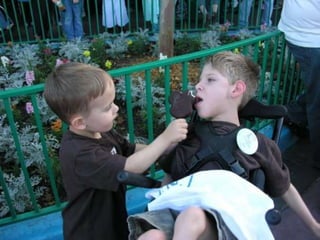
Special children
Handicapping conditions
By Dr. Rena Ephraim
World Health Organization [WHO]
A handicapped person as one who over an appreciable
period is prevented by physical or mental conditions from
full participation in the normal activities of their age
groups including those of a social, recreational,
educational and vocational nature.
Children with disabilities have poorer oral health than
their nondisabled counterparts.
Variable access to dental care, inadequate oral hygiene
and disability-related factors are the causes.
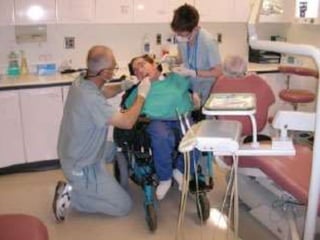
• Home dental care in general for physically
disabled child
• Diet and nutrition
• Fluoride exposure
• Preventive restorations
• Regular professional supervision
General considerations in the
management of a child with special
health care needs
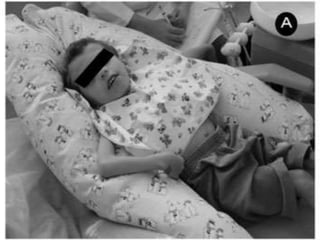
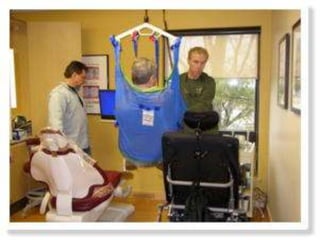
• Protective stabilization
• Treatment plan modification
• Mental retardation
• Hyperactivity
• Learning disabilities
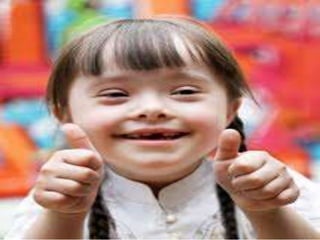
• Down syndrome (trisomy 21)
• Fragile x syndrome
• Foetal alcohol spectrum disorder
• Children with special health care need-
present challenges that require special
preparation before the dentist and office staff
can provide acceptable care.
• Parental anxiety concerning the problems
associated with SHCN frequently delays dental
care until significant oral disease developed
• World Health Organization [WHO]
• A handicapped person as one who over an appreciable
period is prevented by physical or mental conditions
from full participation in the normal activities of their
age groups including those of a social, recreational,
educational and vocational nature.
• Children with disabilities have poorer oral health than
their nondisabled counterparts.
• Variable access to dental care, inadequate oral hygiene
and disability-related factors are the causes.
Home dental care in general for
physically disabled child
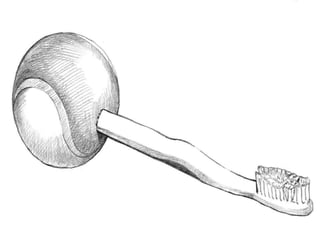
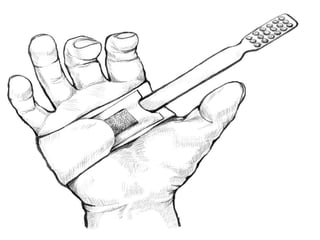
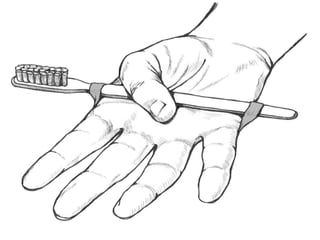
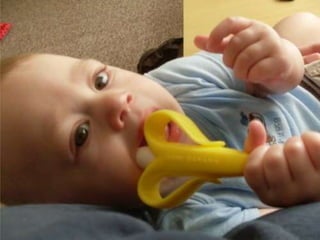
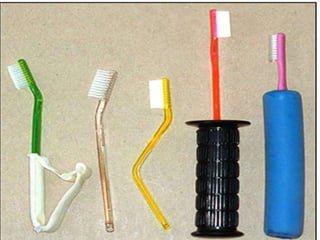
• Should begin in infancy
• teach the parents to gently cleanse the incisors daily with a
soft cloth or an infant toothbrush.
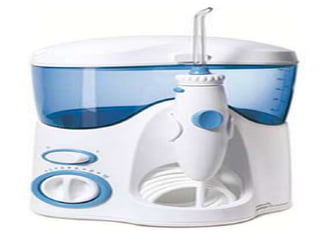
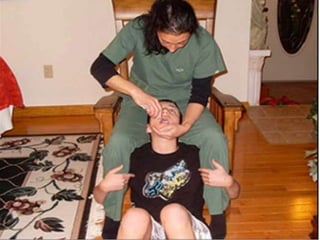
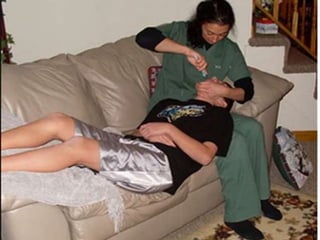
• For older children the dentist should teach the parent or
guardian to clean teeth twice a day using correct tooth
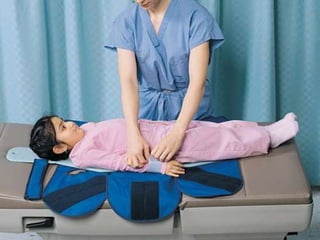
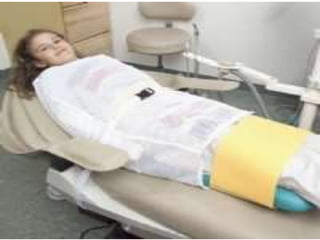
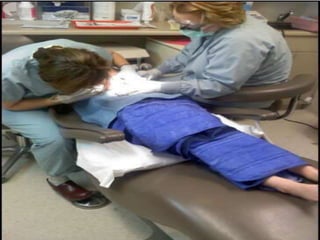
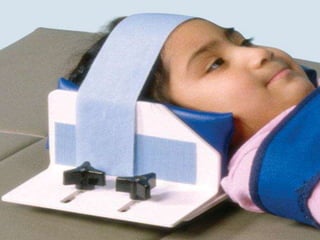
brushing techniques, safely immobilizing the child when
necessary.
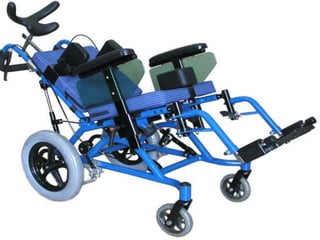
• Stabilization of the child’s head prevents unnecessary
trauma from sudden movements.
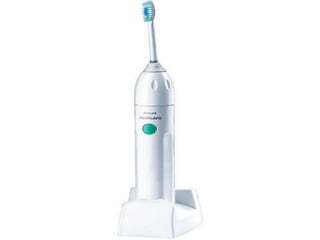
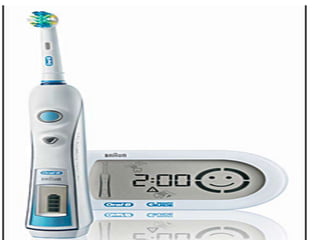
• Electric toothbrushes are effective in children with mental
and physical disability.
• Vibration and noise desensitize the patient for future
dental appointments.
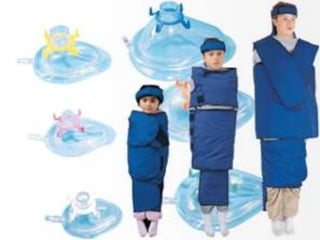
• Body
• Papoose Board (Olympic Medical Corp., Seattle, Wash)
• Triangular sheet
• Pedi-Wrap (The Medi•Kid Co., Hemet, Calif)
• Beanbag dental chair insert
• Safety belt
• Extra assistant
• Extremities
• Posey straps (Posey Co., Arcadia, Calif)
• Velcro straps
• Towel and tape
• Extra assistant
Home care
Mental retardation
• If an individual's intellectual development is
significantly lower than average and whose
ability to adapt to their environment is
consequently limited
classification
• Mild-educable
• Moderate-trainable
• severe-self help skills
Oro- facial changes that accompany
mental retardation.
• Dental Problems
• Anomalies in the dento facial morphology and in the dental eruptive
pattern.
• Enamel hypoplasia.
• Delayed eruption.
• High palatal vault with a hypoplastic maxilla.
• Tendency for Class II malocclusion with an open bite.
• Over retained primary dentition.
• high prevalence of caries and periodontal diseases due to over indulgence
over cariogenic diet pattern and ignorance of oral hygiene.
• Abnormality in number of teeth.
• Poor tongue coordination with food pouching.
• Increased rate of oral trauma due to accident proneness and self inflicted
injuries.
etiology
• Oxygen lack to the brain
• Complications of labour
• Infections to the brain-meningitis
• Encephalitis
• Toxemia of pregnancy
• Congenital defects of the brain
• Kernicterus
• Heavy metal and drug poisoning
• Trauma to the head
• Premature birth with CNS abnormality
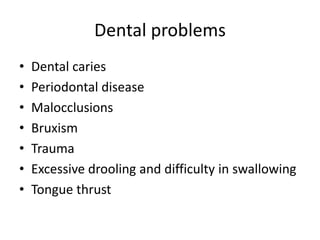
Dental problems
• Dental caries
• Periodontal disease
• Malocclusions
• Bruxism
• Trauma
• Excessive drooling and difficulty in swallowing
• Tongue thrust
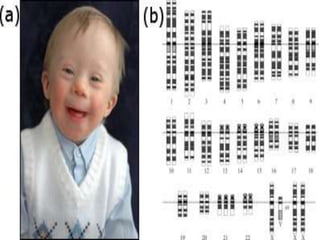
Down’s Syndrome
Mongolism
Trisomy 21
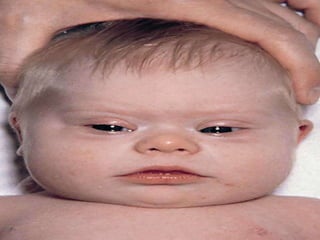
Skeletal craniofacial features;
• Brachycephaly with a flattened occiput
• Decreased length and flattening of the cranial base.
• The facial mid-third is underdeveloped, producing a hypoplastic
maxilla with a high, short, and narrow palate.
• The frontal and paranasal sinuses are hypoplastic
• Ethmoid bone is retracted.
• Mandibular prognathism is mild or marked relative to the maxilla.
• Facial appearance is altered with short palpebral fissures,
hypertelorism, a wide nasal root, a narrow soft nose with a high
nasal tip, a high upper lip, and wide short low ears.
• muscles of mastication and facial expression are hypotonic
• laxity of the temporo mandibular joint ligaments
Oral findings
• mouth breathing,
• Open bite,
• Appearance of macroglossia due to relatively small size of the oral
cavity,
• Fissured lips and tongue,
• Angular cheilitis,
• Delayed eruption times,
• Missing and malformed teeth,
• Oligodontia, small roots,
• Microdontia,
• Taurodontia,
• Decreased root to crown ratio
• Decreased tooth size
• Altered crown shape
• Protrusion of the lower incisors
• Crowding
• Low level of caries.
• High incidence of rapid, destructive periodontal disease, - tooth
morphology, bruxism, malocclusion, and poor oral hygiene.
• The first primary teeth may not appear until 2 years of age, and the
dentition may not be complete until 5 years of age.
• There is poor or delayed suckling ability,
• Problems with mastication due to slow development of motor skills
• Drooling,
• A tendency to allow the mouth to hang open at rest
• A protruded tongue posture.
• Aspiration -liquid and semiliquid food reaching the bronchi.
FETAL ALCOHOL SPECTRUM DISORDER
• Maternal consumption of alcohol during pregnancy ; affects the
normal development of the neural crest cells.
• The physical findings
• Moderate to severe growth retardation with persistent
microcephaly.
• Weak muscles around the mouth that make it difficult to consume
food;
• Unusual taste preferences for salty or spicy food at an inappropriate
age;
• Gross caries at a young age;
• Prolonged and excessive drooling;
• Weak buccinators muscles that prevent the proper placement of
food for chewing.
Autism spectrum
• Autism spectrum disorder includes
conditions—
• autism
• Asperger's syndrome
• childhood disintegrative disorder
• an unspecified form of pervasive
developmental disorder
• Incapacitating disturbance of mental and emotional
development that causes problems in learning,
communicating, and relating to others.
• A developmental disability manifests itself during the
first 3 years of life
• Believed to be caused by a physical disorder of the
brain.
• Prevalence ;6 per 1000 people
• 4 times more common in boys as girls.
• Poor muscle tone, poor coordination, drooling, a
hyperactive knee jerk, and strabismus.
Clinical features
• Extreme loneness
• Language disturbance,
• Mutism
• Parrot like repetitions
• Speech difficulty
• Confusion
• obsessive desire for maintenance of sameness,
• Eating disturbance,
• Mobility such as intrigue with spinning objects,
• Hyperactivity,
• Self stimulatory behavior,
• Nystagmus,
• Early Symptoms of Autism in Infants
• baby who doesn't babble or gesture by the age of 12
months.
• baby who lacks eye contact with its mother by the age
of 12 months.
• baby who resists being held or cuddled by its mother.
• baby who doesn't respond when its mother says its
name.
• baby who appears to be deaf.
• An infant who doesn't say single words by the age if 16
months.
Dental findings
• Higher susceptibility to caries:
• Due to soft and sweetened food, pouching due to poor tongue
coordination and difficulties in brushing and teeth flossing
• Bruxism: one of the sleep disorders in autistic children
• Damaging oral habits: tongue thrusting, picking at the gingiva, lip
biting, and pica
• Traumatic injuries: Traumatic ulcerated lesions usually brought on
by self-injury from head banging, picking or face tapping
• Texture sensivities: Food texture sensitivities leads to the
consumption of refined and high-sugar diet
• Gingivitis and poor oral hygiene: Occur due to heavy plaque
accumulation and hormonal influences are the likely explanations
for the dental concerns.
management
• Speak slowly to allow information to be processed.
• Limit any background noises in the surgery
• use the same staff and a secluded dental surgery if possible.
• Positive re-enforcement of desired behaviour should be ‘celebrated’ so
that it is repeated.
• If child gets aggressive, maintain an unresponsive facial expression and
use a calm tone.
• Offer parents and children the opportunity to tour your dental office, so
that they may ask questions, touch equipment, and get used to the place.
• Allow autistic children to bring comfort items, such as a blanket or a
favorite toy.
• Children with autism need sameness and continuity in their environment.
• A gradual and slow exposure to the dental office and staff is therefore
recommended.
• Solicit suggestions from the parent or caregiver on how best to deal
with the child.
• Autistic children are easily overwhelmed by sensory overload. This
can cause "Stimming“ (flapping of arms, rocking, screaming. etc.)
• Autistic children are hypersensitive to loud noises, sudden
movement, and things that are felt.
• Make the first appointment short and positive.
• Approach the autistic child in a quiet, nonthreatening manner.
Don’t crowd the child.
• Use a “tell-show-do” approach to providing care.
• Explain the procedure before it occurs. Show the instruments that
you will use. Provide frequent praise for acceptable behavior.
REFERENCES
• Pediatric Dentistry :- Nikhil Marwah
• Textbook of Pedodontics:- Shobha Tandon

Handicapped child ( Dr REENA EPHRAIM)

  • 1.
  • 2.
    World Health Organization[WHO] A handicapped person as one who over an appreciable period is prevented by physical or mental conditions from full participation in the normal activities of their age groups including those of a social, recreational, educational and vocational nature. Children with disabilities have poorer oral health than their nondisabled counterparts. Variable access to dental care, inadequate oral hygiene and disability-related factors are the causes.
  • 3.
    • Home dentalcare in general for physically disabled child • Diet and nutrition • Fluoride exposure • Preventive restorations • Regular professional supervision
  • 4.
    General considerations inthe management of a child with special health care needs • Protective stabilization • Treatment plan modification • Mental retardation • Hyperactivity • Learning disabilities • Down syndrome (trisomy 21) • Fragile x syndrome • Foetal alcohol spectrum disorder
  • 5.
    • Children withspecial health care need- present challenges that require special preparation before the dentist and office staff can provide acceptable care. • Parental anxiety concerning the problems associated with SHCN frequently delays dental care until significant oral disease developed
  • 6.
    • World HealthOrganization [WHO] • A handicapped person as one who over an appreciable period is prevented by physical or mental conditions from full participation in the normal activities of their age groups including those of a social, recreational, educational and vocational nature. • Children with disabilities have poorer oral health than their nondisabled counterparts. • Variable access to dental care, inadequate oral hygiene and disability-related factors are the causes.
  • 7.
    Home dental carein general for physically disabled child • Should begin in infancy • teach the parents to gently cleanse the incisors daily with a soft cloth or an infant toothbrush. • For older children the dentist should teach the parent or guardian to clean teeth twice a day using correct tooth brushing techniques, safely immobilizing the child when necessary. • Stabilization of the child’s head prevents unnecessary trauma from sudden movements. • Electric toothbrushes are effective in children with mental and physical disability. • Vibration and noise desensitize the patient for future dental appointments.
  • 8.
    • Body • PapooseBoard (Olympic Medical Corp., Seattle, Wash) • Triangular sheet • Pedi-Wrap (The Medi•Kid Co., Hemet, Calif) • Beanbag dental chair insert • Safety belt • Extra assistant • Extremities • Posey straps (Posey Co., Arcadia, Calif) • Velcro straps • Towel and tape • Extra assistant
  • 9.
  • 29.
    Mental retardation • Ifan individual's intellectual development is significantly lower than average and whose ability to adapt to their environment is consequently limited
  • 30.
  • 31.
    Oro- facial changesthat accompany mental retardation. • Dental Problems • Anomalies in the dento facial morphology and in the dental eruptive pattern. • Enamel hypoplasia. • Delayed eruption. • High palatal vault with a hypoplastic maxilla. • Tendency for Class II malocclusion with an open bite. • Over retained primary dentition. • high prevalence of caries and periodontal diseases due to over indulgence over cariogenic diet pattern and ignorance of oral hygiene. • Abnormality in number of teeth. • Poor tongue coordination with food pouching. • Increased rate of oral trauma due to accident proneness and self inflicted injuries.
  • 34.
    etiology • Oxygen lackto the brain • Complications of labour • Infections to the brain-meningitis • Encephalitis • Toxemia of pregnancy • Congenital defects of the brain • Kernicterus • Heavy metal and drug poisoning • Trauma to the head • Premature birth with CNS abnormality
  • 37.
    Dental problems • Dentalcaries • Periodontal disease • Malocclusions • Bruxism • Trauma • Excessive drooling and difficulty in swallowing • Tongue thrust
  • 41.
  • 46.
    Skeletal craniofacial features; •Brachycephaly with a flattened occiput • Decreased length and flattening of the cranial base. • The facial mid-third is underdeveloped, producing a hypoplastic maxilla with a high, short, and narrow palate. • The frontal and paranasal sinuses are hypoplastic • Ethmoid bone is retracted. • Mandibular prognathism is mild or marked relative to the maxilla. • Facial appearance is altered with short palpebral fissures, hypertelorism, a wide nasal root, a narrow soft nose with a high nasal tip, a high upper lip, and wide short low ears. • muscles of mastication and facial expression are hypotonic • laxity of the temporo mandibular joint ligaments
  • 47.
    Oral findings • mouthbreathing, • Open bite, • Appearance of macroglossia due to relatively small size of the oral cavity, • Fissured lips and tongue, • Angular cheilitis, • Delayed eruption times, • Missing and malformed teeth, • Oligodontia, small roots, • Microdontia, • Taurodontia, • Decreased root to crown ratio • Decreased tooth size
  • 48.
    • Altered crownshape • Protrusion of the lower incisors • Crowding • Low level of caries. • High incidence of rapid, destructive periodontal disease, - tooth morphology, bruxism, malocclusion, and poor oral hygiene. • The first primary teeth may not appear until 2 years of age, and the dentition may not be complete until 5 years of age. • There is poor or delayed suckling ability, • Problems with mastication due to slow development of motor skills • Drooling, • A tendency to allow the mouth to hang open at rest • A protruded tongue posture. • Aspiration -liquid and semiliquid food reaching the bronchi.
  • 49.
    FETAL ALCOHOL SPECTRUMDISORDER • Maternal consumption of alcohol during pregnancy ; affects the normal development of the neural crest cells. • The physical findings • Moderate to severe growth retardation with persistent microcephaly. • Weak muscles around the mouth that make it difficult to consume food; • Unusual taste preferences for salty or spicy food at an inappropriate age; • Gross caries at a young age; • Prolonged and excessive drooling; • Weak buccinators muscles that prevent the proper placement of food for chewing.
  • 50.
    Autism spectrum • Autismspectrum disorder includes conditions— • autism • Asperger's syndrome • childhood disintegrative disorder • an unspecified form of pervasive developmental disorder
  • 51.
    • Incapacitating disturbanceof mental and emotional development that causes problems in learning, communicating, and relating to others. • A developmental disability manifests itself during the first 3 years of life • Believed to be caused by a physical disorder of the brain. • Prevalence ;6 per 1000 people • 4 times more common in boys as girls. • Poor muscle tone, poor coordination, drooling, a hyperactive knee jerk, and strabismus.
  • 52.
    Clinical features • Extremeloneness • Language disturbance, • Mutism • Parrot like repetitions • Speech difficulty • Confusion • obsessive desire for maintenance of sameness, • Eating disturbance, • Mobility such as intrigue with spinning objects, • Hyperactivity, • Self stimulatory behavior, • Nystagmus,
  • 53.
    • Early Symptomsof Autism in Infants • baby who doesn't babble or gesture by the age of 12 months. • baby who lacks eye contact with its mother by the age of 12 months. • baby who resists being held or cuddled by its mother. • baby who doesn't respond when its mother says its name. • baby who appears to be deaf. • An infant who doesn't say single words by the age if 16 months.
  • 54.
    Dental findings • Highersusceptibility to caries: • Due to soft and sweetened food, pouching due to poor tongue coordination and difficulties in brushing and teeth flossing • Bruxism: one of the sleep disorders in autistic children • Damaging oral habits: tongue thrusting, picking at the gingiva, lip biting, and pica • Traumatic injuries: Traumatic ulcerated lesions usually brought on by self-injury from head banging, picking or face tapping • Texture sensivities: Food texture sensitivities leads to the consumption of refined and high-sugar diet • Gingivitis and poor oral hygiene: Occur due to heavy plaque accumulation and hormonal influences are the likely explanations for the dental concerns.
  • 55.
    management • Speak slowlyto allow information to be processed. • Limit any background noises in the surgery • use the same staff and a secluded dental surgery if possible. • Positive re-enforcement of desired behaviour should be ‘celebrated’ so that it is repeated. • If child gets aggressive, maintain an unresponsive facial expression and use a calm tone. • Offer parents and children the opportunity to tour your dental office, so that they may ask questions, touch equipment, and get used to the place. • Allow autistic children to bring comfort items, such as a blanket or a favorite toy. • Children with autism need sameness and continuity in their environment. • A gradual and slow exposure to the dental office and staff is therefore recommended.
  • 56.
    • Solicit suggestionsfrom the parent or caregiver on how best to deal with the child. • Autistic children are easily overwhelmed by sensory overload. This can cause "Stimming“ (flapping of arms, rocking, screaming. etc.) • Autistic children are hypersensitive to loud noises, sudden movement, and things that are felt. • Make the first appointment short and positive. • Approach the autistic child in a quiet, nonthreatening manner. Don’t crowd the child. • Use a “tell-show-do” approach to providing care. • Explain the procedure before it occurs. Show the instruments that you will use. Provide frequent praise for acceptable behavior.
  • 57.
    REFERENCES • Pediatric Dentistry:- Nikhil Marwah • Textbook of Pedodontics:- Shobha Tandon