
Saeid Safari,MD.
Saeid Safari,MD.
WHY IT IS IMPORTANT?
Saeid Safari,MD.
INTRODUCTION
• Sepsis contributes to nearly one in two hospital deaths, making it one of the
biggest concerns in healthcare today.
• Improving survival rates requires a combination of early symptom recognition and
aggressive treatment.
• According to the CDC, there are over one million cases of sepsis each year, killing
more than 258,000 Americans and making it the ninth leading cause of disease-
related deaths.
• In addition, $23.7 billion was spent on sepsis-related hospitalizations in 2013,
making sepsis the most expensive condition treated in U.S. hospitals.
Saeid Safari,MD.
Saeid Safari,MD.
SECTIONS OF LECTURE
• Pathophysiology of Sepsis
• Surviving Sepsis Campaign: 2016
Saeid Safari,MD.
PATHOPHYSIOLOGY OF
SEPSIS
Saeid Safari,MD.
PATHOPHYSIOLOGY
• 1. Sepsis is induced by an invasion of microorganisms or their
toxins into the bloodstream, together with the host response to
this invasion.
• 2. Any infection may be complicated by sepsis.
• 3. The innate immune system recognizes specific molecular
patterns associated with microorganisms called pathogen
associated molecular patterns (PAMPs) that include cell wall
products, exotoxins, bacterial DNA, and viral RNA.
Saeid Safari,MD.
PATHOPHYSIOLOGY
• 4. The host’s innate immune system senses the presence of microbial
molecules by specific receptors called pattern-recognition proteins (PRP),
such as Toll-like receptors.
• 5. An excessive inflammatory response early in sepsis is counteracted by an
antiinflammatory response, which may then result in hypoinflammation.
• 6. Hemostatic balance is shifted to a procoagulant state in sepsis due to
activation of tissue factor and attenuation of natural anticoagulants.
Saeid Safari,MD.
PATHOPHYSIOLOGY
• 7. Sepsis causes endothelial dysfunction.
• 8. Cardiac dysfunction in sepsis is mainly due to intramyocardial
nitric oxide production and perhaps cardiac ischemia resulting in left
ventricular diastolic dilatation and a rightward shift of the Frank-
Starling curve.
• 9. Capillary leakage causes a large amount of intravascular fluid to
be shifted into the extravascular space resulting in significant
hypovolemia.
Saeid Safari,MD.
PATHOPHYSIOLOGY
• 10. Sepsis is accompanied by profound arterial hypotension due
to massive endothelial nitric oxide production.
• 11. Microcirculatory dysfunction associated with sepsis is a result
of intravascular coagulation, endothelial cell swelling, activated
leukocytes, and stiff red blood cells.
Saeid Safari,MD.
PATHOPHYSIOLOGY OF SEPSIS
Saeid Safari,MD.
SEPSIS & ORGAN FAILURE (1992)
Saeid Safari,MD.
Macrophage Mediators Involved In The Pathogenesis
Of Sepsis
Saeid Safari,MD.
Loss of hemostatic
balance
Shift of hemostatic balance
toward A procoagulant state
in sepsis.
Saeid Safari,MD.
Cardiac And Circulatory
Dysfunction
The cardiocirculatory system of a
septic patient is altered on systemic,
regional, and microregional levels.
At the same time, sepsis increases O2
consumption, further deteriorating
the O2 supply/demand relationship.
Saeid Safari,MD.
ENDOCRINE
DYSFUNCTION
Saeid Safari,MD.
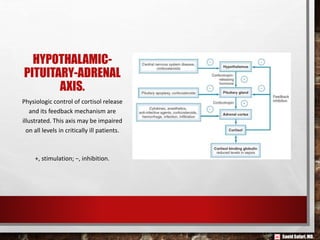
HYPOTHALAMIC-
PITUITARY-ADRENAL
AXIS.
Physiologic control of cortisol release
and its feedback mechanism are
illustrated. This axis may be impaired
on all levels in critically ill patients.
+, stimulation; −, inhibition.
Saeid Safari,MD.
PATHOPHYSIOLOGY OF
MULTIORGAN
DYSFUNCTION
PATHOPHYSIOLOGY OF MULTIPLE
ORGAN DYSFUNCTION
SYNDROME (MODS)
Saeid Safari,MD.
PATHOPHYSIOLOGY OF
MULTIORGAN DYSFUNCTION
Saeid Safari,MD.
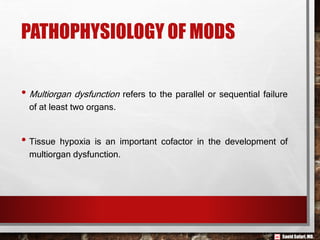
PATHOPHYSIOLOGY OF MODS
• Multiorgan dysfunction refers to the parallel or sequential failure
of at least two organs.
• Tissue hypoxia is an important cofactor in the development of
multiorgan dysfunction.
Saeid Safari,MD.
PATHOPHYSIOLOGY OF MODS
• Cytokine-induced apoptosis (programmed cell death) contributes
to organ dysfunction.
• Dysfunction of a single organ may affect the integrity of other
organs.
Saeid Safari,MD.
CONCEPTUAL
MODELS OF
MODS
Because MODS can involve a
variety of pathologic changes,
different concepts of the
pathophysiology of MODS have
been generated
Saeid Safari,MD.
Extrinsic and intrinsic
signaling process for
apoptosis.
FADD, fas-associated death
domain protein; RIP, receptor
interacting protein; TRADD, TNF
receptor 1–associated death
protein.
Saeid Safari,MD.
THE “TWO-HIT” THEORY
Saeid Safari,MD.
THE “TWO-HIT” THEORY
• Any severe impact to the human body such as a traumatic or
surgical injury or prolonged shock can directly induce the
development of organ dysfunction.
• Possible mechanisms include ischemia, reperfusion injury, or
immediate tissue destruction due to trauma. Such an event is
called a “first hit.”
• This first hit may be severe enough to induce SIRS, with all the
consequences to the cardiocirculatory system and cellular
functions mentioned earlier.
Saeid Safari,MD.
THE “TWO-HIT” THEORY
• Even if the first hit does not induce a primary MODS, a “second hit”
such as an infectious insult (e.g., pneumonia or bacteremia due to
catheter infection) could further activate an immune system that is
already primed by the first hit.
• The “two-hit” theory hypothesizes that a second (or third) insult
amplifies the inflammatory response to the first hit in such a way that
SIRS occurs. If these events are followed by multiple organ
dysfunction, the term secondary MODS is used.
• The two-hit theory has been criticized for being somewhat arbitrary,
because the differentiation between primary and secondary MODS is
not always possible in the clinical setting.
Saeid Safari,MD.
THE “TWO-HIT” THEORY
• However, our current understanding of the inflammatory response
to injury supports the concept of priming.
• Neutrophils are known to produce greater amounts of reactive
oxygen species and have increased adhesion properties after
they have been exposed to proinflammatory mediators.
• It has been demonstrated, at least in vitro, that priming followed
by activation of neutrophils increases the extent of endothelial
damage.
Saeid Safari,MD.
SURVIVING
SEPSIS
CAMPAIGN:
INTERNATIONAL GUIDELINES FOR MANAGEMENT OF
SEPSIS AND SEPTIC SHOCK:
2016
Saeid Safari,MD.
DEFINITION OF SEPSIS
• Sepsis is now defined as life-threatening organ dysfunction
caused by a dysregulated host response to infection.
• Septic shock is a subset of sepsis with circulatory and
cellular/metabolic dysfunction associated with a higher risk of
mortality.
Saeid Safari,MD.
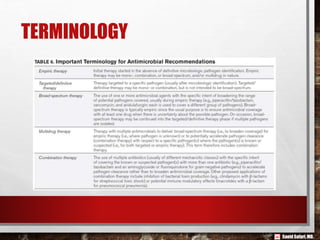
TERMINOLOGY
Saeid Safari,MD.
QUALITY OF
EVIDENCE
Saeid Safari,MD.
STRONG VS. WEAK RECOMMENDATION
Saeid Safari,MD.
A. INITIAL RESUSCITATION
Saeid Safari,MD.
A. INITIAL RESUSCITATION
• 1. Sepsis and septic shock are medical emergencies, and we
recommend that treatment and resuscitation begin immediately
(BPS=best practice statements).
Saeid Safari,MD.
A. INITIAL RESUSCITATION
• 2. We recommend that, in the resuscitation from sepsis induced
hypoperfusion, at least 30 mL/kg of IV crystalloid fluid be given
within the first 3 hours (strong recommendation, low quality of evidence).
Saeid Safari,MD.
A. INITIAL RESUSCITATION
• 3. We recommend that, following initial fluid resuscitation,
additional fluids be guided by frequent reassessment of
hemodynamic status (BPS).
Saeid Safari,MD.
A. INITIAL RESUSCITATION
• 4. We recommend further hemodynamic assessment (such as
assessing cardiac function) to determine the type of shock if the
clinical examination does not lead to a clear diagnosis (BPS).
Saeid Safari,MD.
A. INITIAL RESUSCITATION
• 5. We suggest that dynamic over static variables be used to
predict fluid responsiveness, where available (weak recommendation, low
quality of evidence).
Saeid Safari,MD.
A. INITIAL RESUSCITATION
• 6. We recommend an initial target mean arterial pressure (MAP)
of 65 mm Hg in patients with septic shock requiring vasopressors
(strong recommendation, moderate quality of evidence).
Saeid Safari,MD.
A. INITIAL RESUSCITATION
• 7. We suggest guiding resuscitation to normalize lactate in
patients with elevated lactate levels as a marker of tissue
hypoperfusion (weak recommendation, low quality of evidence).
Saeid Safari,MD.
B.SCREENING FOR SEPSIS AND
PERFORMANCE IMPROVEMENT
Saeid Safari,MD.
B.SCREENING FOR SEPSIS AND
PERFORMANCE IMPROVEMENT
• 1. We recommend that hospitals and hospital systems have a
performance improvement program for sepsis, including sepsis
screening for acutely ill, high-risk patients (BPS).
Saeid Safari,MD.
C. DIAGNOSIS
Saeid Safari,MD.
C. DIAGNOSIS
• 1. We recommend that appropriate routine microbiologic cultures
(including blood) be obtained before starting antimicrobial therapy
in patients with suspected sepsis or septic shock if doing so
results in no substantial delay in the start of antimicrobials (BPS).
• Remarks: Appropriate routine microbiologic cultures always include at least two
sets of blood cultures (aerobic and anaerobic).
Saeid Safari,MD.
D. ANTIMICROBIAL THERAPY
Saeid Safari,MD.
D. ANTIMICROBIAL THERAPY
• 1. We recommend that administration of IV antimicrobials be
initiated as soon as possible after recognition and within one hour
for both sepsis and septic shock (strong recommendation, moderate quality of
evidence; grade applies to both conditions).
Saeid Safari,MD.
D. ANTIMICROBIAL THERAPY
• 2. We recommend empiric broad-spectrum therapy with one or
more antimicrobials for patients presenting with sepsis or septic
shock to cover all likely pathogens (including bacterial and
potentially fungal or viral coverage) (strong recommendation, moderate quality of
evidence).
Saeid Safari,MD.
D. ANTIMICROBIAL THERAPY
• 3. We recommend that empiric antimicrobial therapy be narrowed
once pathogen identification and sensitivities are established
and/or adequate clinical improvement is noted (BPS).
Saeid Safari,MD.
D. ANTIMICROBIAL THERAPY
• 4. We recommend against sustained systemic antimicrobial
prophylaxis in patients with severe inflammatory states of
noninfectious origin (e.g., severe pancreatitis, burn injury) (BPS).
Saeid Safari,MD.
D. ANTIMICROBIAL THERAPY
• 5. We recommend that dosing strategies of antimicrobials be
optimized based on accepted pharmacokinetic/
pharmacodynamics principles and specific drug properties in
patients with sepsis or septic shock (BPS).
Saeid Safari,MD.
D. ANTIMICROBIAL THERAPY
• 6. We suggest empiric combination therapy (using at least two
antibiotics of different antimicrobial classes) aimed at the most
likely bacterial pathogen(s) for the initial management of septic
shock (weak recommendation, low quality of evidence).
• Remarks: Readers should review Table 6 for definitions of empiric,
targeted/definitive, broad-spectrum, combination, and multidrug therapy before
reading this section.
Saeid Safari,MD.
Saeid Safari,MD.
D. ANTIMICROBIAL THERAPY
• 7. We suggest that combination therapy not be routinely used for
ongoing treatment of most other serious infections, including
bacteremia and sepsis without shock (weak recommendation, low quality of evidence).
• Remarks: This does not preclude the use of multidrug therapy to broaden
antimicrobial activity.
Saeid Safari,MD.
D. ANTIMICROBIAL THERAPY
• 8. We recommend against combination therapy for the routine
treatment of neutropenic sepsis/bacteremia (strong recommendation,
moderate quality of evidence).
• Remarks: This does not preclude the use of multidrug therapy to broaden
antimicrobial activity.
Saeid Safari,MD.
D. ANTIMICROBIAL THERAPY
• 9. If combination therapy is initially used for septic shock, we
recommend de-escalation with discontinuation of combination
therapy within the first few days in response to clinical
improvement and/or evidence of infection resolution.
• This applies to both targeted (for culture-positive infections) and
empiric (for culture-negative infections) combination therapy (BPS).
Saeid Safari,MD.
D. ANTIMICROBIAL THERAPY
• 10. We suggest that an antimicrobial treatment duration of 7 to 10
days is adequate for most serious infections associated with
sepsis and septic shock (weak recommendation, low quality of evidence).
Saeid Safari,MD.
D. ANTIMICROBIAL THERAPY
• 11. We suggest that longer courses are appropriate in patients
who have a slow clinical response, undrainable foci of infection,
bacteremia with S aureus, some fungal and viral infections, or
immunologic deficiencies, including neutropenia. (weak recommendation,
low quality of evidence).
Saeid Safari,MD.
D. ANTIMICROBIAL THERAPY
• 12. We suggest that shorter courses are appropriate in some
patients, particularly those with rapid clinical resolution following
effective source control of intra-abdominal or urinary sepsis and
those with anatomically uncomplicated pyelonephritis (weak
recommendation, low quality of evidence).
Saeid Safari,MD.
D. ANTIMICROBIAL THERAPY
• 13. We recommend daily assessment for de-escalation of
antimicrobial therapy in patients with sepsis and septic shock
(BPS).
Saeid Safari,MD.
D. ANTIMICROBIAL THERAPY
• 14. We suggest that measurement of procalcitonin levels can be
used to support shortening the duration of antimicrobial therapy
in sepsis patients (weak recommendation, low quality of evidence).
Saeid Safari,MD.
D. ANTIMICROBIAL THERAPY
• 15. We suggest that procalcitonin levels can be used to support
the discontinuation of empiric antibiotics in patients who initially
appeared to have sepsis, but subsequently have limited clinical
evidence of infection (weak recommendation, low quality of evidence).
Saeid Safari,MD.
E. SOURCE CONTROL
Saeid Safari,MD.
E. SOURCE CONTROL
• 1. We recommend that a specific anatomic diagnosis of infection
requiring emergent source control be identified or excluded as
rapidly as possible in patients with sepsis or septic shock, and
that any required source control intervention be implemented as
soon as medically and logistically practical after the diagnosis is
made (BPS).
Saeid Safari,MD.
E. SOURCE CONTROL
• 2. We recommend prompt removal of intravascular access
devices that are a possible source of sepsis or septic shock after
other vascular access has been established (BPS).
Saeid Safari,MD.
F. FLUID THERAPY
Saeid Safari,MD.
F. FLUID THERAPY
• 1. We recommend that a fluid challenge technique be applied
where fluid administration is continued as long as hemodynamic
factors continue to improve (BPS).
Saeid Safari,MD.
F. FLUID THERAPY
• 2. We recommend crystalloids as the fluid of choice for initial
resuscitation and subsequent intravascular volume replacement
in patients with sepsis and septic shock (strong recommendation, moderate
quality of evidence).
Saeid Safari,MD.
F. FLUID THERAPY
• 3. We suggest using either balanced crystalloids or saline for fluid
resuscitation of patients with sepsis or septic shock (weak
recommendation, low quality of evidence).
Saeid Safari,MD.
F. FLUID THERAPY
• 4. We suggest using albumin in addition to crystalloids for initial
resuscitation and subsequent intravascular volume replacement
in patients with sepsis and septic shock when patients require
substantial amounts of crystalloids (weak recommendation, low quality of evidence).
Saeid Safari,MD.
F. FLUID THERAPY
• 5. We recommend against using hydroxyethyl starches (HESs)
for intravascular volume replacement in patients with sepsis or
septic shock (strong recommendation, high quality of evidence).
Saeid Safari,MD.
F. FLUID THERAPY
• 6. We suggest using crystalloids over gelatins when resuscitating
patients with sepsis or septic shock (weak recommendation, low quality of evidence).
Saeid Safari,MD.
G. VASOACTIVE EDICATIONS
Saeid Safari,MD.
G. VASOACTIVE EDICATIONS
• 1. We recommend norepinephrine as the first-choice vasopressor
(strong recommendation, moderate quality of evidence).
Saeid Safari,MD.
G. VASOACTIVE EDICATIONS
• 2. We suggest adding either vasopressin (up to 0.03 U/min) (weak
recommendation, moderate quality of evidence) or epinephrine (weak recommendation, low quality of
evidence) to norepinephrine with the intent of raising MAP to target,
• Adding vasopressin (up to 0.03 U/min) (weak recommendation,
moderate quality of evidence) to decrease norepinephrine
dosage
Saeid Safari,MD.
G. VASOACTIVE EDICATIONS
• 3. We suggest using dopamine as an alternative vasopressor
agent to norepinephrine only in highly selected patients e.g.,
patients with low risk of tachyarrhythmias and absolute or relative
bradycardia) (weak recommendation, low quality of evidence).
Saeid Safari,MD.
G. VASOACTIVE EDICATIONS
• 4. We recommend against using low-dose dopamine for renal
protection (strong recommendation, high quality of evidence).
Saeid Safari,MD.
G. VASOACTIVE EDICATIONS
• 5. We suggest using dobutamine in patients who show evidence
of persistent hypoperfusion despite adequate fluid loading and
the use of vasopressor agents (weak recommendation, low quality of evidence).
• Remarks: If initiated, vasopressor dosing should be titrated to an end point
reflecting perfusion, and the agent reduced or discontinued in the face of
worsening hypotension or arrhythmias.
Saeid Safari,MD.
G. VASOACTIVE EDICATIONS
• 6. We suggest that all patients requiring vasopressors have an
arterial catheter placed as soon as practical if resources are
available (weak recommendation, very low quality of evidence).
Saeid Safari,MD.
H. CORTICOSTEROIDS
Saeid Safari,MD.
H. CORTICOSTEROIDS
• 1. We suggest against using IV hydrocortisone to treat septic
shock patients if adequate fluid resuscitation and vasopressor
therapy are able to restore hemodynamic stability.
Saeid Safari,MD.
H. CORTICOSTEROIDS
• If this is not achievable, we suggest IV hydrocortisone at a dose
of 200 mg per day (weak recommendation, low quality of evidence).
Saeid Safari,MD.
I. BLOOD PRODUCTS
Saeid Safari,MD.
I. BLOOD PRODUCTS
• 1. We recommend that RBC transfusion occur only when
hemoglobin concentration decreases to < 7.0 g/dL in adults in the
absence of extenuating circumstances, such as myocardial
ischemia, severe hypoxemia, or acute hemorrhage (strong
recommendation, high quality of evidence).
Saeid Safari,MD.
I. BLOOD PRODUCTS
• 2. We recommend against the use of erythropoietin for treatment
of anemia associated with sepsis (strong recommendation, moderate quality of
evidence).
Saeid Safari,MD.
I. BLOOD PRODUCTS
• 3. We suggest against the use of fresh frozen plasma to correct
clotting abnormalities in the absence of bleeding or planned
invasive procedures (weak recommendation, very low quality of evidence).
Saeid Safari,MD.
I. BLOOD PRODUCTS
• 4. We suggest prophylactic platelet transfusion when counts are
< 10,000/mm3 (10 × 109/L) in the absence of apparent bleeding
and when counts are < 20,000/mm3 (20 × 109/L) if the patient
has a significant risk of bleeding.
Saeid Safari,MD.
I. BLOOD PRODUCTS
• Higher platelet counts (≥ 50,000/mm3 [50 × 109/L]) are advised
for active bleeding, surgery, or invasive procedures (weak
recommendation, very low quality of evidence).
Saeid Safari,MD.
J. IMMUNOGLOBULINS
Saeid Safari,MD.
J. IMMUNOGLOBULINS
• 1. We suggest against the use of IV immunoglobulins in patients
with sepsis or septic shock (weak recommendation, low quality of evidence).
Saeid Safari,MD.
K. BLOOD PURIFICATION
Saeid Safari,MD.
K. BLOOD PURIFICATION
• 1. We make no recommendation regarding the use of blood
purification techniques.
Saeid Safari,MD.
L. ANTICOAGULANTS
Saeid Safari,MD.
L. ANTICOAGULANTS
• 1. We recommend against the use of antithrombin for the
treatment of sepsis and septic shock (strong recommendation, moderate quality of
evidence).
Saeid Safari,MD.
L. ANTICOAGULANTS
• 2. We make no recommendation regarding the use of
thrombomodulin or heparin for the treatment of sepsis or septic
shock.
Saeid Safari,MD.
M. MECHANICAL VENTILATION
Saeid Safari,MD.
M. MECHANICAL VENTILATION
• 1. We recommend using a target tidal volume of 6 mL/kg
predicted body weight (PBW) compared with 12 mL/kg in adult
patients with sepsis-induced ARDS (strong recommendation, high quality of evidence).
Saeid Safari,MD.
M. MECHANICAL VENTILATION
• 2. We recommend using an upper limit goal for plateau pressures
of 30 cm H2O over higher plateau pressures in adult patients with
sepsis-induced severe ARDS (strong recommendation, moderate quality of evidence).
Saeid Safari,MD.
M. MECHANICAL VENTILATION
• 3. We suggest using higher PEEP over lower PEEP in adult
patients with sepsis-induced moderate to severe ARDS (weak
recommendation, moderate quality of evidence).
Saeid Safari,MD.
M. MECHANICAL VENTILATION
• 4. We suggest using recruitment maneuvers in adult patients with
sepsis-induced, severe ARDS (weak recommendation, moderate quality of evidence).
Saeid Safari,MD.
M. MECHANICAL VENTILATION
• 5. We recommend using prone over supine position in adult
patients with sepsis-induced ARDS and a Pao2/Fio2 ratio < 150
(strong recommendation, moderate quality of evidence).
Saeid Safari,MD.
M. MECHANICAL VENTILATION
• 6. We recommend against using high-frequency oscillatory
ventilation (HFOV) in adult patients with sepsis-induced ARDS
(strong recommendation, moderate quality of evidence).
Saeid Safari,MD.
M. MECHANICAL VENTILATION
• 7. We make no recommendation regarding the use of
noninvasive ventilation (NIV) for patients with sepsis-induced
ARDS.
Saeid Safari,MD.
M. MECHANICAL VENTILATION
• 8. We suggest using neuromuscular blocking agents (NMBAs) for
≤ 48 hours in adult patients with sepsis induced ARDS and a
Pao2/Fio2 ratio < 150 mm Hg (weak recommendation, moderate quality of evidence).
Saeid Safari,MD.
M. MECHANICAL VENTILATION
• 9. We recommend a conservative fluid strategy for patients with
established sepsis-induced ARDS who do not have evidence of
tissue hypoperfusion (strong recommendation, moderate quality of evidence).
Saeid Safari,MD.
M. MECHANICAL VENTILATION
• 10. We recommend against the use of β-2 agonists for the
treatment of patients with sepsis-induced ARDS without
bronchospasm (strong recommendation, moderate quality of evidence).
Saeid Safari,MD.
M. MECHANICAL VENTILATION
• 11. We recommend against the routine use of the PA catheter for
patients with sepsis-induced ARDS (strong recommendation, high quality of evidence).
Saeid Safari,MD.
M. MECHANICAL VENTILATION
• 12. We suggest using lower tidal volumes over higher tidal
volumes in adult patients with sepsis-induced respiratory failure
without ARDS (weak recommendation, low quality of evidence).
Saeid Safari,MD.
M. MECHANICAL VENTILATION
• 13. We recommend that mechanically ventilated sepsis patients
be maintained with the head of the bed elevated between 30 and
45 degrees to limit aspiration risk and to prevent the development
of VAP (strong recommendation, low quality of evidence).
Saeid Safari,MD.
M. MECHANICAL VENTILATION
• 14. We recommend using spontaneous breathing trials in
mechanically ventilated patients with sepsis who are ready for
weaning (strong recommendation, high quality of evidence).
Saeid Safari,MD.
M. MECHANICAL VENTILATION
• 15. We recommend using a weaning protocol in mechanically
ventilated patients with sepsis-induced respiratory failure who
can tolerate weaning (strong recommendation, moderate quality of evidence).
Saeid Safari,MD.
N. SEDATION AND ANALGESIA
Saeid Safari,MD.
N. SEDATION AND ANALGESIA
• 1. We recommend that continuous or intermittent sedation be
minimized in mechanically ventilated sepsis patients, targeting
specific titration end points (BPS).
Saeid Safari,MD.
O. GLUCOSE CONTROL
Saeid Safari,MD.
O. GLUCOSE CONTROL
• 1. We recommend a protocolized approach to blood glucose
management in ICU patients with sepsis, commencing insulin
dosing when two consecutive blood glucose levels are > 180
mg/dL.
• This approach should target an upper blood glucose level ≤ 180
mg/dL rather than an upper target blood glucose level ≤ 110
mg/dL (strong recommendation, high quality of evidence).
Saeid Safari,MD.
O. GLUCOSE CONTROL
• 2. We recommend that blood glucose values be monitored every
1 to 2 hours until glucose values and insulin infusion rates are
stable, then every 4 hours thereafter in patients receiving insulin
infusions (BPS).
Saeid Safari,MD.
O. GLUCOSE CONTROL
• 3. We recommend that glucose levels obtained with point of- care
testing of capillary blood be interpreted with caution because
such measurements may not accurately estimate arterial blood or
plasma glucose values (BPS).
Saeid Safari,MD.
O. GLUCOSE CONTROL
• 4. We suggest the use of arterial blood rather than capillary blood
for point-of-care testing using glucose meters if patients have
arterial catheters (weak recommendation, low quality of evidence).
Saeid Safari,MD.
P. RENAL REPLACEMENT
THERAPY
Saeid Safari,MD.
P. RENAL REPLACEMENT THERAPY
• 1. We suggest that either continuous RRT (CRRT) or intermittent
RRT be used in patients with sepsis and acute kidney injury (weak
recommendation, moderate quality of evidence).
Saeid Safari,MD.
P. RENAL REPLACEMENT THERAPY
• 2. We suggest using CRRT to facilitate management of fluid
balance in hemodynamically unstable septic patients (weak
recommendation, very low quality of evidence).
Saeid Safari,MD.
P. RENAL REPLACEMENT THERAPY
• 3. We suggest against the use of RRT in patients with sepsis and
acute kidney injury for increase in creatinine or oliguria without
other definitive indications for dialysis (weak recommendation, low quality of
evidence).
Saeid Safari,MD.
Q. BICARBONATE THERAPY
Saeid Safari,MD.
Q. BICARBONATE THERAPY
• 1. We suggest against the use of sodium bicarbonate therapy to
improve hemodynamics or to reduce vasopressor requirements in
patients with hypoperfusion-induced lactic acidemia with pH ≥
7.15 (weak recommendation, moderate quality of evidence).
Saeid Safari,MD.
R. VENOUS THROMBOEMBOLISM
PROPHYLAXIS
Saeid Safari,MD.
R. VENOUS THROMBOEMBOLISM
PROPHYLAXIS
• We recommend pharmacologic prophylaxis (unfractionated
heparin [UFH] or low-molecular-weight heparin [LMWH]) against
venous thromboembolism (VTE) in the absence of
contraindications to the use of these agents (strong recommendation, moderate
quality of evidence).
Saeid Safari,MD.
R. VENOUS THROMBOEMBOLISM
PROPHYLAXIS
• 2. We recommend LMWH rather than UFH for VTE prophylaxis in
the absence of contraindications to the use of LMWH (strong
recommendation, moderate quality of evidence).
Saeid Safari,MD.
R. VENOUS THROMBOEMBOLISM
PROPHYLAXIS
• 3. We suggest combination pharmacologic VTE prophylaxis and
mechanical prophylaxis, whenever possible (weak recommendation, low
quality of evidence).
Saeid Safari,MD.
R. VENOUS THROMBOEMBOLISM
PROPHYLAXIS
• 4. We suggest mechanical VTE prophylaxis when pharmacologic
VTE is contraindicated (weak recommendation, low quality of evidence).
Saeid Safari,MD.
S. STRESS ULCER PROPHYLAXIS
Saeid Safari,MD.
S. STRESS ULCER PROPHYLAXIS
• 1. We recommend that stress ulcer prophylaxis be given to
patients with sepsis or septic shock who have risk factors for
gastrointestinal (GI) bleeding (strong recommendation, low quality of evidence).
Saeid Safari,MD.
S. STRESS ULCER PROPHYLAXIS
• 2. We suggest using either proton pump inhibitors (PPIs) or
histamine-2 receptor antagonists (H2RAs) when stress ulcer
prophylaxis is indicated (weak recommendation, low quality of evidence).
Saeid Safari,MD.
S. STRESS ULCER PROPHYLAXIS
• 3. We recommend against stress ulcer prophylaxis in patients
without risk factors for GI bleeding (BPS).
Saeid Safari,MD.
T. NUTRITION
Saeid Safari,MD.
T. NUTRITION
• 1. We recommend against the administration of early parenteral
nutrition alone or parenteral nutrition in combination with enteral
feedings (but rather initiate early enteral nutrition) in critically ill
patients with sepsis or septic shock who can be fed enterally
(strong recommendation, moderate quality of evidence).
Saeid Safari,MD.
T. NUTRITION
• 3. We suggest the early initiation of enteral feeding rather than a
complete fast or only IV glucose in critically ill patients with sepsis
or septic shock who can be fed enterally (weak recommendation, low quality
of evidence).
Saeid Safari,MD.
T. NUTRITION
• 4. We suggest either early trophic/hypocaloric or early full enteral
feeding in critically ill patients with sepsis or septic shock; if
trophic/hypocaloric feeding is the initial strategy, then feeds
should be advanced according to patient tolerance (weak
recommendation, moderate quality of evidence).
Saeid Safari,MD.
T. NUTRITION
• 5. We recommend against the use of omega-3 fatty acids as an
immune supplement in critically ill patients with sepsis or septic
shock (strong recommendation, low quality of evidence).
Saeid Safari,MD.
T. NUTRITION
• 6. We suggest against routinely monitoring gastric residual
volumes (GRVs) in critically ill patients with sepsis or septic
shock (weak recommendation, low quality of evidence).
• However, we suggest measurement of gastric residuals in
patients with feeding intolerance or who are considered to be at
high risk of aspiration (weak recommendation, very low quality of evidence).
• Remarks: This recommendation refers to nonsurgical critically ill patients with
sepsis or septic shock.
Saeid Safari,MD.
T. NUTRITION
• 7. We suggest the use of prokinetic agents in critically ill patients
with sepsis or septic shock and feeding intolerance (weak
recommendation, low quality of evidence).
Saeid Safari,MD.
T. NUTRITION
• 8. We suggest placement of post-pyloric feeding tubes in critically
ill patients with sepsis or septic shock with feeding intolerance or
who are considered to be at high risk of aspiration (weak
recommendation, low quality of evidence).
Saeid Safari,MD.
T. NUTRITION
• 9. We recommend against the use of IV selenium to treat sepsis
and septic shock (strong recommendation, moderate quality of evidence).
Saeid Safari,MD.
T. NUTRITION
• 10. We suggest against the use of arginine to treat sepsis and
septic shock (weak recommendation, low quality of evidence).
Saeid Safari,MD.
T. NUTRITION
• 11. We recommend against the use of glutamine to treat sepsis
and septic shock (strong recommendation, moderate quality of evidence).
Saeid Safari,MD.
T. NUTRITION
• 12. We make no recommendation about the use of carnitine for
sepsis and septic shock.
Saeid Safari,MD.
U. SETTING GOALS OF CARE
Saeid Safari,MD.
U. SETTING GOALS OF CARE
• 1. We recommend that goals of care and prognosis be discussed
with patients and families (BPS).
Saeid Safari,MD.
U. SETTING GOALS OF CARE
• 2. We recommend that goals of care be incorporated into
treatment and end-of-life care planning, utilizing palliative care
principles where appropriate (strong recommendation, moderate quality of evidence).
Saeid Safari,MD.
U. SETTING GOALS OF CARE
• 3. We suggest that goals of care be addressed as early as
feasible, but no later than within 72 hours of ICU admission (weak
recommendation, low quality of evidence).
Saeid Safari,MD.
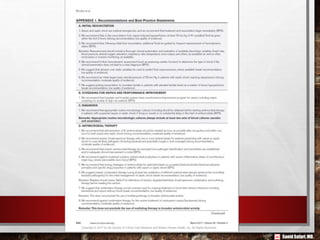
RECOMMENDATIONS AND
BEST PRACTICE STATEMENTS
Saeid Safari,MD.
Saeid Safari,MD.
Saeid Safari,MD.
Saeid Safari,MD.
Saeid Safari,MD.
Saeid Safari,MD.
COMPARISON OF
RECOMMENDATIONS FROM
2012 TO 2016
Saeid Safari,MD.
Saeid Safari,MD.
Saeid Safari,MD.
Saeid Safari,MD.
Saeid Safari,MD.
Saeid Safari,MD.
Saeid Safari,MD.
Saeid Safari,MD.

Guidelines for Sepsis: 2016

  • 1.
  • 2.
  • 3.
    Saeid Safari,MD. INTRODUCTION • Sepsiscontributes to nearly one in two hospital deaths, making it one of the biggest concerns in healthcare today. • Improving survival rates requires a combination of early symptom recognition and aggressive treatment. • According to the CDC, there are over one million cases of sepsis each year, killing more than 258,000 Americans and making it the ninth leading cause of disease- related deaths. • In addition, $23.7 billion was spent on sepsis-related hospitalizations in 2013, making sepsis the most expensive condition treated in U.S. hospitals.
  • 4.
  • 5.
    Saeid Safari,MD. SECTIONS OFLECTURE • Pathophysiology of Sepsis • Surviving Sepsis Campaign: 2016
  • 6.
  • 7.
    Saeid Safari,MD. PATHOPHYSIOLOGY • 1.Sepsis is induced by an invasion of microorganisms or their toxins into the bloodstream, together with the host response to this invasion. • 2. Any infection may be complicated by sepsis. • 3. The innate immune system recognizes specific molecular patterns associated with microorganisms called pathogen associated molecular patterns (PAMPs) that include cell wall products, exotoxins, bacterial DNA, and viral RNA.
  • 8.
    Saeid Safari,MD. PATHOPHYSIOLOGY • 4.The host’s innate immune system senses the presence of microbial molecules by specific receptors called pattern-recognition proteins (PRP), such as Toll-like receptors. • 5. An excessive inflammatory response early in sepsis is counteracted by an antiinflammatory response, which may then result in hypoinflammation. • 6. Hemostatic balance is shifted to a procoagulant state in sepsis due to activation of tissue factor and attenuation of natural anticoagulants.
  • 9.
    Saeid Safari,MD. PATHOPHYSIOLOGY • 7.Sepsis causes endothelial dysfunction. • 8. Cardiac dysfunction in sepsis is mainly due to intramyocardial nitric oxide production and perhaps cardiac ischemia resulting in left ventricular diastolic dilatation and a rightward shift of the Frank- Starling curve. • 9. Capillary leakage causes a large amount of intravascular fluid to be shifted into the extravascular space resulting in significant hypovolemia.
  • 10.
    Saeid Safari,MD. PATHOPHYSIOLOGY • 10.Sepsis is accompanied by profound arterial hypotension due to massive endothelial nitric oxide production. • 11. Microcirculatory dysfunction associated with sepsis is a result of intravascular coagulation, endothelial cell swelling, activated leukocytes, and stiff red blood cells.
  • 11.
  • 12.
    Saeid Safari,MD. SEPSIS &ORGAN FAILURE (1992)
  • 13.
    Saeid Safari,MD. Macrophage MediatorsInvolved In The Pathogenesis Of Sepsis
  • 14.
    Saeid Safari,MD. Loss ofhemostatic balance Shift of hemostatic balance toward A procoagulant state in sepsis.
  • 15.
    Saeid Safari,MD. Cardiac AndCirculatory Dysfunction The cardiocirculatory system of a septic patient is altered on systemic, regional, and microregional levels. At the same time, sepsis increases O2 consumption, further deteriorating the O2 supply/demand relationship.
  • 16.
  • 17.
    Saeid Safari,MD. HYPOTHALAMIC- PITUITARY-ADRENAL AXIS. Physiologic controlof cortisol release and its feedback mechanism are illustrated. This axis may be impaired on all levels in critically ill patients. +, stimulation; −, inhibition.
  • 18.
  • 19.
  • 20.
    Saeid Safari,MD. PATHOPHYSIOLOGY OFMODS • Multiorgan dysfunction refers to the parallel or sequential failure of at least two organs. • Tissue hypoxia is an important cofactor in the development of multiorgan dysfunction.
  • 21.
    Saeid Safari,MD. PATHOPHYSIOLOGY OFMODS • Cytokine-induced apoptosis (programmed cell death) contributes to organ dysfunction. • Dysfunction of a single organ may affect the integrity of other organs.
  • 22.
    Saeid Safari,MD. CONCEPTUAL MODELS OF MODS BecauseMODS can involve a variety of pathologic changes, different concepts of the pathophysiology of MODS have been generated
  • 23.
    Saeid Safari,MD. Extrinsic andintrinsic signaling process for apoptosis. FADD, fas-associated death domain protein; RIP, receptor interacting protein; TRADD, TNF receptor 1–associated death protein.
  • 24.
  • 25.
    Saeid Safari,MD. THE “TWO-HIT”THEORY • Any severe impact to the human body such as a traumatic or surgical injury or prolonged shock can directly induce the development of organ dysfunction. • Possible mechanisms include ischemia, reperfusion injury, or immediate tissue destruction due to trauma. Such an event is called a “first hit.” • This first hit may be severe enough to induce SIRS, with all the consequences to the cardiocirculatory system and cellular functions mentioned earlier.
  • 26.
    Saeid Safari,MD. THE “TWO-HIT”THEORY • Even if the first hit does not induce a primary MODS, a “second hit” such as an infectious insult (e.g., pneumonia or bacteremia due to catheter infection) could further activate an immune system that is already primed by the first hit. • The “two-hit” theory hypothesizes that a second (or third) insult amplifies the inflammatory response to the first hit in such a way that SIRS occurs. If these events are followed by multiple organ dysfunction, the term secondary MODS is used. • The two-hit theory has been criticized for being somewhat arbitrary, because the differentiation between primary and secondary MODS is not always possible in the clinical setting.
  • 27.
    Saeid Safari,MD. THE “TWO-HIT”THEORY • However, our current understanding of the inflammatory response to injury supports the concept of priming. • Neutrophils are known to produce greater amounts of reactive oxygen species and have increased adhesion properties after they have been exposed to proinflammatory mediators. • It has been demonstrated, at least in vitro, that priming followed by activation of neutrophils increases the extent of endothelial damage.
  • 28.
    Saeid Safari,MD. SURVIVING SEPSIS CAMPAIGN: INTERNATIONAL GUIDELINESFOR MANAGEMENT OF SEPSIS AND SEPTIC SHOCK: 2016
  • 29.
    Saeid Safari,MD. DEFINITION OFSEPSIS • Sepsis is now defined as life-threatening organ dysfunction caused by a dysregulated host response to infection. • Septic shock is a subset of sepsis with circulatory and cellular/metabolic dysfunction associated with a higher risk of mortality.
  • 30.
  • 31.
  • 32.
    Saeid Safari,MD. STRONG VS.WEAK RECOMMENDATION
  • 33.
  • 34.
    Saeid Safari,MD. A. INITIALRESUSCITATION • 1. Sepsis and septic shock are medical emergencies, and we recommend that treatment and resuscitation begin immediately (BPS=best practice statements).
  • 35.
    Saeid Safari,MD. A. INITIALRESUSCITATION • 2. We recommend that, in the resuscitation from sepsis induced hypoperfusion, at least 30 mL/kg of IV crystalloid fluid be given within the first 3 hours (strong recommendation, low quality of evidence).
  • 36.
    Saeid Safari,MD. A. INITIALRESUSCITATION • 3. We recommend that, following initial fluid resuscitation, additional fluids be guided by frequent reassessment of hemodynamic status (BPS).
  • 37.
    Saeid Safari,MD. A. INITIALRESUSCITATION • 4. We recommend further hemodynamic assessment (such as assessing cardiac function) to determine the type of shock if the clinical examination does not lead to a clear diagnosis (BPS).
  • 38.
    Saeid Safari,MD. A. INITIALRESUSCITATION • 5. We suggest that dynamic over static variables be used to predict fluid responsiveness, where available (weak recommendation, low quality of evidence).
  • 39.
    Saeid Safari,MD. A. INITIALRESUSCITATION • 6. We recommend an initial target mean arterial pressure (MAP) of 65 mm Hg in patients with septic shock requiring vasopressors (strong recommendation, moderate quality of evidence).
  • 40.
    Saeid Safari,MD. A. INITIALRESUSCITATION • 7. We suggest guiding resuscitation to normalize lactate in patients with elevated lactate levels as a marker of tissue hypoperfusion (weak recommendation, low quality of evidence).
  • 41.
    Saeid Safari,MD. B.SCREENING FORSEPSIS AND PERFORMANCE IMPROVEMENT
  • 42.
    Saeid Safari,MD. B.SCREENING FORSEPSIS AND PERFORMANCE IMPROVEMENT • 1. We recommend that hospitals and hospital systems have a performance improvement program for sepsis, including sepsis screening for acutely ill, high-risk patients (BPS).
  • 43.
  • 44.
    Saeid Safari,MD. C. DIAGNOSIS •1. We recommend that appropriate routine microbiologic cultures (including blood) be obtained before starting antimicrobial therapy in patients with suspected sepsis or septic shock if doing so results in no substantial delay in the start of antimicrobials (BPS). • Remarks: Appropriate routine microbiologic cultures always include at least two sets of blood cultures (aerobic and anaerobic).
  • 45.
  • 46.
    Saeid Safari,MD. D. ANTIMICROBIALTHERAPY • 1. We recommend that administration of IV antimicrobials be initiated as soon as possible after recognition and within one hour for both sepsis and septic shock (strong recommendation, moderate quality of evidence; grade applies to both conditions).
  • 47.
    Saeid Safari,MD. D. ANTIMICROBIALTHERAPY • 2. We recommend empiric broad-spectrum therapy with one or more antimicrobials for patients presenting with sepsis or septic shock to cover all likely pathogens (including bacterial and potentially fungal or viral coverage) (strong recommendation, moderate quality of evidence).
  • 48.
    Saeid Safari,MD. D. ANTIMICROBIALTHERAPY • 3. We recommend that empiric antimicrobial therapy be narrowed once pathogen identification and sensitivities are established and/or adequate clinical improvement is noted (BPS).
  • 49.
    Saeid Safari,MD. D. ANTIMICROBIALTHERAPY • 4. We recommend against sustained systemic antimicrobial prophylaxis in patients with severe inflammatory states of noninfectious origin (e.g., severe pancreatitis, burn injury) (BPS).
  • 50.
    Saeid Safari,MD. D. ANTIMICROBIALTHERAPY • 5. We recommend that dosing strategies of antimicrobials be optimized based on accepted pharmacokinetic/ pharmacodynamics principles and specific drug properties in patients with sepsis or septic shock (BPS).
  • 51.
    Saeid Safari,MD. D. ANTIMICROBIALTHERAPY • 6. We suggest empiric combination therapy (using at least two antibiotics of different antimicrobial classes) aimed at the most likely bacterial pathogen(s) for the initial management of septic shock (weak recommendation, low quality of evidence). • Remarks: Readers should review Table 6 for definitions of empiric, targeted/definitive, broad-spectrum, combination, and multidrug therapy before reading this section.
  • 52.
  • 53.
    Saeid Safari,MD. D. ANTIMICROBIALTHERAPY • 7. We suggest that combination therapy not be routinely used for ongoing treatment of most other serious infections, including bacteremia and sepsis without shock (weak recommendation, low quality of evidence). • Remarks: This does not preclude the use of multidrug therapy to broaden antimicrobial activity.
  • 54.
    Saeid Safari,MD. D. ANTIMICROBIALTHERAPY • 8. We recommend against combination therapy for the routine treatment of neutropenic sepsis/bacteremia (strong recommendation, moderate quality of evidence). • Remarks: This does not preclude the use of multidrug therapy to broaden antimicrobial activity.
  • 55.
    Saeid Safari,MD. D. ANTIMICROBIALTHERAPY • 9. If combination therapy is initially used for septic shock, we recommend de-escalation with discontinuation of combination therapy within the first few days in response to clinical improvement and/or evidence of infection resolution. • This applies to both targeted (for culture-positive infections) and empiric (for culture-negative infections) combination therapy (BPS).
  • 56.
    Saeid Safari,MD. D. ANTIMICROBIALTHERAPY • 10. We suggest that an antimicrobial treatment duration of 7 to 10 days is adequate for most serious infections associated with sepsis and septic shock (weak recommendation, low quality of evidence).
  • 57.
    Saeid Safari,MD. D. ANTIMICROBIALTHERAPY • 11. We suggest that longer courses are appropriate in patients who have a slow clinical response, undrainable foci of infection, bacteremia with S aureus, some fungal and viral infections, or immunologic deficiencies, including neutropenia. (weak recommendation, low quality of evidence).
  • 58.
    Saeid Safari,MD. D. ANTIMICROBIALTHERAPY • 12. We suggest that shorter courses are appropriate in some patients, particularly those with rapid clinical resolution following effective source control of intra-abdominal or urinary sepsis and those with anatomically uncomplicated pyelonephritis (weak recommendation, low quality of evidence).
  • 59.
    Saeid Safari,MD. D. ANTIMICROBIALTHERAPY • 13. We recommend daily assessment for de-escalation of antimicrobial therapy in patients with sepsis and septic shock (BPS).
  • 60.
    Saeid Safari,MD. D. ANTIMICROBIALTHERAPY • 14. We suggest that measurement of procalcitonin levels can be used to support shortening the duration of antimicrobial therapy in sepsis patients (weak recommendation, low quality of evidence).
  • 61.
    Saeid Safari,MD. D. ANTIMICROBIALTHERAPY • 15. We suggest that procalcitonin levels can be used to support the discontinuation of empiric antibiotics in patients who initially appeared to have sepsis, but subsequently have limited clinical evidence of infection (weak recommendation, low quality of evidence).
  • 62.
  • 63.
    Saeid Safari,MD. E. SOURCECONTROL • 1. We recommend that a specific anatomic diagnosis of infection requiring emergent source control be identified or excluded as rapidly as possible in patients with sepsis or septic shock, and that any required source control intervention be implemented as soon as medically and logistically practical after the diagnosis is made (BPS).
  • 64.
    Saeid Safari,MD. E. SOURCECONTROL • 2. We recommend prompt removal of intravascular access devices that are a possible source of sepsis or septic shock after other vascular access has been established (BPS).
  • 65.
  • 66.
    Saeid Safari,MD. F. FLUIDTHERAPY • 1. We recommend that a fluid challenge technique be applied where fluid administration is continued as long as hemodynamic factors continue to improve (BPS).
  • 67.
    Saeid Safari,MD. F. FLUIDTHERAPY • 2. We recommend crystalloids as the fluid of choice for initial resuscitation and subsequent intravascular volume replacement in patients with sepsis and septic shock (strong recommendation, moderate quality of evidence).
  • 68.
    Saeid Safari,MD. F. FLUIDTHERAPY • 3. We suggest using either balanced crystalloids or saline for fluid resuscitation of patients with sepsis or septic shock (weak recommendation, low quality of evidence).
  • 69.
    Saeid Safari,MD. F. FLUIDTHERAPY • 4. We suggest using albumin in addition to crystalloids for initial resuscitation and subsequent intravascular volume replacement in patients with sepsis and septic shock when patients require substantial amounts of crystalloids (weak recommendation, low quality of evidence).
  • 70.
    Saeid Safari,MD. F. FLUIDTHERAPY • 5. We recommend against using hydroxyethyl starches (HESs) for intravascular volume replacement in patients with sepsis or septic shock (strong recommendation, high quality of evidence).
  • 71.
    Saeid Safari,MD. F. FLUIDTHERAPY • 6. We suggest using crystalloids over gelatins when resuscitating patients with sepsis or septic shock (weak recommendation, low quality of evidence).
  • 72.
  • 73.
    Saeid Safari,MD. G. VASOACTIVEEDICATIONS • 1. We recommend norepinephrine as the first-choice vasopressor (strong recommendation, moderate quality of evidence).
  • 74.
    Saeid Safari,MD. G. VASOACTIVEEDICATIONS • 2. We suggest adding either vasopressin (up to 0.03 U/min) (weak recommendation, moderate quality of evidence) or epinephrine (weak recommendation, low quality of evidence) to norepinephrine with the intent of raising MAP to target, • Adding vasopressin (up to 0.03 U/min) (weak recommendation, moderate quality of evidence) to decrease norepinephrine dosage
  • 75.
    Saeid Safari,MD. G. VASOACTIVEEDICATIONS • 3. We suggest using dopamine as an alternative vasopressor agent to norepinephrine only in highly selected patients e.g., patients with low risk of tachyarrhythmias and absolute or relative bradycardia) (weak recommendation, low quality of evidence).
  • 76.
    Saeid Safari,MD. G. VASOACTIVEEDICATIONS • 4. We recommend against using low-dose dopamine for renal protection (strong recommendation, high quality of evidence).
  • 77.
    Saeid Safari,MD. G. VASOACTIVEEDICATIONS • 5. We suggest using dobutamine in patients who show evidence of persistent hypoperfusion despite adequate fluid loading and the use of vasopressor agents (weak recommendation, low quality of evidence). • Remarks: If initiated, vasopressor dosing should be titrated to an end point reflecting perfusion, and the agent reduced or discontinued in the face of worsening hypotension or arrhythmias.
  • 78.
    Saeid Safari,MD. G. VASOACTIVEEDICATIONS • 6. We suggest that all patients requiring vasopressors have an arterial catheter placed as soon as practical if resources are available (weak recommendation, very low quality of evidence).
  • 79.
  • 80.
    Saeid Safari,MD. H. CORTICOSTEROIDS •1. We suggest against using IV hydrocortisone to treat septic shock patients if adequate fluid resuscitation and vasopressor therapy are able to restore hemodynamic stability.
  • 81.
    Saeid Safari,MD. H. CORTICOSTEROIDS •If this is not achievable, we suggest IV hydrocortisone at a dose of 200 mg per day (weak recommendation, low quality of evidence).
  • 82.
  • 83.
    Saeid Safari,MD. I. BLOODPRODUCTS • 1. We recommend that RBC transfusion occur only when hemoglobin concentration decreases to < 7.0 g/dL in adults in the absence of extenuating circumstances, such as myocardial ischemia, severe hypoxemia, or acute hemorrhage (strong recommendation, high quality of evidence).
  • 84.
    Saeid Safari,MD. I. BLOODPRODUCTS • 2. We recommend against the use of erythropoietin for treatment of anemia associated with sepsis (strong recommendation, moderate quality of evidence).
  • 85.
    Saeid Safari,MD. I. BLOODPRODUCTS • 3. We suggest against the use of fresh frozen plasma to correct clotting abnormalities in the absence of bleeding or planned invasive procedures (weak recommendation, very low quality of evidence).
  • 86.
    Saeid Safari,MD. I. BLOODPRODUCTS • 4. We suggest prophylactic platelet transfusion when counts are < 10,000/mm3 (10 × 109/L) in the absence of apparent bleeding and when counts are < 20,000/mm3 (20 × 109/L) if the patient has a significant risk of bleeding.
  • 87.
    Saeid Safari,MD. I. BLOODPRODUCTS • Higher platelet counts (≥ 50,000/mm3 [50 × 109/L]) are advised for active bleeding, surgery, or invasive procedures (weak recommendation, very low quality of evidence).
  • 88.
  • 89.
    Saeid Safari,MD. J. IMMUNOGLOBULINS •1. We suggest against the use of IV immunoglobulins in patients with sepsis or septic shock (weak recommendation, low quality of evidence).
  • 90.
  • 91.
    Saeid Safari,MD. K. BLOODPURIFICATION • 1. We make no recommendation regarding the use of blood purification techniques.
  • 92.
  • 93.
    Saeid Safari,MD. L. ANTICOAGULANTS •1. We recommend against the use of antithrombin for the treatment of sepsis and septic shock (strong recommendation, moderate quality of evidence).
  • 94.
    Saeid Safari,MD. L. ANTICOAGULANTS •2. We make no recommendation regarding the use of thrombomodulin or heparin for the treatment of sepsis or septic shock.
  • 95.
  • 96.
    Saeid Safari,MD. M. MECHANICALVENTILATION • 1. We recommend using a target tidal volume of 6 mL/kg predicted body weight (PBW) compared with 12 mL/kg in adult patients with sepsis-induced ARDS (strong recommendation, high quality of evidence).
  • 97.
    Saeid Safari,MD. M. MECHANICALVENTILATION • 2. We recommend using an upper limit goal for plateau pressures of 30 cm H2O over higher plateau pressures in adult patients with sepsis-induced severe ARDS (strong recommendation, moderate quality of evidence).
  • 98.
    Saeid Safari,MD. M. MECHANICALVENTILATION • 3. We suggest using higher PEEP over lower PEEP in adult patients with sepsis-induced moderate to severe ARDS (weak recommendation, moderate quality of evidence).
  • 99.
    Saeid Safari,MD. M. MECHANICALVENTILATION • 4. We suggest using recruitment maneuvers in adult patients with sepsis-induced, severe ARDS (weak recommendation, moderate quality of evidence).
  • 100.
    Saeid Safari,MD. M. MECHANICALVENTILATION • 5. We recommend using prone over supine position in adult patients with sepsis-induced ARDS and a Pao2/Fio2 ratio < 150 (strong recommendation, moderate quality of evidence).
  • 101.
    Saeid Safari,MD. M. MECHANICALVENTILATION • 6. We recommend against using high-frequency oscillatory ventilation (HFOV) in adult patients with sepsis-induced ARDS (strong recommendation, moderate quality of evidence).
  • 102.
    Saeid Safari,MD. M. MECHANICALVENTILATION • 7. We make no recommendation regarding the use of noninvasive ventilation (NIV) for patients with sepsis-induced ARDS.
  • 103.
    Saeid Safari,MD. M. MECHANICALVENTILATION • 8. We suggest using neuromuscular blocking agents (NMBAs) for ≤ 48 hours in adult patients with sepsis induced ARDS and a Pao2/Fio2 ratio < 150 mm Hg (weak recommendation, moderate quality of evidence).
  • 104.
    Saeid Safari,MD. M. MECHANICALVENTILATION • 9. We recommend a conservative fluid strategy for patients with established sepsis-induced ARDS who do not have evidence of tissue hypoperfusion (strong recommendation, moderate quality of evidence).
  • 105.
    Saeid Safari,MD. M. MECHANICALVENTILATION • 10. We recommend against the use of β-2 agonists for the treatment of patients with sepsis-induced ARDS without bronchospasm (strong recommendation, moderate quality of evidence).
  • 106.
    Saeid Safari,MD. M. MECHANICALVENTILATION • 11. We recommend against the routine use of the PA catheter for patients with sepsis-induced ARDS (strong recommendation, high quality of evidence).
  • 107.
    Saeid Safari,MD. M. MECHANICALVENTILATION • 12. We suggest using lower tidal volumes over higher tidal volumes in adult patients with sepsis-induced respiratory failure without ARDS (weak recommendation, low quality of evidence).
  • 108.
    Saeid Safari,MD. M. MECHANICALVENTILATION • 13. We recommend that mechanically ventilated sepsis patients be maintained with the head of the bed elevated between 30 and 45 degrees to limit aspiration risk and to prevent the development of VAP (strong recommendation, low quality of evidence).
  • 109.
    Saeid Safari,MD. M. MECHANICALVENTILATION • 14. We recommend using spontaneous breathing trials in mechanically ventilated patients with sepsis who are ready for weaning (strong recommendation, high quality of evidence).
  • 110.
    Saeid Safari,MD. M. MECHANICALVENTILATION • 15. We recommend using a weaning protocol in mechanically ventilated patients with sepsis-induced respiratory failure who can tolerate weaning (strong recommendation, moderate quality of evidence).
  • 111.
  • 112.
    Saeid Safari,MD. N. SEDATIONAND ANALGESIA • 1. We recommend that continuous or intermittent sedation be minimized in mechanically ventilated sepsis patients, targeting specific titration end points (BPS).
  • 113.
  • 114.
    Saeid Safari,MD. O. GLUCOSECONTROL • 1. We recommend a protocolized approach to blood glucose management in ICU patients with sepsis, commencing insulin dosing when two consecutive blood glucose levels are > 180 mg/dL. • This approach should target an upper blood glucose level ≤ 180 mg/dL rather than an upper target blood glucose level ≤ 110 mg/dL (strong recommendation, high quality of evidence).
  • 115.
    Saeid Safari,MD. O. GLUCOSECONTROL • 2. We recommend that blood glucose values be monitored every 1 to 2 hours until glucose values and insulin infusion rates are stable, then every 4 hours thereafter in patients receiving insulin infusions (BPS).
  • 116.
    Saeid Safari,MD. O. GLUCOSECONTROL • 3. We recommend that glucose levels obtained with point of- care testing of capillary blood be interpreted with caution because such measurements may not accurately estimate arterial blood or plasma glucose values (BPS).
  • 117.
    Saeid Safari,MD. O. GLUCOSECONTROL • 4. We suggest the use of arterial blood rather than capillary blood for point-of-care testing using glucose meters if patients have arterial catheters (weak recommendation, low quality of evidence).
  • 118.
    Saeid Safari,MD. P. RENALREPLACEMENT THERAPY
  • 119.
    Saeid Safari,MD. P. RENALREPLACEMENT THERAPY • 1. We suggest that either continuous RRT (CRRT) or intermittent RRT be used in patients with sepsis and acute kidney injury (weak recommendation, moderate quality of evidence).
  • 120.
    Saeid Safari,MD. P. RENALREPLACEMENT THERAPY • 2. We suggest using CRRT to facilitate management of fluid balance in hemodynamically unstable septic patients (weak recommendation, very low quality of evidence).
  • 121.
    Saeid Safari,MD. P. RENALREPLACEMENT THERAPY • 3. We suggest against the use of RRT in patients with sepsis and acute kidney injury for increase in creatinine or oliguria without other definitive indications for dialysis (weak recommendation, low quality of evidence).
  • 122.
  • 123.
    Saeid Safari,MD. Q. BICARBONATETHERAPY • 1. We suggest against the use of sodium bicarbonate therapy to improve hemodynamics or to reduce vasopressor requirements in patients with hypoperfusion-induced lactic acidemia with pH ≥ 7.15 (weak recommendation, moderate quality of evidence).
  • 124.
    Saeid Safari,MD. R. VENOUSTHROMBOEMBOLISM PROPHYLAXIS
  • 125.
    Saeid Safari,MD. R. VENOUSTHROMBOEMBOLISM PROPHYLAXIS • We recommend pharmacologic prophylaxis (unfractionated heparin [UFH] or low-molecular-weight heparin [LMWH]) against venous thromboembolism (VTE) in the absence of contraindications to the use of these agents (strong recommendation, moderate quality of evidence).
  • 126.
    Saeid Safari,MD. R. VENOUSTHROMBOEMBOLISM PROPHYLAXIS • 2. We recommend LMWH rather than UFH for VTE prophylaxis in the absence of contraindications to the use of LMWH (strong recommendation, moderate quality of evidence).
  • 127.
    Saeid Safari,MD. R. VENOUSTHROMBOEMBOLISM PROPHYLAXIS • 3. We suggest combination pharmacologic VTE prophylaxis and mechanical prophylaxis, whenever possible (weak recommendation, low quality of evidence).
  • 128.
    Saeid Safari,MD. R. VENOUSTHROMBOEMBOLISM PROPHYLAXIS • 4. We suggest mechanical VTE prophylaxis when pharmacologic VTE is contraindicated (weak recommendation, low quality of evidence).
  • 129.
    Saeid Safari,MD. S. STRESSULCER PROPHYLAXIS
  • 130.
    Saeid Safari,MD. S. STRESSULCER PROPHYLAXIS • 1. We recommend that stress ulcer prophylaxis be given to patients with sepsis or septic shock who have risk factors for gastrointestinal (GI) bleeding (strong recommendation, low quality of evidence).
  • 131.
    Saeid Safari,MD. S. STRESSULCER PROPHYLAXIS • 2. We suggest using either proton pump inhibitors (PPIs) or histamine-2 receptor antagonists (H2RAs) when stress ulcer prophylaxis is indicated (weak recommendation, low quality of evidence).
  • 132.
    Saeid Safari,MD. S. STRESSULCER PROPHYLAXIS • 3. We recommend against stress ulcer prophylaxis in patients without risk factors for GI bleeding (BPS).
  • 133.
  • 134.
    Saeid Safari,MD. T. NUTRITION •1. We recommend against the administration of early parenteral nutrition alone or parenteral nutrition in combination with enteral feedings (but rather initiate early enteral nutrition) in critically ill patients with sepsis or septic shock who can be fed enterally (strong recommendation, moderate quality of evidence).
  • 135.
    Saeid Safari,MD. T. NUTRITION •3. We suggest the early initiation of enteral feeding rather than a complete fast or only IV glucose in critically ill patients with sepsis or septic shock who can be fed enterally (weak recommendation, low quality of evidence).
  • 136.
    Saeid Safari,MD. T. NUTRITION •4. We suggest either early trophic/hypocaloric or early full enteral feeding in critically ill patients with sepsis or septic shock; if trophic/hypocaloric feeding is the initial strategy, then feeds should be advanced according to patient tolerance (weak recommendation, moderate quality of evidence).
  • 137.
    Saeid Safari,MD. T. NUTRITION •5. We recommend against the use of omega-3 fatty acids as an immune supplement in critically ill patients with sepsis or septic shock (strong recommendation, low quality of evidence).
  • 138.
    Saeid Safari,MD. T. NUTRITION •6. We suggest against routinely monitoring gastric residual volumes (GRVs) in critically ill patients with sepsis or septic shock (weak recommendation, low quality of evidence). • However, we suggest measurement of gastric residuals in patients with feeding intolerance or who are considered to be at high risk of aspiration (weak recommendation, very low quality of evidence). • Remarks: This recommendation refers to nonsurgical critically ill patients with sepsis or septic shock.
  • 139.
    Saeid Safari,MD. T. NUTRITION •7. We suggest the use of prokinetic agents in critically ill patients with sepsis or septic shock and feeding intolerance (weak recommendation, low quality of evidence).
  • 140.
    Saeid Safari,MD. T. NUTRITION •8. We suggest placement of post-pyloric feeding tubes in critically ill patients with sepsis or septic shock with feeding intolerance or who are considered to be at high risk of aspiration (weak recommendation, low quality of evidence).
  • 141.
    Saeid Safari,MD. T. NUTRITION •9. We recommend against the use of IV selenium to treat sepsis and septic shock (strong recommendation, moderate quality of evidence).
  • 142.
    Saeid Safari,MD. T. NUTRITION •10. We suggest against the use of arginine to treat sepsis and septic shock (weak recommendation, low quality of evidence).
  • 143.
    Saeid Safari,MD. T. NUTRITION •11. We recommend against the use of glutamine to treat sepsis and septic shock (strong recommendation, moderate quality of evidence).
  • 144.
    Saeid Safari,MD. T. NUTRITION •12. We make no recommendation about the use of carnitine for sepsis and septic shock.
  • 145.
  • 146.
    Saeid Safari,MD. U. SETTINGGOALS OF CARE • 1. We recommend that goals of care and prognosis be discussed with patients and families (BPS).
  • 147.
    Saeid Safari,MD. U. SETTINGGOALS OF CARE • 2. We recommend that goals of care be incorporated into treatment and end-of-life care planning, utilizing palliative care principles where appropriate (strong recommendation, moderate quality of evidence).
  • 148.
    Saeid Safari,MD. U. SETTINGGOALS OF CARE • 3. We suggest that goals of care be addressed as early as feasible, but no later than within 72 hours of ICU admission (weak recommendation, low quality of evidence).
  • 149.
  • 150.
  • 151.
  • 152.
  • 153.
  • 154.
  • 155.
  • 156.
  • 157.
  • 158.
  • 159.
  • 160.
  • 161.
  • 162.
  • 163.

Editor's Notes

  • #35 Remarks: Reassessment should include a thorough clinical examination and evaluation of available physiologic variables (heart rate, blood pressure, arterial oxygen saturation, respiratory rate, temperature, urine output, and others, as available) as well as other noninvasive or invasive monitoring, as available.
  • #36 Remarks: Reassessment should include a thorough clinical examination and evaluation of available physiologic variables (heart rate, blood pressure, arterial oxygen saturation, respiratory rate, temperature, urine output, and others, as available) as well as other noninvasive or invasive monitoring, as available.
  • #37 Remarks: Reassessment should include a thorough clinical examination and evaluation of available physiologic variables (heart rate, blood pressure, arterial oxygen saturation, respiratory rate, temperature, urine output, and others, as available) as well as other noninvasive or invasive monitoring, as available.