Governor’s Conference
February 24, 2011


                        Down
                        economy?
                        Focus
                        on your
                        audiences
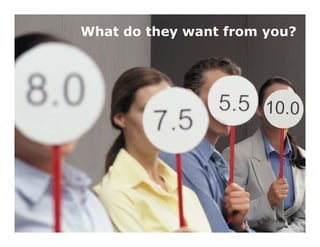
What do they want from you?
Building a brand


     a surprise … quick,
        simple, easy …
      a story … see at a
     glance … talk to me
            WIIFM
What’s unexpected?


   Surprise me!
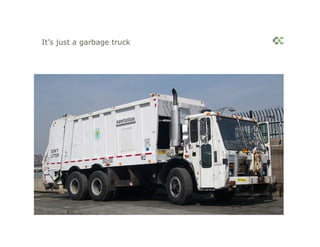
It’s just a garbage truck
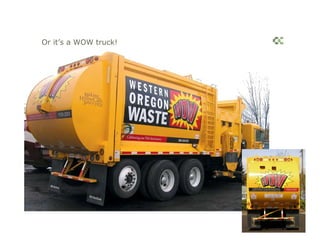
Or it’s a WOW truck!
What’s in it for me? Get to the point!


               I get it!
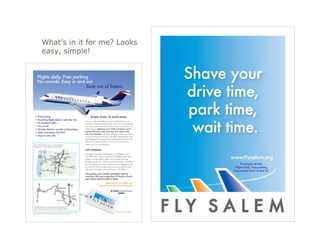
What’s in it for me? Looks
easy, simple!
What’s different?


                Tell me
                a story
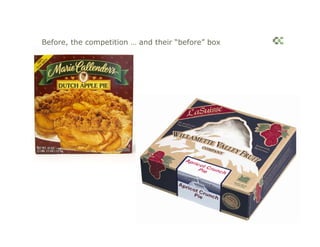
Before, the competition … and their “before” box
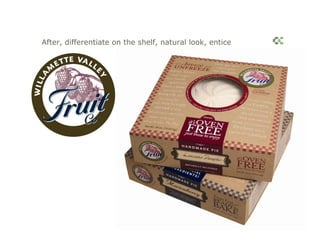
After, differentiate on the shelf, natural look, entice
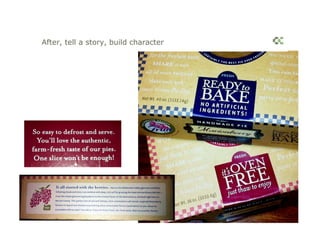
After, tell a story, build character
Be relevant to the audience


       Engage me
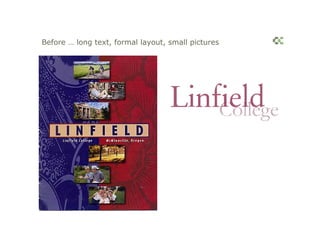
Before … long text, formal layout, small pictures
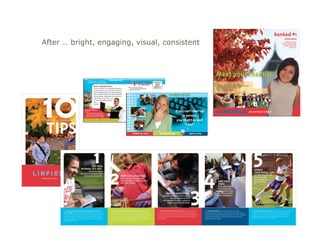
After … bright, engaging, visual, consistent
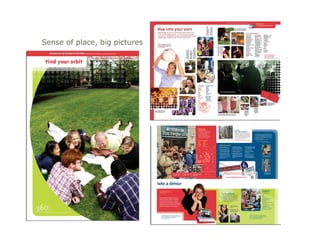
Sense of place, big pictures
Maintain consistency


 Who are you?
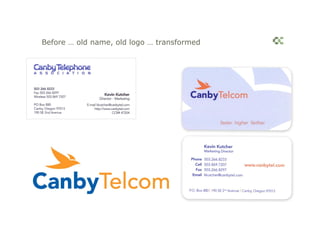
Before … old name, old logo … transformed
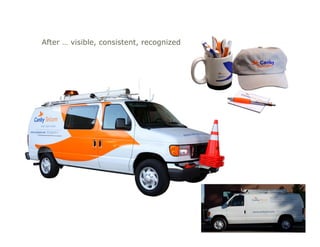
After … visible, consistent, recognized
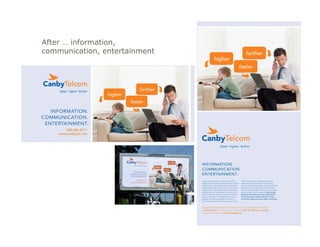
After … information,
communication, entertainment
Narrow your focus by branding


         A brand is
          focused
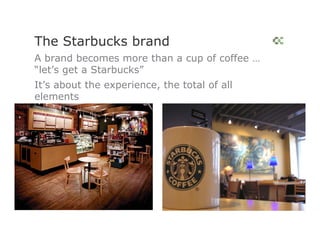
The Starbucks brand
A brand becomes more than a cup of coffee …
“let’s get a Starbucks”
It’s about the experience, the total of all
elements
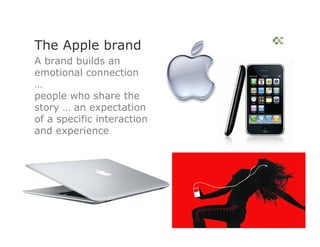
The Apple brand
A brand builds an
emotional connection
…
people who share the
story … an expectation
of a specific interaction
and experience
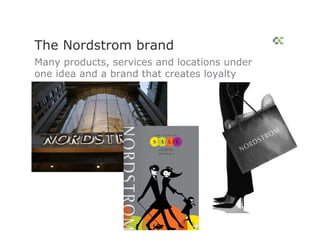
The Nordstrom brand
Many products, services and locations under
one idea and a brand that creates loyalty
Why brand?


       Why does a
       brand work?
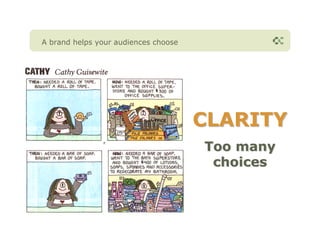
A brand helps your audiences choose


                                      CLARITY
                                      Too many
                                       choices
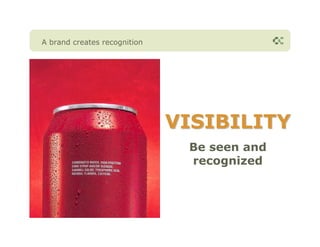
A brand creates recognition


                              VISIBILITY
                               Be seen and
                               recognized
A brand makes you more competitive


“A brand means the
“A
difference between
selling a white T-shirt
                T-shirt
for $10 and selling a
                                       VALUE
white T-shirt with a
       T-shirt                           Higher
Nike logo on it for                  perceived value
$20.”
$20.”
Debbie Kennedy
Brand Oregon
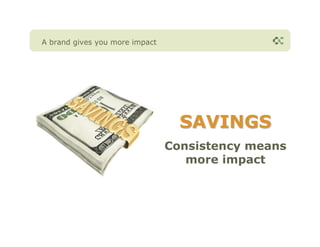
A brand gives you more impact


                                  SAVINGS
                                Consistency means
                                   more impact
Target audiences


Perception is reality
 • You have a brand whether you’re
   managing it or not
 • Your brand is what people think it is
 • Communicate clearly from your
   audience’s point of view
 • Create a brand that is visually
   appealing and memorable
Connect with your audiences


Do you know your audiences?
 • Everyone you must connect with?
 • What do they expect from you?
 • Speak in their language; be clear and
   concise (no acronyms!)
 • Understanding the generations helps
   you choose the right media
Building a brand


              each
          generation
          is different
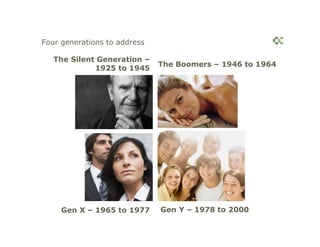
Four generations to address

   The Silent Generation –
                              The Boomers – 1946 to 1964
             1925 to 1945


     Gen X – 1965 to 1977     Gen Y – 1978 to 2000
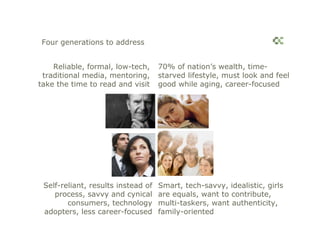
Four generations to address


    Reliable, formal, low-tech,     70% of nation’s wealth, time-
 traditional media, mentoring,      starved lifestyle, must look and feel
take the time to read and visit     good while aging, career-focused


 Self-reliant, results instead of   Smart, tech-savvy, idealistic, girls
    process, savvy and cynical      are equals, want to contribute,
        consumers, technology       multi-taskers, want authenticity,
 adopters, less career-focused      family-oriented
It’s about value


 communicate
  your value
   not just what you do
Your purpose and what you offer


Think about why instead of what
 • Why do they need to connect with you?
 • What purpose do you serve?
 • Avoid just listing the “stuff” you do
 • Consider their perspectives –
   businesses or individuals, families or
   retirees
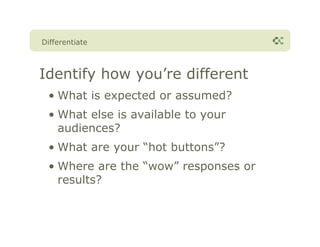
Differentiate


Identify how you’re different
 • What is expected or assumed?
 • What else is available to your
   audiences?
 • What are your “hot buttons”?
 • Where are the “wow” responses or
   results?
Audiences and benefits


What benefits do you provide?
 • What need do you fill? (WIIFM)
 • What value/benefits do you offer?
 • Use the “so” test to find benefits
 • Define, in your audience’s terms, your
   value
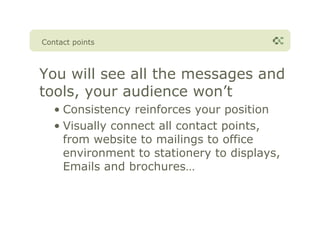
Contact points


You will see all the messages and
tools, your audience won’t
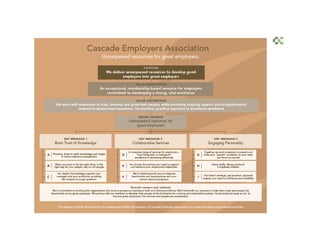
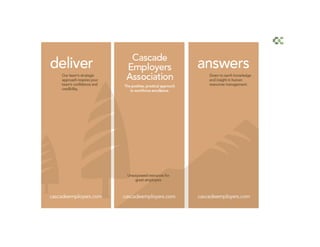
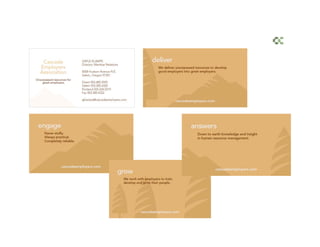
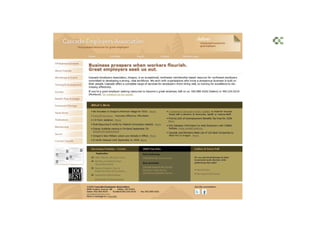
   • Consistency reinforces your position
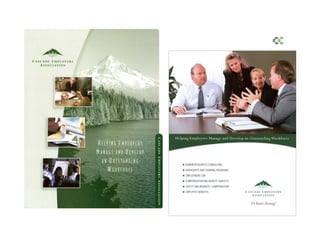
   • Visually connect all contact points,
     from website to mailings to office
     environment to stationery to displays,
     Emails and brochures…
Build your brand


Understanding your audience
• Makes each communication more
  effective
• You’ll provide what your audience needs
  to make a choice
• Each point of contact must build the
  message and brand
Build your brand


Building your brand
•   Will create better recognition
•   Will focus your message on value
•   Helps you stand out
•   Creates bigger results for all of your
    marketing
Questions?


             Jennifer Larsen
             Morrow
             President
             Creative Company

Down economy? Focus on your audiences.

  • 1.
    Governor’s Conference February 24,2011 Down economy? Focus on your audiences
  • 2.
    What do theywant from you?
  • 3.
    Building a brand a surprise … quick, simple, easy … a story … see at a glance … talk to me WIIFM
  • 4.
  • 5.
    It’s just agarbage truck
  • 6.
    Or it’s aWOW truck!
  • 7.
    What’s in itfor me? Get to the point! I get it!
  • 8.
    What’s in itfor me? Looks easy, simple!
  • 9.
    What’s different? Tell me a story
  • 10.
    Before, the competition… and their “before” box
  • 11.
    After, differentiate onthe shelf, natural look, entice
  • 12.
    After, tell astory, build character
  • 13.
    Be relevant tothe audience Engage me
  • 14.
    Before … longtext, formal layout, small pictures
  • 15.
    After … bright,engaging, visual, consistent
  • 16.
    Sense of place,big pictures
  • 17.
  • 18.
    Before … oldname, old logo … transformed
  • 19.
    After … visible,consistent, recognized
  • 20.
  • 21.
    Narrow your focusby branding A brand is focused
  • 22.
    The Starbucks brand Abrand becomes more than a cup of coffee … “let’s get a Starbucks” It’s about the experience, the total of all elements
  • 23.
    The Apple brand Abrand builds an emotional connection … people who share the story … an expectation of a specific interaction and experience
  • 24.
    The Nordstrom brand Manyproducts, services and locations under one idea and a brand that creates loyalty
  • 25.
    Why brand? Why does a brand work?
  • 26.
    A brand helpsyour audiences choose CLARITY Too many choices
  • 27.
    A brand createsrecognition VISIBILITY Be seen and recognized
  • 28.
    A brand makesyou more competitive “A brand means the “A difference between selling a white T-shirt T-shirt for $10 and selling a VALUE white T-shirt with a T-shirt Higher Nike logo on it for perceived value $20.” $20.” Debbie Kennedy Brand Oregon
  • 29.
    A brand givesyou more impact SAVINGS Consistency means more impact
  • 30.
    Target audiences Perception isreality • You have a brand whether you’re managing it or not • Your brand is what people think it is • Communicate clearly from your audience’s point of view • Create a brand that is visually appealing and memorable
  • 31.
    Connect with youraudiences Do you know your audiences? • Everyone you must connect with? • What do they expect from you? • Speak in their language; be clear and concise (no acronyms!) • Understanding the generations helps you choose the right media
  • 32.
    Building a brand each generation is different
  • 33.
    Four generations toaddress The Silent Generation – The Boomers – 1946 to 1964 1925 to 1945 Gen X – 1965 to 1977 Gen Y – 1978 to 2000
  • 34.
    Four generations toaddress Reliable, formal, low-tech, 70% of nation’s wealth, time- traditional media, mentoring, starved lifestyle, must look and feel take the time to read and visit good while aging, career-focused Self-reliant, results instead of Smart, tech-savvy, idealistic, girls process, savvy and cynical are equals, want to contribute, consumers, technology multi-taskers, want authenticity, adopters, less career-focused family-oriented
  • 35.
    It’s about value communicate your value not just what you do
  • 36.
    Your purpose andwhat you offer Think about why instead of what • Why do they need to connect with you? • What purpose do you serve? • Avoid just listing the “stuff” you do • Consider their perspectives – businesses or individuals, families or retirees
  • 37.
    Differentiate Identify how you’redifferent • What is expected or assumed? • What else is available to your audiences? • What are your “hot buttons”? • Where are the “wow” responses or results?
  • 38.
    Audiences and benefits Whatbenefits do you provide? • What need do you fill? (WIIFM) • What value/benefits do you offer? • Use the “so” test to find benefits • Define, in your audience’s terms, your value
  • 39.
    Contact points You willsee all the messages and tools, your audience won’t • Consistency reinforces your position • Visually connect all contact points, from website to mailings to office environment to stationery to displays, Emails and brochures…
  • 45.
    Build your brand Understandingyour audience • Makes each communication more effective • You’ll provide what your audience needs to make a choice • Each point of contact must build the message and brand
  • 46.
    Build your brand Buildingyour brand • Will create better recognition • Will focus your message on value • Helps you stand out • Creates bigger results for all of your marketing
  • 47.
    Questions? Jennifer Larsen Morrow President Creative Company