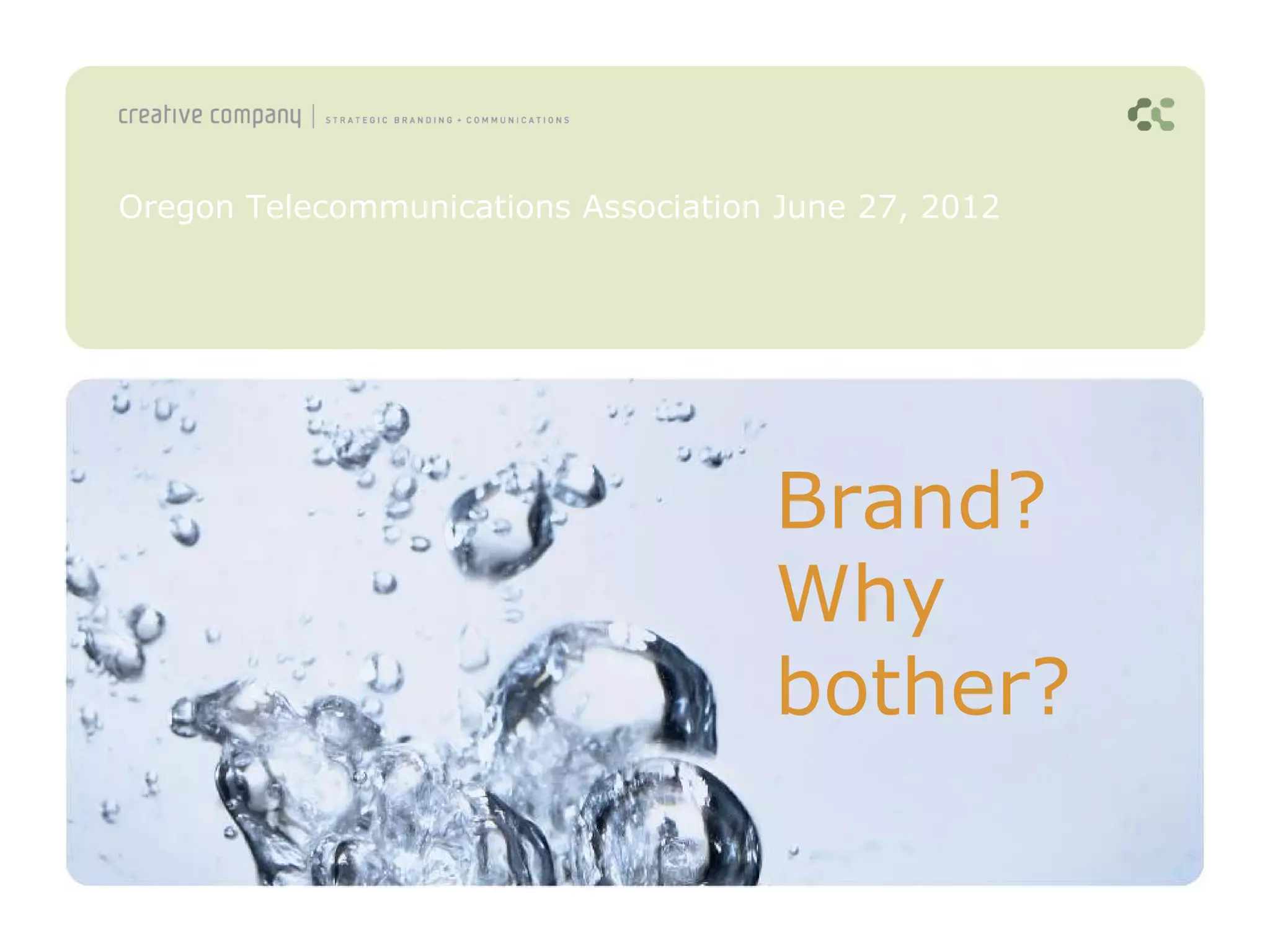
Oregon Telecommunications Association June 27, 2012


                                     Brand?
                                     Why
                                     bother?
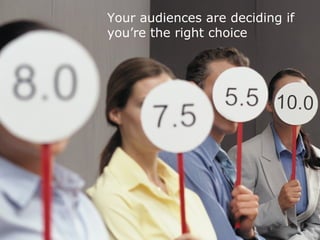
Your audiences are deciding if

you’re the right choice
Building a brand


They want … a surprise
… quick, simple, easy …

       a story … see at a
        glance … WIIFM
What’s unexpected?


   Surprise me!
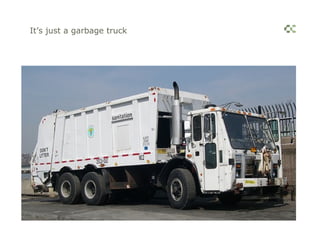
It’s just a garbage truck
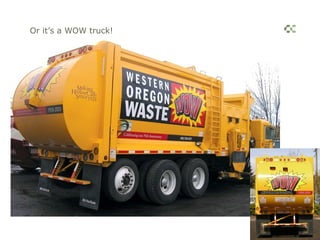
Or it’s a WOW truck!
What’s in it for me? Get to the point!


                I get it!
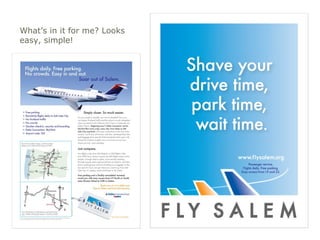
What’s in it for me? Looks
easy, simple!
What’s different?


               Tell me
               a story
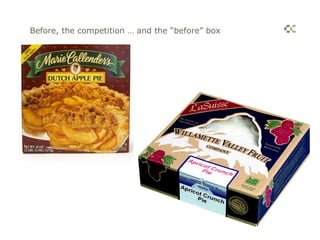
Before, the competition … and the “before” box
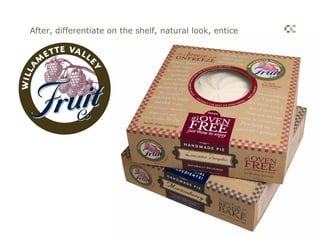
After, differentiate on the shelf, natural look, entice
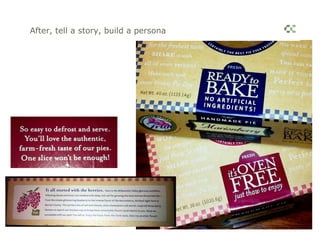
After, tell a story, build a persona
Maintain consistency


 Who are you?
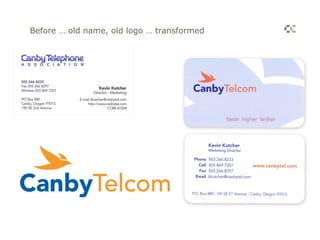
Before … old name, old logo … transformed
After … visible, consistent, recognized
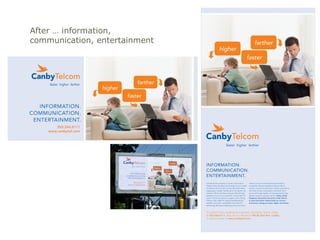
After … information,
communication, entertainment
Narrow your focus by branding


         A brand is
          focused
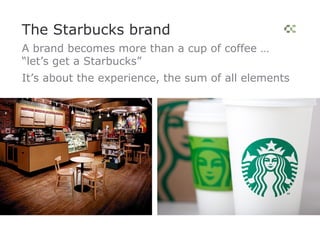
The Starbucks brand
A brand becomes more than a cup of coffee …
“let’s get a Starbucks”
It’s about the experience, the sum of all elements
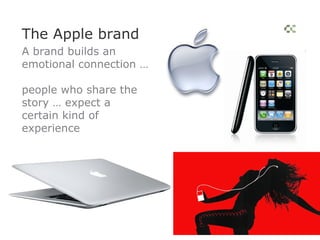
The Apple brand
A brand builds an
emotional connection …

people who share the
story … expect a
certain kind of
experience
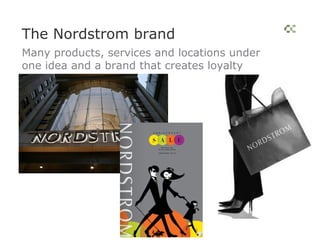
The Nordstrom brand
Many products, services and locations under
one idea and a brand that creates loyalty
Why brand?


      Why does a
      brand work?
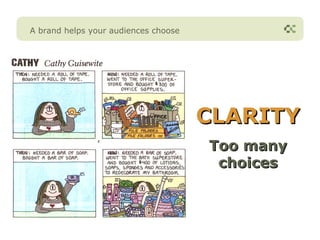
A brand helps your audiences choose


                                      CLARITY
                                      Too many
                                       choices
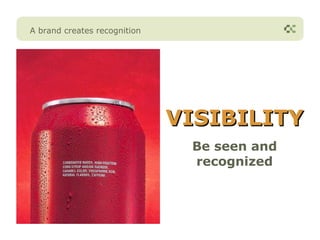
A brand creates recognition


                              VISIBILITY
                               Be seen and
                               recognized
A brand makes you more competitive


“A brand means the
difference between                     VALUE
selling a white T-shirt
for $10 and selling a                    Higher
white T-shirt with a                 perceived value
Nike logo on it for $20.”

Debbie Kennedy
Brand Oregon
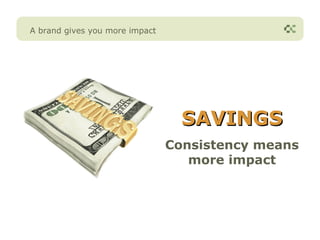
A brand gives you more impact


                                  SAVINGS
                                Consistency means
                                   more impact
Target audiences


Perception is reality
 • You have a brand whether you’re
   managing it or not
 • Your brand is what people think it is
 • Communicate clearly from your
   audience’s point of view
 • Create a brand that is visually appealing
   and memorable
Connect with your audiences


Do you know your audiences?
 • Everyone you must connect with?
 • What do they expect from you?
 • Speak in their language; be clear and
   concise (no acronyms!)
 • Understanding the generations helps
   you choose the right channel
Building a brand


             each
         generation
         is different
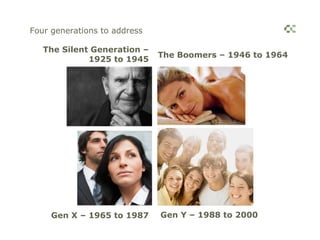
Four generations to address

   The Silent Generation –
                              The Boomers – 1946 to 1964
             1925 to 1945


     Gen X – 1965 to 1987     Gen Y – 1988 to 2000
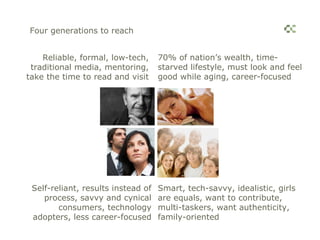
Four generations to reach


    Reliable, formal, low-tech,     70% of nation’s wealth, time-
 traditional media, mentoring,      starved lifestyle, must look and feel
take the time to read and visit     good while aging, career-focused


 Self-reliant, results instead of   Smart, tech-savvy, idealistic, girls
    process, savvy and cynical      are equals, want to contribute,
        consumers, technology       multi-taskers, want authenticity,
 adopters, less career-focused      family-oriented
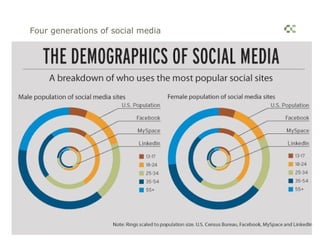
Four generations of social media
It’s about value


  communicate
   your value
    not just what you do
Your purpose and what you offer


Think about why instead of what
 • Why do they need to connect with you?
 • What purpose do you serve?
 • Avoid just listing the “stuff” you do
 • Consider their perspectives –
   businesses or individuals, families or
   retirees
Differentiate


Identify how you’re different
 • What is expected or assumed?
 • What else is available to your target
   audiences?
 • What are your “hot buttons”?
 • Where are the “wow” responses or
   results?
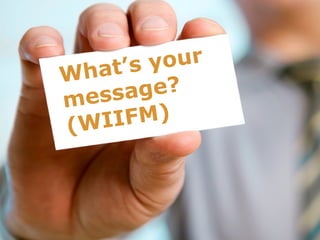
t ’s y our
Wha
mess age?
(WII FM )
Audiences and benefits


What benefits do you provide?
 • What need do you fill? (WIIFM)
 • What value/benefits do you offer?
 • Use the “so” test to find benefits
 • Define, in your audience’s terms, why
   they should choose you
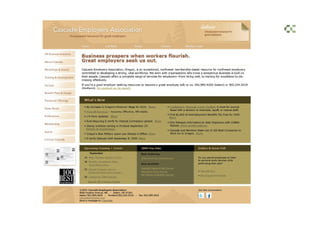
Point of choice


You will see all the messages and
tools, your audience won’t
   • Consistency reinforces your position
   • Visually connect all contact points,
     from website to mailings to office
     environment to stationery to displays,
     Emails and brochures…
Building your brand


Brand building requires focus
 • Focus on your audiences and the
   benefits
 • Branding requires consistency
 • You will get tired of it long before your
   audiences do
Building your brand


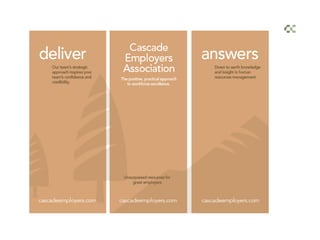
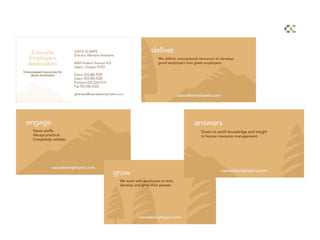
A visual vocabulary ties together
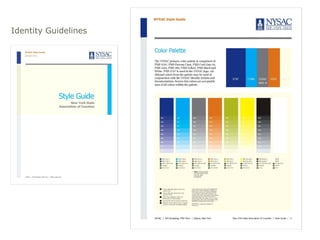
 • Choose a strong color palette
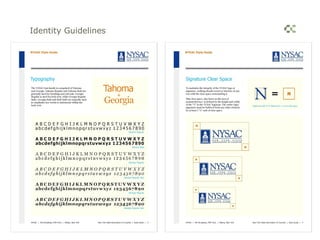
 • Select typefaces that are distinctive and
   use them consistently
 • Identify the “look and feel” that will
   stand out and create recognition
Identity Guidelines
Identity Guidelines
Point of choice


Where are the contact points?
  • Where do your audiences connect with
    you?
  • At what level, for what purpose?
  • How are those contact points branded?
  • Which contacts are critical to the
    organization, the points of choice?
The essential “point of choice”


What is a “point of choice”?
 A point of choice is the situation where
someone will take action, to move to the
next step in working with you. The point
of choice is focused on immediate
response—choosing to take the next step.

   Call | Click | Sign-up | Inquire | Refer | Join |
            Request | Enroll | Visit | Share
Build your brand


Understanding your audience
• Makes each communication more
  effective
• You’ll provide what your audience needs
  to make a choice
• Each point of contact must build the
  message and brand
Build your brand


Building your brand
•   Will create better recognition
•   Will focus your message on value
•   Helps you stand out
•   Creates bigger results from your
    marketing invetstment
Questions?


             Jennifer Larsen Morrow
             Creative Company

BrandingWhyBother

  • 1.
    Oregon Telecommunications AssociationJune 27, 2012 Brand? Why bother?
  • 2.
    Your audiences aredeciding if you’re the right choice
  • 3.
    Building a brand Theywant … a surprise … quick, simple, easy … a story … see at a glance … WIIFM
  • 4.
  • 5.
    It’s just agarbage truck
  • 6.
    Or it’s aWOW truck!
  • 7.
    What’s in itfor me? Get to the point! I get it!
  • 8.
    What’s in itfor me? Looks easy, simple!
  • 9.
    What’s different? Tell me a story
  • 10.
    Before, the competition… and the “before” box
  • 11.
    After, differentiate onthe shelf, natural look, entice
  • 12.
    After, tell astory, build a persona
  • 13.
  • 14.
    Before … oldname, old logo … transformed
  • 15.
    After … visible,consistent, recognized
  • 16.
  • 17.
    Narrow your focusby branding A brand is focused
  • 18.
    The Starbucks brand Abrand becomes more than a cup of coffee … “let’s get a Starbucks” It’s about the experience, the sum of all elements
  • 19.
    The Apple brand Abrand builds an emotional connection … people who share the story … expect a certain kind of experience
  • 20.
    The Nordstrom brand Manyproducts, services and locations under one idea and a brand that creates loyalty
  • 21.
    Why brand? Why does a brand work?
  • 22.
    A brand helpsyour audiences choose CLARITY Too many choices
  • 23.
    A brand createsrecognition VISIBILITY Be seen and recognized
  • 24.
    A brand makesyou more competitive “A brand means the difference between VALUE selling a white T-shirt for $10 and selling a Higher white T-shirt with a perceived value Nike logo on it for $20.” Debbie Kennedy Brand Oregon
  • 25.
    A brand givesyou more impact SAVINGS Consistency means more impact
  • 26.
    Target audiences Perception isreality • You have a brand whether you’re managing it or not • Your brand is what people think it is • Communicate clearly from your audience’s point of view • Create a brand that is visually appealing and memorable
  • 27.
    Connect with youraudiences Do you know your audiences? • Everyone you must connect with? • What do they expect from you? • Speak in their language; be clear and concise (no acronyms!) • Understanding the generations helps you choose the right channel
  • 28.
    Building a brand each generation is different
  • 29.
    Four generations toaddress The Silent Generation – The Boomers – 1946 to 1964 1925 to 1945 Gen X – 1965 to 1987 Gen Y – 1988 to 2000
  • 30.
    Four generations toreach Reliable, formal, low-tech, 70% of nation’s wealth, time- traditional media, mentoring, starved lifestyle, must look and feel take the time to read and visit good while aging, career-focused Self-reliant, results instead of Smart, tech-savvy, idealistic, girls process, savvy and cynical are equals, want to contribute, consumers, technology multi-taskers, want authenticity, adopters, less career-focused family-oriented
  • 31.
    Four generations ofsocial media
  • 32.
    It’s about value communicate your value not just what you do
  • 33.
    Your purpose andwhat you offer Think about why instead of what • Why do they need to connect with you? • What purpose do you serve? • Avoid just listing the “stuff” you do • Consider their perspectives – businesses or individuals, families or retirees
  • 34.
    Differentiate Identify how you’redifferent • What is expected or assumed? • What else is available to your target audiences? • What are your “hot buttons”? • Where are the “wow” responses or results?
  • 35.
    t ’s your Wha mess age? (WII FM )
  • 36.
    Audiences and benefits Whatbenefits do you provide? • What need do you fill? (WIIFM) • What value/benefits do you offer? • Use the “so” test to find benefits • Define, in your audience’s terms, why they should choose you
  • 37.
    Point of choice Youwill see all the messages and tools, your audience won’t • Consistency reinforces your position • Visually connect all contact points, from website to mailings to office environment to stationery to displays, Emails and brochures…
  • 43.
    Building your brand Brandbuilding requires focus • Focus on your audiences and the benefits • Branding requires consistency • You will get tired of it long before your audiences do
  • 44.
    Building your brand Avisual vocabulary ties together • Choose a strong color palette • Select typefaces that are distinctive and use them consistently • Identify the “look and feel” that will stand out and create recognition
  • 45.
  • 46.
  • 47.
    Point of choice Whereare the contact points? • Where do your audiences connect with you? • At what level, for what purpose? • How are those contact points branded? • Which contacts are critical to the organization, the points of choice?
  • 48.
    The essential “pointof choice” What is a “point of choice”? A point of choice is the situation where someone will take action, to move to the next step in working with you. The point of choice is focused on immediate response—choosing to take the next step. Call | Click | Sign-up | Inquire | Refer | Join | Request | Enroll | Visit | Share
  • 49.
    Build your brand Understandingyour audience • Makes each communication more effective • You’ll provide what your audience needs to make a choice • Each point of contact must build the message and brand
  • 50.
    Build your brand Buildingyour brand • Will create better recognition • Will focus your message on value • Helps you stand out • Creates bigger results from your marketing invetstment
  • 51.
    Questions? Jennifer Larsen Morrow Creative Company

Editor's Notes

  • #2 Creative Company BrandACT® 09 Creative Company BrandACT® 09
  • #3 Creative Company BrandACT® 09
  • #4 Creative Company BrandACT® 09
  • #5 Creative Company BrandACT® 09
  • #6 Creative Company BrandACT® 09
  • #7 Creative Company BrandACT® 09
  • #8 Creative Company BrandACT® 09
  • #9 Creative Company BrandACT® 09
  • #10 Creative Company BrandACT® 09
  • #11 Creative Company BrandACT® 09
  • #12 Creative Company BrandACT® 09
  • #13 Creative Company BrandACT® 09
  • #14 Creative Company BrandACT® 09
  • #15 Creative Company BrandACT® 09
  • #16 Creative Company BrandACT® 09
  • #17 Creative Company BrandACT® 09
  • #18 Creative Company BrandACT® 09
  • #19 Creative Company BrandACT® 09
  • #20 Creative Company BrandACT® 09
  • #21 Creative Company BrandACT® 09
  • #22 Creative Company BrandACT® 09
  • #23 Creative Company BrandACT® 09
  • #24 Creative Company BrandACT® 09
  • #25 Creative Company BrandACT® 09
  • #26 Creative Company BrandACT® 09
  • #27 Creative Company BrandACT® 09
  • #28 Creative Company BrandACT® 09
  • #29 Creative Company BrandACT® 09
  • #30 Creative Company BrandACT® 09
  • #31 Creative Company BrandACT® 09
  • #32 Creative Company BrandACT® 09
  • #33 Creative Company BrandACT® 09
  • #34 Creative Company BrandACT® 09
  • #35 Creative Company BrandACT® 09
  • #36 Creative Company BrandACT® 09
  • #37 Creative Company BrandACT® 09
  • #38 Creative Company BrandACT® 09
  • #39 Creative Company BrandACT® 09
  • #40 Creative Company BrandACT® 09
  • #41 Creative Company BrandACT® 09
  • #42 Creative Company BrandACT® 09
  • #43 Creative Company BrandACT® 09
  • #44 Creative Company BrandACT® 09
  • #45 Creative Company BrandACT® 09
  • #46 Creative Company BrandACT® 09
  • #47 Creative Company BrandACT® 09
  • #48 Creative Company BrandACT® 09
  • #50 Creative Company BrandACT® 09
  • #51 Creative Company BrandACT® 09
  • #52 Creative Company BrandACT® 09