Going for gold in London infrastructure
Infrastructure is vital to London’s future, and
there’s no better example of this than the London
2012 Olympics. Here, Atkins’ leading London
voices share the lessons they learned from the
Games and how these impact their approach to
major infrastructure projects in the UK’s capital
today.
This is our London story…
19 August 2016
An Olympic
effort
Going for gold in London infrastructure
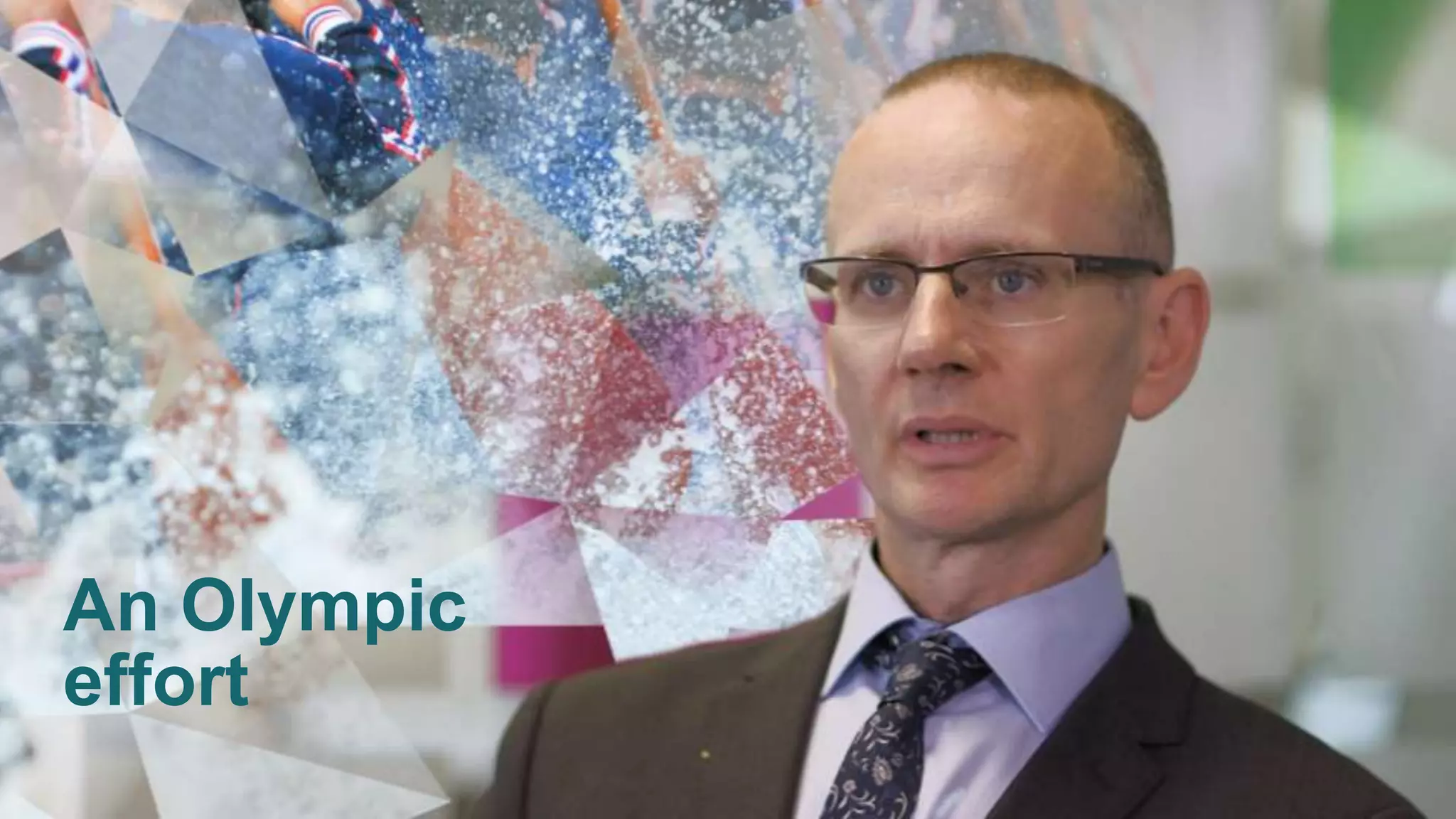
When I look back on our London 2012 work I’m reminded of how we pushed
ourselves to deliver everything better – to be quicker, more agile and efficient
and to do everything at a better quality.
There are a few basic approaches we adopted for the Games that I believe
we can use to deliver future London infrastructure projects to an ‘Olympic
gold’ standard:
• Invest time upfront
• Build common ground
• Use our experts
• Make the silos disappear
• Be adaptable
• Engage hearts and minds
At Atkins alone we invested more than a thousand years of our
experts’ time in delivering the Games. Imagine the difference we could
make if we put all of that expertise and effort into solving London’s
housing crisis. Read more…
- Mike McNicholas, Director for London
5
Avoiding white
elephants
Avoiding white elephants
Delivering new homes and jobs, and ensuring that the benefits were felt well
beyond the park boundaries, was integral to London 2012 being seen as a
successful games.
From observing the evolution of the Queen Elizabeth Park and surrounding
neighbourhoods then, we learnt three clear lessons:
• Look outside the boundaries to existing communities that need to be
considered and integrated
• Create flexible frameworks, not rigid plans
• Rethink traditional separation of land uses to deliver more mixed
communities which allow people to work and live in closer proximity
Atkins are now using these lessons to inform the development of the
next major regeneration projects across London, such as Old Oak
Common and Park Royal. Read more…
- Paul Reynolds, Design Principle
7
Inspiring
London’s future
engineers
Inspiring London’s
future engineers
The London 2012 Olympics set a new engineering standard, both in the UK
and internationally. It was also a fantastic opportunity to inspire and engage
young people with engineering.
Since the Games Atkins have been able to capture that excitement and set up
our Pathways to Engineering programme. This provides work experience,
training and support for young people across East London who otherwise may
not have thought of engineering as a viable career option.
With so many exciting and large-scale projects taking shape across
the country we must continue to share the possibilities of engineering
with a young audience, helping them see what a difference
engineering can make to the world. Read more…
- Liam Harrison, Market Director
19 August 2016 9
The 2+2=6 effect
The 2+2=6 effect
I thought the scale of the Olympics project wouldn’t be repeated, however,
four years on I find myself working on the Thames Tideway Tunnel, the UK
water industry’s largest infrastructure project to date.
Many of our skills put to the test in the run up to London 2012 will be drawn
upon while working on the Thames project. In particular, we’re once again
working closely with partner organisations to achieve the same objectives.
This collaboration was key during the Olympics and will be equally as
important to the success of the Thames Tideway Tunnel.
What’s particularly pleasing is that Tideway gives young professionals
their own opportunity to work on a scheme that will change the
landscape of London, forever, and for better. Read more…
- Ben Kirk, Business Development Director
11
The green effect
The green effect
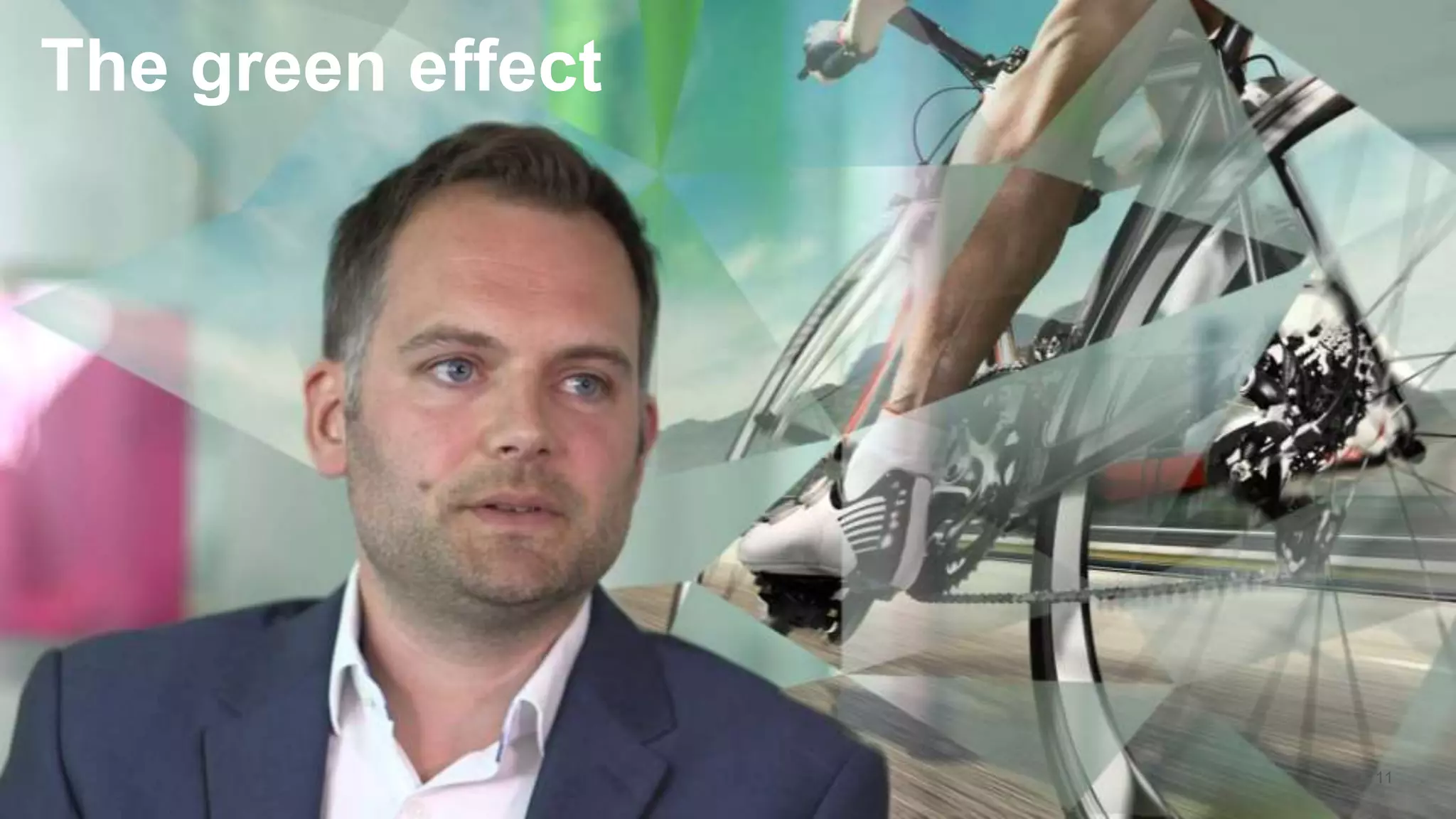
Green infrastructure (GI) is an essential element to the success of large
scale infrastructure projects. Not only does it ensure a development
enhances the area’s environmental health, it plays a huge role in how end
users engage with the new infrastructure.
Without GI in place throughout the Queen Elizabeth Olympic Park the
atmosphere during the London 2012 Olympic Games simply wouldn’t have
been the same and we certainly wouldn’t be seeing the local community
continue to enjoy and actively use the park the way we do today.
For me this is a key legacy of London 2012 and one I’d like to see
replicated across the city. Creating GI that allows an active and
healthier lifestyle for all Londoners is an achievable goal and one we
should all be working together to achieve. Read more…
- Neil Manthorpe, Principle Landscape Architect
Thank you
If you’d like to find out more about
Atkins’ place in London, please visit:
www.atkinsglobal.com/london

Going for gold in London infrastructure

  • 1.
    Going for goldin London infrastructure
  • 2.
    Infrastructure is vitalto London’s future, and there’s no better example of this than the London 2012 Olympics. Here, Atkins’ leading London voices share the lessons they learned from the Games and how these impact their approach to major infrastructure projects in the UK’s capital today. This is our London story…
  • 3.
    19 August 2016 AnOlympic effort
  • 4.
    Going for goldin London infrastructure When I look back on our London 2012 work I’m reminded of how we pushed ourselves to deliver everything better – to be quicker, more agile and efficient and to do everything at a better quality. There are a few basic approaches we adopted for the Games that I believe we can use to deliver future London infrastructure projects to an ‘Olympic gold’ standard: • Invest time upfront • Build common ground • Use our experts • Make the silos disappear • Be adaptable • Engage hearts and minds At Atkins alone we invested more than a thousand years of our experts’ time in delivering the Games. Imagine the difference we could make if we put all of that expertise and effort into solving London’s housing crisis. Read more… - Mike McNicholas, Director for London
  • 5.
  • 6.
    Avoiding white elephants Deliveringnew homes and jobs, and ensuring that the benefits were felt well beyond the park boundaries, was integral to London 2012 being seen as a successful games. From observing the evolution of the Queen Elizabeth Park and surrounding neighbourhoods then, we learnt three clear lessons: • Look outside the boundaries to existing communities that need to be considered and integrated • Create flexible frameworks, not rigid plans • Rethink traditional separation of land uses to deliver more mixed communities which allow people to work and live in closer proximity Atkins are now using these lessons to inform the development of the next major regeneration projects across London, such as Old Oak Common and Park Royal. Read more… - Paul Reynolds, Design Principle
  • 7.
  • 8.
    Inspiring London’s future engineers TheLondon 2012 Olympics set a new engineering standard, both in the UK and internationally. It was also a fantastic opportunity to inspire and engage young people with engineering. Since the Games Atkins have been able to capture that excitement and set up our Pathways to Engineering programme. This provides work experience, training and support for young people across East London who otherwise may not have thought of engineering as a viable career option. With so many exciting and large-scale projects taking shape across the country we must continue to share the possibilities of engineering with a young audience, helping them see what a difference engineering can make to the world. Read more… - Liam Harrison, Market Director
  • 9.
    19 August 20169 The 2+2=6 effect
  • 10.
    The 2+2=6 effect Ithought the scale of the Olympics project wouldn’t be repeated, however, four years on I find myself working on the Thames Tideway Tunnel, the UK water industry’s largest infrastructure project to date. Many of our skills put to the test in the run up to London 2012 will be drawn upon while working on the Thames project. In particular, we’re once again working closely with partner organisations to achieve the same objectives. This collaboration was key during the Olympics and will be equally as important to the success of the Thames Tideway Tunnel. What’s particularly pleasing is that Tideway gives young professionals their own opportunity to work on a scheme that will change the landscape of London, forever, and for better. Read more… - Ben Kirk, Business Development Director
  • 11.
  • 12.
    The green effect Greeninfrastructure (GI) is an essential element to the success of large scale infrastructure projects. Not only does it ensure a development enhances the area’s environmental health, it plays a huge role in how end users engage with the new infrastructure. Without GI in place throughout the Queen Elizabeth Olympic Park the atmosphere during the London 2012 Olympic Games simply wouldn’t have been the same and we certainly wouldn’t be seeing the local community continue to enjoy and actively use the park the way we do today. For me this is a key legacy of London 2012 and one I’d like to see replicated across the city. Creating GI that allows an active and healthier lifestyle for all Londoners is an achievable goal and one we should all be working together to achieve. Read more… - Neil Manthorpe, Principle Landscape Architect
  • 13.
    Thank you If you’dlike to find out more about Atkins’ place in London, please visit: www.atkinsglobal.com/london