Department of Pharmaceutical Sciences and Technology
Birla Institute of Technology Mesra, Ranchi – 835215 (Jharkhand) 2021
GENETIC DISORDERS AND ITS DETECTION USING KARYOTYPING
A project report submitted in partial fulfilment of the requirement for the award of degree Of
BACHELOR OF PHARMACY
BY
Kareena Sinha (BPH/10028/2017)
CONTENTS
1. INTRODUCTION
2. TYPES & CAUSES
3. DOWN SYNDROME
4. KARYOTYPING
5. CONCLUSION
6. REFERENCE
AIMS & OBJECTIVES
The primary goal of this project is to understand the mechanism behind how a
genetic disorder occurs, how it is passed down from parents to their off springs
and what suitable methods are available for the treatment and detection of
genetic disorders.
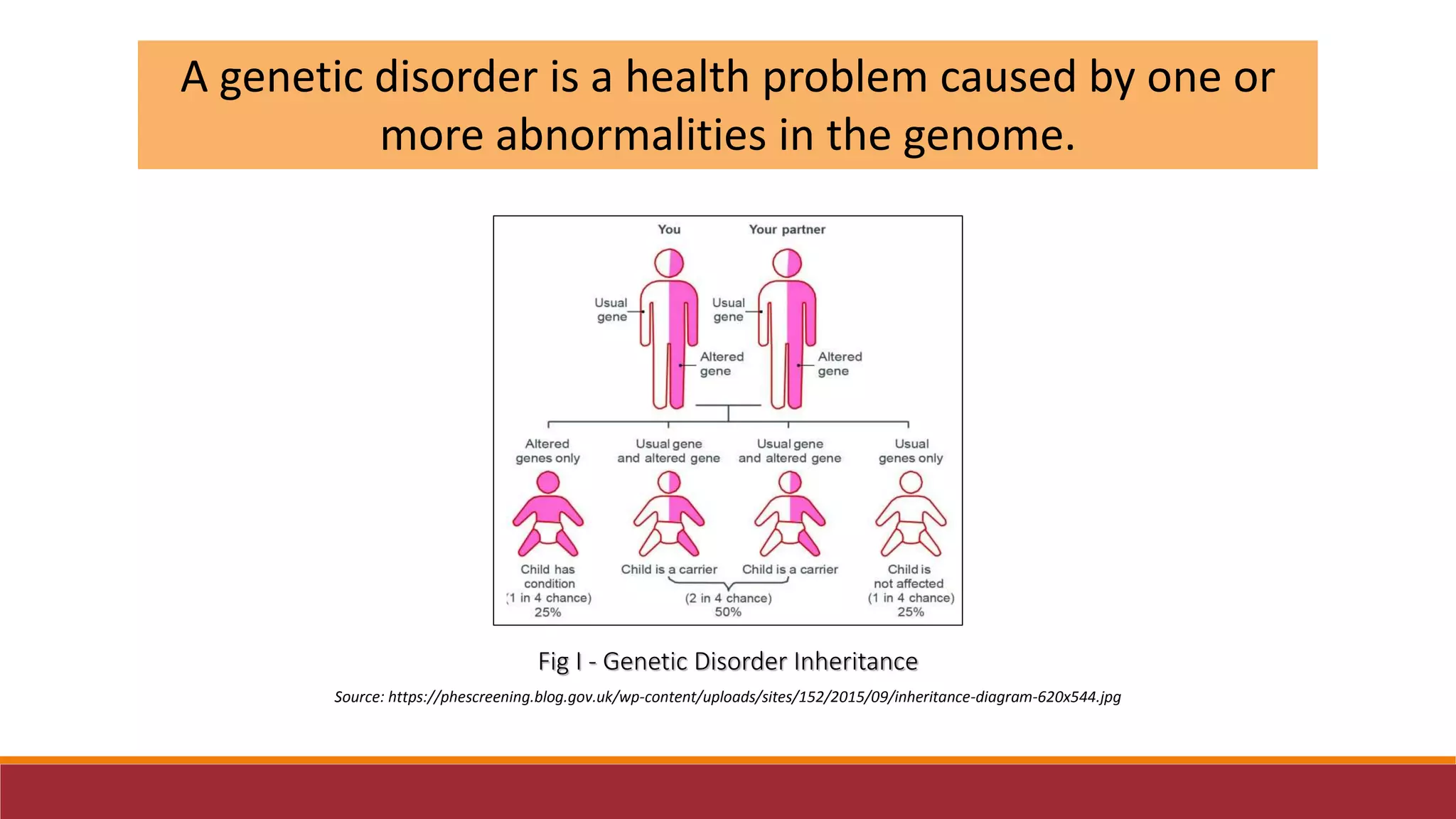
A genetic disorder is a health problem caused by one or
more abnormalities in the genome.
Source: https://phescreening.blog.gov.uk/wp-content/uploads/sites/152/2015/09/inheritance-diagram-620x544.jpg
Fig I - Genetic Disorder Inheritance
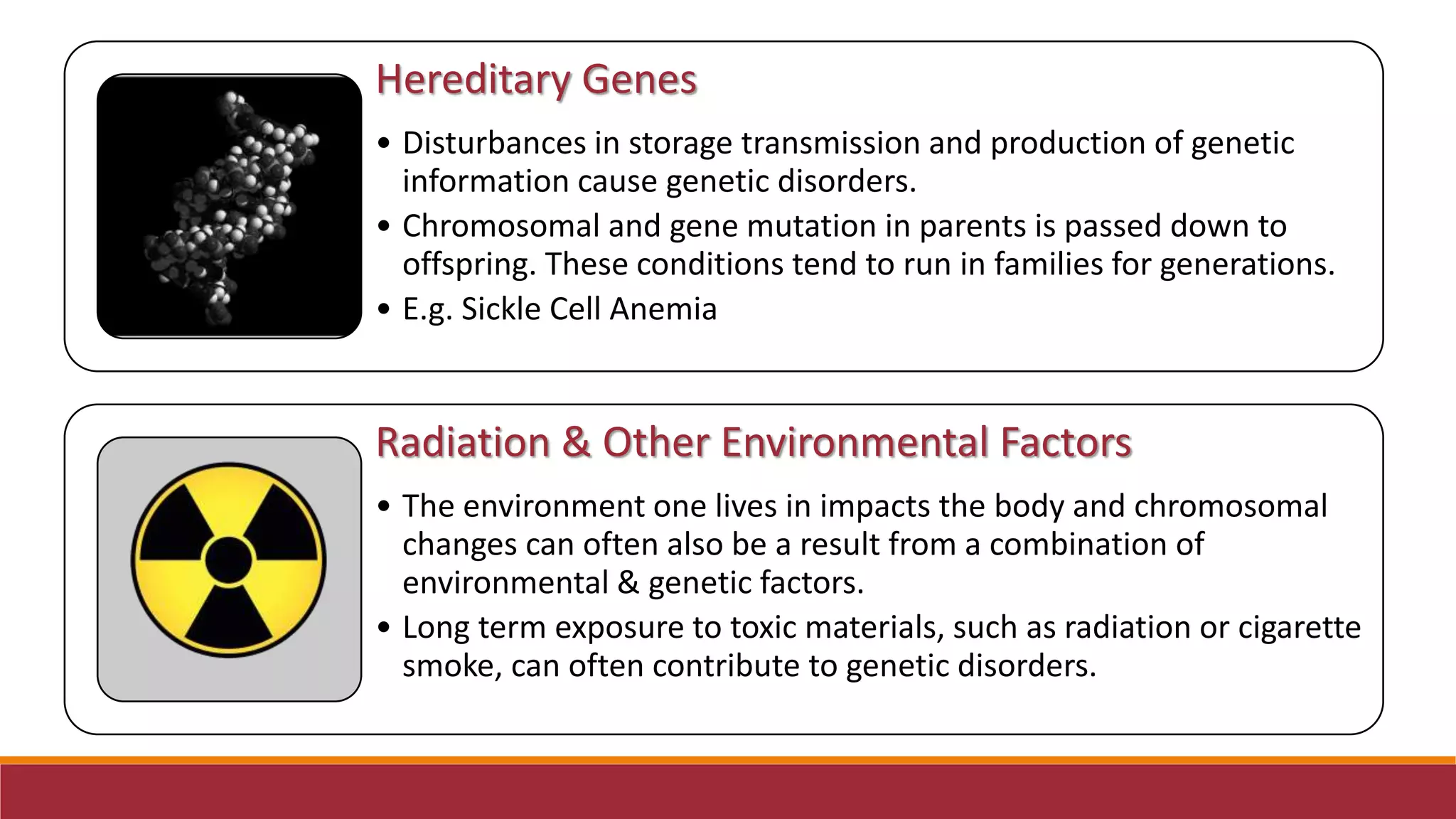
Hereditary Genes
• Disturbances in storage transmission and production of genetic
information cause genetic disorders.
• Chromosomal and gene mutation in parents is passed down to
offspring. These conditions tend to run in families for generations.
• E.g. Sickle Cell Anemia
Radiation & Other Environmental Factors
• The environment one lives in impacts the body and chromosomal
changes can often also be a result from a combination of
environmental & genetic factors.
• Long term exposure to toxic materials, such as radiation or cigarette
smoke, can often contribute to genetic disorders.
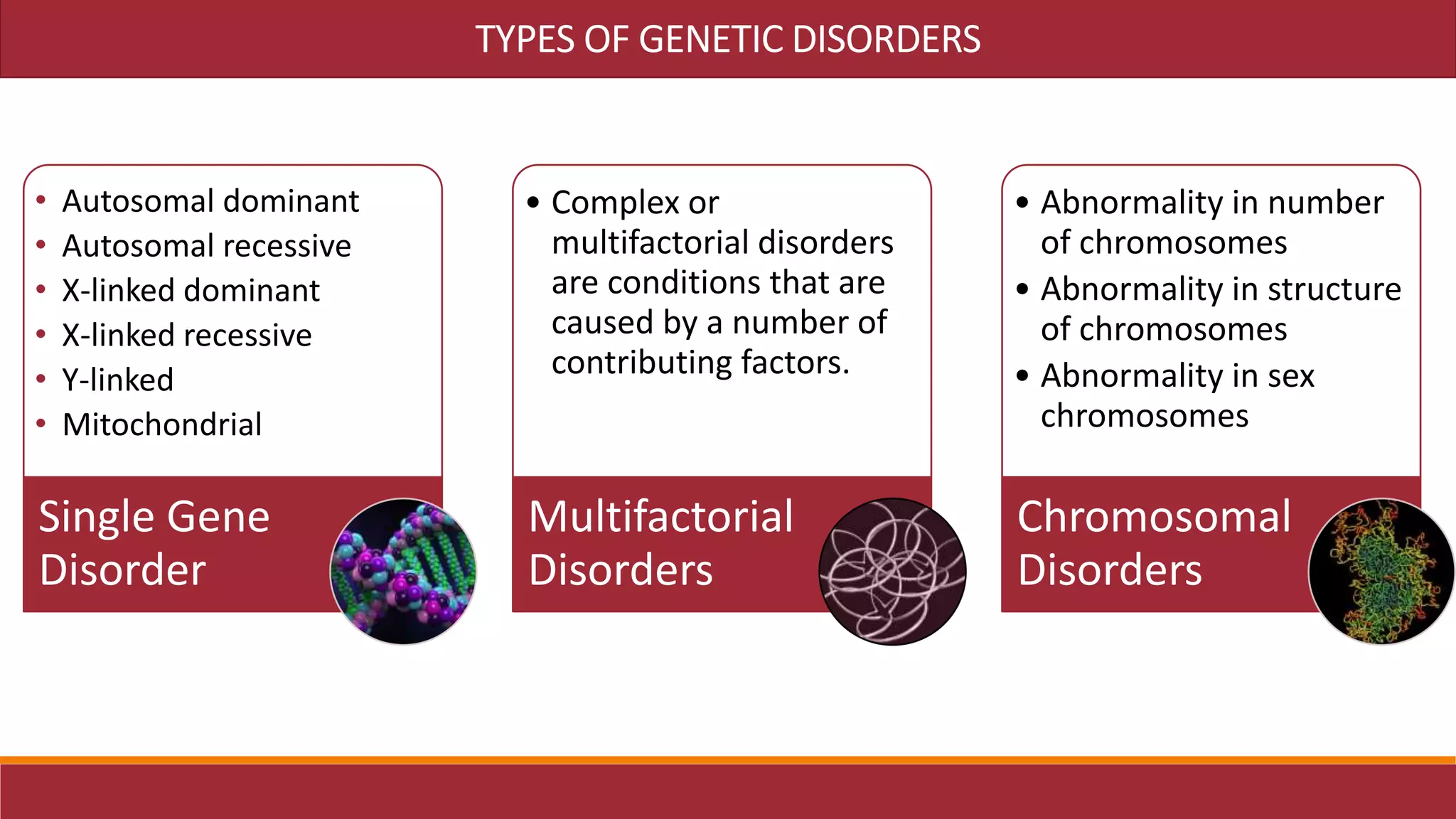
• Autosomal dominant
• Autosomal recessive
• X-linked dominant
• X-linked recessive
• Y-linked
• Mitochondrial
Single Gene
Disorder
• Complex or
multifactorial disorders
are conditions that are
caused by a number of
contributing factors.
Multifactorial
Disorders
• Abnormality in number
of chromosomes
• Abnormality in structure
of chromosomes
• Abnormality in sex
chromosomes
Chromosomal
Disorders
TYPES OF GENETIC DISORDERS
An overview on a chromosomal genetic disorder
Down syndrome or trisomy is a condition named after a British doctor, John Langdon
Down, in which a child is born with an extra copy of the 21st chromosome. This causes
physical and mental developmental delays and disabilities. Many of the disabilities are
lifelong, and they can also shorten life expectancy.
DOWN SYNDROME
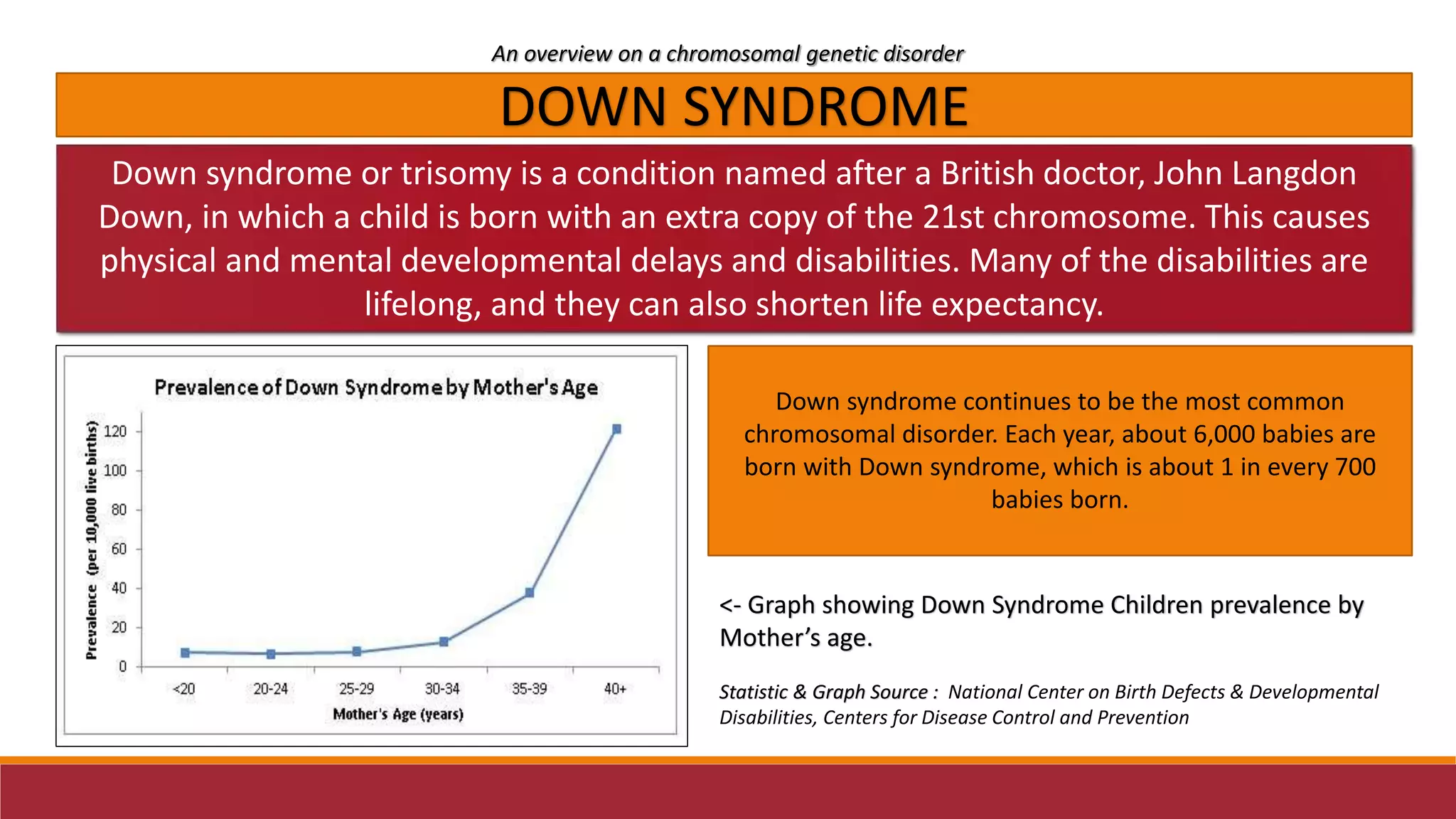
Down syndrome continues to be the most common
chromosomal disorder. Each year, about 6,000 babies are
born with Down syndrome, which is about 1 in every 700
babies born.
<- Graph showing Down Syndrome Children prevalence by
Mother’s age.
Statistic & Graph Source : National Center on Birth Defects & Developmental
Disabilities, Centers for Disease Control and Prevention
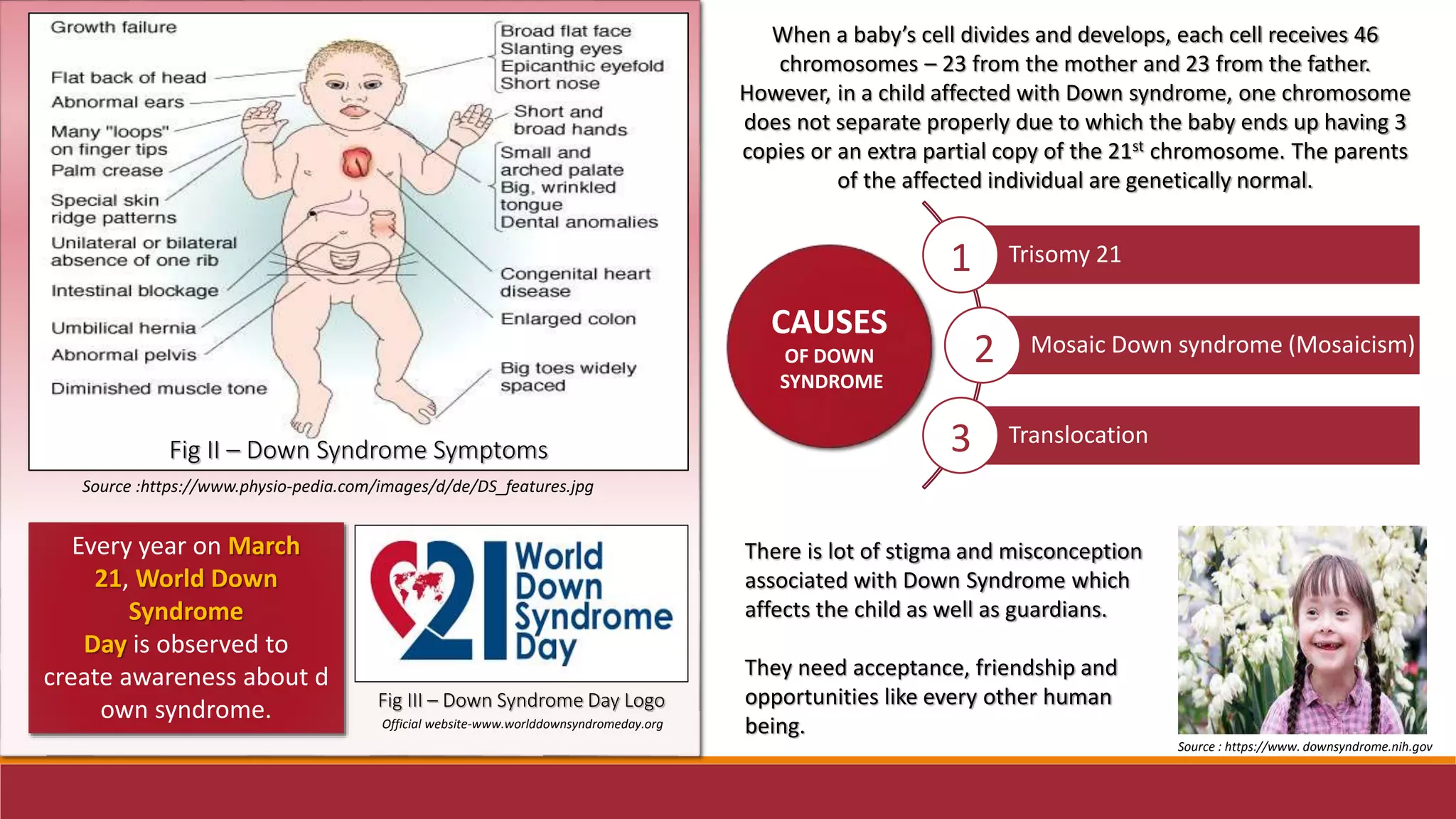
Source :https://www.physio-pedia.com/images/d/de/DS_features.jpg
Fig II – Down Syndrome Symptoms
Every year on March
21, World Down
Syndrome
Day is observed to
create awareness about d
own syndrome. Official website-www.worlddownsyndromeday.org
Fig III – Down Syndrome Day Logo
Trisomy 21
Mosaic Down syndrome (Mosaicism)
Translocation
CAUSES
OF DOWN
SYNDROME
1
2
3
When a baby’s cell divides and develops, each cell receives 46
chromosomes – 23 from the mother and 23 from the father.
However, in a child affected with Down syndrome, one chromosome
does not separate properly due to which the baby ends up having 3
copies or an extra partial copy of the 21st chromosome. The parents
of the affected individual are genetically normal.
There is lot of stigma and misconception
associated with Down Syndrome which
affects the child as well as guardians.
They need acceptance, friendship and
opportunities like every other human
being.
Source : https://www. downsyndrome.nih.gov
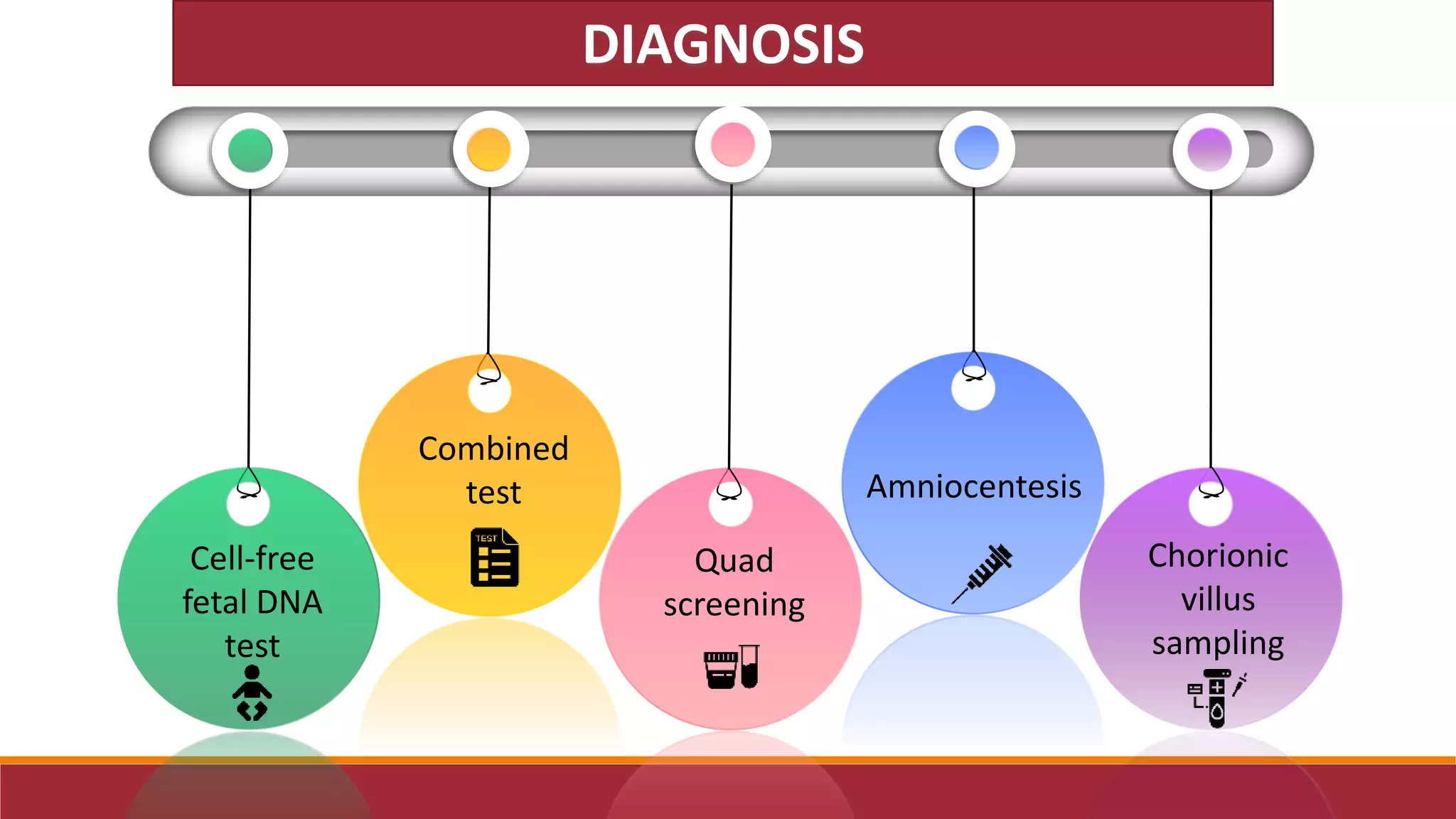
Cell-free
fetal DNA
test
Combined
test
Quad
screening
Amniocentesis
Chorionic
villus
sampling
DIAGNOSIS
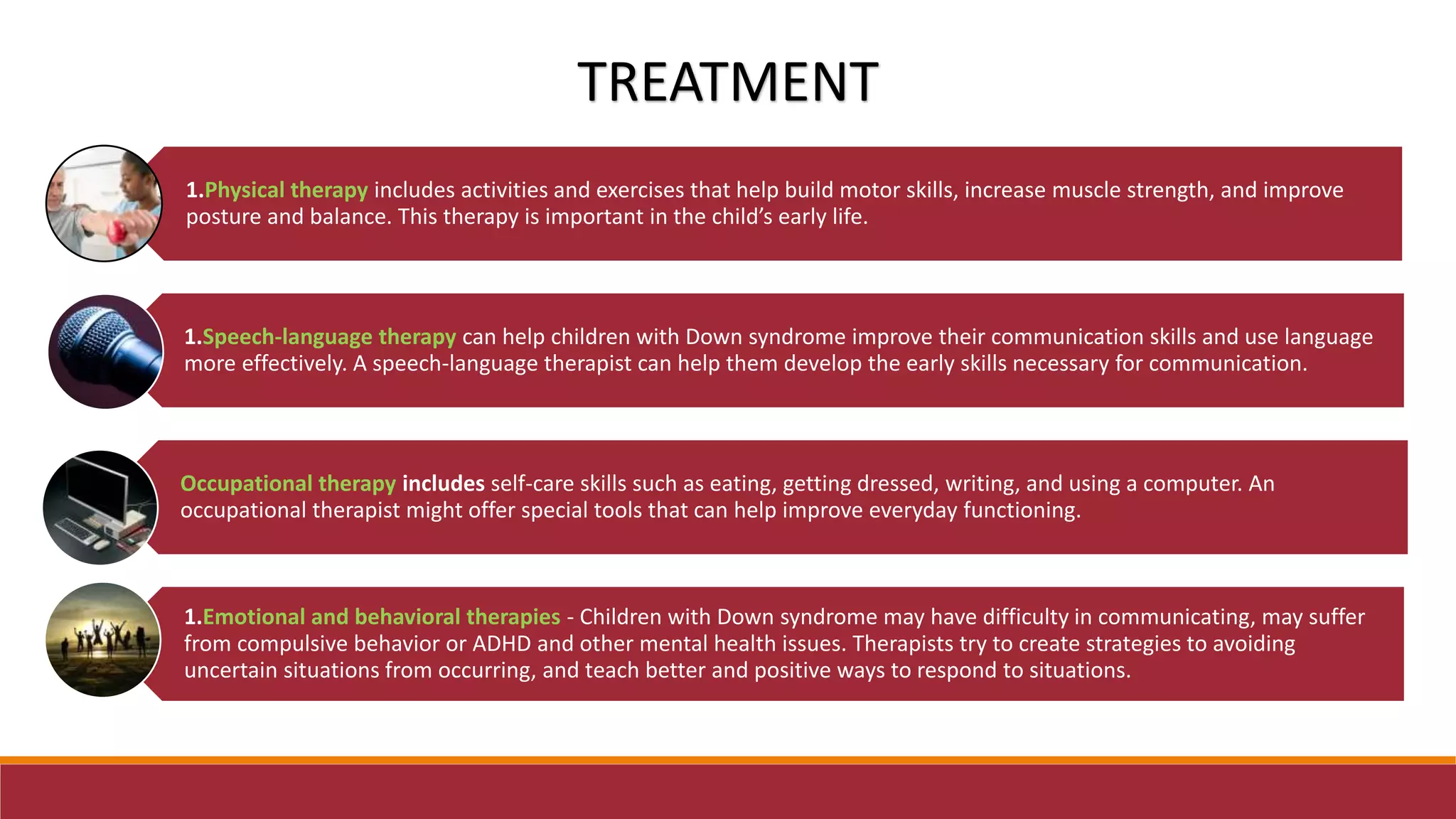
1.Physical therapy includes activities and exercises that help build motor skills, increase muscle strength, and improve
posture and balance. This therapy is important in the child’s early life.
1.Speech-language therapy can help children with Down syndrome improve their communication skills and use language
more effectively. A speech-language therapist can help them develop the early skills necessary for communication.
Occupational therapy includes self-care skills such as eating, getting dressed, writing, and using a computer. An
occupational therapist might offer special tools that can help improve everyday functioning.
1.Emotional and behavioral therapies - Children with Down syndrome may have difficulty in communicating, may suffer
from compulsive behavior or ADHD and other mental health issues. Therapists try to create strategies to avoiding
uncertain situations from occurring, and teach better and positive ways to respond to situations.
TREATMENT
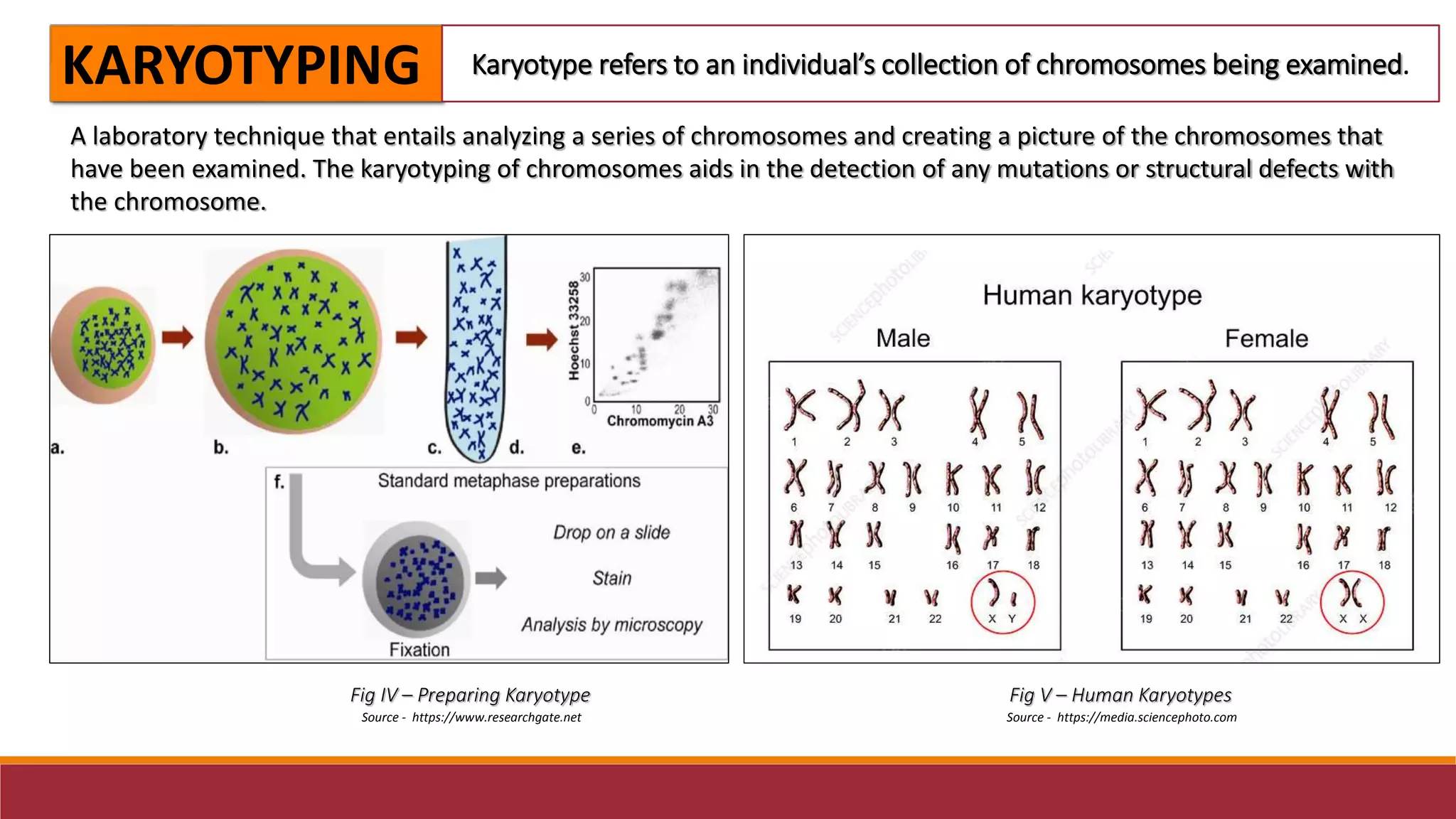
KARYOTYPING Karyotype refers to an individual’s collection of chromosomes being examined.
A laboratory technique that entails analyzing a series of chromosomes and creating a picture of the chromosomes that
have been examined. The karyotyping of chromosomes aids in the detection of any mutations or structural defects with
the chromosome.
Fig IV – Preparing Karyotype
Source - https://www.researchgate.net
Fig V – Human Karyotypes
Source - https://media.sciencephoto.com
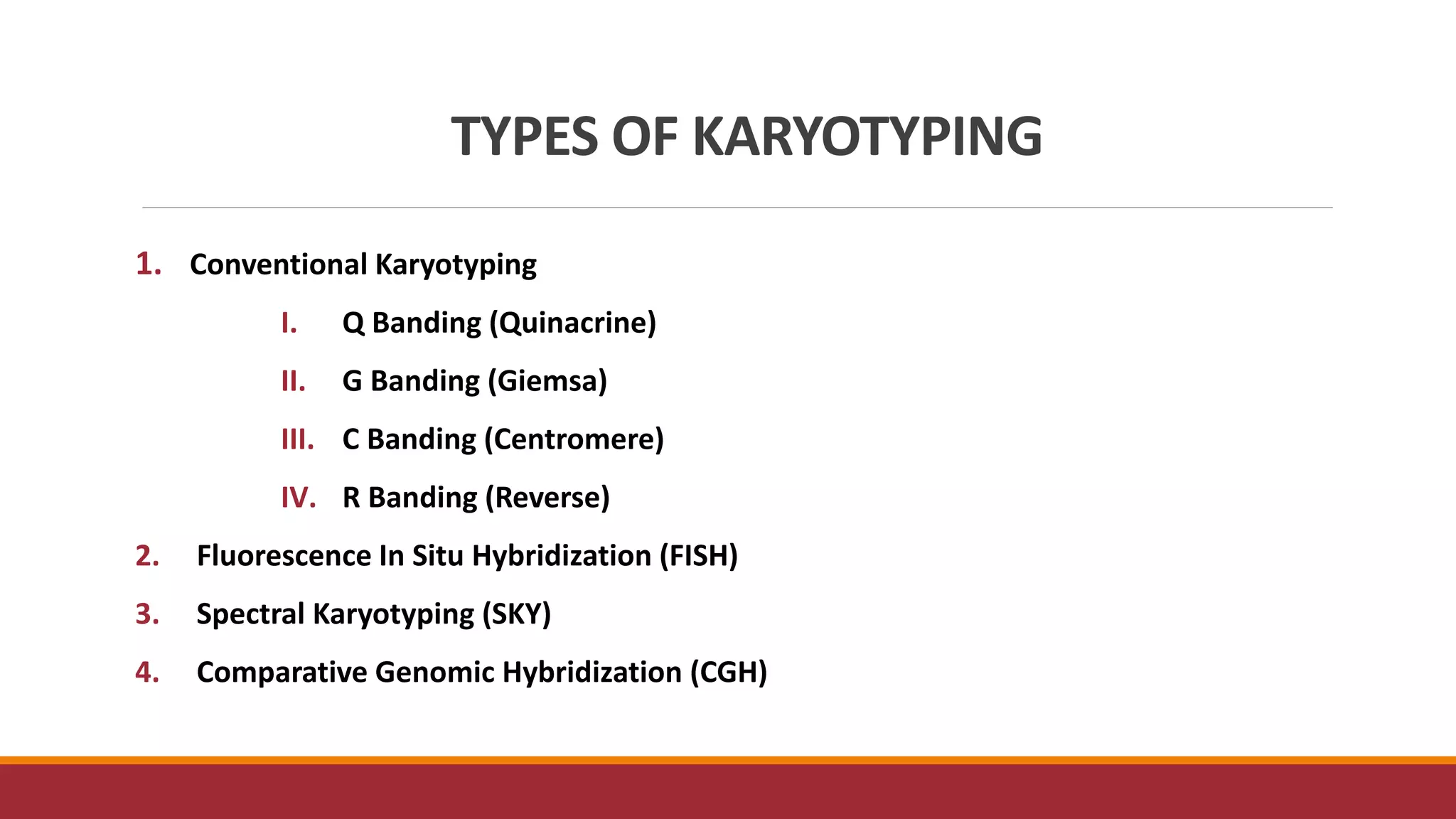
TYPES OF KARYOTYPING
1. Conventional Karyotyping
I. Q Banding (Quinacrine)
II. G Banding (Giemsa)
III. C Banding (Centromere)
IV. R Banding (Reverse)
2. Fluorescence In Situ Hybridization (FISH)
3. Spectral Karyotyping (SKY)
4. Comparative Genomic Hybridization (CGH)
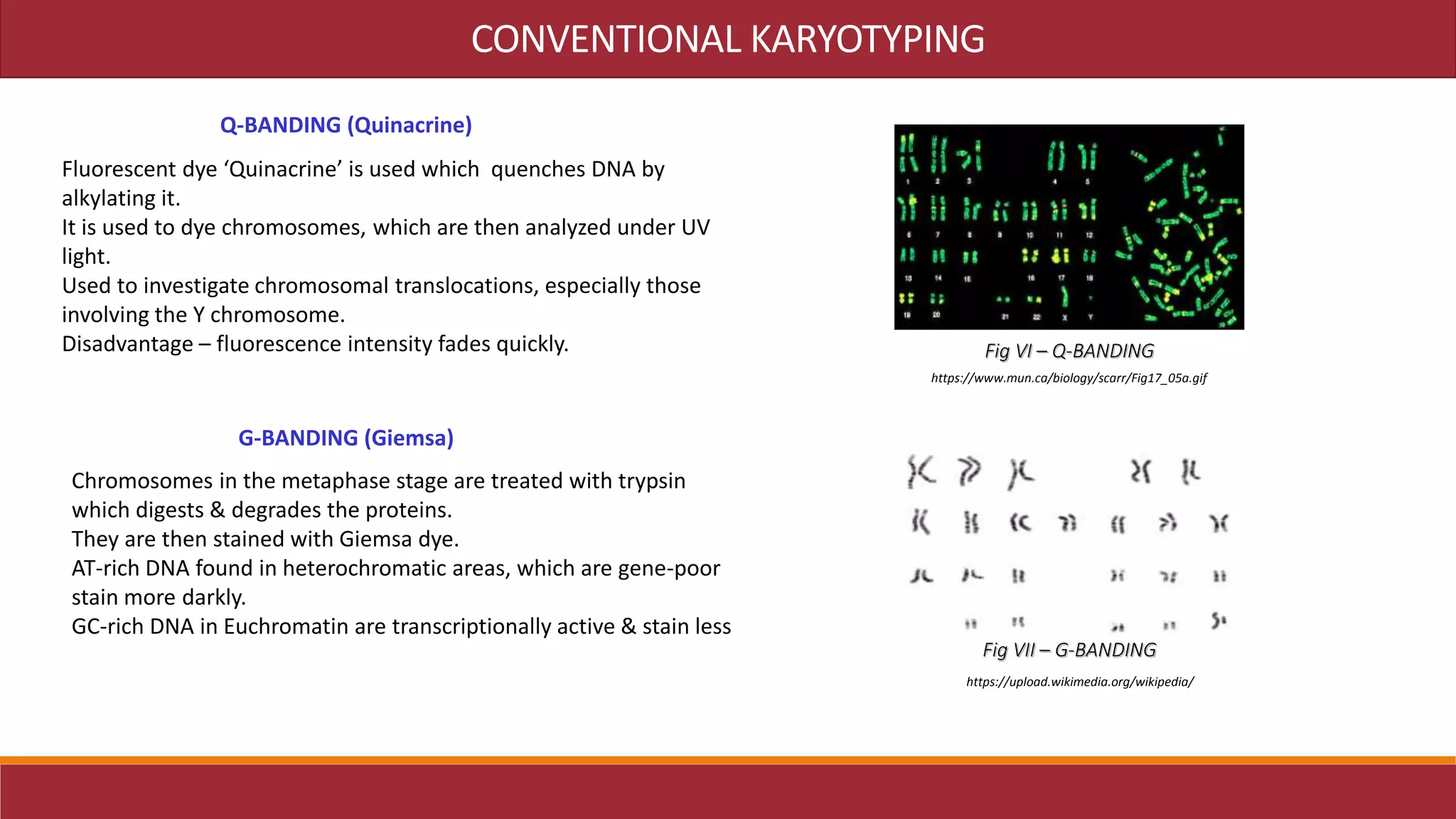
• Fluorescent dye ‘Quinacrine’ is used which quenches DNA by
alkylating it.
• It is used to dye chromosomes, which are then analyzed under UV
light.
• Used to investigate chromosomal translocations, especially those
involving the Y chromosome.
• Disadvantage – fluorescence intensity fades quickly.
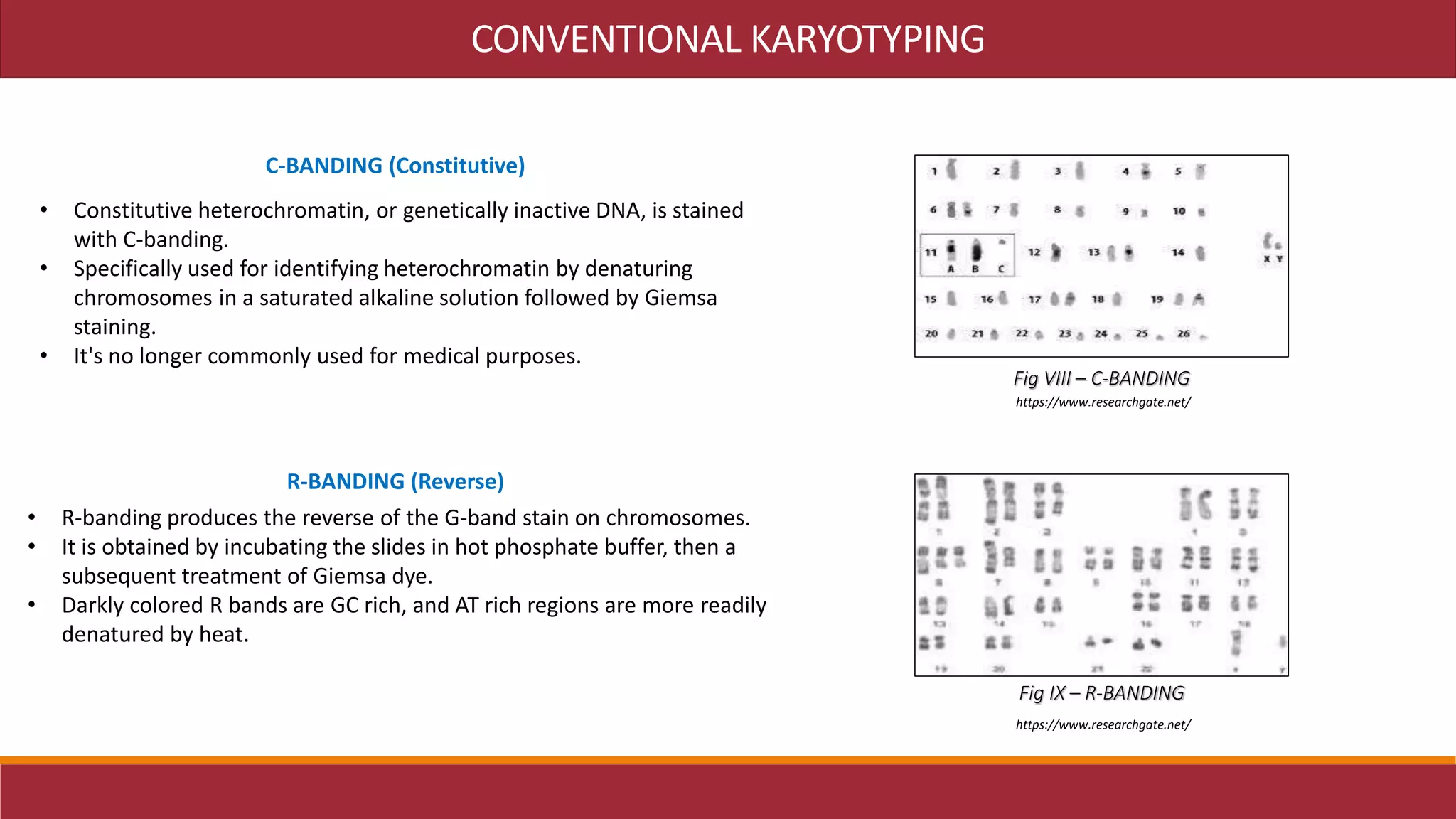
• Chromosomes in the metaphase stage are treated with trypsin
which digests & degrades the proteins.
• They are then stained with Giemsa dye.
• AT-rich DNA found in heterochromatic areas, which are gene-poor
stain more darkly.
• GC-rich DNA in Euchromatin are transcriptionally active & stain less
Q-BANDING (Quinacrine)
G-BANDING (Giemsa)
CONVENTIONAL KARYOTYPING
https://www.mun.ca/biology/scarr/Fig17_05a.gif
https://upload.wikimedia.org/wikipedia/
Fig VI – Q-BANDING
Fig VII – G-BANDING
• Constitutive heterochromatin, or genetically inactive DNA, is stained
with C-banding.
• Specifically used for identifying heterochromatin by denaturing
chromosomes in a saturated alkaline solution followed by Giemsa
staining.
• It's no longer commonly used for medical purposes.
• R-banding produces the reverse of the G-band stain on chromosomes.
• It is obtained by incubating the slides in hot phosphate buffer, then a
subsequent treatment of Giemsa dye.
• Darkly colored R bands are GC rich, and AT rich regions are more readily
denatured by heat.
C-BANDING (Constitutive)
R-BANDING (Reverse)
CONVENTIONAL KARYOTYPING
https://www.researchgate.net/
Fig VIII – C-BANDING
Fig IX – R-BANDING
15
FLUORESCENCE IN SITU HYBRIDIZATION
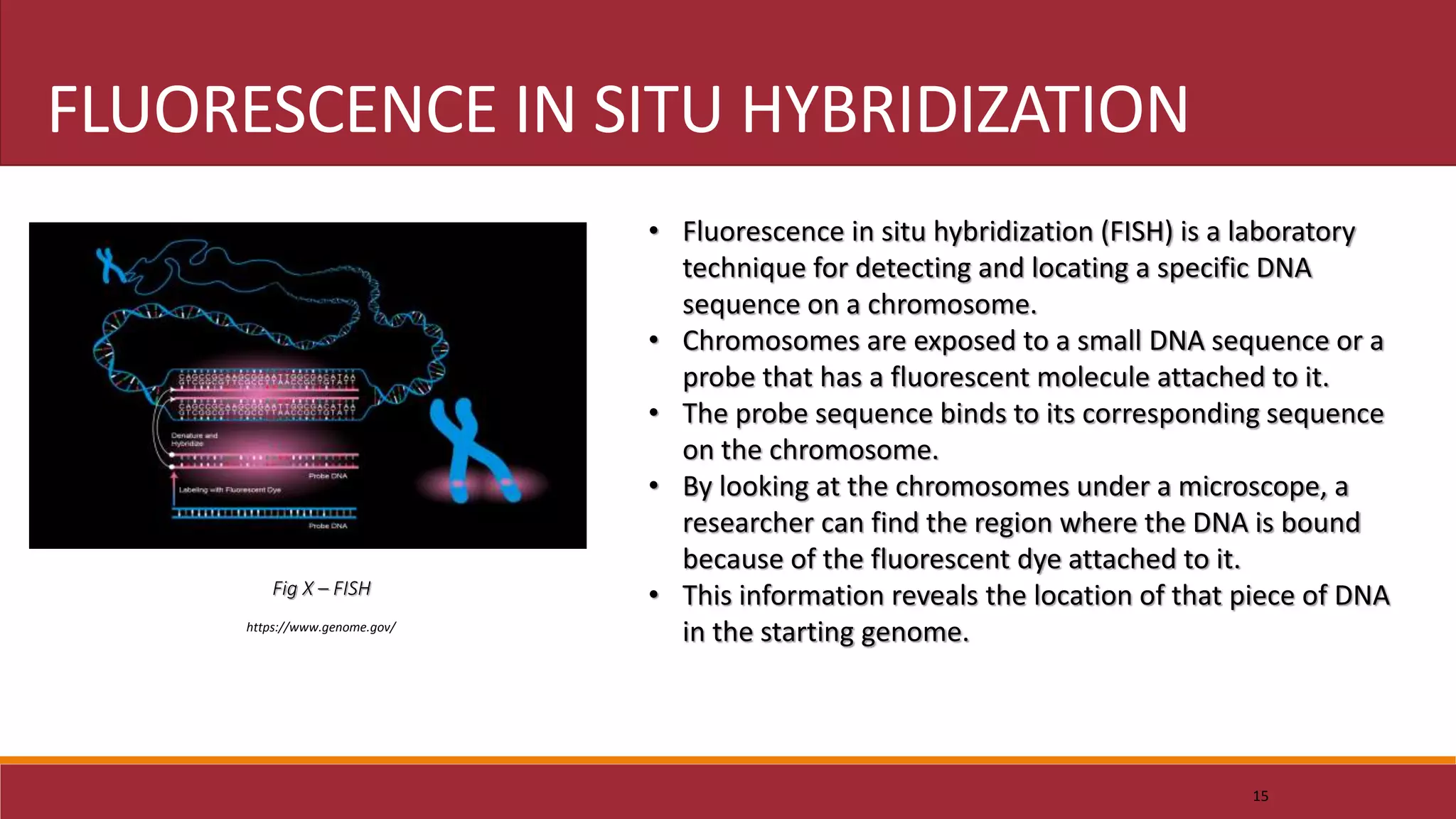
• Fluorescence in situ hybridization (FISH) is a laboratory
technique for detecting and locating a specific DNA
sequence on a chromosome.
• Chromosomes are exposed to a small DNA sequence or a
probe that has a fluorescent molecule attached to it.
• The probe sequence binds to its corresponding sequence
on the chromosome.
• By looking at the chromosomes under a microscope, a
researcher can find the region where the DNA is bound
because of the fluorescent dye attached to it.
• This information reveals the location of that piece of DNA
in the starting genome.
Fig X – FISH
https://www.genome.gov/
16
SPECTRAL KARYOTYPING
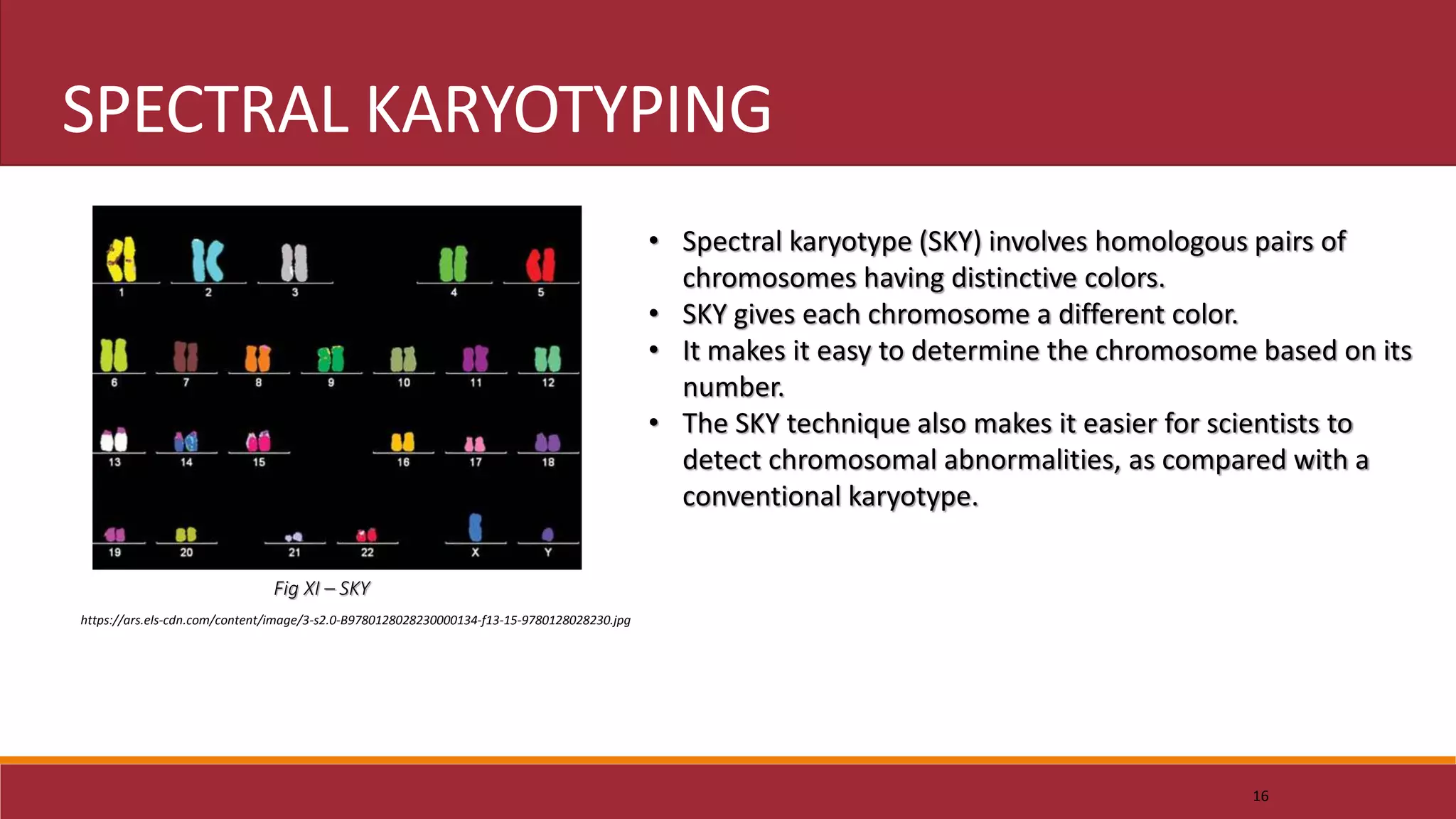
• Spectral karyotype (SKY) involves homologous pairs of
chromosomes having distinctive colors.
• SKY gives each chromosome a different color.
• It makes it easy to determine the chromosome based on its
number.
• The SKY technique also makes it easier for scientists to
detect chromosomal abnormalities, as compared with a
conventional karyotype.
Fig XI – SKY
https://ars.els-cdn.com/content/image/3-s2.0-B9780128028230000134-f13-15-9780128028230.jpg
17
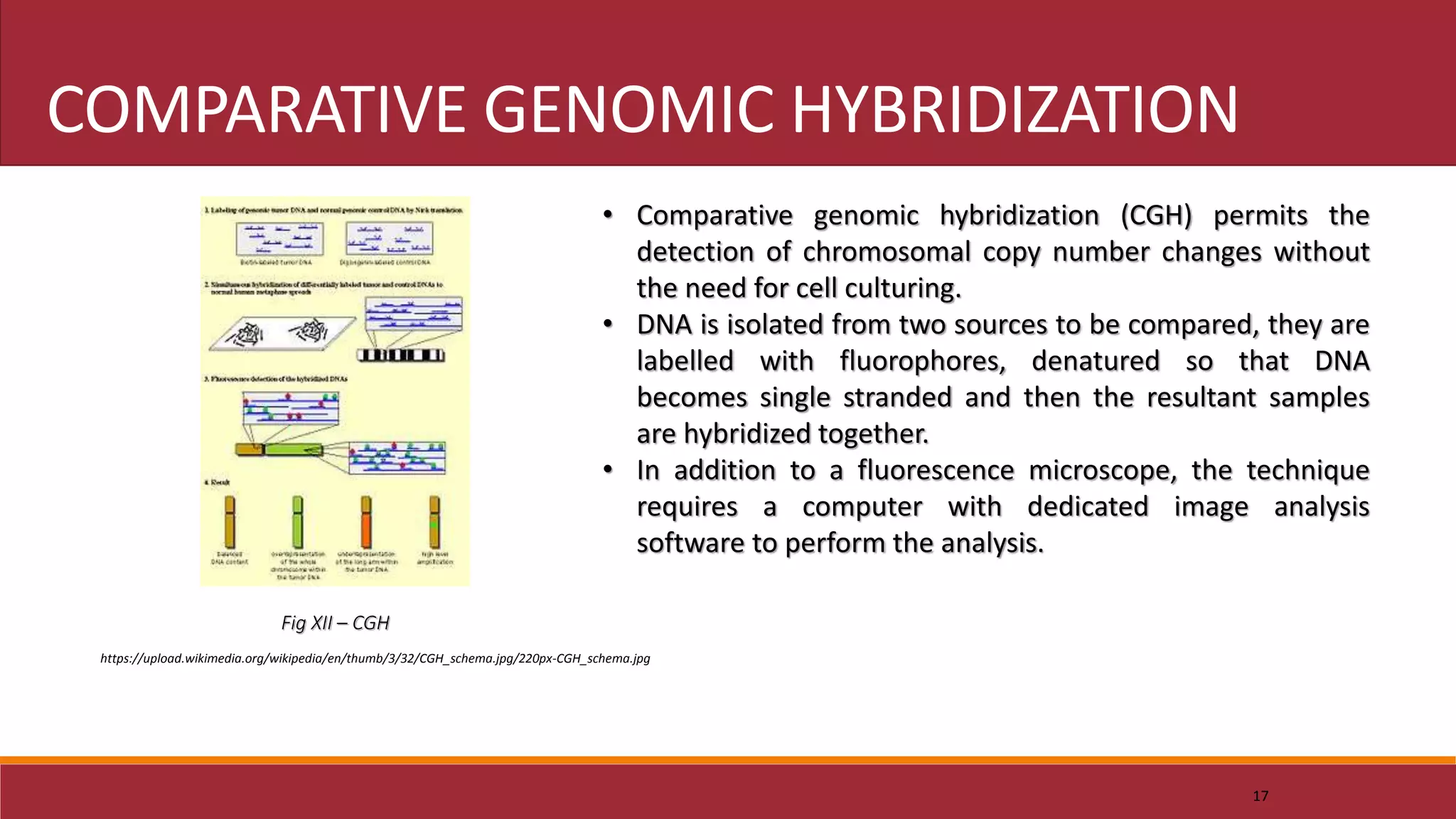
COMPARATIVE GENOMIC HYBRIDIZATION
• Comparative genomic hybridization (CGH) permits the
detection of chromosomal copy number changes without
the need for cell culturing.
• DNA is isolated from two sources to be compared, they are
labelled with fluorophores, denatured so that DNA
becomes single stranded and then the resultant samples
are hybridized together.
• In addition to a fluorescence microscope, the technique
requires a computer with dedicated image analysis
software to perform the analysis.
Fig XII – CGH
https://upload.wikimedia.org/wikipedia/en/thumb/3/32/CGH_schema.jpg/220px-CGH_schema.jpg
CONCLUSION
Genetics is a branch of biology that studies the transfer of inherited traits from one
generation to the next. It is a field of science that has the ability to lead to several
new studies that will aid in the treatment, cure, and prevention of genetic
disorders. Genetic testing is an effective method for detecting mutations in a
person's genes. In the field of molecular cytogenetics, new diagnostic methods are
constantly being developed. As these new technologies are implemented in the
clinic, we should expect cytogeneticists to be able to make the leap from
karyotype to gene with increasing efficiency. My conclusion from this reserach is
that genetic disorders may not be curable but early detection and awareness of
the disease can help us in the long run in fighting it.
REFERENCE
1. O'Connor, Timothy P., and Ronald G. Crystal. "Genetic medicines: treatment strategies for hereditary disorders."
Nature Reviews Genetics 7.4 (2006): 261-276.
2. O'Connor, C. (2008) Karyotyping for chromosomal abnormalities. Nature Education 1(1):27
3. Trask, B .J. Human cytogenetics: 46 chromosomes, 46 years and counting. Nature Reviews Genetics 3, 769–778 (2002)
4. Down Syndrome: Prenatal Risk Assessment and Diagnosis - DAVID S. NEWBERGER, M.D., State University of New York
at Buffalo, Buffalo, New York Am Fam Physician. 2000 Aug 15;62(4):825-832.
5. National Human Genome Research Institute - https://www.genome.gov/GeneticDisorders/Down-Syndrome
6. Webmd.com – Understanding down syndrome
7. Britannica, The Editors of Encyclopedia. "Genetic testing". Encyclopedia Britannica, 29 Nov. 2018.
8. Caspersson, T., Zech, L., & Johansson, J. Differential banding of alkylating fluorochromes in human chromosomes.
Experimental Cell Research 60, 315–319 (1970) doi:10.1016/0014-4827(70)90523-9

Genetic disorders & its detection using Karyotyping

  • 1.
    Department of PharmaceuticalSciences and Technology Birla Institute of Technology Mesra, Ranchi – 835215 (Jharkhand) 2021 GENETIC DISORDERS AND ITS DETECTION USING KARYOTYPING A project report submitted in partial fulfilment of the requirement for the award of degree Of BACHELOR OF PHARMACY BY Kareena Sinha (BPH/10028/2017)
  • 2.
    CONTENTS 1. INTRODUCTION 2. TYPES& CAUSES 3. DOWN SYNDROME 4. KARYOTYPING 5. CONCLUSION 6. REFERENCE
  • 3.
    AIMS & OBJECTIVES Theprimary goal of this project is to understand the mechanism behind how a genetic disorder occurs, how it is passed down from parents to their off springs and what suitable methods are available for the treatment and detection of genetic disorders.
  • 4.
    A genetic disorderis a health problem caused by one or more abnormalities in the genome. Source: https://phescreening.blog.gov.uk/wp-content/uploads/sites/152/2015/09/inheritance-diagram-620x544.jpg Fig I - Genetic Disorder Inheritance
  • 5.
    Hereditary Genes • Disturbancesin storage transmission and production of genetic information cause genetic disorders. • Chromosomal and gene mutation in parents is passed down to offspring. These conditions tend to run in families for generations. • E.g. Sickle Cell Anemia Radiation & Other Environmental Factors • The environment one lives in impacts the body and chromosomal changes can often also be a result from a combination of environmental & genetic factors. • Long term exposure to toxic materials, such as radiation or cigarette smoke, can often contribute to genetic disorders.
  • 6.
    • Autosomal dominant •Autosomal recessive • X-linked dominant • X-linked recessive • Y-linked • Mitochondrial Single Gene Disorder • Complex or multifactorial disorders are conditions that are caused by a number of contributing factors. Multifactorial Disorders • Abnormality in number of chromosomes • Abnormality in structure of chromosomes • Abnormality in sex chromosomes Chromosomal Disorders TYPES OF GENETIC DISORDERS
  • 7.
    An overview ona chromosomal genetic disorder Down syndrome or trisomy is a condition named after a British doctor, John Langdon Down, in which a child is born with an extra copy of the 21st chromosome. This causes physical and mental developmental delays and disabilities. Many of the disabilities are lifelong, and they can also shorten life expectancy. DOWN SYNDROME Down syndrome continues to be the most common chromosomal disorder. Each year, about 6,000 babies are born with Down syndrome, which is about 1 in every 700 babies born. <- Graph showing Down Syndrome Children prevalence by Mother’s age. Statistic & Graph Source : National Center on Birth Defects & Developmental Disabilities, Centers for Disease Control and Prevention
  • 8.
    Source :https://www.physio-pedia.com/images/d/de/DS_features.jpg Fig II– Down Syndrome Symptoms Every year on March 21, World Down Syndrome Day is observed to create awareness about d own syndrome. Official website-www.worlddownsyndromeday.org Fig III – Down Syndrome Day Logo Trisomy 21 Mosaic Down syndrome (Mosaicism) Translocation CAUSES OF DOWN SYNDROME 1 2 3 When a baby’s cell divides and develops, each cell receives 46 chromosomes – 23 from the mother and 23 from the father. However, in a child affected with Down syndrome, one chromosome does not separate properly due to which the baby ends up having 3 copies or an extra partial copy of the 21st chromosome. The parents of the affected individual are genetically normal. There is lot of stigma and misconception associated with Down Syndrome which affects the child as well as guardians. They need acceptance, friendship and opportunities like every other human being. Source : https://www. downsyndrome.nih.gov
  • 9.
  • 10.
    1.Physical therapy includesactivities and exercises that help build motor skills, increase muscle strength, and improve posture and balance. This therapy is important in the child’s early life. 1.Speech-language therapy can help children with Down syndrome improve their communication skills and use language more effectively. A speech-language therapist can help them develop the early skills necessary for communication. Occupational therapy includes self-care skills such as eating, getting dressed, writing, and using a computer. An occupational therapist might offer special tools that can help improve everyday functioning. 1.Emotional and behavioral therapies - Children with Down syndrome may have difficulty in communicating, may suffer from compulsive behavior or ADHD and other mental health issues. Therapists try to create strategies to avoiding uncertain situations from occurring, and teach better and positive ways to respond to situations. TREATMENT
  • 11.
    KARYOTYPING Karyotype refersto an individual’s collection of chromosomes being examined. A laboratory technique that entails analyzing a series of chromosomes and creating a picture of the chromosomes that have been examined. The karyotyping of chromosomes aids in the detection of any mutations or structural defects with the chromosome. Fig IV – Preparing Karyotype Source - https://www.researchgate.net Fig V – Human Karyotypes Source - https://media.sciencephoto.com
  • 12.
    TYPES OF KARYOTYPING 1.Conventional Karyotyping I. Q Banding (Quinacrine) II. G Banding (Giemsa) III. C Banding (Centromere) IV. R Banding (Reverse) 2. Fluorescence In Situ Hybridization (FISH) 3. Spectral Karyotyping (SKY) 4. Comparative Genomic Hybridization (CGH)
  • 13.
    • Fluorescent dye‘Quinacrine’ is used which quenches DNA by alkylating it. • It is used to dye chromosomes, which are then analyzed under UV light. • Used to investigate chromosomal translocations, especially those involving the Y chromosome. • Disadvantage – fluorescence intensity fades quickly. • Chromosomes in the metaphase stage are treated with trypsin which digests & degrades the proteins. • They are then stained with Giemsa dye. • AT-rich DNA found in heterochromatic areas, which are gene-poor stain more darkly. • GC-rich DNA in Euchromatin are transcriptionally active & stain less Q-BANDING (Quinacrine) G-BANDING (Giemsa) CONVENTIONAL KARYOTYPING https://www.mun.ca/biology/scarr/Fig17_05a.gif https://upload.wikimedia.org/wikipedia/ Fig VI – Q-BANDING Fig VII – G-BANDING
  • 14.
    • Constitutive heterochromatin,or genetically inactive DNA, is stained with C-banding. • Specifically used for identifying heterochromatin by denaturing chromosomes in a saturated alkaline solution followed by Giemsa staining. • It's no longer commonly used for medical purposes. • R-banding produces the reverse of the G-band stain on chromosomes. • It is obtained by incubating the slides in hot phosphate buffer, then a subsequent treatment of Giemsa dye. • Darkly colored R bands are GC rich, and AT rich regions are more readily denatured by heat. C-BANDING (Constitutive) R-BANDING (Reverse) CONVENTIONAL KARYOTYPING https://www.researchgate.net/ https://www.researchgate.net/ Fig VIII – C-BANDING Fig IX – R-BANDING
  • 15.
    15 FLUORESCENCE IN SITUHYBRIDIZATION • Fluorescence in situ hybridization (FISH) is a laboratory technique for detecting and locating a specific DNA sequence on a chromosome. • Chromosomes are exposed to a small DNA sequence or a probe that has a fluorescent molecule attached to it. • The probe sequence binds to its corresponding sequence on the chromosome. • By looking at the chromosomes under a microscope, a researcher can find the region where the DNA is bound because of the fluorescent dye attached to it. • This information reveals the location of that piece of DNA in the starting genome. Fig X – FISH https://www.genome.gov/
  • 16.
    16 SPECTRAL KARYOTYPING • Spectralkaryotype (SKY) involves homologous pairs of chromosomes having distinctive colors. • SKY gives each chromosome a different color. • It makes it easy to determine the chromosome based on its number. • The SKY technique also makes it easier for scientists to detect chromosomal abnormalities, as compared with a conventional karyotype. Fig XI – SKY https://ars.els-cdn.com/content/image/3-s2.0-B9780128028230000134-f13-15-9780128028230.jpg
  • 17.
    17 COMPARATIVE GENOMIC HYBRIDIZATION •Comparative genomic hybridization (CGH) permits the detection of chromosomal copy number changes without the need for cell culturing. • DNA is isolated from two sources to be compared, they are labelled with fluorophores, denatured so that DNA becomes single stranded and then the resultant samples are hybridized together. • In addition to a fluorescence microscope, the technique requires a computer with dedicated image analysis software to perform the analysis. Fig XII – CGH https://upload.wikimedia.org/wikipedia/en/thumb/3/32/CGH_schema.jpg/220px-CGH_schema.jpg
  • 18.
    CONCLUSION Genetics is abranch of biology that studies the transfer of inherited traits from one generation to the next. It is a field of science that has the ability to lead to several new studies that will aid in the treatment, cure, and prevention of genetic disorders. Genetic testing is an effective method for detecting mutations in a person's genes. In the field of molecular cytogenetics, new diagnostic methods are constantly being developed. As these new technologies are implemented in the clinic, we should expect cytogeneticists to be able to make the leap from karyotype to gene with increasing efficiency. My conclusion from this reserach is that genetic disorders may not be curable but early detection and awareness of the disease can help us in the long run in fighting it.
  • 19.
    REFERENCE 1. O'Connor, TimothyP., and Ronald G. Crystal. "Genetic medicines: treatment strategies for hereditary disorders." Nature Reviews Genetics 7.4 (2006): 261-276. 2. O'Connor, C. (2008) Karyotyping for chromosomal abnormalities. Nature Education 1(1):27 3. Trask, B .J. Human cytogenetics: 46 chromosomes, 46 years and counting. Nature Reviews Genetics 3, 769–778 (2002) 4. Down Syndrome: Prenatal Risk Assessment and Diagnosis - DAVID S. NEWBERGER, M.D., State University of New York at Buffalo, Buffalo, New York Am Fam Physician. 2000 Aug 15;62(4):825-832. 5. National Human Genome Research Institute - https://www.genome.gov/GeneticDisorders/Down-Syndrome 6. Webmd.com – Understanding down syndrome 7. Britannica, The Editors of Encyclopedia. "Genetic testing". Encyclopedia Britannica, 29 Nov. 2018. 8. Caspersson, T., Zech, L., & Johansson, J. Differential banding of alkylating fluorochromes in human chromosomes. Experimental Cell Research 60, 315–319 (1970) doi:10.1016/0014-4827(70)90523-9