 Gender   is not wholly biological but refers to
  a socially constructed set of behaviour
  patterns
 Your sex, whether you are male or female, is
  biologically determined.
 However, femininity/masculinity are
  culturally determined and a matter of choice
  – they refer to patterns of behaviour and
  qualities that we normally associate with
  being female or being male.
 Tofamiliarise ourselves with common
 representations of each gender


 Tolook at how these representations are
 constructed through micro and macro
 elements
 As we grow up, we ‘learn’ what is expected in
  terms of our gender identity from a range of
  sources: parents, school, books, the media, peer
  pressure…
 The power to conform is so strong in us that we
  tend to copy the gender models we see. Thus, by
  the time we have stared school, most of us have
  ‘learnt’ how to be masculine or feminine as our
  culture defines it.
 Think about the way girls are often dressed in
  pink and bought ‘domesticating’ toys like dolls
  and play ovens whereas boys are usually dressed
  in blues and non-pastel colours and given toys
  like guns, construction sets and cars, developing
  skills that are outside the domestic sphere.
 Overtime the two genders have developed
 quite distinct and often oppositional gender
 codes – activities, spheres of activity and
 qualities that are deemed to be exclusive to
 only one group.

 Task
In groups draw up a list divided into columns
and label one side masculine and the other
feminine and see what traditional associations
you make with each gender under the headings
on the next slide.
 Colours
 Clothes
 Toys
 Jobs
 Leisure Activities
 Responsibilities in the
  home
 Drinks on a night out
 A typical night out
 Favourite genre of film
 Typical character qualities
• What do you notice about these
  different ideas associated traditionally
  with each gender?
• What image do they conjure up of each
  group?
 Traditionallymen have held power in our
 society – this system where men have the
 power and control in society is called
 PATRIARCHY. The result of this is that male
 qualities and attributes have generally been
 seen to be superior to female attributes.
 Consider, for example, the fact that
 traditionally it was the eldest son who
 inherited – even if he had several older
 sisters!
 This
     was often reflected in the media as
 most media companies were run by men!

 Task:
We will now look at two short extracts – see if
you can see how these traditional ideas about
gender were reflected?
1- Goldfinger
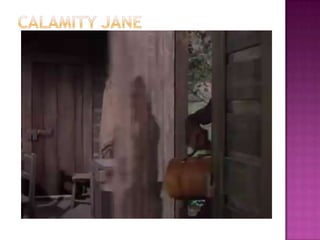
2- Calamity Jane
 GOLDFINGER_Man_Talkppt.mp4
 From the 1960s onward, feminism challenged
 patriarchy, seeking to gain equality for
 women. They gained increased respect,
 opportunities and legislation for women,
 giving them the chance to step into what has
 once been men’s shoes…
 Suddenly   it wasn’t unusual for women to:

 Have  a serious career
 Wear trousers
 Smoke, drink & swear
 Play football
 Downplay the domestic goddess role


And we started seeing men switch some roles
too:
o The house husband/ stay at home dad
o Men started to get into cooking
o Male grooming products
 Suddenly gender roles were less ridged and
  defined and this often reflected in the newer
  media representations.
 Task:
 Again, we will look at two short extracts to
  see how men and women are being
  represented today.

 1- Million Dollar Baby
 2- Aero Melt advert,
   This doesn’t mean it’s all out with the old and
    in with the new. If you watch TV or film, you will
    still find many of the older, more traditional
    representations of gender alongside some of the
    new.

   This reflects our varied views of gender roles
    today – a recent study has shown that increasing
    numbers of modern women are rejecting the
    feminist legacy of the working mother and
    moving back into the home and more traditional
    feminine roles. They see this not as retreat but
    their right – to choose a role that fulfils them
    rather than adopt one men or other women say
    is right.
 Thefollowing slides go into even more detail
 of how the different genders are
 represented.
 Feminism  has been around for over 30
  years yet media representations of women
  are worryingly the same.
Representations of women across all media
  tend to
highlight the following:
 beauty (within narrow conventions)
 size/physique (again, within narrow conventions)
 sexuality (as expressed by the above)
 emotional (as opposed to intellectual) dealings
 relationships (as opposed to independence/
  freedom)
 Women     are often represented as being
  part of a context
  (family, friends, colleagues) and
  working/thinking as part of a team. In
  drama, they tend to take the role of helper
  (Propp) or object, passive rather than
  active.
 Often their passivity extends to victimhood.
  Men are still represented as TV drama
  characters up to 3 times more frequently
  than women, and tend to be the
  predominant focus of news stories.
 The representations of women that do make
 it onto page and screen do tend to be
 stereotypical, in terms of conforming to
 societal expectations, and characters who do
 not fit into the mould tend to be seen as
 dangerous and deviant.
 Discussionsof women's representation in the
 media tend to revolve around the focus on
 physical beauty to the near-exclusion of
 other values, the lack of powerful female
 role models, and the extremely artificial
 nature of such portrayals, which bear little
 or no relation to the reality experience by
 women across the planet.
'Masculinity' is a concept that is made up
of more rigid stereotypes than
femininity. Representations of men
across all media
tend to focus on the following:
 Strength - physical and intellectual
 Power
 Sexual attractiveness (which may be
  based on the above)
 Physique
 Independence (of thought, action)
 Male   characters are often represented as
  isolated, as not needing to rely on others
  (the lone hero). If they submit to being
  part of a family, it is often part of the
  resolution of a narrative, rather than an
  integral factor in the initial balance.
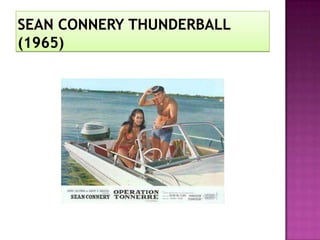
 It is interesting to note that the male
  physique is becoming more important a
  part of representations of masculinity.
  'Serious' Hollywood actors in their forties
  (eg Willem Dafoe, Kevin Spacey) are
  expected to have a level of 'buffness' that
  was not aspired to even by young heart-
  throbs 40 years ago (check out Connery in
  Thunderball 1965).
 Increasingly, men are finding it as difficult
  to live up to their media representations as
  women are to theirs. This is partly because
  of the increased media focus on
  masculinity - think of the growing market
  in men's magazines, both lifestyle and
  health - and the increasing emphasis on
  even ordinary white collar male workers
  (who used to sport their beer-gut with
  pride) having the muscle definition of a
  professional swimmer.
 Anorexia in teenage males has increased
  alarmingly in recent years, and recent high
  school shootings have been the result of
  extreme body consciousness among the
  same demographic group.
 As  media representations of masculinity
  become more specifically targeted at
  audiences with product promotion in mind
  (think of the huge profits now made from
  male fashion, male skin & hair care
  products, fitness products such as
  weights, clothing etc), men are
  encouraged (just as women have been for
  many years) to aspire to be like (to
  look/behave in the same way) the role
  models they see in magazines.
 This is often an unrealistic target to
  set, and awareness of this is growing.

Gender representations for blog

  • 2.
     Gender is not wholly biological but refers to a socially constructed set of behaviour patterns  Your sex, whether you are male or female, is biologically determined.  However, femininity/masculinity are culturally determined and a matter of choice – they refer to patterns of behaviour and qualities that we normally associate with being female or being male.
  • 3.
     Tofamiliarise ourselveswith common representations of each gender  Tolook at how these representations are constructed through micro and macro elements
  • 4.
     As wegrow up, we ‘learn’ what is expected in terms of our gender identity from a range of sources: parents, school, books, the media, peer pressure…  The power to conform is so strong in us that we tend to copy the gender models we see. Thus, by the time we have stared school, most of us have ‘learnt’ how to be masculine or feminine as our culture defines it.  Think about the way girls are often dressed in pink and bought ‘domesticating’ toys like dolls and play ovens whereas boys are usually dressed in blues and non-pastel colours and given toys like guns, construction sets and cars, developing skills that are outside the domestic sphere.
  • 6.
     Overtime thetwo genders have developed quite distinct and often oppositional gender codes – activities, spheres of activity and qualities that are deemed to be exclusive to only one group.  Task In groups draw up a list divided into columns and label one side masculine and the other feminine and see what traditional associations you make with each gender under the headings on the next slide.
  • 7.
     Colours  Clothes Toys  Jobs  Leisure Activities  Responsibilities in the home  Drinks on a night out  A typical night out  Favourite genre of film  Typical character qualities
  • 8.
    • What doyou notice about these different ideas associated traditionally with each gender? • What image do they conjure up of each group?
  • 9.
     Traditionallymen haveheld power in our society – this system where men have the power and control in society is called PATRIARCHY. The result of this is that male qualities and attributes have generally been seen to be superior to female attributes. Consider, for example, the fact that traditionally it was the eldest son who inherited – even if he had several older sisters!
  • 10.
     This was often reflected in the media as most media companies were run by men!  Task: We will now look at two short extracts – see if you can see how these traditional ideas about gender were reflected? 1- Goldfinger 2- Calamity Jane
  • 11.
  • 13.
     From the1960s onward, feminism challenged patriarchy, seeking to gain equality for women. They gained increased respect, opportunities and legislation for women, giving them the chance to step into what has once been men’s shoes…
  • 14.
     Suddenly it wasn’t unusual for women to:  Have a serious career  Wear trousers  Smoke, drink & swear  Play football  Downplay the domestic goddess role And we started seeing men switch some roles too: o The house husband/ stay at home dad o Men started to get into cooking o Male grooming products
  • 15.
     Suddenly genderroles were less ridged and defined and this often reflected in the newer media representations.  Task:  Again, we will look at two short extracts to see how men and women are being represented today.  1- Million Dollar Baby  2- Aero Melt advert,
  • 16.
    This doesn’t mean it’s all out with the old and in with the new. If you watch TV or film, you will still find many of the older, more traditional representations of gender alongside some of the new.  This reflects our varied views of gender roles today – a recent study has shown that increasing numbers of modern women are rejecting the feminist legacy of the working mother and moving back into the home and more traditional feminine roles. They see this not as retreat but their right – to choose a role that fulfils them rather than adopt one men or other women say is right.
  • 17.
     Thefollowing slidesgo into even more detail of how the different genders are represented.
  • 18.
     Feminism has been around for over 30 years yet media representations of women are worryingly the same. Representations of women across all media tend to highlight the following:  beauty (within narrow conventions)  size/physique (again, within narrow conventions)  sexuality (as expressed by the above)  emotional (as opposed to intellectual) dealings  relationships (as opposed to independence/ freedom)
  • 19.
     Women are often represented as being part of a context (family, friends, colleagues) and working/thinking as part of a team. In drama, they tend to take the role of helper (Propp) or object, passive rather than active.  Often their passivity extends to victimhood. Men are still represented as TV drama characters up to 3 times more frequently than women, and tend to be the predominant focus of news stories.
  • 20.
     The representationsof women that do make it onto page and screen do tend to be stereotypical, in terms of conforming to societal expectations, and characters who do not fit into the mould tend to be seen as dangerous and deviant.
  • 21.
     Discussionsof women'srepresentation in the media tend to revolve around the focus on physical beauty to the near-exclusion of other values, the lack of powerful female role models, and the extremely artificial nature of such portrayals, which bear little or no relation to the reality experience by women across the planet.
  • 22.
    'Masculinity' is aconcept that is made up of more rigid stereotypes than femininity. Representations of men across all media tend to focus on the following:  Strength - physical and intellectual  Power  Sexual attractiveness (which may be based on the above)  Physique  Independence (of thought, action)
  • 23.
     Male characters are often represented as isolated, as not needing to rely on others (the lone hero). If they submit to being part of a family, it is often part of the resolution of a narrative, rather than an integral factor in the initial balance.  It is interesting to note that the male physique is becoming more important a part of representations of masculinity. 'Serious' Hollywood actors in their forties (eg Willem Dafoe, Kevin Spacey) are expected to have a level of 'buffness' that was not aspired to even by young heart- throbs 40 years ago (check out Connery in Thunderball 1965).
  • 25.
     Increasingly, menare finding it as difficult to live up to their media representations as women are to theirs. This is partly because of the increased media focus on masculinity - think of the growing market in men's magazines, both lifestyle and health - and the increasing emphasis on even ordinary white collar male workers (who used to sport their beer-gut with pride) having the muscle definition of a professional swimmer.  Anorexia in teenage males has increased alarmingly in recent years, and recent high school shootings have been the result of extreme body consciousness among the same demographic group.
  • 26.
     As media representations of masculinity become more specifically targeted at audiences with product promotion in mind (think of the huge profits now made from male fashion, male skin & hair care products, fitness products such as weights, clothing etc), men are encouraged (just as women have been for many years) to aspire to be like (to look/behave in the same way) the role models they see in magazines.  This is often an unrealistic target to set, and awareness of this is growing.