EXAM OVERVIEW
LO: To highlight the expectations of the exam and offer
advice for areas of concern.
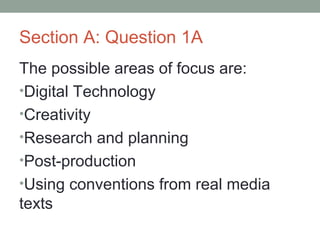
Section A: Question 1A
The possible areas of focus are:
•Digital Technology
•Creativity
•Research and planning
•Post-production
•Using conventions from real media
texts
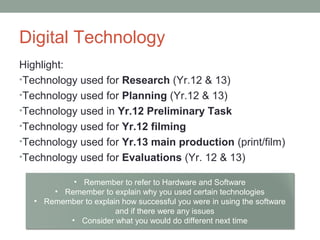
Digital Technology
Highlight:
•Technology used for Research (Yr.12 & 13)
•Technology used for Planning (Yr.12 & 13)
•Technology used in Yr.12 Preliminary Task
•Technology used for Yr.12 filming
•Technology used for Yr.13 main production (print/film)
•Technology used for Evaluations (Yr. 12 & 13)
• Remember to refer to Hardware and Software
• Remember to explain why you used certain technologies
• Remember to explain how successful you were in using the software
and if there were any issues
• Consider what you would do different next time
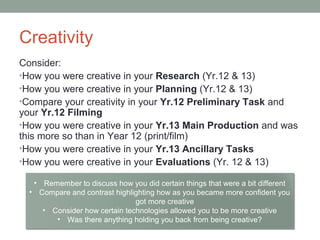
Creativity
Consider:
•How you were creative in your Research (Yr.12 & 13)
•How you were creative in your Planning (Yr.12 & 13)
•Compare your creativity in your Yr.12 Preliminary Task and
your Yr.12 Filming
•How you were creative in your Yr.13 Main Production and was
this more so than in Year 12 (print/film)
•How you were creative in your Yr.13 Ancillary Tasks
•How you were creative in your Evaluations (Yr. 12 & 13)
• Remember to discuss how you did certain things that were a bit different
• Compare and contrast highlighting how as you became more confident you
got more creative
• Consider how certain technologies allowed you to be more creative
• Was there anything holding you back from being creative?
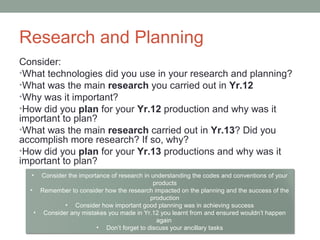
Research and Planning
Consider:
•What technologies did you use in your research and planning?
•What was the main research you carried out in Yr.12
•Why was it important?
•How did you plan for your Yr.12 production and why was it
important to plan?
•What was the main research carried out in Yr.13? Did you
accomplish more research? If so, why?
•How did you plan for your Yr.13 productions and why was it
important to plan?
• Consider the importance of research in understanding the codes and conventions of your
products
• Remember to consider how the research impacted on the planning and the success of the
production
• Consider how important good planning was in achieving success
• Consider any mistakes you made in Yr.12 you learnt from and ensured wouldn’t happen
again
• Don’t forget to discuss your ancillary tasks
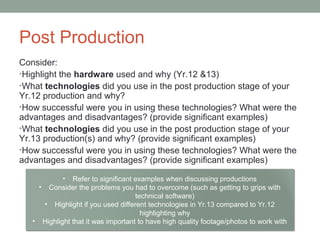
Post Production
Consider:
•Highlight the hardware used and why (Yr.12 &13)
•What technologies did you use in the post production stage of your
Yr.12 production and why?
•How successful were you in using these technologies? What were the
advantages and disadvantages? (provide significant examples)
•What technologies did you use in the post production stage of your
Yr.13 production(s) and why? (provide significant examples)
•How successful were you in using these technologies? What were the
advantages and disadvantages? (provide significant examples)
• Refer to significant examples when discussing productions
• Consider the problems you had to overcome (such as getting to grips with
technical software)
• Highlight if you used different technologies in Yr.13 compared to Yr.12
highlighting why
• Highlight that it was important to have high quality footage/photos to work with
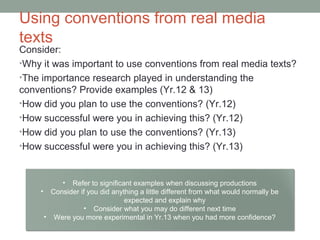
Using conventions from real media
texts
Consider:
•Why it was important to use conventions from real media texts?
•The importance research played in understanding the
conventions? Provide examples (Yr.12 & 13)
•How did you plan to use the conventions? (Yr.12)
•How successful were you in achieving this? (Yr.12)
•How did you plan to use the conventions? (Yr.13)
•How successful were you in achieving this? (Yr.13)
• Refer to significant examples when discussing productions
• Consider if you did anything a little different from what would normally be
expected and explain why
• Consider what you may do different next time
• Were you more experimental in Yr.13 when you had more confidence?
Section A: Question 1B
The possible areas of focus are:
•Genre
•Narrative
•Representation
•Audience
•Media Language
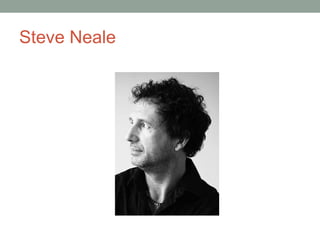
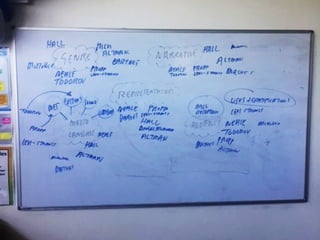
Steve Neale
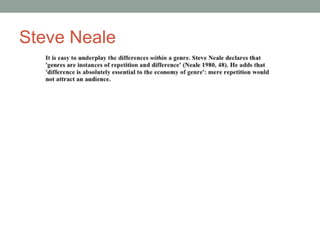
Steve Neale
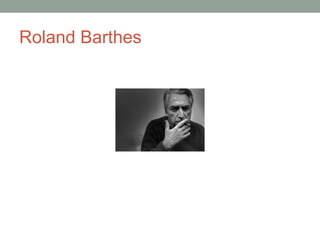
Roland Barthes
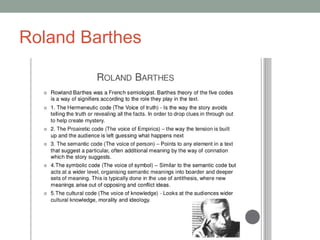
Roland Barthes
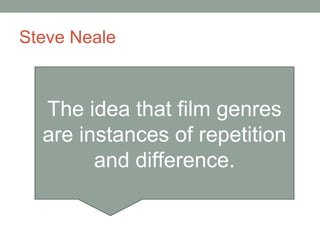
Steve Neale
The idea that film genres
are instances of repetition
and difference.
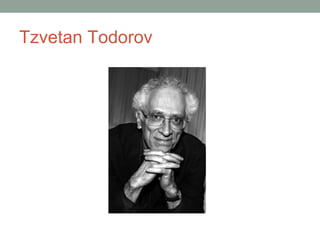
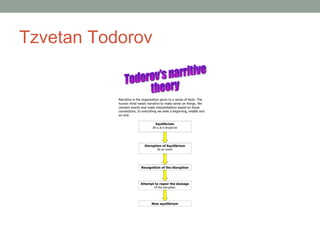
Tzvetan Todorov
Tzvetan Todorov
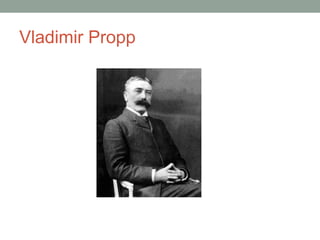
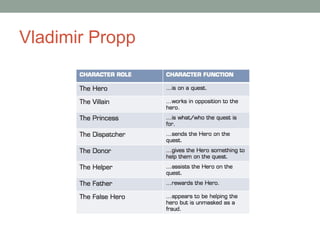
Vladimir Propp
Vladimir Propp
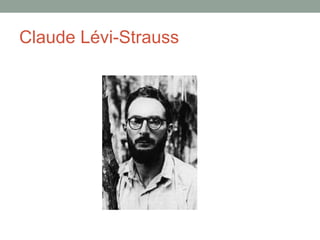
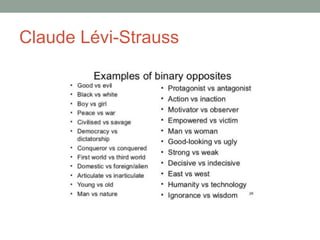
Claude Lévi-Strauss
Claude Lévi-Strauss
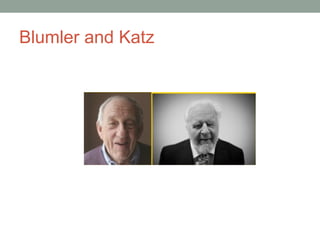
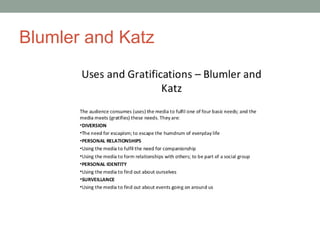
Blumler and Katz
Blumler and Katz
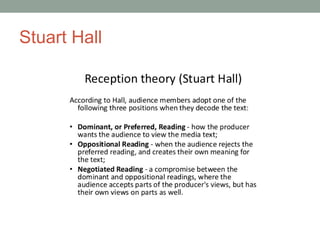
Stuart Hall
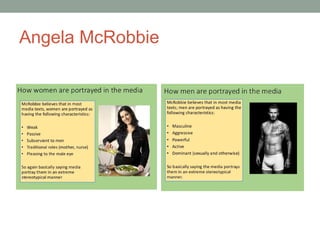
Angela McRobbie
Angela McRobbie
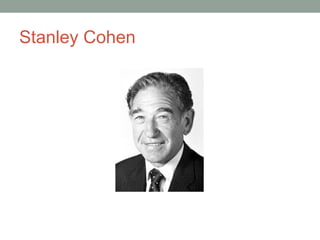
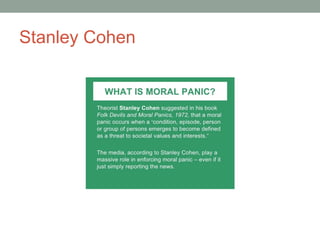
Stanley Cohen
Stanley Cohen
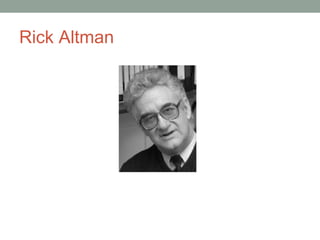
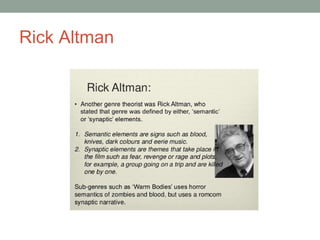
Rick Altman
Rick Altman
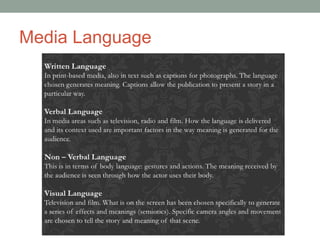
Media Language
Media Language
Section B
Collective Identity Response
LO: To highlight the structure of the collective identity essay.
Introduction
Introduce the topic /
purpose of the essay
The Media / Mediation /
Stereotyping
Highlight the power of the
media
What is mediation?
How do stereotypes relate
to your discussion?
Historical Reference
Discuss representations of
youth over time
Refer to 3 examples
explaining the stereotypes
Refer to a relevant event for
each
Case Study 1
Introduce case study 1
Apply theory (if possible
apply 2)
Closing statement
Real Life Events 1
Relate a news story to your
case study to support your
argument
Ensure you know the source
and reference it properly
Case Study 2
Introduce case study 1
Apply theory (if possible
apply 2)
Closing statement
Real Life Events 2
Relate a news story to your
case study to support your
argument
Ensure you know the source
and reference it properly
Conclusion
Highlight media’s dependence on
negative stereotypes
Comment on predictions of what
the future representations of youth
are (consider loss of identity/impact
on internet being the focus of the
media)
Are there signs of any hope?

G325 section A and B overview

  • 1.
    EXAM OVERVIEW LO: Tohighlight the expectations of the exam and offer advice for areas of concern.
  • 2.
    Section A: Question1A The possible areas of focus are: •Digital Technology •Creativity •Research and planning •Post-production •Using conventions from real media texts
  • 3.
    Digital Technology Highlight: •Technology usedfor Research (Yr.12 & 13) •Technology used for Planning (Yr.12 & 13) •Technology used in Yr.12 Preliminary Task •Technology used for Yr.12 filming •Technology used for Yr.13 main production (print/film) •Technology used for Evaluations (Yr. 12 & 13) • Remember to refer to Hardware and Software • Remember to explain why you used certain technologies • Remember to explain how successful you were in using the software and if there were any issues • Consider what you would do different next time
  • 4.
    Creativity Consider: •How you werecreative in your Research (Yr.12 & 13) •How you were creative in your Planning (Yr.12 & 13) •Compare your creativity in your Yr.12 Preliminary Task and your Yr.12 Filming •How you were creative in your Yr.13 Main Production and was this more so than in Year 12 (print/film) •How you were creative in your Yr.13 Ancillary Tasks •How you were creative in your Evaluations (Yr. 12 & 13) • Remember to discuss how you did certain things that were a bit different • Compare and contrast highlighting how as you became more confident you got more creative • Consider how certain technologies allowed you to be more creative • Was there anything holding you back from being creative?
  • 5.
    Research and Planning Consider: •Whattechnologies did you use in your research and planning? •What was the main research you carried out in Yr.12 •Why was it important? •How did you plan for your Yr.12 production and why was it important to plan? •What was the main research carried out in Yr.13? Did you accomplish more research? If so, why? •How did you plan for your Yr.13 productions and why was it important to plan? • Consider the importance of research in understanding the codes and conventions of your products • Remember to consider how the research impacted on the planning and the success of the production • Consider how important good planning was in achieving success • Consider any mistakes you made in Yr.12 you learnt from and ensured wouldn’t happen again • Don’t forget to discuss your ancillary tasks
  • 6.
    Post Production Consider: •Highlight thehardware used and why (Yr.12 &13) •What technologies did you use in the post production stage of your Yr.12 production and why? •How successful were you in using these technologies? What were the advantages and disadvantages? (provide significant examples) •What technologies did you use in the post production stage of your Yr.13 production(s) and why? (provide significant examples) •How successful were you in using these technologies? What were the advantages and disadvantages? (provide significant examples) • Refer to significant examples when discussing productions • Consider the problems you had to overcome (such as getting to grips with technical software) • Highlight if you used different technologies in Yr.13 compared to Yr.12 highlighting why • Highlight that it was important to have high quality footage/photos to work with
  • 7.
    Using conventions fromreal media texts Consider: •Why it was important to use conventions from real media texts? •The importance research played in understanding the conventions? Provide examples (Yr.12 & 13) •How did you plan to use the conventions? (Yr.12) •How successful were you in achieving this? (Yr.12) •How did you plan to use the conventions? (Yr.13) •How successful were you in achieving this? (Yr.13) • Refer to significant examples when discussing productions • Consider if you did anything a little different from what would normally be expected and explain why • Consider what you may do different next time • Were you more experimental in Yr.13 when you had more confidence?
  • 8.
    Section A: Question1B The possible areas of focus are: •Genre •Narrative •Representation •Audience •Media Language
  • 9.
  • 10.
  • 11.
  • 12.
  • 13.
    Steve Neale The ideathat film genres are instances of repetition and difference.
  • 14.
  • 15.
  • 16.
  • 17.
  • 18.
  • 19.
  • 20.
  • 21.
  • 22.
  • 23.
  • 24.
  • 25.
  • 26.
  • 27.
  • 28.
  • 29.
  • 30.
  • 32.
    Section B Collective IdentityResponse LO: To highlight the structure of the collective identity essay.
  • 33.
  • 34.
    The Media /Mediation / Stereotyping Highlight the power of the media What is mediation? How do stereotypes relate to your discussion?
  • 35.
    Historical Reference Discuss representationsof youth over time Refer to 3 examples explaining the stereotypes Refer to a relevant event for each
  • 36.
    Case Study 1 Introducecase study 1 Apply theory (if possible apply 2) Closing statement
  • 37.
    Real Life Events1 Relate a news story to your case study to support your argument Ensure you know the source and reference it properly
  • 38.
    Case Study 2 Introducecase study 1 Apply theory (if possible apply 2) Closing statement
  • 39.
    Real Life Events2 Relate a news story to your case study to support your argument Ensure you know the source and reference it properly
  • 40.
    Conclusion Highlight media’s dependenceon negative stereotypes Comment on predictions of what the future representations of youth are (consider loss of identity/impact on internet being the focus of the media) Are there signs of any hope?