FRAGILE X SYNDROME
Content :
1. History
2. Introduction
3. Epidemiology
4. Causes
5. Signs and Symptoms
6. Diagnosis
7. Treatment
8. Research
9. Conclusion
10. References
History
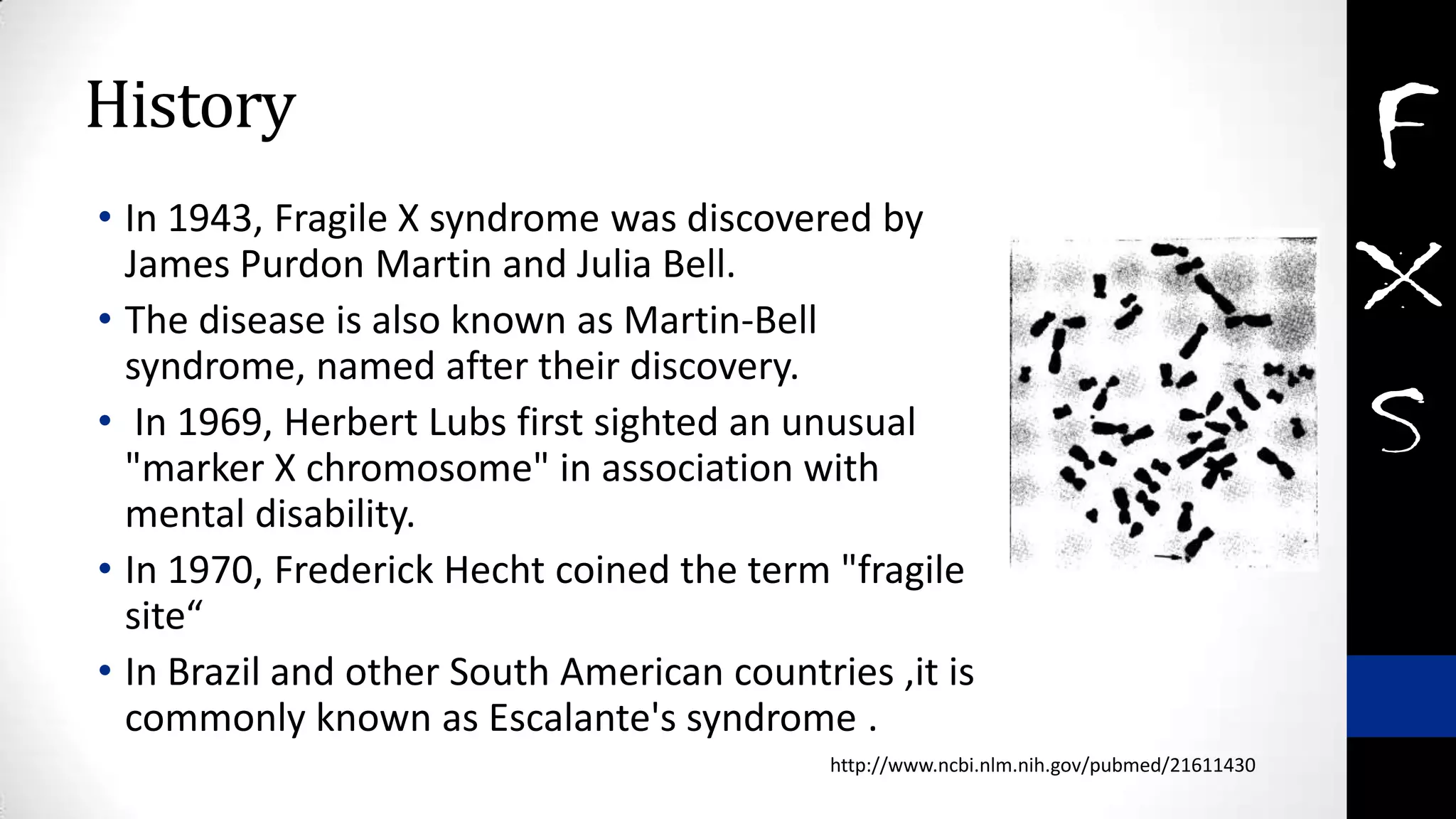
• In 1943, Fragile X syndrome was discovered by
James Purdon Martin and Julia Bell.
• The disease is also known as Martin-Bell
syndrome, named after their discovery.
• In 1969, Herbert Lubs first sighted an unusual
"marker X chromosome" in association with
mental disability.
• In 1970, Frederick Hecht coined the term "fragile
site“
• In Brazil and other South American countries ,it is
commonly known as Escalante's syndrome .
http://www.ncbi.nlm.nih.gov/pubmed/21611430
Introduction
• FXS is a genetic syndrome that is the most
widespread single-gene cause of autism and
inherited cause of mental retardation.
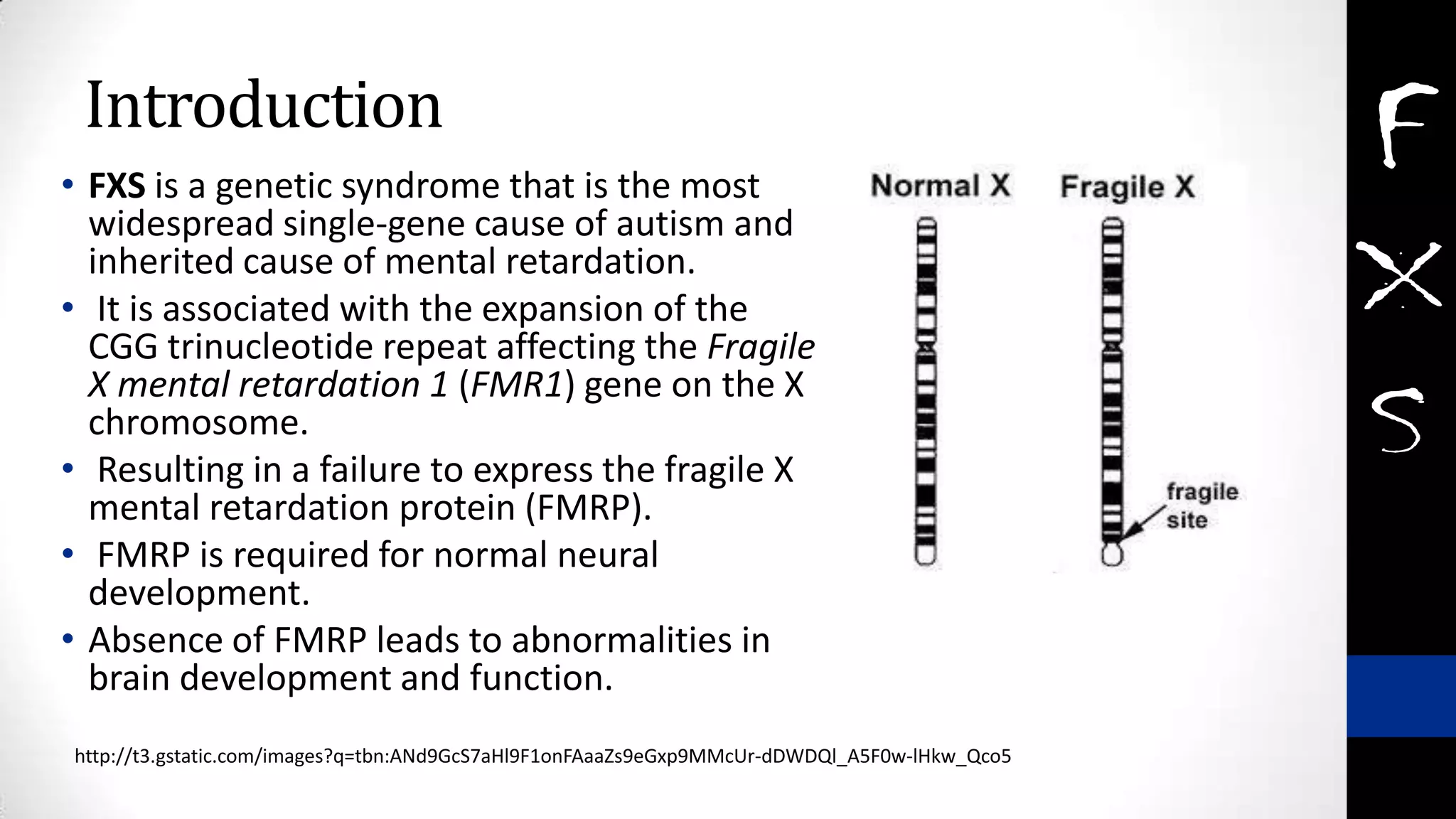
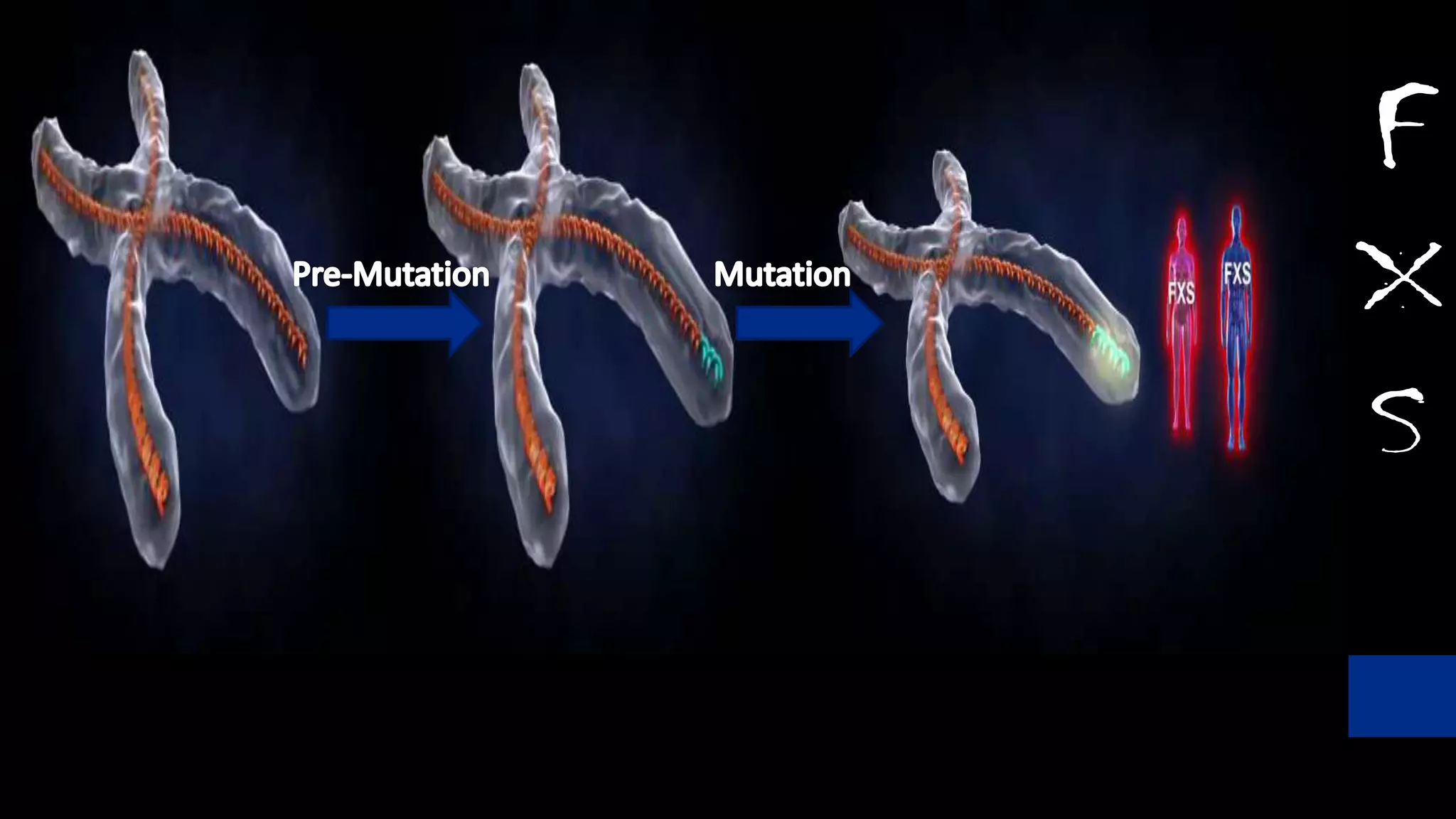
• It is associated with the expansion of the
CGG trinucleotide repeat affecting the Fragile
X mental retardation 1 (FMR1) gene on the X
chromosome.
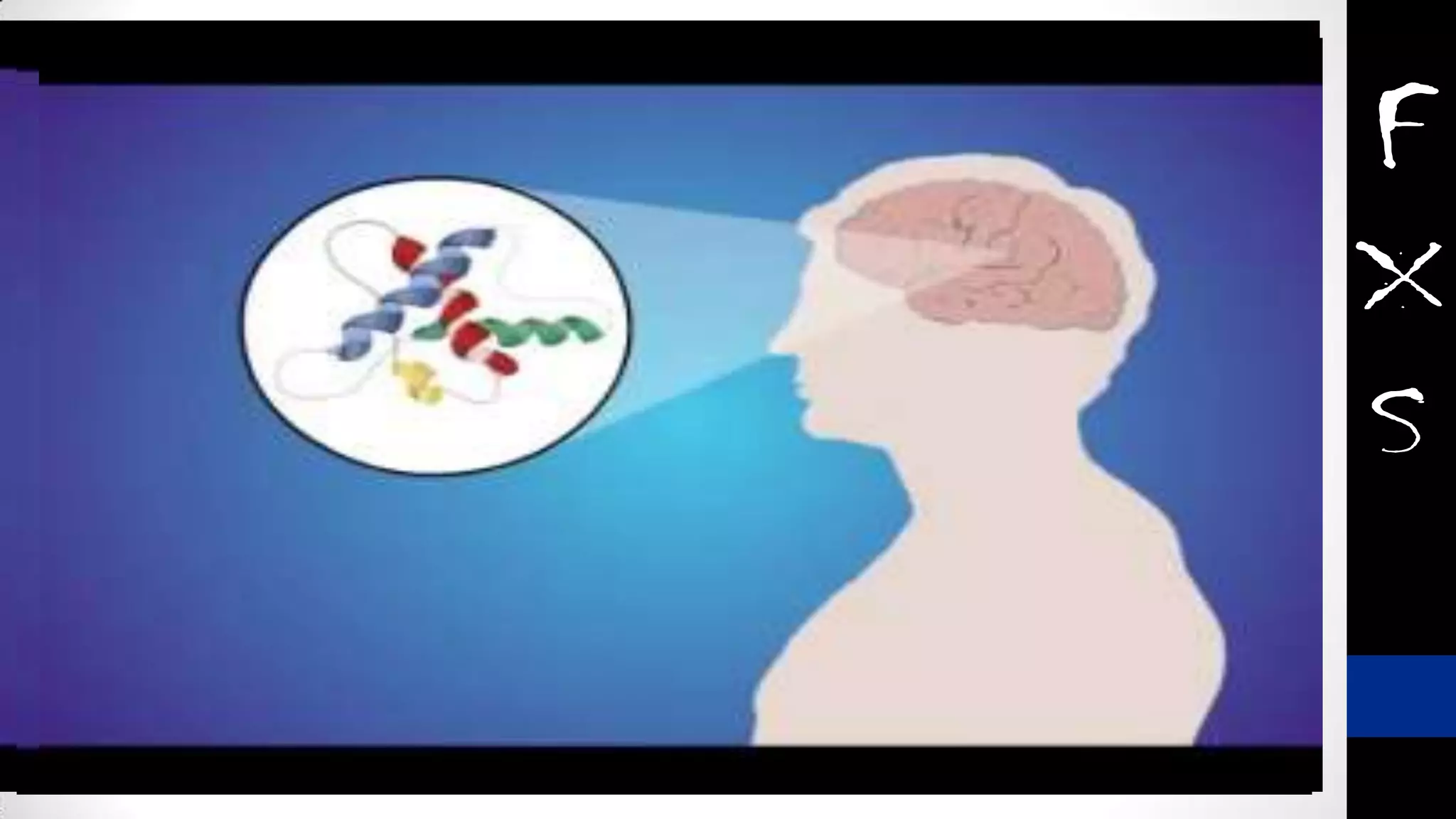
• Resulting in a failure to express the fragile X
mental retardation protein (FMRP).
• FMRP is required for normal neural
development.
• Absence of FMRP leads to abnormalities in
brain development and function.
http://t3.gstatic.com/images?q=tbn:ANd9GcS7aHl9F1onFAaaZs9eGxp9MMcUr-dDWDQl_A5F0w-lHkw_Qco5
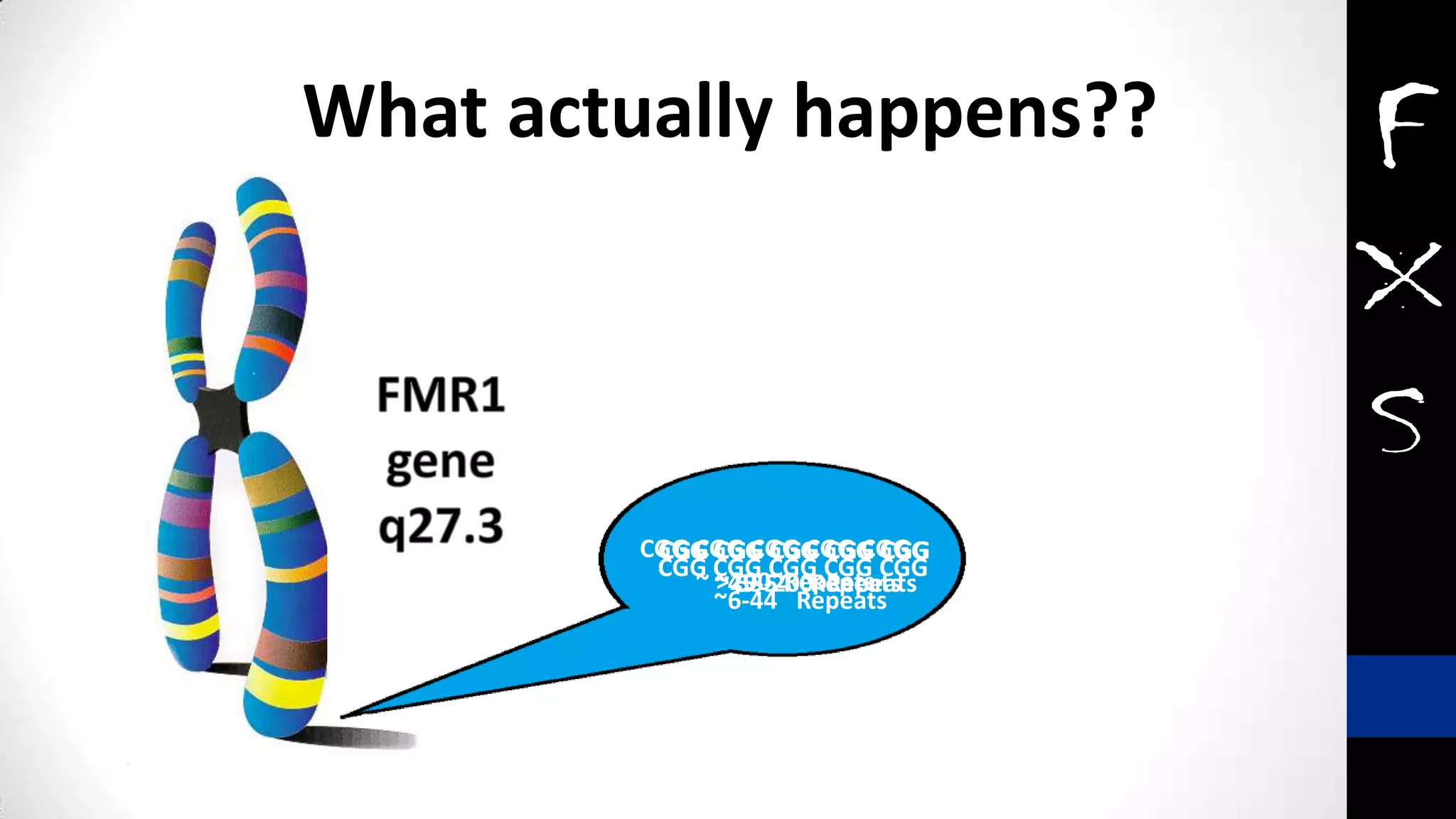
CGG CG CG
CGG CGG CGG CGG CGG
~6-44 Repeats
CGG CGG CGG CGG CGG
~45-54 Repeats
CGG CGG CGG CGG CGG
~ 55-200 Repeats
CGG CGG CGG CGG CGG
~ >200 Repeats
What actually happens??
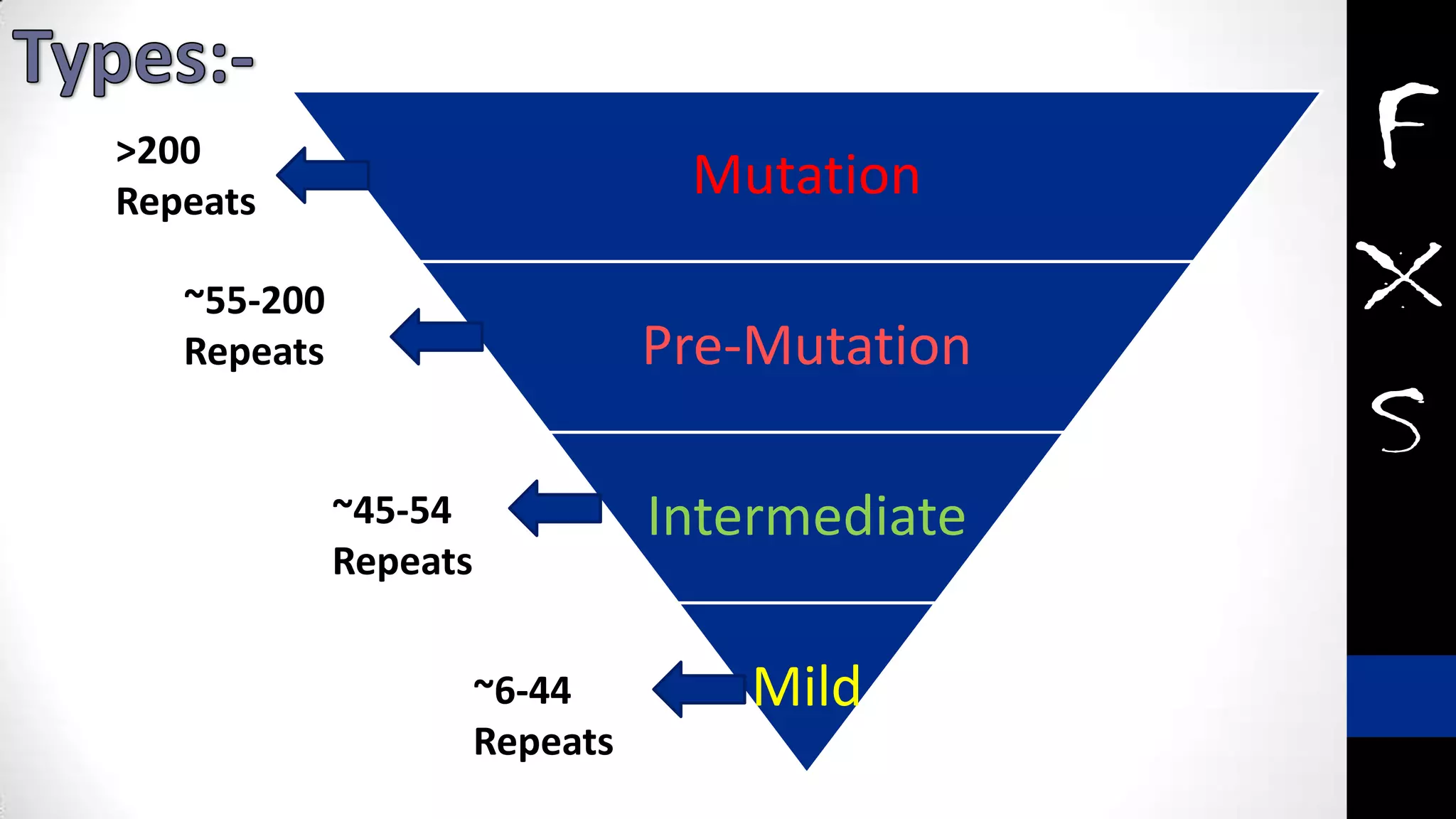
Mutation
Pre-Mutation
Intermediate
Mild
~55-200
Repeats
>200
Repeats
~6-44
Repeats
~45-54
Repeats
Epidemiology
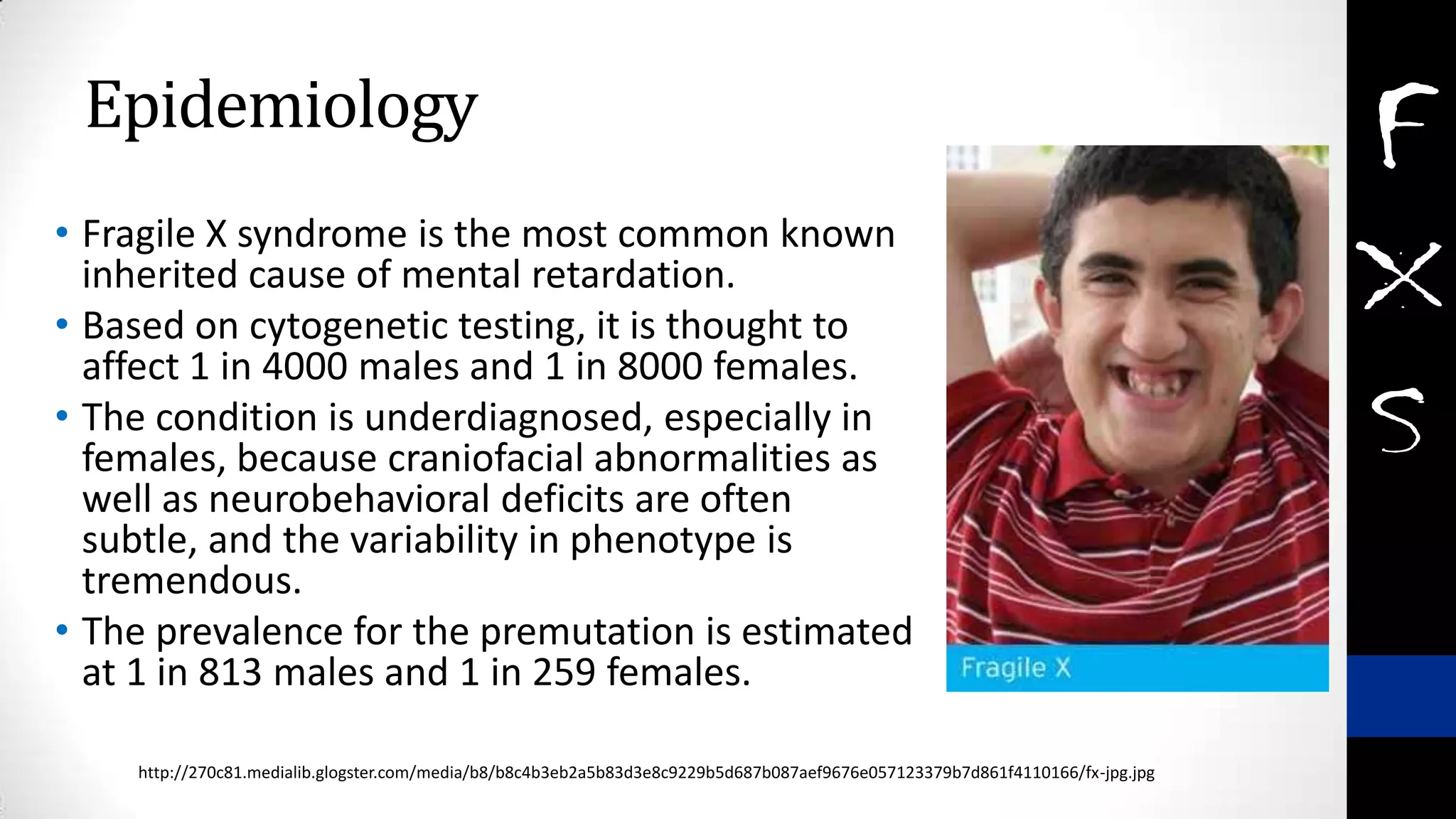
• Fragile X syndrome is the most common known
inherited cause of mental retardation.
• Based on cytogenetic testing, it is thought to
affect 1 in 4000 males and 1 in 8000 females.
• The condition is underdiagnosed, especially in
females, because craniofacial abnormalities as
well as neurobehavioral deficits are often
subtle, and the variability in phenotype is
tremendous.
• The prevalence for the premutation is estimated
at 1 in 813 males and 1 in 259 females.
http://270c81.medialib.glogster.com/media/b8/b8c4b3eb2a5b83d3e8c9229b5d687b087aef9676e057123379b7d861f4110166/fx-jpg.jpg
Causes
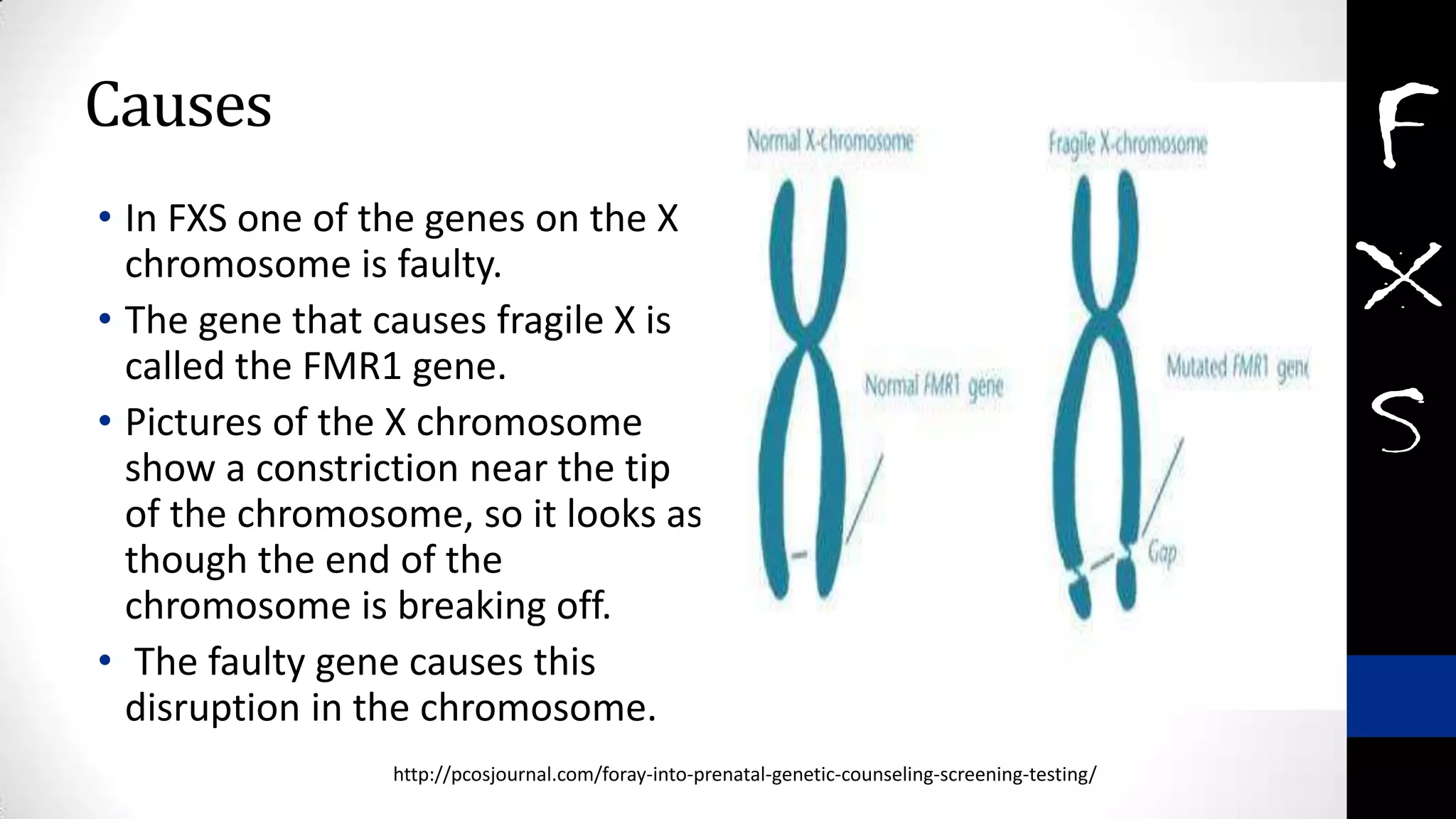
• In FXS one of the genes on the X
chromosome is faulty.
• The gene that causes fragile X is
called the FMR1 gene.
• Pictures of the X chromosome
show a constriction near the tip
of the chromosome, so it looks as
though the end of the
chromosome is breaking off.
• The faulty gene causes this
disruption in the chromosome.
http://pcosjournal.com/foray-into-prenatal-genetic-counseling-screening-testing/
Signs & Symptoms :
prominent characteristics of the syndrome
• intellectual disability
• Large, protruding ears (one or both)
• Long face (vertical maxillary excess)
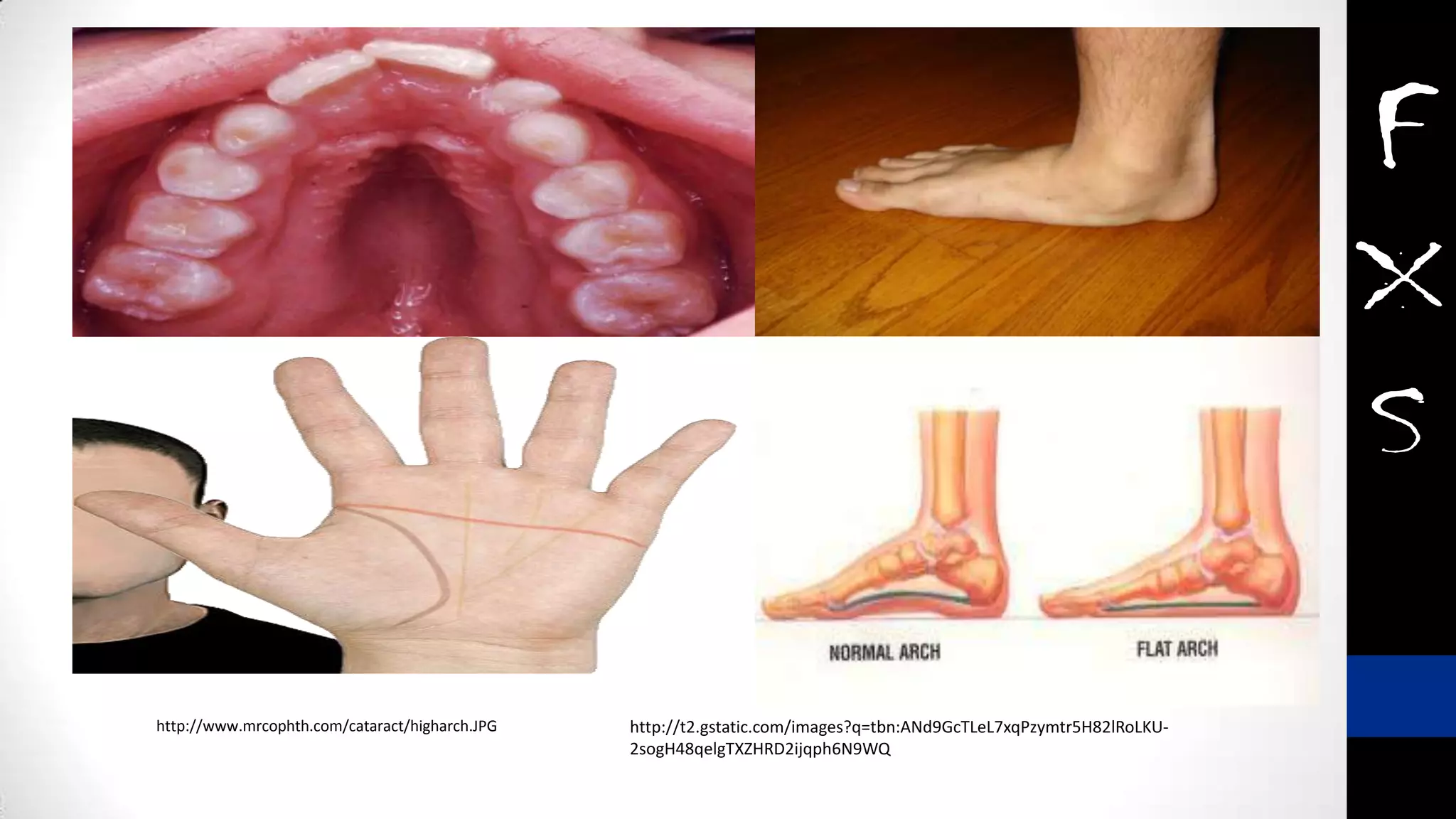
• High-arched palate (related to the above)
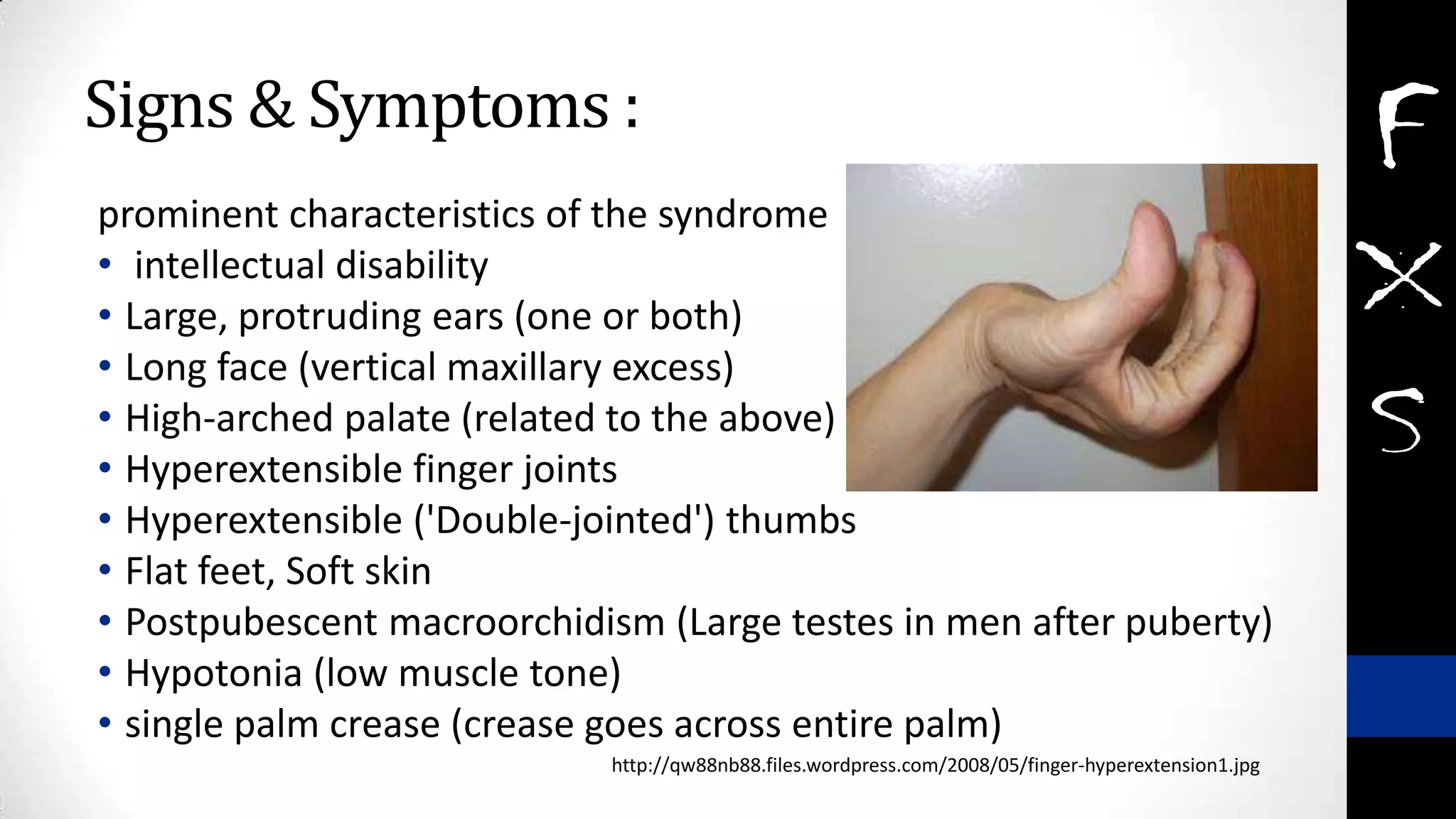
• Hyperextensible finger joints
• Hyperextensible ('Double-jointed') thumbs
• Flat feet, Soft skin
• Postpubescent macroorchidism (Large testes in men after puberty)
• Hypotonia (low muscle tone)
• single palm crease (crease goes across entire palm)
http://qw88nb88.files.wordpress.com/2008/05/finger-hyperextension1.jpg
http://www.mrcophth.com/cataract/higharch.JPG http://t2.gstatic.com/images?q=tbn:ANd9GcTLeL7xqPzymtr5H82lRoLKU-
2sogH48qelgTXZHRD2ijqph6N9WQ
Diagnosis :
The diagnosis is based on 3 factors:
• Positive carrier testing for the FMR1 premutation,Karyotyping.
• A neurological exam that affirms the above characteristics, and
• Magnetic Resonance Imaging (MRI) findings that are known to be
related to FXTAS, including white matter changes or decreased size
of the brain.
• polymerase chain reaction (PCR)
• chorionic villus sampling
• amniocentesis
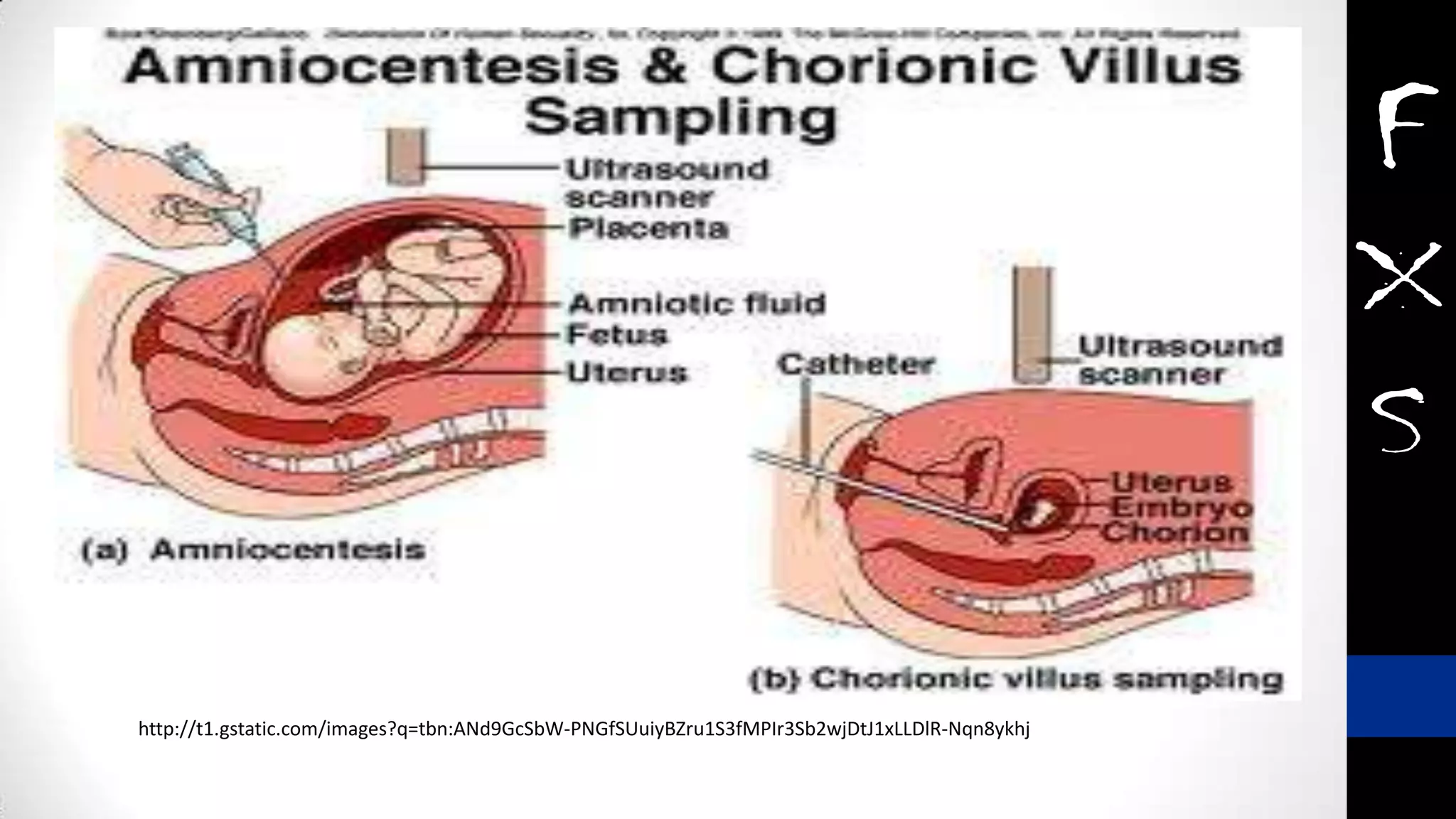
• Chorionic villus sampling (CVS) involves taking a sample of cells from the tissue
of the placenta of a pregnant woman. These cells are called chorionic villi.
• The procedure is always carried out under the guidance of an ultrasound scan to
avoid making a hole in the amniotic sac
• Two different methods can be used during the procedure:
• transabdominal CVS
• transcervical CVS
• Transabdominal CVS
• During transabdominal CVS, the stomach is cleaned with antiseptic and a needle
is inserted through the stomach and abdomen wall. The needle is guided towards
your womb using the image on the ultrasound scan.
• Attached to the needle is a syringe, which is used to extract a small sample of
chorionic villi, after which the needle is removed.
Chorionic villus sampling (CVS)
http://t1.gstatic.com/images?q=tbn:ANd9GcSbW-PNGfSUuiyBZru1S3fMPIr3Sb2wjDtJ1xLLDlR-Nqn8ykhj
Treatment
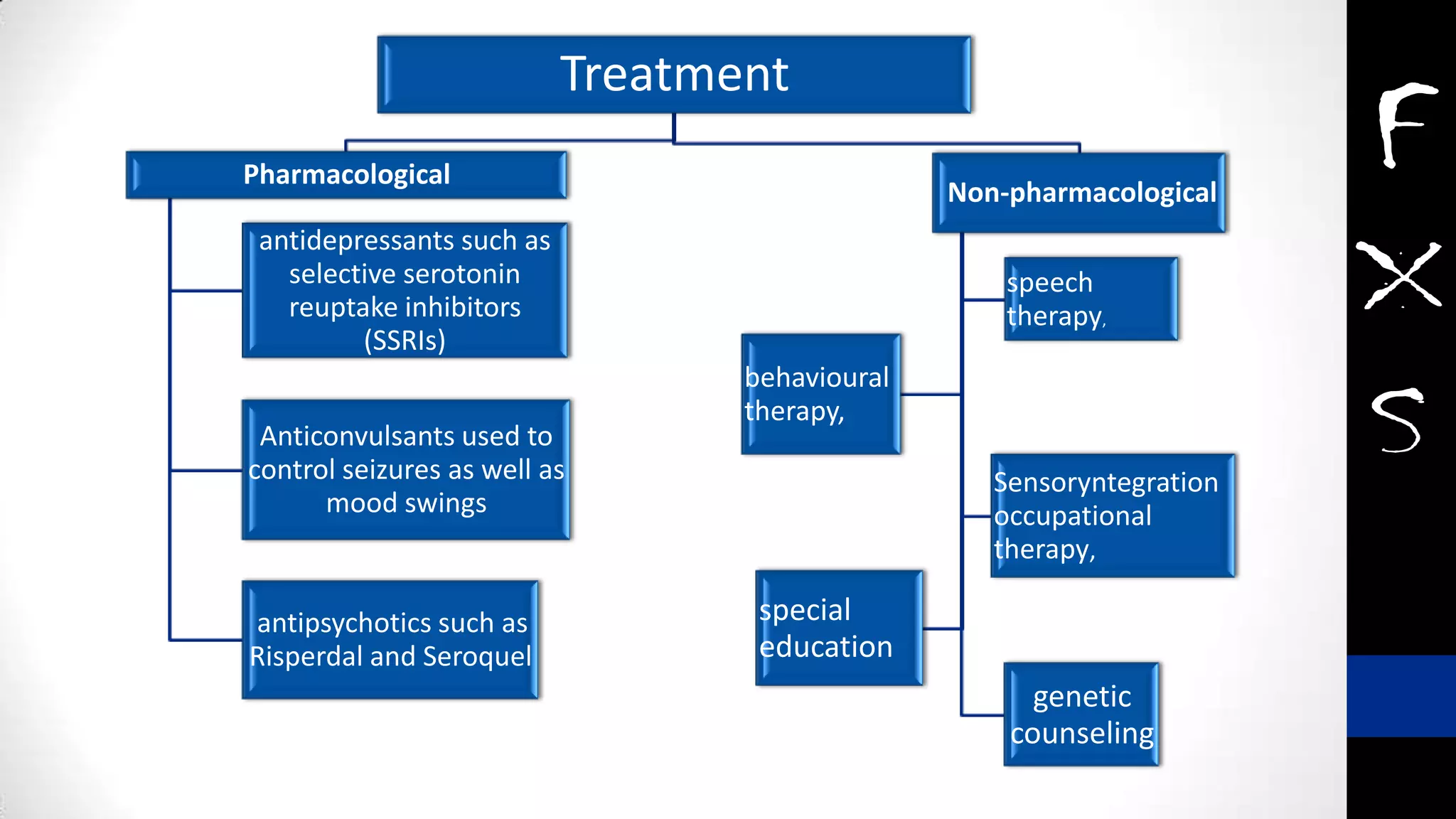
Pharmacological
antidepressants such as
selective serotonin
reuptake inhibitors
(SSRIs)
antipsychotics such as
Risperdal and Seroquel
Anticonvulsants used to
control seizures as well as
mood swings
Non-pharmacological
speech
therapy,
behavioural
therapy,
Sensoryntegration
occupational
therapy,
special
education
genetic
counseling
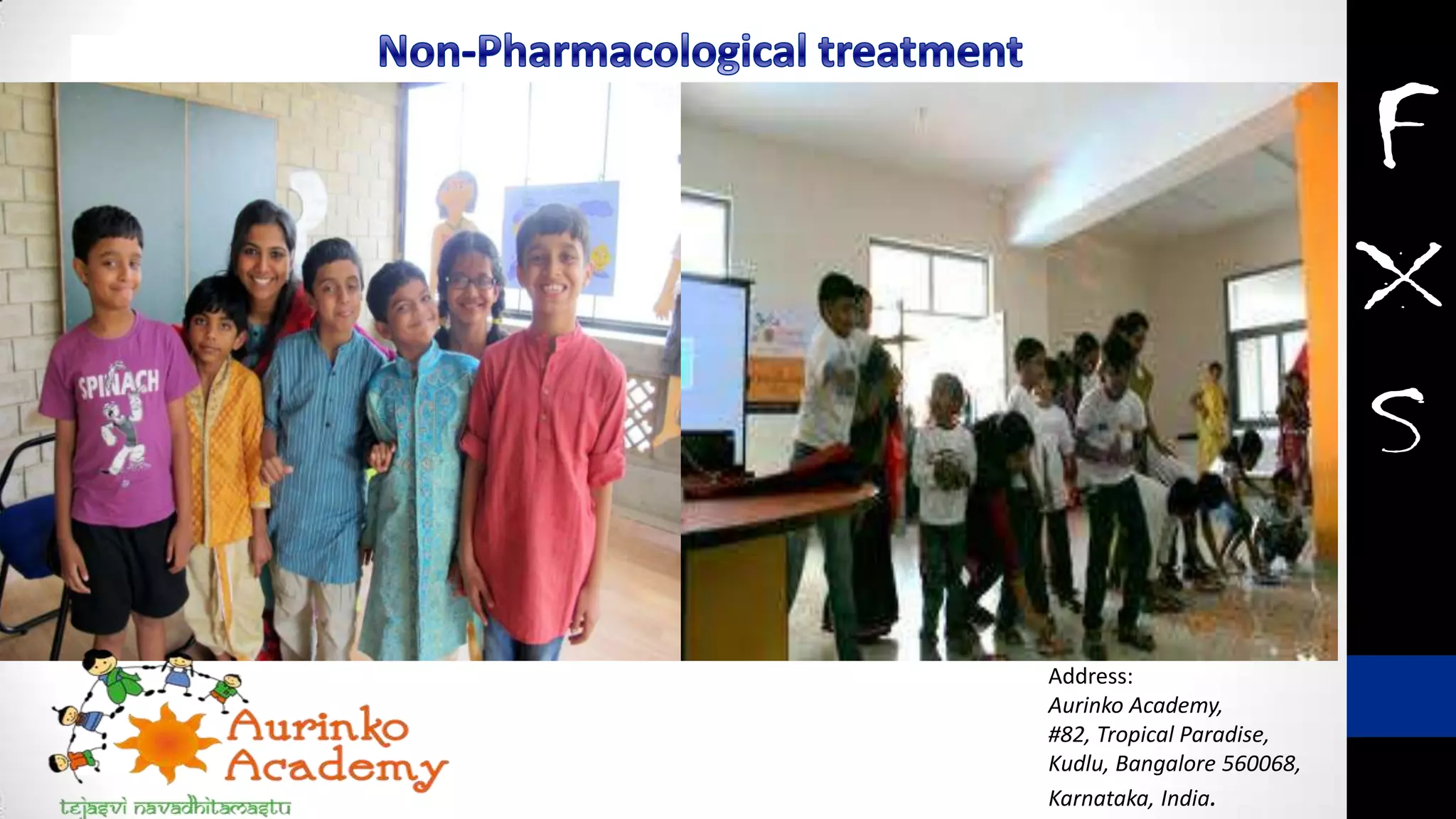
Address:
Aurinko Academy,
#82, Tropical Paradise,
Kudlu, Bangalore 560068,
Karnataka, India.
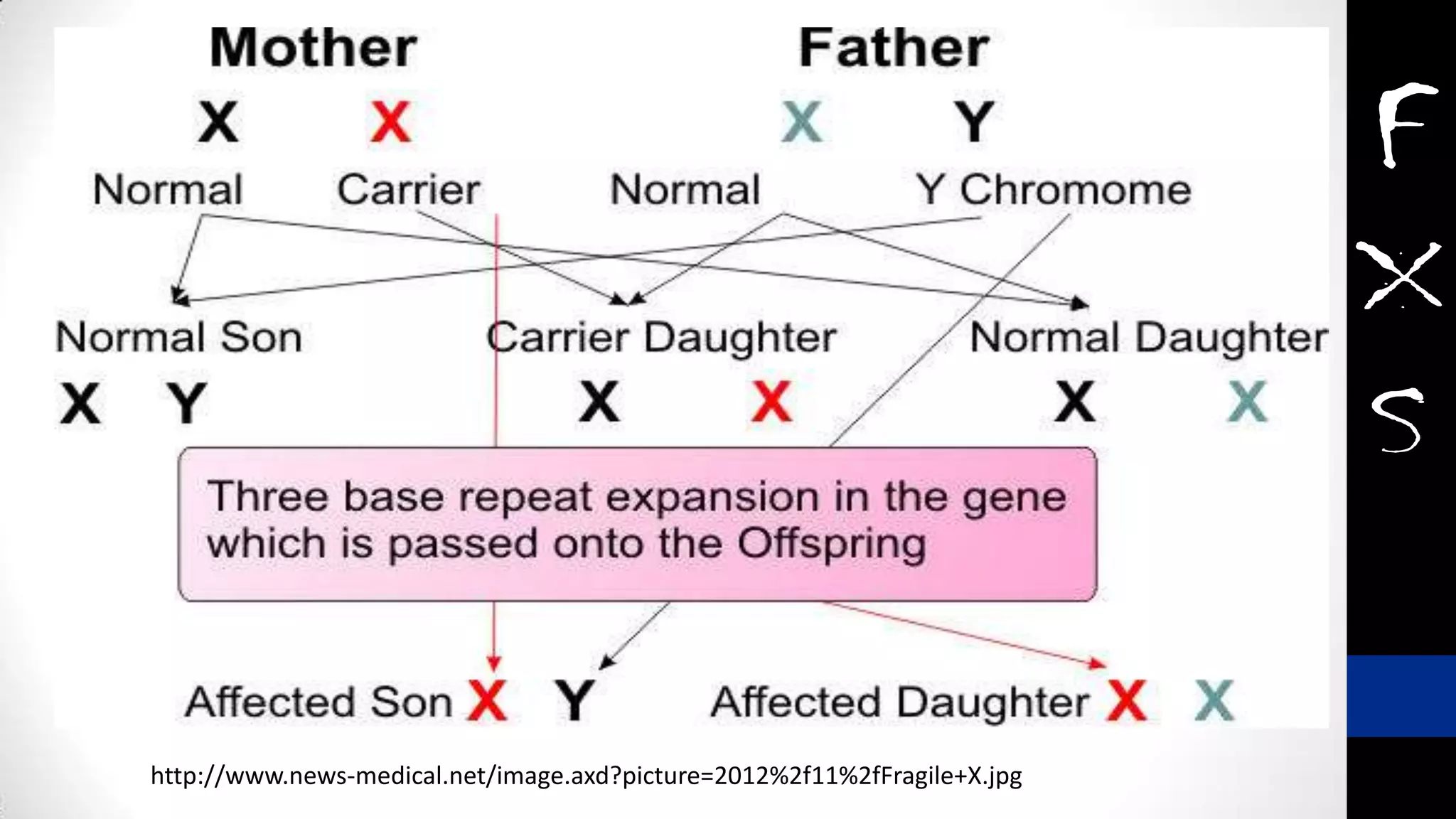
http://www.news-medical.net/image.axd?picture=2012%2f11%2fFragile+X.jpg
Research
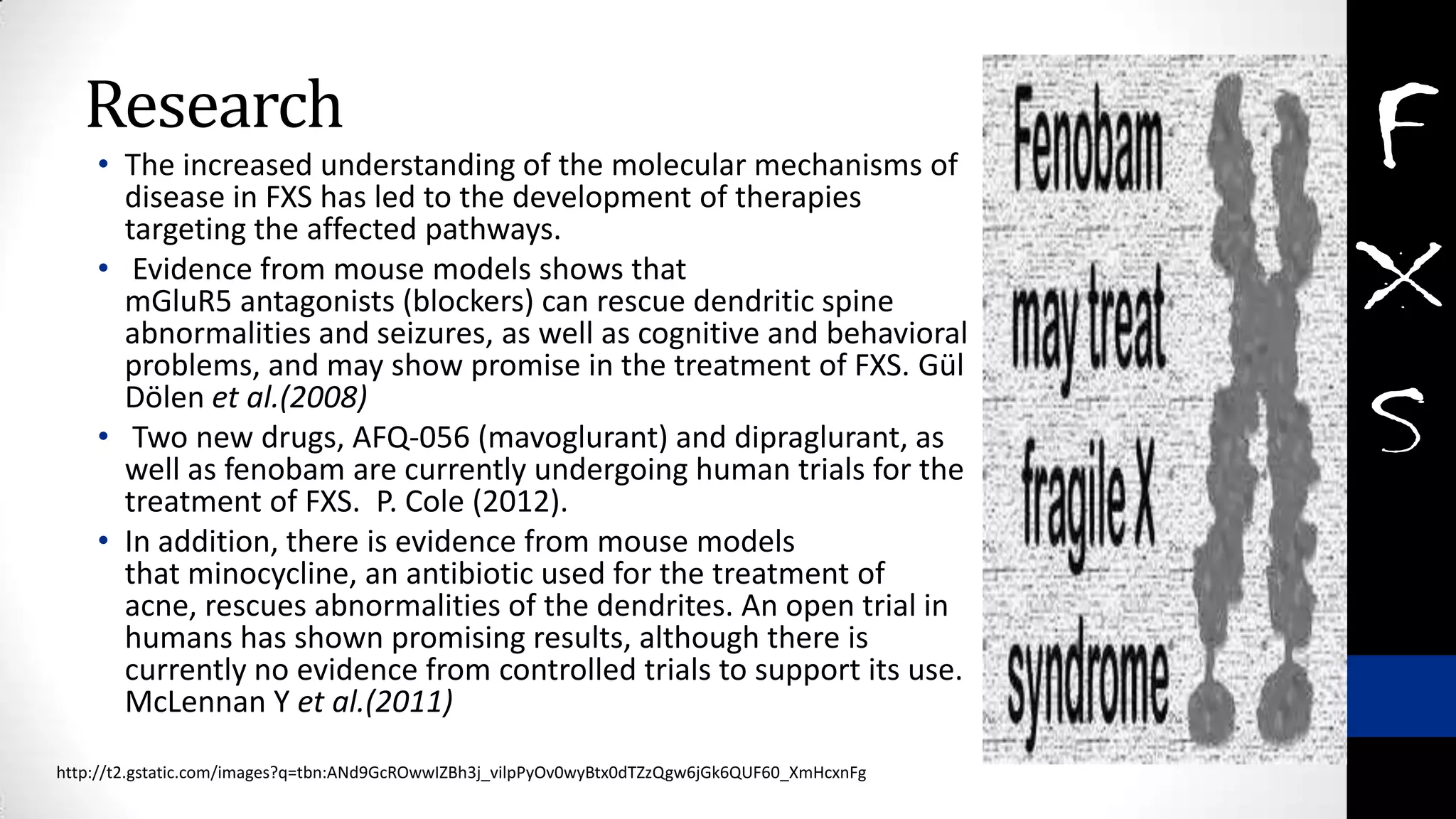
• The increased understanding of the molecular mechanisms of
disease in FXS has led to the development of therapies
targeting the affected pathways.
• Evidence from mouse models shows that
mGluR5 antagonists (blockers) can rescue dendritic spine
abnormalities and seizures, as well as cognitive and behavioral
problems, and may show promise in the treatment of FXS. Gül
Dölen et al.(2008)
• Two new drugs, AFQ-056 (mavoglurant) and dipraglurant, as
well as fenobam are currently undergoing human trials for the
treatment of FXS. P. Cole (2012).
• In addition, there is evidence from mouse models
that minocycline, an antibiotic used for the treatment of
acne, rescues abnormalities of the dendrites. An open trial in
humans has shown promising results, although there is
currently no evidence from controlled trials to support its use.
McLennan Y et al.(2011)
http://t2.gstatic.com/images?q=tbn:ANd9GcROwwIZBh3j_vilpPyOv0wyBtx0dTZzQgw6jGk6QUF60_XmHcxnFg
Lovastatin for Fragile X?
• High-profile publication by FRAXA-funded team at MIT, led by Dr. Mark
Bear, suggests an available medication may treat Fragile X.
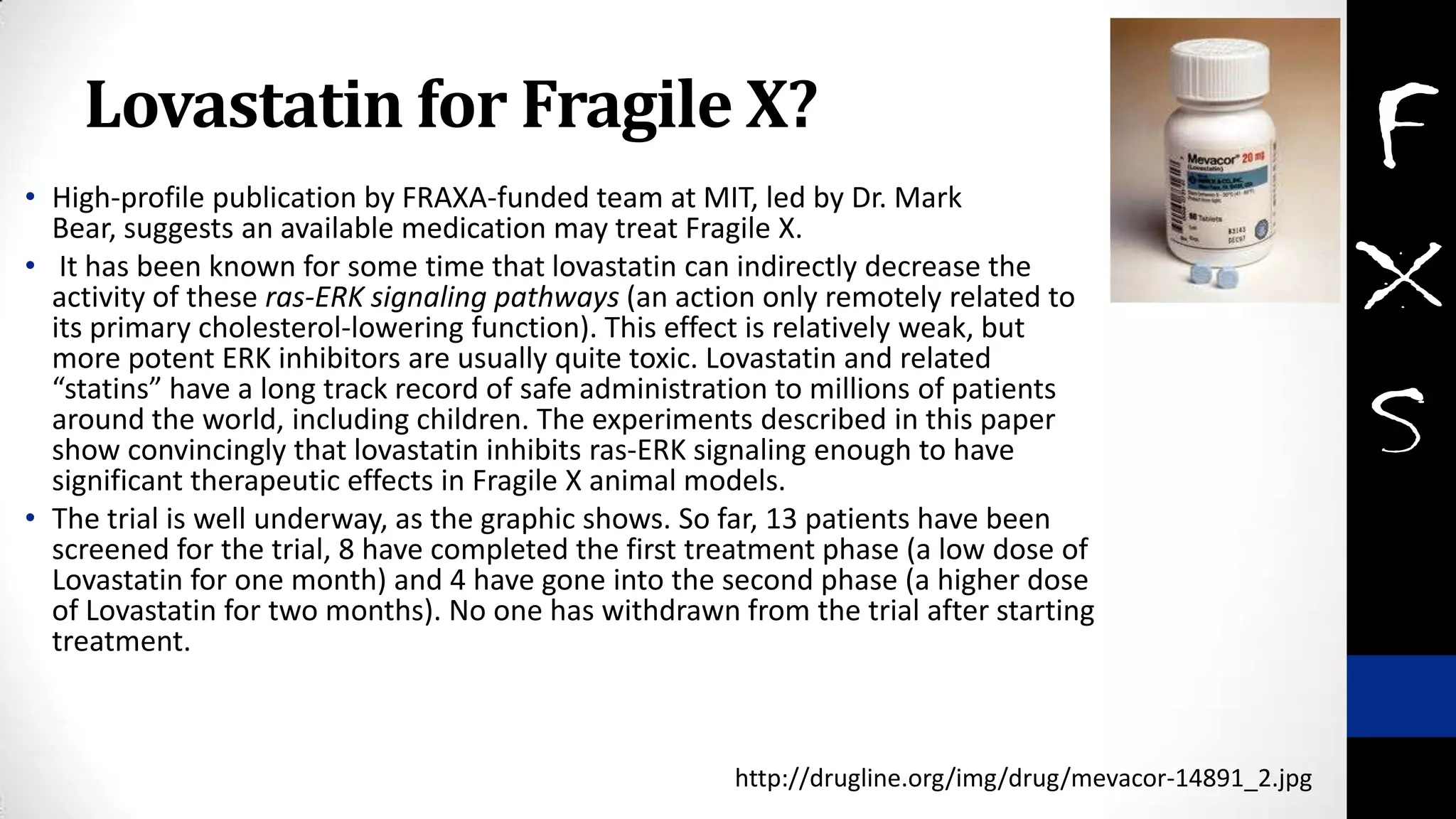
• It has been known for some time that lovastatin can indirectly decrease the
activity of these ras-ERK signaling pathways (an action only remotely related to
its primary cholesterol-lowering function). This effect is relatively weak, but
more potent ERK inhibitors are usually quite toxic. Lovastatin and related
“statins” have a long track record of safe administration to millions of patients
around the world, including children. The experiments described in this paper
show convincingly that lovastatin inhibits ras-ERK signaling enough to have
significant therapeutic effects in Fragile X animal models.
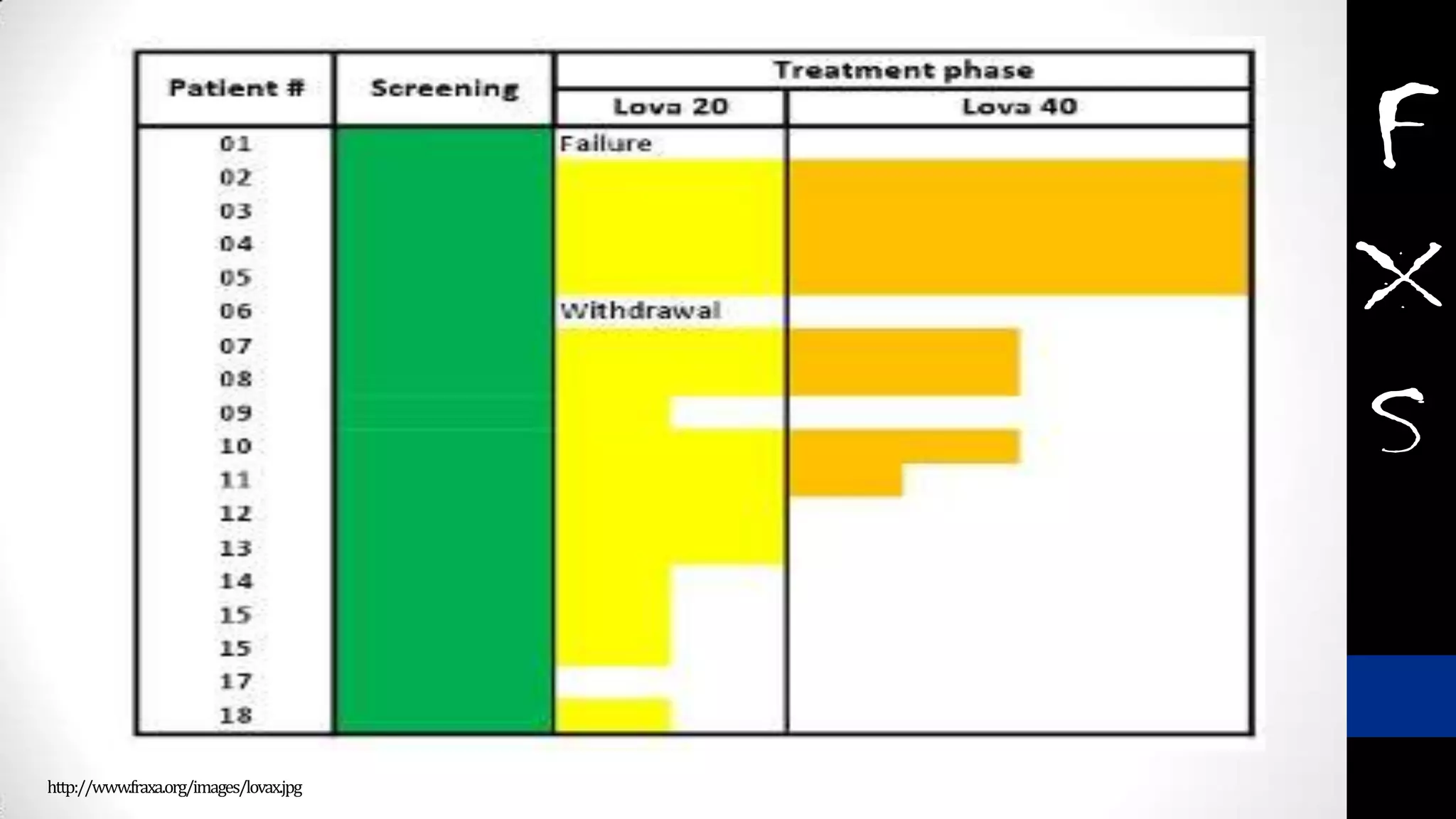
• The trial is well underway, as the graphic shows. So far, 13 patients have been
screened for the trial, 8 have completed the first treatment phase (a low dose of
Lovastatin for one month) and 4 have gone into the second phase (a higher dose
of Lovastatin for two months). No one has withdrawn from the trial after starting
treatment.
http://drugline.org/img/drug/mevacor-14891_2.jpg
http://www.fraxa.org/images/lovax.jpg
Conclusion
• There is no specific treatment available for fragile X syndrome. Supportive
therapy for children who have fragile X syndrome includes:
• Special education and anticipatory management including avoidance of
excessive stimulation to decrease behavioral problems.
• Medication to manage behavioral issues, although no specific medication has
been shown to be beneficial.
• Early intervention, special education and vocational training.
• Some children cope in mainstream schools, sometimes with some extra help,
while others need to go to a school which can provide for their special
educational needs.
References
• Bassell GJ, Warren ST (2008). "Fragile X syndrome: loss of local mRNA regulation alters synaptic
development and function". Neuron 60 (2): 201–
14.doi:10.1016/j.neuron.2008.10.004. PMID 18957214.
• Dölen G, Carpenter RL, Ocain TD, Bear MF (2010). "Mechanism-based approaches to treating
fragile X". Pharmacol Ther 127 (1): 7893.doi:10.1016/j.pharmthera.2010.02.008. PMID 20303363
• Holsen, Laura M.; Dalton, Kim M.; Johnstone, Tom; Davidson, Richard J. (2008)."Prefrontal social
cognition network dysfunction underlying face encoding and social anxiety in fragile X
syndrome". NeuroImage 43 (3): 592–
604.doi:10.1016/j.neuroimage.2008.08.009. PMC 2598775. PMID 18778781
• P. Cole (2012). "Mavoglurant". Drugs of the Future 37 (1): 7–
12.doi:10.1358/dof.2012.37.1.1772147.
• Sherman, S. (2002). "Epidemiology". In Hagerman, R. J.; Hagerman, P. J. Fragile X
Syndrome, Diagnosis Treatment and Research (3rd ed.). Baltimore: Johns Hopkins University
Press. ISBN 0-8018-6843-2.
• http://discovery.yukozimo.com/who-discovered-fragile-x-syndrome/
• http://www.medmerits.com/index.php/article/fragile_x_syndrome/P6
• http://www.bbc.co.uk/health/physical_health/conditions/fragilex1.shtml
• http://www.sciencedirect.com/science/article/pii/S0092867408009513
FRAGILE X SYNDROME ( FXS ) an inherited cause of mental retardation.

FRAGILE X SYNDROME ( FXS ) an inherited cause of mental retardation.

  • 1.
  • 2.
    Content : 1. History 2.Introduction 3. Epidemiology 4. Causes 5. Signs and Symptoms 6. Diagnosis 7. Treatment 8. Research 9. Conclusion 10. References
  • 3.
    History • In 1943,Fragile X syndrome was discovered by James Purdon Martin and Julia Bell. • The disease is also known as Martin-Bell syndrome, named after their discovery. • In 1969, Herbert Lubs first sighted an unusual "marker X chromosome" in association with mental disability. • In 1970, Frederick Hecht coined the term "fragile site“ • In Brazil and other South American countries ,it is commonly known as Escalante's syndrome . http://www.ncbi.nlm.nih.gov/pubmed/21611430
  • 4.
    Introduction • FXS isa genetic syndrome that is the most widespread single-gene cause of autism and inherited cause of mental retardation. • It is associated with the expansion of the CGG trinucleotide repeat affecting the Fragile X mental retardation 1 (FMR1) gene on the X chromosome. • Resulting in a failure to express the fragile X mental retardation protein (FMRP). • FMRP is required for normal neural development. • Absence of FMRP leads to abnormalities in brain development and function. http://t3.gstatic.com/images?q=tbn:ANd9GcS7aHl9F1onFAaaZs9eGxp9MMcUr-dDWDQl_A5F0w-lHkw_Qco5
  • 6.
    CGG CG CG CGGCGG CGG CGG CGG ~6-44 Repeats CGG CGG CGG CGG CGG ~45-54 Repeats CGG CGG CGG CGG CGG ~ 55-200 Repeats CGG CGG CGG CGG CGG ~ >200 Repeats What actually happens??
  • 7.
  • 9.
    Epidemiology • Fragile Xsyndrome is the most common known inherited cause of mental retardation. • Based on cytogenetic testing, it is thought to affect 1 in 4000 males and 1 in 8000 females. • The condition is underdiagnosed, especially in females, because craniofacial abnormalities as well as neurobehavioral deficits are often subtle, and the variability in phenotype is tremendous. • The prevalence for the premutation is estimated at 1 in 813 males and 1 in 259 females. http://270c81.medialib.glogster.com/media/b8/b8c4b3eb2a5b83d3e8c9229b5d687b087aef9676e057123379b7d861f4110166/fx-jpg.jpg
  • 10.
    Causes • In FXSone of the genes on the X chromosome is faulty. • The gene that causes fragile X is called the FMR1 gene. • Pictures of the X chromosome show a constriction near the tip of the chromosome, so it looks as though the end of the chromosome is breaking off. • The faulty gene causes this disruption in the chromosome. http://pcosjournal.com/foray-into-prenatal-genetic-counseling-screening-testing/
  • 11.
    Signs & Symptoms: prominent characteristics of the syndrome • intellectual disability • Large, protruding ears (one or both) • Long face (vertical maxillary excess) • High-arched palate (related to the above) • Hyperextensible finger joints • Hyperextensible ('Double-jointed') thumbs • Flat feet, Soft skin • Postpubescent macroorchidism (Large testes in men after puberty) • Hypotonia (low muscle tone) • single palm crease (crease goes across entire palm) http://qw88nb88.files.wordpress.com/2008/05/finger-hyperextension1.jpg
  • 12.
  • 13.
    Diagnosis : The diagnosisis based on 3 factors: • Positive carrier testing for the FMR1 premutation,Karyotyping. • A neurological exam that affirms the above characteristics, and • Magnetic Resonance Imaging (MRI) findings that are known to be related to FXTAS, including white matter changes or decreased size of the brain. • polymerase chain reaction (PCR) • chorionic villus sampling • amniocentesis
  • 14.
    • Chorionic villussampling (CVS) involves taking a sample of cells from the tissue of the placenta of a pregnant woman. These cells are called chorionic villi. • The procedure is always carried out under the guidance of an ultrasound scan to avoid making a hole in the amniotic sac • Two different methods can be used during the procedure: • transabdominal CVS • transcervical CVS • Transabdominal CVS • During transabdominal CVS, the stomach is cleaned with antiseptic and a needle is inserted through the stomach and abdomen wall. The needle is guided towards your womb using the image on the ultrasound scan. • Attached to the needle is a syringe, which is used to extract a small sample of chorionic villi, after which the needle is removed. Chorionic villus sampling (CVS)
  • 15.
  • 16.
    Treatment Pharmacological antidepressants such as selectiveserotonin reuptake inhibitors (SSRIs) antipsychotics such as Risperdal and Seroquel Anticonvulsants used to control seizures as well as mood swings Non-pharmacological speech therapy, behavioural therapy, Sensoryntegration occupational therapy, special education genetic counseling
  • 17.
    Address: Aurinko Academy, #82, TropicalParadise, Kudlu, Bangalore 560068, Karnataka, India.
  • 18.
  • 20.
    Research • The increasedunderstanding of the molecular mechanisms of disease in FXS has led to the development of therapies targeting the affected pathways. • Evidence from mouse models shows that mGluR5 antagonists (blockers) can rescue dendritic spine abnormalities and seizures, as well as cognitive and behavioral problems, and may show promise in the treatment of FXS. Gül Dölen et al.(2008) • Two new drugs, AFQ-056 (mavoglurant) and dipraglurant, as well as fenobam are currently undergoing human trials for the treatment of FXS. P. Cole (2012). • In addition, there is evidence from mouse models that minocycline, an antibiotic used for the treatment of acne, rescues abnormalities of the dendrites. An open trial in humans has shown promising results, although there is currently no evidence from controlled trials to support its use. McLennan Y et al.(2011) http://t2.gstatic.com/images?q=tbn:ANd9GcROwwIZBh3j_vilpPyOv0wyBtx0dTZzQgw6jGk6QUF60_XmHcxnFg
  • 21.
    Lovastatin for FragileX? • High-profile publication by FRAXA-funded team at MIT, led by Dr. Mark Bear, suggests an available medication may treat Fragile X. • It has been known for some time that lovastatin can indirectly decrease the activity of these ras-ERK signaling pathways (an action only remotely related to its primary cholesterol-lowering function). This effect is relatively weak, but more potent ERK inhibitors are usually quite toxic. Lovastatin and related “statins” have a long track record of safe administration to millions of patients around the world, including children. The experiments described in this paper show convincingly that lovastatin inhibits ras-ERK signaling enough to have significant therapeutic effects in Fragile X animal models. • The trial is well underway, as the graphic shows. So far, 13 patients have been screened for the trial, 8 have completed the first treatment phase (a low dose of Lovastatin for one month) and 4 have gone into the second phase (a higher dose of Lovastatin for two months). No one has withdrawn from the trial after starting treatment. http://drugline.org/img/drug/mevacor-14891_2.jpg
  • 22.
  • 23.
    Conclusion • There isno specific treatment available for fragile X syndrome. Supportive therapy for children who have fragile X syndrome includes: • Special education and anticipatory management including avoidance of excessive stimulation to decrease behavioral problems. • Medication to manage behavioral issues, although no specific medication has been shown to be beneficial. • Early intervention, special education and vocational training. • Some children cope in mainstream schools, sometimes with some extra help, while others need to go to a school which can provide for their special educational needs.
  • 24.
    References • Bassell GJ,Warren ST (2008). "Fragile X syndrome: loss of local mRNA regulation alters synaptic development and function". Neuron 60 (2): 201– 14.doi:10.1016/j.neuron.2008.10.004. PMID 18957214. • Dölen G, Carpenter RL, Ocain TD, Bear MF (2010). "Mechanism-based approaches to treating fragile X". Pharmacol Ther 127 (1): 7893.doi:10.1016/j.pharmthera.2010.02.008. PMID 20303363 • Holsen, Laura M.; Dalton, Kim M.; Johnstone, Tom; Davidson, Richard J. (2008)."Prefrontal social cognition network dysfunction underlying face encoding and social anxiety in fragile X syndrome". NeuroImage 43 (3): 592– 604.doi:10.1016/j.neuroimage.2008.08.009. PMC 2598775. PMID 18778781 • P. Cole (2012). "Mavoglurant". Drugs of the Future 37 (1): 7– 12.doi:10.1358/dof.2012.37.1.1772147. • Sherman, S. (2002). "Epidemiology". In Hagerman, R. J.; Hagerman, P. J. Fragile X Syndrome, Diagnosis Treatment and Research (3rd ed.). Baltimore: Johns Hopkins University Press. ISBN 0-8018-6843-2. • http://discovery.yukozimo.com/who-discovered-fragile-x-syndrome/ • http://www.medmerits.com/index.php/article/fragile_x_syndrome/P6 • http://www.bbc.co.uk/health/physical_health/conditions/fragilex1.shtml • http://www.sciencedirect.com/science/article/pii/S0092867408009513