Research Student:-
Ms. Rahee B. Chougule
M.Pharm 2nd Year
Research Guide:-
Mrs. Bhavana U. Jain
Assistant Professor
APPASAHEB BIRNALE COLLEGE OF PHARMACY, SANGLI.
 Author : Bharathi Sambandam et al
 Journal : International Journal of Pharmacy
and Pharmaceutical Sciences
 Received: 28 Jan 2016 Revised and Accepted:
20 Apr 2016
2
CONTENTS
 Abstract
 Introduction
 Materials and methods
 Phytochemical Investigation
 Isolation of active constituent
 Characterization
 Pharmacological Screening
 Result and discussion
 Conclusion
 References
3
ABSTRACT :-
The present study was designed for isolation of bioactive flavonoid molecule quercetin
from the leaves of Trigonella foenum-graecum and their subsequent characterization. Crude
extracts of fenugreek were prepared using various solvents such as hexane, ethyl acetate,
and ethanol. The plant extracts were subjected for photochemical analysis. The extracts
were then subjected to column chromatography followed by TLC. The isolated compound
was subjected to FT-IR, 1H NMR, 13C NMR, mass spectroscopy and their free radical
scavenging activity was studied. The ethanol extract showed the presence of higher
flavonoid content when compared with other solvent extracts. The ethanol extract was
subjected to fractionalization by column chromatography. The eluted fractions were run in
TLC mobile phase with the different solvent ratio. The fractions showed Rf value equal to
standard quercetin in TLC were combined and crystallized. The characterization techniques
confirmed that the isolated compound was found to be quercetin. The free radical
scavenging activity suggests that the isolated compound quercetin could act as a potent
source of antioxidants. The flavonoid quercetin was isolated effectively from the leaves of
Trigonella foenum-graecum and their antioxidant activity was studied.
4
INTRODUCTION
 Fenugreek (Trigonella foenum-graecum) is an annual herb that belongs to the
family Leguminosae commonly grown in India, Pakistan, and some Middle
Eastern countries, which has many beneficial medicinal effects.
 Both the leaves and seeds of the fenugreek plants were widely consumed as
food and medicine in Indo-Pak subcontinent and also in other countries.
 Fenugreek is rich in the source of vitamins, iron, β-carotene, etc. It also has
been reported to exhibit pharmacological properties such as antimicrobial,
antiviral, antitumor, anti-inflammatory and antioxidant activity.
 The fenugreek plant was included in normal diet generally because it has
haematinic value.
 Furthermore, there is a growing interest for naturally derived medications,
effective methodology should be developed to extract the bioactive
compounds from the leaves. In this study, we developed an analytical
methodology for the qualitative and quantitative determination of a flavonoid
quercetin from the leaves of fenugreek and their potential activity as a source
of natural antioxidants.
5
PLANT :- TRIGONELLA FOENUM-GRAECUM
 Family: - Leguminosae
 Synonym:- Fenugreek, Methi, Meti, Menthulu
 Chemical Constituents:- They are particularly rich
in alkaloids, flavonoids, proteins, carbohydrates,
saponins etc.
 Description:- It is an annual herbaceous legume
which has characteristic strong odour.
 Uses:- It is used as antimicrobial, antiviral,
antitumor, anti-inflammatory and antioxidant
activity.
6
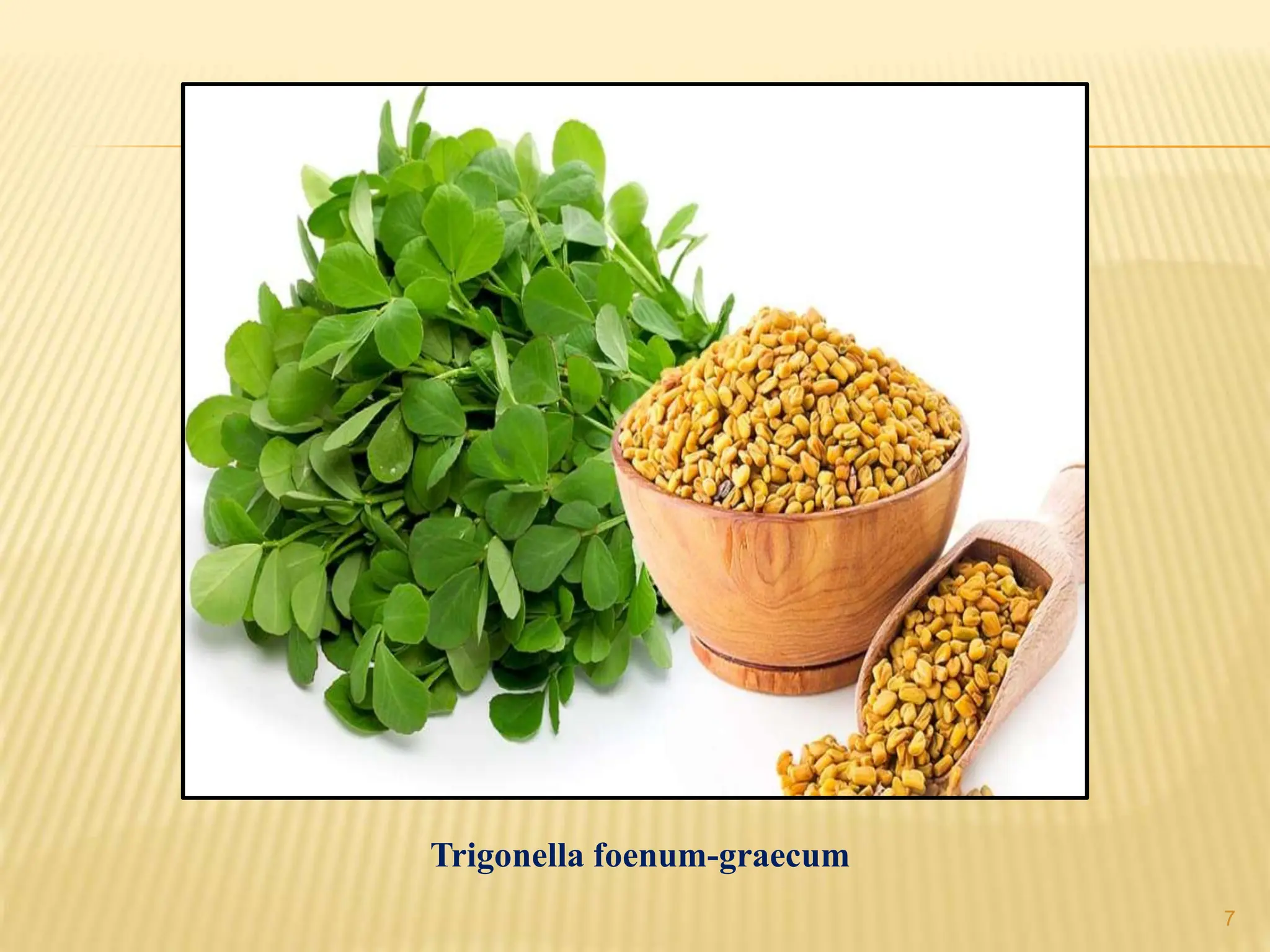
Trigonella foenum-graecum
7
MATERIALS & METHODS
 Plant collection and authentication
 During the vegetative stage, the leaf samples of Trigonella foenum-
graecum were collected from plants grown without pesticide in the field
near to Madhuranthagam, Tamilnadu, India.
 The herbarium specimen was identified by Prof. P. Jayaraman, Institute of
Herbal Botany, Plant Anatomy Research Centre, Chennai.
 The leaves cut down and separated from other parts of the plants, cleaned
and dried for further experimental use.
 The plant materials (leaves of Trigonella foenum-graecum) were air-dried
at room temperature (26 °C) for two weeks and later it was then ground to
uniform powder.
8
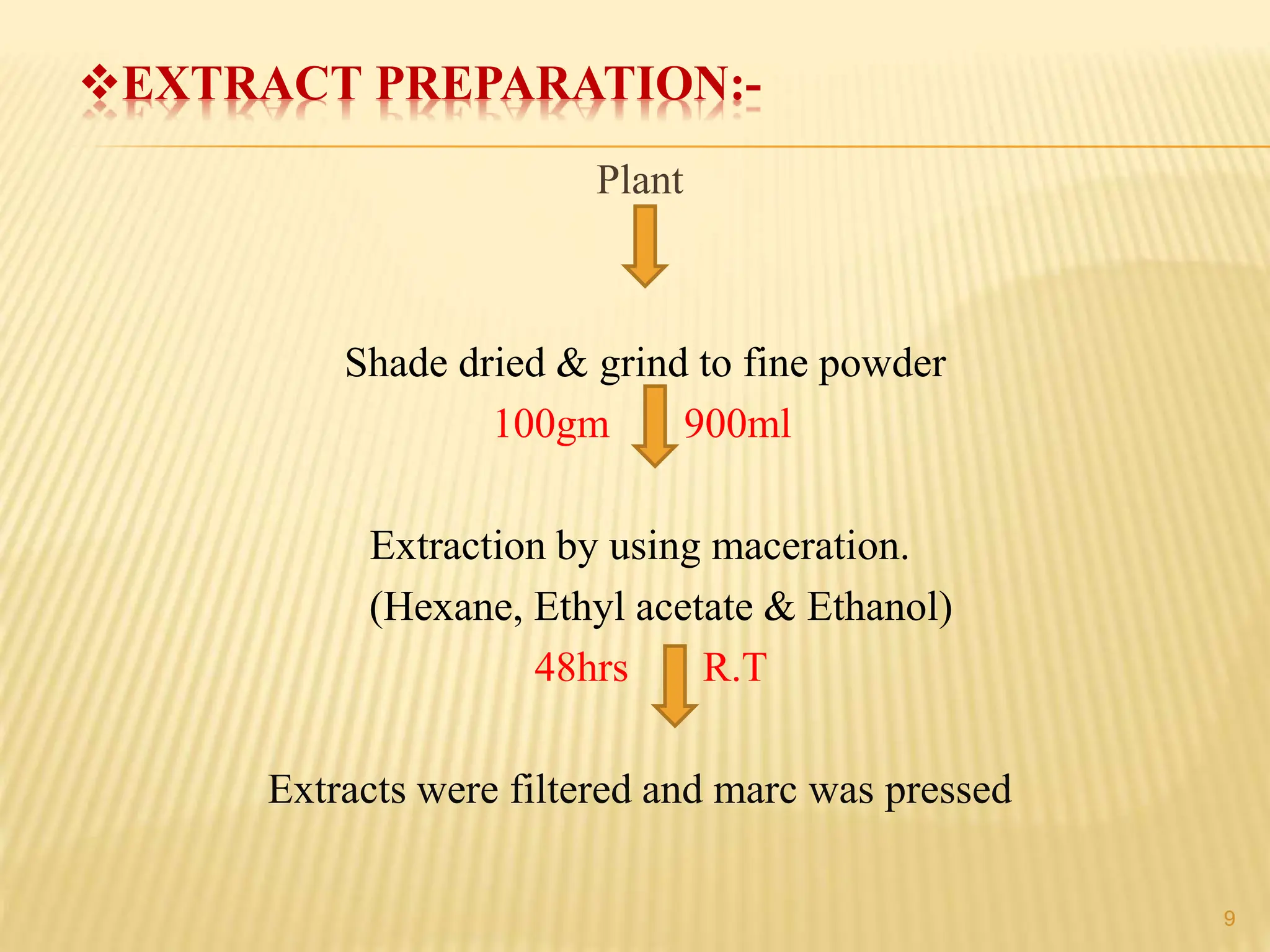
EXTRACT PREPARATION:-
Plant
Shade dried & grind to fine powder
100gm 900ml
Extraction by using maceration.
(Hexane, Ethyl acetate & Ethanol)
48hrs R.T
Extracts were filtered and marc was pressed
9
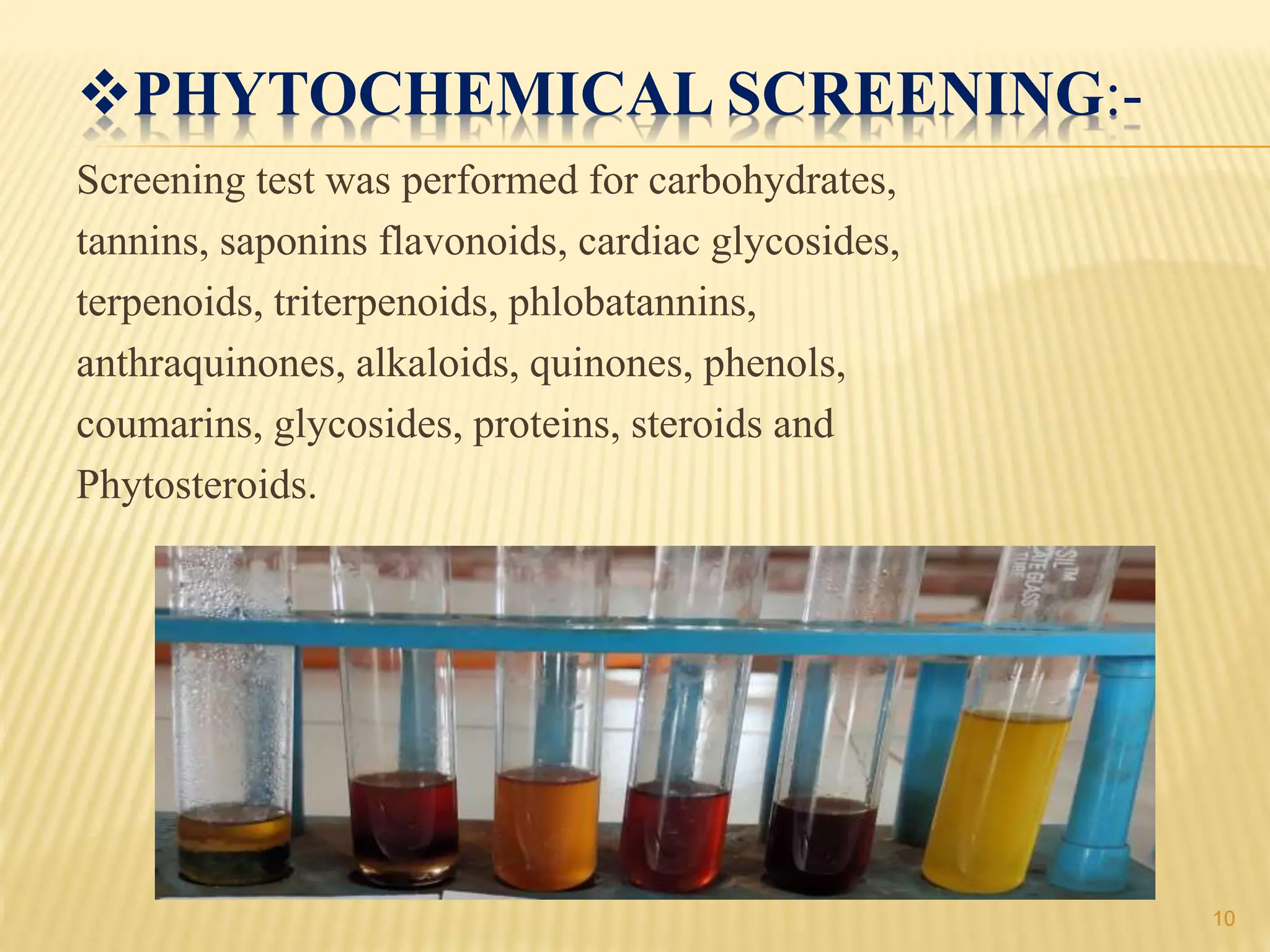
PHYTOCHEMICAL SCREENING:-
Screening test was performed for carbohydrates,
tannins, saponins flavonoids, cardiac glycosides,
terpenoids, triterpenoids, phlobatannins,
anthraquinones, alkaloids, quinones, phenols,
coumarins, glycosides, proteins, steroids and
Phytosteroids.
10
ISOLATION OF ACTIVE CONSTITUENT:-
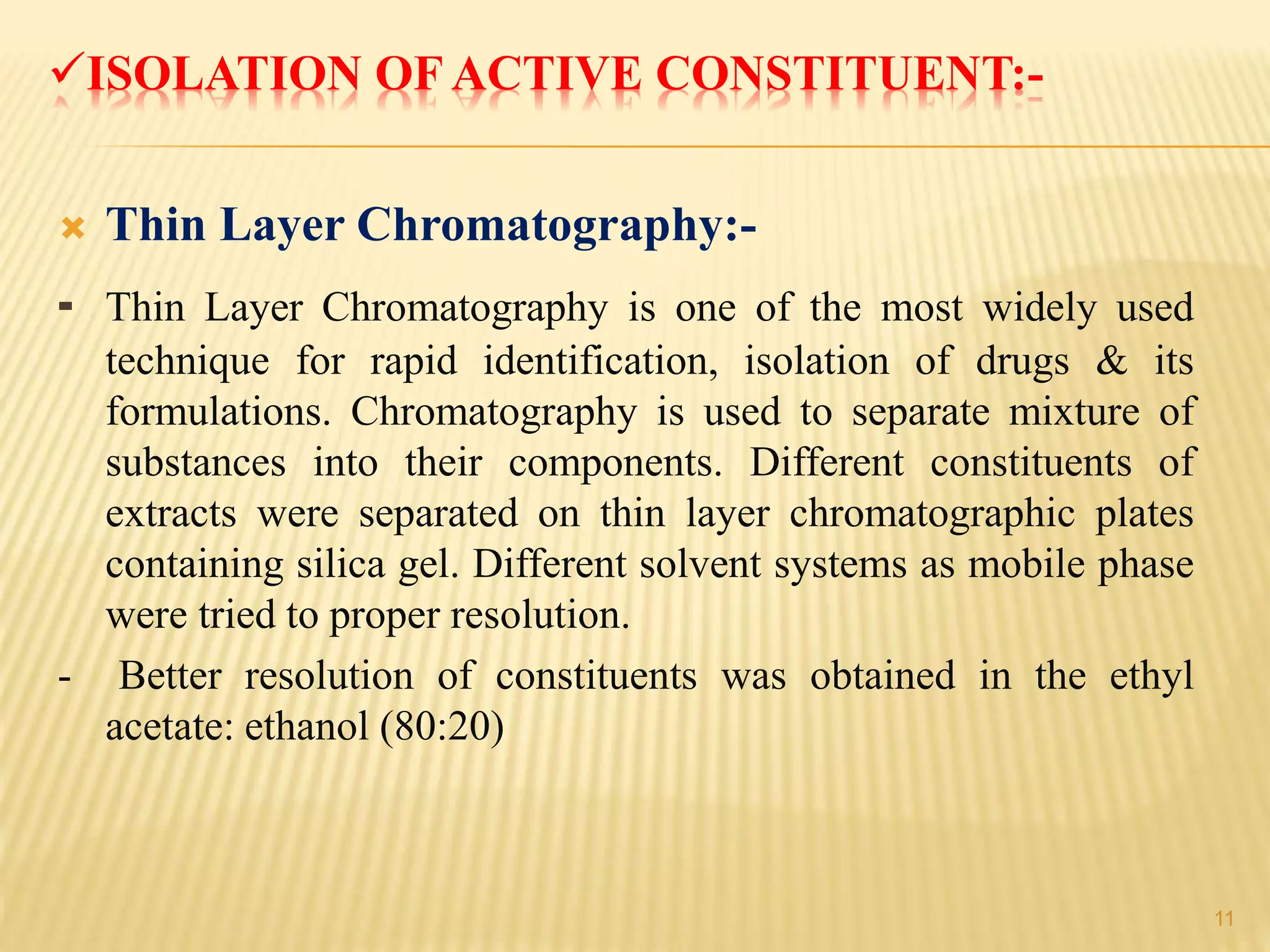
 Thin Layer Chromatography:-
- Thin Layer Chromatography is one of the most widely used
technique for rapid identification, isolation of drugs & its
formulations. Chromatography is used to separate mixture of
substances into their components. Different constituents of
extracts were separated on thin layer chromatographic plates
containing silica gel. Different solvent systems as mobile phase
were tried to proper resolution.
- Better resolution of constituents was obtained in the ethyl
acetate: ethanol (80:20)
11
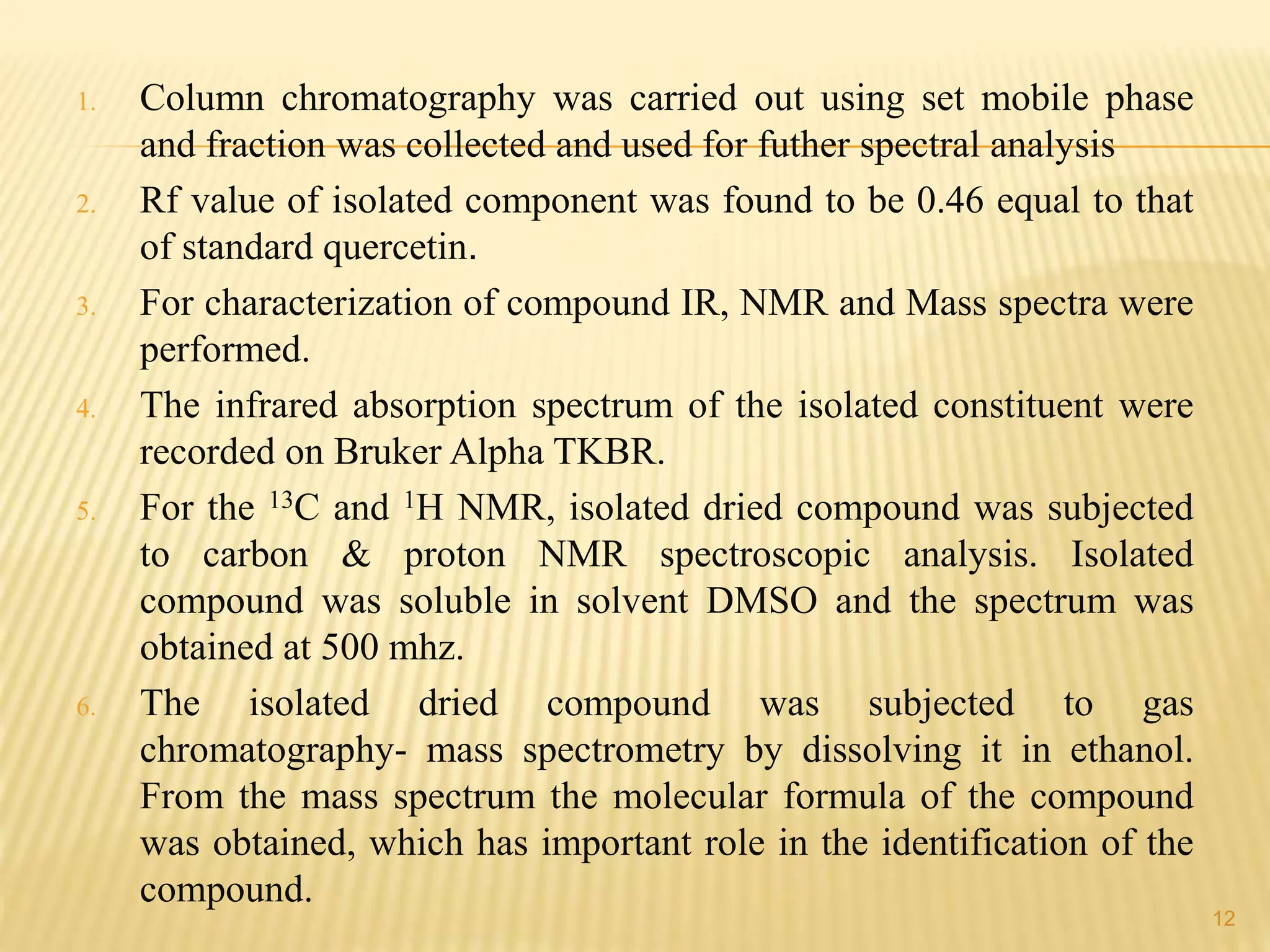
1. Column chromatography was carried out using set mobile phase
and fraction was collected and used for futher spectral analysis
2. Rf value of isolated component was found to be 0.46 equal to that
of standard quercetin.
3. For characterization of compound IR, NMR and Mass spectra were
performed.
4. The infrared absorption spectrum of the isolated constituent were
recorded on Bruker Alpha TKBR.
5. For the 13C and 1H NMR, isolated dried compound was subjected
to carbon & proton NMR spectroscopic analysis. Isolated
compound was soluble in solvent DMSO and the spectrum was
obtained at 500 mhz.
6. The isolated dried compound was subjected to gas
chromatography- mass spectrometry by dissolving it in ethanol.
From the mass spectrum the molecular formula of the compound
was obtained, which has important role in the identification of the
compound.
12
DETERMINATION OF ANTIOXIDANT ACTIVITY
 The free radical scavenging activity of isolated compound
quercetin was measured in vitro by 1,1-diphenyl-2-picrylhydrazyl
(DPPH) assay.
 An aliquot of 0.5 ml of different concentration of sample solution
in methanol was mixed with 2.5 ml of 0.5 mM methanolic solution
of DPPH.
 The mixture was shaken vigorously and incubated for 37 min in
the dark at room temperature.
 The absorbance was measured at 517 nm using UV-Vis
spectrophotometer. Ascorbic acid was used as a positive control.
 DPPH free radical scavenging ability (%) was calculated by using
the formula.
 Percentage (%) of inhibition = [(absorbance of control–absorbance
of sample)/(absorbance of control)] ×100.
13
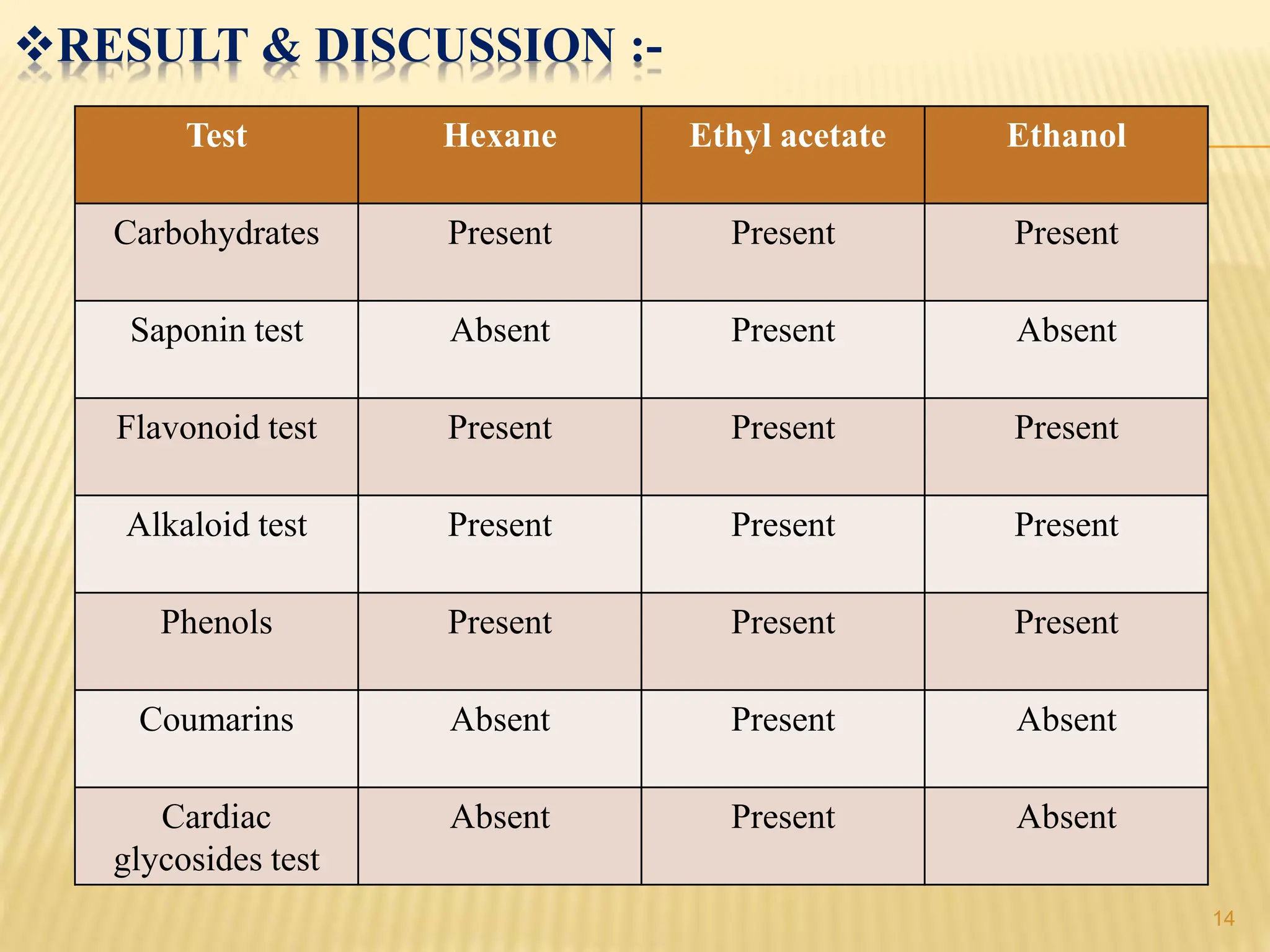
RESULT & DISCUSSION :-
Test Hexane Ethyl acetate Ethanol
Carbohydrates Present Present Present
Saponin test Absent Present Absent
Flavonoid test Present Present Present
Alkaloid test Present Present Present
Phenols Present Present Present
Coumarins Absent Present Absent
Cardiac
glycosides test
Absent Present Absent
14
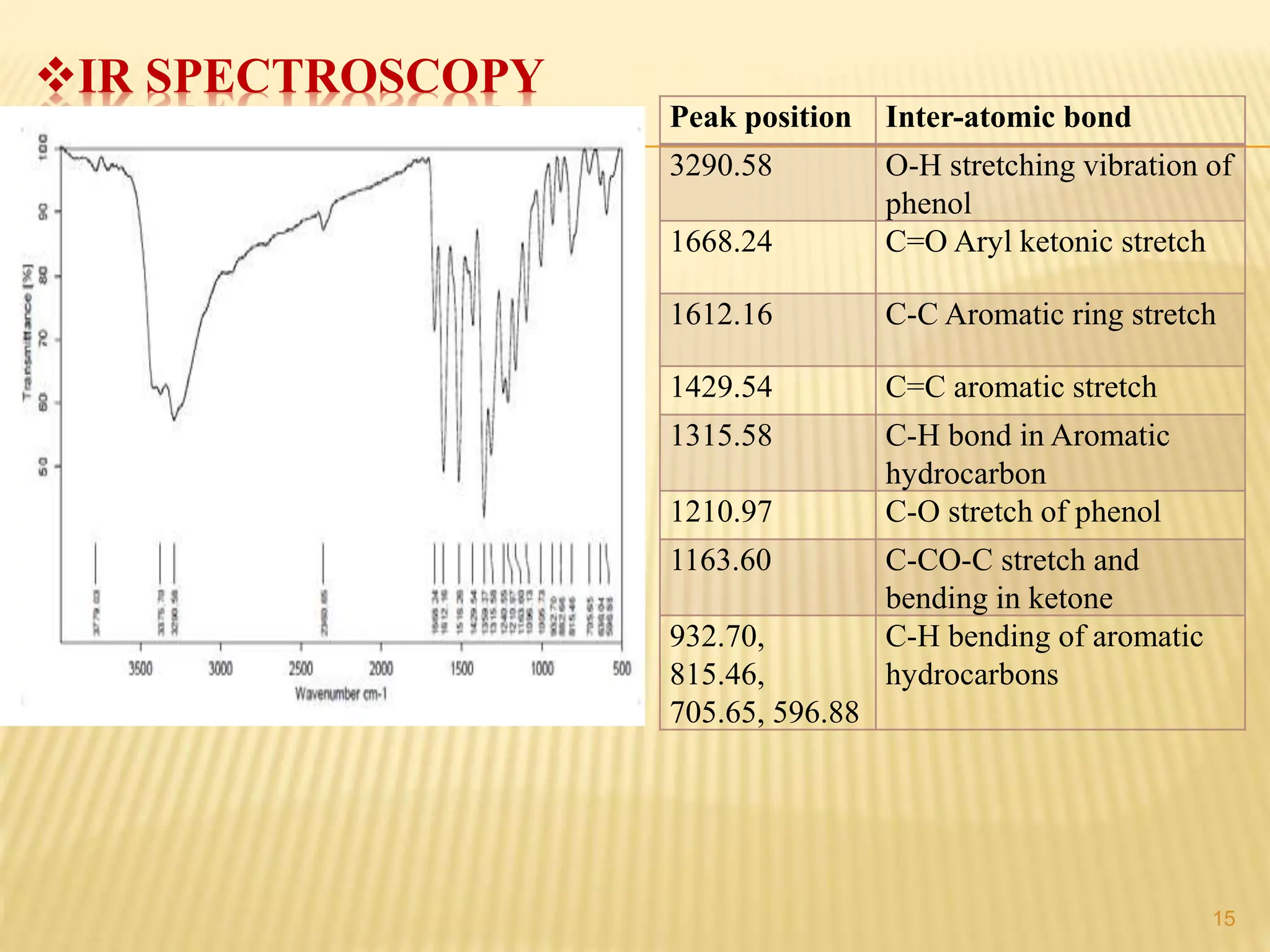
IR SPECTROSCOPY
Peak position Inter-atomic bond
3290.58 O-H stretching vibration of
phenol
1668.24 C=O Aryl ketonic stretch
1612.16 C-C Aromatic ring stretch
1429.54 C=C aromatic stretch
1315.58 C-H bond in Aromatic
hydrocarbon
1210.97 C-O stretch of phenol
1163.60 C-CO-C stretch and
bending in ketone
932.70,
815.46,
705.65, 596.88
C-H bending of aromatic
hydrocarbons
15
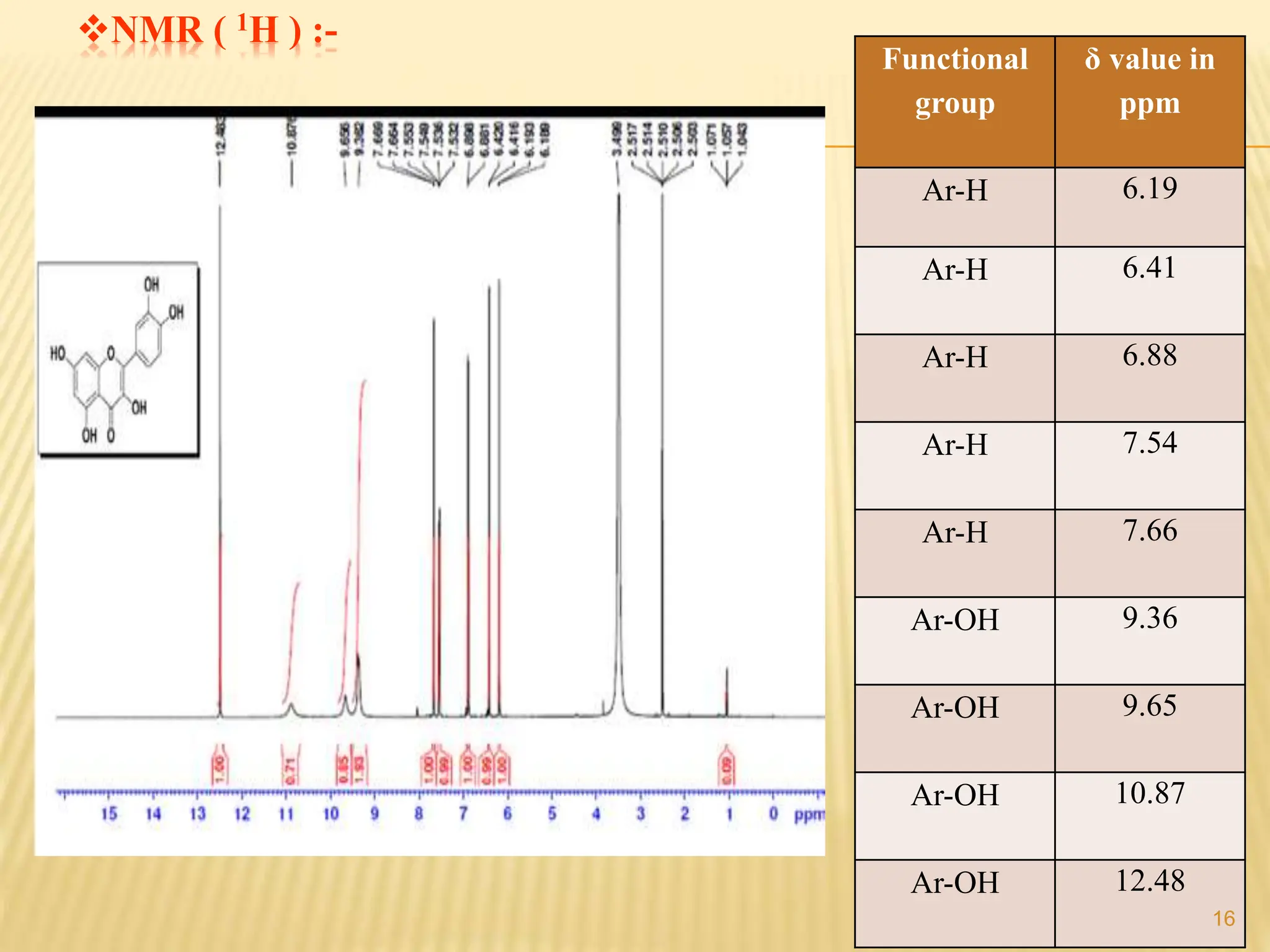
NMR ( 1H ) :-
Functional
group
δ value in
ppm
Ar-H 6.19
Ar-H 6.41
Ar-H 6.88
Ar-H 7.54
Ar-H 7.66
Ar-OH 9.36
Ar-OH 9.65
Ar-OH 10.87
Ar-OH 12.48
16
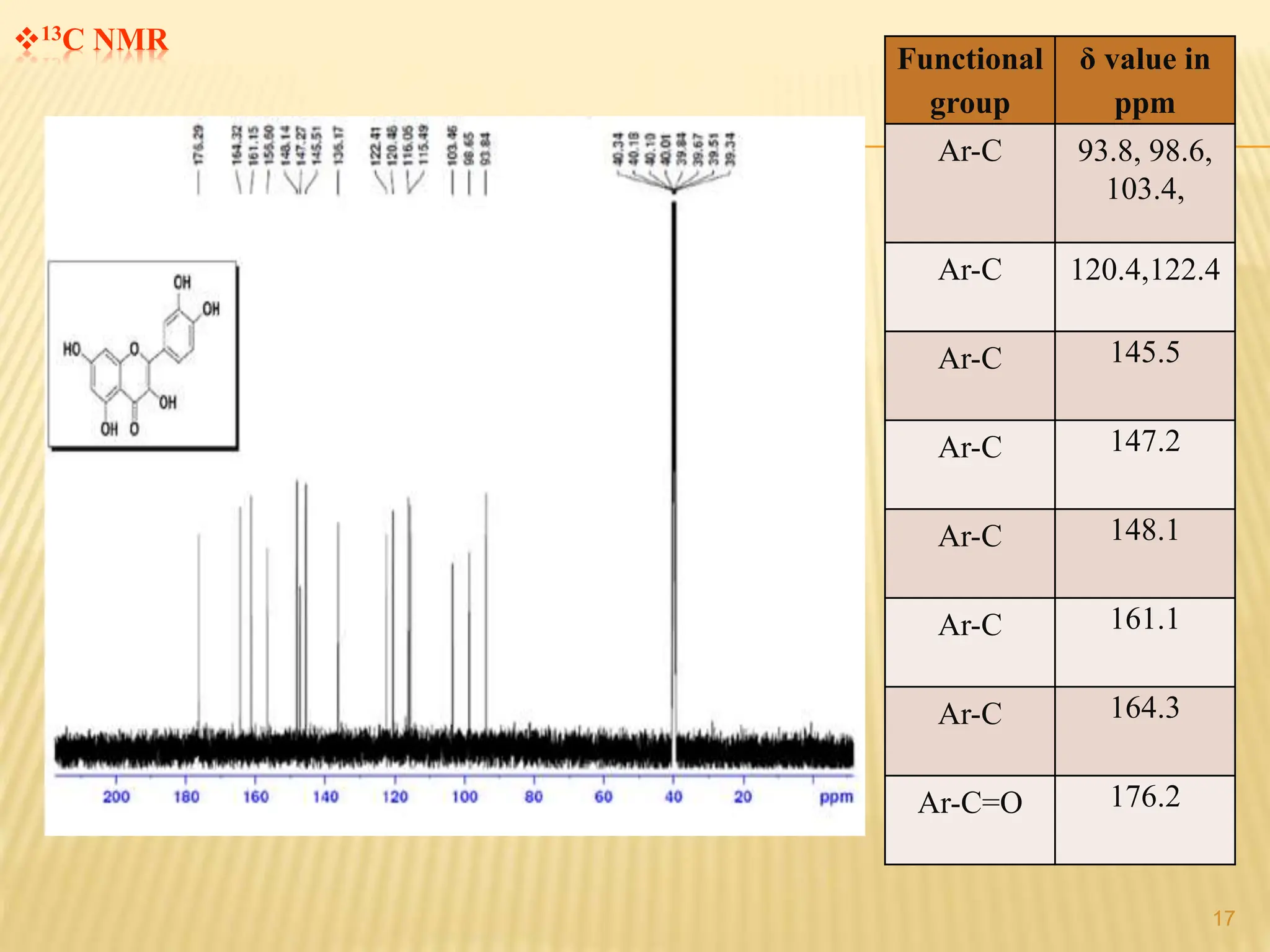
13C NMR
Functional
group
δ value in
ppm
Ar-C 93.8, 98.6,
103.4,
Ar-C 120.4,122.4
Ar-C 145.5
Ar-C 147.2
Ar-C 148.1
Ar-C 161.1
Ar-C 164.3
Ar-C=O 176.2
17
MASS SPECTROSCOPY
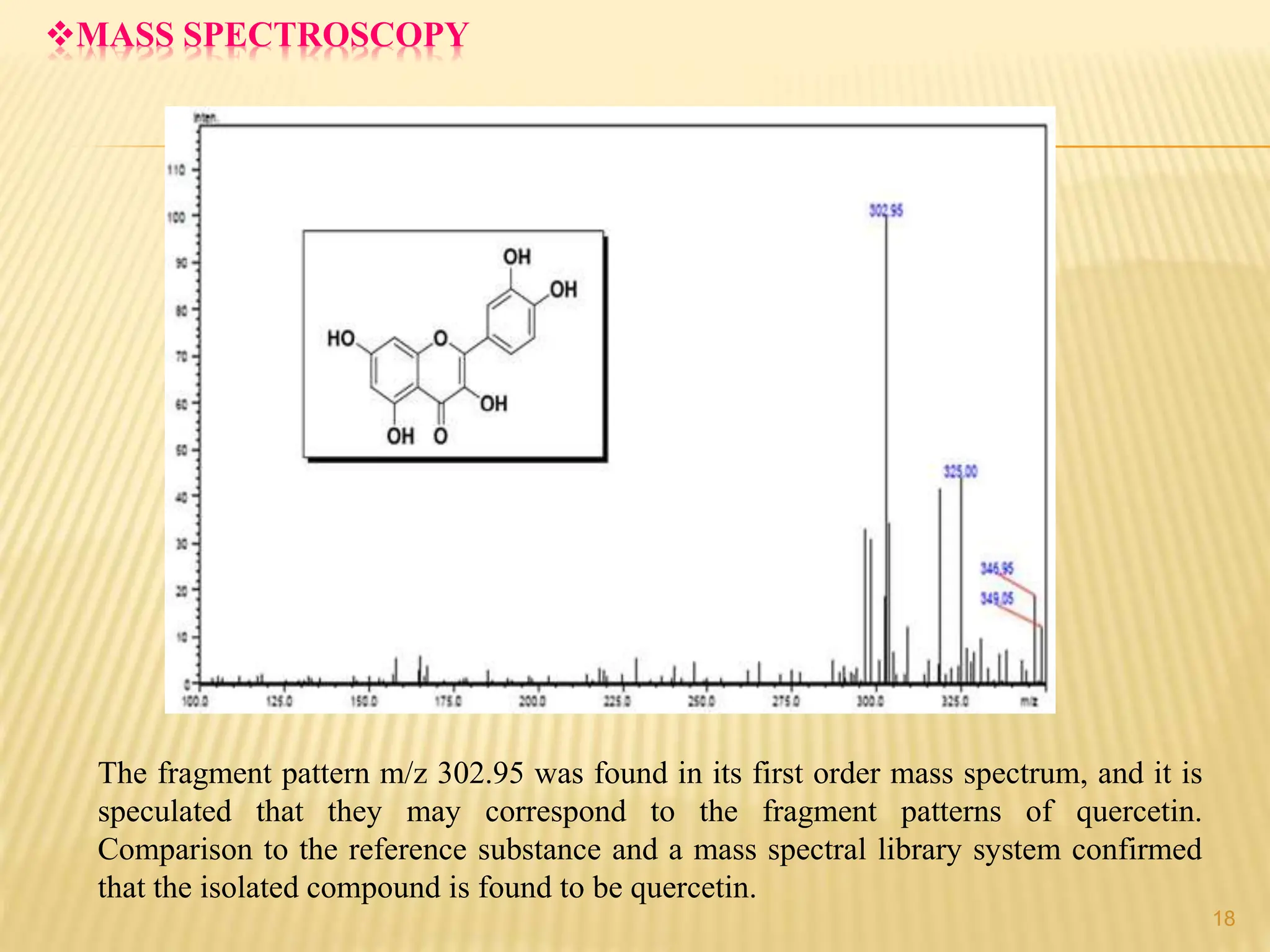
The fragment pattern m/z 302.95 was found in its first order mass spectrum, and it is
speculated that they may correspond to the fragment patterns of quercetin.
Comparison to the reference substance and a mass spectral library system confirmed
that the isolated compound is found to be quercetin.
18
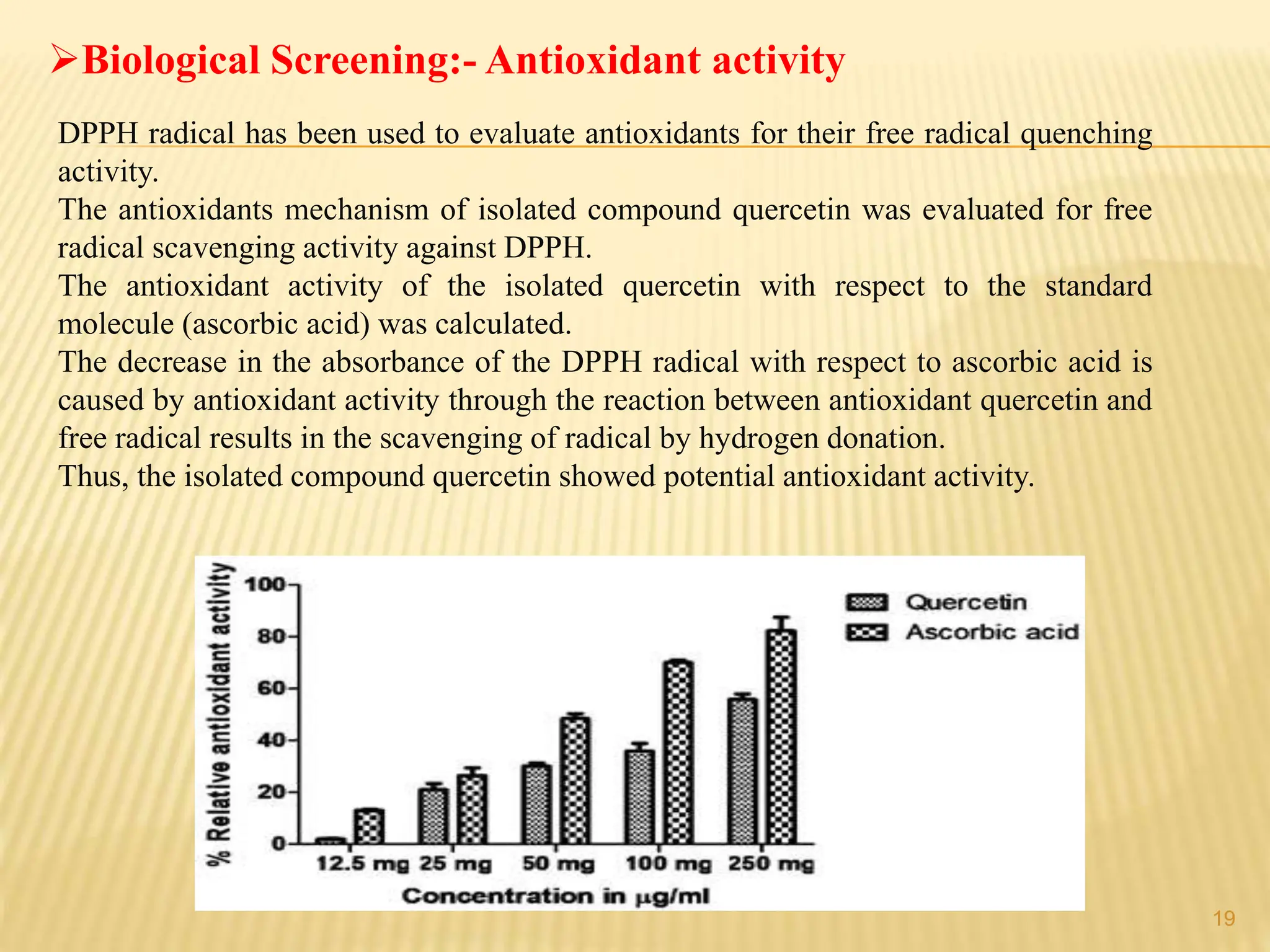
DPPH radical has been used to evaluate antioxidants for their free radical quenching
activity.
The antioxidants mechanism of isolated compound quercetin was evaluated for free
radical scavenging activity against DPPH.
The antioxidant activity of the isolated quercetin with respect to the standard
molecule (ascorbic acid) was calculated.
The decrease in the absorbance of the DPPH radical with respect to ascorbic acid is
caused by antioxidant activity through the reaction between antioxidant quercetin and
free radical results in the scavenging of radical by hydrogen donation.
Thus, the isolated compound quercetin showed potential antioxidant activity.
Biological Screening:- Antioxidant activity
19
CONCLUSION:-
 From the present work, the compound plant quercetin has been
extracted successfully from the leaves of Trigonella foenum
graecum.
 It is found that solvent plays the main role in the extraction of
plant constituents.
 Ethanol is a highly polar solvent; it showed the presence of more
flavonoid content when compared to the hexane and ethyl acetate.
 The identification of flavonoid quercetin was attempted by direct
comparison with its retardation factor.
 The isolated constituent of quercetin was identified through FT-
IR, NMR and mass spectroscopy.
 The isolated compound quercetin showed increased antioxidant
activity with an increase in the treated concentrations.
 This method is simple, rapid and highly efficient extraction
method for extracting the bioactive components from plants.
20
 REFERENCES:-
1.Alarcon-Aguilara FJ, Roman-Ramos R, Perez-Gutierrez S, Aguilar-Contreras A, Contreras-
Weber V, Flores-Saenz JL. Study of the anti-hyperglycemic effect of plants used as
antidiabetics. J Ethnopharmacol 1998;61:101-10.
2.Sharma R, Raghuram T, Rao N. Effects of fenugreek seeds on blood glucose and serum lipid in
type I diabetes. Eur J Clin Nutr 1990;44:301-6.
3. Cowan MM. Plant product as antimicrobial agents. Clin Microbiol Rev 1999;12:564-82.
4. Jeevan KP, Chao CW, Stephen B. Mass spectrometric methods for the determination of
flavonoids in biological samples. Free Radical Biol Med 2004;37:1324-50.
5. Su FC, Shin N, Chien HW, Chia LL, Yun CC, Shiang YL. Reappraisal of the anticancer
efficacy of quercetin in oral cancer cells. J Chin Med Assoc 2013;76:146-52.
6. Shetty K. Biotechnology to harness the benefits of dietary phenolics: focus on Lamiaceae. Asia
Pac J Clin Nutr 1997;21:79-102.
7. Sharma RD, Sarkar A, Hazra DK. Hypolipidaemic effect of fenugreek seeds: a chronic study in
non-insulin dependent diabetic patients. Phytother Res 1996;10:332-4.
8. Ajabnoor M, Tilmisany A. Effect of Trigonella foenum-graecum on blood glucose levels in
normal and alloxan-diabetic mice. J Ethnopharmacol 1998;22:45-9.
9. Pandian S, Anuradha C, Viswanathan P. Gastroprotective effect of fenugreek seeds (Trigonella
foenum-graecum) on an experimental gastric ulcer in rats. J Ethnopharmacol 2002;81:393-7.
10. Chauhan G, Sharma M, Kharkwal H, Varma A. Pharmacognostic, preliminary phytochemical
studies and anticancerous potential of Trigonella foenum-graecum. Pharm Sci Manitor
2010;2:350-9. 21
11. Han Y, Nishibe S, Noguchi Y, Jin Z. Flavonol glycosides from the stems of Trigonella foenum-
graecum. Phytochemistry 2001;58:577-80.
12. Harborne JB. Phytochemical methods: a guide to modern techniques of plant analysis. 2nd ed.
London: Chapman and Hall Publishers; 1973. p. 49-188.
13. Edeoga HO, Okwu DE, Mbaebie BO. Phytochemical constituents of some Nigerian medicinal
plants. Afr J Biotechnol 2005;4:685-8.
14. Sakanaka S, Tachibana Y, Okada Y. Preparation and antioxidant properties of extracts of Japanese
persimmon leaf tea (kakinoha-cha). Food Chem 2005;84:569-75.
15. Kumar N, Bhandari P, Singh B, Bari SS. Antioxidant activity and ultra-performance LC-electrospray
ionization quadrupole time-of-flight mass spectrometry for phenolics-based fingerprinting of Rose
species: Rosa damascena, Rosa bourboniana and Rosa brunonii. Food Chem Toxicol 2009;47:361-
7.
16. Chourasiya A, Upadhayay A, Shukla RN. Isolation of quercetin from the leaves of Azadirachta
indica and antidiabetic study of the crude extracts. J Pharm Biomed Sci 2012;25:179-81.
17. Selvaraj K, Chowdhury R, Bhattacharjee C. Isolation and structural elucidation of flavonoids from
aquatic fern Azolla Microphylla and evaluation of free radical scavenging activity. Int J Pharm
Pharm Sci 2013;5:743-9.
18. Benzie IFF, Strain JJ. The ferric reducing ability of plasma (FRAP) as a measure of “antioxidant
power”: the FRAP assay. Anal Biochem 1996;239:70-6.
19. Xu W, Chu K, Li H, Zhang Y, Zheng H, Chen R, et al. Ionic liquid-based microwave-assisted
extraction of flavonoids from Bauhinia championii (Benth.). Benth Mol 2012;17:14323-35.
20. Sambandam B, Sathesh Kumar S, Ayyaswamy A, Nagarjuna Yadav BV, Thiyagarajan D. Synthesis
and characterization of poly D-L Lactide (PLA) nanoparticles for the delivery of quercetin. Int J
Pharm Pharm Sci 2015;7:1-8.
22
23

Extraction and isolation of flavonoid quercetin

  • 1.
    Research Student:- Ms. RaheeB. Chougule M.Pharm 2nd Year Research Guide:- Mrs. Bhavana U. Jain Assistant Professor APPASAHEB BIRNALE COLLEGE OF PHARMACY, SANGLI.
  • 2.
     Author :Bharathi Sambandam et al  Journal : International Journal of Pharmacy and Pharmaceutical Sciences  Received: 28 Jan 2016 Revised and Accepted: 20 Apr 2016 2
  • 3.
    CONTENTS  Abstract  Introduction Materials and methods  Phytochemical Investigation  Isolation of active constituent  Characterization  Pharmacological Screening  Result and discussion  Conclusion  References 3
  • 4.
    ABSTRACT :- The presentstudy was designed for isolation of bioactive flavonoid molecule quercetin from the leaves of Trigonella foenum-graecum and their subsequent characterization. Crude extracts of fenugreek were prepared using various solvents such as hexane, ethyl acetate, and ethanol. The plant extracts were subjected for photochemical analysis. The extracts were then subjected to column chromatography followed by TLC. The isolated compound was subjected to FT-IR, 1H NMR, 13C NMR, mass spectroscopy and their free radical scavenging activity was studied. The ethanol extract showed the presence of higher flavonoid content when compared with other solvent extracts. The ethanol extract was subjected to fractionalization by column chromatography. The eluted fractions were run in TLC mobile phase with the different solvent ratio. The fractions showed Rf value equal to standard quercetin in TLC were combined and crystallized. The characterization techniques confirmed that the isolated compound was found to be quercetin. The free radical scavenging activity suggests that the isolated compound quercetin could act as a potent source of antioxidants. The flavonoid quercetin was isolated effectively from the leaves of Trigonella foenum-graecum and their antioxidant activity was studied. 4
  • 5.
    INTRODUCTION  Fenugreek (Trigonellafoenum-graecum) is an annual herb that belongs to the family Leguminosae commonly grown in India, Pakistan, and some Middle Eastern countries, which has many beneficial medicinal effects.  Both the leaves and seeds of the fenugreek plants were widely consumed as food and medicine in Indo-Pak subcontinent and also in other countries.  Fenugreek is rich in the source of vitamins, iron, β-carotene, etc. It also has been reported to exhibit pharmacological properties such as antimicrobial, antiviral, antitumor, anti-inflammatory and antioxidant activity.  The fenugreek plant was included in normal diet generally because it has haematinic value.  Furthermore, there is a growing interest for naturally derived medications, effective methodology should be developed to extract the bioactive compounds from the leaves. In this study, we developed an analytical methodology for the qualitative and quantitative determination of a flavonoid quercetin from the leaves of fenugreek and their potential activity as a source of natural antioxidants. 5
  • 6.
    PLANT :- TRIGONELLAFOENUM-GRAECUM  Family: - Leguminosae  Synonym:- Fenugreek, Methi, Meti, Menthulu  Chemical Constituents:- They are particularly rich in alkaloids, flavonoids, proteins, carbohydrates, saponins etc.  Description:- It is an annual herbaceous legume which has characteristic strong odour.  Uses:- It is used as antimicrobial, antiviral, antitumor, anti-inflammatory and antioxidant activity. 6
  • 7.
  • 8.
    MATERIALS & METHODS Plant collection and authentication  During the vegetative stage, the leaf samples of Trigonella foenum- graecum were collected from plants grown without pesticide in the field near to Madhuranthagam, Tamilnadu, India.  The herbarium specimen was identified by Prof. P. Jayaraman, Institute of Herbal Botany, Plant Anatomy Research Centre, Chennai.  The leaves cut down and separated from other parts of the plants, cleaned and dried for further experimental use.  The plant materials (leaves of Trigonella foenum-graecum) were air-dried at room temperature (26 °C) for two weeks and later it was then ground to uniform powder. 8
  • 9.
    EXTRACT PREPARATION:- Plant Shade dried& grind to fine powder 100gm 900ml Extraction by using maceration. (Hexane, Ethyl acetate & Ethanol) 48hrs R.T Extracts were filtered and marc was pressed 9
  • 10.
    PHYTOCHEMICAL SCREENING:- Screening testwas performed for carbohydrates, tannins, saponins flavonoids, cardiac glycosides, terpenoids, triterpenoids, phlobatannins, anthraquinones, alkaloids, quinones, phenols, coumarins, glycosides, proteins, steroids and Phytosteroids. 10
  • 11.
    ISOLATION OF ACTIVECONSTITUENT:-  Thin Layer Chromatography:- - Thin Layer Chromatography is one of the most widely used technique for rapid identification, isolation of drugs & its formulations. Chromatography is used to separate mixture of substances into their components. Different constituents of extracts were separated on thin layer chromatographic plates containing silica gel. Different solvent systems as mobile phase were tried to proper resolution. - Better resolution of constituents was obtained in the ethyl acetate: ethanol (80:20) 11
  • 12.
    1. Column chromatographywas carried out using set mobile phase and fraction was collected and used for futher spectral analysis 2. Rf value of isolated component was found to be 0.46 equal to that of standard quercetin. 3. For characterization of compound IR, NMR and Mass spectra were performed. 4. The infrared absorption spectrum of the isolated constituent were recorded on Bruker Alpha TKBR. 5. For the 13C and 1H NMR, isolated dried compound was subjected to carbon & proton NMR spectroscopic analysis. Isolated compound was soluble in solvent DMSO and the spectrum was obtained at 500 mhz. 6. The isolated dried compound was subjected to gas chromatography- mass spectrometry by dissolving it in ethanol. From the mass spectrum the molecular formula of the compound was obtained, which has important role in the identification of the compound. 12
  • 13.
    DETERMINATION OF ANTIOXIDANTACTIVITY  The free radical scavenging activity of isolated compound quercetin was measured in vitro by 1,1-diphenyl-2-picrylhydrazyl (DPPH) assay.  An aliquot of 0.5 ml of different concentration of sample solution in methanol was mixed with 2.5 ml of 0.5 mM methanolic solution of DPPH.  The mixture was shaken vigorously and incubated for 37 min in the dark at room temperature.  The absorbance was measured at 517 nm using UV-Vis spectrophotometer. Ascorbic acid was used as a positive control.  DPPH free radical scavenging ability (%) was calculated by using the formula.  Percentage (%) of inhibition = [(absorbance of control–absorbance of sample)/(absorbance of control)] ×100. 13
  • 14.
    RESULT & DISCUSSION:- Test Hexane Ethyl acetate Ethanol Carbohydrates Present Present Present Saponin test Absent Present Absent Flavonoid test Present Present Present Alkaloid test Present Present Present Phenols Present Present Present Coumarins Absent Present Absent Cardiac glycosides test Absent Present Absent 14
  • 15.
    IR SPECTROSCOPY Peak positionInter-atomic bond 3290.58 O-H stretching vibration of phenol 1668.24 C=O Aryl ketonic stretch 1612.16 C-C Aromatic ring stretch 1429.54 C=C aromatic stretch 1315.58 C-H bond in Aromatic hydrocarbon 1210.97 C-O stretch of phenol 1163.60 C-CO-C stretch and bending in ketone 932.70, 815.46, 705.65, 596.88 C-H bending of aromatic hydrocarbons 15
  • 16.
    NMR ( 1H) :- Functional group δ value in ppm Ar-H 6.19 Ar-H 6.41 Ar-H 6.88 Ar-H 7.54 Ar-H 7.66 Ar-OH 9.36 Ar-OH 9.65 Ar-OH 10.87 Ar-OH 12.48 16
  • 17.
    13C NMR Functional group δ valuein ppm Ar-C 93.8, 98.6, 103.4, Ar-C 120.4,122.4 Ar-C 145.5 Ar-C 147.2 Ar-C 148.1 Ar-C 161.1 Ar-C 164.3 Ar-C=O 176.2 17
  • 18.
    MASS SPECTROSCOPY The fragmentpattern m/z 302.95 was found in its first order mass spectrum, and it is speculated that they may correspond to the fragment patterns of quercetin. Comparison to the reference substance and a mass spectral library system confirmed that the isolated compound is found to be quercetin. 18
  • 19.
    DPPH radical hasbeen used to evaluate antioxidants for their free radical quenching activity. The antioxidants mechanism of isolated compound quercetin was evaluated for free radical scavenging activity against DPPH. The antioxidant activity of the isolated quercetin with respect to the standard molecule (ascorbic acid) was calculated. The decrease in the absorbance of the DPPH radical with respect to ascorbic acid is caused by antioxidant activity through the reaction between antioxidant quercetin and free radical results in the scavenging of radical by hydrogen donation. Thus, the isolated compound quercetin showed potential antioxidant activity. Biological Screening:- Antioxidant activity 19
  • 20.
    CONCLUSION:-  From thepresent work, the compound plant quercetin has been extracted successfully from the leaves of Trigonella foenum graecum.  It is found that solvent plays the main role in the extraction of plant constituents.  Ethanol is a highly polar solvent; it showed the presence of more flavonoid content when compared to the hexane and ethyl acetate.  The identification of flavonoid quercetin was attempted by direct comparison with its retardation factor.  The isolated constituent of quercetin was identified through FT- IR, NMR and mass spectroscopy.  The isolated compound quercetin showed increased antioxidant activity with an increase in the treated concentrations.  This method is simple, rapid and highly efficient extraction method for extracting the bioactive components from plants. 20
  • 21.
     REFERENCES:- 1.Alarcon-Aguilara FJ,Roman-Ramos R, Perez-Gutierrez S, Aguilar-Contreras A, Contreras- Weber V, Flores-Saenz JL. Study of the anti-hyperglycemic effect of plants used as antidiabetics. J Ethnopharmacol 1998;61:101-10. 2.Sharma R, Raghuram T, Rao N. Effects of fenugreek seeds on blood glucose and serum lipid in type I diabetes. Eur J Clin Nutr 1990;44:301-6. 3. Cowan MM. Plant product as antimicrobial agents. Clin Microbiol Rev 1999;12:564-82. 4. Jeevan KP, Chao CW, Stephen B. Mass spectrometric methods for the determination of flavonoids in biological samples. Free Radical Biol Med 2004;37:1324-50. 5. Su FC, Shin N, Chien HW, Chia LL, Yun CC, Shiang YL. Reappraisal of the anticancer efficacy of quercetin in oral cancer cells. J Chin Med Assoc 2013;76:146-52. 6. Shetty K. Biotechnology to harness the benefits of dietary phenolics: focus on Lamiaceae. Asia Pac J Clin Nutr 1997;21:79-102. 7. Sharma RD, Sarkar A, Hazra DK. Hypolipidaemic effect of fenugreek seeds: a chronic study in non-insulin dependent diabetic patients. Phytother Res 1996;10:332-4. 8. Ajabnoor M, Tilmisany A. Effect of Trigonella foenum-graecum on blood glucose levels in normal and alloxan-diabetic mice. J Ethnopharmacol 1998;22:45-9. 9. Pandian S, Anuradha C, Viswanathan P. Gastroprotective effect of fenugreek seeds (Trigonella foenum-graecum) on an experimental gastric ulcer in rats. J Ethnopharmacol 2002;81:393-7. 10. Chauhan G, Sharma M, Kharkwal H, Varma A. Pharmacognostic, preliminary phytochemical studies and anticancerous potential of Trigonella foenum-graecum. Pharm Sci Manitor 2010;2:350-9. 21
  • 22.
    11. Han Y,Nishibe S, Noguchi Y, Jin Z. Flavonol glycosides from the stems of Trigonella foenum- graecum. Phytochemistry 2001;58:577-80. 12. Harborne JB. Phytochemical methods: a guide to modern techniques of plant analysis. 2nd ed. London: Chapman and Hall Publishers; 1973. p. 49-188. 13. Edeoga HO, Okwu DE, Mbaebie BO. Phytochemical constituents of some Nigerian medicinal plants. Afr J Biotechnol 2005;4:685-8. 14. Sakanaka S, Tachibana Y, Okada Y. Preparation and antioxidant properties of extracts of Japanese persimmon leaf tea (kakinoha-cha). Food Chem 2005;84:569-75. 15. Kumar N, Bhandari P, Singh B, Bari SS. Antioxidant activity and ultra-performance LC-electrospray ionization quadrupole time-of-flight mass spectrometry for phenolics-based fingerprinting of Rose species: Rosa damascena, Rosa bourboniana and Rosa brunonii. Food Chem Toxicol 2009;47:361- 7. 16. Chourasiya A, Upadhayay A, Shukla RN. Isolation of quercetin from the leaves of Azadirachta indica and antidiabetic study of the crude extracts. J Pharm Biomed Sci 2012;25:179-81. 17. Selvaraj K, Chowdhury R, Bhattacharjee C. Isolation and structural elucidation of flavonoids from aquatic fern Azolla Microphylla and evaluation of free radical scavenging activity. Int J Pharm Pharm Sci 2013;5:743-9. 18. Benzie IFF, Strain JJ. The ferric reducing ability of plasma (FRAP) as a measure of “antioxidant power”: the FRAP assay. Anal Biochem 1996;239:70-6. 19. Xu W, Chu K, Li H, Zhang Y, Zheng H, Chen R, et al. Ionic liquid-based microwave-assisted extraction of flavonoids from Bauhinia championii (Benth.). Benth Mol 2012;17:14323-35. 20. Sambandam B, Sathesh Kumar S, Ayyaswamy A, Nagarjuna Yadav BV, Thiyagarajan D. Synthesis and characterization of poly D-L Lactide (PLA) nanoparticles for the delivery of quercetin. Int J Pharm Pharm Sci 2015;7:1-8. 22
  • 23.