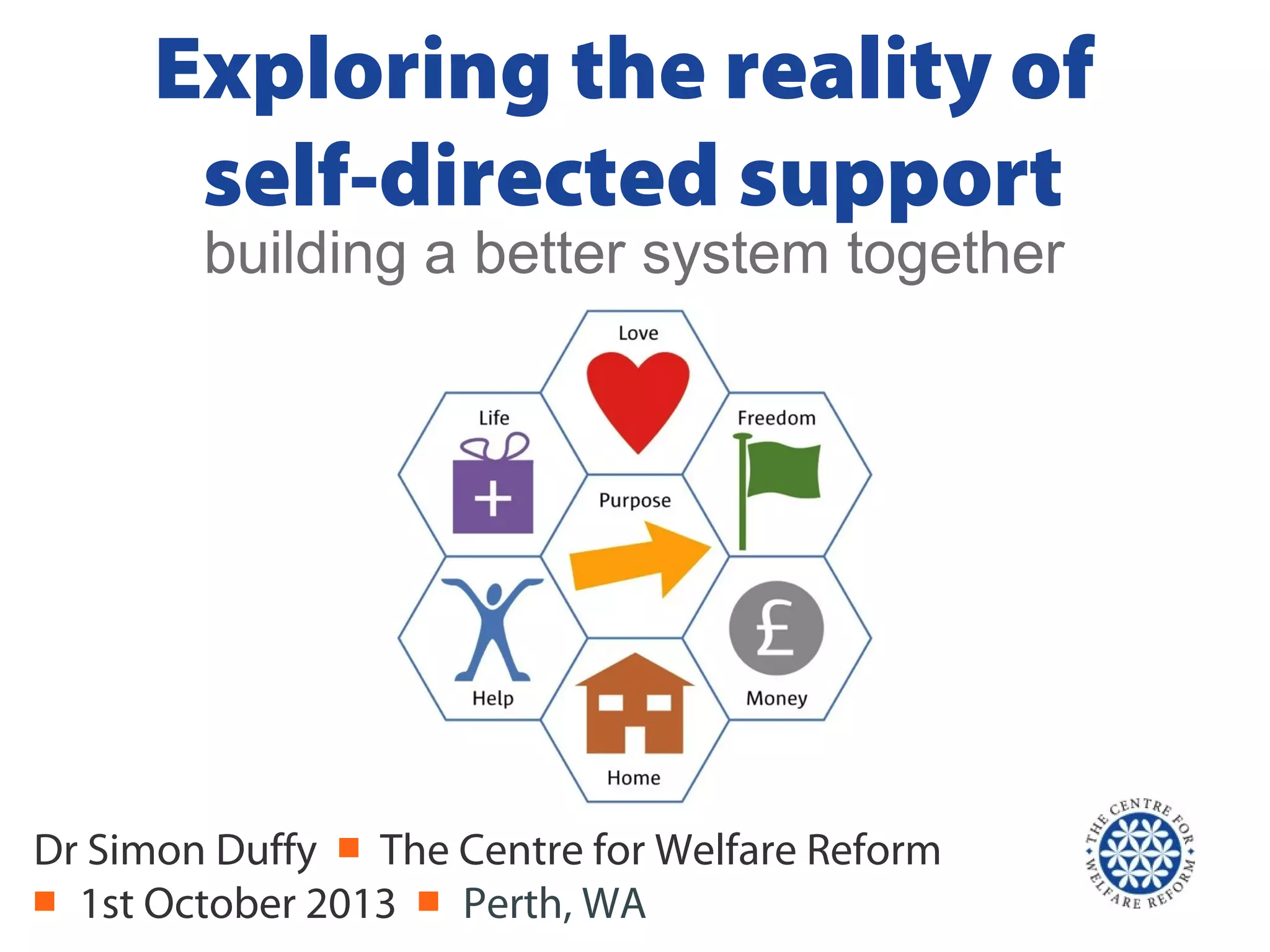





Exploring the reality of
self-directed support
Dr Simon Duffy ■ The Centre for Welfare Reform
■ 1st October 2013 ■ Perth, WA
building a better system together
Features of a good system (what to expect,
demand, lobby for or build together).
Examples of self-directed support in
practice (ideas, stories, models).
How to be strong and supportive of each
other (people, families, providers and
government).
Beginnings
• 1990 in London, brokerage, individual funding and service
design
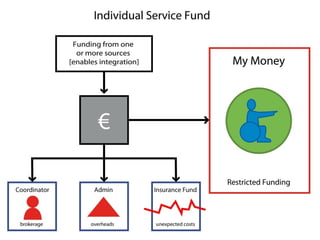
• 1996 in Glasgow, new models of service provision and Individual
Service Fund
• 1999 in Scotland, working on self-directed support with local
government
• 2003 in England, led piloting of self-directed support
• 2009, established The Centre for Welfare Reform, global
community for social innovation
• trying to combine practice and theory
Simon Duffy, some background
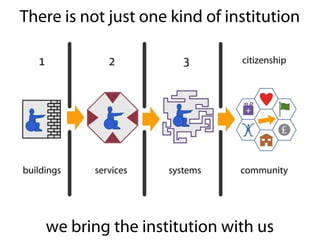
There is not just one kind of institution
we bring the institution with us
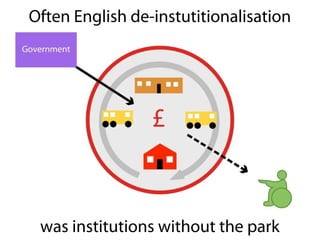
Often English de-instutitionalisation
was institutions without the park
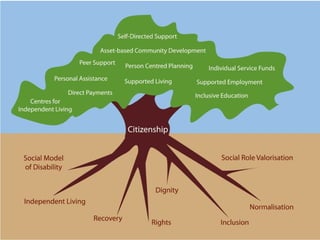
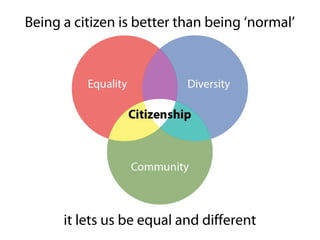
Being a citizen is better than being ‘normal’
it lets us be equal and different
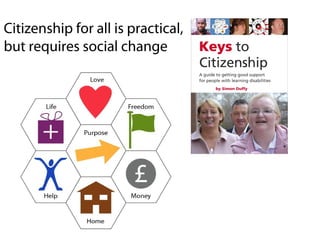
Citizenship for all is practical,
but requires social change
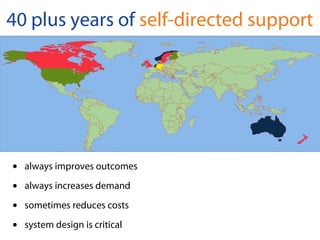
• always improves outcomes
• always increases demand
• sometimes reduces costs
• system design is critical
40 plus years of self-directed support
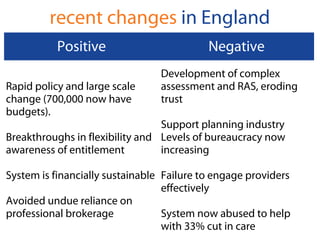
Positive Negative
Rapid policy and large scale
change (700,000 now have
budgets).
Breakthroughs in flexibility and
awareness of entitlement
System is financially sustainable
Avoided undue reliance on
professional brokerage
Development of complex
assessment and RAS, eroding
trust
Support planning industry
Levels of bureaucracy now
increasing
Failure to engage providers
effectively
System now abused to help
with 33% cut in care
recent changes in England
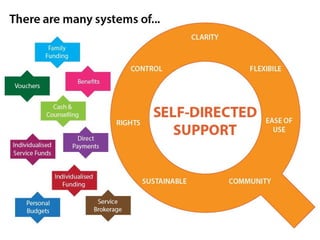
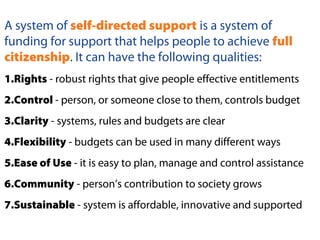
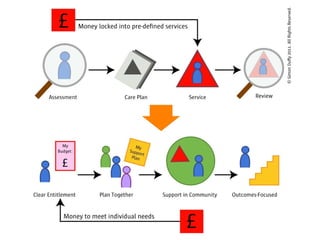
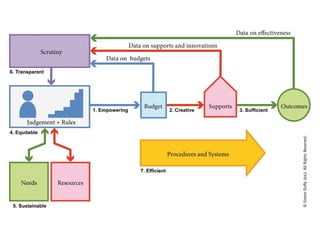
A system of self-directed support is a system of
funding for support that helps people to achieve full
citizenship. It can have the following qualities:
1.Rights - robust rights that give people effective entitlements
2.Control - person, or someone close to them, controls budget
3.Clarity - systems, rules and budgets are clear
4.Flexibility - budgets can be used in many different ways
5.Ease of Use - it is easy to plan, manage and control assistance
6.Community - person’s contribution to society grows
7.Sustainable - system is affordable, innovative and supported
Questions?
Rights
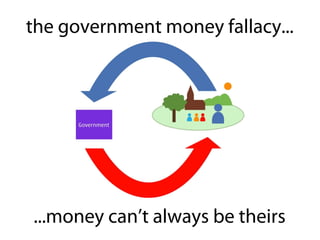
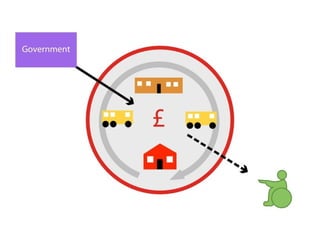
the government money fallacy...
...money can’t always be theirs
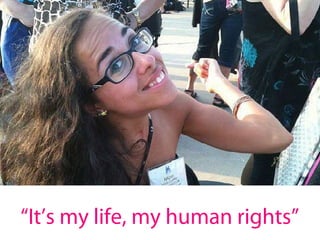
“It’s my life, my human rights”
Can we turn human rights into real
entitlements?
What shouldn’t be cashed out?
Are people’s plans public property?
Is there an alternative to the language of
entitlement?
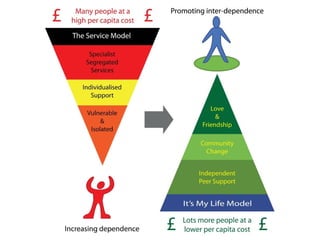
Is self-directed support a service or an income
adjustment or something else?
Questions
Control
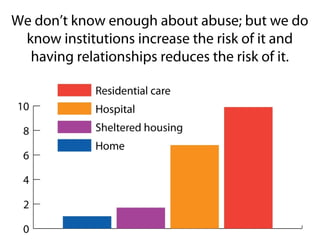
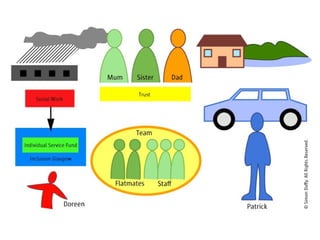
We don’t know enough about abuse; but we do
know institutions increase the risk of it and
having relationships reduces the risk of it.
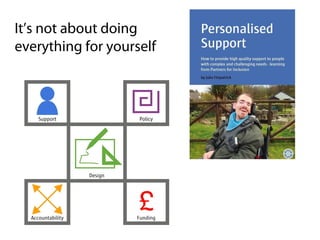
It’s not about doing
everything for yourself
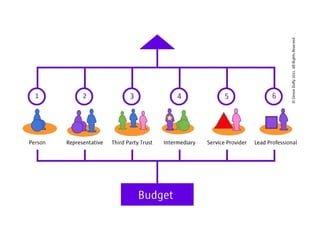
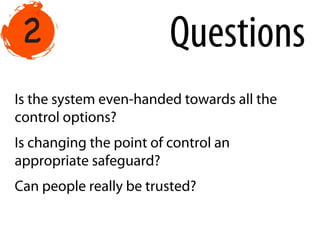
Is the system even-handed towards all the
control options?
Is changing the point of control an
appropriate safeguard?
Can people really be trusted?
Questions
Clarity
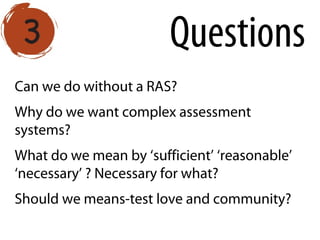
Can we do without a RAS?
Why do we want complex assessment
systems?
What do we mean by ‘sufficient’ ‘reasonable’
‘necessary’ ? Necessary for what?
Should we means-test love and community?
Questions
Flexibility
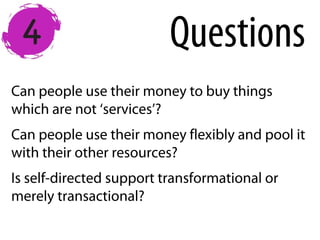
Can people use their money to buy things
which are not ‘services’?
Can people use their money flexibly and pool it
with their other resources?
Is self-directed support transformational or
merely transactional?
Questions
Ease of Use
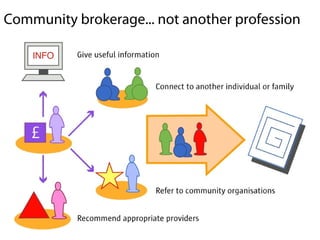
Community brokerage... not another profession
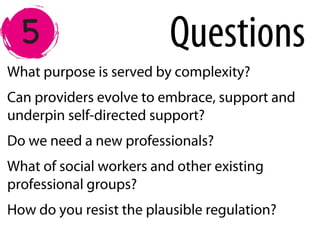
What purpose is served by complexity?
Can providers evolve to embrace, support and
underpin self-directed support?
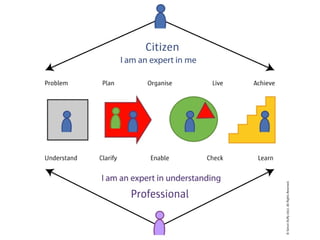
Do we need a new professionals?
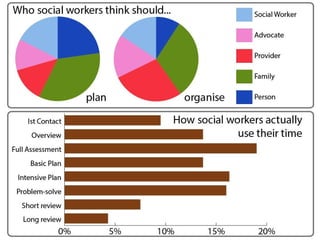
What of social workers and other existing
professional groups?
How do you resist the plausible regulation?
Questions
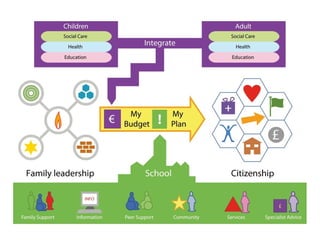
Community
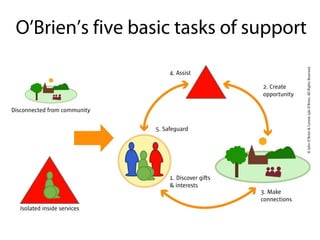
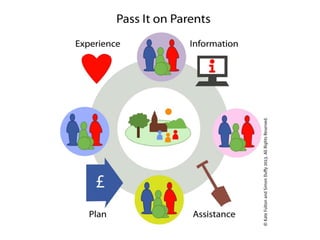
O’Brien’s five basic tasks of support
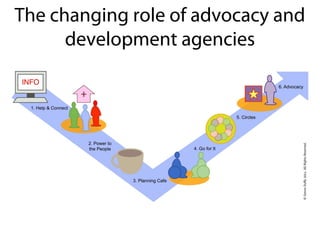
The changing role of advocacy and
development agencies
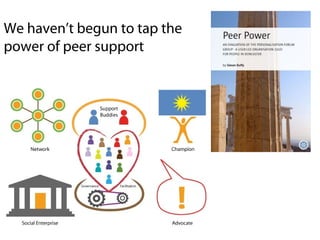
We haven’t begun to tap the
power of peer support
How do local communities engage with self-
directed support?
Is it helpful to abandon the commissioning
model?
What helps people connect, contribute and
create new solutions?
Questions
Sustainable
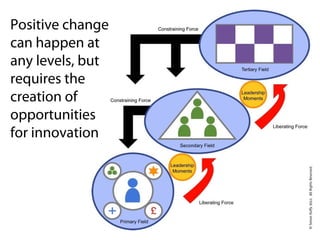
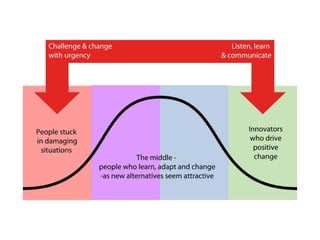
Positive change
can happen at
any levels, but
requires the
creation of
opportunities
for innovation
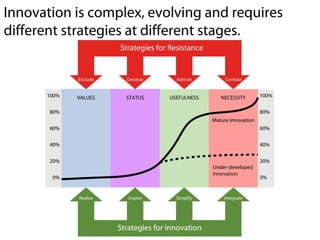
Innovation is complex, evolving and requires
different strategies at different stages.
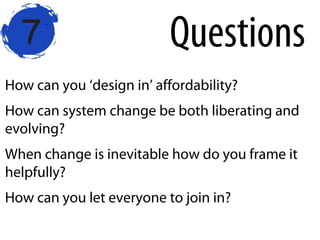
How can you ‘design in’ affordability?
How can system change be both liberating and
evolving?
When change is inevitable how do you frame it
helpfully?
How can you let everyone to join in?
Questions
Next Steps
As Western Australia develops
a system of self-directed
support what would I want to
contribute?
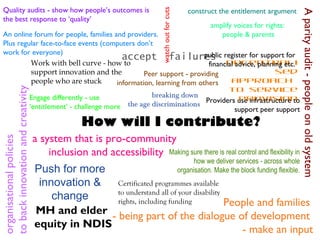
Peer support - providing
information, learning from others
organisationalpolicies
tobackinnovationandcreativity
Making sure there is real control and flexibility in
how we deliver services - across whole
organisation. Make the block funding flexible.
An online forum for people, families and providers.
Plus regular face-to-face events (computers don’t
work for everyone)
Engage differently - use
‘entitlement’ - challenge more
People and families
- being part of the dialogue of development
- make an input
Quality audits - show how people’s outcomes is
the best response to ‘quality’
Aparityaudit-peopleonoldsystem
Certificated programmes available
to understand all of your disability
rights, including funding
Decentrali
sed
approach
to service
provision
Work with bell curve - how to
support innovation and the
people who are stuck
accept failures
Providers use infrastructure to
support peer support
Push for more
innovation &
change
watchoutforcuts
a system that is pro-community
inclusion and accessibility
amplify voices for rights:
people & parents
MH and elder
equity in NDIS
breaking down
the age discriminations
public register for support for
financial advice, planning etc.
construct the entitlement argument
How will I contribute?

Exploring the Reality of Self-Directed Support

  • 1.
    Exploring the realityof self-directed support Dr Simon Duffy ■ The Centre for Welfare Reform ■ 1st October 2013 ■ Perth, WA building a better system together
  • 2.
    Features of agood system (what to expect, demand, lobby for or build together). Examples of self-directed support in practice (ideas, stories, models). How to be strong and supportive of each other (people, families, providers and government).
  • 3.
  • 4.
    • 1990 inLondon, brokerage, individual funding and service design • 1996 in Glasgow, new models of service provision and Individual Service Fund • 1999 in Scotland, working on self-directed support with local government • 2003 in England, led piloting of self-directed support • 2009, established The Centre for Welfare Reform, global community for social innovation • trying to combine practice and theory Simon Duffy, some background
  • 6.
    There is notjust one kind of institution we bring the institution with us
  • 7.
    Often English de-instutitionalisation wasinstitutions without the park
  • 9.
    Being a citizenis better than being ‘normal’ it lets us be equal and different
  • 10.
    Citizenship for allis practical, but requires social change
  • 11.
    • always improvesoutcomes • always increases demand • sometimes reduces costs • system design is critical 40 plus years of self-directed support
  • 13.
    Positive Negative Rapid policyand large scale change (700,000 now have budgets). Breakthroughs in flexibility and awareness of entitlement System is financially sustainable Avoided undue reliance on professional brokerage Development of complex assessment and RAS, eroding trust Support planning industry Levels of bureaucracy now increasing Failure to engage providers effectively System now abused to help with 33% cut in care recent changes in England
  • 14.
    A system ofself-directed support is a system of funding for support that helps people to achieve full citizenship. It can have the following qualities: 1.Rights - robust rights that give people effective entitlements 2.Control - person, or someone close to them, controls budget 3.Clarity - systems, rules and budgets are clear 4.Flexibility - budgets can be used in many different ways 5.Ease of Use - it is easy to plan, manage and control assistance 6.Community - person’s contribution to society grows 7.Sustainable - system is affordable, innovative and supported
  • 15.
  • 16.
  • 20.
    the government moneyfallacy... ...money can’t always be theirs
  • 21.
    “It’s my life,my human rights”
  • 22.
    Can we turnhuman rights into real entitlements? What shouldn’t be cashed out? Are people’s plans public property? Is there an alternative to the language of entitlement? Is self-directed support a service or an income adjustment or something else? Questions
  • 23.
  • 24.
    We don’t knowenough about abuse; but we do know institutions increase the risk of it and having relationships reduces the risk of it.
  • 27.
    It’s not aboutdoing everything for yourself
  • 29.
    Is the systemeven-handed towards all the control options? Is changing the point of control an appropriate safeguard? Can people really be trusted? Questions
  • 30.
  • 35.
    Can we dowithout a RAS? Why do we want complex assessment systems? What do we mean by ‘sufficient’ ‘reasonable’ ‘necessary’ ? Necessary for what? Should we means-test love and community? Questions
  • 36.
  • 45.
    Can people usetheir money to buy things which are not ‘services’? Can people use their money flexibly and pool it with their other resources? Is self-directed support transformational or merely transactional? Questions
  • 46.
  • 49.
    Community brokerage... notanother profession
  • 52.
    What purpose isserved by complexity? Can providers evolve to embrace, support and underpin self-directed support? Do we need a new professionals? What of social workers and other existing professional groups? How do you resist the plausible regulation? Questions
  • 53.
  • 55.
    O’Brien’s five basictasks of support
  • 57.
    The changing roleof advocacy and development agencies
  • 58.
    We haven’t begunto tap the power of peer support
  • 61.
    How do localcommunities engage with self- directed support? Is it helpful to abandon the commissioning model? What helps people connect, contribute and create new solutions? Questions
  • 62.
  • 63.
    Positive change can happenat any levels, but requires the creation of opportunities for innovation
  • 64.
    Innovation is complex,evolving and requires different strategies at different stages.
  • 67.
    How can you‘design in’ affordability? How can system change be both liberating and evolving? When change is inevitable how do you frame it helpfully? How can you let everyone to join in? Questions
  • 68.
  • 69.
    As Western Australiadevelops a system of self-directed support what would I want to contribute?
  • 70.
    Peer support -providing information, learning from others organisationalpolicies tobackinnovationandcreativity Making sure there is real control and flexibility in how we deliver services - across whole organisation. Make the block funding flexible. An online forum for people, families and providers. Plus regular face-to-face events (computers don’t work for everyone) Engage differently - use ‘entitlement’ - challenge more People and families - being part of the dialogue of development - make an input Quality audits - show how people’s outcomes is the best response to ‘quality’ Aparityaudit-peopleonoldsystem Certificated programmes available to understand all of your disability rights, including funding Decentrali sed approach to service provision Work with bell curve - how to support innovation and the people who are stuck accept failures Providers use infrastructure to support peer support Push for more innovation & change watchoutforcuts a system that is pro-community inclusion and accessibility amplify voices for rights: people & parents MH and elder equity in NDIS breaking down the age discriminations public register for support for financial advice, planning etc. construct the entitlement argument How will I contribute?