Equivalent Grain Size Method for
Sealing Capacity Assessment in CCS
Yohanes Nuwara 1, Kazuo Nakayama 2, Kevyn Augusta 1
1 Department of Geophysics, Bandung Institute of
Technology
2 GeoResearch Nakayama
Outline
● Motivation
● Geological overview of EGS
● Physics overview of EGS
● The use of EGS in CCS
● Workflow of EGS
● Case study in East Java Basin
● Lesson learned
Motivation: WHY do we need this? Seal integrity matters.
https://sequestration.mit.edu/tools/projects/in_salah.html
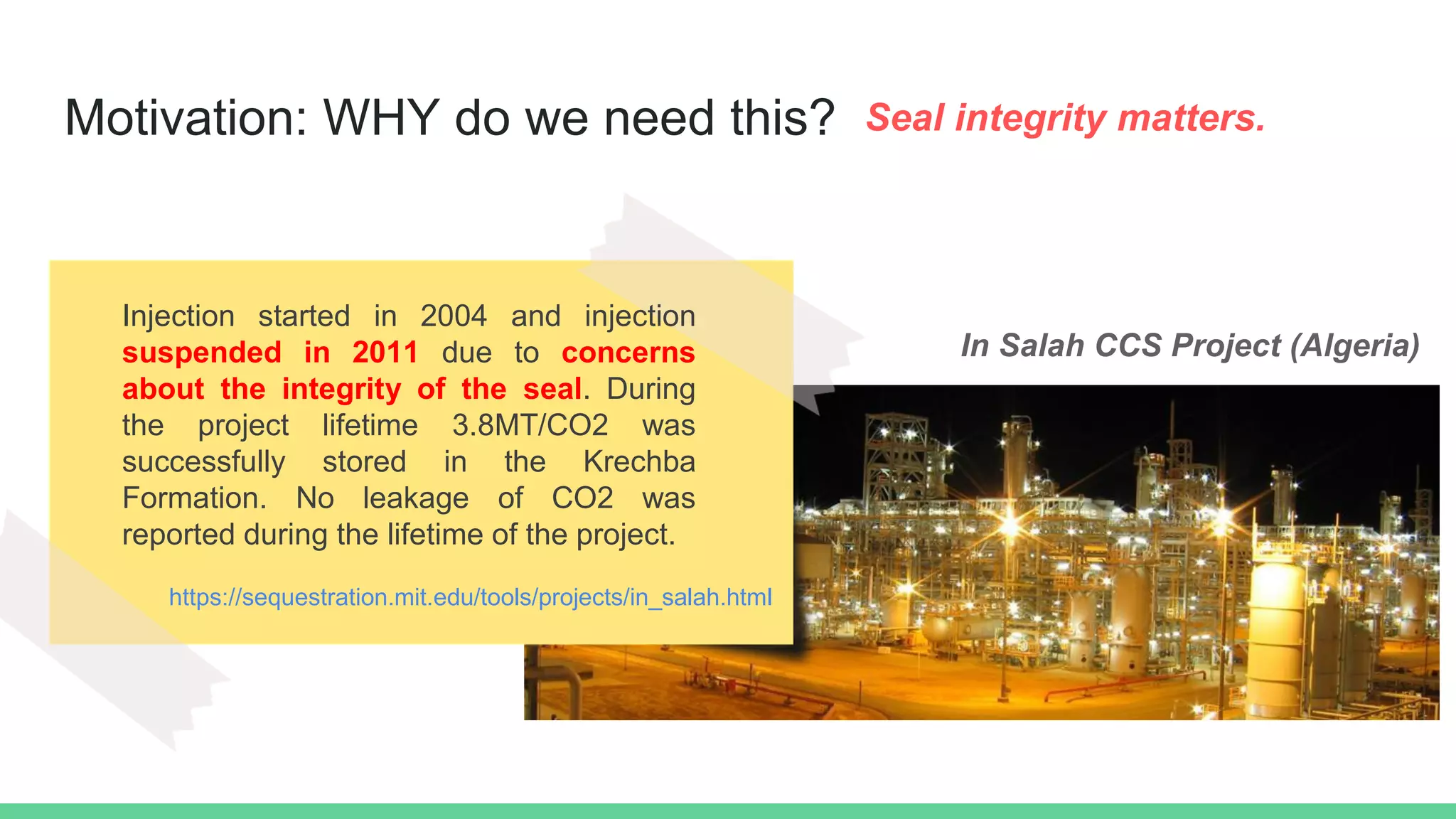
Injection started in 2004 and injection
suspended in 2011 due to concerns
about the integrity of the seal. During
the project lifetime 3.8MT/CO2 was
successfully stored in the Krechba
Formation. No leakage of CO2 was
reported during the lifetime of the project.
In Salah CCS Project (Algeria)
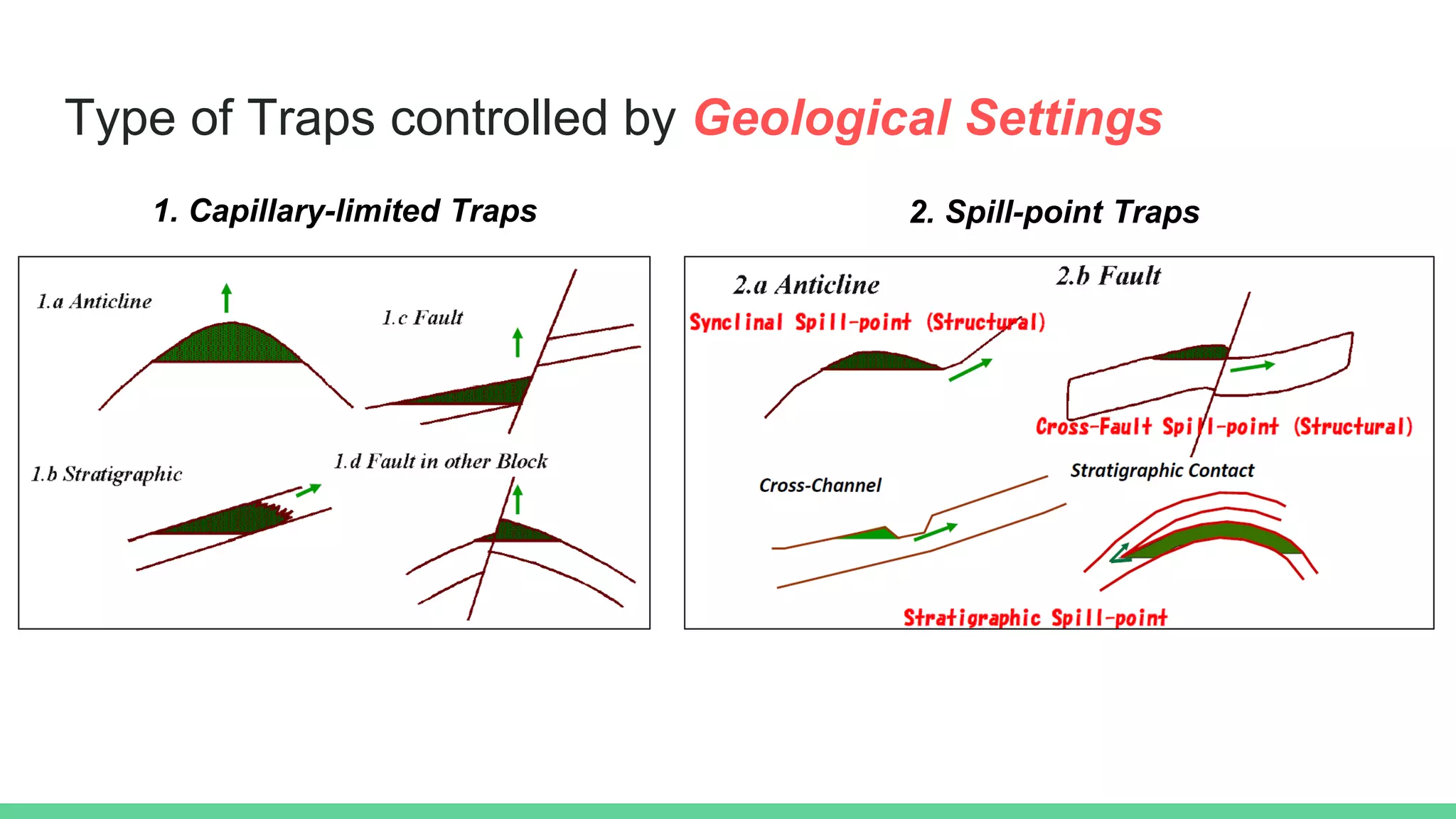
Type of Traps controlled by Geological Settings
1. Capillary-limited Traps 2. Spill-point Traps
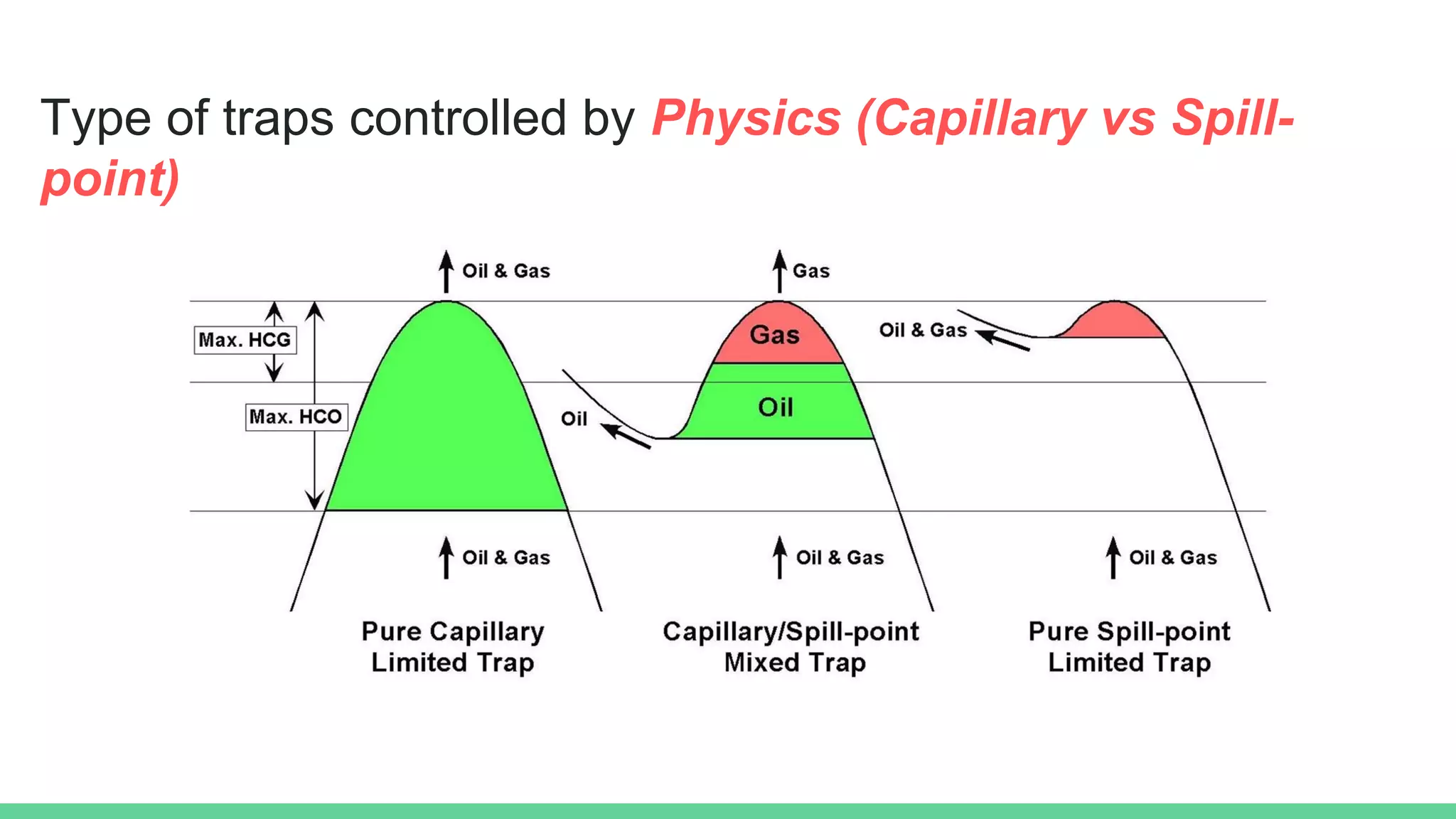
Type of traps controlled by Physics (Capillary vs Spill-
point)
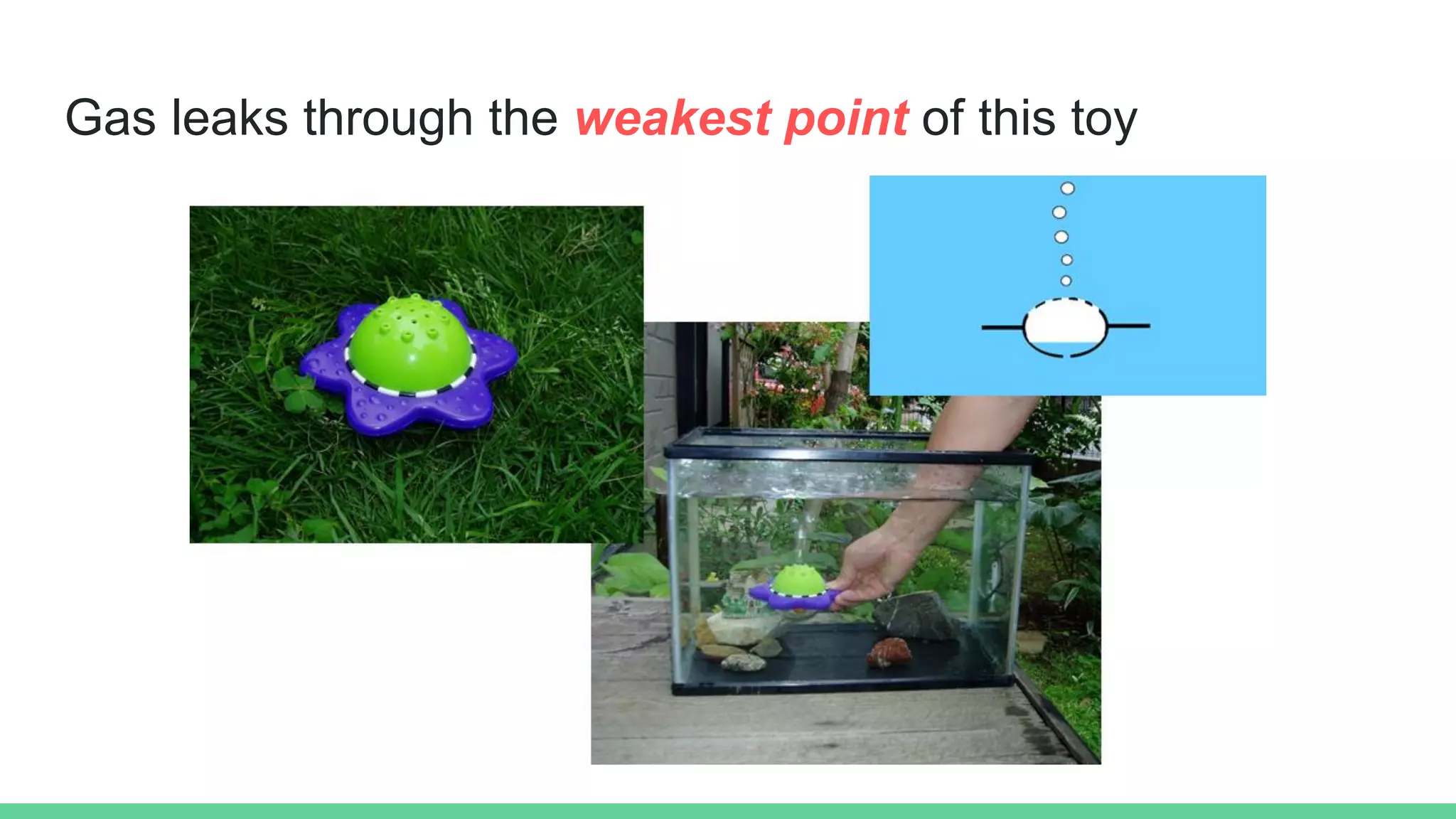
Gas leaks through the weakest point of this toy
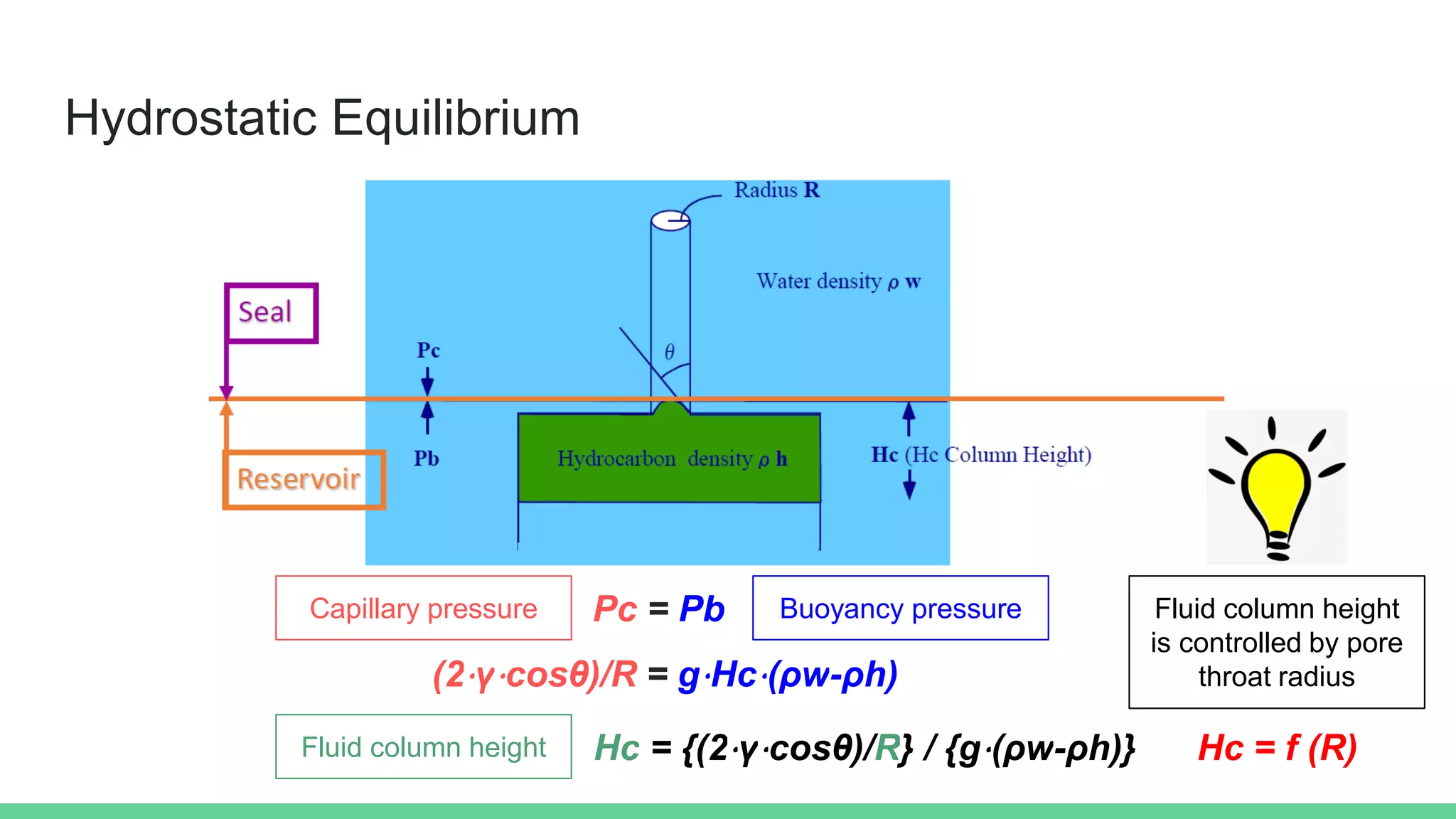
Hydrostatic Equilibrium
Pc = Pb
(2⋅γ⋅cosθ)/R = g⋅Hc⋅(ρw-ρh)
Hc = {(2⋅γ⋅cosθ)/R} / {g⋅(ρw-ρh)}
Capillary pressure Buoyancy pressure
Fluid column height
Fluid column height
is controlled by pore
throat radius
Hc = f (R)
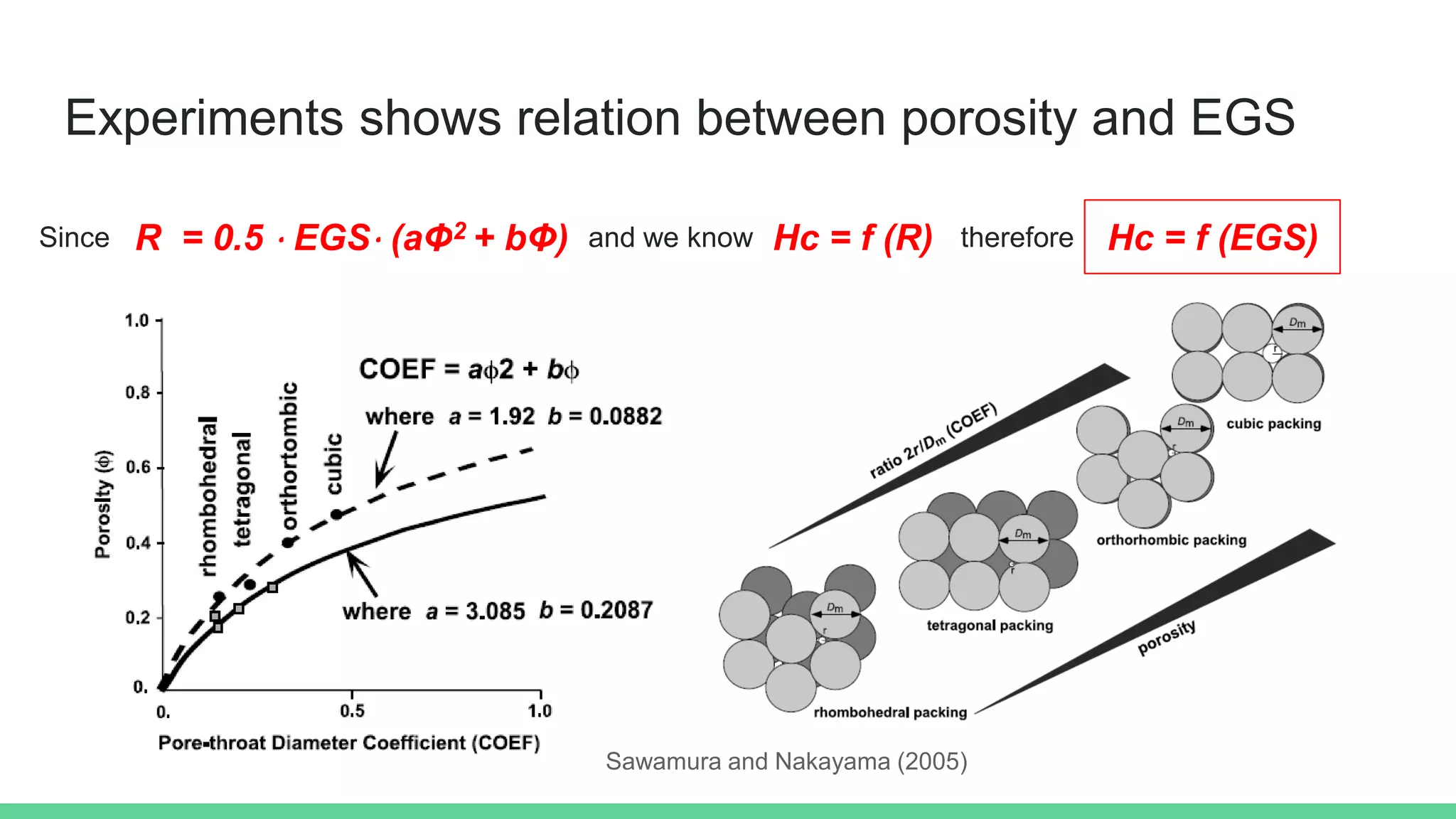
Experiments shows relation between porosity and EGS
R = 0.5 ⋅ EGS⋅ (aΦ2 + bΦ)
Since and we know Hc = f (R) therefore Hc = f (EGS)
Sawamura and Nakayama (2005)
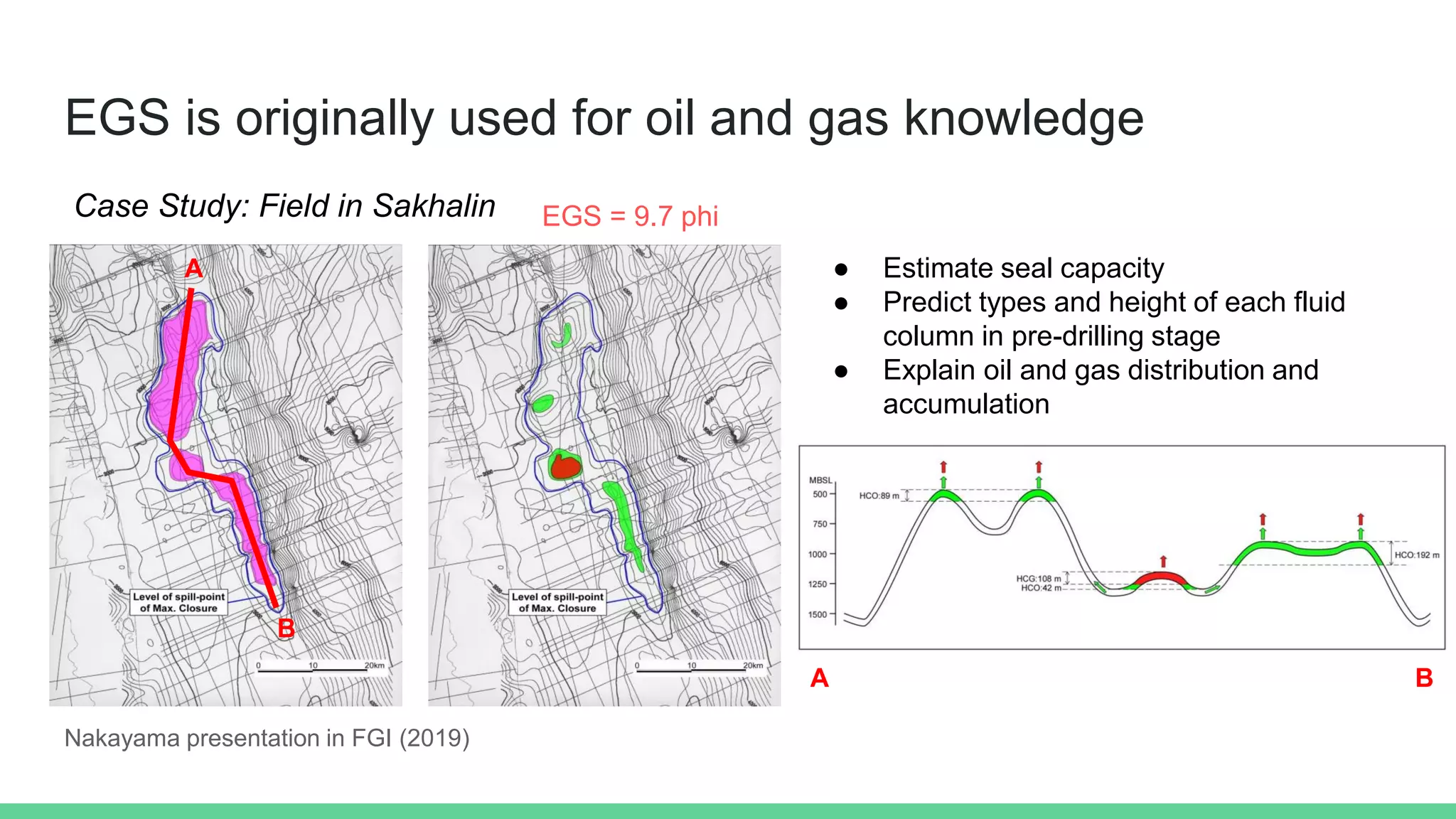
EGS is originally used for oil and gas knowledge
● Estimate seal capacity
● Predict types and height of each fluid
column in pre-drilling stage
● Explain oil and gas distribution and
accumulation
Case Study: Field in Sakhalin
Nakayama presentation in FGI (2019)
A
B
A B
EGS = 9.7 phi
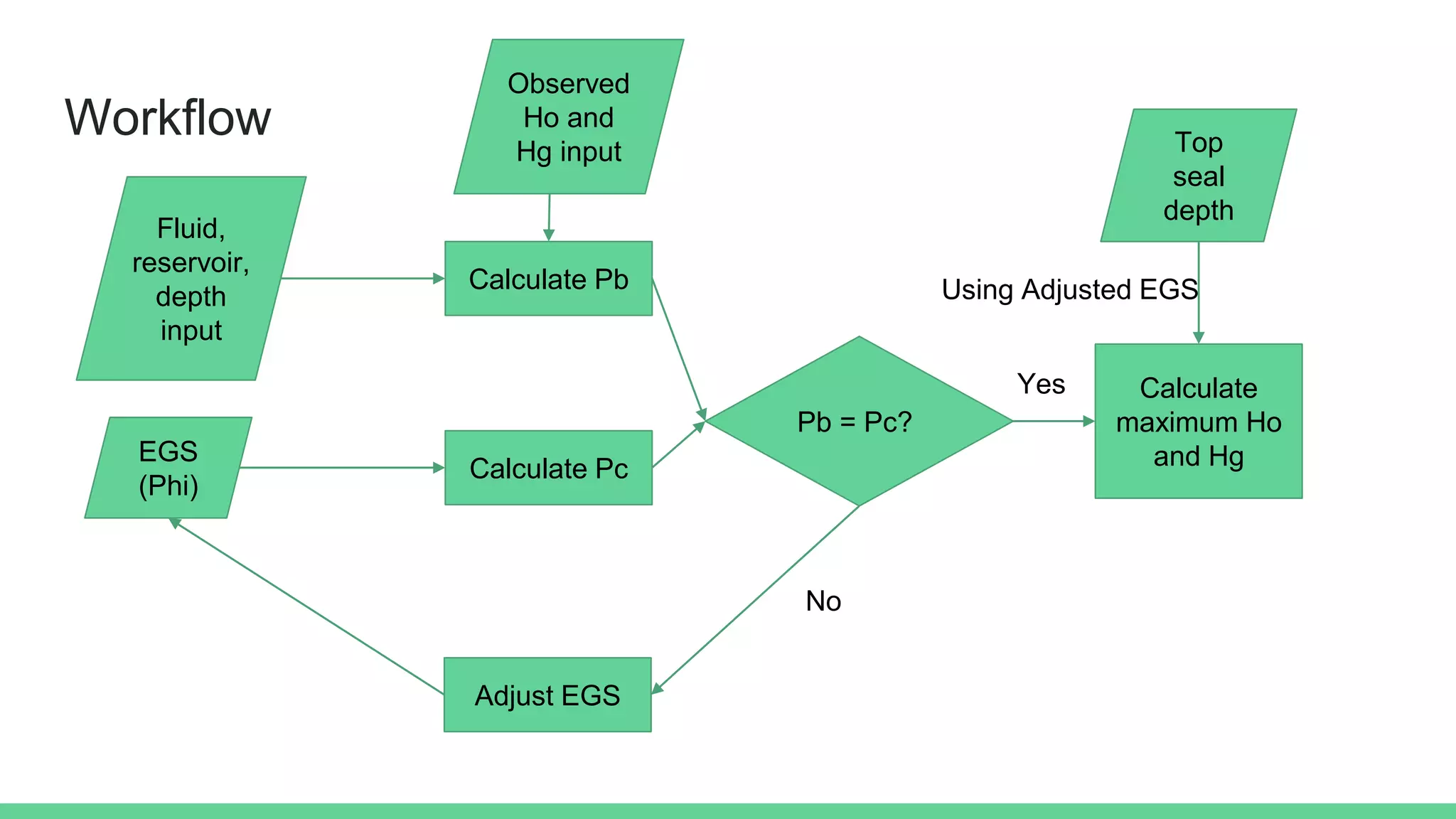
Workflow
Fluid,
reservoir,
depth
input
Calculate Pb
Calculate Pc
EGS
(Phi)
Pb = Pc?
No
Calculate
maximum Ho
and Hg
Yes
Observed
Ho and
Hg input
Adjust EGS
Top
seal
depth
Using Adjusted EGS
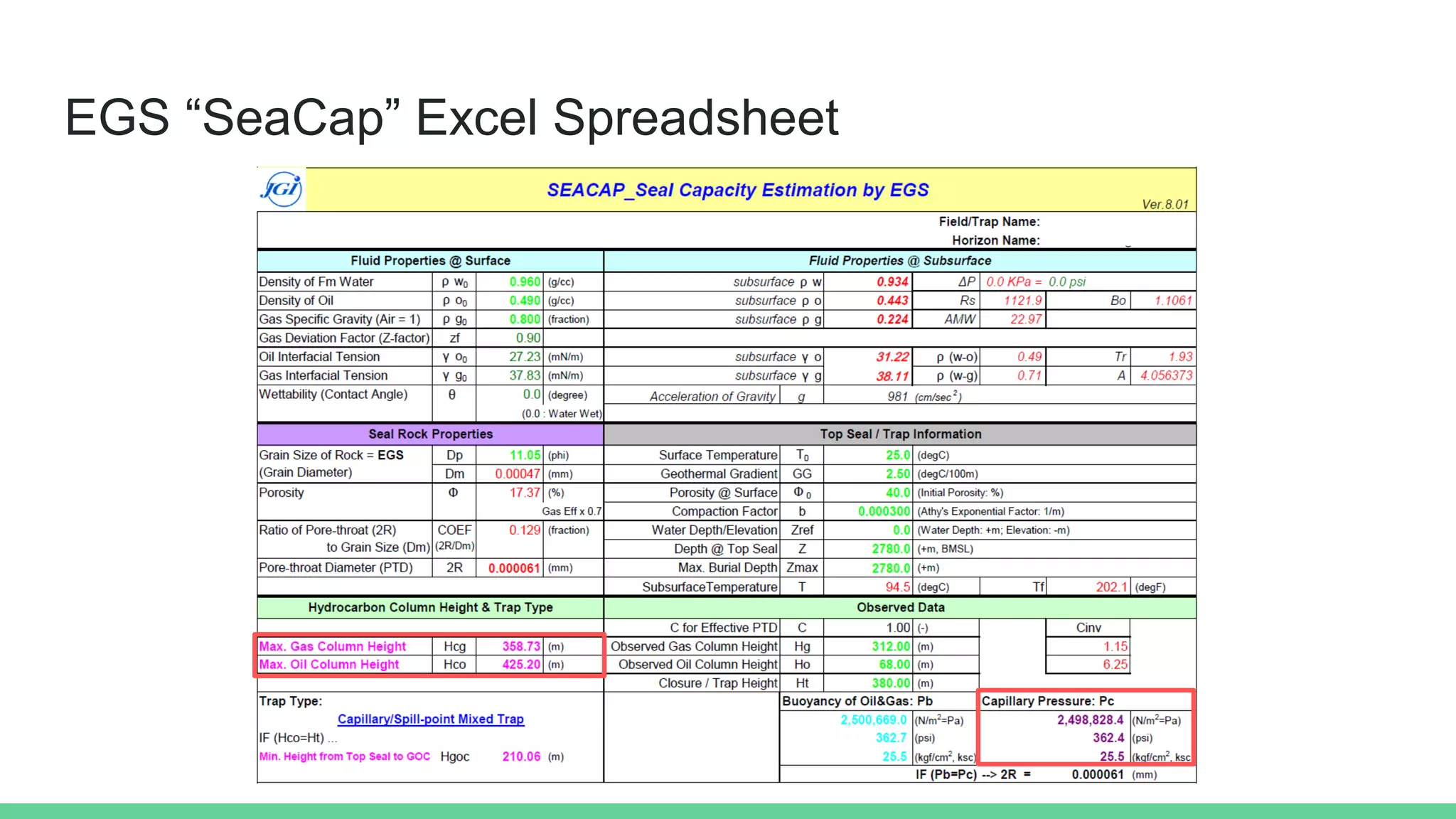
EGS “SeaCap” Excel Spreadsheet
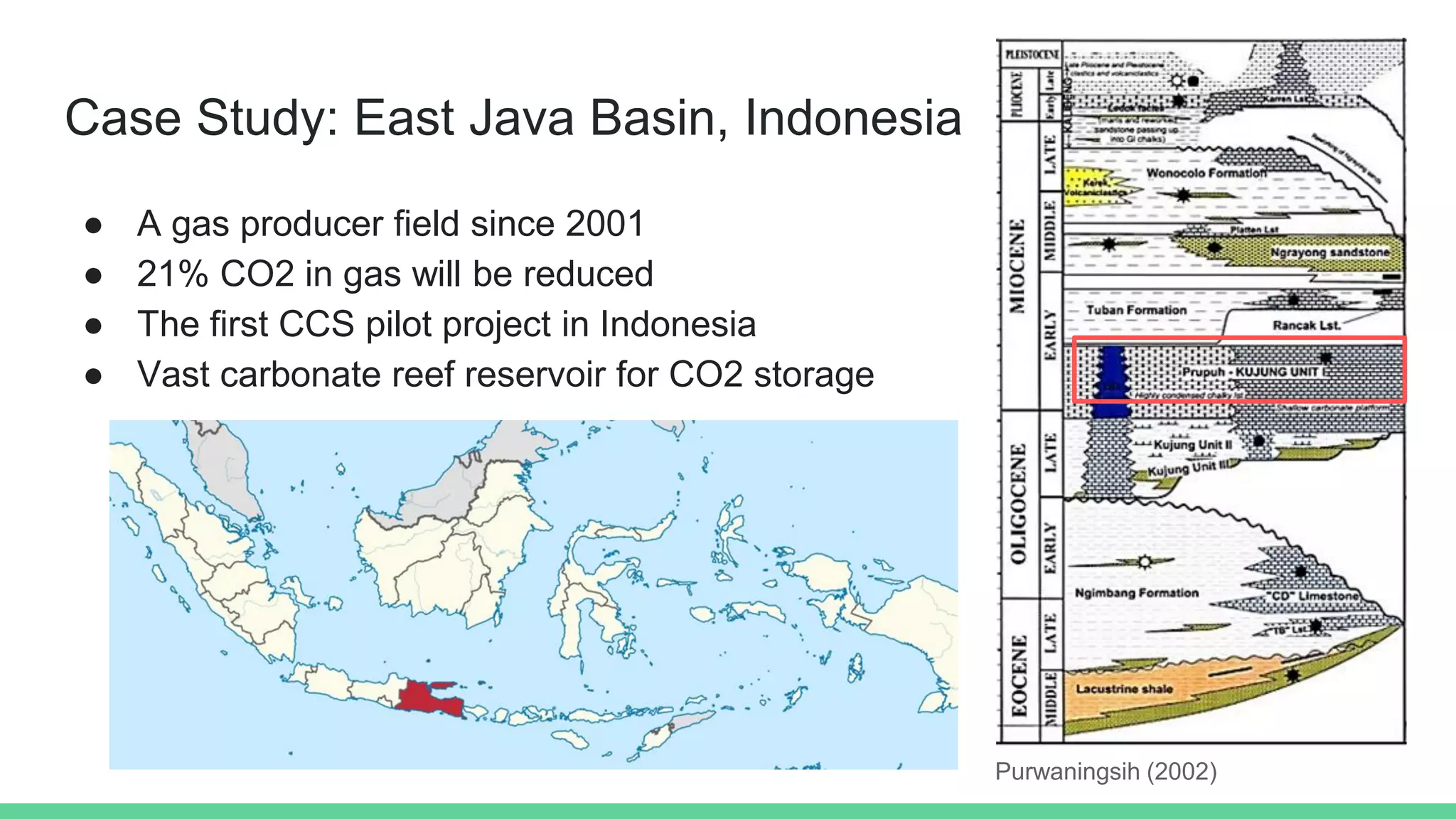
Case Study: East Java Basin, Indonesia
● A gas producer field since 2001
● 21% CO2 in gas will be reduced
● The first CCS pilot project in Indonesia
● Vast carbonate reef reservoir for CO2 storage
Purwaningsih (2002)
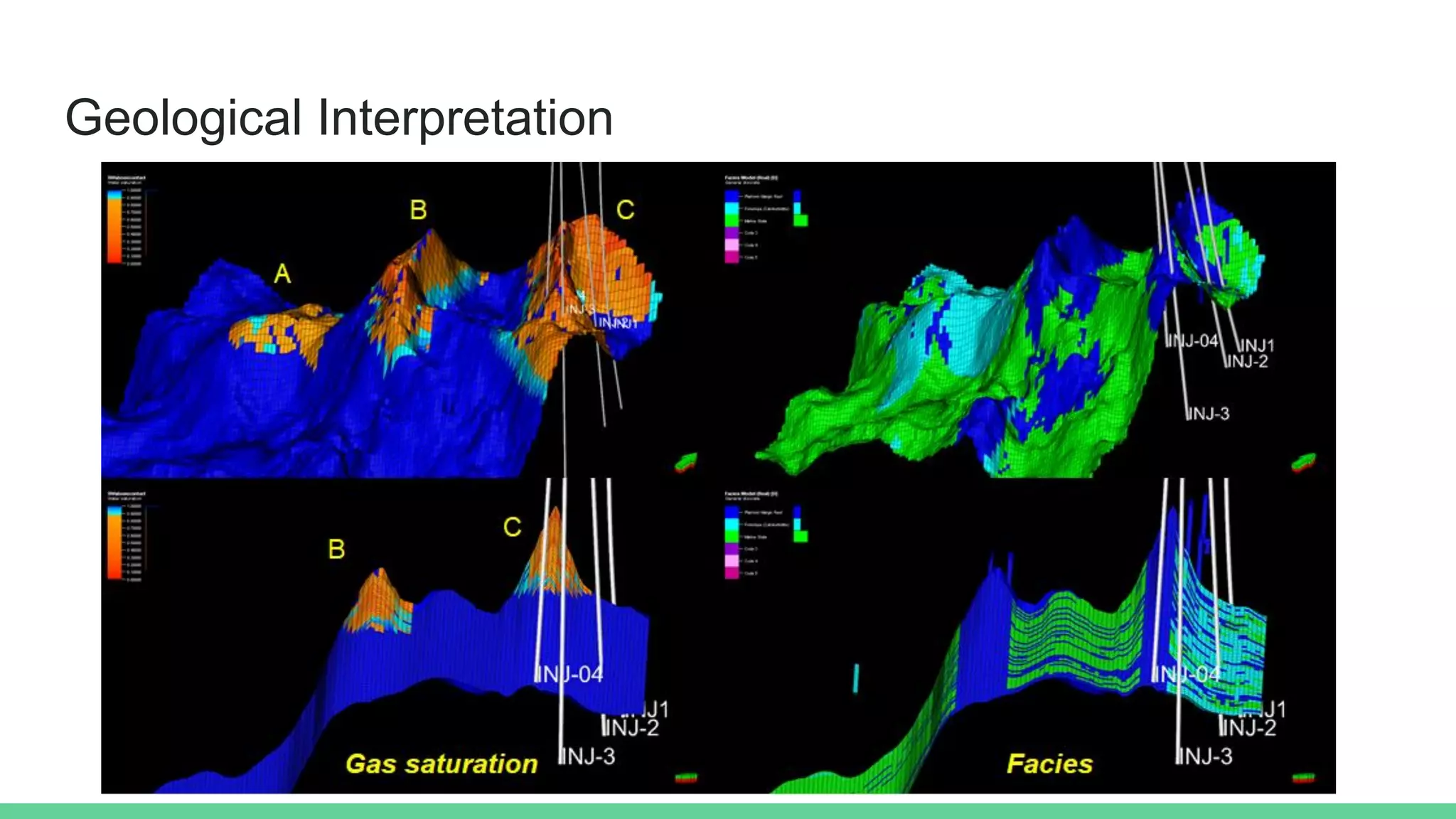
Geological Interpretation
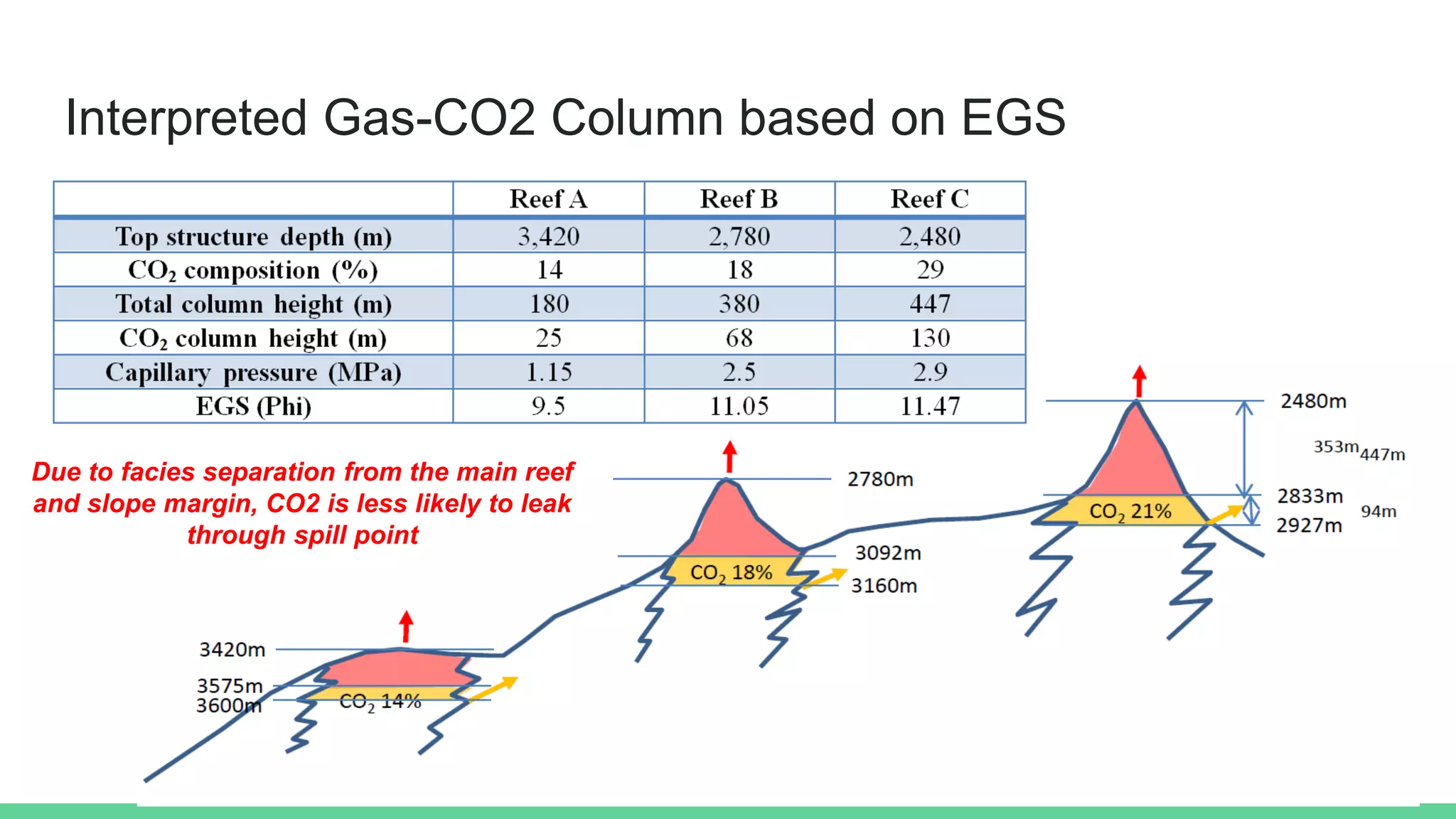
Interpreted Gas-CO2 Column based on EGS
Due to facies separation from the main reef
and slope margin, CO2 is less likely to leak
through spill point
Conclusion
● Hydrostatic equilibrium between capillary pressure and buoyancy pressure
keeps CO2-gas from leaking on the top of structure
● CO2-gas column height is controlled by seal equivalent grain size: Hc = f
(EGS)
● Knowing the maximum column height of CO2, we know how much CO2 can
be injected
● Knowing the capillary pressure at hydrostatic equilibrium, we know the limit of
injection pressure
● Both are needed to be known to prevent CO2 leaking through the seal
Recommended Reading
● EGS original paper in AAPG Memoir: Sawamura, F. and K. Nakayama.
[2005] Estimating the amount of oil and gas accumulation from top seal and
trap geometry, in R. Sorkhabi and Y. Tsuji, eds., Fault and fluid flow, and
petroleum traps, AAPG Memoir 85, 33-42.
● Geology and simulation of CCS in this location: Nuwara, Y. [2020] Integration
of Reservoir. Rock Physics, Seismic, and Geomechanical Modelling for CO2
Injection in Carbonate Reef reservoir, EAGE 82nd Annual Conference and
Exhibition.
Acknowledgment
Thanks to JGI, Inc., where Dr. Kazuo Nakayama had worked for in the past year,
for providing access to their EGS “SeaCap” Excel Spreadsheet
Thank you for attending!
See you Q & A session on August
25

Equivalent Grain Size Method for Sealing Capacity Assessment in CCS

  • 1.
    Equivalent Grain SizeMethod for Sealing Capacity Assessment in CCS Yohanes Nuwara 1, Kazuo Nakayama 2, Kevyn Augusta 1 1 Department of Geophysics, Bandung Institute of Technology 2 GeoResearch Nakayama
  • 2.
    Outline ● Motivation ● Geologicaloverview of EGS ● Physics overview of EGS ● The use of EGS in CCS ● Workflow of EGS ● Case study in East Java Basin ● Lesson learned
  • 3.
    Motivation: WHY dowe need this? Seal integrity matters. https://sequestration.mit.edu/tools/projects/in_salah.html Injection started in 2004 and injection suspended in 2011 due to concerns about the integrity of the seal. During the project lifetime 3.8MT/CO2 was successfully stored in the Krechba Formation. No leakage of CO2 was reported during the lifetime of the project. In Salah CCS Project (Algeria)
  • 4.
    Type of Trapscontrolled by Geological Settings 1. Capillary-limited Traps 2. Spill-point Traps
  • 5.
    Type of trapscontrolled by Physics (Capillary vs Spill- point)
  • 6.
    Gas leaks throughthe weakest point of this toy
  • 7.
    Hydrostatic Equilibrium Pc =Pb (2⋅γ⋅cosθ)/R = g⋅Hc⋅(ρw-ρh) Hc = {(2⋅γ⋅cosθ)/R} / {g⋅(ρw-ρh)} Capillary pressure Buoyancy pressure Fluid column height Fluid column height is controlled by pore throat radius Hc = f (R)
  • 8.
    Experiments shows relationbetween porosity and EGS R = 0.5 ⋅ EGS⋅ (aΦ2 + bΦ) Since and we know Hc = f (R) therefore Hc = f (EGS) Sawamura and Nakayama (2005)
  • 9.
    EGS is originallyused for oil and gas knowledge ● Estimate seal capacity ● Predict types and height of each fluid column in pre-drilling stage ● Explain oil and gas distribution and accumulation Case Study: Field in Sakhalin Nakayama presentation in FGI (2019) A B A B EGS = 9.7 phi
  • 10.
    Workflow Fluid, reservoir, depth input Calculate Pb Calculate Pc EGS (Phi) Pb= Pc? No Calculate maximum Ho and Hg Yes Observed Ho and Hg input Adjust EGS Top seal depth Using Adjusted EGS
  • 11.
  • 12.
    Case Study: EastJava Basin, Indonesia ● A gas producer field since 2001 ● 21% CO2 in gas will be reduced ● The first CCS pilot project in Indonesia ● Vast carbonate reef reservoir for CO2 storage Purwaningsih (2002)
  • 13.
  • 14.
    Interpreted Gas-CO2 Columnbased on EGS Due to facies separation from the main reef and slope margin, CO2 is less likely to leak through spill point
  • 15.
    Conclusion ● Hydrostatic equilibriumbetween capillary pressure and buoyancy pressure keeps CO2-gas from leaking on the top of structure ● CO2-gas column height is controlled by seal equivalent grain size: Hc = f (EGS) ● Knowing the maximum column height of CO2, we know how much CO2 can be injected ● Knowing the capillary pressure at hydrostatic equilibrium, we know the limit of injection pressure ● Both are needed to be known to prevent CO2 leaking through the seal
  • 16.
    Recommended Reading ● EGSoriginal paper in AAPG Memoir: Sawamura, F. and K. Nakayama. [2005] Estimating the amount of oil and gas accumulation from top seal and trap geometry, in R. Sorkhabi and Y. Tsuji, eds., Fault and fluid flow, and petroleum traps, AAPG Memoir 85, 33-42. ● Geology and simulation of CCS in this location: Nuwara, Y. [2020] Integration of Reservoir. Rock Physics, Seismic, and Geomechanical Modelling for CO2 Injection in Carbonate Reef reservoir, EAGE 82nd Annual Conference and Exhibition.
  • 17.
    Acknowledgment Thanks to JGI,Inc., where Dr. Kazuo Nakayama had worked for in the past year, for providing access to their EGS “SeaCap” Excel Spreadsheet
  • 18.
    Thank you forattending! See you Q & A session on August 25