Epidemiology
Dr Amita Kashyap
Sr. Prof. P.S.M.
S.M.S.Medical College, Jaipur
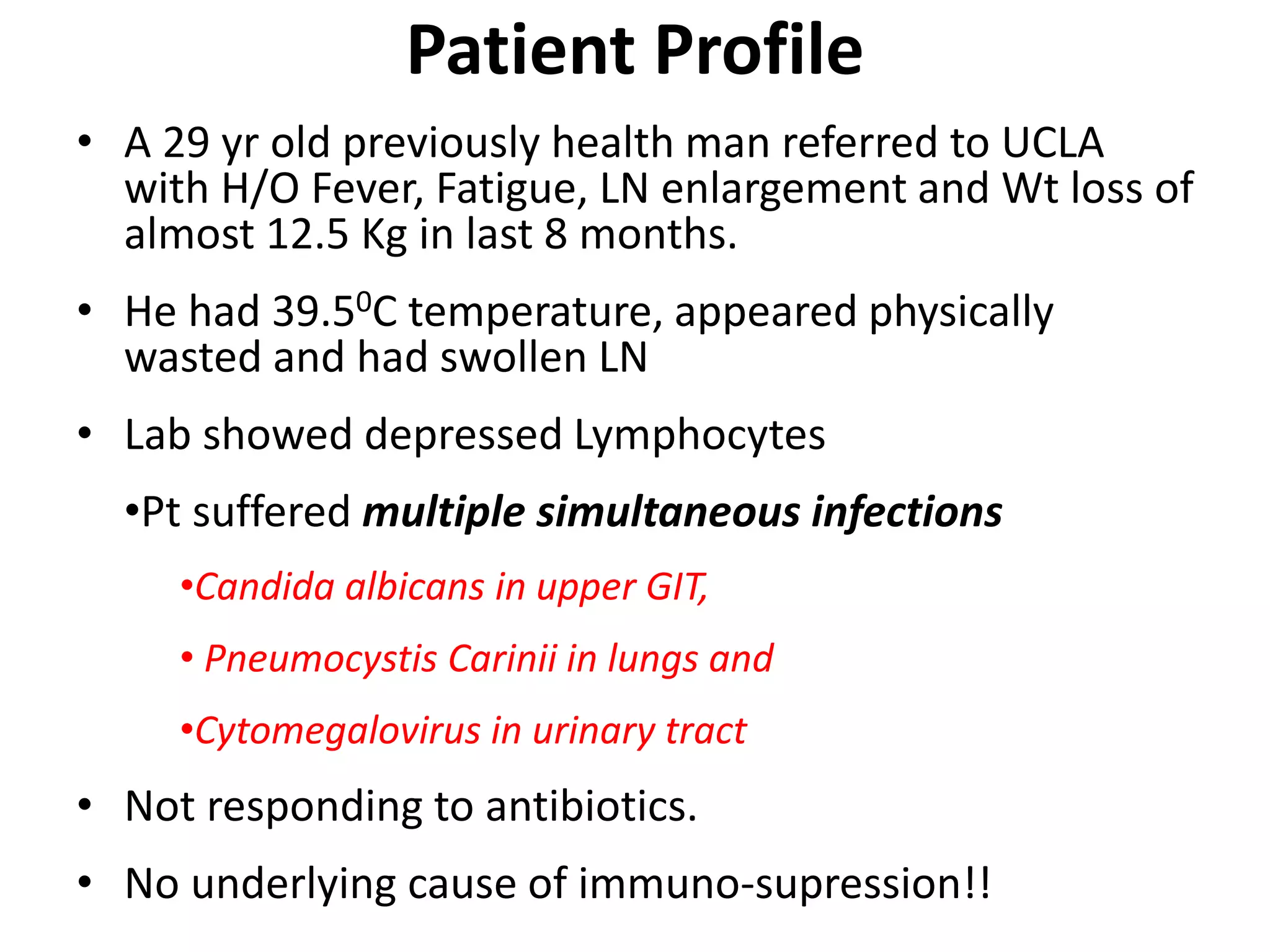
Patient Profile
• A 29 yr old previously health man referred to UCLA
with H/O Fever, Fatigue, LN enlargement and Wt loss of
almost 12.5 Kg in last 8 months.
• He had 39.50C temperature, appeared physically
wasted and had swollen LN
• Lab showed depressed Lymphocytes
•Pt suffered multiple simultaneous infections
•Candida albicans in upper GIT,
• Pneumocystis Carinii in lungs and
•Cytomegalovirus in urinary tract
• Not responding to antibiotics.
• No underlying cause of immuno-supression!!
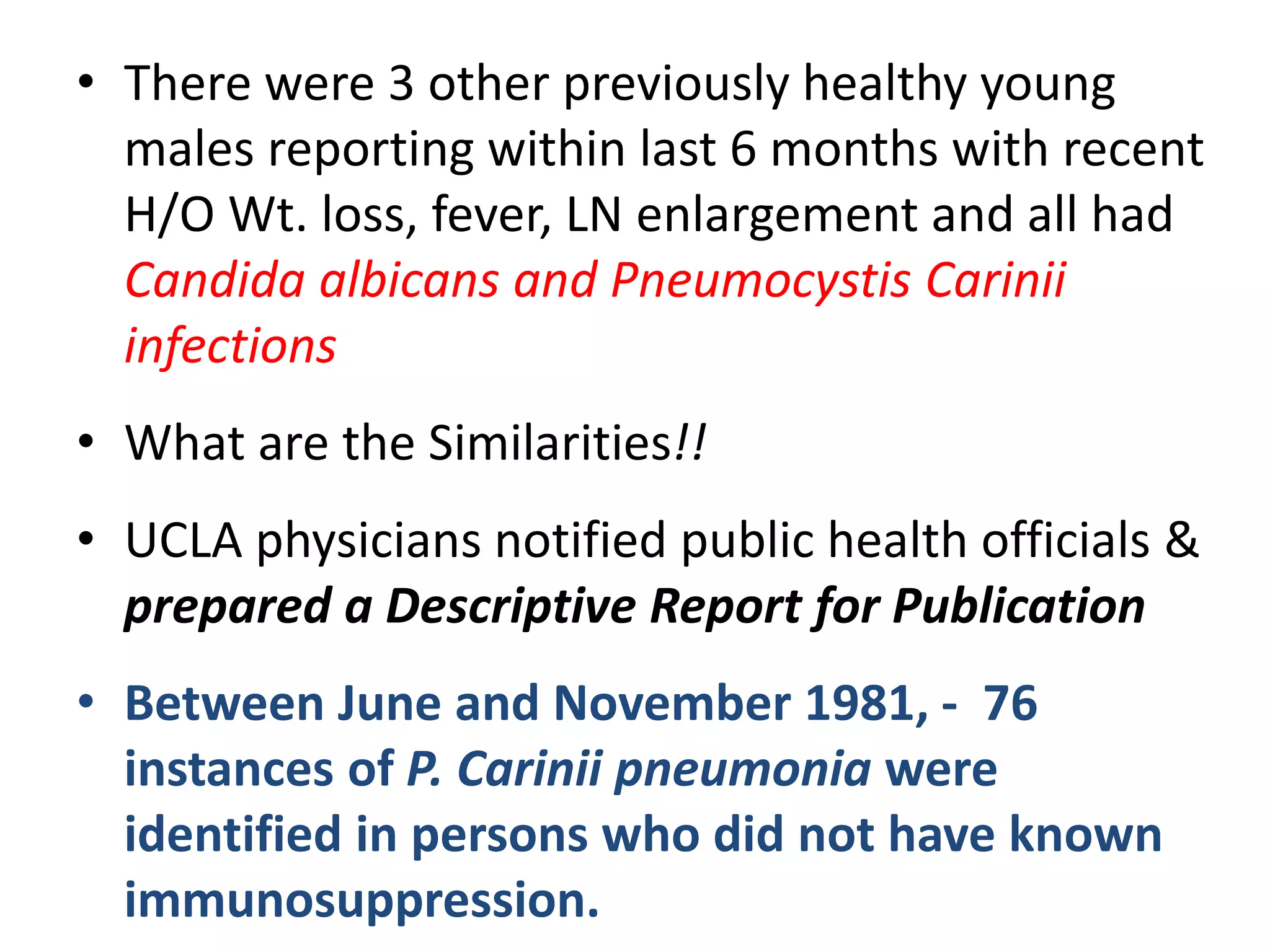
• There were 3 other previously healthy young
males reporting within last 6 months with recent
H/O Wt. loss, fever, LN enlargement and all had
Candida albicans and Pneumocystis Carinii
infections
• What are the Similarities!!
• UCLA physicians notified public health officials &
prepared a Descriptive Report for Publication
• Between June and November 1981, - 76
instances of P. Carinii pneumonia were
identified in persons who did not have known
immunosuppression.
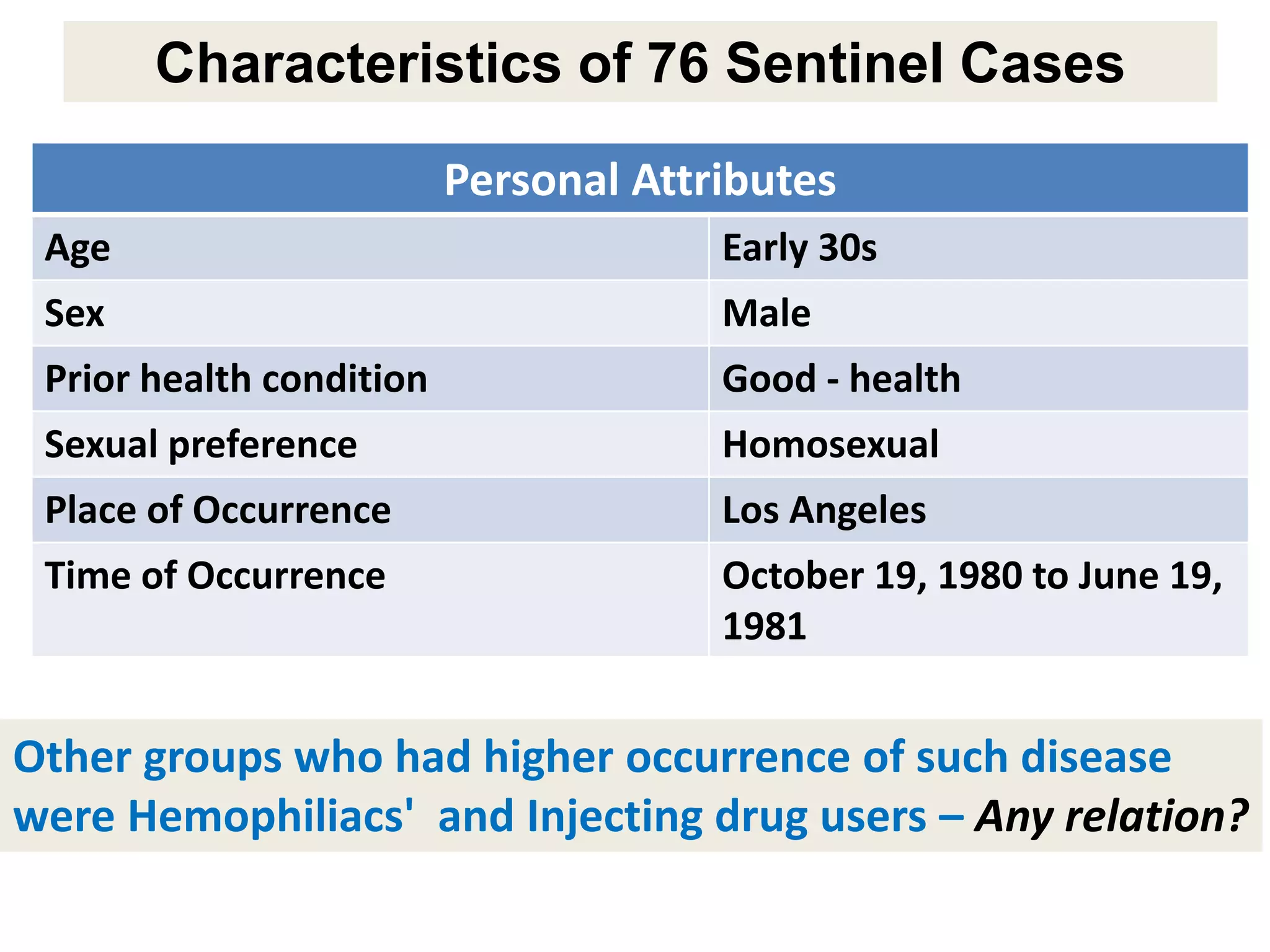
Personal Attributes
Age Early 30s
Sex Male
Prior health condition Good - health
Sexual preference Homosexual
Place of Occurrence Los Angeles
Time of Occurrence October 19, 1980 to June 19,
1981
Other groups who had higher occurrence of such disease
were Hemophiliacs' and Injecting drug users – Any relation?
Characteristics of 76 Sentinel Cases
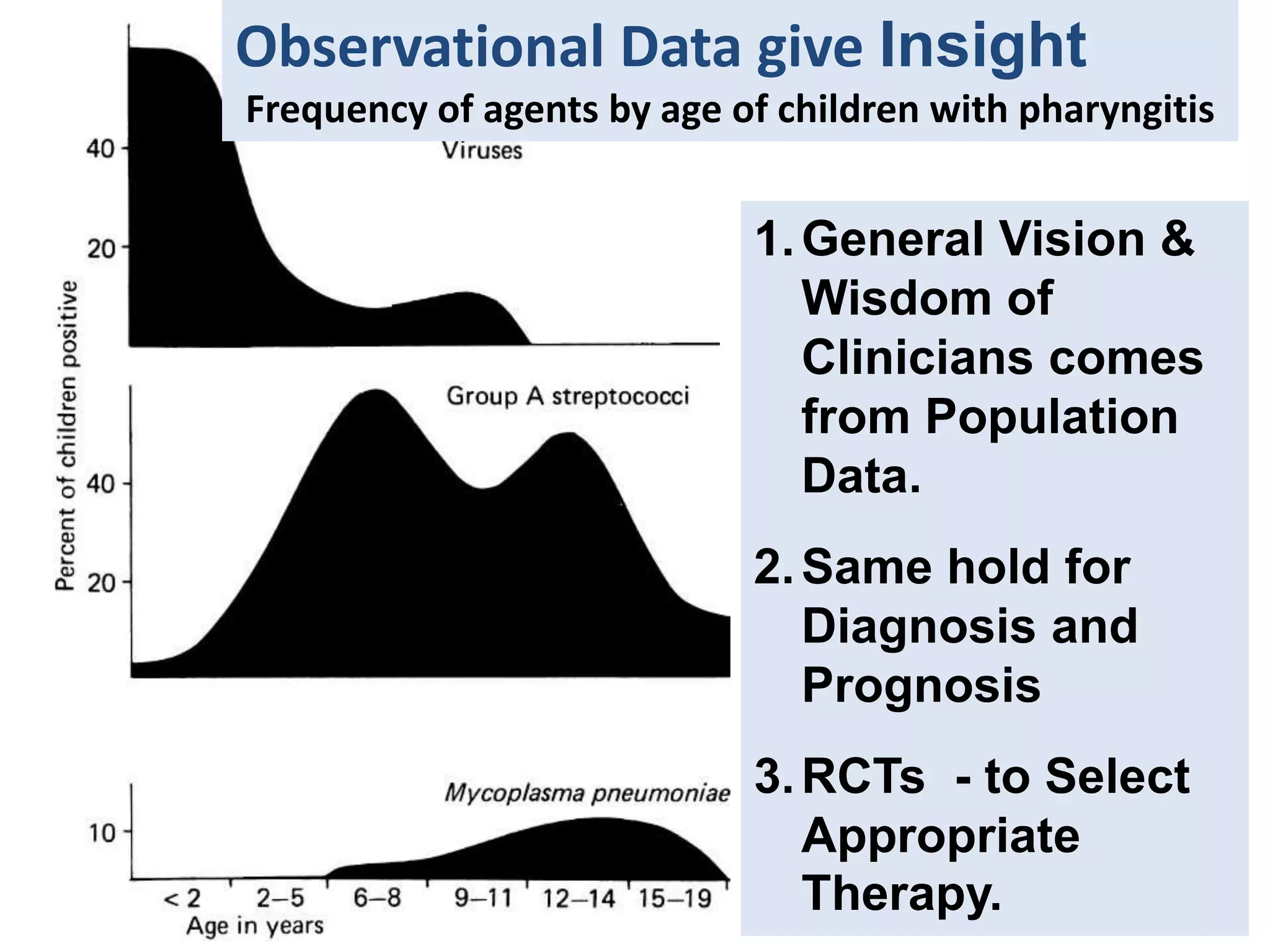
Observational Data give Insight
Frequency of agents by age of children with pharyngitis
1.General Vision &
Wisdom of
Clinicians comes
from Population
Data.
2.Same hold for
Diagnosis and
Prognosis
3.RCTs - to Select
Appropriate
Therapy.
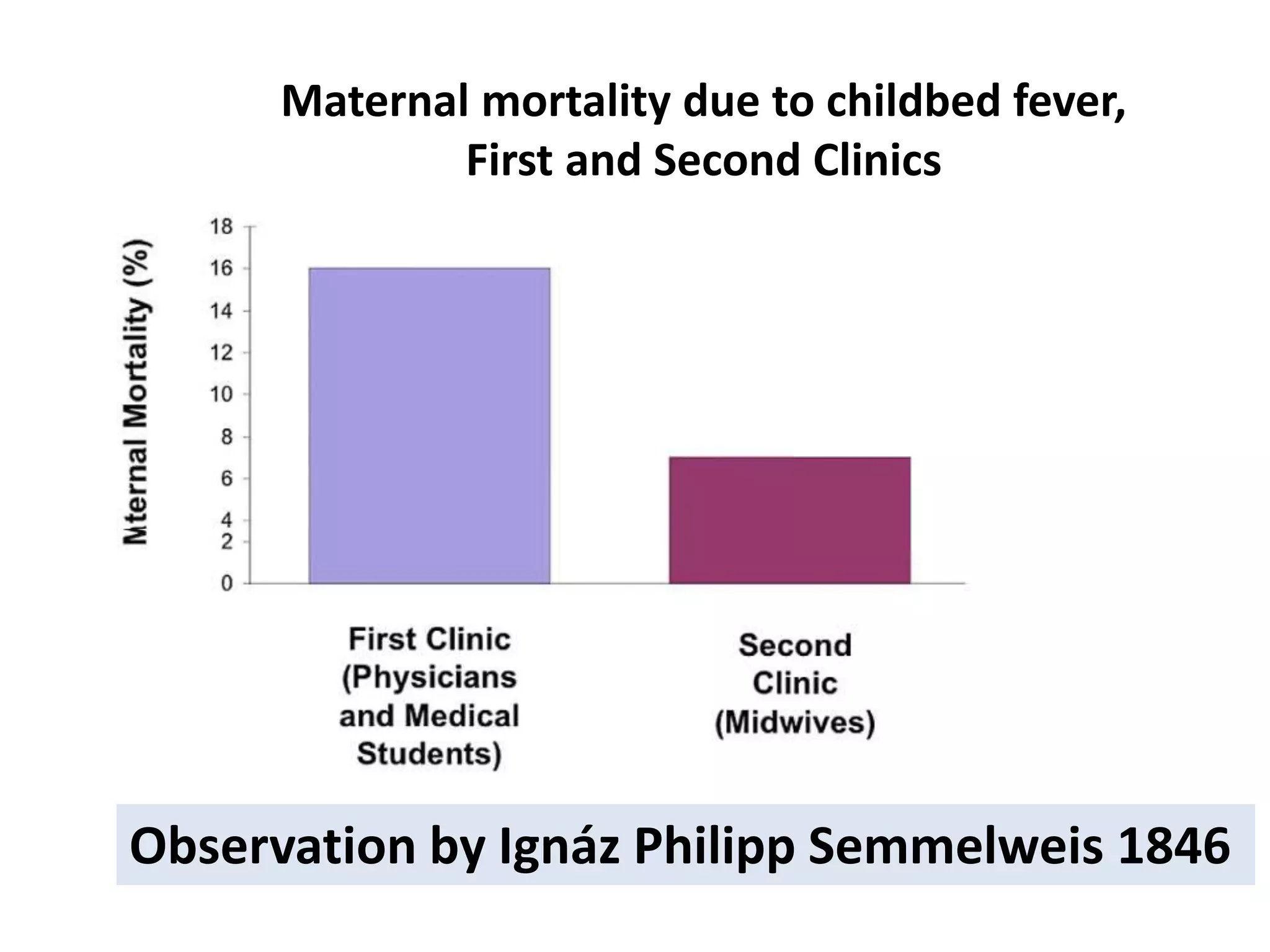
Ignáz Semmelweis and Childbed Fever
Maternal mortality due to childbed fever,
First and Second Clinics
Observation by Ignáz Philipp Semmelweis 1846
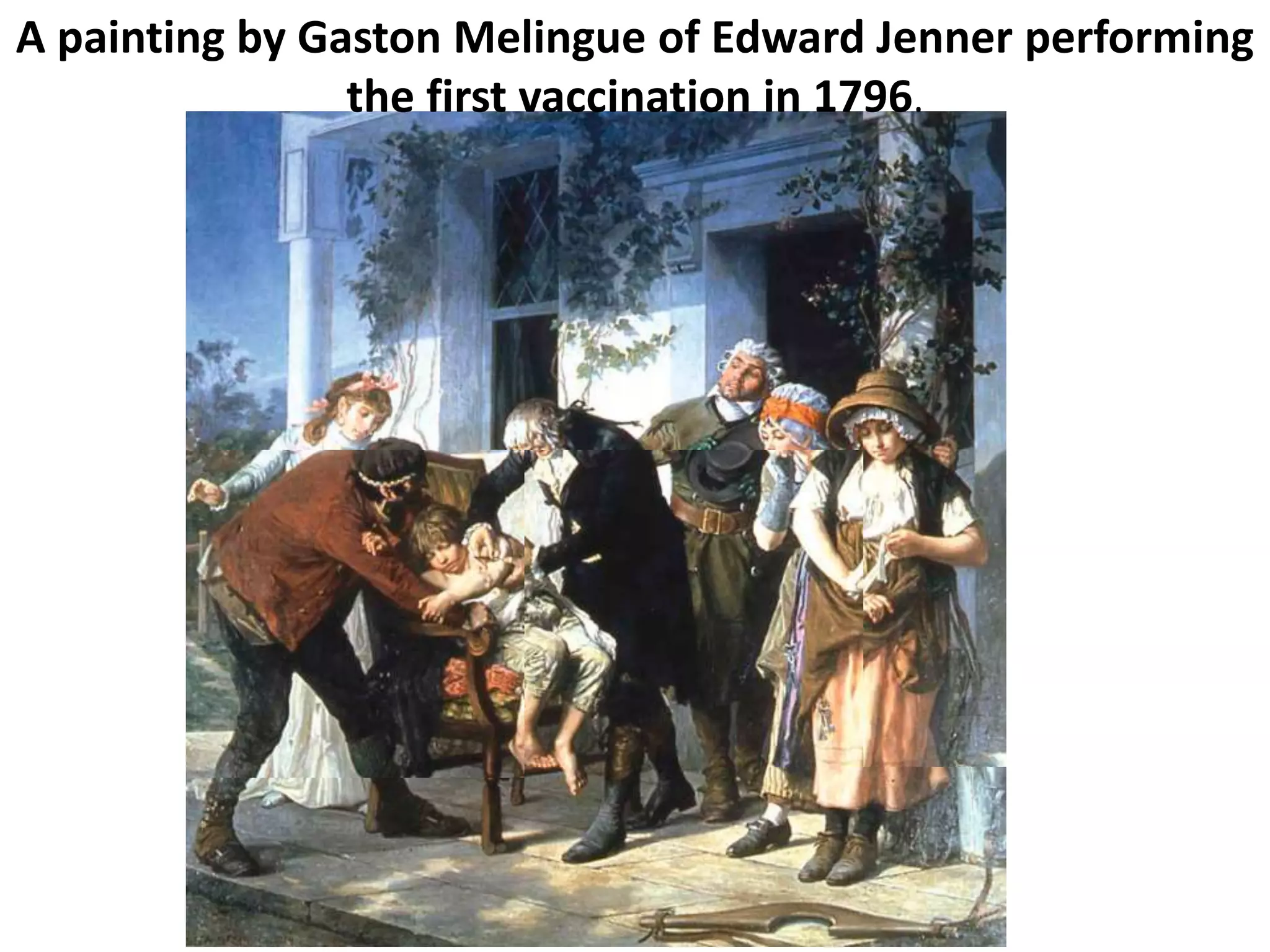
A painting by Gaston Melingue of Edward Jenner performing
the first vaccination in 1796.
AN EXPERIENCE
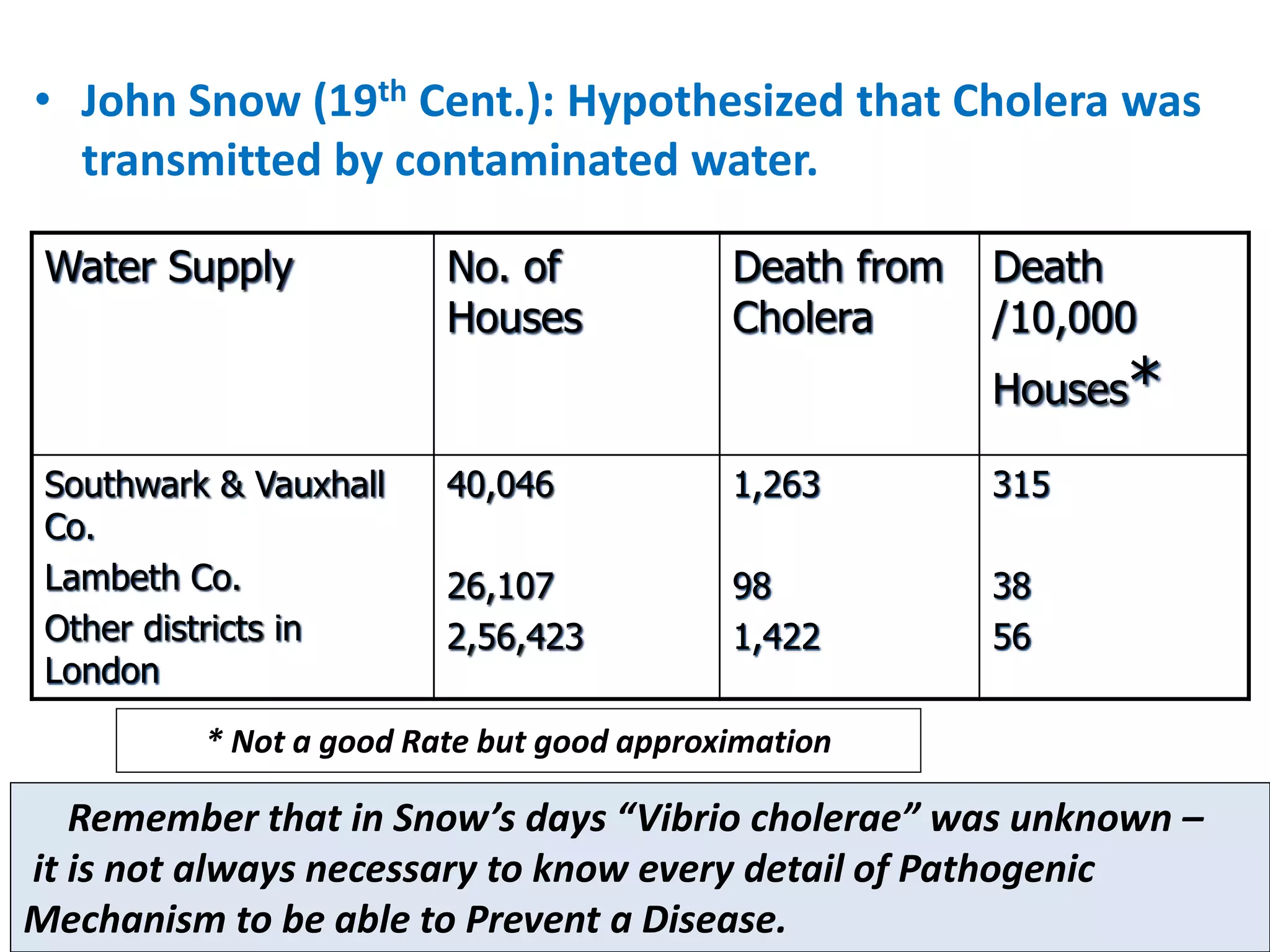
• John Snow (19th Cent.): Hypothesized that Cholera was
transmitted by contaminated water.
Water Supply No. of
Houses
Death from
Cholera
Death
/10,000
Houses*
Southwark & Vauxhall
Co.
Lambeth Co.
Other districts in
London
40,046
26,107
2,56,423
1,263
98
1,422
315
38
56
* Not a good Rate but good approximation
Remember that in Snow’s days “Vibrio cholerae” was unknown –
it is not always necessary to know every detail of Pathogenic
Mechanism to be able to Prevent a Disease.
An Epidemiologist…..
 Observe/ Imagine/ Doubt
 Investigate/ Analyze
Make Hypotheses
 Experiments
Tests Hypotheses
!
• How disease is distributed in
population
(What, Where, Who, When)
• What are the factors that determine
this distribution (Why, How).
• What can we do (What, How)
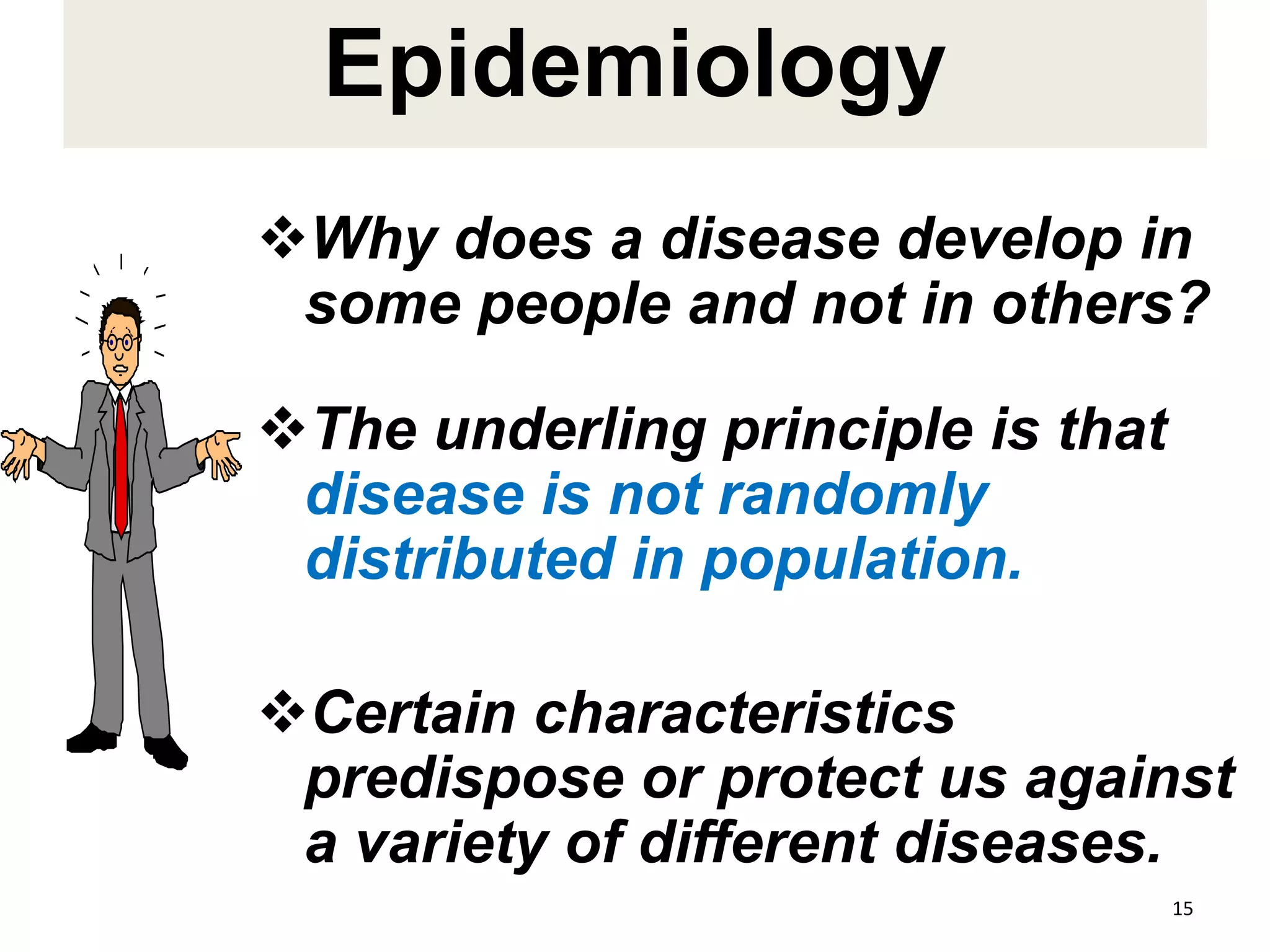
Epidemiology
Why does a disease develop in
some people and not in others?
The underling principle is that
disease is not randomly
distributed in population.
Certain characteristics
predispose or protect us against
a variety of different diseases.
15
Major Goal of epidemiology :
To intervene to Reduce Dis. Morbidity and Mortality
Objectives –
1. Identify the Cause of a disease and the Risk
Factor/s associated with it – Planning Prev./ Care
– Identify At Risk Sub-Groups (Screening Tests) to identify
Determinants of the Dis. and Transmission Channels
2. Study the Natural History and Prognosis of Dis.
(Provide Clue to Changing Patterns of Community
Health Problems) – Planning Prev./ Care
Objectives of Epidemiology
3. Determine the Extent of disease found in the
community – Planning, Policy & Strategy
including Training
4. Evaluate Preventive & Therapeutic measures –
Betterment of Care strategy/ system
5. Study Association of Environmental, Genetic
and Other Factors with human health issues –
Public Health Policy for Prevention and Health
Promotion 17
Epidemiologic Approach
Epidemiologic Reasoning - a Multistep
Process:
First Step –
Determine whether an association exists between
exposure to a factor (e.g., an environmental agent)
or a characteristic of a person (e.g., an increased
serum cholesterol level) and the development of the
disease in question.
Second Step –
Find out if it is an Causal Association.
Find out Reasons for the Difference.
Data should be Comparable.
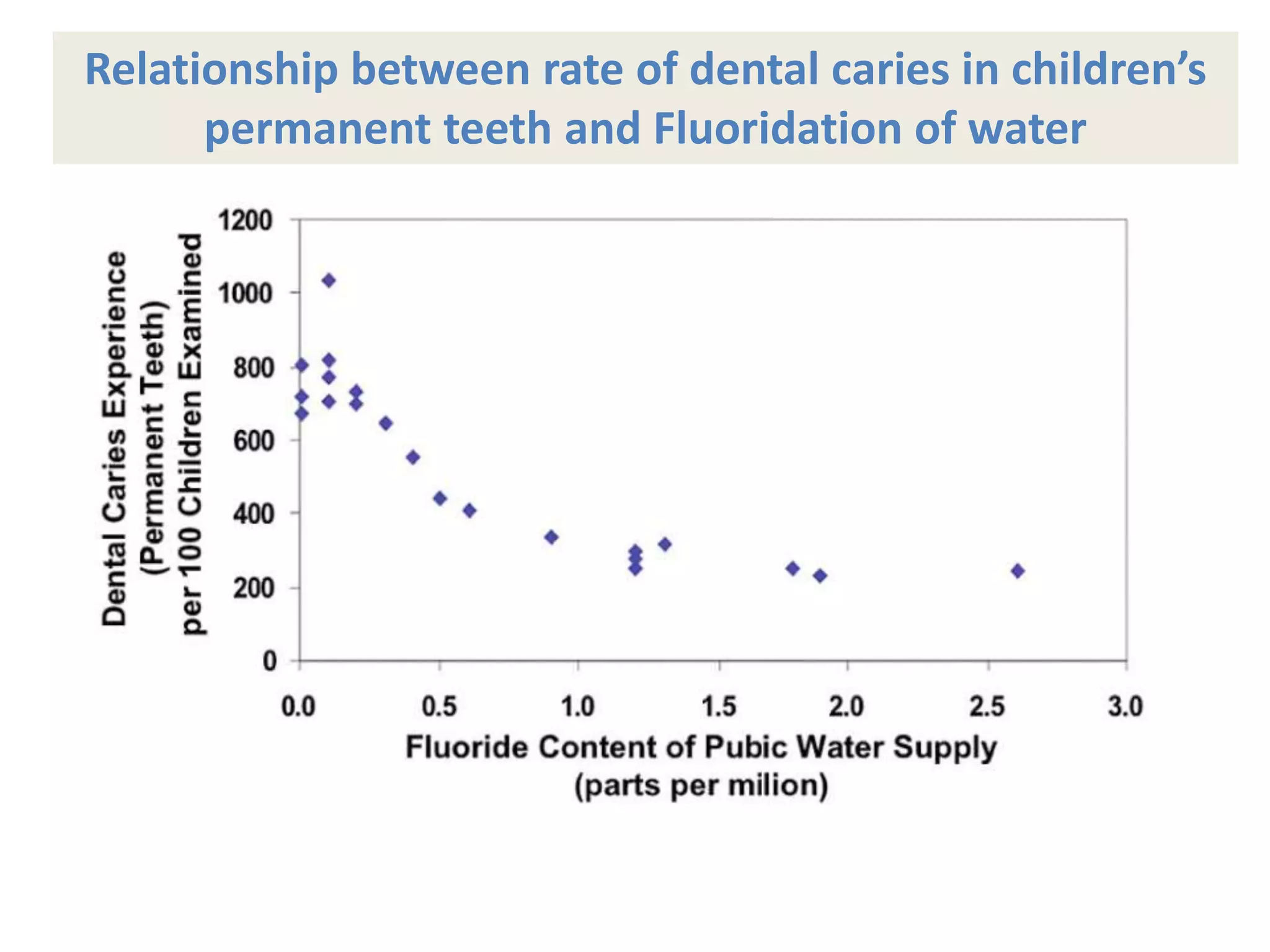
Relationship between rate of dental caries in children’s
permanent teeth and Fluoridation of water
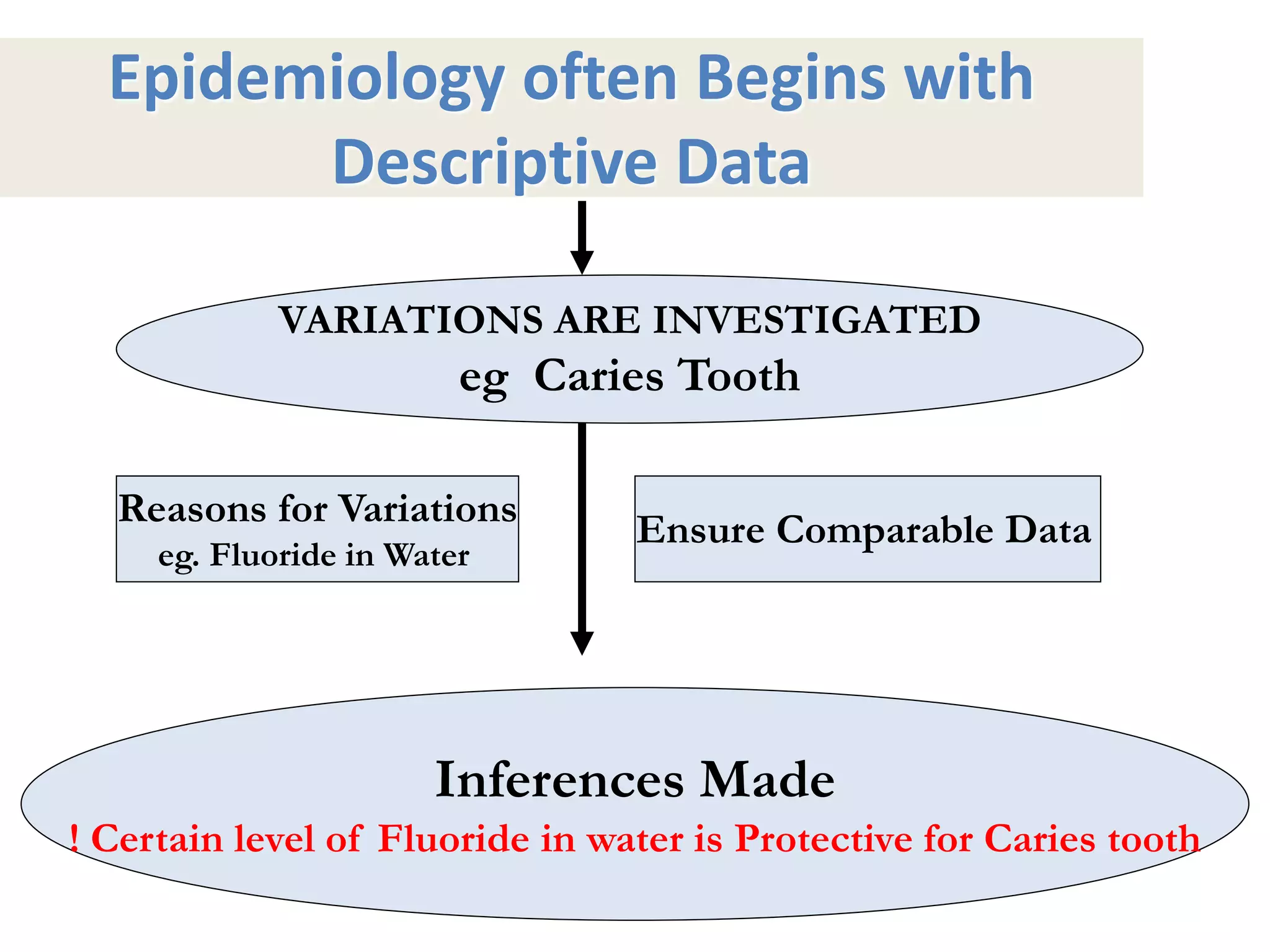
Epidemiology often Begins with
Descriptive Data
VARIATIONS ARE INVESTIGATED
eg Caries Tooth
Inferences Made
! Certain level of Fluoride in water is Protective for Caries tooth
Ensure Comparable Data
Reasons for Variations
eg. Fluoride in Water
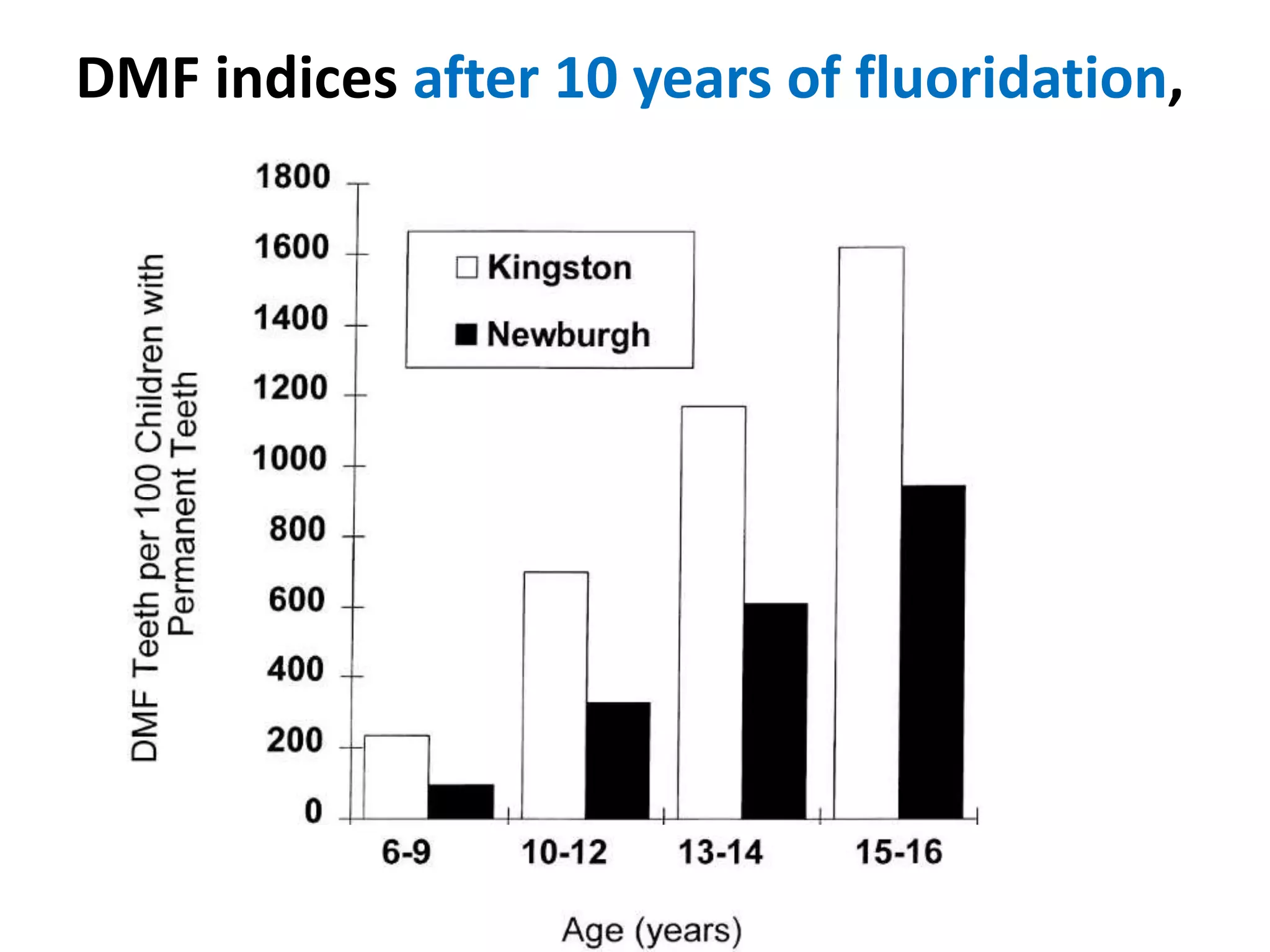
DMF indices after 10 years of fluoridation,
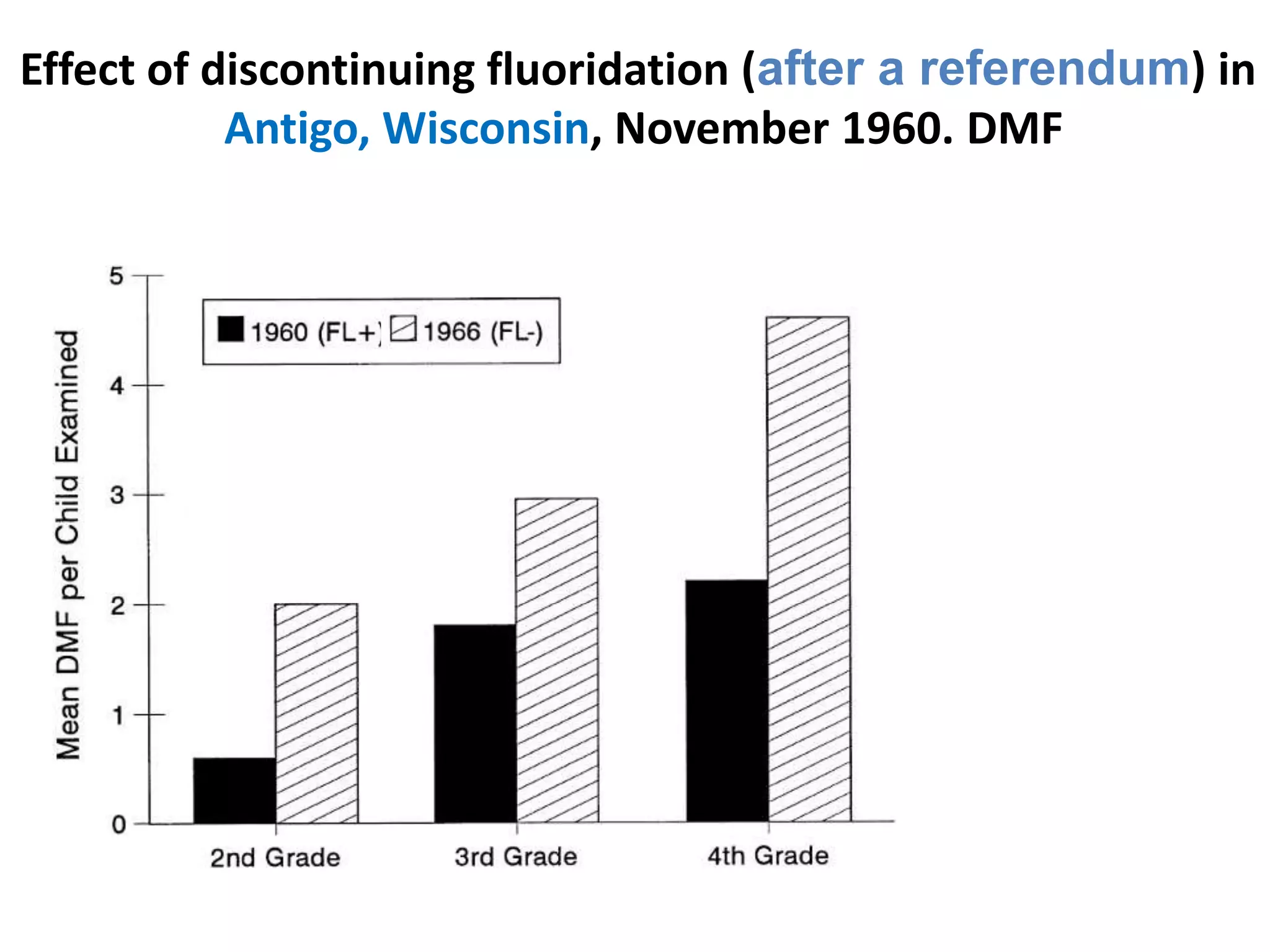
Effect of discontinuing fluoridation (after a referendum) in
Antigo, Wisconsin, November 1960. DMF
Epidemiology
World Health Assembly recognized the essential role of
epidemiology in “Global Strategy for HFA-2000”
Urged member states to use
-Epidemiological Data
-Concepts and
-Methods
For
Planning/ Preparation of health care activities
Monitoring/ Evaluation
And Updating their work
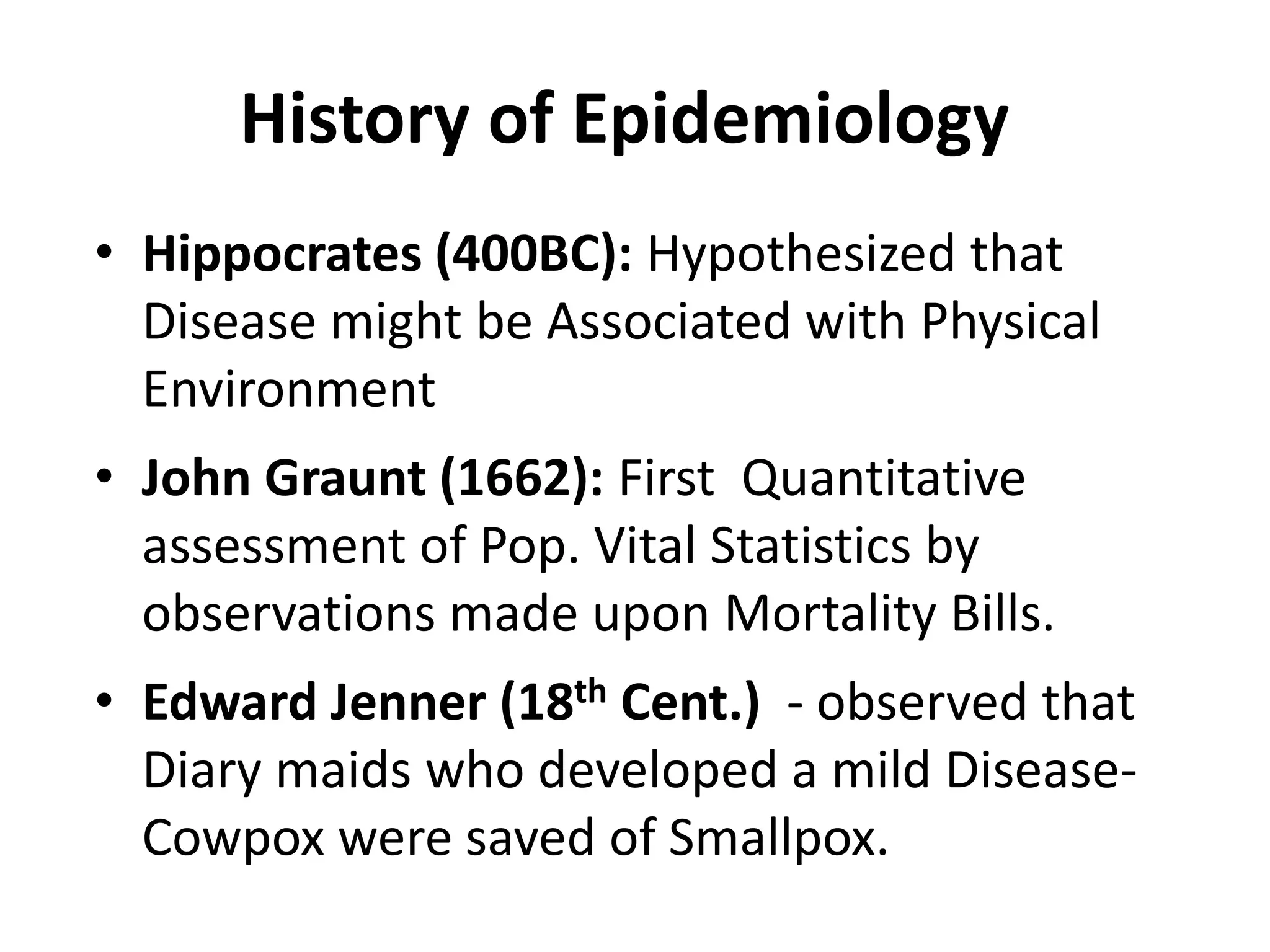
History of Epidemiology
• Hippocrates (400BC): Hypothesized that
Disease might be Associated with Physical
Environment
• John Graunt (1662): First Quantitative
assessment of Pop. Vital Statistics by
observations made upon Mortality Bills.
• Edward Jenner (18th Cent.) - observed that
Diary maids who developed a mild Disease-
Cowpox were saved of Smallpox.
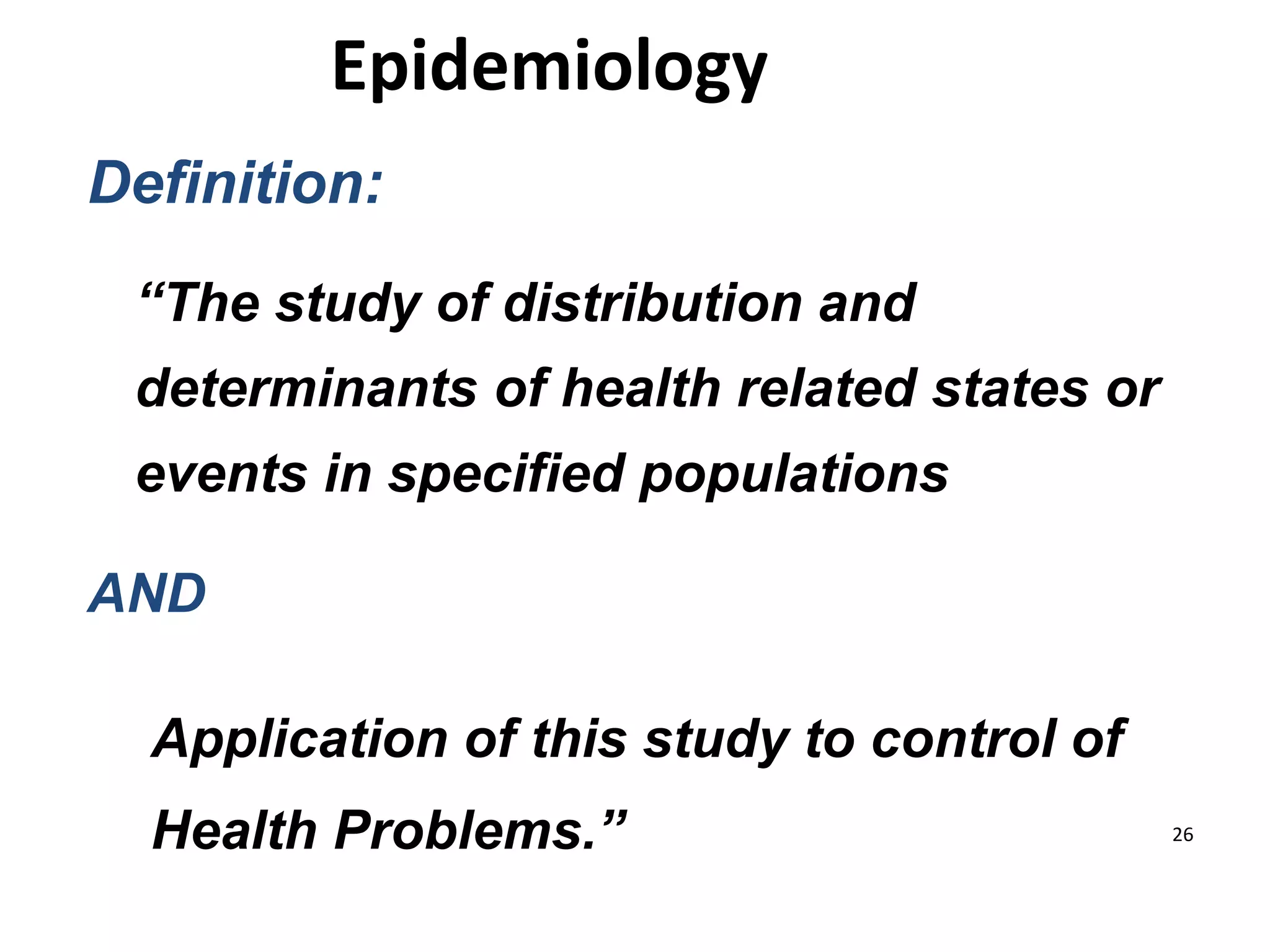
Definition:
“The study of distribution and
determinants of health related states or
events in specified populations
AND
Application of this study to control of
Health Problems.” 26
Epidemiology
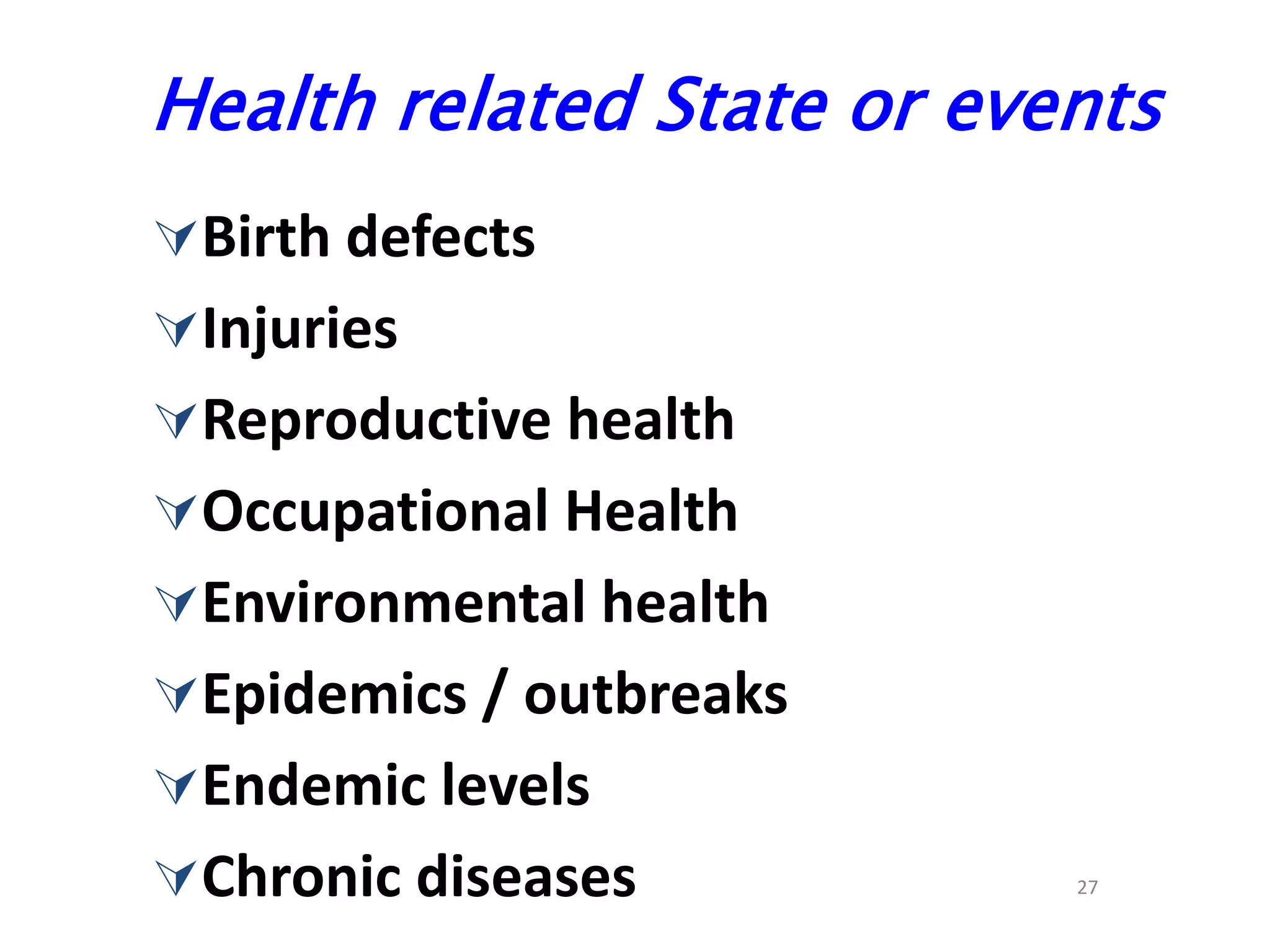
27
Health related State or events
Birth defects
Injuries
Reproductive health
Occupational Health
Environmental health
Epidemics / outbreaks
Endemic levels
Chronic diseases
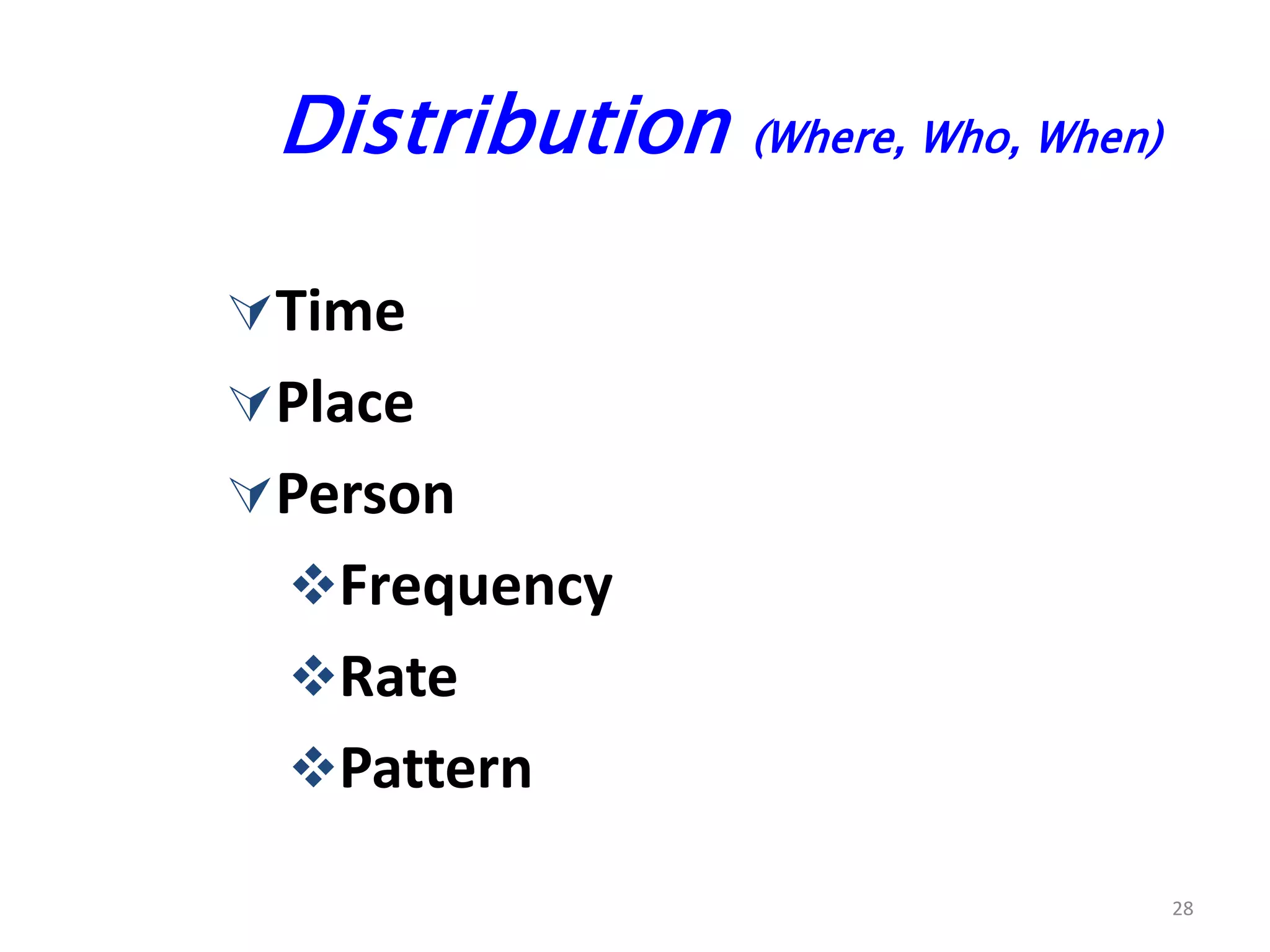
28
Distribution (Where, Who, When)
Time
Place
Person
Frequency
Rate
Pattern
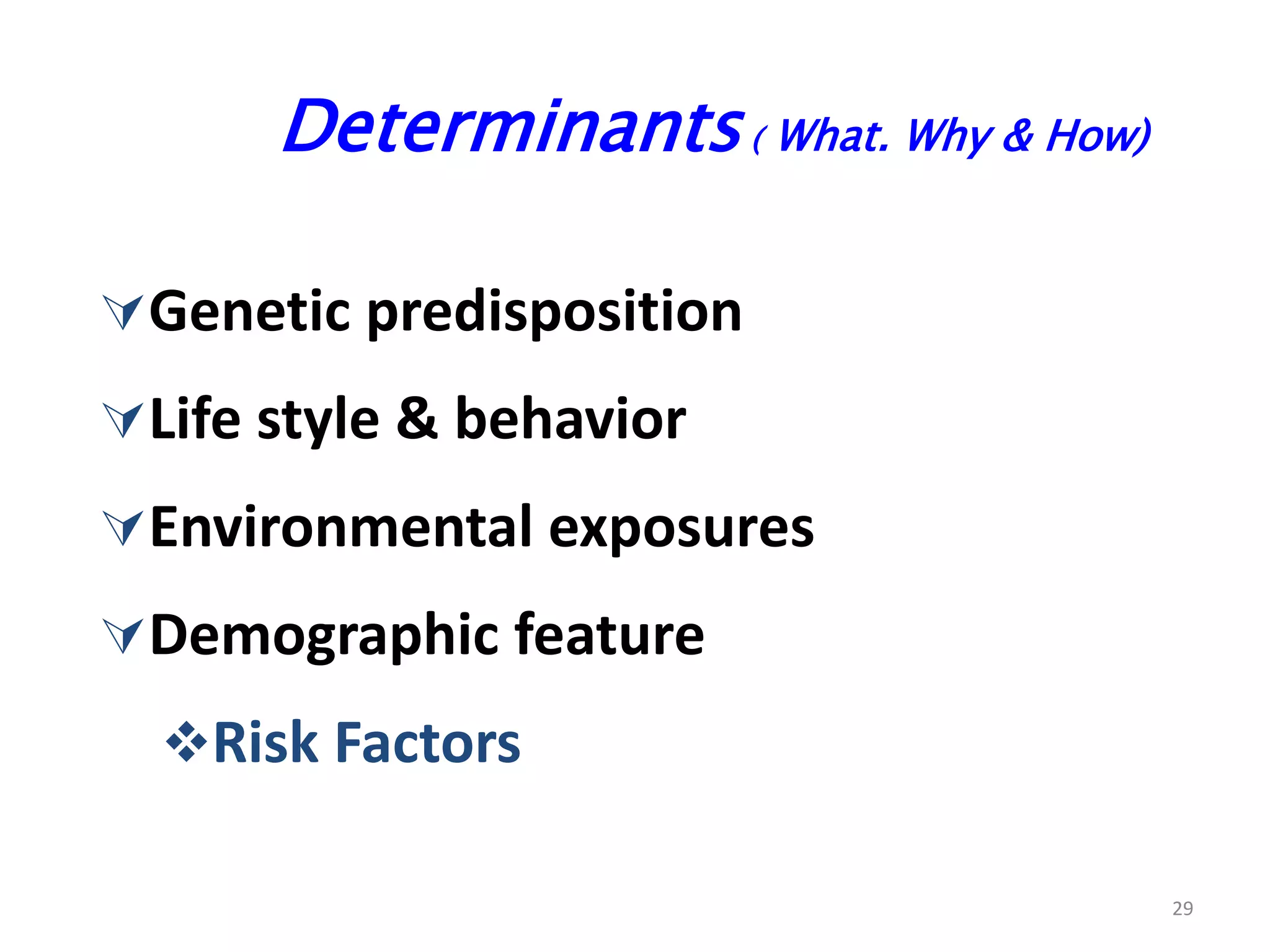
29
Determinants( What. Why & How)
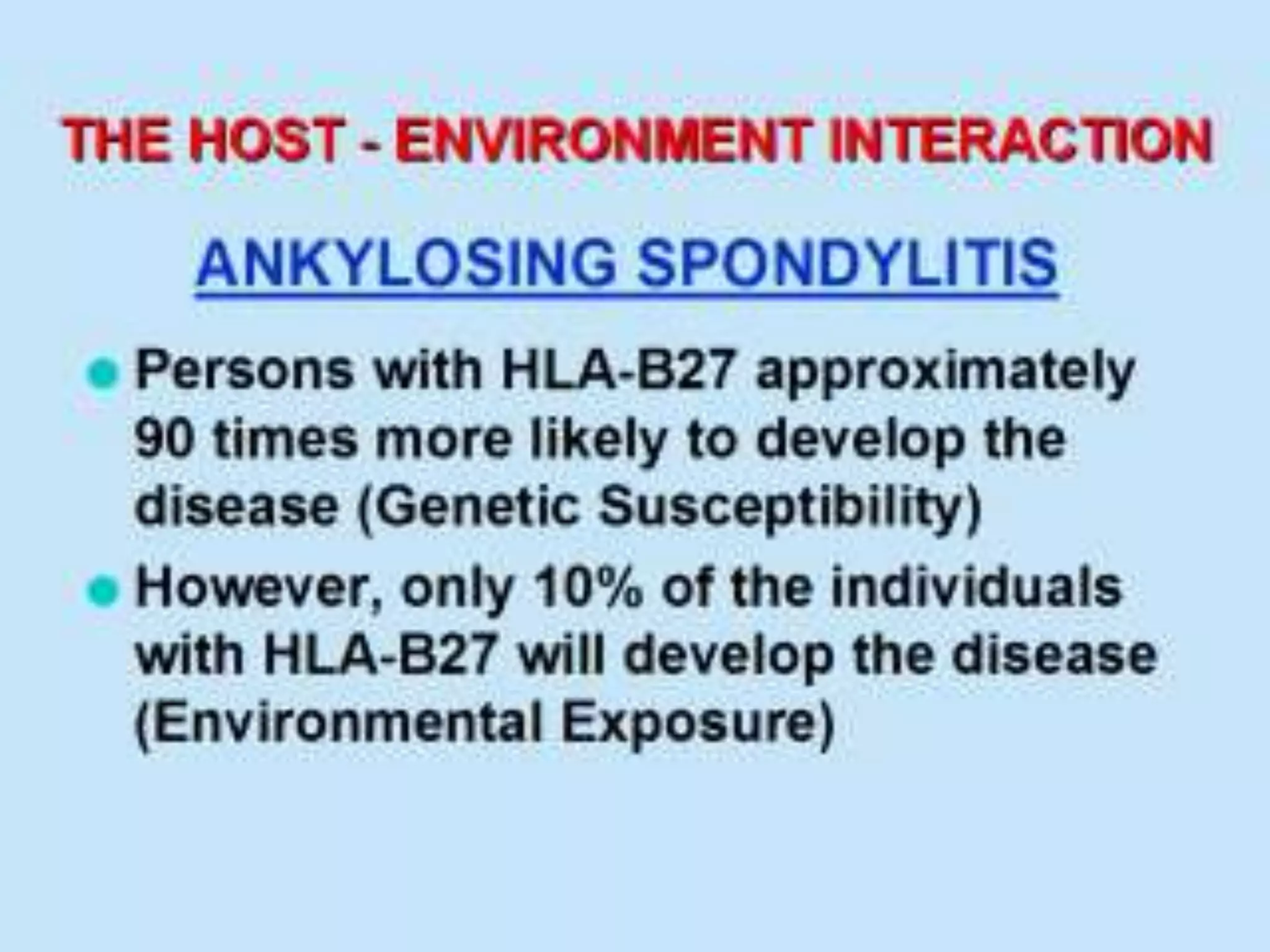
Genetic predisposition
Life style & behavior
Environmental exposures
Demographic feature
Risk Factors
AGENT
HOST ENVIRONMENT
EPIDEMILOGICAL TRIAD
Epidemiology
Conclusion:
Prevention And Therapy
are not mutually exclusive.
Treatment of Disease is a
Major Component of Prevention
33

Epidemiology Lectures for UG

  • 1.
    Epidemiology Dr Amita Kashyap Sr.Prof. P.S.M. S.M.S.Medical College, Jaipur
  • 2.
    Patient Profile • A29 yr old previously health man referred to UCLA with H/O Fever, Fatigue, LN enlargement and Wt loss of almost 12.5 Kg in last 8 months. • He had 39.50C temperature, appeared physically wasted and had swollen LN • Lab showed depressed Lymphocytes •Pt suffered multiple simultaneous infections •Candida albicans in upper GIT, • Pneumocystis Carinii in lungs and •Cytomegalovirus in urinary tract • Not responding to antibiotics. • No underlying cause of immuno-supression!!
  • 3.
    • There were3 other previously healthy young males reporting within last 6 months with recent H/O Wt. loss, fever, LN enlargement and all had Candida albicans and Pneumocystis Carinii infections • What are the Similarities!! • UCLA physicians notified public health officials & prepared a Descriptive Report for Publication • Between June and November 1981, - 76 instances of P. Carinii pneumonia were identified in persons who did not have known immunosuppression.
  • 4.
    Personal Attributes Age Early30s Sex Male Prior health condition Good - health Sexual preference Homosexual Place of Occurrence Los Angeles Time of Occurrence October 19, 1980 to June 19, 1981 Other groups who had higher occurrence of such disease were Hemophiliacs' and Injecting drug users – Any relation? Characteristics of 76 Sentinel Cases
  • 5.
    Observational Data giveInsight Frequency of agents by age of children with pharyngitis 1.General Vision & Wisdom of Clinicians comes from Population Data. 2.Same hold for Diagnosis and Prognosis 3.RCTs - to Select Appropriate Therapy.
  • 6.
    Ignáz Semmelweis andChildbed Fever
  • 7.
    Maternal mortality dueto childbed fever, First and Second Clinics Observation by Ignáz Philipp Semmelweis 1846
  • 9.
    A painting byGaston Melingue of Edward Jenner performing the first vaccination in 1796.
  • 10.
  • 11.
    • John Snow(19th Cent.): Hypothesized that Cholera was transmitted by contaminated water. Water Supply No. of Houses Death from Cholera Death /10,000 Houses* Southwark & Vauxhall Co. Lambeth Co. Other districts in London 40,046 26,107 2,56,423 1,263 98 1,422 315 38 56 * Not a good Rate but good approximation Remember that in Snow’s days “Vibrio cholerae” was unknown – it is not always necessary to know every detail of Pathogenic Mechanism to be able to Prevent a Disease.
  • 12.
    An Epidemiologist…..  Observe/Imagine/ Doubt  Investigate/ Analyze Make Hypotheses  Experiments Tests Hypotheses
  • 13.
    ! • How diseaseis distributed in population (What, Where, Who, When) • What are the factors that determine this distribution (Why, How). • What can we do (What, How)
  • 14.
    Epidemiology Why does adisease develop in some people and not in others? The underling principle is that disease is not randomly distributed in population. Certain characteristics predispose or protect us against a variety of different diseases. 15
  • 15.
    Major Goal ofepidemiology : To intervene to Reduce Dis. Morbidity and Mortality Objectives – 1. Identify the Cause of a disease and the Risk Factor/s associated with it – Planning Prev./ Care – Identify At Risk Sub-Groups (Screening Tests) to identify Determinants of the Dis. and Transmission Channels 2. Study the Natural History and Prognosis of Dis. (Provide Clue to Changing Patterns of Community Health Problems) – Planning Prev./ Care
  • 16.
    Objectives of Epidemiology 3.Determine the Extent of disease found in the community – Planning, Policy & Strategy including Training 4. Evaluate Preventive & Therapeutic measures – Betterment of Care strategy/ system 5. Study Association of Environmental, Genetic and Other Factors with human health issues – Public Health Policy for Prevention and Health Promotion 17
  • 17.
    Epidemiologic Approach Epidemiologic Reasoning- a Multistep Process: First Step – Determine whether an association exists between exposure to a factor (e.g., an environmental agent) or a characteristic of a person (e.g., an increased serum cholesterol level) and the development of the disease in question. Second Step – Find out if it is an Causal Association. Find out Reasons for the Difference. Data should be Comparable.
  • 18.
    Relationship between rateof dental caries in children’s permanent teeth and Fluoridation of water
  • 19.
    Epidemiology often Beginswith Descriptive Data VARIATIONS ARE INVESTIGATED eg Caries Tooth Inferences Made ! Certain level of Fluoride in water is Protective for Caries tooth Ensure Comparable Data Reasons for Variations eg. Fluoride in Water
  • 20.
    DMF indices after10 years of fluoridation,
  • 21.
    Effect of discontinuingfluoridation (after a referendum) in Antigo, Wisconsin, November 1960. DMF
  • 22.
    Epidemiology World Health Assemblyrecognized the essential role of epidemiology in “Global Strategy for HFA-2000” Urged member states to use -Epidemiological Data -Concepts and -Methods For Planning/ Preparation of health care activities Monitoring/ Evaluation And Updating their work
  • 23.
    History of Epidemiology •Hippocrates (400BC): Hypothesized that Disease might be Associated with Physical Environment • John Graunt (1662): First Quantitative assessment of Pop. Vital Statistics by observations made upon Mortality Bills. • Edward Jenner (18th Cent.) - observed that Diary maids who developed a mild Disease- Cowpox were saved of Smallpox.
  • 25.
    Definition: “The study ofdistribution and determinants of health related states or events in specified populations AND Application of this study to control of Health Problems.” 26 Epidemiology
  • 26.
    27 Health related Stateor events Birth defects Injuries Reproductive health Occupational Health Environmental health Epidemics / outbreaks Endemic levels Chronic diseases
  • 27.
    28 Distribution (Where, Who,When) Time Place Person Frequency Rate Pattern
  • 28.
    29 Determinants( What. Why& How) Genetic predisposition Life style & behavior Environmental exposures Demographic feature Risk Factors
  • 29.
  • 32.
    Epidemiology Conclusion: Prevention And Therapy arenot mutually exclusive. Treatment of Disease is a Major Component of Prevention 33

Editor's Notes

  • #3 UCLA- univ of Columbia in Los Angeles
  • #4 There were 3 other previously healthy young males reporting within last 6 months with recent H/O Wt. loss, fever, LN enlargement and all had Candida albicans and Pneumocystis Carinii infections Had it been an isolated incidence, involved more conventional pathogens and was of less severity….. Why cluster of Pts with similar symptoms from same location?....(may be related!!!) The first few affected patients identified with any outbreak of disease are referred as sentinel cases If the experience at UCLA was unique, the entire episode might be regarded as medical curiosity but not a concern for public health Within a matter of weeks PH authorities received reports of outbreak of P carnii pneumonia among previously healthy young men in San Francisco and New York
  • #8 In the early 19th century, childbed fever was a major cause of death among women shortly after childbirth, with mortality rates from childbed fever as high as 25%. Many theories of the cause of childbed fever were popular at the time, including atmospheric toxins, “epidemic constitutions” of some women, putrid air, or solar and magnetic influences. This period was a time of growing interest in pathologic anatomy. Because the cause of childbed fever remained a mystery, great interest arose in correlating the findings at autopsies of women who had died of the disease with the clinical manifestations that characterized them before their deaths. Semmelweis was in charge of the First Obstetrical Clinic of the Allgemeine Krankenhaus (General Hospital) in Vienna in July 1846. At that time there were two obstetrical clinics, the First and the Second. Pregnant women were admitted for childbirth to the First Clinic or to the Second Clinic on an alternating 24-hour basis. The First Clinic was staffed by physicians and medical students and the Second Clinic by midwives. Physicians and medical students began their days performing autopsies on women who had died from childbed fever; they then proceeded to provide clinical care for women hospitalized in the First Clinic for childbirth. The midwives staffing the Second Clinic did not perform autopsies. Semmelweis had been impressed by mortality rates in the two clinics in 1846 (Fig. 1-11). Mortality in the First Clinic was more than twice as high as in the Second Clinic—16% compared with 7%. Semmelweis came to believe that mortality was higher in the First Clinic than in the Second because the physicians and medical students went directly from the autopsies to their patients. Many of the women in labor had multiple examinations by physicians and by medical students learning obstetrics. Often these examinations traumatized the tissues of the vagina and uterus. Semmelweis suggested that the hands of physicians and medical students were transmitting disease-causing particles from the cadavers to the women who were about to deliver. His suspicions were confirmed in 1847 when his friend and colleague Jakob Kolletschka died from an infection contracted when he was accidentally punctured with a medical student’s knife while performing an autopsy. The autopsy on Kolletschka showed pathology very similar to that of the women who were dying from childbed fever. Semmelweis concluded that physicians and medical students were carrying the infection from the autopsy room to the patients in the First Clinic and that this accounted for the high mortality rates from childbed fever in the First Clinic. Mortality rates in the Second Clinic remained low because the midwives who staffed the Second Clinic had no contact with the autopsy room. Semmelweis therefore developed and implemented a policy for the physicians and medical students in the First Clinic, a policy designed to prevent childbed fever. He required the physicians and medical students in the First Clinic to wash their hands and to brush under their fingernails after they had finished the autopsies and before they came in contact with any of the patients. As seen in Figure 1-12, mortality in the First Clinic dropped from 12.2% to 2.4%, a rate comparable to that seen in the Second Clinic. When Semmelweis was later replaced by an obstetrician who did not subscribe to Semmelweis’s theories, and who therefore eliminated the policy of required hand washing, mortality rates from childbed fever rose again in the First Clinic—further evidence supporting a causal relationship. Unfortunately, for many years Semmelweis refused to present his findings at major meetings or to submit written reports of his studies to medical journals. His failure to provide supporting scientific evidence was at least partially responsible for the failure of the medical community to accept his hypothesis of causation of childbed fever and his proposed intervention of hand washing between examinations of patients. Among other factors that fostered resistance to his proposal was the reluctance of physicians to accept the conclusion that by transmitting the agent responsible for childbed fever, they had been inadvertently responsible for the deaths of large numbers of women. In addition, physicians claimed that washing their hands before seeing each patient would be too time-consuming. Another major factor is that Semmelweis was, to say the least, undiplomatic, and had alienated many senior figures in medicine. As a consequence of all of these factors, many years passed before a policy of hand washing was broadly adopted. An excellent biography of Semmelweis by Sherwin Nuland was published in 2003.3 The lessons of this story for successful policy-making are still relevant today to the challenge of enhancing both public and professional acceptance of evidence-based prevention policies. These lessons include the need for presenting supporting scientific evidence for a proposed intervention, the need for implementation of the proposed intervention to be perceived as feasible, and the need to lay the necessary groundwork for the policy, including garnering professional as well as community and political support. Years later, the major cause of childbed fever was recognized to be a streptococcal infection. Semmelweis’s major findings and recommendations ultimately had worldwide effects on the practice of medicine. Amazingly, his observations and suggested interventions preceded any knowledge of the germ theory. It is also of interest, however, that although the need for hand washing has now been universally accepted, recent studies have reported that many physicians in hospitals in the United States and in other developed countries still fail to wash their hands as prescribed
  • #10 Edward Jenner (Fig. 1-13) was born in 1749 and became very interested in the problem of smallpox, which was a worldwide scourge. For example, in the late 18th century, 4,00,000 people died from smallpox each year and a third of the survivors became blind as a result of corneal infections. It was known that those who survived smallpox were subsequently immune to the disease and consequently it was a common preventive practice to infect healthy individuals with smallpox by administering to them material taken from smallpox patients, a procedure called variolation. However, this was not an optimal method: some variolated individuals died from the resulting smallpox, infected others with smallpox, or developed other infections. Jenner was interested in finding a better, safer approach to preventing smallpox. He observed, as had other people before him, that dairy maids, the young women whose occupation was milking the cows, developed a mild disease called cowpox. Later, during smallpox outbreaks, smallpox appeared not to develop in these young women. In 1768 Jenner heard a claim from a dairy maid, “I can’t take the smallpox for I have already had the cowpox.” These data were observations and were not based on any rigorous study. But Jenner became convinced that cowpox could protect against smallpox and decided to test his hypothesis. Figure 1-14 shows a painting by Gaston Melingue of Edward Jenner performing the first vaccination in 1796. (The term “vaccination” is derived from vacca, the Latin word for “cow.”) In this painting, a dairy maid, Sarah Nelmes, is bandaging her hand after just having had some cowpox material removed. The cowpox material is being administered by Jenner to an 8-year-old “volunteer,” James Phipps. Jenner was so convinced that cowpox would be protective that 6 weeks later, in order to test his conviction, he inoculated the child with material that had just been taken from a smallpox pustule. The child did not contract the disease. We shall not deal in this chapter with the ethical issues and implications of this experiment. (Clearly, Jenner did not have to justify his study before an institutional review board!) In any event, the results of the first vaccination and of what followed were the saving of literally millions of human beings throughout the world from disability and death caused by the scourge of smallpox. The important point is that Jenner knew nothing about viruses and nothing about the biology of the disease. He operated purely on observational data that provided him with the basis for a preventive intervention. In 1967, the World Health Organization (WHO) began international efforts to eradicate smallpox using vaccinations with vaccinia virus (cowpox). It has been estimated that, until that time, smallpox afflicted 15 million people annually throughout the world, of whom 2 million died and millions of others were left blind or disfigured. In 1980, the WHO certified that smallpox had been eradicated. The smallpox eradication program,4directed at the time by Dr. D. A. Henderson (Fig. 1-15), is one of the greatest disease prevention achievements in human history. The WHO estimated that 350 million new cases had been prevented over a 20-year period. However, after the terrorist attacks that killed nearly 3,000 people in the World Trade Center in New York City on September 11, 2001, worldwide concern developed about potential bioterrorism. Ironically, the possibility that smallpox virus might be used for such a purpose reopened issues regarding smallpox and vaccination that many thought had been permanently relegated to history by the successful efforts at eradication of the disease. The magnitude of the smallpox bioterrorism threat, together with issues of vaccinia risk—both to those vaccinated and to those coming in contact with vaccinees, especially in hospital environments—are among many that have had to be addressed. Often, however, only limited or equivocal data are available on these issues to guide the development of relevant public health prevention policy relating to a potential bioterrorism threat of using smallpox as a weapon
  • #12 In the first week of September 1854, about 600 people living within a few blocks of the Broad Street pump in London died of cholera. At that time, the Registrar General was William Farr. Snow and Farr had a major disagreement about the cause of cholera. Farr adhered to what was called the miasmatic theory of disease. According to this theory, which was commonly held at the time, disease was transmitted by a miasm, or cloud, that clung low on the surface of the earth. If this were so, we would expect that people who lived at lower altitudes would be at greater risk of contracting a disease transmitted by this cloud than those living at higher elevations. Farr collected data to support his hypothesis (Table 1-4). The data are quite consistent with his hypothesis: the lower the elevation, the higher the mortality rate from cholera. Snow did not agree; he believed that cholera was transmitted through contaminated water (Fig. 1-17). In London at that time, a person obtained water by signing up with one of the water supply companies. The intakes for the water companies were in a very polluted part of the Thames River. At one point in time, one of the companies, the Lambeth Company, for technical, non–health-related reasons, shifted its water intake upstream in the Thames to a less polluted part of the river; the other companies did not move the locations of their water intakes. Snow reasoned, therefore, that based on his hypothesis of contaminated water causing cholera, the mortality rate from cholera would be lower in people getting their water from the Lambeth Company than in those obtaining their water from the other companies. He carried out what we call today “shoe-leather epidemiology”—going from house to house, counting all deaths from cholera in each house, and determining which company supplied water to each house. Snow’s findings are shown in Table 1-5. The table shows the number of houses, the number of deaths from cholera, and the deaths per 10,000 houses. Although this is not an ideal rate, because a house can contain different numbers of people, it is not a bad approximation. We see that in houses served by the Southwark and Vauxhall Company, which was getting its water from a polluted part of the Thames, the death rate was 315 deaths per 10,000 houses. In homes supplied by the Lambeth Company which had relocated its water intake, the rate was only 38 deaths per 10,000 houses. His data were so convincing that they led Farr, the Registrar General, to require the registrar of each district in south London to record which water company supplied each house in which a person died of cholera. Remember that, in Snow’s day, the enterotoxic Vibrio choleraewas unknown. Nothing was known about the biology of the disease. Snow’s conclusion that contaminated water was associated with cho­lera was based entirely on observational data.5 The point is that, although it is extremely important for us to maximize our knowledge of the biology and pathogenesis of disease, it is not always necessary to know every detail of the pathogenic mechanism to be able to prevent a disease. For example, we know that virtually every case of rheumatic fever and rheumatic heart disease follows a streptococcal infection. The Streptococcus has been studied and analyzed extensively, but we still do not know how and why it causes rheumatic fever. We do know that after a severe streptococcal infection, as seen in military recruits, rheumatic fever does not develop in 97 of every 100 infected persons. In civilian populations, such as schoolchildren, in whom the infection is less severe, rheumatic fever develops in only 3 of every 1,000 infected school-children, but not in the remaining 997.6 Why does the disease not develop in those 97 recruits and 997 schoolchildren if they are exposed to the same organism? We do not know. We do not know if the illness is the result of an undetected difference in the organism or if it is caused by a cofactor that may facilitate the adherence of streptococci to epithelial cells. What we do know is that, even without fully understanding the chain of pathogenesis from infection with the Streptococcus to rheumatic fever, we can prevent virtually every case of rheumatic fever if we either prevent or promptly and adequately treat streptococcal infections. The absence of biologic knowledge about pathogenesis should not be a hindrance or an excuse for not implementing effective preventive services. Consider cigarette smoking and lung cancer. We do not know what specific component in cigarettes causes cancer, but we do know that 75% to 80% of cases of lung cancer are caused by smoking. That does not mean that we should not be conducting laboratory research to better understand how cigarettes cause cancer. But again, in parallel with that research, we should be mounting effective community and public health programs based on the observational data available right now. Figure 1-18 shows mortality data for breast cancer and lung cancer in women in the United States. Breast cancer mortality rates remained relatively constant over several decades but showed evidence of decline in the early years of the 21st century. However, mortality from lung cancer in women has been increasing steadily although it may have begun to stabilize, and even decrease slightly, in recent years. Since 1987, more women in the United States have died each year from lung cancer than from breast cancer. Thus, we are faced with the tragic picture of a largely preventable form of cancer, lung cancer, which results from a personal habit, smoking, as the current leading cause of cancer death in American women Furthermore, in 1993, environmental tobacco smoke (secondhand smoke from other people’s smoking) was classified as a known human carcinogen by the Environmental Protection Agency, which attributed about 3,000 lung cancer deaths in nonsmoking individuals each year to environmental tobacco smoke.
  • #13 John Snow (19th Cent.): Formulated natural Epidemiological experiment to test the hypothesis that Cholera was transmitted by contaminated water. Another example of the translation of epidemiologic observations into public policy immortalized John Snow, whose portrait is seen in Figure 1-16. Snow lived in the 19th century and was well known as the anesthesiologist who administered chloroform to Queen Victoria during childbirth. Snow’s true love, however, was the epidemiology of cholera, a disease that was a major problem in England in the middle of the 19th century. In the first week of September 1854, about 600 people living within a few blocks of the Broad Street pump in London died of cholera. At that time, the Registrar General was William Farr. Snow and Farr had a major disagreement about the cause of cholera. Farr adhered to what was called the miasmatic theory of disease. According to this theory, which was commonly held at the time, disease was transmitted by a miasm, or cloud, that clung low on the surface of the earth. If this were so, we would expect that people who lived at lower altitudes would be at greater risk of contracting a disease transmitted by this cloud than those living at higher elevations.
  • #14 An epidemiologist observes the pattern of occurrence of exposure and disease development as they Naturally occurred in human population – the constraints are that he has no control over events hence its often difficult to separate the causal contribution of the exposure of interest from the causal contribution of other background influences!! Typically, the epidemiologist can identify personal, social and environmental circumstances under which a disease tend to occur, without being able to explain the exact process that give rise to the disease. Medical progress is best advanced when basic (sub cellular and molecular) research work in tandem with population oriented science of epidemiology.
  • #17 Identify Sub-Groups who are At Risk (Screening Tests) – identify Determinants of the Disease and Transmission Channels And Direct Preventive Efforts eg. Modifying possible Risk Factors Prim. Prev. Stop Smoking70-80% Lung Ca. Sec. Prev. Test for Occult Blood  Detect and treat Treatable Colon Cancer Changing Pattern of disease changes the requirement for preventive, promotive and therapeutic care and research
  • #18  Evaluate Preventive & Therapeutic measures – Betterment of Care – does screening for cancer prostate using PSA (PROSTATE SPECIFIC ANTIGEN) test improve survival in patients with Ca prostate. Has the growth of managed care, or health insurance any impact on health outcomes or quality of life Study Association of Environmental, Genetic and Other Factors with human health issues – occupational hazards, mobile/ magnetic radiation hazared
  • #19 Determine whether an Association exists between Exposure to a Factor (Env. Factor) or a Characteristic of Host (  Serum. Chol.) and the Development of Disease.
  • #22 Many years ago, it was observed that communities in which the natural level of fluoride in the drinking water differed, also differed in the frequency of dental caries in the permanent teeth of residents. Communities that had low natural fluoride levels had high levels of caries, and communities that had higher levels of fluoride in their drinking water had low levels of caries (Fig. 1-7). This finding suggested that fluoride might be an effective prevention if it were artificially added to the drinking water supply. A trial was therefore carried out to test the hypothesis. Although, ideally, we would like to randomize a group of people either to receive fluoride or to receive no fluoride, this was not possible to do with drinking water because each community generally shares a common water supply. Consequently, two similar communities in upstate New York, Kingston and Newburgh, were chosen for the trial. The DMF index, a count of Decayed, Missing, and Filled teeth, was used. Baseline data were collected in both cities, and at the start of the study, the DMF indices were comparable in each age group in the two communities. The water in Newburgh was then fluoridated, and the children were reexamined. Figure 1-8 shows that, in each age group, the DMF index in Newburgh had dropped significantly 10 years or so later, whereas in Kingston, there was no change. This is strongly suggestive evidence that fluoride was preventing caries.
  • #23 It was possible to go one step further in trying to demonstrate a causal relationship between fluoride ingestion and low rates of caries. The issue of fluoridating water supplies has been extremely controversial, and in certain communities in which water has been fluoridated, there have been referenda to stop the fluoridation. It was therefore possible to look at the DMF index in communities such as Antigo, Wisconsin, in which fluoride had been added to its water supply and then, after a referendum, fluoridation had been stopped. As seen in Figure 1-9, after the fluoride was removed, the DMF index rose. This provided yet a further piece of evidence that fluoride acted to prevent dental caries.