NAME: JIBIN JOSE P
MAIL ID: jibinjp2815@gmail.com
STUDENT ID: 4311d9bded2b11e9aae71743374a34b0
COURSE: ACADEMIC WRITING
WELCOME
ENVIRONMENTAL ISSUES
AND
ENVIRONMENTAL EDUCATION
Environment – Introduction
Meaning of environment
Components of environment
- Living
- Non living
Environment – Definitions
The term Environment is defined as “a
word which describes, in the aggregate all
of the external forces, influences and
conditions, which affect the life, nature,
behaviour and the growth, development
and maturation of living organisms”.
(Douglas and Holland)
“Environment is anything immediately
surrounding an object and exerting a direct
influence on it.
Gisbert. P
Environment is defined as a surrounding or
conditions influencing development or growth.
Chamber’s Dictionary
Environmental crises
 Environmental pollution
 Destruction of ozone layer
 Global climate change
 Global warming
 Acid rain
 Loss of top soil
 Destruction of forest
 Decline in biodiversity
 Ocean pollution
 Soil erosion
 Various natural calamities
- Tsunami
- Earth quake
- Flood
- Drought
- Storms and cyclones
Environmental Pollution – Definition
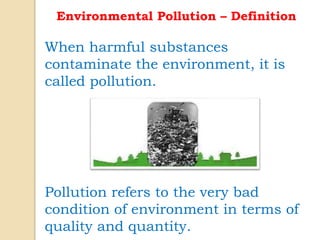
When harmful substances
contaminate the environment, it is
called pollution.
Pollution refers to the very bad
condition of environment in terms of
quality and quantity.
Environmental Pollution
- Due to poverty
- Due to prosperity
Types of Pollution
- Air pollution
- Water pollution
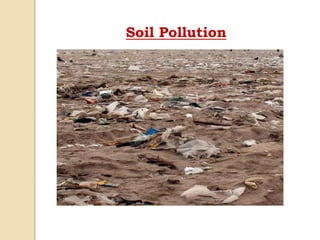
- Soil pollution
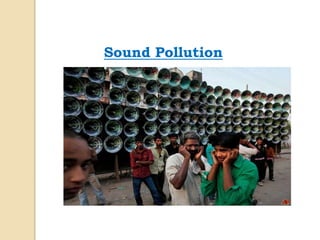
- Sound pollution
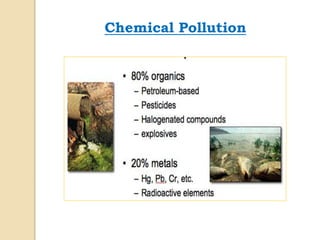
- Chemical pollution
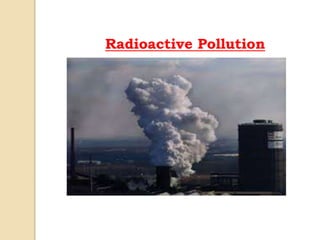
- Radiation pollution
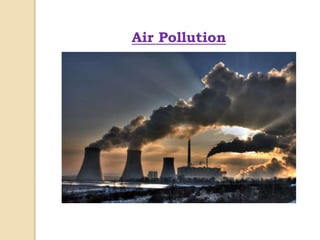
Air Pollution
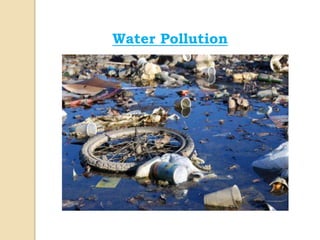
Water Pollution
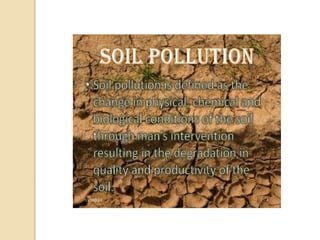
Soil Pollution
Sound Pollution
Chemical Pollution
Radioactive Pollution
Solutions
 Practise energy Conservation methods
 Use renewable energy resources
 Vegetation along road and in residential
areas
 Disposal of radioactive material must be
safe and secure
 Reduce deforestation
 Encourage public mode of
transportation
 Ban on toxic chemicals
 Reduce the use of chemical fertilizers
and pesticides
 Proper planning in waste
management system
 Implementing laws and regulations
 Improve the public awareness
 Understand the concept of reduce,
reuse and recycle
 Popularize Environmental Education
Environmental Education [EE]
- Introduction
- Meaning
- Definition
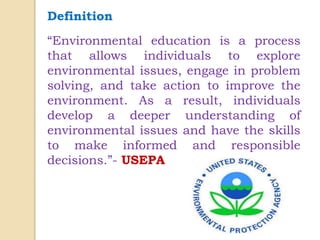
Definition
“Environmental education is a process
that allows individuals to explore
environmental issues, engage in problem
solving, and take action to improve the
environment. As a result, individuals
develop a deeper understanding of
environmental issues and have the skills
to make informed and responsible
decisions.”- USEPA
OBJECTIVES of EE
 Awareness
 Knowledge
 Attitude
 Skill
 Participation
Objectives of Teaching EE
 To develop a clear understanding about
environment
 Understanding the concept of the
interrelationship between natural, socio
economic and political systems from the
grass roots to the global levels
 Designing and running development &
production processes in holistic manner
 Developing the concept of Bio-Diversity
 Developing knowledge and skills for
identifying and solving immediate local
environmental problems
 Understanding the concept of reward
and motivating critical thinking,
reflection and decision making, that is
reflected in personal lifestyles
EE at College Level
Initiatives by UGC
 Proposals for organizing workshop/
seminar/refresher courses on
environment awareness
 Introduction of special paper on
environment education at PG level in
different discipline
 Introduction of M.SC course in
environment education
Ministry of Environment and Forest in
Tie up with UGC, NCERT and MHRD
 The national environmental
awareness campaign
 Establishment of centers of excellence
in environmental education
 Establishment of national and regional
museum of natural history.
 Setting up of eco-clubs in schools
 Institution of awards and fellowships
 National Social Scheme (NSS) and
Socially Useful Productive Work
(SUPW)
Non-formal EE:
 Exhibitions, workshops, seminars and
training programmes
 Publications in the form of books,
booklets, pamphlets, posters
 The ‘video-on-wheels’ travels
extensively to different parts of south
India and presents audio-visual shows
and lectures
Informal Education:
 Print media
 Visual media
 Audio tape
 Video cassette
 Short films
CONCLUSION
 Environmental Education – the
only effective way to conscientize
people about the importance of
environmental protection
 Inevitable for the survival of the
existing generation and future
generations
SAVE THE ENVIRONMENT
SAVE LIFE

Environmental education

  • 1.
    NAME: JIBIN JOSEP MAIL ID: jibinjp2815@gmail.com STUDENT ID: 4311d9bded2b11e9aae71743374a34b0 COURSE: ACADEMIC WRITING
  • 2.
  • 3.
  • 4.
    Environment – Introduction Meaningof environment Components of environment - Living - Non living
  • 5.
    Environment – Definitions Theterm Environment is defined as “a word which describes, in the aggregate all of the external forces, influences and conditions, which affect the life, nature, behaviour and the growth, development and maturation of living organisms”. (Douglas and Holland)
  • 6.
    “Environment is anythingimmediately surrounding an object and exerting a direct influence on it. Gisbert. P Environment is defined as a surrounding or conditions influencing development or growth. Chamber’s Dictionary
  • 7.
    Environmental crises  Environmentalpollution  Destruction of ozone layer  Global climate change  Global warming  Acid rain  Loss of top soil  Destruction of forest
  • 8.
     Decline inbiodiversity  Ocean pollution  Soil erosion  Various natural calamities - Tsunami - Earth quake - Flood - Drought - Storms and cyclones
  • 9.
    Environmental Pollution –Definition When harmful substances contaminate the environment, it is called pollution. Pollution refers to the very bad condition of environment in terms of quality and quantity.
  • 10.
    Environmental Pollution - Dueto poverty - Due to prosperity
  • 11.
    Types of Pollution -Air pollution - Water pollution - Soil pollution - Sound pollution - Chemical pollution - Radiation pollution
  • 12.
  • 13.
  • 15.
  • 16.
  • 17.
  • 18.
  • 19.
    Solutions  Practise energyConservation methods  Use renewable energy resources  Vegetation along road and in residential areas  Disposal of radioactive material must be safe and secure
  • 20.
     Reduce deforestation Encourage public mode of transportation  Ban on toxic chemicals  Reduce the use of chemical fertilizers and pesticides  Proper planning in waste management system
  • 21.
     Implementing lawsand regulations  Improve the public awareness  Understand the concept of reduce, reuse and recycle  Popularize Environmental Education
  • 22.
    Environmental Education [EE] -Introduction - Meaning - Definition
  • 23.
    Definition “Environmental education isa process that allows individuals to explore environmental issues, engage in problem solving, and take action to improve the environment. As a result, individuals develop a deeper understanding of environmental issues and have the skills to make informed and responsible decisions.”- USEPA
  • 24.
    OBJECTIVES of EE Awareness  Knowledge  Attitude  Skill  Participation
  • 25.
    Objectives of TeachingEE  To develop a clear understanding about environment  Understanding the concept of the interrelationship between natural, socio economic and political systems from the grass roots to the global levels  Designing and running development & production processes in holistic manner  Developing the concept of Bio-Diversity
  • 26.
     Developing knowledgeand skills for identifying and solving immediate local environmental problems  Understanding the concept of reward and motivating critical thinking, reflection and decision making, that is reflected in personal lifestyles
  • 27.
    EE at CollegeLevel Initiatives by UGC  Proposals for organizing workshop/ seminar/refresher courses on environment awareness  Introduction of special paper on environment education at PG level in different discipline  Introduction of M.SC course in environment education
  • 28.
    Ministry of Environmentand Forest in Tie up with UGC, NCERT and MHRD  The national environmental awareness campaign  Establishment of centers of excellence in environmental education  Establishment of national and regional museum of natural history.
  • 29.
     Setting upof eco-clubs in schools  Institution of awards and fellowships  National Social Scheme (NSS) and Socially Useful Productive Work (SUPW)
  • 30.
    Non-formal EE:  Exhibitions,workshops, seminars and training programmes  Publications in the form of books, booklets, pamphlets, posters  The ‘video-on-wheels’ travels extensively to different parts of south India and presents audio-visual shows and lectures
  • 31.
    Informal Education:  Printmedia  Visual media  Audio tape  Video cassette  Short films
  • 32.
    CONCLUSION  Environmental Education– the only effective way to conscientize people about the importance of environmental protection  Inevitable for the survival of the existing generation and future generations
  • 33.