Enhancing Competences for Competitive Advantage Aimé Heene
1.
Enhancing Competences forCompetitive Advantage Aimé
Heene - Downloadable PDF 2025
https://ebookfinal.com/download/enhancing-competences-for-competitive-
advantage-aime-heene/
Visit ebookfinal.com today to download the complete set of
ebooks or textbooks
2.
Here are somerecommended products that we believe you will be
interested in. You can click the link to download.
Smart Talent Management Building Knowledge Assets for
Competitive Advantage Vlad Vaiman
https://ebookfinal.com/download/smart-talent-management-building-
knowledge-assets-for-competitive-advantage-vlad-vaiman/
Pricing for Profitability Activity Based Pricing for
Competitive Advantage 1st Edition John L. Daly
https://ebookfinal.com/download/pricing-for-profitability-activity-
based-pricing-for-competitive-advantage-1st-edition-john-l-daly/
Winning on HR Analytics Leveraging Data for Competitive
Advantage 1st Edition Ramesh Soundararajan
https://ebookfinal.com/download/winning-on-hr-analytics-leveraging-
data-for-competitive-advantage-1st-edition-ramesh-soundararajan/
Human Capital Management Leveraging Your Workforce for a
Competitive Advantage 1st Edition Mark Salsbury
https://ebookfinal.com/download/human-capital-management-leveraging-
your-workforce-for-a-competitive-advantage-1st-edition-mark-salsbury/
3.
Talent Making PeopleYour Competitive Advantage 1st
Edition Edward E.
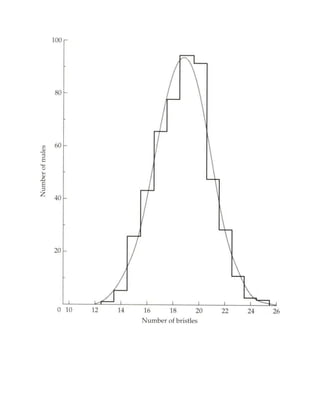
https://ebookfinal.com/download/talent-making-people-your-competitive-
advantage-1st-edition-edward-e/
National Image and Competitive Advantage 2nd Edition
Eugene D. Jaffe
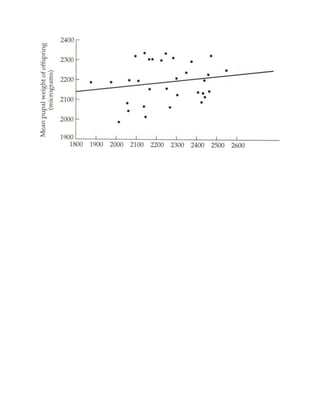
https://ebookfinal.com/download/national-image-and-competitive-
advantage-2nd-edition-eugene-d-jaffe/
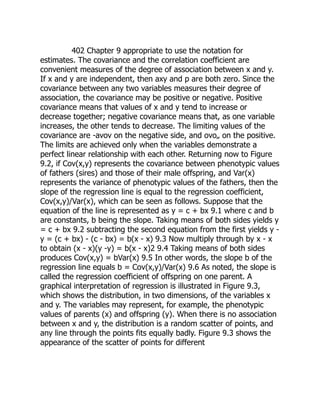
Strategic Business Planning A Dynamic System for Improving
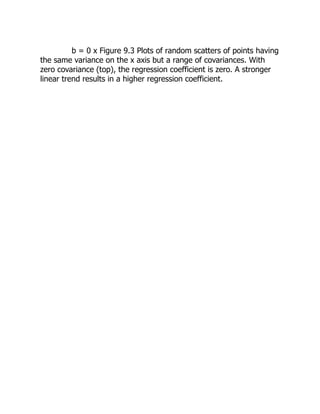
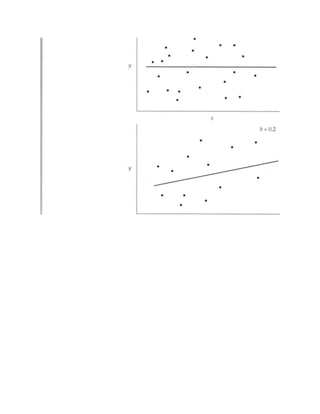
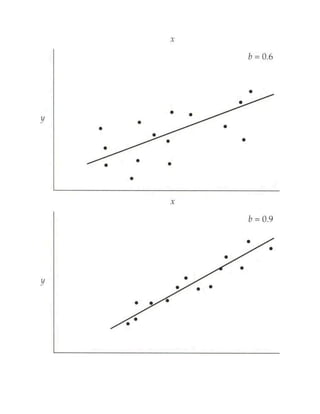
Performance and Competitive Advantage 2nd Edition Clive
Reading
https://ebookfinal.com/download/strategic-business-planning-a-dynamic-
system-for-improving-performance-and-competitive-advantage-2nd-
edition-clive-reading/
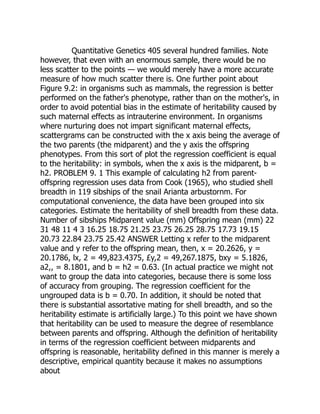
Managing Multiple Projects Planning Scheduling and
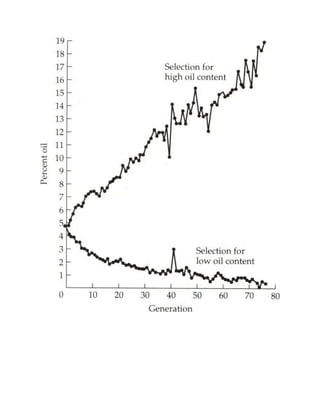
Allocating Resources for Competitive Advantage 1st Edition
Lowell Dye (Editor)
https://ebookfinal.com/download/managing-multiple-projects-planning-
scheduling-and-allocating-resources-for-competitive-advantage-1st-
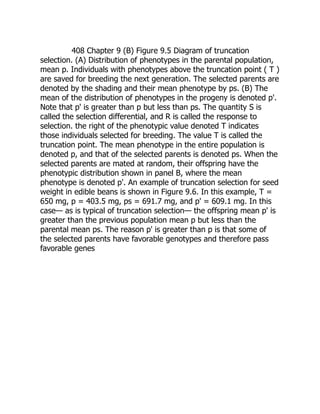
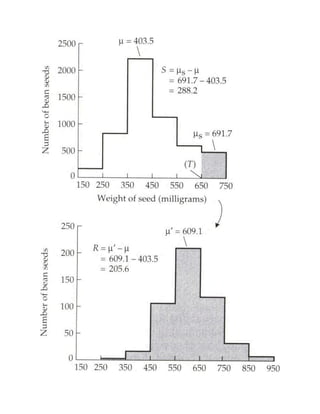
edition-lowell-dye-editor/
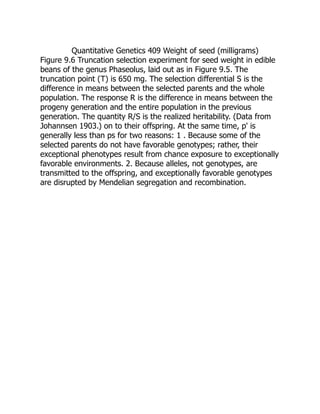
E Novation for Competitive Advantage in Collaborative
Globalization Technologies for Emerging E Business
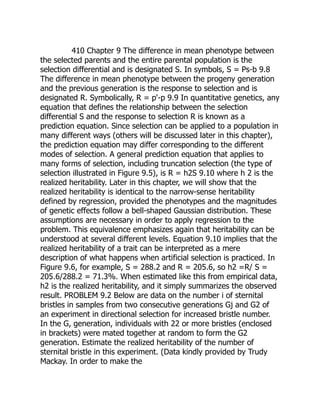
Strategies 1st Edition David R. Low
https://ebookfinal.com/download/e-novation-for-competitive-advantage-
in-collaborative-globalization-technologies-for-emerging-e-business-
strategies-1st-edition-david-r-low/
ADVANCES IN APPLIED
BUSINESSSTRATEGY
Series Editors: Ron Sanchez and Aimé Heene
Recent Volumes:
Volume 5: Turnaround Research: Past Accomplishments and
Future Challenges
Series Editor: Lawrence W Foster
Volume Editor: David Ketchen
Volume 6: (a) Theory Development of Competence-based
Management
(b) Research in Competence-based Management
(c) Formulating and Implementing Competence-
based Strategies
Volume Editors: Ron Sanchez and Aimé Heene
Volume 7: Competence Perspectives on Managing Internal
Processes
Volume Editors: Ron Sanchez and Aimé Heene
Volume 8: Competence Perspectives on Managing Interfirm
Interactions
Volume Editors: Ron Sanchez and Aimé Heene
Volume 9: Competence Perspectives on Resources,
Stakeholders and Renewal
Volume Editors: Ron Sanchez and Aimé Heene
Volume 10: Competence Perspectives on Learning and
Dynamic Capabilities
Volume Editors: Aimé Heene, Rudy Martens,
and Ron Sanchez
Volume 11: Competence-Building and Leveraging in
Interorganizational Relations
Volume Editors: Rudy Martens, Aimé Heene,
and Ron Sanchez
9.
ADVANCES IN APPLIEDBUSINESS STRATEGY VOLUME 12
ENHANCING
COMPETENCES FOR
COMPETITIVE
ADVANTAGE
EDITED BY
RON SANCHEZ
Copenhagen Business School, Denmark and
National University of Singapore, Singapore
AIMÉ HEENE
Ghent University, Belgium and University Antwerp
Management School, Belgium
United Kingdom – North America – Japan
India – Malaysia – China
10.
Emerald Group PublishingLimited
Howard House, Wagon Lane, Bingley BD16 1WA, UK
First edition 2010
Copyright r 2010 Emerald Group Publishing Limited
Reprints and permission service
Contact: booksandseries@emeraldinsight.com
No part of this book may be reproduced, stored in a retrieval system, transmitted in any
form or by any means electronic, mechanical, photocopying, recording or otherwise
without either the prior written permission of the publisher or a licence permitting
restricted copying issued in the UK by The Copyright Licensing Agency and in the USA
by The Copyright Clearance Center. No responsibility is accepted for the accuracy of
information contained in the text, illustrations or advertisements. The opinions expressed
in these chapters are not necessarily those of the Editor or the publisher.
British Library Cataloguing in Publication Data
A catalogue record for this book is available from the British Library
ISBN: 978-1-84855-876-2
ISSN: 0749-6826 (Series)
Awarded in recognition of
Emerald’s production
department’s adherence to
quality systems and processes
when preparing scholarly
journals for print
11.
CONTENTS
LIST OF CONTRIBUTORSvii
INTRODUCTION ix
LOBBYING: STRATEGIES TO MAKE
A FIRM’S COMPETENCES
GENERATE VALUE
Martin Gersch, Christian Goeke and Jörg Freiling 1
COMPETENCE-BASED STRATEGIES
OF SERVICE TRANSITION
Tim Kessler and Michael Stephan 23
ENHANCING THE INFLOW OF KNOWLEDGE:
ELABORATING THE ABSORPTIVE CAPACITY
CYCLE IN SMES
Roberto Filippini, Wolfgang H. Güttel and
Anna Nosella
63
TOYOTA’S COMPETITIVE ADVANTAGE:
PATH DEPENDENCY, DYNAMIC CAPABILITIES,
AND SOURCES OF INIMITABILITY –
A CONTRASTIVE STUDY WITH NISSAN
Evelyn Anderson 87
TOWARD THE THEORY OF TEMPORARY
COMPETITIVE ADVANTAGE IN
INTERNATIONALIZATION
Petri Ahokangas, Anita Juho and
Lauri Haapanen
121
v
12.
RELATIONAL QUALITY, ALLIANCE
CAPABILITY,AND ALLIANCE PERFORMANCE:
AN INTEGRATED FRAMEWORK
Koen H. Heimeriks and Melanie Schreiner 145
HOW TO BUILD ALLIANCE CAPABILITY:
A LIFE CYCLE APPROACH
Kim Sluyts, Rudy Martens and Paul Matthyssens 173
MODELING ENTREPRENEURIAL
ACTION CHOICE: FROM INTENT
THROUGH RHETORIC TO ACTION
Janice A. Black, Richard L. Oliver and
Lori D. Paris
201
SELF-ORGANIZATION OF COMPETENCY
DEVELOPMENT AND THE ROLE OF
MANAGERS
Martin Kröll 235
CONTENTS
vi
13.
LIST OF CONTRIBUTORS
PetriAhokangas Department of International Business,
Faculty of Economics and Business
Administration, University of Oulu,
Oulu, Finland
Evelyn Anderson School of Arts & Sciences, Australian
Catholic University, Brisbane, Australia
Janice A. Black Department of Management and
Marketing, School of Business and Public
Administration, California State University,
Bakersfield, USA
Roberto Filippini Institute of Management and Engineering,
University of Padua, Vicenza, Italy
Jörg Freiling LEMEX – Chair for Small Business and
Entrepreneurship, University of Bremen,
Bremen, Germany
Martin Gersch School of Business & Economics, Freie
Universität Berlin, Berlin, Germany
Christian Goeke School of Business & Economics, Freie
Universität Berlin, Berlin, Germany
Wolfgang H. Güttel Institute of Human Resource and Change
Management, Johannes Kepler
University, Linz, Austria
Lauri Haapanen Department of International Business,
Faculty of Economics and Business
Administration, University of Oulu,
Oulu, Finland
Koen H. Heimeriks Rotterdam School of Management,
Erasmus University, Rotterdam, Netherlands
vii
14.
Anita Juho Departmentof Marketing, Faculty
of Economics and Business Administration,
University of Oulu, Oulu, Finland
Tim Kessler Department of Technology and
Innovation Management, Faculty of
Business Administration and Economics,
Philipps-University Marburg, Marburg,
Germany
Martin Kröll Institute of Applied Work Science, Ruhr
University of Bochum, Bochum, Germany
Rudy Martens Department of Management, University of
Antwerp, Antwerp, Belgium
Paul Matthyssens Department of Management, University of
Antwerp, Antwerp, Belgium
Anna Nosella Department of Industrial Engineering,
University of Padua, Vicenza, Italy
Richard L. Oliver Department of Accounting and Information
Systems, College of Business, New Mexico
State University, Las Cruces, USA
Lori D. Paris Department of Management and Marketing,
School of Business and Public
Administration, California State University,
Bakersfield, USA
Melanie Schreiner Department for Politics and Management,
University of Konstanz, Konstanz, Germany
Kim Sluyts Department of Management,
University of Antwerp, Antwerp, Belgium
Michael Stephan Department of Technology and
Innovation Management, Faculty of
Business Administration and Economics,
Philipps-University Marburg, Marburg,
Germany
viii LIST OF CONTRIBUTORS
15.
INTRODUCTION
This volume ofAdvances in Applied Business Strategy (AABS) presents a
collection of studies exploring different ways in which an organization’s
competences can be enhanced to create competitive advantage that is
enduring or intendedly transitional.
In their study ‘‘Lobbying: Strategies to make a firm’s competences
generate value,’’ Martin Gersch, Christian Goeke, and Jörg Freiling look
beyond lobbying’s usual political domain to assess the ways in which
lobbying may help firms extract greater value from their current or
contemplated competences. By lobbying for laws and regulation favorable
to a particular set of competences or competence trajectories, firms may be
able to influence the business environment in ways that extend the viable
lifetime of current competences or assist the building of new competences.
The authors develop and validate several propositions related to the
predicted effects of lobbying in the context of the German Health Care
industry.
‘‘Competence-based strategies of service transition’’ by Tim Kessler and
Michael Stephan examines the potential for manufacturing organizations to
grow through expansion of their service offerings. Arguing that strategies
focused on cost reduction are unlikely to enable manufacturing firms to
achieve a sustainable competitive advantage today, the authors propose that
manufacturing firms instead focus on expanding their service activities as
the path to sustainable success. They also assess the challenge of building
new competences that such a strategic shift will represent for most
manufacturing firms.
In their paper ‘‘Enhancing the in-flow of knowledge: Elaborating the
absorptive capacity-cycle in SMEs,’’ Roberto Filippini, Wolfgang H.
Güttel, and Anna Nosella address the possibilities for small and medium
enterprises (SMEs) to increase the knowledge flows they enjoy across the
boundaries of the firm. They explore the potential of knowledge manage-
ment projects to stimulate the search for and implementation of new
knowledge flows from firm-addressable resources in the environment of a
firm. They argue for the adoption of explicit knowledge management
routines for absorbing knowledge during projects, rather than relying on
haphazard knowledge absorption.
ix
16.
In her study‘‘Path dependency, dynamic capabilities and sources of
inimitability in competitive advantage: A comparative study of Toyota and
Nissan,’’ Evelyn Anderson undertakes a historical analysis of the differential
impacts of Japanese postwar industrial policy on Toyota and Nissan.
Anderson suggests that important differences in the resource and
competence bases of the two firms after the Second World war resulted in
different strategic logics and governance structures being adopted by the
two firms – and as a result the two firms responded differently to
government policy initiatives. Observing that significant performance
differences between the two firms did not emerge until the 1960s, the
author suggests that the governance structure and management processes
adopted by Toyota resulted in significant causal ambiguity that prevented
Nissan from emulating Toyota’s trajectory of postwar success.
Taking a track less followed, Petri Ahokangas, Anita Juho, and Lauri
Haapanen analyze the potential importance of temporary forms of
competitive advantage when firms undertake growth through internationa-
lization. Their paper ‘‘Toward the theory of temporary competitive
advantage in internationalization’’ suggests that internationalizing firms
may go through several evolutionary stages, during which a convergence of
managerial selection, market dynamism, and resource evolution will select
the resources and competences that will become longer-term, sustainable
sources of competitive advantage.
Koen H. Heimeriks and Melanie Schreiner’s paper ‘‘Relational quality,
alliance capability, and alliance performance: An integrated framework’’
examines the role of a firm’s alliance capability and its ability to maintain
good relationships with alliance partners affect a firm’s dyadic alliances. The
authors also suggest firm-level mechanisms that can be used to improve the
quality of a firm’s dyadic alliances.
A second paper on alliances, ‘‘How to build alliance capability: A life
cycle approach’’ by Kim Sluyts, Rudy Martens, and Paul Matthyssens,
surveys the concept of alliance capability as developed in the competence
literature. The concept of alliance capability is analyzed and argued to
consist of five subcapabilities, each of which is related to a specific stage in
the life cycle of an alliance. The authors also suggest a number of structural,
technological, and human-related tools and techniques for improving
relevant subcapabilities at each stage of the alliance life cycle.
Focusing on the key process of entrepreneurial action undertaken by
managers in firms, the paper ‘‘Modeling entrepreneurial action choice:
From intent through rhetoric to action’’ by Janice A. Black, Richard L.
Oliver, and Lori D. Paris develop an agent-based model to evaluate how
INTRODUCTION
x
17.
environmental factors, organizationalinertia, entrepreneurial cognitive
traits, learning potential, and opportunity identification influence entrepre-
neurial action choices. The authors evaluate the likelihood of entrepreneur-
ial action taking under various combinations of these factors.
In his paper ‘‘Self-organization of competence development and the role
of managers,’’ Martin Kröll examines the role of individual competency
development as a condition for building and maintaining organizational
competences. He investigates different conditions deemed necessary for
successful self-organization of competency development in large versus
small and medium enterprises, as well as the potential for combining self-
managed and externally provided competency development initiatives.
Ron Sanchez
Aimé Heene
Editors
Introduction xi
19.
LOBBYING: STRATEGIES TO
MAKEA FIRM’S COMPETENCES
GENERATE VALUE
Martin Gersch, Christian Goeke and
Jörg Freiling
ABSTRACT
Extant work on lobbying primarily focuses on who is lobbying and is
lobbied as well as strategies of how to exert influence. More
fundamentally, we address (1) what drives firms to engage in lobbying
activities at all and (2) what factors determine the alignment of corporate
lobbying. More concrete, we investigate why and also how firms do
lobbying. Another intention is to further anchor this highly relevant
instrument of business practice in the scientific discourse of strategic
management.
It turns out that the dynamic, systemic, cognitive, and holistic rationale
of the competence perspective is a very strong contributor of fresh
thoughts to the debate on lobbying as a strategic means. We adopt this
perspective by specifically making use of the Competence-based Theory of
the Firm (CbTF) in order to scrutinize this issue in theoretical terms.
Especially path-dependent developments when building and leveraging a
firm’s resources and competences as well as resource/competence
specificity cause organizational inertia and limited adaptability to
Enhancing Competences for Competitive Advantage
Advances in Applied Business Strategy, Volume 12, 1–22
Copyright r 2010 by Emerald Group Publishing Limited
All rights of reproduction in any form reserved
ISSN: 0749-6826/doi:10.1108/S0749-6826(2010)0000012004
1
20.
changing environmental conditions.Instead of passively adapting to
changing environmental conditions, lobbying activities directly aim at
entrepreneurial and goal-oriented attempts to exert influence and to steer
changes in the relevant business environment, basic conditions underlying
every market process, or institutional migration paths at points of
inflection. Acknowledging their discretionary potential to act, agents seek
to achieve a strategic fit between market requirements and the output they
are able to render based on their competences by using the lever of
manipulating their environment.
Empirically, propositions are derived and validated with an integrated
set of qualitative empirical methods applied in the German healthcare
system between 2004 and 2008.
INTRODUCTION
It is undisputed that a firm’s competitiveness and competitive advantages do
not only rely on mastering transaction-related market processes alone, but
on ‘‘nonmarket phenomena’’ in the context of the actual markets, as well.
Economic activity is embedded in and funneled by its institutional
environment. This institutional environment is made up of industry
regulation, governmental agencies, law, decisions of courts, technical norms
and standards, just to mention some facets (Dahan, 2005). In varying
degree, codified restrictions apply in every industry and not only in highly
regulated ones like utility, telecommunication, or healthcare. Regulating
intervention can take many different forms and might affect a variety of
firm, industry, or market parameters, while particular firms typically
consider some scenarios of industry parameters more favorable than others.
Moreover, a certain scenario may represent a threat to one firm but can
constitute an opportunity for another. The less similar firms are in an
industry, the stronger the idiosyncratic effects of an exogenous threat
(Sadrieh & Annavarjula, 2005).
In particular those parameters, which are man-made and codified, are
typically fixed by a delimited number of decision makers (e.g., politicians
and standard setters) who decide about cornerstones of future business
environments in particular industry sectors. Theory of regulation and
political economy is clear about the fact that those decisions are always
made with incomplete information and under uncertainty. On a general
level, an economic approach to political behavior assumes that actual
political choices are determined by the efforts of individuals and groups to
MARTIN GERSCH ET AL.
2
21.
further their owninterests (Becker, 1983). Models applied in theory then
typically consist of government decision makers, firms, and – sometimes –
special interest groups (Lyon & Maxwell, 2004).
Firms’ public affairs strategies are applied in order to influence
parameters of the relevant business environment. These strategies are useful
to create and/or maintain the firms’ sources of competitive advantages or to
erode or destroy the sources of competitive advantages of competitors. One
way of doing so is ‘‘lobbying’’ as any attempt by agents or interest groups to
influence the decisions of decision makers in a goal-oriented and beneficial way
(Encyclopaedia-Britannica, 2007), which must not necessarily be limited to
aim at government authorities.
It is argued that a firm’s use of political strategies such as lobbying is an
underplayed topic in strategic management theory (Schuler, 1996; Jaco-
bides, Knudsen, & Augier, 2006). Apart from rent-seeking behavior, i.e.,
opportunistic seeking for government-given advantages without a compen-
sation (Tullock, 1967), lobbying can easily be traced back to a simple
assumption: there are some scenarios in the relevant business environment
that are more favorable for a firm and there are others where it is not so.
An emphasis in the motivations for lobbying must therefore be looked for in
the idiosyncratic potentials inherent in a firm, which coincides with the
perspective of the resource-based and competence-based view of the firm
(Sanchez & Heene, 2004; Barney, 2001; Freiling, Gersch, & Goeke, 2008).
This is why we consider this stream of strategic management theory as a
fertile anchor point to integrate ‘‘lobbying’’ into the theory-based strategic
management toolkit. As a very first step, this paper addresses the research
question of what drives firms to engage in lobbying activities from the
dynamic, systemic, cognitive, and holistic angle of competence-based
management (Sanchez & Heene, 2004) and especially a Competence-based
Theory of the Firm (CbTF) (Freiling et al., 2008). Additionally, we try to get
first insights of how the firms do lobbying from a competence-based
perspective and what mechanisms they assume to work in order to conduct
effective lobbying.
For this purpose, first the research gap in the intersection of extant
literature on lobbying and resource-based/competence-based theory is
clarified. With the help of an interactive qualitative research framework,
the research question is explored within the German healthcare sector.
Validated results are formulated in first propositions. Due to the interactive
nature of the research design, it turns out that the constructs to explain the
common base of lobbying activities are very close to the explanation of the
foundation of special interest groups.
Lobbying: Strategies to Make a Firm’s Competences Generate Value 3
22.
THEORY
There is ahuge body of research and analyses on lobbying in social
sciences – with a strong emphasis on the economic perspective. Extant work
primarily focuses on the lobbying process comprising who is lobbying and
who is lobbied, how to get access to decision makers, strategies of exerting
influence and information transmission, or organizational forms of lobbying
(Dahan, 2005; de Figueiredo & Silverman, 2006). The common bases for
lobbying activities are only treated quite superficially: without further
detailing, it is typically argued that due to some organizational inertia,
firms are not able to react on or to master all environmental conditions
with the same result. Additionally, a set of environmental conditions that
is favorable to one firm does not need to be equally beneficial to another.
Thus, expecting differential consequences, firms are more likely to have
diverging and/or conflicting interests that they might want to enforce by
political action. Oftentimes it is argued that, for these purposes, firms may
join forces to form subgroups in an industry, each coalition adopting a
differentiated position (Sadrieh & Annavarjula, 2005).
As already stated above, a main reason for lobbying seems to lie in firm
heterogeneity and idiosyncrasy combined with a limited adaptability to new
or changing environmental conditions. Competent firms in one area simply
face fierce restrictions on resource and competence gaps in other areas that
they cannot overcome quickly, thereby leading to dependency on external
resources (Pfeffer & Salancik, 1978; Freiling, 2008). Although these issues
are not fundamentally connected in research, they are vital cornerstones of
the resource and competence perspective in strategic management. This
stream of research puts an emphasis on firm heterogeneity and unique
organizational potentials. It refers to firms as distinct bundles of resources
and competences (Penrose, 1959) that have evolved over time and are
embedded in their relevant business environment. Within an organization,
homogeneous assets, which can typically be procured in markets, are subject
to a firm-specific upgrading process in order to develop ‘‘resources’’
(Barney, Wright, & Ketchen, 2001; Sanchez & Heene, 2004). This process is
primarily made of (re-)bundling and/or learning processes. Permanently
required upgrades finally contribute to the actual and future competitiveness
of the firm. Furthermore, competences comprise the repeatable ability to
render competitive output with these resources, based on knowledge and
usually nonrandomly managed by rules and channeled by routines (Becker,
1983). They enable goal-oriented processes to arrange future readiness for
MARTIN GERSCH ET AL.
4
23.
action and thepotentials to render concrete input to the market.
Competences cater to a conservation of competitiveness and, if so, even
competitive advantages (Freiling et al., 2008). However, such upgrading
processes follow idiosyncratic paths, are uncertain, and take time. More-
over, an existing resource and competence endowment of a firm can also
lead to organizational inertia concerning the adaptation to external changes
(Leonard-Barton, 1992).
Boddewyn and Brewer (1994) identify the potential to connect the resource-
based/competence-based view with the subject area of lobbying. They find it
‘‘strange’’ that there is ‘‘relative silence of the now popular resource-based
theory of strategic advantages’’ about ‘‘nonmarket phenomena’’ such as
lobbying, and that means of this theory acquired and used to gain rents are
purely ‘‘intraeconomic.’’ In particular, Boddewyn and Brewer point out the
neglected so-called ‘‘political resources.’’ Meanwhile, there is some literature
using the term ‘‘political resource’’ (Frynas, Mellahi, & Pigman, 2006). In this
sense, lobbying is understood as an effort to build such political resources
(Sadrieh & Annavarjula, 2005), as for example access to and credibility with
decision makers. However, typically the interpretation of the term ‘‘resource’’
does not meet the above-outlined meaning that is typical for resource and
competence theory (Dahan, 2005).
For consistently analyzing the interplay of firm potentials with the
evolution of the market and/or the industry environment, it is necessary to
complement the resource and competence perspective with a market theory,
as well. This is deemed essential to understand the role of nonmarket
phenomena in the course of organization/environment coevolution as well.
While the idea has existed for a long time that the competence perspective
can very well be integrated into the process-oriented framework of the
Austrian School, especially some very recent research emphasizes
the compatibility of the resource-based and competence-based views with
the Austrian School market process theory, even in terms of philosophy of
science (Freiling et al., 2008; Foss & Ishikawa, 2007). These works even
claim that the resource-based and competence-based views have the
potential to fill the ‘‘missing chapter’’ of a theory of the firm in the
Austrian School. This is why we subsequently will be referring to a
‘‘Competence-based Theory of the Firm.’’
In a nutshell, the Austrian School considers entrepreneurship and agents’
alertness as driving forces for economic development and changes, founding
their school of thoughts on the core basic assumptions of (1) methodological
individualism, (2) subjectivism, (3) relevance of time, (4) radical uncertainty,
Lobbying: Strategies to Make a Firm’s Competences Generate Value 5
24.
(5) ‘‘acting man’’as the model of man, and (6) non-consummatory
approach combined with moderate voluntarism (Vaughn, 1994; Freiling
et al., 2008). The agents’ knowledge is incomplete and asymmetrically
distributed. Economic agents gain new knowledge through every market
process. To be precise, while traditional competence theory has its focus on
‘‘market input processes,’’ these have to be distinguished from ‘‘market
processes,’’ which at least comprise the collection and diffusion of
knowledge about offered or desired bundles of goods, services, and property
rights (as the category ‘‘object of market’’) and negotiations that precede the
exchange of these bundles and agreements on the transfer of property rights,
but also the actual transaction (Gersch & Goeke, 2007). Market processes
take place embedded into existing market rules, i.e., the ‘‘constitution’’ of
markets, which contains ‘‘codes of conduct’’ and legal norms for the sell-side
as well as for the buy-side. Market processes themselves can be arranged
according to the market structure (e.g., the number and size of competitors
and potential customers). Particular features of the market structure are –
from an evolutionary point of view – not only results of players’ action
but also factors that influence their future conduct (and therefore market
processes). In this sense, even ‘‘small events’’ in the market process
can be meaningful. On the basis of new knowledge accessed, they build new
expectations and revise their plans as well as market offerings,
always seeking to enhance the competitiveness, creatively destroying old
ideas or concepts (Schumpeter, 1934) and using competition as a discovery
process (Hayek, 1978). According to market process theory’s basic
rationale, entrepreneurial action is viewed as the primum mobile of any
kind of change process. There are unforeseeable points of inflection
(Sanchez, 1997) and windows of opportunity continuously opening
during the market process for alert and entrepreneurial firms to create new
alternatives to future market offerings (Christensen, Suárez, & Utterback,
1998). The so-called ‘‘triggers’’ for change, which are often highlighted in
literature (Porter & Rivkin, 2000) – and, if of a regulative nature, can
surely be induced by lobbing – thereby work as ‘‘window openers’’ and
‘‘window controllers’’ on basically endless, irreversible, and idiosyncratic
paths. These paths are formed accidentally to a large extent and as a
sequence of decisions (which sometimes also restrict decisions-to-come) and
events.
Together, CbTF and the Austrian School form the theoretical framework
for the analysis of common bases for lobbying activities in order to master
the coevolution of organization and environment as interdependent levels of
analysis.
MARTIN GERSCH ET AL.
6
25.
METHOD
Generally, market processtheory applied in this work is connected with
particular challenges as to empirical research and methodological possibi-
lities. Facing the subjectivist nature and the positioning of market process
theory as a part of the interpretative paradigm (Burrell & Morgan, 1979),
the traditional anchor point of critical rationalism – as formulated by
Popper (1945) – does not fit. The reason for this is the limited possibility to
generalize findings when idiosyncrasies occur. Given the above-mentioned
basic assumptions, formalized quantitative empirical work does not seem to
be appropriate. For this reason, we found it adequate to borrow qualitative
methods from social sciences. They finally enable us to follow Hayek’s
(1964) remedy to identify patterns within evolutionary development
processes. This way, the set of qualitative methods of empirical research
we apply is basically embedded into Maxwell’s (2005) interactive approach
to qualitative research designs.
Fig. 1 gives a survey on cornerstones of our research visualized in
Maxwell’s framework. In the context of this framework – and embedded in
a more comprehensive longitudinal study to explore features, entrepreneur-
ial challenges, and conceived solutions to master organization/environment
coevolution in transforming industries – the research question is addressed.
To ensure a comprehensive analytical understanding of the subjects of
analysis, we followed the recommendation to focus on one industry sector in
this study (Charmaz, 2006), namely the German pharmaceutical industry.
Because of the early stage of research, we adopted grounded theory ideas
(Charmaz, 2006; Glaser, 1978; Strauss & Corbin, 1998) in combination with
case study research (Eisenhardt, 1989; Leonard-Barton, 1990; Yin, 2003b)
to perform data collection and analysis as an interrelated process. In
doing so, our initial research objective, why firms do lobbying, was enriched
by second objective during the research process, namely to gain insights on
how they do it and what general mechanisms they assume to apply when
lobbying. For economic research questions and through the above-
mentioned Maxwell framework, we opted to follow Strauss’ interpretative
approach rather than Glaser’s positivistic one. This allows us to conduct the
fieldwork following the Austrian School and the competence-based
theory (which we are seeking to enrich) and to use our industry background
in the sector under investigation. Starting point is existing theory in the
conceptual framework (Austrian School, CbTF) as a lens through which
phenomena observed in the fieldwork are interpreted and used in a precise
manner.
Lobbying: Strategies to Make a Firm’s Competences Generate Value 7
CHAPTER 9 QuantitativeGenetics Artificial Selection
Heritability Components of Genetic Genotype x Environment
Interaction Threshold Traits Genetic Correlation Evolutionary
Quantitative Genetics M any important problems in evolutionary
biology begin with observations of phenotypic variation. Darwin
formulated his ideas about evolution by natural selection based on
observations of phenotypic variation. He struggled for many years to
explain the cause of the phenotypic variability, but he was
unsuccessful at one level because he did not know about Mendelian
genetics. Darwin did, however, appreciate the importance of the
observation that offspring resemble their parents. Continuously
varying traits, like body size, are influenced by both genetic and
environmental factors. Crossing experiments demonstrate that the
genetic components of these traits are not determined by single
genes because the offspring do not fall into discrete classes with
simple Mendelian ratios. Instead, what is observed is a general
resemblance between parents and offspring, suggesting that there is
an underlying genetic basis to the trait, but that the genetic
transmission is complex. A wealth of statistical tools have been
developed for analyzing such polygenic traits that do not show
simple Mendelian transmission. These approaches allow not only a
description of the genetic basis of observed phenotypic distributions,
but they also provide a means of predicting the distributions of
phenotypes among offspring from observation of the parental
phenotypes. Most polygenic traits are influenced by the environment
to varying degrees, and they are often called multifactorial traits to
emphasize their determination by multiple genetic and
environmental factors. For example, variation in human weight is
partly due to genetic differences Variance QTL Mapping 397
28.
398 Chapter 9among individuals and partly due to
environmental factors such as exercise and level of nutrition. The
study of polygenic inheritance goes beyond an oversimplified nature-
versus-nurture dichotomy because it is concerned with specifying, in
precise quantitative terms, the relative importance of nature,
nurture, and their interactions, in accounting for variation in
phenotype among individuals. Another compelling reason to study
polygenic inheritance is that natural selection occurs at the level of
the composite phenotype, and so fitness is a multifactorial trait.
Since natural selection operates on phenotypes, there arises an
immediate problem in understanding how phenotypic evolution is
reflected in changes that occur at the molecular level. One of the
great challenges facing population genetics is to unify the principles
of molecular evolution with those governing evolution at the
phenotypic level. TYPES OF QUANTITATIVE TRAITS Multifactorial
traits may be considered as resulting from the combined effects of
many quantities, some genetic in origin and some environmental,
and for this reason they are often called quantitative traits. The
study of quantitative traits constitutes quantitative genetics. Three
types of quantitative traits may be distinguished: 1. Traits for which
there is a continuum of possible phenotypes are continuous traits;
examples include height, weight, milk yield, and growth rate. The
distinguishing feature of continuous traits is that the phenotype can
take on any one of a continuous range of values. In theory, there are
infinitely many possible phenotypes, among which discrimination is
limited only by the precision of the instrument used for
measurement. However, in practice, similar phenotypes are often
grouped together for purposes ' of analysis. 2. Traits for which the
phenotype is expressed in discrete, integral classes are meristic
traits; examples include number of offspring or litter size, number of
ears on a stalk of corn, number of petals on a flower, and number of
bristles on a fruit fly. The distinguishing feature of meristic traits is
that the phenotype of an individual is given by an integer that equals
the number of elements of the trait that the individual displays. For
example, a popular meristic trait used in experimental studies of
29.
quantitative genetics inDrosophila is the number of bristles that
occur on the abdominal segments or sternites. Normally there are 14
to 24 bristles per sternite. A male with 19 bristles on the fifth
abdominal sternite therefore has a phenotype of 19. The distribution
of numbers of abdominal bristles in a sample of Drosophila appears
in Figure 9.1. When the number of possible phenotypes of a meristic
trait is large (as it is with abdominal bristle
30.
Quantitative Genetics 399Figure 9.1 Number of bristles on
the fifth abdominal sternite in males of a strain of Drosophila
melanogaster. The smooth curve is that of a normal distribution with
mean 18.7 and standard deviation 2.1. (Data from T. Mackay.)
number) then the line between continuous traits and meristic traits
becomes indistinct. 3. The third category of quantitative traits
consists of discrete traits, which are either present or absent in any
one individual. In these cases, the multiple genetic and
environmental factors combine to determine an underlying risk or
liability toward the trait. Liability values are not directly observable.
However, an individual that actually expresses the trait is assumed to
have a liability value greater than some threshold or
32.
400 Chapter 9^§§®r^n§ level. Traits of this type are
called threshold traits, and examples in human genetics include
diabetes and schizophrenia. With threshold traits, studies of affected
individuals and their relatives permit inferences to be made about
the underlying values of liability. These methods are discussed later
in this chapter. Quantitative traits are of utmost importance to plant
and animal breeders, because agriculturally important characteristics
such as yield of grain, egg production, milk production, efficiency of
food utilization by domesticated animals, and meat quality are all
quantitative traits. Even as modern methods of genetic engineering
are applied to animal and plant improvement, quantitative genetics
continues to play an important role because commercially desirable
traits result from complex interactions among many genes. In
addition to being essential ingredients in plant and animal
improvement programs, the principles of quantitative genetics,
appropriately modified and interpreted, can be applied to the
analysis of quantitative traits in humans and natural populations of
plants and animals. RESEMBLANCE BETWEEN RELATIVES AND THE
CONCEPT OF HERITABILITY For Darwinian evolution to be possible,
a necessary feature of the transmission of traits is that offspring
must tend to resemble their parents. Even before the rediscovery of
Mendel's work, Francis Galton was collecting detailed statistical data
on resemblance between parents and offspring (Chapter 2). We will
demonstrate the central ideas of the transmission of quantitative
traits, using some of the concepts that Galton developed. Then we
will show how models of Mendelian inheritance can account for
these features of hereditary transmission. Calculation of the degree
of resemblance among relatives in terms of underlying Mendelian
genetics was first provided by Fisher (1918). Fisher's paper,
notoriously difficult, was of great historical importance to population
genetics, because it provided the first demonstration that multiple
Mendelian genes could account for the observed patterns of
transmission of multifactorial traits. Figure 9.2 shows a plot of the
mean of male offspring for a quantitative trait (y values) against the
phenotypic value of the father (x values), displayed in the way
33.
Galton devised. Theline is the best-fitting straight line, called the
regression line, of offspring on parent. Regression is relevant to one
of the primary aims in animal and plant breeding, namely to be able
to improve attributes of the stock. An essential part of genetic
improvement is to be able to predict what sort of offspring would be
obtained from a given pair of parents. For quantitative traits,
prediction cannot be done exactly, but a statistical description of the
most likely offspring can be obtained by the procedure of plotting
the parent-offspring regression. For reasons that will
34.
Quantitative Genetics 401Pupal weight of sires
(micrograms) Figure 9.2 Mean weight of male pupae of the flour
beetle Tribolium castaneum, against pupal weight of father (sire).
Each point is the mean of about eight male offspring. The regression
coefficient of male offspring weight on sire's weight is b = 0.11, and
b2 is estimated as 2b. (Courtesy of F.D. Enfield.) become clear in a
moment, we are interested in the slope of the regression line. The
slope is most easily expressed in terms of the covariance of x and y,
defined as Cov(x,y) = [I(x - x)(y - y)/n = (xy) - (x)(y), where the
bar over a symbol means the average. This quantity is the sample
covariance of x and y. The slope of the line through a cluster of
points having the smallest summed squared distance to the points is
the regression coefficient: b = Cov(x,y)/Var(x). A related quantity
that also arises in quantitative genetics is the product-moment
correlation coefficient, often simply referred to as the correlation: r
= Cov(x,y)/VVar (x)Var (y). An important concept in statistics is the
distinction between parameters and estimators. Descriptors that are
calculated from a set of data to describe a sample (such as the
sample mean and sample variance) are considered as estimates of
the parameters that determine the true distribution. The sample is
thought of as having been drawn from some perfect distribution
(whose parameters we can never know), and the sample statistics
give us a best guess at what that true distribution is. In statistics,
the distinction is generally made by unadorned Greek symbols for
parameters and circumflexes for estimates. The usual symbols are: p
for the parametric mean, a2 for the variance, ovy for the covariance
of x and y, and p for the correlation. Using the circumflex notation
for estimates, pT denotes the sample mean of x, so that, Mx = x-
Similarly, a2 = Var(x), and axy = Co v(x,y) are the sample estimates
of the variance of x and the covariance of x and y. When describing
models of quantitative genetics, it is the true distributions that are of
interest, and so the parameters are used. When describing the
results of an experiment, it is more
36.
402 Chapter 9appropriate to use the notation for
estimates. The covariance and the correlation coefficient are
convenient measures of the degree of association between x and y.
If x and y are independent, then axy and p are both zero. Since the
covariance between any two variables measures their degree of
association, the covariance may be positive or negative. Positive
covariance means that values of x and y tend to increase or
decrease together; negative covariance means that, as one variable
increases, the other tends to decrease. The limiting values of the
covariance are -avov on the negative side, and ovo„ on the positive.
The limits are achieved only when the variables demonstrate a
perfect linear relationship with each other. Returning now to Figure
9.2, if Cov(x,y) represents the covariance between phenotypic values
of fathers (sires) and those of their male offspring, and Var(x)
represents the variance of phenotypic values of the fathers, then the
slope of the regression line is equal to the regression coefficient,
Cov(x,y)/Var(x), which can be seen as follows. Suppose that the
equation of the line is represented as y = c + bx 9.1 where c and b
are constants, b being the slope. Taking means of both sides yields y
= c + bx 9.2 subtracting the second equation from the first yields y -
y = (c + bx) - (c - bx) = b(x - x) 9.3 Now multiply through by x - x
to obtain (x - x)(y -y) = b(x - x)2 9.4 Taking means of both sides
produces Cov(x,y) = bVar(x) 9.5 In other words, the slope b of the
regression line equals b = Cov(x,y)/Var(x) 9.6 As noted, the slope is
called the regression coefficient of offspring on one parent. A
graphical interpretation of regression is illustrated in Figure 9.3,
which shows the distribution, in two dimensions, of the variables x
and y. The variables may represent, for example, the phenotypic
values of parents (x) and offspring (y). When there is no association
between x and y, the distribution is a random scatter of points, and
any line through the points fits equally badly. Figure 9.3 shows the
appearance of the scatter of points for different
37.
b = 0x Figure 9.3 Plots of random scatters of points having
the same variance on the x axis but a range of covariances. With
zero covariance (top), the regression coefficient is zero. A stronger
linear trend results in a higher regression coefficient.
40.
404 Chapter 9values of association between the two
variables. Note that, while each parameter measures an aspect of
association between x and y, the covariance, the regression
coefficient, and the correlation coefficient are different things. For
example, the covariance and the regression coefficient are
unbounded, whereas the correlation coefficient must be between -1
and 1 . Two extreme examples may help clarify parent-offspring
regression. At one extreme, if there were no genetic contribution to
the trait, then the scattergram might appear as a random scatter as
in the top panel of Figure 9.3 with no tendency to follow a line. In
such a case, knowing the phenotype of the parents would not help
to predict that of the offspring, because there would be no parent-
offspring resemblance. On the other hand, even with no genetic
variation, the points might nevertheless show a substantial tendency
to follow a line. To see why this is so, consider families living in
different environments. In favorable environments with plenty of
food and resources, parents and offspring might all be big and
strong, while in unfavorable environments, parents and offspring
might be small and sickly. A parent-offspring plot would show that
big strong parents have big strong offspring, while small sickly
parents have small sickly offspring, even though there is absolutely
no genetic basis for the trait. The tendency of points to follow a line
in a parent-offspring scattergram tells us nothing about the genetic
basis of the trait, unless we are willing to make some claims (which
hopefully can be tested experimentally) about the environmental
covariance (the tendency of parents and offspring to resemble one
another due to shared environments). Only if there is no
environmental covariance will the parent-offspring regression
indicate a degree of genetic influence on the resemblance. The
possibility of environmental covariance is absolutely critical in human
quantitative genetics, where the influence of shared environments
can be very subtle and very strong. Assuming now that the
environmental covariance is zero, the regression coefficient b of
offspring on one parent can be calculated for any random-mating
population, and it indicates the degree to which the variance in the
41.
trait is determinedby genetic variation. It is for this reason that the
regression coefficient is related to an important quantity in
quantitative genetics called heritability. There are two types of
heritability that will be distinguished shortly, but for now, we note
that the "narrow-sense" heritability (hz) can be estimated from the
relationship b = V2h2 9.7 The V2 occurs in Equation 9.7 because the
regression involves only a single parent (the father, in the case of
Figure 9.2), and only half of the genes from any one parent are
passed on to the offspring. In Figure 9.2, b = 0.11, so n = 0.22.
Notice the considerable scatter among the points in the figure, which
represents data from 32 families. Because this sort of scatter is
typical, heritability estimates tend to be quite imprecise unless based
on data from
42.
Quantitative Genetics 405several hundred families. Note
however, that even with an enormous sample, there would be no
less scatter to the points — we would merely have a more accurate
measure of how much scatter there is. One further point about
Figure 9.2: in organisms such as mammals, the regression is better
performed on the father's phenotype, rather than on the mother's, in
order to avoid potential bias in the estimate of heritability caused by
such maternal effects as intrauterine environment. In organisms
where nurturing does not impart significant maternal effects,
scattergrams can be constructed with the x axis being the average of
the two parents (the midparent) and the y axis the offspring
phenotypes. From this sort of plot the regression coefficient is equal
to the heritability: in symbols, when the x axis is the midparent, b =
h2. PROBLEM 9. 1 This example of calculating h2 from parent-
offspring regression uses data from Cook (1965), who studied shell
breadth in 119 sibships of the snail Arianta arbustornm. For
computational convenience, the data have been grouped into six
categories. Estimate the heritability of shell breadth from these data.
Number of sibships Midparent value (mm) Offspring mean (mm) 22
31 48 11 4 3 16.25 18.75 21.25 23.75 26.25 28.75 17.73 19.15
20.73 22.84 23.75 25.42 ANSWER Letting x refer to the midparent
value and y refer to the offspring mean, then, x = 20.2626, y =
20.1786, lx, 2 = 49,823.4375, £y,2 = 49,267.1875, bxy = 5.1826,
a2,, = 8.1801, and b = h2 = 0.63. (In actual practice we might not
want to group the data into categories, because there is some loss
of accuracy from grouping. The regression coefficient for the
ungrouped data is b = 0.70. In addition, it should be noted that
there is substantial assortative mating for shell breadth, and so the
heritability estimate is artificially large.) To this point we have shown
that heritability can be used to measure the degree of resemblance
between parents and offspring. Although the definition of heritability
in terms of the regression coefficient between midparents and
offspring is reasonable, heritability defined in this manner is merely a
descriptive, empirical quantity because it makes no assumptions
about
43.
406 Chapter 9genetics. In the next section we show how
heritability in this purely statistical sense can be used to predict the
result of artificial selection. ARTIFICIAL SELECTION AND REALIZED
HERITABILITY The deliberate choice of a select group of individuals
to be used for breeding constitutes artificial selection. The most
common type of artificial selection is directional selection, in which
phenotypically superior animals or plants are chosen for breeding.
Although artificial selection has been practiced successfully for
thousands of years (for example, in the body size of domesticated
dogs), only during this century have the genetic principles
underlying its successes become clear. Understanding the genetic
principles of artificial selection permits prediction of the rapidity and
amount by which a population can be altered through artificial
selection in any particular generation or small number of
generations. The theory of artificial selection is also strongly
motivated by the idea that natural selection may operate in a similar
way. For example, if only those individuals with greater than a
certain amount of body fat survive, or only those individuals with
less than a critical rate of evaporative water loss survive, then
natural selection acts on the distribution of phenotypes in much the
same way that breeders select characters of agricultural importance.
Artificial selection in outcrossing, genetically heterogeneous
populations is usually successful in that the mean phenotype of the
population changes over generations in the direction of selection
(provided the population has not previously been subjected to long-
term artificial selection for the trait in question). In experimental
animals, the mean of almost any quantitative trait can be altered in
whatever direction desired by artificial selection. For example, in
Drosophila, body size, wing size, bristle number, growth rate, egg
production, insecticide resistance, and many other traits can be
increased or decreased by selection. In domesticated animals and
plants, birth weight, growth rate, milk production, egg production,
grain yield, and countless other traits respond to selection. Figure
9.4 shows the results of a long-term selection program involving oil
content in corn. Amazingly, the line selected for high oil content is
44.
still responding aftermore than 90 generations (Dudley and Lambert
1992). The general success of artificial selection in outcrossing
species indicates that a wealth of genetic variation affecting
quantitative traits exists. On the other hand, in a genetically uniform
population, the mean phenotype of the population cannot usually be
changed through artificial selection, because genetic variation is
required for progress under artificial selection. For example, in
experiments with the Princess bean, Johanssen (1909) found that
artificial selection consistently resulted in failure when practiced
within essentially homozygous lines. He obtained this result because,
in genetically
45.
Quantitative Genetics 407Figure 9.4 Results of a famous
long-term experiment selecting for high and low oil content in corn
seeds. Begun in 1896, the experiment has the longest duration of
any on record and still continues at the University of Illinois. Note
the steady, linear rise in oil content shown by the upper curve. The
lower curve started on a roughly linear path and continued so for
about ten generations, but then the response tapered off,
presumably because zero percent oil is an absolute lower limit for
the trait. (After Dudley and Lambert 1992.) homozygous
populations, the only source of genetic variation comes from new
mutations. In contrast, since genetically variable populations usually
respond to artificial selection, and genetically uniform populations do
not respond, the response to artificial selection might be used as a
measure of the extent of genetic variation in the trait. This notion of
selection response reflecting genetic variation will be formalized in
the next section. Prediction Equation for Individual Selection When
individuals are selected for breeding based solely on their own
individual phenotypic values, the type of artificial selection is called
individual selection. Figure 9.5 illustrates a variety of individual
selection called truncation selection. The curve in panel A represents
the normal distribution of a quantitative trait in a population, and the
shaded part of the distribution to
47.
408 Chapter 9(B) Figure 9.5 Diagram of truncation
selection. (A) Distribution of phenotypes in the parental population,
mean p. Individuals with phenotypes above the truncation point ( T )
are saved for breeding the next generation. The selected parents are
denoted by the shading and their mean phenotype by ps. (B) The
mean of the distribution of phenotypes in the progeny is denoted p'.
Note that p' is greater than p but less than ps. The quantity S is
called the selection differential, and R is called the response to
selection. the right of the phenotypic value denoted T indicates
those individuals selected for breeding. The value T is called the
truncation point. The mean phenotype in the entire population is
denoted p, and that of the selected parents is denoted ps. When the
selected parents are mated at random, their offspring have the
phenotypic distribution shown in panel B, where the mean
phenotype is denoted p'. An example of truncation selection for seed
weight in edible beans is shown in Figure 9.6. In this example, T =
650 mg, p = 403.5 mg, ps = 691.7 mg, and p' = 609.1 mg. In this
case— as is typical of truncation selection— the offspring mean p' is
greater than the previous population mean p but less than the
parental mean ps. The reason p' is greater than p is that some of
the selected parents have favorable genotypes and therefore pass
favorable genes
48.
Quantitative Genetics 409Weight of seed (milligrams)
Figure 9.6 Truncation selection experiment for seed weight in edible
beans of the genus Phaseolus, laid out as in Figure 9.5. The
truncation point (T) is 650 mg. The selection differential S is the
difference in means between the selected parents and the whole
population. The response R is the difference in means between the
progeny generation and the entire population in the previous
generation. The quantity R/S is the realized heritability. (Data from
Johannsen 1903.) on to their offspring. At the same time, p' is
generally less than ps for two reasons: 1 . Because some of the
selected parents do not have favorable genotypes; rather, their
exceptional phenotypes result from chance exposure to exceptionally
favorable environments. 2. Because alleles, not genotypes, are
transmitted to the offspring, and exceptionally favorable genotypes
are disrupted by Mendelian segregation and recombination.
50.
410 Chapter 9The difference in mean phenotype between
the selected parents and the entire parental population is the
selection differential and is designated S. In symbols, S = Ps-b 9.8
The difference in mean phenotype between the progeny generation
and the previous generation is the response to selection and is
designated R. Symbolically, R = p'-p 9.9 In quantitative genetics, any
equation that defines the relationship between the selection
differential S and the response to selection R is known as a
prediction equation. Since selection can be applied to a population in
many different ways (others will be discussed later in this chapter),
the prediction equation may differ corresponding to the different
modes of selection. A general prediction equation that applies to
many forms of selection, including truncation selection (the type of
selection illustrated in Figure 9.5), is R = h2S 9.10 where h 2 is the
realized heritability. Later in this chapter, we will show that the
realized heritability is identical to the narrow-sense heritability
defined by regression, provided the phenotypes and the magnitudes
of genetic effects follow a bell-shaped Gaussian distribution. These
assumptions are necessary in order to apply regression to the
problem. This equivalence emphasizes again that heritability can be
understood at several different levels. Equation 9.10 implies that the
realized heritability of a trait can be interpreted as a mere
description of what happens when artificial selection is practiced. In
Figure 9.6, for example, S = 288.2 and R = 205.6, so h2 =R/ S =
205.6/288.2 = 71.3%. When estimated like this from empirical data,
h2 is the realized heritability, and it simply summarizes the observed
result. PROBLEM 9.2 Below are data on the number i of sternital
bristles in samples from two consecutive generations Gj and G2 of
an experiment in directional selection for increased bristle number.
In the G, generation, individuals with 22 or more bristles (enclosed
in brackets) were mated together at random to form the G2
generation. Estimate the realized heritability of the number of
sternital bristle in this experiment. (Data kindly provided by Trudy
Mackay. In order to make the
51.
Quantitative Genetics 411sexes comparable, the value of 2
has been added to the bristle number in males.) / G, G, / G, C2 / c,
g2 15 0 2 20 20 13 25 [1] 3 16 21 4 21 12 14 26 0 2 17 5 7 22 [13]
12 27 0 0 18 18 16 23 [3] 6 28 0 2 19 17 17 24 [5] 3 AN SWER
Estimates of the means are p = 2220/15 = 19.3, p s = 22.7, p' =
2035/11 = 20.1. The selection differential S = 22.7 - 19.3 = 3.4
(Equation 9.8) and the response R = 20.1 - 19.3 = 0.8 (Equation
9.9). The realized heritability estimated from Equation 9.10 is /? =
0.8/3.4 = 0.235. Data from experiments by Mackay (1985)
demonstrate the potential significance of new mutations in
quantitative genetics. The base population on which selection was
performed was created by a cross that mobilizes the transposable
element P that results in new P-element insertions in the germline
and a syndrome of partial infertility and other reproductive
abnormalities known as hybrid dysgenesis. As a control, a genetically
identical base population was formed by the reciprocal cross, in
which the P element is not mobilized and hybrid dysgenesis does not
occur. In the dysgenic cross, the realized heritability in abdominal
bristle number was increased by 40% as compared with the
nondysgenic control. More strikingly, the phenotypic variance of
bristle number in the selected dysgenic lines increased by a factor of
three over the course of eight generations. These results
demonstrate that the genetic variation affecting quantitative traits
may even include insertions of transposable elements. On the other
hand, other comparable experiments using hybrid dysgenesis have
not given such dramatic results. Selection Limits Progress under
artificial selection does not continue forever. Any population must
eventually reach a selection limit, or plateau, after which it no longer
responds to selection. One of the reasons that a population
eventually reaches a plateau is exhaustion of genetic variance, such
that all alleles affecting the selected trait have become fixed, lost, or
are otherwise unavailable for selection. With no genetic variance, no
progress under individual selection
52.
Welcome to ourwebsite – the ideal destination for book lovers and
knowledge seekers. With a mission to inspire endlessly, we offer a
vast collection of books, ranging from classic literary works to
specialized publications, self-development books, and children's
literature. Each book is a new journey of discovery, expanding
knowledge and enriching the soul of the reade
Our website is not just a platform for buying books, but a bridge
connecting readers to the timeless values of culture and wisdom. With
an elegant, user-friendly interface and an intelligent search system,
we are committed to providing a quick and convenient shopping
experience. Additionally, our special promotions and home delivery
services ensure that you save time and fully enjoy the joy of reading.
Let us accompany you on the journey of exploring knowledge and
personal growth!
ebookfinal.com







![Quantitative Genetics 411 sexes comparable, the value of 2
has been added to the bristle number in males.) / G, G, / G, C2 / c,
g2 15 0 2 20 20 13 25 [1] 3 16 21 4 21 12 14 26 0 2 17 5 7 22 [13]
12 27 0 0 18 18 16 23 [3] 6 28 0 2 19 17 17 24 [5] 3 AN SWER
Estimates of the means are p = 2220/15 = 19.3, p s = 22.7, p' =
2035/11 = 20.1. The selection differential S = 22.7 - 19.3 = 3.4
(Equation 9.8) and the response R = 20.1 - 19.3 = 0.8 (Equation
9.9). The realized heritability estimated from Equation 9.10 is /? =
0.8/3.4 = 0.235. Data from experiments by Mackay (1985)
demonstrate the potential significance of new mutations in
quantitative genetics. The base population on which selection was
performed was created by a cross that mobilizes the transposable
element P that results in new P-element insertions in the germline
and a syndrome of partial infertility and other reproductive
abnormalities known as hybrid dysgenesis. As a control, a genetically
identical base population was formed by the reciprocal cross, in
which the P element is not mobilized and hybrid dysgenesis does not
occur. In the dysgenic cross, the realized heritability in abdominal
bristle number was increased by 40% as compared with the
nondysgenic control. More strikingly, the phenotypic variance of
bristle number in the selected dysgenic lines increased by a factor of
three over the course of eight generations. These results
demonstrate that the genetic variation affecting quantitative traits
may even include insertions of transposable elements. On the other
hand, other comparable experiments using hybrid dysgenesis have
not given such dramatic results. Selection Limits Progress under
artificial selection does not continue forever. Any population must
eventually reach a selection limit, or plateau, after which it no longer
responds to selection. One of the reasons that a population
eventually reaches a plateau is exhaustion of genetic variance, such
that all alleles affecting the selected trait have become fixed, lost, or
are otherwise unavailable for selection. With no genetic variance, no
progress under individual selection](https://image.slidesharecdn.com/54660-250727044245-685259ad/85/Enhancing-Competences-for-Competitive-Advantage-Aime-Heene-51-320.jpg)