
“
”
Endangered Species
Don't AccessorizeYour Life With Wildlife,but
save them.
SAVE ENDANGERED SPECIES
The recent, credible announcement that an international team of scientists is
planning to create a baby mammoth through cloning has inspired much
speculation about the possibility of using the cloning process to save
endangered species. Unfortunately, cloning is not the
answer to the earth’s problem of plummeting biodiversity. Not only will the
process probably always be too expensive to create significant numbers of large
wild animals, but the animals produced would end up being virtual carbon copies
of one another, and therefore lacking in the genetic diversity necessary to sustain
a population. As always, the way to conserve endangered species is to stop
exploiting them, and to preserve their habitats.
 One Third Of All Amphibian Species Are In Danger Of
Extinction.
 Koalas Struggle To Survive As A Species.
 Time Is Running Out For Tigers.
 U.S. Fish & Wildlife Service: The Eastern Cougar Is
Extinct.
 Africa Loses A Wild Rhino A Day.
HERE ARE SOME FACTS
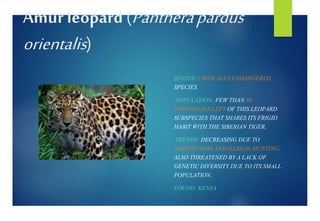
Amur leopard (Pantherapardus
orientalis)
STATUS: CRITICALLY ENDANGERED
SPECIES.
POPULATION: FEW THAN 40
INDIVIDUALS LEFT OF THIS LEOPARD
SUBSPECIES THAT SHARES ITS FRIGID
HABIT WITH THE SIBERIAN TIGER.
TRENDS: DECREASING DUE TO
HABITAT LOSS AND ILLEGAL HUNTING.
ALSO THREATENED BY A LACK OF
GENETIC DIVERSITY DUE TO ITS SMALL
POPULATION.
FOUND: KENYA
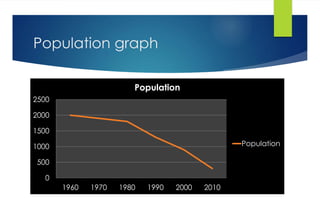
Population graph
0
500
1000
1500
2000
2500
1960 1970 1980 1990 2000 2010
Population
Population
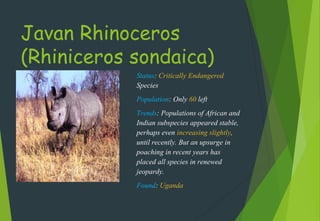
Javan Rhinoceros
(Rhiniceros sondaica)
Status: Critically Endangered
Species
Population: Only 60 left
Trends: Populations of African and
Indian subspecies appeared stable,
perhaps even increasing slightly,
until recently. But an upsurge in
poaching in recent years has
placed all species in renewed
jeopardy.
Found: Uganda
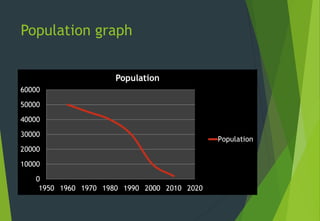
Population graph
0
10000
20000
30000
40000
50000
60000
1950 1960 1970 1980 1990 2000 2010 2020
Population
Population
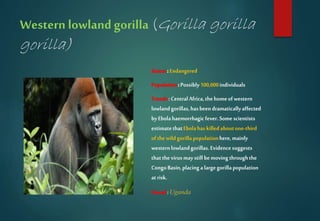
Western lowland gorilla (Gorilla gorilla
gorilla)
Status:Endangered
Population:Possibly100,000individuals
Trends:CentralAfrica,thehomeofwestern
lowlandgorillas,hasbeendramaticallyaffected
byEbolahaemorrhagicfever.Somescientists
estimatethatEbolahaskilledaboutone-third
ofthewildgorillapopulationhere,mainly
westernlowlandgorillas.Evidencesuggests
thatthevirusmaystillbemovingthroughthe
CongoBasin,placingalargegorillapopulation
atrisk.
Found:Uganda
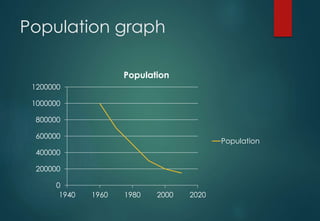
Population graph
0
200000
400000
600000
800000
1000000
1200000
1940 1960 1980 2000 2020
Population
Population
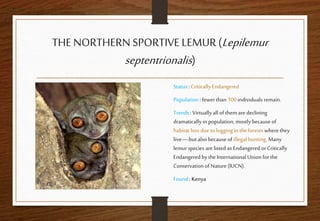
THENORTHERN SPORTIVE LEMUR(Lepilemur
septentrionalis)
Status : Critically Endangered
Population : fewer than 100individuals remain.
Trends : Virtuallyall of them aredeclining
dramatically in population, mostly because of
habitat loss due to logging in the forests wherethey
live—but also because of illegal hunting.Many
lemurspecies are listed as Endangered or Critically
Endangeredbythe InternationalUnionfor the
Conservation of Nature(IUCN).
Found : Kenya
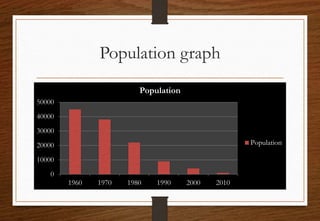
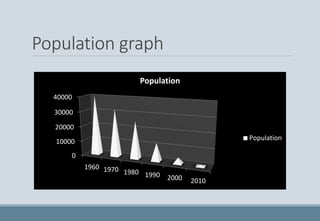
Population graph
0
10000
20000
30000
40000
50000
1960 1970 1980 1990 2000 2010
Population
Population
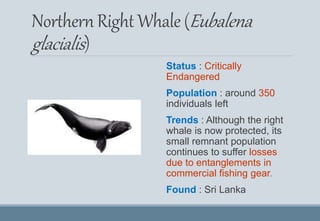
NorthernRight Whale (Eubalena
glacialis)
Status : Critically
Endangered
Population : around 350
individuals left
Trends : Although the right
whale is now protected, its
small remnant population
continues to suffer losses
due to entanglements in
commercial fishing gear.
Found : Sri Lanka
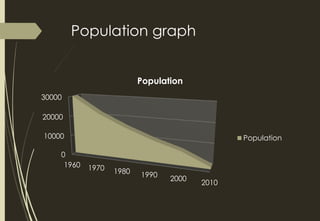
Population graph
0
10000
20000
30000
40000
1960 1970 1980 1990 2000 2010
Population
Population
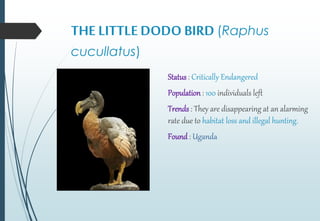
THE LITTLEDODO BIRD (Raphus
cucullatus)
Status : Critically Endangered
Population : 100 individuals left
Trends : They are disappearing at an alarming
rate due to habitat loss and illegal hunting.
Found : Uganda
Population graph
0
10000
20000
30000
1960 1970 1980 1990
2000
2010
Population
Population
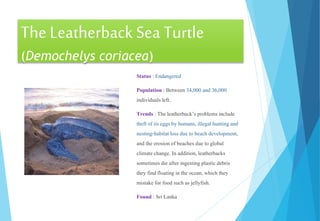
The Leatherback Sea Turtle
(Demochelys coriacea)
Status : Endangered
Population : Between34,000 and 36,000
individuals left.
Trends : The leatherback’sproblems include
theft of its eggs by humans, illegalhunting and
nesting-habitatloss due to beach development,
and the erosion of beaches due to global
climatechange. In addition, leatherbacks
sometimesdie after ingesting plasticdebris
they find floatingin the ocean, which they
mistake for food such as jellyfish.
Found : Sri Lanka
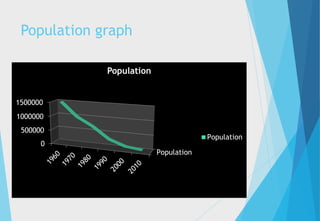
Population graph
Population
0
500000
1000000
1500000
Population
Population
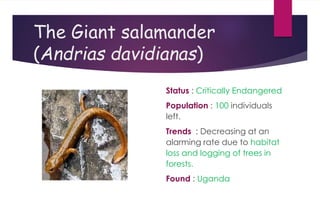
The Giant salamander
(Andrias davidianas)
Status : Critically Endangered
Population : 100 individuals
left.
Trends : Decreasing at an
alarming rate due to habitat
loss and logging of trees in
forests.
Found : Uganda
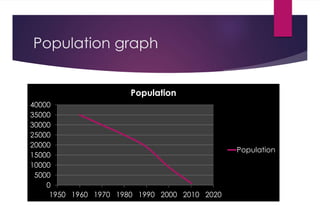
Population graph
0
5000
10000
15000
20000
25000
30000
35000
40000
1950 1960 1970 1980 1990 2000 2010 2020
Population
Population
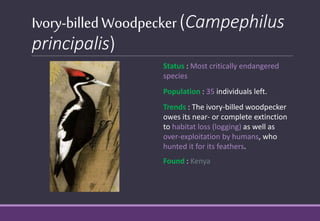
Ivory-billedWoodpecker(Campephilus
principalis)
Status : Most critically endangered
species
Population : 35 individuals left.
Trends : The ivory-billed woodpecker
owes its near- or complete extinction
to habitat loss (logging) as well as
over-exploitation by humans, who
hunted it for its feathers.
Found : Kenya
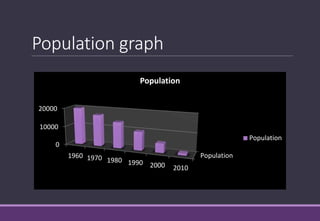
Population graph
Population
0
10000
20000
1960 1970 1980 1990 2000 2010
Population
Population
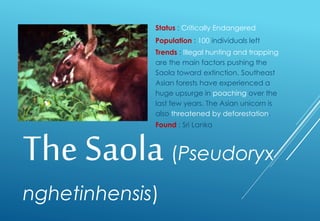
Status : Critically Endangered
Population : 100 individuals left
Trends : Illegal hunting and trapping
are the main factors pushing the
Saola toward extinction. Southeast
Asian forests have experienced a
huge upsurge in poaching over the
last few years. The Asian unicorn is
also threatened by deforestation.
Found : Sri Lanka
The Saola (Pseudoryx
nghetinhensis)
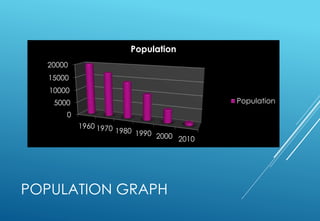
POPULATION GRAPH
0
5000
10000
15000
20000
1960 1970 1980 1990 2000 2010
Population
Population
Thank You

Endangered species

  • 1.
    “ ” Endangered Species Don't AccessorizeYourLife With Wildlife,but save them.
  • 2.
    SAVE ENDANGERED SPECIES Therecent, credible announcement that an international team of scientists is planning to create a baby mammoth through cloning has inspired much speculation about the possibility of using the cloning process to save endangered species. Unfortunately, cloning is not the answer to the earth’s problem of plummeting biodiversity. Not only will the process probably always be too expensive to create significant numbers of large wild animals, but the animals produced would end up being virtual carbon copies of one another, and therefore lacking in the genetic diversity necessary to sustain a population. As always, the way to conserve endangered species is to stop exploiting them, and to preserve their habitats.
  • 3.
     One ThirdOf All Amphibian Species Are In Danger Of Extinction.  Koalas Struggle To Survive As A Species.  Time Is Running Out For Tigers.  U.S. Fish & Wildlife Service: The Eastern Cougar Is Extinct.  Africa Loses A Wild Rhino A Day. HERE ARE SOME FACTS
  • 4.
    Amur leopard (Pantherapardus orientalis) STATUS:CRITICALLY ENDANGERED SPECIES. POPULATION: FEW THAN 40 INDIVIDUALS LEFT OF THIS LEOPARD SUBSPECIES THAT SHARES ITS FRIGID HABIT WITH THE SIBERIAN TIGER. TRENDS: DECREASING DUE TO HABITAT LOSS AND ILLEGAL HUNTING. ALSO THREATENED BY A LACK OF GENETIC DIVERSITY DUE TO ITS SMALL POPULATION. FOUND: KENYA
  • 5.
    Population graph 0 500 1000 1500 2000 2500 1960 19701980 1990 2000 2010 Population Population
  • 6.
    Javan Rhinoceros (Rhiniceros sondaica) Status:Critically Endangered Species Population: Only 60 left Trends: Populations of African and Indian subspecies appeared stable, perhaps even increasing slightly, until recently. But an upsurge in poaching in recent years has placed all species in renewed jeopardy. Found: Uganda
  • 7.
    Population graph 0 10000 20000 30000 40000 50000 60000 1950 19601970 1980 1990 2000 2010 2020 Population Population
  • 8.
    Western lowland gorilla(Gorilla gorilla gorilla) Status:Endangered Population:Possibly100,000individuals Trends:CentralAfrica,thehomeofwestern lowlandgorillas,hasbeendramaticallyaffected byEbolahaemorrhagicfever.Somescientists estimatethatEbolahaskilledaboutone-third ofthewildgorillapopulationhere,mainly westernlowlandgorillas.Evidencesuggests thatthevirusmaystillbemovingthroughthe CongoBasin,placingalargegorillapopulation atrisk. Found:Uganda
  • 9.
  • 10.
    THENORTHERN SPORTIVE LEMUR(Lepilemur septentrionalis) Status: Critically Endangered Population : fewer than 100individuals remain. Trends : Virtuallyall of them aredeclining dramatically in population, mostly because of habitat loss due to logging in the forests wherethey live—but also because of illegal hunting.Many lemurspecies are listed as Endangered or Critically Endangeredbythe InternationalUnionfor the Conservation of Nature(IUCN). Found : Kenya
  • 11.
    Population graph 0 10000 20000 30000 40000 50000 1960 19701980 1990 2000 2010 Population Population
  • 12.
    NorthernRight Whale (Eubalena glacialis) Status: Critically Endangered Population : around 350 individuals left Trends : Although the right whale is now protected, its small remnant population continues to suffer losses due to entanglements in commercial fishing gear. Found : Sri Lanka
  • 13.
    Population graph 0 10000 20000 30000 40000 1960 19701980 1990 2000 2010 Population Population
  • 14.
    THE LITTLEDODO BIRD(Raphus cucullatus) Status : Critically Endangered Population : 100 individuals left Trends : They are disappearing at an alarming rate due to habitat loss and illegal hunting. Found : Uganda
  • 15.
    Population graph 0 10000 20000 30000 1960 19701980 1990 2000 2010 Population Population
  • 16.
    The Leatherback SeaTurtle (Demochelys coriacea) Status : Endangered Population : Between34,000 and 36,000 individuals left. Trends : The leatherback’sproblems include theft of its eggs by humans, illegalhunting and nesting-habitatloss due to beach development, and the erosion of beaches due to global climatechange. In addition, leatherbacks sometimesdie after ingesting plasticdebris they find floatingin the ocean, which they mistake for food such as jellyfish. Found : Sri Lanka
  • 17.
  • 18.
    The Giant salamander (Andriasdavidianas) Status : Critically Endangered Population : 100 individuals left. Trends : Decreasing at an alarming rate due to habitat loss and logging of trees in forests. Found : Uganda
  • 19.
    Population graph 0 5000 10000 15000 20000 25000 30000 35000 40000 1950 19601970 1980 1990 2000 2010 2020 Population Population
  • 20.
    Ivory-billedWoodpecker(Campephilus principalis) Status : Mostcritically endangered species Population : 35 individuals left. Trends : The ivory-billed woodpecker owes its near- or complete extinction to habitat loss (logging) as well as over-exploitation by humans, who hunted it for its feathers. Found : Kenya
  • 21.
    Population graph Population 0 10000 20000 1960 19701980 1990 2000 2010 Population Population
  • 22.
    Status : CriticallyEndangered Population : 100 individuals left Trends : Illegal hunting and trapping are the main factors pushing the Saola toward extinction. Southeast Asian forests have experienced a huge upsurge in poaching over the last few years. The Asian unicorn is also threatened by deforestation. Found : Sri Lanka The Saola (Pseudoryx nghetinhensis)
  • 23.
    POPULATION GRAPH 0 5000 10000 15000 20000 1960 19701980 1990 2000 2010 Population Population
  • 24.