Caroline Lloyd 
Associate Director (Library & Research Services) 
caroline.lloyd@gold.ac.uk
UCL/IOE strategic partnership 
library initiatives
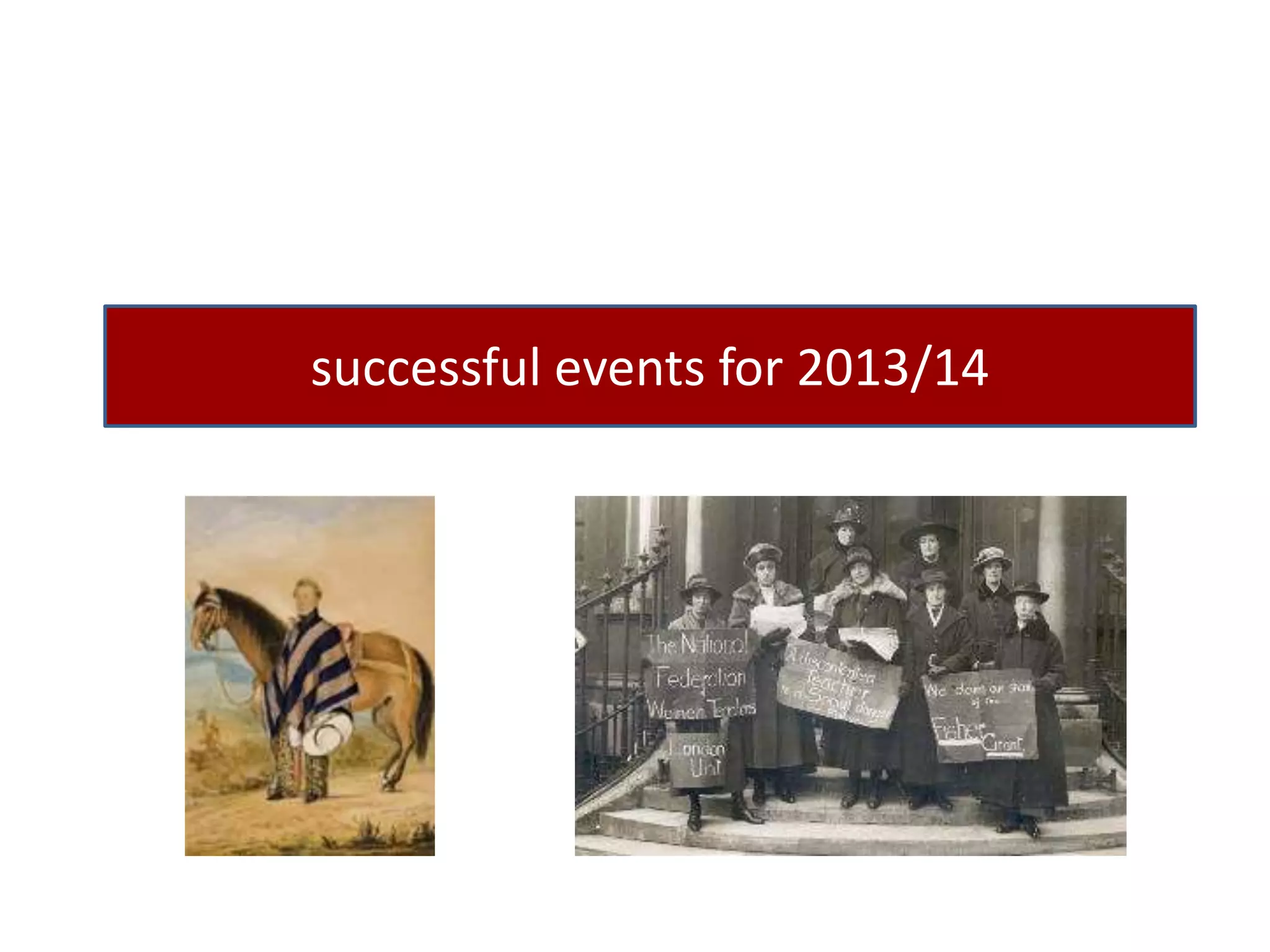
successful events for 2013/14
four quick wins 
• enhanced reciprocal access and borrowing scheme 
• IOE e-theses metadata on DART 
• digitisation studio developments 
• state of play with records management 
two consultancies 
• map social science collections in London 
– following Senate House Library’s intention to withdraw 
• explore joint external funding bids
five exchange of experience workshops 
• staff training and CPD 
• services to mobile devices 
• information literacy training 
• Open Access 
• user satisfaction
even more..... 
UCL events at IOE on research data management and 
Open Access 
attended each other’s Annual Development Days 
Seminar on spaces, places and practices: library 
ethnography led by US expert 
work shadowing scheme
exchange of experience workshops 2014/15
strategic planning 
senior teams completed this one 
research data management & big data 
e learning support 
school libraries and children’s literacy 
internationalisation 
with our International Offices 
university publishing 
with our institution’s Presses 
online student journey 
with our Registries etc. 
widening participation 
with our WP leads 
space 
with our Estates departments
Today’s workshop 
• E-learning support 
– What does it mean to you? 
– Why do libraries need to be involved? 
– How is it different from ‘traditional information 
literacy’? 
– What makes for a great e-learning experience? 
– What are the key relationships in creating such an 
experience? 
– Future trends
E-learning support 
• What does it mean to you? 
– Overview from UCL library staff 
– Overview from IoE library staff 
– Overview from Clare Brooks, Programme Director, 
MA in Education
E-learning support 
• What does it mean to you? 
• Why do libraries need to be involved? 
• How is it different from ‘traditional 
information literacy’?
E-learning support 
• What makes for a great e-learning experience? 
• What are the key relationships in creating such 
an experience?
E-learning support 
• Future trends 
– How are the needs of students changing? 
– How are the modes of delivery changing? 
– What might be the impact of social media be?
Today’s workshop 
• E-learning support 
– What does it mean to you? 
– Why do libraries need to be involved? 
– How is it different from ‘traditional information 
literacy’? 
– What makes for a great e-learning experience? 
– What are the key relationships in creating such an 
experience? 
– Future trends
Caroline Lloyd 
Associate Director (Library & Research Services) 
caroline.lloyd@gold.ac.uk

UCL & IoE Libraries e-learning 19/11/14

  • 1.
    Caroline Lloyd AssociateDirector (Library & Research Services) caroline.lloyd@gold.ac.uk
  • 2.
    UCL/IOE strategic partnership library initiatives
  • 3.
  • 4.
    four quick wins • enhanced reciprocal access and borrowing scheme • IOE e-theses metadata on DART • digitisation studio developments • state of play with records management two consultancies • map social science collections in London – following Senate House Library’s intention to withdraw • explore joint external funding bids
  • 5.
    five exchange ofexperience workshops • staff training and CPD • services to mobile devices • information literacy training • Open Access • user satisfaction
  • 6.
    even more..... UCLevents at IOE on research data management and Open Access attended each other’s Annual Development Days Seminar on spaces, places and practices: library ethnography led by US expert work shadowing scheme
  • 7.
    exchange of experienceworkshops 2014/15
  • 8.
    strategic planning seniorteams completed this one research data management & big data e learning support school libraries and children’s literacy internationalisation with our International Offices university publishing with our institution’s Presses online student journey with our Registries etc. widening participation with our WP leads space with our Estates departments
  • 9.
    Today’s workshop •E-learning support – What does it mean to you? – Why do libraries need to be involved? – How is it different from ‘traditional information literacy’? – What makes for a great e-learning experience? – What are the key relationships in creating such an experience? – Future trends
  • 10.
    E-learning support •What does it mean to you? – Overview from UCL library staff – Overview from IoE library staff – Overview from Clare Brooks, Programme Director, MA in Education
  • 11.
    E-learning support •What does it mean to you? • Why do libraries need to be involved? • How is it different from ‘traditional information literacy’?
  • 12.
    E-learning support •What makes for a great e-learning experience? • What are the key relationships in creating such an experience?
  • 13.
    E-learning support •Future trends – How are the needs of students changing? – How are the modes of delivery changing? – What might be the impact of social media be?
  • 14.
    Today’s workshop •E-learning support – What does it mean to you? – Why do libraries need to be involved? – How is it different from ‘traditional information literacy’? – What makes for a great e-learning experience? – What are the key relationships in creating such an experience? – Future trends
  • 15.
    Caroline Lloyd AssociateDirector (Library & Research Services) caroline.lloyd@gold.ac.uk

Editor's Notes

  • #12 What does it mean to you? [Are we supporting the users, the creators or both?] Enabling students to achieve Enabling Lib Services to reveal resources – increase efficiency Timeliness & flexibility The three ‘e’s’ Equity (social justice) Easilty accessible Enticing Not different from other learning support – not about technology Learners don’t know their own capabilities An opportunity (to engage) Why do libraries need to be involved? Excellent at networking/being champions Central service that can bring people together Libraries are info providers Libraries are changing as physical spaces They provide a structured approach e.g. to copyright Students can ‘own’ the library space – it is neutral – VLE ‘owned’ by teaching staff Through the ‘ownership’ students can choose to use library space in different ways How can this be replicated online? Libraries already collaborate to provide access BUT there are significant issues re reciprocal e-access Need to make it clear that scholarly info is different from website (i.e. that accessing scholarly info entails leaving the home website and moving to that of a provider) Lib staff are well placed to keep academics up to date re new resources, changes to access etc.. We do it so they don’t have to! How is different from ‘traditional info lit? Much broader than IL It’s about Library literacy (is presented as this in Claire Brooks online MA) Libraries need a better understanding of user behaviour How they use devices How to get them to transfer skills that they use everyday (students will say they don’t understand technology, yet run a smart phone and other mobile devices) Develop their ability for critical evaluation The ‘geography’ of a book is lost in the digital environment Lack of consistency between supplier causes confusion and is a barrier Formal (academic) and informal ways of accessing information – users need to understand differences
  • #13 What makes for a great e-learning experience 24/7 support for users Human contact - not necessarily with answer so long as can direct users / forward query UCL has a ‘baseline’ Includes Library Link & Reading List Applies to all Moodle modules Creators need understand what they want to provide and why Get student inout and feedback so that they are not stuck with something that doesn’t work Library needs to be embedded in curriculum design and review Key relationships Need senior mgt support Integrate library staff into curriculum design – can help raise awareness of resources Need evidence to demo impact of embedded library experience on results UCL Extend – MOOCS Aims to ensure strong linksbetween e-learning team and course development Is linked into senior mgrs Importance of day to day support for academics and students Other support services (no details!)
  • #14 Future trends Some stuff doesn’t change – the basic needs remain as: Organising Finding Managing Need to have staff on technology watch Will be fewer barriers to access Expectation that students will create more and move away from them as passive consumers UGs to develop research skills Opportunities presented by technology Expectations of students Social media 24/7 Students use to give feedback Info spreads quickly
  • #15 Conclusion Need an action list E-learning and library teams need to talk Consider a session run by e-learning team Merger presents vehicle to move the dialogue forward