EFQM
Excellence Model
With a special focus on its relation with ISO 9001:2015
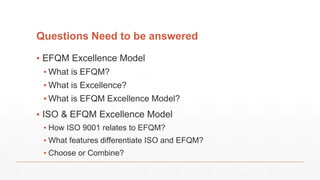
Questions Need to be answered
▪ EFQM Excellence Model
▪ What is EFQM?
▪ What is Excellence?
▪ What is EFQM Excellence Model?
▪ ISO & EFQM Excellence Model
▪ How ISO 9001 relates to EFQM?
▪ What features differentiate ISO and EFQM?
▪ Choose or Combine?
EFQM Excellence Model
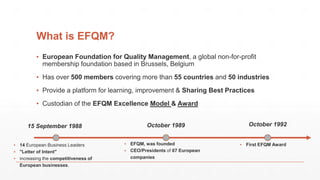
What is EFQM?
▪ European Foundation for Quality Management, a global non-for-profit
membership foundation based in Brussels, Belgium
▪ Has over 500 members covering more than 55 countries and 50 industries
▪ Provide a platform for learning, improvement & Sharing Best Practices
▪ Custodian of the EFQM Excellence Model & Award
15 September 1988
▪ 14 European Business Leaders
▪ "Letter of Intent"
▪ increasing the competitiveness of
European businesses.
October 1989
▪ EFQM, was founded
▪ CEO/Presidents of 67 European
companies
October 1992
▪ First EFQM Award
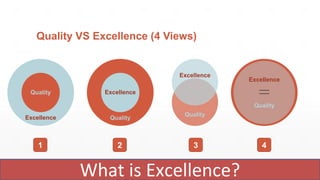
Quality VS Excellence (4 Views)
Excellence Quality
ExcellenceQuality
Quality
Excellence
Excellence
Quality
1 2 3 4
What is Excellence?
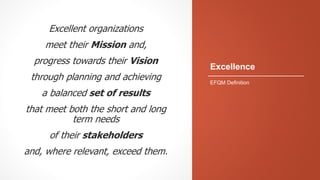
Excellence
Excellent organizations
meet their Mission and,
progress towards their Vision
through planning and achieving
a balanced set of results
that meet both the short and long
term needs
of their stakeholders
and, where relevant, exceed them.
EFQM Definition
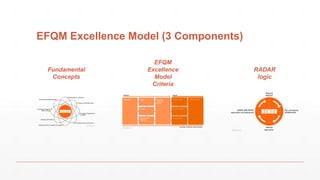
EFQM Excellence Model (3 Components)
Fundamental
Concepts
EFQM
Excellence
Model
Criteria
RADAR
logic
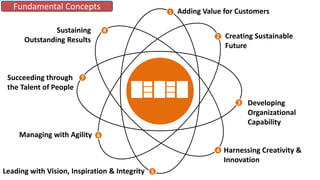
1
2
3
4
5
6
7
8
Adding Value for Customers
Creating Sustainable
Future
Developing
Organizational
Capability
Harnessing Creativity &
Innovation
Leading with Vision, Inspiration & Integrity
Managing with Agility
Succeeding through
the Talent of People
Sustaining
Outstanding Results
Fundamental Concepts
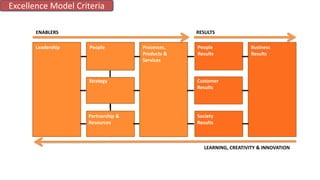
Leadership People
Strategy
Partnership &
Resources
Processes,
Products &
Services
People
Results
Customer
Results
Society
Results
Business
Results
ENABLERS RESULTS
LEARNING, CREATIVITY & INNOVATION
Excellence Model Criteria
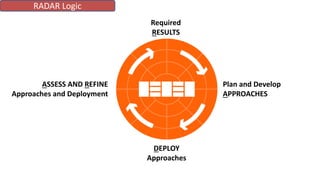
Required
RESULTS
Plan and Develop
APPROACHES
DEPLOY
Approaches
ASSESS AND REFINE
Approaches and Deployment
RADAR Logic
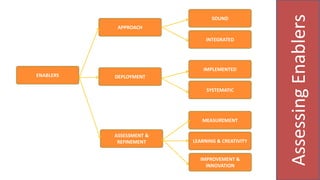
ENABLERS
APPROACH
SOUND
INTEGRATED
DEPLOYMENT
IMPLEMENTED
SYSTEMATIC
MEASUREMENT
LEARNING & CREATIVITY
ASSESSMENT &
REFINEMENT
IMPROVEMENT &
INNOVATION
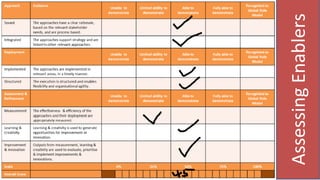
AssessingEnablers
AssessingEnablers
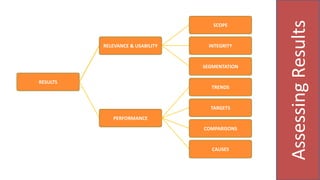
RESULTS
RELEVANCE & USABILITY
SCOPE
INTEGRITY
SEGMENTATION
PERFORMANCE
TRENDS
TARGETS
COMPARISONS
CAUSES
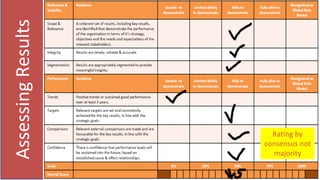
AssessingResults
AssessingResults
Rating by
consensus not
majority
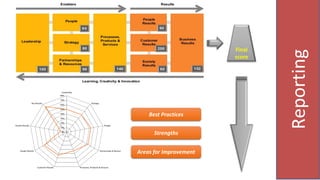
Best Practices
Areas for Improvement
Strengths
Reporting
Final
score
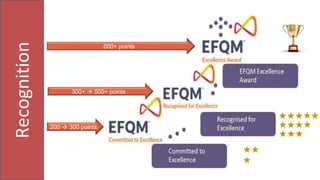
200  300 points
300+  500+ points
600+ points
Recognition
EFQM & ISO 9001
Have ISO addressed Excellence
previously?
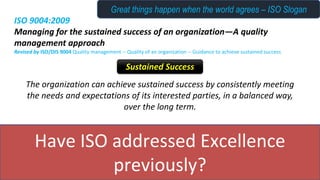
ISO 9004:2009
Managing for the sustained success of an organization—A quality
management approach
Revised by ISO/DIS 9004 Quality management -- Quality of an organization -- Guidance to achieve sustained success
The organization can achieve sustained success by consistently meeting
the needs and expectations of its interested parties, in a balanced way,
over the long term.
Sustained Success
Great things happen when the world agrees – ISO Slogan
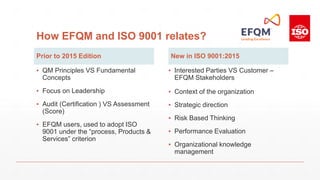
How EFQM and ISO 9001 relates?
Prior to 2015 Edition
▪ QM Principles VS Fundamental
Concepts
▪ Focus on Leadership
▪ Audit (Certification ) VS Assessment
(Score)
▪ EFQM users, used to adopt ISO
9001 under the “process, Products &
Services” criterion
▪ Interested Parties VS Customer –
EFQM Stakeholders
▪ Context of the organization
▪ Strategic direction
▪ Risk Based Thinking
▪ Performance Evaluation
▪ Organizational knowledge
management
New in ISO 9001:2015
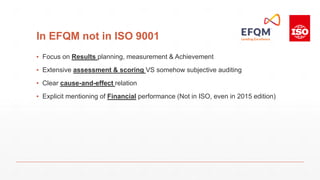
In EFQM not in ISO 9001
▪ Focus on Results planning, measurement & Achievement
▪ Extensive assessment & scoring VS somehow subjective auditing
▪ Clear cause-and-effect relation
▪ Explicit mentioning of Financial performance (Not in ISO, even in 2015 edition)
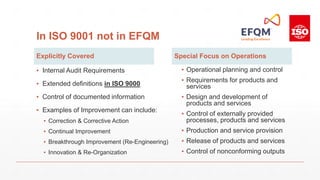
In ISO 9001 not in EFQM
Explicitly Covered
▪ Internal Audit Requirements
▪ Extended definitions in ISO 9000
▪ Control of documented information
▪ Examples of Improvement can include:
▪ Correction & Corrective Action
▪ Continual Improvement
▪ Breakthrough Improvement (Re-Engineering)
▪ Innovation & Re-Organization
Special Focus on Operations
▪ Operational planning and control
▪ Requirements for products and
services
▪ Design and development of
products and services
▪ Control of externally provided
processes, products and services
▪ Production and service provision
▪ Release of products and services
▪ Control of nonconforming outputs
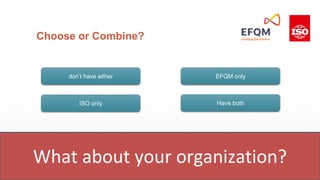
Choose or Combine?
What about your organization?
Have both
EFQM only
ISO only
don’t have either
Any Questions?
Thank You

EFQM & ISO 9001:2015

  • 1.
    EFQM Excellence Model With aspecial focus on its relation with ISO 9001:2015
  • 2.
    Questions Need tobe answered ▪ EFQM Excellence Model ▪ What is EFQM? ▪ What is Excellence? ▪ What is EFQM Excellence Model? ▪ ISO & EFQM Excellence Model ▪ How ISO 9001 relates to EFQM? ▪ What features differentiate ISO and EFQM? ▪ Choose or Combine?
  • 3.
  • 4.
    What is EFQM? ▪European Foundation for Quality Management, a global non-for-profit membership foundation based in Brussels, Belgium ▪ Has over 500 members covering more than 55 countries and 50 industries ▪ Provide a platform for learning, improvement & Sharing Best Practices ▪ Custodian of the EFQM Excellence Model & Award 15 September 1988 ▪ 14 European Business Leaders ▪ "Letter of Intent" ▪ increasing the competitiveness of European businesses. October 1989 ▪ EFQM, was founded ▪ CEO/Presidents of 67 European companies October 1992 ▪ First EFQM Award
  • 5.
    Quality VS Excellence(4 Views) Excellence Quality ExcellenceQuality Quality Excellence Excellence Quality 1 2 3 4 What is Excellence?
  • 6.
    Excellence Excellent organizations meet theirMission and, progress towards their Vision through planning and achieving a balanced set of results that meet both the short and long term needs of their stakeholders and, where relevant, exceed them. EFQM Definition
  • 7.
    EFQM Excellence Model(3 Components) Fundamental Concepts EFQM Excellence Model Criteria RADAR logic
  • 8.
    1 2 3 4 5 6 7 8 Adding Value forCustomers Creating Sustainable Future Developing Organizational Capability Harnessing Creativity & Innovation Leading with Vision, Inspiration & Integrity Managing with Agility Succeeding through the Talent of People Sustaining Outstanding Results Fundamental Concepts
  • 9.
    Leadership People Strategy Partnership & Resources Processes, Products& Services People Results Customer Results Society Results Business Results ENABLERS RESULTS LEARNING, CREATIVITY & INNOVATION Excellence Model Criteria
  • 10.
    Required RESULTS Plan and Develop APPROACHES DEPLOY Approaches ASSESSAND REFINE Approaches and Deployment RADAR Logic
  • 11.
  • 12.
  • 13.
  • 14.
  • 15.
    Best Practices Areas forImprovement Strengths Reporting Final score
  • 16.
    200  300points 300+  500+ points 600+ points Recognition
  • 17.
  • 18.
    Have ISO addressedExcellence previously? ISO 9004:2009 Managing for the sustained success of an organization—A quality management approach Revised by ISO/DIS 9004 Quality management -- Quality of an organization -- Guidance to achieve sustained success The organization can achieve sustained success by consistently meeting the needs and expectations of its interested parties, in a balanced way, over the long term. Sustained Success Great things happen when the world agrees – ISO Slogan
  • 19.
    How EFQM andISO 9001 relates? Prior to 2015 Edition ▪ QM Principles VS Fundamental Concepts ▪ Focus on Leadership ▪ Audit (Certification ) VS Assessment (Score) ▪ EFQM users, used to adopt ISO 9001 under the “process, Products & Services” criterion ▪ Interested Parties VS Customer – EFQM Stakeholders ▪ Context of the organization ▪ Strategic direction ▪ Risk Based Thinking ▪ Performance Evaluation ▪ Organizational knowledge management New in ISO 9001:2015
  • 20.
    In EFQM notin ISO 9001 ▪ Focus on Results planning, measurement & Achievement ▪ Extensive assessment & scoring VS somehow subjective auditing ▪ Clear cause-and-effect relation ▪ Explicit mentioning of Financial performance (Not in ISO, even in 2015 edition)
  • 21.
    In ISO 9001not in EFQM Explicitly Covered ▪ Internal Audit Requirements ▪ Extended definitions in ISO 9000 ▪ Control of documented information ▪ Examples of Improvement can include: ▪ Correction & Corrective Action ▪ Continual Improvement ▪ Breakthrough Improvement (Re-Engineering) ▪ Innovation & Re-Organization Special Focus on Operations ▪ Operational planning and control ▪ Requirements for products and services ▪ Design and development of products and services ▪ Control of externally provided processes, products and services ▪ Production and service provision ▪ Release of products and services ▪ Control of nonconforming outputs
  • 22.
    Choose or Combine? Whatabout your organization? Have both EFQM only ISO only don’t have either
  • 23.
  • 24.