How can we can help students discover
their interests if they claim they don’t
have any?
FOCUS FOR TODAY
HOW CAN WE EDUCATE TO ENSURE PROSPERITY?
1. Technology in learning and life
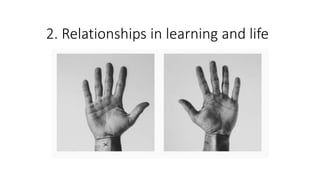
2. Relationships in learning and life
3. Preparing our students for life beyond school
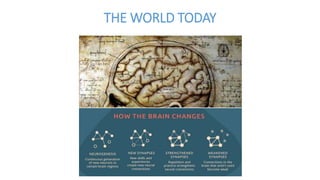
THE WORLD TODAY
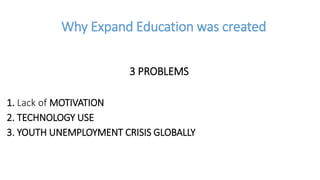
Why Expand Education was created
3 PROBLEMS
1. Lack of MOTIVATION
2. TECHNOLOGY USE
3. YOUTH UNEMPLOYMENT CRISIS GLOBALLY
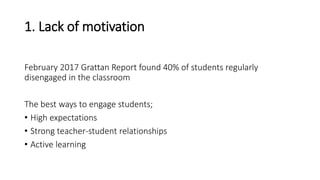
1. Lack of motivation
February 2017 Grattan Report found 40% of students regularly
disengaged in the classroom
The best ways to engage students;
• High expectations
• Strong teacher-student relationships
• Active learning
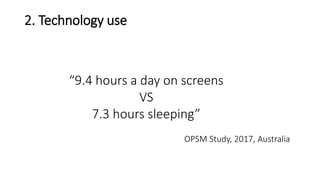
2. Technology use
“9.4 hours a day on screens
VS
7.3 hours sleeping”
OPSM Study, 2017, Australia
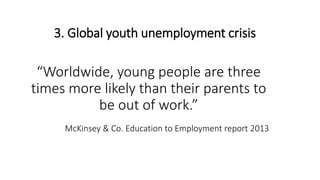
3. Global youth unemployment crisis
“Worldwide, young people are three
times more likely than their parents to
be out of work.”
McKinsey & Co. Education to Employment report 2013
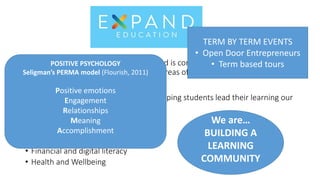
• Each of our students has a unique plan and is connected with one of our coaches

based on their interests, personality and areas of weakness in learning.
• In addition to academic excellence and helping students lead their learning our
curriculum focuses on;
• Developing purpose
• Social skills
• Community involvement
• Financial and digital literacy
• Health and Wellbeing
We are…
BUILDING A
LEARNING
COMMUNITY
POSITIVE PSYCHOLOGY
Seligman’s PERMA model (Flourish, 2011)
Positive emotions
Engagement
Relationships
Meaning
Accomplishment
TERM BY TERM EVENTS
• Open Door Entrepreneurs
• Term based tours
CURRICULUM & LEARNING MANAGEMENT
SYSTEM?
Our progress and future
FOCUS FOR TODAY
3 areas as educators, citizens and parents we need
to talk about more and differently
● Technology in learning and life
● Relationships in learning and life
● Preparing our students for life beyond school
1. Technology in learning and life
Technology in learning and life
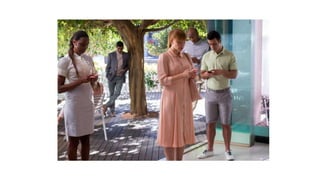
How can we find balance in a technology
driven world and ensure we benefit form the
best of technology and achieve a strong
quality of life away from screens?
Knowledge
“facts, information, and skills acquired through
experience or education; the theoretical or
practical understanding of a subject.”
Oxford Dictionary
Technology dependence?
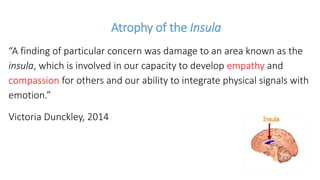
Atrophy of the Insula
“A finding of particular concern was damage to an area known as the
insula, which is involved in our capacity to develop empathy and
compassion for others and our ability to integrate physical signals with
emotion.”
Victoria Dunckley, 2014
Waldorf School of the Peninsula
– Silicon Valley
The Flynn Effect
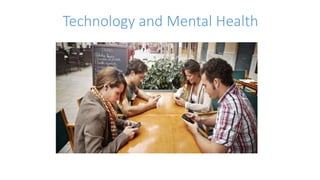
Technology and Mental Health
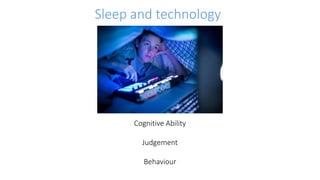
Sleep and technology
Cognitive Ability
Judgement
Behaviour
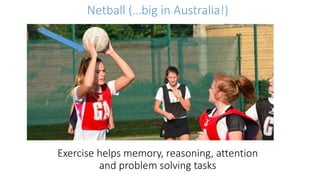
Netball (…big in Australia!)
Exercise helps memory, reasoning, attention
and problem solving tasks
What is our role as teachers when it comes to
technology dependence?
- Role model
- Role of parents/educating parents
- Early intervention
“ We have this explosion of information, but where is
the parallel explosion of wisdom?”
2. Relationships in learning and life
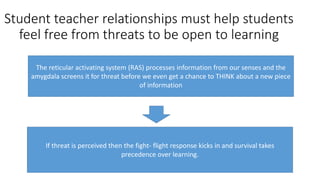
Student teacher relationships must help students
feel free from threats to be open to learning
The reticular activating system (RAS) processes information from our senses and the
amygdala screens it for threat before we even get a chance to THINK about a new piece
of information
If threat is perceived then the fight- flight response kicks in and survival takes
precedence over learning.
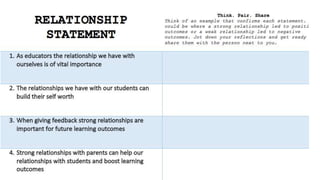
ACTIVITY
Relationships reflection
Think. Pair. Share
RELATIONSHIPS
Students who perceive their relationship with their
teacher as positive, warm and close are motivated to be
more engaged in school and to improve their academic
achievement
(Hughes, Cavell, & Jackson, 1999)
Frank McCourt - Teaching in 1958 NYC
“In the high school classroom you are a drill sergeant, a rabbi, a
shoulder to cry on, a disciplinarian, a singer, a low-level scholar,
a clerk, a referee, a clown, a counselor, a dress-code enforcer, a
conductor, an apologist, a philosopher, a collaborator, a tap
dancer, a politician, a therapist, a fool, a traffic cop, a priest, a
mother-father-brother-sister-uncle-aunt, a bookkeeper, a critic,
a psychologist, the last straw.”
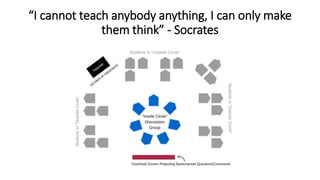
“I cannot teach anybody anything, I can only make
them think” - Socrates
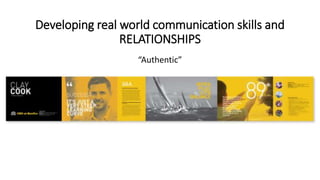
Developing real world communication skills and
RELATIONSHIPS
“Authentic”
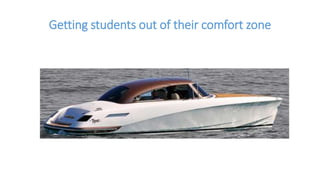
Getting students out of their comfort zone
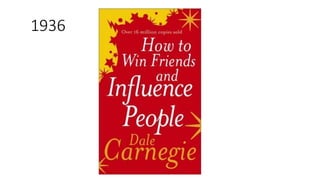
1936
3. DEVELOPING PURPOSE
How do we prepare our students for the
real world?
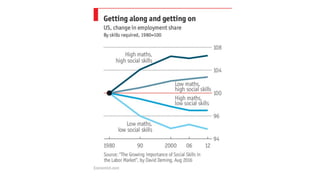
DISCUSSION: What is the most important skill that
our students will need in a 21st century workforce?
How can we help students identify their strengths,
interests and develop a sense of purpose?
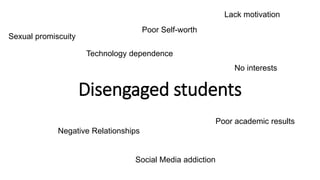
Disengaged students
Sexual promiscuity
Social Media addiction
Technology dependence
Negative Relationships
Lack motivation
Poor Self-worth
No interests
Poor academic results
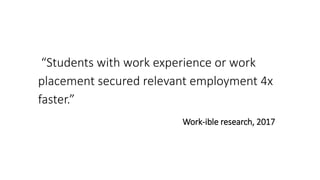
“Students with work experience or work
placement secured relevant employment 4x
faster.”
Work-ible research, 2017
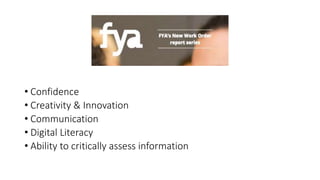
• Confidence
• Creativity & Innovation
• Communication
• Digital Literacy
• Ability to critically assess information
CONNECTED BUT
DISCONNECTED
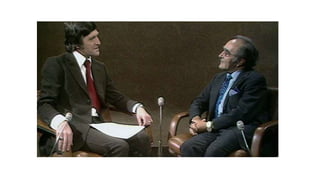
Dr Jacob Bronowski author of The Ascent of Man was convinced that
human beings take pleasure in work not in idleness. His idea of utopia
was…
“Where he or she does a job that they are good at,
they like doing, that gives them satisfaction, that is
my utopia.” 1974
Our goal is for all students to become confident, purposeful, thriving
members of society
For further information visit
www.expandeducation.com.au
www.expandwellbeing.com.au
Subscribe for articles tips on how to help our adolescents
QUESTIONS?
REFERENCES
• Foundation for Young Australians, New Work Order Series, 2016
• Grattan Institute, Engaging Students, creating classroom that improve learning,
2017
• McKinsey and Co, Education to Employment, Designing a System that works,
2013
• Australian Financial Review, Boarding’s bright future, May 2017
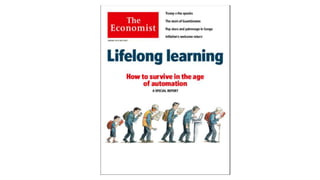
• The Economist, Lifelong Learning edition, January 2017
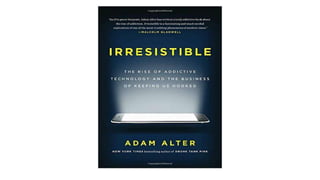
• Alder, Adam Irresistible, 2016
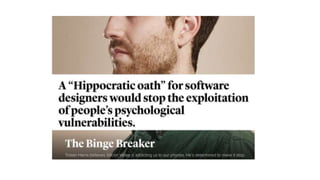
• The Atlantic, November 2016, The Binge Breaker, Tristan Harris believes Silicon
Valley is addicting us to our phones. He’s determined to make it stop
• International Journal of Sexual Health, March 2010, Emerging Adolescent
Sexuality: A Comparison of American and Dutch College Women’s Experiences
• Ives, E.A, iGeneration:The Social Cognitive Effects of Digital Technology on
Teenagers
• Brown, Brene, March 2012, TED Talk, Listening to Shame.
Educate for prosperity Boston slides

Educate for prosperity Boston slides

  • 1.
    How can wecan help students discover their interests if they claim they don’t have any?
  • 2.
    FOCUS FOR TODAY HOWCAN WE EDUCATE TO ENSURE PROSPERITY? 1. Technology in learning and life 2. Relationships in learning and life 3. Preparing our students for life beyond school
  • 5.
  • 9.
    Why Expand Educationwas created 3 PROBLEMS 1. Lack of MOTIVATION 2. TECHNOLOGY USE 3. YOUTH UNEMPLOYMENT CRISIS GLOBALLY
  • 10.
    1. Lack ofmotivation February 2017 Grattan Report found 40% of students regularly disengaged in the classroom The best ways to engage students; • High expectations • Strong teacher-student relationships • Active learning
  • 11.
    2. Technology use “9.4hours a day on screens VS 7.3 hours sleeping” OPSM Study, 2017, Australia
  • 12.
    3. Global youthunemployment crisis “Worldwide, young people are three times more likely than their parents to be out of work.” McKinsey & Co. Education to Employment report 2013
  • 13.
    • Each ofour students has a unique plan and is connected with one of our coaches based on their interests, personality and areas of weakness in learning. • In addition to academic excellence and helping students lead their learning our curriculum focuses on; • Developing purpose • Social skills • Community involvement • Financial and digital literacy • Health and Wellbeing We are… BUILDING A LEARNING COMMUNITY POSITIVE PSYCHOLOGY Seligman’s PERMA model (Flourish, 2011) Positive emotions Engagement Relationships Meaning Accomplishment TERM BY TERM EVENTS • Open Door Entrepreneurs • Term based tours
  • 14.
    CURRICULUM & LEARNINGMANAGEMENT SYSTEM?
  • 15.
  • 16.
    FOCUS FOR TODAY 3areas as educators, citizens and parents we need to talk about more and differently ● Technology in learning and life ● Relationships in learning and life ● Preparing our students for life beyond school
  • 19.
    1. Technology inlearning and life
  • 20.
    Technology in learningand life How can we find balance in a technology driven world and ensure we benefit form the best of technology and achieve a strong quality of life away from screens?
  • 22.
    Knowledge “facts, information, andskills acquired through experience or education; the theoretical or practical understanding of a subject.” Oxford Dictionary
  • 23.
  • 24.
    Atrophy of theInsula “A finding of particular concern was damage to an area known as the insula, which is involved in our capacity to develop empathy and compassion for others and our ability to integrate physical signals with emotion.” Victoria Dunckley, 2014
  • 27.
    Waldorf School ofthe Peninsula – Silicon Valley
  • 29.
  • 31.
  • 32.
    Sleep and technology CognitiveAbility Judgement Behaviour
  • 33.
    Netball (…big inAustralia!) Exercise helps memory, reasoning, attention and problem solving tasks
  • 34.
    What is ourrole as teachers when it comes to technology dependence? - Role model - Role of parents/educating parents - Early intervention
  • 37.
    “ We havethis explosion of information, but where is the parallel explosion of wisdom?”
  • 38.
    2. Relationships inlearning and life
  • 39.
    Student teacher relationshipsmust help students feel free from threats to be open to learning The reticular activating system (RAS) processes information from our senses and the amygdala screens it for threat before we even get a chance to THINK about a new piece of information If threat is perceived then the fight- flight response kicks in and survival takes precedence over learning.
  • 40.
  • 42.
    RELATIONSHIPS Students who perceivetheir relationship with their teacher as positive, warm and close are motivated to be more engaged in school and to improve their academic achievement (Hughes, Cavell, & Jackson, 1999)
  • 44.
    Frank McCourt -Teaching in 1958 NYC “In the high school classroom you are a drill sergeant, a rabbi, a shoulder to cry on, a disciplinarian, a singer, a low-level scholar, a clerk, a referee, a clown, a counselor, a dress-code enforcer, a conductor, an apologist, a philosopher, a collaborator, a tap dancer, a politician, a therapist, a fool, a traffic cop, a priest, a mother-father-brother-sister-uncle-aunt, a bookkeeper, a critic, a psychologist, the last straw.”
  • 45.
    “I cannot teachanybody anything, I can only make them think” - Socrates
  • 46.
    Developing real worldcommunication skills and RELATIONSHIPS “Authentic”
  • 50.
    Getting students outof their comfort zone
  • 51.
  • 53.
    3. DEVELOPING PURPOSE Howdo we prepare our students for the real world?
  • 54.
    DISCUSSION: What isthe most important skill that our students will need in a 21st century workforce?
  • 57.
    How can wehelp students identify their strengths, interests and develop a sense of purpose?
  • 58.
    Disengaged students Sexual promiscuity SocialMedia addiction Technology dependence Negative Relationships Lack motivation Poor Self-worth No interests Poor academic results
  • 59.
    “Students with workexperience or work placement secured relevant employment 4x faster.” Work-ible research, 2017
  • 61.
    • Confidence • Creativity& Innovation • Communication • Digital Literacy • Ability to critically assess information
  • 62.
  • 64.
    Dr Jacob Bronowskiauthor of The Ascent of Man was convinced that human beings take pleasure in work not in idleness. His idea of utopia was… “Where he or she does a job that they are good at, they like doing, that gives them satisfaction, that is my utopia.” 1974
  • 65.
    Our goal isfor all students to become confident, purposeful, thriving members of society For further information visit www.expandeducation.com.au www.expandwellbeing.com.au Subscribe for articles tips on how to help our adolescents
  • 66.
  • 67.
    REFERENCES • Foundation forYoung Australians, New Work Order Series, 2016 • Grattan Institute, Engaging Students, creating classroom that improve learning, 2017 • McKinsey and Co, Education to Employment, Designing a System that works, 2013 • Australian Financial Review, Boarding’s bright future, May 2017 • The Economist, Lifelong Learning edition, January 2017 • Alder, Adam Irresistible, 2016 • The Atlantic, November 2016, The Binge Breaker, Tristan Harris believes Silicon Valley is addicting us to our phones. He’s determined to make it stop • International Journal of Sexual Health, March 2010, Emerging Adolescent Sexuality: A Comparison of American and Dutch College Women’s Experiences • Ives, E.A, iGeneration:The Social Cognitive Effects of Digital Technology on Teenagers • Brown, Brene, March 2012, TED Talk, Listening to Shame.